


6300 Résultats
Classification:
livres
livres

Actions:
Prix:
$26.95
(disponible sur commande)
Résumé:
Matsutake is the most valuable mushroom in the world—and a weed that grows in human-disturbed forests across the northern hemisphere. Through its ability to nurture trees, matsutake helps forests to grow in daunting places. It is also an edible delicacy in Japan, where it sometimes commands astronomical prices. In all its contradictions, matsutake offers insights into(...)
$26.95
(disponible sur commande)
Résumé:
Matsutake is the most valuable mushroom in the world—and a weed that grows in human-disturbed forests across the northern hemisphere. Through its ability to nurture trees, matsutake helps forests to grow in daunting places. It is also an edible delicacy in Japan, where it sometimes commands astronomical prices. In all its contradictions, matsutake offers insights into(...)
Publication:
septembre 2017
septembre 2017
Titre:
The mushroom at the end of the world: on the possiblity of life in capitalist ruins
Actions:
Prix:
$26.95
(disponible sur commande)
Résumé:
Matsutake is the most valuable mushroom in the world—and a weed that grows in human-disturbed forests across the northern hemisphere. Through its ability to nurture trees, matsutake helps forests to grow in daunting places. It is also an edible delicacy in Japan, where it sometimes commands astronomical prices. In all its contradictions, matsutake offers insights into areas far beyond just mushrooms and addresses a crucial question: what manages to live in the ruins we have made? A tale of diversity within our damaged landscapes, "The mushroom at the end of the world" follows one of the strangest commodity chains of our times to explore the unexpected corners of capitalism. Here, we witness the varied and peculiar worlds of matsutake commerce: the worlds of Japanese gourmets, capitalist traders, Hmong jungle fighters, industrial forests, Yi Chinese goat herders, Finnish nature guides, and more. These companions also lead us into fungal ecologies and forest histories to better understand the promise of cohabitation in a time of massive human destruction. By investigating one of the world's most sought-after fungi, The Mushroom at the End of the World presents an original examination into the relation between capitalist destruction and collaborative survival within multispecies landscapes, the prerequisite for continuing life on earth.
The mushroom at the end of the world: on the possiblity of life in capitalist ruins
Actions:
Prix:
$26.95
(disponible sur commande)
Résumé:
Matsutake is the most valuable mushroom in the world—and a weed that grows in human-disturbed forests across the northern hemisphere. Through its ability to nurture trees, matsutake helps forests to grow in daunting places. It is also an edible delicacy in Japan, where it sometimes commands astronomical prices. In all its contradictions, matsutake offers insights into areas far beyond just mushrooms and addresses a crucial question: what manages to live in the ruins we have made? A tale of diversity within our damaged landscapes, "The mushroom at the end of the world" follows one of the strangest commodity chains of our times to explore the unexpected corners of capitalism. Here, we witness the varied and peculiar worlds of matsutake commerce: the worlds of Japanese gourmets, capitalist traders, Hmong jungle fighters, industrial forests, Yi Chinese goat herders, Finnish nature guides, and more. These companions also lead us into fungal ecologies and forest histories to better understand the promise of cohabitation in a time of massive human destruction. By investigating one of the world's most sought-after fungi, The Mushroom at the End of the World presents an original examination into the relation between capitalist destruction and collaborative survival within multispecies landscapes, the prerequisite for continuing life on earth.
Classification:
livres
livres
Publication:
septembre 2017
septembre 2017
Classification:
livres
livres
Actions:
Prix:
$26.95
(disponible en magasin)
Résumé:
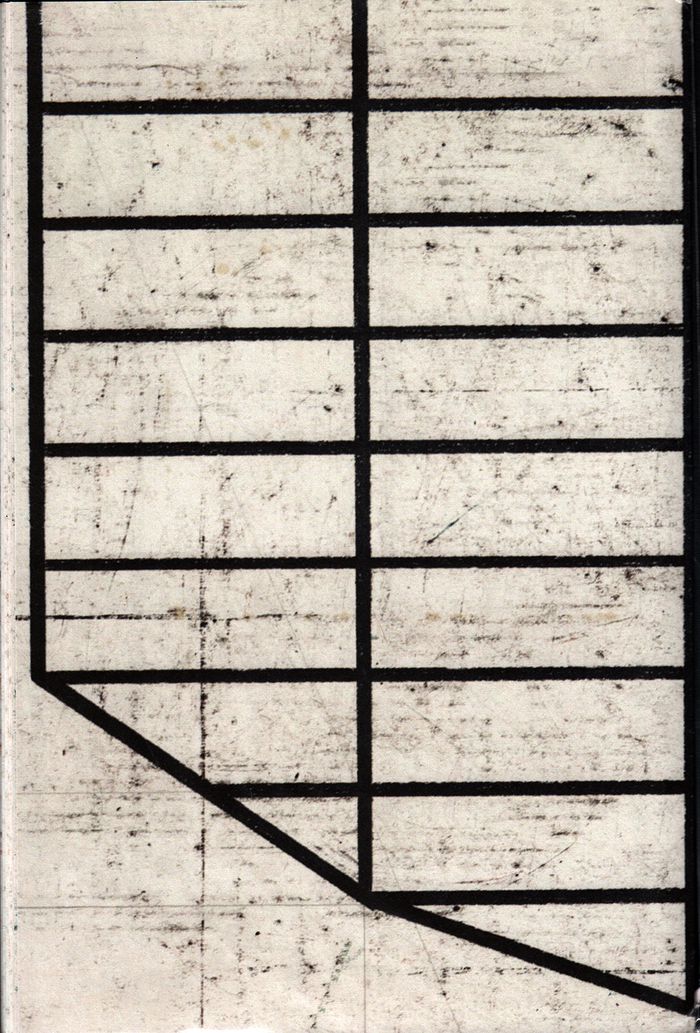
Following Greenhouse Studies, Philippe Weisbecker's attention was drawn to other architectural structures, the ones visible on the outer walls of early 20th century industrial buildings. They are made of steel or concrete beams assembled together and holding an apparatus of bricks and mortar. Even though these structures may appear very similar for their overall shape,(...)
$26.95
(disponible en magasin)
Résumé:
Following Greenhouse Studies, Philippe Weisbecker's attention was drawn to other architectural structures, the ones visible on the outer walls of early 20th century industrial buildings. They are made of steel or concrete beams assembled together and holding an apparatus of bricks and mortar. Even though these structures may appear very similar for their overall shape,(...)
Titre:
Philippe Weisbecker: Structure series
Actions:
Prix:
$26.95
(disponible en magasin)
Résumé:
Following Greenhouse Studies, Philippe Weisbecker's attention was drawn to other architectural structures, the ones visible on the outer walls of early 20th century industrial buildings. They are made of steel or concrete beams assembled together and holding an apparatus of bricks and mortar. Even though these structures may appear very similar for their overall shape, they differ greatly in order to ensure the weight distribution necessary to the stability of the edifice. The present portfolio is a sampler of some various structural beam combinations. It can be viewed as a book, spread by spread, or pinned on the wall, according to taste, the way a kid might stack up building blocks. Born in 1942, Weisbecker studied interior design in Paris. By 1968 he moved to New York. First working as a draftsman in an architectural firm, he started a career as an illustrator at the age of 30. His work has been published in major american publications such as the New York Times, Time magazine and The New Yorker among others. In the late 90's he shifted gradually from commissioned work to his own original production which he is now showing in galeries worldwide. Moving back to France in 2006, he is now sharing his time between Paris and Barcelona.
Philippe Weisbecker: Structure series
Actions:
Prix:
$26.95
(disponible en magasin)
Résumé:
Following Greenhouse Studies, Philippe Weisbecker's attention was drawn to other architectural structures, the ones visible on the outer walls of early 20th century industrial buildings. They are made of steel or concrete beams assembled together and holding an apparatus of bricks and mortar. Even though these structures may appear very similar for their overall shape, they differ greatly in order to ensure the weight distribution necessary to the stability of the edifice. The present portfolio is a sampler of some various structural beam combinations. It can be viewed as a book, spread by spread, or pinned on the wall, according to taste, the way a kid might stack up building blocks. Born in 1942, Weisbecker studied interior design in Paris. By 1968 he moved to New York. First working as a draftsman in an architectural firm, he started a career as an illustrator at the age of 30. His work has been published in major american publications such as the New York Times, Time magazine and The New Yorker among others. In the late 90's he shifted gradually from commissioned work to his own original production which he is now showing in galeries worldwide. Moving back to France in 2006, he is now sharing his time between Paris and Barcelona.
Classification:
livres
livres
Publication:
août 2015
août 2015
Classification:
livres
livres
Actions:
Prix:
$17.95
(disponible sur commande)
Résumé:
This ambitious book describes the many ways in which invention affects the environment (here defined broadly to include all forms of interaction between humans and nature). The book starts with nature itself and then leads readers to examine the built environment and then specific technologies in areas such as public health and energy. Each part focuses on a single(...)
$17.95
(disponible sur commande)
Résumé:
This ambitious book describes the many ways in which invention affects the environment (here defined broadly to include all forms of interaction between humans and nature). The book starts with nature itself and then leads readers to examine the built environment and then specific technologies in areas such as public health and energy. Each part focuses on a single(...)
Sujet:
Théorie de l’urbanisme
Théorie de l’urbanisme
Publication:
septembre 2008, Cambridge, London, Washinton
septembre 2008, Cambridge, London, Washinton
Titre:
Inventing for the environment
Actions:
Prix:
$17.95
(disponible sur commande)
Résumé:
This ambitious book describes the many ways in which invention affects the environment (here defined broadly to include all forms of interaction between humans and nature). The book starts with nature itself and then leads readers to examine the built environment and then specific technologies in areas such as public health and energy. Each part focuses on a single environmental issue. Topics range widely, from the role of innovation in urban landscapes to the relationship among technological innovation, public health, and the environment. Each part features an essay by a historian, an essay by a practitioner, and a "portrait of innovation" describing an individual whose work has made a difference. The mixture of historians and practitioners is critical because statements about the environment inevitably measure present and future conditions against those of the past. Early in the industrial revolution, smoke stacks were symbols of prosperity; at its end they were regarded as signs of pollution. Historical examples can also lead to the rediscovery of an old technology, as in the revival of straw bale construction. As it explores the history of invention for the environment, the book suggests many new ways to put the past to use for the common good.
Inventing for the environment
Actions:
Prix:
$17.95
(disponible sur commande)
Résumé:
This ambitious book describes the many ways in which invention affects the environment (here defined broadly to include all forms of interaction between humans and nature). The book starts with nature itself and then leads readers to examine the built environment and then specific technologies in areas such as public health and energy. Each part focuses on a single environmental issue. Topics range widely, from the role of innovation in urban landscapes to the relationship among technological innovation, public health, and the environment. Each part features an essay by a historian, an essay by a practitioner, and a "portrait of innovation" describing an individual whose work has made a difference. The mixture of historians and practitioners is critical because statements about the environment inevitably measure present and future conditions against those of the past. Early in the industrial revolution, smoke stacks were symbols of prosperity; at its end they were regarded as signs of pollution. Historical examples can also lead to the rediscovery of an old technology, as in the revival of straw bale construction. As it explores the history of invention for the environment, the book suggests many new ways to put the past to use for the common good.
Classification:
livres
livres
Publication:
septembre 2008, Cambridge, London, Washinton
septembre 2008, Cambridge, London, Washinton
Sujet:
Théorie de l’urbanisme
Théorie de l’urbanisme
Classification:
livres
livres
Titre:
Magasin 1986-2006
Magasin 1986-2006
Actions:
Prix:
$78.00
(disponible sur commande)
Résumé:
L'ouvrage réunit une documentation exhaustive sur la programmation des trois directeurs successifs du centre d'art contemporain Le Magasin, avec la participation des interventions de V.Acconci, R. Barry, J. Beuys, S. Fleury, L. Gillick & P. Parreno, M. Kelley, S. Lewitt, R. Prince, J. Shaw, X. Veilhan, ... Recapitulative publication about Le Magasin, Centre National(...)
$78.00
(disponible sur commande)
Résumé:
L'ouvrage réunit une documentation exhaustive sur la programmation des trois directeurs successifs du centre d'art contemporain Le Magasin, avec la participation des interventions de V.Acconci, R. Barry, J. Beuys, S. Fleury, L. Gillick & P. Parreno, M. Kelley, S. Lewitt, R. Prince, J. Shaw, X. Veilhan, ... Recapitulative publication about Le Magasin, Centre National(...)
Publication:
avril 2006, Zürich / Grenoble
avril 2006, Zürich / Grenoble
Titre:
Magasin 1986-2006
Actions:
Prix:
$78.00
(disponible sur commande)
Résumé:
L'ouvrage réunit une documentation exhaustive sur la programmation des trois directeurs successifs du centre d'art contemporain Le Magasin, avec la participation des interventions de V.Acconci, R. Barry, J. Beuys, S. Fleury, L. Gillick & P. Parreno, M. Kelley, S. Lewitt, R. Prince, J. Shaw, X. Veilhan, ... Recapitulative publication about Le Magasin, Centre National d’Art Contemporain de Grenoble. Considered, since its opening in 1986, a model rehabilitation of an abandoned industrial site for contemporary art, Le Magasin of Grenoble is emerging from a period of renovation. For its reopening, the center wished to publish an assessment of its activity. The book reunites exhaustive documentation on the programming of the three successive directors, and chose to highlight certain projects, for the most part never published, of artists such as Vito Acconci, John Baldessari, Robert Barry, Joseph Beuys, Alighiero Boetti, Monica Bonvicini, Daniel Buren, Chen Zhen, Sylvie Fleury, Liam Gillick & Philippe Parreno, Jack Goldstein, Dominique Gonzalez-Foerster, the GRAV, Jim Isermann, Ilya Kabakov, Mike Kelley, Barbara Kruger, Sol LeWitt, Richard Long, Matt Mullican, Richard Prince, Thomas Ruff, Allen Ruppersberg, Jim Shaw, Philippe Thomas, Xavier Veilhan, Lawrence Weiner, etc. Auteurs / authors : Paul Ardenne, Lionel Bovier, Laura Cottingham, Paul McCarthy, Stéphanie Moisdon Trembley, Frank Perrin, Eric Troncy.
Magasin 1986-2006
Actions:
Prix:
$78.00
(disponible sur commande)
Résumé:
L'ouvrage réunit une documentation exhaustive sur la programmation des trois directeurs successifs du centre d'art contemporain Le Magasin, avec la participation des interventions de V.Acconci, R. Barry, J. Beuys, S. Fleury, L. Gillick & P. Parreno, M. Kelley, S. Lewitt, R. Prince, J. Shaw, X. Veilhan, ... Recapitulative publication about Le Magasin, Centre National d’Art Contemporain de Grenoble. Considered, since its opening in 1986, a model rehabilitation of an abandoned industrial site for contemporary art, Le Magasin of Grenoble is emerging from a period of renovation. For its reopening, the center wished to publish an assessment of its activity. The book reunites exhaustive documentation on the programming of the three successive directors, and chose to highlight certain projects, for the most part never published, of artists such as Vito Acconci, John Baldessari, Robert Barry, Joseph Beuys, Alighiero Boetti, Monica Bonvicini, Daniel Buren, Chen Zhen, Sylvie Fleury, Liam Gillick & Philippe Parreno, Jack Goldstein, Dominique Gonzalez-Foerster, the GRAV, Jim Isermann, Ilya Kabakov, Mike Kelley, Barbara Kruger, Sol LeWitt, Richard Long, Matt Mullican, Richard Prince, Thomas Ruff, Allen Ruppersberg, Jim Shaw, Philippe Thomas, Xavier Veilhan, Lawrence Weiner, etc. Auteurs / authors : Paul Ardenne, Lionel Bovier, Laura Cottingham, Paul McCarthy, Stéphanie Moisdon Trembley, Frank Perrin, Eric Troncy.
Classification:
livres
livres
Publication:
avril 2006, Zürich / Grenoble
avril 2006, Zürich / Grenoble
Classification:
livres
livres

Actions:
Prix:
$93.95
(disponible en magasin)
Résumé:
Bernd and Hilla Becher's photography can be considered conceptual art, typological study, and topological documentation. Their work can be linked to the Neue Sachlichkeit movement of the 1920s and to such masters of German photography as Karl Blossfeldt, August Sander, and Albert Renger-Patzsch. Their photographs documenting the architecture of industrial structures,(...)
$93.95
(disponible en magasin)
Résumé:
Bernd and Hilla Becher's photography can be considered conceptual art, typological study, and topological documentation. Their work can be linked to the Neue Sachlichkeit movement of the 1920s and to such masters of German photography as Karl Blossfeldt, August Sander, and Albert Renger-Patzsch. Their photographs documenting the architecture of industrial structures,(...)
Titre:
Bernd & Hilla Becher : cooling towers
Actions:
Prix:
$93.95
(disponible en magasin)
Résumé:
Bernd and Hilla Becher's photography can be considered conceptual art, typological study, and topological documentation. Their work can be linked to the Neue Sachlichkeit movement of the 1920s and to such masters of German photography as Karl Blossfeldt, August Sander, and Albert Renger-Patzsch. Their photographs documenting the architecture of industrial structures, taken over the course of forty years, make up the most important body of work to be found in independent objective photography. This volume adds cooling towers to a list of photographic projects that includes book-length studies of water towers, blast furnaces, gas tanks, mineheads, and frame houses. Since the end of the nineteenth century, cooling towers have formed a striking part of electricity and steel works. The first cooling towers were wood-clad structures at coal mines; more recent examples are the steel or concrete constructions seen at nuclear power stations. The simplicity of these forms and their hermetically sealed external skins create an impressive, monumental effect. The Bechers have been photographing cooling towers since the 1960s. This volume contains 236 photographs of cooling towers - in all their different shapes and structural forms - from Belgium, England, France, Germany, Holland, and the United States, and includes a short text by the Bechers.
Bernd & Hilla Becher : cooling towers
Actions:
Prix:
$93.95
(disponible en magasin)
Résumé:
Bernd and Hilla Becher's photography can be considered conceptual art, typological study, and topological documentation. Their work can be linked to the Neue Sachlichkeit movement of the 1920s and to such masters of German photography as Karl Blossfeldt, August Sander, and Albert Renger-Patzsch. Their photographs documenting the architecture of industrial structures, taken over the course of forty years, make up the most important body of work to be found in independent objective photography. This volume adds cooling towers to a list of photographic projects that includes book-length studies of water towers, blast furnaces, gas tanks, mineheads, and frame houses. Since the end of the nineteenth century, cooling towers have formed a striking part of electricity and steel works. The first cooling towers were wood-clad structures at coal mines; more recent examples are the steel or concrete constructions seen at nuclear power stations. The simplicity of these forms and their hermetically sealed external skins create an impressive, monumental effect. The Bechers have been photographing cooling towers since the 1960s. This volume contains 236 photographs of cooling towers - in all their different shapes and structural forms - from Belgium, England, France, Germany, Holland, and the United States, and includes a short text by the Bechers.
Classification:
livres
livres
Publication:
mars 2006, Cambridge,Mass.
mars 2006, Cambridge,Mass.
Sujet:
Monographies photo
Monographies photo
Classification:
livres
livres
Titre:
6,000 years of housing
6,000 years of housing
Actions:
Prix:
$54.00
(disponible sur commande)
Résumé:
Part architecture, part history, and part anthropology, this encyclopedic book limns the story of housing around the world from the pre-urban dwellings of nomadic, semi-nomadic, and sedentary agricultural societies to the present. Ancient urban dwellings were inward-looking, ranged around a courtyard. Until fairly recently, these dwelling types survived in indigenous(...)
$54.00
(disponible sur commande)
Résumé:
Part architecture, part history, and part anthropology, this encyclopedic book limns the story of housing around the world from the pre-urban dwellings of nomadic, semi-nomadic, and sedentary agricultural societies to the present. Ancient urban dwellings were inward-looking, ranged around a courtyard. Until fairly recently, these dwelling types survived in indigenous(...)
Titre:
6,000 years of housing
Actions:
Prix:
$54.00
(disponible sur commande)
Résumé:
Part architecture, part history, and part anthropology, this encyclopedic book limns the story of housing around the world from the pre-urban dwellings of nomadic, semi-nomadic, and sedentary agricultural societies to the present. Ancient urban dwellings were inward-looking, ranged around a courtyard. Until fairly recently, these dwelling types survived in indigenous urban house forms in the Islamic world, India, China, and the Iberian peninsula and Latin America. After the collapse of the Roman Empire, however, outward-looking house forms replaced the ancient form in most of Europe and the New World. In the Middle Ages houses served both as homes and as places of work, but gradually the domestic and business lives of the inhabitants became separate. In the wake of the Industrial Revolution, profound changes in the residential development of the western world occurred: housing became segregated along socioeconomic lines and dwelling types polarized, with low-density, single-family houses at one extreme, and tall, high-density, multifamily tenements and apartments at the other. Side effects of America’s automobile-intensive suburban dream housing include inefficient land use, pollution, and urban decay. "6,000 Years of Housing" chronicles how this came about, and suggests solutions based on a rich variety of historical precedents.
6,000 years of housing
Actions:
Prix:
$54.00
(disponible sur commande)
Résumé:
Part architecture, part history, and part anthropology, this encyclopedic book limns the story of housing around the world from the pre-urban dwellings of nomadic, semi-nomadic, and sedentary agricultural societies to the present. Ancient urban dwellings were inward-looking, ranged around a courtyard. Until fairly recently, these dwelling types survived in indigenous urban house forms in the Islamic world, India, China, and the Iberian peninsula and Latin America. After the collapse of the Roman Empire, however, outward-looking house forms replaced the ancient form in most of Europe and the New World. In the Middle Ages houses served both as homes and as places of work, but gradually the domestic and business lives of the inhabitants became separate. In the wake of the Industrial Revolution, profound changes in the residential development of the western world occurred: housing became segregated along socioeconomic lines and dwelling types polarized, with low-density, single-family houses at one extreme, and tall, high-density, multifamily tenements and apartments at the other. Side effects of America’s automobile-intensive suburban dream housing include inefficient land use, pollution, and urban decay. "6,000 Years of Housing" chronicles how this came about, and suggests solutions based on a rich variety of historical precedents.
Classification:
livres
livres
Publication:
juillet 2003, New York
juillet 2003, New York
Sujet:
Logements collectifs
Logements collectifs
Classification:
livres
livres

Actions:
Prix:
$16.00
(disponible sur commande)
Résumé:
The German photographer Kerstin Flake has made an impact with her enigmatic pictures of bizarre configurations, taken with an analog large-format camera. In Replaces she has photographed installations in empty industrial premises at the Gründerzeithaus in Leipzig, which functions as her studio. The geography here is significant, as this part of the former East Germany is(...)
$16.00
(disponible sur commande)
Résumé:
The German photographer Kerstin Flake has made an impact with her enigmatic pictures of bizarre configurations, taken with an analog large-format camera. In Replaces she has photographed installations in empty industrial premises at the Gründerzeithaus in Leipzig, which functions as her studio. The geography here is significant, as this part of the former East Germany is(...)
Titre:
Angle 15°: Kerstin Flake, replaces
Actions:
Prix:
$16.00
(disponible sur commande)
Résumé:
The German photographer Kerstin Flake has made an impact with her enigmatic pictures of bizarre configurations, taken with an analog large-format camera. In Replaces she has photographed installations in empty industrial premises at the Gründerzeithaus in Leipzig, which functions as her studio. The geography here is significant, as this part of the former East Germany is rapidly changing. New capital is being generated as a result of hectic property speculation, and in parallel old industry has ground to a halt – its traditional rooting has been lost, and the present is in a state of flux. In Flake’s work the spaces have been emptied of their original function, and the normal physical rules of the game have been abandoned. The places emerge anew, now dominated by irrational compositional principles. Objects are animated like props on a stage. Worn-out window frames on edge and doors stand vertically in the room – the spatial elements stand like absurd exclamation marks that prevent both exit and entry. Furniture is stacked hysterically, with a crazed logic. Men in suits appear in the compositions as rigid horizontal objects, trousered legs create diagonal lines. As a pointed statement this publication is a poetic but also politically oriented investigation of displacements and alternative logic
Angle 15°: Kerstin Flake, replaces
Actions:
Prix:
$16.00
(disponible sur commande)
Résumé:
The German photographer Kerstin Flake has made an impact with her enigmatic pictures of bizarre configurations, taken with an analog large-format camera. In Replaces she has photographed installations in empty industrial premises at the Gründerzeithaus in Leipzig, which functions as her studio. The geography here is significant, as this part of the former East Germany is rapidly changing. New capital is being generated as a result of hectic property speculation, and in parallel old industry has ground to a halt – its traditional rooting has been lost, and the present is in a state of flux. In Flake’s work the spaces have been emptied of their original function, and the normal physical rules of the game have been abandoned. The places emerge anew, now dominated by irrational compositional principles. Objects are animated like props on a stage. Worn-out window frames on edge and doors stand vertically in the room – the spatial elements stand like absurd exclamation marks that prevent both exit and entry. Furniture is stacked hysterically, with a crazed logic. Men in suits appear in the compositions as rigid horizontal objects, trousered legs create diagonal lines. As a pointed statement this publication is a poetic but also politically oriented investigation of displacements and alternative logic
Classification:
livres
livres
Publication:
octobre 2023
octobre 2023
Sujet:
Monographies photo
Monographies photo
Classification:
livres
livres
Prix:
$134.95
(disponible sur commande)
Résumé:
The Austrian architect-artist Hans Hollein was appointed in 1972 to design a new museum for the post-industrial city of Mönchengladbach in West Germany which transformed it into a centre for contemporary art. This book reveals the full story of this innovative masterpiece. Opening in 1982, Museum Abteiberg was instantly lauded by international critics and Hollein was duly(...)
$134.95
(disponible sur commande)
Résumé:
The Austrian architect-artist Hans Hollein was appointed in 1972 to design a new museum for the post-industrial city of Mönchengladbach in West Germany which transformed it into a centre for contemporary art. This book reveals the full story of this innovative masterpiece. Opening in 1982, Museum Abteiberg was instantly lauded by international critics and Hollein was duly(...)
Titre:
Hans Hollein's Masterpiece: Art, architecture and the city
Actions:
Prix:
$134.95
(disponible sur commande)
Résumé:
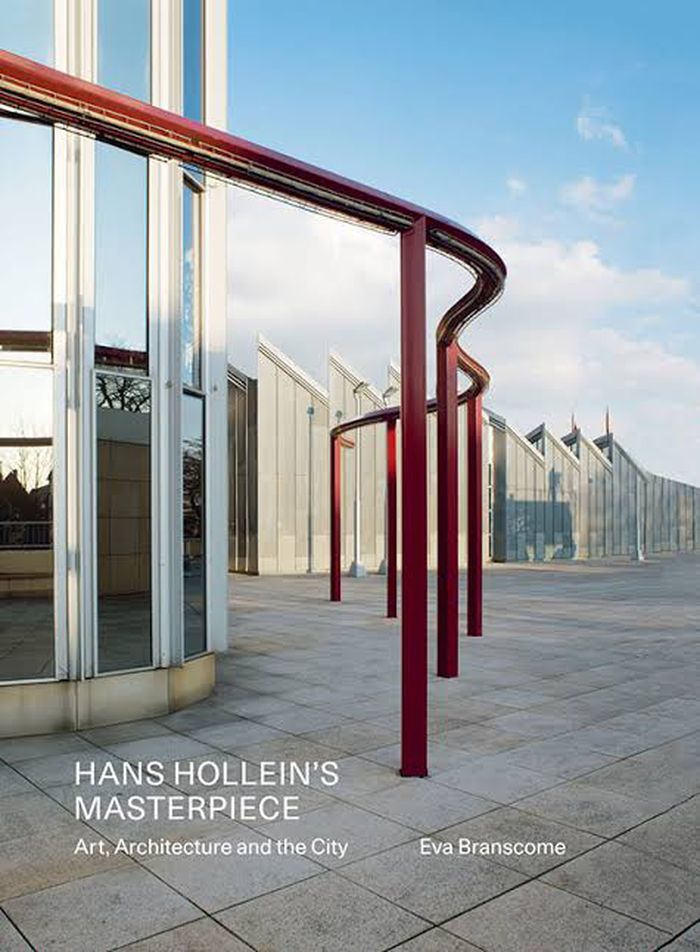
The Austrian architect-artist Hans Hollein was appointed in 1972 to design a new museum for the post-industrial city of Mönchengladbach in West Germany which transformed it into a centre for contemporary art. This book reveals the full story of this innovative masterpiece. Opening in 1982, Museum Abteiberg was instantly lauded by international critics and Hollein was duly awarded the 1985 Pritzker Prize. The book provides a timely and comprehensive reappraisal of the museum from concept, through the design process to its completion. It explains that Hollein was at his core a conceptual artist, perceiving the museum as provocative land art, with an architectural collage as exterior and a labyrinthine, ‘'democratic'’ interior, designed around the collection. It features a triptych of characters - Hollein, director Johannes Cladders and artist Joseph Beuys – whose close collaboration resulted in a museum which transformed thinking about how art, architecture and context – historical, cultural and geographical - should all relate. Radical at the time, many of the ideas that they first realised in this building have now become the norm in museum practice. Broader than a simple building study, this is a story which not only connects art with architecture and with the city, but with finance, corporate power and capital investment.
Hans Hollein's Masterpiece: Art, architecture and the city
Actions:
Prix:
$134.95
(disponible sur commande)
Résumé:
The Austrian architect-artist Hans Hollein was appointed in 1972 to design a new museum for the post-industrial city of Mönchengladbach in West Germany which transformed it into a centre for contemporary art. This book reveals the full story of this innovative masterpiece. Opening in 1982, Museum Abteiberg was instantly lauded by international critics and Hollein was duly awarded the 1985 Pritzker Prize. The book provides a timely and comprehensive reappraisal of the museum from concept, through the design process to its completion. It explains that Hollein was at his core a conceptual artist, perceiving the museum as provocative land art, with an architectural collage as exterior and a labyrinthine, ‘'democratic'’ interior, designed around the collection. It features a triptych of characters - Hollein, director Johannes Cladders and artist Joseph Beuys – whose close collaboration resulted in a museum which transformed thinking about how art, architecture and context – historical, cultural and geographical - should all relate. Radical at the time, many of the ideas that they first realised in this building have now become the norm in museum practice. Broader than a simple building study, this is a story which not only connects art with architecture and with the city, but with finance, corporate power and capital investment.
Classification:
livres
livres
Publication:
novembre 2025
novembre 2025
Sujet:
Architecture, monographies
Architecture, monographies
Classification:
livres
livres
Actions:
Prix:
$36.95
(disponible sur commande)
Résumé:
Modern city-dwellers suffer their share of unpleasant experiences�traffic jams, noisy neighbors, pollution, food scares�but urban nuisances of the past existed on a different scale entirely, this book explains in vivid detail. Focusing on offenses to the eyes, ears, noses, taste buds, and skin of inhabitants of England�s pre-Industrial Revolution cities, Hubbub(...)
$36.95
(disponible sur commande)
Résumé:
Modern city-dwellers suffer their share of unpleasant experiences�traffic jams, noisy neighbors, pollution, food scares�but urban nuisances of the past existed on a different scale entirely, this book explains in vivid detail. Focusing on offenses to the eyes, ears, noses, taste buds, and skin of inhabitants of England�s pre-Industrial Revolution cities, Hubbub(...)
Titre:
Hubbub: Filth, noise & stench in England
Actions:
Prix:
$36.95
(disponible sur commande)
Résumé:
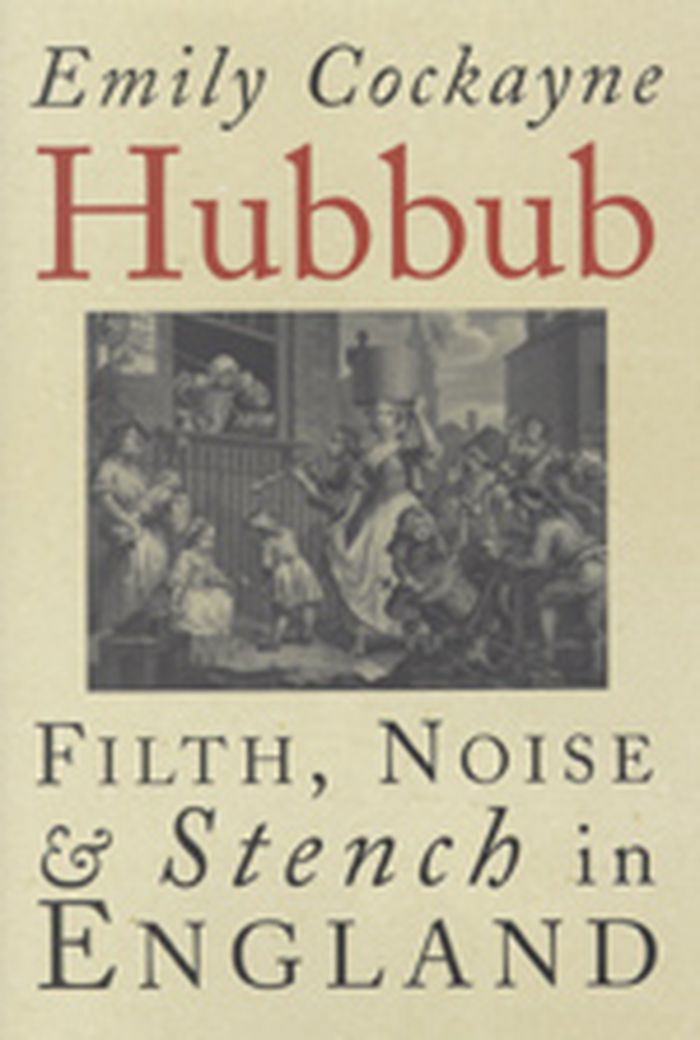
Modern city-dwellers suffer their share of unpleasant experiences�traffic jams, noisy neighbors, pollution, food scares�but urban nuisances of the past existed on a different scale entirely, this book explains in vivid detail. Focusing on offenses to the eyes, ears, noses, taste buds, and skin of inhabitants of England�s pre-Industrial Revolution cities, Hubbub transports us to a world in which residents were scarred by smallpox, refuse rotted in the streets, pigs and dogs roamed free, and food hygiene consisted of little more than spit and polish. Through the stories of a large cast of characters from varied walks of life, the book compares what daily life was like in different cities across England from 1600 to 1770. Using a vast array of sources, from novels to records of urban administration to diaries, Emily Cockayne populates her book with anecdotes from the quirky lives of the famous and the obscure�all of whom confronted urban nuisances and physical ailments. Each chapter addresses an unpleasant aspect of city life (noise, violence, moldy food, smelly streets, poor air quality), and the volume is enhanced with a rich array of illustrations. Awakening both our senses and our imaginations, Cockayne creates a nuanced portrait of early modern English city life, unparalleled in breadth and unforgettable in detail.
Hubbub: Filth, noise & stench in England
Actions:
Prix:
$36.95
(disponible sur commande)
Résumé:
Modern city-dwellers suffer their share of unpleasant experiences�traffic jams, noisy neighbors, pollution, food scares�but urban nuisances of the past existed on a different scale entirely, this book explains in vivid detail. Focusing on offenses to the eyes, ears, noses, taste buds, and skin of inhabitants of England�s pre-Industrial Revolution cities, Hubbub transports us to a world in which residents were scarred by smallpox, refuse rotted in the streets, pigs and dogs roamed free, and food hygiene consisted of little more than spit and polish. Through the stories of a large cast of characters from varied walks of life, the book compares what daily life was like in different cities across England from 1600 to 1770. Using a vast array of sources, from novels to records of urban administration to diaries, Emily Cockayne populates her book with anecdotes from the quirky lives of the famous and the obscure�all of whom confronted urban nuisances and physical ailments. Each chapter addresses an unpleasant aspect of city life (noise, violence, moldy food, smelly streets, poor air quality), and the volume is enhanced with a rich array of illustrations. Awakening both our senses and our imaginations, Cockayne creates a nuanced portrait of early modern English city life, unparalleled in breadth and unforgettable in detail.
Classification:
livres
livres
Publication:
mai 2007, New Haven & London
mai 2007, New Haven & London
Sujet:
Histoire jusqu’à 1900
Histoire jusqu’à 1900
Classification:
périodiques
périodiques

Titre:
Cabinet 21 : electricity
Cabinet 21 : electricity
Actions:
Prix:
$12.00
(disponible sur commande)
Résumé:
Electricity manifests itself in every facet of our lives--from the tiny shock received by touching a doorknob to the explosive power of a lightning strike, from the modest Hoover dustbuster to the industrial grandeur of the Hoover Dam. As a force that has given human beings seemingly unlimited power over nature and refashioned our understanding of day and night, and as a(...)
$12.00
(disponible sur commande)
Résumé:
Electricity manifests itself in every facet of our lives--from the tiny shock received by touching a doorknob to the explosive power of a lightning strike, from the modest Hoover dustbuster to the industrial grandeur of the Hoover Dam. As a force that has given human beings seemingly unlimited power over nature and refashioned our understanding of day and night, and as a(...)
Titre:
Cabinet 21 : electricity
Actions:
Prix:
$12.00
(disponible sur commande)
Résumé:
Electricity manifests itself in every facet of our lives--from the tiny shock received by touching a doorknob to the explosive power of a lightning strike, from the modest Hoover dustbuster to the industrial grandeur of the Hoover Dam. As a force that has given human beings seemingly unlimited power over nature and refashioned our understanding of day and night, and as a metaphor for the social currents flowing among individuals and communities, electricity has been our invisible yet ubiquitous ally in the creation of a contemporary "technological sublime." Cabinet No. 21 includes an interview with Sharon Beder on electricity and modernity in America; Margaret Wertheim on Lichtenberg figures, frozen lightning captured in acrylic blocks; Michael Sanchez on Francisco Salva's shocking proposal for an eighteenth-century human telegraphy system; an interview with Marcello Pera on how a frog triggered a decisive scientific debate between Enlightenment "electricians" Galvani and Volta; an essay on Benjamin Franklin's promotion of Ebenezer Kinnersley's electrified "magical picture"; and a firsthand account by a survivor of multiple lightning strikes. Also Tom Vanderbilt on Stasi scent samples; an interview with Sam Chwat, the foremost accent elimination coach in the United States; and artist projects by Andrea Geyer and Rachel Watson.
Cabinet 21 : electricity
Actions:
Prix:
$12.00
(disponible sur commande)
Résumé:
Electricity manifests itself in every facet of our lives--from the tiny shock received by touching a doorknob to the explosive power of a lightning strike, from the modest Hoover dustbuster to the industrial grandeur of the Hoover Dam. As a force that has given human beings seemingly unlimited power over nature and refashioned our understanding of day and night, and as a metaphor for the social currents flowing among individuals and communities, electricity has been our invisible yet ubiquitous ally in the creation of a contemporary "technological sublime." Cabinet No. 21 includes an interview with Sharon Beder on electricity and modernity in America; Margaret Wertheim on Lichtenberg figures, frozen lightning captured in acrylic blocks; Michael Sanchez on Francisco Salva's shocking proposal for an eighteenth-century human telegraphy system; an interview with Marcello Pera on how a frog triggered a decisive scientific debate between Enlightenment "electricians" Galvani and Volta; an essay on Benjamin Franklin's promotion of Ebenezer Kinnersley's electrified "magical picture"; and a firsthand account by a survivor of multiple lightning strikes. Also Tom Vanderbilt on Stasi scent samples; an interview with Sam Chwat, the foremost accent elimination coach in the United States; and artist projects by Andrea Geyer and Rachel Watson.
Classification:
périodiques
périodiques
Publication:
avril 2006, New York
avril 2006, New York
Sujet:
Revues
Revues


