


6300 Résultats
Classification:
livres
livres
Actions:
Prix:
$34.00
(disponible sur commande)
Résumé:
How can the different strands of modern architecture in Britain be understood? For many British people, it remains an alien cultural import and minority taste, yet British architecture has never stood higher in world esteem than at the close of the twentieth century. In this book Alan Powers shows how beneath today’s achievements in architecture, past conflicts have not(...)
$34.00
(disponible sur commande)
Résumé:
How can the different strands of modern architecture in Britain be understood? For many British people, it remains an alien cultural import and minority taste, yet British architecture has never stood higher in world esteem than at the close of the twentieth century. In this book Alan Powers shows how beneath today’s achievements in architecture, past conflicts have not(...)
Titre:
Britain : modern architecture in history
Actions:
Prix:
$34.00
(disponible sur commande)
Résumé:
How can the different strands of modern architecture in Britain be understood? For many British people, it remains an alien cultural import and minority taste, yet British architecture has never stood higher in world esteem than at the close of the twentieth century. In this book Alan Powers shows how beneath today’s achievements in architecture, past conflicts have not been resolved, as the country that invented industrial civilization has struggled to control its effect on cities and countryside. He examines developments and changes from 1900 to the present day in a series of thematic chapters, giving equal weight to technical, economic and moral aspects and demonstrating how architecture has responded to specific social needs and political pressures. Rather than giving a conventional account of stylistic tendencies, Powers listens to the arguments and conversations of the time in order to recapture the dominating issues of each decade, and locate the moments of transition in architecture and in the wider culture. Featuring more than 220 images, including both recent and historical photographs, "Britain" is an authoritative yet highly accessible account of twentieth-century British architecture. Giving due regard to the separate identities of England, Scotland and Wales, the book also adds a new and original dimension to the perennial problem of defining ‘Britain’ in the modern world.
Britain : modern architecture in history
Actions:
Prix:
$34.00
(disponible sur commande)
Résumé:
How can the different strands of modern architecture in Britain be understood? For many British people, it remains an alien cultural import and minority taste, yet British architecture has never stood higher in world esteem than at the close of the twentieth century. In this book Alan Powers shows how beneath today’s achievements in architecture, past conflicts have not been resolved, as the country that invented industrial civilization has struggled to control its effect on cities and countryside. He examines developments and changes from 1900 to the present day in a series of thematic chapters, giving equal weight to technical, economic and moral aspects and demonstrating how architecture has responded to specific social needs and political pressures. Rather than giving a conventional account of stylistic tendencies, Powers listens to the arguments and conversations of the time in order to recapture the dominating issues of each decade, and locate the moments of transition in architecture and in the wider culture. Featuring more than 220 images, including both recent and historical photographs, "Britain" is an authoritative yet highly accessible account of twentieth-century British architecture. Giving due regard to the separate identities of England, Scotland and Wales, the book also adds a new and original dimension to the perennial problem of defining ‘Britain’ in the modern world.
Classification:
livres
livres
Publication:
juillet 2006, London
juillet 2006, London
Classification:
périodiques
périodiques
Actions:
Prix:
$32.00
(disponible sur commande)
Résumé:
Perspecta 31 examines the relationship between architectural design and structural engineering through the processes and products of both disciplines. The contributing architects, engineers, and historians explore how structures reflect both the professions and(...)
$32.00
(disponible sur commande)
Résumé:
Perspecta 31 examines the relationship between architectural design and structural engineering through the processes and products of both disciplines. The contributing architects, engineers, and historians explore how structures reflect both the professions and(...)
Titre:
Perspecta 31 : reading structures
Actions:
Prix:
$32.00
(disponible sur commande)
Résumé:
Perspecta 31 examines the relationship between architectural design and structural engineering through the processes and products of both disciplines. The contributing architects, engineers, and historians explore how structures reflect both the professions and the cultures that produce them. The authors' common approach to structure, which carefully considers context, reveals the politics, economic influences, design ideas, and chance circumstances that influence its configuration. The resulting series of articles and case studies shows how one can understand structures that are embedded in architecture. The journal looks specifically at issues of collaboration between architects and engineers. It also addresses the relationship of structural form to materials, the transition from conceptual to actual structures, and the cultural history of architectural and industrial structures. Reflecting the theme of structure as process, the journal documents an ongoing conversation between the editors, contributors, and others. The twelve articles are followed by short responses, and major themes emerging from the articles are identified and explored by the editors. The journal concludes with the results of an informal survey of architects on the role of structure in the design process. Contributors include Thomas H. Beeby, Eric DeLony, Gregory K. Dreicer, Hugh Dutton, Lucie Fontein, Antonio Juarez, Guy Nordenson, Alan Organschi, Tom F. Peters, Herman D. J. Spiegel, Carles Vallhonrat, Peter D. Waldman.
Perspecta 31 : reading structures
Actions:
Prix:
$32.00
(disponible sur commande)
Résumé:
Perspecta 31 examines the relationship between architectural design and structural engineering through the processes and products of both disciplines. The contributing architects, engineers, and historians explore how structures reflect both the professions and the cultures that produce them. The authors' common approach to structure, which carefully considers context, reveals the politics, economic influences, design ideas, and chance circumstances that influence its configuration. The resulting series of articles and case studies shows how one can understand structures that are embedded in architecture. The journal looks specifically at issues of collaboration between architects and engineers. It also addresses the relationship of structural form to materials, the transition from conceptual to actual structures, and the cultural history of architectural and industrial structures. Reflecting the theme of structure as process, the journal documents an ongoing conversation between the editors, contributors, and others. The twelve articles are followed by short responses, and major themes emerging from the articles are identified and explored by the editors. The journal concludes with the results of an informal survey of architects on the role of structure in the design process. Contributors include Thomas H. Beeby, Eric DeLony, Gregory K. Dreicer, Hugh Dutton, Lucie Fontein, Antonio Juarez, Guy Nordenson, Alan Organschi, Tom F. Peters, Herman D. J. Spiegel, Carles Vallhonrat, Peter D. Waldman.
Classification:
périodiques
périodiques
Publication:
mai 2000, Cambridge
mai 2000, Cambridge
Sujet:
Revues
Revues
Classification:
livres
livres
Titre:
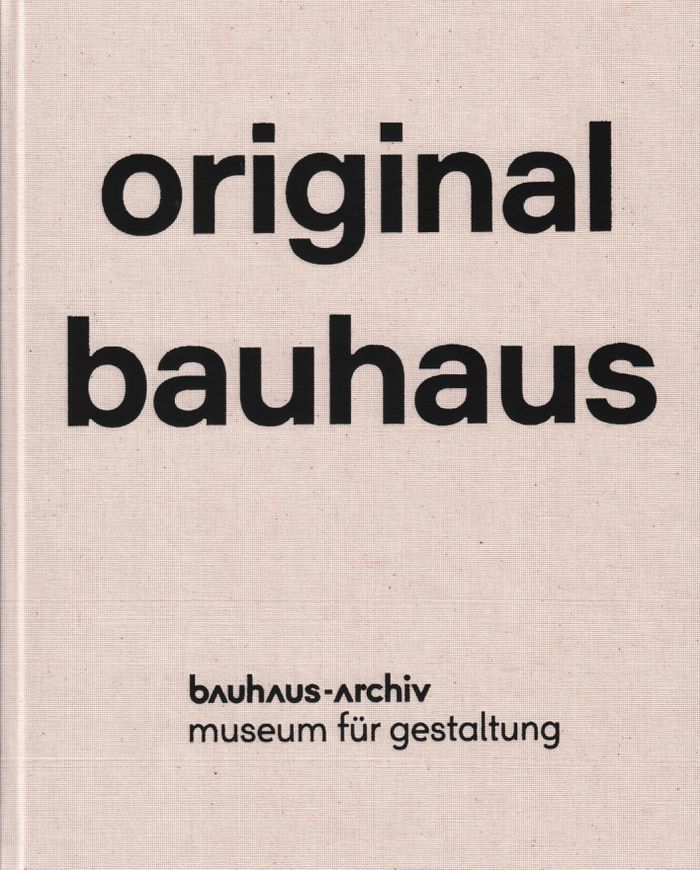
Original Bauhaus Catalogue
Original Bauhaus Catalogue
Actions:
Prix:
$79.00
(disponible sur commande)
Résumé:
The Bauhaus existed for only 14 years in Germany, but for the past 100 years its ideas have been passed on and its products relaunched, imitated, and further developed. Using 14 famous, familiar, or forgotten objects, this book offers 14 case studies. It examines questions such as how did the woman sitting on the tubular-steel chair become the most famous anonymous figure(...)
$79.00
(disponible sur commande)
Résumé:
The Bauhaus existed for only 14 years in Germany, but for the past 100 years its ideas have been passed on and its products relaunched, imitated, and further developed. Using 14 famous, familiar, or forgotten objects, this book offers 14 case studies. It examines questions such as how did the woman sitting on the tubular-steel chair become the most famous anonymous figure(...)
Titre:
Original Bauhaus Catalogue
Actions:
Prix:
$79.00
(disponible sur commande)
Résumé:
The Bauhaus existed for only 14 years in Germany, but for the past 100 years its ideas have been passed on and its products relaunched, imitated, and further developed. Using 14 famous, familiar, or forgotten objects, this book offers 14 case studies. It examines questions such as how did the woman sitting on the tubular-steel chair become the most famous anonymous figure from the Bauhaus; whether the Haus am Horn in Weimar has a secret twin; and why the tea infusers by Marianne Brandt which were created as prototypes for industrial production always remained one-of-a-kind pieces. This book presents art and design from the Bauhaus-Archiv's collection, along with exceptional loans from international collections. It sheds light on how unique work and series, remake and original are inseparably linked in the history of the Bauhaus. This is because Bauhaus artists did not see art and technology as opposed to each other. Instead, they used technical innovations to create exceptional works of art, and they took serial production into account from the moment they began drafting their designs. Reproductions, re-editions, and remakes have made the Bauhaus the 20th century's most influential school of architecture, design, and art, and this book offers a new take on the Bauhaus legacy.
Original Bauhaus Catalogue
Actions:
Prix:
$79.00
(disponible sur commande)
Résumé:
The Bauhaus existed for only 14 years in Germany, but for the past 100 years its ideas have been passed on and its products relaunched, imitated, and further developed. Using 14 famous, familiar, or forgotten objects, this book offers 14 case studies. It examines questions such as how did the woman sitting on the tubular-steel chair become the most famous anonymous figure from the Bauhaus; whether the Haus am Horn in Weimar has a secret twin; and why the tea infusers by Marianne Brandt which were created as prototypes for industrial production always remained one-of-a-kind pieces. This book presents art and design from the Bauhaus-Archiv's collection, along with exceptional loans from international collections. It sheds light on how unique work and series, remake and original are inseparably linked in the history of the Bauhaus. This is because Bauhaus artists did not see art and technology as opposed to each other. Instead, they used technical innovations to create exceptional works of art, and they took serial production into account from the moment they began drafting their designs. Reproductions, re-editions, and remakes have made the Bauhaus the 20th century's most influential school of architecture, design, and art, and this book offers a new take on the Bauhaus legacy.
Classification:
livres
livres
Publication:
novembre 2019
novembre 2019
Sujet:
Modernisme
Modernisme
Classification:
livres
livres
Titre:
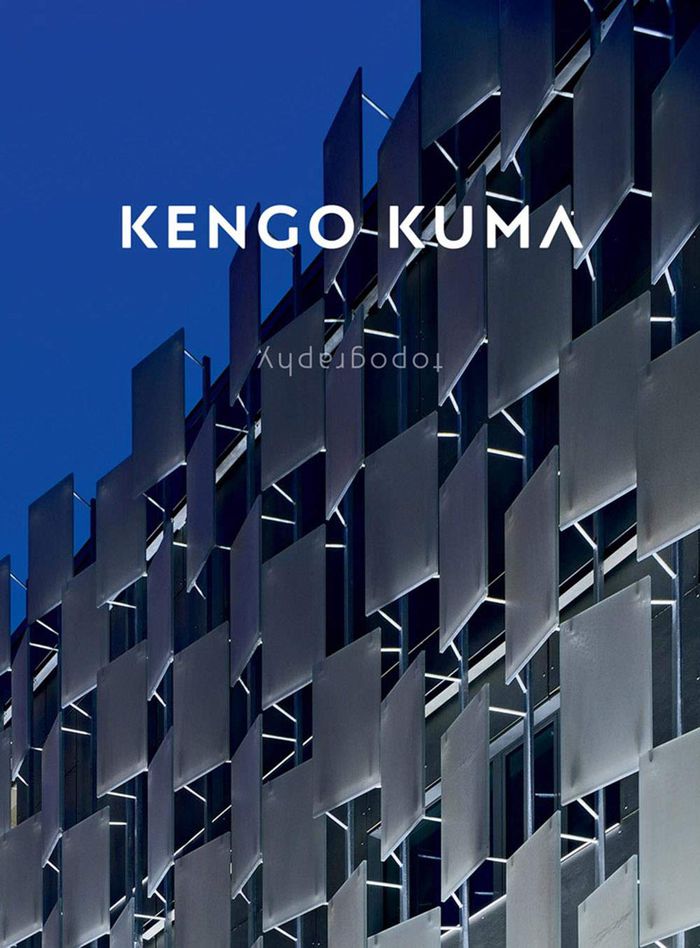
Kengo Kuma: Topography
Kengo Kuma: Topography
Actions:
Prix:
$100.00
(disponible en magasin)
Résumé:
Kengo Kuma is a globally acclaimed Japanese architect whose prodigious output possesses an inherent respect and value of materials and environment, often creating a harmonious balance between building and landscape. He masterfully engages both architectural experimentation and traditional Japanese design with twenty-first-century technology, resulting in highly advanced(...)
$100.00
(disponible en magasin)
Résumé:
Kengo Kuma is a globally acclaimed Japanese architect whose prodigious output possesses an inherent respect and value of materials and environment, often creating a harmonious balance between building and landscape. He masterfully engages both architectural experimentation and traditional Japanese design with twenty-first-century technology, resulting in highly advanced(...)
Titre:
Kengo Kuma: Topography
Actions:
Prix:
$100.00
(disponible en magasin)
Résumé:
Kengo Kuma is a globally acclaimed Japanese architect whose prodigious output possesses an inherent respect and value of materials and environment, often creating a harmonious balance between building and landscape. He masterfully engages both architectural experimentation and traditional Japanese design with twenty-first-century technology, resulting in highly advanced yet beautifully simple, gentle, human-scaled buildings. Often ranked among other esteemed architects, such as Shigeru Ban, Tadao Ando, Kazuyo Sejima, or Kenzo Tange, Kuma is always in search of new materials to replace concrete and steel, and seeks a new approach for architecture in a post-industrial society, fusing interior and exterior realms to make spaces that create a calming and tranquil atmosphere. Known for his prolific writing, Kuma is constantly re-engaging with different aspects of the architectural discipline, whether it be construction or representation in order to give further progress to his ideas. This volume showcases close to forty high-profile works by Kengo Kuma & Associates (based in Tokyo and Paris), focusing on some of his most recognised works, including the Asakusa Culture and Tourism Center in Tokyo, the Mont Blanc Base Camp project, the Great Bamboo Wall, as well as progress for the design for Tokyo's main stadium for the 2020 Olympic Games.
Kengo Kuma: Topography
Actions:
Prix:
$100.00
(disponible en magasin)
Résumé:
Kengo Kuma is a globally acclaimed Japanese architect whose prodigious output possesses an inherent respect and value of materials and environment, often creating a harmonious balance between building and landscape. He masterfully engages both architectural experimentation and traditional Japanese design with twenty-first-century technology, resulting in highly advanced yet beautifully simple, gentle, human-scaled buildings. Often ranked among other esteemed architects, such as Shigeru Ban, Tadao Ando, Kazuyo Sejima, or Kenzo Tange, Kuma is always in search of new materials to replace concrete and steel, and seeks a new approach for architecture in a post-industrial society, fusing interior and exterior realms to make spaces that create a calming and tranquil atmosphere. Known for his prolific writing, Kuma is constantly re-engaging with different aspects of the architectural discipline, whether it be construction or representation in order to give further progress to his ideas. This volume showcases close to forty high-profile works by Kengo Kuma & Associates (based in Tokyo and Paris), focusing on some of his most recognised works, including the Asakusa Culture and Tourism Center in Tokyo, the Mont Blanc Base Camp project, the Great Bamboo Wall, as well as progress for the design for Tokyo's main stadium for the 2020 Olympic Games.
Classification:
livres
livres
Publication:
mars 2021
mars 2021
Sujet:
Architecture, monographies
Architecture, monographies
Classification:
livres
livres
Actions:
Prix:
$35.00
(disponible en magasin)
Résumé:
The rural, remote, and wild territories we call "countryside", or the 98% of the earth's surface not occupied by cities, make up the front line where today's most powerful forces-climate and ecological devastation, migration, tech, demographic lurches-are playing out. Increasingly under a 'Cartesian' regime-gridded, mechanized, and optimized for maximal production-these(...)
$35.00
(disponible en magasin)
Résumé:
The rural, remote, and wild territories we call "countryside", or the 98% of the earth's surface not occupied by cities, make up the front line where today's most powerful forces-climate and ecological devastation, migration, tech, demographic lurches-are playing out. Increasingly under a 'Cartesian' regime-gridded, mechanized, and optimized for maximal production-these(...)
Titre:
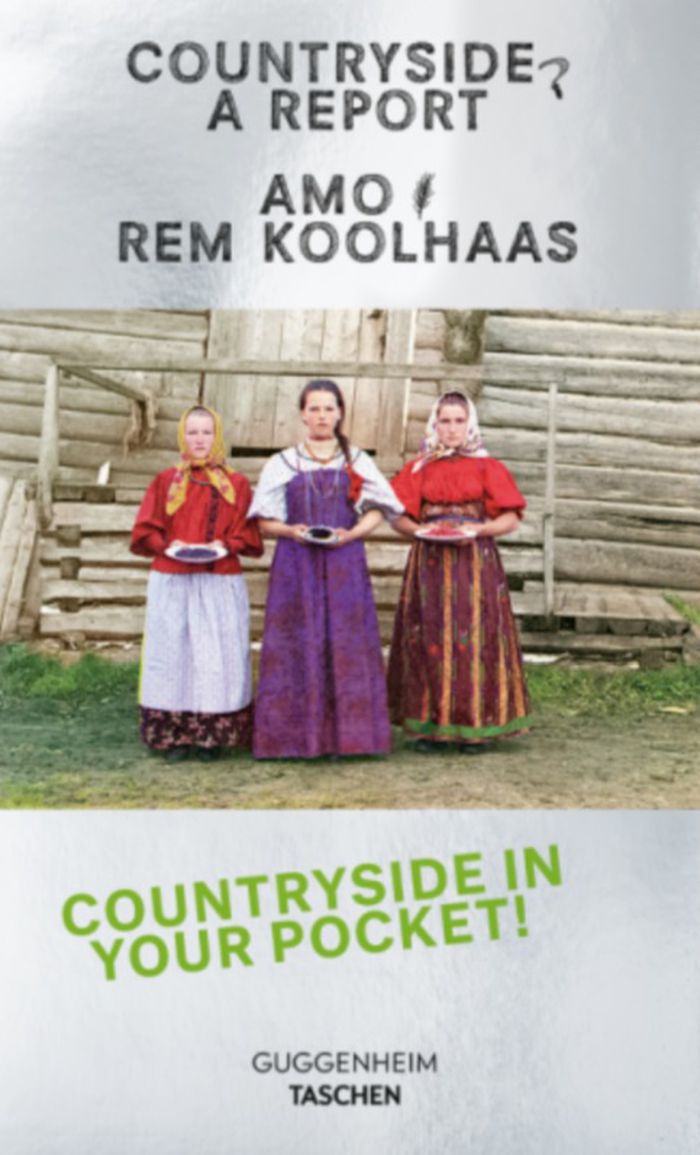
Koolhaas. Countryside, A Report (US edition)
Actions:
Prix:
$35.00
(disponible en magasin)
Résumé:
The rural, remote, and wild territories we call "countryside", or the 98% of the earth's surface not occupied by cities, make up the front line where today's most powerful forces-climate and ecological devastation, migration, tech, demographic lurches-are playing out. Increasingly under a 'Cartesian' regime-gridded, mechanized, and optimized for maximal production-these sites are changing beyond recognition. In his latest publication, Rem Koolhaas explores the rapid and often hidden transformations underway across the Earth's vast non-urban areas. This book gathers travelogue essays exploring territories marked by global forces and experimentation at the edge of our consciousness: a test site near Fukushima, where the robots that will maintain Japan's infrastructure and agriculture are tested; a greenhouse city in the Netherlands that may be the origin for the cosmology of today's countryside; the rapidly thawing permafrost of Central Siberia, a region wrestling with the possibility of relocation; refugees populating dying villages in the German countryside and intersecting with climate change activists; habituated mountain gorillas confronting humans on 'their' territory in Uganda; the American Midwest, where industrial-scale farming operations are coming to grips with regenerative agriculture; and Chinese villages transformed into all-in-one factory, e-commerce stores, and fulfillment centers.
Koolhaas. Countryside, A Report (US edition)
Actions:
Prix:
$35.00
(disponible en magasin)
Résumé:
The rural, remote, and wild territories we call "countryside", or the 98% of the earth's surface not occupied by cities, make up the front line where today's most powerful forces-climate and ecological devastation, migration, tech, demographic lurches-are playing out. Increasingly under a 'Cartesian' regime-gridded, mechanized, and optimized for maximal production-these sites are changing beyond recognition. In his latest publication, Rem Koolhaas explores the rapid and often hidden transformations underway across the Earth's vast non-urban areas. This book gathers travelogue essays exploring territories marked by global forces and experimentation at the edge of our consciousness: a test site near Fukushima, where the robots that will maintain Japan's infrastructure and agriculture are tested; a greenhouse city in the Netherlands that may be the origin for the cosmology of today's countryside; the rapidly thawing permafrost of Central Siberia, a region wrestling with the possibility of relocation; refugees populating dying villages in the German countryside and intersecting with climate change activists; habituated mountain gorillas confronting humans on 'their' territory in Uganda; the American Midwest, where industrial-scale farming operations are coming to grips with regenerative agriculture; and Chinese villages transformed into all-in-one factory, e-commerce stores, and fulfillment centers.
Classification:
livres
livres
Publication:
avril 2020
avril 2020
Sujet:
Architecture, monographies
Architecture, monographies
Classification:
livres
livres
Titre:
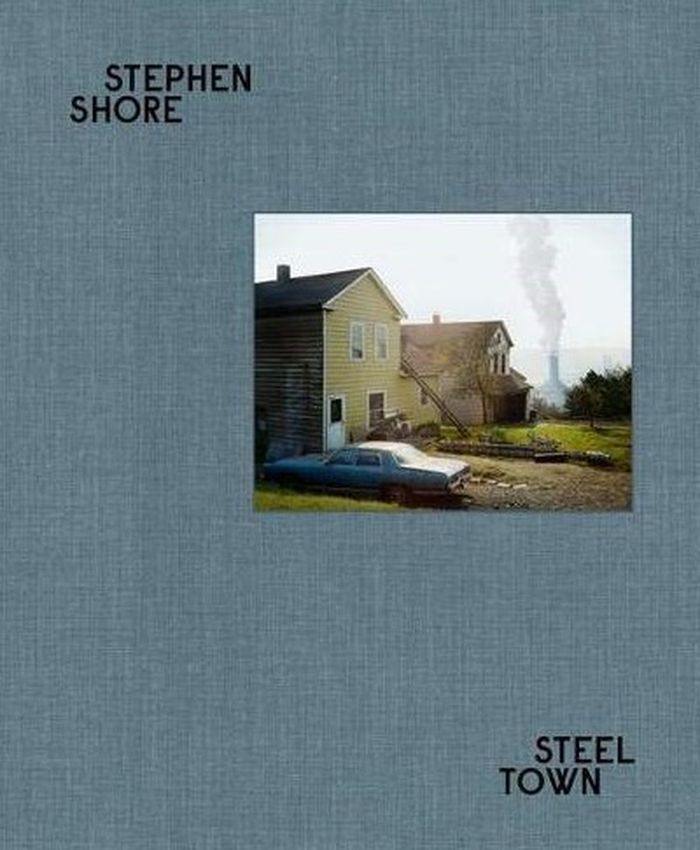
Stephen Shore : steel town
Stephen Shore : steel town
Actions:
Prix:
$80.00
(disponible sur commande)
Résumé:
In 1977, Stephen Shore travelled across New York state, Pennsylvania, and eastern Ohio – an area in the midst of industrial decline that would eventually be known as the Rust Belt. Shore met steelworkers who had been thrown out of work by plant closures and photographed their suddenly fragile world: deserted factories, lonely bars, dwindling high streets, and lovingly(...)
$80.00
(disponible sur commande)
Résumé:
In 1977, Stephen Shore travelled across New York state, Pennsylvania, and eastern Ohio – an area in the midst of industrial decline that would eventually be known as the Rust Belt. Shore met steelworkers who had been thrown out of work by plant closures and photographed their suddenly fragile world: deserted factories, lonely bars, dwindling high streets, and lovingly(...)
Titre:
Stephen Shore : steel town
Actions:
Prix:
$80.00
(disponible sur commande)
Résumé:
In 1977, Stephen Shore travelled across New York state, Pennsylvania, and eastern Ohio – an area in the midst of industrial decline that would eventually be known as the Rust Belt. Shore met steelworkers who had been thrown out of work by plant closures and photographed their suddenly fragile world: deserted factories, lonely bars, dwindling high streets, and lovingly decorated homes. Across these images, a prosperous middle America is seen teetering on the precipice of disastrous decline. Hope and despair alike lurk restlessly behind the surfaces of shop fronts, domestic interiors, and the fraught expressions of those who confront Shore’s 4x5'' view camera. Originally commissioned as an extended photographic report for Fortune Magazine in the vein of Walker Evans, Shore’s multifaceted investigation has only gained political salience in the intervening years. Shore’s subjects – including workers, union leaders, and family members – had voted for Jimmy Carter the year preceding his visit; now he found them disillusioned with the new president, fated to leave behind the Democratic party and become the ‘Reagan Democrats’. Through unfailingly engrossing images by one of the world’s acknowledged masters, Steel Town provides an immersive portrait of a time and place whose significance to our own is ever more urgent.
Stephen Shore : steel town
Actions:
Prix:
$80.00
(disponible sur commande)
Résumé:
In 1977, Stephen Shore travelled across New York state, Pennsylvania, and eastern Ohio – an area in the midst of industrial decline that would eventually be known as the Rust Belt. Shore met steelworkers who had been thrown out of work by plant closures and photographed their suddenly fragile world: deserted factories, lonely bars, dwindling high streets, and lovingly decorated homes. Across these images, a prosperous middle America is seen teetering on the precipice of disastrous decline. Hope and despair alike lurk restlessly behind the surfaces of shop fronts, domestic interiors, and the fraught expressions of those who confront Shore’s 4x5'' view camera. Originally commissioned as an extended photographic report for Fortune Magazine in the vein of Walker Evans, Shore’s multifaceted investigation has only gained political salience in the intervening years. Shore’s subjects – including workers, union leaders, and family members – had voted for Jimmy Carter the year preceding his visit; now he found them disillusioned with the new president, fated to leave behind the Democratic party and become the ‘Reagan Democrats’. Through unfailingly engrossing images by one of the world’s acknowledged masters, Steel Town provides an immersive portrait of a time and place whose significance to our own is ever more urgent.
Classification:
livres
livres
Publication:
avril 2021
avril 2021
Sujet:
Monographies photo
Monographies photo
Classification:
livres
livres
Prix:
$16.95
(disponible sur commande)
Résumé:
At a time when socialism is entering a historic crisis and we are witnessing a worldwide expansion of capitalist relations, a feminist rethinking of Marx’s work is vitally important. In ''Patriarchy of the wage,'' Silvia Federici, best-selling author and the most important Marxist feminist of our time, asks why Marx and the Marxist tradition were so crucial in their(...)
$16.95
(disponible sur commande)
Résumé:
At a time when socialism is entering a historic crisis and we are witnessing a worldwide expansion of capitalist relations, a feminist rethinking of Marx’s work is vitally important. In ''Patriarchy of the wage,'' Silvia Federici, best-selling author and the most important Marxist feminist of our time, asks why Marx and the Marxist tradition were so crucial in their(...)
Titre:
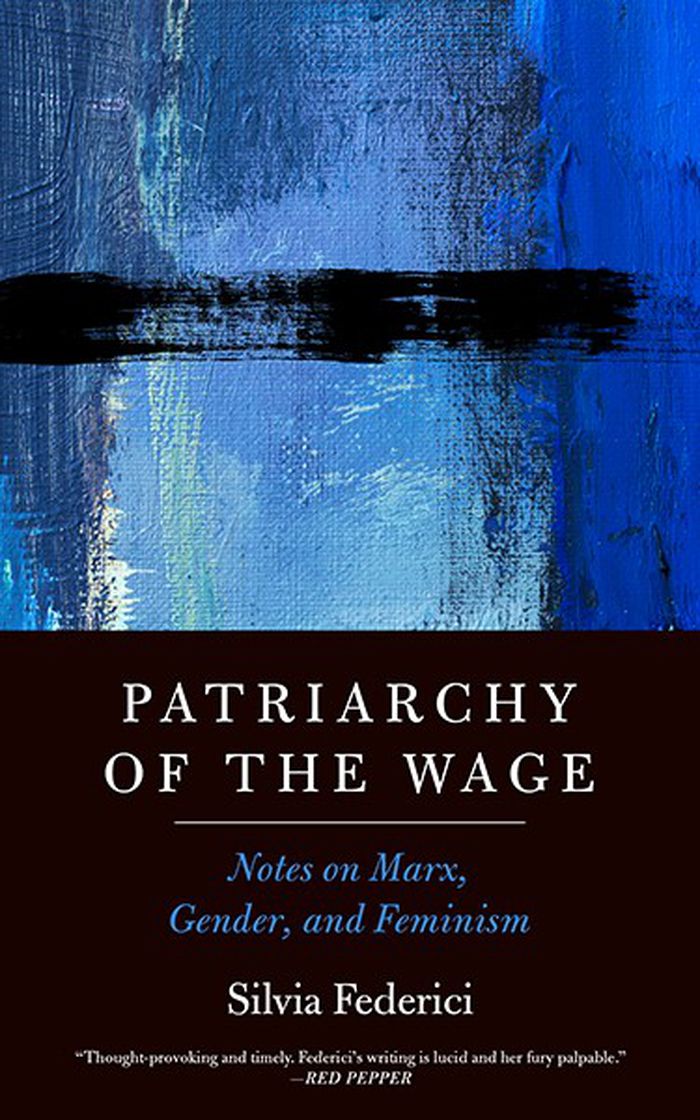
Patriarchy of the wage: notes on Marx, gender, and feminism
Actions:
Prix:
$16.95
(disponible sur commande)
Résumé:
At a time when socialism is entering a historic crisis and we are witnessing a worldwide expansion of capitalist relations, a feminist rethinking of Marx’s work is vitally important. In ''Patriarchy of the wage,'' Silvia Federici, best-selling author and the most important Marxist feminist of our time, asks why Marx and the Marxist tradition were so crucial in their denunciation of capitalism’s exploitation of human labour and blind to women’s work and struggle on the terrain of social reproduction. Why was Marx unable to anticipate the profound transformations in the proletarian family that took place at the turn of the nineteenth century, creating a new patriarchal regime? In this fiery collection of penetrating essays published here for the first time, Federici carefully examines these questions and in the process has provided an expansive redefinition of work, class, and class-gender relations. Seeking to delineate the specific character of capitalist “patriarchalism,” this magnificently original approach also highlights Marx’s and the Marxist tradition’s problematic view of industrial production and the State in the struggle for human liberation. Federici’s lucid argument that most reproductive work is irreducible to automation is a powerful reminder of the poverty of a revolutionary imagination that consigns to the world of machines the creation of the material conditions for a communist society.
Patriarchy of the wage: notes on Marx, gender, and feminism
Actions:
Prix:
$16.95
(disponible sur commande)
Résumé:
At a time when socialism is entering a historic crisis and we are witnessing a worldwide expansion of capitalist relations, a feminist rethinking of Marx’s work is vitally important. In ''Patriarchy of the wage,'' Silvia Federici, best-selling author and the most important Marxist feminist of our time, asks why Marx and the Marxist tradition were so crucial in their denunciation of capitalism’s exploitation of human labour and blind to women’s work and struggle on the terrain of social reproduction. Why was Marx unable to anticipate the profound transformations in the proletarian family that took place at the turn of the nineteenth century, creating a new patriarchal regime? In this fiery collection of penetrating essays published here for the first time, Federici carefully examines these questions and in the process has provided an expansive redefinition of work, class, and class-gender relations. Seeking to delineate the specific character of capitalist “patriarchalism,” this magnificently original approach also highlights Marx’s and the Marxist tradition’s problematic view of industrial production and the State in the struggle for human liberation. Federici’s lucid argument that most reproductive work is irreducible to automation is a powerful reminder of the poverty of a revolutionary imagination that consigns to the world of machines the creation of the material conditions for a communist society.
Classification:
livres
livres
Publication:
octobre 2021
octobre 2021
Sujet:
Social
Social
Classification:
livres
livres
Prix:
$67.95
(disponible sur commande)
Résumé:
In the mid-nineteenth century, Napoleon III and his prefect, Georges-Eugène Haussmann, adapted Paris to the requirements of industrial capitalism, endowing the old city with elegant boulevards, an enhanced water supply, modern sewers, and public greenery. Esther da Costa Meyer provides a major reassessment of this ambitious project, which resulted in widespread(...)
$67.95
(disponible sur commande)
Résumé:
In the mid-nineteenth century, Napoleon III and his prefect, Georges-Eugène Haussmann, adapted Paris to the requirements of industrial capitalism, endowing the old city with elegant boulevards, an enhanced water supply, modern sewers, and public greenery. Esther da Costa Meyer provides a major reassessment of this ambitious project, which resulted in widespread(...)
Titre:
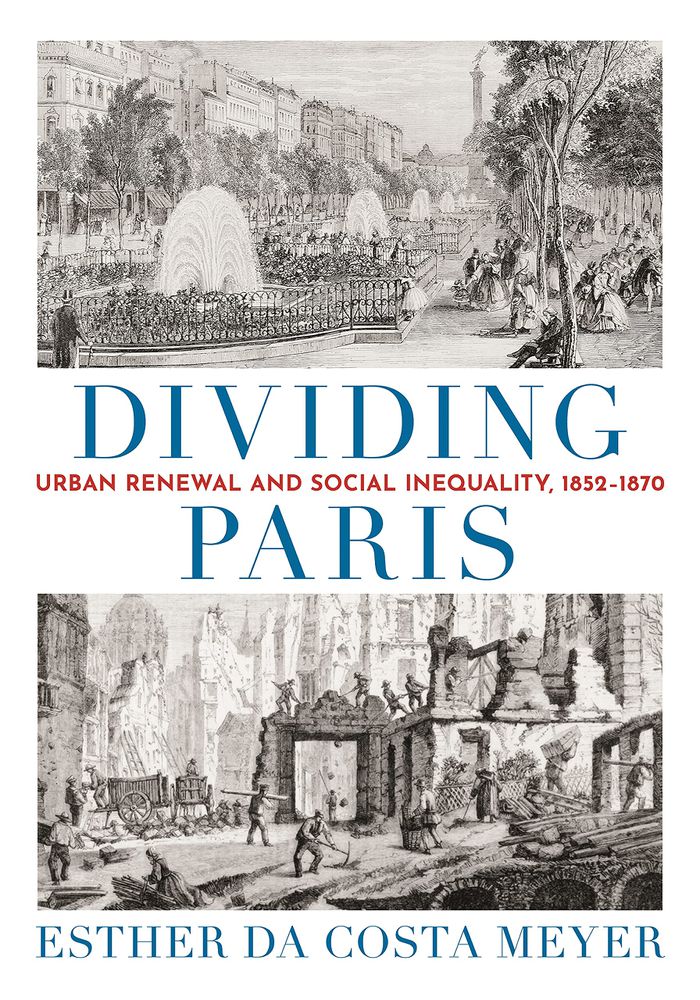
Dividing Paris: Urban renewal and social inequality 1852-1870
Actions:
Prix:
$67.95
(disponible sur commande)
Résumé:
In the mid-nineteenth century, Napoleon III and his prefect, Georges-Eugène Haussmann, adapted Paris to the requirements of industrial capitalism, endowing the old city with elegant boulevards, an enhanced water supply, modern sewers, and public greenery. Esther da Costa Meyer provides a major reassessment of this ambitious project, which resulted in widespread destruction in the historic center, displacing thousands of poor residents and polarizing the urban fabric. Drawing on newspapers, memoirs, and other archival materials, da Costa Meyer explores how people from different social strata?both women and men?experienced the urban reforms implemented by the Second Empire. As hundreds of tenements were destroyed to make way for upscale apartment buildings, thousands of impoverished residents were forced to the periphery, which lacked the services enjoyed by wealthier parts of the city. Challenging the idea of Paris as the capital of modernity, da Costa Meyer shows how the city was the hub of a sprawling colonial empire extending from the Caribbean to Asia, and exposes the underlying violence that enriched it at the expense of overseas territories. This book brings to light the contributions of those who actually built and maintained the impressive infrastructure of Paris, and reveals the consequences of colonial practices for the city's cultural, economic, and political life.
Dividing Paris: Urban renewal and social inequality 1852-1870
Actions:
Prix:
$67.95
(disponible sur commande)
Résumé:
In the mid-nineteenth century, Napoleon III and his prefect, Georges-Eugène Haussmann, adapted Paris to the requirements of industrial capitalism, endowing the old city with elegant boulevards, an enhanced water supply, modern sewers, and public greenery. Esther da Costa Meyer provides a major reassessment of this ambitious project, which resulted in widespread destruction in the historic center, displacing thousands of poor residents and polarizing the urban fabric. Drawing on newspapers, memoirs, and other archival materials, da Costa Meyer explores how people from different social strata?both women and men?experienced the urban reforms implemented by the Second Empire. As hundreds of tenements were destroyed to make way for upscale apartment buildings, thousands of impoverished residents were forced to the periphery, which lacked the services enjoyed by wealthier parts of the city. Challenging the idea of Paris as the capital of modernity, da Costa Meyer shows how the city was the hub of a sprawling colonial empire extending from the Caribbean to Asia, and exposes the underlying violence that enriched it at the expense of overseas territories. This book brings to light the contributions of those who actually built and maintained the impressive infrastructure of Paris, and reveals the consequences of colonial practices for the city's cultural, economic, and political life.
Classification:
livres
livres
Publication:
février 2022
février 2022
Sujet:
Théorie de l’urbanisme
Théorie de l’urbanisme
Classification:
livres
livres
Prix:
$38.95
(disponible en magasin)
Résumé:
In Architecture in Translation, Esra Akcan offers a way to understand the global circulation of culture that extends the notion of translation beyond language to visual fields. She shows how members of the ruling Kemalist elite in Turkey further aligned themselves with Europe by choosing German-speaking architects to oversee much of the design of modern cities. Focusing(...)
$38.95
(disponible en magasin)
Résumé:
In Architecture in Translation, Esra Akcan offers a way to understand the global circulation of culture that extends the notion of translation beyond language to visual fields. She shows how members of the ruling Kemalist elite in Turkey further aligned themselves with Europe by choosing German-speaking architects to oversee much of the design of modern cities. Focusing(...)
Titre:
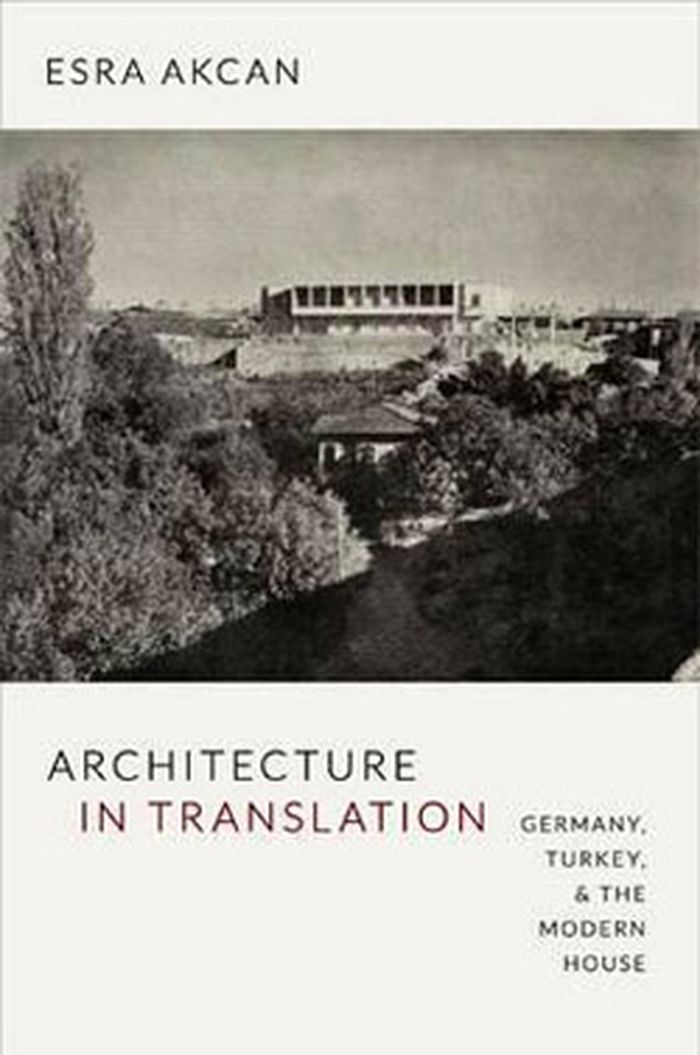
Architecture in translation : Germany, Turkey & the modern house
Actions:
Prix:
$38.95
(disponible en magasin)
Résumé:
In Architecture in Translation, Esra Akcan offers a way to understand the global circulation of culture that extends the notion of translation beyond language to visual fields. She shows how members of the ruling Kemalist elite in Turkey further aligned themselves with Europe by choosing German-speaking architects to oversee much of the design of modern cities. Focusing on the period from the 1920s through the 1950s, Akcan traces the geographical circulation of modern residential models, including the garden city—which emphasized green spaces separating low-density neighborhoods of houses surrounded by gardens—and mass housing built first for the working-class residents in industrial cities and, later, more broadly for mixed-income residents. She shows how the concept of translation—the process of change that occurs with transportation of people, ideas, technology, information, and images from one or more countries to another—allows for consideration of the sociopolitical context and agency of all parties in cultural exchanges. Moving beyond the indistinct concepts of hybrid and transculturation and avoiding passive metaphors such as import, influence, or transfer, translation offers a new approach relevant to many disciplines. Akcan advocates a commitment to a new culture of translatability from below for a truly cosmopolitan ethics in a globalizing world.
Architecture in translation : Germany, Turkey & the modern house
Actions:
Prix:
$38.95
(disponible en magasin)
Résumé:
In Architecture in Translation, Esra Akcan offers a way to understand the global circulation of culture that extends the notion of translation beyond language to visual fields. She shows how members of the ruling Kemalist elite in Turkey further aligned themselves with Europe by choosing German-speaking architects to oversee much of the design of modern cities. Focusing on the period from the 1920s through the 1950s, Akcan traces the geographical circulation of modern residential models, including the garden city—which emphasized green spaces separating low-density neighborhoods of houses surrounded by gardens—and mass housing built first for the working-class residents in industrial cities and, later, more broadly for mixed-income residents. She shows how the concept of translation—the process of change that occurs with transportation of people, ideas, technology, information, and images from one or more countries to another—allows for consideration of the sociopolitical context and agency of all parties in cultural exchanges. Moving beyond the indistinct concepts of hybrid and transculturation and avoiding passive metaphors such as import, influence, or transfer, translation offers a new approach relevant to many disciplines. Akcan advocates a commitment to a new culture of translatability from below for a truly cosmopolitan ethics in a globalizing world.
Classification:
livres
livres
Publication:
août 2012
août 2012
Sujet:
Théorie de l’architecture
Théorie de l’architecture
Classification:
livres
livres
Actions:
Prix:
$45.00
(disponible en magasin)
Résumé:
In the dazzling global metropolis of Shanghai, what has it meant to call this city home? In this account—part microhistory, part memoir—Jie Li salvages intimate recollections by successive generations of inhabitants of two vibrant, culturally mixed Shanghai alleyways from the Republican, Maoist, and post-Mao eras. Exploring three dimensions of private life—territories,(...)
$45.00
(disponible en magasin)
Résumé:
In the dazzling global metropolis of Shanghai, what has it meant to call this city home? In this account—part microhistory, part memoir—Jie Li salvages intimate recollections by successive generations of inhabitants of two vibrant, culturally mixed Shanghai alleyways from the Republican, Maoist, and post-Mao eras. Exploring three dimensions of private life—territories,(...)
Publication:
avril 2015
avril 2015
Titre:
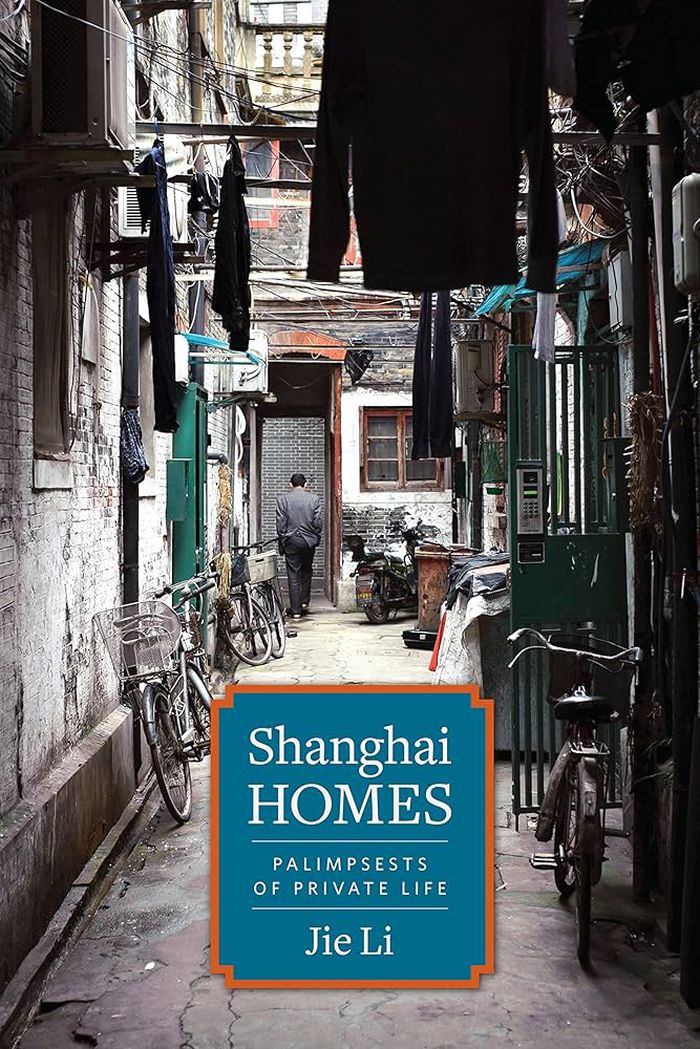
Shanghai homes: palimpsests of private life
Actions:
Prix:
$45.00
(disponible en magasin)
Résumé:
In the dazzling global metropolis of Shanghai, what has it meant to call this city home? In this account—part microhistory, part memoir—Jie Li salvages intimate recollections by successive generations of inhabitants of two vibrant, culturally mixed Shanghai alleyways from the Republican, Maoist, and post-Mao eras. Exploring three dimensions of private life—territories, artifacts, and gossip—Li re-creates the sounds, smells, look, and feel of home over a tumultuous century. First built by British and Japanese companies in 1915 and 1927, the two homes at the center of this narrative were located in an industrial part of the former "International Settlement." Before their recent demolition, they were nestled in Shanghai's labyrinthine alleyways, which housed more than half of the city's population from the Sino-Japanese War to the Cultural Revolution. Through interviews with her own family members as well as their neighbors, classmates, and co-workers, Li weaves a complex social tapestry reflecting the lived experiences of ordinary people struggling to absorb and adapt to major historical change. These voices include workers, intellectuals, Communists, Nationalists, foreigners, compradors, wives, concubines, and children who all fought for a foothold and haven in this city, witnessing spectacles so full of farce and pathos they could only be whispered as secret histories.
Shanghai homes: palimpsests of private life
Actions:
Prix:
$45.00
(disponible en magasin)
Résumé:
In the dazzling global metropolis of Shanghai, what has it meant to call this city home? In this account—part microhistory, part memoir—Jie Li salvages intimate recollections by successive generations of inhabitants of two vibrant, culturally mixed Shanghai alleyways from the Republican, Maoist, and post-Mao eras. Exploring three dimensions of private life—territories, artifacts, and gossip—Li re-creates the sounds, smells, look, and feel of home over a tumultuous century. First built by British and Japanese companies in 1915 and 1927, the two homes at the center of this narrative were located in an industrial part of the former "International Settlement." Before their recent demolition, they were nestled in Shanghai's labyrinthine alleyways, which housed more than half of the city's population from the Sino-Japanese War to the Cultural Revolution. Through interviews with her own family members as well as their neighbors, classmates, and co-workers, Li weaves a complex social tapestry reflecting the lived experiences of ordinary people struggling to absorb and adapt to major historical change. These voices include workers, intellectuals, Communists, Nationalists, foreigners, compradors, wives, concubines, and children who all fought for a foothold and haven in this city, witnessing spectacles so full of farce and pathos they could only be whispered as secret histories.
Classification:
livres
livres
Publication:
avril 2015
avril 2015


