


12892 Résultats
Classification:
livres
livres
Actions:
Prix:
$57.95
(disponible sur commande)
Résumé:
As cities evolve and resources shift with time, spaces within those cities are often left fallow and abandoned. "Cyclical City" tells the stories behind these sites, from Philadelphia's Liberty Lands park to Lisbon's Green Plan, and it looks at the ways in which these narratives can be leveraged toward future engagement and use. Jill Desimini posits a fundamental role for(...)
$57.95
(disponible sur commande)
Résumé:
As cities evolve and resources shift with time, spaces within those cities are often left fallow and abandoned. "Cyclical City" tells the stories behind these sites, from Philadelphia's Liberty Lands park to Lisbon's Green Plan, and it looks at the ways in which these narratives can be leveraged toward future engagement and use. Jill Desimini posits a fundamental role for(...)
Titre:
Cyclical city: Five stories of urban transformation
Actions:
Prix:
$57.95
(disponible sur commande)
Résumé:
As cities evolve and resources shift with time, spaces within those cities are often left fallow and abandoned. "Cyclical City" tells the stories behind these sites, from Philadelphia's Liberty Lands park to Lisbon's Green Plan, and it looks at the ways in which these narratives can be leveraged toward future engagement and use. Jill Desimini posits a fundamental role for spatial design practice to transform abandoned urban landscapes through time. She argues for approaches that promote the specific affordances of the land itself (hydrology, vegetation, topography, geology, infrastructural capacity, occupation potential); the importance of cyclical change; and the particularities of the cultural, political, and physical context. These themes are explored in five cities: Philadelphia, Berlin, Lisbon, Amsterdam, and Saint Louis, and across centuries, from periods of great upheaval to ones of relative stability and even economic growth.
Cyclical city: Five stories of urban transformation
Actions:
Prix:
$57.95
(disponible sur commande)
Résumé:
As cities evolve and resources shift with time, spaces within those cities are often left fallow and abandoned. "Cyclical City" tells the stories behind these sites, from Philadelphia's Liberty Lands park to Lisbon's Green Plan, and it looks at the ways in which these narratives can be leveraged toward future engagement and use. Jill Desimini posits a fundamental role for spatial design practice to transform abandoned urban landscapes through time. She argues for approaches that promote the specific affordances of the land itself (hydrology, vegetation, topography, geology, infrastructural capacity, occupation potential); the importance of cyclical change; and the particularities of the cultural, political, and physical context. These themes are explored in five cities: Philadelphia, Berlin, Lisbon, Amsterdam, and Saint Louis, and across centuries, from periods of great upheaval to ones of relative stability and even economic growth.
Classification:
livres
livres
Publication:
février 2022
février 2022
Sujet:
Théorie de l’urbanisme
Théorie de l’urbanisme
Classification:
livres
livres
Titre:
Building simply
Building simply
Actions:
Prix:
$97.95
(disponible sur commande)
Résumé:
In a time of loud gestures and ostentation unpretentious buildings, which have been reduced to the essentials with no superfluous decoration, are soothing in their purity. This new volume in the series In Detail demonstrates the breadth and complexity of the issues involved in building simply, from functional and economic demands, through ecological and energy-related(...)
$97.95
(disponible sur commande)
Résumé:
In a time of loud gestures and ostentation unpretentious buildings, which have been reduced to the essentials with no superfluous decoration, are soothing in their purity. This new volume in the series In Detail demonstrates the breadth and complexity of the issues involved in building simply, from functional and economic demands, through ecological and energy-related(...)
Titre:
Building simply
Actions:
Prix:
$97.95
(disponible sur commande)
Résumé:
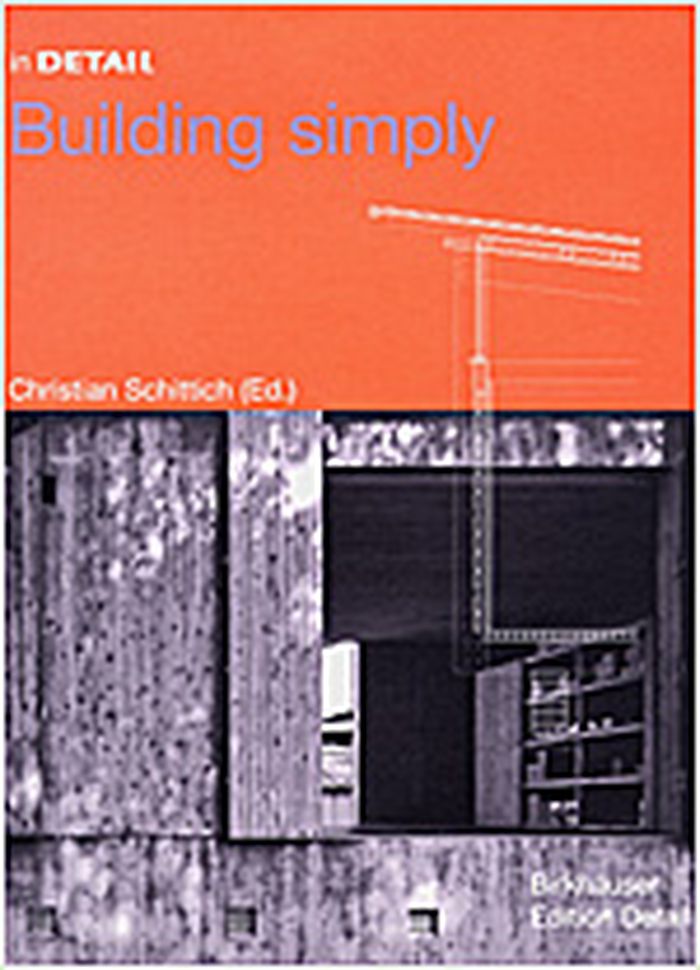
In a time of loud gestures and ostentation unpretentious buildings, which have been reduced to the essentials with no superfluous decoration, are soothing in their purity. This new volume in the series In Detail demonstrates the breadth and complexity of the issues involved in building simply, from functional and economic demands, through ecological and energy-related aspects, to design and construction requirements. "Building Simply" can be read and applied in many ways. In the face of the sheer wealth of possibilities available today and the ever quicker changes in design and style, it is a creative process which does justice to the nature and quality of the materials used and gives rise to unique projects through an economy of means and resources. The project section documents a comprehensive range of international examples, from simple wooden bridges, to pavilions, residential buildings, workshops, and warehouses.
Building simply
Actions:
Prix:
$97.95
(disponible sur commande)
Résumé:
In a time of loud gestures and ostentation unpretentious buildings, which have been reduced to the essentials with no superfluous decoration, are soothing in their purity. This new volume in the series In Detail demonstrates the breadth and complexity of the issues involved in building simply, from functional and economic demands, through ecological and energy-related aspects, to design and construction requirements. "Building Simply" can be read and applied in many ways. In the face of the sheer wealth of possibilities available today and the ever quicker changes in design and style, it is a creative process which does justice to the nature and quality of the materials used and gives rise to unique projects through an economy of means and resources. The project section documents a comprehensive range of international examples, from simple wooden bridges, to pavilions, residential buildings, workshops, and warehouses.
Classification:
livres
livres
Publication:
octobre 2005, Basel
octobre 2005, Basel
Sujet:
Architecture écologique
Architecture écologique
Classification:
livres
livres
Actions:
Prix:
$35.00
(disponible sur commande)
Résumé:
With its reliance on extracted materials and an intense use of resources, the process of construction begs the question whether real sustainability in architecture and planning is possible. For some, a short-term solution is "greenwashing": adopting strategies of simulated commitment instead of investing in actual change toward fewer emissions. NGOs have called out large(...)
$35.00
(disponible sur commande)
Résumé:
With its reliance on extracted materials and an intense use of resources, the process of construction begs the question whether real sustainability in architecture and planning is possible. For some, a short-term solution is "greenwashing": adopting strategies of simulated commitment instead of investing in actual change toward fewer emissions. NGOs have called out large(...)
Titre:
On architecture and greenwashing: The political economy of space vol. 1
Actions:
Prix:
$35.00
(disponible sur commande)
Résumé:
With its reliance on extracted materials and an intense use of resources, the process of construction begs the question whether real sustainability in architecture and planning is possible. For some, a short-term solution is "greenwashing": adopting strategies of simulated commitment instead of investing in actual change toward fewer emissions. NGOs have called out large companies for "low integrity" pledges, pointing out the systemic ecological injustice that the built environment creates through material, wealth and labor extractivism. As institutionalized and commodified greenwashing hollows out the term, how do architects and designers position their work beyond a flattening universalistic understanding of sustainability? The first volume of a forthcoming series, "On architecture and greenwashing" is a collection of essays that presents a cross section of positions on architecture and its political economies, and explores ways to correct course in the face of the climate crisis.
On architecture and greenwashing: The political economy of space vol. 1
Actions:
Prix:
$35.00
(disponible sur commande)
Résumé:
With its reliance on extracted materials and an intense use of resources, the process of construction begs the question whether real sustainability in architecture and planning is possible. For some, a short-term solution is "greenwashing": adopting strategies of simulated commitment instead of investing in actual change toward fewer emissions. NGOs have called out large companies for "low integrity" pledges, pointing out the systemic ecological injustice that the built environment creates through material, wealth and labor extractivism. As institutionalized and commodified greenwashing hollows out the term, how do architects and designers position their work beyond a flattening universalistic understanding of sustainability? The first volume of a forthcoming series, "On architecture and greenwashing" is a collection of essays that presents a cross section of positions on architecture and its political economies, and explores ways to correct course in the face of the climate crisis.
Classification:
livres
livres
Publication:
juin 2024
juin 2024
Sujet:
L'écologie de l'architecure
L'écologie de l'architecure
Classification:
livres
livres
Prix:
$86.00
(disponible sur commande)
Résumé:
There has never been a more important time to understand how to make the best use of local natural resources and create buildings that do not rely on stripping our planet or transporting materials across the globe. First published in 2017, Habitat gathers the world's leading experts on vernacular architecture to examine how local buildings have stood the test of time and(...)
$86.00
(disponible sur commande)
Résumé:
There has never been a more important time to understand how to make the best use of local natural resources and create buildings that do not rely on stripping our planet or transporting materials across the globe. First published in 2017, Habitat gathers the world's leading experts on vernacular architecture to examine how local buildings have stood the test of time and(...)
Titre:
Habitat: Vernacular architecture for a changing climate
Actions:
Prix:
$86.00
(disponible sur commande)
Résumé:
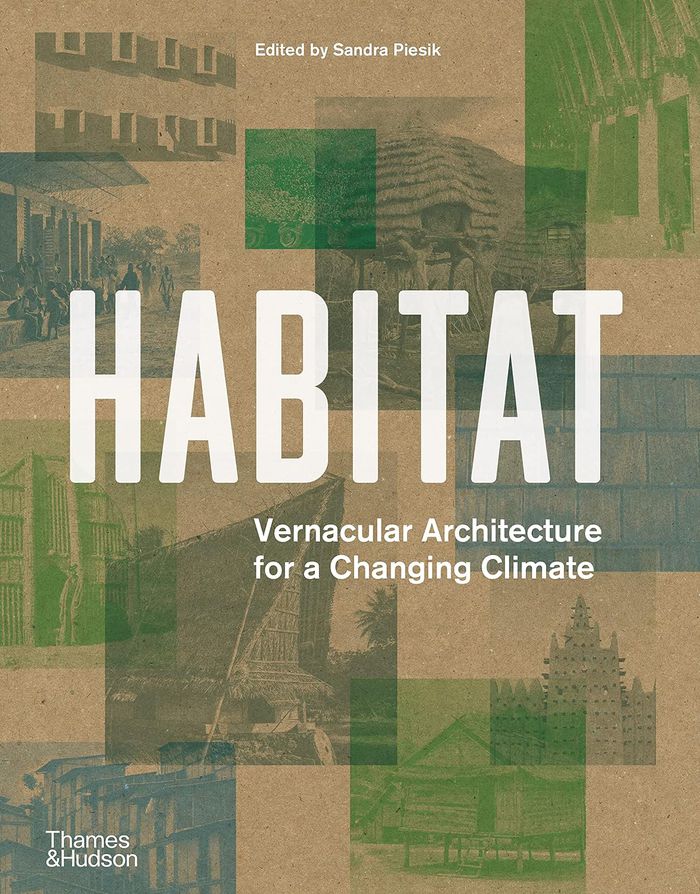
There has never been a more important time to understand how to make the best use of local natural resources and create buildings that do not rely on stripping our planet or transporting materials across the globe. First published in 2017, Habitat gathers the world's leading experts on vernacular architecture to examine how local buildings have stood the test of time and offer lessons for the future. Arranged by climate zone- Tropical, Dry, Temperate, Continental, and Polar- each regional section presents buildings in their environments, showing how climatic conditions and vegetation affect the evolution of building styles. This central part of Habitat is bookended by a range of essays exploring the economic and anthropological aspects of shelter, while the book's reference section offers information on materials science and engineering, including how buildings have been adapted to contend with natural disasters.
Habitat: Vernacular architecture for a changing climate
Actions:
Prix:
$86.00
(disponible sur commande)
Résumé:
There has never been a more important time to understand how to make the best use of local natural resources and create buildings that do not rely on stripping our planet or transporting materials across the globe. First published in 2017, Habitat gathers the world's leading experts on vernacular architecture to examine how local buildings have stood the test of time and offer lessons for the future. Arranged by climate zone- Tropical, Dry, Temperate, Continental, and Polar- each regional section presents buildings in their environments, showing how climatic conditions and vegetation affect the evolution of building styles. This central part of Habitat is bookended by a range of essays exploring the economic and anthropological aspects of shelter, while the book's reference section offers information on materials science and engineering, including how buildings have been adapted to contend with natural disasters.
Classification:
livres
livres
Publication:
mai 2024
mai 2024
Sujet:
Architecture écologique
Architecture écologique
Classification:
livres
livres
Actions:
Prix:
$88.00
(disponible sur commande)
Résumé:
Acclaimed Los Angeles architect Franklin D. Israel (1945–1996) created innovative residential projects and office interiors that made him one of the most talked-about designers of his generation. In this vivid account, architectural historian Todd Gannon draws on archival resources, analyses of Israel’s buildings, and recent interviews with the architect’s colleagues,(...)
$88.00
(disponible sur commande)
Résumé:
Acclaimed Los Angeles architect Franklin D. Israel (1945–1996) created innovative residential projects and office interiors that made him one of the most talked-about designers of his generation. In this vivid account, architectural historian Todd Gannon draws on archival resources, analyses of Israel’s buildings, and recent interviews with the architect’s colleagues,(...)
Titre:
Franklin D. Israel: A life in architecture
Actions:
Prix:
$88.00
(disponible sur commande)
Résumé:
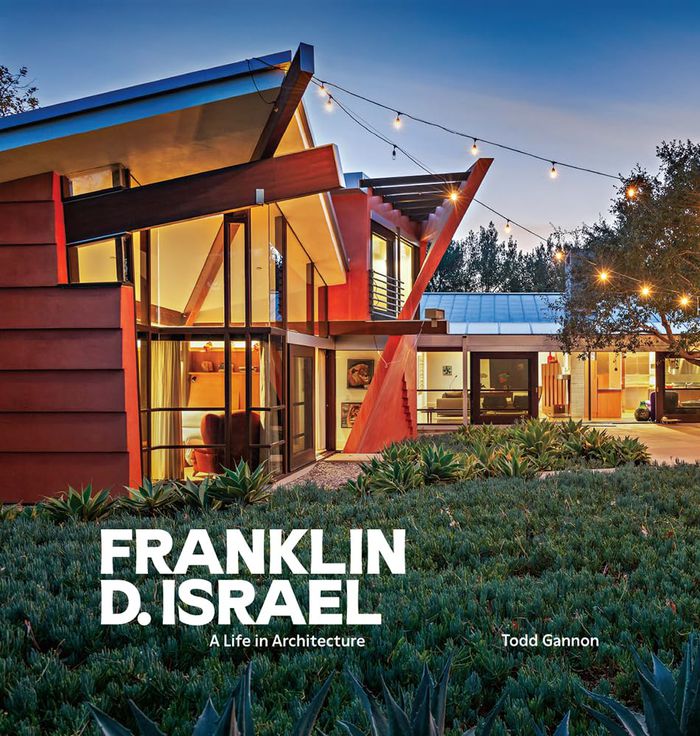
Acclaimed Los Angeles architect Franklin D. Israel (1945–1996) created innovative residential projects and office interiors that made him one of the most talked-about designers of his generation. In this vivid account, architectural historian Todd Gannon draws on archival resources, analyses of Israel’s buildings, and recent interviews with the architect’s colleagues, clients, and contemporaries, including Frank Gehry, Thom Mayne, and Robert A. M. Stern. Gannon traces Israel’s development from his early years and career on the East Coast to his formative world travels and residence at the American Academy in Rome. The author guides readers through the Los Angeles architectural context, Israel’s influential teaching at UCLA, his dalliance with Hollywood, and the personal motivations behind his architecture and design work—all aspects of an influential career that was cut short by his death from AIDS-related complications at the age of fifty.
Franklin D. Israel: A life in architecture
Actions:
Prix:
$88.00
(disponible sur commande)
Résumé:
Acclaimed Los Angeles architect Franklin D. Israel (1945–1996) created innovative residential projects and office interiors that made him one of the most talked-about designers of his generation. In this vivid account, architectural historian Todd Gannon draws on archival resources, analyses of Israel’s buildings, and recent interviews with the architect’s colleagues, clients, and contemporaries, including Frank Gehry, Thom Mayne, and Robert A. M. Stern. Gannon traces Israel’s development from his early years and career on the East Coast to his formative world travels and residence at the American Academy in Rome. The author guides readers through the Los Angeles architectural context, Israel’s influential teaching at UCLA, his dalliance with Hollywood, and the personal motivations behind his architecture and design work—all aspects of an influential career that was cut short by his death from AIDS-related complications at the age of fifty.
Classification:
livres
livres
Publication:
février 2025
février 2025
Sujet:
Architecture, monographies
Architecture, monographies
Classification:
livres
livres
Actions:
Prix:
$44.95
(disponible sur commande)
Résumé:
The new building for Bayer’s company headquarters is innovative and transparent, functional yet sophisticated, embodying the ethos of this global concern. Indeed these were the factors which led Bayer to chose Helmut Jahn’s project in 1998. Comprising four storeys, the structure is semi-elliptical in shape. To the south it blends harmoniously with the Carl-Duisburg Park(...)
$44.95
(disponible sur commande)
Résumé:
The new building for Bayer’s company headquarters is innovative and transparent, functional yet sophisticated, embodying the ethos of this global concern. Indeed these were the factors which led Bayer to chose Helmut Jahn’s project in 1998. Comprising four storeys, the structure is semi-elliptical in shape. To the south it blends harmoniously with the Carl-Duisburg Park(...)
Titre:
Helmut Jahn : Bayer headquarters
Actions:
Prix:
$44.95
(disponible sur commande)
Résumé:
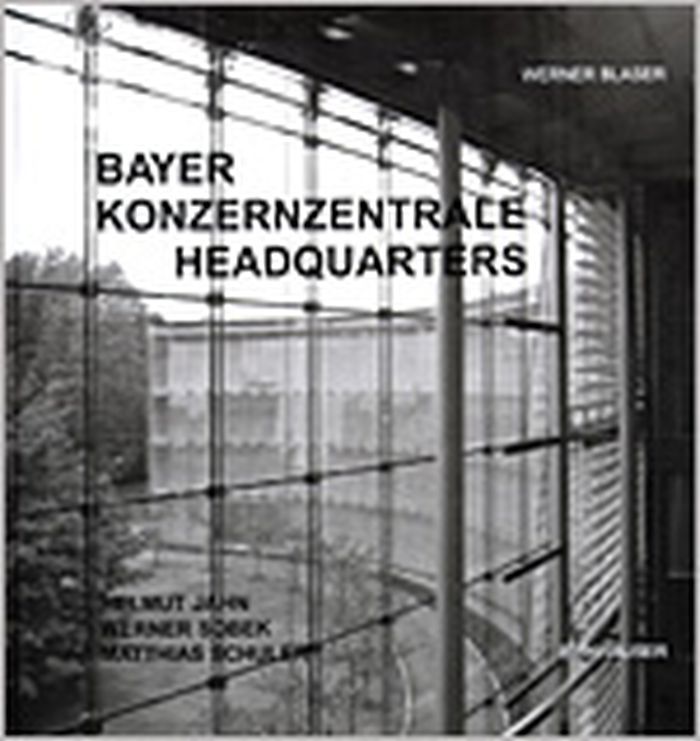
The new building for Bayer’s company headquarters is innovative and transparent, functional yet sophisticated, embodying the ethos of this global concern. Indeed these were the factors which led Bayer to chose Helmut Jahn’s project in 1998. Comprising four storeys, the structure is semi-elliptical in shape. To the south it blends harmoniously with the Carl-Duisburg Park while to the north, a long garden pergola provides the link to the entry hall. In order to make maximum use of natural resources and minimize technical equipment the concrete structure has a twin shell facade, facilitating natural ventilation and optimizing daylight. This building skin regulates interior and exterior conditions and the integral heating and cooling system takes advantage of the low energy characteristics of water and the thermal storage capacity of concrete. This book portrays this structure in stunning duotone photographs, short texts and plans.
Helmut Jahn : Bayer headquarters
Actions:
Prix:
$44.95
(disponible sur commande)
Résumé:
The new building for Bayer’s company headquarters is innovative and transparent, functional yet sophisticated, embodying the ethos of this global concern. Indeed these were the factors which led Bayer to chose Helmut Jahn’s project in 1998. Comprising four storeys, the structure is semi-elliptical in shape. To the south it blends harmoniously with the Carl-Duisburg Park while to the north, a long garden pergola provides the link to the entry hall. In order to make maximum use of natural resources and minimize technical equipment the concrete structure has a twin shell facade, facilitating natural ventilation and optimizing daylight. This building skin regulates interior and exterior conditions and the integral heating and cooling system takes advantage of the low energy characteristics of water and the thermal storage capacity of concrete. This book portrays this structure in stunning duotone photographs, short texts and plans.
Classification:
livres
livres
Publication:
août 2003, Basel
août 2003, Basel
Sujet:
Architecture, monographies
Architecture, monographies
Classification:
livres
livres
Titre:
Han Sungpil
Han Sungpil
Actions:
Prix:
$76.50
(disponible sur commande)
Résumé:
In his works of art the Korean photographer Han Sungpil confronts the themes of environment, energy production, and humankind’s impact on nature. The three series in this book of photographs are distinguished by their surprising perspective, which goes beyond the visual vocabulary normally found in environmental documentations. Whether it’s a painterly French landscape(...)
$76.50
(disponible sur commande)
Résumé:
In his works of art the Korean photographer Han Sungpil confronts the themes of environment, energy production, and humankind’s impact on nature. The three series in this book of photographs are distinguished by their surprising perspective, which goes beyond the visual vocabulary normally found in environmental documentations. Whether it’s a painterly French landscape(...)
Titre:
Han Sungpil
Actions:
Prix:
$76.50
(disponible sur commande)
Résumé:
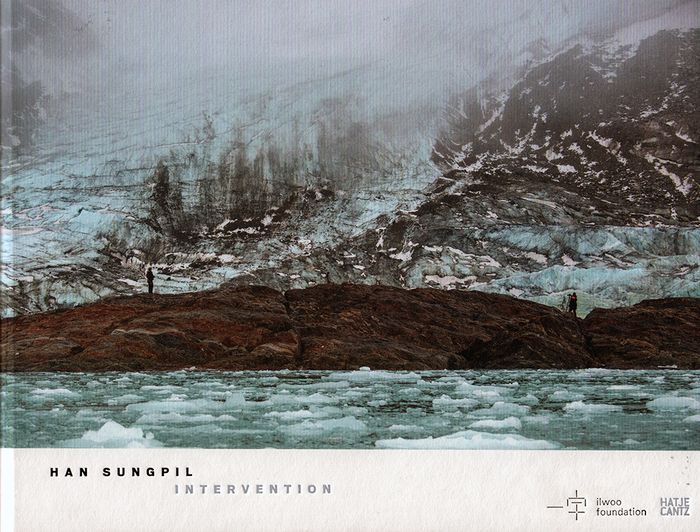
In his works of art the Korean photographer Han Sungpil confronts the themes of environment, energy production, and humankind’s impact on nature. The three series in this book of photographs are distinguished by their surprising perspective, which goes beyond the visual vocabulary normally found in environmental documentations. Whether it’s a painterly French landscape featuring nuclear power plants, presented as a scene of idyllic perfection, or a search for the relics of whale hunting and coal mining in the Arctic and Antarctic, Sungpil’s photographs tell, artfully and critically, of nature’s sublimity and humankind’s overexploitation of it. Photographs of abandoned trawlers, whaling stations, and industrial ruins set in front of monumental, ice-covered landscapes shift the focus to the exploitation of ecological resources, leaving the viewer speechless. Sungpil was awarded the Ilwoo Foundation’s prize for his moving works of art.
Han Sungpil
Actions:
Prix:
$76.50
(disponible sur commande)
Résumé:
In his works of art the Korean photographer Han Sungpil confronts the themes of environment, energy production, and humankind’s impact on nature. The three series in this book of photographs are distinguished by their surprising perspective, which goes beyond the visual vocabulary normally found in environmental documentations. Whether it’s a painterly French landscape featuring nuclear power plants, presented as a scene of idyllic perfection, or a search for the relics of whale hunting and coal mining in the Arctic and Antarctic, Sungpil’s photographs tell, artfully and critically, of nature’s sublimity and humankind’s overexploitation of it. Photographs of abandoned trawlers, whaling stations, and industrial ruins set in front of monumental, ice-covered landscapes shift the focus to the exploitation of ecological resources, leaving the viewer speechless. Sungpil was awarded the Ilwoo Foundation’s prize for his moving works of art.
Classification:
livres
livres
Publication:
juillet 2017
juillet 2017
Sujet:
Monographies photo
Monographies photo
Classification:
livres
livres
Titre:
Gardens: a short history
Gardens: a short history
Actions:
Prix:
$22.95
(disponible en magasin)
Résumé:
Gardens take many forms, and have a variety of functions. They can serve as spaces of peace and tranquilty, a way to cultivate wildlife, or as places to develop agricultural resources. Globally, gardens have inspired, comforted, and sustained people from all walks of life, and since the Garden of Eden many iconic gardens have inspired great artists, poets, musicians, and(...)
$22.95
(disponible en magasin)
Résumé:
Gardens take many forms, and have a variety of functions. They can serve as spaces of peace and tranquilty, a way to cultivate wildlife, or as places to develop agricultural resources. Globally, gardens have inspired, comforted, and sustained people from all walks of life, and since the Garden of Eden many iconic gardens have inspired great artists, poets, musicians, and(...)
Titre:
Gardens: a short history
Actions:
Prix:
$22.95
(disponible en magasin)
Résumé:
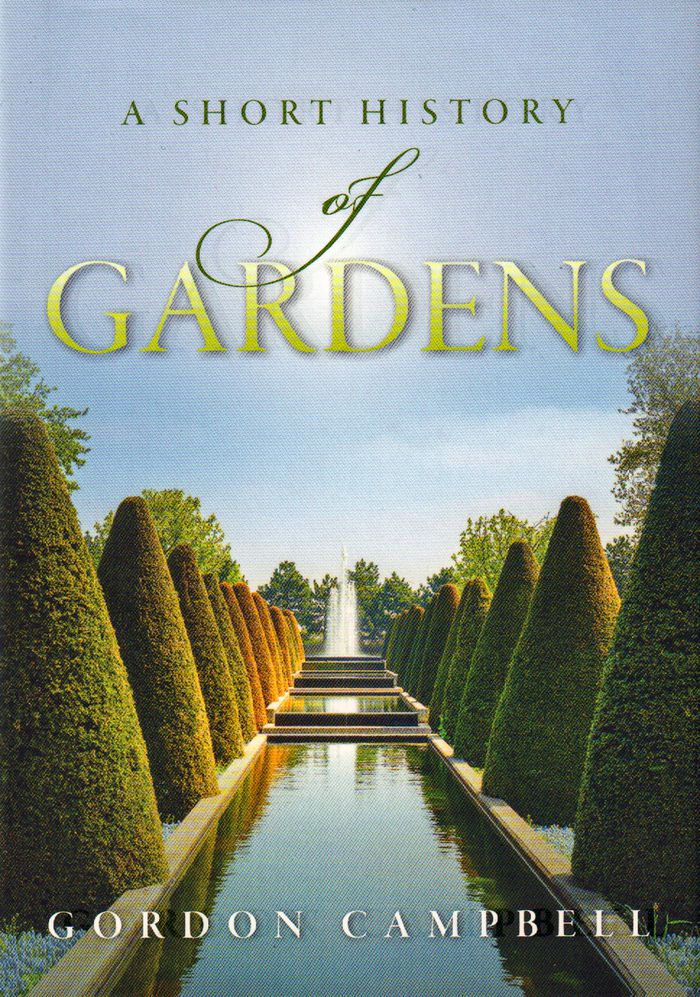
Gardens take many forms, and have a variety of functions. They can serve as spaces of peace and tranquilty, a way to cultivate wildlife, or as places to develop agricultural resources. Globally, gardens have inspired, comforted, and sustained people from all walks of life, and since the Garden of Eden many iconic gardens have inspired great artists, poets, musicians, and writers. In this short history, Gordon Campbell embraces gardens in all their splendour, from parks, and fruit and vegetable gardens to ornamental gardens, and takes the reader on a globe-trotting historical journey through iconic and cultural signposts of gardens from different regions and traditions. Ranging from the gardens of ancient Persia to modern day allotments, he concludes by looking to the future of the garden in the age of global warming, and the adaptive spirit of human innovation.
Gardens: a short history
Actions:
Prix:
$22.95
(disponible en magasin)
Résumé:
Gardens take many forms, and have a variety of functions. They can serve as spaces of peace and tranquilty, a way to cultivate wildlife, or as places to develop agricultural resources. Globally, gardens have inspired, comforted, and sustained people from all walks of life, and since the Garden of Eden many iconic gardens have inspired great artists, poets, musicians, and writers. In this short history, Gordon Campbell embraces gardens in all their splendour, from parks, and fruit and vegetable gardens to ornamental gardens, and takes the reader on a globe-trotting historical journey through iconic and cultural signposts of gardens from different regions and traditions. Ranging from the gardens of ancient Persia to modern day allotments, he concludes by looking to the future of the garden in the age of global warming, and the adaptive spirit of human innovation.
Classification:
livres
livres
Publication:
novembre 2016
novembre 2016
Sujet:
Jardins
Jardins
Classification:
livres
livres
Actions:
Prix:
$44.00
(disponible en magasin)
Résumé:
In an empty factory unit tucked away in Berlin’s Köpenicker Strasse, The Proletarian Building Exhibition was mounted with the humblest of resources in 1931. It marked the first action by a group of revolutionary architects, builders, and students forming the Kollektiv für sozialistisches Bauen under the architect Arthur Korn. Taking aim at modernist architects(...)
$44.00
(disponible en magasin)
Résumé:
In an empty factory unit tucked away in Berlin’s Köpenicker Strasse, The Proletarian Building Exhibition was mounted with the humblest of resources in 1931. It marked the first action by a group of revolutionary architects, builders, and students forming the Kollektiv für sozialistisches Bauen under the architect Arthur Korn. Taking aim at modernist architects(...)
Publication:
mai 2016
mai 2016
Titre:
Collective for a socialist architecture: proletarian building exhibition 1931
Actions:
Prix:
$44.00
(disponible en magasin)
Résumé:
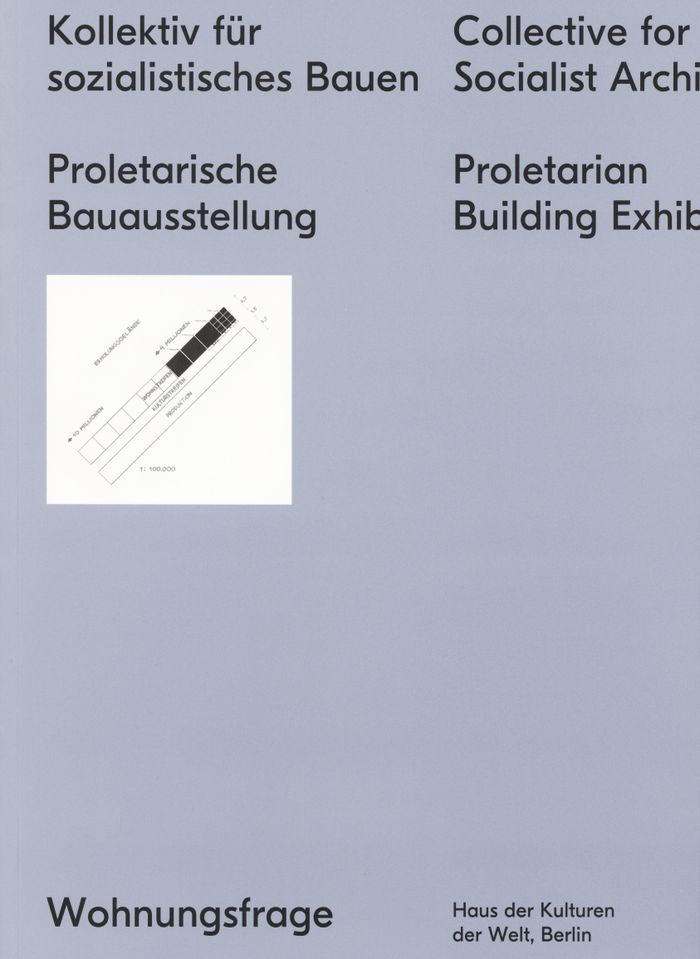
In an empty factory unit tucked away in Berlin’s Köpenicker Strasse, The Proletarian Building Exhibition was mounted with the humblest of resources in 1931. It marked the first action by a group of revolutionary architects, builders, and students forming the Kollektiv für sozialistisches Bauen under the architect Arthur Korn. Taking aim at modernist architects participating in the German Building Exhibition and CIAM, they cast architecture as an instrument of power, questioned capitalist solutions to the housing question, and unveiled planning approaches imported from the then-Soviet Union. A full facsimile of the exhibition manifesto/catalog and exhibition panels is featured in addition to contributing essays by contemporary architects, writers and educators, and the Collectives’ Annual Report including a proposed work program and statement of intent. Historical photos are interspersed throughout providing a full reconstruction of this significant architectural and sociopolitical event.
Collective for a socialist architecture: proletarian building exhibition 1931
Actions:
Prix:
$44.00
(disponible en magasin)
Résumé:
In an empty factory unit tucked away in Berlin’s Köpenicker Strasse, The Proletarian Building Exhibition was mounted with the humblest of resources in 1931. It marked the first action by a group of revolutionary architects, builders, and students forming the Kollektiv für sozialistisches Bauen under the architect Arthur Korn. Taking aim at modernist architects participating in the German Building Exhibition and CIAM, they cast architecture as an instrument of power, questioned capitalist solutions to the housing question, and unveiled planning approaches imported from the then-Soviet Union. A full facsimile of the exhibition manifesto/catalog and exhibition panels is featured in addition to contributing essays by contemporary architects, writers and educators, and the Collectives’ Annual Report including a proposed work program and statement of intent. Historical photos are interspersed throughout providing a full reconstruction of this significant architectural and sociopolitical event.
Classification:
livres
livres
Publication:
mai 2016
mai 2016
Classification:
livres
livres
Titre:
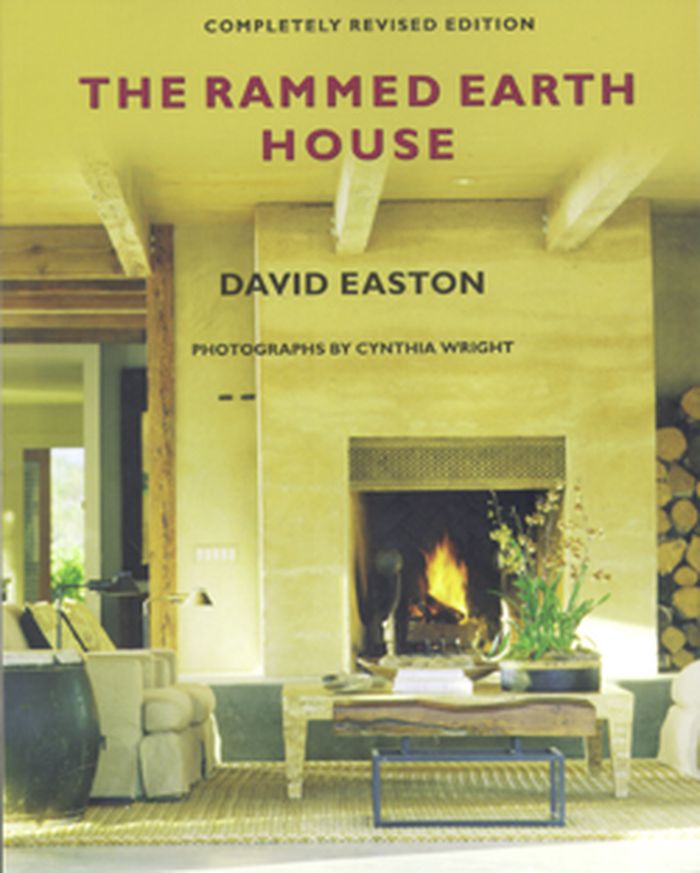
The rammed earth house
The rammed earth house
Actions:
Prix:
$50.00
(disponible sur commande)
Résumé:
The Rammed Earth House is an eye-opening example of how the most dramatic innovations in home design and construction frequently have their origins in the distant past. By rediscovering the most ancient of all building materials, earth, forward-thinking homebuilders can now create structures that set new standards for beauty, durability, and efficient use of natural(...)
$50.00
(disponible sur commande)
Résumé:
The Rammed Earth House is an eye-opening example of how the most dramatic innovations in home design and construction frequently have their origins in the distant past. By rediscovering the most ancient of all building materials, earth, forward-thinking homebuilders can now create structures that set new standards for beauty, durability, and efficient use of natural(...)
Sujet:
Architecture écologique
Architecture écologique
Publication:
décembre 2007, White RIver Junction
décembre 2007, White RIver Junction
Titre:
The rammed earth house
Actions:
Prix:
$50.00
(disponible sur commande)
Résumé:
The Rammed Earth House is an eye-opening example of how the most dramatic innovations in home design and construction frequently have their origins in the distant past. By rediscovering the most ancient of all building materials, earth, forward-thinking homebuilders can now create structures that set new standards for beauty, durability, and efficient use of natural resources. Rammed earth construction is a step forward into a sustainable future, when homes will combine pleasing aesthetics and intense practicality with a powerful sense of place. Rammed earth homes are built entirely on-site, using basic elements—earth, water, and a little cement. The solid masonry walls permit design flexibility while providing year-round comfort and minimal use of energy. The builder and resident of a rammed earth house will experience the deep satisfaction of creating permanence in a world dominated by the disposable.
The rammed earth house
Actions:
Prix:
$50.00
(disponible sur commande)
Résumé:
The Rammed Earth House is an eye-opening example of how the most dramatic innovations in home design and construction frequently have their origins in the distant past. By rediscovering the most ancient of all building materials, earth, forward-thinking homebuilders can now create structures that set new standards for beauty, durability, and efficient use of natural resources. Rammed earth construction is a step forward into a sustainable future, when homes will combine pleasing aesthetics and intense practicality with a powerful sense of place. Rammed earth homes are built entirely on-site, using basic elements—earth, water, and a little cement. The solid masonry walls permit design flexibility while providing year-round comfort and minimal use of energy. The builder and resident of a rammed earth house will experience the deep satisfaction of creating permanence in a world dominated by the disposable.
Classification:
livres
livres
Publication:
décembre 2007, White RIver Junction
décembre 2007, White RIver Junction
Sujet:
Architecture écologique
Architecture écologique


