


666 Résultats
Classification:
livres
livres
Prix:
$45.00
(disponible sur commande)
Résumé:
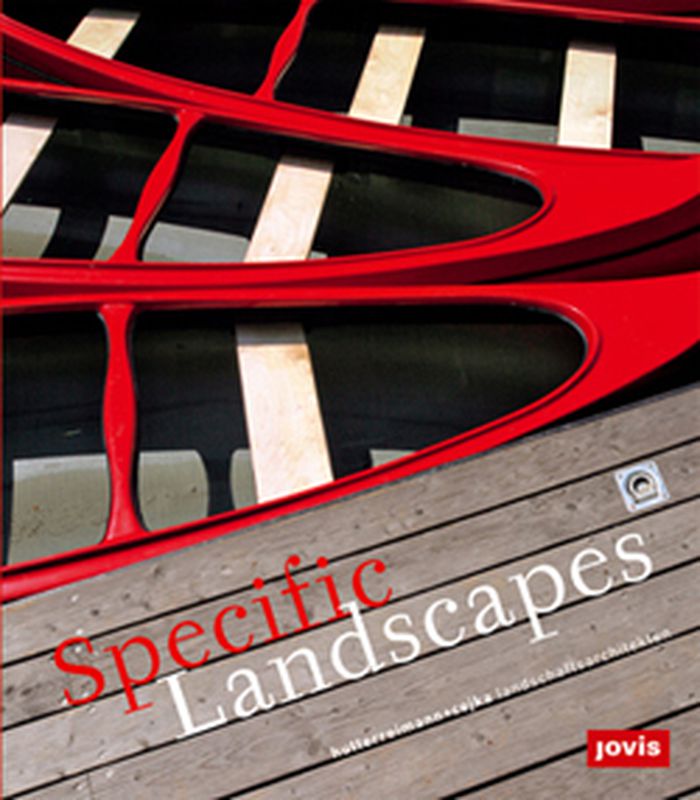
Characterized by an expansive vision and a passion for detail, Huttereimann + Cejka landscape architects have been designing public spaces and residential environments in Europe for over ten years. This publication presents a wealth of unconventional solutions for public parks, squares and playgrounds, as well as private gardens, through photographs, plans, drawings and writings.
$45.00
(disponible sur commande)
Résumé:
Characterized by an expansive vision and a passion for detail, Huttereimann + Cejka landscape architects have been designing public spaces and residential environments in Europe for over ten years. This publication presents a wealth of unconventional solutions for public parks, squares and playgrounds, as well as private gardens, through photographs, plans, drawings and writings.
Publication:
novembre 2011
novembre 2011
Titre:
Hutterreimann & Cejka landscape architects: specific landscapes
Actions:
Prix:
$45.00
(disponible sur commande)
Résumé:
Characterized by an expansive vision and a passion for detail, Huttereimann + Cejka landscape architects have been designing public spaces and residential environments in Europe for over ten years. This publication presents a wealth of unconventional solutions for public parks, squares and playgrounds, as well as private gardens, through photographs, plans, drawings and writings.
Hutterreimann & Cejka landscape architects: specific landscapes
Actions:
Prix:
$45.00
(disponible sur commande)
Résumé:
Characterized by an expansive vision and a passion for detail, Huttereimann + Cejka landscape architects have been designing public spaces and residential environments in Europe for over ten years. This publication presents a wealth of unconventional solutions for public parks, squares and playgrounds, as well as private gardens, through photographs, plans, drawings and writings.
Classification:
livres
livres
Publication:
novembre 2011
novembre 2011
Classification:
périodiques
périodiques
Actions:
Prix:
$40.00
(disponible sur commande)
Résumé:
No longer are work and leisure separate realms. These days, playing is work and work demands play. This gamification of the workspace uses points, levels, and feedback, aiming to improve the worker’s engagement, boost productivity, facilitate learning, optimise systems, and more. Through the production of playful work, gamification shapes identities that fit the needs of(...)
$40.00
(disponible sur commande)
Résumé:
No longer are work and leisure separate realms. These days, playing is work and work demands play. This gamification of the workspace uses points, levels, and feedback, aiming to improve the worker’s engagement, boost productivity, facilitate learning, optimise systems, and more. Through the production of playful work, gamification shapes identities that fit the needs of(...)
Titre:
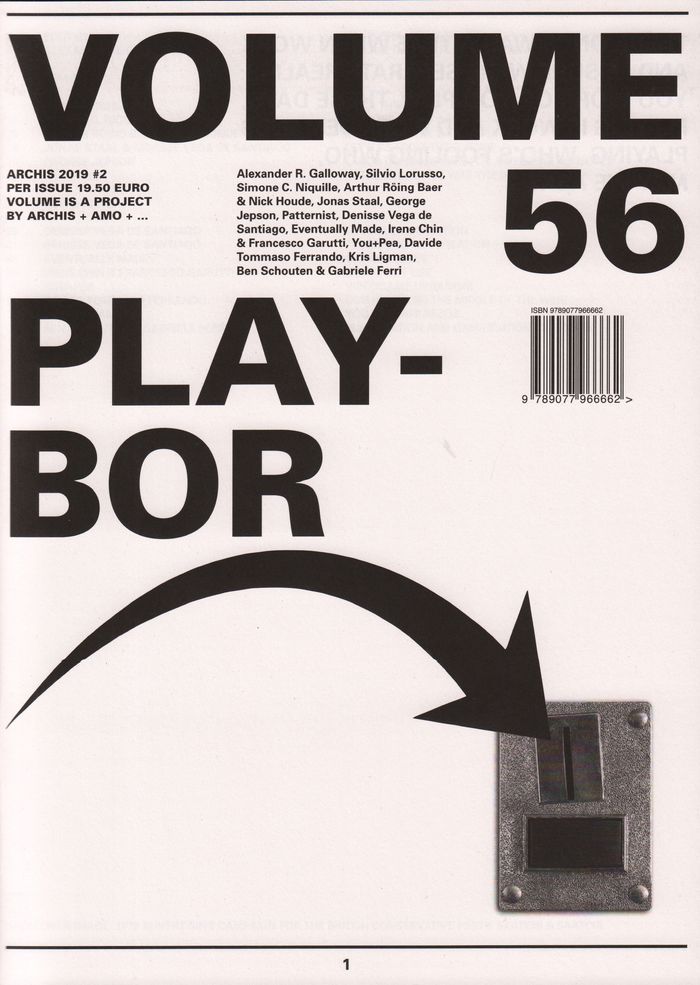
Volume 56: Playbor. Powerplay,Playground
Actions:
Prix:
$40.00
(disponible sur commande)
Résumé:
No longer are work and leisure separate realms. These days, playing is work and work demands play. This gamification of the workspace uses points, levels, and feedback, aiming to improve the worker’s engagement, boost productivity, facilitate learning, optimise systems, and more. Through the production of playful work, gamification shapes identities that fit the needs of capitalism: enthusiastic, self-engaged, and self-exploitative subjects. This issue of ‘Volume’ is divided in two sections: ''Powerplay'', in which the renewed relations between work and leisure are explored, and ''Playground'', where the spatial implications of this recent focus on gaming are addressed.
Volume 56: Playbor. Powerplay,Playground
Actions:
Prix:
$40.00
(disponible sur commande)
Résumé:
No longer are work and leisure separate realms. These days, playing is work and work demands play. This gamification of the workspace uses points, levels, and feedback, aiming to improve the worker’s engagement, boost productivity, facilitate learning, optimise systems, and more. Through the production of playful work, gamification shapes identities that fit the needs of capitalism: enthusiastic, self-engaged, and self-exploitative subjects. This issue of ‘Volume’ is divided in two sections: ''Powerplay'', in which the renewed relations between work and leisure are explored, and ''Playground'', where the spatial implications of this recent focus on gaming are addressed.
Classification:
périodiques
périodiques
Publication:
janvier 2020
janvier 2020
Sujet:
Revues
Revues
Classification:
périodiques
périodiques

Prix:
$36.95
(disponible en magasin)
Résumé:
For its inaugural 112-page issue, more than 30 creatives from around Europe, including writers, illustrators, photographers and makers from Georgia, Ukraine, Lithuania, to Sweden, Spain and the UK, contributed to bring the magazine to life.
$36.95
(disponible en magasin)
Résumé:
For its inaugural 112-page issue, more than 30 creatives from around Europe, including writers, illustrators, photographers and makers from Georgia, Ukraine, Lithuania, to Sweden, Spain and the UK, contributed to bring the magazine to life.
Titre:
Playground issue 1 : An honest magazine for imaginitive minds
Actions:
Prix:
$36.95
(disponible en magasin)
Résumé:
For its inaugural 112-page issue, more than 30 creatives from around Europe, including writers, illustrators, photographers and makers from Georgia, Ukraine, Lithuania, to Sweden, Spain and the UK, contributed to bring the magazine to life.
Playground issue 1 : An honest magazine for imaginitive minds
Actions:
Prix:
$36.95
(disponible en magasin)
Résumé:
For its inaugural 112-page issue, more than 30 creatives from around Europe, including writers, illustrators, photographers and makers from Georgia, Ukraine, Lithuania, to Sweden, Spain and the UK, contributed to bring the magazine to life.
Classification:
périodiques
périodiques
Publication:
février 2024
février 2024
Sujet:
Revues
Revues
Classification:
livres
livres
Actions:
Prix:
$94.59
(disponible sur commande)
Résumé:
This publication documents a collection of design products and concepts for children. This book offers a new standard of design for children with examples of toys, playgrounds and play environments, room decorations, wall coverings, furniture and kindergarten architecture. In addition to these products, it also presents illustration and photography as well as new and(...)
$94.59
(disponible sur commande)
Résumé:
This publication documents a collection of design products and concepts for children. This book offers a new standard of design for children with examples of toys, playgrounds and play environments, room decorations, wall coverings, furniture and kindergarten architecture. In addition to these products, it also presents illustration and photography as well as new and(...)
Titre:
Play all day : design for children
Actions:
Prix:
$94.59
(disponible sur commande)
Résumé:
This publication documents a collection of design products and concepts for children. This book offers a new standard of design for children with examples of toys, playgrounds and play environments, room decorations, wall coverings, furniture and kindergarten architecture. In addition to these products, it also presents illustration and photography as well as new and original ideas offering playful solutions that designers and creative parents are designing for and with their kids.
Play all day : design for children
Actions:
Prix:
$94.59
(disponible sur commande)
Résumé:
This publication documents a collection of design products and concepts for children. This book offers a new standard of design for children with examples of toys, playgrounds and play environments, room decorations, wall coverings, furniture and kindergarten architecture. In addition to these products, it also presents illustration and photography as well as new and original ideas offering playful solutions that designers and creative parents are designing for and with their kids.
Classification:
livres
livres
Publication:
janvier 2009
janvier 2009
Classification:
livres
livres
Actions:
Prix:
$39.95
(disponible sur commande)
Résumé:
Every summer season, the sun-drenched coasts of Bulgaria and Croatia turn into densely inhabited, intensively exploited tourist hotspots. Holidays after the Fall traces the various architectural and urban-planning strategies pursued in these countries since the mid-1950s. It portrays late-modern tourist architecture and resorts of a remarkable diversity, which have(...)
$39.95
(disponible sur commande)
Résumé:
Every summer season, the sun-drenched coasts of Bulgaria and Croatia turn into densely inhabited, intensively exploited tourist hotspots. Holidays after the Fall traces the various architectural and urban-planning strategies pursued in these countries since the mid-1950s. It portrays late-modern tourist architecture and resorts of a remarkable diversity, which have(...)
Sujet:
Théorie de l’urbanisme
Théorie de l’urbanisme
Publication:
octobre 2013
octobre 2013
Titre:
Holidays after the fall: seaside architecture and urbanism in Bulgaria and Croatia
Actions:
Prix:
$39.95
(disponible sur commande)
Résumé:
Every summer season, the sun-drenched coasts of Bulgaria and Croatia turn into densely inhabited, intensively exploited tourist hotspots. Holidays after the Fall traces the various architectural and urban-planning strategies pursued in these countries since the mid-1950s. It portrays late-modern tourist architecture and resorts of a remarkable diversity, which have endured as playgrounds for both the Bulgarian and Croatian working classes and the international market.
Holidays after the fall: seaside architecture and urbanism in Bulgaria and Croatia
Actions:
Prix:
$39.95
(disponible sur commande)
Résumé:
Every summer season, the sun-drenched coasts of Bulgaria and Croatia turn into densely inhabited, intensively exploited tourist hotspots. Holidays after the Fall traces the various architectural and urban-planning strategies pursued in these countries since the mid-1950s. It portrays late-modern tourist architecture and resorts of a remarkable diversity, which have endured as playgrounds for both the Bulgarian and Croatian working classes and the international market.
Classification:
livres
livres
Publication:
octobre 2013
octobre 2013
Sujet:
Théorie de l’urbanisme
Théorie de l’urbanisme
Classification:
livres
livres
Actions:
Prix:
$49.95
(disponible sur commande)
Résumé:
"Ground-up city : play as a design tool" maps the continuing history of an urban design strategy for play in the city. Liane Lefaivre has developed a theoretical model for tackling playgrounds as an urban strategy. She steps off from a historical overview of play and the ludic in art, architecture and urban design, focusing particularly on the post-war playgrounds(...)
$49.95
(disponible sur commande)
Résumé:
"Ground-up city : play as a design tool" maps the continuing history of an urban design strategy for play in the city. Liane Lefaivre has developed a theoretical model for tackling playgrounds as an urban strategy. She steps off from a historical overview of play and the ludic in art, architecture and urban design, focusing particularly on the post-war playgrounds(...)
Titre:
Ground-up city : play as a design tool
Actions:
Prix:
$49.95
(disponible sur commande)
Résumé:
"Ground-up city : play as a design tool" maps the continuing history of an urban design strategy for play in the city. Liane Lefaivre has developed a theoretical model for tackling playgrounds as an urban strategy. She steps off from a historical overview of play and the ludic in art, architecture and urban design, focusing particularly on the post-war playgrounds realized in Amsterdam as joint ventures between Aldo van Eyck, Cornelis van Eesteren and Jakoba Mulder. The architecture firm Döll - Atelier voor Bouwkunst explored the possibility of applying the model in two urban redevelopment areas in Rotterdam, Oude Westen in the inner city and Meeuwenplaat in Hoogvliet, an outlying postwar district, refining it into a practical design strategy. A second layer in the book gives an inspirational and refreshing new look at play in a picture essay with a welter of reference images illustrating play as an urban phenomenon. "Ground-up city" places the playground high on the agenda as an urban design challenge. It also shows how specifying a generic, academic model for a particular situation can lead to a practically applicable design resource.
Ground-up city : play as a design tool
Actions:
Prix:
$49.95
(disponible sur commande)
Résumé:
"Ground-up city : play as a design tool" maps the continuing history of an urban design strategy for play in the city. Liane Lefaivre has developed a theoretical model for tackling playgrounds as an urban strategy. She steps off from a historical overview of play and the ludic in art, architecture and urban design, focusing particularly on the post-war playgrounds realized in Amsterdam as joint ventures between Aldo van Eyck, Cornelis van Eesteren and Jakoba Mulder. The architecture firm Döll - Atelier voor Bouwkunst explored the possibility of applying the model in two urban redevelopment areas in Rotterdam, Oude Westen in the inner city and Meeuwenplaat in Hoogvliet, an outlying postwar district, refining it into a practical design strategy. A second layer in the book gives an inspirational and refreshing new look at play in a picture essay with a welter of reference images illustrating play as an urban phenomenon. "Ground-up city" places the playground high on the agenda as an urban design challenge. It also shows how specifying a generic, academic model for a particular situation can lead to a practically applicable design resource.
Classification:
livres
livres
Publication:
janvier 2007, Rotterdam
janvier 2007, Rotterdam
Sujet:
Théorie de l’urbanisme
Théorie de l’urbanisme
Classification:
livres
livres

Titre:
Public produce: cultivating our parks, plazas, and streets for healthier cities, second edition
Public produce: cultivating our parks, plazas, and streets for healthier cities, second edition
Actions:
Prix:
$19.99
(disponible sur commande)
Résumé:
This revised edition of Public Produce profiles the many communities and community officials that are rethinking the role of public space in cities, and shows how places as diverse as parking lots and playgrounds can sustain health and happiness through fresh produce. But these efforts produce more than food. Revitalizing urban areas, connecting residents with their(...)
$19.99
(disponible sur commande)
Résumé:
This revised edition of Public Produce profiles the many communities and community officials that are rethinking the role of public space in cities, and shows how places as diverse as parking lots and playgrounds can sustain health and happiness through fresh produce. But these efforts produce more than food. Revitalizing urban areas, connecting residents with their(...)
Titre:
Public produce: cultivating our parks, plazas, and streets for healthier cities, second edition
Actions:
Prix:
$19.99
(disponible sur commande)
Résumé:
This revised edition of Public Produce profiles the many communities and community officials that are rethinking the role of public space in cities, and shows how places as diverse as parking lots and playgrounds can sustain health and happiness through fresh produce. But these efforts produce more than food. Revitalizing urban areas, connecting residents with their neighborhoods, and promoting healthier lifestyles are just a few of the community goods we harvest from growing fruits and vegetables in our public gathering spots.
Public produce: cultivating our parks, plazas, and streets for healthier cities, second edition
Actions:
Prix:
$19.99
(disponible sur commande)
Résumé:
This revised edition of Public Produce profiles the many communities and community officials that are rethinking the role of public space in cities, and shows how places as diverse as parking lots and playgrounds can sustain health and happiness through fresh produce. But these efforts produce more than food. Revitalizing urban areas, connecting residents with their neighborhoods, and promoting healthier lifestyles are just a few of the community goods we harvest from growing fruits and vegetables in our public gathering spots.
Classification:
livres
livres
Publication:
octobre 2014
octobre 2014
Sujet:
Bouffe
Bouffe
Classification:
livres
livres
Actions:
Prix:
$67.50
(disponible sur commande)
Résumé:
"City Art" provides a complete record of the public art installations sponsored by New York City’s Percent for Art Program since 1983. It features two hundred works by artists including Vito Acconci, Dennis Adams, Siah Armajani, Alice Aycock, Dawoud Bey, Scott Burton, Jackie Ferrara, Komar & Melamid, Matt Mullican, Pat Steir, Fred Tomaselli, Ursula von Rydingsvard, Carrie(...)
$67.50
(disponible sur commande)
Résumé:
"City Art" provides a complete record of the public art installations sponsored by New York City’s Percent for Art Program since 1983. It features two hundred works by artists including Vito Acconci, Dennis Adams, Siah Armajani, Alice Aycock, Dawoud Bey, Scott Burton, Jackie Ferrara, Komar & Melamid, Matt Mullican, Pat Steir, Fred Tomaselli, Ursula von Rydingsvard, Carrie(...)
Publication:
mai 2005, London, New York
mai 2005, London, New York
Titre:
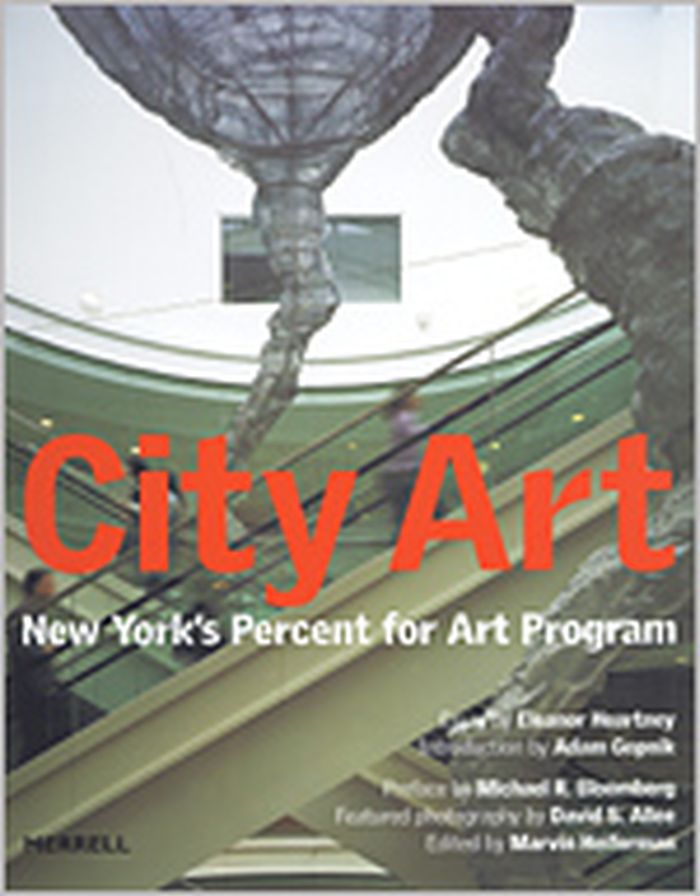
City art : New York's percent for art program
Actions:
Prix:
$67.50
(disponible sur commande)
Résumé:
"City Art" provides a complete record of the public art installations sponsored by New York City’s Percent for Art Program since 1983. It features two hundred works by artists including Vito Acconci, Dennis Adams, Siah Armajani, Alice Aycock, Dawoud Bey, Scott Burton, Jackie Ferrara, Komar & Melamid, Matt Mullican, Pat Steir, Fred Tomaselli, Ursula von Rydingsvard, Carrie Mae Weems, Fred Wilson and Krzysztof Wodiczko. "City Art" includes interior and exterior permanent art installations at schools, parks, playgrounds, courthouses and other sites throughout New York City’s five boroughs.
City art : New York's percent for art program
Actions:
Prix:
$67.50
(disponible sur commande)
Résumé:
"City Art" provides a complete record of the public art installations sponsored by New York City’s Percent for Art Program since 1983. It features two hundred works by artists including Vito Acconci, Dennis Adams, Siah Armajani, Alice Aycock, Dawoud Bey, Scott Burton, Jackie Ferrara, Komar & Melamid, Matt Mullican, Pat Steir, Fred Tomaselli, Ursula von Rydingsvard, Carrie Mae Weems, Fred Wilson and Krzysztof Wodiczko. "City Art" includes interior and exterior permanent art installations at schools, parks, playgrounds, courthouses and other sites throughout New York City’s five boroughs.
Classification:
livres
livres
Publication:
mai 2005, London, New York
mai 2005, London, New York
Classification:
livres
livres
Actions:
Exemplaires:
Description:
184 pages : illustrations (some color) ; 28 cm
Description:
184 pages : illustrations (some color) ; 28 cm
Auteur:
Sujet:
Publication:
Zurich : Park Books, [2013]
Zurich : Park Books, [2013]
Titre:
Chicagoisms : the city as catalyst for architectural speculation / Alexander Eisenschmidt with Jonathan Mekinda (eds.).
Actions:
Exemplaires:
Description:
184 pages : illustrations (some color) ; 28 cm
Chicagoisms : the city as catalyst for architectural speculation / Alexander Eisenschmidt with Jonathan Mekinda (eds.).
Actions:
Exemplaires:
Description:
184 pages : illustrations (some color) ; 28 cm
Classification:
livres
livres
Publication:
Zurich : Park Books, [2013]
Zurich : Park Books, [2013]
Auteur:
Sujet:
Classification:
livres
livres
Actions:
Exemplaires:
Description:
volumes : illustrations, plates, portraits, maps ; 31 cm
Description:
volumes : illustrations, plates, portraits, maps ; 31 cm
Auteur:
Sujet:
Publication:
St. John's : Newfoundland Book Publishers, [©1937]-
St. John's : Newfoundland Book Publishers, [©1937]-
Titre:
The book of Newfoundland / editor, Joseph R. Smallwood ; associate editor, James R. Thomas.
Actions:
Exemplaires:
Description:
volumes : illustrations, plates, portraits, maps ; 31 cm
The book of Newfoundland / editor, Joseph R. Smallwood ; associate editor, James R. Thomas.
Actions:
Exemplaires:
Description:
volumes : illustrations, plates, portraits, maps ; 31 cm
Classification:
livres
livres
Publication:
St. John's : Newfoundland Book Publishers, [©1937]-
St. John's : Newfoundland Book Publishers, [©1937]-
Auteur:
Sujet:


