


13794 Résultats
Classification:
livres
livres
Titre:
The Remembered film
The Remembered film
Actions:
Prix:
$24.95
(disponible sur commande)
Résumé:
Most books about cinema, whether popular or academic, concentrate on what we might call the ‘inside’ of the film: from star performances to narrative structures. The relatively few books about the ‘outside’ of films speak mainly of such aspects of production and reception as the organization of the film industry and the sociology of audiences: the Hollywood studio system,(...)
$24.95
(disponible sur commande)
Résumé:
Most books about cinema, whether popular or academic, concentrate on what we might call the ‘inside’ of the film: from star performances to narrative structures. The relatively few books about the ‘outside’ of films speak mainly of such aspects of production and reception as the organization of the film industry and the sociology of audiences: the Hollywood studio system,(...)
Titre:
The Remembered film
Actions:
Prix:
$24.95
(disponible sur commande)
Résumé:
Most books about cinema, whether popular or academic, concentrate on what we might call the ‘inside’ of the film: from star performances to narrative structures. The relatively few books about the ‘outside’ of films speak mainly of such aspects of production and reception as the organization of the film industry and the sociology of audiences: the Hollywood studio system, for example, or fan clubs. The Remembered Film is unique in addressing a previously overlooked aspect of cinema: the isolated fragments of films, iconic images or scenes, that fleetingly cross our perceptions and thoughts in the course of everyday life. Victor Burgin examines a kaleidescope of film fragments drawn from a variety of media, the internet, memory and fantasy. Among these are sequences of such brevity they might almost be stills. Such ‘sequence-images’, as Burgin calls them, are neither strictly ‘image’ nor ‘image sequence’ and have not been considered before by either film or photography theory. He also considers some typical individual experiences ‘sampled’ from mainstream cinema. He reflects on such disparate occurrences as the association in memory of fragments from otherwise unrelated films, of the relation of a recollected film image to an architectural setting, or of a feeling ‘marked’ by an image remembered from a film. The Remembered Film provides a radical new way of thinking about film outside conventional cinema, and in relation to our everyday lives. It will appeal to a wide audience interested in film and media.
The Remembered film
Actions:
Prix:
$24.95
(disponible sur commande)
Résumé:
Most books about cinema, whether popular or academic, concentrate on what we might call the ‘inside’ of the film: from star performances to narrative structures. The relatively few books about the ‘outside’ of films speak mainly of such aspects of production and reception as the organization of the film industry and the sociology of audiences: the Hollywood studio system, for example, or fan clubs. The Remembered Film is unique in addressing a previously overlooked aspect of cinema: the isolated fragments of films, iconic images or scenes, that fleetingly cross our perceptions and thoughts in the course of everyday life. Victor Burgin examines a kaleidescope of film fragments drawn from a variety of media, the internet, memory and fantasy. Among these are sequences of such brevity they might almost be stills. Such ‘sequence-images’, as Burgin calls them, are neither strictly ‘image’ nor ‘image sequence’ and have not been considered before by either film or photography theory. He also considers some typical individual experiences ‘sampled’ from mainstream cinema. He reflects on such disparate occurrences as the association in memory of fragments from otherwise unrelated films, of the relation of a recollected film image to an architectural setting, or of a feeling ‘marked’ by an image remembered from a film. The Remembered Film provides a radical new way of thinking about film outside conventional cinema, and in relation to our everyday lives. It will appeal to a wide audience interested in film and media.
Classification:
livres
livres
Publication:
octobre 2004, London
octobre 2004, London
Sujet:
Monographies photo
Monographies photo
Classification:
livres
livres
Actions:
Prix:
$78.00
(disponible sur commande)
Résumé:
Curious about how Alsop Architects managed to construct that flying, translucent rectangle at the Ontario College of Art and Design? Wonder about the sustainability of the Genzyme Building? The saying "the truth is in the details" reveals an essential quality of architectural design. How a staircase curves, a roof seemingly floats, or a concrete wall illuminates are(...)
$78.00
(disponible sur commande)
Résumé:
Curious about how Alsop Architects managed to construct that flying, translucent rectangle at the Ontario College of Art and Design? Wonder about the sustainability of the Genzyme Building? The saying "the truth is in the details" reveals an essential quality of architectural design. How a staircase curves, a roof seemingly floats, or a concrete wall illuminates are(...)
Publication:
décembre 2006, New York
décembre 2006, New York
Titre:
Details in contemporary architecture
Actions:
Prix:
$78.00
(disponible sur commande)
Résumé:
Curious about how Alsop Architects managed to construct that flying, translucent rectangle at the Ontario College of Art and Design? Wonder about the sustainability of the Genzyme Building? The saying "the truth is in the details" reveals an essential quality of architectural design. How a staircase curves, a roof seemingly floats, or a concrete wall illuminates are critical questions for architects looking at or creating new work. You might forgive designers for closely guarding their signature techniques. Fortunately, editors Christine Killory and René Davids culled an amazing collection of the best trade secrets in "Details in contemporary architecture". By looking at the best work of the past two years, the book demonstrates how complicated design problems have been handled by architects to achieve beautiful, functional, innovative, sustainable, and, where necessary, economical results. Including work by David Chipperfield, Herzog and de Meuron, Morphosis, ShoP, and many other well-known firms, "Details in contemporary architecture" extensively explores the common as well as more exotic architectural detailing (screens and walls, doors and windows, roofs, bridges, and stairs) that so often gets lost in the pages and photographs of the design media. "Details in contemporary architecture" is the first volume of a new series entitled "AsBuilt". AsBuilt features details from a representative range of building types and materials of recent built work in America. The series seeks to ground both practice and theory more deeply while fostering a better understanding of the relationships between architectural form and technology.
Details in contemporary architecture
Actions:
Prix:
$78.00
(disponible sur commande)
Résumé:
Curious about how Alsop Architects managed to construct that flying, translucent rectangle at the Ontario College of Art and Design? Wonder about the sustainability of the Genzyme Building? The saying "the truth is in the details" reveals an essential quality of architectural design. How a staircase curves, a roof seemingly floats, or a concrete wall illuminates are critical questions for architects looking at or creating new work. You might forgive designers for closely guarding their signature techniques. Fortunately, editors Christine Killory and René Davids culled an amazing collection of the best trade secrets in "Details in contemporary architecture". By looking at the best work of the past two years, the book demonstrates how complicated design problems have been handled by architects to achieve beautiful, functional, innovative, sustainable, and, where necessary, economical results. Including work by David Chipperfield, Herzog and de Meuron, Morphosis, ShoP, and many other well-known firms, "Details in contemporary architecture" extensively explores the common as well as more exotic architectural detailing (screens and walls, doors and windows, roofs, bridges, and stairs) that so often gets lost in the pages and photographs of the design media. "Details in contemporary architecture" is the first volume of a new series entitled "AsBuilt". AsBuilt features details from a representative range of building types and materials of recent built work in America. The series seeks to ground both practice and theory more deeply while fostering a better understanding of the relationships between architectural form and technology.
Classification:
livres
livres
Publication:
décembre 2006, New York
décembre 2006, New York
Classification:
livres
livres
Actions:
Prix:
$53.95
(disponible sur commande)
Résumé:
The artist’s workplace has always been an idealized utopia as well as the domain of dirty, backbreaking work. Written descriptions, paintings, prints, and even photographs of the artist’s atelier distort as much as they document. This illuminating cultural history of the artist’s studio charts the myth and reality of the creative space from Ancient Greece to the(...)
$53.95
(disponible sur commande)
Résumé:
The artist’s workplace has always been an idealized utopia as well as the domain of dirty, backbreaking work. Written descriptions, paintings, prints, and even photographs of the artist’s atelier distort as much as they document. This illuminating cultural history of the artist’s studio charts the myth and reality of the creative space from Ancient Greece to the(...)
Titre:
The artist's studio: A cultural history
Actions:
Prix:
$53.95
(disponible sur commande)
Résumé:
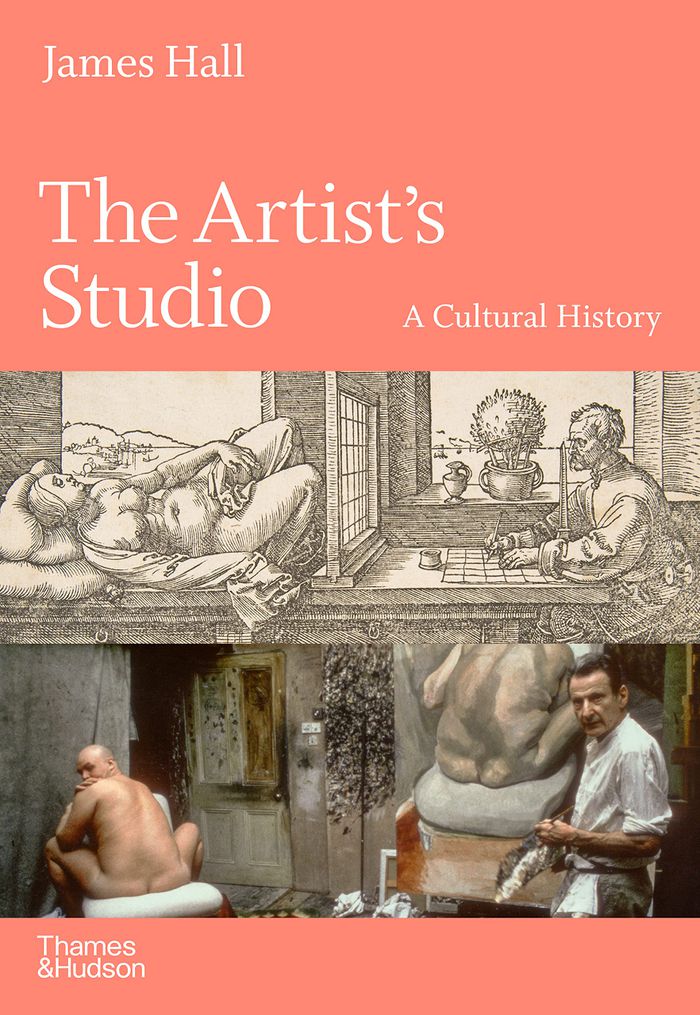
The artist’s workplace has always been an idealized utopia as well as the domain of dirty, backbreaking work. Written descriptions, paintings, prints, and even photographs of the artist’s atelier distort as much as they document. This illuminating cultural history of the artist’s studio charts the myth and reality of the creative space from Ancient Greece to the present. Tracing a history that extends far beyond the bohemian, romantic, and renaissance cults of the artist, each chapter focuses on key developments of the studio space as seen in a variety of familiar and unfamiliar images. Mythical and divine makers and some amateurs are included, alongside craftspeople— potters, illuminators, weavers, embroiderers, and architects— along with artists such as Artemisia Gentileschi, Claude Monet, Michelangelo, Rosa Bonheur, and Diego Rivera. Each carefully chosen example places the studio within a cultural and political context, with the aim of correcting the historical imbalance that has distorted the picture by leaving out the many artisans who collaborated with artists. Leading authority James Hall also extends the discussion to the artist’s museum and the artist’s house, as well as the development of portable studios, with sections on ''plein air'' painting and drawing in the East.
The artist's studio: A cultural history
Actions:
Prix:
$53.95
(disponible sur commande)
Résumé:
The artist’s workplace has always been an idealized utopia as well as the domain of dirty, backbreaking work. Written descriptions, paintings, prints, and even photographs of the artist’s atelier distort as much as they document. This illuminating cultural history of the artist’s studio charts the myth and reality of the creative space from Ancient Greece to the present. Tracing a history that extends far beyond the bohemian, romantic, and renaissance cults of the artist, each chapter focuses on key developments of the studio space as seen in a variety of familiar and unfamiliar images. Mythical and divine makers and some amateurs are included, alongside craftspeople— potters, illuminators, weavers, embroiderers, and architects— along with artists such as Artemisia Gentileschi, Claude Monet, Michelangelo, Rosa Bonheur, and Diego Rivera. Each carefully chosen example places the studio within a cultural and political context, with the aim of correcting the historical imbalance that has distorted the picture by leaving out the many artisans who collaborated with artists. Leading authority James Hall also extends the discussion to the artist’s museum and the artist’s house, as well as the development of portable studios, with sections on ''plein air'' painting and drawing in the East.
Classification:
livres
livres
Publication:
janvier 2023
janvier 2023
Sujet:
Théorie de l’art
Théorie de l’art
Classification:
livres
livres

Prix:
$48.95
(disponible sur commande)
Résumé:
Les villes confrontées à l'immigration ont-elles un autre avenir possible que celui, sans issue, d'une ségrégation spatiale chaque jour plus sévère? N'y a-t-il pas d'autre voie pour les métropoles européennes que la dérive vers le modèle américain des « gated communities » et des ghettos ethniques, véritable bombe sociale à retardement? Militant en faveur d'une urbanité(...)
$48.95
(disponible sur commande)
Résumé:
Les villes confrontées à l'immigration ont-elles un autre avenir possible que celui, sans issue, d'une ségrégation spatiale chaque jour plus sévère? N'y a-t-il pas d'autre voie pour les métropoles européennes que la dérive vers le modèle américain des « gated communities » et des ghettos ethniques, véritable bombe sociale à retardement? Militant en faveur d'une urbanité(...)
Sujet:
Théorie de l’urbanisme
Théorie de l’urbanisme
Publication:
novembre 2022
novembre 2022
Titre:
Immigration et ségrégation spatiale : L'exemple de Marseille
Actions:
Prix:
$48.95
(disponible sur commande)
Résumé:
Les villes confrontées à l'immigration ont-elles un autre avenir possible que celui, sans issue, d'une ségrégation spatiale chaque jour plus sévère? N'y a-t-il pas d'autre voie pour les métropoles européennes que la dérive vers le modèle américain des « gated communities » et des ghettos ethniques, véritable bombe sociale à retardement? Militant en faveur d'une urbanité plus inclusive et pacifiée, un collectif d'urbanistes et d'architectes engagés livre ici le fruit de ses réflexions et expérimentations menées à Marseille, au cœur de certains des quartiers parmi les plus pauvres et délabrés d'Europe.Sous leur regard dépassionné et vierge de toute stigmatisation, les redoutés « Quartiers Nord?» de la cité phocéenne apparaissent pour ce qu'ils sont : le résultat d'une succession d'erreurs architecturales, urbanistiques et politiques. Et en conséquence, affirment les auteurs, si des solutions existent à la mise à l'écart des migrants et des plus démunis de la ville centre et de ses activités, c'est dans l'intervention architecturale et la révision des règlements urbains qu'il faut les chercher. Inventives, audacieuses, attaquant de front les aménageurs d'une urbanité capitaliste et exclusive, leurs propositions sont d'autant plus stimulantes qu'elles sont simples, efficaces et durables. Et si certaines sont ouvertement utopiques, elles ne le seront jamais plus que celles des architectes modernistes qui, dans les années soixante, ont conçu ces tours et ces barres dans l'idée d'exalter le bien-être de leurs habitants.
Immigration et ségrégation spatiale : L'exemple de Marseille
Actions:
Prix:
$48.95
(disponible sur commande)
Résumé:
Les villes confrontées à l'immigration ont-elles un autre avenir possible que celui, sans issue, d'une ségrégation spatiale chaque jour plus sévère? N'y a-t-il pas d'autre voie pour les métropoles européennes que la dérive vers le modèle américain des « gated communities » et des ghettos ethniques, véritable bombe sociale à retardement? Militant en faveur d'une urbanité plus inclusive et pacifiée, un collectif d'urbanistes et d'architectes engagés livre ici le fruit de ses réflexions et expérimentations menées à Marseille, au cœur de certains des quartiers parmi les plus pauvres et délabrés d'Europe.Sous leur regard dépassionné et vierge de toute stigmatisation, les redoutés « Quartiers Nord?» de la cité phocéenne apparaissent pour ce qu'ils sont : le résultat d'une succession d'erreurs architecturales, urbanistiques et politiques. Et en conséquence, affirment les auteurs, si des solutions existent à la mise à l'écart des migrants et des plus démunis de la ville centre et de ses activités, c'est dans l'intervention architecturale et la révision des règlements urbains qu'il faut les chercher. Inventives, audacieuses, attaquant de front les aménageurs d'une urbanité capitaliste et exclusive, leurs propositions sont d'autant plus stimulantes qu'elles sont simples, efficaces et durables. Et si certaines sont ouvertement utopiques, elles ne le seront jamais plus que celles des architectes modernistes qui, dans les années soixante, ont conçu ces tours et ces barres dans l'idée d'exalter le bien-être de leurs habitants.
Classification:
livres
livres
Publication:
novembre 2022
novembre 2022
Sujet:
Théorie de l’urbanisme
Théorie de l’urbanisme
Classification:
livres
livres
Actions:
Prix:
$33.95
(disponible sur commande)
Résumé:
En proposant un point de vue nouveau sur le monde et la société, la recherche-création s’éloigne de la conception traditionnelle du design, conçu comme pur développement de produits. Tout en dépassant les cadres universitaires de l’histoire, de l’esthétique ou de la sociologie, cette approche innovante ouvre un horizon concret de réflexions sur les enjeux contemporains du(...)
$33.95
(disponible sur commande)
Résumé:
En proposant un point de vue nouveau sur le monde et la société, la recherche-création s’éloigne de la conception traditionnelle du design, conçu comme pur développement de produits. Tout en dépassant les cadres universitaires de l’histoire, de l’esthétique ou de la sociologie, cette approche innovante ouvre un horizon concret de réflexions sur les enjeux contemporains du(...)
Titre:
Intelligences multiples du design
Actions:
Prix:
$33.95
(disponible sur commande)
Résumé:
En proposant un point de vue nouveau sur le monde et la société, la recherche-création s’éloigne de la conception traditionnelle du design, conçu comme pur développement de produits. Tout en dépassant les cadres universitaires de l’histoire, de l’esthétique ou de la sociologie, cette approche innovante ouvre un horizon concret de réflexions sur les enjeux contemporains du design et des disciplines issues des sciences humaines. Elle permet également d’établir un dialogue fertile entre les différents champs de la création. Lysianne Léchot Hirt, qui a largement contribué à théoriser cette approche, envisageait son champ d’investigation comme une matière vivante, profondément ancrée dans le quotidien et nécessitant d’être observée avec le regard, disait-elle, d’une «ethnographe». Ce livre réunit une sélection de ses essais les plus marquants, suivis de plusieurs contributions de personnes ayant oeuvré dans son sillage.
Intelligences multiples du design
Actions:
Prix:
$33.95
(disponible sur commande)
Résumé:
En proposant un point de vue nouveau sur le monde et la société, la recherche-création s’éloigne de la conception traditionnelle du design, conçu comme pur développement de produits. Tout en dépassant les cadres universitaires de l’histoire, de l’esthétique ou de la sociologie, cette approche innovante ouvre un horizon concret de réflexions sur les enjeux contemporains du design et des disciplines issues des sciences humaines. Elle permet également d’établir un dialogue fertile entre les différents champs de la création. Lysianne Léchot Hirt, qui a largement contribué à théoriser cette approche, envisageait son champ d’investigation comme une matière vivante, profondément ancrée dans le quotidien et nécessitant d’être observée avec le regard, disait-elle, d’une «ethnographe». Ce livre réunit une sélection de ses essais les plus marquants, suivis de plusieurs contributions de personnes ayant oeuvré dans son sillage.
Classification:
livres
livres
Publication:
janvier 2023
janvier 2023
Sujet:
Théorie du design
Théorie du design
Classification:
livres
livres
Prix:
$36.95
(disponible sur commande)
Résumé:
Cities, like the people that live in them, are subject to the attention economy. In ''The city authentic,'' author David A. Banks shows how cities are transforming themselves to appeal to modern desires for authentic urban living through the attention-grabbing tactics of social media influencers and reality-TV stars. Blending insightful analysis with pop culture, this(...)
$36.95
(disponible sur commande)
Résumé:
Cities, like the people that live in them, are subject to the attention economy. In ''The city authentic,'' author David A. Banks shows how cities are transforming themselves to appeal to modern desires for authentic urban living through the attention-grabbing tactics of social media influencers and reality-TV stars. Blending insightful analysis with pop culture, this(...)
Titre:
The city authentic: how the attention economy builds urban America
Actions:
Prix:
$36.95
(disponible sur commande)
Résumé:
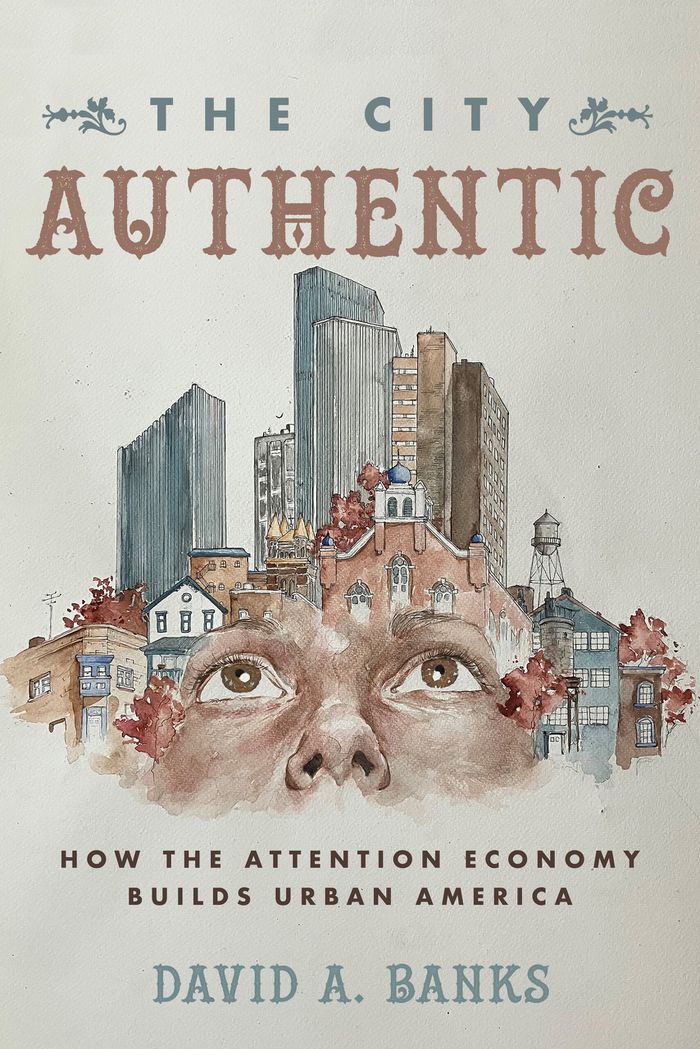
Cities, like the people that live in them, are subject to the attention economy. In ''The city authentic,'' author David A. Banks shows how cities are transforming themselves to appeal to modern desires for authentic urban living through the attention-grabbing tactics of social media influencers and reality-TV stars. Blending insightful analysis with pop culture, this engaging study of New York State’s Capital Region is an accessible glimpse into the social phenomena that influence contemporary cities. The rising economic fortunes of cities in the Rust Belt, Banks argues, are due in part to the markers of its previous decay—which translate into signs of urban authenticity on the internet. ''The city authentic'' unpacks the odd connection between digital media and derelict buildings, the consequences of how we think about industry and place, and the political processes that have enabled a new paradigm in urban planning. Mixing urban sociology with media and cultural studies, Banks offers a lively account of how urban life and development are changing in the twenty-first century.
The city authentic: how the attention economy builds urban America
Actions:
Prix:
$36.95
(disponible sur commande)
Résumé:
Cities, like the people that live in them, are subject to the attention economy. In ''The city authentic,'' author David A. Banks shows how cities are transforming themselves to appeal to modern desires for authentic urban living through the attention-grabbing tactics of social media influencers and reality-TV stars. Blending insightful analysis with pop culture, this engaging study of New York State’s Capital Region is an accessible glimpse into the social phenomena that influence contemporary cities. The rising economic fortunes of cities in the Rust Belt, Banks argues, are due in part to the markers of its previous decay—which translate into signs of urban authenticity on the internet. ''The city authentic'' unpacks the odd connection between digital media and derelict buildings, the consequences of how we think about industry and place, and the political processes that have enabled a new paradigm in urban planning. Mixing urban sociology with media and cultural studies, Banks offers a lively account of how urban life and development are changing in the twenty-first century.
Classification:
livres
livres
Publication:
avril 2023
avril 2023
Sujet:
Théorie de l’urbanisme
Théorie de l’urbanisme
Classification:
livres
livres

Actions:
Prix:
$40.95
(disponible sur commande)
Résumé:
From the early days of recreational camping in the late nineteenth century through the multitude of modern camping options available today, ''Making camp'' explores the history and evolution of the popular activity through the lens of its most important and familiar components: the campsite, the campfire, the picnic table, the map, the tent, the sleeping bag, as well as(...)
$40.95
(disponible sur commande)
Résumé:
From the early days of recreational camping in the late nineteenth century through the multitude of modern camping options available today, ''Making camp'' explores the history and evolution of the popular activity through the lens of its most important and familiar components: the campsite, the campfire, the picnic table, the map, the tent, the sleeping bag, as well as(...)
Titre:
Making camp: A visual history of camping's most essential items and activities
Actions:
Prix:
$40.95
(disponible sur commande)
Résumé:
From the early days of recreational camping in the late nineteenth century through the multitude of modern camping options available today, ''Making camp'' explores the history and evolution of the popular activity through the lens of its most important and familiar components: the campsite, the campfire, the picnic table, the map, the tent, the sleeping bag, as well as the oft invisible systems for delivering water and managing trash. Find out how early nineteenth century German peasants fashioned rudimentary sleeping bags by burrowing into bags full of leaves for the night. Look back over several millennia to learn about the progression of tents from animal skins, goat's hair, and heavy canvas to featherweight nylon. Learn about the ways in which the skills to build and maintain a campfire have been displaced by the portable gas stove. Pinpoint the details of the essential campground map and its unique place in the camping imagination. Each chapter includes a broad range of visuals to help illustrate the rich history of camping and our collective devotion to it, including drawings, patents, diagrams, sketches, paintings, advertisements, and historical photographs.
Making camp: A visual history of camping's most essential items and activities
Actions:
Prix:
$40.95
(disponible sur commande)
Résumé:
From the early days of recreational camping in the late nineteenth century through the multitude of modern camping options available today, ''Making camp'' explores the history and evolution of the popular activity through the lens of its most important and familiar components: the campsite, the campfire, the picnic table, the map, the tent, the sleeping bag, as well as the oft invisible systems for delivering water and managing trash. Find out how early nineteenth century German peasants fashioned rudimentary sleeping bags by burrowing into bags full of leaves for the night. Look back over several millennia to learn about the progression of tents from animal skins, goat's hair, and heavy canvas to featherweight nylon. Learn about the ways in which the skills to build and maintain a campfire have been displaced by the portable gas stove. Pinpoint the details of the essential campground map and its unique place in the camping imagination. Each chapter includes a broad range of visuals to help illustrate the rich history of camping and our collective devotion to it, including drawings, patents, diagrams, sketches, paintings, advertisements, and historical photographs.
Classification:
livres
livres
Publication:
mai 2023
mai 2023
Sujet:
Théorie du paysage
Théorie du paysage
Classification:
livres
livres
Actions:
Prix:
$38.95
(disponible sur commande)
Résumé:
Life as a design student is filled with questions. Rochester Institute of Technology Associate Professor of Design Mitch Goldstein has many answers, shared in clear, clever, and sage advice that is helpful for students at any level of their education, as well as anyone thinking about attending design school and wondering what it's really all about. For design students(...)
$38.95
(disponible sur commande)
Résumé:
Life as a design student is filled with questions. Rochester Institute of Technology Associate Professor of Design Mitch Goldstein has many answers, shared in clear, clever, and sage advice that is helpful for students at any level of their education, as well as anyone thinking about attending design school and wondering what it's really all about. For design students(...)
Titre:
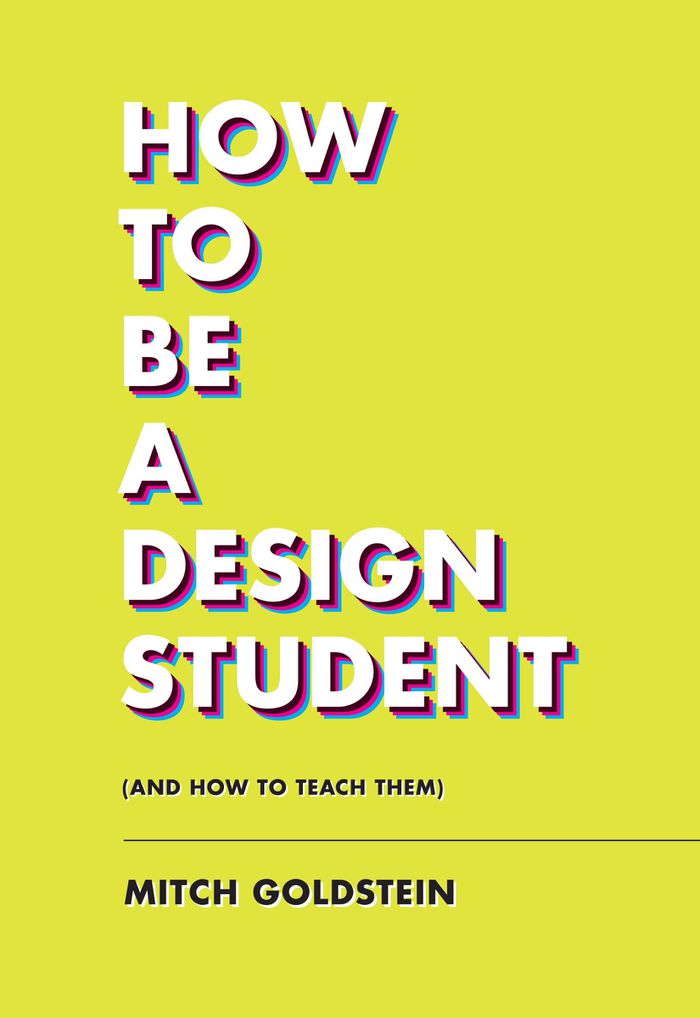
How to be a design student (and how to teach them)
Actions:
Prix:
$38.95
(disponible sur commande)
Résumé:
Life as a design student is filled with questions. Rochester Institute of Technology Associate Professor of Design Mitch Goldstein has many answers, shared in clear, clever, and sage advice that is helpful for students at any level of their education, as well as anyone thinking about attending design school and wondering what it's really all about. For design students and art professionals, Goldstein is a brilliant resource for real-world thoughts about design school and creative practice. Drawing on 16 years of teaching design and his popular "Dear Design Student" Twitter project, Goldstein explores all aspects of how to get the most out of the school experience, and beyond as a creative professional. From collaboration and critiques to practice and process, this is an inspiring roadmap for design students as well as a valuable guide for design professors to help them understand how to shape curriculum from a student's perspective and better the collaborative experience.
How to be a design student (and how to teach them)
Actions:
Prix:
$38.95
(disponible sur commande)
Résumé:
Life as a design student is filled with questions. Rochester Institute of Technology Associate Professor of Design Mitch Goldstein has many answers, shared in clear, clever, and sage advice that is helpful for students at any level of their education, as well as anyone thinking about attending design school and wondering what it's really all about. For design students and art professionals, Goldstein is a brilliant resource for real-world thoughts about design school and creative practice. Drawing on 16 years of teaching design and his popular "Dear Design Student" Twitter project, Goldstein explores all aspects of how to get the most out of the school experience, and beyond as a creative professional. From collaboration and critiques to practice and process, this is an inspiring roadmap for design students as well as a valuable guide for design professors to help them understand how to shape curriculum from a student's perspective and better the collaborative experience.
Classification:
livres
livres
Publication:
mars 2023
mars 2023
Sujet:
Théorie du design
Théorie du design
Classification:
livres
livres
Titre:
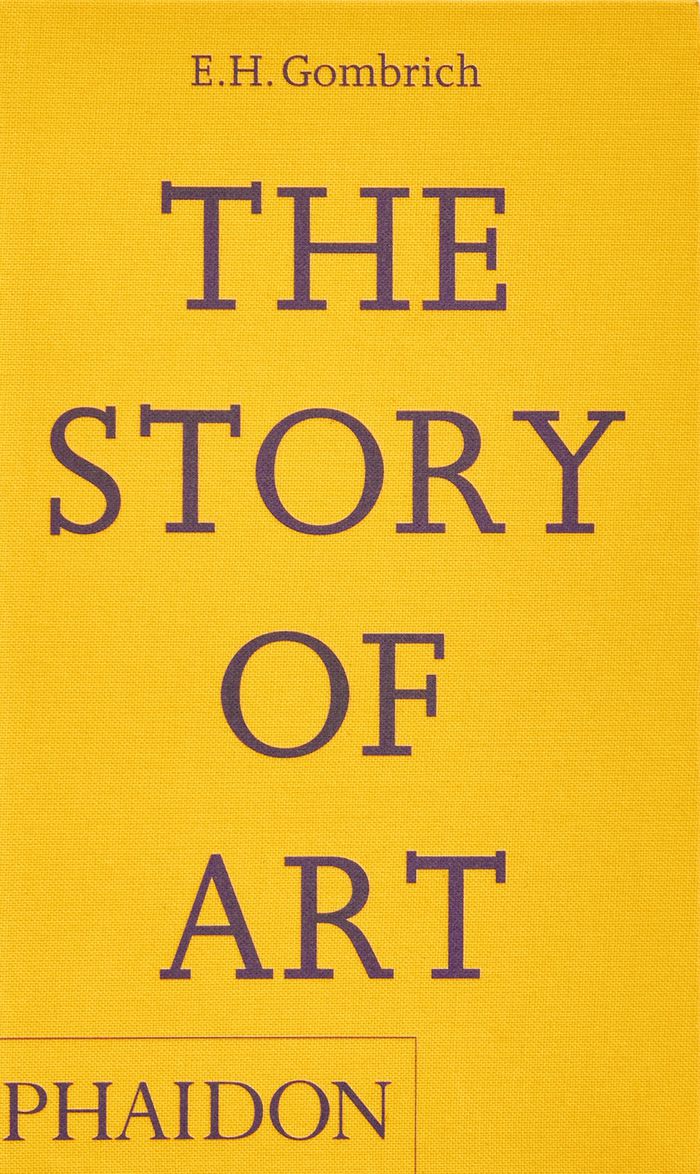
The story of art, revised
The story of art, revised
Actions:
Prix:
$44.95
(disponible sur commande)
Résumé:
"The Story of Art" has been a global bestseller for over half a century – the finest and most popular introduction ever written, published globally in more than 30 languages. Attracted by the simplicity and clarity of his writing, readers of all ages and backgrounds have found in Professor Gombrich a true master, who combines knowledge and wisdom with a unique gift for(...)
$44.95
(disponible sur commande)
Résumé:
"The Story of Art" has been a global bestseller for over half a century – the finest and most popular introduction ever written, published globally in more than 30 languages. Attracted by the simplicity and clarity of his writing, readers of all ages and backgrounds have found in Professor Gombrich a true master, who combines knowledge and wisdom with a unique gift for(...)
Titre:
The story of art, revised
Actions:
Prix:
$44.95
(disponible sur commande)
Résumé:
"The Story of Art" has been a global bestseller for over half a century – the finest and most popular introduction ever written, published globally in more than 30 languages. Attracted by the simplicity and clarity of his writing, readers of all ages and backgrounds have found in Professor Gombrich a true master, who combines knowledge and wisdom with a unique gift for communicating his deep love of the subject. Updated with a stunning new cover and a preface written specially by Professor Gombrich's granddaughter Leonie, this pocket format allows Gombrich's classic work to continue its triumphant progress for another generation, and to remain the title of first choice for all newcomers to art and its history.
The story of art, revised
Actions:
Prix:
$44.95
(disponible sur commande)
Résumé:
"The Story of Art" has been a global bestseller for over half a century – the finest and most popular introduction ever written, published globally in more than 30 languages. Attracted by the simplicity and clarity of his writing, readers of all ages and backgrounds have found in Professor Gombrich a true master, who combines knowledge and wisdom with a unique gift for communicating his deep love of the subject. Updated with a stunning new cover and a preface written specially by Professor Gombrich's granddaughter Leonie, this pocket format allows Gombrich's classic work to continue its triumphant progress for another generation, and to remain the title of first choice for all newcomers to art and its history.
Classification:
livres
livres
Publication:
avril 2023
avril 2023
Sujet:
Théorie de l’art
Théorie de l’art
Classification:
livres
livres
Actions:
Prix:
$49.95
(disponible sur commande)
Résumé:
Since 1989, the year the World Wide Web was born, the art world has grappled with the rise of networked culture. This unprecedented survey of the artists and innovators in this area from 1989 to today is interwoven with the personal narrative of one of the leading voices on the digital world. In this book, Omar Kholeif, whose prolific career parallels the growth of the(...)
$49.95
(disponible sur commande)
Résumé:
Since 1989, the year the World Wide Web was born, the art world has grappled with the rise of networked culture. This unprecedented survey of the artists and innovators in this area from 1989 to today is interwoven with the personal narrative of one of the leading voices on the digital world. In this book, Omar Kholeif, whose prolific career parallels the growth of the(...)
Titre:
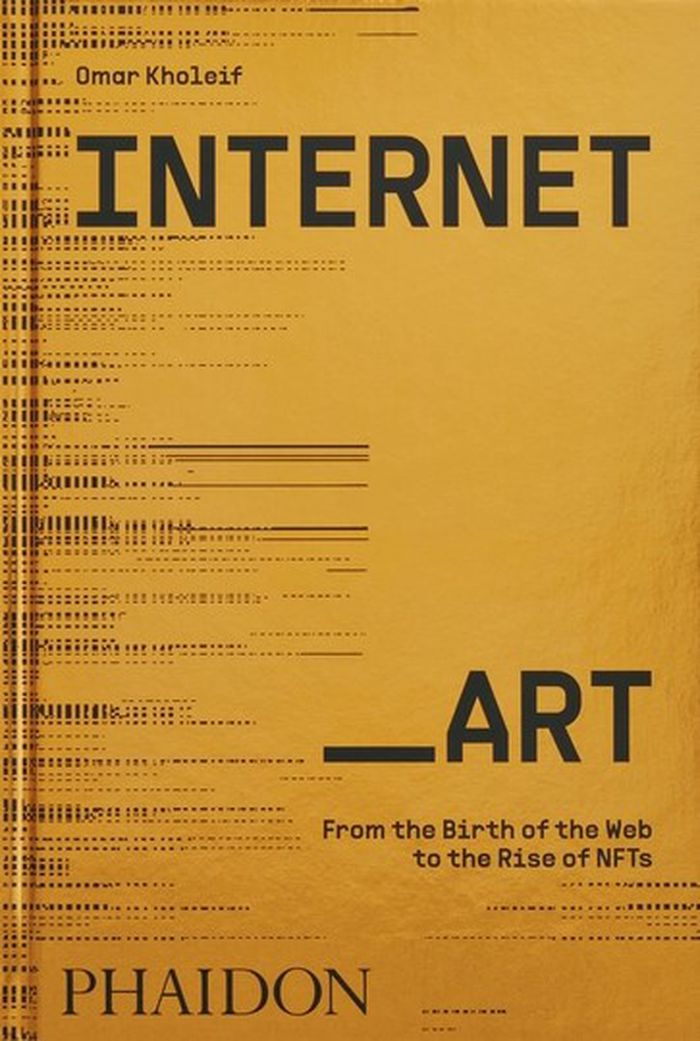
Internet art: from the birth of the web to NFTs
Actions:
Prix:
$49.95
(disponible sur commande)
Résumé:
Since 1989, the year the World Wide Web was born, the art world has grappled with the rise of networked culture. This unprecedented survey of the artists and innovators in this area from 1989 to today is interwoven with the personal narrative of one of the leading voices on the digital world. In this book, Omar Kholeif, whose prolific career parallels the growth of the internet, tells the story of this mass medium and how it has fostered new possibilities for artists, both analog and digital. The book showcases work spanning a range of media from legendary artists including Lawrence Abu Hamdan, Lynn Hershman Leeson, Nam June Paik, Heather Phillipson, and Wu Tsang. Tracing the key artists and innovators from the emergence of browser-based art to the dawn of NFTs, this is a tale for the present and the future.
Internet art: from the birth of the web to NFTs
Actions:
Prix:
$49.95
(disponible sur commande)
Résumé:
Since 1989, the year the World Wide Web was born, the art world has grappled with the rise of networked culture. This unprecedented survey of the artists and innovators in this area from 1989 to today is interwoven with the personal narrative of one of the leading voices on the digital world. In this book, Omar Kholeif, whose prolific career parallels the growth of the internet, tells the story of this mass medium and how it has fostered new possibilities for artists, both analog and digital. The book showcases work spanning a range of media from legendary artists including Lawrence Abu Hamdan, Lynn Hershman Leeson, Nam June Paik, Heather Phillipson, and Wu Tsang. Tracing the key artists and innovators from the emergence of browser-based art to the dawn of NFTs, this is a tale for the present and the future.
Classification:
livres
livres
Publication:
avril 2023
avril 2023
Sujet:
Théorie de l’art
Théorie de l’art


