


13794 Résultats
Classification:
livres
livres

Prix:
$49.95
(disponible sur commande)
Résumé:
Au Québec, entre 1935 et 1975, une mosaïque de personnages autodidactes ou détenteurs de savoirs spécialisés relèvent toutes sortes de défis pour contribuer à l'évolution accélérée des connaissances des végétaux et de leurs usages parfois étonnants. Dans ce cinquième et dernier tome, les auteurs présentent 30 histoires mettant à l'avant-scène des personnes, des(...)
$49.95
(disponible sur commande)
Résumé:
Au Québec, entre 1935 et 1975, une mosaïque de personnages autodidactes ou détenteurs de savoirs spécialisés relèvent toutes sortes de défis pour contribuer à l'évolution accélérée des connaissances des végétaux et de leurs usages parfois étonnants. Dans ce cinquième et dernier tome, les auteurs présentent 30 histoires mettant à l'avant-scène des personnes, des(...)
Titre:
Curieuses histoires de plantes du Canada 1935-1975, tome 5
Actions:
Prix:
$49.95
(disponible sur commande)
Résumé:
Au Québec, entre 1935 et 1975, une mosaïque de personnages autodidactes ou détenteurs de savoirs spécialisés relèvent toutes sortes de défis pour contribuer à l'évolution accélérée des connaissances des végétaux et de leurs usages parfois étonnants. Dans ce cinquième et dernier tome, les auteurs présentent 30 histoires mettant à l'avant-scène des personnes, des organismes et des établissements d'enseignement et de recherche qui s'intéressent aux végétaux pour leur intérêt botanique, biologique, écologique, agricole, alimentaire, ornemental, médicinal, industriel et même commercial.
Curieuses histoires de plantes du Canada 1935-1975, tome 5
Actions:
Prix:
$49.95
(disponible sur commande)
Résumé:
Au Québec, entre 1935 et 1975, une mosaïque de personnages autodidactes ou détenteurs de savoirs spécialisés relèvent toutes sortes de défis pour contribuer à l'évolution accélérée des connaissances des végétaux et de leurs usages parfois étonnants. Dans ce cinquième et dernier tome, les auteurs présentent 30 histoires mettant à l'avant-scène des personnes, des organismes et des établissements d'enseignement et de recherche qui s'intéressent aux végétaux pour leur intérêt botanique, biologique, écologique, agricole, alimentaire, ornemental, médicinal, industriel et même commercial.
Classification:
livres
livres
Publication:
février 2023
février 2023
Sujet:
Théorie du paysage
Théorie du paysage
Classification:
livres
livres
Actions:
Prix:
$39.95
(disponible sur commande)
Résumé:
How human behavior brought our world to the brink, and how human behavior can save us. The world is a mess. Our dire predicament, from collapsing social structures to the climate crisis, has been millennia in the making and can be traced back to the erroneous belief that the earth's resources are infinite. The key to change, says Don Norman, is human behavior, covered(...)
$39.95
(disponible sur commande)
Résumé:
How human behavior brought our world to the brink, and how human behavior can save us. The world is a mess. Our dire predicament, from collapsing social structures to the climate crisis, has been millennia in the making and can be traced back to the erroneous belief that the earth's resources are infinite. The key to change, says Don Norman, is human behavior, covered(...)
Titre:
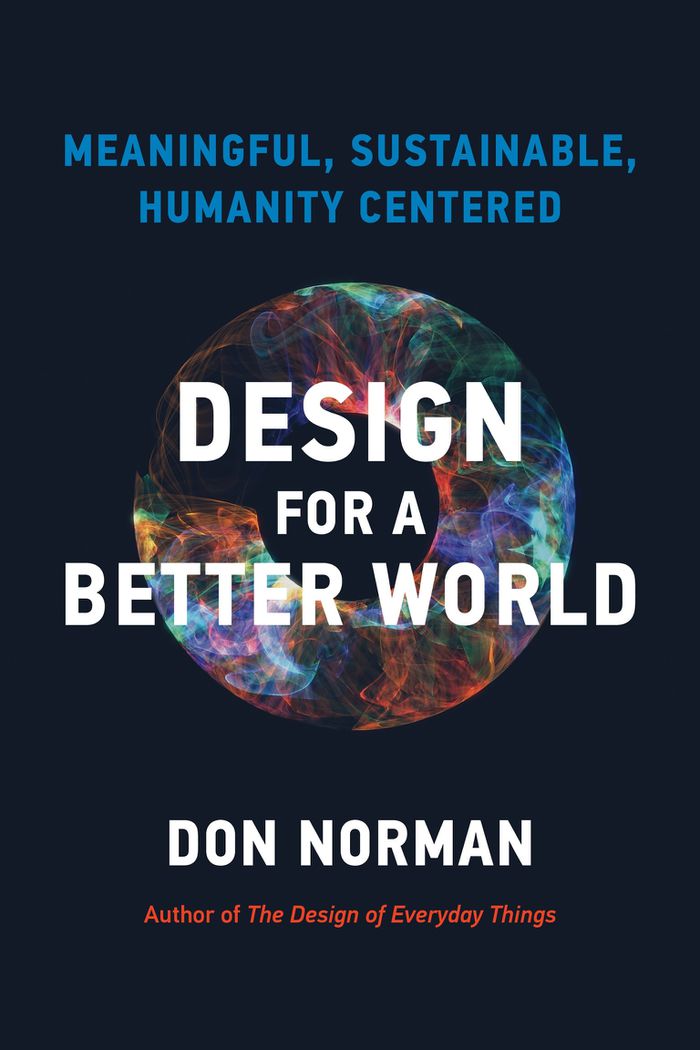
Design for a better world: meaningful, sustainable, humanity centered
Actions:
Prix:
$39.95
(disponible sur commande)
Résumé:
How human behavior brought our world to the brink, and how human behavior can save us. The world is a mess. Our dire predicament, from collapsing social structures to the climate crisis, has been millennia in the making and can be traced back to the erroneous belief that the earth's resources are infinite. The key to change, says Don Norman, is human behavior, covered in the book's three major themes: meaning, sustainability, and humanity-centeredness. Emphasize quality of life, not monetary rewards; restructure how we live to better protect the environment; and focus on all of humanity. ''Design for a better world'' presents an eye-opening diagnosis of where we've gone wrong and a clear prescription for making things better. Norman proposes a new way of thinking, one that recognizes our place in a complex global system where even simple behaviors affect the entire world. He identifies the economic metrics that contribute to the harmful effects of commerce and manufacturing and proposes a recalibration of what we consider important in life. His experience as both a scientist and business executive gives him the perspective to show how to make these changes while maintaining a thriving economy. Let the change begin with this book before it's too late.
Design for a better world: meaningful, sustainable, humanity centered
Actions:
Prix:
$39.95
(disponible sur commande)
Résumé:
How human behavior brought our world to the brink, and how human behavior can save us. The world is a mess. Our dire predicament, from collapsing social structures to the climate crisis, has been millennia in the making and can be traced back to the erroneous belief that the earth's resources are infinite. The key to change, says Don Norman, is human behavior, covered in the book's three major themes: meaning, sustainability, and humanity-centeredness. Emphasize quality of life, not monetary rewards; restructure how we live to better protect the environment; and focus on all of humanity. ''Design for a better world'' presents an eye-opening diagnosis of where we've gone wrong and a clear prescription for making things better. Norman proposes a new way of thinking, one that recognizes our place in a complex global system where even simple behaviors affect the entire world. He identifies the economic metrics that contribute to the harmful effects of commerce and manufacturing and proposes a recalibration of what we consider important in life. His experience as both a scientist and business executive gives him the perspective to show how to make these changes while maintaining a thriving economy. Let the change begin with this book before it's too late.
Classification:
livres
livres
Publication:
mars 2023
mars 2023
Sujet:
Théorie du design
Théorie du design
Classification:
livres
livres

Actions:
Prix:
$47.00
(disponible sur commande)
Résumé:
The tracking of our personal information, activities, and medical data through our digital devices is an increasingly recognizable field in which the lines between caretaking and control have blurred. In this age of surveillance, mothers' behaviors and bodies are observed, made public, exposed, scrutinized, and policed like never before. This volume gathers together the(...)
$47.00
(disponible sur commande)
Résumé:
The tracking of our personal information, activities, and medical data through our digital devices is an increasingly recognizable field in which the lines between caretaking and control have blurred. In this age of surveillance, mothers' behaviors and bodies are observed, made public, exposed, scrutinized, and policed like never before. This volume gathers together the(...)
Titre:
Supervision: On motherhood and surveillance
Actions:
Prix:
$47.00
(disponible sur commande)
Résumé:
The tracking of our personal information, activities, and medical data through our digital devices is an increasingly recognizable field in which the lines between caretaking and control have blurred. In this age of surveillance, mothers' behaviors and bodies are observed, made public, exposed, scrutinized, and policed like never before. This volume gathers together the work of fifty contributors from diverse disciplines that include the visual arts, legal scholarship, ethnic studies, sociology, gender studies, poetry, and activism to ask what the relationship is between how we watch and how we are watched, and how the attention that mothers pay to their children might foster a kind of counterattention to the many ways in which mothers are scrutinized. A groundbreaking collection, thisis a project about vision (and supervision), and all the ways in which vision intersects with surveillance and politics, through motherhood and personal history as well as through the histories and relations of the societies in which we live.
Supervision: On motherhood and surveillance
Actions:
Prix:
$47.00
(disponible sur commande)
Résumé:
The tracking of our personal information, activities, and medical data through our digital devices is an increasingly recognizable field in which the lines between caretaking and control have blurred. In this age of surveillance, mothers' behaviors and bodies are observed, made public, exposed, scrutinized, and policed like never before. This volume gathers together the work of fifty contributors from diverse disciplines that include the visual arts, legal scholarship, ethnic studies, sociology, gender studies, poetry, and activism to ask what the relationship is between how we watch and how we are watched, and how the attention that mothers pay to their children might foster a kind of counterattention to the many ways in which mothers are scrutinized. A groundbreaking collection, thisis a project about vision (and supervision), and all the ways in which vision intersects with surveillance and politics, through motherhood and personal history as well as through the histories and relations of the societies in which we live.
Classification:
livres
livres
Publication:
avril 2023
avril 2023
Sujet:
Théorie de l’art
Théorie de l’art
Classification:
livres
livres
Titre:
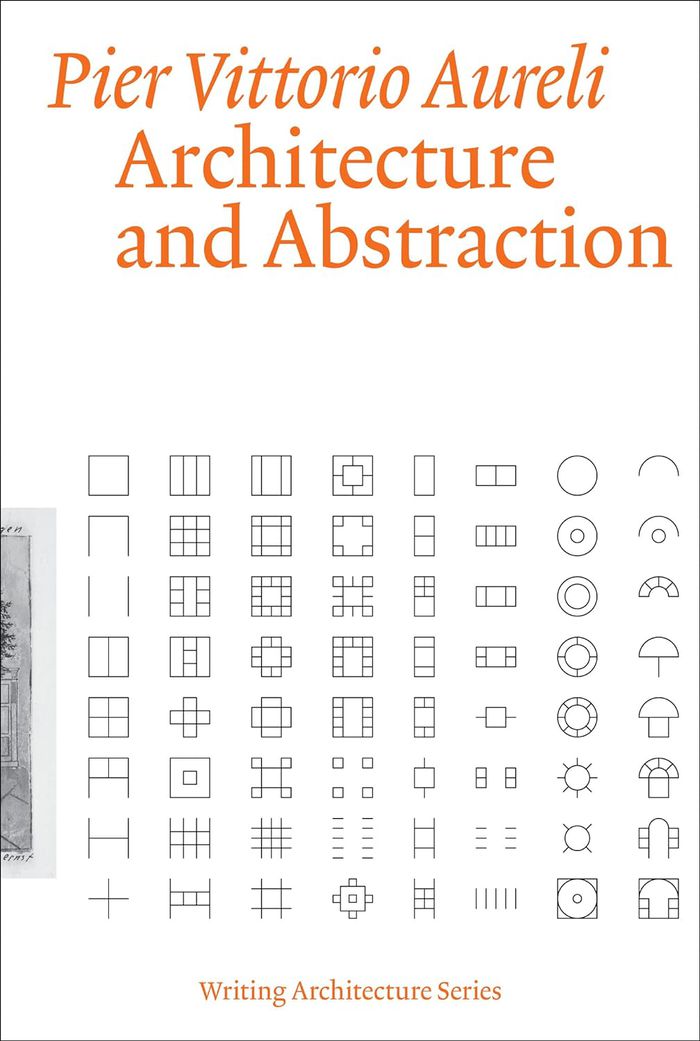
Architecture and abstraction
Architecture and abstraction
Actions:
Prix:
$45.95
(disponible en magasin)
Résumé:
In this theoretical study of abstraction in architecture—the first of its kind—Pier Vittorio Aureli argues for a reconsideration of abstraction, its meanings, and its sources. Although architects have typically interpreted abstraction in formal terms—the purposeful reduction of the complexities of design to its essentials—Aureli shows that abstraction instead arises from(...)
$45.95
(disponible en magasin)
Résumé:
In this theoretical study of abstraction in architecture—the first of its kind—Pier Vittorio Aureli argues for a reconsideration of abstraction, its meanings, and its sources. Although architects have typically interpreted abstraction in formal terms—the purposeful reduction of the complexities of design to its essentials—Aureli shows that abstraction instead arises from(...)
Titre:
Architecture and abstraction
Actions:
Prix:
$45.95
(disponible en magasin)
Résumé:
In this theoretical study of abstraction in architecture—the first of its kind—Pier Vittorio Aureli argues for a reconsideration of abstraction, its meanings, and its sources. Although architects have typically interpreted abstraction in formal terms—the purposeful reduction of the complexities of design to its essentials—Aureli shows that abstraction instead arises from the material conditions of building production. In a lively study informed by Walter Benjamin, Karl Marx, Alfred Sohn-Rethel, and other social theorists, Architecture and Abstraction presents abstraction in architecture not as an aesthetic tendency but as a movement that arises from modern divisions of labor and consequent social asymmetries. These divisions were anticipated by the architecture of antiquity, which established a distinction between manual and intellectual labor, and placed the former in service to the latter. Further abstractions arose as geometry, used for measuring territories, became the intermediary between land and money and eventually produced the logic of the grid. In our own time, architectural abstraction serves the logic of capitalism and embraces the premise that all things can be exchanged—even experience itself is a commodity. To resist this turn, Aureli seeks a critique of architecture that begins not by scaling philosophical heights, but by standing at the ground level of material practice.
Architecture and abstraction
Actions:
Prix:
$45.95
(disponible en magasin)
Résumé:
In this theoretical study of abstraction in architecture—the first of its kind—Pier Vittorio Aureli argues for a reconsideration of abstraction, its meanings, and its sources. Although architects have typically interpreted abstraction in formal terms—the purposeful reduction of the complexities of design to its essentials—Aureli shows that abstraction instead arises from the material conditions of building production. In a lively study informed by Walter Benjamin, Karl Marx, Alfred Sohn-Rethel, and other social theorists, Architecture and Abstraction presents abstraction in architecture not as an aesthetic tendency but as a movement that arises from modern divisions of labor and consequent social asymmetries. These divisions were anticipated by the architecture of antiquity, which established a distinction between manual and intellectual labor, and placed the former in service to the latter. Further abstractions arose as geometry, used for measuring territories, became the intermediary between land and money and eventually produced the logic of the grid. In our own time, architectural abstraction serves the logic of capitalism and embraces the premise that all things can be exchanged—even experience itself is a commodity. To resist this turn, Aureli seeks a critique of architecture that begins not by scaling philosophical heights, but by standing at the ground level of material practice.
Classification:
livres
livres
Publication:
mai 2023
mai 2023
Sujet:
Théorie de l’architecture
Théorie de l’architecture
Classification:
livres
livres
Prix:
$39.95
(disponible sur commande)
Résumé:
In this book, Mario Carpo reviews the long history of the computational mode of production, showing how the merger of robotic automation and artificial intelligence will stop and reverse the modernist quest for scale. Today's technologies already allow us to use nonstandard building materials as found, or as made, and assemble them in as many nonstandard, intelligent,(...)
$39.95
(disponible sur commande)
Résumé:
In this book, Mario Carpo reviews the long history of the computational mode of production, showing how the merger of robotic automation and artificial intelligence will stop and reverse the modernist quest for scale. Today's technologies already allow us to use nonstandard building materials as found, or as made, and assemble them in as many nonstandard, intelligent,(...)
Titre:
Beyond digital: Design and automation at the end of modernity
Actions:
Prix:
$39.95
(disponible sur commande)
Résumé:
In this book, Mario Carpo reviews the long history of the computational mode of production, showing how the merger of robotic automation and artificial intelligence will stop and reverse the modernist quest for scale. Today's technologies already allow us to use nonstandard building materials as found, or as made, and assemble them in as many nonstandard, intelligent, adaptive ways as needed: the microfactories of our imminent future will be automated artisan shops.The post-industrial logic of computational manufacturing has been known and theorized for some time. By tracing its theoretical and technical sources, and reviewing the design theories that accompanied its rise, Carpo shows how the computational project is now being recast by the urgency of the climate crisis and by the global pandemic, which has tragically proven its viability. Looking at the work of a new generation of designers, technologists, and producers, this volume offers a new modern agenda for our post-industrial future.
Beyond digital: Design and automation at the end of modernity
Actions:
Prix:
$39.95
(disponible sur commande)
Résumé:
In this book, Mario Carpo reviews the long history of the computational mode of production, showing how the merger of robotic automation and artificial intelligence will stop and reverse the modernist quest for scale. Today's technologies already allow us to use nonstandard building materials as found, or as made, and assemble them in as many nonstandard, intelligent, adaptive ways as needed: the microfactories of our imminent future will be automated artisan shops.The post-industrial logic of computational manufacturing has been known and theorized for some time. By tracing its theoretical and technical sources, and reviewing the design theories that accompanied its rise, Carpo shows how the computational project is now being recast by the urgency of the climate crisis and by the global pandemic, which has tragically proven its viability. Looking at the work of a new generation of designers, technologists, and producers, this volume offers a new modern agenda for our post-industrial future.
Classification:
livres
livres
Publication:
avril 2023
avril 2023
Sujet:
Théorie de l’architecture
Théorie de l’architecture
Classification:
livres
livres
Actions:
Prix:
$35.95
(disponible sur commande)
Résumé:
''Oceans'' cover more than 70 percent of the Earth’s surface, dividing and connecting humans, who carry saltwater in their blood, sweat, and tears. They also represent a powerful nonhuman force, rising, flooding, heating and raging in unprecedented ways as the climate crisis unfolds. Artists have envisioned the sea as a sublime wilderness, home to mythical creatures and(...)
$35.95
(disponible sur commande)
Résumé:
''Oceans'' cover more than 70 percent of the Earth’s surface, dividing and connecting humans, who carry saltwater in their blood, sweat, and tears. They also represent a powerful nonhuman force, rising, flooding, heating and raging in unprecedented ways as the climate crisis unfolds. Artists have envisioned the sea as a sublime wilderness, home to mythical creatures and(...)
Titre:
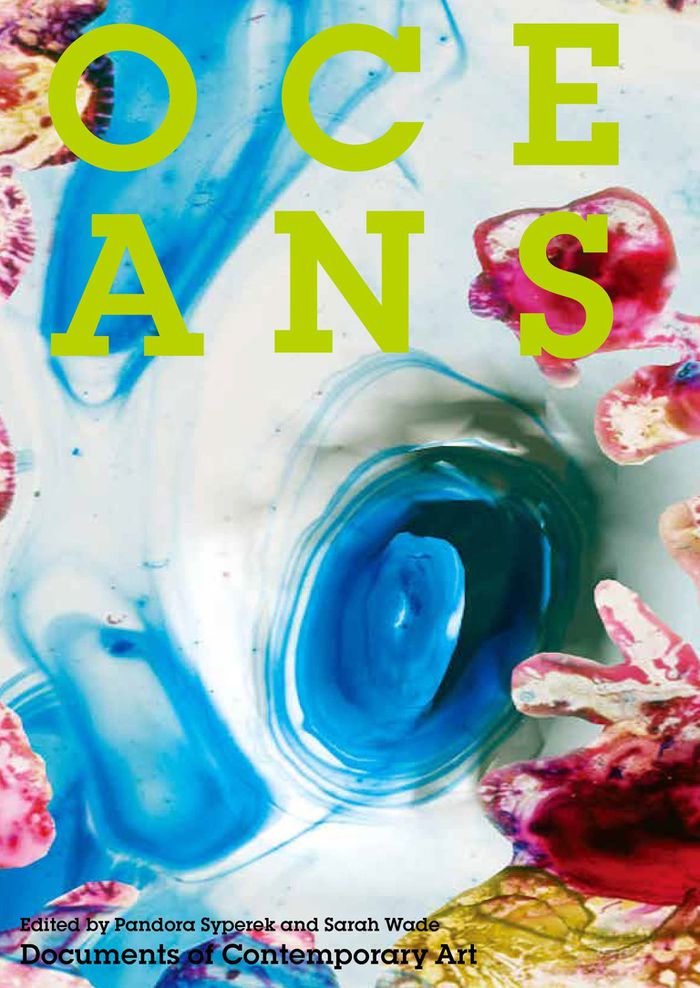
Oceans: Documents of contemporary art
Actions:
Prix:
$35.95
(disponible sur commande)
Résumé:
''Oceans'' cover more than 70 percent of the Earth’s surface, dividing and connecting humans, who carry saltwater in their blood, sweat, and tears. They also represent a powerful nonhuman force, rising, flooding, heating and raging in unprecedented ways as the climate crisis unfolds. Artists have envisioned the sea as a sublime wilderness, home to mythical creatures and bizarre species, a source of life and death, a site of new beginnings and tragic endings, both wondrous and disastrous. From migration to melting ice caps, the sea is omnipresent in international news and politics, leaking into popular culture and proliferating in recent art and exhibitions. This anthology gathers artists and writers to address the ocean not only as a theme but as a major agent of artistic and curatorial methods.
Oceans: Documents of contemporary art
Actions:
Prix:
$35.95
(disponible sur commande)
Résumé:
''Oceans'' cover more than 70 percent of the Earth’s surface, dividing and connecting humans, who carry saltwater in their blood, sweat, and tears. They also represent a powerful nonhuman force, rising, flooding, heating and raging in unprecedented ways as the climate crisis unfolds. Artists have envisioned the sea as a sublime wilderness, home to mythical creatures and bizarre species, a source of life and death, a site of new beginnings and tragic endings, both wondrous and disastrous. From migration to melting ice caps, the sea is omnipresent in international news and politics, leaking into popular culture and proliferating in recent art and exhibitions. This anthology gathers artists and writers to address the ocean not only as a theme but as a major agent of artistic and curatorial methods.
Classification:
livres
livres
Publication:
juin 2023
juin 2023
Sujet:
Théorie de l’art
Théorie de l’art
Classification:
livres
livres
Actions:
Prix:
$35.95
(disponible en magasin)
Résumé:
Engaging with the question of speculation in ways that encompass the artistic, the economic, and the philosophical, with excursions into the literary and the scientific, this collection approaches the theme as a powerful logic of contemporary life whose key instantiations are art and finance. Both are premised on the power of contingency, temporality, and experimentation(...)
$35.95
(disponible en magasin)
Résumé:
Engaging with the question of speculation in ways that encompass the artistic, the economic, and the philosophical, with excursions into the literary and the scientific, this collection approaches the theme as a powerful logic of contemporary life whose key instantiations are art and finance. Both are premised on the power of contingency, temporality, and experimentation(...)
Titre:
Speculation: Document of contemporary art
Actions:
Prix:
$35.95
(disponible en magasin)
Résumé:
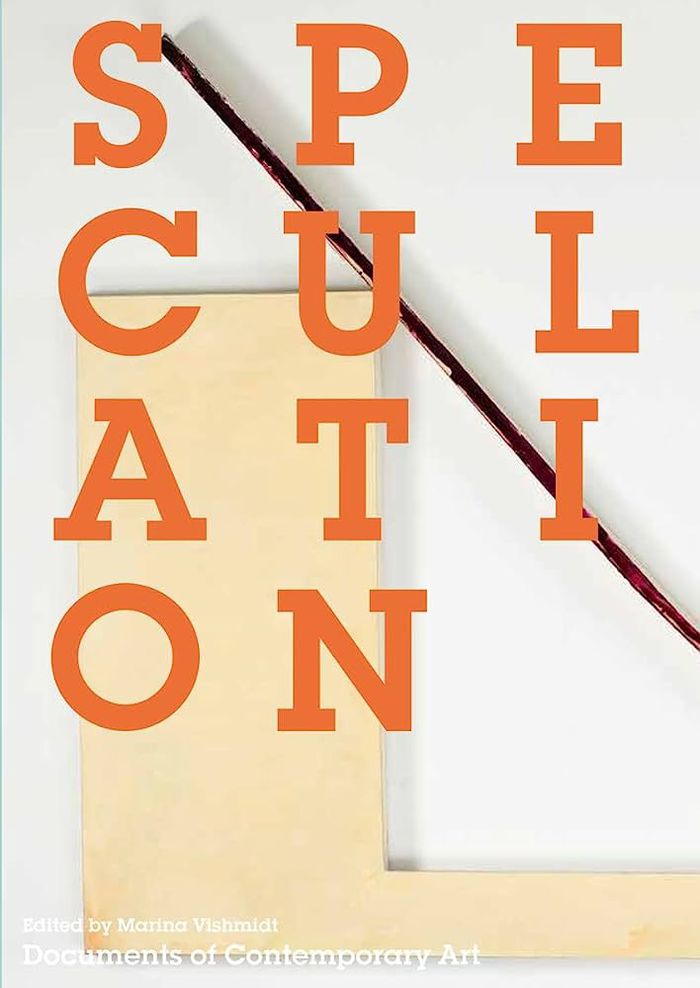
Engaging with the question of speculation in ways that encompass the artistic, the economic, and the philosophical, with excursions into the literary and the scientific, this collection approaches the theme as a powerful logic of contemporary life whose key instantiations are art and finance. Both are premised on the power of contingency, temporality, and experimentation in the creation (and capitalization) of possible worlds. Artistic autonomy, and the self-legislation of the space of art, have often been seen as the freedom to speculate wildly on material and social possibilities. This anthology surveys material and social inventiveness from the ground up, speculating with technologies, gender, constructs of the family, and systems of logistics and coordination. An ecology of speculation is traced—one that is as broken, specific, and enthralling as the world.
Speculation: Document of contemporary art
Actions:
Prix:
$35.95
(disponible en magasin)
Résumé:
Engaging with the question of speculation in ways that encompass the artistic, the economic, and the philosophical, with excursions into the literary and the scientific, this collection approaches the theme as a powerful logic of contemporary life whose key instantiations are art and finance. Both are premised on the power of contingency, temporality, and experimentation in the creation (and capitalization) of possible worlds. Artistic autonomy, and the self-legislation of the space of art, have often been seen as the freedom to speculate wildly on material and social possibilities. This anthology surveys material and social inventiveness from the ground up, speculating with technologies, gender, constructs of the family, and systems of logistics and coordination. An ecology of speculation is traced—one that is as broken, specific, and enthralling as the world.
Classification:
livres
livres
Publication:
juin 2023
juin 2023
Sujet:
Théorie de l’art
Théorie de l’art
Classification:
livres
livres

Actions:
Prix:
$66.00
(disponible sur commande)
Résumé:
Between 1917 and 1945, a tide of hyperindustrialization washed over the United States and the Soviet Union. While the two countries remained ideologically opposed, the factories that amassed in Stalingrad, Moscow, Detroit, Buffalo, and Cleveland were strikingly similar, as were the new forms of modern work and urban and infrastructural development that supported this(...)
$66.00
(disponible sur commande)
Résumé:
Between 1917 and 1945, a tide of hyperindustrialization washed over the United States and the Soviet Union. While the two countries remained ideologically opposed, the factories that amassed in Stalingrad, Moscow, Detroit, Buffalo, and Cleveland were strikingly similar, as were the new forms of modern work and urban and infrastructural development that supported this(...)
Sujet:
Théorie de l’architecture
Théorie de l’architecture
Publication:
septembre 2023
septembre 2023
Titre:
Detroit-Moscow-Detroit: An architecture for industrialization, 1917-1945
Actions:
Prix:
$66.00
(disponible sur commande)
Résumé:
Between 1917 and 1945, a tide of hyperindustrialization washed over the United States and the Soviet Union. While the two countries remained ideologically opposed, the factories that amassed in Stalingrad, Moscow, Detroit, Buffalo, and Cleveland were strikingly similar, as were the new forms of modern work and urban and infrastructural development that supported this industrialization. Drawing on previously unknown archival materials and photographs, the essays in ''Detroit-Moscow-Detroit'' document a stunning two-way transfer of technical knowledge between the United States and the USSR that greatly influenced the built environment in both countries, upgrading each to major industrial power by the start of the Second World War. The innovative research presented here explores spatial development, manufacturing, mass production, and organizational planning across geopolitical lines to demonstrate that capitalist and communist built environments in the twentieth century were not diametrically opposed and were, on certain sites, coproduced in a period of intense technical exchange between the two world wars. A fresh account of the effects of industrialization and globalization on US and Soviet cultures, architecture, and urban history, ''Detroit-Moscow-Detroit'' will find wide readership among architects, urban designers, and scholars of architectural, urban, and twentieth-century history.
Detroit-Moscow-Detroit: An architecture for industrialization, 1917-1945
Actions:
Prix:
$66.00
(disponible sur commande)
Résumé:
Between 1917 and 1945, a tide of hyperindustrialization washed over the United States and the Soviet Union. While the two countries remained ideologically opposed, the factories that amassed in Stalingrad, Moscow, Detroit, Buffalo, and Cleveland were strikingly similar, as were the new forms of modern work and urban and infrastructural development that supported this industrialization. Drawing on previously unknown archival materials and photographs, the essays in ''Detroit-Moscow-Detroit'' document a stunning two-way transfer of technical knowledge between the United States and the USSR that greatly influenced the built environment in both countries, upgrading each to major industrial power by the start of the Second World War. The innovative research presented here explores spatial development, manufacturing, mass production, and organizational planning across geopolitical lines to demonstrate that capitalist and communist built environments in the twentieth century were not diametrically opposed and were, on certain sites, coproduced in a period of intense technical exchange between the two world wars. A fresh account of the effects of industrialization and globalization on US and Soviet cultures, architecture, and urban history, ''Detroit-Moscow-Detroit'' will find wide readership among architects, urban designers, and scholars of architectural, urban, and twentieth-century history.
Classification:
livres
livres
Publication:
septembre 2023
septembre 2023
Sujet:
Théorie de l’architecture
Théorie de l’architecture
Classification:
livres
livres
Actions:
Prix:
$79.00
(disponible sur commande)
Résumé:
The nineteenth century saw the emergence of a new genre of architectural writing: the grand history of world architecture. This genre often expressed a deeply Eurocentric worldview, largely dismissing non-Western architecture through narratives of historical progress and stylistic beauty. Yet even as nineteenth-century historians worked to construct an exclusive(...)
$79.00
(disponible sur commande)
Résumé:
The nineteenth century saw the emergence of a new genre of architectural writing: the grand history of world architecture. This genre often expressed a deeply Eurocentric worldview, largely dismissing non-Western architecture through narratives of historical progress and stylistic beauty. Yet even as nineteenth-century historians worked to construct an exclusive(...)
Sujet:
Théorie de l’architecture
Théorie de l’architecture
Publication:
octobre 2023
octobre 2023
Titre:
Narrating the globe: The emergence of world histories of architecture
Actions:
Prix:
$79.00
(disponible sur commande)
Résumé:
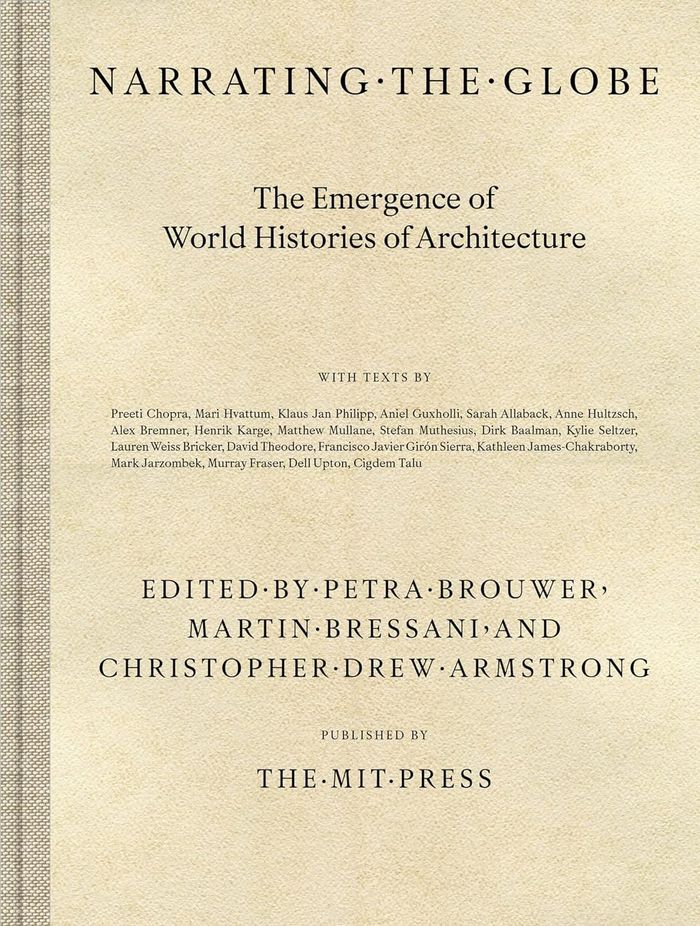
The nineteenth century saw the emergence of a new genre of architectural writing: the grand history of world architecture. This genre often expressed a deeply Eurocentric worldview, largely dismissing non-Western architecture through narratives of historical progress and stylistic beauty. Yet even as nineteenth-century historians worked to construct an exclusive architectural canon, they were engaged in constant debate over its categories and constraints. ''Narrating the globe'' traces the emergence of this historical canon, exposing the questions and problems that prompted the canon’s very formation. Bringing together architectural historians from around the world, this collection of essays—the first comprehensive examination of the nineteenth-century architectural history survey as a literary genre—includes overviews of the origins and legacy of the global architecture survey genre, as well as close examinations of key works, including books by lesser-known but intriguing authors such as Louisa C. Tuthill, Christian L. Stieglitz, and Daniel Ramée, and the more famous surveys by James Fergusson, Franz Kugler, Banister Fletcher, and Auguste Choisy.
Narrating the globe: The emergence of world histories of architecture
Actions:
Prix:
$79.00
(disponible sur commande)
Résumé:
The nineteenth century saw the emergence of a new genre of architectural writing: the grand history of world architecture. This genre often expressed a deeply Eurocentric worldview, largely dismissing non-Western architecture through narratives of historical progress and stylistic beauty. Yet even as nineteenth-century historians worked to construct an exclusive architectural canon, they were engaged in constant debate over its categories and constraints. ''Narrating the globe'' traces the emergence of this historical canon, exposing the questions and problems that prompted the canon’s very formation. Bringing together architectural historians from around the world, this collection of essays—the first comprehensive examination of the nineteenth-century architectural history survey as a literary genre—includes overviews of the origins and legacy of the global architecture survey genre, as well as close examinations of key works, including books by lesser-known but intriguing authors such as Louisa C. Tuthill, Christian L. Stieglitz, and Daniel Ramée, and the more famous surveys by James Fergusson, Franz Kugler, Banister Fletcher, and Auguste Choisy.
Classification:
livres
livres
Publication:
octobre 2023
octobre 2023
Sujet:
Théorie de l’architecture
Théorie de l’architecture
Classification:
livres
livres
Prix:
$66.00
(disponible sur commande)
Résumé:
The architectural drawing might seem to be a quintessentially modern form, and indeed many histories of the genre begin in the early modern period with Italian Renaissance architects such as Alberti. Yet the Middle Ages also had a remarkably sophisticated way of drawing and writing about architecture. ''God’s own language'' takes us to twelfth-century Paris, where a(...)
$66.00
(disponible sur commande)
Résumé:
The architectural drawing might seem to be a quintessentially modern form, and indeed many histories of the genre begin in the early modern period with Italian Renaissance architects such as Alberti. Yet the Middle Ages also had a remarkably sophisticated way of drawing and writing about architecture. ''God’s own language'' takes us to twelfth-century Paris, where a(...)
Titre:
God's own language: Architectural drawing in the twelfth century
Actions:
Prix:
$66.00
(disponible sur commande)
Résumé:
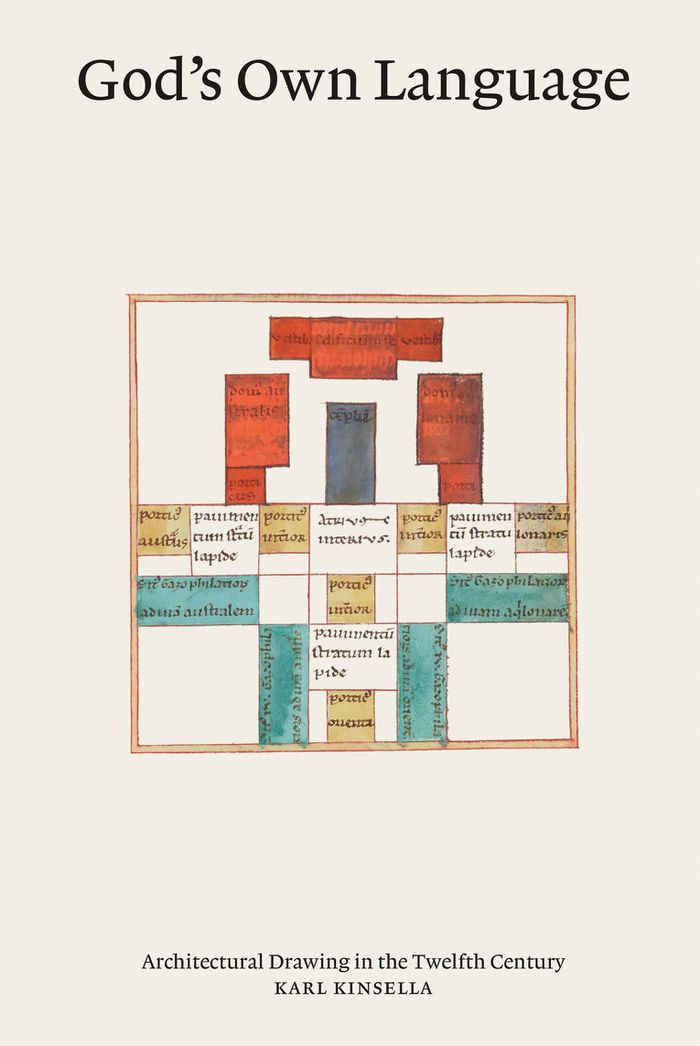
The architectural drawing might seem to be a quintessentially modern form, and indeed many histories of the genre begin in the early modern period with Italian Renaissance architects such as Alberti. Yet the Middle Ages also had a remarkably sophisticated way of drawing and writing about architecture. ''God’s own language'' takes us to twelfth-century Paris, where a Scottish monk named Richard of Saint Victor, along with his mentor Hugh, developed an innovative visual and textual architectural language. In the process, he devised techniques and terms that we still use today, from sectional elevations to the word “plan.” Surprisingly, however, Richard’s detailed drawings appeared not in an architectural treatise but in a widely circulated set of biblical commentaries. Seeing architecture as a way of communicating with the divine, Richard drew plans and elevations for such biblical constructions as Noah’s ark and the temple envisioned by the prophet Ezekiel. Interpreting Richard and Hugh’s drawings and writings within the context of the thriving theological and intellectual cultures of medieval Paris, Karl Kinsella argues that the popularity of these works suggests that, centuries before the Renaissance, there was a large circle of readers with a highly developed understanding of geometry and the visual language of architecture.
God's own language: Architectural drawing in the twelfth century
Actions:
Prix:
$66.00
(disponible sur commande)
Résumé:
The architectural drawing might seem to be a quintessentially modern form, and indeed many histories of the genre begin in the early modern period with Italian Renaissance architects such as Alberti. Yet the Middle Ages also had a remarkably sophisticated way of drawing and writing about architecture. ''God’s own language'' takes us to twelfth-century Paris, where a Scottish monk named Richard of Saint Victor, along with his mentor Hugh, developed an innovative visual and textual architectural language. In the process, he devised techniques and terms that we still use today, from sectional elevations to the word “plan.” Surprisingly, however, Richard’s detailed drawings appeared not in an architectural treatise but in a widely circulated set of biblical commentaries. Seeing architecture as a way of communicating with the divine, Richard drew plans and elevations for such biblical constructions as Noah’s ark and the temple envisioned by the prophet Ezekiel. Interpreting Richard and Hugh’s drawings and writings within the context of the thriving theological and intellectual cultures of medieval Paris, Karl Kinsella argues that the popularity of these works suggests that, centuries before the Renaissance, there was a large circle of readers with a highly developed understanding of geometry and the visual language of architecture.
Classification:
livres
livres
Publication:
juin 2023
juin 2023
Sujet:
Théorie de l’architecture
Théorie de l’architecture


