


13794 Résultats
Classification:
livres
livres
Titre:
Hybrid factory, hybrid city
Hybrid factory, hybrid city
Actions:
Prix:
$54.95
(disponible sur commande)
Résumé:
Now that urban industry is often clean, green, small, and quiet it can be integrated at the city and building scale with other uses. Although little explored as of yet, we don’t yet know what this new hybrid will look like and how can it support new entrepreneurs, equitable jobs, and vital urban forms? How can hybrid models change with new technologies, sustainable(...)
$54.95
(disponible sur commande)
Résumé:
Now that urban industry is often clean, green, small, and quiet it can be integrated at the city and building scale with other uses. Although little explored as of yet, we don’t yet know what this new hybrid will look like and how can it support new entrepreneurs, equitable jobs, and vital urban forms? How can hybrid models change with new technologies, sustainable(...)
Titre:
Hybrid factory, hybrid city
Actions:
Prix:
$54.95
(disponible sur commande)
Résumé:
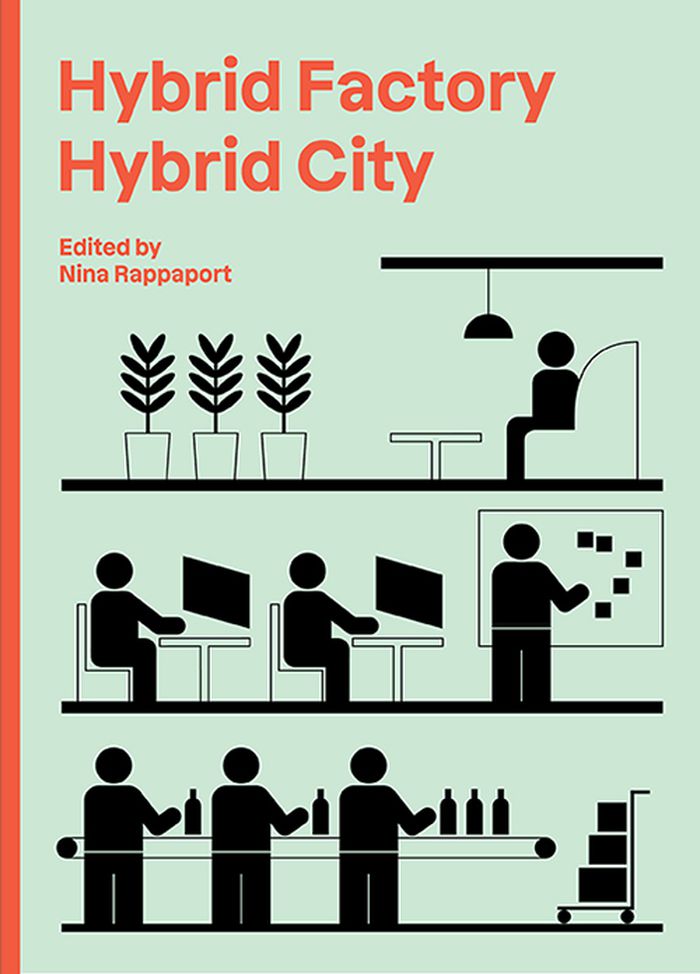
Now that urban industry is often clean, green, small, and quiet it can be integrated at the city and building scale with other uses. Although little explored as of yet, we don’t yet know what this new hybrid will look like and how can it support new entrepreneurs, equitable jobs, and vital urban forms? How can hybrid models change with new technologies, sustainable manufacturing, and advanced production systems to create new open city? Can we break the planning and land-use patterns of segregated zoning by class and function and encourage mixed-use zoning that transforms new building and zoning codes and this the mix in the city? These questions and more are addressed in Hybrid Factory / Hybrid City, through a collection of essays by participants in the eponymous symposium organized by Nina Rappaport at the Future Urban Legacy Lab of the Politecnico di Torino. Divided into two sections, the essays describes projects and research by architects and urbanists regarding the aura of industry and its smells, its place in relationship to the body, building structures, logistics centers, reused factory buildings, and their current and future potential for mixed-use. Social and economic equity can be integrated through light manufacturing jobs, community uses, and affordable housing.
Hybrid factory, hybrid city
Actions:
Prix:
$54.95
(disponible sur commande)
Résumé:
Now that urban industry is often clean, green, small, and quiet it can be integrated at the city and building scale with other uses. Although little explored as of yet, we don’t yet know what this new hybrid will look like and how can it support new entrepreneurs, equitable jobs, and vital urban forms? How can hybrid models change with new technologies, sustainable manufacturing, and advanced production systems to create new open city? Can we break the planning and land-use patterns of segregated zoning by class and function and encourage mixed-use zoning that transforms new building and zoning codes and this the mix in the city? These questions and more are addressed in Hybrid Factory / Hybrid City, through a collection of essays by participants in the eponymous symposium organized by Nina Rappaport at the Future Urban Legacy Lab of the Politecnico di Torino. Divided into two sections, the essays describes projects and research by architects and urbanists regarding the aura of industry and its smells, its place in relationship to the body, building structures, logistics centers, reused factory buildings, and their current and future potential for mixed-use. Social and economic equity can be integrated through light manufacturing jobs, community uses, and affordable housing.
Classification:
livres
livres
Publication:
mars 2023
mars 2023
Sujet:
Théorie de l’urbanisme
Théorie de l’urbanisme
Classification:
livres
livres

Prix:
$29.95
(disponible sur commande)
Résumé:
Volume—a word that refers to sound, collections, and the measurement of space—is a crucial characteristic of both graphic design and popular music. While expressing different aspects of these two pervasive cultural mediums, the term also introduces a discussion on their many links. This publication is a collection of both new and classic writings by frequent Emigre(...)
$29.95
(disponible sur commande)
Résumé:
Volume—a word that refers to sound, collections, and the measurement of space—is a crucial characteristic of both graphic design and popular music. While expressing different aspects of these two pervasive cultural mediums, the term also introduces a discussion on their many links. This publication is a collection of both new and classic writings by frequent Emigre(...)
Titre:
Volume: writings on graphic design, music, art and culture
Actions:
Prix:
$29.95
(disponible sur commande)
Résumé:
Volume—a word that refers to sound, collections, and the measurement of space—is a crucial characteristic of both graphic design and popular music. While expressing different aspects of these two pervasive cultural mediums, the term also introduces a discussion on their many links. This publication is a collection of both new and classic writings by frequent Emigre contributor and educator Kenneth FitzGerald that survey the discipline of graphic design in context with the parallel creative fields of contemporary music and art. The topics of the writings are diverse: the roles of class in design, design education, Lester Bangs and Creem magazine, pornography, album cover art, independent record labels, anonymity and imaginary creative identities, and design as cultural chaos-maker.
Volume: writings on graphic design, music, art and culture
Actions:
Prix:
$29.95
(disponible sur commande)
Résumé:
Volume—a word that refers to sound, collections, and the measurement of space—is a crucial characteristic of both graphic design and popular music. While expressing different aspects of these two pervasive cultural mediums, the term also introduces a discussion on their many links. This publication is a collection of both new and classic writings by frequent Emigre contributor and educator Kenneth FitzGerald that survey the discipline of graphic design in context with the parallel creative fields of contemporary music and art. The topics of the writings are diverse: the roles of class in design, design education, Lester Bangs and Creem magazine, pornography, album cover art, independent record labels, anonymity and imaginary creative identities, and design as cultural chaos-maker.
Classification:
livres
livres
Publication:
octobre 2010
octobre 2010
Sujet:
Théorie de l’art
Théorie de l’art
Classification:
livres
livres
Prix:
$29.95
(disponible sur commande)
Résumé:
In this publication, Thomas Fisher presents fifty case studies representing a broad range of ethical dilemmas facing today's architects, from questions regarding which clients to work for, to the moral imperatives of reclaiming building materials for construction instead of sending them to landfills. This book features newly interpretations adapted to the pervasive(...)
$29.95
(disponible sur commande)
Résumé:
In this publication, Thomas Fisher presents fifty case studies representing a broad range of ethical dilemmas facing today's architects, from questions regarding which clients to work for, to the moral imperatives of reclaiming building materials for construction instead of sending them to landfills. This book features newly interpretations adapted to the pervasive(...)
Titre:
Ethics for architects : 50 dilemmas of professional practice
Actions:
Prix:
$29.95
(disponible sur commande)
Résumé:
In this publication, Thomas Fisher presents fifty case studies representing a broad range of ethical dilemmas facing today's architects, from questions regarding which clients to work for, to the moral imperatives of reclaiming building materials for construction instead of sending them to landfills. This book features newly interpretations adapted to the pervasive demands of globalization, sustainability, and developments in information technology.
Ethics for architects : 50 dilemmas of professional practice
Actions:
Prix:
$29.95
(disponible sur commande)
Résumé:
In this publication, Thomas Fisher presents fifty case studies representing a broad range of ethical dilemmas facing today's architects, from questions regarding which clients to work for, to the moral imperatives of reclaiming building materials for construction instead of sending them to landfills. This book features newly interpretations adapted to the pervasive demands of globalization, sustainability, and developments in information technology.
Classification:
livres
livres
Publication:
octobre 2010
octobre 2010
Sujet:
Théorie de l’architecture
Théorie de l’architecture
Classification:
livres
livres
Actions:
Prix:
$39.95
(disponible sur commande)
Résumé:
Many major American cities are defying the conventional wisdom that suburbs are the communities of the future. But as these urban centers prosper, they increasingly confront significant constraints. Gerald E. Frug and David J. Barron address these limits in a new way. City Bound explores how state law determines what cities can and cannot do to raise revenue, control(...)
$39.95
(disponible sur commande)
Résumé:
Many major American cities are defying the conventional wisdom that suburbs are the communities of the future. But as these urban centers prosper, they increasingly confront significant constraints. Gerald E. Frug and David J. Barron address these limits in a new way. City Bound explores how state law determines what cities can and cannot do to raise revenue, control(...)
Titre:
City bound: How states stifle urban innovation
Actions:
Prix:
$39.95
(disponible sur commande)
Résumé:
Many major American cities are defying the conventional wisdom that suburbs are the communities of the future. But as these urban centers prosper, they increasingly confront significant constraints. Gerald E. Frug and David J. Barron address these limits in a new way. City Bound explores how state law determines what cities can and cannot do to raise revenue, control land use, and improve city schools.
City bound: How states stifle urban innovation
Actions:
Prix:
$39.95
(disponible sur commande)
Résumé:
Many major American cities are defying the conventional wisdom that suburbs are the communities of the future. But as these urban centers prosper, they increasingly confront significant constraints. Gerald E. Frug and David J. Barron address these limits in a new way. City Bound explores how state law determines what cities can and cannot do to raise revenue, control land use, and improve city schools.
Classification:
livres
livres
Publication:
août 2008
août 2008
Sujet:
Théorie de l’urbanisme
Théorie de l’urbanisme
Classification:
livres
livres

Titre:
Le projet urbain
Le projet urbain
Actions:
Prix:
$17.95
(disponible sur commande)
Résumé:
Quel est le sens d’un projet urbain pour peu qu’on le considère dans sa globalité ? Expression d’une politique particulière, mais aussi d’une culture spécifique, celui-ci touche, par son réalisme même, aux innombrables problèmes soulevés par un territoire et sa population. Il est donc à la croisée des chemins de diverses disciplines, ne prend tout son sens que dans leur(...)
$17.95
(disponible sur commande)
Résumé:
Quel est le sens d’un projet urbain pour peu qu’on le considère dans sa globalité ? Expression d’une politique particulière, mais aussi d’une culture spécifique, celui-ci touche, par son réalisme même, aux innombrables problèmes soulevés par un territoire et sa population. Il est donc à la croisée des chemins de diverses disciplines, ne prend tout son sens que dans leur(...)
Titre:
Le projet urbain
Actions:
Prix:
$17.95
(disponible sur commande)
Résumé:
Quel est le sens d’un projet urbain pour peu qu’on le considère dans sa globalité ? Expression d’une politique particulière, mais aussi d’une culture spécifique, celui-ci touche, par son réalisme même, aux innombrables problèmes soulevés par un territoire et sa population. Il est donc à la croisée des chemins de diverses disciplines, ne prend tout son sens que dans leur interaction tout en concernant directement la vie quotidienne de tout un chacun, qu’il habite une grande ville, une banlieue ou une zone rurale.
Le projet urbain
Actions:
Prix:
$17.95
(disponible sur commande)
Résumé:
Quel est le sens d’un projet urbain pour peu qu’on le considère dans sa globalité ? Expression d’une politique particulière, mais aussi d’une culture spécifique, celui-ci touche, par son réalisme même, aux innombrables problèmes soulevés par un territoire et sa population. Il est donc à la croisée des chemins de diverses disciplines, ne prend tout son sens que dans leur interaction tout en concernant directement la vie quotidienne de tout un chacun, qu’il habite une grande ville, une banlieue ou une zone rurale.
Classification:
livres
livres
Publication:
septembre 2010
septembre 2010
Sujet:
Théorie de l’urbanisme
Théorie de l’urbanisme
Classification:
livres
livres

Titre:
Descent to revolution
Descent to revolution
Actions:
Prix:
$14.00
(disponible sur commande)
Résumé:
Descent to revolution is an exhibition featuring five international artist collectives and collaboratives that respond to the social and economic frameworks of a city.
$14.00
(disponible sur commande)
Résumé:
Descent to revolution is an exhibition featuring five international artist collectives and collaboratives that respond to the social and economic frameworks of a city.
Titre:
Descent to revolution
Actions:
Prix:
$14.00
(disponible sur commande)
Résumé:
Descent to revolution is an exhibition featuring five international artist collectives and collaboratives that respond to the social and economic frameworks of a city.
Descent to revolution
Actions:
Prix:
$14.00
(disponible sur commande)
Résumé:
Descent to revolution is an exhibition featuring five international artist collectives and collaboratives that respond to the social and economic frameworks of a city.
Classification:
livres
livres
Publication:
juin 2010
juin 2010
Sujet:
Théorie de l’art
Théorie de l’art
Classification:
livres
livres
Titre:
Calling beauty
Calling beauty
Actions:
Prix:
$14.00
(disponible en magasin)
Résumé:
Calling Beauty is an investigation into the evolving definition of beauty as a concept of rarity and exclusivity. Organized around four basic pillars of reflection: still life, landscape, nude, and portraiture, the exhibition examines what has been traditionally viewed as beautiful, how that view has influenced contemporary art, and how it has shaped, paradoxically, an(...)
$14.00
(disponible en magasin)
Résumé:
Calling Beauty is an investigation into the evolving definition of beauty as a concept of rarity and exclusivity. Organized around four basic pillars of reflection: still life, landscape, nude, and portraiture, the exhibition examines what has been traditionally viewed as beautiful, how that view has influenced contemporary art, and how it has shaped, paradoxically, an(...)
Titre:
Calling beauty
Actions:
Prix:
$14.00
(disponible en magasin)
Résumé:
Calling Beauty is an investigation into the evolving definition of beauty as a concept of rarity and exclusivity. Organized around four basic pillars of reflection: still life, landscape, nude, and portraiture, the exhibition examines what has been traditionally viewed as beautiful, how that view has influenced contemporary art, and how it has shaped, paradoxically, an aesthetics of the everyday. Artists include Thorsten Brinkmann, Moyra Davey, Elizabeth Gerdeman, Ellen Harvey, Matts Leiderstam, Ryan McGinley, Anna Molska, Susan Sontag, Eve Sussman & The Rufus Corporation, and Darren Waterston.
Calling beauty
Actions:
Prix:
$14.00
(disponible en magasin)
Résumé:
Calling Beauty is an investigation into the evolving definition of beauty as a concept of rarity and exclusivity. Organized around four basic pillars of reflection: still life, landscape, nude, and portraiture, the exhibition examines what has been traditionally viewed as beautiful, how that view has influenced contemporary art, and how it has shaped, paradoxically, an aesthetics of the everyday. Artists include Thorsten Brinkmann, Moyra Davey, Elizabeth Gerdeman, Ellen Harvey, Matts Leiderstam, Ryan McGinley, Anna Molska, Susan Sontag, Eve Sussman & The Rufus Corporation, and Darren Waterston.
Classification:
livres
livres
Publication:
février 2010
février 2010
Sujet:
Théorie de l’art
Théorie de l’art
Classification:
livres
livres

Titre:
Of other spaces
Of other spaces
Actions:
Prix:
$14.00
(disponible sur commande)
Résumé:
This catalogue is about how space affects human behavior and experience. The exhibition asks us to consider the ways in which spaces are charged with authority, and both serve and suppress our actions and ways of relating. The concept of “other spaces” is inspired by the philosophy of Michel Foucault, especially his thoughts on social relations and cultural practices(...)
$14.00
(disponible sur commande)
Résumé:
This catalogue is about how space affects human behavior and experience. The exhibition asks us to consider the ways in which spaces are charged with authority, and both serve and suppress our actions and ways of relating. The concept of “other spaces” is inspired by the philosophy of Michel Foucault, especially his thoughts on social relations and cultural practices(...)
Titre:
Of other spaces
Actions:
Prix:
$14.00
(disponible sur commande)
Résumé:
This catalogue is about how space affects human behavior and experience. The exhibition asks us to consider the ways in which spaces are charged with authority, and both serve and suppress our actions and ways of relating. The concept of “other spaces” is inspired by the philosophy of Michel Foucault, especially his thoughts on social relations and cultural practices expressed in the intersection of space, architecture, and history.
Of other spaces
Actions:
Prix:
$14.00
(disponible sur commande)
Résumé:
This catalogue is about how space affects human behavior and experience. The exhibition asks us to consider the ways in which spaces are charged with authority, and both serve and suppress our actions and ways of relating. The concept of “other spaces” is inspired by the philosophy of Michel Foucault, especially his thoughts on social relations and cultural practices expressed in the intersection of space, architecture, and history.
Classification:
livres
livres
Publication:
septembre 2009
septembre 2009
Sujet:
Théorie de l’art
Théorie de l’art
Classification:
livres
livres
Actions:
Prix:
$58.95
(disponible sur commande)
Résumé:
This publication is a collection of essays by Bart Lootsma from the last years. The title ''Reality Bytes'' refers to a specific form of dealing with built reality which has become possible through new digital technologies.
$58.95
(disponible sur commande)
Résumé:
This publication is a collection of essays by Bart Lootsma from the last years. The title ''Reality Bytes'' refers to a specific form of dealing with built reality which has become possible through new digital technologies.
Titre:
Reality Bytes: essays 1995-2010
Actions:
Prix:
$58.95
(disponible sur commande)
Résumé:
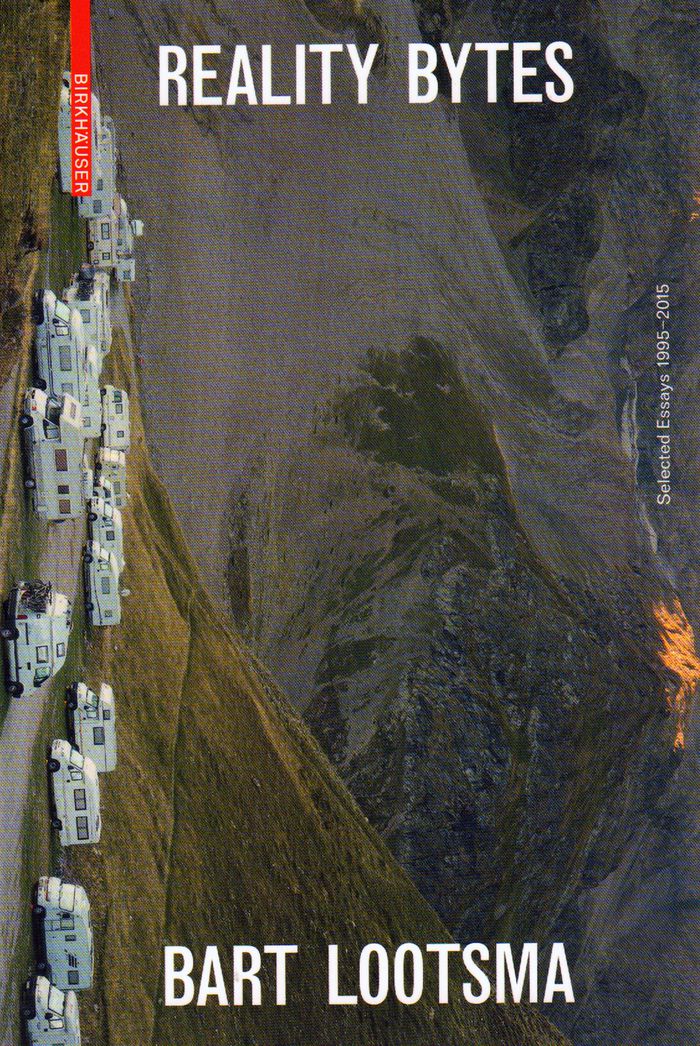
This publication is a collection of essays by Bart Lootsma from the last years. The title ''Reality Bytes'' refers to a specific form of dealing with built reality which has become possible through new digital technologies.
Reality Bytes: essays 1995-2010
Actions:
Prix:
$58.95
(disponible sur commande)
Résumé:
This publication is a collection of essays by Bart Lootsma from the last years. The title ''Reality Bytes'' refers to a specific form of dealing with built reality which has become possible through new digital technologies.
Classification:
livres
livres
Publication:
janvier 2011
janvier 2011
Sujet:
Théorie de l’architecture
Théorie de l’architecture
Classification:
livres
livres
Prix:
$11.95
(disponible sur commande)
Résumé:
Landscapes are all around us, but most of us know very little about how they have developed, what goes on in them, and how they react to changing climates, tectonics, and human activities. Examining what landscape is, and how we use a range of ideas and techniques to study it, Andrew Goudie and Heather Viles demonstrate how scientists have built on classic(...)
$11.95
(disponible sur commande)
Résumé:
Landscapes are all around us, but most of us know very little about how they have developed, what goes on in them, and how they react to changing climates, tectonics, and human activities. Examining what landscape is, and how we use a range of ideas and techniques to study it, Andrew Goudie and Heather Viles demonstrate how scientists have built on classic(...)
Titre:
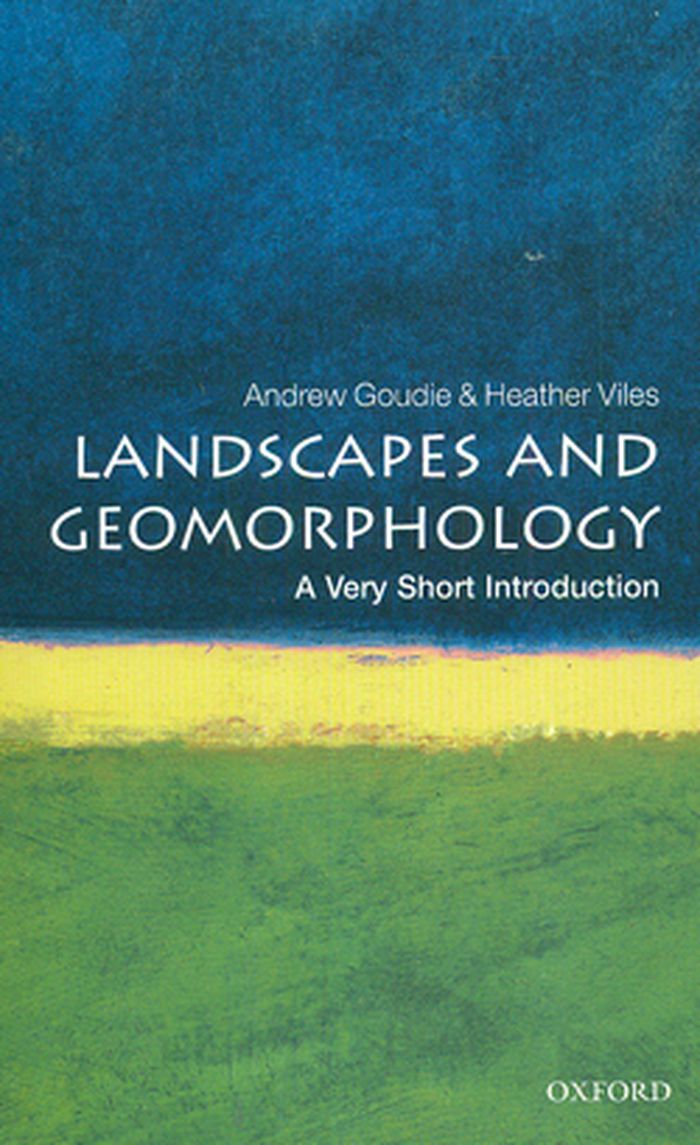
Landscape and geomorphology: A very short Introduction
Actions:
Prix:
$11.95
(disponible sur commande)
Résumé:
Landscapes are all around us, but most of us know very little about how they have developed, what goes on in them, and how they react to changing climates, tectonics, and human activities. Examining what landscape is, and how we use a range of ideas and techniques to study it, Andrew Goudie and Heather Viles demonstrate how scientists have built on classic methods--pioneered by the great researchers of the nineteenth century--to shed new light on our planet. Using examples from around the world, including New Zealand, the Tibetan Plateau, and the deserts of the Middle East, they examine some of the key controls on landscape today such as tectonics and climate, as well as humans and the living world. They also discuss some major "landscape detectives" from the past, including Charles Darwin, who did some important, but often overlooked, research on landscape. Concluding with the cultural importance of landscape, and exploring how this has led to the conservation of much "earth heritage," they delve into the future and look at how we can predict the response of landscapes to the projected climate change.
Landscape and geomorphology: A very short Introduction
Actions:
Prix:
$11.95
(disponible sur commande)
Résumé:
Landscapes are all around us, but most of us know very little about how they have developed, what goes on in them, and how they react to changing climates, tectonics, and human activities. Examining what landscape is, and how we use a range of ideas and techniques to study it, Andrew Goudie and Heather Viles demonstrate how scientists have built on classic methods--pioneered by the great researchers of the nineteenth century--to shed new light on our planet. Using examples from around the world, including New Zealand, the Tibetan Plateau, and the deserts of the Middle East, they examine some of the key controls on landscape today such as tectonics and climate, as well as humans and the living world. They also discuss some major "landscape detectives" from the past, including Charles Darwin, who did some important, but often overlooked, research on landscape. Concluding with the cultural importance of landscape, and exploring how this has led to the conservation of much "earth heritage," they delve into the future and look at how we can predict the response of landscapes to the projected climate change.
Classification:
livres
livres
Publication:
septembre 2010
septembre 2010
Sujet:
Théorie du paysage
Théorie du paysage


