


6653 Résultats
Classification:
livres
livres
Titre:
Grave Matters
Grave Matters
Actions:
Prix:
$39.95
(disponible sur commande)
Résumé:
'Cemeteries', writes Mark C. Taylor, 'are where I go to commune with "my" ghosts. The journey to the cemetery is always solitary even when I am with people who are closest to me. In the graveyard, the we is dispersed and the I stripped bare.' In "Grave Matters", Taylor's ghosts become our own. His thoughtful, poignant essay interweaves personal narrative, historical(...)
$39.95
(disponible sur commande)
Résumé:
'Cemeteries', writes Mark C. Taylor, 'are where I go to commune with "my" ghosts. The journey to the cemetery is always solitary even when I am with people who are closest to me. In the graveyard, the we is dispersed and the I stripped bare.' In "Grave Matters", Taylor's ghosts become our own. His thoughtful, poignant essay interweaves personal narrative, historical(...)
Titre:
Grave Matters
Actions:
Prix:
$39.95
(disponible sur commande)
Résumé:
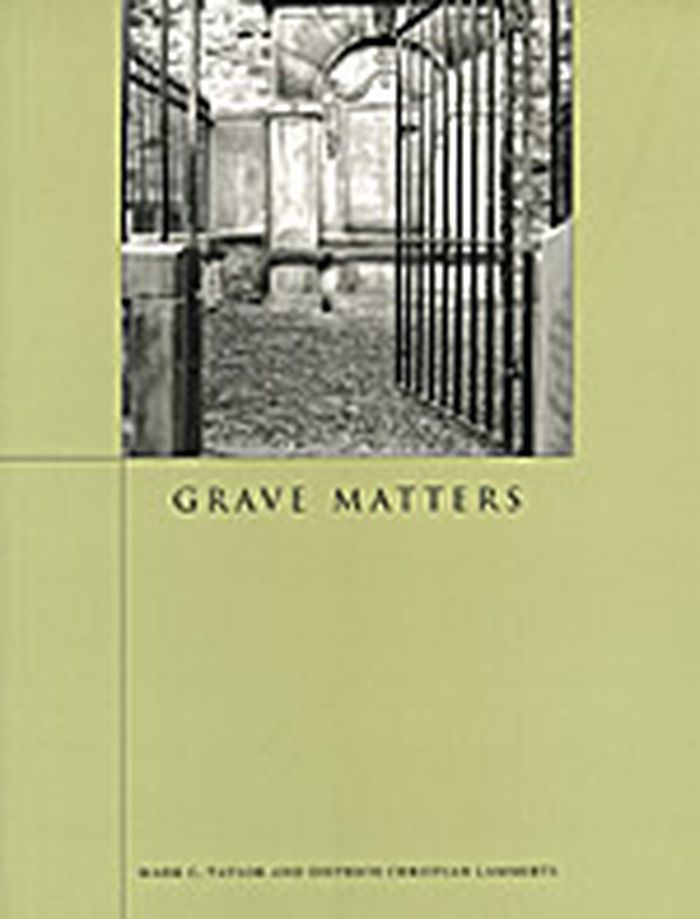
'Cemeteries', writes Mark C. Taylor, 'are where I go to commune with "my" ghosts. The journey to the cemetery is always solitary even when I am with people who are closest to me. In the graveyard, the we is dispersed and the I stripped bare.' In "Grave Matters", Taylor's ghosts become our own. His thoughtful, poignant essay interweaves personal narrative, historical analysis, cultural commentary and philosophical reflection. Dietrich Christian Lammerts's photographs show us the graves of the artists, architects, writers, philosophers and musicians who shaped Western culture; at once beautiful and disturbing, they suggest an alternative history of modernism and its precursors. Grave Matters raises difficult questions: What place do the modern greats have in the postmodern age? Who decided where and how they would be buried? Who wrote their epitaphs? What do their deaths, and their graves, tell us about their lives and suggest about our own? The words and images of Grave Matters inscribe the future that we all face, and to ponder this memento mori is to meet life anew.
Grave Matters
Actions:
Prix:
$39.95
(disponible sur commande)
Résumé:
'Cemeteries', writes Mark C. Taylor, 'are where I go to commune with "my" ghosts. The journey to the cemetery is always solitary even when I am with people who are closest to me. In the graveyard, the we is dispersed and the I stripped bare.' In "Grave Matters", Taylor's ghosts become our own. His thoughtful, poignant essay interweaves personal narrative, historical analysis, cultural commentary and philosophical reflection. Dietrich Christian Lammerts's photographs show us the graves of the artists, architects, writers, philosophers and musicians who shaped Western culture; at once beautiful and disturbing, they suggest an alternative history of modernism and its precursors. Grave Matters raises difficult questions: What place do the modern greats have in the postmodern age? Who decided where and how they would be buried? Who wrote their epitaphs? What do their deaths, and their graves, tell us about their lives and suggest about our own? The words and images of Grave Matters inscribe the future that we all face, and to ponder this memento mori is to meet life anew.
Classification:
livres
livres
Publication:
juin 2002, London
juin 2002, London
Sujet:
Bouffe
Bouffe
Classification:
livres
livres
Actions:
Prix:
$63.95
(disponible sur commande)
Résumé:
Reyner Banham (1922-88) was one of the most influential writers on architecture, design, and popular culture from the mid-1950s to the late 1980s. Trained in mechanical engineering and art history, he was convinced that technology was making society not only more exciting but more democratic. His combination of academic rigor and pop culture sensibility put him in(...)
$63.95
(disponible sur commande)
Résumé:
Reyner Banham (1922-88) was one of the most influential writers on architecture, design, and popular culture from the mid-1950s to the late 1980s. Trained in mechanical engineering and art history, he was convinced that technology was making society not only more exciting but more democratic. His combination of academic rigor and pop culture sensibility put him in(...)
Titre:
Reyner Banham : historian of the immediate future
Actions:
Prix:
$63.95
(disponible sur commande)
Résumé:
Reyner Banham (1922-88) was one of the most influential writers on architecture, design, and popular culture from the mid-1950s to the late 1980s. Trained in mechanical engineering and art history, he was convinced that technology was making society not only more exciting but more democratic. His combination of academic rigor and pop culture sensibility put him in opposition to both traditionalists and orthodox Modernists, but placed him in a unique position to understand the cultural, social, and political implications of the visual arts in the postwar period. His first book, "Theory and Design in the First Machine Age", was central to the overhaul of Modernism, and it gave Futurism and Expressionism credibility amid the dynamism and change of the 1960s. This intellectual biography is the first comprehensive critical examination of Banham’s theories and ideas, not only on architecture but also on the wide variety of subjects that interested him. It covers the full range of his oeuvre and discusses the values, enthusiasms, and influences that formed his thinking.
Reyner Banham : historian of the immediate future
Actions:
Prix:
$63.95
(disponible sur commande)
Résumé:
Reyner Banham (1922-88) was one of the most influential writers on architecture, design, and popular culture from the mid-1950s to the late 1980s. Trained in mechanical engineering and art history, he was convinced that technology was making society not only more exciting but more democratic. His combination of academic rigor and pop culture sensibility put him in opposition to both traditionalists and orthodox Modernists, but placed him in a unique position to understand the cultural, social, and political implications of the visual arts in the postwar period. His first book, "Theory and Design in the First Machine Age", was central to the overhaul of Modernism, and it gave Futurism and Expressionism credibility amid the dynamism and change of the 1960s. This intellectual biography is the first comprehensive critical examination of Banham’s theories and ideas, not only on architecture but also on the wide variety of subjects that interested him. It covers the full range of his oeuvre and discusses the values, enthusiasms, and influences that formed his thinking.
Classification:
livres
livres
Publication:
octobre 2001, Cambridge, MA
octobre 2001, Cambridge, MA
Sujet:
Théorie de l’architecture
Théorie de l’architecture
Classification:
livres
livres
Actions:
Prix:
$42.00
(disponible en magasin)
Résumé:
Cruise delightfully recalls a time of gracious travel, as well as the modern-day evolution of cruising at sea. It explores the design and culture of cruise ships from the golden age of the interwar period, up to the present when cruise ships have come to embrace "entertainment architecture." Packed full of illustrations of all aspects of cruise ship design—interiors,(...)
$42.00
(disponible en magasin)
Résumé:
Cruise delightfully recalls a time of gracious travel, as well as the modern-day evolution of cruising at sea. It explores the design and culture of cruise ships from the golden age of the interwar period, up to the present when cruise ships have come to embrace "entertainment architecture." Packed full of illustrations of all aspects of cruise ship design—interiors,(...)
Publication:
avril 2006, New York
avril 2006, New York
Titre:
Cruise : identity, design and culture
Actions:
Prix:
$42.00
(disponible en magasin)
Résumé:
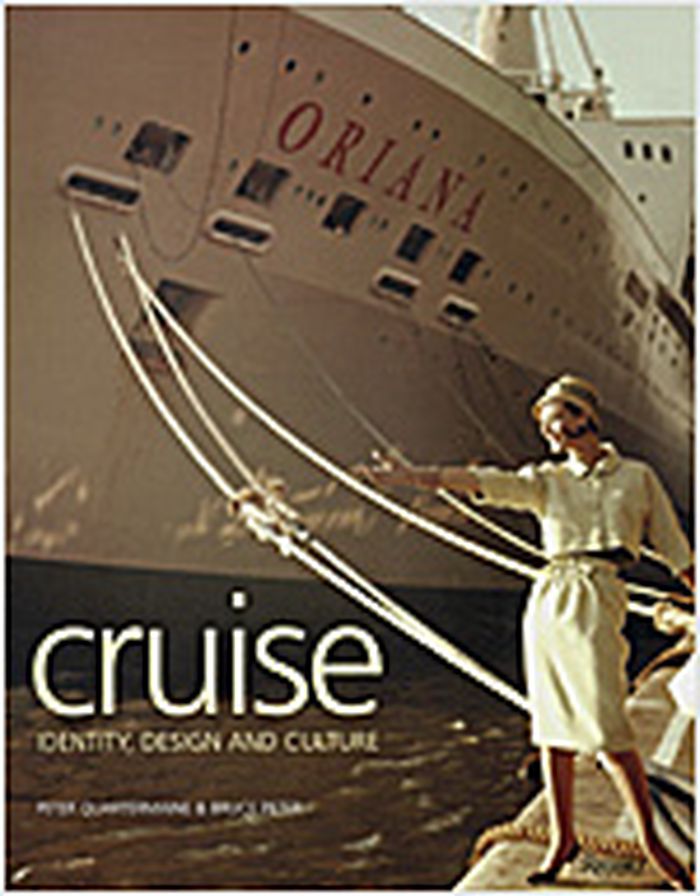
Cruise delightfully recalls a time of gracious travel, as well as the modern-day evolution of cruising at sea. It explores the design and culture of cruise ships from the golden age of the interwar period, up to the present when cruise ships have come to embrace "entertainment architecture." Packed full of illustrations of all aspects of cruise ship design—interiors, entertainment, travel posters, and other ephemera—this timely book also documents the current renaissance in cruise vacations.Traveling by cruise ship, especially between the wars and into the '50s, was the most luxurious and stylish form of transport available. Many of the greatest liners were built during that time, including France's Normandie, whose Art Deco interior was one of the most lavish—and beautiful—ever created. This up-to-date visual history of ocean travel, complete with full illustrations and a lively survey of every aspect of sailing on the high seas, will appeal to and delight a broad audience including cruise ship enthusiasts, designers, and nostalgia buffs.
Cruise : identity, design and culture
Actions:
Prix:
$42.00
(disponible en magasin)
Résumé:
Cruise delightfully recalls a time of gracious travel, as well as the modern-day evolution of cruising at sea. It explores the design and culture of cruise ships from the golden age of the interwar period, up to the present when cruise ships have come to embrace "entertainment architecture." Packed full of illustrations of all aspects of cruise ship design—interiors, entertainment, travel posters, and other ephemera—this timely book also documents the current renaissance in cruise vacations.Traveling by cruise ship, especially between the wars and into the '50s, was the most luxurious and stylish form of transport available. Many of the greatest liners were built during that time, including France's Normandie, whose Art Deco interior was one of the most lavish—and beautiful—ever created. This up-to-date visual history of ocean travel, complete with full illustrations and a lively survey of every aspect of sailing on the high seas, will appeal to and delight a broad audience including cruise ship enthusiasts, designers, and nostalgia buffs.
Classification:
livres
livres
Publication:
avril 2006, New York
avril 2006, New York
Classification:
livres
livres
Actions:
Prix:
$50.00
(disponible sur commande)
Résumé:
Daring, bold, dramatic, towering, impossibly glamorous: this is how we imagine New York in its golden age, and this is how Samuel H. Gottscho, the preeminent architectural photographer of his generation, captured it. Through his lens, New York of the 1930s became the quintessential modern metropolis, a round-the-clock city in which night was as charismatic as day.(...)
$50.00
(disponible sur commande)
Résumé:
Daring, bold, dramatic, towering, impossibly glamorous: this is how we imagine New York in its golden age, and this is how Samuel H. Gottscho, the preeminent architectural photographer of his generation, captured it. Through his lens, New York of the 1930s became the quintessential modern metropolis, a round-the-clock city in which night was as charismatic as day.(...)
Titre:
The mythic city : photographs of New York by Samuel H. Gottscho, 1925-1940
Actions:
Prix:
$50.00
(disponible sur commande)
Résumé:
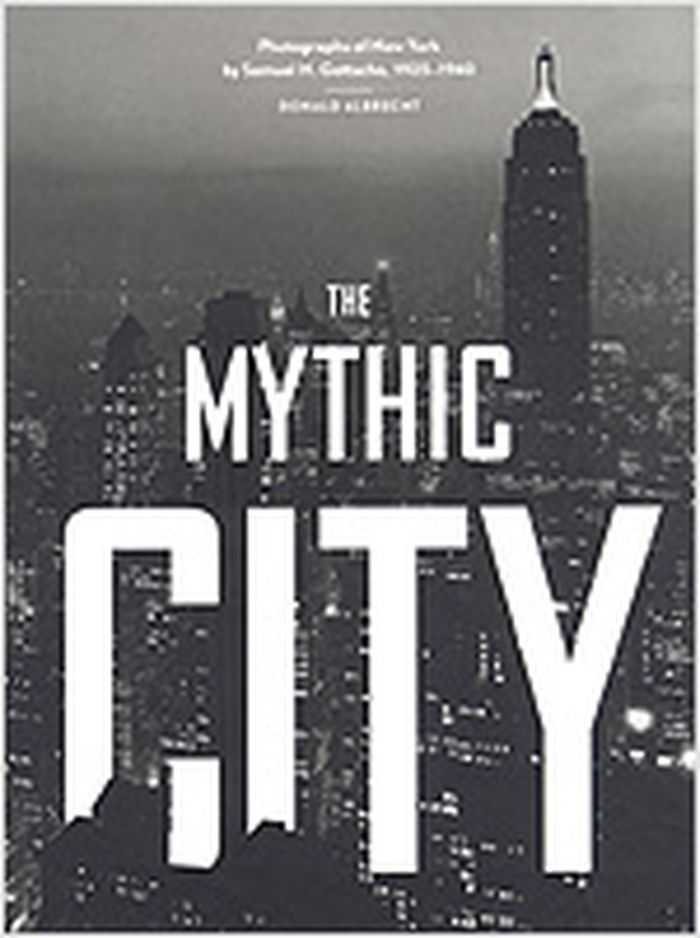
Daring, bold, dramatic, towering, impossibly glamorous: this is how we imagine New York in its golden age, and this is how Samuel H. Gottscho, the preeminent architectural photographer of his generation, captured it. Through his lens, New York of the 1930s became the quintessential modern metropolis, a round-the-clock city in which night was as charismatic as day. Rigorously editing out the Depression-weary city's more seamy aspects—its tenement slums, breadlines, and soup kitchens—Gottscho presented a dreamlike Gotham of skyscrapers and penthouse luxury that literally and figuratively glowed with glamour's sheen. His gimlet eye focused on the bold interplay of sun and shadow, dramatizing the chiseled forms of Manhattan's signature skyline and bridges. The Empire State and Chrysler buildings, Rockefeller Center, the Plaza, the George Washington Bridge—Gottscho brought them all to sparkling life. In this book, historian Donald Albrecht presents 175 of Gottscho's images of the city, from the Battery to Harlem. An introductory essay tells the story of this photographer, describing his working methods and philosophy, while placing his work in the broader context of photographic history.
The mythic city : photographs of New York by Samuel H. Gottscho, 1925-1940
Actions:
Prix:
$50.00
(disponible sur commande)
Résumé:
Daring, bold, dramatic, towering, impossibly glamorous: this is how we imagine New York in its golden age, and this is how Samuel H. Gottscho, the preeminent architectural photographer of his generation, captured it. Through his lens, New York of the 1930s became the quintessential modern metropolis, a round-the-clock city in which night was as charismatic as day. Rigorously editing out the Depression-weary city's more seamy aspects—its tenement slums, breadlines, and soup kitchens—Gottscho presented a dreamlike Gotham of skyscrapers and penthouse luxury that literally and figuratively glowed with glamour's sheen. His gimlet eye focused on the bold interplay of sun and shadow, dramatizing the chiseled forms of Manhattan's signature skyline and bridges. The Empire State and Chrysler buildings, Rockefeller Center, the Plaza, the George Washington Bridge—Gottscho brought them all to sparkling life. In this book, historian Donald Albrecht presents 175 of Gottscho's images of the city, from the Battery to Harlem. An introductory essay tells the story of this photographer, describing his working methods and philosophy, while placing his work in the broader context of photographic history.
Classification:
livres
livres
Publication:
octobre 2005, New York
octobre 2005, New York
Sujet:
Monographies photo
Monographies photo
Classification:
livres
livres
Actions:
Prix:
$45.50
(disponible sur commande)
Résumé:
It is not without irony that in an age characterised by the dissolution of certainty – a consequence of digital dematerialisation and the catastrophic destabilisation of our social institutions and natural world – architecture, for so long the repository for our myths and the vessel for our intangible narratives and rituals, has been stripped bare. Increasingly(...)
$45.50
(disponible sur commande)
Résumé:
It is not without irony that in an age characterised by the dissolution of certainty – a consequence of digital dematerialisation and the catastrophic destabilisation of our social institutions and natural world – architecture, for so long the repository for our myths and the vessel for our intangible narratives and rituals, has been stripped bare. Increasingly(...)
Titre:
AD: Ghost Stories: Architecture and the Intangible
Actions:
Prix:
$45.50
(disponible sur commande)
Résumé:
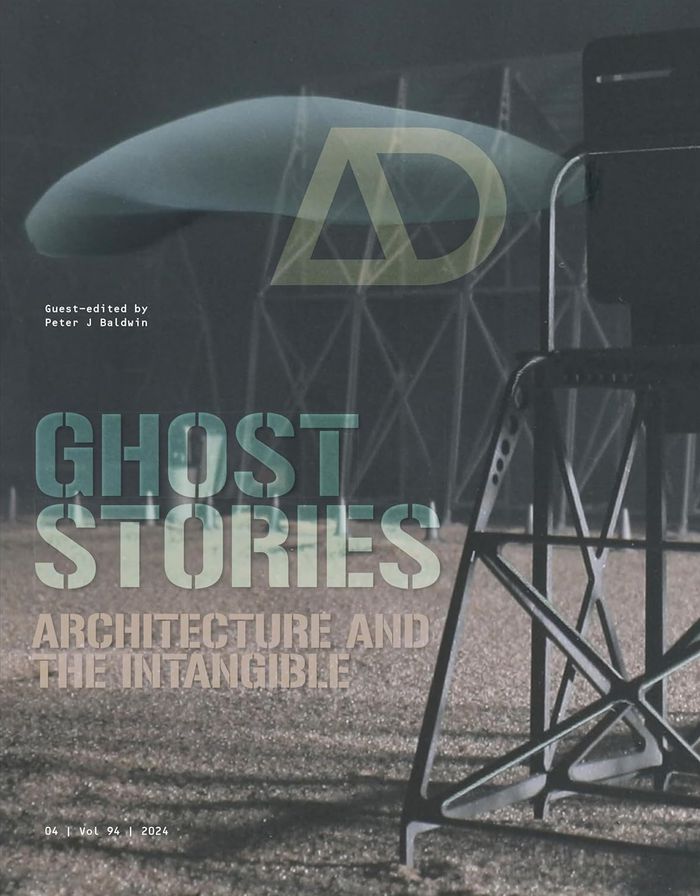
It is not without irony that in an age characterised by the dissolution of certainty – a consequence of digital dematerialisation and the catastrophic destabilisation of our social institutions and natural world – architecture, for so long the repository for our myths and the vessel for our intangible narratives and rituals, has been stripped bare. Increasingly preoccupied with the physical, material and measurable, architecture has forfeited its original purpose as a mediating link between the tacit and the tangible. Drawing on the current resurgence and our enduring cultural fascination with the ethereal and uncanny, this AD frames the spectral as a deconstructive gesture that undermines the fixedness and certainties of binary logics, a means to develop new practices and positions from which to address our contemporary uncertainties. Gathering a body of work that explores and speculates on architecture’s long romance with the incorporeal, the issue is intended as a catalyst through which latency, contingency and indeterminacy, inherent characteristics of the architectural condition, can once more be valued, cultivated and nurtured.
AD: Ghost Stories: Architecture and the Intangible
Actions:
Prix:
$45.50
(disponible sur commande)
Résumé:
It is not without irony that in an age characterised by the dissolution of certainty – a consequence of digital dematerialisation and the catastrophic destabilisation of our social institutions and natural world – architecture, for so long the repository for our myths and the vessel for our intangible narratives and rituals, has been stripped bare. Increasingly preoccupied with the physical, material and measurable, architecture has forfeited its original purpose as a mediating link between the tacit and the tangible. Drawing on the current resurgence and our enduring cultural fascination with the ethereal and uncanny, this AD frames the spectral as a deconstructive gesture that undermines the fixedness and certainties of binary logics, a means to develop new practices and positions from which to address our contemporary uncertainties. Gathering a body of work that explores and speculates on architecture’s long romance with the incorporeal, the issue is intended as a catalyst through which latency, contingency and indeterminacy, inherent characteristics of the architectural condition, can once more be valued, cultivated and nurtured.
Classification:
livres
livres
Publication:
juillet 2024
juillet 2024
Sujet:
Revues
Revues
Classification:
livres
livres
Actions:
Prix:
$49.50
(disponible sur commande)
Résumé:
"Digital Ground" is an architect's response to the design challenge posed by pervasive computing. One century into the electronic age, people have become accustomed to interacting indirectly, mediated through networks. But now as digital technology becomes invisibly embedded in everyday things, even more activities become mediated, and networks extend rather than replace(...)
$49.50
(disponible sur commande)
Résumé:
"Digital Ground" is an architect's response to the design challenge posed by pervasive computing. One century into the electronic age, people have become accustomed to interacting indirectly, mediated through networks. But now as digital technology becomes invisibly embedded in everyday things, even more activities become mediated, and networks extend rather than replace(...)
Sujet:
Théorie de l’architecture
Théorie de l’architecture
Publication:
avril 2004, Cambridge, Mass.
avril 2004, Cambridge, Mass.
Titre:
Digital ground : architecture, pervasive computing, and environmental knowing
Actions:
Prix:
$49.50
(disponible sur commande)
Résumé:
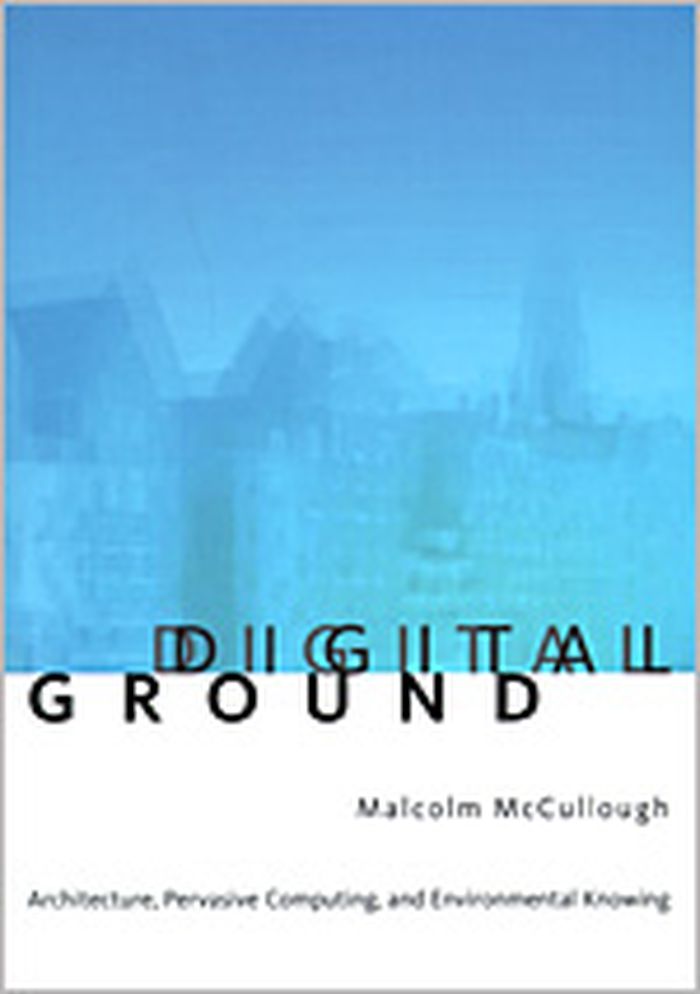
"Digital Ground" is an architect's response to the design challenge posed by pervasive computing. One century into the electronic age, people have become accustomed to interacting indirectly, mediated through networks. But now as digital technology becomes invisibly embedded in everyday things, even more activities become mediated, and networks extend rather than replace architecture. The young field of interaction design reflects not only how people deal with machine interfaces but also how people deal with each other in situations where interactivity has become ambient. It shifts previously utilitarian digital design concerns to a cultural level, adding notions of premise, appropriateness, and appreciation. Malcolm McCullough offers an account of the intersections of architecture and interaction design, arguing that the ubiquitous technology does not obviate the human need for place. His concept of "digital ground" expresses an alternative to anytime-anyplace sameness in computing; he shows that context not only shapes usability but ideally becomes the subject matter of interaction design and that "environmental knowing" is a process that technology may serve and not erode.
Digital ground : architecture, pervasive computing, and environmental knowing
Actions:
Prix:
$49.50
(disponible sur commande)
Résumé:
"Digital Ground" is an architect's response to the design challenge posed by pervasive computing. One century into the electronic age, people have become accustomed to interacting indirectly, mediated through networks. But now as digital technology becomes invisibly embedded in everyday things, even more activities become mediated, and networks extend rather than replace architecture. The young field of interaction design reflects not only how people deal with machine interfaces but also how people deal with each other in situations where interactivity has become ambient. It shifts previously utilitarian digital design concerns to a cultural level, adding notions of premise, appropriateness, and appreciation. Malcolm McCullough offers an account of the intersections of architecture and interaction design, arguing that the ubiquitous technology does not obviate the human need for place. His concept of "digital ground" expresses an alternative to anytime-anyplace sameness in computing; he shows that context not only shapes usability but ideally becomes the subject matter of interaction design and that "environmental knowing" is a process that technology may serve and not erode.
Classification:
livres
livres
Publication:
avril 2004, Cambridge, Mass.
avril 2004, Cambridge, Mass.
Sujet:
Théorie de l’architecture
Théorie de l’architecture
Classification:
livres
livres
Actions:
Prix:
$39.50
(disponible sur commande)
Résumé:
Depuis Platon, l'homme a toujours rêvé de la ville idéale. Utopia, la cité imaginée par Thomas More au XVIe siècle a donné naissance à l'utopie urbaine. S'inspirant de ce modèle, des centaines d'autres villes utopiques ont vu le jour telles Christianopolis au Moyen Age, Le Phalanstère de Fourrer au XIXe siècle, puis la Cité Radieuse de Le Corbusier ou encore Broadacre(...)
$39.50
(disponible sur commande)
Résumé:
Depuis Platon, l'homme a toujours rêvé de la ville idéale. Utopia, la cité imaginée par Thomas More au XVIe siècle a donné naissance à l'utopie urbaine. S'inspirant de ce modèle, des centaines d'autres villes utopiques ont vu le jour telles Christianopolis au Moyen Age, Le Phalanstère de Fourrer au XIXe siècle, puis la Cité Radieuse de Le Corbusier ou encore Broadacre(...)
Titre:
Villes utopiques, villes rêvées
Actions:
Prix:
$39.50
(disponible sur commande)
Résumé:
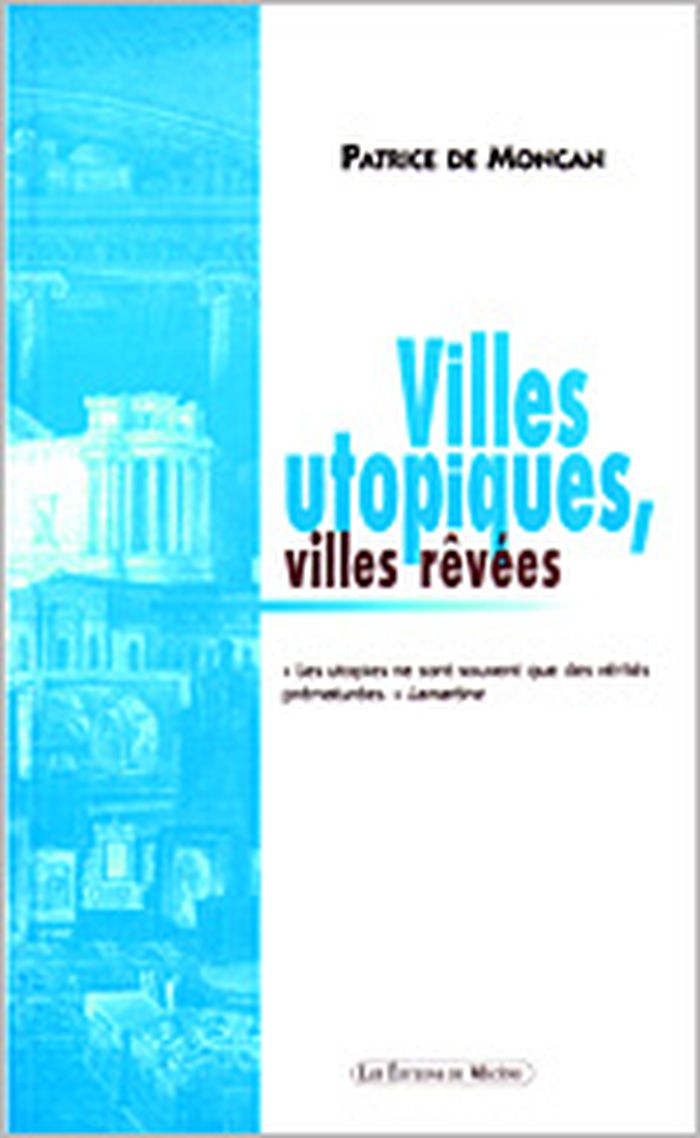
Depuis Platon, l'homme a toujours rêvé de la ville idéale. Utopia, la cité imaginée par Thomas More au XVIe siècle a donné naissance à l'utopie urbaine. S'inspirant de ce modèle, des centaines d'autres villes utopiques ont vu le jour telles Christianopolis au Moyen Age, Le Phalanstère de Fourrer au XIXe siècle, puis la Cité Radieuse de Le Corbusier ou encore Broadacre City Usonia de Frank Lloyd Wright, qui toutes ont contribué à façonner les cités d'aujourd'hui. C'est l'histoire de cette utopie urbaine que retrace Patrice de Moncan. Des siècles de rêves... jusqu'à ce qu'un groupe de jeunes architectes anglais annonce dans les années 60 : " En raison d'un manque total d'intérêt, demain est annulé ". L'utopie urbaine a-t-elle aujourd'hui encore un sens ? Peut-on toujours dessiner la ville à la manière des utopistes, s'interroge Patrice de Moncan ? Les architectes Ricardo Bofill, Roland Castro, Léon Krier, Jean Nouvel, Dominique Perrault et Christian De Portzamparc proposent une réponse. Tout au long de ce livre, un grand choix de textes qui ont forgé l'utopie urbaine à travers les siècles, étaye cette réflexion.
Villes utopiques, villes rêvées
Actions:
Prix:
$39.50
(disponible sur commande)
Résumé:
Depuis Platon, l'homme a toujours rêvé de la ville idéale. Utopia, la cité imaginée par Thomas More au XVIe siècle a donné naissance à l'utopie urbaine. S'inspirant de ce modèle, des centaines d'autres villes utopiques ont vu le jour telles Christianopolis au Moyen Age, Le Phalanstère de Fourrer au XIXe siècle, puis la Cité Radieuse de Le Corbusier ou encore Broadacre City Usonia de Frank Lloyd Wright, qui toutes ont contribué à façonner les cités d'aujourd'hui. C'est l'histoire de cette utopie urbaine que retrace Patrice de Moncan. Des siècles de rêves... jusqu'à ce qu'un groupe de jeunes architectes anglais annonce dans les années 60 : " En raison d'un manque total d'intérêt, demain est annulé ". L'utopie urbaine a-t-elle aujourd'hui encore un sens ? Peut-on toujours dessiner la ville à la manière des utopistes, s'interroge Patrice de Moncan ? Les architectes Ricardo Bofill, Roland Castro, Léon Krier, Jean Nouvel, Dominique Perrault et Christian De Portzamparc proposent une réponse. Tout au long de ce livre, un grand choix de textes qui ont forgé l'utopie urbaine à travers les siècles, étaye cette réflexion.
Classification:
livres
livres
Publication:
octobre 2003, Paris
octobre 2003, Paris
Sujet:
Théorie de l’urbanisme
Théorie de l’urbanisme
Classification:
livres
livres
Titre:
Bernard Tschumi
Bernard Tschumi
Actions:
Prix:
$42.00
(disponible sur commande)
Résumé:
Acclaimed as one of the world's foremost modern architects, Bernard Tschumi achieved early fame by winning the competition to design the Parc de la Villette on the northeast edge of Paris, featuring bright red "deconstructivist" pavillons. Tschumi is widely credited with leading the Graduate School of Architecture, Planning and Preservation at New York's Columbia(...)
$42.00
(disponible sur commande)
Résumé:
Acclaimed as one of the world's foremost modern architects, Bernard Tschumi achieved early fame by winning the competition to design the Parc de la Villette on the northeast edge of Paris, featuring bright red "deconstructivist" pavillons. Tschumi is widely credited with leading the Graduate School of Architecture, Planning and Preservation at New York's Columbia(...)
Sujet:
Architecture, monographies
Architecture, monographies
Publication:
août 2003, New York
août 2003, New York
Titre:
Bernard Tschumi
Actions:
Prix:
$42.00
(disponible sur commande)
Résumé:
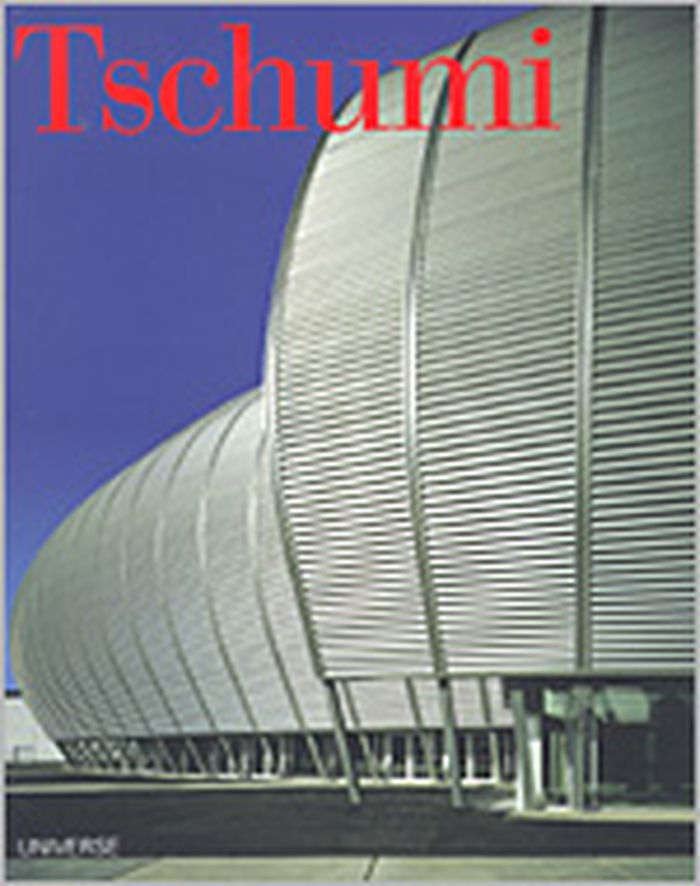
Acclaimed as one of the world's foremost modern architects, Bernard Tschumi achieved early fame by winning the competition to design the Parc de la Villette on the northeast edge of Paris, featuring bright red "deconstructivist" pavillons. Tschumi is widely credited with leading the Graduate School of Architecture, Planning and Preservation at New York's Columbia University into the digital age and positioning the school at the forefront of the architectural vanguard. During his fifteen-year tenure, Tschumi has continued to build and the results are empty illustrated in the first monogragraph to document Tschumi's full career. Projects included: Le Fresnoy National Studio for Contemporary Arts in Tourcoing, France (1998); Columbia University's Lerner Hall Student Center (1999); Marne La Vallée School of Architecture, Paris (1999); the Interface Flon, a bus, train, and subway station and pedestrian bridge in Lausanne, Switzerland (2000); a Concert Hall and Exhibition Complex in Rouen (2001); the new Florida International School of Architecture in Miami; the Museum for African Art in New York; and the New Acropolis Museum in Athens.
Bernard Tschumi
Actions:
Prix:
$42.00
(disponible sur commande)
Résumé:
Acclaimed as one of the world's foremost modern architects, Bernard Tschumi achieved early fame by winning the competition to design the Parc de la Villette on the northeast edge of Paris, featuring bright red "deconstructivist" pavillons. Tschumi is widely credited with leading the Graduate School of Architecture, Planning and Preservation at New York's Columbia University into the digital age and positioning the school at the forefront of the architectural vanguard. During his fifteen-year tenure, Tschumi has continued to build and the results are empty illustrated in the first monogragraph to document Tschumi's full career. Projects included: Le Fresnoy National Studio for Contemporary Arts in Tourcoing, France (1998); Columbia University's Lerner Hall Student Center (1999); Marne La Vallée School of Architecture, Paris (1999); the Interface Flon, a bus, train, and subway station and pedestrian bridge in Lausanne, Switzerland (2000); a Concert Hall and Exhibition Complex in Rouen (2001); the new Florida International School of Architecture in Miami; the Museum for African Art in New York; and the New Acropolis Museum in Athens.
Classification:
livres
livres
Publication:
août 2003, New York
août 2003, New York
Sujet:
Architecture, monographies
Architecture, monographies
Classification:
livres
livres
Titre:
Territorium : Theo Baart
Territorium : Theo Baart
Actions:
Prix:
$38.95
(disponible en magasin)
Résumé:
Five years ago, the celebrated Dutch photographer Theo Baart (Snelweg/Highways in the Netherlands, 1996; Bouwlust, 1999; Atlas of Change, 2000) moved from the center of Amsterdam to Amsterdam Southeast, to an area known as the Bijlmermeer. Designed in accordance with modernist urban planning principles, with a lot of high-rise flats in a park-like setting, the Bijlmer(...)
$38.95
(disponible en magasin)
Résumé:
Five years ago, the celebrated Dutch photographer Theo Baart (Snelweg/Highways in the Netherlands, 1996; Bouwlust, 1999; Atlas of Change, 2000) moved from the center of Amsterdam to Amsterdam Southeast, to an area known as the Bijlmermeer. Designed in accordance with modernist urban planning principles, with a lot of high-rise flats in a park-like setting, the Bijlmer(...)
Titre:
Territorium : Theo Baart
Actions:
Prix:
$38.95
(disponible en magasin)
Résumé:
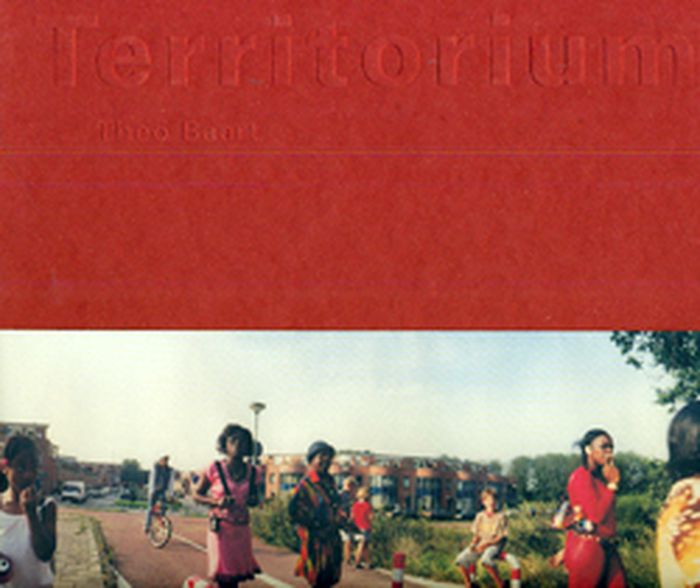
Five years ago, the celebrated Dutch photographer Theo Baart (Snelweg/Highways in the Netherlands, 1996; Bouwlust, 1999; Atlas of Change, 2000) moved from the center of Amsterdam to Amsterdam Southeast, to an area known as the Bijlmermeer. Designed in accordance with modernist urban planning principles, with a lot of high-rise flats in a park-like setting, the Bijlmer experiment in social engineering was quickly overtaken by reality and the Bijlmer became notorious for its intractable social problems and exceptionally high crime rate. A mammoth, fifteen-year regeneration scheme (1992 - 2009) is set to change all that. Much of the existing high-rise is being replaced by less anonymous neighbourhoods of low-rise. It is here that Theo Baart and his family settled. Since their relocation, Baart has photographed the gradual transformation of an area of the Bijlmer defined by the radius of action of his two school-age children. Baart's interviews with his neighbours, discussions with policymakers and his superb photography provide a fascinating insight into the regeneration process currently taking place in the Bijlmer.
Territorium : Theo Baart
Actions:
Prix:
$38.95
(disponible en magasin)
Résumé:
Five years ago, the celebrated Dutch photographer Theo Baart (Snelweg/Highways in the Netherlands, 1996; Bouwlust, 1999; Atlas of Change, 2000) moved from the center of Amsterdam to Amsterdam Southeast, to an area known as the Bijlmermeer. Designed in accordance with modernist urban planning principles, with a lot of high-rise flats in a park-like setting, the Bijlmer experiment in social engineering was quickly overtaken by reality and the Bijlmer became notorious for its intractable social problems and exceptionally high crime rate. A mammoth, fifteen-year regeneration scheme (1992 - 2009) is set to change all that. Much of the existing high-rise is being replaced by less anonymous neighbourhoods of low-rise. It is here that Theo Baart and his family settled. Since their relocation, Baart has photographed the gradual transformation of an area of the Bijlmer defined by the radius of action of his two school-age children. Baart's interviews with his neighbours, discussions with policymakers and his superb photography provide a fascinating insight into the regeneration process currently taking place in the Bijlmer.
Classification:
livres
livres
Publication:
août 2003, Rotterdam
août 2003, Rotterdam
Sujet:
Monographies photo
Monographies photo
Classification:
livres
livres
Titre:
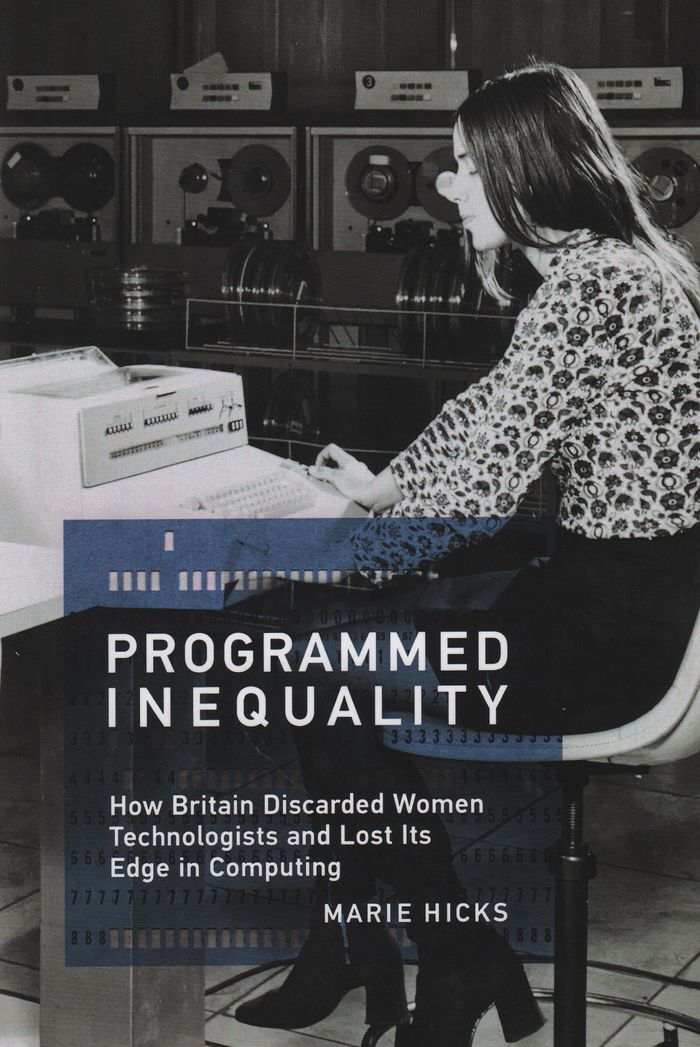
Programmed inequality: how Britain discarded women technologists and lost its edge in computing
Programmed inequality: how Britain discarded women technologists and lost its edge in computing
Actions:
Prix:
$51.95
(disponible sur commande)
Résumé:
In 1944, Britain led the world in electronic computing. By 1974, the British computer industry was all but extinct. What happened in the intervening thirty years holds lessons for all postindustrial superpowers. As Britain struggled to use technology to retain its global power, the nation’s inability to manage its technical labor force hobbled its transition into the(...)
$51.95
(disponible sur commande)
Résumé:
In 1944, Britain led the world in electronic computing. By 1974, the British computer industry was all but extinct. What happened in the intervening thirty years holds lessons for all postindustrial superpowers. As Britain struggled to use technology to retain its global power, the nation’s inability to manage its technical labor force hobbled its transition into the(...)
Titre:
Programmed inequality: how Britain discarded women technologists and lost its edge in computing
Actions:
Prix:
$51.95
(disponible sur commande)
Résumé:
In 1944, Britain led the world in electronic computing. By 1974, the British computer industry was all but extinct. What happened in the intervening thirty years holds lessons for all postindustrial superpowers. As Britain struggled to use technology to retain its global power, the nation’s inability to manage its technical labor force hobbled its transition into the information age. In "Programmed inequality", Marie Hicks explores the story of labor feminization and gendered technocracy that undercut British efforts to computerize. That failure sprang from the government’s systematic neglect of its largest trained technical workforce simply because they were women. Women were a hidden engine of growth in high technology from World War II to the 1960s. As computing experienced a gender flip, becoming male-identified in the 1960s and 1970s, labor problems grew into structural ones and gender discrimination caused the nation’s largest computer user—the civil service and sprawling public sector—to make decisions that were disastrous for the British computer industry and the nation as a whole.
Programmed inequality: how Britain discarded women technologists and lost its edge in computing
Actions:
Prix:
$51.95
(disponible sur commande)
Résumé:
In 1944, Britain led the world in electronic computing. By 1974, the British computer industry was all but extinct. What happened in the intervening thirty years holds lessons for all postindustrial superpowers. As Britain struggled to use technology to retain its global power, the nation’s inability to manage its technical labor force hobbled its transition into the information age. In "Programmed inequality", Marie Hicks explores the story of labor feminization and gendered technocracy that undercut British efforts to computerize. That failure sprang from the government’s systematic neglect of its largest trained technical workforce simply because they were women. Women were a hidden engine of growth in high technology from World War II to the 1960s. As computing experienced a gender flip, becoming male-identified in the 1960s and 1970s, labor problems grew into structural ones and gender discrimination caused the nation’s largest computer user—the civil service and sprawling public sector—to make decisions that were disastrous for the British computer industry and the nation as a whole.
Classification:
livres
livres
Publication:
février 2017
février 2017


