


6624 Résultats
Classification:
livres
livres
Actions:
Prix:
$43.95
(disponible sur commande)
Résumé:
The events that took place on September 11, 2001, in New York City are the background for a series of essays exploring the response of different cities at different times to natural or man-made disaster. How have cities coped with cataclysmic change in the urban fabric both physically and psychologically? How have they memorialized what they have lost, and how have they(...)
$43.95
(disponible sur commande)
Résumé:
The events that took place on September 11, 2001, in New York City are the background for a series of essays exploring the response of different cities at different times to natural or man-made disaster. How have cities coped with cataclysmic change in the urban fabric both physically and psychologically? How have they memorialized what they have lost, and how have they(...)
Titre:
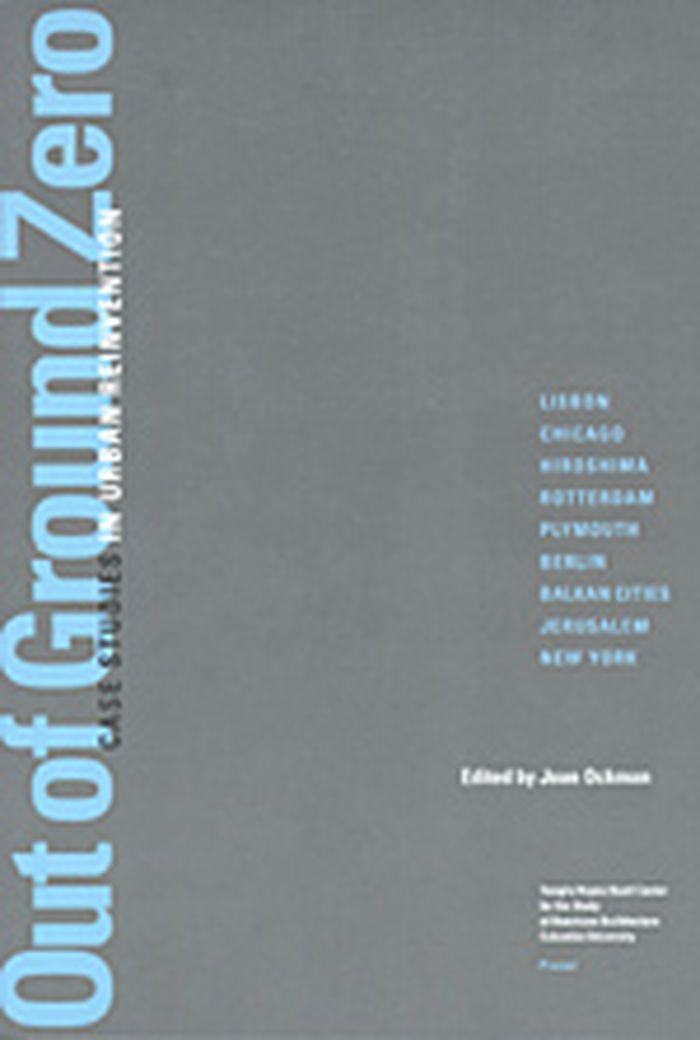
Out of ground zero : case studies in urban renewal
Actions:
Prix:
$43.95
(disponible sur commande)
Résumé:
The events that took place on September 11, 2001, in New York City are the background for a series of essays exploring the response of different cities at different times to natural or man-made disaster. How have cities coped with cataclysmic change in the urban fabric both physically and psychologically? How have they memorialized what they have lost, and how have they imagined their future? What have been the effects, in both the short and long term, of these efforts to rebuild the city? From the devastating earthquake that shook Lisbon in 1755 to the Great Chicago fire in 1871; from the bombing of Hiroshima to the destruction of Rotterdam and Plymouth during the second World War; from the cities and towns ravaged by the Bosnian War to the symbolism of the Dome of the Rock in Jerusalem - this book offers varying perspectives on how cities have responded to catastrophic disasters. Following these case studies is a history of destruction and rebuilding in Manhattan, and a reflection on the role of cities in sustaining democratic culture concludes the book. Contributors to this volume include leading urban theorists, architectural historians, cultural critics, architects, and a film-maker.
Out of ground zero : case studies in urban renewal
Actions:
Prix:
$43.95
(disponible sur commande)
Résumé:
The events that took place on September 11, 2001, in New York City are the background for a series of essays exploring the response of different cities at different times to natural or man-made disaster. How have cities coped with cataclysmic change in the urban fabric both physically and psychologically? How have they memorialized what they have lost, and how have they imagined their future? What have been the effects, in both the short and long term, of these efforts to rebuild the city? From the devastating earthquake that shook Lisbon in 1755 to the Great Chicago fire in 1871; from the bombing of Hiroshima to the destruction of Rotterdam and Plymouth during the second World War; from the cities and towns ravaged by the Bosnian War to the symbolism of the Dome of the Rock in Jerusalem - this book offers varying perspectives on how cities have responded to catastrophic disasters. Following these case studies is a history of destruction and rebuilding in Manhattan, and a reflection on the role of cities in sustaining democratic culture concludes the book. Contributors to this volume include leading urban theorists, architectural historians, cultural critics, architects, and a film-maker.
Classification:
livres
livres
Publication:
octobre 2002, New York / Munich
octobre 2002, New York / Munich
Sujet:
Théorie de l’urbanisme
Théorie de l’urbanisme
Classification:
livres
livres
Actions:
Prix:
$20.00
(disponible sur commande)
Résumé:
Nature and communities in the global south is being overwhelmed at a shocking rate. In many places this is due to ventures such as large-scale open-pit mining, oil extraction in tropical areas, and the spread of monocultures. These and other such forms of natural resource appropriation are usually known as extractivisms. This introductory book on the one hand adopts an(...)
$20.00
(disponible sur commande)
Résumé:
Nature and communities in the global south is being overwhelmed at a shocking rate. In many places this is due to ventures such as large-scale open-pit mining, oil extraction in tropical areas, and the spread of monocultures. These and other such forms of natural resource appropriation are usually known as extractivisms. This introductory book on the one hand adopts an(...)
Publication:
septembre 2021
septembre 2021
Titre:
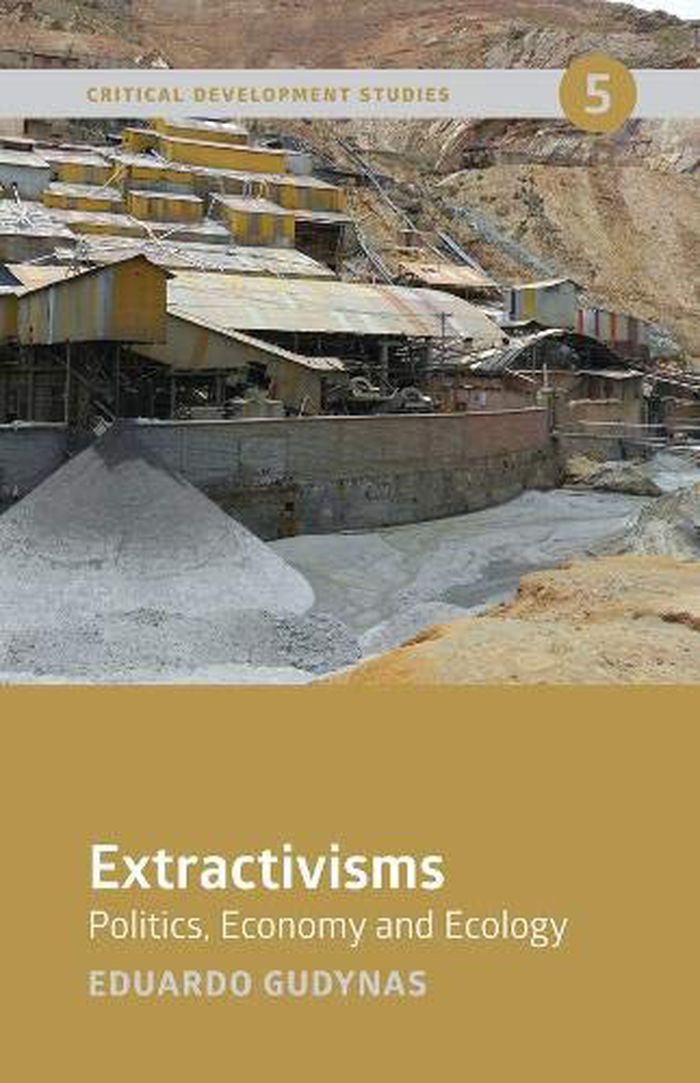
Extractivisms: politics, economy and ecology
Actions:
Prix:
$20.00
(disponible sur commande)
Résumé:
Nature and communities in the global south is being overwhelmed at a shocking rate. In many places this is due to ventures such as large-scale open-pit mining, oil extraction in tropical areas, and the spread of monocultures. These and other such forms of natural resource appropriation are usually known as extractivisms. This introductory book on the one hand adopts an interdisciplinary and critical perspective, incorporating contributions from economics, politics, ecology, and more. On the other hand it is an exercise in the politics among humans and with the environment. Eduardo Gudnyas explores negative local impacts such as ecological and health degradation or violence, along with spillover effects that redefines democracy and justice. Significantly, presented for the first time in English is a comprehensive overview of the theoretical innovations currently being discussed in the South, such as the distinction between appropriation and production modes and a redefinition of surplus to include social and economic features or new understandings on conflict dynamics. Furthermore, Gudynas discusses the Latin American peculiarities of extractivisms produced both by conservative and new-left governments, making clear that it has very deep roots in culture and ideologies, and offers solutions for the future.
Extractivisms: politics, economy and ecology
Actions:
Prix:
$20.00
(disponible sur commande)
Résumé:
Nature and communities in the global south is being overwhelmed at a shocking rate. In many places this is due to ventures such as large-scale open-pit mining, oil extraction in tropical areas, and the spread of monocultures. These and other such forms of natural resource appropriation are usually known as extractivisms. This introductory book on the one hand adopts an interdisciplinary and critical perspective, incorporating contributions from economics, politics, ecology, and more. On the other hand it is an exercise in the politics among humans and with the environment. Eduardo Gudnyas explores negative local impacts such as ecological and health degradation or violence, along with spillover effects that redefines democracy and justice. Significantly, presented for the first time in English is a comprehensive overview of the theoretical innovations currently being discussed in the South, such as the distinction between appropriation and production modes and a redefinition of surplus to include social and economic features or new understandings on conflict dynamics. Furthermore, Gudynas discusses the Latin American peculiarities of extractivisms produced both by conservative and new-left governments, making clear that it has very deep roots in culture and ideologies, and offers solutions for the future.
Classification:
livres
livres
Publication:
septembre 2021
septembre 2021
Classification:
livres
livres
Actions:
Prix:
$35.95
(disponible sur commande)
Résumé:
Does it ever feel like you have no free time? You come home after work and instead of finding a space of rest and relaxation, you’re confronted by a pile of new tasks to complete – cooking, cleaning, looking after the kids, and so on. In this book, Helen Hester and Nick Srnicek lay out how unpaid work in our homes has come to take up an ever-increasing portion of our(...)
$35.95
(disponible sur commande)
Résumé:
Does it ever feel like you have no free time? You come home after work and instead of finding a space of rest and relaxation, you’re confronted by a pile of new tasks to complete – cooking, cleaning, looking after the kids, and so on. In this book, Helen Hester and Nick Srnicek lay out how unpaid work in our homes has come to take up an ever-increasing portion of our(...)
Titre:
After work: The fight for free time
Actions:
Prix:
$35.95
(disponible sur commande)
Résumé:
Does it ever feel like you have no free time? You come home after work and instead of finding a space of rest and relaxation, you’re confronted by a pile of new tasks to complete – cooking, cleaning, looking after the kids, and so on. In this book, Helen Hester and Nick Srnicek lay out how unpaid work in our homes has come to take up an ever-increasing portion of our lives – how the vacuum of free time has been taken up by vacuuming. Examining the history of the home over the past century – from running water to white goods to smart homes – they show how repeated efforts to reduce the burden of this work have faced a variety of barriers, challenges, and reversals. Charting the trajectory of our domestic spaces over the past century, Hester and Srnicek consider new possibilities for the future, uncovering the abandoned ideas of anti-housework visionaries and sketching out a path towards real free time for all, where everyone is at liberty to pursue their passions, or do nothing at all. It will require rethinking our living arrangements, our expectations and our cities.
After work: The fight for free time
Actions:
Prix:
$35.95
(disponible sur commande)
Résumé:
Does it ever feel like you have no free time? You come home after work and instead of finding a space of rest and relaxation, you’re confronted by a pile of new tasks to complete – cooking, cleaning, looking after the kids, and so on. In this book, Helen Hester and Nick Srnicek lay out how unpaid work in our homes has come to take up an ever-increasing portion of our lives – how the vacuum of free time has been taken up by vacuuming. Examining the history of the home over the past century – from running water to white goods to smart homes – they show how repeated efforts to reduce the burden of this work have faced a variety of barriers, challenges, and reversals. Charting the trajectory of our domestic spaces over the past century, Hester and Srnicek consider new possibilities for the future, uncovering the abandoned ideas of anti-housework visionaries and sketching out a path towards real free time for all, where everyone is at liberty to pursue their passions, or do nothing at all. It will require rethinking our living arrangements, our expectations and our cities.
Classification:
livres
livres
Publication:
juillet 2023
juillet 2023
Sujet:
Social
Social
Classification:
livres
livres
Actions:
Prix:
$52.95
(disponible sur commande)
Résumé:
In the seventeenth century, a map of the plague suggested a radical idea—that the disease was carried and spread by humans. In the nineteenth century, maps of cholera cases were used to prove its waterborne nature. More recently, maps charting the swine flu pandemic caused worldwide panic and sent shockwaves through the medical community. In Disease Maps, Tom Koch(...)
$52.95
(disponible sur commande)
Résumé:
In the seventeenth century, a map of the plague suggested a radical idea—that the disease was carried and spread by humans. In the nineteenth century, maps of cholera cases were used to prove its waterborne nature. More recently, maps charting the swine flu pandemic caused worldwide panic and sent shockwaves through the medical community. In Disease Maps, Tom Koch(...)
Titre:
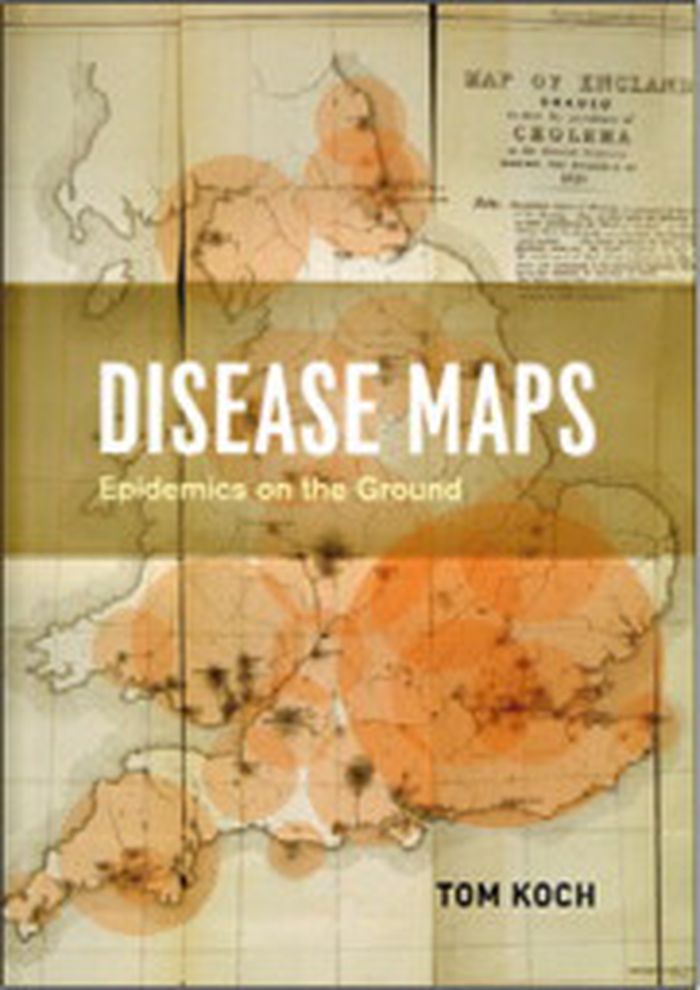
Disease maps: epidemics on the ground
Actions:
Prix:
$52.95
(disponible sur commande)
Résumé:
In the seventeenth century, a map of the plague suggested a radical idea—that the disease was carried and spread by humans. In the nineteenth century, maps of cholera cases were used to prove its waterborne nature. More recently, maps charting the swine flu pandemic caused worldwide panic and sent shockwaves through the medical community. In Disease Maps, Tom Koch contends that to understand epidemics and their history we need to think about maps of varying scale, from the individual body to shared symptoms evidenced across cities, nations, and the world. Disease Maps begins with a brief review of epidemic mapping today and a detailed example of its power. Koch then traces the early history of medical cartography, including pandemics such as European plague and yellow fever, and the advancements in anatomy, printing, and world atlases that paved the way for their mapping. Moving on to the scourge of the nineteenth century—cholera—Koch considers the many choleras argued into existence by the maps of the day, including a new perspective on John Snow’s science and legacy. Finally, Koch addresses contemporary outbreaks such as AIDS, cancer, and H1N1, and reaches into the future, toward the coming epidemics.
Disease maps: epidemics on the ground
Actions:
Prix:
$52.95
(disponible sur commande)
Résumé:
In the seventeenth century, a map of the plague suggested a radical idea—that the disease was carried and spread by humans. In the nineteenth century, maps of cholera cases were used to prove its waterborne nature. More recently, maps charting the swine flu pandemic caused worldwide panic and sent shockwaves through the medical community. In Disease Maps, Tom Koch contends that to understand epidemics and their history we need to think about maps of varying scale, from the individual body to shared symptoms evidenced across cities, nations, and the world. Disease Maps begins with a brief review of epidemic mapping today and a detailed example of its power. Koch then traces the early history of medical cartography, including pandemics such as European plague and yellow fever, and the advancements in anatomy, printing, and world atlases that paved the way for their mapping. Moving on to the scourge of the nineteenth century—cholera—Koch considers the many choleras argued into existence by the maps of the day, including a new perspective on John Snow’s science and legacy. Finally, Koch addresses contemporary outbreaks such as AIDS, cancer, and H1N1, and reaches into the future, toward the coming epidemics.
Classification:
livres
livres
Publication:
août 2011
août 2011
Classification:
livres
livres
Actions:
Prix:
$40.50
(disponible sur commande)
Résumé:
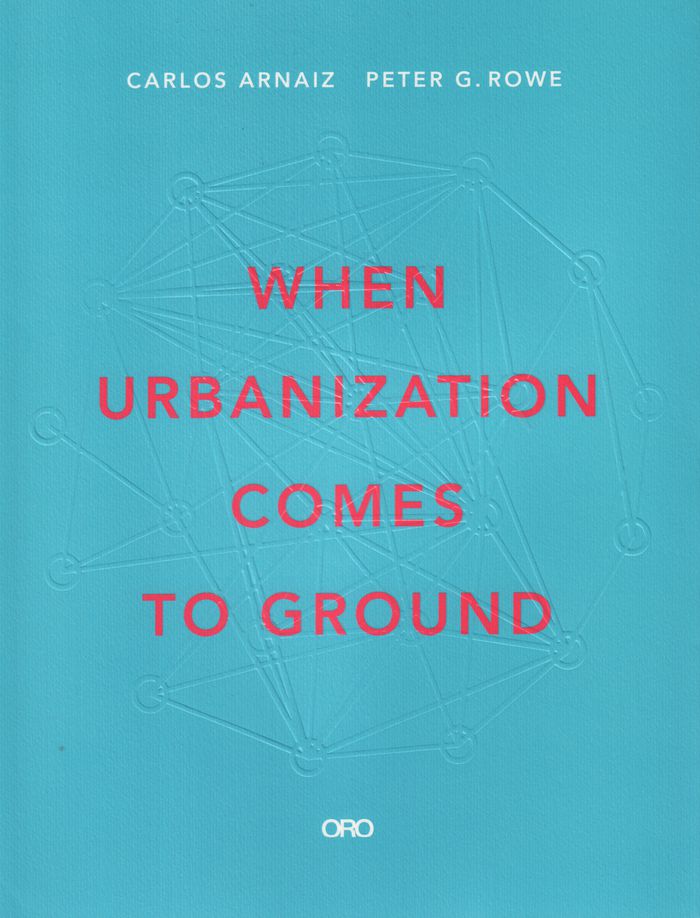
When Urbanization Comes To Ground is a collaborative research project between the Brooklyn-based architecture studio, CAZA, and think tank, SURBA, an urban research collective spearheaded by Carlos Arnaiz and Peter Rowe. Drawing upon case studies including projects in China, Colombia, and the Philippines, this book works across place, time, and culture to offer an(...)
$40.50
(disponible sur commande)
Résumé:
When Urbanization Comes To Ground is a collaborative research project between the Brooklyn-based architecture studio, CAZA, and think tank, SURBA, an urban research collective spearheaded by Carlos Arnaiz and Peter Rowe. Drawing upon case studies including projects in China, Colombia, and the Philippines, this book works across place, time, and culture to offer an(...)
Titre:
CAZA + SURBA: When urbanization comes to ground
Actions:
Prix:
$40.50
(disponible sur commande)
Résumé:
When Urbanization Comes To Ground is a collaborative research project between the Brooklyn-based architecture studio, CAZA, and think tank, SURBA, an urban research collective spearheaded by Carlos Arnaiz and Peter Rowe. Drawing upon case studies including projects in China, Colombia, and the Philippines, this book works across place, time, and culture to offer an allegorical journey into urbanization at large. When ''Urbanization comes to ground'' is a loosely congregated collection of essays that reflect an aggregation of encounters with urban circumstances – physical and immaterial, and structural and affective. From Robots, Utilidors, and a Brave New World to A Third Way Towards Metropolitanism and Tagging Thingness and Scale, this publication questions the role of architecture and its related disciplines in the wake of the master plan. It searches for a field guide to everyday urban life by offering palpable views into the network of relations that characterize this evolving social ecosystem. Through their collective global research projects CAZA and SURBA frame, abstract, poeticize, and render the city as a historical process, a future destination, a production cycle, and a layered landscape of overlapping phenomena.
CAZA + SURBA: When urbanization comes to ground
Actions:
Prix:
$40.50
(disponible sur commande)
Résumé:
When Urbanization Comes To Ground is a collaborative research project between the Brooklyn-based architecture studio, CAZA, and think tank, SURBA, an urban research collective spearheaded by Carlos Arnaiz and Peter Rowe. Drawing upon case studies including projects in China, Colombia, and the Philippines, this book works across place, time, and culture to offer an allegorical journey into urbanization at large. When ''Urbanization comes to ground'' is a loosely congregated collection of essays that reflect an aggregation of encounters with urban circumstances – physical and immaterial, and structural and affective. From Robots, Utilidors, and a Brave New World to A Third Way Towards Metropolitanism and Tagging Thingness and Scale, this publication questions the role of architecture and its related disciplines in the wake of the master plan. It searches for a field guide to everyday urban life by offering palpable views into the network of relations that characterize this evolving social ecosystem. Through their collective global research projects CAZA and SURBA frame, abstract, poeticize, and render the city as a historical process, a future destination, a production cycle, and a layered landscape of overlapping phenomena.
Classification:
livres
livres
Publication:
janvier 2020
janvier 2020
Sujet:
Architecture, monographies
Architecture, monographies
Classification:
livres
livres
Actions:
Prix:
$110.00
(disponible sur commande)
Résumé:
In the past few years, Mexico has brought to light a new generation of architects whose extraordinary vision and productivity has positioned the country among the most creative design cultures of the world. Under his own firm FR-EE, since 2000 Fernando Romero has designed and created a number of projects which represent a new vision of Mexican and world architecture.(...)
$110.00
(disponible sur commande)
Résumé:
In the past few years, Mexico has brought to light a new generation of architects whose extraordinary vision and productivity has positioned the country among the most creative design cultures of the world. Under his own firm FR-EE, since 2000 Fernando Romero has designed and created a number of projects which represent a new vision of Mexican and world architecture.(...)
Titre:
Fernando Romero: FR-EE Architecture
Actions:
Prix:
$110.00
(disponible sur commande)
Résumé:
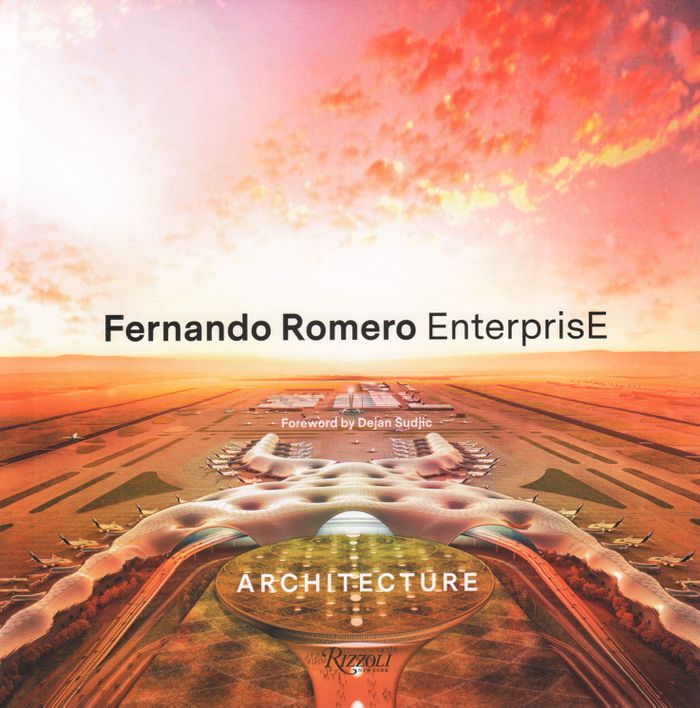
In the past few years, Mexico has brought to light a new generation of architects whose extraordinary vision and productivity has positioned the country among the most creative design cultures of the world. Under his own firm FR-EE, since 2000 Fernando Romero has designed and created a number of projects which represent a new vision of Mexican and world architecture. Romero's approach to architecture is innovative and an inspirational tool for empowering future generations. The volume will focus on three themes that intertwine throughout the content of the book. On-site photographs (mainly aerial views) highlight the different places where FR-EE works, from urban centers to the desert. The location is what drives FR-EE's creative work, while the practice strives to investigate the dynamic forces of each site and client. Photographs give the reader a vision of how Romero's perspective shifts between different focuses of references, and reimagines them in new symbolic visions of the world (from monuments to colors, from natural elements to animals). The images include renderings, photographs, diagrams, plans, and sections. The projects are presented in situ and through architectural drawings, so as to explain the projects' concepts and contents.
Fernando Romero: FR-EE Architecture
Actions:
Prix:
$110.00
(disponible sur commande)
Résumé:
In the past few years, Mexico has brought to light a new generation of architects whose extraordinary vision and productivity has positioned the country among the most creative design cultures of the world. Under his own firm FR-EE, since 2000 Fernando Romero has designed and created a number of projects which represent a new vision of Mexican and world architecture. Romero's approach to architecture is innovative and an inspirational tool for empowering future generations. The volume will focus on three themes that intertwine throughout the content of the book. On-site photographs (mainly aerial views) highlight the different places where FR-EE works, from urban centers to the desert. The location is what drives FR-EE's creative work, while the practice strives to investigate the dynamic forces of each site and client. Photographs give the reader a vision of how Romero's perspective shifts between different focuses of references, and reimagines them in new symbolic visions of the world (from monuments to colors, from natural elements to animals). The images include renderings, photographs, diagrams, plans, and sections. The projects are presented in situ and through architectural drawings, so as to explain the projects' concepts and contents.
Classification:
livres
livres
Publication:
mars 2020
mars 2020
Sujet:
Architecture, monographies
Architecture, monographies
Classification:
livres
livres
Actions:
Prix:
$22.95
(disponible sur commande)
Résumé:
Amid the cultural and political ferment of 1960s France, a group of avant-garde architects, artists, writers, theorists, and critics known as "spatial urbanists" envisioned a series of urban utopias--phantom cities of a possible future. The utopian "spatial" city most often took the form of a massive grid or mesh suspended above the ground, all of its parts (and(...)
$22.95
(disponible sur commande)
Résumé:
Amid the cultural and political ferment of 1960s France, a group of avant-garde architects, artists, writers, theorists, and critics known as "spatial urbanists" envisioned a series of urban utopias--phantom cities of a possible future. The utopian "spatial" city most often took the form of a massive grid or mesh suspended above the ground, all of its parts (and(...)
Titre:
Topologies: the urban utopia in France, 1960-1970
Actions:
Prix:
$22.95
(disponible sur commande)
Résumé:
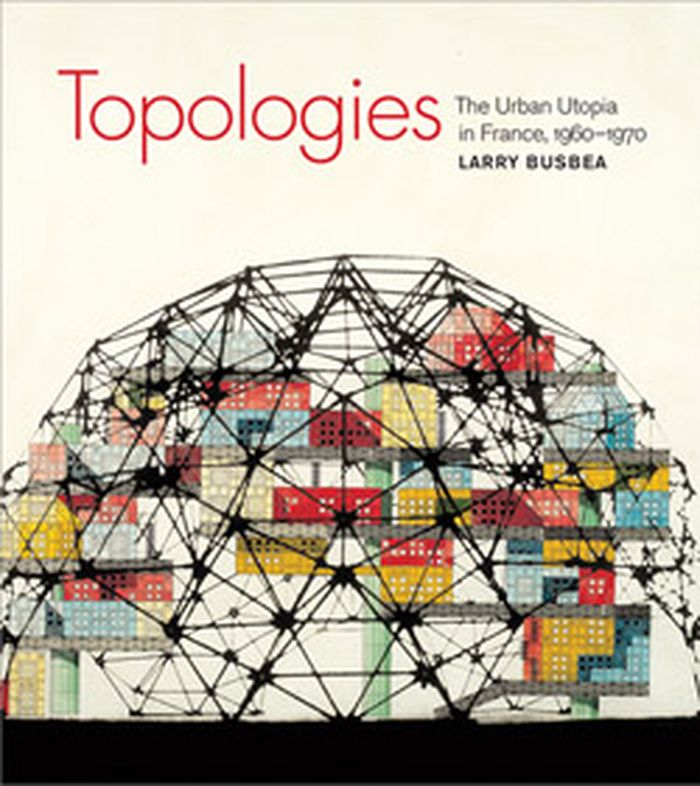
Amid the cultural and political ferment of 1960s France, a group of avant-garde architects, artists, writers, theorists, and critics known as "spatial urbanists" envisioned a series of urban utopias--phantom cities of a possible future. The utopian "spatial" city most often took the form of a massive grid or mesh suspended above the ground, all of its parts (and inhabitants) circulating in a smooth, synchronous rhythm, its streets and buildings constituting a gigantic work of plastic art or interactive machine. In this new urban world, technology and automation were positive forces, providing for material needs as well as time and space for leisure. In this first study of the French avant-garde tendency known as spatial urbanism, Larry Busbea analyzes projects by artists and architects (including the most famous spatial practitioner, Yona Friedman) and explores texts (many of which have never before been translated from the French) by Michel Ragon, the influential founder of the Groupe International d'Architecture Prospective (GIAP), Victor Vasarely, and others. Even at its most fanciful, Busbea argues, the French urban utopia provided an image for social transformations that were only beginning to be described by cultural theorists and sociologists.
Topologies: the urban utopia in France, 1960-1970
Actions:
Prix:
$22.95
(disponible sur commande)
Résumé:
Amid the cultural and political ferment of 1960s France, a group of avant-garde architects, artists, writers, theorists, and critics known as "spatial urbanists" envisioned a series of urban utopias--phantom cities of a possible future. The utopian "spatial" city most often took the form of a massive grid or mesh suspended above the ground, all of its parts (and inhabitants) circulating in a smooth, synchronous rhythm, its streets and buildings constituting a gigantic work of plastic art or interactive machine. In this new urban world, technology and automation were positive forces, providing for material needs as well as time and space for leisure. In this first study of the French avant-garde tendency known as spatial urbanism, Larry Busbea analyzes projects by artists and architects (including the most famous spatial practitioner, Yona Friedman) and explores texts (many of which have never before been translated from the French) by Michel Ragon, the influential founder of the Groupe International d'Architecture Prospective (GIAP), Victor Vasarely, and others. Even at its most fanciful, Busbea argues, the French urban utopia provided an image for social transformations that were only beginning to be described by cultural theorists and sociologists.
Classification:
livres
livres
Publication:
octobre 2012
octobre 2012
Sujet:
Théorie de l’architecture
Théorie de l’architecture
Classification:
livres
livres
Actions:
Prix:
$80.00
(disponible sur commande)
Résumé:
French historian Serge Guilbaut explores the aesthetic quarrels between Paris and New York of the 40s and 50s, analysing the art that became cultural and commercial icons. With works by Picasso, de Kooning, Dubuffet, Gorky, Kandinsky, Pollock, Rothko, as well as forgotten artists like Barbeau, Bearden, Capogrossi. He also studies the reasons why the popular icons of one(...)
$80.00
(disponible sur commande)
Résumé:
French historian Serge Guilbaut explores the aesthetic quarrels between Paris and New York of the 40s and 50s, analysing the art that became cultural and commercial icons. With works by Picasso, de Kooning, Dubuffet, Gorky, Kandinsky, Pollock, Rothko, as well as forgotten artists like Barbeau, Bearden, Capogrossi. He also studies the reasons why the popular icons of one(...)
Titre:
Be-Bomb : the transatlantic war of images and all that Jazz, 1946-1956
Actions:
Prix:
$80.00
(disponible sur commande)
Résumé:
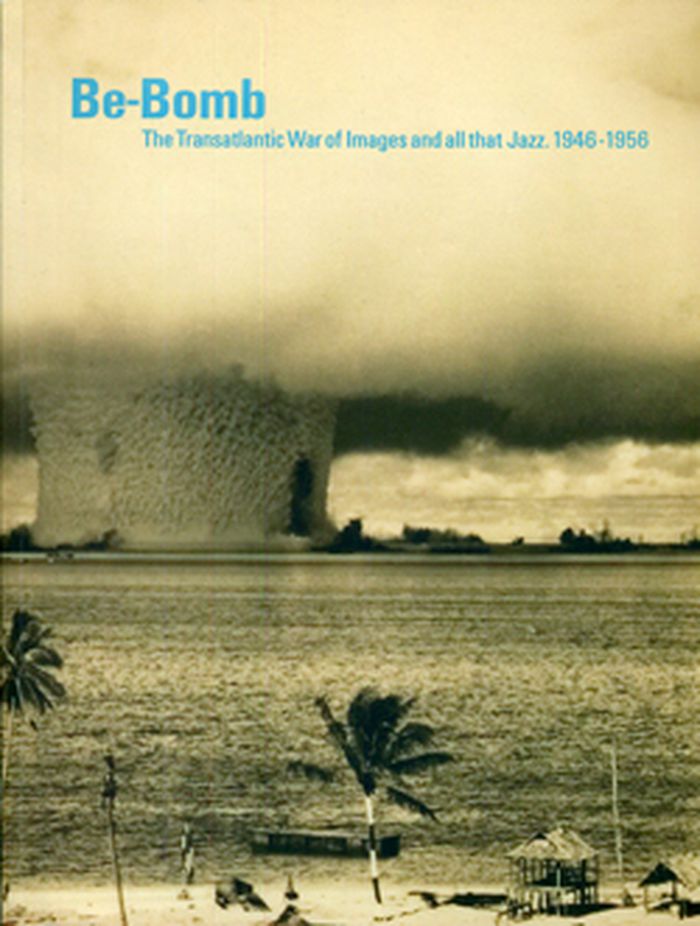
French historian Serge Guilbaut explores the aesthetic quarrels between Paris and New York of the 40s and 50s, analysing the art that became cultural and commercial icons. With works by Picasso, de Kooning, Dubuffet, Gorky, Kandinsky, Pollock, Rothko, as well as forgotten artists like Barbeau, Bearden, Capogrossi. He also studies the reasons why the popular icons of one culture were not recognised by the other at that time. Faced with the imposing presence of the victorious movement of abstract expressionism, the French art scene, seemed incapable of projecting a single voice or direction for the future, as Paris had done in the past. To study the history of French and American art after the Second World War is a considerable challenge because the consensus among investigators has been shaped by the success of American art. The French art of that period has been regarded as irrelevant although it displayed the same debates about realism, geometrical abstraction and forms of abstract expressionism. The specific aspect of the French scene was the extreme politicisation of artistic expression at a time of strong tensions arising from the divisions of the Cold War.
Be-Bomb : the transatlantic war of images and all that Jazz, 1946-1956
Actions:
Prix:
$80.00
(disponible sur commande)
Résumé:
French historian Serge Guilbaut explores the aesthetic quarrels between Paris and New York of the 40s and 50s, analysing the art that became cultural and commercial icons. With works by Picasso, de Kooning, Dubuffet, Gorky, Kandinsky, Pollock, Rothko, as well as forgotten artists like Barbeau, Bearden, Capogrossi. He also studies the reasons why the popular icons of one culture were not recognised by the other at that time. Faced with the imposing presence of the victorious movement of abstract expressionism, the French art scene, seemed incapable of projecting a single voice or direction for the future, as Paris had done in the past. To study the history of French and American art after the Second World War is a considerable challenge because the consensus among investigators has been shaped by the success of American art. The French art of that period has been regarded as irrelevant although it displayed the same debates about realism, geometrical abstraction and forms of abstract expressionism. The specific aspect of the French scene was the extreme politicisation of artistic expression at a time of strong tensions arising from the divisions of the Cold War.
Classification:
livres
livres
Publication:
janvier 2010
janvier 2010
Sujet:
Théorie de l’art
Théorie de l’art
Classification:
livres
livres
Actions:
Prix:
$65.00
(disponible en magasin)
Résumé:
This survey of one of the world's leading architecture firms celebrates three decades of design excellence, environmental sustainability, and architectural innovation, and explores some fascinating proposals for the future of the practice. In the areas of transportation, commercial, recreational, residential, and educational design, Grimshaw excels at delivering(...)
$65.00
(disponible en magasin)
Résumé:
This survey of one of the world's leading architecture firms celebrates three decades of design excellence, environmental sustainability, and architectural innovation, and explores some fascinating proposals for the future of the practice. In the areas of transportation, commercial, recreational, residential, and educational design, Grimshaw excels at delivering(...)
Titre:
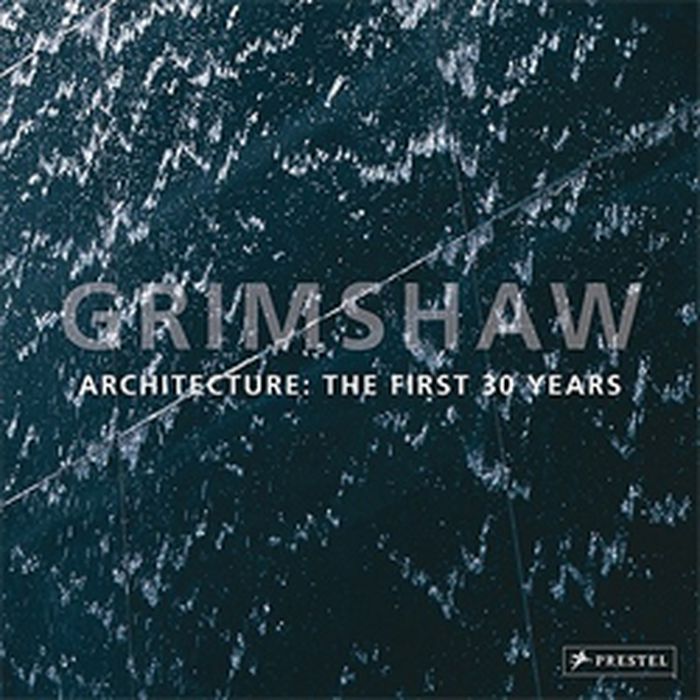
Grimshaw: Architecture, the first 30 years
Actions:
Prix:
$65.00
(disponible en magasin)
Résumé:
This survey of one of the world's leading architecture firms celebrates three decades of design excellence, environmental sustainability, and architectural innovation, and explores some fascinating proposals for the future of the practice. In the areas of transportation, commercial, recreational, residential, and educational design, Grimshaw excels at delivering workable spaces that will serve its clients' needs for years to come. Among the many British projects featured in this book are the International Railway Terminal for Eurostar trains at Waterloo, the Eden Project in Cornwall, the Financial Times building in London Docklands, and the Regional Headquarters for the RAC at Bristol. The practice has also completed projects in Germany, such as the Frankfurt Exhibition Hall and VITRA furniture offices; the Ijberg Bridge in Amsterdam; the Plant Science Center in St Louis; and the Southern Cross Railway Station in Melbourne, Australia, for which the practice recently won the Lubetkin Prize. Other projects in Spain, Mexico, and Zurich are included as well. Beautifully presented, these projects reveal the evolution of a firm that is quickly growing in influence, and clearly shows that the ideals of economy, sustainability and integrity continue to inform their work.
Grimshaw: Architecture, the first 30 years
Actions:
Prix:
$65.00
(disponible en magasin)
Résumé:
This survey of one of the world's leading architecture firms celebrates three decades of design excellence, environmental sustainability, and architectural innovation, and explores some fascinating proposals for the future of the practice. In the areas of transportation, commercial, recreational, residential, and educational design, Grimshaw excels at delivering workable spaces that will serve its clients' needs for years to come. Among the many British projects featured in this book are the International Railway Terminal for Eurostar trains at Waterloo, the Eden Project in Cornwall, the Financial Times building in London Docklands, and the Regional Headquarters for the RAC at Bristol. The practice has also completed projects in Germany, such as the Frankfurt Exhibition Hall and VITRA furniture offices; the Ijberg Bridge in Amsterdam; the Plant Science Center in St Louis; and the Southern Cross Railway Station in Melbourne, Australia, for which the practice recently won the Lubetkin Prize. Other projects in Spain, Mexico, and Zurich are included as well. Beautifully presented, these projects reveal the evolution of a firm that is quickly growing in influence, and clearly shows that the ideals of economy, sustainability and integrity continue to inform their work.
Classification:
livres
livres
Publication:
novembre 2010
novembre 2010
Sujet:
Architecture, monographies
Architecture, monographies
Classification:
livres
livres
Prix:
$11.95
(disponible sur commande)
Résumé:
Landscapes are all around us, but most of us know very little about how they have developed, what goes on in them, and how they react to changing climates, tectonics, and human activities. Examining what landscape is, and how we use a range of ideas and techniques to study it, Andrew Goudie and Heather Viles demonstrate how scientists have built on classic(...)
$11.95
(disponible sur commande)
Résumé:
Landscapes are all around us, but most of us know very little about how they have developed, what goes on in them, and how they react to changing climates, tectonics, and human activities. Examining what landscape is, and how we use a range of ideas and techniques to study it, Andrew Goudie and Heather Viles demonstrate how scientists have built on classic(...)
Titre:
Landscape and geomorphology: A very short Introduction
Actions:
Prix:
$11.95
(disponible sur commande)
Résumé:
Landscapes are all around us, but most of us know very little about how they have developed, what goes on in them, and how they react to changing climates, tectonics, and human activities. Examining what landscape is, and how we use a range of ideas and techniques to study it, Andrew Goudie and Heather Viles demonstrate how scientists have built on classic methods--pioneered by the great researchers of the nineteenth century--to shed new light on our planet. Using examples from around the world, including New Zealand, the Tibetan Plateau, and the deserts of the Middle East, they examine some of the key controls on landscape today such as tectonics and climate, as well as humans and the living world. They also discuss some major "landscape detectives" from the past, including Charles Darwin, who did some important, but often overlooked, research on landscape. Concluding with the cultural importance of landscape, and exploring how this has led to the conservation of much "earth heritage," they delve into the future and look at how we can predict the response of landscapes to the projected climate change.
Landscape and geomorphology: A very short Introduction
Actions:
Prix:
$11.95
(disponible sur commande)
Résumé:
Landscapes are all around us, but most of us know very little about how they have developed, what goes on in them, and how they react to changing climates, tectonics, and human activities. Examining what landscape is, and how we use a range of ideas and techniques to study it, Andrew Goudie and Heather Viles demonstrate how scientists have built on classic methods--pioneered by the great researchers of the nineteenth century--to shed new light on our planet. Using examples from around the world, including New Zealand, the Tibetan Plateau, and the deserts of the Middle East, they examine some of the key controls on landscape today such as tectonics and climate, as well as humans and the living world. They also discuss some major "landscape detectives" from the past, including Charles Darwin, who did some important, but often overlooked, research on landscape. Concluding with the cultural importance of landscape, and exploring how this has led to the conservation of much "earth heritage," they delve into the future and look at how we can predict the response of landscapes to the projected climate change.
Classification:
livres
livres
Publication:
septembre 2010
septembre 2010
Sujet:
Théorie du paysage
Théorie du paysage


