


6653 Résultats
Classification:
livres
livres
Prix:
$41.95
(disponible sur commande)
Résumé:
The Urban Spectator is a lively and utterly fascinating exploration of the ways in which technologies have influenced our collective conception of the American city, as well as our relationship with urban space and architecture. Eric Gordon argues that the city, developing late and in conjunction with a range of modern media, produced a particular way of seeing--what he(...)
$41.95
(disponible sur commande)
Résumé:
The Urban Spectator is a lively and utterly fascinating exploration of the ways in which technologies have influenced our collective conception of the American city, as well as our relationship with urban space and architecture. Eric Gordon argues that the city, developing late and in conjunction with a range of modern media, produced a particular way of seeing--what he(...)
Titre:
The urban spectator: American concept-cities from Kodak to Google
Actions:
Prix:
$41.95
(disponible sur commande)
Résumé:
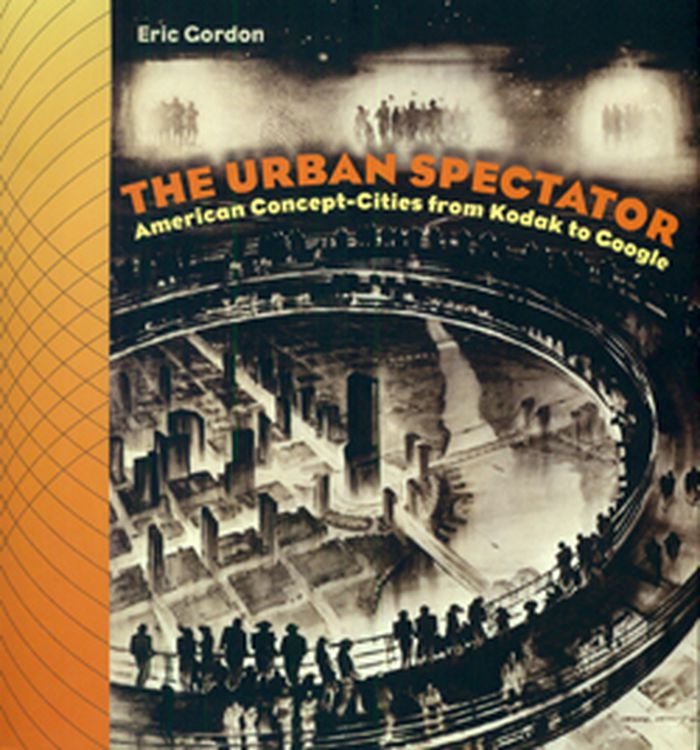
The Urban Spectator is a lively and utterly fascinating exploration of the ways in which technologies have influenced our collective conception of the American city, as well as our relationship with urban space and architecture. Eric Gordon argues that the city, developing late and in conjunction with a range of modern media, produced a particular way of seeing--what he labels "possessive spectatorship." Lacking the historical rootedness of European cities, the American city was open to individual interpretation, definition, and ownership. Beginning with the White City of the Chicago World's Fair of 1893 and the efforts to commodify the concept city through photography, Gordon shows how the American city has always been a product of the collision between the dominant conceptualization, shaped by contemporary media, and the spectator. From the viewfinder of the Kodak camera, to the public display of early cinema, to the speculative desire of network radio, all the way to machine-age utopianism, nostalgia, and America's "rerun" culture, the city is an amalgam of practice and concept. All of this comes to a head in the "database city" where urban spectatorship takes on the characteristics of a Google search. In new urban developments, the spectator searches, retrieves, and combines urban references to construct each experience of the city.
The urban spectator: American concept-cities from Kodak to Google
Actions:
Prix:
$41.95
(disponible sur commande)
Résumé:
The Urban Spectator is a lively and utterly fascinating exploration of the ways in which technologies have influenced our collective conception of the American city, as well as our relationship with urban space and architecture. Eric Gordon argues that the city, developing late and in conjunction with a range of modern media, produced a particular way of seeing--what he labels "possessive spectatorship." Lacking the historical rootedness of European cities, the American city was open to individual interpretation, definition, and ownership. Beginning with the White City of the Chicago World's Fair of 1893 and the efforts to commodify the concept city through photography, Gordon shows how the American city has always been a product of the collision between the dominant conceptualization, shaped by contemporary media, and the spectator. From the viewfinder of the Kodak camera, to the public display of early cinema, to the speculative desire of network radio, all the way to machine-age utopianism, nostalgia, and America's "rerun" culture, the city is an amalgam of practice and concept. All of this comes to a head in the "database city" where urban spectatorship takes on the characteristics of a Google search. In new urban developments, the spectator searches, retrieves, and combines urban references to construct each experience of the city.
Classification:
livres
livres
Publication:
février 2010
février 2010
Sujet:
Théorie de l’urbanisme
Théorie de l’urbanisme
Classification:
livres
livres
Actions:
Prix:
$95.00
(disponible sur commande)
Résumé:
“I have been shooting New York for over 60 years now. And though I have achieved age, I can safely say I have never made my way to maturity so I have never been jaded or bored. I think all this is due to the grittiness and hectic quality of the city, you never capture it, it captures you.” After studying painting and graphic design at Cooper Union and Yale, Jay Maisel(...)
$95.00
(disponible sur commande)
Résumé:
“I have been shooting New York for over 60 years now. And though I have achieved age, I can safely say I have never made my way to maturity so I have never been jaded or bored. I think all this is due to the grittiness and hectic quality of the city, you never capture it, it captures you.” After studying painting and graphic design at Cooper Union and Yale, Jay Maisel(...)
Titre:
Jay Maisel: New York in the 50s
Actions:
Prix:
$95.00
(disponible sur commande)
Résumé:
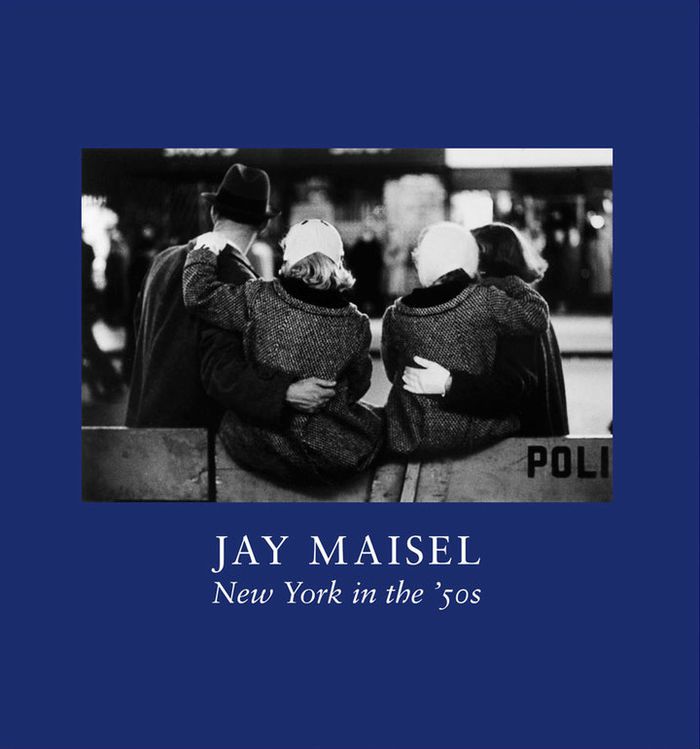
“I have been shooting New York for over 60 years now. And though I have achieved age, I can safely say I have never made my way to maturity so I have never been jaded or bored. I think all this is due to the grittiness and hectic quality of the city, you never capture it, it captures you.” After studying painting and graphic design at Cooper Union and Yale, Jay Maisel began his career in photography in 1954. While his portfolio includes the likes of Marilyn Monroe and Miles Davis, he is perhaps best known for capturing the light, color, and gesture found in every day life. This unique vision kept him busy for over 40 years shooting annual reports, magazine covers, jazz albums, advertising and more for an array of clients worldwide. Recently, Maisel has gone back to his archive of early work, and put together a collection of black-and-white images he made as a young man in the 1950s, evidence of a lifetime’s pursuit of a craft and a special talent, one of the best-kept secrets in photographic history. “New York in the ‘50s” is a beautifully-produced monograph that will be equally appreciated by Jay Maisel’s followers, and anyone who has stepped inside his muse, New York City.
Jay Maisel: New York in the 50s
Actions:
Prix:
$95.00
(disponible sur commande)
Résumé:
“I have been shooting New York for over 60 years now. And though I have achieved age, I can safely say I have never made my way to maturity so I have never been jaded or bored. I think all this is due to the grittiness and hectic quality of the city, you never capture it, it captures you.” After studying painting and graphic design at Cooper Union and Yale, Jay Maisel began his career in photography in 1954. While his portfolio includes the likes of Marilyn Monroe and Miles Davis, he is perhaps best known for capturing the light, color, and gesture found in every day life. This unique vision kept him busy for over 40 years shooting annual reports, magazine covers, jazz albums, advertising and more for an array of clients worldwide. Recently, Maisel has gone back to his archive of early work, and put together a collection of black-and-white images he made as a young man in the 1950s, evidence of a lifetime’s pursuit of a craft and a special talent, one of the best-kept secrets in photographic history. “New York in the ‘50s” is a beautifully-produced monograph that will be equally appreciated by Jay Maisel’s followers, and anyone who has stepped inside his muse, New York City.
Classification:
livres
livres
Publication:
avril 2014
avril 2014
Sujet:
Monographies photo
Monographies photo
Classification:
livres
livres
Titre:
In praise of copying
In praise of copying
Actions:
Prix:
$24.95
(disponible sur commande)
Résumé:
This book is devoted to a deceptively simple but original argument : that copying is an essential part of being human, that the ability to copy is worthy of celebration, and that, without recognizing how integral copying is to being human, we cannot understand ourselves or the world we live in. In spite of the laws, stigmas, and anxieties attached to it, the word(...)
$24.95
(disponible sur commande)
Résumé:
This book is devoted to a deceptively simple but original argument : that copying is an essential part of being human, that the ability to copy is worthy of celebration, and that, without recognizing how integral copying is to being human, we cannot understand ourselves or the world we live in. In spite of the laws, stigmas, and anxieties attached to it, the word(...)
Titre:
In praise of copying
Actions:
Prix:
$24.95
(disponible sur commande)
Résumé:
This book is devoted to a deceptively simple but original argument : that copying is an essential part of being human, that the ability to copy is worthy of celebration, and that, without recognizing how integral copying is to being human, we cannot understand ourselves or the world we live in. In spite of the laws, stigmas, and anxieties attached to it, the word “copying” permeates contemporary culture, shaping discourse on issues from hip hop to digitization to gender reassignment, and is particularly crucial in legal debates concerning intellectual property and copyright. Yet as a philosophical concept, copying remains poorly understood. Working comparatively across cultures and times, Marcus Boon undertakes an examination of what this word means — historically, culturally, philosophically — and why it fills us with fear and fascination. He argues that the dominant legal-political structures that define copying today obscure much broader processes of imitation that have constituted human communities for ages and continue to shape various subcultures today. Drawing on contemporary art, music and film, the history of aesthetics, critical theory, and Buddhist philosophy and practice, In Praise of Copying seeks to show how and why copying works, what the sources of its power are, and the political stakes of renegotiating the way we value copying in the age of globalization.
In praise of copying
Actions:
Prix:
$24.95
(disponible sur commande)
Résumé:
This book is devoted to a deceptively simple but original argument : that copying is an essential part of being human, that the ability to copy is worthy of celebration, and that, without recognizing how integral copying is to being human, we cannot understand ourselves or the world we live in. In spite of the laws, stigmas, and anxieties attached to it, the word “copying” permeates contemporary culture, shaping discourse on issues from hip hop to digitization to gender reassignment, and is particularly crucial in legal debates concerning intellectual property and copyright. Yet as a philosophical concept, copying remains poorly understood. Working comparatively across cultures and times, Marcus Boon undertakes an examination of what this word means — historically, culturally, philosophically — and why it fills us with fear and fascination. He argues that the dominant legal-political structures that define copying today obscure much broader processes of imitation that have constituted human communities for ages and continue to shape various subcultures today. Drawing on contemporary art, music and film, the history of aesthetics, critical theory, and Buddhist philosophy and practice, In Praise of Copying seeks to show how and why copying works, what the sources of its power are, and the political stakes of renegotiating the way we value copying in the age of globalization.
Classification:
livres
livres
Publication:
mars 2013
mars 2013
Sujet:
Théorie/ philosophie
Théorie/ philosophie
Classification:
livres
livres
Prix:
$33.95
(disponible sur commande)
Résumé:
A social history of AI that finally reveals its roots in the spatial computation of industrial factories and the surveillance of collective behaviour. What is AI? A dominant view describes it as the quest ''to solve intelligence,'' a solution supposedly to be found in the secret logic of the mind or in the deep physiology of the brain, such as in its complex neural(...)
$33.95
(disponible sur commande)
Résumé:
A social history of AI that finally reveals its roots in the spatial computation of industrial factories and the surveillance of collective behaviour. What is AI? A dominant view describes it as the quest ''to solve intelligence,'' a solution supposedly to be found in the secret logic of the mind or in the deep physiology of the brain, such as in its complex neural(...)
Titre:
The eye of the master: A social history of artificial intelligence
Actions:
Prix:
$33.95
(disponible sur commande)
Résumé:
A social history of AI that finally reveals its roots in the spatial computation of industrial factories and the surveillance of collective behaviour. What is AI? A dominant view describes it as the quest ''to solve intelligence,'' a solution supposedly to be found in the secret logic of the mind or in the deep physiology of the brain, such as in its complex neural networks. ''The eye of the master'' argues, to the contrary, that the inner code of AI is shaped not by the imitation of biological intelligence, but the intelligence of labour and social relations, as it is found in Babbage's ''calculating engines'' of the industrial age as well as in the recent algorithms for image recognition and surveillance. The idea that AI may one day become autonomous (or ''sentient'', as someone thought of Google's LaMDA) is pure fantasy. Computer algorithms have always imitated the form of social relations and the organisation of labour in their own inner structure and their purpose remains blind automation. ''The eye of the master'' urges a new literacy on AI for scientists, journalists and new generations of activists, who should recognise that the ''mystery'' of AI is just the automation of labour at the highest degree, not intelligence per se.
The eye of the master: A social history of artificial intelligence
Actions:
Prix:
$33.95
(disponible sur commande)
Résumé:
A social history of AI that finally reveals its roots in the spatial computation of industrial factories and the surveillance of collective behaviour. What is AI? A dominant view describes it as the quest ''to solve intelligence,'' a solution supposedly to be found in the secret logic of the mind or in the deep physiology of the brain, such as in its complex neural networks. ''The eye of the master'' argues, to the contrary, that the inner code of AI is shaped not by the imitation of biological intelligence, but the intelligence of labour and social relations, as it is found in Babbage's ''calculating engines'' of the industrial age as well as in the recent algorithms for image recognition and surveillance. The idea that AI may one day become autonomous (or ''sentient'', as someone thought of Google's LaMDA) is pure fantasy. Computer algorithms have always imitated the form of social relations and the organisation of labour in their own inner structure and their purpose remains blind automation. ''The eye of the master'' urges a new literacy on AI for scientists, journalists and new generations of activists, who should recognise that the ''mystery'' of AI is just the automation of labour at the highest degree, not intelligence per se.
Classification:
livres
livres
Publication:
octobre 2023
octobre 2023
Classification:
livres
livres
Actions:
Prix:
$58.95
(disponible en magasin)
Résumé:
This book brings the history of the geosciences and world cosmologies together, exploring many traditions, including Chinese, Pacific, Islamic, South and Southeast Asian conceptions of the earth’s origin and makeup. Together the chapters ask: How have different ideas about the sacred, animate, and earthly changed modern environmental sciences? How have different world(...)
$58.95
(disponible en magasin)
Résumé:
This book brings the history of the geosciences and world cosmologies together, exploring many traditions, including Chinese, Pacific, Islamic, South and Southeast Asian conceptions of the earth’s origin and makeup. Together the chapters ask: How have different ideas about the sacred, animate, and earthly changed modern environmental sciences? How have different world(...)
Publication:
novembre 2023
novembre 2023
Titre:
New earth histories: Geo-cosmologies and the making of the modern world
Actions:
Prix:
$58.95
(disponible en magasin)
Résumé:
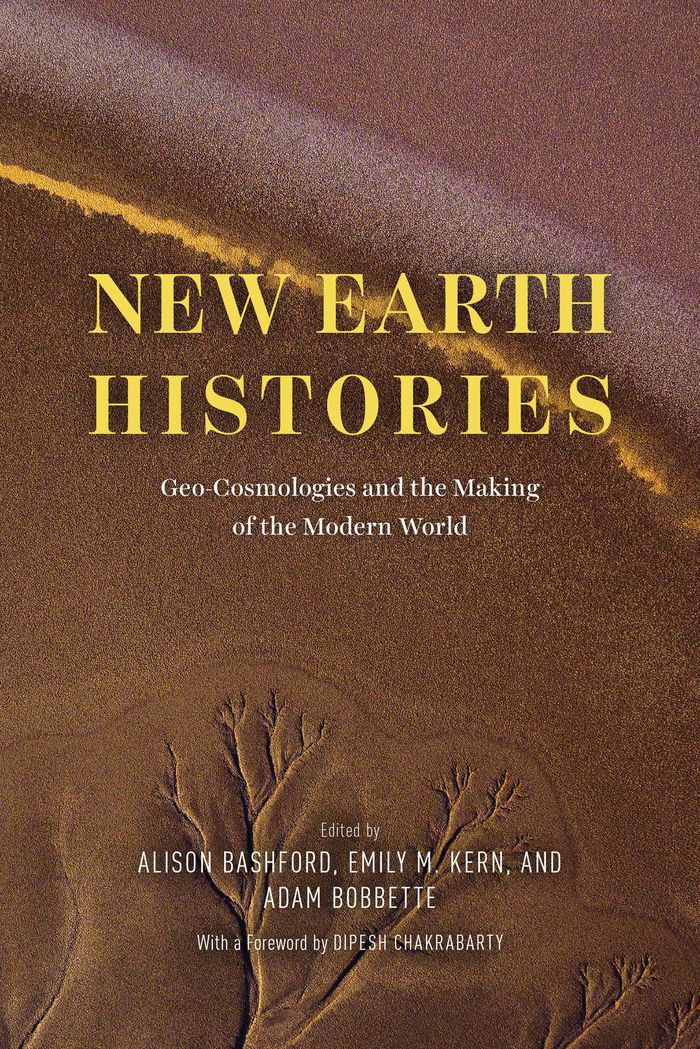
This book brings the history of the geosciences and world cosmologies together, exploring many traditions, including Chinese, Pacific, Islamic, South and Southeast Asian conceptions of the earth’s origin and makeup. Together the chapters ask: How have different ideas about the sacred, animate, and earthly changed modern environmental sciences? How have different world traditions understood human and geological origins? How does the inclusion of multiple cosmologies change the meaning of the Anthropocene and the global climate crisis? By carefully examining these questions, ''New earth histories'' sets an ambitious agenda for how we think about the earth. The chapters consider debates about the age and structure of the earth, how humans and earth systems interact, and how empire has been conceived in multiple traditions. The methods the authors deploy are diverse—from cultural history and visual and material studies to ethnography, geography, and Indigenous studies—and the effect is to highlight how earth knowledge emerged from historically specific situations. ''New earth histories'' provides both a framework for studying science at a global scale and fascinating examples to educate as well as inspire future work. Essential reading for students and scholars of earth science history, environmental humanities, history of science and religion, and science and empire.
New earth histories: Geo-cosmologies and the making of the modern world
Actions:
Prix:
$58.95
(disponible en magasin)
Résumé:
This book brings the history of the geosciences and world cosmologies together, exploring many traditions, including Chinese, Pacific, Islamic, South and Southeast Asian conceptions of the earth’s origin and makeup. Together the chapters ask: How have different ideas about the sacred, animate, and earthly changed modern environmental sciences? How have different world traditions understood human and geological origins? How does the inclusion of multiple cosmologies change the meaning of the Anthropocene and the global climate crisis? By carefully examining these questions, ''New earth histories'' sets an ambitious agenda for how we think about the earth. The chapters consider debates about the age and structure of the earth, how humans and earth systems interact, and how empire has been conceived in multiple traditions. The methods the authors deploy are diverse—from cultural history and visual and material studies to ethnography, geography, and Indigenous studies—and the effect is to highlight how earth knowledge emerged from historically specific situations. ''New earth histories'' provides both a framework for studying science at a global scale and fascinating examples to educate as well as inspire future work. Essential reading for students and scholars of earth science history, environmental humanities, history of science and religion, and science and empire.
Classification:
livres
livres
Publication:
novembre 2023
novembre 2023
Classification:
livres
livres
Actions:
Prix:
$71.95
(disponible sur commande)
Résumé:
One of the most profound thinkers of the modern age, Friedrich Wilhelm Nietzsche (1844-1900) has been the subject of volumes of literature that document his life and work. Until now there has been no in-depth study devoted to Nietzsche's thoughts and impact on architecture, (...)
$71.95
(disponible sur commande)
Résumé:
One of the most profound thinkers of the modern age, Friedrich Wilhelm Nietzsche (1844-1900) has been the subject of volumes of literature that document his life and work. Until now there has been no in-depth study devoted to Nietzsche's thoughts and impact on architecture, (...)
Titre:
Nietzsche and an architecture of our minds
Actions:
Prix:
$71.95
(disponible sur commande)
Résumé:
One of the most profound thinkers of the modern age, Friedrich Wilhelm Nietzsche (1844-1900) has been the subject of volumes of literature that document his life and work. Until now there has been no in-depth study devoted to Nietzsche's thoughts and impact on architecture, specifically his far-reaching notion of an architecture commensurate with the modern mind. In the essays that comprise this book, thirteen contributors from a wide variety of disciplines (including art history, architecture and architectural theory, literature, philosophy, and city planning) assess the relationship of Nietzschean philosophy to art and architecture, elucidate frequent misunderstandings, and determine patterns of influence. The book is divided into three parts: "The Metaphors of Architecture," "Between Art, Literature, and Architecture," and "Nietzsche and the Architects." Contributors include Paolo Baldacci, the Giorgio and Isa de Chirico Foundation, Rome; Hanne Bergius, Hochschule fur Kunst und Design Burg Giebichenstein, Halle, Germany; Rolf Bothe, Kunstsammlungen zu Weimar, Germany; Claudia Brodsky Lacour, Princeton University; Tilmann Buddensieg, Humbolt-Universität Berlin; Jean-Louis Cohen, Université de Paris and Institute of Fine Arts, New York University; Karsten Harries, Yale University; Werner Hofmann, Germany; Fritz Neumeyer, Technische Universität Berlin; Léon Ploegaerts, University of Ottawa, Canada; and Anthony Vidler, University of California at Los Angeles. Edited by Alexandre Kostka and Irving Wohlfarth.
Nietzsche and an architecture of our minds
Actions:
Prix:
$71.95
(disponible sur commande)
Résumé:
One of the most profound thinkers of the modern age, Friedrich Wilhelm Nietzsche (1844-1900) has been the subject of volumes of literature that document his life and work. Until now there has been no in-depth study devoted to Nietzsche's thoughts and impact on architecture, specifically his far-reaching notion of an architecture commensurate with the modern mind. In the essays that comprise this book, thirteen contributors from a wide variety of disciplines (including art history, architecture and architectural theory, literature, philosophy, and city planning) assess the relationship of Nietzschean philosophy to art and architecture, elucidate frequent misunderstandings, and determine patterns of influence. The book is divided into three parts: "The Metaphors of Architecture," "Between Art, Literature, and Architecture," and "Nietzsche and the Architects." Contributors include Paolo Baldacci, the Giorgio and Isa de Chirico Foundation, Rome; Hanne Bergius, Hochschule fur Kunst und Design Burg Giebichenstein, Halle, Germany; Rolf Bothe, Kunstsammlungen zu Weimar, Germany; Claudia Brodsky Lacour, Princeton University; Tilmann Buddensieg, Humbolt-Universität Berlin; Jean-Louis Cohen, Université de Paris and Institute of Fine Arts, New York University; Karsten Harries, Yale University; Werner Hofmann, Germany; Fritz Neumeyer, Technische Universität Berlin; Léon Ploegaerts, University of Ottawa, Canada; and Anthony Vidler, University of California at Los Angeles. Edited by Alexandre Kostka and Irving Wohlfarth.
Classification:
livres
livres
Publication:
juillet 1999, Los Angeles
juillet 1999, Los Angeles
Sujet:
Théorie de l’architecture
Théorie de l’architecture
Classification:
livres
livres
Titre:
Lance Wyman: Mexico
Lance Wyman: Mexico
Actions:
Prix:
$50.00
(disponible sur commande)
Résumé:
Widely admired for his powerful but whimsical imagery, Lance Wyman is a leading figure of contemporary graphic design. Throughout a career that spans over 50 years, Wyman has made his name by designing for museums, zoos, metro stations and the 2008 Barack Obama presidential campaign. But it was when he won a competition at age 29 to design the Mexico Olympic graphics for(...)
$50.00
(disponible sur commande)
Résumé:
Widely admired for his powerful but whimsical imagery, Lance Wyman is a leading figure of contemporary graphic design. Throughout a career that spans over 50 years, Wyman has made his name by designing for museums, zoos, metro stations and the 2008 Barack Obama presidential campaign. But it was when he won a competition at age 29 to design the Mexico Olympic graphics for(...)
Titre:
Lance Wyman: Mexico
Actions:
Prix:
$50.00
(disponible sur commande)
Résumé:
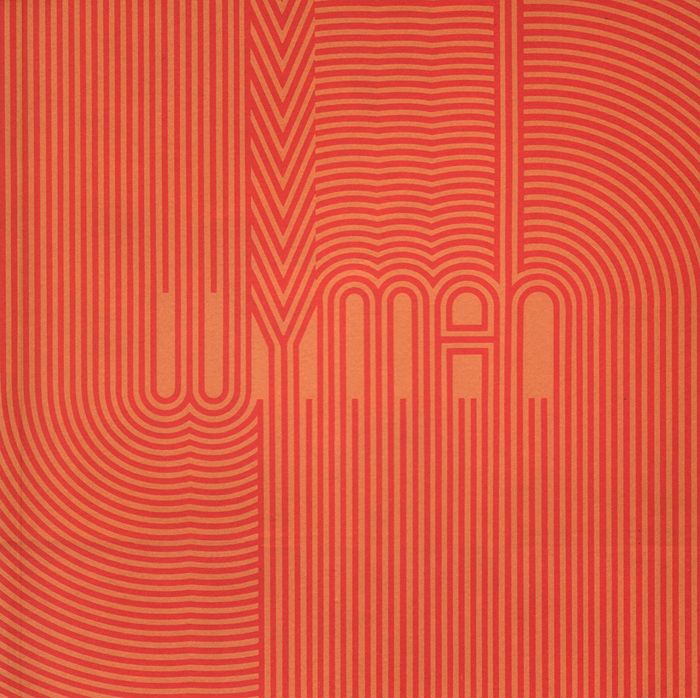
Widely admired for his powerful but whimsical imagery, Lance Wyman is a leading figure of contemporary graphic design. Throughout a career that spans over 50 years, Wyman has made his name by designing for museums, zoos, metro stations and the 2008 Barack Obama presidential campaign. But it was when he won a competition at age 29 to design the Mexico Olympic graphics for the 1968 games that Wyman launched his career; his work is now a cornerstone for understanding the visual culture of present-day Mexico. In lieu of the extravagance typical of Olympic designs, Wyman offered something refreshing, spacious and above all modern as he unwittingly entered a tumultuous and revolutionary moment in Mexican history. His bold image of a modern Mexico would last beyond the nation's moment in the international spotlight; Wyman stayed for another four years, designing graphic systems for the Mexico City Metro, Central de Abasto and Camino Real Hotel. This bilingual English-Spanish monograph is the very first retrospective publication on the designer's work. Published in conjunction with an exhibition at MUAC in Mexico City, the book celebrates the influence of Wyman's system of visual icons—work so iconic that we find its traces in the emojis available on iPhones today.
Lance Wyman: Mexico
Actions:
Prix:
$50.00
(disponible sur commande)
Résumé:
Widely admired for his powerful but whimsical imagery, Lance Wyman is a leading figure of contemporary graphic design. Throughout a career that spans over 50 years, Wyman has made his name by designing for museums, zoos, metro stations and the 2008 Barack Obama presidential campaign. But it was when he won a competition at age 29 to design the Mexico Olympic graphics for the 1968 games that Wyman launched his career; his work is now a cornerstone for understanding the visual culture of present-day Mexico. In lieu of the extravagance typical of Olympic designs, Wyman offered something refreshing, spacious and above all modern as he unwittingly entered a tumultuous and revolutionary moment in Mexican history. His bold image of a modern Mexico would last beyond the nation's moment in the international spotlight; Wyman stayed for another four years, designing graphic systems for the Mexico City Metro, Central de Abasto and Camino Real Hotel. This bilingual English-Spanish monograph is the very first retrospective publication on the designer's work. Published in conjunction with an exhibition at MUAC in Mexico City, the book celebrates the influence of Wyman's system of visual icons—work so iconic that we find its traces in the emojis available on iPhones today.
Classification:
livres
livres
Publication:
avril 2015
avril 2015
Classification:
livres
livres
Actions:
Prix:
$68.00
(disponible sur commande)
Résumé:
The typical town springs up around a natural resource—a river, an ocean, an exceptionally deep harbor—or in proximity to a larger, already thriving town. Not so with “new towns,” which are created by decree rather than out of necessity and are often intended to break from the tendencies of past development. New towns aren’t a new thing—ancient Phoenicians named their(...)
$68.00
(disponible sur commande)
Résumé:
The typical town springs up around a natural resource—a river, an ocean, an exceptionally deep harbor—or in proximity to a larger, already thriving town. Not so with “new towns,” which are created by decree rather than out of necessity and are often intended to break from the tendencies of past development. New towns aren’t a new thing—ancient Phoenicians named their(...)
Titre:
Practicing Utopia: an intellectual history of the New Town movement
Actions:
Prix:
$68.00
(disponible sur commande)
Résumé:
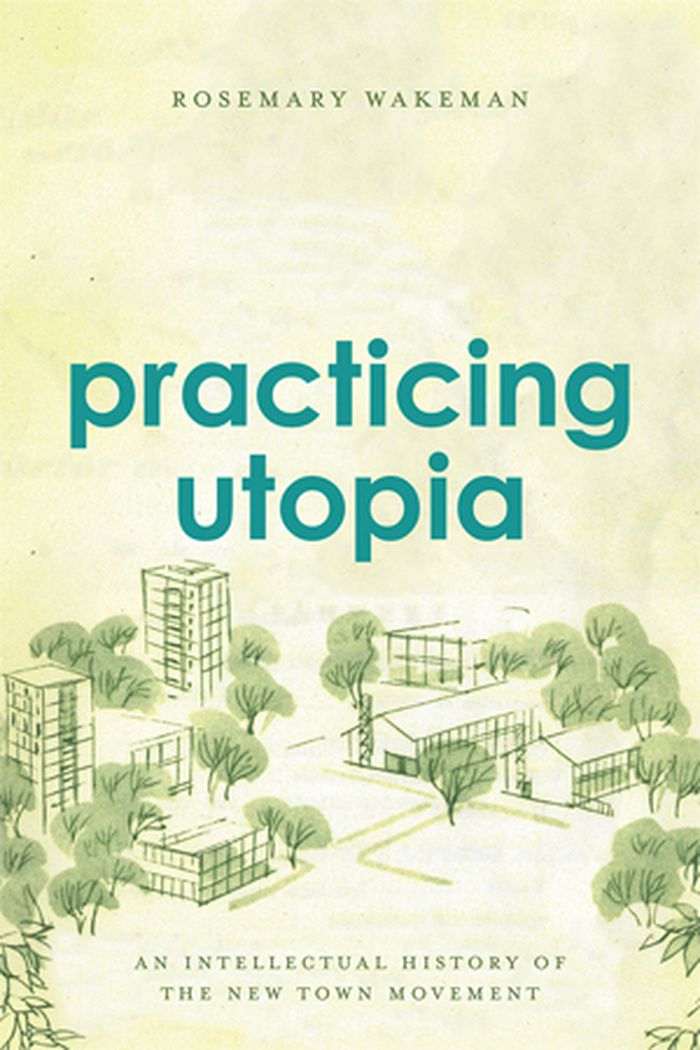
The typical town springs up around a natural resource—a river, an ocean, an exceptionally deep harbor—or in proximity to a larger, already thriving town. Not so with “new towns,” which are created by decree rather than out of necessity and are often intended to break from the tendencies of past development. New towns aren’t a new thing—ancient Phoenicians named their colonies Qart Hadasht, or New City—but these utopian developments saw a resurgence in the twentieth century. 'In Practicing Utopia,' Rosemary Wakeman gives us a sweeping view of the new town movement as a global phenomenon. From Tapiola in Finland to Islamabad in Pakistan, Cergy-Pontoise in France to Irvine in California, Wakeman unspools a masterly account of the golden age of new towns, exploring their utopian qualities and investigating what these towns can tell us about contemporary modernization and urban planning. She presents the new town movement as something truly global, defying a Cold War East-West dichotomy or the north-south polarization of rich and poor countries. Wherever these new towns were located, whatever their size, whether famous or forgotten, they shared a utopian lineage and conception that, in each case, reveals how residents and planners imagined their ideal urban future.
Practicing Utopia: an intellectual history of the New Town movement
Actions:
Prix:
$68.00
(disponible sur commande)
Résumé:
The typical town springs up around a natural resource—a river, an ocean, an exceptionally deep harbor—or in proximity to a larger, already thriving town. Not so with “new towns,” which are created by decree rather than out of necessity and are often intended to break from the tendencies of past development. New towns aren’t a new thing—ancient Phoenicians named their colonies Qart Hadasht, or New City—but these utopian developments saw a resurgence in the twentieth century. 'In Practicing Utopia,' Rosemary Wakeman gives us a sweeping view of the new town movement as a global phenomenon. From Tapiola in Finland to Islamabad in Pakistan, Cergy-Pontoise in France to Irvine in California, Wakeman unspools a masterly account of the golden age of new towns, exploring their utopian qualities and investigating what these towns can tell us about contemporary modernization and urban planning. She presents the new town movement as something truly global, defying a Cold War East-West dichotomy or the north-south polarization of rich and poor countries. Wherever these new towns were located, whatever their size, whether famous or forgotten, they shared a utopian lineage and conception that, in each case, reveals how residents and planners imagined their ideal urban future.
Classification:
livres
livres
Publication:
avril 2016
avril 2016
Sujet:
Théorie de l’urbanisme
Théorie de l’urbanisme
Classification:
livres
livres
Prix:
$39.95
(disponible sur commande)
Résumé:
Dans la mythologie grecque, Héphaïstos forgeait le fer de son souffle divin pour fabriquer les armes des dieux et des héros les plus valeureux. Plus tard, au Moyen Age, les arts roman et gothique ont produit de véritables chef-d'œuvre. Plus récemment, l'Art Nouveau a, lui aussi, exalté les multiples possibilités d'expression de ce matériau présent tant dans le mobilier(...)
$39.95
(disponible sur commande)
Résumé:
Dans la mythologie grecque, Héphaïstos forgeait le fer de son souffle divin pour fabriquer les armes des dieux et des héros les plus valeureux. Plus tard, au Moyen Age, les arts roman et gothique ont produit de véritables chef-d'œuvre. Plus récemment, l'Art Nouveau a, lui aussi, exalté les multiples possibilités d'expression de ce matériau présent tant dans le mobilier(...)
Titre:
Fer forgé : un voyage à travers les époques et les styles
Actions:
Prix:
$39.95
(disponible sur commande)
Résumé:
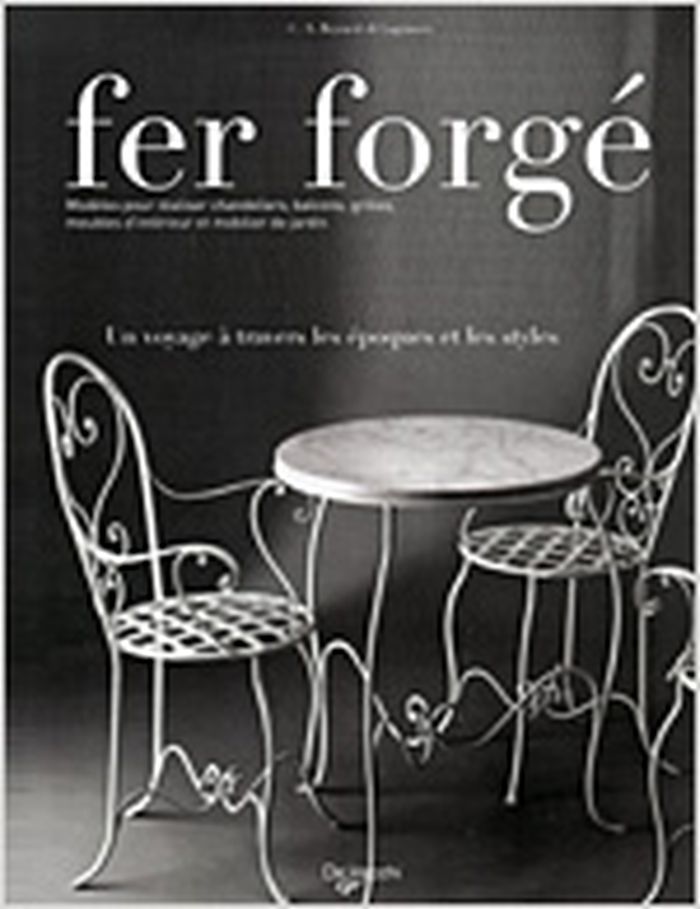
Dans la mythologie grecque, Héphaïstos forgeait le fer de son souffle divin pour fabriquer les armes des dieux et des héros les plus valeureux. Plus tard, au Moyen Age, les arts roman et gothique ont produit de véritables chef-d'œuvre. Plus récemment, l'Art Nouveau a, lui aussi, exalté les multiples possibilités d'expression de ce matériau présent tant dans le mobilier intérieur que pur des éléments décoratifs architecturaux. Aujourd'hui, la tradition artisanale se conjugue avec l'innovation technologique pour permettre au fer forgé de figurer en bonne place dans le design du troisième millénaire. Vous trouverez dans cet ouvrage, illustré de nombreux dessins et photographies didactiques des idées et des projets (des grilles, des balcons, des gloriettes et des bancs...); des modèles à copier ou à modifier pour les adapter à son intérieur (des chaises, des tables, des lits, des lustres décoratifs...); des conseils pratiques pour apprendre à évaluer l'état des vieux objets de récupération, les nettoyer, les restaurer, les décaper, les peindre et leur donner une nouvelle jeunesse); une initiation progressive aux différentes techniques de traitement et de décoration du fer forgé (oxydation, sablage, brunissage, zincage, jusqu'à la délicate application de feuilles d'or et d'argent qui confère au métal un aspect noble et brillant.
Fer forgé : un voyage à travers les époques et les styles
Actions:
Prix:
$39.95
(disponible sur commande)
Résumé:
Dans la mythologie grecque, Héphaïstos forgeait le fer de son souffle divin pour fabriquer les armes des dieux et des héros les plus valeureux. Plus tard, au Moyen Age, les arts roman et gothique ont produit de véritables chef-d'œuvre. Plus récemment, l'Art Nouveau a, lui aussi, exalté les multiples possibilités d'expression de ce matériau présent tant dans le mobilier intérieur que pur des éléments décoratifs architecturaux. Aujourd'hui, la tradition artisanale se conjugue avec l'innovation technologique pour permettre au fer forgé de figurer en bonne place dans le design du troisième millénaire. Vous trouverez dans cet ouvrage, illustré de nombreux dessins et photographies didactiques des idées et des projets (des grilles, des balcons, des gloriettes et des bancs...); des modèles à copier ou à modifier pour les adapter à son intérieur (des chaises, des tables, des lits, des lustres décoratifs...); des conseils pratiques pour apprendre à évaluer l'état des vieux objets de récupération, les nettoyer, les restaurer, les décaper, les peindre et leur donner une nouvelle jeunesse); une initiation progressive aux différentes techniques de traitement et de décoration du fer forgé (oxydation, sablage, brunissage, zincage, jusqu'à la délicate application de feuilles d'or et d'argent qui confère au métal un aspect noble et brillant.
Classification:
livres
livres
Publication:
octobre 2006, Paris
octobre 2006, Paris
Sujet:
Ornementation
Ornementation
Classification:
livres
livres
Titre:
The arts of China after 1620
The arts of China after 1620
Actions:
Prix:
$74.95
(disponible sur commande)
Résumé:
The Arts of China after 1620 concludes a major three-volume survey that examines China's huge wealth of art, architecture and artefacts from prehistoric times to the present. Beginning with discussions of 'fine' art and painting and progressing to analysis of carving and sculpture, ceramics, glassware and textiles, the authors demonstrate how, in the age of the Emperors(...)
$74.95
(disponible sur commande)
Résumé:
The Arts of China after 1620 concludes a major three-volume survey that examines China's huge wealth of art, architecture and artefacts from prehistoric times to the present. Beginning with discussions of 'fine' art and painting and progressing to analysis of carving and sculpture, ceramics, glassware and textiles, the authors demonstrate how, in the age of the Emperors(...)
Sujet:
Histoire jusqu'à 1900, Asie
Histoire jusqu'à 1900, Asie
Publication:
septembre 2006, New Haven / London
septembre 2006, New Haven / London
Titre:
The arts of China after 1620
Actions:
Prix:
$74.95
(disponible sur commande)
Résumé:
The Arts of China after 1620 concludes a major three-volume survey that examines China's huge wealth of art, architecture and artefacts from prehistoric times to the present. Beginning with discussions of 'fine' art and painting and progressing to analysis of carving and sculpture, ceramics, glassware and textiles, the authors demonstrate how, in the age of the Emperors Kangxi, Yongzheng and Qianlong, the 'decorative' arts rose to a prominence quite unlike the western experience. Avoiding misrepresentative categorization, they single out period styles, as well as identifying repeated phases of archaism and Buddhist art, and discuss characteristic groups of jade, ivory, ceramics, glassware and textiles. They consider the importance of the imperial workshops and their role in developing craftsmen's skills and encouraging the cross-over of techniques from different disciplines and they present the compelling influence of Emperor Qianlong's aesthetic innovations. In architecture the vast plan and overwhelming authority of the imperial buildings contrasts with the restrained subtlety of domestic architecture and garden design where magnificent rocks were the principal feature, just as in landscape painting. The survey concludes by examining the development of East/West trade and the effects of commercialization on Chinese arts and crafts. This handsome, well-illustrated book provides a scholarly and illuminating resource for all students of the arts of China.
The arts of China after 1620
Actions:
Prix:
$74.95
(disponible sur commande)
Résumé:
The Arts of China after 1620 concludes a major three-volume survey that examines China's huge wealth of art, architecture and artefacts from prehistoric times to the present. Beginning with discussions of 'fine' art and painting and progressing to analysis of carving and sculpture, ceramics, glassware and textiles, the authors demonstrate how, in the age of the Emperors Kangxi, Yongzheng and Qianlong, the 'decorative' arts rose to a prominence quite unlike the western experience. Avoiding misrepresentative categorization, they single out period styles, as well as identifying repeated phases of archaism and Buddhist art, and discuss characteristic groups of jade, ivory, ceramics, glassware and textiles. They consider the importance of the imperial workshops and their role in developing craftsmen's skills and encouraging the cross-over of techniques from different disciplines and they present the compelling influence of Emperor Qianlong's aesthetic innovations. In architecture the vast plan and overwhelming authority of the imperial buildings contrasts with the restrained subtlety of domestic architecture and garden design where magnificent rocks were the principal feature, just as in landscape painting. The survey concludes by examining the development of East/West trade and the effects of commercialization on Chinese arts and crafts. This handsome, well-illustrated book provides a scholarly and illuminating resource for all students of the arts of China.
Classification:
livres
livres
Publication:
septembre 2006, New Haven / London
septembre 2006, New Haven / London
Sujet:
Histoire jusqu'à 1900, Asie
Histoire jusqu'à 1900, Asie


