


665 Résultats
Classification:
livres
livres
Titre:
Brian Rose: Atlantic City
Brian Rose: Atlantic City
Actions:
Prix:
$33.00
(disponible sur commande)
Résumé:
Atlantic City was born in the mid-nineteenth century and grew so big, so fast, that it captured the American imagination. It was "the World's Playground". Its hotels were the largest and finest, its nightclubs legendary, its boardwalk an endless promenade. And then, as it began to fade, the casinos came. And instead of reviving the city they killed it. Chief among the(...)
$33.00
(disponible sur commande)
Résumé:
Atlantic City was born in the mid-nineteenth century and grew so big, so fast, that it captured the American imagination. It was "the World's Playground". Its hotels were the largest and finest, its nightclubs legendary, its boardwalk an endless promenade. And then, as it began to fade, the casinos came. And instead of reviving the city they killed it. Chief among the(...)
Titre:
Brian Rose: Atlantic City
Actions:
Prix:
$33.00
(disponible sur commande)
Résumé:
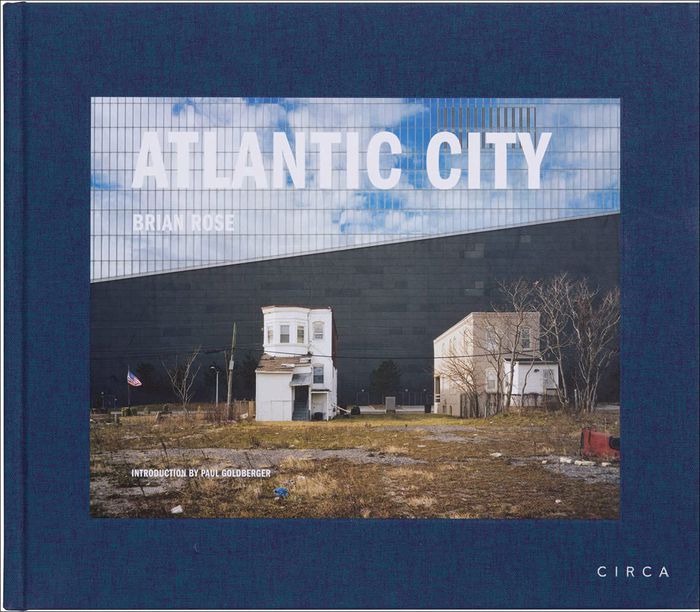
Atlantic City was born in the mid-nineteenth century and grew so big, so fast, that it captured the American imagination. It was "the World's Playground". Its hotels were the largest and finest, its nightclubs legendary, its boardwalk an endless promenade. And then, as it began to fade, the casinos came. And instead of reviving the city they killed it. Chief among the villains in this piece is Donald J Trump, who built his casinos on dunes of debt and bled them into bankruptcy. On the presidential campaign trail Trump boasted of his "success" in Atlantic City, how he had outwitted Wall Street and leveraged his own name for riches. He would do for America what he had done for Atlantic City, he said. And so it came to be. Brian Rose has documented what remains of the city in the aftermath of the casino explosion. The images are haunting. Atlantic City may never recover.
Brian Rose: Atlantic City
Actions:
Prix:
$33.00
(disponible sur commande)
Résumé:
Atlantic City was born in the mid-nineteenth century and grew so big, so fast, that it captured the American imagination. It was "the World's Playground". Its hotels were the largest and finest, its nightclubs legendary, its boardwalk an endless promenade. And then, as it began to fade, the casinos came. And instead of reviving the city they killed it. Chief among the villains in this piece is Donald J Trump, who built his casinos on dunes of debt and bled them into bankruptcy. On the presidential campaign trail Trump boasted of his "success" in Atlantic City, how he had outwitted Wall Street and leveraged his own name for riches. He would do for America what he had done for Atlantic City, he said. And so it came to be. Brian Rose has documented what remains of the city in the aftermath of the casino explosion. The images are haunting. Atlantic City may never recover.
Classification:
livres
livres
Publication:
juin 2021
juin 2021
Sujet:
Monographies photo
Monographies photo
Classification:
livres
livres
Actions:
Prix:
$45.50
(disponible sur commande)
Résumé:
Do you really know what is under that new house you just bought? How about what lies beneath the neighborhood playground? Was that "big box" retailer down your street built over a toxic site? These are just a few of the worrisome scenarios facing us all as our cities begin to redevelop old toxic waste sites—places Alan Berger has coined "drosscapes." "Drosscape : wasting(...)
$45.50
(disponible sur commande)
Résumé:
Do you really know what is under that new house you just bought? How about what lies beneath the neighborhood playground? Was that "big box" retailer down your street built over a toxic site? These are just a few of the worrisome scenarios facing us all as our cities begin to redevelop old toxic waste sites—places Alan Berger has coined "drosscapes." "Drosscape : wasting(...)
Titre:
Drosscape : wasting land in urban America
Actions:
Prix:
$45.50
(disponible sur commande)
Résumé:
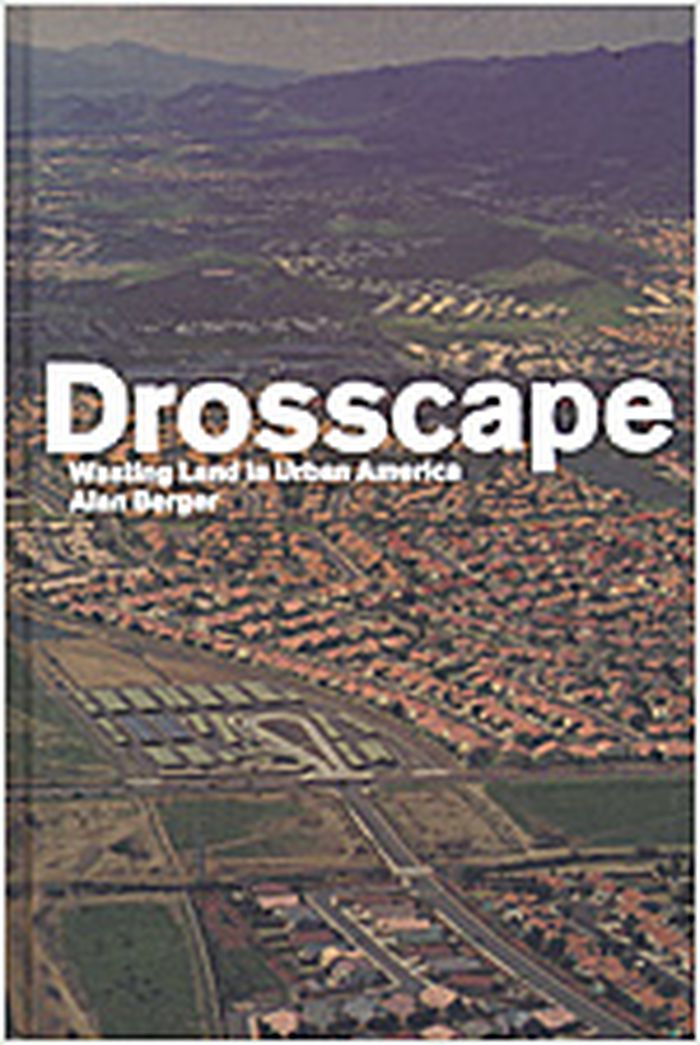
Do you really know what is under that new house you just bought? How about what lies beneath the neighborhood playground? Was that "big box" retailer down your street built over a toxic site? These are just a few of the worrisome scenarios facing us all as our cities begin to redevelop old toxic waste sites—places Alan Berger has coined "drosscapes." "Drosscape : wasting land in urban America" is a guide to this vast, hitherto largely ignored field of waste landscapes. Landscape architects must learn to accommodate these wastelands along with the more traditional challenges of site and construction. This will require a radical reconceptualization of thinking about landscape before potential solutions can be effectively addressed or devised. Ten cities are exam-ined both visually and analytically through the use of aerial photography and geospatially derived maps, charts, and graphs. Lured by tax incentives and the benefits of inade-quate public awareness, corporate America is rapidly developing these toxic sites. The photograhs and mappings are by the author.
Drosscape : wasting land in urban America
Actions:
Prix:
$45.50
(disponible sur commande)
Résumé:
Do you really know what is under that new house you just bought? How about what lies beneath the neighborhood playground? Was that "big box" retailer down your street built over a toxic site? These are just a few of the worrisome scenarios facing us all as our cities begin to redevelop old toxic waste sites—places Alan Berger has coined "drosscapes." "Drosscape : wasting land in urban America" is a guide to this vast, hitherto largely ignored field of waste landscapes. Landscape architects must learn to accommodate these wastelands along with the more traditional challenges of site and construction. This will require a radical reconceptualization of thinking about landscape before potential solutions can be effectively addressed or devised. Ten cities are exam-ined both visually and analytically through the use of aerial photography and geospatially derived maps, charts, and graphs. Lured by tax incentives and the benefits of inade-quate public awareness, corporate America is rapidly developing these toxic sites. The photograhs and mappings are by the author.
Classification:
livres
livres
Publication:
avril 2006, New York
avril 2006, New York
Sujet:
Théorie de l’urbanisme
Théorie de l’urbanisme
Classification:
livres
livres
Actions:
Prix:
$44.95
(disponible sur commande)
Résumé:
In "Celluloid Skyline" James Sanders shows that the dream city of the movies, created by more than a century of films, may hold the secret to the allure and excitement of the actual place. Here are the cocktail parties and power lunches, the subway chases and opening nights, the playground rumbles and rooftop romances. Here is an invented Gotham, a place designed(...)
$44.95
(disponible sur commande)
Résumé:
In "Celluloid Skyline" James Sanders shows that the dream city of the movies, created by more than a century of films, may hold the secret to the allure and excitement of the actual place. Here are the cocktail parties and power lunches, the subway chases and opening nights, the playground rumbles and rooftop romances. Here is an invented Gotham, a place designed(...)
Publication:
octobre 2003, New York
octobre 2003, New York
Titre:
Celluloid skyline : New York and the movies
Actions:
Prix:
$44.95
(disponible sur commande)
Résumé:
In "Celluloid Skyline" James Sanders shows that the dream city of the movies, created by more than a century of films, may hold the secret to the allure and excitement of the actual place. Here are the cocktail parties and power lunches, the subway chases and opening nights, the playground rumbles and rooftop romances. Here is an invented Gotham, a place designed specifically for action, drama, and adventure, a city of bright avenues and mysterious side streets, of soaring towers and intimate corners, where remarkable people do exciting, amusing, romantic, scary things. Sanders takes us from the tenement to the penthouse, from New York to Hollywood and back again, from 1896 to the present, all the while showing how the real and mythic cities reflected, changed, and taught each other. Illustrated with scores of rare and unusual production images culled from Sanders's decade-long research in studio archives and private collections around the country, "Celluloid Skyline" offers a new way to see not only America’s greatest metropolis, but cities the world over
Celluloid skyline : New York and the movies
Actions:
Prix:
$44.95
(disponible sur commande)
Résumé:
In "Celluloid Skyline" James Sanders shows that the dream city of the movies, created by more than a century of films, may hold the secret to the allure and excitement of the actual place. Here are the cocktail parties and power lunches, the subway chases and opening nights, the playground rumbles and rooftop romances. Here is an invented Gotham, a place designed specifically for action, drama, and adventure, a city of bright avenues and mysterious side streets, of soaring towers and intimate corners, where remarkable people do exciting, amusing, romantic, scary things. Sanders takes us from the tenement to the penthouse, from New York to Hollywood and back again, from 1896 to the present, all the while showing how the real and mythic cities reflected, changed, and taught each other. Illustrated with scores of rare and unusual production images culled from Sanders's decade-long research in studio archives and private collections around the country, "Celluloid Skyline" offers a new way to see not only America’s greatest metropolis, but cities the world over
Classification:
livres
livres
Publication:
octobre 2003, New York
octobre 2003, New York
Classification:
livres
livres
Titre:
Alvin Baltrop: The Piers
Alvin Baltrop: The Piers
Actions:
Prix:
$87.00
(disponible sur commande)
Résumé:
Powerful, lyrical and controversial, Alvin Baltrop's photographs are a groundbreaking exploration of clandestine gay culture in New York in the 1970s and 80s. During that era, the derelict warehouses beneath Manhattan's West Side piers became a lawless, forgotten part of the city that played host to gay cruising, drug smuggling, prostitution and suicides. Baltrop(...)
$87.00
(disponible sur commande)
Résumé:
Powerful, lyrical and controversial, Alvin Baltrop's photographs are a groundbreaking exploration of clandestine gay culture in New York in the 1970s and 80s. During that era, the derelict warehouses beneath Manhattan's West Side piers became a lawless, forgotten part of the city that played host to gay cruising, drug smuggling, prostitution and suicides. Baltrop(...)
Titre:
Alvin Baltrop: The Piers
Actions:
Prix:
$87.00
(disponible sur commande)
Résumé:
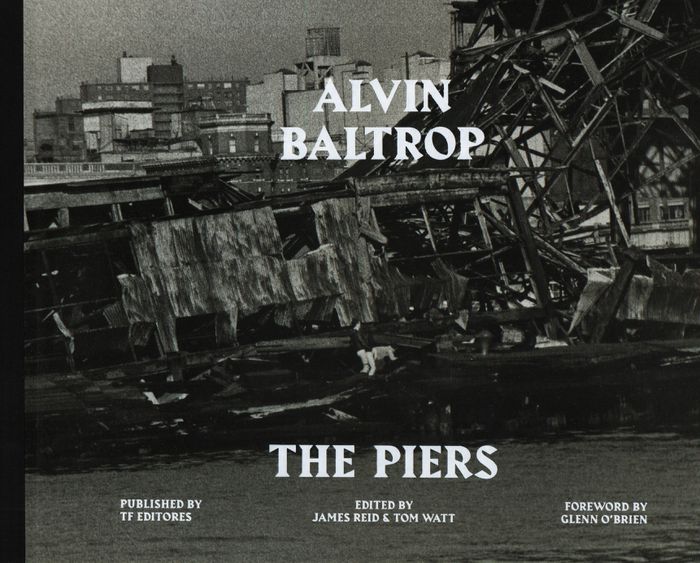
Powerful, lyrical and controversial, Alvin Baltrop's photographs are a groundbreaking exploration of clandestine gay culture in New York in the 1970s and 80s. During that era, the derelict warehouses beneath Manhattan's West Side piers became a lawless, forgotten part of the city that played host to gay cruising, drug smuggling, prostitution and suicides. Baltrop documented this scene, unflinchingly and obsessively capturing everything from fleeting naked figures in mangled architectural environments to scenes of explicit sex and police raids on the piers. His work is little known and underpublished--mainly due to its unflinching subject matter--but while often explicit, his photographs are on a par with those of Nan Goldin, Peter Hujar and Enrique Metenides. While the outside world saw New York as the glamorous playground of Studio 54, Warhol's gang and the disco era, Baltrop photographed the city's gritty flipside; his work is an important part of both gay culture and the history of New York itself. This clothbound volume compiles the Piers series in one definitive monograph, a powerful tribute to a long-forgotten world at the city's dilapidated margins.
Alvin Baltrop: The Piers
Actions:
Prix:
$87.00
(disponible sur commande)
Résumé:
Powerful, lyrical and controversial, Alvin Baltrop's photographs are a groundbreaking exploration of clandestine gay culture in New York in the 1970s and 80s. During that era, the derelict warehouses beneath Manhattan's West Side piers became a lawless, forgotten part of the city that played host to gay cruising, drug smuggling, prostitution and suicides. Baltrop documented this scene, unflinchingly and obsessively capturing everything from fleeting naked figures in mangled architectural environments to scenes of explicit sex and police raids on the piers. His work is little known and underpublished--mainly due to its unflinching subject matter--but while often explicit, his photographs are on a par with those of Nan Goldin, Peter Hujar and Enrique Metenides. While the outside world saw New York as the glamorous playground of Studio 54, Warhol's gang and the disco era, Baltrop photographed the city's gritty flipside; his work is an important part of both gay culture and the history of New York itself. This clothbound volume compiles the Piers series in one definitive monograph, a powerful tribute to a long-forgotten world at the city's dilapidated margins.
Classification:
livres
livres
Publication:
août 2015
août 2015
Sujet:
Expositions en cours
Expositions en cours
Classification:
livres
livres
Actions:
Prix:
$120.00
(disponible sur commande)
Résumé:
A detailed history of the international modern house, illustrated with 400 photographs and architectural drawings. As the basic building block of the human environment, the house has served as an inexhaustible playground where architects experiment with theories, styles, forms, and materials. Arguably, the best and most innovative residential architecture has been(...)
$120.00
(disponible sur commande)
Résumé:
A detailed history of the international modern house, illustrated with 400 photographs and architectural drawings. As the basic building block of the human environment, the house has served as an inexhaustible playground where architects experiment with theories, styles, forms, and materials. Arguably, the best and most innovative residential architecture has been(...)
Titre:
Twentieth-century residential architecture
Actions:
Prix:
$120.00
(disponible sur commande)
Résumé:
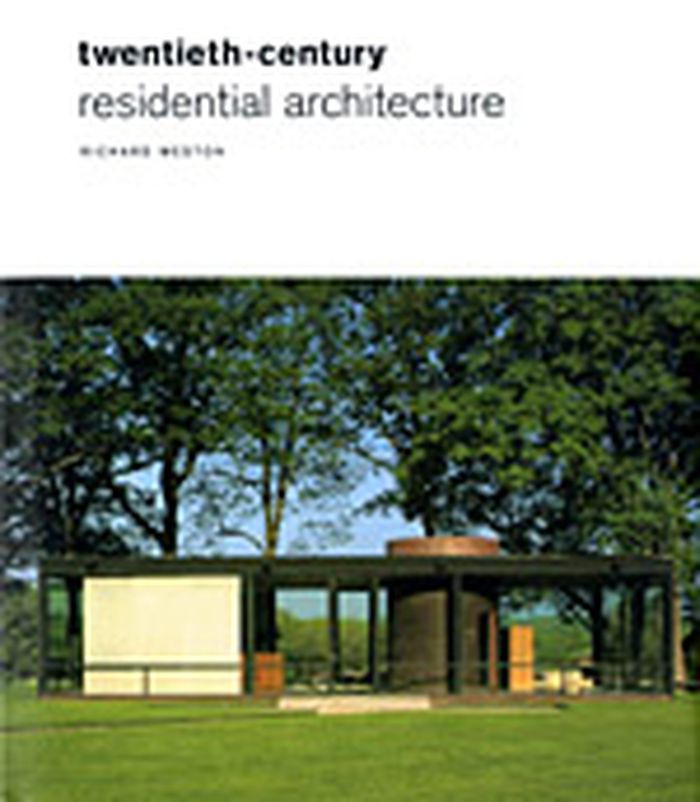
A detailed history of the international modern house, illustrated with 400 photographs and architectural drawings. As the basic building block of the human environment, the house has served as an inexhaustible playground where architects experiment with theories, styles, forms, and materials. Arguably, the best and most innovative residential architecture has been conceived and realized over the past 100 yearsÑfrom the cantileveral serenity of Frank Lloyd Wright's Fallingwater to the spectacular Chemosphere, which resembles a UFO that has planted its landing gear in the Hollywood Hills. This book examines major shifts in international domestic design over the past century as it highlights a superb selection of extraordinary homes. Author Richard Weston engagingly tells the story of the twentieth-century house through eight semi-chronological design themes. From the Arts and Crafts period to the present, he covers a wide range of homes exemplifying each period and presents more than 100 benchmark dwellings with detailed architectural drawings. Weston also addresses the fascinating ways in which domestic design has both reflected and influenced the changing social climates and lifestyles of the past century, making this a book that will appeal to anthropologists, as well as architects, designers, and homeowners.
Twentieth-century residential architecture
Actions:
Prix:
$120.00
(disponible sur commande)
Résumé:
A detailed history of the international modern house, illustrated with 400 photographs and architectural drawings. As the basic building block of the human environment, the house has served as an inexhaustible playground where architects experiment with theories, styles, forms, and materials. Arguably, the best and most innovative residential architecture has been conceived and realized over the past 100 yearsÑfrom the cantileveral serenity of Frank Lloyd Wright's Fallingwater to the spectacular Chemosphere, which resembles a UFO that has planted its landing gear in the Hollywood Hills. This book examines major shifts in international domestic design over the past century as it highlights a superb selection of extraordinary homes. Author Richard Weston engagingly tells the story of the twentieth-century house through eight semi-chronological design themes. From the Arts and Crafts period to the present, he covers a wide range of homes exemplifying each period and presents more than 100 benchmark dwellings with detailed architectural drawings. Weston also addresses the fascinating ways in which domestic design has both reflected and influenced the changing social climates and lifestyles of the past century, making this a book that will appeal to anthropologists, as well as architects, designers, and homeowners.
Classification:
livres
livres
Publication:
mars 2002, New York / London
mars 2002, New York / London
Sujet:
Architecture résidentielle
Architecture résidentielle
Classification:
livres
livres
Actions:
Prix:
$49.95
(disponible sur commande)
Résumé:
"Ground-up city : play as a design tool" maps the continuing history of an urban design strategy for play in the city. Liane Lefaivre has developed a theoretical model for tackling playgrounds as an urban strategy. She steps off from a historical overview of play and the ludic in art, architecture and urban design, focusing particularly on the post-war playgrounds(...)
$49.95
(disponible sur commande)
Résumé:
"Ground-up city : play as a design tool" maps the continuing history of an urban design strategy for play in the city. Liane Lefaivre has developed a theoretical model for tackling playgrounds as an urban strategy. She steps off from a historical overview of play and the ludic in art, architecture and urban design, focusing particularly on the post-war playgrounds(...)
Titre:
Ground-up city : play as a design tool
Actions:
Prix:
$49.95
(disponible sur commande)
Résumé:
"Ground-up city : play as a design tool" maps the continuing history of an urban design strategy for play in the city. Liane Lefaivre has developed a theoretical model for tackling playgrounds as an urban strategy. She steps off from a historical overview of play and the ludic in art, architecture and urban design, focusing particularly on the post-war playgrounds realized in Amsterdam as joint ventures between Aldo van Eyck, Cornelis van Eesteren and Jakoba Mulder. The architecture firm Döll - Atelier voor Bouwkunst explored the possibility of applying the model in two urban redevelopment areas in Rotterdam, Oude Westen in the inner city and Meeuwenplaat in Hoogvliet, an outlying postwar district, refining it into a practical design strategy. A second layer in the book gives an inspirational and refreshing new look at play in a picture essay with a welter of reference images illustrating play as an urban phenomenon. "Ground-up city" places the playground high on the agenda as an urban design challenge. It also shows how specifying a generic, academic model for a particular situation can lead to a practically applicable design resource.
Ground-up city : play as a design tool
Actions:
Prix:
$49.95
(disponible sur commande)
Résumé:
"Ground-up city : play as a design tool" maps the continuing history of an urban design strategy for play in the city. Liane Lefaivre has developed a theoretical model for tackling playgrounds as an urban strategy. She steps off from a historical overview of play and the ludic in art, architecture and urban design, focusing particularly on the post-war playgrounds realized in Amsterdam as joint ventures between Aldo van Eyck, Cornelis van Eesteren and Jakoba Mulder. The architecture firm Döll - Atelier voor Bouwkunst explored the possibility of applying the model in two urban redevelopment areas in Rotterdam, Oude Westen in the inner city and Meeuwenplaat in Hoogvliet, an outlying postwar district, refining it into a practical design strategy. A second layer in the book gives an inspirational and refreshing new look at play in a picture essay with a welter of reference images illustrating play as an urban phenomenon. "Ground-up city" places the playground high on the agenda as an urban design challenge. It also shows how specifying a generic, academic model for a particular situation can lead to a practically applicable design resource.
Classification:
livres
livres
Publication:
janvier 2007, Rotterdam
janvier 2007, Rotterdam
Sujet:
Théorie de l’urbanisme
Théorie de l’urbanisme
Classification:
livres
livres
Titre:
Toronto : design city
Toronto : design city
Actions:
Prix:
$64.99
(disponible sur commande)
Résumé:
At a time when modern architecture has become a means for cities to up their game and raise their cultural profile on the world stage, Toronto is coming into its own. Fully entrenched in a design renaissance that is dramatically changing the face and space of the city, Toronto is now a welcome playground for celebrated local talent and international star architects. While(...)
$64.99
(disponible sur commande)
Résumé:
At a time when modern architecture has become a means for cities to up their game and raise their cultural profile on the world stage, Toronto is coming into its own. Fully entrenched in a design renaissance that is dramatically changing the face and space of the city, Toronto is now a welcome playground for celebrated local talent and international star architects. While(...)
Sujet:
Architecture du Canada
Architecture du Canada
Publication:
mars 2007, Chichester
mars 2007, Chichester
Titre:
Toronto : design city
Actions:
Prix:
$64.99
(disponible sur commande)
Résumé:
At a time when modern architecture has become a means for cities to up their game and raise their cultural profile on the world stage, Toronto is coming into its own. Fully entrenched in a design renaissance that is dramatically changing the face and space of the city, Toronto is now a welcome playground for celebrated local talent and international star architects. While some cities can be immediately defined by a specific style, Toronto is distinguished instead by a fusion of contemporary architecture, heritage preservation and sustainable urban design. A true mosaic of architecture and culture, Toronto is a city learning to recognise and celebrate its diversity – it is a city set to rediscover itself. "Design city : Toronto" showcases over thirty exemplary contemporary interior and architectural projects, both complete and underway. These range from hip restaurants and bars by Toronto-based practices to major institutional buildings completed by the likes of Will Alsop, Behnisch, Behnisch & Partners, Foster and Partners, Frank Gehry, Kuwabara Payne McKenna Blumberg and Daniel Libeskind. Written in an engaging and lively manner, the book is illustrated with new photography by Tom Arban. It also provides a neighbourhood overview and biographies of featured designers.
Toronto : design city
Actions:
Prix:
$64.99
(disponible sur commande)
Résumé:
At a time when modern architecture has become a means for cities to up their game and raise their cultural profile on the world stage, Toronto is coming into its own. Fully entrenched in a design renaissance that is dramatically changing the face and space of the city, Toronto is now a welcome playground for celebrated local talent and international star architects. While some cities can be immediately defined by a specific style, Toronto is distinguished instead by a fusion of contemporary architecture, heritage preservation and sustainable urban design. A true mosaic of architecture and culture, Toronto is a city learning to recognise and celebrate its diversity – it is a city set to rediscover itself. "Design city : Toronto" showcases over thirty exemplary contemporary interior and architectural projects, both complete and underway. These range from hip restaurants and bars by Toronto-based practices to major institutional buildings completed by the likes of Will Alsop, Behnisch, Behnisch & Partners, Foster and Partners, Frank Gehry, Kuwabara Payne McKenna Blumberg and Daniel Libeskind. Written in an engaging and lively manner, the book is illustrated with new photography by Tom Arban. It also provides a neighbourhood overview and biographies of featured designers.
Classification:
livres
livres
Publication:
mars 2007, Chichester
mars 2007, Chichester
Sujet:
Architecture du Canada
Architecture du Canada
Classification:
livres
livres
Prix:
$55.00
(disponible sur commande)
Résumé:
The first authoritative book on the history of the Glass House property—Philip Johnson’s fifty-year project of iconic modernist design, encompassing the remarkable buildings, landscape, and follies. From its completion in 1949 to the present day, Philip Johnson’s Glass House has drawn cognoscenti and the curious from around the world to New Canaan, Connecticut, to(...)
$55.00
(disponible sur commande)
Résumé:
The first authoritative book on the history of the Glass House property—Philip Johnson’s fifty-year project of iconic modernist design, encompassing the remarkable buildings, landscape, and follies. From its completion in 1949 to the present day, Philip Johnson’s Glass House has drawn cognoscenti and the curious from around the world to New Canaan, Connecticut, to(...)
Titre:
The Philip Johnson Glass House: An architect in the garden
Actions:
Prix:
$55.00
(disponible sur commande)
Résumé:
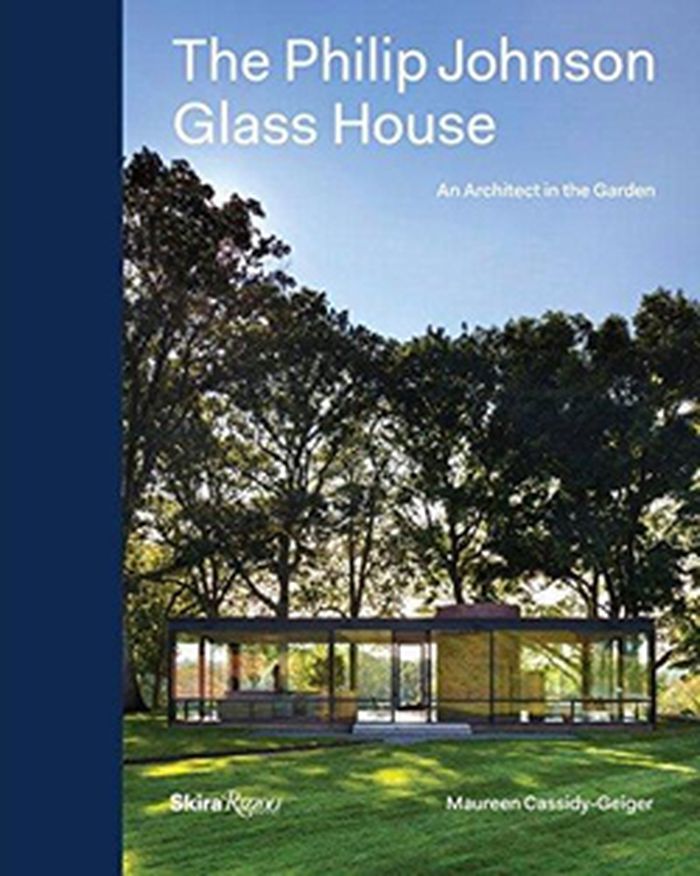
The first authoritative book on the history of the Glass House property—Philip Johnson’s fifty-year project of iconic modernist design, encompassing the remarkable buildings, landscape, and follies. From its completion in 1949 to the present day, Philip Johnson’s Glass House has drawn cognoscenti and the curious from around the world to New Canaan, Connecticut, to experience what might be the most photographed modernist residence in America. The property—an architectural playground on forty-seven acres with eleven Johnsonian follies dating from 1949 to 1995—is an icon of twentieth-century architectural and landscape design. The book chronicles how Philip Johnson and David Whitney, the architect and the plantsman, lived on the property for decades and used the landscape as an ever-changing canvas for their designs—the result of a unique synthesis of influences and ideas from across history and geography. New research reveals Johnson’s and Whitney’s interaction with the landscape and the evolution of the site from a five-acre parcel to a world-renowned gentlemanly estate for modern times. The Philip Johnson Glass House—beautifully illustrated with vintage and commissioned photography—will be a must-have for connoisseurs of architecture, landscape design, photography, and social history.
The Philip Johnson Glass House: An architect in the garden
Actions:
Prix:
$55.00
(disponible sur commande)
Résumé:
The first authoritative book on the history of the Glass House property—Philip Johnson’s fifty-year project of iconic modernist design, encompassing the remarkable buildings, landscape, and follies. From its completion in 1949 to the present day, Philip Johnson’s Glass House has drawn cognoscenti and the curious from around the world to New Canaan, Connecticut, to experience what might be the most photographed modernist residence in America. The property—an architectural playground on forty-seven acres with eleven Johnsonian follies dating from 1949 to 1995—is an icon of twentieth-century architectural and landscape design. The book chronicles how Philip Johnson and David Whitney, the architect and the plantsman, lived on the property for decades and used the landscape as an ever-changing canvas for their designs—the result of a unique synthesis of influences and ideas from across history and geography. New research reveals Johnson’s and Whitney’s interaction with the landscape and the evolution of the site from a five-acre parcel to a world-renowned gentlemanly estate for modern times. The Philip Johnson Glass House—beautifully illustrated with vintage and commissioned photography—will be a must-have for connoisseurs of architecture, landscape design, photography, and social history.
Classification:
livres
livres
Publication:
avril 2016
avril 2016
Sujet:
Architecture, monographies
Architecture, monographies
Classification:
livres
livres
Actions:
Prix:
$34.95
(disponible sur commande)
Résumé:
Vito Acconci's Mur Island in Graz forges a closer bond between life on the river and in the two halves of the city. The book introduces the artist-architect and his project. It seems as if a UFO has landed in the middle of Graz: an organic form, evoking a half shell or a snail's shell, is floating on the Mur river as an artificial island, connected by piers to both(...)
$34.95
(disponible sur commande)
Résumé:
Vito Acconci's Mur Island in Graz forges a closer bond between life on the river and in the two halves of the city. The book introduces the artist-architect and his project. It seems as if a UFO has landed in the middle of Graz: an organic form, evoking a half shell or a snail's shell, is floating on the Mur river as an artificial island, connected by piers to both(...)
Publication:
octobre 2003, Ostfildern-Ruit
octobre 2003, Ostfildern-Ruit
Titre:
Vito Acconci/Acconci Studio : Building an island, Mur Island, Graz/Austria
Actions:
Prix:
$34.95
(disponible sur commande)
Résumé:
Vito Acconci's Mur Island in Graz forges a closer bond between life on the river and in the two halves of the city. The book introduces the artist-architect and his project. It seems as if a UFO has landed in the middle of Graz: an organic form, evoking a half shell or a snail's shell, is floating on the Mur river as an artificial island, connected by piers to both river banks. The steel construction was designed by the American-born architect-artist Vito Acconci, based on the idea of Robert Punkenhofer, a native of Graz, and realized within the scope of Graz 2003: Kulturhauptstadt Europas. Acconci Island, consisting of various interlocking surfaces with flowing transitions, houses an amphitheatre, a café and a playground. Large parts of its outer stainless-steel skin reflect the city; acrylic fibre, glass, steel grids and peepholes provide a view onto the water and the banks, while the transparent materials make the building look weightless. The result is a breathtaking, technically sophisticated avant-garde piece of architecture that refuses categorization. The book documents the different stages of the design, and places sketches and computer simulations next to remarkable photographs of models as well as shots of the finished island. An interview with Vito Acconci and a presentation of the diverse work by the Acconci Studio round off the book.
Vito Acconci/Acconci Studio : Building an island, Mur Island, Graz/Austria
Actions:
Prix:
$34.95
(disponible sur commande)
Résumé:
Vito Acconci's Mur Island in Graz forges a closer bond between life on the river and in the two halves of the city. The book introduces the artist-architect and his project. It seems as if a UFO has landed in the middle of Graz: an organic form, evoking a half shell or a snail's shell, is floating on the Mur river as an artificial island, connected by piers to both river banks. The steel construction was designed by the American-born architect-artist Vito Acconci, based on the idea of Robert Punkenhofer, a native of Graz, and realized within the scope of Graz 2003: Kulturhauptstadt Europas. Acconci Island, consisting of various interlocking surfaces with flowing transitions, houses an amphitheatre, a café and a playground. Large parts of its outer stainless-steel skin reflect the city; acrylic fibre, glass, steel grids and peepholes provide a view onto the water and the banks, while the transparent materials make the building look weightless. The result is a breathtaking, technically sophisticated avant-garde piece of architecture that refuses categorization. The book documents the different stages of the design, and places sketches and computer simulations next to remarkable photographs of models as well as shots of the finished island. An interview with Vito Acconci and a presentation of the diverse work by the Acconci Studio round off the book.
Classification:
livres
livres
Publication:
octobre 2003, Ostfildern-Ruit
octobre 2003, Ostfildern-Ruit
Classification:
livres
livres
Actions:
Prix:
$65.00
(disponible sur commande)
Résumé:
The volume, realized in co-operation with the Vitra Design Museum is both the catalogue of an internationally travelling exhibition and one of the first monographical studies entirely devoted to the subject of children’s games and furniture. Furniture and games for children, irrespective of culture or period, can be perceived as vehicles for communicating society’s(...)
$65.00
(disponible sur commande)
Résumé:
The volume, realized in co-operation with the Vitra Design Museum is both the catalogue of an internationally travelling exhibition and one of the first monographical studies entirely devoted to the subject of children’s games and furniture. Furniture and games for children, irrespective of culture or period, can be perceived as vehicles for communicating society’s(...)
Sujet:
Zines
Zines
Publication:
décembre 1998, Milano
décembre 1998, Milano
Titre:
Kid size : the material world of childhood
Actions:
Prix:
$65.00
(disponible sur commande)
Résumé:
The volume, realized in co-operation with the Vitra Design Museum is both the catalogue of an internationally travelling exhibition and one of the first monographical studies entirely devoted to the subject of children’s games and furniture. Furniture and games for children, irrespective of culture or period, can be perceived as vehicles for communicating society’s attitudes towards learning, the child’s physical and phychological development, safety, order in the family, territory, the place of play and patterns of social behaviour; although the child, by contrast, regards them as largely interchangeable objects in the serious work of play, the organization of modern society tends to give them always more importance, changing them into real products of design. The volume aims to explore the world of childhood throughout the different types of furniture artefacts and games from various periods and cultures in the world which illuminate the changing relationship between children and adults, the growing attention to child-centred provision and educational values and the fundamental role of playing in the history of childhood of different countries. The catalogue essays are written by chilhood specialists, social historians, ethnologists, educationalists, industrials designers (specialist in playground and play equipment) and experts on children living in the various cultures of the world: Lucy Bullivant, Mike Scaife, Linda Pollock, Eileen Adams, Günter Beltzig, Ingeborg Weber-Kellermann, Gerhard Kubik, Tina Wodiung and Sally Kevill-Davies.
Kid size : the material world of childhood
Actions:
Prix:
$65.00
(disponible sur commande)
Résumé:
The volume, realized in co-operation with the Vitra Design Museum is both the catalogue of an internationally travelling exhibition and one of the first monographical studies entirely devoted to the subject of children’s games and furniture. Furniture and games for children, irrespective of culture or period, can be perceived as vehicles for communicating society’s attitudes towards learning, the child’s physical and phychological development, safety, order in the family, territory, the place of play and patterns of social behaviour; although the child, by contrast, regards them as largely interchangeable objects in the serious work of play, the organization of modern society tends to give them always more importance, changing them into real products of design. The volume aims to explore the world of childhood throughout the different types of furniture artefacts and games from various periods and cultures in the world which illuminate the changing relationship between children and adults, the growing attention to child-centred provision and educational values and the fundamental role of playing in the history of childhood of different countries. The catalogue essays are written by chilhood specialists, social historians, ethnologists, educationalists, industrials designers (specialist in playground and play equipment) and experts on children living in the various cultures of the world: Lucy Bullivant, Mike Scaife, Linda Pollock, Eileen Adams, Günter Beltzig, Ingeborg Weber-Kellermann, Gerhard Kubik, Tina Wodiung and Sally Kevill-Davies.
Classification:
livres
livres
Publication:
décembre 1998, Milano
décembre 1998, Milano
Sujet:
Zines
Zines


