


21482 Résultats
Niveau de description archivistique:
Projet
Projet
Numéro de référence:
AP142.S1.D178
Description:
File documents an unexecuted urban planning proposal for Borgoricco, Italy. The proposal included residential, office, commercial and public buildings centred around the existing town hall also designed by Aldo Rossi. Material in this file was produced in 1990. File contains conceptual drawings and design development drawings.
AP142.S1.D178
Description:
File documents an unexecuted urban planning proposal for Borgoricco, Italy. The proposal included residential, office, commercial and public buildings centred around the existing town hall also designed by Aldo Rossi. Material in this file was produced in 1990. File contains conceptual drawings and design development drawings.
Personnes et institutions:
Date:
1990
1990
Titre:
Comune di Borgoricco, piano particolareggiato
Actions:
AP142.S1.D178
Description:
File documents an unexecuted urban planning proposal for Borgoricco, Italy. The proposal included residential, office, commercial and public buildings centred around the existing town hall also designed by Aldo Rossi. Material in this file was produced in 1990. File contains conceptual drawings and design development drawings.
Comune di Borgoricco, piano particolareggiato
Actions:
AP142.S1.D178
Description:
File documents an unexecuted urban planning proposal for Borgoricco, Italy. The proposal included residential, office, commercial and public buildings centred around the existing town hall also designed by Aldo Rossi. Material in this file was produced in 1990. File contains conceptual drawings and design development drawings.
Niveau de description archivistique:
File 178
File 178
Date:
1990
1990
Personnes et institutions:
Niveau de description archivistique:
Projet
Projet
Numéro de référence:
AP164.S1.2003.D11
Description:
The project series documents the commission and construction of the prototype of a terminal for an urban heliport in Barcelona, Spain. The heliport was built, but has since then been demolished. The firm identified the project as number 174. Documenting the project are design development drawings, correspondence, project descriptions, budgets, studies, specifications and digital materials.
AP164.S1.2003.D11
Description:
The project series documents the commission and construction of the prototype of a terminal for an urban heliport in Barcelona, Spain. The heliport was built, but has since then been demolished. The firm identified the project as number 174. Documenting the project are design development drawings, correspondence, project descriptions, budgets, studies, specifications and digital materials.
Personnes et institutions:
Date:
2003-2004
2003-2004
Titre:
Helipuerto Forum, Barcelona, Spain (2003)
Actions:
AP164.S1.2003.D11
Description:
The project series documents the commission and construction of the prototype of a terminal for an urban heliport in Barcelona, Spain. The heliport was built, but has since then been demolished. The firm identified the project as number 174. Documenting the project are design development drawings, correspondence, project descriptions, budgets, studies, specifications and digital materials.
Helipuerto Forum, Barcelona, Spain (2003)
Actions:
AP164.S1.2003.D11
Description:
The project series documents the commission and construction of the prototype of a terminal for an urban heliport in Barcelona, Spain. The heliport was built, but has since then been demolished. The firm identified the project as number 174. Documenting the project are design development drawings, correspondence, project descriptions, budgets, studies, specifications and digital materials.
Niveau de description archivistique:
Project
Project
Date:
2003-2004
2003-2004
Personnes et institutions:
Niveau de description archivistique:
Projet
Projet
Numéro de référence:
AP022.S1.1978.PR08
Description:
File documents urban design guidelines for the cental core of a community of 300,000 residents, including offices, shopping complex, residential blocks (not built), Town of Fintas, Kuwait. File contains design development drawings, shop drawings, survey drawings, working drawings, textual records (includes photograps).
AP022.S1.1978.PR08
Description:
File documents urban design guidelines for the cental core of a community of 300,000 residents, including offices, shopping complex, residential blocks (not built), Town of Fintas, Kuwait. File contains design development drawings, shop drawings, survey drawings, working drawings, textual records (includes photograps).
Personnes et institutions:
Date:
1978-1980
1978-1980
Titre:
Fintas Town Centre
Actions:
AP022.S1.1978.PR08
Description:
File documents urban design guidelines for the cental core of a community of 300,000 residents, including offices, shopping complex, residential blocks (not built), Town of Fintas, Kuwait. File contains design development drawings, shop drawings, survey drawings, working drawings, textual records (includes photograps).
Fintas Town Centre
Actions:
AP022.S1.1978.PR08
Description:
File documents urban design guidelines for the cental core of a community of 300,000 residents, including offices, shopping complex, residential blocks (not built), Town of Fintas, Kuwait. File contains design development drawings, shop drawings, survey drawings, working drawings, textual records (includes photograps).
Niveau de description archivistique:
Project
Project
Date:
1978-1980
1978-1980
Personnes et institutions:
Niveau de description archivistique:
Projet
Projet
Numéro de référence:
CD035.S1.1988.PR01
Description:
This project series consists of material related to Coen Beeker's urban planning project for the district of Dar el Naim in Port Sudan, Sudan, in the1980s. The project series contains maps and aerial photographs of Port Sudan and the Dar el Naim area, and a restructuring proposal for Dar el Naim.
CD035.S1.1988.PR01
Description:
This project series consists of material related to Coen Beeker's urban planning project for the district of Dar el Naim in Port Sudan, Sudan, in the1980s. The project series contains maps and aerial photographs of Port Sudan and the Dar el Naim area, and a restructuring proposal for Dar el Naim.
Personnes et institutions:
Date:
1982-1988
1982-1988
Titre:
Restructuring of a suburban area, Port Sudan, Sudan (ca. 1988)
Actions:
CD035.S1.1988.PR01
Description:
This project series consists of material related to Coen Beeker's urban planning project for the district of Dar el Naim in Port Sudan, Sudan, in the1980s. The project series contains maps and aerial photographs of Port Sudan and the Dar el Naim area, and a restructuring proposal for Dar el Naim.
Restructuring of a suburban area, Port Sudan, Sudan (ca. 1988)
Actions:
CD035.S1.1988.PR01
Description:
This project series consists of material related to Coen Beeker's urban planning project for the district of Dar el Naim in Port Sudan, Sudan, in the1980s. The project series contains maps and aerial photographs of Port Sudan and the Dar el Naim area, and a restructuring proposal for Dar el Naim.
Niveau de description archivistique:
Project
Project
Date:
1982-1988
1982-1988
Personnes et institutions:
Classification:
pages web
pages web
Actions:
Résumé:
Le programme de résidence pour commissaires émergents offre la possibilité de présenter et de réaliser un projet en lien avec les débats contemporains sur l’architecture, l’urbanisme, l’architecture du paysage, et les dynamiques sociales et culturelles au cours d’une résidence au CCA.
Titre:
Programme de résidence pour commissaires émergents
Actions:
Résumé:
Programme de résidence pour commissaires émergents
Actions:
Résumé:
Le programme de résidence pour commissaires émergents offre la possibilité de présenter et de réaliser un projet en lien avec les débats contemporains sur l’architecture, l’urbanisme, l’architecture du paysage, et les dynamiques sociales et culturelles au cours d’une résidence au CCA.
Classification:
pages web
pages web
Classification:
événements
événements
Actions:
Mot(s)-clé(s):
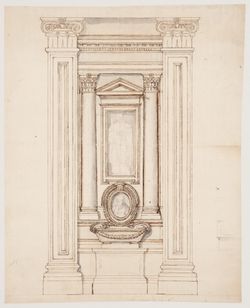
Chiara Baglione, chercheur en résidence, Devenir architecte, Rome VIII, Formation en architecture, Pietro da Cortona
Chiara Baglione, chercheur en résidence, Devenir architecte, Rome VIII, Formation en architecture, Pietro da Cortona
Date:
7 mars 2003
7 mars 2003
Classification:
événements
événements
Date:
7 mars 2003
7 mars 2003
Niveau de description archivistique:
Sous-série
Sous-série
Titre:
Documentation and notes
Documentation and notes
Numéro de référence:
AP149.S4.SS1
Description:
This sub-series documents McGill School of Architecture courses given predominantly by Vikram Bhatt and related to the activities of the Minimum Cost Housing Group. The material in this sub-series was produced between 1976 and 2008 and includes Vikram Bhatt's course syllabi, such as the syllabus for a seminar of on urban agriculture, as well as courses notes.
AP149.S4.SS1
Description:
This sub-series documents McGill School of Architecture courses given predominantly by Vikram Bhatt and related to the activities of the Minimum Cost Housing Group. The material in this sub-series was produced between 1976 and 2008 and includes Vikram Bhatt's course syllabi, such as the syllabus for a seminar of on urban agriculture, as well as courses notes.
Personnes et institutions:
Date:
1976-2008
1976-2008
Titre:
Documentation and notes
Actions:
AP149.S4.SS1
Description:
This sub-series documents McGill School of Architecture courses given predominantly by Vikram Bhatt and related to the activities of the Minimum Cost Housing Group. The material in this sub-series was produced between 1976 and 2008 and includes Vikram Bhatt's course syllabi, such as the syllabus for a seminar of on urban agriculture, as well as courses notes.
Documentation and notes
Actions:
AP149.S4.SS1
Description:
This sub-series documents McGill School of Architecture courses given predominantly by Vikram Bhatt and related to the activities of the Minimum Cost Housing Group. The material in this sub-series was produced between 1976 and 2008 and includes Vikram Bhatt's course syllabi, such as the syllabus for a seminar of on urban agriculture, as well as courses notes.
Niveau de description archivistique:
Sub-series
Sub-series
Date:
1976-2008
1976-2008
Personnes et institutions:
Niveau de description archivistique:
Projet
Projet
Numéro de référence:
AP046.S1.1983.PR02
Description:
This project documents Rose’s involvement with the design phase of the Old Port of Montreal Master Plan, Montréal, Québec and consists mainly of sketches, studies and presentation drawings for the redevelopment project with very few as built or architectural plans. The project materials reflect a Romantic design aesthetic and landscape development through numerous architectural design drawings for public amenities such as park benches, pedestrian walkways, various lighting sources, pavilions and fountains. This project also includes some of Rose’s submissions to the Faubourg Quebec development project which ran concurrent with the Old Port project. For the redevelopment of the Old Port of Montréal, Master Plan, Rose worked with the following firms: Cardinal Hardy e Associes, Chan Krieger & Associates, and Jodoin Lamarre Pratt. Rose was awarded a Progressive Architecture Urban Design Award (1992) and a Prix d’excellence for Urban Design from the Ordre des architectes du Québec (1993) for the realization of this urban project. The textual records in this project include budgets, correspondence, consultation documents, and intra office communiques as well as extensive research material on the history of the Old Port of Montreal including reproductions of historical photographs. The photographs in this project largely reflect the condition of the Old Port and Rue de la Commune prior to redevelopment and were used for reference and in presentation materials.
AP046.S1.1983.PR02
Description:
This project documents Rose’s involvement with the design phase of the Old Port of Montreal Master Plan, Montréal, Québec and consists mainly of sketches, studies and presentation drawings for the redevelopment project with very few as built or architectural plans. The project materials reflect a Romantic design aesthetic and landscape development through numerous architectural design drawings for public amenities such as park benches, pedestrian walkways, various lighting sources, pavilions and fountains. This project also includes some of Rose’s submissions to the Faubourg Quebec development project which ran concurrent with the Old Port project. For the redevelopment of the Old Port of Montréal, Master Plan, Rose worked with the following firms: Cardinal Hardy e Associes, Chan Krieger & Associates, and Jodoin Lamarre Pratt. Rose was awarded a Progressive Architecture Urban Design Award (1992) and a Prix d’excellence for Urban Design from the Ordre des architectes du Québec (1993) for the realization of this urban project. The textual records in this project include budgets, correspondence, consultation documents, and intra office communiques as well as extensive research material on the history of the Old Port of Montreal including reproductions of historical photographs. The photographs in this project largely reflect the condition of the Old Port and Rue de la Commune prior to redevelopment and were used for reference and in presentation materials.
Personnes et institutions:
Date:
1983-1992
1983-1992
Titre:
Old Port of Montreal Master Plan, Montréal, Québec
Actions:
AP046.S1.1983.PR02
Description:
This project documents Rose’s involvement with the design phase of the Old Port of Montreal Master Plan, Montréal, Québec and consists mainly of sketches, studies and presentation drawings for the redevelopment project with very few as built or architectural plans. The project materials reflect a Romantic design aesthetic and landscape development through numerous architectural design drawings for public amenities such as park benches, pedestrian walkways, various lighting sources, pavilions and fountains. This project also includes some of Rose’s submissions to the Faubourg Quebec development project which ran concurrent with the Old Port project. For the redevelopment of the Old Port of Montréal, Master Plan, Rose worked with the following firms: Cardinal Hardy e Associes, Chan Krieger & Associates, and Jodoin Lamarre Pratt. Rose was awarded a Progressive Architecture Urban Design Award (1992) and a Prix d’excellence for Urban Design from the Ordre des architectes du Québec (1993) for the realization of this urban project. The textual records in this project include budgets, correspondence, consultation documents, and intra office communiques as well as extensive research material on the history of the Old Port of Montreal including reproductions of historical photographs. The photographs in this project largely reflect the condition of the Old Port and Rue de la Commune prior to redevelopment and were used for reference and in presentation materials.
Old Port of Montreal Master Plan, Montréal, Québec
Actions:
AP046.S1.1983.PR02
Description:
This project documents Rose’s involvement with the design phase of the Old Port of Montreal Master Plan, Montréal, Québec and consists mainly of sketches, studies and presentation drawings for the redevelopment project with very few as built or architectural plans. The project materials reflect a Romantic design aesthetic and landscape development through numerous architectural design drawings for public amenities such as park benches, pedestrian walkways, various lighting sources, pavilions and fountains. This project also includes some of Rose’s submissions to the Faubourg Quebec development project which ran concurrent with the Old Port project. For the redevelopment of the Old Port of Montréal, Master Plan, Rose worked with the following firms: Cardinal Hardy e Associes, Chan Krieger & Associates, and Jodoin Lamarre Pratt. Rose was awarded a Progressive Architecture Urban Design Award (1992) and a Prix d’excellence for Urban Design from the Ordre des architectes du Québec (1993) for the realization of this urban project. The textual records in this project include budgets, correspondence, consultation documents, and intra office communiques as well as extensive research material on the history of the Old Port of Montreal including reproductions of historical photographs. The photographs in this project largely reflect the condition of the Old Port and Rue de la Commune prior to redevelopment and were used for reference and in presentation materials.
Niveau de description archivistique:
Project
Project
Date:
1983-1992
1983-1992
Personnes et institutions:
Classification:
dessins, photographies
dessins, photographies
Numéro de référence:
ARCH153752
Description:
views of plans and drawings for the AT&T building in New York City and the Glass House in New Canaan, Connecticut for the exhibition catalogue, "Philip Johnson, processes : the Glass House, 1949, and the AT&T Corporate Headquarters, 1978 : [exhibition] September 12 to October 31, 1978" / preface by Craig Owens ; introduction by Giorgio Ciucci ; [editor, Kenneth Frampton]. - New York, N.Y. : Institute for Architecture and Urban Studies, 1978?
ARCH153752
Description:
views of plans and drawings for the AT&T building in New York City and the Glass House in New Canaan, Connecticut for the exhibition catalogue, "Philip Johnson, processes : the Glass House, 1949, and the AT&T Corporate Headquarters, 1978 : [exhibition] September 12 to October 31, 1978" / preface by Craig Owens ; introduction by Giorgio Ciucci ; [editor, Kenneth Frampton]. - New York, N.Y. : Institute for Architecture and Urban Studies, 1978?
Personnes et institutions:
Date:
1978
1978
Titre:
Views of plans and drawings for the AT&T building in New York City and the Glass House
Actions:
ARCH153752
Description:
views of plans and drawings for the AT&T building in New York City and the Glass House in New Canaan, Connecticut for the exhibition catalogue, "Philip Johnson, processes : the Glass House, 1949, and the AT&T Corporate Headquarters, 1978 : [exhibition] September 12 to October 31, 1978" / preface by Craig Owens ; introduction by Giorgio Ciucci ; [editor, Kenneth Frampton]. - New York, N.Y. : Institute for Architecture and Urban Studies, 1978?
Views of plans and drawings for the AT&T building in New York City and the Glass House
Actions:
ARCH153752
Description:
views of plans and drawings for the AT&T building in New York City and the Glass House in New Canaan, Connecticut for the exhibition catalogue, "Philip Johnson, processes : the Glass House, 1949, and the AT&T Corporate Headquarters, 1978 : [exhibition] September 12 to October 31, 1978" / preface by Craig Owens ; introduction by Giorgio Ciucci ; [editor, Kenneth Frampton]. - New York, N.Y. : Institute for Architecture and Urban Studies, 1978?
Classification:
dessins, photographies
dessins, photographies
Date:
1978
1978
Personnes et institutions:
Niveau de description archivistique:
Projet
Projet
Numéro de référence:
AP206.S1.1975.PR01
Description:
This project series documents Aditya Prakash's proposal for an alternative plan for Chandigarh, India, which came to be known as the Linear City. Prakash began developing and advocating for this idea around the early 1970s. The Linear City had two fundamental ideas at its core. The first was to raise the roadways in Chandigarh (or any future city) 10-12 feet from ground level. This, he proposed, would separate vehicular traffic from pedestrians, eliminating all the hazardous impacts of traffic on daily life. The large part of the drawings for this project show sector plans and city blocks with evenly dispersed roundabout roadways as major transit hubs, wrapping around but high above centres of pedestrian activity that included shops, markets and green spaces. The sale of the land below the roadways would pay for the upheaval. He also recommended building this city only a few sectors deep, but endlessly expanding it length-wise, with a raised canal along one side to provide an additional transportation network and irrigation. The second fundamental idea of this city was the creation of self-sustaining sectors in the city plan, advocating that each neighbourhood should have the infrastructure to provide food and recycling for its residents. He fervently argued for the reimagination of modernist Chandigarh by incorporating sustainable, local traditions - the rural should exist in harmony with the urban. In opposition to Le Corbusier and Pierre Jeanneret, he believed areas for recycling, animal husbandry, and growing food should be incorporated into the fabric of the city.[1] This project is recorded largely through original drawings of city plans, perspectives and axonometric views detailing Prakash's new vision for the city. It seems that many of the perspectives were drawn by family friend Sandeep Virmani, after listening to Prakash's ideas.[2] The project is also recorded through photographs, negatives and slides showing plans and the project model. A small amount of notes and an article on the project are also included. [1]Vikramaditya Prakash, One Continuous Line: Art, Architecture and Urbanism of Aditya Prakash (Ahmedabad, India: Mapin Publishing Pvt. Ltd., 2019), 164-181. [2]Prakash, One Continuous Line, 169.
AP206.S1.1975.PR01
Description:
This project series documents Aditya Prakash's proposal for an alternative plan for Chandigarh, India, which came to be known as the Linear City. Prakash began developing and advocating for this idea around the early 1970s. The Linear City had two fundamental ideas at its core. The first was to raise the roadways in Chandigarh (or any future city) 10-12 feet from ground level. This, he proposed, would separate vehicular traffic from pedestrians, eliminating all the hazardous impacts of traffic on daily life. The large part of the drawings for this project show sector plans and city blocks with evenly dispersed roundabout roadways as major transit hubs, wrapping around but high above centres of pedestrian activity that included shops, markets and green spaces. The sale of the land below the roadways would pay for the upheaval. He also recommended building this city only a few sectors deep, but endlessly expanding it length-wise, with a raised canal along one side to provide an additional transportation network and irrigation. The second fundamental idea of this city was the creation of self-sustaining sectors in the city plan, advocating that each neighbourhood should have the infrastructure to provide food and recycling for its residents. He fervently argued for the reimagination of modernist Chandigarh by incorporating sustainable, local traditions - the rural should exist in harmony with the urban. In opposition to Le Corbusier and Pierre Jeanneret, he believed areas for recycling, animal husbandry, and growing food should be incorporated into the fabric of the city.[1] This project is recorded largely through original drawings of city plans, perspectives and axonometric views detailing Prakash's new vision for the city. It seems that many of the perspectives were drawn by family friend Sandeep Virmani, after listening to Prakash's ideas.[2] The project is also recorded through photographs, negatives and slides showing plans and the project model. A small amount of notes and an article on the project are also included. [1]Vikramaditya Prakash, One Continuous Line: Art, Architecture and Urbanism of Aditya Prakash (Ahmedabad, India: Mapin Publishing Pvt. Ltd., 2019), 164-181. [2]Prakash, One Continuous Line, 169.
Personnes et institutions:
Date:
circa 1975-2003
circa 1975-2003
Titre:
Linear city, Chandigarh, India (circa 1975-1987)
Actions:
AP206.S1.1975.PR01
Description:
This project series documents Aditya Prakash's proposal for an alternative plan for Chandigarh, India, which came to be known as the Linear City. Prakash began developing and advocating for this idea around the early 1970s. The Linear City had two fundamental ideas at its core. The first was to raise the roadways in Chandigarh (or any future city) 10-12 feet from ground level. This, he proposed, would separate vehicular traffic from pedestrians, eliminating all the hazardous impacts of traffic on daily life. The large part of the drawings for this project show sector plans and city blocks with evenly dispersed roundabout roadways as major transit hubs, wrapping around but high above centres of pedestrian activity that included shops, markets and green spaces. The sale of the land below the roadways would pay for the upheaval. He also recommended building this city only a few sectors deep, but endlessly expanding it length-wise, with a raised canal along one side to provide an additional transportation network and irrigation. The second fundamental idea of this city was the creation of self-sustaining sectors in the city plan, advocating that each neighbourhood should have the infrastructure to provide food and recycling for its residents. He fervently argued for the reimagination of modernist Chandigarh by incorporating sustainable, local traditions - the rural should exist in harmony with the urban. In opposition to Le Corbusier and Pierre Jeanneret, he believed areas for recycling, animal husbandry, and growing food should be incorporated into the fabric of the city.[1] This project is recorded largely through original drawings of city plans, perspectives and axonometric views detailing Prakash's new vision for the city. It seems that many of the perspectives were drawn by family friend Sandeep Virmani, after listening to Prakash's ideas.[2] The project is also recorded through photographs, negatives and slides showing plans and the project model. A small amount of notes and an article on the project are also included. [1]Vikramaditya Prakash, One Continuous Line: Art, Architecture and Urbanism of Aditya Prakash (Ahmedabad, India: Mapin Publishing Pvt. Ltd., 2019), 164-181. [2]Prakash, One Continuous Line, 169.
Linear city, Chandigarh, India (circa 1975-1987)
Actions:
AP206.S1.1975.PR01
Description:
This project series documents Aditya Prakash's proposal for an alternative plan for Chandigarh, India, which came to be known as the Linear City. Prakash began developing and advocating for this idea around the early 1970s. The Linear City had two fundamental ideas at its core. The first was to raise the roadways in Chandigarh (or any future city) 10-12 feet from ground level. This, he proposed, would separate vehicular traffic from pedestrians, eliminating all the hazardous impacts of traffic on daily life. The large part of the drawings for this project show sector plans and city blocks with evenly dispersed roundabout roadways as major transit hubs, wrapping around but high above centres of pedestrian activity that included shops, markets and green spaces. The sale of the land below the roadways would pay for the upheaval. He also recommended building this city only a few sectors deep, but endlessly expanding it length-wise, with a raised canal along one side to provide an additional transportation network and irrigation. The second fundamental idea of this city was the creation of self-sustaining sectors in the city plan, advocating that each neighbourhood should have the infrastructure to provide food and recycling for its residents. He fervently argued for the reimagination of modernist Chandigarh by incorporating sustainable, local traditions - the rural should exist in harmony with the urban. In opposition to Le Corbusier and Pierre Jeanneret, he believed areas for recycling, animal husbandry, and growing food should be incorporated into the fabric of the city.[1] This project is recorded largely through original drawings of city plans, perspectives and axonometric views detailing Prakash's new vision for the city. It seems that many of the perspectives were drawn by family friend Sandeep Virmani, after listening to Prakash's ideas.[2] The project is also recorded through photographs, negatives and slides showing plans and the project model. A small amount of notes and an article on the project are also included. [1]Vikramaditya Prakash, One Continuous Line: Art, Architecture and Urbanism of Aditya Prakash (Ahmedabad, India: Mapin Publishing Pvt. Ltd., 2019), 164-181. [2]Prakash, One Continuous Line, 169.
Niveau de description archivistique:
Project
Project
Date:
circa 1975-2003
circa 1975-2003
Personnes et institutions:


