


13794 Résultats
Classification:
livres
livres
Titre:
Design and truth
Design and truth
Actions:
Prix:
$18.95
(disponible sur commande)
Résumé:
From the ornate cathedrals of Renaissance Europe to the much-maligned Ford Edsel of the late 1950s, all products of human design communicate much more than their mere intended functions. Design holds both psychological and moral power over us, and these forces may be manipulated, however subtly, to surprising effect. In an argument that touches upon subjects as seemingly(...)
$18.95
(disponible sur commande)
Résumé:
From the ornate cathedrals of Renaissance Europe to the much-maligned Ford Edsel of the late 1950s, all products of human design communicate much more than their mere intended functions. Design holds both psychological and moral power over us, and these forces may be manipulated, however subtly, to surprising effect. In an argument that touches upon subjects as seemingly(...)
Titre:
Design and truth
Actions:
Prix:
$18.95
(disponible sur commande)
Résumé:
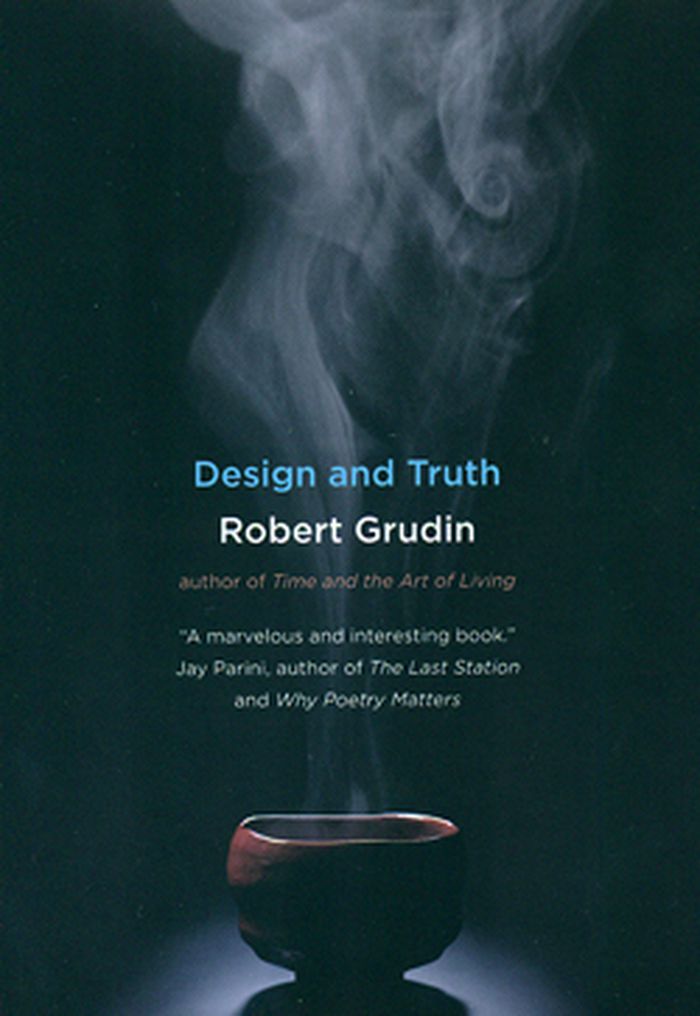
From the ornate cathedrals of Renaissance Europe to the much-maligned Ford Edsel of the late 1950s, all products of human design communicate much more than their mere intended functions. Design holds both psychological and moral power over us, and these forces may be manipulated, however subtly, to surprising effect. In an argument that touches upon subjects as seemingly unrelated as the Japanese tea ceremony, Italian mannerist painting, and Thomas Jefferson’s Monticello plantation, Grudin turns his attention to the role of design in our daily lives, focusing especially on how political and economic powers impress themselves on us through the built environment.
Design and truth
Actions:
Prix:
$18.95
(disponible sur commande)
Résumé:
From the ornate cathedrals of Renaissance Europe to the much-maligned Ford Edsel of the late 1950s, all products of human design communicate much more than their mere intended functions. Design holds both psychological and moral power over us, and these forces may be manipulated, however subtly, to surprising effect. In an argument that touches upon subjects as seemingly unrelated as the Japanese tea ceremony, Italian mannerist painting, and Thomas Jefferson’s Monticello plantation, Grudin turns his attention to the role of design in our daily lives, focusing especially on how political and economic powers impress themselves on us through the built environment.
Classification:
livres
livres
Publication:
mai 2011
mai 2011
Sujet:
Théorie du design
Théorie du design
Classification:
livres
livres
Titre:
Dessine-moi une ville:
Dessine-moi une ville:
Actions:
Prix:
$66.95
(disponible sur commande)
Résumé:
Penser, c'est dessiner, c'est représenter. Dessiner, c'est s'approprier un site, imaginer sa transformation, faire rêver, donner envie, ouvrir un dialogue fécond. Ce livre arrive à un moment charnière de la production de l'urbain : évolution des outils numériques, participation accrue du public, désir d'images et de débats sur la ville. Il offre un kaléidoscope des(...)
$66.95
(disponible sur commande)
Résumé:
Penser, c'est dessiner, c'est représenter. Dessiner, c'est s'approprier un site, imaginer sa transformation, faire rêver, donner envie, ouvrir un dialogue fécond. Ce livre arrive à un moment charnière de la production de l'urbain : évolution des outils numériques, participation accrue du public, désir d'images et de débats sur la ville. Il offre un kaléidoscope des(...)
Titre:
Dessine-moi une ville:
Actions:
Prix:
$66.95
(disponible sur commande)
Résumé:
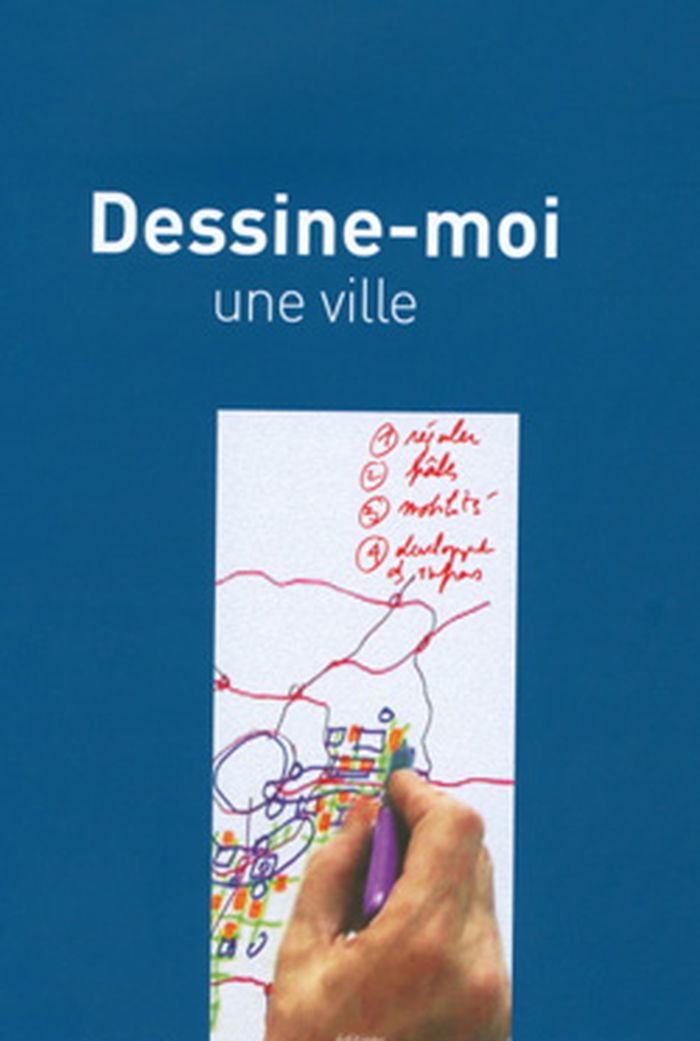
Penser, c'est dessiner, c'est représenter. Dessiner, c'est s'approprier un site, imaginer sa transformation, faire rêver, donner envie, ouvrir un dialogue fécond. Ce livre arrive à un moment charnière de la production de l'urbain : évolution des outils numériques, participation accrue du public, désir d'images et de débats sur la ville. Il offre un kaléidoscope des expériences en cours, des propos de grands professionnels de l'urbanisme, un état des lieux technique, ainsi qu'une réflexion prospective en la matière. Bouleversés par les avancées rapides des jeux vidéo et des nouveaux mondes virtuels, les modes de représentation de la ville ne peuvent se substituer au talent, à l'imagination et à la clarté des stratégies urbaines.
Dessine-moi une ville:
Actions:
Prix:
$66.95
(disponible sur commande)
Résumé:
Penser, c'est dessiner, c'est représenter. Dessiner, c'est s'approprier un site, imaginer sa transformation, faire rêver, donner envie, ouvrir un dialogue fécond. Ce livre arrive à un moment charnière de la production de l'urbain : évolution des outils numériques, participation accrue du public, désir d'images et de débats sur la ville. Il offre un kaléidoscope des expériences en cours, des propos de grands professionnels de l'urbanisme, un état des lieux technique, ainsi qu'une réflexion prospective en la matière. Bouleversés par les avancées rapides des jeux vidéo et des nouveaux mondes virtuels, les modes de représentation de la ville ne peuvent se substituer au talent, à l'imagination et à la clarté des stratégies urbaines.
Classification:
livres
livres
Publication:
janvier 2011
janvier 2011
Sujet:
Théorie de l’urbanisme
Théorie de l’urbanisme
Classification:
livres
livres
Titre:
Where art belongs
Where art belongs
Actions:
Prix:
$18.95
(disponible sur commande)
Résumé:
Chronicling the sometimes doomed but persistently heroic efforts of small groups of artists to reclaim public space and time, this publication describes the trend towards collectivity manifested in the visual art world during the past decade, and the small forms of resistance to digital disembodiment and the hegemony of the entertainment/media/culture industry. For all(...)
$18.95
(disponible sur commande)
Résumé:
Chronicling the sometimes doomed but persistently heroic efforts of small groups of artists to reclaim public space and time, this publication describes the trend towards collectivity manifested in the visual art world during the past decade, and the small forms of resistance to digital disembodiment and the hegemony of the entertainment/media/culture industry. For all(...)
Titre:
Where art belongs
Actions:
Prix:
$18.95
(disponible sur commande)
Résumé:
Chronicling the sometimes doomed but persistently heroic efforts of small groups of artists to reclaim public space and time, this publication describes the trend towards collectivity manifested in the visual art world during the past decade, and the small forms of resistance to digital disembodiment and the hegemony of the entertainment/media/culture industry. For all its faults, Kraus argues, the art world remains the last frontier for the desire to live differently.
Where art belongs
Actions:
Prix:
$18.95
(disponible sur commande)
Résumé:
Chronicling the sometimes doomed but persistently heroic efforts of small groups of artists to reclaim public space and time, this publication describes the trend towards collectivity manifested in the visual art world during the past decade, and the small forms of resistance to digital disembodiment and the hegemony of the entertainment/media/culture industry. For all its faults, Kraus argues, the art world remains the last frontier for the desire to live differently.
Classification:
livres
livres
Publication:
février 2011
février 2011
Sujet:
Théorie de l’art
Théorie de l’art
Classification:
livres
livres
Prix:
$34.95
(disponible sur commande)
Résumé:
Longtemps, les villes ont été dépendantes de leur environnement. C'est désormais l'environnement qui est dépendant des villes. Et si, loin d'être un problème, la ville était dorénavant une solution aux défis environnementaux ? Convergences et divergences des positions et des points de vue autorisent un portrait contrasté des modes de vie urbains contemporains. Quelles(...)
$34.95
(disponible sur commande)
Résumé:
Longtemps, les villes ont été dépendantes de leur environnement. C'est désormais l'environnement qui est dépendant des villes. Et si, loin d'être un problème, la ville était dorénavant une solution aux défis environnementaux ? Convergences et divergences des positions et des points de vue autorisent un portrait contrasté des modes de vie urbains contemporains. Quelles(...)
Titre:
Villes à vivre: Modes de vie urbains et défis environnementaux
Actions:
Prix:
$34.95
(disponible sur commande)
Résumé:
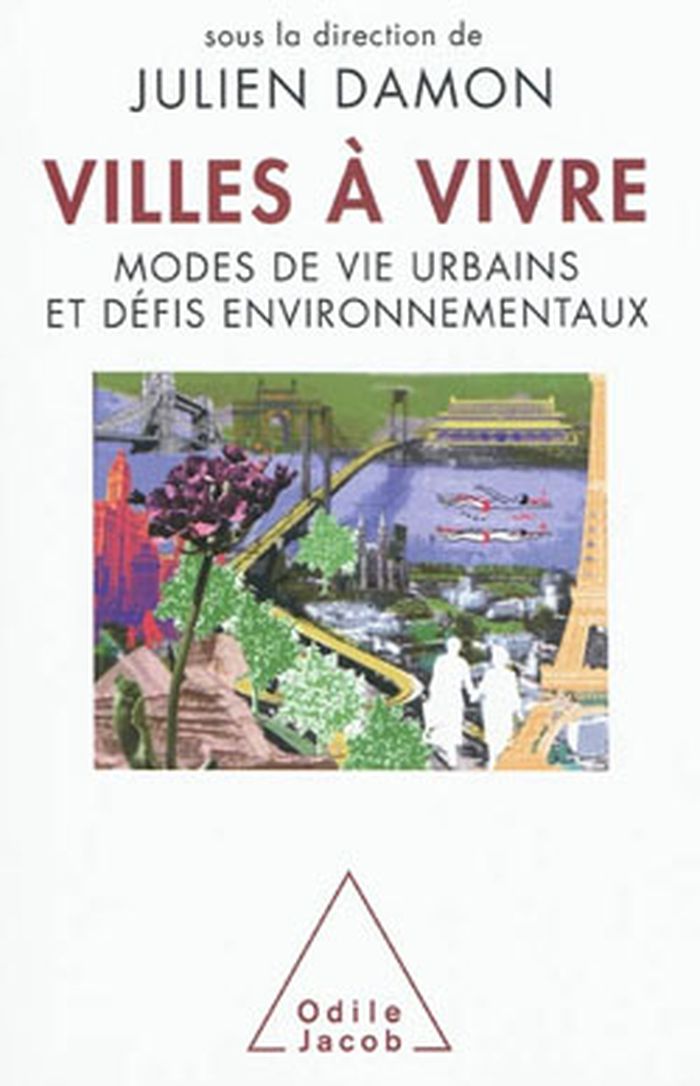
Longtemps, les villes ont été dépendantes de leur environnement. C'est désormais l'environnement qui est dépendant des villes. Et si, loin d'être un problème, la ville était dorénavant une solution aux défis environnementaux ? Convergences et divergences des positions et des points de vue autorisent un portrait contrasté des modes de vie urbains contemporains. Quelles sont les tendances à l'oeuvre ? À quoi se disent prêts les habitants ? A qui font-ils confiance ? Interrogés dans sept grandes agglomérations urbaines aux quatre coins de la planète (Bombay, Chicago, Le Caire, Londres, Paris, Pékin, Sao Paulo) par l'Observatoire Veolia des modes de vie urbains, les citadins font part de leurs situations, aspirations, évaluations en ce qui concerne leur vie en ville. En complément et en miroir de ces opinions, des experts du monde entier apportent leurs observations, illustrations et préconisations sur la ville d'aujourd'hui et de demain.
Villes à vivre: Modes de vie urbains et défis environnementaux
Actions:
Prix:
$34.95
(disponible sur commande)
Résumé:
Longtemps, les villes ont été dépendantes de leur environnement. C'est désormais l'environnement qui est dépendant des villes. Et si, loin d'être un problème, la ville était dorénavant une solution aux défis environnementaux ? Convergences et divergences des positions et des points de vue autorisent un portrait contrasté des modes de vie urbains contemporains. Quelles sont les tendances à l'oeuvre ? À quoi se disent prêts les habitants ? A qui font-ils confiance ? Interrogés dans sept grandes agglomérations urbaines aux quatre coins de la planète (Bombay, Chicago, Le Caire, Londres, Paris, Pékin, Sao Paulo) par l'Observatoire Veolia des modes de vie urbains, les citadins font part de leurs situations, aspirations, évaluations en ce qui concerne leur vie en ville. En complément et en miroir de ces opinions, des experts du monde entier apportent leurs observations, illustrations et préconisations sur la ville d'aujourd'hui et de demain.
Classification:
livres
livres
Publication:
janvier 2011
janvier 2011
Sujet:
Théorie de l’urbanisme
Théorie de l’urbanisme
Classification:
livres
livres
Actions:
Prix:
$51.95
(disponible sur commande)
Résumé:
Les dépenses liées au logement représentent près du cinquième du budget des ménages. Le manque de logements est un thème récurrent, souvent douloureux, du débat public. Aussi, l'Etat et les collectivités territoriales consacrent des sommes considérables à ce secteur, et la question du logement soulève des polémiques récurrentes qui s'alimentent de nombreuses(...)
$51.95
(disponible sur commande)
Résumé:
Les dépenses liées au logement représentent près du cinquième du budget des ménages. Le manque de logements est un thème récurrent, souvent douloureux, du débat public. Aussi, l'Etat et les collectivités territoriales consacrent des sommes considérables à ce secteur, et la question du logement soulève des polémiques récurrentes qui s'alimentent de nombreuses(...)
Titre:
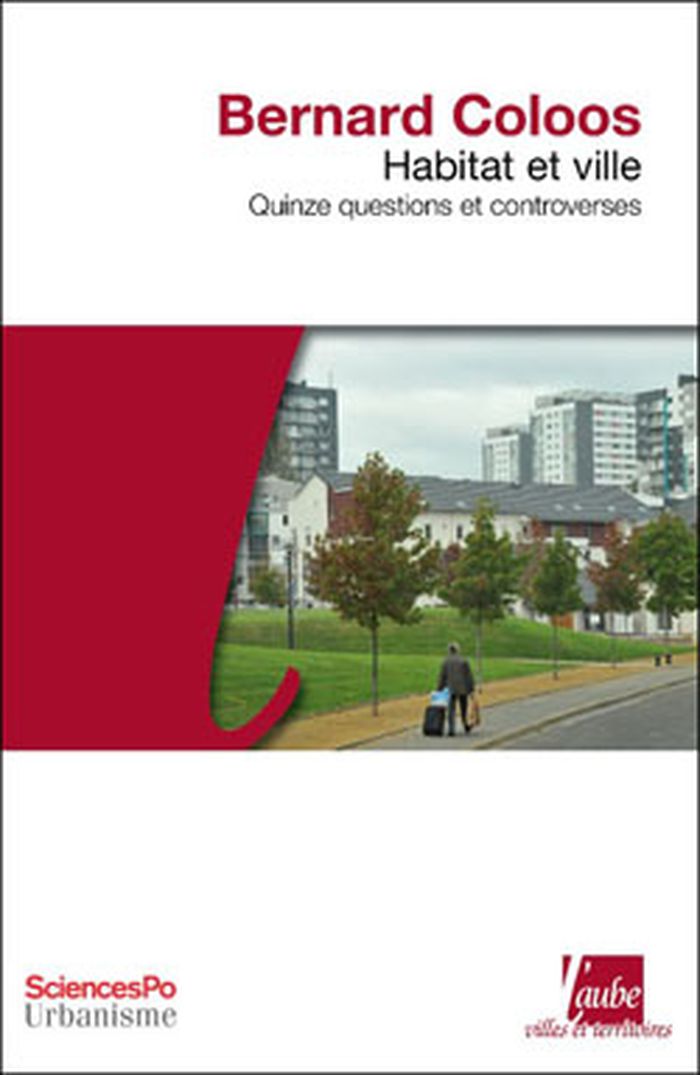
Habitat et ville: Quinze questions et controverses
Actions:
Prix:
$51.95
(disponible sur commande)
Résumé:
Les dépenses liées au logement représentent près du cinquième du budget des ménages. Le manque de logements est un thème récurrent, souvent douloureux, du débat public. Aussi, l'Etat et les collectivités territoriales consacrent des sommes considérables à ce secteur, et la question du logement soulève des polémiques récurrentes qui s'alimentent de nombreuses contradictions. L'auteur souligne ici la complexité de ces sujets en présentant simultanément les connaissances disponibles et les diverses thèses en présence. L'ouvrage s'organise autour de quinze grandes interrogations dont l'auteur ne craint pas de présenter les incertitudes et les controverses. Fruit de plusieurs années d'enseignement au Cycle d'Urbanisme de Sciences Po, les questions essentielles comme l'accès au crédit, les besoins en logement, la vente HLM, etc., sont davantage traitées pour en comprendre les enjeux que sur le plan des techniques propres aux économistes ou autres acteurs.
Habitat et ville: Quinze questions et controverses
Actions:
Prix:
$51.95
(disponible sur commande)
Résumé:
Les dépenses liées au logement représentent près du cinquième du budget des ménages. Le manque de logements est un thème récurrent, souvent douloureux, du débat public. Aussi, l'Etat et les collectivités territoriales consacrent des sommes considérables à ce secteur, et la question du logement soulève des polémiques récurrentes qui s'alimentent de nombreuses contradictions. L'auteur souligne ici la complexité de ces sujets en présentant simultanément les connaissances disponibles et les diverses thèses en présence. L'ouvrage s'organise autour de quinze grandes interrogations dont l'auteur ne craint pas de présenter les incertitudes et les controverses. Fruit de plusieurs années d'enseignement au Cycle d'Urbanisme de Sciences Po, les questions essentielles comme l'accès au crédit, les besoins en logement, la vente HLM, etc., sont davantage traitées pour en comprendre les enjeux que sur le plan des techniques propres aux économistes ou autres acteurs.
Classification:
livres
livres
Publication:
novembre 2011
novembre 2011
Sujet:
Théorie de l’urbanisme
Théorie de l’urbanisme
Classification:
livres
livres
Actions:
Prix:
$24.95
(disponible sur commande)
Résumé:
Ce Grand Prix de l'urbanisme offre l'opportunité d'expliciter le rôle de l'aménageur ou du maître d'ouvrage urbain, et ses méthodes pour passer de l'intention à la réalisation en enrichissant le projet d'apports multiples d'artistes, écrivains, architectes, urbanistes, entrepreneurs... Peu connu, ce rôle est stratégique pour aider les élus à traduire leurs rêves en(...)
$24.95
(disponible sur commande)
Résumé:
Ce Grand Prix de l'urbanisme offre l'opportunité d'expliciter le rôle de l'aménageur ou du maître d'ouvrage urbain, et ses méthodes pour passer de l'intention à la réalisation en enrichissant le projet d'apports multiples d'artistes, écrivains, architectes, urbanistes, entrepreneurs... Peu connu, ce rôle est stratégique pour aider les élus à traduire leurs rêves en(...)
Titre:
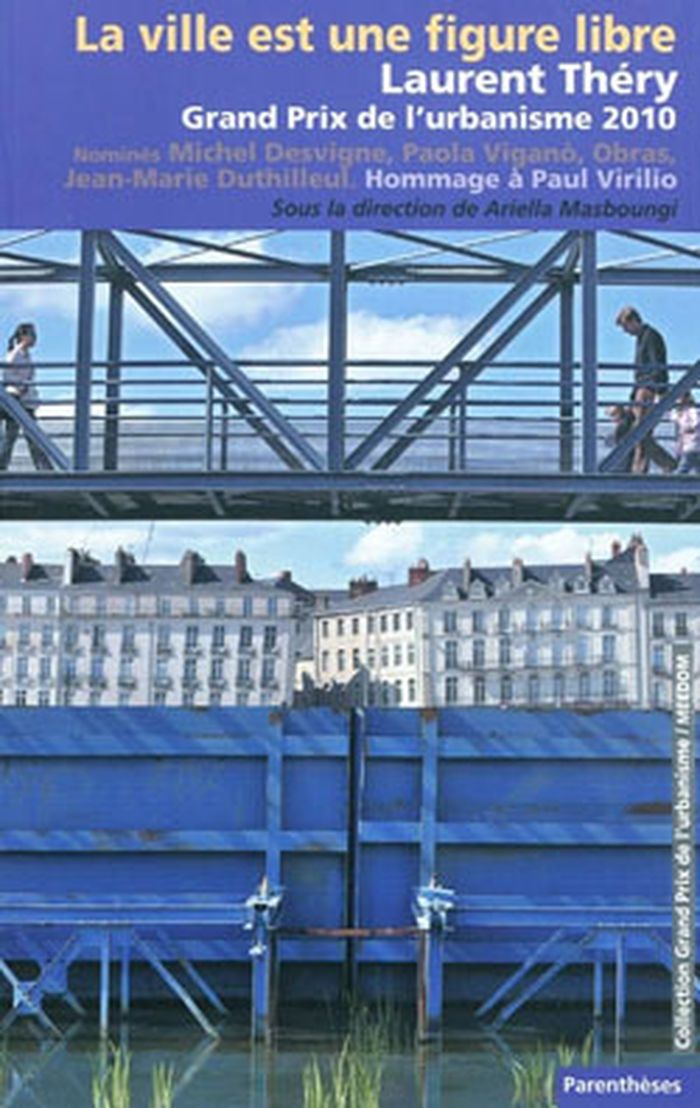
La ville est une figure libre: Laurent Théry Grand Prix de l'urbanisme 2010
Actions:
Prix:
$24.95
(disponible sur commande)
Résumé:
Ce Grand Prix de l'urbanisme offre l'opportunité d'expliciter le rôle de l'aménageur ou du maître d'ouvrage urbain, et ses méthodes pour passer de l'intention à la réalisation en enrichissant le projet d'apports multiples d'artistes, écrivains, architectes, urbanistes, entrepreneurs... Peu connu, ce rôle est stratégique pour aider les élus à traduire leurs rêves en réalités tangibles. Aux côtés de Laurent Théry, le palmarès 2010 illustre différentes facettes de l'urbanisme : Paul Virilio, à qui un hommage est rendu, alerte sur les effets croisés de la mondialisation, du réchauffement climatique et de la vitesse ; Michel Desvigne indique les pistes d'une refondation de l'urbanisme sur les acquis du paysage ; Jean-Marie Duthilleul offre son apport sur le lien entre le transport et l'urbanisme ; Paola Viganô défend une ville poreuse qui sait négocier avec les menaces environnementales et sociales ; Obras fonde son apport sur le sensible et le paysag
La ville est une figure libre: Laurent Théry Grand Prix de l'urbanisme 2010
Actions:
Prix:
$24.95
(disponible sur commande)
Résumé:
Ce Grand Prix de l'urbanisme offre l'opportunité d'expliciter le rôle de l'aménageur ou du maître d'ouvrage urbain, et ses méthodes pour passer de l'intention à la réalisation en enrichissant le projet d'apports multiples d'artistes, écrivains, architectes, urbanistes, entrepreneurs... Peu connu, ce rôle est stratégique pour aider les élus à traduire leurs rêves en réalités tangibles. Aux côtés de Laurent Théry, le palmarès 2010 illustre différentes facettes de l'urbanisme : Paul Virilio, à qui un hommage est rendu, alerte sur les effets croisés de la mondialisation, du réchauffement climatique et de la vitesse ; Michel Desvigne indique les pistes d'une refondation de l'urbanisme sur les acquis du paysage ; Jean-Marie Duthilleul offre son apport sur le lien entre le transport et l'urbanisme ; Paola Viganô défend une ville poreuse qui sait négocier avec les menaces environnementales et sociales ; Obras fonde son apport sur le sensible et le paysag
Classification:
livres
livres
Publication:
novembre 2011
novembre 2011
Sujet:
Théorie de l’urbanisme
Théorie de l’urbanisme
Classification:
livres
livres
Titre:
Architecture as a craft
Architecture as a craft
Actions:
Prix:
$69.95
(disponible sur commande)
Résumé:
Based on a 2009 symposium at the Delft University of Technology, the fifteen essays in Architecture as a Craft present architecture as a self-contained craft discipline. Social demands upon architects are increasing, for instance that of sustainability, with strict requirements imposed before designs are even considered. The book's contributors argue that the structure(...)
$69.95
(disponible sur commande)
Résumé:
Based on a 2009 symposium at the Delft University of Technology, the fifteen essays in Architecture as a Craft present architecture as a self-contained craft discipline. Social demands upon architects are increasing, for instance that of sustainability, with strict requirements imposed before designs are even considered. The book's contributors argue that the structure(...)
Titre:
Architecture as a craft
Actions:
Prix:
$69.95
(disponible sur commande)
Résumé:
Based on a 2009 symposium at the Delft University of Technology, the fifteen essays in Architecture as a Craft present architecture as a self-contained craft discipline. Social demands upon architects are increasing, for instance that of sustainability, with strict requirements imposed before designs are even considered. The book's contributors argue that the structure and integrity of designs – their craft – must underlie projects before external influences play a role. The architect's craft is approached from three perspectives: the outlook and position of the architect, the composition of designs, and the choice of building materials, emphasising how architects can communicate and justify their craft-based choices.
Architecture as a craft
Actions:
Prix:
$69.95
(disponible sur commande)
Résumé:
Based on a 2009 symposium at the Delft University of Technology, the fifteen essays in Architecture as a Craft present architecture as a self-contained craft discipline. Social demands upon architects are increasing, for instance that of sustainability, with strict requirements imposed before designs are even considered. The book's contributors argue that the structure and integrity of designs – their craft – must underlie projects before external influences play a role. The architect's craft is approached from three perspectives: the outlook and position of the architect, the composition of designs, and the choice of building materials, emphasising how architects can communicate and justify their craft-based choices.
Classification:
livres
livres
Publication:
mars 2011
mars 2011
Sujet:
Théorie de l’architecture
Théorie de l’architecture
Classification:
livres
livres

Titre:
Arctic dreams
Arctic dreams
Actions:
Prix:
$19.95
(disponible sur commande)
Résumé:
Lopez offers a thorough examination of this obscure world - its terrain, its wildlife, its history of Natives and the intrepid explorers who have arrived on their icy shores. But what turns this marvelous work of natural history into a breathtaking study of profound originality is his unique meditation on how the landscape can shape our imagination, desires, and dreams.
$19.95
(disponible sur commande)
Résumé:
Lopez offers a thorough examination of this obscure world - its terrain, its wildlife, its history of Natives and the intrepid explorers who have arrived on their icy shores. But what turns this marvelous work of natural history into a breathtaking study of profound originality is his unique meditation on how the landscape can shape our imagination, desires, and dreams.
Titre:
Arctic dreams
Actions:
Prix:
$19.95
(disponible sur commande)
Résumé:
Lopez offers a thorough examination of this obscure world - its terrain, its wildlife, its history of Natives and the intrepid explorers who have arrived on their icy shores. But what turns this marvelous work of natural history into a breathtaking study of profound originality is his unique meditation on how the landscape can shape our imagination, desires, and dreams.
Arctic dreams
Actions:
Prix:
$19.95
(disponible sur commande)
Résumé:
Lopez offers a thorough examination of this obscure world - its terrain, its wildlife, its history of Natives and the intrepid explorers who have arrived on their icy shores. But what turns this marvelous work of natural history into a breathtaking study of profound originality is his unique meditation on how the landscape can shape our imagination, desires, and dreams.
Classification:
livres
livres
Publication:
mars 2011
mars 2011
Sujet:
Théorie du paysage
Théorie du paysage
Classification:
livres
livres
Actions:
Prix:
$43.95
(disponible sur commande)
Résumé:
Written by some philosophers in the field of aesthetics as well as those in the architectural profession, essays in this book relate architecture to other artforms such as photography, literature and painting.
$43.95
(disponible sur commande)
Résumé:
Written by some philosophers in the field of aesthetics as well as those in the architectural profession, essays in this book relate architecture to other artforms such as photography, literature and painting.
Titre:
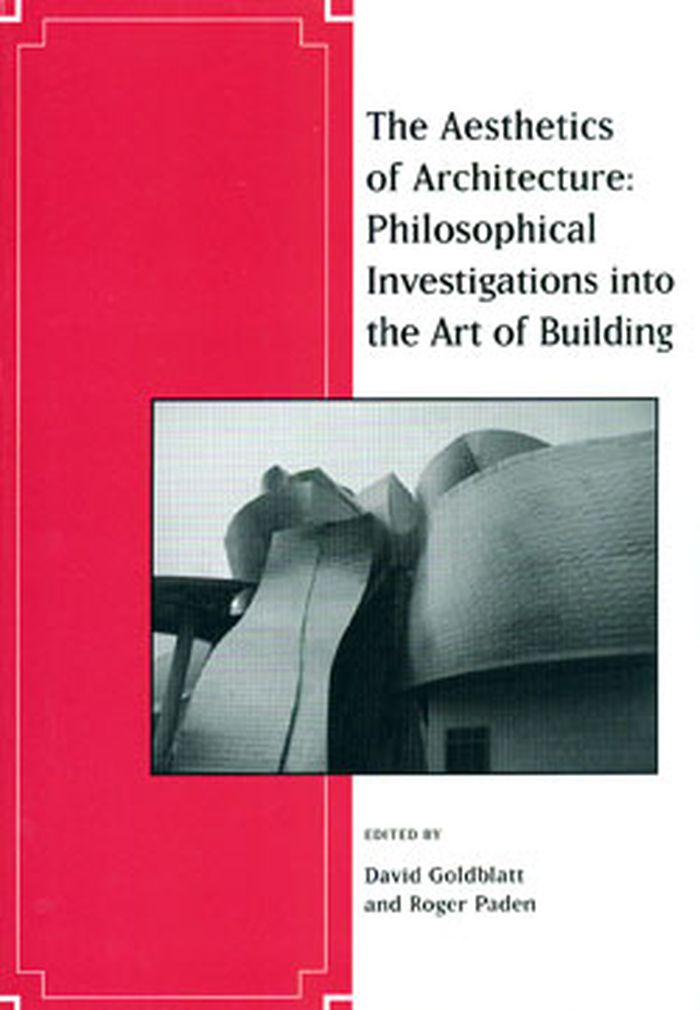
The aesthetics of architecture : philosophical inverstigations into the art of building
Actions:
Prix:
$43.95
(disponible sur commande)
Résumé:
Written by some philosophers in the field of aesthetics as well as those in the architectural profession, essays in this book relate architecture to other artforms such as photography, literature and painting.
The aesthetics of architecture : philosophical inverstigations into the art of building
Actions:
Prix:
$43.95
(disponible sur commande)
Résumé:
Written by some philosophers in the field of aesthetics as well as those in the architectural profession, essays in this book relate architecture to other artforms such as photography, literature and painting.
Classification:
livres
livres
Publication:
mars 2011
mars 2011
Sujet:
Théorie de l’architecture
Théorie de l’architecture
Classification:
livres
livres
Actions:
Prix:
$50.00
(disponible sur commande)
Résumé:
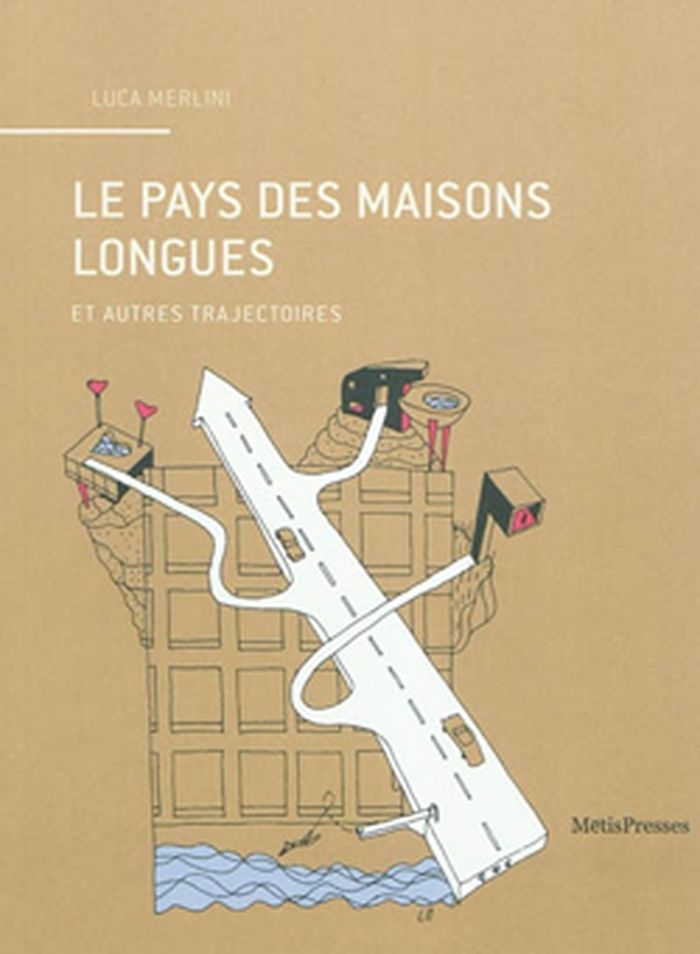
La longue chaîne des évidences quotidiennes pour les architectes et urbanistes est ici transposée dans la fiction pour être ensuite appréhendée selon de nouvelles perspectives. Dans cet essai, à chaque étape du projet et de la réalisation, des perspectives imaginaires stimulent et interrogent la pratique architecturale ainsi que l'environnement social.
$50.00
(disponible sur commande)
Résumé:
La longue chaîne des évidences quotidiennes pour les architectes et urbanistes est ici transposée dans la fiction pour être ensuite appréhendée selon de nouvelles perspectives. Dans cet essai, à chaque étape du projet et de la réalisation, des perspectives imaginaires stimulent et interrogent la pratique architecturale ainsi que l'environnement social.
Titre:
Les pays des maisons longues et autres trajectoires
Actions:
Prix:
$50.00
(disponible sur commande)
Résumé:
La longue chaîne des évidences quotidiennes pour les architectes et urbanistes est ici transposée dans la fiction pour être ensuite appréhendée selon de nouvelles perspectives. Dans cet essai, à chaque étape du projet et de la réalisation, des perspectives imaginaires stimulent et interrogent la pratique architecturale ainsi que l'environnement social.
Les pays des maisons longues et autres trajectoires
Actions:
Prix:
$50.00
(disponible sur commande)
Résumé:
La longue chaîne des évidences quotidiennes pour les architectes et urbanistes est ici transposée dans la fiction pour être ensuite appréhendée selon de nouvelles perspectives. Dans cet essai, à chaque étape du projet et de la réalisation, des perspectives imaginaires stimulent et interrogent la pratique architecturale ainsi que l'environnement social.
Classification:
livres
livres
Publication:
janvier 2010
janvier 2010
Sujet:
Théorie de l’architecture
Théorie de l’architecture


