


6653 Résultats
Classification:
livres
livres
Prix:
$52.00
(disponible sur commande)
Résumé:
In an age of globalization and connectivity, the idea of "mainstream culture" has become quaint. Websites, magazines, books, and television have all honed in on ever-diversifying subcultures, hoping to carve out niche audiences that grow savvier and more narrowly sliced by the day. Consequently, the discipline of graphic design has undergone a sea change. Where visual(...)
$52.00
(disponible sur commande)
Résumé:
In an age of globalization and connectivity, the idea of "mainstream culture" has become quaint. Websites, magazines, books, and television have all honed in on ever-diversifying subcultures, hoping to carve out niche audiences that grow savvier and more narrowly sliced by the day. Consequently, the discipline of graphic design has undergone a sea change. Where visual(...)
Titre:
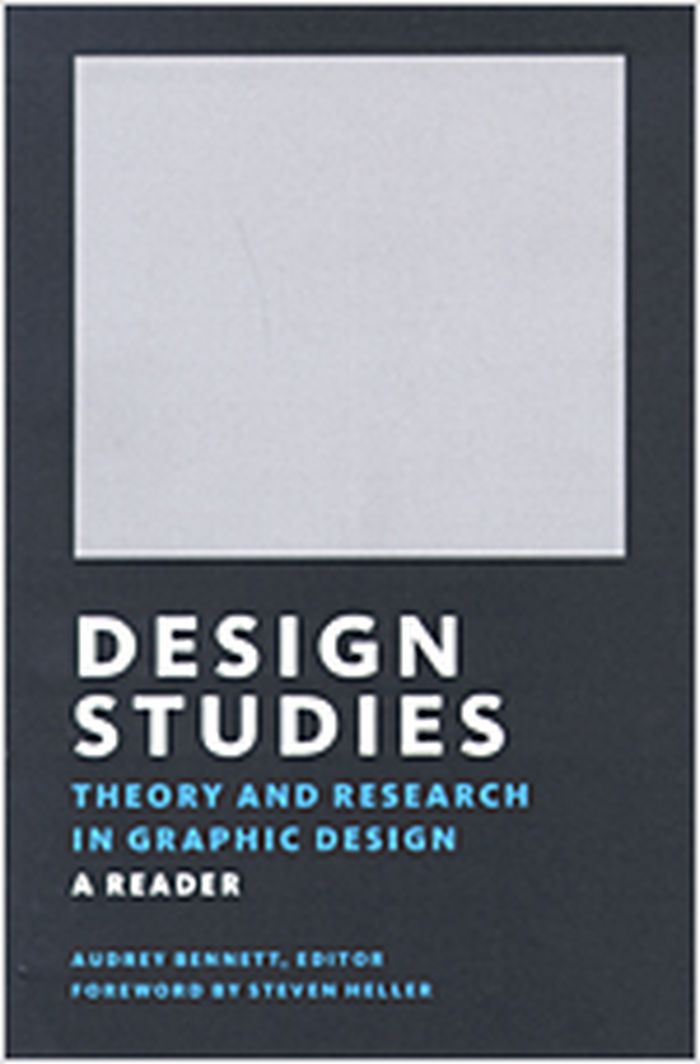
Design studies : theory and research in graphic design, a reader
Actions:
Prix:
$52.00
(disponible sur commande)
Résumé:
In an age of globalization and connectivity, the idea of "mainstream culture" has become quaint. Websites, magazines, books, and television have all honed in on ever-diversifying subcultures, hoping to carve out niche audiences that grow savvier and more narrowly sliced by the day. Consequently, the discipline of graphic design has undergone a sea change. Where visual communication was once informed by a designer's creative intuition, the proliferation of specialized audiences now calls for more research-based design processes. Designers who ignore research run the risk of becoming mere tools for communication rather than bold voices. "Design studies", a collection of 27 essays from international design researchers, sets out to mend this schism between research and practice. The texts presented here make an argument for performing rigorous experimentation and analysis. Each author outlines methods in which research has aided their design — whether by investigating how senior citizens react to design aesthetics, how hip hop culture can influence design, or how design for Third World nations is affected by cultural differences. Contributors also outline inspired ways in which design educators can teach research methods to their students. Finally, "Design Studies" is rounded out by five annotated bibliographies to further aid designers in their research.
Design studies : theory and research in graphic design, a reader
Actions:
Prix:
$52.00
(disponible sur commande)
Résumé:
In an age of globalization and connectivity, the idea of "mainstream culture" has become quaint. Websites, magazines, books, and television have all honed in on ever-diversifying subcultures, hoping to carve out niche audiences that grow savvier and more narrowly sliced by the day. Consequently, the discipline of graphic design has undergone a sea change. Where visual communication was once informed by a designer's creative intuition, the proliferation of specialized audiences now calls for more research-based design processes. Designers who ignore research run the risk of becoming mere tools for communication rather than bold voices. "Design studies", a collection of 27 essays from international design researchers, sets out to mend this schism between research and practice. The texts presented here make an argument for performing rigorous experimentation and analysis. Each author outlines methods in which research has aided their design — whether by investigating how senior citizens react to design aesthetics, how hip hop culture can influence design, or how design for Third World nations is affected by cultural differences. Contributors also outline inspired ways in which design educators can teach research methods to their students. Finally, "Design Studies" is rounded out by five annotated bibliographies to further aid designers in their research.
Classification:
livres
livres
Publication:
juin 2006, New York
juin 2006, New York
Classification:
livres
livres
Actions:
Prix:
$112.50
(disponible sur commande)
Résumé:
From the end of the fifteenth century to the closing years of the seventeenth, England underwent radical social change. English architecture changed radically as well, and the homes of the gentry were transformed as members of this class grew in numbers, wealth, and importance. This abundantly illustrated book provides for the first time a full account of the houses(...)
$112.50
(disponible sur commande)
Résumé:
From the end of the fifteenth century to the closing years of the seventeenth, England underwent radical social change. English architecture changed radically as well, and the homes of the gentry were transformed as members of this class grew in numbers, wealth, and importance. This abundantly illustrated book provides for the first time a full account of the houses(...)
Titre:
Houses of the Gentry 1480-1680
Actions:
Prix:
$112.50
(disponible sur commande)
Résumé:
From the end of the fifteenth century to the closing years of the seventeenth, England underwent radical social change. English architecture changed radically as well, and the homes of the gentry were transformed as members of this class grew in numbers, wealth, and importance. This abundantly illustrated book provides for the first time a full account of the houses that were built and inhabited by the upper classes during this rich and fascinating period. Architectural historian Nicholas Cooper explores hundreds of gentry houses, some well known and others far less familiar, and considers their evolution in the light of economic, political, and social changes of the age. The book begins with a discussion of the members of the gentry class, their increasing influence, notions of gentility, and evolving attitudes toward the art of architecture and the craft of building. Cooper then traces changes in the architecture and layout of many specific upper class houses and shows how broader social trends and needs were reflected in such developments as the reception of classicism and the evolution of the new types of plans. This book is a treasury of information about English upper-class houses of 1480 to 1680, and about the attitudes and motives of those who built, owned, and lived in them.
Houses of the Gentry 1480-1680
Actions:
Prix:
$112.50
(disponible sur commande)
Résumé:
From the end of the fifteenth century to the closing years of the seventeenth, England underwent radical social change. English architecture changed radically as well, and the homes of the gentry were transformed as members of this class grew in numbers, wealth, and importance. This abundantly illustrated book provides for the first time a full account of the houses that were built and inhabited by the upper classes during this rich and fascinating period. Architectural historian Nicholas Cooper explores hundreds of gentry houses, some well known and others far less familiar, and considers their evolution in the light of economic, political, and social changes of the age. The book begins with a discussion of the members of the gentry class, their increasing influence, notions of gentility, and evolving attitudes toward the art of architecture and the craft of building. Cooper then traces changes in the architecture and layout of many specific upper class houses and shows how broader social trends and needs were reflected in such developments as the reception of classicism and the evolution of the new types of plans. This book is a treasury of information about English upper-class houses of 1480 to 1680, and about the attitudes and motives of those who built, owned, and lived in them.
Classification:
livres
livres
Publication:
décembre 1999, New Haven
décembre 1999, New Haven
Sujet:
Histoire jusqu’à 1900
Histoire jusqu’à 1900
Classification:
livres
livres
Actions:
Prix:
$90.00
(disponible sur commande)
Résumé:
Widely acknowledged as Britain's leading architectural historian, Sir Howard Colvin has been responsible for fundamental research that has helped to bring about a renaissance in English architectural history in the second half of the twentieth century. In this volume, Colvin gathers eighteen new and revised essays written throughout his distinguished career. The(...)
$90.00
(disponible sur commande)
Résumé:
Widely acknowledged as Britain's leading architectural historian, Sir Howard Colvin has been responsible for fundamental research that has helped to bring about a renaissance in English architectural history in the second half of the twentieth century. In this volume, Colvin gathers eighteen new and revised essays written throughout his distinguished career. The(...)
Titre:
Essays in English architectural history
Actions:
Prix:
$90.00
(disponible sur commande)
Résumé:
Widely acknowledged as Britain's leading architectural historian, Sir Howard Colvin has been responsible for fundamental research that has helped to bring about a renaissance in English architectural history in the second half of the twentieth century. In this volume, Colvin gathers eighteen new and revised essays written throughout his distinguished career. The collection includes five essays never before published, including one which looks afresh at the architectural apparatus of sixteenth-century state entries and another that explores the use of caryatids and other formalized human figures in English architecture from Tudor times onwards. The author also offers reprinted essays, revised where necessary, on such topics as the idea of a "Court Style" in medieval English architecture, the south front of Wilton House, and the infiltration of the Georgian Office of Works by an architectural pressure group led by Lord Burlington. Several essays reflect the author's long-standing interest in the problem of the persistence of Gothic architecture in the sixteenth and seventeenth centuries and its revival in the eighteenth, and another treats his equally long-standing interest in the history of the architectural profession. The author concludes with his recollections of what can now be seen as a golden age of English architectural research in the years following the Second World War.
Essays in English architectural history
Actions:
Prix:
$90.00
(disponible sur commande)
Résumé:
Widely acknowledged as Britain's leading architectural historian, Sir Howard Colvin has been responsible for fundamental research that has helped to bring about a renaissance in English architectural history in the second half of the twentieth century. In this volume, Colvin gathers eighteen new and revised essays written throughout his distinguished career. The collection includes five essays never before published, including one which looks afresh at the architectural apparatus of sixteenth-century state entries and another that explores the use of caryatids and other formalized human figures in English architecture from Tudor times onwards. The author also offers reprinted essays, revised where necessary, on such topics as the idea of a "Court Style" in medieval English architecture, the south front of Wilton House, and the infiltration of the Georgian Office of Works by an architectural pressure group led by Lord Burlington. Several essays reflect the author's long-standing interest in the problem of the persistence of Gothic architecture in the sixteenth and seventeenth centuries and its revival in the eighteenth, and another treats his equally long-standing interest in the history of the architectural profession. The author concludes with his recollections of what can now be seen as a golden age of English architectural research in the years following the Second World War.
Classification:
livres
livres
Publication:
août 1999, New Haven
août 1999, New Haven
Sujet:
Histoire jusqu’à 1900
Histoire jusqu’à 1900
Classification:
livres
livres
Actions:
Prix:
$90.00
(disponible sur commande)
Résumé:
Fin-de-siècle Vienna was a hive of creative activity, and at its centre was one of the most versatile artists of the age, Koloman Moser (1868–1918). As a teacher, artist and craftsman, Moser had an immense influence on the tastes of his time, with talents that ranged from illustration and graphics to stained glass and the design of stage sets and postage stamps. In(...)
$90.00
(disponible sur commande)
Résumé:
Fin-de-siècle Vienna was a hive of creative activity, and at its centre was one of the most versatile artists of the age, Koloman Moser (1868–1918). As a teacher, artist and craftsman, Moser had an immense influence on the tastes of his time, with talents that ranged from illustration and graphics to stained glass and the design of stage sets and postage stamps. In(...)
Titre:
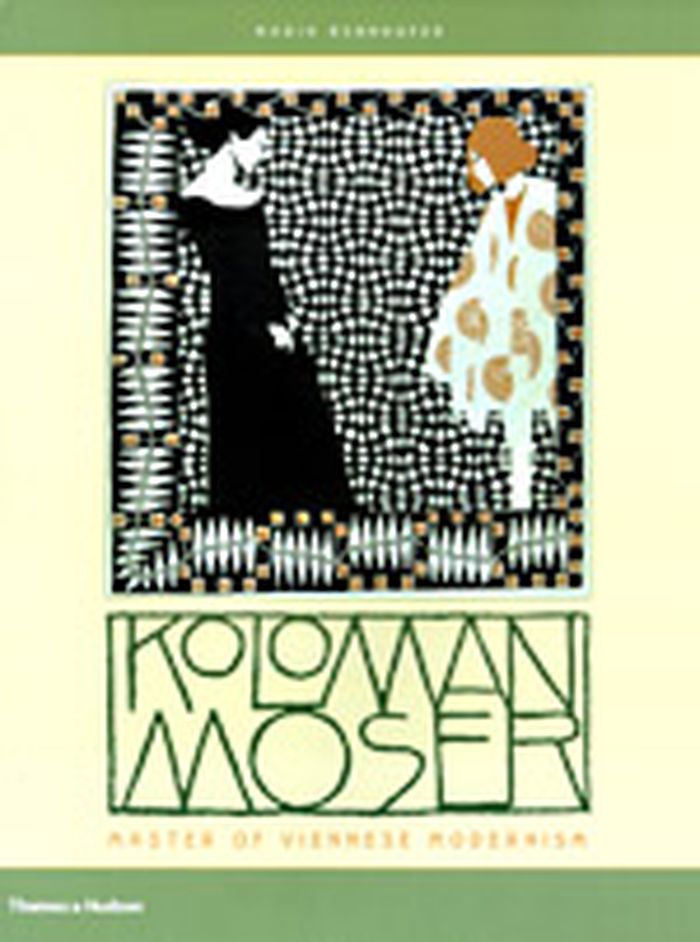
Koloman Moser : master of Viennese modernism
Actions:
Prix:
$90.00
(disponible sur commande)
Résumé:
Fin-de-siècle Vienna was a hive of creative activity, and at its centre was one of the most versatile artists of the age, Koloman Moser (1868–1918). As a teacher, artist and craftsman, Moser had an immense influence on the tastes of his time, with talents that ranged from illustration and graphics to stained glass and the design of stage sets and postage stamps. In 1897 Moser co-founded the Vienna Secession, and in 1903, together with his friend and colleague Josef Hoffmann, he founded the Wiener Werkstätte, whose workshops were to set trends that spread far beyond the boundaries of Vienna. He devoted the last years of his life to painting, and in recent times his reputation in this field too has steadily grown. Despite the wealth of information that has survived down the years, Moser’s personality remains largely hidden behind his work. Here, Maria Rennhofer joins the many fragments of Moser’s personal life, his artistic influences and his multifaceted creativity into a coherent portrait of this fascinating man. This is not only the first comprehensive account of Moser’s life and work, but it is also an in-depth look at the flourishing artistic environment which he did so much to create and shape.
Koloman Moser : master of Viennese modernism
Actions:
Prix:
$90.00
(disponible sur commande)
Résumé:
Fin-de-siècle Vienna was a hive of creative activity, and at its centre was one of the most versatile artists of the age, Koloman Moser (1868–1918). As a teacher, artist and craftsman, Moser had an immense influence on the tastes of his time, with talents that ranged from illustration and graphics to stained glass and the design of stage sets and postage stamps. In 1897 Moser co-founded the Vienna Secession, and in 1903, together with his friend and colleague Josef Hoffmann, he founded the Wiener Werkstätte, whose workshops were to set trends that spread far beyond the boundaries of Vienna. He devoted the last years of his life to painting, and in recent times his reputation in this field too has steadily grown. Despite the wealth of information that has survived down the years, Moser’s personality remains largely hidden behind his work. Here, Maria Rennhofer joins the many fragments of Moser’s personal life, his artistic influences and his multifaceted creativity into a coherent portrait of this fascinating man. This is not only the first comprehensive account of Moser’s life and work, but it is also an in-depth look at the flourishing artistic environment which he did so much to create and shape.
Classification:
livres
livres
Publication:
novembre 2002, London
novembre 2002, London
Sujet:
Design, monographies
Design, monographies
Classification:
livres
livres
Actions:
Prix:
$56.95
(disponible sur commande)
Résumé:
How do we live well? The first sentence of ''Grace and gravity'' raises the fundamental question that constantly occupies our minds-and of all those who lived before us. Paradoxically, the impossibility of answering this question opens up the very room needed to find ways of living well. It is the gap where all disciplines fall short, where architecture does not fit its(...)
$56.95
(disponible sur commande)
Résumé:
How do we live well? The first sentence of ''Grace and gravity'' raises the fundamental question that constantly occupies our minds-and of all those who lived before us. Paradoxically, the impossibility of answering this question opens up the very room needed to find ways of living well. It is the gap where all disciplines fall short, where architecture does not fit its(...)
Titre:
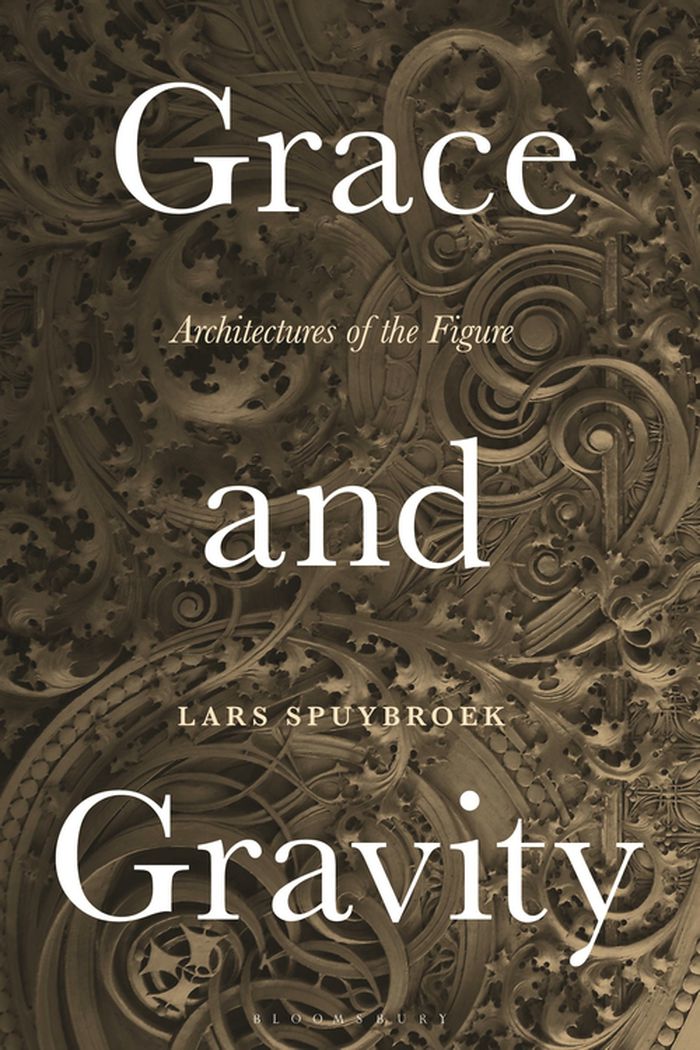
Grace and gravity: Architectures of the figure
Actions:
Prix:
$56.95
(disponible sur commande)
Résumé:
How do we live well? The first sentence of ''Grace and gravity'' raises the fundamental question that constantly occupies our minds-and of all those who lived before us. Paradoxically, the impossibility of answering this question opens up the very room needed to find ways of living well. It is the gap where all disciplines fall short, where architecture does not fit its inhabitants, where economy is not based on shortage, where religion cannot be explained by its followers, and where technology works far beyond its own principles. According to Lars Spuybroek, the prize-winning former architect, this marks the point where the “paradoxical machine” of grace reveals its powers, a point where we “cannot say if we are moving or being moved”. Following the trail of grace leads him to a new form of analysis that transcends the age-old opposition between appearances and technology. Linking up a dazzling and often delightful variety of sources-monkeys, paintings, lamp posts, octopuses, tattoos, bleeding fingers, rose windows, robots, smart phones, spirits, saints, and fossils-with profound meditations on living, death, consciousness, and existence, ''Grace and gravity'' offers an eye-opening provocation to a wide range of art historians, architects, theologians, anthropologists, artists, media theorists and philosophers.
Grace and gravity: Architectures of the figure
Actions:
Prix:
$56.95
(disponible sur commande)
Résumé:
How do we live well? The first sentence of ''Grace and gravity'' raises the fundamental question that constantly occupies our minds-and of all those who lived before us. Paradoxically, the impossibility of answering this question opens up the very room needed to find ways of living well. It is the gap where all disciplines fall short, where architecture does not fit its inhabitants, where economy is not based on shortage, where religion cannot be explained by its followers, and where technology works far beyond its own principles. According to Lars Spuybroek, the prize-winning former architect, this marks the point where the “paradoxical machine” of grace reveals its powers, a point where we “cannot say if we are moving or being moved”. Following the trail of grace leads him to a new form of analysis that transcends the age-old opposition between appearances and technology. Linking up a dazzling and often delightful variety of sources-monkeys, paintings, lamp posts, octopuses, tattoos, bleeding fingers, rose windows, robots, smart phones, spirits, saints, and fossils-with profound meditations on living, death, consciousness, and existence, ''Grace and gravity'' offers an eye-opening provocation to a wide range of art historians, architects, theologians, anthropologists, artists, media theorists and philosophers.
Classification:
livres
livres
Publication:
novembre 2020
novembre 2020
Sujet:
Théorie de l’architecture
Théorie de l’architecture
Classification:
livres
livres
Titre:
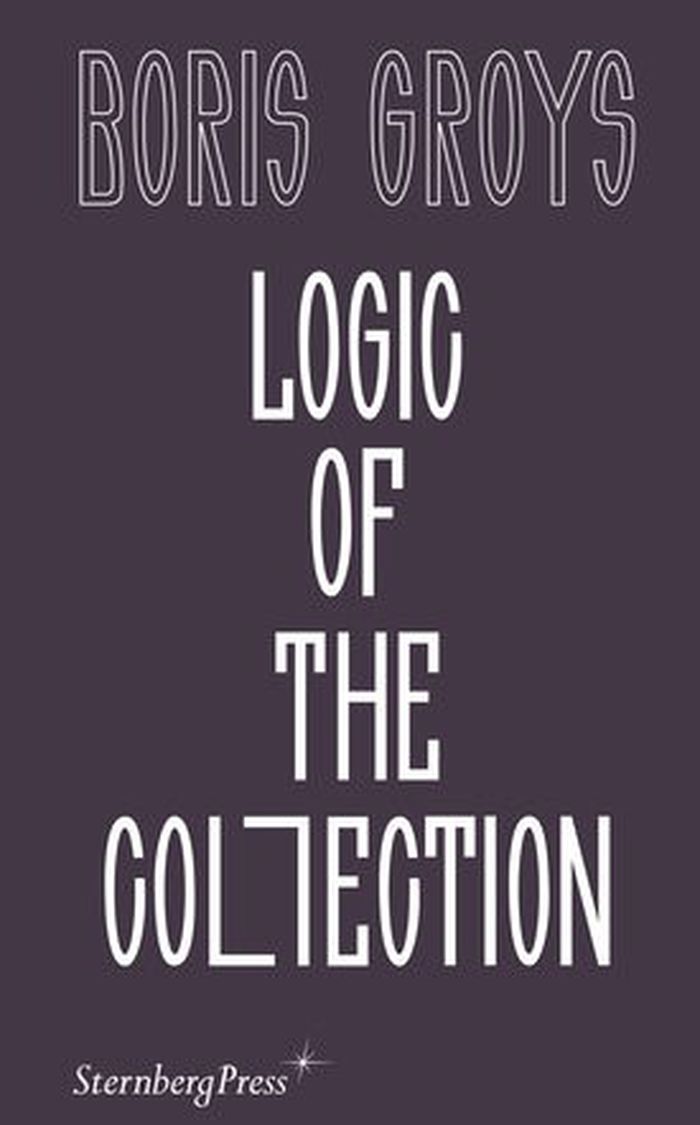
Logic of the collection
Logic of the collection
Actions:
Prix:
$39.00
(disponible sur commande)
Résumé:
In modernity, the museum was the institution that made art accessible to the broader public. An artwork was collected if it was considered beautiful, passionate, engaged, or critical—and primarily if it was deemed historically relevant. But today, with the total availability and saturation of images, the museum has lost its privileged status as the exclusive place for the(...)
$39.00
(disponible sur commande)
Résumé:
In modernity, the museum was the institution that made art accessible to the broader public. An artwork was collected if it was considered beautiful, passionate, engaged, or critical—and primarily if it was deemed historically relevant. But today, with the total availability and saturation of images, the museum has lost its privileged status as the exclusive place for the(...)
Titre:
Logic of the collection
Actions:
Prix:
$39.00
(disponible sur commande)
Résumé:
In modernity, the museum was the institution that made art accessible to the broader public. An artwork was collected if it was considered beautiful, passionate, engaged, or critical—and primarily if it was deemed historically relevant. But today, with the total availability and saturation of images, the museum has lost its privileged status as the exclusive place for the display of art. In our age of digital media, how does a particular artwork get selected for a museum collection? Which symbolic criteria must this artwork satisfy for it to obtain value? And in what ways does the institution of the museum remain relevant? 'Logic of the Collection' is framed by Boris Groys’s original and provocative proposition: an artwork is considered historically relevant if it fits the logic of the museum collection. In these critical essays, the philosopher and theorist of art and media analyzes the relationship between the logic of the collection and various modern ideologies. He reflects on the explosion of art production and distribution through the ascendency of digital media as well as the ways in which the accumulated artworks will be collected and preserved in the future, as the potential limits of public and private collections are reached.
Logic of the collection
Actions:
Prix:
$39.00
(disponible sur commande)
Résumé:
In modernity, the museum was the institution that made art accessible to the broader public. An artwork was collected if it was considered beautiful, passionate, engaged, or critical—and primarily if it was deemed historically relevant. But today, with the total availability and saturation of images, the museum has lost its privileged status as the exclusive place for the display of art. In our age of digital media, how does a particular artwork get selected for a museum collection? Which symbolic criteria must this artwork satisfy for it to obtain value? And in what ways does the institution of the museum remain relevant? 'Logic of the Collection' is framed by Boris Groys’s original and provocative proposition: an artwork is considered historically relevant if it fits the logic of the museum collection. In these critical essays, the philosopher and theorist of art and media analyzes the relationship between the logic of the collection and various modern ideologies. He reflects on the explosion of art production and distribution through the ascendency of digital media as well as the ways in which the accumulated artworks will be collected and preserved in the future, as the potential limits of public and private collections are reached.
Classification:
livres
livres
Publication:
août 2021
août 2021
Sujet:
Muséologie
Muséologie
Classification:
livres
livres
Titre:
Blind maps and blue dots: the blurring of the producer-user divide in the production of visual
Blind maps and blue dots: the blurring of the producer-user divide in the production of visual
Actions:
Prix:
$56.00
(disponible sur commande)
Résumé:
Mapmaking has been an essential part of human development since ancient times: through the art of cartography, people have been able to record geographical explorations and communicate spatial information in relation to themselves and the land around them, using fixed points and lived experiences as references. In the digital age, maps are just as likely to convey the(...)
$56.00
(disponible sur commande)
Résumé:
Mapmaking has been an essential part of human development since ancient times: through the art of cartography, people have been able to record geographical explorations and communicate spatial information in relation to themselves and the land around them, using fixed points and lived experiences as references. In the digital age, maps are just as likely to convey the(...)
Titre:
Blind maps and blue dots: the blurring of the producer-user divide in the production of visual
Actions:
Prix:
$56.00
(disponible sur commande)
Résumé:
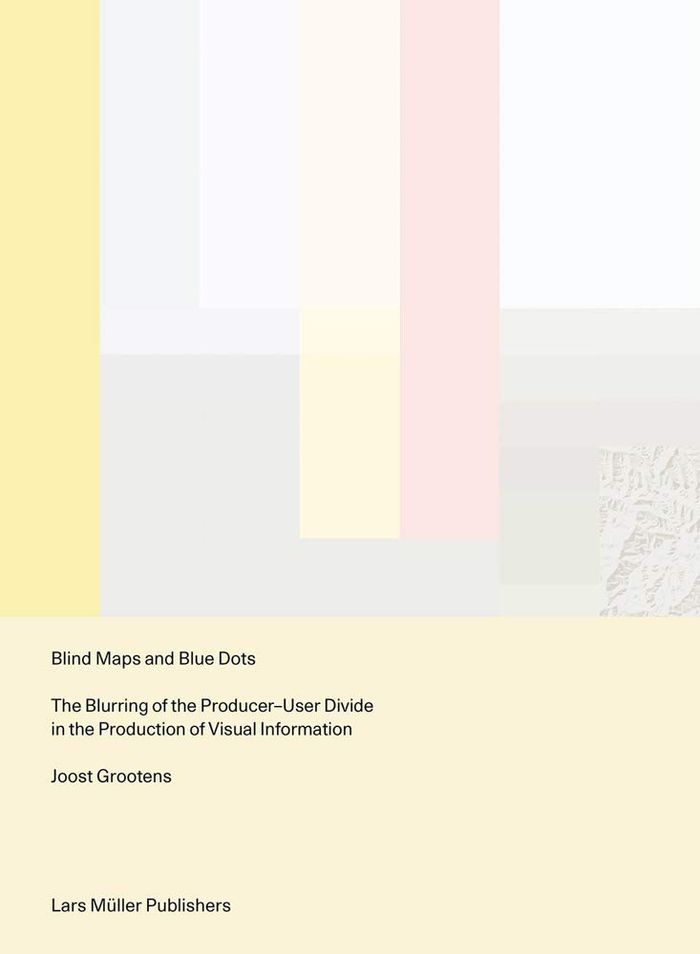
Mapmaking has been an essential part of human development since ancient times: through the art of cartography, people have been able to record geographical explorations and communicate spatial information in relation to themselves and the land around them, using fixed points and lived experiences as references. In the digital age, maps are just as likely to convey the relationships between individual users and amorphous data as they are to depict the relationships between human beings and the stars and planets above. "Blind maps and blue dots" examines the impact of the omnipresent computer on current understandings of data visualization and graphic design, in which the boundaries between producers and users of maps has become increasingly blurred. This text is structured around three contemporary mapmaking practices: Google Maps' location function, referred to as the Blue Dot; a global map that displays the physical activity of users of the fitness app Strava; and the 'Situation in Syria' maps series, a regularly updated map of the Syrian conflict designed by an Amsterdam teenager. Like every other field, graphic design must evolve to reflect the modern world and the needs of its people. "Blind maps and blue dots" offers a new approach that acknowledges and even encourages the breakdown of the binary between producer and user.
Blind maps and blue dots: the blurring of the producer-user divide in the production of visual
Actions:
Prix:
$56.00
(disponible sur commande)
Résumé:
Mapmaking has been an essential part of human development since ancient times: through the art of cartography, people have been able to record geographical explorations and communicate spatial information in relation to themselves and the land around them, using fixed points and lived experiences as references. In the digital age, maps are just as likely to convey the relationships between individual users and amorphous data as they are to depict the relationships between human beings and the stars and planets above. "Blind maps and blue dots" examines the impact of the omnipresent computer on current understandings of data visualization and graphic design, in which the boundaries between producers and users of maps has become increasingly blurred. This text is structured around three contemporary mapmaking practices: Google Maps' location function, referred to as the Blue Dot; a global map that displays the physical activity of users of the fitness app Strava; and the 'Situation in Syria' maps series, a regularly updated map of the Syrian conflict designed by an Amsterdam teenager. Like every other field, graphic design must evolve to reflect the modern world and the needs of its people. "Blind maps and blue dots" offers a new approach that acknowledges and even encourages the breakdown of the binary between producer and user.
Classification:
livres
livres
Publication:
juin 2021
juin 2021
Classification:
livres
livres
Titre:
Miroslav Sasek
Miroslav Sasek
Actions:
Prix:
$39.95
(disponible sur commande)
Résumé:
Czech artist Miroslav Šašek (1916–1980) is celebrated for his pioneering approach to narrative nonfiction picture books, particularly his bestselling This Is series, which began with ''This is Paris'' in 1959 and eventually totaled eighteen books. With their distinct visual vocabulary, this witty collection of travel guides illustrating life and culture in a variety of(...)
$39.95
(disponible sur commande)
Résumé:
Czech artist Miroslav Šašek (1916–1980) is celebrated for his pioneering approach to narrative nonfiction picture books, particularly his bestselling This Is series, which began with ''This is Paris'' in 1959 and eventually totaled eighteen books. With their distinct visual vocabulary, this witty collection of travel guides illustrating life and culture in a variety of(...)
Titre:
Miroslav Sasek
Actions:
Prix:
$39.95
(disponible sur commande)
Résumé:
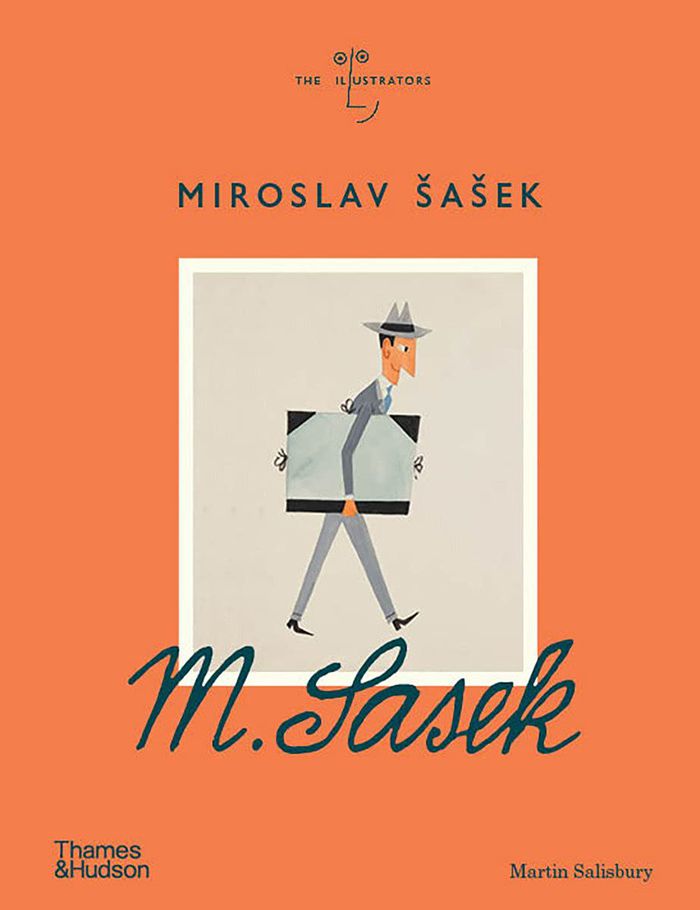
Czech artist Miroslav Šašek (1916–1980) is celebrated for his pioneering approach to narrative nonfiction picture books, particularly his bestselling This Is series, which began with ''This is Paris'' in 1959 and eventually totaled eighteen books. With their distinct visual vocabulary, this witty collection of travel guides illustrating life and culture in a variety of cities and countries around the world from a child’s perspective, became immensely popular and garnered many awards. The artist’s charming travelogues continue to appeal to adults and children alike, even in a digital age exploding with travel imagery. Acclaimed author Martin Salisbury analyzes Šašek’s techniques and how his work not only reflects his architectural training and the ideas of the midcentury European avant-garde, but also the influence of contemporaries such as Saul Steinberg. In this beautifully designed volume, illustrated with sketches and original artwork from the Šašek Foundation in Prague, with examples ranging from Greece to Hong Kong, Rome to San Francisco, Ireland to Israel, Paris to New York, and more, Šašek’s best-known works come alive alongside lesser-known aspects of his practice, such as oil painting. Full of insight into the life and work of a singular talent, ''Miroslav Šašek'' will appeal to illustrators and those interested in the midcentury modern period.
Miroslav Sasek
Actions:
Prix:
$39.95
(disponible sur commande)
Résumé:
Czech artist Miroslav Šašek (1916–1980) is celebrated for his pioneering approach to narrative nonfiction picture books, particularly his bestselling This Is series, which began with ''This is Paris'' in 1959 and eventually totaled eighteen books. With their distinct visual vocabulary, this witty collection of travel guides illustrating life and culture in a variety of cities and countries around the world from a child’s perspective, became immensely popular and garnered many awards. The artist’s charming travelogues continue to appeal to adults and children alike, even in a digital age exploding with travel imagery. Acclaimed author Martin Salisbury analyzes Šašek’s techniques and how his work not only reflects his architectural training and the ideas of the midcentury European avant-garde, but also the influence of contemporaries such as Saul Steinberg. In this beautifully designed volume, illustrated with sketches and original artwork from the Šašek Foundation in Prague, with examples ranging from Greece to Hong Kong, Rome to San Francisco, Ireland to Israel, Paris to New York, and more, Šašek’s best-known works come alive alongside lesser-known aspects of his practice, such as oil painting. Full of insight into the life and work of a singular talent, ''Miroslav Šašek'' will appeal to illustrators and those interested in the midcentury modern period.
Classification:
livres
livres
Publication:
octobre 2021
octobre 2021
Sujet:
Design, monographies
Design, monographies
Classification:
livres
livres

Titre:
Elisabeth Wild: Fantasias
Elisabeth Wild: Fantasias
Actions:
Prix:
$47.95
(disponible en magasin)
Résumé:
This monograph exhibits Elisabeth Wild’s kaleidoscopic and vibrant collages. Using cutouts of commercial imagery from glossy magazines, Wild composes a dimensionless reality that is witty yet menacing, ancient yet immortal. Imagining figures that are structural and anatomical, her work presents a shimmering dream logic. Wooden totems and stone altars, woven rugs, and(...)
$47.95
(disponible en magasin)
Résumé:
This monograph exhibits Elisabeth Wild’s kaleidoscopic and vibrant collages. Using cutouts of commercial imagery from glossy magazines, Wild composes a dimensionless reality that is witty yet menacing, ancient yet immortal. Imagining figures that are structural and anatomical, her work presents a shimmering dream logic. Wooden totems and stone altars, woven rugs, and(...)
Titre:
Elisabeth Wild: Fantasias
Actions:
Prix:
$47.95
(disponible en magasin)
Résumé:
This monograph exhibits Elisabeth Wild’s kaleidoscopic and vibrant collages. Using cutouts of commercial imagery from glossy magazines, Wild composes a dimensionless reality that is witty yet menacing, ancient yet immortal. Imagining figures that are structural and anatomical, her work presents a shimmering dream logic. Wooden totems and stone altars, woven rugs, and precious stones are the cosmic architectural inhabitants that unveil the artist’s fantasies. Along with Wild’s collages, this volume includes contributions by poet Negma Coy, curator Adam Szymczyk, art educator and writer Barbara Casavecchia, art historian and critic Noit Banai, and gallerist Karolina Dankow of Karma International, all which frame the importance of this singular artist’s work and life. Born in Austria, Elisabeth Wild (1922-2020) fled to Argentina during WWII with her parents. In 1962 the family escaped the regime of Juan Peron and found a new home in Basel, Switzerland. Wild opened an antique shop at St. Johannstor which became the outlet for her creativity at the time and also supported her and her family financially. Until her death at the age of 98, Wild was carefully crafting her light-hearted, joyous abstract worlds walking the line between construction and deconstruction. Alongside her daughter, Vivian Suter, Wild has exhibited at Kunsthalle Basel, documenta 14, and the Powerplant in Toronto.
Elisabeth Wild: Fantasias
Actions:
Prix:
$47.95
(disponible en magasin)
Résumé:
This monograph exhibits Elisabeth Wild’s kaleidoscopic and vibrant collages. Using cutouts of commercial imagery from glossy magazines, Wild composes a dimensionless reality that is witty yet menacing, ancient yet immortal. Imagining figures that are structural and anatomical, her work presents a shimmering dream logic. Wooden totems and stone altars, woven rugs, and precious stones are the cosmic architectural inhabitants that unveil the artist’s fantasies. Along with Wild’s collages, this volume includes contributions by poet Negma Coy, curator Adam Szymczyk, art educator and writer Barbara Casavecchia, art historian and critic Noit Banai, and gallerist Karolina Dankow of Karma International, all which frame the importance of this singular artist’s work and life. Born in Austria, Elisabeth Wild (1922-2020) fled to Argentina during WWII with her parents. In 1962 the family escaped the regime of Juan Peron and found a new home in Basel, Switzerland. Wild opened an antique shop at St. Johannstor which became the outlet for her creativity at the time and also supported her and her family financially. Until her death at the age of 98, Wild was carefully crafting her light-hearted, joyous abstract worlds walking the line between construction and deconstruction. Alongside her daughter, Vivian Suter, Wild has exhibited at Kunsthalle Basel, documenta 14, and the Powerplant in Toronto.
Classification:
livres
livres
Publication:
août 2021
août 2021
Classification:
livres
livres
Titre:
In praise of copying
In praise of copying
Actions:
Prix:
$29.95
(disponible sur commande)
Résumé:
This book is devoted to a deceptively simple but original argument: that copying is an essential part of being human, that the ability to copy is worthy of celebration, and that, without recognizing how integral copying is to being human, we cannot understand ourselves or the world we live in. In spite of the laws, stigmas, and anxieties attached to it, the word(...)
$29.95
(disponible sur commande)
Résumé:
This book is devoted to a deceptively simple but original argument: that copying is an essential part of being human, that the ability to copy is worthy of celebration, and that, without recognizing how integral copying is to being human, we cannot understand ourselves or the world we live in. In spite of the laws, stigmas, and anxieties attached to it, the word(...)
Titre:
In praise of copying
Actions:
Prix:
$29.95
(disponible sur commande)
Résumé:
This book is devoted to a deceptively simple but original argument: that copying is an essential part of being human, that the ability to copy is worthy of celebration, and that, without recognizing how integral copying is to being human, we cannot understand ourselves or the world we live in. In spite of the laws, stigmas, and anxieties attached to it, the word “copying” permeates contemporary culture, shaping discourse on issues from hip hop to digitization to gender reassignment, and is particularly crucial in legal debates concerning intellectual property and copyright. Yet as a philosophical concept, copying remains poorly understood. Working comparatively across cultures and times, Marcus Boon undertakes an examination of what this word means—historically, culturally, philosophically—and why it fills us with fear and fascination. He argues that the dominant legal-political structures that define copying today obscure much broader processes of imitation that have constituted human communities for ages and continue to shape various subcultures today. Drawing on contemporary art, music and film, the history of aesthetics, critical theory, and Buddhist philosophy and practice, In Praise of Copying seeks to show how and why copying works, what the sources of its power are, and the political stakes of renegotiating the way we value copying in the age of globalization.
In praise of copying
Actions:
Prix:
$29.95
(disponible sur commande)
Résumé:
This book is devoted to a deceptively simple but original argument: that copying is an essential part of being human, that the ability to copy is worthy of celebration, and that, without recognizing how integral copying is to being human, we cannot understand ourselves or the world we live in. In spite of the laws, stigmas, and anxieties attached to it, the word “copying” permeates contemporary culture, shaping discourse on issues from hip hop to digitization to gender reassignment, and is particularly crucial in legal debates concerning intellectual property and copyright. Yet as a philosophical concept, copying remains poorly understood. Working comparatively across cultures and times, Marcus Boon undertakes an examination of what this word means—historically, culturally, philosophically—and why it fills us with fear and fascination. He argues that the dominant legal-political structures that define copying today obscure much broader processes of imitation that have constituted human communities for ages and continue to shape various subcultures today. Drawing on contemporary art, music and film, the history of aesthetics, critical theory, and Buddhist philosophy and practice, In Praise of Copying seeks to show how and why copying works, what the sources of its power are, and the political stakes of renegotiating the way we value copying in the age of globalization.
Classification:
livres
livres
Publication:
octobre 2010
octobre 2010
Sujet:
Théorie/ philosophie
Théorie/ philosophie


