


6624 Résultats
Classification:
livres
livres
Actions:
Prix:
$37.95
(disponible sur commande)
Résumé:
This first comprehensive architectural guide on Dessau-Roßlau and Wörlitz, compiled by the Stiftung Bauhaus Dessau and the Kulturstiftung DessauWörlitz, presents an expert overview of more than 120 buildings and rural expanses with great care and attention given to detail. A multifaceted overall picture arises of a region which not only draws on its rich cultural and(...)
$37.95
(disponible sur commande)
Résumé:
This first comprehensive architectural guide on Dessau-Roßlau and Wörlitz, compiled by the Stiftung Bauhaus Dessau and the Kulturstiftung DessauWörlitz, presents an expert overview of more than 120 buildings and rural expanses with great care and attention given to detail. A multifaceted overall picture arises of a region which not only draws on its rich cultural and(...)
Titre:
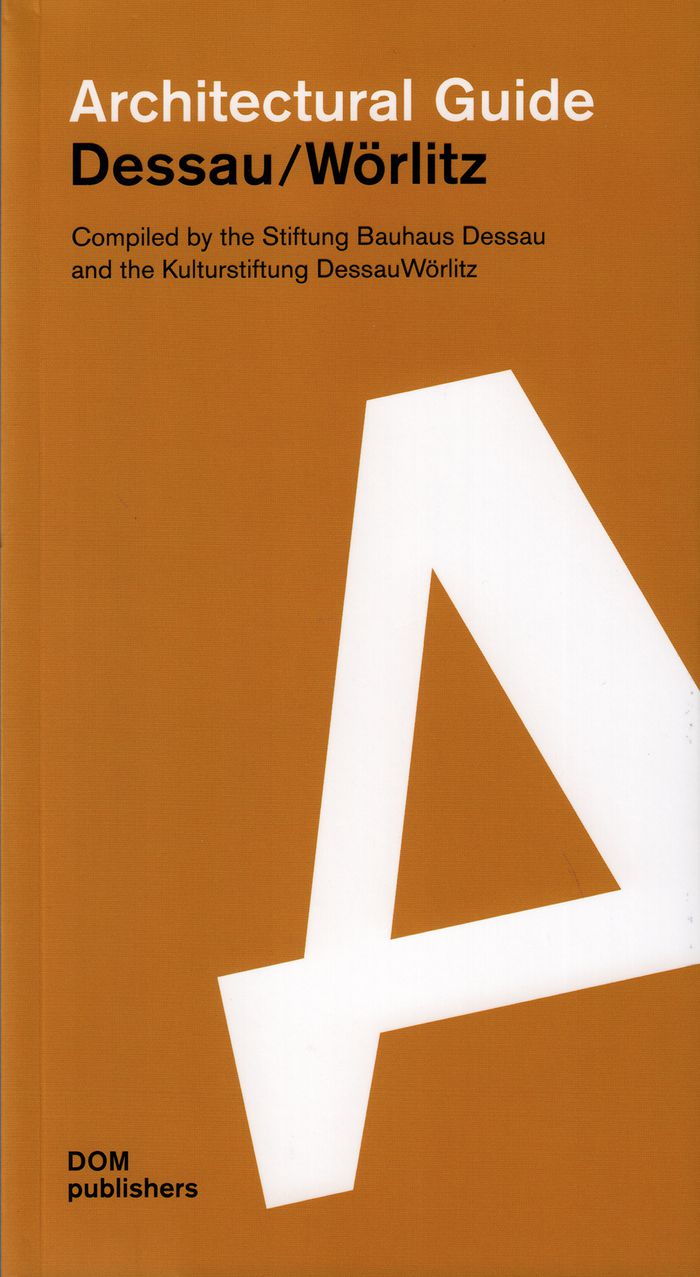
Dessau / Wörlitz architectural guide
Actions:
Prix:
$37.95
(disponible sur commande)
Résumé:
This first comprehensive architectural guide on Dessau-Roßlau and Wörlitz, compiled by the Stiftung Bauhaus Dessau and the Kulturstiftung DessauWörlitz, presents an expert overview of more than 120 buildings and rural expanses with great care and attention given to detail. A multifaceted overall picture arises of a region which not only draws on its rich cultural and historic heritage, but also plans for the future and ventures out into new terrain. In the shape of the Gartenreich Dessau-Wörlitz and the Bauhaus ensemble, the city of Dessau-Roßlau and its environs encompass two UNESCO World Heritage sites. These encompass architectural subjects and expanses, both urban and rural, which invite much attention beyond the region itself and have had a lasting impact on the international stage. Beyond this, however, there are a whole host of notable historic and contemporary buildings in Dessau and its surroundings. As the residence of the princes and dukes of Anhalt in the age of Enlightenment and a centre of intellectual and cultural expansion at European level, the city developed into a significant industrial location as of the second half of the nineteenth century. Today, Dessau’s architectural profile is marked by contrasts: alongside restored historic buildings and standard socialist dwellings, there are also experimental refurbishment projects and ambitious new developments to be found.
Dessau / Wörlitz architectural guide
Actions:
Prix:
$37.95
(disponible sur commande)
Résumé:
This first comprehensive architectural guide on Dessau-Roßlau and Wörlitz, compiled by the Stiftung Bauhaus Dessau and the Kulturstiftung DessauWörlitz, presents an expert overview of more than 120 buildings and rural expanses with great care and attention given to detail. A multifaceted overall picture arises of a region which not only draws on its rich cultural and historic heritage, but also plans for the future and ventures out into new terrain. In the shape of the Gartenreich Dessau-Wörlitz and the Bauhaus ensemble, the city of Dessau-Roßlau and its environs encompass two UNESCO World Heritage sites. These encompass architectural subjects and expanses, both urban and rural, which invite much attention beyond the region itself and have had a lasting impact on the international stage. Beyond this, however, there are a whole host of notable historic and contemporary buildings in Dessau and its surroundings. As the residence of the princes and dukes of Anhalt in the age of Enlightenment and a centre of intellectual and cultural expansion at European level, the city developed into a significant industrial location as of the second half of the nineteenth century. Today, Dessau’s architectural profile is marked by contrasts: alongside restored historic buildings and standard socialist dwellings, there are also experimental refurbishment projects and ambitious new developments to be found.
Classification:
livres
livres
Publication:
décembre 2016
décembre 2016
Sujet:
Guides des villes
Guides des villes
Classification:
livres
livres
Actions:
Prix:
$18.00
(disponible sur commande)
Résumé:
“Bad Places” – defines spaces of urban wasteland, of landfills but also neglected parks or harmful and unfriendly traffic and infrastructure solutions. In their exhibition in AedesLand, Latz + Partner describe their approach to dealing with these places – the necessity of which goes beyond aesthetic standards in a time where we are faced with a shortage of space and yet(...)
$18.00
(disponible sur commande)
Résumé:
“Bad Places” – defines spaces of urban wasteland, of landfills but also neglected parks or harmful and unfriendly traffic and infrastructure solutions. In their exhibition in AedesLand, Latz + Partner describe their approach to dealing with these places – the necessity of which goes beyond aesthetic standards in a time where we are faced with a shortage of space and yet(...)
Sujet:
petits formats
petits formats
Publication:
janvier 1900, Berlin
janvier 1900, Berlin
Titre:
Latz+partner bad places and oases
Actions:
Prix:
$18.00
(disponible sur commande)
Résumé:
“Bad Places” – defines spaces of urban wasteland, of landfills but also neglected parks or harmful and unfriendly traffic and infrastructure solutions. In their exhibition in AedesLand, Latz + Partner describe their approach to dealing with these places – the necessity of which goes beyond aesthetic standards in a time where we are faced with a shortage of space and yet continually create new wastelands. “Oases” – selective interventions and special places give an answer to bad places. Primarily, this revolves around the acceptance of devastated and polluted spaces, around the qualities that even such spaces can hold and around the layers that define them and hold the potential of fascinating information. Landscape does not merely exist physically. It represents a repertoire of information which is continually interpreted and re-interpreted by the beholder. The design philosophy of Latz + Partner is rooted in the ambition of facilitating and furnishing new ideas to this process. The exhibition focuses on two key, future-oriented projects: Hiriya, Tel Aviv and Crystal Palace Park, London. These projects, both of which are currently in the planning phase, are complemented by images of built projects, such as the blast furnace park in Duisburg, the Old Harbour in Bremerhaven and the urban transformation on the Plateau de Kirchberg in Luxembourg. Public participation is of great significance in all projects and ecological principles are innate to all of the work.
Latz+partner bad places and oases
Actions:
Prix:
$18.00
(disponible sur commande)
Résumé:
“Bad Places” – defines spaces of urban wasteland, of landfills but also neglected parks or harmful and unfriendly traffic and infrastructure solutions. In their exhibition in AedesLand, Latz + Partner describe their approach to dealing with these places – the necessity of which goes beyond aesthetic standards in a time where we are faced with a shortage of space and yet continually create new wastelands. “Oases” – selective interventions and special places give an answer to bad places. Primarily, this revolves around the acceptance of devastated and polluted spaces, around the qualities that even such spaces can hold and around the layers that define them and hold the potential of fascinating information. Landscape does not merely exist physically. It represents a repertoire of information which is continually interpreted and re-interpreted by the beholder. The design philosophy of Latz + Partner is rooted in the ambition of facilitating and furnishing new ideas to this process. The exhibition focuses on two key, future-oriented projects: Hiriya, Tel Aviv and Crystal Palace Park, London. These projects, both of which are currently in the planning phase, are complemented by images of built projects, such as the blast furnace park in Duisburg, the Old Harbour in Bremerhaven and the urban transformation on the Plateau de Kirchberg in Luxembourg. Public participation is of great significance in all projects and ecological principles are innate to all of the work.
Classification:
livres
livres
Publication:
janvier 1900, Berlin
janvier 1900, Berlin
Sujet:
petits formats
petits formats
Classification:
livres
livres
Actions:
Prix:
$52.00
(disponible sur commande)
Résumé:
Getting the picture, constructing (and deconstructing) the picture, finding the picture, viewing the picture, being in the picture , changing the pictures --these are all phrases that apply to the fascinating world of 'putting people in the picture' in visual research within the Social Sciences. Putting People in the Picture: Visual Methodologies for Social Change focuses(...)
$52.00
(disponible sur commande)
Résumé:
Getting the picture, constructing (and deconstructing) the picture, finding the picture, viewing the picture, being in the picture , changing the pictures --these are all phrases that apply to the fascinating world of 'putting people in the picture' in visual research within the Social Sciences. Putting People in the Picture: Visual Methodologies for Social Change focuses(...)
Sujet:
Théorie de la photographie
Théorie de la photographie
Publication:
mai 2008, Rotterdam
mai 2008, Rotterdam
Titre:
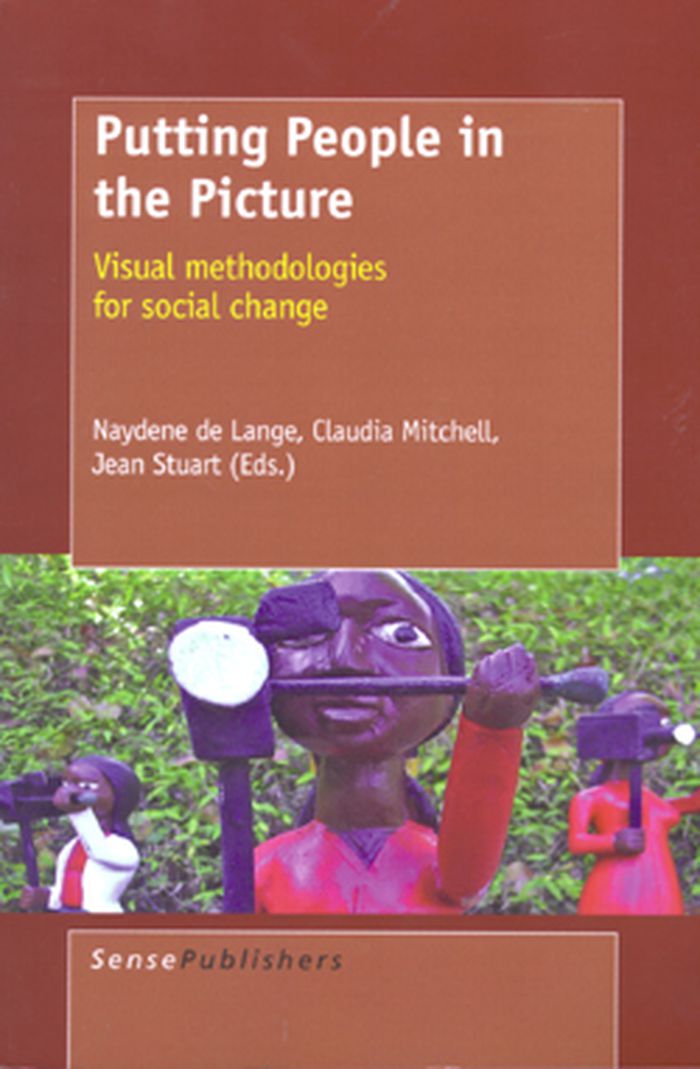
Putting people in the picture: visual methodologies for social change
Actions:
Prix:
$52.00
(disponible sur commande)
Résumé:
Getting the picture, constructing (and deconstructing) the picture, finding the picture, viewing the picture, being in the picture , changing the pictures --these are all phrases that apply to the fascinating world of 'putting people in the picture' in visual research within the Social Sciences. Putting People in the Picture: Visual Methodologies for Social Change focuses on the ways in which researchers, practitioners and activists are using such techniques as photo voice, collaborative video, drawings and other visual and arts-based tools as modes of inquiry, as modes of representation and as modes of disseminating findings in social research. The various chapters address methodological, analytical, interpretive, aesthetic, technical and ethical concerns in using visual methodologies in work with young people, teachers, community health care workers -- and even the self-as-researcher. The range of issues addressed in the work is broad, and includes work in the areas of HIV & AIDS, schooling, poverty, gender violence, race, and children's visions for the future. While the studies are situated within a variety of social contexts, the focus is primarily on work in Southern Africa. The book takes up some of the theoretical and practical challenges offered by Visual Sociology, Image- based Research, Media Studies, Rural Development, and Community-based and Participatory Research, and in so doing offers audiences an array of visual approaches to studying and bringing about social change.
Putting people in the picture: visual methodologies for social change
Actions:
Prix:
$52.00
(disponible sur commande)
Résumé:
Getting the picture, constructing (and deconstructing) the picture, finding the picture, viewing the picture, being in the picture , changing the pictures --these are all phrases that apply to the fascinating world of 'putting people in the picture' in visual research within the Social Sciences. Putting People in the Picture: Visual Methodologies for Social Change focuses on the ways in which researchers, practitioners and activists are using such techniques as photo voice, collaborative video, drawings and other visual and arts-based tools as modes of inquiry, as modes of representation and as modes of disseminating findings in social research. The various chapters address methodological, analytical, interpretive, aesthetic, technical and ethical concerns in using visual methodologies in work with young people, teachers, community health care workers -- and even the self-as-researcher. The range of issues addressed in the work is broad, and includes work in the areas of HIV & AIDS, schooling, poverty, gender violence, race, and children's visions for the future. While the studies are situated within a variety of social contexts, the focus is primarily on work in Southern Africa. The book takes up some of the theoretical and practical challenges offered by Visual Sociology, Image- based Research, Media Studies, Rural Development, and Community-based and Participatory Research, and in so doing offers audiences an array of visual approaches to studying and bringing about social change.
Classification:
livres
livres
Publication:
mai 2008, Rotterdam
mai 2008, Rotterdam
Sujet:
Théorie de la photographie
Théorie de la photographie
Classification:
livres
livres
Actions:
Prix:
$34.95
(disponible sur commande)
Résumé:
In "Suspended Conversations" Martha Langford shows how photographic albums tell intimate and revealing stories about individuals and families. Unlike those who isolate the individual photograph, treat albums as texts, or argue that photography has supplanted memory, she shows that the photographic album must be taken as a whole and interpreted as a visual and verbal(...)
$34.95
(disponible sur commande)
Résumé:
In "Suspended Conversations" Martha Langford shows how photographic albums tell intimate and revealing stories about individuals and families. Unlike those who isolate the individual photograph, treat albums as texts, or argue that photography has supplanted memory, she shows that the photographic album must be taken as a whole and interpreted as a visual and verbal(...)
Sujet:
Théorie de la photographie
Théorie de la photographie
Publication:
avril 2008, Montréal, Kingston, London, Ithaca
avril 2008, Montréal, Kingston, London, Ithaca
Titre:
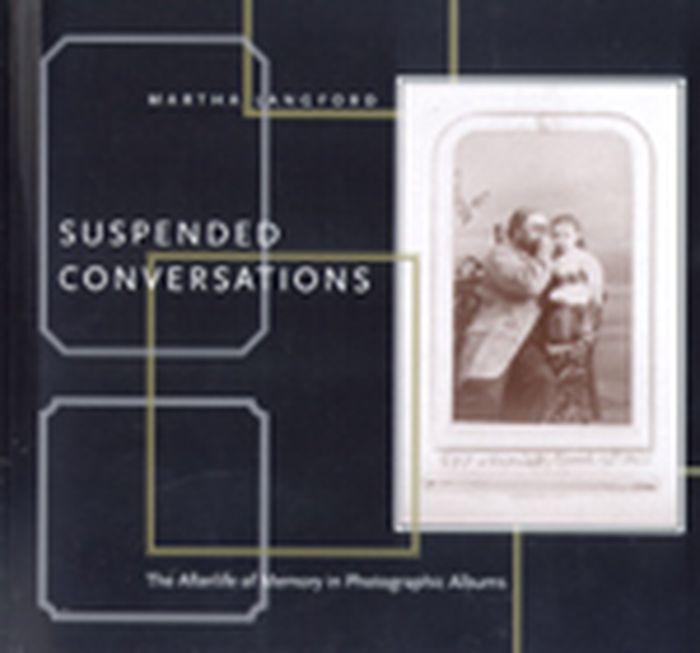
Suspended conversations : the afterlife of memory in photographic albums
Actions:
Prix:
$34.95
(disponible sur commande)
Résumé:
In "Suspended Conversations" Martha Langford shows how photographic albums tell intimate and revealing stories about individuals and families. Unlike those who isolate the individual photograph, treat albums as texts, or argue that photography has supplanted memory, she shows that the photographic album must be taken as a whole and interpreted as a visual and verbal performance that extends oral consciousness. Albums are treasured by families, collected as illustrations of the past by museums of social history, and examined by scholars for what they can reveal about attitudes and sensibilities. Most agree that albums are stories that come to life in the retelling - but when no one is left to tell the tale, the intrigue of the album becomes a puzzle, a suspended conversation. Langford argues that oral consciousness provides the missing key. By correlating photography and orality she shows how albums were designed to work as performances and how we can unlock their mysteries. "Suspended Conversations" brings to light a collection of photographic travelogues, memoirs, thematic collections, and family sagas compiled between 1860 and 1960 and held by the McCord Museum of Canadian History. Langford not only provides a fascinating glimpse of the preoccupations of previous centuries but brings photography into the great conversation of how we remember and how we send our stories into the future.
Suspended conversations : the afterlife of memory in photographic albums
Actions:
Prix:
$34.95
(disponible sur commande)
Résumé:
In "Suspended Conversations" Martha Langford shows how photographic albums tell intimate and revealing stories about individuals and families. Unlike those who isolate the individual photograph, treat albums as texts, or argue that photography has supplanted memory, she shows that the photographic album must be taken as a whole and interpreted as a visual and verbal performance that extends oral consciousness. Albums are treasured by families, collected as illustrations of the past by museums of social history, and examined by scholars for what they can reveal about attitudes and sensibilities. Most agree that albums are stories that come to life in the retelling - but when no one is left to tell the tale, the intrigue of the album becomes a puzzle, a suspended conversation. Langford argues that oral consciousness provides the missing key. By correlating photography and orality she shows how albums were designed to work as performances and how we can unlock their mysteries. "Suspended Conversations" brings to light a collection of photographic travelogues, memoirs, thematic collections, and family sagas compiled between 1860 and 1960 and held by the McCord Museum of Canadian History. Langford not only provides a fascinating glimpse of the preoccupations of previous centuries but brings photography into the great conversation of how we remember and how we send our stories into the future.
Classification:
livres
livres
Publication:
avril 2008, Montréal, Kingston, London, Ithaca
avril 2008, Montréal, Kingston, London, Ithaca
Sujet:
Théorie de la photographie
Théorie de la photographie
Classification:
livres
livres
Actions:
Prix:
$74.00
(disponible sur commande)
Résumé:
Once the world’s tallest skyscraper, the Woolworth Building is noted for its striking but incongruous synthesis of Beaux-Arts architecture, fanciful Gothic ornamentation, and audacious steel-framed engineering. Here, in the first history of this great urban landmark, Gail Fenske argues that its design serves as a compelling lens through which to view the distinctive urban(...)
$74.00
(disponible sur commande)
Résumé:
Once the world’s tallest skyscraper, the Woolworth Building is noted for its striking but incongruous synthesis of Beaux-Arts architecture, fanciful Gothic ornamentation, and audacious steel-framed engineering. Here, in the first history of this great urban landmark, Gail Fenske argues that its design serves as a compelling lens through which to view the distinctive urban(...)
Titre:
The skyscraper and the city: the woolworth building and the making of modern New York
Actions:
Prix:
$74.00
(disponible sur commande)
Résumé:
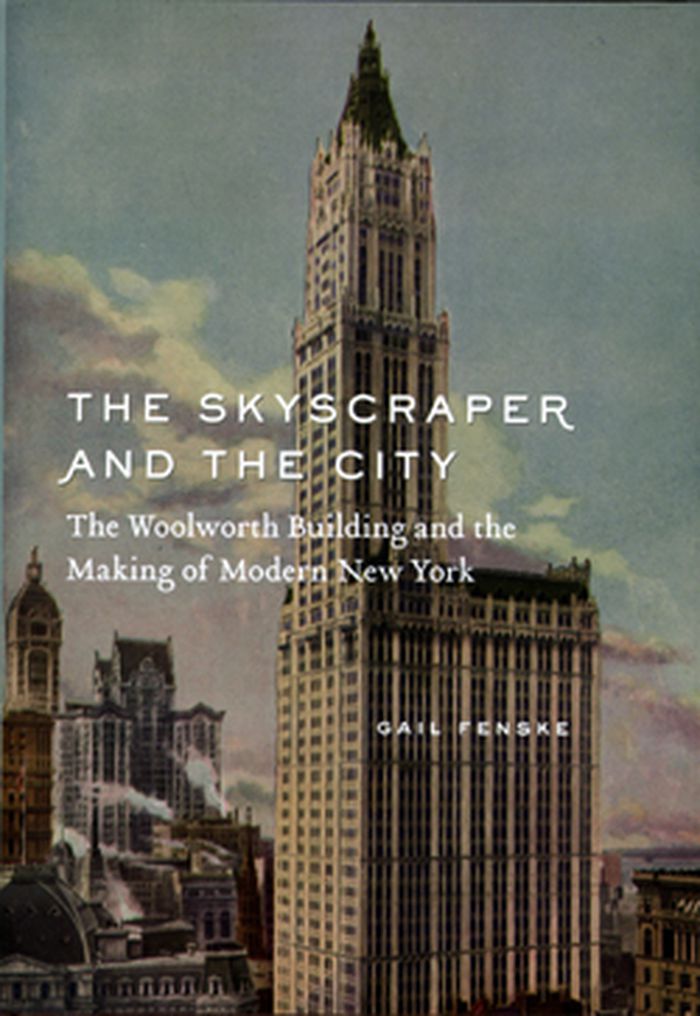
Once the world’s tallest skyscraper, the Woolworth Building is noted for its striking but incongruous synthesis of Beaux-Arts architecture, fanciful Gothic ornamentation, and audacious steel-framed engineering. Here, in the first history of this great urban landmark, Gail Fenske argues that its design serves as a compelling lens through which to view the distinctive urban culture of Progressive-era New York. Fenske shows here that the building’s multiplicity of meanings reflected the cultural contradictions that defined New York City’s modernity. For Frank Woolworth—founder of the famous five-and-dime store chain—the building served as a towering trademark, for advocates of the City Beautiful movement it suggested a majestic hotel de ville, for technological enthusiasts it represented the boldest of experiments in vertical construction, and for tenants it provided an evocative setting for high-style consumption. Tourists, meanwhile, experienced a spectacular sightseeing destination and avant-garde artists discovered a twentieth-century future. In emphasizing this faceted significance, Fenske illuminates the process of conceiving, financing, and constructing skyscrapers as well as the mass phenomena of consumerism, marketing, news media, and urban spectatorship that surround them. As the representative example of the skyscraper as a “cathedral of commerce,” the Woolworth Building remains a commanding presence in the skyline of lower Manhattan, and the generously illustrated Skyscraper and the City is a worthy testament to its importance in American culture.
The skyscraper and the city: the woolworth building and the making of modern New York
Actions:
Prix:
$74.00
(disponible sur commande)
Résumé:
Once the world’s tallest skyscraper, the Woolworth Building is noted for its striking but incongruous synthesis of Beaux-Arts architecture, fanciful Gothic ornamentation, and audacious steel-framed engineering. Here, in the first history of this great urban landmark, Gail Fenske argues that its design serves as a compelling lens through which to view the distinctive urban culture of Progressive-era New York. Fenske shows here that the building’s multiplicity of meanings reflected the cultural contradictions that defined New York City’s modernity. For Frank Woolworth—founder of the famous five-and-dime store chain—the building served as a towering trademark, for advocates of the City Beautiful movement it suggested a majestic hotel de ville, for technological enthusiasts it represented the boldest of experiments in vertical construction, and for tenants it provided an evocative setting for high-style consumption. Tourists, meanwhile, experienced a spectacular sightseeing destination and avant-garde artists discovered a twentieth-century future. In emphasizing this faceted significance, Fenske illuminates the process of conceiving, financing, and constructing skyscrapers as well as the mass phenomena of consumerism, marketing, news media, and urban spectatorship that surround them. As the representative example of the skyscraper as a “cathedral of commerce,” the Woolworth Building remains a commanding presence in the skyline of lower Manhattan, and the generously illustrated Skyscraper and the City is a worthy testament to its importance in American culture.
Classification:
livres
livres
Publication:
mai 2008, Chicago, London
mai 2008, Chicago, London
Sujet:
Gratte-ciels
Gratte-ciels
Classification:
livres
livres
Actions:
Prix:
$29.50
(disponible sur commande)
Résumé:
This exhibition catalogue explores 'the cult of the ruin', a phenomenon of 18th and early 19th century Europe. Mock ruins were built as 'follies' in landscape gardens, while artists imagined how London would appear as a ruined city after the collapse of the British Empire. In Rome, interiors were painted as trompe l'oeil(...)
$29.50
(disponible sur commande)
Résumé:
This exhibition catalogue explores 'the cult of the ruin', a phenomenon of 18th and early 19th century Europe. Mock ruins were built as 'follies' in landscape gardens, while artists imagined how London would appear as a ruined city after the collapse of the British Empire. In Rome, interiors were painted as trompe l'oeil(...)
Sujet:
Architecture, monographies
Architecture, monographies
Publication:
janvier 1999, London
janvier 1999, London
Titre:
Visions of ruin : architectural fantasies & designs for garden follies
Actions:
Prix:
$29.50
(disponible sur commande)
Résumé:
This exhibition catalogue explores 'the cult of the ruin', a phenomenon of 18th and early 19th century Europe. Mock ruins were built as 'follies' in landscape gardens, while artists imagined how London would appear as a ruined city after the collapse of the British Empire. In Rome, interiors were painted as trompe l'oeil ruins, and in Paris the great chef Antoine Carême served blancmanges in the shape of Roman ruins. John Soane represents the climax of this fascination. In the garden of his Museum at No.13 Lincoln's Inn Fields is the 'Monk's Yard', a mock-ruin assembled from medieval fragments of the Palace of Westminster. At his country house, Pitzhanger Manor in Ealing, he pretended that a mock-classical ruin was a Roman temple he had discovered at the bottom of the garden. He commemorated the completion of his masterpiece, the Bank of England, by exhibiting a series of astonishing views of the structure as if a ruin. He even wrote a narrative, "Crude Hints Towards the History of My House", in which he imagined an archaeologist of future centuries inspecting the fragments of his home. The transcribed text is reprinted in this publication. Architects and artists include Robert Adam, William Chambers, Hubert Robert, Piranesi, Clerrisseau, Richard Wilson, J. M. W. Turner, Gustave Doré and John Martin.
Visions of ruin : architectural fantasies & designs for garden follies
Actions:
Prix:
$29.50
(disponible sur commande)
Résumé:
This exhibition catalogue explores 'the cult of the ruin', a phenomenon of 18th and early 19th century Europe. Mock ruins were built as 'follies' in landscape gardens, while artists imagined how London would appear as a ruined city after the collapse of the British Empire. In Rome, interiors were painted as trompe l'oeil ruins, and in Paris the great chef Antoine Carême served blancmanges in the shape of Roman ruins. John Soane represents the climax of this fascination. In the garden of his Museum at No.13 Lincoln's Inn Fields is the 'Monk's Yard', a mock-ruin assembled from medieval fragments of the Palace of Westminster. At his country house, Pitzhanger Manor in Ealing, he pretended that a mock-classical ruin was a Roman temple he had discovered at the bottom of the garden. He commemorated the completion of his masterpiece, the Bank of England, by exhibiting a series of astonishing views of the structure as if a ruin. He even wrote a narrative, "Crude Hints Towards the History of My House", in which he imagined an archaeologist of future centuries inspecting the fragments of his home. The transcribed text is reprinted in this publication. Architects and artists include Robert Adam, William Chambers, Hubert Robert, Piranesi, Clerrisseau, Richard Wilson, J. M. W. Turner, Gustave Doré and John Martin.
Classification:
livres
livres
Publication:
janvier 1999, London
janvier 1999, London
Sujet:
Architecture, monographies
Architecture, monographies
Classification:
livres
livres

Actions:
Prix:
$32.95
(disponible sur commande)
Résumé:
In 2015, writer and journalist Paul Seesequasis found himself grappling with the devastating findings of Canada's Truth and Reconciliation Commission report on the residential school system. He sought understanding and inspiration in the stories of his mother, herself a residential school survivor. Gradually, Paul realized that another, mostly untold history existed(...)
$32.95
(disponible sur commande)
Résumé:
In 2015, writer and journalist Paul Seesequasis found himself grappling with the devastating findings of Canada's Truth and Reconciliation Commission report on the residential school system. He sought understanding and inspiration in the stories of his mother, herself a residential school survivor. Gradually, Paul realized that another, mostly untold history existed(...)
Titre:
Blanket toss under midnight sun
Actions:
Prix:
$32.95
(disponible sur commande)
Résumé:
In 2015, writer and journalist Paul Seesequasis found himself grappling with the devastating findings of Canada's Truth and Reconciliation Commission report on the residential school system. He sought understanding and inspiration in the stories of his mother, herself a residential school survivor. Gradually, Paul realized that another, mostly untold history existed alongside the official one: that of how Indigenous peoples and communities had held together during even the most difficult times. He embarked on a social media project to collect archival photos capturing everyday life in First Nations, Metis and Inuit communities from the 1920s through the 1970s. As he scoured archives and libraries, Paul uncovered a trove of candid images and began to post these on social media, where they sparked an extraordinary reaction. Friends and relatives of the individuals in the photographs commented online, and through this dialogue, rich histories came to light for the first time. ''Blanket toss under midnight sun'' collects some of the most arresting images and stories from Paul's project. While many of the photographs live in public archives, most have never been shown to the people in the communities they represent. As such, ''Blanket Toss'' is not only an invaluable historical record, it is a meaningful act of reclamation, showing the ongoing resilience of Indigenous communities, past, present--and future.
Blanket toss under midnight sun
Actions:
Prix:
$32.95
(disponible sur commande)
Résumé:
In 2015, writer and journalist Paul Seesequasis found himself grappling with the devastating findings of Canada's Truth and Reconciliation Commission report on the residential school system. He sought understanding and inspiration in the stories of his mother, herself a residential school survivor. Gradually, Paul realized that another, mostly untold history existed alongside the official one: that of how Indigenous peoples and communities had held together during even the most difficult times. He embarked on a social media project to collect archival photos capturing everyday life in First Nations, Metis and Inuit communities from the 1920s through the 1970s. As he scoured archives and libraries, Paul uncovered a trove of candid images and began to post these on social media, where they sparked an extraordinary reaction. Friends and relatives of the individuals in the photographs commented online, and through this dialogue, rich histories came to light for the first time. ''Blanket toss under midnight sun'' collects some of the most arresting images and stories from Paul's project. While many of the photographs live in public archives, most have never been shown to the people in the communities they represent. As such, ''Blanket Toss'' is not only an invaluable historical record, it is a meaningful act of reclamation, showing the ongoing resilience of Indigenous communities, past, present--and future.
Classification:
livres
livres
Publication:
octobre 2019
octobre 2019
Sujet:
Autochtone
Autochtone
Classification:
livres
livres
Actions:
Prix:
$45.00
(disponible sur commande)
Résumé:
Kenojuak Ashevak shot to fame in 1970 when Canada Post printed The Enchanted Owl, a print of a black-and-red plumed nocturnal bird, on a postage stamp. She later became known as the magic-marker-wielding "grandmother of Inuit art," famous for her fluid graphic storytelling and her stunning depictions of wildlife. She was a defining figure in Inuit art and one of the first(...)
$45.00
(disponible sur commande)
Résumé:
Kenojuak Ashevak shot to fame in 1970 when Canada Post printed The Enchanted Owl, a print of a black-and-red plumed nocturnal bird, on a postage stamp. She later became known as the magic-marker-wielding "grandmother of Inuit art," famous for her fluid graphic storytelling and her stunning depictions of wildlife. She was a defining figure in Inuit art and one of the first(...)
Publication:
mai 2018
mai 2018
Titre:
Tunirrusiangit: Kenojuak Ashevak and Tim Pitsiulak
Actions:
Prix:
$45.00
(disponible sur commande)
Résumé:
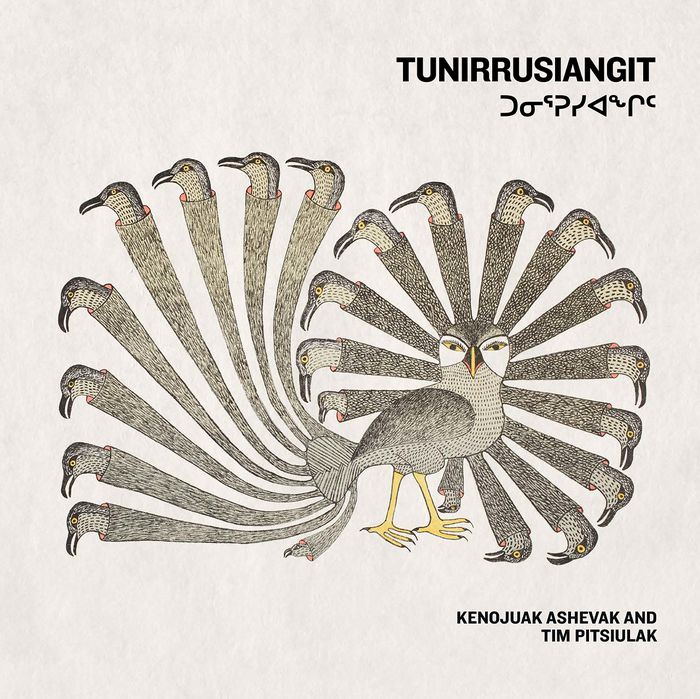
Kenojuak Ashevak shot to fame in 1970 when Canada Post printed The Enchanted Owl, a print of a black-and-red plumed nocturnal bird, on a postage stamp. She later became known as the magic-marker-wielding "grandmother of Inuit art," famous for her fluid graphic storytelling and her stunning depictions of wildlife. She was a defining figure in Inuit art and one of the first Indigenous artists to be embraced as a contemporary Canadian artist. Ashevak's legacy inspired her nephew, Timootee (Tim) Pitsiulak, to take up drawing at the Kinngait Studios. In his relatively short career, he became a popular figure, known for drawing animal figures with a hunter's precision and capturing the technological presence of the South in Nunavut. Tunirrusiangit, "their gifts" or "what they gave" in Inuktitut, celebrates the achievements of two remarkable artists who challenged the parameters of tradition while consistently articulating a compelling vision of the Inuit world view. Published to coincide with a major exhibition at the Art Gallery of Ontario, opening on 16 June and continuing until late August, ''Tunirrusiangit'' features more than 60 reproductions of paintings, drawings, and documentary photographs. Completing the book are essays by contemporary artists and curators Jocelyn Piirainen, Anna Hudson, Georgiana Uhlyarik, Koomuatuk Curley, Laakkuluk Williamson Bathory, and Taqralik Partridge that address both the past and future of Inuit identity.
Tunirrusiangit: Kenojuak Ashevak and Tim Pitsiulak
Actions:
Prix:
$45.00
(disponible sur commande)
Résumé:
Kenojuak Ashevak shot to fame in 1970 when Canada Post printed The Enchanted Owl, a print of a black-and-red plumed nocturnal bird, on a postage stamp. She later became known as the magic-marker-wielding "grandmother of Inuit art," famous for her fluid graphic storytelling and her stunning depictions of wildlife. She was a defining figure in Inuit art and one of the first Indigenous artists to be embraced as a contemporary Canadian artist. Ashevak's legacy inspired her nephew, Timootee (Tim) Pitsiulak, to take up drawing at the Kinngait Studios. In his relatively short career, he became a popular figure, known for drawing animal figures with a hunter's precision and capturing the technological presence of the South in Nunavut. Tunirrusiangit, "their gifts" or "what they gave" in Inuktitut, celebrates the achievements of two remarkable artists who challenged the parameters of tradition while consistently articulating a compelling vision of the Inuit world view. Published to coincide with a major exhibition at the Art Gallery of Ontario, opening on 16 June and continuing until late August, ''Tunirrusiangit'' features more than 60 reproductions of paintings, drawings, and documentary photographs. Completing the book are essays by contemporary artists and curators Jocelyn Piirainen, Anna Hudson, Georgiana Uhlyarik, Koomuatuk Curley, Laakkuluk Williamson Bathory, and Taqralik Partridge that address both the past and future of Inuit identity.
Classification:
livres
livres
Publication:
mai 2018
mai 2018
Classification:
livres
livres
Titre:
And the pursuit of happiness
And the pursuit of happiness
Actions:
Prix:
$37.50
(disponible sur commande)
Résumé:
This publication is beloved artist and author Maira Kalman's yearlong investigation of democracy and how it works. Energized and inspired by the 2008 elections, on inauguration day Kalman traveled to Washington, D.C., launching a national tour that would take her from a town hall meeting in Newfane, Vermont, to the inner chambers of the Supreme Court. As we follow(...)
$37.50
(disponible sur commande)
Résumé:
This publication is beloved artist and author Maira Kalman's yearlong investigation of democracy and how it works. Energized and inspired by the 2008 elections, on inauguration day Kalman traveled to Washington, D.C., launching a national tour that would take her from a town hall meeting in Newfane, Vermont, to the inner chambers of the Supreme Court. As we follow(...)
Titre:
And the pursuit of happiness
Actions:
Prix:
$37.50
(disponible sur commande)
Résumé:
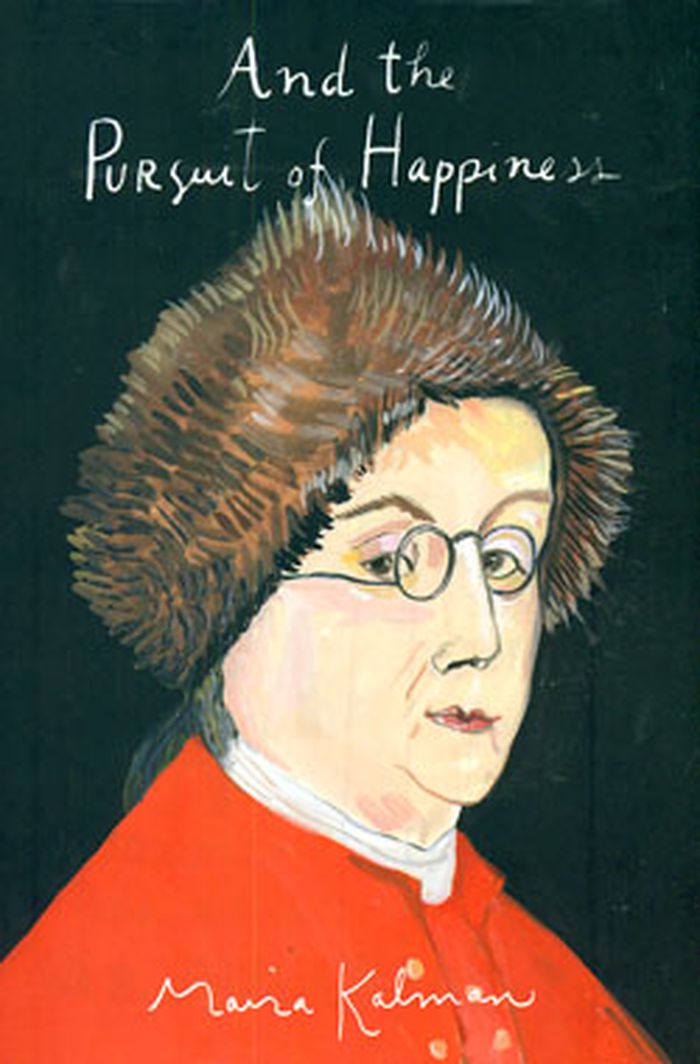
This publication is beloved artist and author Maira Kalman's yearlong investigation of democracy and how it works. Energized and inspired by the 2008 elections, on inauguration day Kalman traveled to Washington, D.C., launching a national tour that would take her from a town hall meeting in Newfane, Vermont, to the inner chambers of the Supreme Court. As we follow Kalman's wholly idiosyncratic journey, we fall in love with Lincoln alongside her as she imagines making a home for herself in the center of his magisterial memorial; ponder Alexis de Tocqueville's America; witness the inner workings of a Bronx middle-school student council; take a high-speed lesson in great American women in the National Portrait Gallery; and consider the cost of war to the brave American service families of Fort Campbell, Kentucky. The observations she makes as she travels charm and inform, and-as we have come to expect with Kalman-the route is always one of fascinating indirection. Kalman finds evidence of democracy at work all around us. And the cast of characters we meet along the way is rousing good company, featuring visits from Benjamin Franklin, Eleanor Roosevelt, and many others. And the Pursuit of Happiness is a remarkable tribute to our history and a powerful reminder of the potential our future holds, from a true national treasure.
And the pursuit of happiness
Actions:
Prix:
$37.50
(disponible sur commande)
Résumé:
This publication is beloved artist and author Maira Kalman's yearlong investigation of democracy and how it works. Energized and inspired by the 2008 elections, on inauguration day Kalman traveled to Washington, D.C., launching a national tour that would take her from a town hall meeting in Newfane, Vermont, to the inner chambers of the Supreme Court. As we follow Kalman's wholly idiosyncratic journey, we fall in love with Lincoln alongside her as she imagines making a home for herself in the center of his magisterial memorial; ponder Alexis de Tocqueville's America; witness the inner workings of a Bronx middle-school student council; take a high-speed lesson in great American women in the National Portrait Gallery; and consider the cost of war to the brave American service families of Fort Campbell, Kentucky. The observations she makes as she travels charm and inform, and-as we have come to expect with Kalman-the route is always one of fascinating indirection. Kalman finds evidence of democracy at work all around us. And the cast of characters we meet along the way is rousing good company, featuring visits from Benjamin Franklin, Eleanor Roosevelt, and many others. And the Pursuit of Happiness is a remarkable tribute to our history and a powerful reminder of the potential our future holds, from a true national treasure.
Classification:
livres
livres
Publication:
février 2011
février 2011
Sujet:
Illustration
Illustration
Classification:
livres
livres
Prix:
$34.95
(disponible sur commande)
Résumé:
This anthology by members of the Mohawk Warrior Society uncovers a hidden history and paints a bold portrait of the spectacular experience of Kanien'kehá:ka survival and self-defense. Providing extensive documentation, context, and analysis, the book features foundational writings by prolific visual artist and polemicist Louis Karoniaktajeh Hall (1918–1993)—such as his(...)
$34.95
(disponible sur commande)
Résumé:
This anthology by members of the Mohawk Warrior Society uncovers a hidden history and paints a bold portrait of the spectacular experience of Kanien'kehá:ka survival and self-defense. Providing extensive documentation, context, and analysis, the book features foundational writings by prolific visual artist and polemicist Louis Karoniaktajeh Hall (1918–1993)—such as his(...)
Titre:
The Mohawk Warrior Society: auto-history of the Rotisken'rhakéhte
Actions:
Prix:
$34.95
(disponible sur commande)
Résumé:
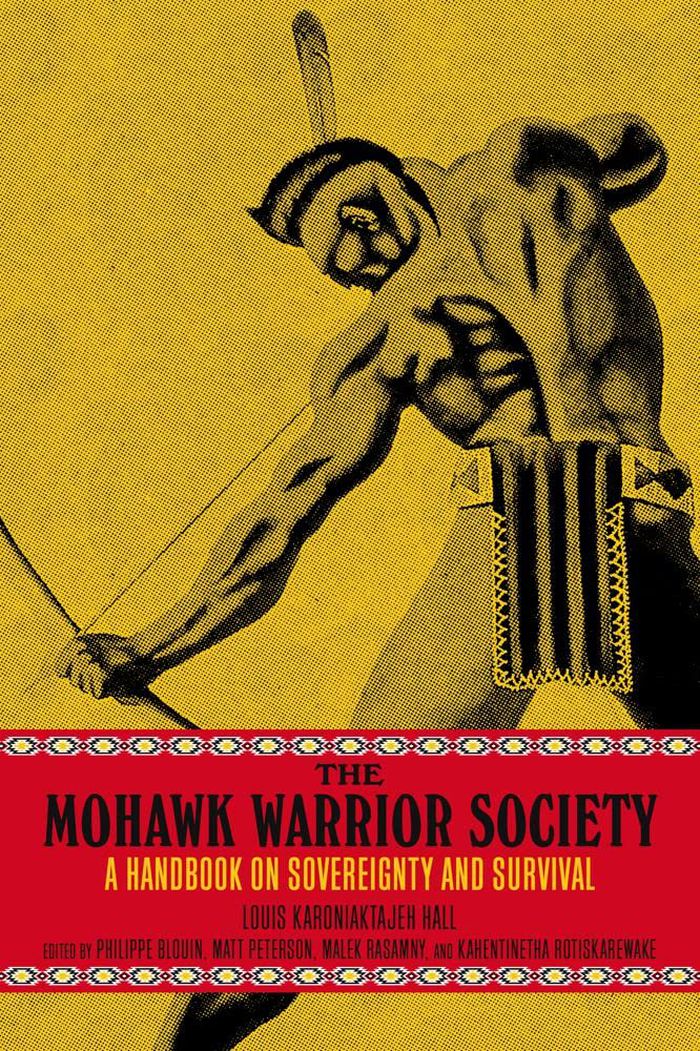
This anthology by members of the Mohawk Warrior Society uncovers a hidden history and paints a bold portrait of the spectacular experience of Kanien'kehá:ka survival and self-defense. Providing extensive documentation, context, and analysis, the book features foundational writings by prolific visual artist and polemicist Louis Karoniaktajeh Hall (1918–1993)—such as his landmark 1979 pamphlet, The Warrior’s Handbook, as well as selections of his pioneering artwork. This book contains new oral history by key figures of the Rotisken'rhakéhte's revival in the 1970s, and tells the story of the Warriors’ famous flag, their armed occupation of Ganienkeh in 1974, and the role of their constitution, the Great Peace, in guiding their commitment to freedom and independence. We hear directly the story of how the Kanien'kehá:ka Longhouse became one the most militant resistance groups in North America, gaining international attention with the Oka Crisis of 1990. This auto-history of the Rotisken'rhakéhte is complemented by a Mohawk history timeline from colonization to the present, a glossary of Mohawk political philosophy, and a new map of Iroquoia in Mohawk language. At last, the Mohawk Warriors can tell their own story with their own voices, and to serve as an example and inspiration for future generations struggling against the environmental, cultural, and social devastation cast upon the modern world.
The Mohawk Warrior Society: auto-history of the Rotisken'rhakéhte
Actions:
Prix:
$34.95
(disponible sur commande)
Résumé:
This anthology by members of the Mohawk Warrior Society uncovers a hidden history and paints a bold portrait of the spectacular experience of Kanien'kehá:ka survival and self-defense. Providing extensive documentation, context, and analysis, the book features foundational writings by prolific visual artist and polemicist Louis Karoniaktajeh Hall (1918–1993)—such as his landmark 1979 pamphlet, The Warrior’s Handbook, as well as selections of his pioneering artwork. This book contains new oral history by key figures of the Rotisken'rhakéhte's revival in the 1970s, and tells the story of the Warriors’ famous flag, their armed occupation of Ganienkeh in 1974, and the role of their constitution, the Great Peace, in guiding their commitment to freedom and independence. We hear directly the story of how the Kanien'kehá:ka Longhouse became one the most militant resistance groups in North America, gaining international attention with the Oka Crisis of 1990. This auto-history of the Rotisken'rhakéhte is complemented by a Mohawk history timeline from colonization to the present, a glossary of Mohawk political philosophy, and a new map of Iroquoia in Mohawk language. At last, the Mohawk Warriors can tell their own story with their own voices, and to serve as an example and inspiration for future generations struggling against the environmental, cultural, and social devastation cast upon the modern world.
Classification:
livres
livres
Publication:
janvier 2023
janvier 2023


