


13794 Résultats
Classification:
livres
livres
Actions:
Prix:
$89.50
(disponible sur commande)
Résumé:
Drawing on the experiences and knowledge of individuals extensively engaged in the actual implementation of these spaces, Insurgent Public Space is a cross-disciplinary approach to the study of public space use, and how it is utilized in the contemporary, urban world. Appealing to professionals and students in both urban studies and more social courses, Hou has brought(...)
$89.50
(disponible sur commande)
Résumé:
Drawing on the experiences and knowledge of individuals extensively engaged in the actual implementation of these spaces, Insurgent Public Space is a cross-disciplinary approach to the study of public space use, and how it is utilized in the contemporary, urban world. Appealing to professionals and students in both urban studies and more social courses, Hou has brought(...)
Titre:
Insurgent public space: Guerilla urbanism and the remaking of contemporary cities
Actions:
Prix:
$89.50
(disponible sur commande)
Résumé:
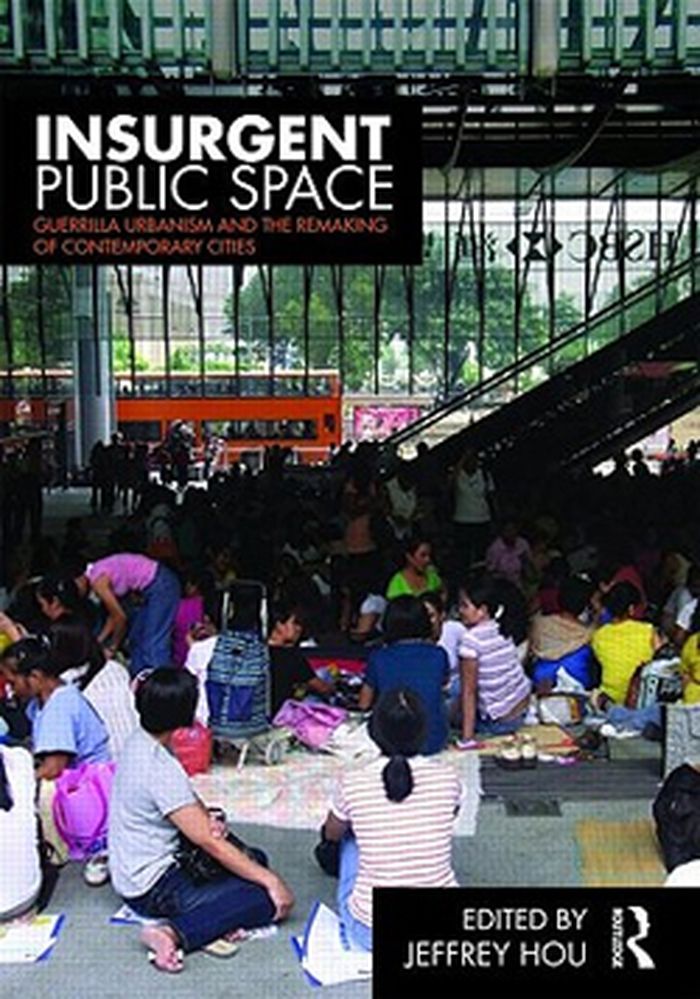
Drawing on the experiences and knowledge of individuals extensively engaged in the actual implementation of these spaces, Insurgent Public Space is a cross-disciplinary approach to the study of public space use, and how it is utilized in the contemporary, urban world. Appealing to professionals and students in both urban studies and more social courses, Hou has brought together valuable commentaries on an area of urbanism which has, up until now, been largely ignored.
Insurgent public space: Guerilla urbanism and the remaking of contemporary cities
Actions:
Prix:
$89.50
(disponible sur commande)
Résumé:
Drawing on the experiences and knowledge of individuals extensively engaged in the actual implementation of these spaces, Insurgent Public Space is a cross-disciplinary approach to the study of public space use, and how it is utilized in the contemporary, urban world. Appealing to professionals and students in both urban studies and more social courses, Hou has brought together valuable commentaries on an area of urbanism which has, up until now, been largely ignored.
Classification:
livres
livres
Publication:
mai 2010
mai 2010
Sujet:
Théorie de l’urbanisme
Théorie de l’urbanisme
Classification:
livres
livres
Actions:
Prix:
$42.50
(disponible sur commande)
Résumé:
La recherche, menée ici pour le Plan Construction Architecture et Urbanisme, porte sur les représentations, les légitimités des démolitions et reconstructions dans les projets de renouvellement urbain de quartier, ainsi que sur leurs traductions en actions et en plans urbanistiques. Quelles sont les représentations légitimes défendues par les acteurs locaux qui permettent(...)
$42.50
(disponible sur commande)
Résumé:
La recherche, menée ici pour le Plan Construction Architecture et Urbanisme, porte sur les représentations, les légitimités des démolitions et reconstructions dans les projets de renouvellement urbain de quartier, ainsi que sur leurs traductions en actions et en plans urbanistiques. Quelles sont les représentations légitimes défendues par les acteurs locaux qui permettent(...)
Titre:
Les démolitions dans les projets de renouvellement urbain : représentations, légitimités et traductions
Actions:
Prix:
$42.50
(disponible sur commande)
Résumé:
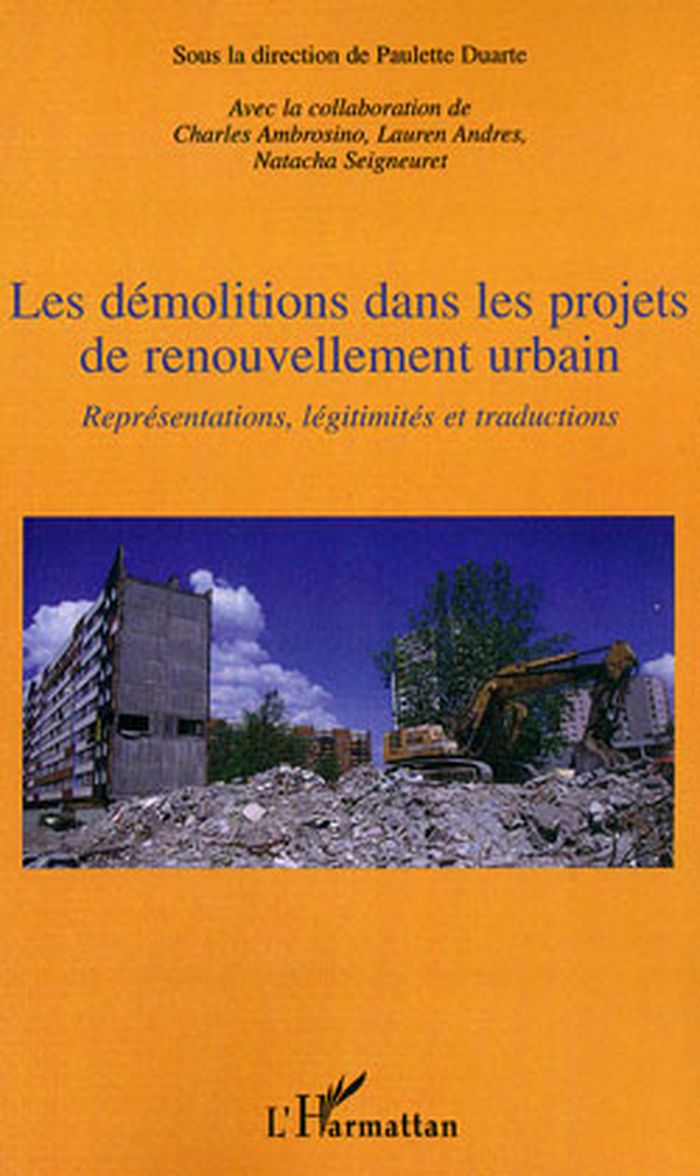
La recherche, menée ici pour le Plan Construction Architecture et Urbanisme, porte sur les représentations, les légitimités des démolitions et reconstructions dans les projets de renouvellement urbain de quartier, ainsi que sur leurs traductions en actions et en plans urbanistiques. Quelles sont les représentations légitimes défendues par les acteurs locaux qui permettent de dépasser la démolition considérée jusqu'à récemment comme taboue? Pour remodeler et relancer l'attractivité des quartiers, les professionnels de l'urbanisme puisent-ils dans différentes références historiques d'aménagement urbain et d'architecture? Ou proposent-ils de nouvelles formes urbaines et d'habitat, en référence à une nouvelle urbanité? La démarche scientifique mobilisée se situe à la croisée d'approches sociologiques de l'acteur, des représentations sociales, de la justification et de la traduction, et d'approches urbanistiques. Elle s'appuie sur quatre études de cas de "grands ensembles", faisant l'objet d'opérations de renouvellement urbain : Mistral et Teisseire à Grenoble, La Monnaie à Romans sur Isère et Les Hauts Champs à Hem.
Les démolitions dans les projets de renouvellement urbain : représentations, légitimités et traductions
Actions:
Prix:
$42.50
(disponible sur commande)
Résumé:
La recherche, menée ici pour le Plan Construction Architecture et Urbanisme, porte sur les représentations, les légitimités des démolitions et reconstructions dans les projets de renouvellement urbain de quartier, ainsi que sur leurs traductions en actions et en plans urbanistiques. Quelles sont les représentations légitimes défendues par les acteurs locaux qui permettent de dépasser la démolition considérée jusqu'à récemment comme taboue? Pour remodeler et relancer l'attractivité des quartiers, les professionnels de l'urbanisme puisent-ils dans différentes références historiques d'aménagement urbain et d'architecture? Ou proposent-ils de nouvelles formes urbaines et d'habitat, en référence à une nouvelle urbanité? La démarche scientifique mobilisée se situe à la croisée d'approches sociologiques de l'acteur, des représentations sociales, de la justification et de la traduction, et d'approches urbanistiques. Elle s'appuie sur quatre études de cas de "grands ensembles", faisant l'objet d'opérations de renouvellement urbain : Mistral et Teisseire à Grenoble, La Monnaie à Romans sur Isère et Les Hauts Champs à Hem.
Classification:
livres
livres
Publication:
mars 2011
mars 2011
Sujet:
Théorie de l’urbanisme
Théorie de l’urbanisme
Classification:
livres
livres
Titre:
Learning in Las Vegas
Learning in Las Vegas
Actions:
Prix:
$43.50
(disponible sur commande)
Résumé:
The fifth in a series documenting the Edward P. Bass Visiting Fellowship in Architecture at Yale, this book chronicles the collaboration of Fellow Chuck Atwood, the former vice chairman of Harrah's board of directors, with Davenport Visiting Professor David M. Schwarz, assisted by Brook Denison and Darin Cook. Focusing on Las Vegas's lack of pedestrianism, they asked the(...)
$43.50
(disponible sur commande)
Résumé:
The fifth in a series documenting the Edward P. Bass Visiting Fellowship in Architecture at Yale, this book chronicles the collaboration of Fellow Chuck Atwood, the former vice chairman of Harrah's board of directors, with Davenport Visiting Professor David M. Schwarz, assisted by Brook Denison and Darin Cook. Focusing on Las Vegas's lack of pedestrianism, they asked the(...)
Sujet:
Théorie de l’architecture
Théorie de l’architecture
Publication:
janvier 2011
janvier 2011
Titre:
Learning in Las Vegas
Actions:
Prix:
$43.50
(disponible sur commande)
Résumé:
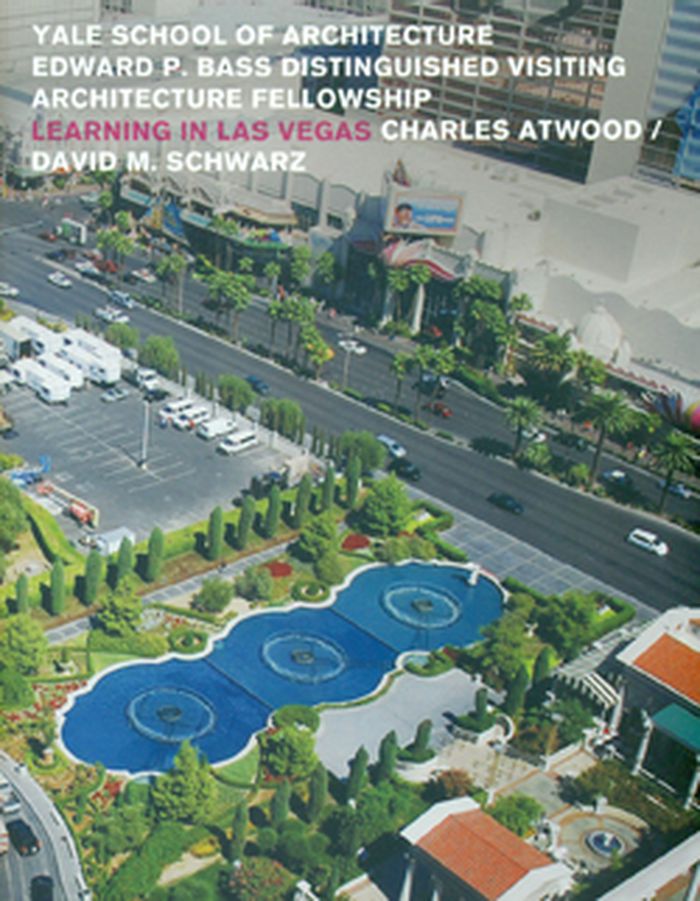
The fifth in a series documenting the Edward P. Bass Visiting Fellowship in Architecture at Yale, this book chronicles the collaboration of Fellow Chuck Atwood, the former vice chairman of Harrah's board of directors, with Davenport Visiting Professor David M. Schwarz, assisted by Brook Denison and Darin Cook. Focusing on Las Vegas's lack of pedestrianism, they asked the students to investigate vital urban sites around the world and then apply theses lessons learned to the automobile-centric Strip. The students met with Las Vegas Mayor Oscar Goodman, Harrah's CEO Gary Loveman, and private-equity managers David Bonderman and Marc Rowman as they devised ways to transform the world's premiere themed playground into a livable and pedestrian-oriented city.
Learning in Las Vegas
Actions:
Prix:
$43.50
(disponible sur commande)
Résumé:
The fifth in a series documenting the Edward P. Bass Visiting Fellowship in Architecture at Yale, this book chronicles the collaboration of Fellow Chuck Atwood, the former vice chairman of Harrah's board of directors, with Davenport Visiting Professor David M. Schwarz, assisted by Brook Denison and Darin Cook. Focusing on Las Vegas's lack of pedestrianism, they asked the students to investigate vital urban sites around the world and then apply theses lessons learned to the automobile-centric Strip. The students met with Las Vegas Mayor Oscar Goodman, Harrah's CEO Gary Loveman, and private-equity managers David Bonderman and Marc Rowman as they devised ways to transform the world's premiere themed playground into a livable and pedestrian-oriented city.
Classification:
livres
livres
Publication:
janvier 2011
janvier 2011
Sujet:
Théorie de l’architecture
Théorie de l’architecture
Classification:
livres
livres
Actions:
Prix:
$69.95
(disponible sur commande)
Résumé:
In 2050, over three quarters of the world’s population will live in cities. This follow-up to Phaidon’s successful The Endless City is a close look at the issues that affect cities, and thus human life across the globe in the twenty-first century. Based on a series of conferences held by the London School of Economics, Living in the Endless City examines Mumbai, Sao Paolo(...)
$69.95
(disponible sur commande)
Résumé:
In 2050, over three quarters of the world’s population will live in cities. This follow-up to Phaidon’s successful The Endless City is a close look at the issues that affect cities, and thus human life across the globe in the twenty-first century. Based on a series of conferences held by the London School of Economics, Living in the Endless City examines Mumbai, Sao Paolo(...)
Titre:
Living in the endless city: The Urban Age Project
Actions:
Prix:
$69.95
(disponible sur commande)
Résumé:
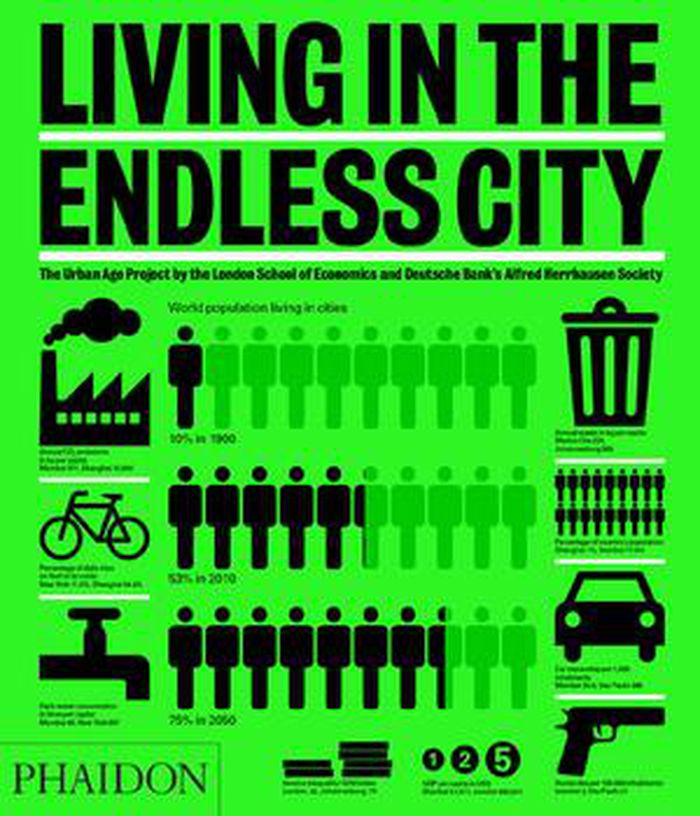
In 2050, over three quarters of the world’s population will live in cities. This follow-up to Phaidon’s successful The Endless City is a close look at the issues that affect cities, and thus human life across the globe in the twenty-first century. Based on a series of conferences held by the London School of Economics, Living in the Endless City examines Mumbai, Sao Paolo and Istanbul through a series of essays by global scholars and thinkers, photographs illustrating key aspects of life in the three cities, and compellingly presented analytical data.
Living in the endless city: The Urban Age Project
Actions:
Prix:
$69.95
(disponible sur commande)
Résumé:
In 2050, over three quarters of the world’s population will live in cities. This follow-up to Phaidon’s successful The Endless City is a close look at the issues that affect cities, and thus human life across the globe in the twenty-first century. Based on a series of conferences held by the London School of Economics, Living in the Endless City examines Mumbai, Sao Paolo and Istanbul through a series of essays by global scholars and thinkers, photographs illustrating key aspects of life in the three cities, and compellingly presented analytical data.
Classification:
livres
livres
Publication:
mai 2011
mai 2011
Sujet:
Théorie de l’urbanisme
Théorie de l’urbanisme
Classification:
livres
livres
Actions:
Prix:
$19.95
(disponible sur commande)
Résumé:
Britain and the USA carried out a massive bombing offensive against the cities of Germany and Japan in the course of the Second World War, which ended with the destruction of Hamburg, Dresden, Tokyo, Hiroshima and Nagasaki. Was the bombing of civilian targets justified by the necessities of war? Or was it, in fact, a crime against humanity? How should the descendants of(...)
$19.95
(disponible sur commande)
Résumé:
Britain and the USA carried out a massive bombing offensive against the cities of Germany and Japan in the course of the Second World War, which ended with the destruction of Hamburg, Dresden, Tokyo, Hiroshima and Nagasaki. Was the bombing of civilian targets justified by the necessities of war? Or was it, in fact, a crime against humanity? How should the descendants of(...)
Titre:
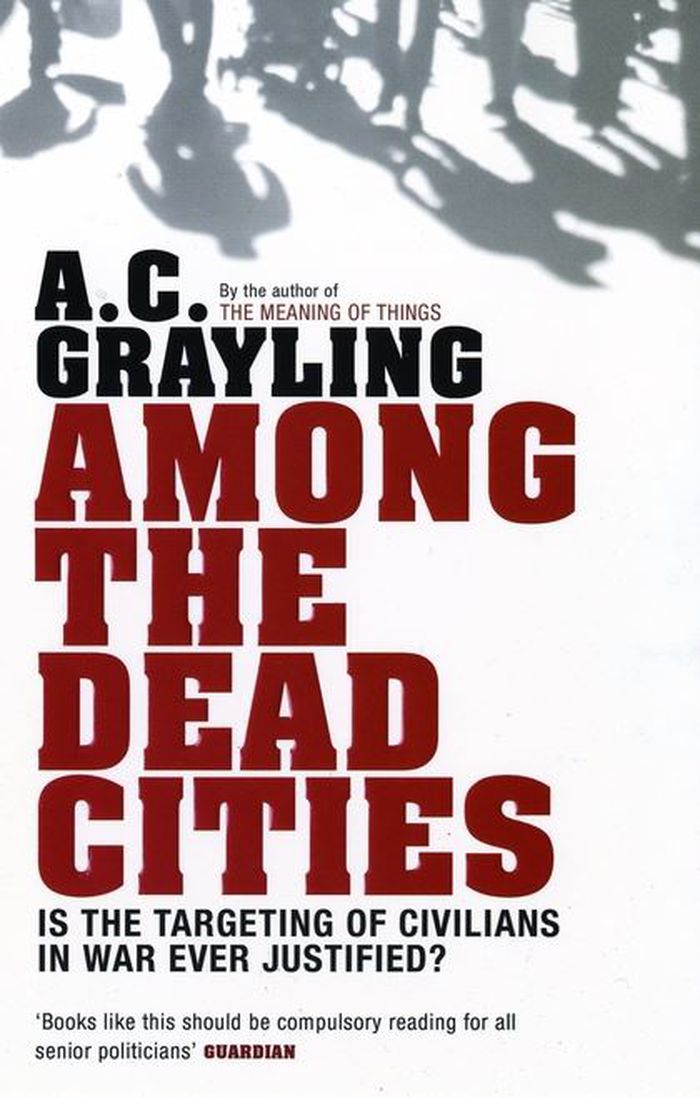
Among the dead cities: is the targeting of civilians in war ever justified?
Actions:
Prix:
$19.95
(disponible sur commande)
Résumé:
Britain and the USA carried out a massive bombing offensive against the cities of Germany and Japan in the course of the Second World War, which ended with the destruction of Hamburg, Dresden, Tokyo, Hiroshima and Nagasaki. Was the bombing of civilian targets justified by the necessities of war? Or was it, in fact, a crime against humanity? How should the descendants of the Allies who won the victory in that war, reply to the moral challenge of the descendants of those whose cities were targeted? The author looks at the stands people took, both for and against, and asks what the lessons are that we can learn for today about how people should behave in a world of tension and moral confusion, of terrorism and fragile democracies.
Among the dead cities: is the targeting of civilians in war ever justified?
Actions:
Prix:
$19.95
(disponible sur commande)
Résumé:
Britain and the USA carried out a massive bombing offensive against the cities of Germany and Japan in the course of the Second World War, which ended with the destruction of Hamburg, Dresden, Tokyo, Hiroshima and Nagasaki. Was the bombing of civilian targets justified by the necessities of war? Or was it, in fact, a crime against humanity? How should the descendants of the Allies who won the victory in that war, reply to the moral challenge of the descendants of those whose cities were targeted? The author looks at the stands people took, both for and against, and asks what the lessons are that we can learn for today about how people should behave in a world of tension and moral confusion, of terrorism and fragile democracies.
Classification:
livres
livres
Publication:
avril 2005
avril 2005
Sujet:
Théorie de l’architecture
Théorie de l’architecture
Classification:
livres
livres
Actions:
Prix:
$34.95
(disponible sur commande)
Résumé:
Do Glaciers Listen? explores the conflicting depictions of glaciers to show how natural and cultural histories are objectively entangled in the Mount Saint Elias ranges. This rugged area, where Alaska, British Columbia, and the Yukon Territory now meet, underwent significant geophysical change in the late eighteenth and nineteenth centuries, which coincided with dramatic(...)
$34.95
(disponible sur commande)
Résumé:
Do Glaciers Listen? explores the conflicting depictions of glaciers to show how natural and cultural histories are objectively entangled in the Mount Saint Elias ranges. This rugged area, where Alaska, British Columbia, and the Yukon Territory now meet, underwent significant geophysical change in the late eighteenth and nineteenth centuries, which coincided with dramatic(...)
Titre:
Do glaciers listen? Local knowledge, colonial encounters, and social imagination
Actions:
Prix:
$34.95
(disponible sur commande)
Résumé:
Do Glaciers Listen? explores the conflicting depictions of glaciers to show how natural and cultural histories are objectively entangled in the Mount Saint Elias ranges. This rugged area, where Alaska, British Columbia, and the Yukon Territory now meet, underwent significant geophysical change in the late eighteenth and nineteenth centuries, which coincided with dramatic social upheaval resulting from European exploration and increased travel and trade among Aboriginal peoples. European visitors brought with them varying conceptions of nature as sublime, as spiritual, or as a resource for human progress. They saw glaciers as inanimate, subject to empirical investigation and measurement. Aboriginal oral histories, conversely, described glaciers as sentient, animate, and quick to respond to human behaviour. In each case, however, the experiences and ideas surrounding glaciers were incorporated into interpretations of social relations. Focusing on these contrasting views during the late stages of the Little Ice Age (1550-1900), Cruikshank demonstrates how local knowledge is produced, rather than discovered, through colonial encounters, and how it often conjoins social and biophysical processes. She then traces how the divergent views weave through contemporary debates about cultural meanings as well as current discussions about protected areas, parks, and the new World Heritage site.
Do glaciers listen? Local knowledge, colonial encounters, and social imagination
Actions:
Prix:
$34.95
(disponible sur commande)
Résumé:
Do Glaciers Listen? explores the conflicting depictions of glaciers to show how natural and cultural histories are objectively entangled in the Mount Saint Elias ranges. This rugged area, where Alaska, British Columbia, and the Yukon Territory now meet, underwent significant geophysical change in the late eighteenth and nineteenth centuries, which coincided with dramatic social upheaval resulting from European exploration and increased travel and trade among Aboriginal peoples. European visitors brought with them varying conceptions of nature as sublime, as spiritual, or as a resource for human progress. They saw glaciers as inanimate, subject to empirical investigation and measurement. Aboriginal oral histories, conversely, described glaciers as sentient, animate, and quick to respond to human behaviour. In each case, however, the experiences and ideas surrounding glaciers were incorporated into interpretations of social relations. Focusing on these contrasting views during the late stages of the Little Ice Age (1550-1900), Cruikshank demonstrates how local knowledge is produced, rather than discovered, through colonial encounters, and how it often conjoins social and biophysical processes. She then traces how the divergent views weave through contemporary debates about cultural meanings as well as current discussions about protected areas, parks, and the new World Heritage site.
Classification:
livres
livres
Publication:
avril 2006
avril 2006
Sujet:
Théorie de l’architecture
Théorie de l’architecture
Classification:
livres
livres
Actions:
Prix:
$59.50
(disponible sur commande)
Résumé:
From the targeted demolition of Mostar's Stari-Most Bridge in 1993 to the physical and social havoc caused by the 2004 Boxing Day Tsunami, the history of cities is often a history of destruction and reconstruction. But what political and aesthetic criteria should guide us in the rebuilding of cities devastated by war and natural calamities? This publication points to(...)
$59.50
(disponible sur commande)
Résumé:
From the targeted demolition of Mostar's Stari-Most Bridge in 1993 to the physical and social havoc caused by the 2004 Boxing Day Tsunami, the history of cities is often a history of destruction and reconstruction. But what political and aesthetic criteria should guide us in the rebuilding of cities devastated by war and natural calamities? This publication points to(...)
Titre:
Architects without frontiers: war, reconstruction and design responsibility
Actions:
Prix:
$59.50
(disponible sur commande)
Résumé:
From the targeted demolition of Mostar's Stari-Most Bridge in 1993 to the physical and social havoc caused by the 2004 Boxing Day Tsunami, the history of cities is often a history of destruction and reconstruction. But what political and aesthetic criteria should guide us in the rebuilding of cities devastated by war and natural calamities? This publication points to the potential for architects to play important roles in post-war relief and reconstruction. Charlesworth suggests that architects and design professionals have a significant opportunity to assist peace-making and reconstruction efforts in the period immediately after conflict or disaster, when much of the housing, hospital, educational, transport, civic and business infrastructure has been destroyed or badly damaged. Through selected case studies, Charlesworth examines the role of architects, planners, urban designers and landscape architects in three cities following conflict - Beirut, Nicosia and Mostar - three cities where the mental and physical scars of violent conflict still remain. This book expands the traditional role of the architect from 'hero' to 'peacemaker' and discusses how design educators can stretch their wings to encompass the proliferating agendas and sites of civil unrest.
Architects without frontiers: war, reconstruction and design responsibility
Actions:
Prix:
$59.50
(disponible sur commande)
Résumé:
From the targeted demolition of Mostar's Stari-Most Bridge in 1993 to the physical and social havoc caused by the 2004 Boxing Day Tsunami, the history of cities is often a history of destruction and reconstruction. But what political and aesthetic criteria should guide us in the rebuilding of cities devastated by war and natural calamities? This publication points to the potential for architects to play important roles in post-war relief and reconstruction. Charlesworth suggests that architects and design professionals have a significant opportunity to assist peace-making and reconstruction efforts in the period immediately after conflict or disaster, when much of the housing, hospital, educational, transport, civic and business infrastructure has been destroyed or badly damaged. Through selected case studies, Charlesworth examines the role of architects, planners, urban designers and landscape architects in three cities following conflict - Beirut, Nicosia and Mostar - three cities where the mental and physical scars of violent conflict still remain. This book expands the traditional role of the architect from 'hero' to 'peacemaker' and discusses how design educators can stretch their wings to encompass the proliferating agendas and sites of civil unrest.
Classification:
livres
livres
Publication:
avril 2006
avril 2006
Sujet:
Théorie de l’architecture
Théorie de l’architecture
Classification:
livres
livres
Actions:
Prix:
$31.95
(disponible sur commande)
Résumé:
This publication examines New York City as a paradigmatic example of the tensions between privatization and public uses of space in the contemporary United States of America.
$31.95
(disponible sur commande)
Résumé:
This publication examines New York City as a paradigmatic example of the tensions between privatization and public uses of space in the contemporary United States of America.
Titre:
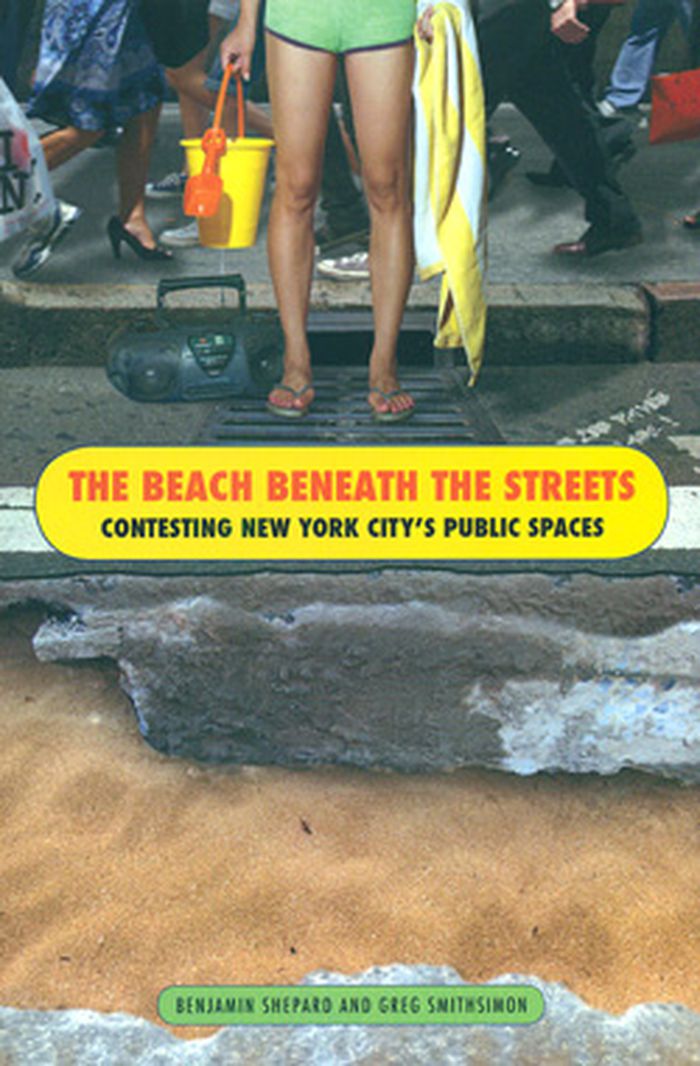
The beach beneath the streets: contesting New York city's public spaces
Actions:
Prix:
$31.95
(disponible sur commande)
Résumé:
This publication examines New York City as a paradigmatic example of the tensions between privatization and public uses of space in the contemporary United States of America.
The beach beneath the streets: contesting New York city's public spaces
Actions:
Prix:
$31.95
(disponible sur commande)
Résumé:
This publication examines New York City as a paradigmatic example of the tensions between privatization and public uses of space in the contemporary United States of America.
Classification:
livres
livres
Publication:
juin 2011
juin 2011
Sujet:
Théorie de l’urbanisme
Théorie de l’urbanisme
Classification:
livres
livres
Prix:
$66.00
(disponible en magasin)
Résumé:
L'urbanisme traditionnel peine à appréhender des formes d'urbanisation aujourd'hui largement majoritaires en Europe: les territoires contemporains « d'entre-deux », ni urbains ni ruraux. Ils posent question à ceux qui les analysent, les organisent ou s'y inscrivent. Ce terrain d'analyse mène ainsi à une réflexion méthodologique sur les territoires habitées sans densité,(...)
$66.00
(disponible en magasin)
Résumé:
L'urbanisme traditionnel peine à appréhender des formes d'urbanisation aujourd'hui largement majoritaires en Europe: les territoires contemporains « d'entre-deux », ni urbains ni ruraux. Ils posent question à ceux qui les analysent, les organisent ou s'y inscrivent. Ce terrain d'analyse mène ainsi à une réflexion méthodologique sur les territoires habitées sans densité,(...)
Titre:
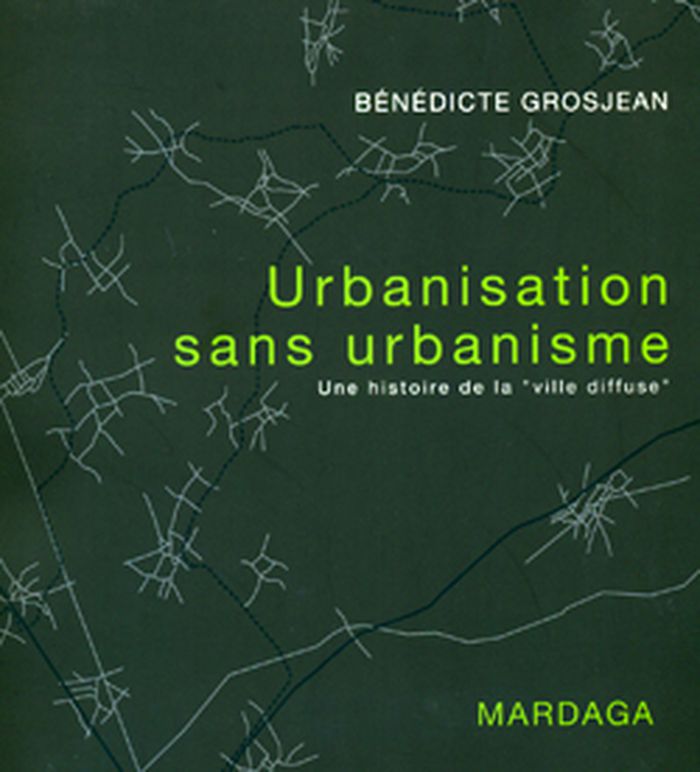
Urbanisation sans urbanisme: une histoire de la «ville diffuse»
Actions:
Prix:
$66.00
(disponible en magasin)
Résumé:
L'urbanisme traditionnel peine à appréhender des formes d'urbanisation aujourd'hui largement majoritaires en Europe: les territoires contemporains « d'entre-deux », ni urbains ni ruraux. Ils posent question à ceux qui les analysent, les organisent ou s'y inscrivent. Ce terrain d'analyse mène ainsi à une réflexion méthodologique sur les territoires habitées sans densité, renouvelant la manière de les appréhender. Cet ouvrage tire ses enseignments principalement de la Belgique et le Brahant, ex-province autour de Bruxelles.
Urbanisation sans urbanisme: une histoire de la «ville diffuse»
Actions:
Prix:
$66.00
(disponible en magasin)
Résumé:
L'urbanisme traditionnel peine à appréhender des formes d'urbanisation aujourd'hui largement majoritaires en Europe: les territoires contemporains « d'entre-deux », ni urbains ni ruraux. Ils posent question à ceux qui les analysent, les organisent ou s'y inscrivent. Ce terrain d'analyse mène ainsi à une réflexion méthodologique sur les territoires habitées sans densité, renouvelant la manière de les appréhender. Cet ouvrage tire ses enseignments principalement de la Belgique et le Brahant, ex-province autour de Bruxelles.
Classification:
livres
livres
Publication:
mars 2011
mars 2011
Sujet:
Théorie de l’urbanisme
Théorie de l’urbanisme
Classification:
livres
livres
Titre:
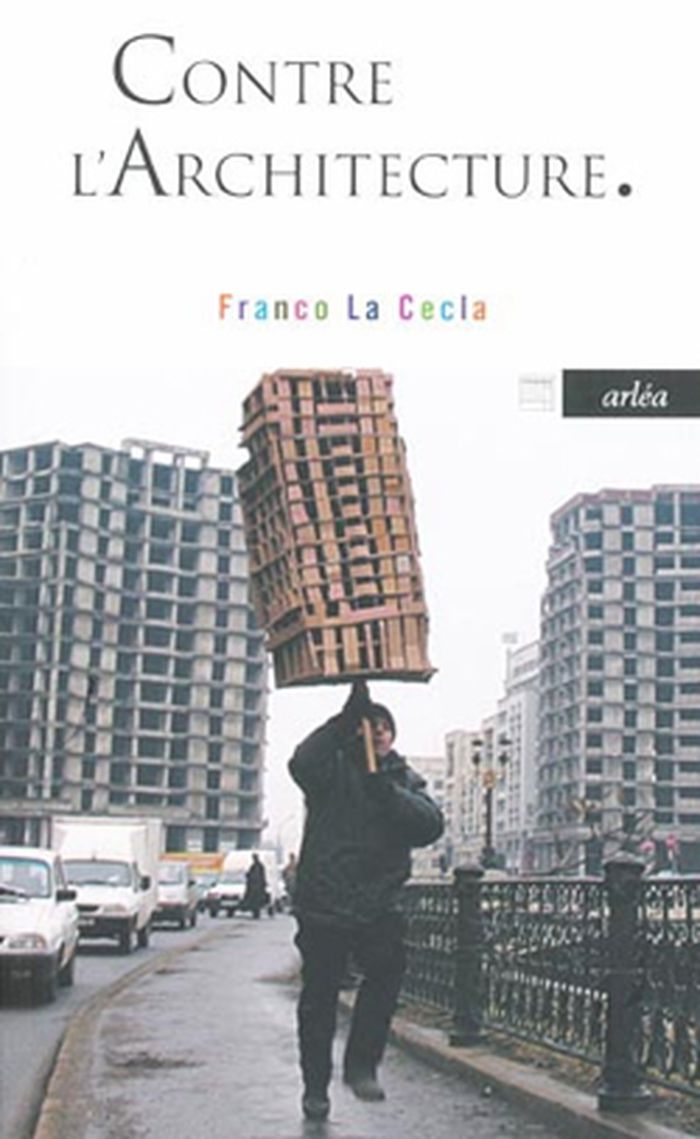
Contre l'architecture
Contre l'architecture
Actions:
Prix:
$18.95
(disponible sur commande)
Résumé:
Contre l’Architecture est une charge érudite contre l'esprit dans lequel travaillent les grands architectes. A travers une multitude d'exemples, New York, Tirana, Barcelone, ou encore Paris et ses banlieues, l'auteur stigmatise les fourvoiements d'une profession qui, selon lui, a dénaturé sa fonction. L'architecture est devenue un jeu formel où l'on a perdu de vue le(...)
$18.95
(disponible sur commande)
Résumé:
Contre l’Architecture est une charge érudite contre l'esprit dans lequel travaillent les grands architectes. A travers une multitude d'exemples, New York, Tirana, Barcelone, ou encore Paris et ses banlieues, l'auteur stigmatise les fourvoiements d'une profession qui, selon lui, a dénaturé sa fonction. L'architecture est devenue un jeu formel où l'on a perdu de vue le(...)
Titre:
Contre l'architecture
Actions:
Prix:
$18.95
(disponible sur commande)
Résumé:
Contre l’Architecture est une charge érudite contre l'esprit dans lequel travaillent les grands architectes. A travers une multitude d'exemples, New York, Tirana, Barcelone, ou encore Paris et ses banlieues, l'auteur stigmatise les fourvoiements d'une profession qui, selon lui, a dénaturé sa fonction. L'architecture est devenue un jeu formel où l'on a perdu de vue le bien public, ce qui est désastreux pour la ville et ses habitants. Franco La Cecla s’insurge contre la transformation des villes en « marques » labellisées, et insiste sur la nécessité de repenser l’espace urbain et les pratiques architecturales afin de protéger et d’améliorer nos conditions de vie. La crise des banlieues, la détérioration de l'environnement, l'épuisement des ressources, tout devrait nous pousser à réagir pour éviter que nos villes deviennent inhabitables.
Contre l'architecture
Actions:
Prix:
$18.95
(disponible sur commande)
Résumé:
Contre l’Architecture est une charge érudite contre l'esprit dans lequel travaillent les grands architectes. A travers une multitude d'exemples, New York, Tirana, Barcelone, ou encore Paris et ses banlieues, l'auteur stigmatise les fourvoiements d'une profession qui, selon lui, a dénaturé sa fonction. L'architecture est devenue un jeu formel où l'on a perdu de vue le bien public, ce qui est désastreux pour la ville et ses habitants. Franco La Cecla s’insurge contre la transformation des villes en « marques » labellisées, et insiste sur la nécessité de repenser l’espace urbain et les pratiques architecturales afin de protéger et d’améliorer nos conditions de vie. La crise des banlieues, la détérioration de l'environnement, l'épuisement des ressources, tout devrait nous pousser à réagir pour éviter que nos villes deviennent inhabitables.
Classification:
livres
livres
Publication:
avril 2011
avril 2011
Sujet:
Théorie de l’architecture
Théorie de l’architecture


