


7451 Résultats
Classification:
cartes
cartes
Actions:
Exemplaires:
Description:
400 pages : color illustrations, maps ; 24 x 28 cm
Description:
400 pages : color illustrations, maps ; 24 x 28 cm
Auteur:
Sujet:
Publication:
New York : Thames & Hudson, 2008.
New York : Thames & Hudson, 2008.
Titre:
The atlas of the real world : mapping the way we live / Daniel Dorling, Mark Newman and Anna Barford.
Actions:
Exemplaires:
Description:
400 pages : color illustrations, maps ; 24 x 28 cm
The atlas of the real world : mapping the way we live / Daniel Dorling, Mark Newman and Anna Barford.
Actions:
Exemplaires:
Description:
400 pages : color illustrations, maps ; 24 x 28 cm
Classification:
cartes
cartes
Publication:
New York : Thames & Hudson, 2008.
New York : Thames & Hudson, 2008.
Auteur:
Sujet:
Classification:
livres
livres
Actions:
Exemplaires:
Description:
287 pages : illustrations (some color) ; 31 cm
Description:
287 pages : illustrations (some color) ; 31 cm
Auteur:
Sujet:
Publication:
Nürnberg : Verlag für moderne Künst Nürnberg, ©2009.
Nürnberg : Verlag für moderne Künst Nürnberg, ©2009.
Titre:
Thomas Ruff : Oberflächen, Tiefen : 12. Mai bis 13. September 2009, Kunsthalle Wien / [Kuratorin, Cathérine Hug ; Texte, Tammer El-Sheikh [and others]]= Thomas Ruff : surfaces, depths : May 21-September 13, 2009, Kunsthalle Wien / Curator, Cathérine Hug ; texts, Tammer El-Sheikh [and others]].
Actions:
Exemplaires:
Description:
287 pages : illustrations (some color) ; 31 cm
Thomas Ruff : Oberflächen, Tiefen : 12. Mai bis 13. September 2009, Kunsthalle Wien / [Kuratorin, Cathérine Hug ; Texte, Tammer El-Sheikh [and others]]= Thomas Ruff : surfaces, depths : May 21-September 13, 2009, Kunsthalle Wien / Curator, Cathérine Hug ; texts, Tammer El-Sheikh [and others]].
Actions:
Exemplaires:
Description:
287 pages : illustrations (some color) ; 31 cm
Classification:
livres
livres
Publication:
Nürnberg : Verlag für moderne Künst Nürnberg, ©2009.
Nürnberg : Verlag für moderne Künst Nürnberg, ©2009.
Auteur:
Sujet:
Classification:
livres
livres
Description:
1 online resource (76 PDF pages) : illustrations
Auteur:
Sujet:
Publication:
Paris : Onestar Press, 2004
Paris : Onestar Press, 2004
Titre:
Anna Sanders Films identity spot / Sean Dack & Liam Gillick
Actions:
Description:
1 online resource (76 PDF pages) : illustrations
Anna Sanders Films identity spot / Sean Dack & Liam Gillick
Actions:
Description:
1 online resource (76 PDF pages) : illustrations
Classification:
livres
livres
Publication:
Paris : Onestar Press, 2004
Paris : Onestar Press, 2004
Auteur:
Sujet:
Classification:
périodiques
périodiques
Actions:
Description:
1 online resource (volumes)
Auteur:
Sujet:
Publication:
Oxford, U.K. : British Centre for Durkheimian Studies, Institute of Social and Cultural Anthropology
Oxford, U.K. : British Centre for Durkheimian Studies, Institute of Social and Cultural Anthropology
Titre:
Durkheimian studies = Etudes Durkheimiennes.
Actions:
Description:
1 online resource (volumes)
Durkheimian studies = Etudes Durkheimiennes.
Actions:
Description:
1 online resource (volumes)
Classification:
périodiques
périodiques
Publication:
Oxford, U.K. : British Centre for Durkheimian Studies, Institute of Social and Cultural Anthropology
Oxford, U.K. : British Centre for Durkheimian Studies, Institute of Social and Cultural Anthropology
Auteur:
Sujet:
Classification:
périodiques
périodiques
Titre:
Kunstgewerbeblatt.
Kunstgewerbeblatt.
Actions:
Exemplaires:
Description:
33 volumes : illustrations, plates (part fol.) ; 29-35 cm
Description:
33 volumes : illustrations, plates (part fol.) ; 29-35 cm
Auteur:
Sujet:
Publication:
Leipzig : E.A. Seemann, 1885-1917.
Leipzig : E.A. Seemann, 1885-1917.
Titre:
Kunstgewerbeblatt.
Actions:
Exemplaires:
Description:
33 volumes : illustrations, plates (part fol.) ; 29-35 cm
Kunstgewerbeblatt.
Actions:
Exemplaires:
Description:
33 volumes : illustrations, plates (part fol.) ; 29-35 cm
Classification:
périodiques
périodiques
Publication:
Leipzig : E.A. Seemann, 1885-1917.
Leipzig : E.A. Seemann, 1885-1917.
Auteur:
Sujet:
Classification:
livres
livres
Actions:
Exemplaires:
Description:
24 unnumbered pages : illustrations ; 16 x 22 cm + 1 computer disc (3 1/2 in.)
Description:
24 unnumbered pages : illustrations ; 16 x 22 cm + 1 computer disc (3 1/2 in.)
Auteur:
Sujet:
Publication:
Roma : Istituto europeo di design di Roma : Architettura arte moderna ; Milano : Architettura arte moderna, [1996]
Roma : Istituto europeo di design di Roma : Architettura arte moderna ; Milano : Architettura arte moderna, [1996]
Titre:
Heinz Tesar / a cura di Francesco Moschini, Alberto Alessi e Claudio Andreoli.
Actions:
Exemplaires:
Description:
24 unnumbered pages : illustrations ; 16 x 22 cm + 1 computer disc (3 1/2 in.)
Heinz Tesar / a cura di Francesco Moschini, Alberto Alessi e Claudio Andreoli.
Actions:
Exemplaires:
Description:
24 unnumbered pages : illustrations ; 16 x 22 cm + 1 computer disc (3 1/2 in.)
Classification:
livres
livres
Publication:
Roma : Istituto europeo di design di Roma : Architettura arte moderna ; Milano : Architettura arte moderna, [1996]
Roma : Istituto europeo di design di Roma : Architettura arte moderna ; Milano : Architettura arte moderna, [1996]
Auteur:
Sujet:
Classification:
livres
livres
Titre:
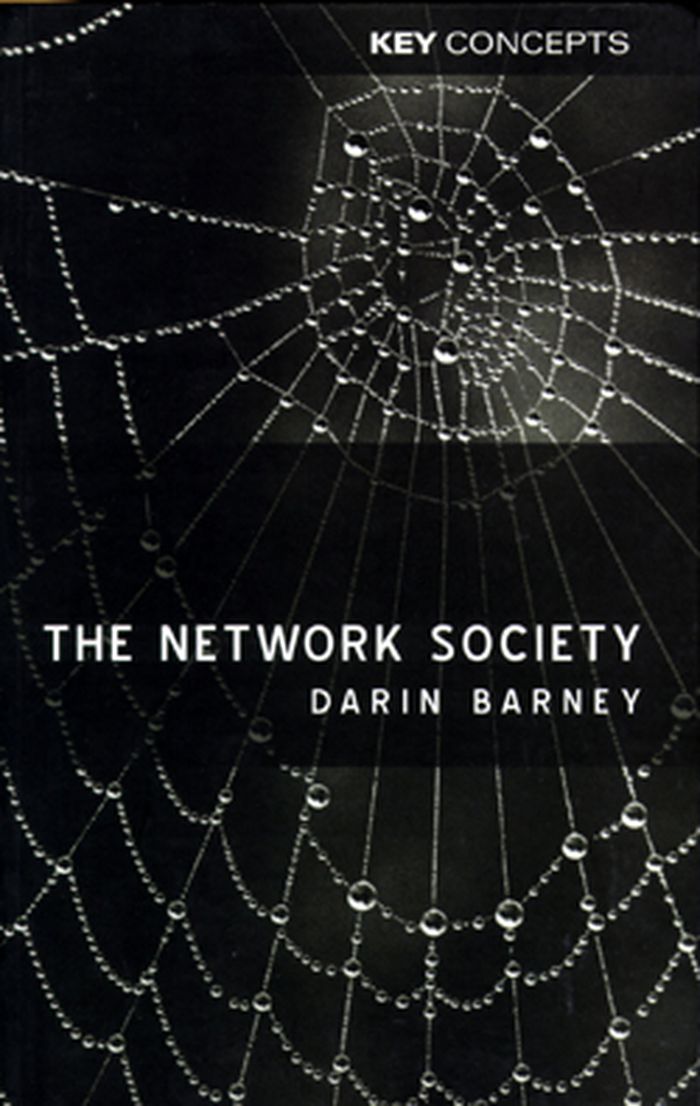
The network society
The network society
Actions:
Prix:
$28.99
(disponible sur commande)
Résumé:
In The Network Society, Darin Barney provides a compelling examination of the social, political and economic implications of network technologies and their application across a wide range of practices and institutions. Are we in the midst of a digital revolution? Have new information and communication technologies given birth to a new form of society, or do they(...)
$28.99
(disponible sur commande)
Résumé:
In The Network Society, Darin Barney provides a compelling examination of the social, political and economic implications of network technologies and their application across a wide range of practices and institutions. Are we in the midst of a digital revolution? Have new information and communication technologies given birth to a new form of society, or do they(...)
Titre:
The network society
Actions:
Prix:
$28.99
(disponible sur commande)
Résumé:
In The Network Society, Darin Barney provides a compelling examination of the social, political and economic implications of network technologies and their application across a wide range of practices and institutions. Are we in the midst of a digital revolution? Have new information and communication technologies given birth to a new form of society, or do they reinforce and extend existing patterns and relationships? This book provides a clear and engaging discussion of these and other questions. Using a sophisticated model of the relationship between technology and society, Barney investigates both what has changed, and what has remained the same, in the age of the Internet. Among the issues discussed are debates concerning the emergence of a 'knowledge economy'; digital restructuring of employment and work; globalization and the status of the nation-state; the prospects of digital democracy; the digital divide; new social movements; and culture, community and identity in the age of new media. This book provides an accessible resource for a thoughtful engagement with life in the network society. It will be essential reading for students in sociology and media and communication studies. This will be a valuable textbook for undergraduate students of sociology and media and communication studies.
The network society
Actions:
Prix:
$28.99
(disponible sur commande)
Résumé:
In The Network Society, Darin Barney provides a compelling examination of the social, political and economic implications of network technologies and their application across a wide range of practices and institutions. Are we in the midst of a digital revolution? Have new information and communication technologies given birth to a new form of society, or do they reinforce and extend existing patterns and relationships? This book provides a clear and engaging discussion of these and other questions. Using a sophisticated model of the relationship between technology and society, Barney investigates both what has changed, and what has remained the same, in the age of the Internet. Among the issues discussed are debates concerning the emergence of a 'knowledge economy'; digital restructuring of employment and work; globalization and the status of the nation-state; the prospects of digital democracy; the digital divide; new social movements; and culture, community and identity in the age of new media. This book provides an accessible resource for a thoughtful engagement with life in the network society. It will be essential reading for students in sociology and media and communication studies. This will be a valuable textbook for undergraduate students of sociology and media and communication studies.
Classification:
livres
livres
Publication:
septembre 2004, Cambridge
septembre 2004, Cambridge
Sujet:
Épistémologie et réseau
Épistémologie et réseau
Classification:
livres
livres
Actions:
Prix:
$70.95
(disponible sur commande)
Résumé:
This cutting-edge text offers an introduction to the emerging field of media archaeology and analyses the innovative theoretical and artistic methodology used to excavate current media through its past. Written with a steampunk attitude, What is Media Archaeology? examines the theoretical challenges of studying digital culture and memory and opens up the sedimented(...)
$70.95
(disponible sur commande)
Résumé:
This cutting-edge text offers an introduction to the emerging field of media archaeology and analyses the innovative theoretical and artistic methodology used to excavate current media through its past. Written with a steampunk attitude, What is Media Archaeology? examines the theoretical challenges of studying digital culture and memory and opens up the sedimented(...)
Titre:
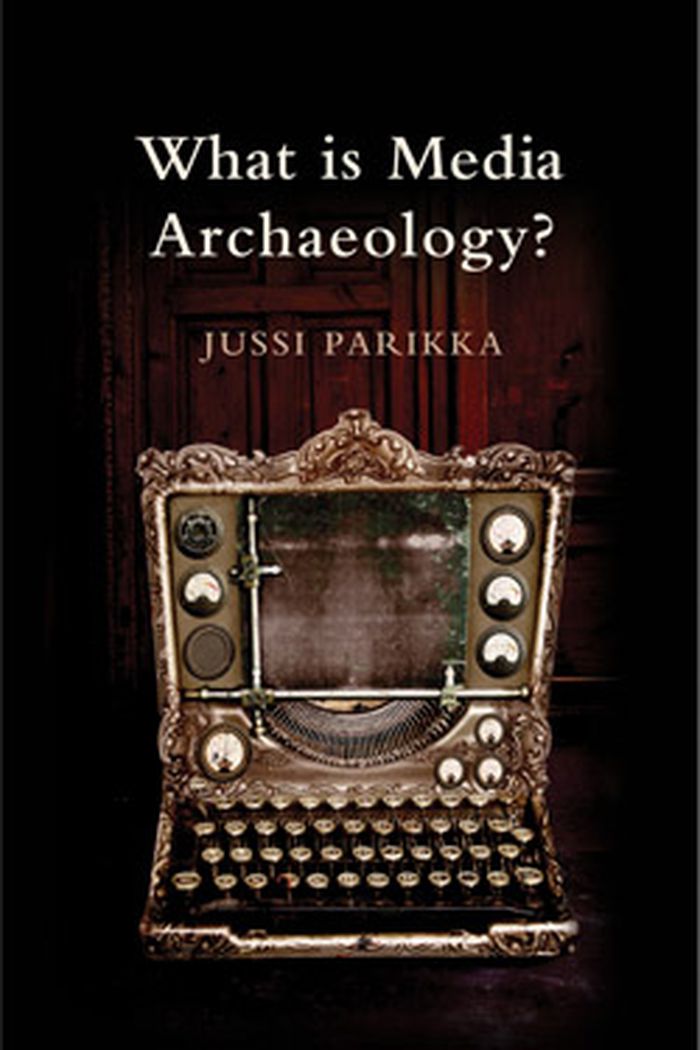
Jussi Parikka : What is media archaeology?
Actions:
Prix:
$70.95
(disponible sur commande)
Résumé:
This cutting-edge text offers an introduction to the emerging field of media archaeology and analyses the innovative theoretical and artistic methodology used to excavate current media through its past. Written with a steampunk attitude, What is Media Archaeology? examines the theoretical challenges of studying digital culture and memory and opens up the sedimented layers of contemporary media culture. The author contextualizes media archaeology in relation to other key media studies debates including software studies, German media theory, imaginary media research, new materialism and digital humanities.
Jussi Parikka : What is media archaeology?
Actions:
Prix:
$70.95
(disponible sur commande)
Résumé:
This cutting-edge text offers an introduction to the emerging field of media archaeology and analyses the innovative theoretical and artistic methodology used to excavate current media through its past. Written with a steampunk attitude, What is Media Archaeology? examines the theoretical challenges of studying digital culture and memory and opens up the sedimented layers of contemporary media culture. The author contextualizes media archaeology in relation to other key media studies debates including software studies, German media theory, imaginary media research, new materialism and digital humanities.
Classification:
livres
livres
Publication:
juin 2012
juin 2012
Sujet:
Épistémologie et réseau
Épistémologie et réseau
Classification:
livres
livres
Titre:
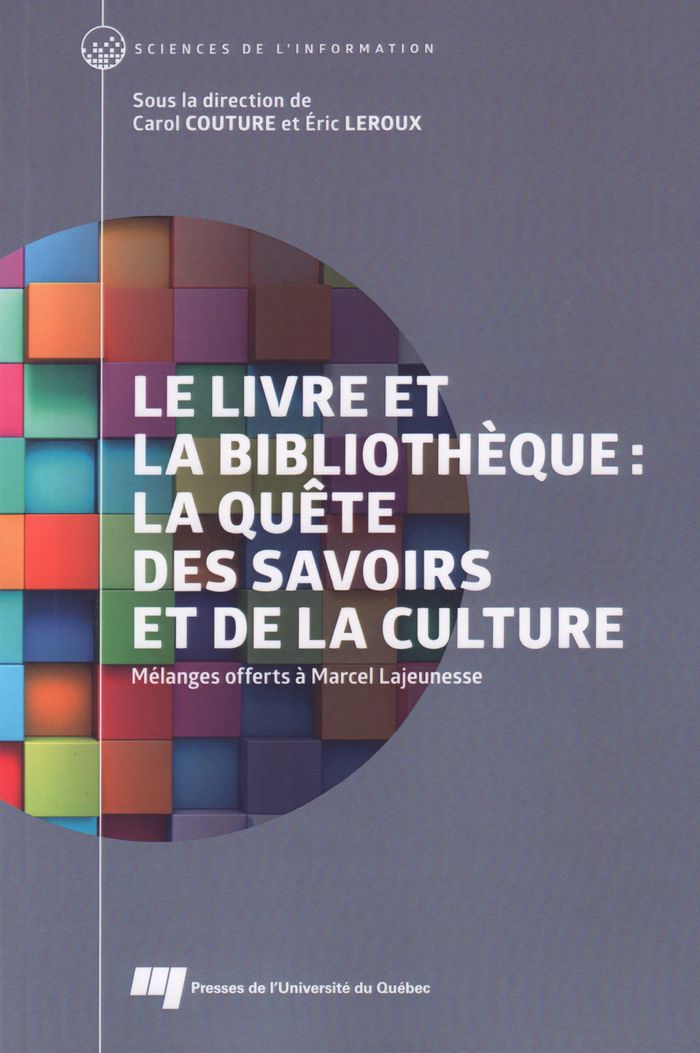
Le livre et la bibliothèque: La quête des savoirs et de la culture, mélanges offerts à Marcel Laje
Le livre et la bibliothèque: La quête des savoirs et de la culture, mélanges offerts à Marcel Laje
Actions:
Prix:
$45.00
(disponible en magasin)
Résumé:
Cet ouvrage présente le livre et la bibliothèque comme objet et lieu privilégiés où s’incarne la quête des savoirs et de la culture. Qu’on pense en mode analogique ou numérique, le livre et la bibliothèque ne sont-ils pas les meilleurs moyens de répondre au besoin essentiel que nous avons tous de connaître, de savoir, de nous développer?? Le livre comme support de la(...)
$45.00
(disponible en magasin)
Résumé:
Cet ouvrage présente le livre et la bibliothèque comme objet et lieu privilégiés où s’incarne la quête des savoirs et de la culture. Qu’on pense en mode analogique ou numérique, le livre et la bibliothèque ne sont-ils pas les meilleurs moyens de répondre au besoin essentiel que nous avons tous de connaître, de savoir, de nous développer?? Le livre comme support de la(...)
Publication:
février 2023
février 2023
Titre:
Le livre et la bibliothèque: La quête des savoirs et de la culture, mélanges offerts à Marcel Laje
Actions:
Prix:
$45.00
(disponible en magasin)
Résumé:
Cet ouvrage présente le livre et la bibliothèque comme objet et lieu privilégiés où s’incarne la quête des savoirs et de la culture. Qu’on pense en mode analogique ou numérique, le livre et la bibliothèque ne sont-ils pas les meilleurs moyens de répondre au besoin essentiel que nous avons tous de connaître, de savoir, de nous développer?? Le livre comme support de la connaissance et la bibliothèque comme milieu de recherche du savoir ont fourni de tout temps une contribution importante à l’apprentissage, à la progression, bref à l’évolution de l’être humain. L’ouvrage que nous proposons aborde ce vaste terrain de réflexion dans une approche nationale et internationale avec un regard historique, actuel et tourné vers l’avenir.
Le livre et la bibliothèque: La quête des savoirs et de la culture, mélanges offerts à Marcel Laje
Actions:
Prix:
$45.00
(disponible en magasin)
Résumé:
Cet ouvrage présente le livre et la bibliothèque comme objet et lieu privilégiés où s’incarne la quête des savoirs et de la culture. Qu’on pense en mode analogique ou numérique, le livre et la bibliothèque ne sont-ils pas les meilleurs moyens de répondre au besoin essentiel que nous avons tous de connaître, de savoir, de nous développer?? Le livre comme support de la connaissance et la bibliothèque comme milieu de recherche du savoir ont fourni de tout temps une contribution importante à l’apprentissage, à la progression, bref à l’évolution de l’être humain. L’ouvrage que nous proposons aborde ce vaste terrain de réflexion dans une approche nationale et internationale avec un regard historique, actuel et tourné vers l’avenir.
Classification:
livres
livres
Publication:
février 2023
février 2023
Classification:
livres
livres
Actions:
Prix:
$36.00
(disponible sur commande)
Résumé:
This critical anthology addresses three often-overlooked issues facing archival organizations: the question of inclusion in or exclusion from the archive; the loss of individuality and specificity in the archive; the danger of homogenization; and the risk that archiving may foster a form of pigeonholing. Since the archive is a fundamental symbolic entity, on the basis of(...)
$36.00
(disponible sur commande)
Résumé:
This critical anthology addresses three often-overlooked issues facing archival organizations: the question of inclusion in or exclusion from the archive; the loss of individuality and specificity in the archive; the danger of homogenization; and the risk that archiving may foster a form of pigeonholing. Since the archive is a fundamental symbolic entity, on the basis of(...)
Titre:
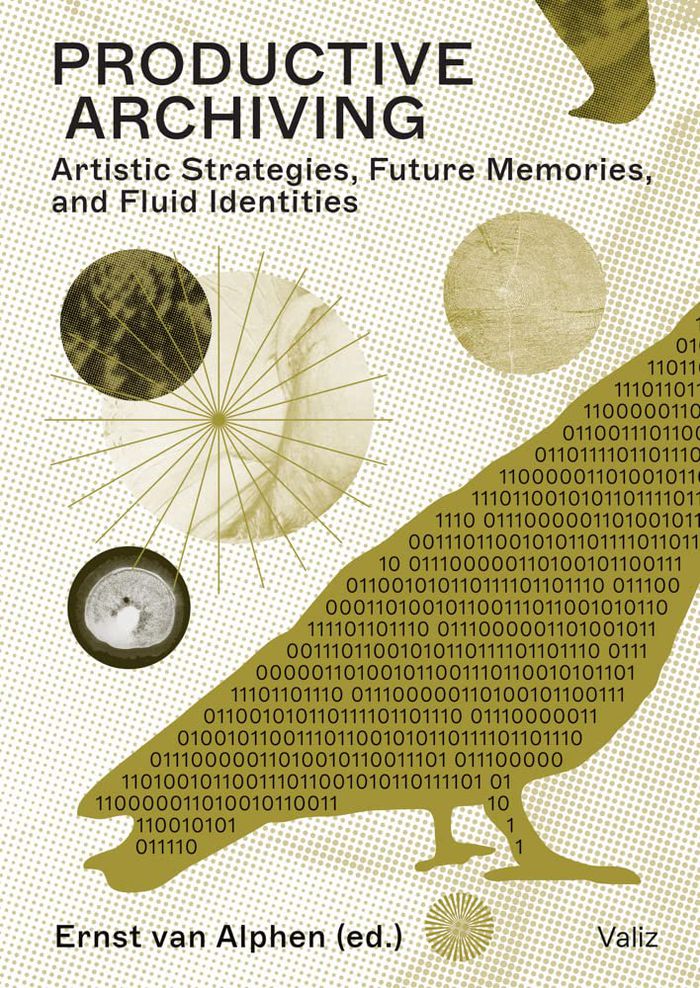
Productive archiving: Artistic strategies, future memories & fluid identities
Actions:
Prix:
$36.00
(disponible sur commande)
Résumé:
This critical anthology addresses three often-overlooked issues facing archival organizations: the question of inclusion in or exclusion from the archive; the loss of individuality and specificity in the archive; the danger of homogenization; and the risk that archiving may foster a form of pigeonholing. Since the archive is a fundamental symbolic entity, on the basis of which we organize our lives, the past, the present and the future, these issues require exploration. ''Productive archiving'' proposes that artistic treatments of (and interventions in) archives can offer innovative ways to foster new connections and ways of thinking and organizing.
Productive archiving: Artistic strategies, future memories & fluid identities
Actions:
Prix:
$36.00
(disponible sur commande)
Résumé:
This critical anthology addresses three often-overlooked issues facing archival organizations: the question of inclusion in or exclusion from the archive; the loss of individuality and specificity in the archive; the danger of homogenization; and the risk that archiving may foster a form of pigeonholing. Since the archive is a fundamental symbolic entity, on the basis of which we organize our lives, the past, the present and the future, these issues require exploration. ''Productive archiving'' proposes that artistic treatments of (and interventions in) archives can offer innovative ways to foster new connections and ways of thinking and organizing.
Classification:
livres
livres
Publication:
juin 2023
juin 2023


