


6640 Résultats
Classification:
livres
livres

Actions:
Prix:
$32.00
(disponible en magasin)
Résumé:
This book, the first by the design and research practice Material Cultures, assembles a series of short essays and conversations exploring the cultures, systems, and infrastructures that shape the architectural industry and the destructive ecologies it fosters. The building practices dominating contemporary architecture are rooted in the exploitation of people and the(...)
$32.00
(disponible en magasin)
Résumé:
This book, the first by the design and research practice Material Cultures, assembles a series of short essays and conversations exploring the cultures, systems, and infrastructures that shape the architectural industry and the destructive ecologies it fosters. The building practices dominating contemporary architecture are rooted in the exploitation of people and the(...)
Publication:
octobre 2022
octobre 2022
Titre:
Material reform, material cultures
Actions:
Prix:
$32.00
(disponible en magasin)
Résumé:
This book, the first by the design and research practice Material Cultures, assembles a series of short essays and conversations exploring the cultures, systems, and infrastructures that shape the architectural industry and the destructive ecologies it fosters. The building practices dominating contemporary architecture are rooted in the exploitation of people and the degradation of our landscapes. Here, Paloma Gormley, Summer Islam, and George Massoud explore how this has come about and how alternative systems, with holistic approaches to the built environment, might be formulated. It presents a set of instructive and challenging perspectives drawing directly on the dialogues and tensions Material Cultures encounter in their day-to-day work. Texts centred around key concepts including labour, time, maintenance, language, land, and touch are interwoven with a visual essay reckoning with the processes that have transformed industrialised landscapes at different scales of experience and resolution.
Material reform, material cultures
Actions:
Prix:
$32.00
(disponible en magasin)
Résumé:
This book, the first by the design and research practice Material Cultures, assembles a series of short essays and conversations exploring the cultures, systems, and infrastructures that shape the architectural industry and the destructive ecologies it fosters. The building practices dominating contemporary architecture are rooted in the exploitation of people and the degradation of our landscapes. Here, Paloma Gormley, Summer Islam, and George Massoud explore how this has come about and how alternative systems, with holistic approaches to the built environment, might be formulated. It presents a set of instructive and challenging perspectives drawing directly on the dialogues and tensions Material Cultures encounter in their day-to-day work. Texts centred around key concepts including labour, time, maintenance, language, land, and touch are interwoven with a visual essay reckoning with the processes that have transformed industrialised landscapes at different scales of experience and resolution.
Classification:
livres
livres
Publication:
octobre 2022
octobre 2022
Classification:
livres
livres
Titre:
Zukunft Schulbau
Zukunft Schulbau
Actions:
Prix:
$20.00
(disponible sur commande)
Résumé:
The construction and design of school buildings in Germany faces major challenges. Particularly in metropolitan areas, student numbers are continuously rising and, according to all forecasts, population growth is set to continue in the coming years. This is why new school buildings, including extensions and renovations of existing school buildings, are one of the central(...)
$20.00
(disponible sur commande)
Résumé:
The construction and design of school buildings in Germany faces major challenges. Particularly in metropolitan areas, student numbers are continuously rising and, according to all forecasts, population growth is set to continue in the coming years. This is why new school buildings, including extensions and renovations of existing school buildings, are one of the central(...)
Titre:
Zukunft Schulbau
Actions:
Prix:
$20.00
(disponible sur commande)
Résumé:
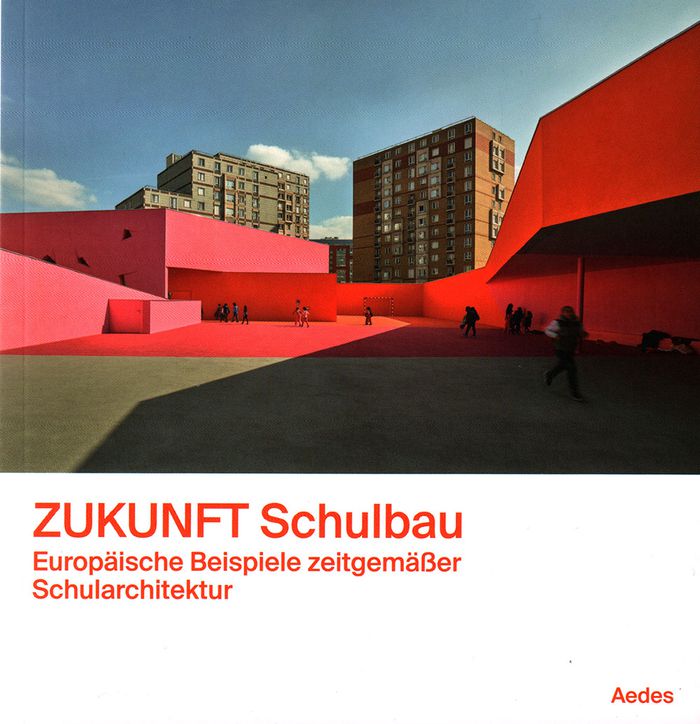
The construction and design of school buildings in Germany faces major challenges. Particularly in metropolitan areas, student numbers are continuously rising and, according to all forecasts, population growth is set to continue in the coming years. This is why new school buildings, including extensions and renovations of existing school buildings, are one of the central topics of investment policy throughout Germany today. Approximately 5.5 billion euros will be spent from 2017 to 2026 on the refurbishment and/or expansion of existing schools; about 40 new school buildings will be erected. Against this backdrop, the exhibition initiated and curated by Beate Engelhorn at Aedes Architecture Forum presents 12 contemporary school buildings in Europe that are exemplary for the implementation of current educational and urban planning models. The exhibition will be introduced by a two-day conference with numerous contributions from experts from Germany and abroad.
Zukunft Schulbau
Actions:
Prix:
$20.00
(disponible sur commande)
Résumé:
The construction and design of school buildings in Germany faces major challenges. Particularly in metropolitan areas, student numbers are continuously rising and, according to all forecasts, population growth is set to continue in the coming years. This is why new school buildings, including extensions and renovations of existing school buildings, are one of the central topics of investment policy throughout Germany today. Approximately 5.5 billion euros will be spent from 2017 to 2026 on the refurbishment and/or expansion of existing schools; about 40 new school buildings will be erected. Against this backdrop, the exhibition initiated and curated by Beate Engelhorn at Aedes Architecture Forum presents 12 contemporary school buildings in Europe that are exemplary for the implementation of current educational and urban planning models. The exhibition will be introduced by a two-day conference with numerous contributions from experts from Germany and abroad.
Classification:
livres
livres
Publication:
juillet 2019
juillet 2019
Classification:
livres
livres
Titre:
Massive change
Massive change
Actions:
Prix:
$39.95
(disponible sur commande)
Résumé:
"Massive Change" is a modern illustrated primer on the new inventions, technologies, and events that are affecting the human race worldwide. The book is a part of a broader research project by Bruce Mau Design intended to provoke debate and discussion about the future of design culture, broadly defined as the “familiar objects and techniques that are transforming our(...)
$39.95
(disponible sur commande)
Résumé:
"Massive Change" is a modern illustrated primer on the new inventions, technologies, and events that are affecting the human race worldwide. The book is a part of a broader research project by Bruce Mau Design intended to provoke debate and discussion about the future of design culture, broadly defined as the “familiar objects and techniques that are transforming our(...)
Publication:
novembre 2004, New York
novembre 2004, New York
Titre:
Massive change
Actions:
Prix:
$39.95
(disponible sur commande)
Résumé:
"Massive Change" is a modern illustrated primer on the new inventions, technologies, and events that are affecting the human race worldwide. The book is a part of a broader research project by Bruce Mau Design intended to provoke debate and discussion about the future of design culture, broadly defined as the “familiar objects and techniques that are transforming our lives.” In essays, interviews, and provocative imagery aimed at a broad audience, "Massive Change" explores the changing force of design in the contemporary world, and in doing so expands the definition of design to include the built environment, transportation technologies, revolutionary materials, energy and information systems, and living organisms. The book is divided into 11 heavily illustrated sections covering major areas of change in contemporary society — such as urbanism and architecture, the military, health and living, and wealth and politics. Each section intersperses intriguing documentary images with a general introductory essay, extended captions, and interviews with leading thinkers, including engineers, designers, philosophers, scientists, architects, artists, and writers. Concluding the book is a graphic timeline of significant inventions and world events from 10,000 B.C. to the present. "Massive Change" is a well designed, intelligent, visually provocative exploration of the myriad subjects percolating through popular culture: those we read about in magazines and on Web sites but rarely understand in any meaningful way. It poses the question: “Now that the human race can do almost anything, what will we do next?” Accompanies the internationally touring exhibition produced by Bruce Mau and his Institute without Borders.
Massive change
Actions:
Prix:
$39.95
(disponible sur commande)
Résumé:
"Massive Change" is a modern illustrated primer on the new inventions, technologies, and events that are affecting the human race worldwide. The book is a part of a broader research project by Bruce Mau Design intended to provoke debate and discussion about the future of design culture, broadly defined as the “familiar objects and techniques that are transforming our lives.” In essays, interviews, and provocative imagery aimed at a broad audience, "Massive Change" explores the changing force of design in the contemporary world, and in doing so expands the definition of design to include the built environment, transportation technologies, revolutionary materials, energy and information systems, and living organisms. The book is divided into 11 heavily illustrated sections covering major areas of change in contemporary society — such as urbanism and architecture, the military, health and living, and wealth and politics. Each section intersperses intriguing documentary images with a general introductory essay, extended captions, and interviews with leading thinkers, including engineers, designers, philosophers, scientists, architects, artists, and writers. Concluding the book is a graphic timeline of significant inventions and world events from 10,000 B.C. to the present. "Massive Change" is a well designed, intelligent, visually provocative exploration of the myriad subjects percolating through popular culture: those we read about in magazines and on Web sites but rarely understand in any meaningful way. It poses the question: “Now that the human race can do almost anything, what will we do next?” Accompanies the internationally touring exhibition produced by Bruce Mau and his Institute without Borders.
Classification:
livres
livres
Publication:
novembre 2004, New York
novembre 2004, New York
Classification:
livres
livres
Actions:
Prix:
$89.95
(disponible sur commande)
Résumé:
German designer Konstantin Grcic, winner of the Compasso d`Oro (Milan, 2001) among other awards, is a figure in the international scene. He has received numerous commissions from such prestigious names in the design industry as Authentics, Flos, iittala, Krups, Magis and Muji. From his initial training as a cabinet-maker, Grcic retains the hands-on approach and(...)
$89.95
(disponible sur commande)
Résumé:
German designer Konstantin Grcic, winner of the Compasso d`Oro (Milan, 2001) among other awards, is a figure in the international scene. He has received numerous commissions from such prestigious names in the design industry as Authentics, Flos, iittala, Krups, Magis and Muji. From his initial training as a cabinet-maker, Grcic retains the hands-on approach and(...)
Titre:
KGID : Konstantin Grcic industrial design
Actions:
Prix:
$89.95
(disponible sur commande)
Résumé:
German designer Konstantin Grcic, winner of the Compasso d`Oro (Milan, 2001) among other awards, is a figure in the international scene. He has received numerous commissions from such prestigious names in the design industry as Authentics, Flos, iittala, Krups, Magis and Muji. From his initial training as a cabinet-maker, Grcic retains the hands-on approach and sensitivity to materials of a craftsman. His foray into contemporary design at the Royal College of Art in London, added a new dimension to his fascination with making things. As a result, every one of his products is informed by his research into the history of design and architecture, and a passion for technology. The book presents the work of KGID, show-casing a remarkable portfolio and offering an insight into the design process through the various stages of a product's development. Conceived by Florian Böhm and Konstantin Grcic, and illustrated with sketches, computer renderings and photographs.
KGID : Konstantin Grcic industrial design
Actions:
Prix:
$89.95
(disponible sur commande)
Résumé:
German designer Konstantin Grcic, winner of the Compasso d`Oro (Milan, 2001) among other awards, is a figure in the international scene. He has received numerous commissions from such prestigious names in the design industry as Authentics, Flos, iittala, Krups, Magis and Muji. From his initial training as a cabinet-maker, Grcic retains the hands-on approach and sensitivity to materials of a craftsman. His foray into contemporary design at the Royal College of Art in London, added a new dimension to his fascination with making things. As a result, every one of his products is informed by his research into the history of design and architecture, and a passion for technology. The book presents the work of KGID, show-casing a remarkable portfolio and offering an insight into the design process through the various stages of a product's development. Conceived by Florian Böhm and Konstantin Grcic, and illustrated with sketches, computer renderings and photographs.
Classification:
livres
livres
Publication:
avril 2005, London / New York
avril 2005, London / New York
Sujet:
Design, monographies
Design, monographies
Classification:
livres
livres
Titre:
Josef Frank: against design / The architect's anti-formalist oeuvre / Das anti-formalistische werk
Josef Frank: against design / The architect's anti-formalist oeuvre / Das anti-formalistische werk
Actions:
Prix:
$80.00
(disponible sur commande)
Résumé:
With Josef Frank (1885–1967), the catalogue for the exhibition in the MAK, Vienna, focuses on one of the most important Austrian architects of the 20th century. In addition to his groundbreaking architectural oeuvre, the discussion considers Frank as an extremely productive designer who, although sceptical and a prominent cultural critic, must be thanked for his many(...)
$80.00
(disponible sur commande)
Résumé:
With Josef Frank (1885–1967), the catalogue for the exhibition in the MAK, Vienna, focuses on one of the most important Austrian architects of the 20th century. In addition to his groundbreaking architectural oeuvre, the discussion considers Frank as an extremely productive designer who, although sceptical and a prominent cultural critic, must be thanked for his many(...)
Titre:
Josef Frank: against design / The architect's anti-formalist oeuvre / Das anti-formalistische werk
Actions:
Prix:
$80.00
(disponible sur commande)
Résumé:
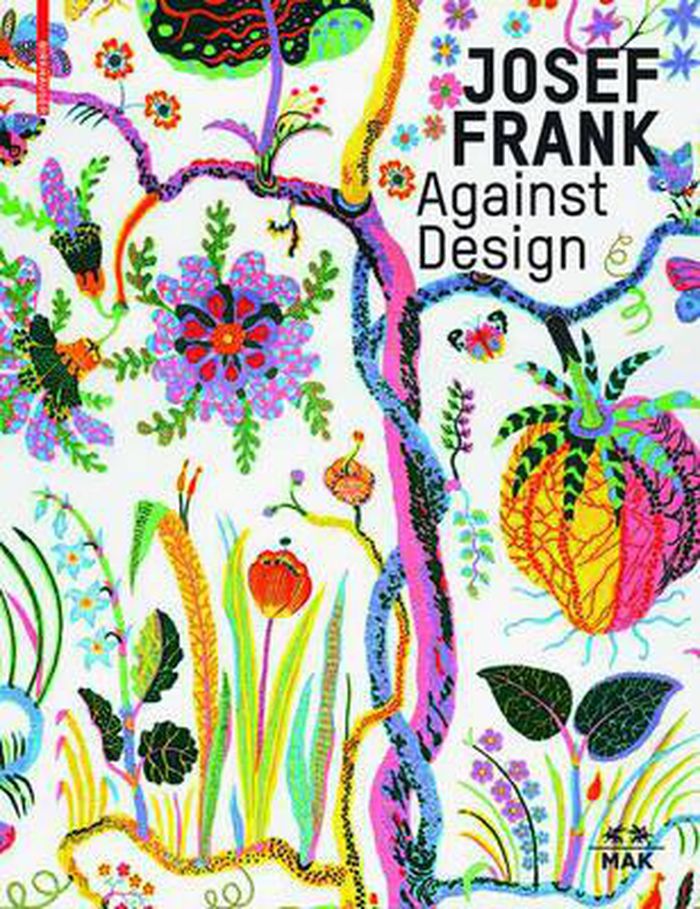
With Josef Frank (1885–1967), the catalogue for the exhibition in the MAK, Vienna, focuses on one of the most important Austrian architects of the 20th century. In addition to his groundbreaking architectural oeuvre, the discussion considers Frank as an extremely productive designer who, although sceptical and a prominent cultural critic, must be thanked for his many important stimuli to international design that are still valid today. As an architect and designer who is still "contemporary" to this day, Frank was known for his pragmatic design approach, and pleaded for "normal" – but not at all normative – architecture and design. For Frank, the qualities of social experience were more important than formal aspects; his interiors and utilitarian articles were primarily intended to serve the comfort of the user. Josef Frank’s ideas of an uncontrived and unpretentious utilitarian expedience, which was focused on an independent, free, enlightened housing and living culture beyond all stylistic dogmas and fashionable conventions, is more topical today than ever.
Josef Frank: against design / The architect's anti-formalist oeuvre / Das anti-formalistische werk
Actions:
Prix:
$80.00
(disponible sur commande)
Résumé:
With Josef Frank (1885–1967), the catalogue for the exhibition in the MAK, Vienna, focuses on one of the most important Austrian architects of the 20th century. In addition to his groundbreaking architectural oeuvre, the discussion considers Frank as an extremely productive designer who, although sceptical and a prominent cultural critic, must be thanked for his many important stimuli to international design that are still valid today. As an architect and designer who is still "contemporary" to this day, Frank was known for his pragmatic design approach, and pleaded for "normal" – but not at all normative – architecture and design. For Frank, the qualities of social experience were more important than formal aspects; his interiors and utilitarian articles were primarily intended to serve the comfort of the user. Josef Frank’s ideas of an uncontrived and unpretentious utilitarian expedience, which was focused on an independent, free, enlightened housing and living culture beyond all stylistic dogmas and fashionable conventions, is more topical today than ever.
Classification:
livres
livres
Publication:
mars 2016
mars 2016
Sujet:
Design, monographies
Design, monographies
Classification:
livres
livres
Actions:
Prix:
$30.95
(disponible sur commande)
Résumé:
Explicit sexual imagery has erupted in every medium and on every surface. While some react to it by pointing and laughing, hardly anyone has stopped to seriously consider its impact. Behind this phenomenon lies the normalization of pornography, which along with the complete turnaround in social attitudes to it, has been one of the most momentous developments in(...)
$30.95
(disponible sur commande)
Résumé:
Explicit sexual imagery has erupted in every medium and on every surface. While some react to it by pointing and laughing, hardly anyone has stopped to seriously consider its impact. Behind this phenomenon lies the normalization of pornography, which along with the complete turnaround in social attitudes to it, has been one of the most momentous developments in(...)
Titre:
Designing pornotopia : travels in visual culture
Actions:
Prix:
$30.95
(disponible sur commande)
Résumé:
Explicit sexual imagery has erupted in every medium and on every surface. While some react to it by pointing and laughing, hardly anyone has stopped to seriously consider its impact. Behind this phenomenon lies the normalization of pornography, which along with the complete turnaround in social attitudes to it, has been one of the most momentous developments in contemporary life. In "Designing pornotopia", Rick Poynor explores recent advertising and design and the invasion of sexual imagery into everyday life, revealing how advertising walks the fine line between prudish and vulgar imagery. Developing the discussion of Poynor's previous anthology, "Obey the giant", "Designing pornotopia" covers a wide area of subjects, from magazines, billboard advertising, branding, illustration, photography, tattoos, and music graphics to architecture and includes interviews with architect Rem Koolhaas and maverick American graphic designer and performance artist Elliott Earls. Along the way Poynor reassesses the early work of Peter Saville and tracks the unstoppable rise of Stefan Sagmeister, among others.
Designing pornotopia : travels in visual culture
Actions:
Prix:
$30.95
(disponible sur commande)
Résumé:
Explicit sexual imagery has erupted in every medium and on every surface. While some react to it by pointing and laughing, hardly anyone has stopped to seriously consider its impact. Behind this phenomenon lies the normalization of pornography, which along with the complete turnaround in social attitudes to it, has been one of the most momentous developments in contemporary life. In "Designing pornotopia", Rick Poynor explores recent advertising and design and the invasion of sexual imagery into everyday life, revealing how advertising walks the fine line between prudish and vulgar imagery. Developing the discussion of Poynor's previous anthology, "Obey the giant", "Designing pornotopia" covers a wide area of subjects, from magazines, billboard advertising, branding, illustration, photography, tattoos, and music graphics to architecture and includes interviews with architect Rem Koolhaas and maverick American graphic designer and performance artist Elliott Earls. Along the way Poynor reassesses the early work of Peter Saville and tracks the unstoppable rise of Stefan Sagmeister, among others.
Classification:
livres
livres
Publication:
août 2006, New York
août 2006, New York
Classification:
livres
livres
Titre:
Thomas Ruff : m.d.p.n.
Thomas Ruff : m.d.p.n.
Actions:
Prix:
$42.00
(disponible sur commande)
Résumé:
" Shortly after graduating in Bridge and Road Engineering in 1929 and being appointed to the rank of reserve lieutenant, I took a look around my city. There were no patterns to follow—only examples to imitate. The grand extravagant projects were the monopoly of the regime of arrogance and favoritism. A modern fish market was needed to replace the grubby “pietra del pesce”(...)
$42.00
(disponible sur commande)
Résumé:
" Shortly after graduating in Bridge and Road Engineering in 1929 and being appointed to the rank of reserve lieutenant, I took a look around my city. There were no patterns to follow—only examples to imitate. The grand extravagant projects were the monopoly of the regime of arrogance and favoritism. A modern fish market was needed to replace the grubby “pietra del pesce”(...)
Sujet:
Monographies photo
Monographies photo
Publication:
janvier 2006, Milan
janvier 2006, Milan
Titre:
Thomas Ruff : m.d.p.n.
Actions:
Prix:
$42.00
(disponible sur commande)
Résumé:
" Shortly after graduating in Bridge and Road Engineering in 1929 and being appointed to the rank of reserve lieutenant, I took a look around my city. There were no patterns to follow—only examples to imitate. The grand extravagant projects were the monopoly of the regime of arrogance and favoritism. A modern fish market was needed to replace the grubby “pietra del pesce” on Via Marina. I studied the problem on the spot and visited various other fish markets in Pozzuoli, Milan, Venice, Marseilles, Ostend, Hamburg. " This is how Luigi Cosenza (Naples 1905–1984) describes the genesis of his first project. The Fish Market of Naples—built in 1929 and considered the manifesto of the city’s rational architecture. This book documents the building with series of images produced by Thomas Ruff, a major contemporary artist from Germany, beginning with photos taken in the dazzling light of an early afternoon back in September 2002.
Thomas Ruff : m.d.p.n.
Actions:
Prix:
$42.00
(disponible sur commande)
Résumé:
" Shortly after graduating in Bridge and Road Engineering in 1929 and being appointed to the rank of reserve lieutenant, I took a look around my city. There were no patterns to follow—only examples to imitate. The grand extravagant projects were the monopoly of the regime of arrogance and favoritism. A modern fish market was needed to replace the grubby “pietra del pesce” on Via Marina. I studied the problem on the spot and visited various other fish markets in Pozzuoli, Milan, Venice, Marseilles, Ostend, Hamburg. " This is how Luigi Cosenza (Naples 1905–1984) describes the genesis of his first project. The Fish Market of Naples—built in 1929 and considered the manifesto of the city’s rational architecture. This book documents the building with series of images produced by Thomas Ruff, a major contemporary artist from Germany, beginning with photos taken in the dazzling light of an early afternoon back in September 2002.
Classification:
livres
livres
Publication:
janvier 2006, Milan
janvier 2006, Milan
Sujet:
Monographies photo
Monographies photo
Classification:
livres
livres
Actions:
Prix:
$19.99
(disponible en magasin)
Résumé:
This sumptuously illustrated volume presents over 180 outstanding Viennese silver objects representing the period from Neoclassicism to the Wiener Werkstätte. Comparing early eighteenth-century works with examples of twentieth-century design and architecture, it offers a fascinating look at Vienna's contribution to the development of modern decorative arts. The authors(...)
$19.99
(disponible en magasin)
Résumé:
This sumptuously illustrated volume presents over 180 outstanding Viennese silver objects representing the period from Neoclassicism to the Wiener Werkstätte. Comparing early eighteenth-century works with examples of twentieth-century design and architecture, it offers a fascinating look at Vienna's contribution to the development of modern decorative arts. The authors(...)
Publication:
août 2003, Ostfildern
août 2003, Ostfildern
Titre:
Viennese silver : modern design 1780-1918
Actions:
Prix:
$19.99
(disponible en magasin)
Résumé:
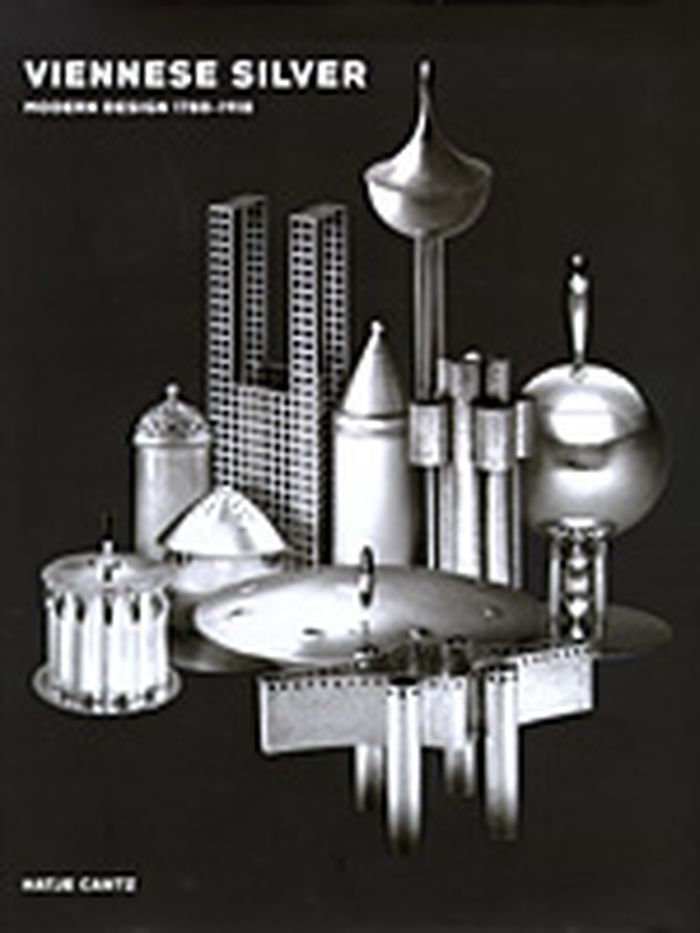
This sumptuously illustrated volume presents over 180 outstanding Viennese silver objects representing the period from Neoclassicism to the Wiener Werkstätte. Comparing early eighteenth-century works with examples of twentieth-century design and architecture, it offers a fascinating look at Vienna's contribution to the development of modern decorative arts. The authors demonstrate how the roots of modern design go back further than is generally assumed. Achieving remarkable clarity and formal reduction, Viennese Biedermeier designers created everyday objects of silver with astonishingly straightforward and purposeful forms that remain as progressive as ever today. In turn-of-the-century Vienna, Josef Hoffmann and Koloman Moser drew inspiration from the intellectual legacy of the period in their designs for the Wiener Werkstätte. Many of the ideas introduced by the Viennese avant-garde were later expressed in such movements as the Bauhaus and De Stijl. By examining this history in all its complexity, the book traces the development of the vocabulary for contemporary design.
Viennese silver : modern design 1780-1918
Actions:
Prix:
$19.99
(disponible en magasin)
Résumé:
This sumptuously illustrated volume presents over 180 outstanding Viennese silver objects representing the period from Neoclassicism to the Wiener Werkstätte. Comparing early eighteenth-century works with examples of twentieth-century design and architecture, it offers a fascinating look at Vienna's contribution to the development of modern decorative arts. The authors demonstrate how the roots of modern design go back further than is generally assumed. Achieving remarkable clarity and formal reduction, Viennese Biedermeier designers created everyday objects of silver with astonishingly straightforward and purposeful forms that remain as progressive as ever today. In turn-of-the-century Vienna, Josef Hoffmann and Koloman Moser drew inspiration from the intellectual legacy of the period in their designs for the Wiener Werkstätte. Many of the ideas introduced by the Viennese avant-garde were later expressed in such movements as the Bauhaus and De Stijl. By examining this history in all its complexity, the book traces the development of the vocabulary for contemporary design.
Classification:
livres
livres
Publication:
août 2003, Ostfildern
août 2003, Ostfildern
Classification:
livres
livres

Titre:
Plywood: A Material Story
Plywood: A Material Story
Actions:
Prix:
$60.00
(disponible sur commande)
Résumé:
Plywood is an astonishingly versatile material, made by gluing together layers of cross-grained veneers, creating a pliable board that can be stronger than solid wood. Stylish and practical, plywood offers huge possibilities for experimental design, and it has been used to make a wide range of products, from aeroplanes, boats and automobiles to architecture and furniture.(...)
$60.00
(disponible sur commande)
Résumé:
Plywood is an astonishingly versatile material, made by gluing together layers of cross-grained veneers, creating a pliable board that can be stronger than solid wood. Stylish and practical, plywood offers huge possibilities for experimental design, and it has been used to make a wide range of products, from aeroplanes, boats and automobiles to architecture and furniture.(...)
Titre:
Plywood: A Material Story
Actions:
Prix:
$60.00
(disponible sur commande)
Résumé:
Plywood is an astonishingly versatile material, made by gluing together layers of cross-grained veneers, creating a pliable board that can be stronger than solid wood. Stylish and practical, plywood offers huge possibilities for experimental design, and it has been used to make a wide range of products, from aeroplanes, boats and automobiles to architecture and furniture. This book traces the history of plywood from its use in 18th-century furniture, through its emergence as an industrial product in the 19th century, to a material celebrated by 20th-century modernists such as Alvar Aalto and Charles and Ray Eames. An ideal material for the digital age, plywood has become popular again in recent years and is widely used in contemporary design and manufacture. Produced to accompany an exhibition at the V, this book is the first comprehensive study of the history of plywood and its myriad applications throughout the ages, unveiling the stories behind objects that surround us and that we often take for granted.
Plywood: A Material Story
Actions:
Prix:
$60.00
(disponible sur commande)
Résumé:
Plywood is an astonishingly versatile material, made by gluing together layers of cross-grained veneers, creating a pliable board that can be stronger than solid wood. Stylish and practical, plywood offers huge possibilities for experimental design, and it has been used to make a wide range of products, from aeroplanes, boats and automobiles to architecture and furniture. This book traces the history of plywood from its use in 18th-century furniture, through its emergence as an industrial product in the 19th century, to a material celebrated by 20th-century modernists such as Alvar Aalto and Charles and Ray Eames. An ideal material for the digital age, plywood has become popular again in recent years and is widely used in contemporary design and manufacture. Produced to accompany an exhibition at the V, this book is the first comprehensive study of the history of plywood and its myriad applications throughout the ages, unveiling the stories behind objects that surround us and that we often take for granted.
Classification:
livres
livres
Publication:
septembre 2017
septembre 2017
Sujet:
Constructions en bois
Constructions en bois
Classification:
livres
livres
Titre:
The transdisciplinary studio
The transdisciplinary studio
Actions:
Prix:
$46.95
(disponible sur commande)
Résumé:
We have entered a post-post-studio age, and find ourselves with a new studio model: the transdisciplinary. Artists and designers are now defined not by their discipline but by the fluidity with which their practices move between the fields of architecture, art, and design. This volume delves into four pioneering transdisciplinary studios — Jorge Pardo Sculpture,(...)
$46.95
(disponible sur commande)
Résumé:
We have entered a post-post-studio age, and find ourselves with a new studio model: the transdisciplinary. Artists and designers are now defined not by their discipline but by the fluidity with which their practices move between the fields of architecture, art, and design. This volume delves into four pioneering transdisciplinary studios — Jorge Pardo Sculpture,(...)
Titre:
The transdisciplinary studio
Actions:
Prix:
$46.95
(disponible sur commande)
Résumé:
We have entered a post-post-studio age, and find ourselves with a new studio model: the transdisciplinary. Artists and designers are now defined not by their discipline but by the fluidity with which their practices move between the fields of architecture, art, and design. This volume delves into four pioneering transdisciplinary studios — Jorge Pardo Sculpture, Konstantin Grcic Industrial Design, Studio Olafur Eliasson, and Åbäke — by observing and interviewing the practitioners and their assistants. A further series of interviews with curators, critics, anthropologists, designers, and artists serves to contextualize the transdisciplinary model now at the fore of creative practice. Including interviews with Jorge Pardo, Konstantin Grcic, Olafur Eliasson, and Åbäke; and Vito Acconci, Gui Bonsiepe, James Clifford, Dexter Sinister, Martino Gamper, Ryan Gander, Caroline Jones, Ronald Jones, Maria Lind, Alessandro Mendini, Rick Poynor, and Andrea Zittel. The Transdisciplinary Studio is the first volume of a series of books by Alex Coles on the expanded studio model and contemporary praxis.
The transdisciplinary studio
Actions:
Prix:
$46.95
(disponible sur commande)
Résumé:
We have entered a post-post-studio age, and find ourselves with a new studio model: the transdisciplinary. Artists and designers are now defined not by their discipline but by the fluidity with which their practices move between the fields of architecture, art, and design. This volume delves into four pioneering transdisciplinary studios — Jorge Pardo Sculpture, Konstantin Grcic Industrial Design, Studio Olafur Eliasson, and Åbäke — by observing and interviewing the practitioners and their assistants. A further series of interviews with curators, critics, anthropologists, designers, and artists serves to contextualize the transdisciplinary model now at the fore of creative practice. Including interviews with Jorge Pardo, Konstantin Grcic, Olafur Eliasson, and Åbäke; and Vito Acconci, Gui Bonsiepe, James Clifford, Dexter Sinister, Martino Gamper, Ryan Gander, Caroline Jones, Ronald Jones, Maria Lind, Alessandro Mendini, Rick Poynor, and Andrea Zittel. The Transdisciplinary Studio is the first volume of a series of books by Alex Coles on the expanded studio model and contemporary praxis.
Classification:
livres
livres
Publication:
avril 2012
avril 2012
Sujet:
Théorie de l’art
Théorie de l’art


