


13794 Résultats
Classification:
livres
livres
Prix:
$39.95
(disponible sur commande)
Résumé:
Based on the research of the Banff New Media Institute from 1995 to 2005, these essays, transcripts and artists projects celebrate the belief that artists and cultural industries, in collaboration with scientists, social scientists and humanists, have a critical role to play in developing technologies that work for human betterment and allow for a more participatory(...)
$39.95
(disponible sur commande)
Résumé:
Based on the research of the Banff New Media Institute from 1995 to 2005, these essays, transcripts and artists projects celebrate the belief that artists and cultural industries, in collaboration with scientists, social scientists and humanists, have a critical role to play in developing technologies that work for human betterment and allow for a more participatory(...)
Titre:
Euphoria and dystophia: the Banff New Media Institute dialogues
Actions:
Prix:
$39.95
(disponible sur commande)
Résumé:
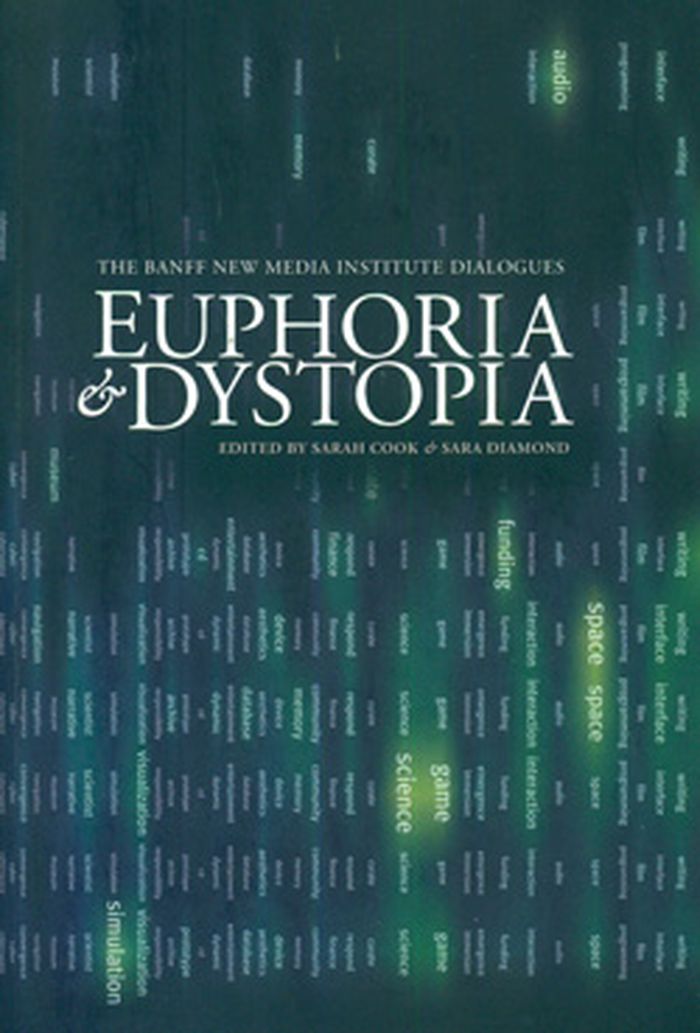
Based on the research of the Banff New Media Institute from 1995 to 2005, these essays, transcripts and artists projects celebrate the belief that artists and cultural industries, in collaboration with scientists, social scientists and humanists, have a critical role to play in developing technologies that work for human betterment and allow for a more participatory culture. Each thematic chapter features an introduction, an original essay and carefully edited transcriptions drawn from thousands of hours of audio material with artists and theorists such as Laurie Anderson, Herve Fische, Kim Sawchuck, Zainub Verjee, Bill Vorn and many others. Also included is the catalogue of the exhibition, The Art Formerly Known As New Media, and a DVD based on the electronic journal, HorizonZero. Featured artists include Geoff Lillemon, Matthew Sloly, Maria Lantin, Shu Lea Cheang, Sara Diamond, Michael Naimark, Greg Niemeyer, Catherine Richards and Martin Wattenberg, Maciej Wisniewski. With a Forward by Kellogg Booth and an Afterword by Susan Kennard
Euphoria and dystophia: the Banff New Media Institute dialogues
Actions:
Prix:
$39.95
(disponible sur commande)
Résumé:
Based on the research of the Banff New Media Institute from 1995 to 2005, these essays, transcripts and artists projects celebrate the belief that artists and cultural industries, in collaboration with scientists, social scientists and humanists, have a critical role to play in developing technologies that work for human betterment and allow for a more participatory culture. Each thematic chapter features an introduction, an original essay and carefully edited transcriptions drawn from thousands of hours of audio material with artists and theorists such as Laurie Anderson, Herve Fische, Kim Sawchuck, Zainub Verjee, Bill Vorn and many others. Also included is the catalogue of the exhibition, The Art Formerly Known As New Media, and a DVD based on the electronic journal, HorizonZero. Featured artists include Geoff Lillemon, Matthew Sloly, Maria Lantin, Shu Lea Cheang, Sara Diamond, Michael Naimark, Greg Niemeyer, Catherine Richards and Martin Wattenberg, Maciej Wisniewski. With a Forward by Kellogg Booth and an Afterword by Susan Kennard
Classification:
livres
livres
Publication:
septembre 2011
septembre 2011
Sujet:
Théorie de l’art
Théorie de l’art
Classification:
livres
livres

Prix:
$49.95
(disponible sur commande)
Résumé:
In Weeds, Zachary J. S. Falck presents a comprehensive history of “happenstance plants” in American urban environments. Beginning in the late nineteenth century and continuing to the present, he examines the proliferation, perception, and treatment of weeds in metropolitan centers from Boston to Los Angeles.
$49.95
(disponible sur commande)
Résumé:
In Weeds, Zachary J. S. Falck presents a comprehensive history of “happenstance plants” in American urban environments. Beginning in the late nineteenth century and continuing to the present, he examines the proliferation, perception, and treatment of weeds in metropolitan centers from Boston to Los Angeles.
Titre:
Weeds: An environmental history of metropolitan America
Actions:
Prix:
$49.95
(disponible sur commande)
Résumé:
In Weeds, Zachary J. S. Falck presents a comprehensive history of “happenstance plants” in American urban environments. Beginning in the late nineteenth century and continuing to the present, he examines the proliferation, perception, and treatment of weeds in metropolitan centers from Boston to Los Angeles.
Weeds: An environmental history of metropolitan America
Actions:
Prix:
$49.95
(disponible sur commande)
Résumé:
In Weeds, Zachary J. S. Falck presents a comprehensive history of “happenstance plants” in American urban environments. Beginning in the late nineteenth century and continuing to the present, he examines the proliferation, perception, and treatment of weeds in metropolitan centers from Boston to Los Angeles.
Classification:
livres
livres
Publication:
juin 2011
juin 2011
Sujet:
Théorie du paysage
Théorie du paysage
Classification:
livres
livres
Actions:
Prix:
$29.95
(disponible sur commande)
Résumé:
From a youth spent in different cities of the world, to his beginnings as an architect in Toronto, the author has long recognized that cities at their best provide much of what we seek in a place to call home. Community, places of culture and business that we can walk to, mass transit and a wealth of amenities that couldn't be supported without a city's density: the(...)
$29.95
(disponible sur commande)
Résumé:
From a youth spent in different cities of the world, to his beginnings as an architect in Toronto, the author has long recognized that cities at their best provide much of what we seek in a place to call home. Community, places of culture and business that we can walk to, mass transit and a wealth of amenities that couldn't be supported without a city's density: the(...)
Titre:
Walking home: the life and lessons of a city builder
Actions:
Prix:
$29.95
(disponible sur commande)
Résumé:
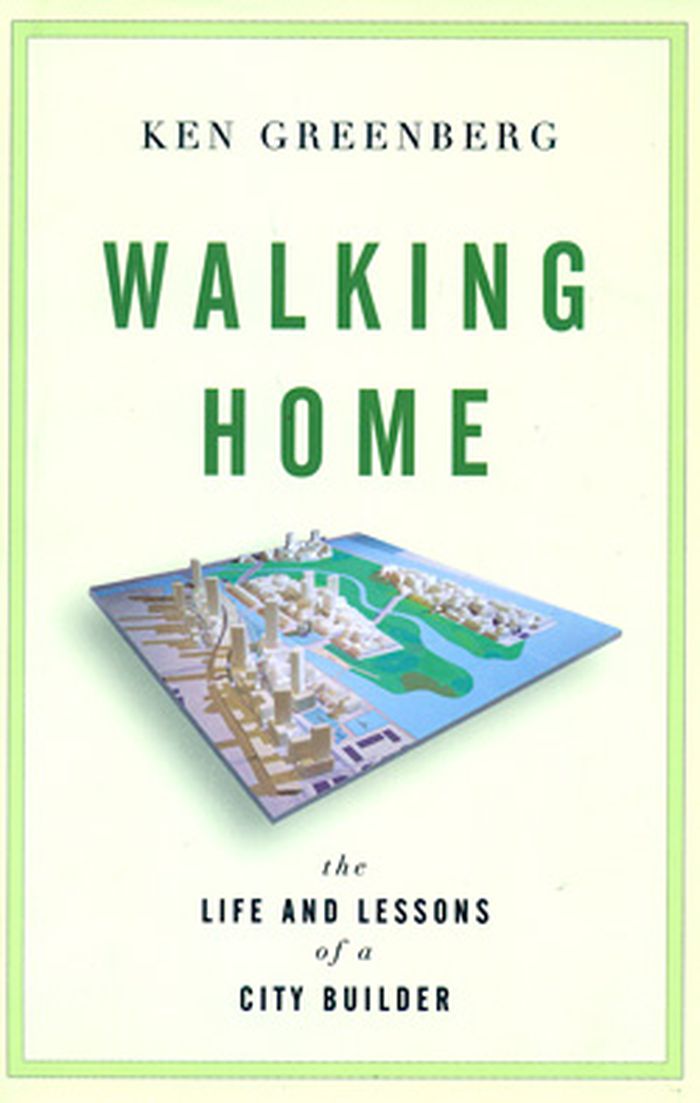
From a youth spent in different cities of the world, to his beginnings as an architect in Toronto, the author has long recognized that cities at their best provide much of what we seek in a place to call home. Community, places of culture and business that we can walk to, mass transit and a wealth of amenities that couldn't be supported without a city's density: the mid-century drive to suburbanization deprived us of these inherent advantages of urban living. The realization of this loss, in tandem with pressing recent concerns about energy scarcity and global warming, has made us see cities with fresh eyes and a growing understanding that they can provide us with an unparalleled measure of sustainability. This publication explains how turning the world's urban spaces back into places that can give us not only a platform to face the challenges of the future, but also a place we can call, with pride and satisfaction, home.
Walking home: the life and lessons of a city builder
Actions:
Prix:
$29.95
(disponible sur commande)
Résumé:
From a youth spent in different cities of the world, to his beginnings as an architect in Toronto, the author has long recognized that cities at their best provide much of what we seek in a place to call home. Community, places of culture and business that we can walk to, mass transit and a wealth of amenities that couldn't be supported without a city's density: the mid-century drive to suburbanization deprived us of these inherent advantages of urban living. The realization of this loss, in tandem with pressing recent concerns about energy scarcity and global warming, has made us see cities with fresh eyes and a growing understanding that they can provide us with an unparalleled measure of sustainability. This publication explains how turning the world's urban spaces back into places that can give us not only a platform to face the challenges of the future, but also a place we can call, with pride and satisfaction, home.
Classification:
livres
livres
Publication:
mai 2011
mai 2011
Sujet:
Théorie de l’urbanisme
Théorie de l’urbanisme
Classification:
livres
livres
Prix:
$69.95
(disponible sur commande)
Résumé:
An unusual collaboration among art historians and historians of science, this book demonstrates how printmakers of the Northern Renaissance, far from merely illustrating the ideas of others, contributed to scientific investigations of their time. Hans Holbein, for instance, worked with cosmographers and instrument makers on some of the earliest sundial manuals published;(...)
$69.95
(disponible sur commande)
Résumé:
An unusual collaboration among art historians and historians of science, this book demonstrates how printmakers of the Northern Renaissance, far from merely illustrating the ideas of others, contributed to scientific investigations of their time. Hans Holbein, for instance, worked with cosmographers and instrument makers on some of the earliest sundial manuals published;(...)
Titre:
Prints and the pursuit of knowledge in early modern Europe
Actions:
Prix:
$69.95
(disponible sur commande)
Résumé:
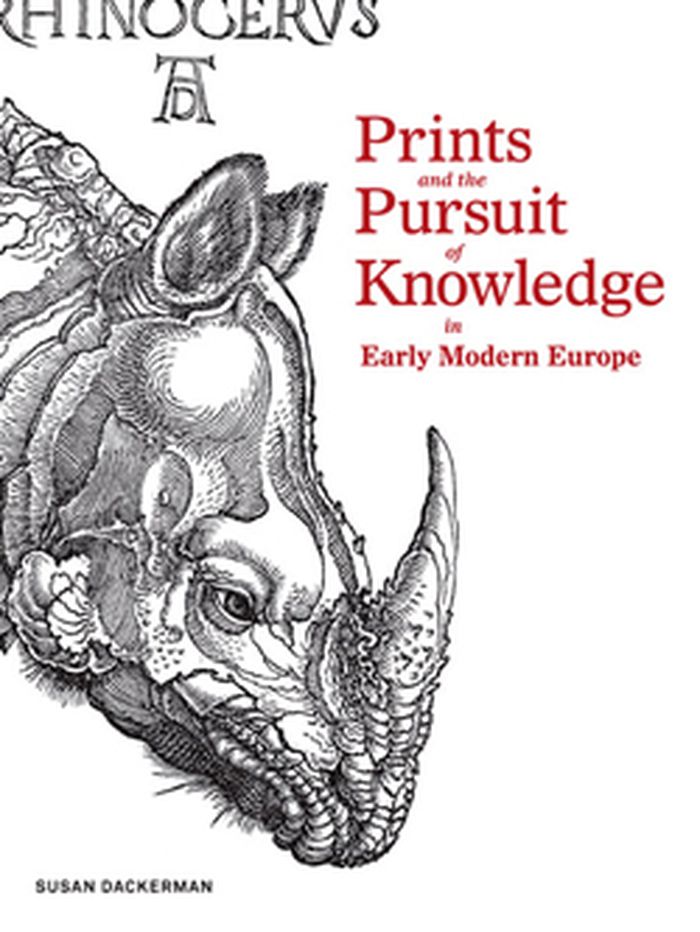
An unusual collaboration among art historians and historians of science, this book demonstrates how printmakers of the Northern Renaissance, far from merely illustrating the ideas of others, contributed to scientific investigations of their time. Hans Holbein, for instance, worked with cosmographers and instrument makers on some of the earliest sundial manuals published; Albrecht Dürer produced the first printed maps of the constellations, which astronomers copied for over a century; and Hendrick Goltzius's depiction of the muscle-bound Hercules served as a study aid for students of anatomy. This books features fascinating reproductions of woodcuts, engravings, and etchings; maps, globe gores, and globes; multilayered anatomical "flap" prints; and paper scientific instruments used for observation and measurement. Among the "do-it-yourself" paper instruments were sundials and astrolabes, and the book incorporates a facsimile of globe gores for the reader to cut out and assemble.
Prints and the pursuit of knowledge in early modern Europe
Actions:
Prix:
$69.95
(disponible sur commande)
Résumé:
An unusual collaboration among art historians and historians of science, this book demonstrates how printmakers of the Northern Renaissance, far from merely illustrating the ideas of others, contributed to scientific investigations of their time. Hans Holbein, for instance, worked with cosmographers and instrument makers on some of the earliest sundial manuals published; Albrecht Dürer produced the first printed maps of the constellations, which astronomers copied for over a century; and Hendrick Goltzius's depiction of the muscle-bound Hercules served as a study aid for students of anatomy. This books features fascinating reproductions of woodcuts, engravings, and etchings; maps, globe gores, and globes; multilayered anatomical "flap" prints; and paper scientific instruments used for observation and measurement. Among the "do-it-yourself" paper instruments were sundials and astrolabes, and the book incorporates a facsimile of globe gores for the reader to cut out and assemble.
Classification:
livres
livres
Publication:
novembre 2011
novembre 2011
Sujet:
Théorie de l’art
Théorie de l’art
Classification:
livres
livres

Actions:
Prix:
$56.00
(disponible sur commande)
Résumé:
Since the end of World War II, Jewish architects have risen to unprecedented international prominence. Whether as modernists, postmodernists, or deconstructivists, architects such as Peter Eisenman, Frank Gehry, Louis I. Kahn, Daniel Libeskind, Richard Meier, Moshe Safdie, Robert A.M. Stern, and Stanley Tigerman have made pivotal contributions to postwar architecture.(...)
$56.00
(disponible sur commande)
Résumé:
Since the end of World War II, Jewish architects have risen to unprecedented international prominence. Whether as modernists, postmodernists, or deconstructivists, architects such as Peter Eisenman, Frank Gehry, Louis I. Kahn, Daniel Libeskind, Richard Meier, Moshe Safdie, Robert A.M. Stern, and Stanley Tigerman have made pivotal contributions to postwar architecture.(...)
Titre:
Building after Auschwitz: Jewish architecture and the memory of the Holocaust
Actions:
Prix:
$56.00
(disponible sur commande)
Résumé:
Since the end of World War II, Jewish architects have risen to unprecedented international prominence. Whether as modernists, postmodernists, or deconstructivists, architects such as Peter Eisenman, Frank Gehry, Louis I. Kahn, Daniel Libeskind, Richard Meier, Moshe Safdie, Robert A.M. Stern, and Stanley Tigerman have made pivotal contributions to postwar architecture. They have also decisively shaped Jewish architectural history, as many of their designs are influenced by Jewish themes, ideas, and imagery. Building After Auschwitz is the first major study to examine the origins of this new Jewish architecture. Historian Gavriel D. Rosenfeld describes this cultural development as the result of important shifts in Jewish memory and identity since the Holocaust, and cites the rise of postmodernism, multiculturalism, and Holocaust consciousness as a catalyst. In showing how Jewish architects responded to the Nazi genocide in their work, Rosenfeld's study sheds new light on the evolution of Holocaust memory.
Building after Auschwitz: Jewish architecture and the memory of the Holocaust
Actions:
Prix:
$56.00
(disponible sur commande)
Résumé:
Since the end of World War II, Jewish architects have risen to unprecedented international prominence. Whether as modernists, postmodernists, or deconstructivists, architects such as Peter Eisenman, Frank Gehry, Louis I. Kahn, Daniel Libeskind, Richard Meier, Moshe Safdie, Robert A.M. Stern, and Stanley Tigerman have made pivotal contributions to postwar architecture. They have also decisively shaped Jewish architectural history, as many of their designs are influenced by Jewish themes, ideas, and imagery. Building After Auschwitz is the first major study to examine the origins of this new Jewish architecture. Historian Gavriel D. Rosenfeld describes this cultural development as the result of important shifts in Jewish memory and identity since the Holocaust, and cites the rise of postmodernism, multiculturalism, and Holocaust consciousness as a catalyst. In showing how Jewish architects responded to the Nazi genocide in their work, Rosenfeld's study sheds new light on the evolution of Holocaust memory.
Classification:
livres
livres
Publication:
octobre 2011
octobre 2011
Sujet:
Théorie de l’architecture
Théorie de l’architecture
Classification:
livres
livres
Actions:
Prix:
$49.95
(disponible sur commande)
Résumé:
Dès sa parution en 1849, "Les Sept lampes de l'architecture" de John Ruskin a fait événement à la fois par ses illustrations et par ses thèses. Les premières sont reproduites ici telles que Ruskin les fit graver d'après ses propres dessins et les secondes sont de nouveau accessibles dans une traduction entièrement nouvelle et complète qui montre l'ampleur du projet(...)
$49.95
(disponible sur commande)
Résumé:
Dès sa parution en 1849, "Les Sept lampes de l'architecture" de John Ruskin a fait événement à la fois par ses illustrations et par ses thèses. Les premières sont reproduites ici telles que Ruskin les fit graver d'après ses propres dessins et les secondes sont de nouveau accessibles dans une traduction entièrement nouvelle et complète qui montre l'ampleur du projet(...)
Titre:
Les Sept lampes de l'architecture
Actions:
Prix:
$49.95
(disponible sur commande)
Résumé:
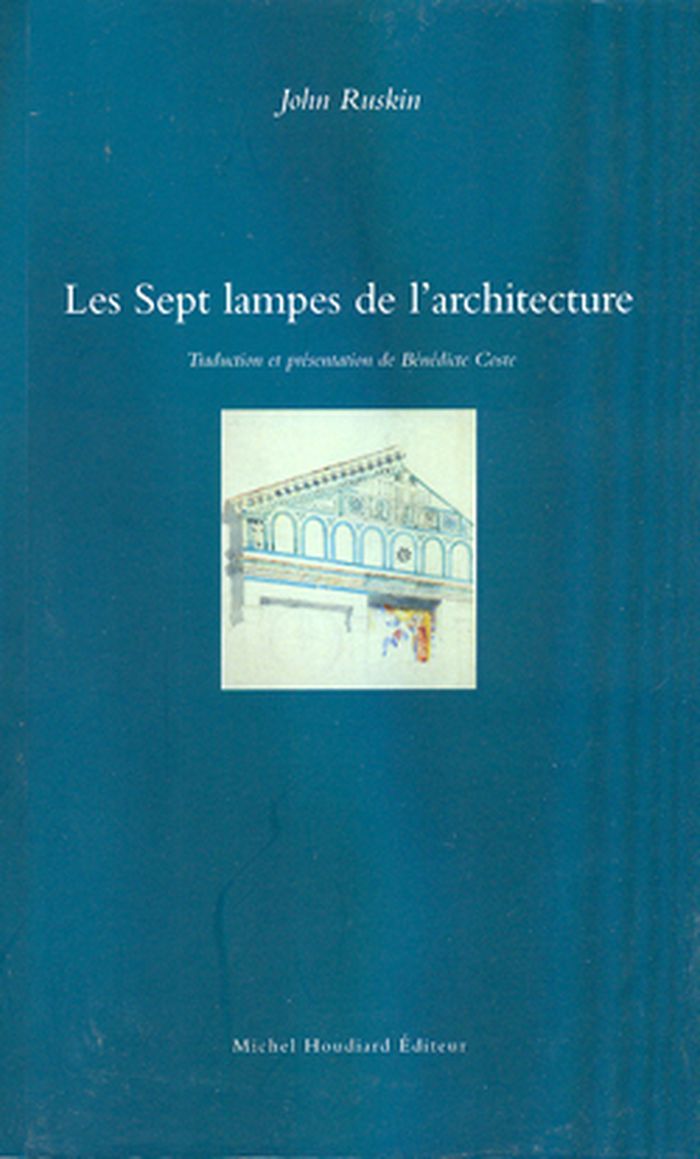
Dès sa parution en 1849, "Les Sept lampes de l'architecture" de John Ruskin a fait événement à la fois par ses illustrations et par ses thèses. Les premières sont reproduites ici telles que Ruskin les fit graver d'après ses propres dessins et les secondes sont de nouveau accessibles dans une traduction entièrement nouvelle et complète qui montre l'ampleur du projet animant un jeune homme à l'époque davantage connu pour ses analyses picturales et sa défense du peintre Turner. Pour Ruskin, l'architecture est avant tout d'ordre sensible, elle s'adresse à l'homme auquel elle a chargé de donner un lieu au-delà du simple abri. Elle est donc symbolique, elle est matérielle et elle est historique, se déployant à travers tous les « domaines de l'homme » pour conduire :celui-ci à la pleine réalisation de ses potentialités créatrices et politiques.
Les Sept lampes de l'architecture
Actions:
Prix:
$49.95
(disponible sur commande)
Résumé:
Dès sa parution en 1849, "Les Sept lampes de l'architecture" de John Ruskin a fait événement à la fois par ses illustrations et par ses thèses. Les premières sont reproduites ici telles que Ruskin les fit graver d'après ses propres dessins et les secondes sont de nouveau accessibles dans une traduction entièrement nouvelle et complète qui montre l'ampleur du projet animant un jeune homme à l'époque davantage connu pour ses analyses picturales et sa défense du peintre Turner. Pour Ruskin, l'architecture est avant tout d'ordre sensible, elle s'adresse à l'homme auquel elle a chargé de donner un lieu au-delà du simple abri. Elle est donc symbolique, elle est matérielle et elle est historique, se déployant à travers tous les « domaines de l'homme » pour conduire :celui-ci à la pleine réalisation de ses potentialités créatrices et politiques.
Classification:
livres
livres
Publication:
juin 2011
juin 2011
Sujet:
Théorie de l’architecture
Théorie de l’architecture
Classification:
livres
livres
Titre:
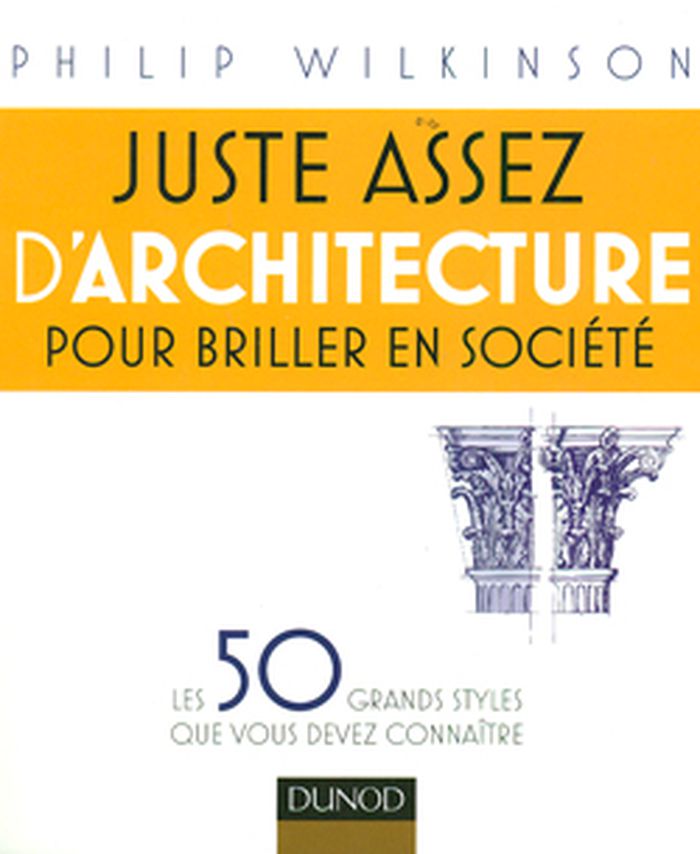
Juste assez d'architecture pour briller en société: Les 50 grands styles que vous devez connaître
Juste assez d'architecture pour briller en société: Les 50 grands styles que vous devez connaître
Actions:
Prix:
$34.95
(disponible sur commande)
Résumé:
Ce livre présente 50 grands courants et concepts architecturaux. En passant par le Rococo, l'Art nouveau ou le Bauhaus, les 50 sections synthétisent chacune en 4 pages histoire, chronologie, exemples et anecdotes sur les courants architecturaux. Incluant des citations, photographies et schémas, chaque section peut être lue indépendamment des autres.
$34.95
(disponible sur commande)
Résumé:
Ce livre présente 50 grands courants et concepts architecturaux. En passant par le Rococo, l'Art nouveau ou le Bauhaus, les 50 sections synthétisent chacune en 4 pages histoire, chronologie, exemples et anecdotes sur les courants architecturaux. Incluant des citations, photographies et schémas, chaque section peut être lue indépendamment des autres.
Titre:
Juste assez d'architecture pour briller en société: Les 50 grands styles que vous devez connaître
Actions:
Prix:
$34.95
(disponible sur commande)
Résumé:
Ce livre présente 50 grands courants et concepts architecturaux. En passant par le Rococo, l'Art nouveau ou le Bauhaus, les 50 sections synthétisent chacune en 4 pages histoire, chronologie, exemples et anecdotes sur les courants architecturaux. Incluant des citations, photographies et schémas, chaque section peut être lue indépendamment des autres.
Juste assez d'architecture pour briller en société: Les 50 grands styles que vous devez connaître
Actions:
Prix:
$34.95
(disponible sur commande)
Résumé:
Ce livre présente 50 grands courants et concepts architecturaux. En passant par le Rococo, l'Art nouveau ou le Bauhaus, les 50 sections synthétisent chacune en 4 pages histoire, chronologie, exemples et anecdotes sur les courants architecturaux. Incluant des citations, photographies et schémas, chaque section peut être lue indépendamment des autres.
Classification:
livres
livres
Publication:
juin 2011
juin 2011
Sujet:
Théorie de l’architecture
Théorie de l’architecture
Classification:
livres
livres
Actions:
Prix:
$32.95
(disponible sur commande)
Résumé:
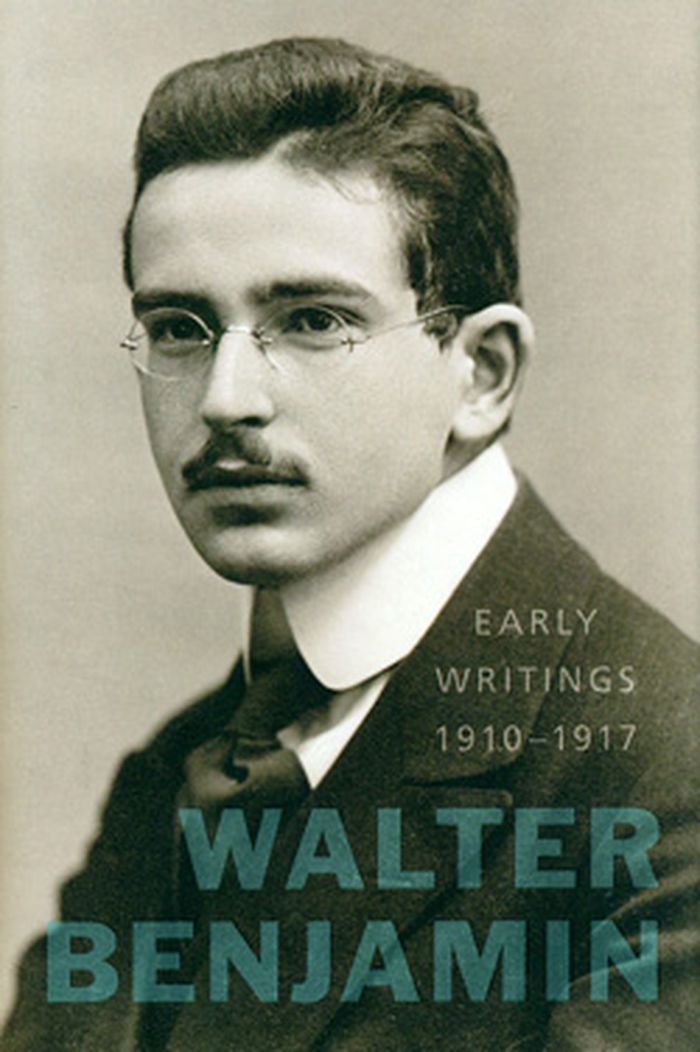
Early Writings, 1910-1917 documents the formative intellectual experiences of one of the twentieth century's most independent thinkers.
$32.95
(disponible sur commande)
Résumé:
Early Writings, 1910-1917 documents the formative intellectual experiences of one of the twentieth century's most independent thinkers.
Titre:
Walter Benjamin: Early writings 1910-1917
Actions:
Prix:
$32.95
(disponible sur commande)
Résumé:
Early Writings, 1910-1917 documents the formative intellectual experiences of one of the twentieth century's most independent thinkers.
Walter Benjamin: Early writings 1910-1917
Actions:
Prix:
$32.95
(disponible sur commande)
Résumé:
Early Writings, 1910-1917 documents the formative intellectual experiences of one of the twentieth century's most independent thinkers.
Classification:
livres
livres
Publication:
juin 2011
juin 2011
Sujet:
Théorie/ philosophie
Théorie/ philosophie
Classification:
livres
livres
Actions:
Prix:
$21.95
(disponible sur commande)
Résumé:
Mumbai Fables explores the mythic inner life of this city as seen by its inhabitants, journalists, planners, writers, artists, filmmakers, and political activists. In this cultural history of one of the world's most important urban centers, Gyan Prakash unearths the stories behind its history, viewing Mumbai through its turning points and kaleidoscopic ideas, comic book(...)
$21.95
(disponible sur commande)
Résumé:
Mumbai Fables explores the mythic inner life of this city as seen by its inhabitants, journalists, planners, writers, artists, filmmakers, and political activists. In this cultural history of one of the world's most important urban centers, Gyan Prakash unearths the stories behind its history, viewing Mumbai through its turning points and kaleidoscopic ideas, comic book(...)
Titre:
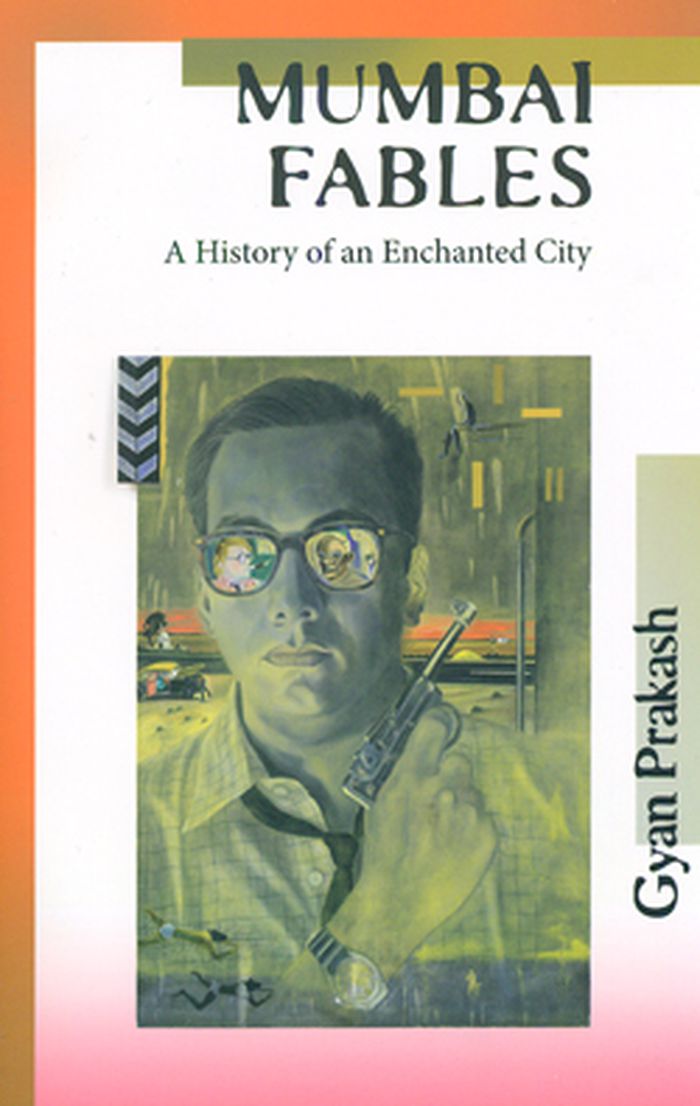
Mumbai fables: history of an enchanted city
Actions:
Prix:
$21.95
(disponible sur commande)
Résumé:
Mumbai Fables explores the mythic inner life of this city as seen by its inhabitants, journalists, planners, writers, artists, filmmakers, and political activists. In this cultural history of one of the world's most important urban centers, Gyan Prakash unearths the stories behind its history, viewing Mumbai through its turning points and kaleidoscopic ideas, comic book heroes, and famous scandals - the history behind Mumbai's stories of opportunity and oppression, of fabulous wealth and grinding poverty, of cosmopolitan desires and nativist energies.
Mumbai fables: history of an enchanted city
Actions:
Prix:
$21.95
(disponible sur commande)
Résumé:
Mumbai Fables explores the mythic inner life of this city as seen by its inhabitants, journalists, planners, writers, artists, filmmakers, and political activists. In this cultural history of one of the world's most important urban centers, Gyan Prakash unearths the stories behind its history, viewing Mumbai through its turning points and kaleidoscopic ideas, comic book heroes, and famous scandals - the history behind Mumbai's stories of opportunity and oppression, of fabulous wealth and grinding poverty, of cosmopolitan desires and nativist energies.
Classification:
livres
livres
Publication:
novembre 2011
novembre 2011
Sujet:
Théorie de l’urbanisme
Théorie de l’urbanisme
Classification:
livres
livres
Actions:
Prix:
$30.95
(disponible sur commande)
Résumé:
Urban Identity is the second issue in the Learning from Place series that draws upon the wealth of experience in the Academy of Urbanism. This edition deals with the subject of urban identity and character. Why is it that all modern towns and cities look the same, as they become dominated by identikit buildings, multi-national corporations, even arbitrarily imposed urban(...)
$30.95
(disponible sur commande)
Résumé:
Urban Identity is the second issue in the Learning from Place series that draws upon the wealth of experience in the Academy of Urbanism. This edition deals with the subject of urban identity and character. Why is it that all modern towns and cities look the same, as they become dominated by identikit buildings, multi-national corporations, even arbitrarily imposed urban(...)
Sujet:
Théorie de l’urbanisme
Théorie de l’urbanisme
Publication:
juin 2011
juin 2011
Titre:
Urban identity ; learning from place 2
Actions:
Prix:
$30.95
(disponible sur commande)
Résumé:
Urban Identity is the second issue in the Learning from Place series that draws upon the wealth of experience in the Academy of Urbanism. This edition deals with the subject of urban identity and character. Why is it that all modern towns and cities look the same, as they become dominated by identikit buildings, multi-national corporations, even arbitrarily imposed urban design rules? How can we preserve and foster the sense of local identity and character that so value without falling into the trap of historical pastiche? Four urban thinkers take this theme as the staring point for chapters on urban identity. The classical architect Robert Adam delivers a broadside to modern architecture that he sees as the multi-national face of globalism. The Architect and academic John Worthington ponders the difference between how a place is seen, its identity and how it wants to be seen, its brand. While the architects Anthony Reddy from Ireland and Frank Walker from Scotland explore the notion of local and national identity in architecture and design.
Urban identity ; learning from place 2
Actions:
Prix:
$30.95
(disponible sur commande)
Résumé:
Urban Identity is the second issue in the Learning from Place series that draws upon the wealth of experience in the Academy of Urbanism. This edition deals with the subject of urban identity and character. Why is it that all modern towns and cities look the same, as they become dominated by identikit buildings, multi-national corporations, even arbitrarily imposed urban design rules? How can we preserve and foster the sense of local identity and character that so value without falling into the trap of historical pastiche? Four urban thinkers take this theme as the staring point for chapters on urban identity. The classical architect Robert Adam delivers a broadside to modern architecture that he sees as the multi-national face of globalism. The Architect and academic John Worthington ponders the difference between how a place is seen, its identity and how it wants to be seen, its brand. While the architects Anthony Reddy from Ireland and Frank Walker from Scotland explore the notion of local and national identity in architecture and design.
Classification:
livres
livres
Publication:
juin 2011
juin 2011
Sujet:
Théorie de l’urbanisme
Théorie de l’urbanisme


