


6640 Résultats
Classification:
livres
livres
Actions:
Prix:
$72.00
(disponible sur commande)
Résumé:
Unknown Fields is a nomadic design studio that ventures out on expeditions into the shadows cast by the contemporary city, to uncover the industrial ecologies and precarious wilderness its technology and culture set in motion. "Tales from the dark side of the city" is a book series that forms an atlas to the territories and stories of a city that stretches across the(...)
$72.00
(disponible sur commande)
Résumé:
Unknown Fields is a nomadic design studio that ventures out on expeditions into the shadows cast by the contemporary city, to uncover the industrial ecologies and precarious wilderness its technology and culture set in motion. "Tales from the dark side of the city" is a book series that forms an atlas to the territories and stories of a city that stretches across the(...)
Publication:
novembre 2016
novembre 2016
Titre:
Tales from the dark side of the city, box set
Actions:
Prix:
$72.00
(disponible sur commande)
Résumé:
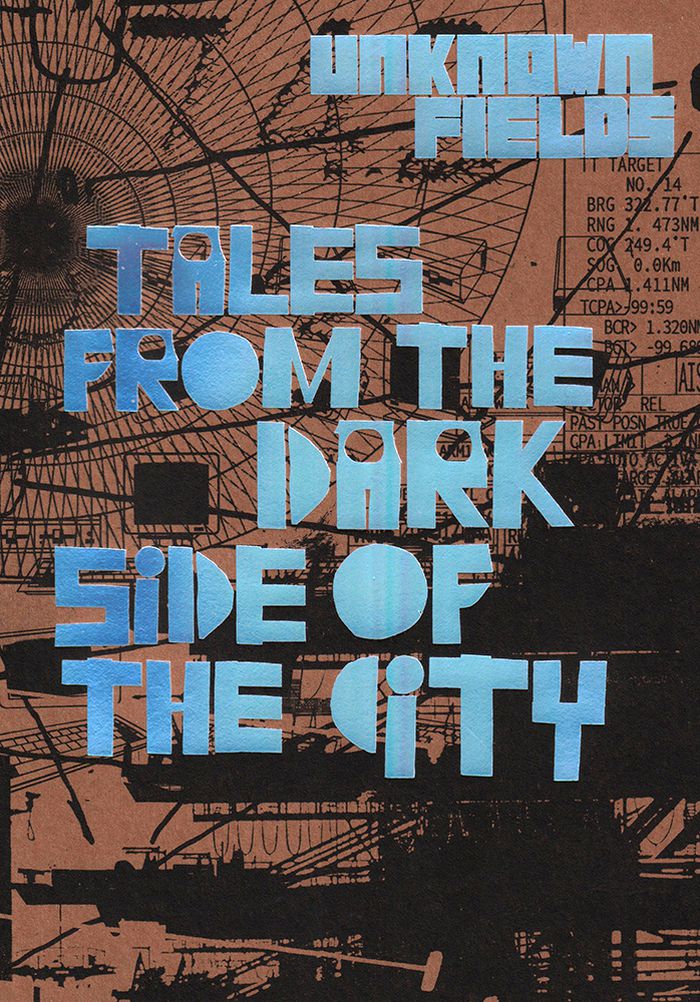
Unknown Fields is a nomadic design studio that ventures out on expeditions into the shadows cast by the contemporary city, to uncover the industrial ecologies and precarious wilderness its technology and culture set in motion. "Tales from the dark side of the city" is a book series that forms an atlas to the territories and stories of a city that stretches across the entire planet, a city that sits between documentary and fiction, a city of dislocated sites, of drone footage and hidden-camera investigations, of interviews and speculative narratives, of toxic objects and distributed matter from distant grounds. They are a collection of tales from the constellation of elsewheres that are conjured into being by the city’s wants and needs, fears and dreams. The series includes stories developed from expeditions through Bolivia and the Atacama Desert, the Western Australian Outback, the South China Sea and Inner Mongolia, the gemfields of Madagascar, Far North Alaska and the black sites of the United States.
Tales from the dark side of the city, box set
Actions:
Prix:
$72.00
(disponible sur commande)
Résumé:
Unknown Fields is a nomadic design studio that ventures out on expeditions into the shadows cast by the contemporary city, to uncover the industrial ecologies and precarious wilderness its technology and culture set in motion. "Tales from the dark side of the city" is a book series that forms an atlas to the territories and stories of a city that stretches across the entire planet, a city that sits between documentary and fiction, a city of dislocated sites, of drone footage and hidden-camera investigations, of interviews and speculative narratives, of toxic objects and distributed matter from distant grounds. They are a collection of tales from the constellation of elsewheres that are conjured into being by the city’s wants and needs, fears and dreams. The series includes stories developed from expeditions through Bolivia and the Atacama Desert, the Western Australian Outback, the South China Sea and Inner Mongolia, the gemfields of Madagascar, Far North Alaska and the black sites of the United States.
Classification:
livres
livres
Publication:
novembre 2016
novembre 2016
Classification:
livres
livres
Titre:
The lives of documents
The lives of documents
Actions:
Prix:
$45.00
(disponible en magasin)
Résumé:
How do photographers select, order, and display their images to make visual arguments about built and natural environments? Conceived as part of a long-term project at the CCA to examine the contemporary role of photography in the study and practice of architecture, The Lives of Documents — Photography as Project prompts reflections on the idea of the documentary as an(...)
$45.00
(disponible en magasin)
Résumé:
How do photographers select, order, and display their images to make visual arguments about built and natural environments? Conceived as part of a long-term project at the CCA to examine the contemporary role of photography in the study and practice of architecture, The Lives of Documents — Photography as Project prompts reflections on the idea of the documentary as an(...)
Titre:
The lives of documents
Actions:
Prix:
$45.00
(disponible en magasin)
Résumé:
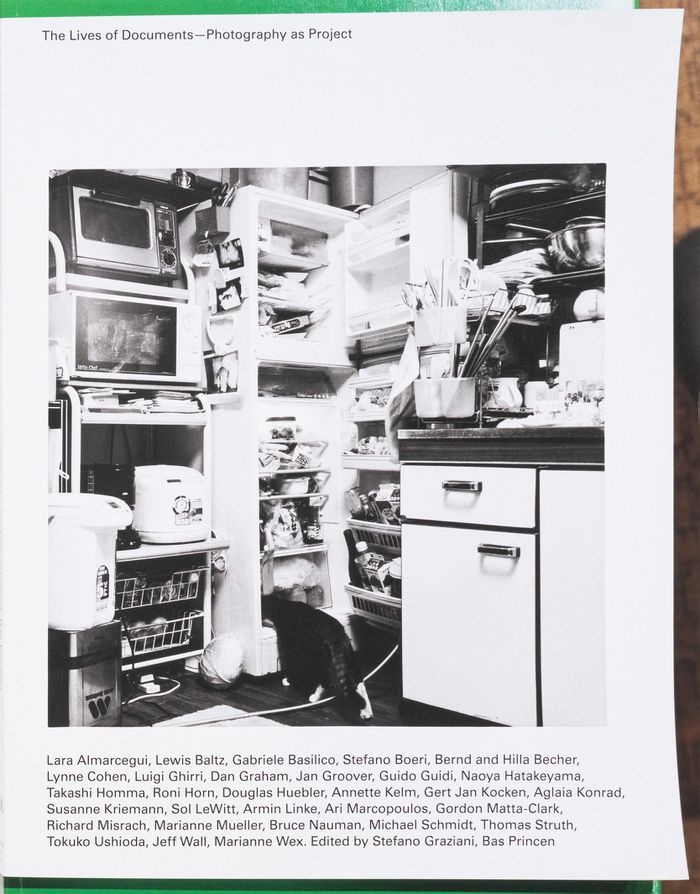
How do photographers select, order, and display their images to make visual arguments about built and natural environments? Conceived as part of a long-term project at the CCA to examine the contemporary role of photography in the study and practice of architecture, The Lives of Documents — Photography as Project prompts reflections on the idea of the documentary as an embedded quality of photography. Tracing the research materials, archiving practices, and production processes of diverse authors, photographers Bas Princen and Stefano Graziani highlight a selection of photographic projects that model our visible world by investigating notions of landscape and its destruction, global infrastructure, intimacy and interiority, and conditions of urban and domestic space and life. This publication follows Princen and Graziani’s travels to understand how artists use photography as a tool for their artistic research and how they conceive of their projects as evolving and expanding explorations. Bringing together studio visit images, artist interviews, and Princen and Graziani’s own reproduction of photographic projects, it emphasizes how photography reveals and expresses lived and built realities in ways that traditional architectural tools fail to represent or communicate.
The lives of documents
Actions:
Prix:
$45.00
(disponible en magasin)
Résumé:
How do photographers select, order, and display their images to make visual arguments about built and natural environments? Conceived as part of a long-term project at the CCA to examine the contemporary role of photography in the study and practice of architecture, The Lives of Documents — Photography as Project prompts reflections on the idea of the documentary as an embedded quality of photography. Tracing the research materials, archiving practices, and production processes of diverse authors, photographers Bas Princen and Stefano Graziani highlight a selection of photographic projects that model our visible world by investigating notions of landscape and its destruction, global infrastructure, intimacy and interiority, and conditions of urban and domestic space and life. This publication follows Princen and Graziani’s travels to understand how artists use photography as a tool for their artistic research and how they conceive of their projects as evolving and expanding explorations. Bringing together studio visit images, artist interviews, and Princen and Graziani’s own reproduction of photographic projects, it emphasizes how photography reveals and expresses lived and built realities in ways that traditional architectural tools fail to represent or communicate.
Classification:
livres
livres
Publication:
juin 2023
juin 2023
Sujet:
Publications du CCA
Publications du CCA
Classification:
livres
livres
Actions:
Prix:
$74.95
(disponible sur commande)
Résumé:
Born in 1934 in Naples--where he still lives and works--Mimmo Jodice has been at the top of his profession, one of the great Italian masters of photography, for more than 45 years. This volume celebrates Jodice's architectural work, uniting his portraits of eight world capitals into a kind of self-portrait. Four of the cities have been the subjects of previous titles:(...)
$74.95
(disponible sur commande)
Résumé:
Born in 1934 in Naples--where he still lives and works--Mimmo Jodice has been at the top of his profession, one of the great Italian masters of photography, for more than 45 years. This volume celebrates Jodice's architectural work, uniting his portraits of eight world capitals into a kind of self-portrait. Four of the cities have been the subjects of previous titles:(...)
Sujet:
Monographies photo
Monographies photo
Publication:
avril 2007, Milan
avril 2007, Milan
Titre:
Mimmo Jodice : visible cities
Actions:
Prix:
$74.95
(disponible sur commande)
Résumé:
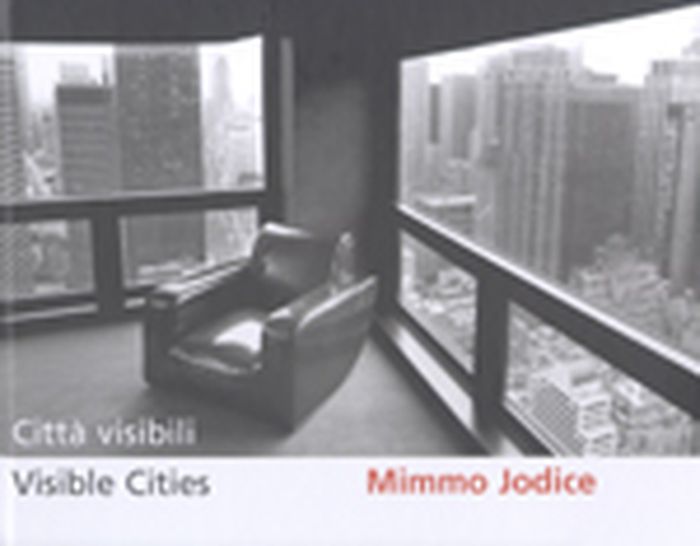
Born in 1934 in Naples--where he still lives and works--Mimmo Jodice has been at the top of his profession, one of the great Italian masters of photography, for more than 45 years. This volume celebrates Jodice's architectural work, uniting his portraits of eight world capitals into a kind of self-portrait. Four of the cities have been the subjects of previous titles: Paris: City of Light; Inlands: A Vision of Boston; São Paulo and La città invisibile: Nuove vedute di Napoli; and four are new to print, including Rome, Moscow, Tokyo and New York. When Jodice's Medeterranean appeared, which includes some Rome images, the architecture critic Herbert Muschamp observed of it in the New York Times that "Mr. Jodice depicts a mythical place, a romantic intertwining of wholeness and solitude: the oceanic sensation of merger between a self and its surroundings." That impression of unity is as strong--if not as relaxing--in his contemporary urban landscapes as in his ancient ones. With text from Stefano Boeri of Domus magazine and an interview with Hans Ulrich Obrist. Jodice's previous books, in addition to those above, include Light, Eden and Tempo Interiore.
Mimmo Jodice : visible cities
Actions:
Prix:
$74.95
(disponible sur commande)
Résumé:
Born in 1934 in Naples--where he still lives and works--Mimmo Jodice has been at the top of his profession, one of the great Italian masters of photography, for more than 45 years. This volume celebrates Jodice's architectural work, uniting his portraits of eight world capitals into a kind of self-portrait. Four of the cities have been the subjects of previous titles: Paris: City of Light; Inlands: A Vision of Boston; São Paulo and La città invisibile: Nuove vedute di Napoli; and four are new to print, including Rome, Moscow, Tokyo and New York. When Jodice's Medeterranean appeared, which includes some Rome images, the architecture critic Herbert Muschamp observed of it in the New York Times that "Mr. Jodice depicts a mythical place, a romantic intertwining of wholeness and solitude: the oceanic sensation of merger between a self and its surroundings." That impression of unity is as strong--if not as relaxing--in his contemporary urban landscapes as in his ancient ones. With text from Stefano Boeri of Domus magazine and an interview with Hans Ulrich Obrist. Jodice's previous books, in addition to those above, include Light, Eden and Tempo Interiore.
Classification:
livres
livres
Publication:
avril 2007, Milan
avril 2007, Milan
Sujet:
Monographies photo
Monographies photo
Classification:
livres
livres
Titre:
Naoya Hatakeyama
Naoya Hatakeyama
Actions:
Prix:
$51.95
(disponible sur commande)
Résumé:
Naoya Hatakeyama is one of the most noteworthy contemporary Japanese photo artists. Related predominantly to architecture, his oeuvre has been shaped by almost archaeological rigor and interest. Hatakeyama's work encompasses a range of themes, from series devoted to limestone landscapes and architectures - his Lime Work and Lime Hill (1987-1992), which are reminiscent at(...)
$51.95
(disponible sur commande)
Résumé:
Naoya Hatakeyama is one of the most noteworthy contemporary Japanese photo artists. Related predominantly to architecture, his oeuvre has been shaped by almost archaeological rigor and interest. Hatakeyama's work encompasses a range of themes, from series devoted to limestone landscapes and architectures - his Lime Work and Lime Hill (1987-1992), which are reminiscent at(...)
Titre:
Naoya Hatakeyama
Actions:
Prix:
$51.95
(disponible sur commande)
Résumé:
Naoya Hatakeyama is one of the most noteworthy contemporary Japanese photo artists. Related predominantly to architecture, his oeuvre has been shaped by almost archaeological rigor and interest. Hatakeyama's work encompasses a range of themes, from series devoted to limestone landscapes and architectures - his Lime Work and Lime Hill (1987-1992), which are reminiscent at times of lunar landscapes or prehistoric scenes - to his Underground series, in which the artist pursues urban tectonics in a vertical photographic progression from the air down into the depths of the city sewer system with its almost theatrical lighting effects. At the same time, his consistently serial works also reveal the presence of a horizontal principle as an expression of the importance of the aspect of time in his art - in highly explosive moments, for example, as in Blasts (1995/96), photos of detonations in quarries, or in the urban tableaux conceived as extended-time studies in 48 or 72 parts in his Unlimited series (1989-1997). One of the first monographs devoted to this artist, this book covers all of his serial work as well as some of his most recent projects.
Naoya Hatakeyama
Actions:
Prix:
$51.95
(disponible sur commande)
Résumé:
Naoya Hatakeyama is one of the most noteworthy contemporary Japanese photo artists. Related predominantly to architecture, his oeuvre has been shaped by almost archaeological rigor and interest. Hatakeyama's work encompasses a range of themes, from series devoted to limestone landscapes and architectures - his Lime Work and Lime Hill (1987-1992), which are reminiscent at times of lunar landscapes or prehistoric scenes - to his Underground series, in which the artist pursues urban tectonics in a vertical photographic progression from the air down into the depths of the city sewer system with its almost theatrical lighting effects. At the same time, his consistently serial works also reveal the presence of a horizontal principle as an expression of the importance of the aspect of time in his art - in highly explosive moments, for example, as in Blasts (1995/96), photos of detonations in quarries, or in the urban tableaux conceived as extended-time studies in 48 or 72 parts in his Unlimited series (1989-1997). One of the first monographs devoted to this artist, this book covers all of his serial work as well as some of his most recent projects.
Classification:
livres
livres
Publication:
mai 2002, Ostfildern-Ruit, Germany
mai 2002, Ostfildern-Ruit, Germany
Sujet:
Monographies photo
Monographies photo
Classification:
livres
livres
Titre:
Adam Bartos : boulevard
Adam Bartos : boulevard
Actions:
Prix:
$65.00
(disponible sur commande)
Résumé:
"Boulevard" is a visual tale of two disparate cities: Paris and Los Angeles. In the early seventies, Adam Bartos began to use color photography to document the contemporary urban landscape, infusing his images with a certain quietude and finding composition in even the most random corners of life. He often focused his lens on his native New York, and he published a(...)
$65.00
(disponible sur commande)
Résumé:
"Boulevard" is a visual tale of two disparate cities: Paris and Los Angeles. In the early seventies, Adam Bartos began to use color photography to document the contemporary urban landscape, infusing his images with a certain quietude and finding composition in even the most random corners of life. He often focused his lens on his native New York, and he published a(...)
Titre:
Adam Bartos : boulevard
Actions:
Prix:
$65.00
(disponible sur commande)
Résumé:
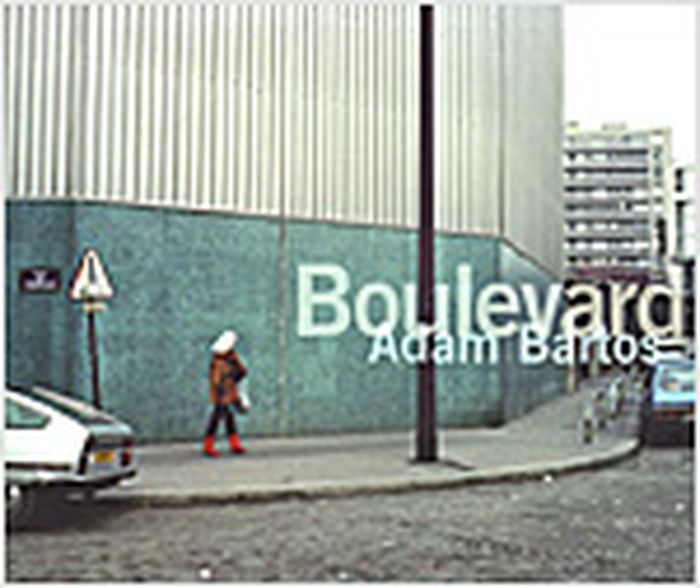
"Boulevard" is a visual tale of two disparate cities: Paris and Los Angeles. In the early seventies, Adam Bartos began to use color photography to document the contemporary urban landscape, infusing his images with a certain quietude and finding composition in even the most random corners of life. He often focused his lens on his native New York, and he published a monumental series of photographs of the modern architecture of the United Nations. In the late seventies, and then again in the early eighties, Bartos traveled to Los Angeles and Paris, taking his camera with him. The two trips would have a strong and lasting impact on his vision, and yet until recently, he had never considered the two cities — or bodies of work — together. In "Boulevard", this is not the L.A. or Paris of postcards. As we venture through the scarcely inhabited hotel rooms, backyards, gas stations, and inevitably, city streets, we are struck by the graphical relationships and the surprisingly similar color palates. There is a magnetic attraction and repulsion between these two photo series and cities — polar opposites that, at unexpected moments, converge and suddenly attract. With a preface by Geoff Dyer.
Adam Bartos : boulevard
Actions:
Prix:
$65.00
(disponible sur commande)
Résumé:
"Boulevard" is a visual tale of two disparate cities: Paris and Los Angeles. In the early seventies, Adam Bartos began to use color photography to document the contemporary urban landscape, infusing his images with a certain quietude and finding composition in even the most random corners of life. He often focused his lens on his native New York, and he published a monumental series of photographs of the modern architecture of the United Nations. In the late seventies, and then again in the early eighties, Bartos traveled to Los Angeles and Paris, taking his camera with him. The two trips would have a strong and lasting impact on his vision, and yet until recently, he had never considered the two cities — or bodies of work — together. In "Boulevard", this is not the L.A. or Paris of postcards. As we venture through the scarcely inhabited hotel rooms, backyards, gas stations, and inevitably, city streets, we are struck by the graphical relationships and the surprisingly similar color palates. There is a magnetic attraction and repulsion between these two photo series and cities — polar opposites that, at unexpected moments, converge and suddenly attract. With a preface by Geoff Dyer.
Classification:
livres
livres
Publication:
janvier 2006, Göttingen
janvier 2006, Göttingen
Sujet:
Monographies photo
Monographies photo
Classification:
livres
livres
Actions:
Prix:
$38.95
(disponible en magasin)
Résumé:
Should the Director’s House Gropius in Dessau, a masterpiece of modernism, be rebuilt? Is there any reason from a cultural-historical viewpoint for such a conservative approach? Should an attempt be made to continue the traditions of Bauhaus, or should we be discussing whether contemporary tasks and aims are commensurate to those of the past? What role do modern(...)
$38.95
(disponible en magasin)
Résumé:
Should the Director’s House Gropius in Dessau, a masterpiece of modernism, be rebuilt? Is there any reason from a cultural-historical viewpoint for such a conservative approach? Should an attempt be made to continue the traditions of Bauhaus, or should we be discussing whether contemporary tasks and aims are commensurate to those of the past? What role do modern(...)
Titre:
UmBauhaus : updating modernism
Actions:
Prix:
$38.95
(disponible en magasin)
Résumé:
Should the Director’s House Gropius in Dessau, a masterpiece of modernism, be rebuilt? Is there any reason from a cultural-historical viewpoint for such a conservative approach? Should an attempt be made to continue the traditions of Bauhaus, or should we be discussing whether contemporary tasks and aims are commensurate to those of the past? What role do modern principles play in today’s architecture? What is our attitude towards reconstruction? What can be expected from alternative approaches such as manipulation, collage, neutralization, redefinition, reinterpretation or entirely new design? The book „UmBauhaus – Aktualisierung der Moderne“ examines these and other questions, seeking to introduce and continue the debate concerning the Director’s House that was destroyed during the Second World War. At the peak of the debate on the reconstruction of the Gropius Director's House, the Bauhaus pulled out and decided to take a trip to record interviews. This became a lengthy, inspirational journey through current affairs, and a search for the future of modernism. With contribution from Rem Koolhaas, Dan Wieden, Oscar Niemeyer, Jonathan Park, Hans Kollhoff, Walter de'Silva, colleagues of the Bauhaus Dessau Foundation and many others.
UmBauhaus : updating modernism
Actions:
Prix:
$38.95
(disponible en magasin)
Résumé:
Should the Director’s House Gropius in Dessau, a masterpiece of modernism, be rebuilt? Is there any reason from a cultural-historical viewpoint for such a conservative approach? Should an attempt be made to continue the traditions of Bauhaus, or should we be discussing whether contemporary tasks and aims are commensurate to those of the past? What role do modern principles play in today’s architecture? What is our attitude towards reconstruction? What can be expected from alternative approaches such as manipulation, collage, neutralization, redefinition, reinterpretation or entirely new design? The book „UmBauhaus – Aktualisierung der Moderne“ examines these and other questions, seeking to introduce and continue the debate concerning the Director’s House that was destroyed during the Second World War. At the peak of the debate on the reconstruction of the Gropius Director's House, the Bauhaus pulled out and decided to take a trip to record interviews. This became a lengthy, inspirational journey through current affairs, and a search for the future of modernism. With contribution from Rem Koolhaas, Dan Wieden, Oscar Niemeyer, Jonathan Park, Hans Kollhoff, Walter de'Silva, colleagues of the Bauhaus Dessau Foundation and many others.
Classification:
livres
livres
Publication:
mars 2005, Berlin
mars 2005, Berlin
Sujet:
Modernisme
Modernisme
Classification:
livres
livres
Actions:
Prix:
$22.00
(disponible en magasin)
Résumé:
This volume is one of three books in The Michigan Debates on Urbanism, a series that also features Everyday Urbanism and New Urbanism. Each book represents a distinct, inevitable, but still-emerging paradigm in contemporary urbanism, and is an elaboration of public debates held at the University of Michigan’s Taubman College of Architecture and Urban Planning during the(...)
$22.00
(disponible en magasin)
Résumé:
This volume is one of three books in The Michigan Debates on Urbanism, a series that also features Everyday Urbanism and New Urbanism. Each book represents a distinct, inevitable, but still-emerging paradigm in contemporary urbanism, and is an elaboration of public debates held at the University of Michigan’s Taubman College of Architecture and Urban Planning during the(...)
Titre:
Post urbanism & Re urbanism : Peter Eisenman vs. Barbara Littenberg and Steven Peterson, Michigan debates on urbanism vol. III
Actions:
Prix:
$22.00
(disponible en magasin)
Résumé:
This volume is one of three books in The Michigan Debates on Urbanism, a series that also features Everyday Urbanism and New Urbanism. Each book represents a distinct, inevitable, but still-emerging paradigm in contemporary urbanism, and is an elaboration of public debates held at the University of Michigan’s Taubman College of Architecture and Urban Planning during the winter of 2004. Peter Eisenman, acclaimed New York architect, author and theorist, presents several of his recent projects, including his team’s entry for the controversial Ground Zero competition at the World Trade Center site in lower Manhattan. This project and the larger body of his work are termed Post Urbanist by the series editor Douglas Kelbaugh. Post Urbanism refers to a critical, post-structuralist project, expressing avant-garde sensibilities and the techno-flow of a globalizing society. Barbara Littenberg and partner Steven Peterson, also well-known design practitioners from New York, present their entry into the Ground Zero competition, as well as other urban design projects that are characterized as ReUrbanism. Each side takes strong exception to the other’s work, leading to a heated discussion moderated by Roy Strickland, Director of the Master of Urban Design program at Taubman College.
Post urbanism & Re urbanism : Peter Eisenman vs. Barbara Littenberg and Steven Peterson, Michigan debates on urbanism vol. III
Actions:
Prix:
$22.00
(disponible en magasin)
Résumé:
This volume is one of three books in The Michigan Debates on Urbanism, a series that also features Everyday Urbanism and New Urbanism. Each book represents a distinct, inevitable, but still-emerging paradigm in contemporary urbanism, and is an elaboration of public debates held at the University of Michigan’s Taubman College of Architecture and Urban Planning during the winter of 2004. Peter Eisenman, acclaimed New York architect, author and theorist, presents several of his recent projects, including his team’s entry for the controversial Ground Zero competition at the World Trade Center site in lower Manhattan. This project and the larger body of his work are termed Post Urbanist by the series editor Douglas Kelbaugh. Post Urbanism refers to a critical, post-structuralist project, expressing avant-garde sensibilities and the techno-flow of a globalizing society. Barbara Littenberg and partner Steven Peterson, also well-known design practitioners from New York, present their entry into the Ground Zero competition, as well as other urban design projects that are characterized as ReUrbanism. Each side takes strong exception to the other’s work, leading to a heated discussion moderated by Roy Strickland, Director of the Master of Urban Design program at Taubman College.
Classification:
livres
livres
Publication:
février 2005, Ann Arbor
février 2005, Ann Arbor
Sujet:
Banlieues
Banlieues
Classification:
livres
livres
Titre:
Design now!
Design now!
Actions:
Prix:
$24.95
(disponible sur commande)
Résumé:
Designs for life: From eco-design to design-art Not only an in-depth exploration of contemporary design practice, this book is also a rallying call for a more sustainable approach to product design of every type, from lighting and furniture design to consumer electronic equipment, transportation, product architecture, and environmental design. Visually stunning and highly(...)
$24.95
(disponible sur commande)
Résumé:
Designs for life: From eco-design to design-art Not only an in-depth exploration of contemporary design practice, this book is also a rallying call for a more sustainable approach to product design of every type, from lighting and furniture design to consumer electronic equipment, transportation, product architecture, and environmental design. Visually stunning and highly(...)
Sujet:
Design d’intérieur
Design d’intérieur
Publication:
janvier 2008, Köln, London, Paris, Madrid, Tokyo, Los Angeles
janvier 2008, Köln, London, Paris, Madrid, Tokyo, Los Angeles
Titre:
Design now!
Actions:
Prix:
$24.95
(disponible sur commande)
Résumé:
Designs for life: From eco-design to design-art Not only an in-depth exploration of contemporary design practice, this book is also a rallying call for a more sustainable approach to product design of every type, from lighting and furniture design to consumer electronic equipment, transportation, product architecture, and environmental design. Visually stunning and highly informative, Design Now! illustrates the latest work by 90 of the world's leading designers and design-led manufacturing companies, while also featuring in-their-own-words statements that give a unique insight into the nature of 3-dimensional design today. Additionally, the editors? introductory essay authoritatively outlines the main issues facing designers, manufacturers and consumers, and offers a perceptive vision for a better way forward that focuses on the need to reduce, reuse, and recycle. Design Now! is essential for anyone interested in design and the road towards a greener future. Examples of selected designers and design-led companies featured: Ronan & Erwan Bouroullec, Ecotricity, Naoto Fukasawa, Zaha Hadid, Intelligent Energy, Jonathan Ive & Apple Design, LOT-EK, Ross Lovegrove, Marine Current Turbines, Jasper Morrison, Marc Newson, POC, Philips Design, Seymourpowell, Tokujin Yoshioka
Design now!
Actions:
Prix:
$24.95
(disponible sur commande)
Résumé:
Designs for life: From eco-design to design-art Not only an in-depth exploration of contemporary design practice, this book is also a rallying call for a more sustainable approach to product design of every type, from lighting and furniture design to consumer electronic equipment, transportation, product architecture, and environmental design. Visually stunning and highly informative, Design Now! illustrates the latest work by 90 of the world's leading designers and design-led manufacturing companies, while also featuring in-their-own-words statements that give a unique insight into the nature of 3-dimensional design today. Additionally, the editors? introductory essay authoritatively outlines the main issues facing designers, manufacturers and consumers, and offers a perceptive vision for a better way forward that focuses on the need to reduce, reuse, and recycle. Design Now! is essential for anyone interested in design and the road towards a greener future. Examples of selected designers and design-led companies featured: Ronan & Erwan Bouroullec, Ecotricity, Naoto Fukasawa, Zaha Hadid, Intelligent Energy, Jonathan Ive & Apple Design, LOT-EK, Ross Lovegrove, Marine Current Turbines, Jasper Morrison, Marc Newson, POC, Philips Design, Seymourpowell, Tokujin Yoshioka
Classification:
livres
livres
Publication:
janvier 2008, Köln, London, Paris, Madrid, Tokyo, Los Angeles
janvier 2008, Köln, London, Paris, Madrid, Tokyo, Los Angeles
Sujet:
Design d’intérieur
Design d’intérieur
Classification:
livres
livres
Titre:
The modern interior
The modern interior
Actions:
Prix:
$39.00
(disponible sur commande)
Résumé:
Today’s home is filled with pieces from Pottery Barn, IKEA, and Crate & Barrel, and we pore over glossy catalogs in hopes of achieving the “modern interior.” This idealized aesthetic is the subject of Penny Sparke’s study, as she explores the style in both its absolute form and the diverse decorating approaches seen in the contemporary home. The shift from(...)
$39.00
(disponible sur commande)
Résumé:
Today’s home is filled with pieces from Pottery Barn, IKEA, and Crate & Barrel, and we pore over glossy catalogs in hopes of achieving the “modern interior.” This idealized aesthetic is the subject of Penny Sparke’s study, as she explores the style in both its absolute form and the diverse decorating approaches seen in the contemporary home. The shift from(...)
Titre:
The modern interior
Actions:
Prix:
$39.00
(disponible sur commande)
Résumé:
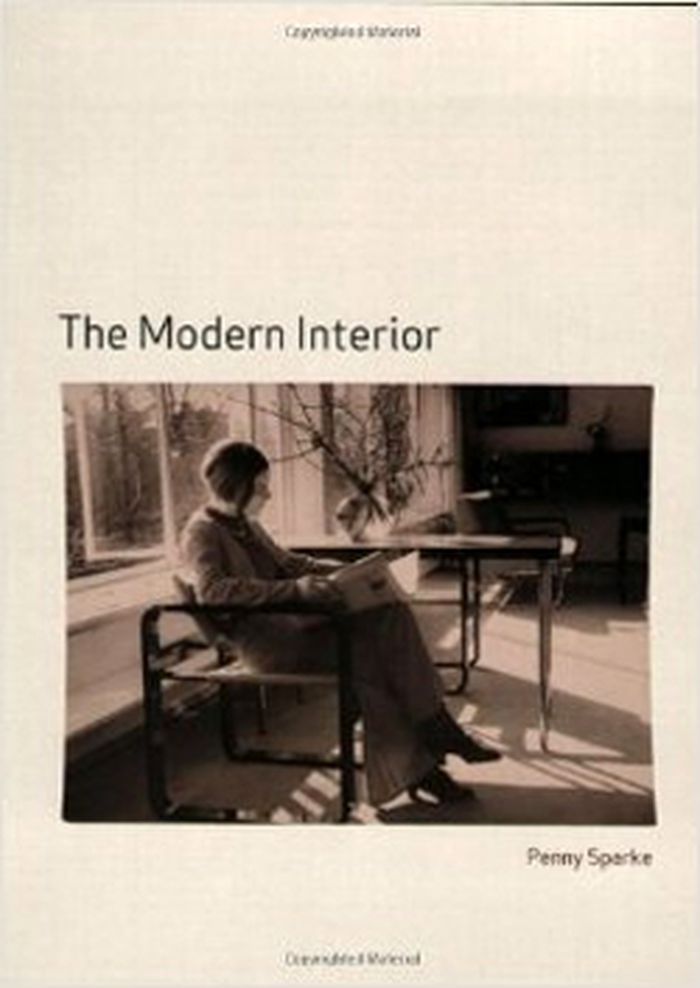
Today’s home is filled with pieces from Pottery Barn, IKEA, and Crate & Barrel, and we pore over glossy catalogs in hopes of achieving the “modern interior.” This idealized aesthetic is the subject of Penny Sparke’s study, as she explores the style in both its absolute form and the diverse decorating approaches seen in the contemporary home. The shift from Victorian to modern style, The Modern Interior reveals, was not as simple and smooth as it is often perceived and the book probes the complicated history behind that transition. Sparke examines the work of such designers as Marcel Breuer, Frank Lloyd Wright, Charles and Ray Eames, and Mies van der Rohe, and draws upon design examples from the United States and Europe to reveal that, unlike the designed exteriors of buildings and institutions, the idea of the “interior” has been a largely abstract conception promoted through exhibitions, retail stores, and mass media. A comprehensive and in-depth investigation of the design environments we live and play in, The Modern Interior will be essential reading for all scholars and interested observers of architecture and modern design culture.
The modern interior
Actions:
Prix:
$39.00
(disponible sur commande)
Résumé:
Today’s home is filled with pieces from Pottery Barn, IKEA, and Crate & Barrel, and we pore over glossy catalogs in hopes of achieving the “modern interior.” This idealized aesthetic is the subject of Penny Sparke’s study, as she explores the style in both its absolute form and the diverse decorating approaches seen in the contemporary home. The shift from Victorian to modern style, The Modern Interior reveals, was not as simple and smooth as it is often perceived and the book probes the complicated history behind that transition. Sparke examines the work of such designers as Marcel Breuer, Frank Lloyd Wright, Charles and Ray Eames, and Mies van der Rohe, and draws upon design examples from the United States and Europe to reveal that, unlike the designed exteriors of buildings and institutions, the idea of the “interior” has been a largely abstract conception promoted through exhibitions, retail stores, and mass media. A comprehensive and in-depth investigation of the design environments we live and play in, The Modern Interior will be essential reading for all scholars and interested observers of architecture and modern design culture.
Classification:
livres
livres
Publication:
mai 2008, london
mai 2008, london
Sujet:
Design d’intérieur
Design d’intérieur
Classification:
livres
livres
Titre:
Cities in transition
Cities in transition
Actions:
Prix:
$51.95
(disponible sur commande)
Résumé:
***ÉPUISÉE / OUT OF PRINT*** "Cities in transition" deals with the effects of globalization and internationalization in relation to urbanism and critical assessment in contemporary theory. The book brings together internationally known authors from many countries including England, the USA, Germany, Greece, Italy, Japan and the Netherlands. A diversity of critical(...)
$51.95
(disponible sur commande)
Résumé:
***ÉPUISÉE / OUT OF PRINT*** "Cities in transition" deals with the effects of globalization and internationalization in relation to urbanism and critical assessment in contemporary theory. The book brings together internationally known authors from many countries including England, the USA, Germany, Greece, Italy, Japan and the Netherlands. A diversity of critical(...)
Sujet:
Théorie de l’urbanisme
Théorie de l’urbanisme
Publication:
mars 2001, Rotterdam
mars 2001, Rotterdam
Titre:
Cities in transition
Actions:
Prix:
$51.95
(disponible sur commande)
Résumé:
***ÉPUISÉE / OUT OF PRINT*** "Cities in transition" deals with the effects of globalization and internationalization in relation to urbanism and critical assessment in contemporary theory. The book brings together internationally known authors from many countries including England, the USA, Germany, Greece, Italy, Japan and the Netherlands. A diversity of critical positions on spatial and social questions is discussed on an international level. The theme of globalization is queried concerning the relation of urban and port developments in Tokyo's Bay Area and in Rotterdam. Cities have historically allowed the coming about of national economies, politics and societies we can think of as centralized. In several contributions this aspect is examined from the viewpoint of the flâneur, a creature of the metropolis, Parisian above all. As for their present day economic function, cities provide agglomeration economies, with a massive concentration of information on the latest developments. The book argues for a new reflexivity related to both economic and cultural understanding of our world. Cities in Transition is the third volume in the "Stylos critical landscape" series, issued by the Faculty of architecture of Delft university of technology.
Cities in transition
Actions:
Prix:
$51.95
(disponible sur commande)
Résumé:
***ÉPUISÉE / OUT OF PRINT*** "Cities in transition" deals with the effects of globalization and internationalization in relation to urbanism and critical assessment in contemporary theory. The book brings together internationally known authors from many countries including England, the USA, Germany, Greece, Italy, Japan and the Netherlands. A diversity of critical positions on spatial and social questions is discussed on an international level. The theme of globalization is queried concerning the relation of urban and port developments in Tokyo's Bay Area and in Rotterdam. Cities have historically allowed the coming about of national economies, politics and societies we can think of as centralized. In several contributions this aspect is examined from the viewpoint of the flâneur, a creature of the metropolis, Parisian above all. As for their present day economic function, cities provide agglomeration economies, with a massive concentration of information on the latest developments. The book argues for a new reflexivity related to both economic and cultural understanding of our world. Cities in Transition is the third volume in the "Stylos critical landscape" series, issued by the Faculty of architecture of Delft university of technology.
Classification:
livres
livres
Publication:
mars 2001, Rotterdam
mars 2001, Rotterdam
Sujet:
Théorie de l’urbanisme
Théorie de l’urbanisme


