


36173 Résultats
Classification:
livres
livres
Titre:
Architecture's theory
Architecture's theory
Actions:
Prix:
$45.95
(disponible en magasin)
Résumé:
From poststructuralism and deconstruction to current theories of technology and nature, critical theory has long been closely aligned with architecture. In turn, architecture as a thinking profession materializes theory in the form of built work that always carries symbolic loads. In this collection of essays, Catherine Ingraham studies the complex connectivity between(...)
$45.95
(disponible en magasin)
Résumé:
From poststructuralism and deconstruction to current theories of technology and nature, critical theory has long been closely aligned with architecture. In turn, architecture as a thinking profession materializes theory in the form of built work that always carries symbolic loads. In this collection of essays, Catherine Ingraham studies the complex connectivity between(...)
Titre:
Architecture's theory
Actions:
Prix:
$45.95
(disponible en magasin)
Résumé:
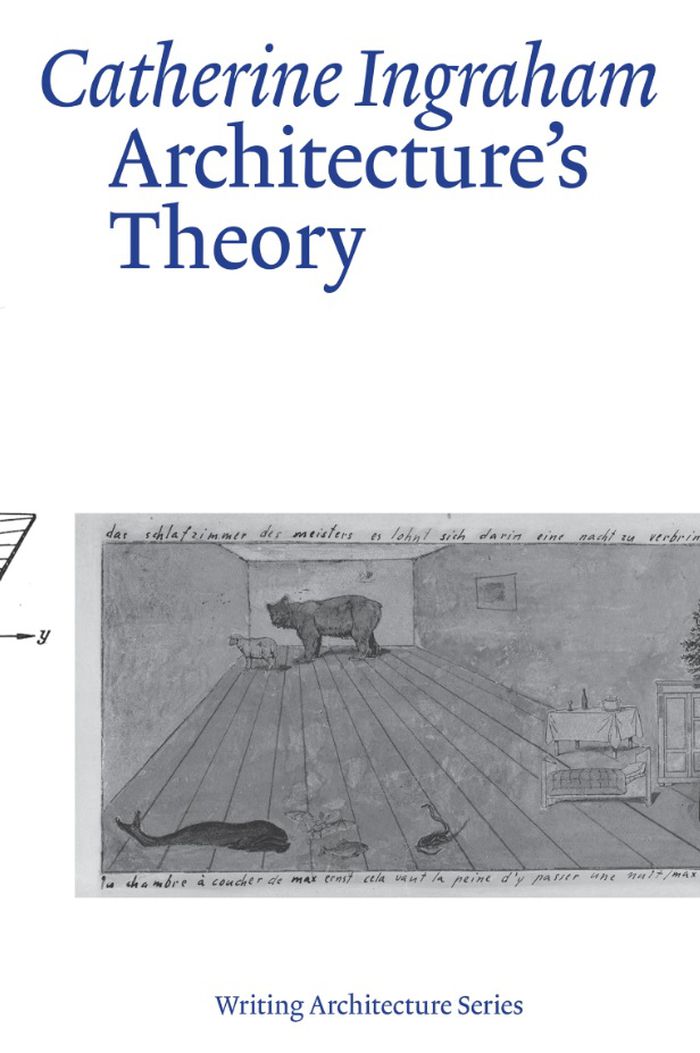
From poststructuralism and deconstruction to current theories of technology and nature, critical theory has long been closely aligned with architecture. In turn, architecture as a thinking profession materializes theory in the form of built work that always carries symbolic loads. In this collection of essays, Catherine Ingraham studies the complex connectivity between architecture's discipline and practice and theories of philosophy, art, literature, history, and politics. She argues that there can be no architecture without theory. Whether considering architecture's relationship to biomodernity or exploring the ways in which contemporary artists and designers engage in figural play, Ingraham offers provocative interpretations that enhance our understanding of both critical theory and architectural practice today. Along the way, she engages with a wide range of contemporary theorists, including Giorgio Agamben, Judith Butler, Jacques Derrida, Graham Harman, and Timothy Morton, considering buildings around the world, including the Palace of Culture in Warsaw, the Viceroy's House complex in New Delhi, Mack Scogin and Merrill Elam's Wolfsburg Science Center project in Germany, and the Superdome in New Orleans.
Architecture's theory
Actions:
Prix:
$45.95
(disponible en magasin)
Résumé:
From poststructuralism and deconstruction to current theories of technology and nature, critical theory has long been closely aligned with architecture. In turn, architecture as a thinking profession materializes theory in the form of built work that always carries symbolic loads. In this collection of essays, Catherine Ingraham studies the complex connectivity between architecture's discipline and practice and theories of philosophy, art, literature, history, and politics. She argues that there can be no architecture without theory. Whether considering architecture's relationship to biomodernity or exploring the ways in which contemporary artists and designers engage in figural play, Ingraham offers provocative interpretations that enhance our understanding of both critical theory and architectural practice today. Along the way, she engages with a wide range of contemporary theorists, including Giorgio Agamben, Judith Butler, Jacques Derrida, Graham Harman, and Timothy Morton, considering buildings around the world, including the Palace of Culture in Warsaw, the Viceroy's House complex in New Delhi, Mack Scogin and Merrill Elam's Wolfsburg Science Center project in Germany, and the Superdome in New Orleans.
Classification:
livres
livres
Publication:
avril 2023
avril 2023
Sujet:
Théorie de l’architecture
Théorie de l’architecture
Classification:
livres
livres
Prix:
$39.95
(disponible sur commande)
Résumé:
In this book, Mario Carpo reviews the long history of the computational mode of production, showing how the merger of robotic automation and artificial intelligence will stop and reverse the modernist quest for scale. Today's technologies already allow us to use nonstandard building materials as found, or as made, and assemble them in as many nonstandard, intelligent,(...)
$39.95
(disponible sur commande)
Résumé:
In this book, Mario Carpo reviews the long history of the computational mode of production, showing how the merger of robotic automation and artificial intelligence will stop and reverse the modernist quest for scale. Today's technologies already allow us to use nonstandard building materials as found, or as made, and assemble them in as many nonstandard, intelligent,(...)
Titre:
Beyond digital: Design and automation at the end of modernity
Actions:
Prix:
$39.95
(disponible sur commande)
Résumé:
In this book, Mario Carpo reviews the long history of the computational mode of production, showing how the merger of robotic automation and artificial intelligence will stop and reverse the modernist quest for scale. Today's technologies already allow us to use nonstandard building materials as found, or as made, and assemble them in as many nonstandard, intelligent, adaptive ways as needed: the microfactories of our imminent future will be automated artisan shops.The post-industrial logic of computational manufacturing has been known and theorized for some time. By tracing its theoretical and technical sources, and reviewing the design theories that accompanied its rise, Carpo shows how the computational project is now being recast by the urgency of the climate crisis and by the global pandemic, which has tragically proven its viability. Looking at the work of a new generation of designers, technologists, and producers, this volume offers a new modern agenda for our post-industrial future.
Beyond digital: Design and automation at the end of modernity
Actions:
Prix:
$39.95
(disponible sur commande)
Résumé:
In this book, Mario Carpo reviews the long history of the computational mode of production, showing how the merger of robotic automation and artificial intelligence will stop and reverse the modernist quest for scale. Today's technologies already allow us to use nonstandard building materials as found, or as made, and assemble them in as many nonstandard, intelligent, adaptive ways as needed: the microfactories of our imminent future will be automated artisan shops.The post-industrial logic of computational manufacturing has been known and theorized for some time. By tracing its theoretical and technical sources, and reviewing the design theories that accompanied its rise, Carpo shows how the computational project is now being recast by the urgency of the climate crisis and by the global pandemic, which has tragically proven its viability. Looking at the work of a new generation of designers, technologists, and producers, this volume offers a new modern agenda for our post-industrial future.
Classification:
livres
livres
Publication:
avril 2023
avril 2023
Sujet:
Théorie de l’architecture
Théorie de l’architecture
Classification:
livres
livres
Actions:
Prix:
$53.95
(disponible en magasin)
Résumé:
After more than three decades as a renowned global architect, Yasmeen Lari, the first woman to open her own architecture firm in Pakistan in 1964, developed Zero Carbon Architecture, which unites ecological and social justice. This volume, edited by Angelika Fitz, Elke Krasny, and Marvi Mazhar, presents Lari’s trajectory from exemplary modernist to zero carbon(...)
$53.95
(disponible en magasin)
Résumé:
After more than three decades as a renowned global architect, Yasmeen Lari, the first woman to open her own architecture firm in Pakistan in 1964, developed Zero Carbon Architecture, which unites ecological and social justice. This volume, edited by Angelika Fitz, Elke Krasny, and Marvi Mazhar, presents Lari’s trajectory from exemplary modernist to zero carbon(...)
Sujet:
Architecture, monographies
Architecture, monographies
Publication:
mai 2023
mai 2023
Titre:
Yasmeen Lari: Architecture for the future
Actions:
Prix:
$53.95
(disponible en magasin)
Résumé:
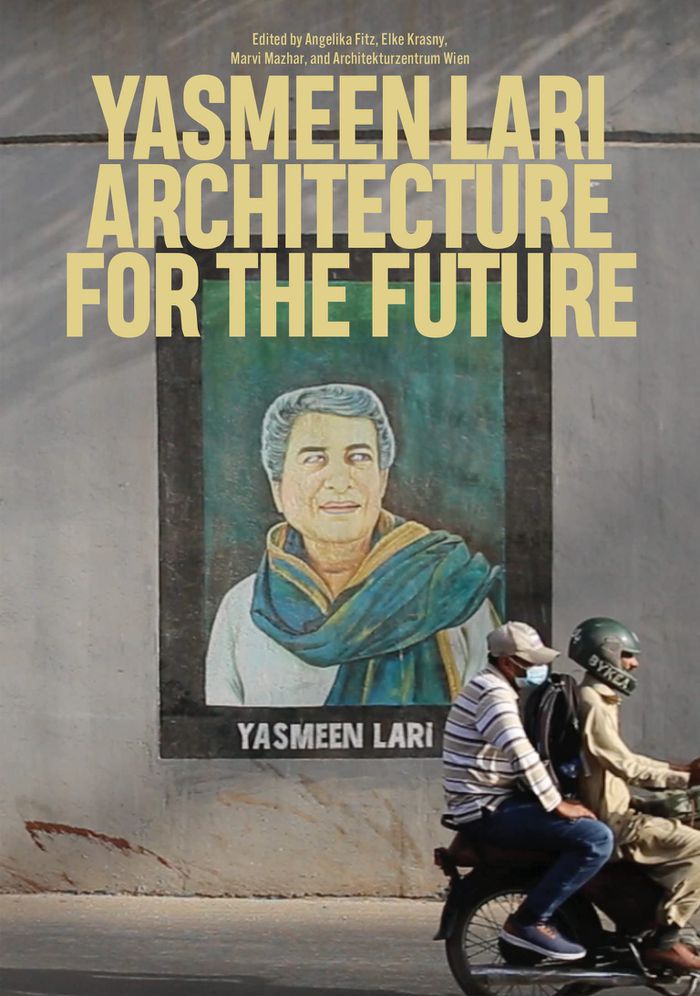
After more than three decades as a renowned global architect, Yasmeen Lari, the first woman to open her own architecture firm in Pakistan in 1964, developed Zero Carbon Architecture, which unites ecological and social justice. This volume, edited by Angelika Fitz, Elke Krasny, and Marvi Mazhar, presents Lari’s trajectory from exemplary modernist to zero carbon revolutionary, with a focus on her remarkable contributions to the global architectural movement to decarbonize and decolonize. Lari’s architectural thinking and activism have always gone beyond the quest for a singular built solution. Rather, she strategically plans systemic approaches and solutions, be it for housing, a heritage foundation, or zero-carbon shelters with communities at risk. Original essays from diverse international contributors contextualize Lari’s work; investigate architecture and the postimperial, postcolonial, and postpartition condition; and examine the intersections of architecture and human rights, climate change, decolonization, gender, care, activism, and vernacular innovation.
Yasmeen Lari: Architecture for the future
Actions:
Prix:
$53.95
(disponible en magasin)
Résumé:
After more than three decades as a renowned global architect, Yasmeen Lari, the first woman to open her own architecture firm in Pakistan in 1964, developed Zero Carbon Architecture, which unites ecological and social justice. This volume, edited by Angelika Fitz, Elke Krasny, and Marvi Mazhar, presents Lari’s trajectory from exemplary modernist to zero carbon revolutionary, with a focus on her remarkable contributions to the global architectural movement to decarbonize and decolonize. Lari’s architectural thinking and activism have always gone beyond the quest for a singular built solution. Rather, she strategically plans systemic approaches and solutions, be it for housing, a heritage foundation, or zero-carbon shelters with communities at risk. Original essays from diverse international contributors contextualize Lari’s work; investigate architecture and the postimperial, postcolonial, and postpartition condition; and examine the intersections of architecture and human rights, climate change, decolonization, gender, care, activism, and vernacular innovation.
Classification:
livres
livres
Publication:
mai 2023
mai 2023
Sujet:
Architecture, monographies
Architecture, monographies
Classification:
livres
livres
Actions:
Prix:
$73.00
(disponible sur commande)
Résumé:
Working at the intersection of natural science, technology, and art, Austrian-French artist duo Christa Sommerer and Laurent Mignonneau pioneered the ''Art of interface''—innovative technical interfaces that enable physical interaction between simulative visual worlds and the world of natural sensory organs. Early on, the pair used algorithms to represent not only forms(...)
$73.00
(disponible sur commande)
Résumé:
Working at the intersection of natural science, technology, and art, Austrian-French artist duo Christa Sommerer and Laurent Mignonneau pioneered the ''Art of interface''—innovative technical interfaces that enable physical interaction between simulative visual worlds and the world of natural sensory organs. Early on, the pair used algorithms to represent not only forms(...)
Publication:
février 2023
février 2023
Titre:
Christa Sommerer & Laurent Mignonneau: The artwork as a living system 1992-2022
Actions:
Prix:
$73.00
(disponible sur commande)
Résumé:
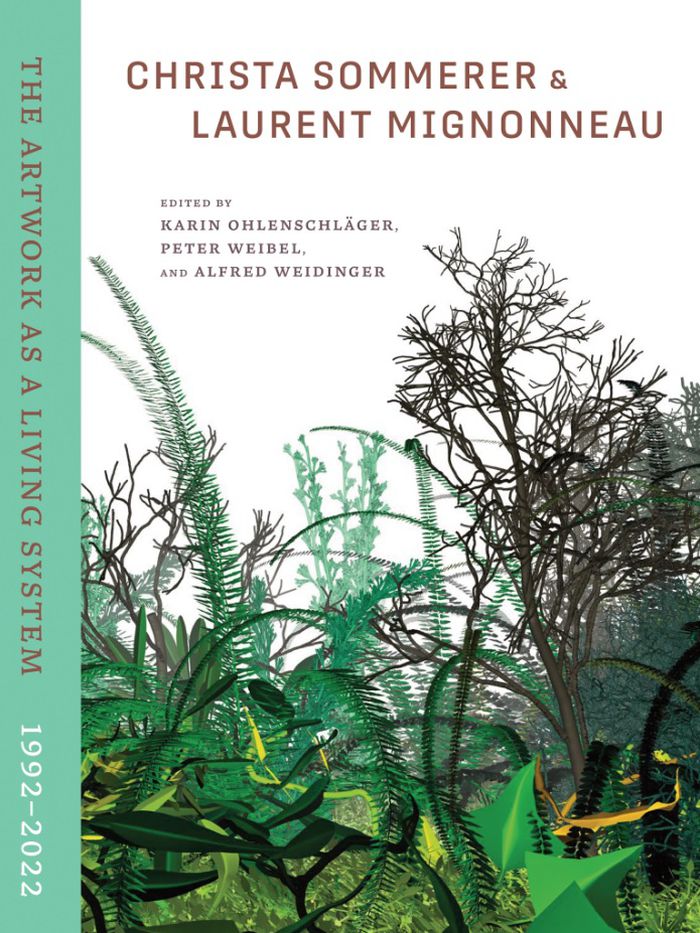
Working at the intersection of natural science, technology, and art, Austrian-French artist duo Christa Sommerer and Laurent Mignonneau pioneered the ''Art of interface''—innovative technical interfaces that enable physical interaction between simulative visual worlds and the world of natural sensory organs. Early on, the pair used algorithms to represent not only forms of the living but also their evolution and growth. In the artists’ installations, which are possible only through interactions with the viewer, devices designed by the artist couple produce novel virtual realities and immersive environments. In ''Portrait on the fly,'' for instance, a viewer stands in front of an interactive plasma screen, behind which a swarm of thousands of flies is moving. Gradually, the flies settle on the shadowed areas of the projection, thereby collectively reproducing the person’s likeness. Works such as these, now almost classics of digital art, open a new horizon in which artworks can function as living systems.
Christa Sommerer & Laurent Mignonneau: The artwork as a living system 1992-2022
Actions:
Prix:
$73.00
(disponible sur commande)
Résumé:
Working at the intersection of natural science, technology, and art, Austrian-French artist duo Christa Sommerer and Laurent Mignonneau pioneered the ''Art of interface''—innovative technical interfaces that enable physical interaction between simulative visual worlds and the world of natural sensory organs. Early on, the pair used algorithms to represent not only forms of the living but also their evolution and growth. In the artists’ installations, which are possible only through interactions with the viewer, devices designed by the artist couple produce novel virtual realities and immersive environments. In ''Portrait on the fly,'' for instance, a viewer stands in front of an interactive plasma screen, behind which a swarm of thousands of flies is moving. Gradually, the flies settle on the shadowed areas of the projection, thereby collectively reproducing the person’s likeness. Works such as these, now almost classics of digital art, open a new horizon in which artworks can function as living systems.
Classification:
livres
livres
Publication:
février 2023
février 2023
Classification:
livres
livres
Actions:
Prix:
$35.95
(disponible sur commande)
Résumé:
''Oceans'' cover more than 70 percent of the Earth’s surface, dividing and connecting humans, who carry saltwater in their blood, sweat, and tears. They also represent a powerful nonhuman force, rising, flooding, heating and raging in unprecedented ways as the climate crisis unfolds. Artists have envisioned the sea as a sublime wilderness, home to mythical creatures and(...)
$35.95
(disponible sur commande)
Résumé:
''Oceans'' cover more than 70 percent of the Earth’s surface, dividing and connecting humans, who carry saltwater in their blood, sweat, and tears. They also represent a powerful nonhuman force, rising, flooding, heating and raging in unprecedented ways as the climate crisis unfolds. Artists have envisioned the sea as a sublime wilderness, home to mythical creatures and(...)
Titre:
Oceans: Documents of contemporary art
Actions:
Prix:
$35.95
(disponible sur commande)
Résumé:
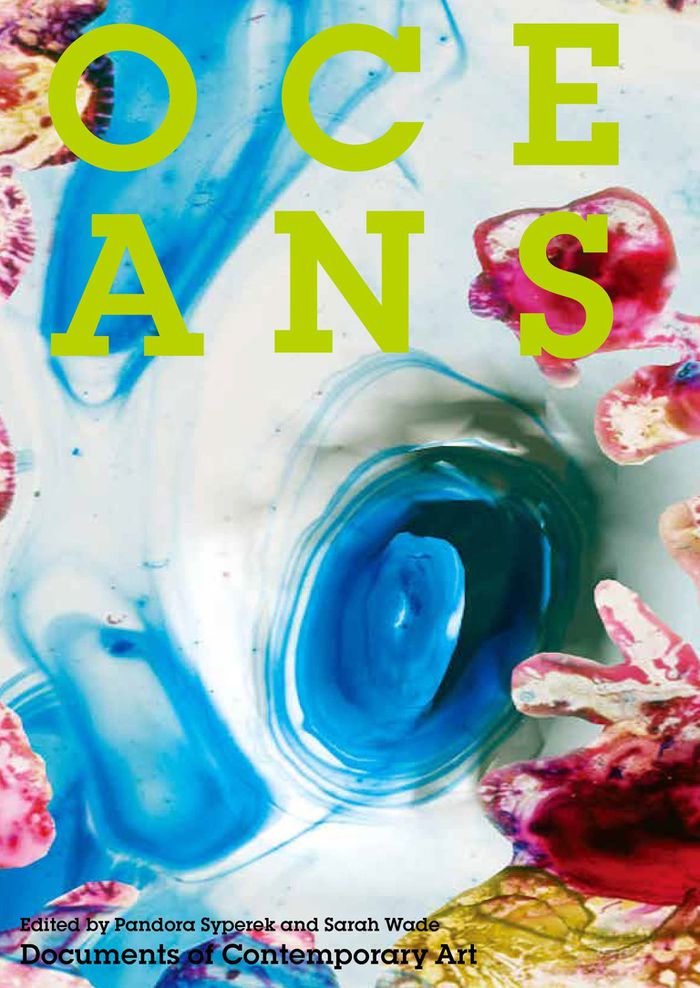
''Oceans'' cover more than 70 percent of the Earth’s surface, dividing and connecting humans, who carry saltwater in their blood, sweat, and tears. They also represent a powerful nonhuman force, rising, flooding, heating and raging in unprecedented ways as the climate crisis unfolds. Artists have envisioned the sea as a sublime wilderness, home to mythical creatures and bizarre species, a source of life and death, a site of new beginnings and tragic endings, both wondrous and disastrous. From migration to melting ice caps, the sea is omnipresent in international news and politics, leaking into popular culture and proliferating in recent art and exhibitions. This anthology gathers artists and writers to address the ocean not only as a theme but as a major agent of artistic and curatorial methods.
Oceans: Documents of contemporary art
Actions:
Prix:
$35.95
(disponible sur commande)
Résumé:
''Oceans'' cover more than 70 percent of the Earth’s surface, dividing and connecting humans, who carry saltwater in their blood, sweat, and tears. They also represent a powerful nonhuman force, rising, flooding, heating and raging in unprecedented ways as the climate crisis unfolds. Artists have envisioned the sea as a sublime wilderness, home to mythical creatures and bizarre species, a source of life and death, a site of new beginnings and tragic endings, both wondrous and disastrous. From migration to melting ice caps, the sea is omnipresent in international news and politics, leaking into popular culture and proliferating in recent art and exhibitions. This anthology gathers artists and writers to address the ocean not only as a theme but as a major agent of artistic and curatorial methods.
Classification:
livres
livres
Publication:
juin 2023
juin 2023
Sujet:
Théorie de l’art
Théorie de l’art
Classification:
livres
livres
Actions:
Prix:
$35.95
(disponible en magasin)
Résumé:
Engaging with the question of speculation in ways that encompass the artistic, the economic, and the philosophical, with excursions into the literary and the scientific, this collection approaches the theme as a powerful logic of contemporary life whose key instantiations are art and finance. Both are premised on the power of contingency, temporality, and experimentation(...)
$35.95
(disponible en magasin)
Résumé:
Engaging with the question of speculation in ways that encompass the artistic, the economic, and the philosophical, with excursions into the literary and the scientific, this collection approaches the theme as a powerful logic of contemporary life whose key instantiations are art and finance. Both are premised on the power of contingency, temporality, and experimentation(...)
Titre:
Speculation: Document of contemporary art
Actions:
Prix:
$35.95
(disponible en magasin)
Résumé:
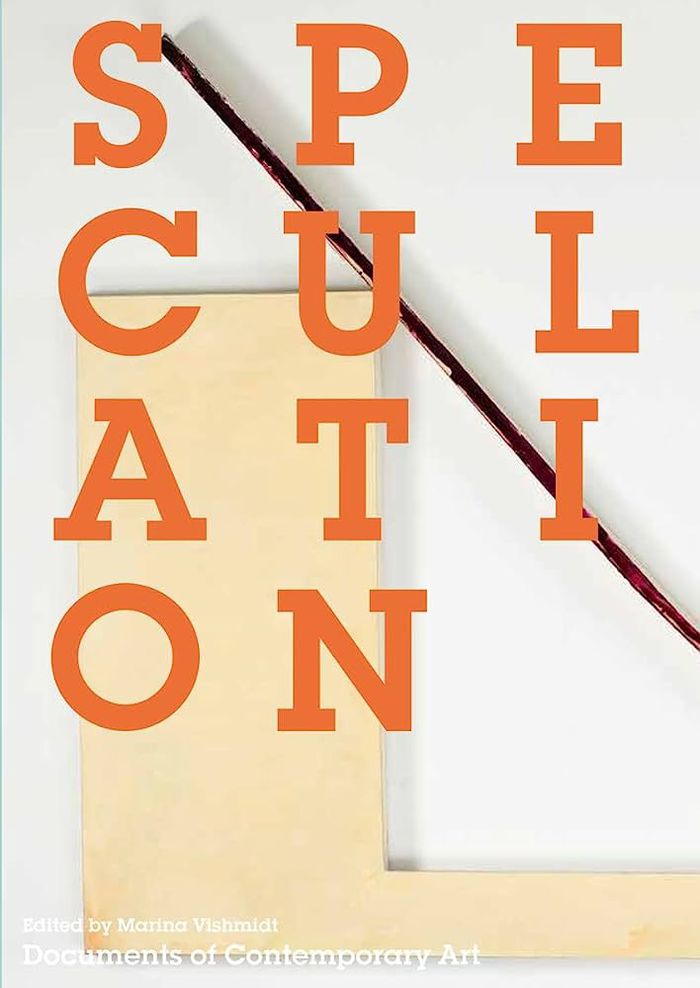
Engaging with the question of speculation in ways that encompass the artistic, the economic, and the philosophical, with excursions into the literary and the scientific, this collection approaches the theme as a powerful logic of contemporary life whose key instantiations are art and finance. Both are premised on the power of contingency, temporality, and experimentation in the creation (and capitalization) of possible worlds. Artistic autonomy, and the self-legislation of the space of art, have often been seen as the freedom to speculate wildly on material and social possibilities. This anthology surveys material and social inventiveness from the ground up, speculating with technologies, gender, constructs of the family, and systems of logistics and coordination. An ecology of speculation is traced—one that is as broken, specific, and enthralling as the world.
Speculation: Document of contemporary art
Actions:
Prix:
$35.95
(disponible en magasin)
Résumé:
Engaging with the question of speculation in ways that encompass the artistic, the economic, and the philosophical, with excursions into the literary and the scientific, this collection approaches the theme as a powerful logic of contemporary life whose key instantiations are art and finance. Both are premised on the power of contingency, temporality, and experimentation in the creation (and capitalization) of possible worlds. Artistic autonomy, and the self-legislation of the space of art, have often been seen as the freedom to speculate wildly on material and social possibilities. This anthology surveys material and social inventiveness from the ground up, speculating with technologies, gender, constructs of the family, and systems of logistics and coordination. An ecology of speculation is traced—one that is as broken, specific, and enthralling as the world.
Classification:
livres
livres
Publication:
juin 2023
juin 2023
Sujet:
Théorie de l’art
Théorie de l’art
Classification:
livres
livres
Actions:
Prix:
$66.00
(disponible sur commande)
Résumé:
Between 1917 and 1945, a tide of hyperindustrialization washed over the United States and the Soviet Union. While the two countries remained ideologically opposed, the factories that amassed in Stalingrad, Moscow, Detroit, Buffalo, and Cleveland were strikingly similar, as were the new forms of modern work and urban and infrastructural development that supported this(...)
$66.00
(disponible sur commande)
Résumé:
Between 1917 and 1945, a tide of hyperindustrialization washed over the United States and the Soviet Union. While the two countries remained ideologically opposed, the factories that amassed in Stalingrad, Moscow, Detroit, Buffalo, and Cleveland were strikingly similar, as were the new forms of modern work and urban and infrastructural development that supported this(...)
Sujet:
Théorie de l’architecture
Théorie de l’architecture
Publication:
septembre 2023
septembre 2023
Titre:
Detroit-Moscow-Detroit: An architecture for industrialization, 1917-1945
Actions:
Prix:
$66.00
(disponible sur commande)
Résumé:
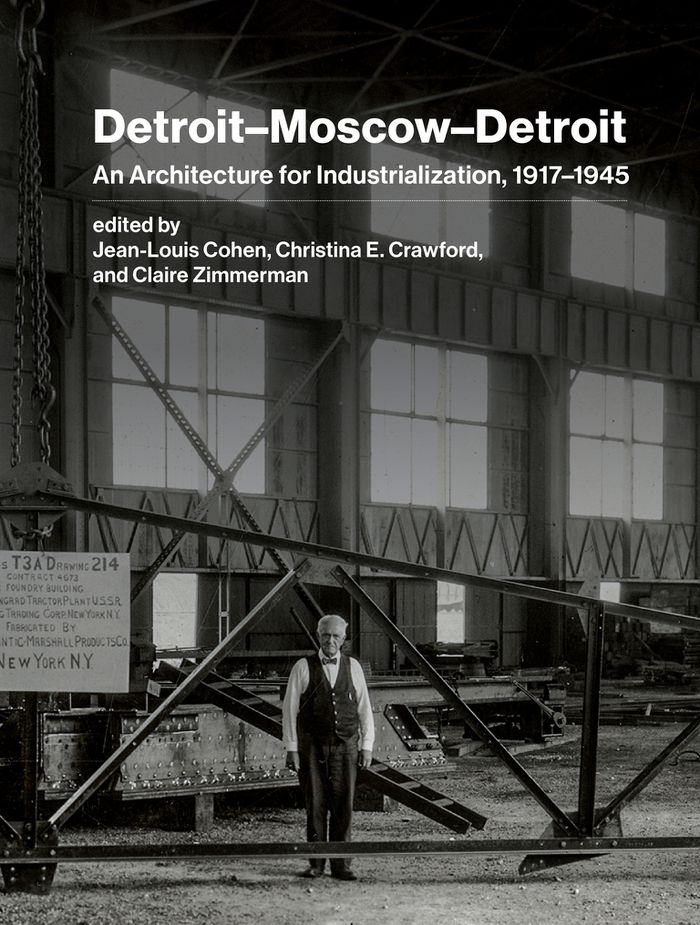
Between 1917 and 1945, a tide of hyperindustrialization washed over the United States and the Soviet Union. While the two countries remained ideologically opposed, the factories that amassed in Stalingrad, Moscow, Detroit, Buffalo, and Cleveland were strikingly similar, as were the new forms of modern work and urban and infrastructural development that supported this industrialization. Drawing on previously unknown archival materials and photographs, the essays in ''Detroit-Moscow-Detroit'' document a stunning two-way transfer of technical knowledge between the United States and the USSR that greatly influenced the built environment in both countries, upgrading each to major industrial power by the start of the Second World War. The innovative research presented here explores spatial development, manufacturing, mass production, and organizational planning across geopolitical lines to demonstrate that capitalist and communist built environments in the twentieth century were not diametrically opposed and were, on certain sites, coproduced in a period of intense technical exchange between the two world wars. A fresh account of the effects of industrialization and globalization on US and Soviet cultures, architecture, and urban history, ''Detroit-Moscow-Detroit'' will find wide readership among architects, urban designers, and scholars of architectural, urban, and twentieth-century history.
Detroit-Moscow-Detroit: An architecture for industrialization, 1917-1945
Actions:
Prix:
$66.00
(disponible sur commande)
Résumé:
Between 1917 and 1945, a tide of hyperindustrialization washed over the United States and the Soviet Union. While the two countries remained ideologically opposed, the factories that amassed in Stalingrad, Moscow, Detroit, Buffalo, and Cleveland were strikingly similar, as were the new forms of modern work and urban and infrastructural development that supported this industrialization. Drawing on previously unknown archival materials and photographs, the essays in ''Detroit-Moscow-Detroit'' document a stunning two-way transfer of technical knowledge between the United States and the USSR that greatly influenced the built environment in both countries, upgrading each to major industrial power by the start of the Second World War. The innovative research presented here explores spatial development, manufacturing, mass production, and organizational planning across geopolitical lines to demonstrate that capitalist and communist built environments in the twentieth century were not diametrically opposed and were, on certain sites, coproduced in a period of intense technical exchange between the two world wars. A fresh account of the effects of industrialization and globalization on US and Soviet cultures, architecture, and urban history, ''Detroit-Moscow-Detroit'' will find wide readership among architects, urban designers, and scholars of architectural, urban, and twentieth-century history.
Classification:
livres
livres
Publication:
septembre 2023
septembre 2023
Sujet:
Théorie de l’architecture
Théorie de l’architecture
Classification:
livres
livres
Actions:
Prix:
$79.00
(disponible sur commande)
Résumé:
The nineteenth century saw the emergence of a new genre of architectural writing: the grand history of world architecture. This genre often expressed a deeply Eurocentric worldview, largely dismissing non-Western architecture through narratives of historical progress and stylistic beauty. Yet even as nineteenth-century historians worked to construct an exclusive(...)
$79.00
(disponible sur commande)
Résumé:
The nineteenth century saw the emergence of a new genre of architectural writing: the grand history of world architecture. This genre often expressed a deeply Eurocentric worldview, largely dismissing non-Western architecture through narratives of historical progress and stylistic beauty. Yet even as nineteenth-century historians worked to construct an exclusive(...)
Sujet:
Théorie de l’architecture
Théorie de l’architecture
Publication:
octobre 2023
octobre 2023
Titre:
Narrating the globe: The emergence of world histories of architecture
Actions:
Prix:
$79.00
(disponible sur commande)
Résumé:
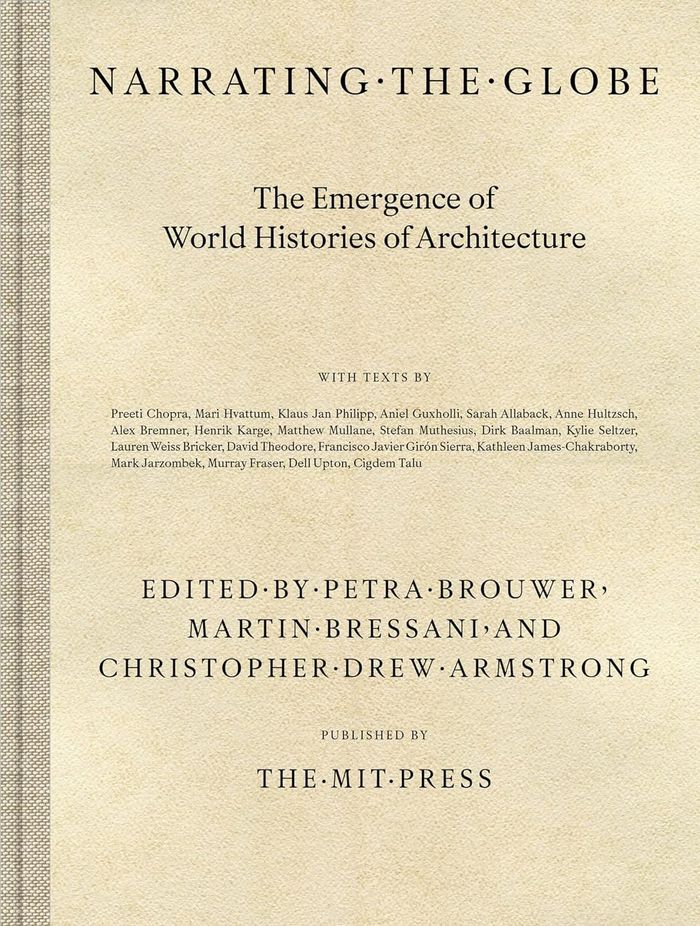
The nineteenth century saw the emergence of a new genre of architectural writing: the grand history of world architecture. This genre often expressed a deeply Eurocentric worldview, largely dismissing non-Western architecture through narratives of historical progress and stylistic beauty. Yet even as nineteenth-century historians worked to construct an exclusive architectural canon, they were engaged in constant debate over its categories and constraints. ''Narrating the globe'' traces the emergence of this historical canon, exposing the questions and problems that prompted the canon’s very formation. Bringing together architectural historians from around the world, this collection of essays—the first comprehensive examination of the nineteenth-century architectural history survey as a literary genre—includes overviews of the origins and legacy of the global architecture survey genre, as well as close examinations of key works, including books by lesser-known but intriguing authors such as Louisa C. Tuthill, Christian L. Stieglitz, and Daniel Ramée, and the more famous surveys by James Fergusson, Franz Kugler, Banister Fletcher, and Auguste Choisy.
Narrating the globe: The emergence of world histories of architecture
Actions:
Prix:
$79.00
(disponible sur commande)
Résumé:
The nineteenth century saw the emergence of a new genre of architectural writing: the grand history of world architecture. This genre often expressed a deeply Eurocentric worldview, largely dismissing non-Western architecture through narratives of historical progress and stylistic beauty. Yet even as nineteenth-century historians worked to construct an exclusive architectural canon, they were engaged in constant debate over its categories and constraints. ''Narrating the globe'' traces the emergence of this historical canon, exposing the questions and problems that prompted the canon’s very formation. Bringing together architectural historians from around the world, this collection of essays—the first comprehensive examination of the nineteenth-century architectural history survey as a literary genre—includes overviews of the origins and legacy of the global architecture survey genre, as well as close examinations of key works, including books by lesser-known but intriguing authors such as Louisa C. Tuthill, Christian L. Stieglitz, and Daniel Ramée, and the more famous surveys by James Fergusson, Franz Kugler, Banister Fletcher, and Auguste Choisy.
Classification:
livres
livres
Publication:
octobre 2023
octobre 2023
Sujet:
Théorie de l’architecture
Théorie de l’architecture
Classification:
livres
livres
Prix:
$54.00
(disponible en magasin)
Résumé:
The term 'style' has fallen spectacularly out of fashion in architectural circles. Once a conceptual key to understanding architecture’s inner workings, today style seems to be associated with superficiality, formalism, and obsolete periodization. But how did style—once defined by German sociologist Georg Simmel as a place where one is 'no longer alone'—in architecture(...)
$54.00
(disponible en magasin)
Résumé:
The term 'style' has fallen spectacularly out of fashion in architectural circles. Once a conceptual key to understanding architecture’s inner workings, today style seems to be associated with superficiality, formalism, and obsolete periodization. But how did style—once defined by German sociologist Georg Simmel as a place where one is 'no longer alone'—in architecture(...)
Titre:
Style and solitude: The history of an architectural problem
Actions:
Prix:
$54.00
(disponible en magasin)
Résumé:
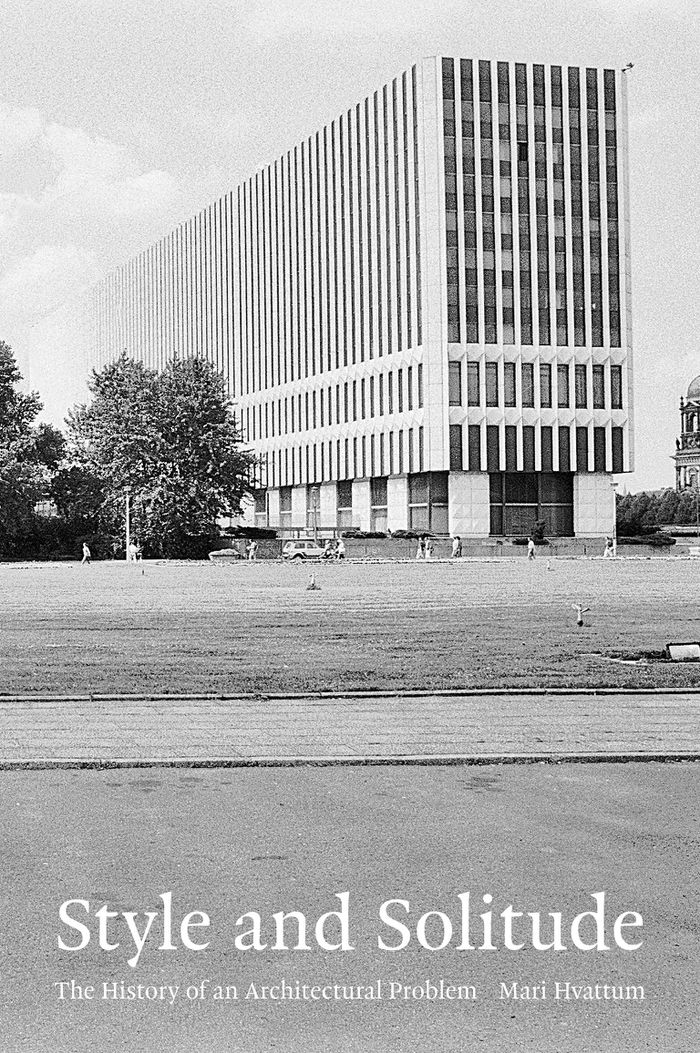
The term 'style' has fallen spectacularly out of fashion in architectural circles. Once a conceptual key to understanding architecture’s inner workings, today style seems to be associated with superficiality, formalism, and obsolete periodization. But how did style—once defined by German sociologist Georg Simmel as a place where one is 'no longer alone'—in architecture actually work? How was it used and what did it mean? In ''Style and solitude,'' Mari Hvattum seeks to understand the apparent death of style, returning to its birthplace in the late eighteenth century, and charting how it grew to influence modern architectural discourse and practice. As Hvattum explains, German thinkers of the eighteenth and nineteenth century offered competing ideas of what style was and how it should be applied in architecture. From Karl Friedrich Schinkel’s thoughtful eclecticism to King Maximilian II’s attempt to capture the zeitgeist in an architectural competition, style was at the center of fascinating experiments and furious disputes. Starting with Johann Joachim Winckelmann’s invention of the period style and ending a century later with Gottfried Semper’s generative theory of style, Hvattum explores critical debates that are still ongoing today.
Style and solitude: The history of an architectural problem
Actions:
Prix:
$54.00
(disponible en magasin)
Résumé:
The term 'style' has fallen spectacularly out of fashion in architectural circles. Once a conceptual key to understanding architecture’s inner workings, today style seems to be associated with superficiality, formalism, and obsolete periodization. But how did style—once defined by German sociologist Georg Simmel as a place where one is 'no longer alone'—in architecture actually work? How was it used and what did it mean? In ''Style and solitude,'' Mari Hvattum seeks to understand the apparent death of style, returning to its birthplace in the late eighteenth century, and charting how it grew to influence modern architectural discourse and practice. As Hvattum explains, German thinkers of the eighteenth and nineteenth century offered competing ideas of what style was and how it should be applied in architecture. From Karl Friedrich Schinkel’s thoughtful eclecticism to King Maximilian II’s attempt to capture the zeitgeist in an architectural competition, style was at the center of fascinating experiments and furious disputes. Starting with Johann Joachim Winckelmann’s invention of the period style and ending a century later with Gottfried Semper’s generative theory of style, Hvattum explores critical debates that are still ongoing today.
Classification:
livres
livres
Publication:
juin 2023
juin 2023
Sujet:
Théorie de l’architecture
Théorie de l’architecture
Classification:
livres
livres
Prix:
$66.00
(disponible sur commande)
Résumé:
The architectural drawing might seem to be a quintessentially modern form, and indeed many histories of the genre begin in the early modern period with Italian Renaissance architects such as Alberti. Yet the Middle Ages also had a remarkably sophisticated way of drawing and writing about architecture. ''God’s own language'' takes us to twelfth-century Paris, where a(...)
$66.00
(disponible sur commande)
Résumé:
The architectural drawing might seem to be a quintessentially modern form, and indeed many histories of the genre begin in the early modern period with Italian Renaissance architects such as Alberti. Yet the Middle Ages also had a remarkably sophisticated way of drawing and writing about architecture. ''God’s own language'' takes us to twelfth-century Paris, where a(...)
Titre:
God's own language: Architectural drawing in the twelfth century
Actions:
Prix:
$66.00
(disponible sur commande)
Résumé:
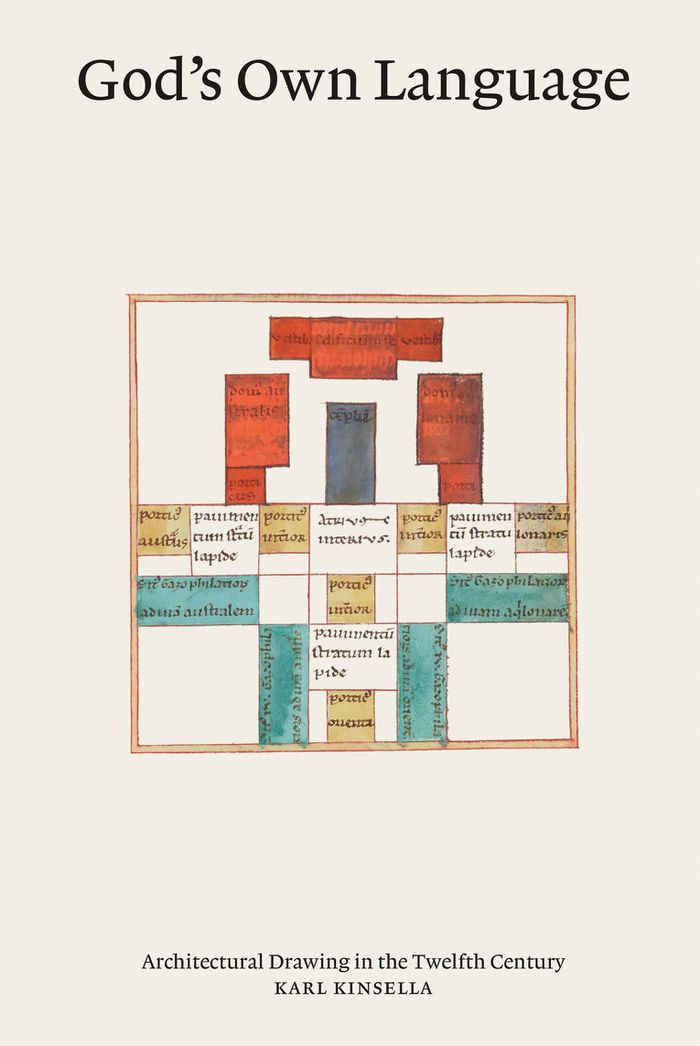
The architectural drawing might seem to be a quintessentially modern form, and indeed many histories of the genre begin in the early modern period with Italian Renaissance architects such as Alberti. Yet the Middle Ages also had a remarkably sophisticated way of drawing and writing about architecture. ''God’s own language'' takes us to twelfth-century Paris, where a Scottish monk named Richard of Saint Victor, along with his mentor Hugh, developed an innovative visual and textual architectural language. In the process, he devised techniques and terms that we still use today, from sectional elevations to the word “plan.” Surprisingly, however, Richard’s detailed drawings appeared not in an architectural treatise but in a widely circulated set of biblical commentaries. Seeing architecture as a way of communicating with the divine, Richard drew plans and elevations for such biblical constructions as Noah’s ark and the temple envisioned by the prophet Ezekiel. Interpreting Richard and Hugh’s drawings and writings within the context of the thriving theological and intellectual cultures of medieval Paris, Karl Kinsella argues that the popularity of these works suggests that, centuries before the Renaissance, there was a large circle of readers with a highly developed understanding of geometry and the visual language of architecture.
God's own language: Architectural drawing in the twelfth century
Actions:
Prix:
$66.00
(disponible sur commande)
Résumé:
The architectural drawing might seem to be a quintessentially modern form, and indeed many histories of the genre begin in the early modern period with Italian Renaissance architects such as Alberti. Yet the Middle Ages also had a remarkably sophisticated way of drawing and writing about architecture. ''God’s own language'' takes us to twelfth-century Paris, where a Scottish monk named Richard of Saint Victor, along with his mentor Hugh, developed an innovative visual and textual architectural language. In the process, he devised techniques and terms that we still use today, from sectional elevations to the word “plan.” Surprisingly, however, Richard’s detailed drawings appeared not in an architectural treatise but in a widely circulated set of biblical commentaries. Seeing architecture as a way of communicating with the divine, Richard drew plans and elevations for such biblical constructions as Noah’s ark and the temple envisioned by the prophet Ezekiel. Interpreting Richard and Hugh’s drawings and writings within the context of the thriving theological and intellectual cultures of medieval Paris, Karl Kinsella argues that the popularity of these works suggests that, centuries before the Renaissance, there was a large circle of readers with a highly developed understanding of geometry and the visual language of architecture.
Classification:
livres
livres
Publication:
juin 2023
juin 2023
Sujet:
Théorie de l’architecture
Théorie de l’architecture


