


10592 Résultats
Classification:
livres
livres
Prix:
$34.95
(disponible sur commande)
Résumé:
The twentieth century in Europe was an urban century: it was shaped by life in, and the view from, the street. Women were not liberated in legislatures, but liberated themselves in factories, homes, nightclubs, and shops. Lenin, Hitler, and Mussolini made themselves powerful by making cities ungovernable with riots rampaging through streets, bars occupied one-by-one. New(...)
$34.95
(disponible sur commande)
Résumé:
The twentieth century in Europe was an urban century: it was shaped by life in, and the view from, the street. Women were not liberated in legislatures, but liberated themselves in factories, homes, nightclubs, and shops. Lenin, Hitler, and Mussolini made themselves powerful by making cities ungovernable with riots rampaging through streets, bars occupied one-by-one. New(...)
Titre:
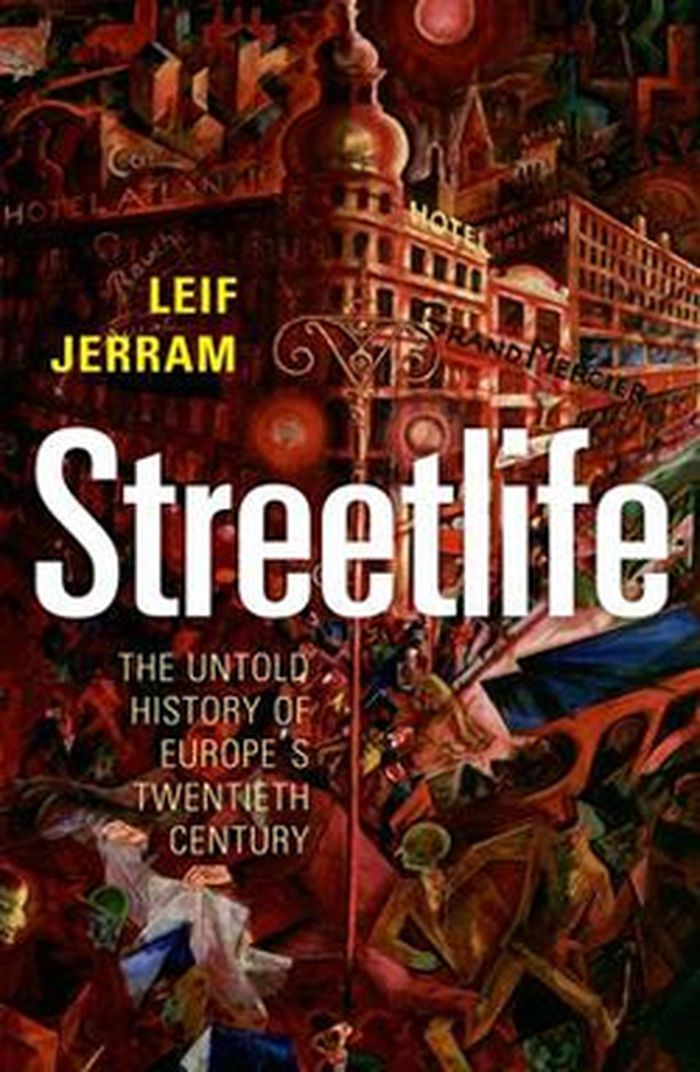
Streetlife: The untold story of Europe's twentieth century
Actions:
Prix:
$34.95
(disponible sur commande)
Résumé:
The twentieth century in Europe was an urban century: it was shaped by life in, and the view from, the street. Women were not liberated in legislatures, but liberated themselves in factories, homes, nightclubs, and shops. Lenin, Hitler, and Mussolini made themselves powerful by making cities ungovernable with riots rampaging through streets, bars occupied one-by-one. New forms of privacy and isolation were not simply a by-product of prosperity, but because people planned new ways of living, new forms of housing in suburbs and estates across the continent. In Streetlife, Leif Jerram presents a totally new history of the twentieth century, with the city at its heart, showing how everything distinctive about the century, from revolution and dictatorship to sexual liberation, was fundamentally shaped by the great urban centres which defined it.
Streetlife: The untold story of Europe's twentieth century
Actions:
Prix:
$34.95
(disponible sur commande)
Résumé:
The twentieth century in Europe was an urban century: it was shaped by life in, and the view from, the street. Women were not liberated in legislatures, but liberated themselves in factories, homes, nightclubs, and shops. Lenin, Hitler, and Mussolini made themselves powerful by making cities ungovernable with riots rampaging through streets, bars occupied one-by-one. New forms of privacy and isolation were not simply a by-product of prosperity, but because people planned new ways of living, new forms of housing in suburbs and estates across the continent. In Streetlife, Leif Jerram presents a totally new history of the twentieth century, with the city at its heart, showing how everything distinctive about the century, from revolution and dictatorship to sexual liberation, was fundamentally shaped by the great urban centres which defined it.
Classification:
livres
livres
Publication:
mars 2011
mars 2011
Sujet:
Théorie de l’urbanisme
Théorie de l’urbanisme
Classification:
livres
livres
Actions:
Prix:
$21.95
(disponible sur commande)
Résumé:
Zukin traces this economic and social evolution in six archetypal New York areas - Williamsburg, Harlem, the East Village, Union Square, Red Hook, and the city’s community gardens. Like Jane Jacobs, Zukin looks at what gives neighborhoods a sense of place, but argues that over time, the emphasis on neighborhood distinctiveness has become a tool of economic elites to(...)
$21.95
(disponible sur commande)
Résumé:
Zukin traces this economic and social evolution in six archetypal New York areas - Williamsburg, Harlem, the East Village, Union Square, Red Hook, and the city’s community gardens. Like Jane Jacobs, Zukin looks at what gives neighborhoods a sense of place, but argues that over time, the emphasis on neighborhood distinctiveness has become a tool of economic elites to(...)
Titre:
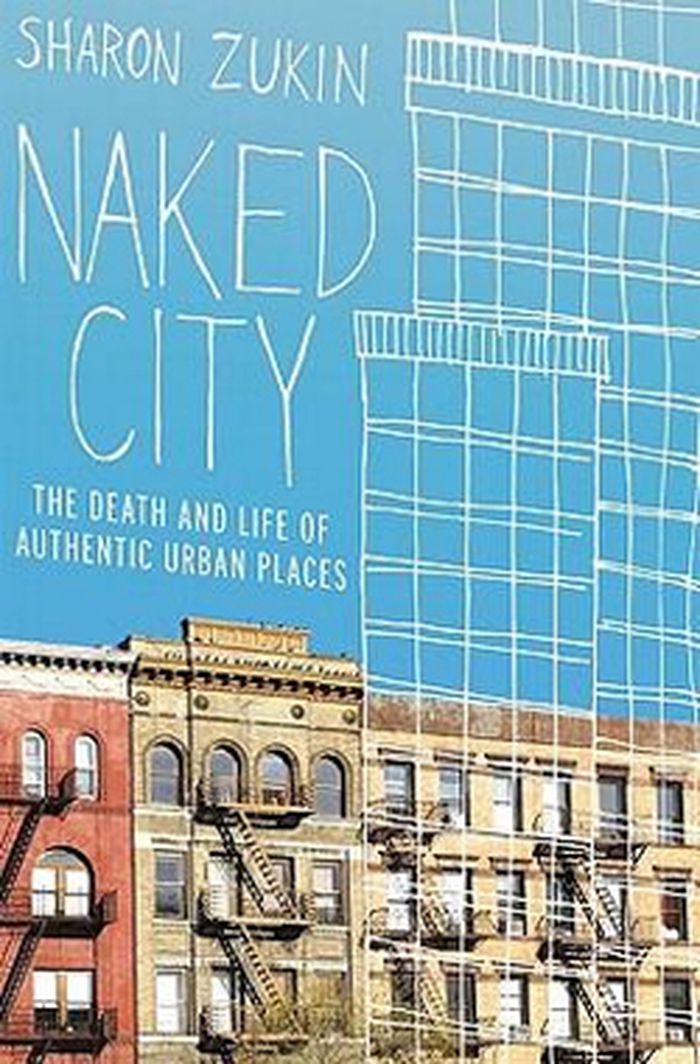
Naked city: The death and life of authentic places
Actions:
Prix:
$21.95
(disponible sur commande)
Résumé:
Zukin traces this economic and social evolution in six archetypal New York areas - Williamsburg, Harlem, the East Village, Union Square, Red Hook, and the city’s community gardens. Like Jane Jacobs, Zukin looks at what gives neighborhoods a sense of place, but argues that over time, the emphasis on neighborhood distinctiveness has become a tool of economic elites to drive up real estate values and effectively force out the neighborhood “characters” that Jacobs so evocatively idealized.
Naked city: The death and life of authentic places
Actions:
Prix:
$21.95
(disponible sur commande)
Résumé:
Zukin traces this economic and social evolution in six archetypal New York areas - Williamsburg, Harlem, the East Village, Union Square, Red Hook, and the city’s community gardens. Like Jane Jacobs, Zukin looks at what gives neighborhoods a sense of place, but argues that over time, the emphasis on neighborhood distinctiveness has become a tool of economic elites to drive up real estate values and effectively force out the neighborhood “characters” that Jacobs so evocatively idealized.
Classification:
livres
livres
Publication:
mai 2011
mai 2011
Sujet:
Théorie de l’urbanisme
Théorie de l’urbanisme
Classification:
livres
livres
Titre:
Looking back
Looking back
Actions:
Prix:
$44.95
(disponible en magasin)
Résumé:
When Charles Harrison died in 2009, the British art world lost a pivotal figure. From curating the groundbreaking 1969 exhibit, “When Attitudes Become Form” at London’s Institute of Contemporary Art; to co-writing the hyper-influential, three-volume work Art in Theory; to teaching art history to thousands in much-admired “plain English”: Harrison’s influence on the(...)
$44.95
(disponible en magasin)
Résumé:
When Charles Harrison died in 2009, the British art world lost a pivotal figure. From curating the groundbreaking 1969 exhibit, “When Attitudes Become Form” at London’s Institute of Contemporary Art; to co-writing the hyper-influential, three-volume work Art in Theory; to teaching art history to thousands in much-admired “plain English”: Harrison’s influence on the(...)
Titre:
Looking back
Actions:
Prix:
$44.95
(disponible en magasin)
Résumé:
When Charles Harrison died in 2009, the British art world lost a pivotal figure. From curating the groundbreaking 1969 exhibit, “When Attitudes Become Form” at London’s Institute of Contemporary Art; to co-writing the hyper-influential, three-volume work Art in Theory; to teaching art history to thousands in much-admired “plain English”: Harrison’s influence on the British art scene cannot be overestimated. This collection of autobiographical interviews – a fitting tribute to Harrison – opens a window into the thinking of the tireless critic and riveting professor who railed against second-rate art with his trademark motto, “Better fewer, but better.” Harrison re-caps decades of experience, retrospectively looking at trends, art historical events, institutions and artists, synthesizing it all with the brilliance he was known for. The volume also includes Harrison’s own visual documentation of the art world: a selection of his own images of exhibitions he visited, art works he championed and artists’ and critics’ studios and homes. Former students recall these impeccable photos as one of the delights of his lectures. “Harrison had the gift of making people see things they had not seen before, and even more, to think about what it was they were seeing, and to reflect on the consequences,” wrote The Times of London. This publication offers an opportunity to experience one of the art world giants of our time. Interviews with Jo Melvin, Teresa Gleadow, Pablo Lafuente, Juliette Rizzi, Sophie Richard, Elena Crippa, Christopher Huer and Matthew Jesse Jackson
Looking back
Actions:
Prix:
$44.95
(disponible en magasin)
Résumé:
When Charles Harrison died in 2009, the British art world lost a pivotal figure. From curating the groundbreaking 1969 exhibit, “When Attitudes Become Form” at London’s Institute of Contemporary Art; to co-writing the hyper-influential, three-volume work Art in Theory; to teaching art history to thousands in much-admired “plain English”: Harrison’s influence on the British art scene cannot be overestimated. This collection of autobiographical interviews – a fitting tribute to Harrison – opens a window into the thinking of the tireless critic and riveting professor who railed against second-rate art with his trademark motto, “Better fewer, but better.” Harrison re-caps decades of experience, retrospectively looking at trends, art historical events, institutions and artists, synthesizing it all with the brilliance he was known for. The volume also includes Harrison’s own visual documentation of the art world: a selection of his own images of exhibitions he visited, art works he championed and artists’ and critics’ studios and homes. Former students recall these impeccable photos as one of the delights of his lectures. “Harrison had the gift of making people see things they had not seen before, and even more, to think about what it was they were seeing, and to reflect on the consequences,” wrote The Times of London. This publication offers an opportunity to experience one of the art world giants of our time. Interviews with Jo Melvin, Teresa Gleadow, Pablo Lafuente, Juliette Rizzi, Sophie Richard, Elena Crippa, Christopher Huer and Matthew Jesse Jackson
Classification:
livres
livres
Publication:
février 2011
février 2011
Sujet:
Théorie de l’art
Théorie de l’art
Classification:
livres
livres
Actions:
Prix:
$41.99
(disponible sur commande)
Résumé:
Countering the prevailing view, which reduces Lefebvre’s theory of space to a projection of his philosophical positions, Stanek argues that Lefebvre’s work grew out of his concrete, empirical engagement with everyday practices of dwelling in postwar France and his exchanges with architects and planners. Stanek focuses on the interaction between architecture, urbanism,(...)
$41.99
(disponible sur commande)
Résumé:
Countering the prevailing view, which reduces Lefebvre’s theory of space to a projection of his philosophical positions, Stanek argues that Lefebvre’s work grew out of his concrete, empirical engagement with everyday practices of dwelling in postwar France and his exchanges with architects and planners. Stanek focuses on the interaction between architecture, urbanism,(...)
Titre:
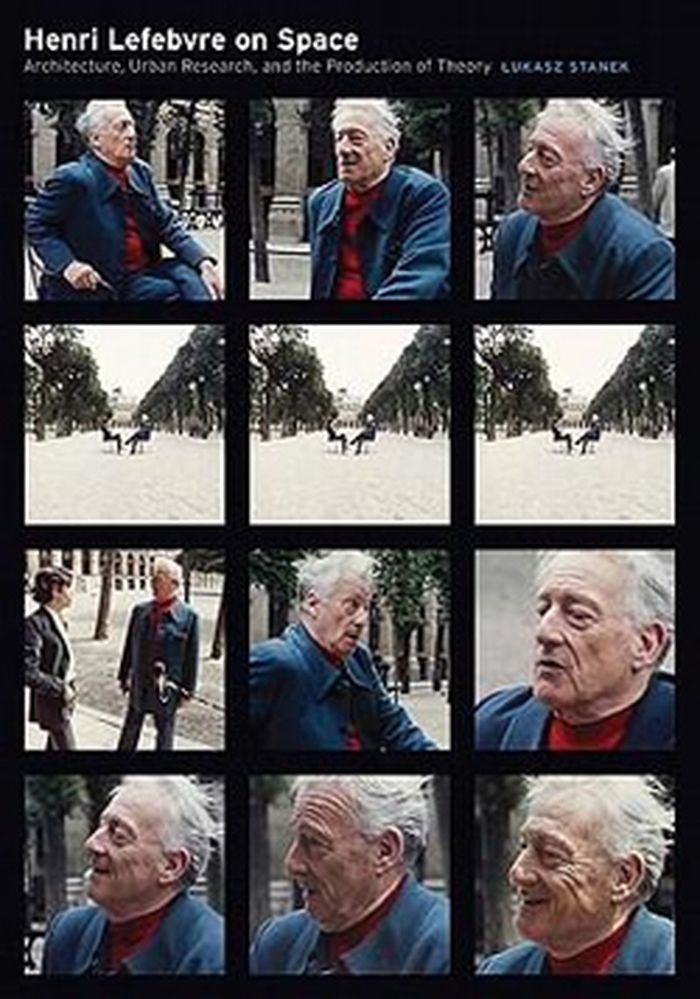
Henri Lefebvre on space: architecture, urban research, and the production of theory
Actions:
Prix:
$41.99
(disponible sur commande)
Résumé:
Countering the prevailing view, which reduces Lefebvre’s theory of space to a projection of his philosophical positions, Stanek argues that Lefebvre’s work grew out of his concrete, empirical engagement with everyday practices of dwelling in postwar France and his exchanges with architects and planners. Stanek focuses on the interaction between architecture, urbanism, sociology, and philosophy that occurred in France in the 1960s and 1970s, which was marked by a shift in the processes of urbanization at all scales, from the neighborhood to the global level. Lefebvre’s thinking was central to this encounter, which informed both his theory of space and the concept of urbanization becoming global.
Henri Lefebvre on space: architecture, urban research, and the production of theory
Actions:
Prix:
$41.99
(disponible sur commande)
Résumé:
Countering the prevailing view, which reduces Lefebvre’s theory of space to a projection of his philosophical positions, Stanek argues that Lefebvre’s work grew out of his concrete, empirical engagement with everyday practices of dwelling in postwar France and his exchanges with architects and planners. Stanek focuses on the interaction between architecture, urbanism, sociology, and philosophy that occurred in France in the 1960s and 1970s, which was marked by a shift in the processes of urbanization at all scales, from the neighborhood to the global level. Lefebvre’s thinking was central to this encounter, which informed both his theory of space and the concept of urbanization becoming global.
Classification:
livres
livres
Publication:
juillet 2011
juillet 2011
Sujet:
Théorie de l’architecture
Théorie de l’architecture
Classification:
livres
livres
Actions:
Prix:
$28.95
(disponible sur commande)
Résumé:
Somewhere in the course of the late twentieth century, Dubai became more than itself. The city was, suddenly, a postmodern urban spectacle rising from the desert—precisely the glittering global consumer utopia imagined by Dubai’s rulers and merchant elite. "In Dubai, the City as Corporation", Ahmed Kanna looks behind this seductive vision to reveal the role of cultural(...)
$28.95
(disponible sur commande)
Résumé:
Somewhere in the course of the late twentieth century, Dubai became more than itself. The city was, suddenly, a postmodern urban spectacle rising from the desert—precisely the glittering global consumer utopia imagined by Dubai’s rulers and merchant elite. "In Dubai, the City as Corporation", Ahmed Kanna looks behind this seductive vision to reveal the role of cultural(...)
Titre:
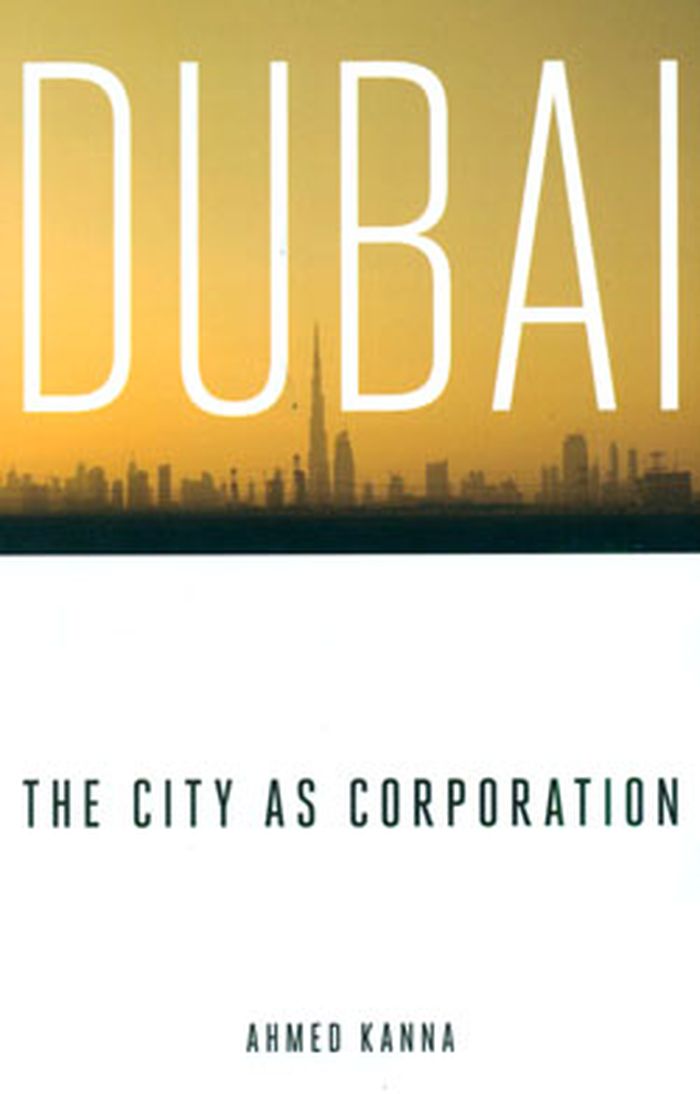
Dubai, the city as corporation
Actions:
Prix:
$28.95
(disponible sur commande)
Résumé:
Somewhere in the course of the late twentieth century, Dubai became more than itself. The city was, suddenly, a postmodern urban spectacle rising from the desert—precisely the glittering global consumer utopia imagined by Dubai’s rulers and merchant elite. "In Dubai, the City as Corporation", Ahmed Kanna looks behind this seductive vision to reveal the role of cultural and political forces in shaping both the image and the reality of Dubai. Exposing local struggles over power and meaning in the making and representation of Dubai, Kanna examines the core questions of what gets built and for whom. This publication offers an instructive picture of how different factions—from local and non-Arab residents and expatriate South Asians to the cultural and economic elites of the city—have all participated in the creation and marketing of Dubai. The result is an unparalleled account of the ways in which the built environment shapes and is shaped by the experience of globalization and neoliberalism in a diverse, multinational city.
Dubai, the city as corporation
Actions:
Prix:
$28.95
(disponible sur commande)
Résumé:
Somewhere in the course of the late twentieth century, Dubai became more than itself. The city was, suddenly, a postmodern urban spectacle rising from the desert—precisely the glittering global consumer utopia imagined by Dubai’s rulers and merchant elite. "In Dubai, the City as Corporation", Ahmed Kanna looks behind this seductive vision to reveal the role of cultural and political forces in shaping both the image and the reality of Dubai. Exposing local struggles over power and meaning in the making and representation of Dubai, Kanna examines the core questions of what gets built and for whom. This publication offers an instructive picture of how different factions—from local and non-Arab residents and expatriate South Asians to the cultural and economic elites of the city—have all participated in the creation and marketing of Dubai. The result is an unparalleled account of the ways in which the built environment shapes and is shaped by the experience of globalization and neoliberalism in a diverse, multinational city.
Classification:
livres
livres
Publication:
juillet 2011
juillet 2011
Sujet:
Théorie de l’urbanisme
Théorie de l’urbanisme
Classification:
livres
livres
Titre:
Architecture of thought
Architecture of thought
Actions:
Prix:
$42.00
(disponible en magasin)
Résumé:
In Architecture of Thought, Andrzej Piotrowski maps and conceptually explores material practices of the past, showing how physical artifacts and visual environments manifest culturally rooted modes of thought and participate in the most nuanced processes of negotiations and ideological exchanges. Combining design thinking with academic methods of inquiry, Piotrowski(...)
$42.00
(disponible en magasin)
Résumé:
In Architecture of Thought, Andrzej Piotrowski maps and conceptually explores material practices of the past, showing how physical artifacts and visual environments manifest culturally rooted modes of thought and participate in the most nuanced processes of negotiations and ideological exchanges. Combining design thinking with academic methods of inquiry, Piotrowski(...)
Titre:
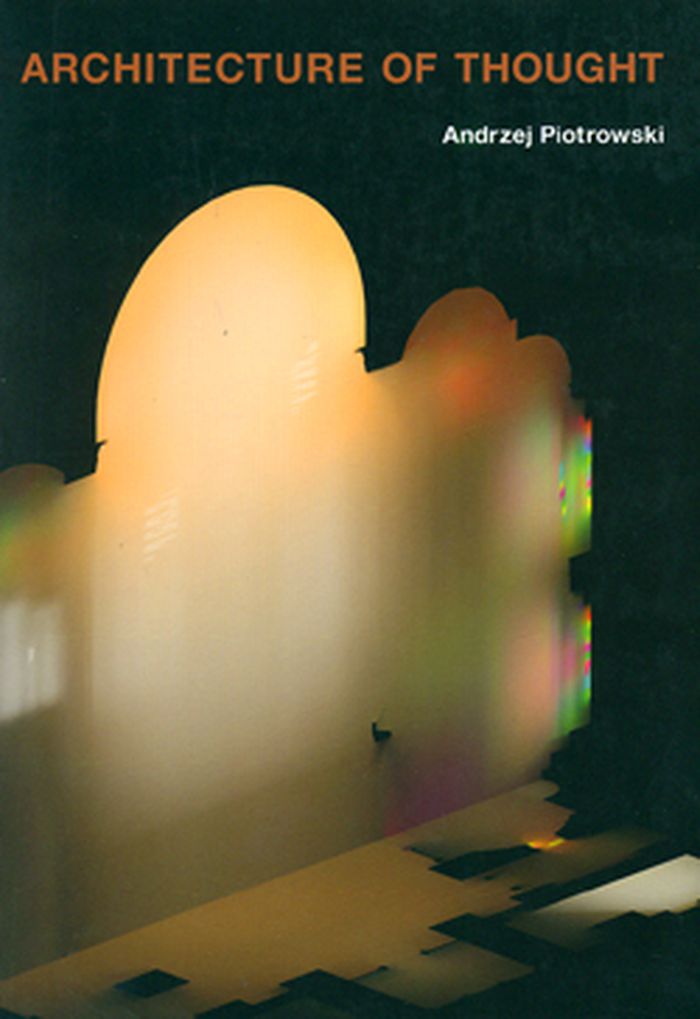
Architecture of thought
Actions:
Prix:
$42.00
(disponible en magasin)
Résumé:
In Architecture of Thought, Andrzej Piotrowski maps and conceptually explores material practices of the past, showing how physical artifacts and visual environments manifest culturally rooted modes of thought and participate in the most nuanced processes of negotiations and ideological exchanges. Combining design thinking with academic methods of inquiry, Piotrowski traces ancient to modern architectural histories and—through critical readings of select buildings—examines the role of nonverbal exchanges in the development of an accumulated Western identity. Operating from the assertion that buildings are the most permanent record of unself-conscious beliefs and attitudes, it discusses Byzantium and the West after iconoclasm, the conquest and colonization of Mesoamerica, the Reformation and Counter-Reformation in Eastern Europe, the rise of the culture of consumerism in Victorian England, and High Modernism as its consequence.
Architecture of thought
Actions:
Prix:
$42.00
(disponible en magasin)
Résumé:
In Architecture of Thought, Andrzej Piotrowski maps and conceptually explores material practices of the past, showing how physical artifacts and visual environments manifest culturally rooted modes of thought and participate in the most nuanced processes of negotiations and ideological exchanges. Combining design thinking with academic methods of inquiry, Piotrowski traces ancient to modern architectural histories and—through critical readings of select buildings—examines the role of nonverbal exchanges in the development of an accumulated Western identity. Operating from the assertion that buildings are the most permanent record of unself-conscious beliefs and attitudes, it discusses Byzantium and the West after iconoclasm, the conquest and colonization of Mesoamerica, the Reformation and Counter-Reformation in Eastern Europe, the rise of the culture of consumerism in Victorian England, and High Modernism as its consequence.
Classification:
livres
livres
Publication:
mai 2011
mai 2011
Sujet:
Théorie de l’architecture
Théorie de l’architecture
Classification:
livres
livres
Prix:
$34.95
(disponible sur commande)
Résumé:
In the first decades of the twentieth century, Marseille was a booming Mediterranean port. Positioned at the very edge of France, the city functioned as a critical fulcrum between the metropolitan center and its overseas empire. A notoriously dangerous and cosmopolitan city, Marseille became the focus of the extraordinary energies of some of the most remarkable architects(...)
$34.95
(disponible sur commande)
Résumé:
In the first decades of the twentieth century, Marseille was a booming Mediterranean port. Positioned at the very edge of France, the city functioned as a critical fulcrum between the metropolitan center and its overseas empire. A notoriously dangerous and cosmopolitan city, Marseille became the focus of the extraordinary energies of some of the most remarkable architects(...)
Titre:
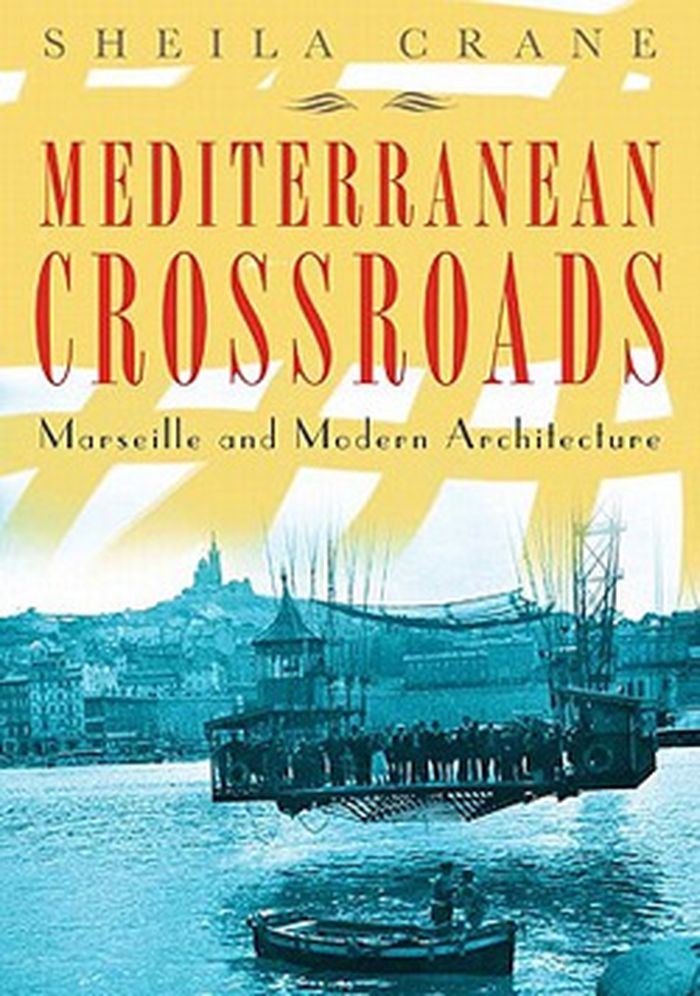
Mediterranean crossroads: Marseille and Modern architecture
Actions:
Prix:
$34.95
(disponible sur commande)
Résumé:
In the first decades of the twentieth century, Marseille was a booming Mediterranean port. Positioned at the very edge of France, the city functioned as a critical fulcrum between the metropolitan center and its overseas empire. A notoriously dangerous and cosmopolitan city, Marseille became the focus of the extraordinary energies of some of the most remarkable architects and theorists of urban modernity. Drawing together architects, photographers, and cultural theorists, including Le Corbusier, Sigfried Giedion, Walter Benjamin, and László Moholy-Nagy, Mediterranean Crossroads examines how mythic ideas about Marseille helped to shape its urban landscape. Tracing successive planning proposals in tandem with shifting representations of the city in photographs, film, guidebooks, and postcards, Sheila Crane reconstructs the history and politics of architecture in Marseille from the 1920s through the years of rebuilding after World War II.
Mediterranean crossroads: Marseille and Modern architecture
Actions:
Prix:
$34.95
(disponible sur commande)
Résumé:
In the first decades of the twentieth century, Marseille was a booming Mediterranean port. Positioned at the very edge of France, the city functioned as a critical fulcrum between the metropolitan center and its overseas empire. A notoriously dangerous and cosmopolitan city, Marseille became the focus of the extraordinary energies of some of the most remarkable architects and theorists of urban modernity. Drawing together architects, photographers, and cultural theorists, including Le Corbusier, Sigfried Giedion, Walter Benjamin, and László Moholy-Nagy, Mediterranean Crossroads examines how mythic ideas about Marseille helped to shape its urban landscape. Tracing successive planning proposals in tandem with shifting representations of the city in photographs, film, guidebooks, and postcards, Sheila Crane reconstructs the history and politics of architecture in Marseille from the 1920s through the years of rebuilding after World War II.
Classification:
livres
livres
Publication:
avril 2011
avril 2011
Sujet:
Théorie de l’urbanisme
Théorie de l’urbanisme
Classification:
livres
livres
Titre:
Relational aesthetics
Relational aesthetics
Actions:
Prix:
$19.95
(disponible sur commande)
Résumé:
Where does our current obsession for interactivity stem from? After the consumer society and the communication era, does art still contribute to the emergence of a rational society? Bourriaud attempts to renew our approach toward contemporary art by getting as close as possible to the artists works, and by revealing the principles that structure their thoughts: an(...)
$19.95
(disponible sur commande)
Résumé:
Where does our current obsession for interactivity stem from? After the consumer society and the communication era, does art still contribute to the emergence of a rational society? Bourriaud attempts to renew our approach toward contemporary art by getting as close as possible to the artists works, and by revealing the principles that structure their thoughts: an(...)
Titre:
Relational aesthetics
Actions:
Prix:
$19.95
(disponible sur commande)
Résumé:
Where does our current obsession for interactivity stem from? After the consumer society and the communication era, does art still contribute to the emergence of a rational society? Bourriaud attempts to renew our approach toward contemporary art by getting as close as possible to the artists works, and by revealing the principles that structure their thoughts: an aesthetic of the inter-human, of the encounter; of proximity, of resisting social formatting.
Relational aesthetics
Actions:
Prix:
$19.95
(disponible sur commande)
Résumé:
Where does our current obsession for interactivity stem from? After the consumer society and the communication era, does art still contribute to the emergence of a rational society? Bourriaud attempts to renew our approach toward contemporary art by getting as close as possible to the artists works, and by revealing the principles that structure their thoughts: an aesthetic of the inter-human, of the encounter; of proximity, of resisting social formatting.
Classification:
livres
livres
Publication:
janvier 1998
janvier 1998
Sujet:
Théorie de l’art
Théorie de l’art
Classification:
livres
livres
Titre:
Kissing architecture
Kissing architecture
Actions:
Prix:
$37.95
(disponible sur commande)
Résumé:
Kissing Architecture explores the mutual attraction between architecture and other forms of contemporary art. Sylvia Lavin develops the concept of "kissing" to describe the growing intimacy between architecture and new types of art--particularly multimedia installations that take place in and on the surfaces of buildings--and to capture the sensual charge that is being(...)
$37.95
(disponible sur commande)
Résumé:
Kissing Architecture explores the mutual attraction between architecture and other forms of contemporary art. Sylvia Lavin develops the concept of "kissing" to describe the growing intimacy between architecture and new types of art--particularly multimedia installations that take place in and on the surfaces of buildings--and to capture the sensual charge that is being(...)
Titre:
Kissing architecture
Actions:
Prix:
$37.95
(disponible sur commande)
Résumé:
Kissing Architecture explores the mutual attraction between architecture and other forms of contemporary art. Sylvia Lavin develops the concept of "kissing" to describe the growing intimacy between architecture and new types of art--particularly multimedia installations that take place in and on the surfaces of buildings--and to capture the sensual charge that is being designed and built into architectural surfaces and interior spaces today.
Kissing architecture
Actions:
Prix:
$37.95
(disponible sur commande)
Résumé:
Kissing Architecture explores the mutual attraction between architecture and other forms of contemporary art. Sylvia Lavin develops the concept of "kissing" to describe the growing intimacy between architecture and new types of art--particularly multimedia installations that take place in and on the surfaces of buildings--and to capture the sensual charge that is being designed and built into architectural surfaces and interior spaces today.
Classification:
livres
livres
Publication:
mai 2011
mai 2011
Sujet:
Théorie de l’architecture
Théorie de l’architecture
Classification:
livres
livres
Actions:
Prix:
$39.00
(disponible sur commande)
Résumé:
D’où vient le sens de la ville? Pourquoi et en quoi les villes diffèrent-elles les unes des autres? Comment naissent les significations urbaines? Et qu’est-ce que la ville, par delà la mince surface de notre temps présent? Pourquoi la ville s’oppose-t-elle à la nature? Comment la ville des architectes, la ville des poètes, la ville de la publicité, la ville des(...)
$39.00
(disponible sur commande)
Résumé:
D’où vient le sens de la ville? Pourquoi et en quoi les villes diffèrent-elles les unes des autres? Comment naissent les significations urbaines? Et qu’est-ce que la ville, par delà la mince surface de notre temps présent? Pourquoi la ville s’oppose-t-elle à la nature? Comment la ville des architectes, la ville des poètes, la ville de la publicité, la ville des(...)
Titre:
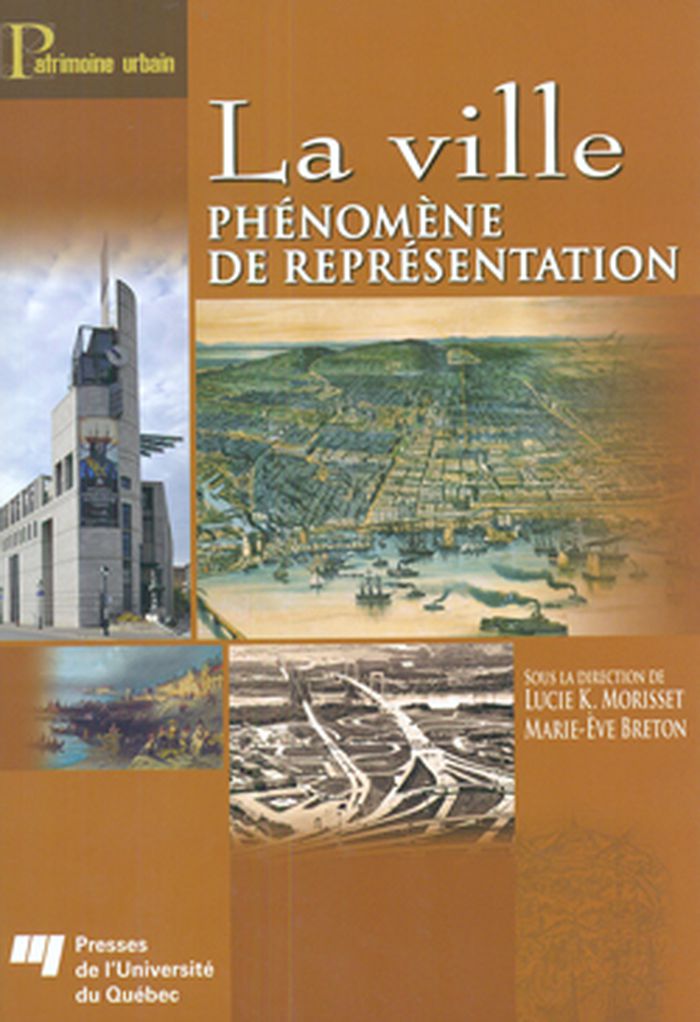
La ville phénomène de représentation
Actions:
Prix:
$39.00
(disponible sur commande)
Résumé:
D’où vient le sens de la ville? Pourquoi et en quoi les villes diffèrent-elles les unes des autres? Comment naissent les significations urbaines? Et qu’est-ce que la ville, par delà la mince surface de notre temps présent? Pourquoi la ville s’oppose-t-elle à la nature? Comment la ville des architectes, la ville des poètes, la ville de la publicité, la ville des aménagistes, la ville des chroniqueurs se comparent-elles? Quels sont les liens qui unissent la ville d’aujourd’hui à celle d’autrefois? Cet ouvrage propose quelques perspectives à propos de ces questions. Sous les horizons variés des sciences humaines et des lettres, on y aborde la ville comme un phénomène de représentation, c’est-à-dire comme un artefact culturel logé quelque part entre notre propre conscience et les idéaux de ceux qui l’ont imaginée, de ceux qui l’habitent et de ceux qui l’explorent. Les divers textes réunis dans ces pages s’attardent donc à exposer des approches et des contextes spéculatifs afin de recadrer les questionnements sur la genèse des espaces urbains et sur les relations, d’une part entre les villes et l’identité collective. Pour penser, comprendre et expliquer la ville sous ces dimensions, l’on aborde d’abord quelques considérations épistémologiques, pour interpeller ensuite la ville engendrée par le projet architectural et urbain. Suit l’examen, entre mythe et réalité, de la ville comme idéal variable, voire antinomique dès que l’on considère l’opposition historique entre milieux naturels et urbanisés. L’ouvrage se clôt enfin sur l’invention de la ville comme processus d’investissement de sens des paysages construits.
La ville phénomène de représentation
Actions:
Prix:
$39.00
(disponible sur commande)
Résumé:
D’où vient le sens de la ville? Pourquoi et en quoi les villes diffèrent-elles les unes des autres? Comment naissent les significations urbaines? Et qu’est-ce que la ville, par delà la mince surface de notre temps présent? Pourquoi la ville s’oppose-t-elle à la nature? Comment la ville des architectes, la ville des poètes, la ville de la publicité, la ville des aménagistes, la ville des chroniqueurs se comparent-elles? Quels sont les liens qui unissent la ville d’aujourd’hui à celle d’autrefois? Cet ouvrage propose quelques perspectives à propos de ces questions. Sous les horizons variés des sciences humaines et des lettres, on y aborde la ville comme un phénomène de représentation, c’est-à-dire comme un artefact culturel logé quelque part entre notre propre conscience et les idéaux de ceux qui l’ont imaginée, de ceux qui l’habitent et de ceux qui l’explorent. Les divers textes réunis dans ces pages s’attardent donc à exposer des approches et des contextes spéculatifs afin de recadrer les questionnements sur la genèse des espaces urbains et sur les relations, d’une part entre les villes et l’identité collective. Pour penser, comprendre et expliquer la ville sous ces dimensions, l’on aborde d’abord quelques considérations épistémologiques, pour interpeller ensuite la ville engendrée par le projet architectural et urbain. Suit l’examen, entre mythe et réalité, de la ville comme idéal variable, voire antinomique dès que l’on considère l’opposition historique entre milieux naturels et urbanisés. L’ouvrage se clôt enfin sur l’invention de la ville comme processus d’investissement de sens des paysages construits.
Classification:
livres
livres
Publication:
février 2011
février 2011
Sujet:
Théorie de l’urbanisme
Théorie de l’urbanisme


