


6791 Résultats
Classification:
livres
livres
Prix:
$46.00
(disponible sur commande)
Résumé:
The desk is not only very informative in itself, but also must always be studied and understood in the context of its cultural, gender-specific, and field-related surroundings. The focus of this study is a comparative analysis of the use of desks. Desks in insurance companies, banks, administrative authorities, call centers, and design studios in twelve countries on all(...)
$46.00
(disponible sur commande)
Résumé:
The desk is not only very informative in itself, but also must always be studied and understood in the context of its cultural, gender-specific, and field-related surroundings. The focus of this study is a comparative analysis of the use of desks. Desks in insurance companies, banks, administrative authorities, call centers, and design studios in twelve countries on all(...)
Titre:
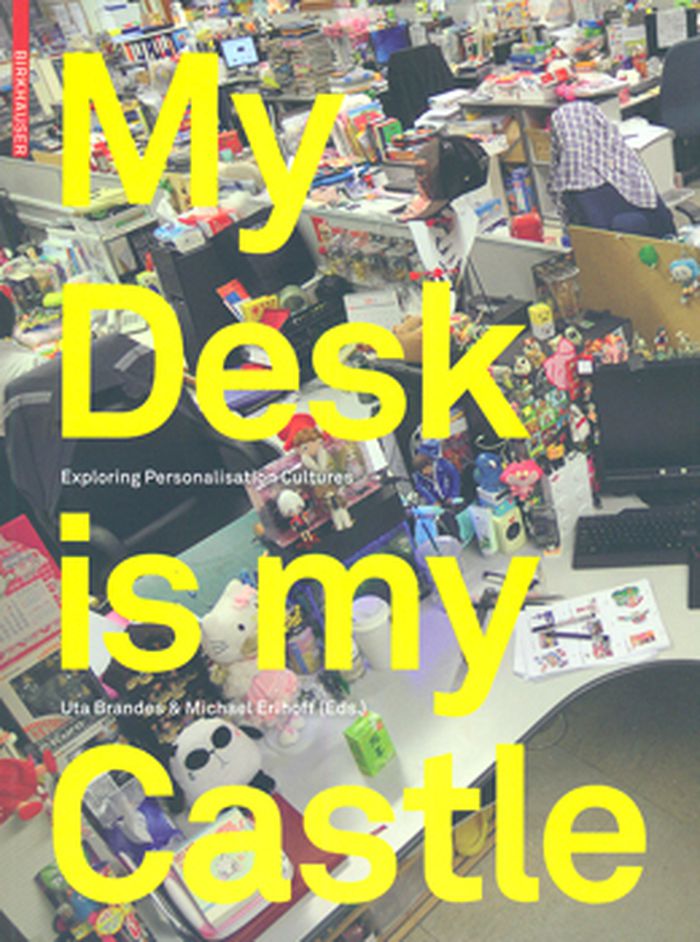
My desk is my castle: exploring personalisation cultures
Actions:
Prix:
$46.00
(disponible sur commande)
Résumé:
The desk is not only very informative in itself, but also must always be studied and understood in the context of its cultural, gender-specific, and field-related surroundings. The focus of this study is a comparative analysis of the use of desks. Desks in insurance companies, banks, administrative authorities, call centers, and design studios in twelve countries on all continents were studied. This publication presents the results in the form of extensive visual material, empirical analyses, and critical essays. The study was carried out by the Koln International School of Design (KISD) in collaboration with universities in Hong Kong; New York; Seoul; Taipei; Curitiba, Brazil; Pune, India; Auckland; Milan; and Fukuoka, Japan.
My desk is my castle: exploring personalisation cultures
Actions:
Prix:
$46.00
(disponible sur commande)
Résumé:
The desk is not only very informative in itself, but also must always be studied and understood in the context of its cultural, gender-specific, and field-related surroundings. The focus of this study is a comparative analysis of the use of desks. Desks in insurance companies, banks, administrative authorities, call centers, and design studios in twelve countries on all continents were studied. This publication presents the results in the form of extensive visual material, empirical analyses, and critical essays. The study was carried out by the Koln International School of Design (KISD) in collaboration with universities in Hong Kong; New York; Seoul; Taipei; Curitiba, Brazil; Pune, India; Auckland; Milan; and Fukuoka, Japan.
Classification:
livres
livres
Publication:
novembre 2011
novembre 2011
Sujet:
Design industriel
Design industriel
Classification:
périodiques
périodiques

Actions:
Prix:
$16.95
(disponible en magasin)
Résumé:
This 56th issue is the first one we are publishing in English, French, and now Spanish. Its title, ''Bulldozer Politics'', is a reference to a small book written by Léopold Lambert in 2016 about the systematic use of the bulldozer by the Israeli state to destroy Palestinian homes since 1948. This issue revisits this book, translates some of its main parts, and put its(...)
$16.95
(disponible en magasin)
Résumé:
This 56th issue is the first one we are publishing in English, French, and now Spanish. Its title, ''Bulldozer Politics'', is a reference to a small book written by Léopold Lambert in 2016 about the systematic use of the bulldozer by the Israeli state to destroy Palestinian homes since 1948. This issue revisits this book, translates some of its main parts, and put its(...)
Titre:
The Funambulist n.56 : Bulldozer politics
Actions:
Prix:
$16.95
(disponible en magasin)
Résumé:
This 56th issue is the first one we are publishing in English, French, and now Spanish. Its title, ''Bulldozer Politics'', is a reference to a small book written by Léopold Lambert in 2016 about the systematic use of the bulldozer by the Israeli state to destroy Palestinian homes since 1948. This issue revisits this book, translates some of its main parts, and put its argument about the precise political order of “ruination” in dialogue with other geographical contexts, namely India (Shivangi Mariam Raj), Colombia and Brazil (Jaime Amparo Alves and Stella Zagatto Paterniani), the US (Francesca Russello Ammon), France (Hajer Ben Boubaker), Egypt (Omnia Khalil and Azza Ezzat), and Cambodia (Kavich Neang).
The Funambulist n.56 : Bulldozer politics
Actions:
Prix:
$16.95
(disponible en magasin)
Résumé:
This 56th issue is the first one we are publishing in English, French, and now Spanish. Its title, ''Bulldozer Politics'', is a reference to a small book written by Léopold Lambert in 2016 about the systematic use of the bulldozer by the Israeli state to destroy Palestinian homes since 1948. This issue revisits this book, translates some of its main parts, and put its argument about the precise political order of “ruination” in dialogue with other geographical contexts, namely India (Shivangi Mariam Raj), Colombia and Brazil (Jaime Amparo Alves and Stella Zagatto Paterniani), the US (Francesca Russello Ammon), France (Hajer Ben Boubaker), Egypt (Omnia Khalil and Azza Ezzat), and Cambodia (Kavich Neang).
Classification:
périodiques
périodiques
Publication:
novembre 2024
novembre 2024
Sujet:
Revues
Revues
Classification:
livres
livres

Actions:
Prix:
$60.00
(disponible en magasin)
Résumé:
In this collection of essays, Ackerman offers insight into his formation and development as a scholar, as well as reflections on a range of topics. Concise, lucid, and original, this book presents deep syntheses alongside innovative approaches and a broadening geographical and chronological reach. Ackerman’s enduring fascination with architecture was one unforeseen(...)
$60.00
(disponible en magasin)
Résumé:
In this collection of essays, Ackerman offers insight into his formation and development as a scholar, as well as reflections on a range of topics. Concise, lucid, and original, this book presents deep syntheses alongside innovative approaches and a broadening geographical and chronological reach. Ackerman’s enduring fascination with architecture was one unforeseen(...)
Titre:
Origins, invention, revision: studying the history of art and architecture
Actions:
Prix:
$60.00
(disponible en magasin)
Résumé:
In this collection of essays, Ackerman offers insight into his formation and development as a scholar, as well as reflections on a range of topics. Concise, lucid, and original, this book presents deep syntheses alongside innovative approaches and a broadening geographical and chronological reach. Ackerman’s enduring fascination with architecture was one unforeseen consequence of his military service in World War II, and the collection includes a revealing account of his part in the liberation of Milan as a soldier in the Fifth American Regiment. These essays represent a unique, personal journey—from the Italian Renaissance to the classical architecture of India and the work of Frank Gehry at the new museum of the Fondation Louis Vuitton in Paris.
Origins, invention, revision: studying the history of art and architecture
Actions:
Prix:
$60.00
(disponible en magasin)
Résumé:
In this collection of essays, Ackerman offers insight into his formation and development as a scholar, as well as reflections on a range of topics. Concise, lucid, and original, this book presents deep syntheses alongside innovative approaches and a broadening geographical and chronological reach. Ackerman’s enduring fascination with architecture was one unforeseen consequence of his military service in World War II, and the collection includes a revealing account of his part in the liberation of Milan as a soldier in the Fifth American Regiment. These essays represent a unique, personal journey—from the Italian Renaissance to the classical architecture of India and the work of Frank Gehry at the new museum of the Fondation Louis Vuitton in Paris.
Classification:
livres
livres
Publication:
novembre 2016
novembre 2016
Sujet:
Théorie de l’architecture
Théorie de l’architecture
Classification:
périodiques
périodiques
Actions:
Prix:
$15.00
(disponible en magasin)
Résumé:
Log 15 is a slice through the present, featuring the current work and thinking of some of today’s leading architectural historians and theorists: Barry Bergdoll, Mario Carpo, Jean-Louis Cohen, Beatriz Colomina, Hubert Damisch, Peter Eisenman, Kurt Forster, Mark Jarzombek, Irving Lavin, Sylvia Lavin, Mark Wigley, and Mirko Zardini. Assembled to honor Phyllis Lambert on her(...)
$15.00
(disponible en magasin)
Résumé:
Log 15 is a slice through the present, featuring the current work and thinking of some of today’s leading architectural historians and theorists: Barry Bergdoll, Mario Carpo, Jean-Louis Cohen, Beatriz Colomina, Hubert Damisch, Peter Eisenman, Kurt Forster, Mark Jarzombek, Irving Lavin, Sylvia Lavin, Mark Wigley, and Mirko Zardini. Assembled to honor Phyllis Lambert on her(...)
Sujet:
Revues
Revues
Publication:
mars 2009, New York
mars 2009, New York
Titre:
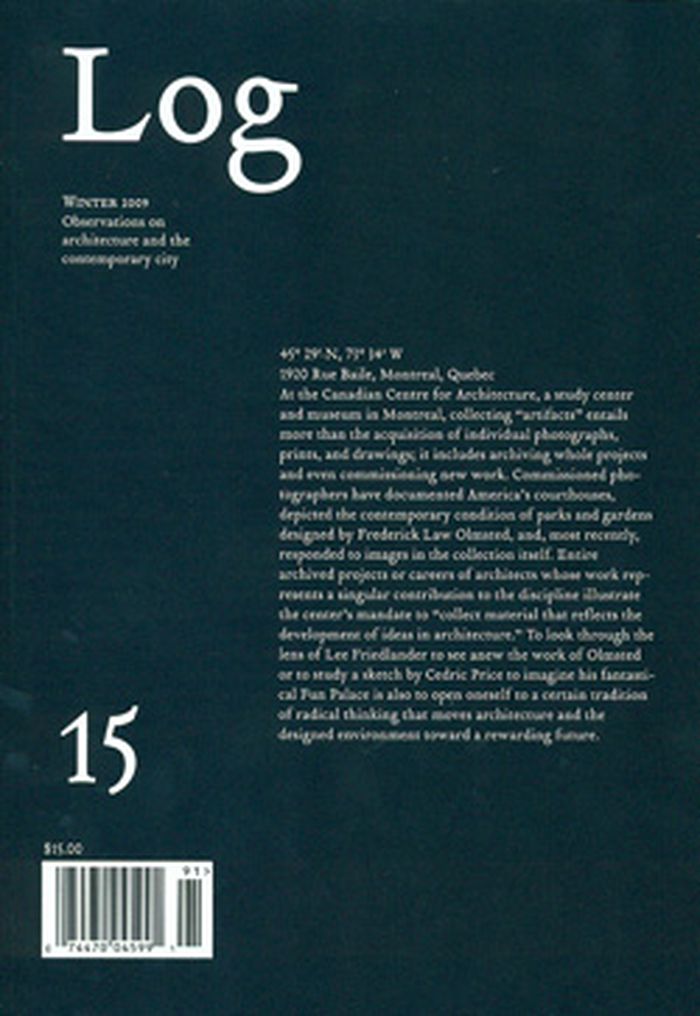
Log 15, winter 2009: observations on architecture and the contemporary city
Actions:
Prix:
$15.00
(disponible en magasin)
Résumé:
Log 15 is a slice through the present, featuring the current work and thinking of some of today’s leading architectural historians and theorists: Barry Bergdoll, Mario Carpo, Jean-Louis Cohen, Beatriz Colomina, Hubert Damisch, Peter Eisenman, Kurt Forster, Mark Jarzombek, Irving Lavin, Sylvia Lavin, Mark Wigley, and Mirko Zardini. Assembled to honor Phyllis Lambert on her 80th birthday, these essays range from an architectural and archaeological reading of Chris Marker’s post-apocalyptic film La Jetée to Dravidian architecture in India; from Gordon Matta-Clark’s erasure of architecture to the persistence of asphalt; from the influence of Andy Warhol on ambient architecture past and present to the house in the museum and the museum in the house.
Log 15, winter 2009: observations on architecture and the contemporary city
Actions:
Prix:
$15.00
(disponible en magasin)
Résumé:
Log 15 is a slice through the present, featuring the current work and thinking of some of today’s leading architectural historians and theorists: Barry Bergdoll, Mario Carpo, Jean-Louis Cohen, Beatriz Colomina, Hubert Damisch, Peter Eisenman, Kurt Forster, Mark Jarzombek, Irving Lavin, Sylvia Lavin, Mark Wigley, and Mirko Zardini. Assembled to honor Phyllis Lambert on her 80th birthday, these essays range from an architectural and archaeological reading of Chris Marker’s post-apocalyptic film La Jetée to Dravidian architecture in India; from Gordon Matta-Clark’s erasure of architecture to the persistence of asphalt; from the influence of Andy Warhol on ambient architecture past and present to the house in the museum and the museum in the house.
Classification:
périodiques
périodiques
Publication:
mars 2009, New York
mars 2009, New York
Sujet:
Revues
Revues
Classification:
livres
livres
Actions:
Prix:
$40.95
(disponible sur commande)
Résumé:
Studies of rituals in sacred gardens and landscapes offer tantalizing insights into the significance of gardens and landscapes in the societies of India, ancient Greece, Pre-Columbian Mexico, medieval Japan, post-Renaissance Europe, and America. Sacred gardens and landscapes engaged their visitors into three specific modes of agency: as anterooms spurring encounters with(...)
$40.95
(disponible sur commande)
Résumé:
Studies of rituals in sacred gardens and landscapes offer tantalizing insights into the significance of gardens and landscapes in the societies of India, ancient Greece, Pre-Columbian Mexico, medieval Japan, post-Renaissance Europe, and America. Sacred gardens and landscapes engaged their visitors into three specific modes of agency: as anterooms spurring encounters with(...)
Titre:
Sacred gardens and landscapes : ritual and agency
Actions:
Prix:
$40.95
(disponible sur commande)
Résumé:
Studies of rituals in sacred gardens and landscapes offer tantalizing insights into the significance of gardens and landscapes in the societies of India, ancient Greece, Pre-Columbian Mexico, medieval Japan, post-Renaissance Europe, and America. Sacred gardens and landscapes engaged their visitors into three specific modes of agency: as anterooms spurring encounters with the netherworld; as journeys through mystical lands; and as a means of establishing a sense of locality, metaphorically rooting the dweller's own identity in a well-defined part of the material world. Each section of this book is devoted to one of these forms of agency. Together the essays reveal a profound cultural significance of gardens previously overlooked by studies of garden styles.
Sacred gardens and landscapes : ritual and agency
Actions:
Prix:
$40.95
(disponible sur commande)
Résumé:
Studies of rituals in sacred gardens and landscapes offer tantalizing insights into the significance of gardens and landscapes in the societies of India, ancient Greece, Pre-Columbian Mexico, medieval Japan, post-Renaissance Europe, and America. Sacred gardens and landscapes engaged their visitors into three specific modes of agency: as anterooms spurring encounters with the netherworld; as journeys through mystical lands; and as a means of establishing a sense of locality, metaphorically rooting the dweller's own identity in a well-defined part of the material world. Each section of this book is devoted to one of these forms of agency. Together the essays reveal a profound cultural significance of gardens previously overlooked by studies of garden styles.
Classification:
livres
livres
Publication:
mars 2007, Washington, D.C., Cambridge
mars 2007, Washington, D.C., Cambridge
Sujet:
Théorie du paysage
Théorie du paysage
Classification:
livres
livres

Actions:
Prix:
$22.95
(disponible sur commande)
Résumé:
"Green city : people, nature, and urban places" looks at eleven cities the world over to see how people and nature have interacted over the course of history, and how people attempt to bring nature into cities. In each of these locations, Soderstrom examines how people have tried to make a connection with nature — how well they’ve done is both a lesson in hope and, often,(...)
$22.95
(disponible sur commande)
Résumé:
"Green city : people, nature, and urban places" looks at eleven cities the world over to see how people and nature have interacted over the course of history, and how people attempt to bring nature into cities. In each of these locations, Soderstrom examines how people have tried to make a connection with nature — how well they’ve done is both a lesson in hope and, often,(...)
Titre:
Green city : people, nature and urban places
Actions:
Prix:
$22.95
(disponible sur commande)
Résumé:
"Green city : people, nature, and urban places" looks at eleven cities the world over to see how people and nature have interacted over the course of history, and how people attempt to bring nature into cities. In each of these locations, Soderstrom examines how people have tried to make a connection with nature — how well they’ve done is both a lesson in hope and, often, a warning. Featuring chapters on Babylon, Provins (France), London and Bloomsbury, Hamilton, Chicago, Irvine, Singapore, Tanga (Tanzania), Kochi (India), Shanghai, and São Paulo, as well as recommendations on what must be done so that everyone has a bit of green to call their own. Also includes photographs and extensive notes.
Green city : people, nature and urban places
Actions:
Prix:
$22.95
(disponible sur commande)
Résumé:
"Green city : people, nature, and urban places" looks at eleven cities the world over to see how people and nature have interacted over the course of history, and how people attempt to bring nature into cities. In each of these locations, Soderstrom examines how people have tried to make a connection with nature — how well they’ve done is both a lesson in hope and, often, a warning. Featuring chapters on Babylon, Provins (France), London and Bloomsbury, Hamilton, Chicago, Irvine, Singapore, Tanga (Tanzania), Kochi (India), Shanghai, and São Paulo, as well as recommendations on what must be done so that everyone has a bit of green to call their own. Also includes photographs and extensive notes.
Classification:
livres
livres
Publication:
août 2006, Montréal
août 2006, Montréal
Sujet:
Paysages urbains
Paysages urbains
Classification:
livres
livres
Actions:
Prix:
$48.95
(disponible sur commande)
Résumé:
Jan Lucassen provides an inclusive history of humanity’s busy labor throughout the ages. Spanning China, India, Africa, the Americas, and Europe, Lucassen looks at the ways in which humanity organizes work: in the household, the tribe, the city, and the state. He examines how labor is split between men, women, and children; the watershed moment of the invention of money;(...)
$48.95
(disponible sur commande)
Résumé:
Jan Lucassen provides an inclusive history of humanity’s busy labor throughout the ages. Spanning China, India, Africa, the Americas, and Europe, Lucassen looks at the ways in which humanity organizes work: in the household, the tribe, the city, and the state. He examines how labor is split between men, women, and children; the watershed moment of the invention of money;(...)
Titre:
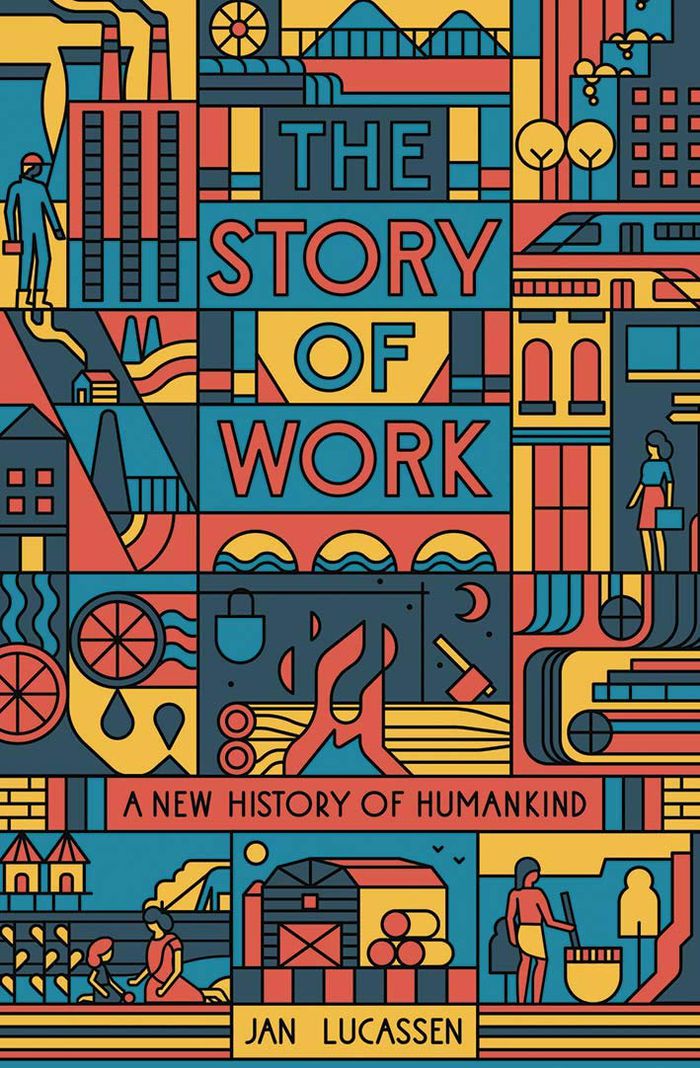
The story of work: a new history of humanity
Actions:
Prix:
$48.95
(disponible sur commande)
Résumé:
Jan Lucassen provides an inclusive history of humanity’s busy labor throughout the ages. Spanning China, India, Africa, the Americas, and Europe, Lucassen looks at the ways in which humanity organizes work: in the household, the tribe, the city, and the state. He examines how labor is split between men, women, and children; the watershed moment of the invention of money; the collective action of workers; and at the impact of migration, slavery, and the idea of leisure. From peasant farmers in the first agrarian societies to the precarious existence of today’s gig workers, this surprising account of both cooperation and subordination at work throws essential light on the opportunities we face today.
The story of work: a new history of humanity
Actions:
Prix:
$48.95
(disponible sur commande)
Résumé:
Jan Lucassen provides an inclusive history of humanity’s busy labor throughout the ages. Spanning China, India, Africa, the Americas, and Europe, Lucassen looks at the ways in which humanity organizes work: in the household, the tribe, the city, and the state. He examines how labor is split between men, women, and children; the watershed moment of the invention of money; the collective action of workers; and at the impact of migration, slavery, and the idea of leisure. From peasant farmers in the first agrarian societies to the precarious existence of today’s gig workers, this surprising account of both cooperation and subordination at work throws essential light on the opportunities we face today.
Classification:
livres
livres
Publication:
septembre 2021
septembre 2021
Sujet:
Social
Social
Classification:
livres
livres
Prix:
$39.95
(disponible en magasin)
Résumé:
Newspaper articles, speeches, and essays show Sunil Gupta’s crucial role at the center of grassroots queer and postcolonial organizing throughout an artistic career lived between Canada, the UK, and India. In his pieces about homosexuality in Indian cities, the AIDS crisis, the Black Arts Movement, or key figures including Joy Gregory and Robert Mapplethorpe, Gupta(...)
$39.95
(disponible en magasin)
Résumé:
Newspaper articles, speeches, and essays show Sunil Gupta’s crucial role at the center of grassroots queer and postcolonial organizing throughout an artistic career lived between Canada, the UK, and India. In his pieces about homosexuality in Indian cities, the AIDS crisis, the Black Arts Movement, or key figures including Joy Gregory and Robert Mapplethorpe, Gupta(...)
Publication:
novembre 2022
novembre 2022
Titre:
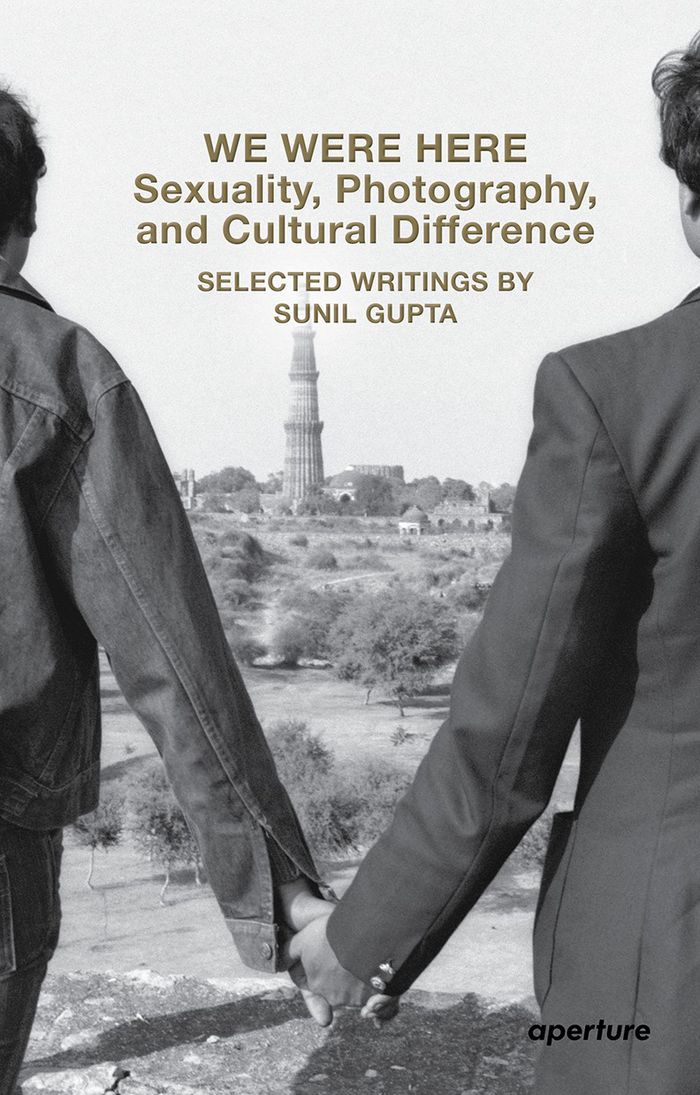
We were here: Sexuality, photography, and cultural difference
Actions:
Prix:
$39.95
(disponible en magasin)
Résumé:
Newspaper articles, speeches, and essays show Sunil Gupta’s crucial role at the center of grassroots queer and postcolonial organizing throughout an artistic career lived between Canada, the UK, and India. In his pieces about homosexuality in Indian cities, the AIDS crisis, the Black Arts Movement, or key figures including Joy Gregory and Robert Mapplethorpe, Gupta foregrounds the power of cultural activism in the politically fraught contexts of London and Delhi, and illuminates the essential connections between queer migration and self-discovery. Continually questioning given forms of identity, Gupta offers artists and curators multiple strategies of resistance, carving out space for new ways of imagining what it might mean to live, love, and create.
We were here: Sexuality, photography, and cultural difference
Actions:
Prix:
$39.95
(disponible en magasin)
Résumé:
Newspaper articles, speeches, and essays show Sunil Gupta’s crucial role at the center of grassroots queer and postcolonial organizing throughout an artistic career lived between Canada, the UK, and India. In his pieces about homosexuality in Indian cities, the AIDS crisis, the Black Arts Movement, or key figures including Joy Gregory and Robert Mapplethorpe, Gupta foregrounds the power of cultural activism in the politically fraught contexts of London and Delhi, and illuminates the essential connections between queer migration and self-discovery. Continually questioning given forms of identity, Gupta offers artists and curators multiple strategies of resistance, carving out space for new ways of imagining what it might mean to live, love, and create.
Classification:
livres
livres
Publication:
novembre 2022
novembre 2022
Classification:
livres
livres
Actions:
Prix:
$49.00
(disponible sur commande)
Résumé:
Italo Rota was born in 1953 in Milan and graduated from the Milan Polytechnic Institute in 1982. In 1980, he and Gae Aulenti created the plans for the Musee d’Orsay and the Centre Beaubourg in Paris. In 1990, he initiated the planning for the Center for Postgraduate Studies at Columbia University. His return to Italy marked the beginning of a highly creative phase,(...)
$49.00
(disponible sur commande)
Résumé:
Italo Rota was born in 1953 in Milan and graduated from the Milan Polytechnic Institute in 1982. In 1980, he and Gae Aulenti created the plans for the Musee d’Orsay and the Centre Beaubourg in Paris. In 1990, he initiated the planning for the Center for Postgraduate Studies at Columbia University. His return to Italy marked the beginning of a highly creative phase,(...)
Titre:
Italo Rota: projects, works, visions 1997-2007
Actions:
Prix:
$49.00
(disponible sur commande)
Résumé:
Italo Rota was born in 1953 in Milan and graduated from the Milan Polytechnic Institute in 1982. In 1980, he and Gae Aulenti created the plans for the Musee d’Orsay and the Centre Beaubourg in Paris. In 1990, he initiated the planning for the Center for Postgraduate Studies at Columbia University. His return to Italy marked the beginning of a highly creative phase, including projects that ranged from museum installations, the "Maison Cavalli" (the showroom-cafés in Miami, Milan, and Moscow), to a series of public buildings in Italy and India. This book focuses on a recent decade of Rota’s work and is aimed at professionals and lovers of architecture, fashion, and design.
Italo Rota: projects, works, visions 1997-2007
Actions:
Prix:
$49.00
(disponible sur commande)
Résumé:
Italo Rota was born in 1953 in Milan and graduated from the Milan Polytechnic Institute in 1982. In 1980, he and Gae Aulenti created the plans for the Musee d’Orsay and the Centre Beaubourg in Paris. In 1990, he initiated the planning for the Center for Postgraduate Studies at Columbia University. His return to Italy marked the beginning of a highly creative phase, including projects that ranged from museum installations, the "Maison Cavalli" (the showroom-cafés in Miami, Milan, and Moscow), to a series of public buildings in Italy and India. This book focuses on a recent decade of Rota’s work and is aimed at professionals and lovers of architecture, fashion, and design.
Classification:
livres
livres
Publication:
décembre 2008
décembre 2008
Classification:
livres
livres
Titre:
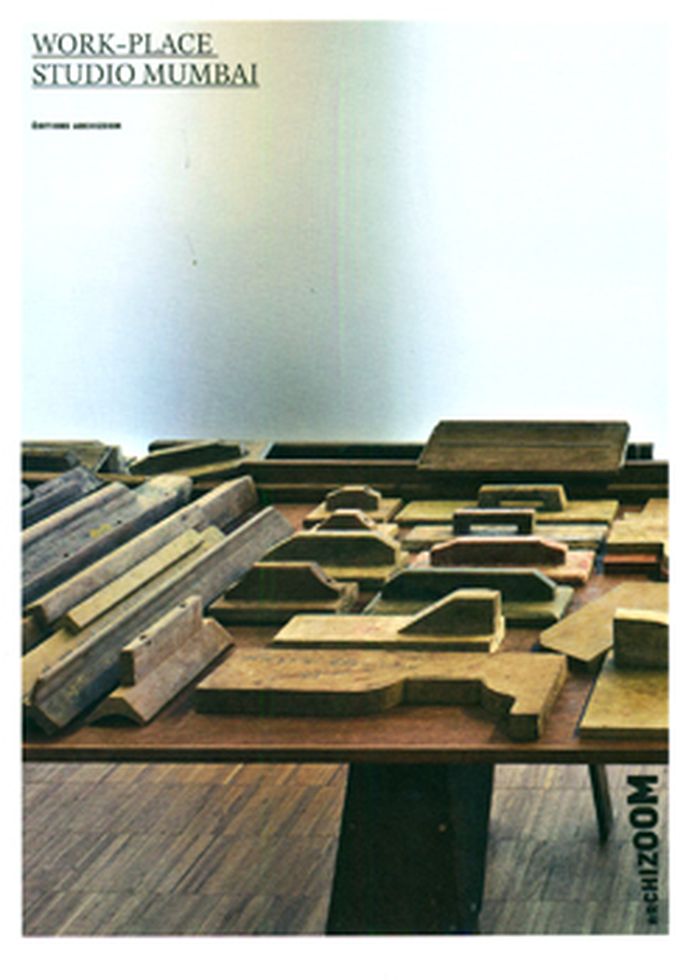
Work-place: Studio Mumbai
Work-place: Studio Mumbai
Actions:
Prix:
$54.00
(disponible sur commande)
Résumé:
Catalogue published in conjunction with the exhibition ‘Work-Place’ produced for the Venice Architecture Biennale in 2010. Studio Mumbai is composed of a few architects and nearly a hundred craftsmen– carpenters, masons, plumbers, electricians, and stonecutters– all working full time. Their work is based on a constant dialogue: “In India, a country with a population of(...)
$54.00
(disponible sur commande)
Résumé:
Catalogue published in conjunction with the exhibition ‘Work-Place’ produced for the Venice Architecture Biennale in 2010. Studio Mumbai is composed of a few architects and nearly a hundred craftsmen– carpenters, masons, plumbers, electricians, and stonecutters– all working full time. Their work is based on a constant dialogue: “In India, a country with a population of(...)
Titre:
Work-place: Studio Mumbai
Actions:
Prix:
$54.00
(disponible sur commande)
Résumé:
Catalogue published in conjunction with the exhibition ‘Work-Place’ produced for the Venice Architecture Biennale in 2010. Studio Mumbai is composed of a few architects and nearly a hundred craftsmen– carpenters, masons, plumbers, electricians, and stonecutters– all working full time. Their work is based on a constant dialogue: “In India, a country with a population of 1,2 billion, the majority of construction is carried out without architects, which does not prevent them from being human in the largest sense. This reflection also forms part of one of our work’s most critical aspect…” reveals Bijoy Jain, the founder of Studio Mumbai. The Studio is a human infrastructure of skilled craftsmen and architects who design and build the work directly.
Work-place: Studio Mumbai
Actions:
Prix:
$54.00
(disponible sur commande)
Résumé:
Catalogue published in conjunction with the exhibition ‘Work-Place’ produced for the Venice Architecture Biennale in 2010. Studio Mumbai is composed of a few architects and nearly a hundred craftsmen– carpenters, masons, plumbers, electricians, and stonecutters– all working full time. Their work is based on a constant dialogue: “In India, a country with a population of 1,2 billion, the majority of construction is carried out without architects, which does not prevent them from being human in the largest sense. This reflection also forms part of one of our work’s most critical aspect…” reveals Bijoy Jain, the founder of Studio Mumbai. The Studio is a human infrastructure of skilled craftsmen and architects who design and build the work directly.
Classification:
livres
livres
Publication:
octobre 2011
octobre 2011
Sujet:
Architecture, monographies
Architecture, monographies


