


6832 Résultats
Classification:
livres
livres
Actions:
Prix:
$66.00
(disponible sur commande)
Résumé:
Throughout history great gardeners have risen from all walks of life. Some have been aristocratic amateur gardeners, others professional designers with an international practice. Some have come to garden-making from sister arts such as sculpture or painting; others have been hands-on nurserymen or botanists. What they all have in common is the ability to take an idea and(...)
$66.00
(disponible sur commande)
Résumé:
Throughout history great gardeners have risen from all walks of life. Some have been aristocratic amateur gardeners, others professional designers with an international practice. Some have come to garden-making from sister arts such as sculpture or painting; others have been hands-on nurserymen or botanists. What they all have in common is the ability to take an idea and(...)
Titre:
The lives of the great gardeners
Actions:
Prix:
$66.00
(disponible sur commande)
Résumé:
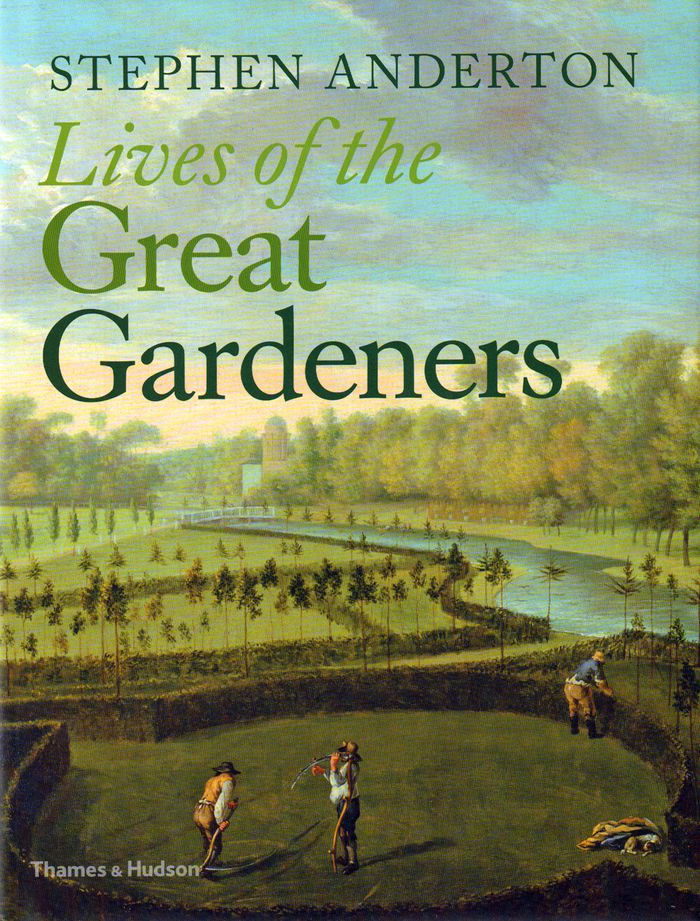
Throughout history great gardeners have risen from all walks of life. Some have been aristocratic amateur gardeners, others professional designers with an international practice. Some have come to garden-making from sister arts such as sculpture or painting; others have been hands-on nurserymen or botanists. What they all have in common is the ability to take an idea and develop it in a new manner relevant to their times. The book contains four sections. ‘Gardens of ideas’ moves from the politically allusive gardens of 18th-century England made by men such as William Kent, to Charles Jencks’s Scottish garden inspired by 21st-century cosmography. ‘Gardens of straight lines’ explores the lives of the great formalist gardeners, from Le Nôtre at Versailles to the rational English minimalism of contemporary designer Christopher Bradley-Hole. ‘Gardens of curves’ begins with that great exponent of the English landscape garden, ‘Capability’ Brown, and leads to the extraordinary Brazilian designer Roberto Burle Marx. Finally, ‘Gardens of plantsmanship’ moves from the father of naturalistic planting, William Robinson, to the sweeping prairies of New York’s favourite Dutch designer, Piet Oudolf.
The lives of the great gardeners
Actions:
Prix:
$66.00
(disponible sur commande)
Résumé:
Throughout history great gardeners have risen from all walks of life. Some have been aristocratic amateur gardeners, others professional designers with an international practice. Some have come to garden-making from sister arts such as sculpture or painting; others have been hands-on nurserymen or botanists. What they all have in common is the ability to take an idea and develop it in a new manner relevant to their times. The book contains four sections. ‘Gardens of ideas’ moves from the politically allusive gardens of 18th-century England made by men such as William Kent, to Charles Jencks’s Scottish garden inspired by 21st-century cosmography. ‘Gardens of straight lines’ explores the lives of the great formalist gardeners, from Le Nôtre at Versailles to the rational English minimalism of contemporary designer Christopher Bradley-Hole. ‘Gardens of curves’ begins with that great exponent of the English landscape garden, ‘Capability’ Brown, and leads to the extraordinary Brazilian designer Roberto Burle Marx. Finally, ‘Gardens of plantsmanship’ moves from the father of naturalistic planting, William Robinson, to the sweeping prairies of New York’s favourite Dutch designer, Piet Oudolf.
Classification:
livres
livres
Publication:
septembre 2016
septembre 2016
Sujet:
Jardins
Jardins
Classification:
livres
livres
Actions:
Prix:
$61.00
(disponible sur commande)
Résumé:
In the early decades of the twentieth century, European artists, poets, and designers called for the destruction of outdated assumptions about vision and language. Numerous manifestos resulted, demanding new artistic forms. None of these manifestos was more aggressive and poetic, or wider in scope than Filippo Tomasso Marinetti’s Futurist Manifesto of 1909. Painting,(...)
$61.00
(disponible sur commande)
Résumé:
In the early decades of the twentieth century, European artists, poets, and designers called for the destruction of outdated assumptions about vision and language. Numerous manifestos resulted, demanding new artistic forms. None of these manifestos was more aggressive and poetic, or wider in scope than Filippo Tomasso Marinetti’s Futurist Manifesto of 1909. Painting,(...)
Titre:
Futurist typography and the liberated text
Actions:
Prix:
$61.00
(disponible sur commande)
Résumé:
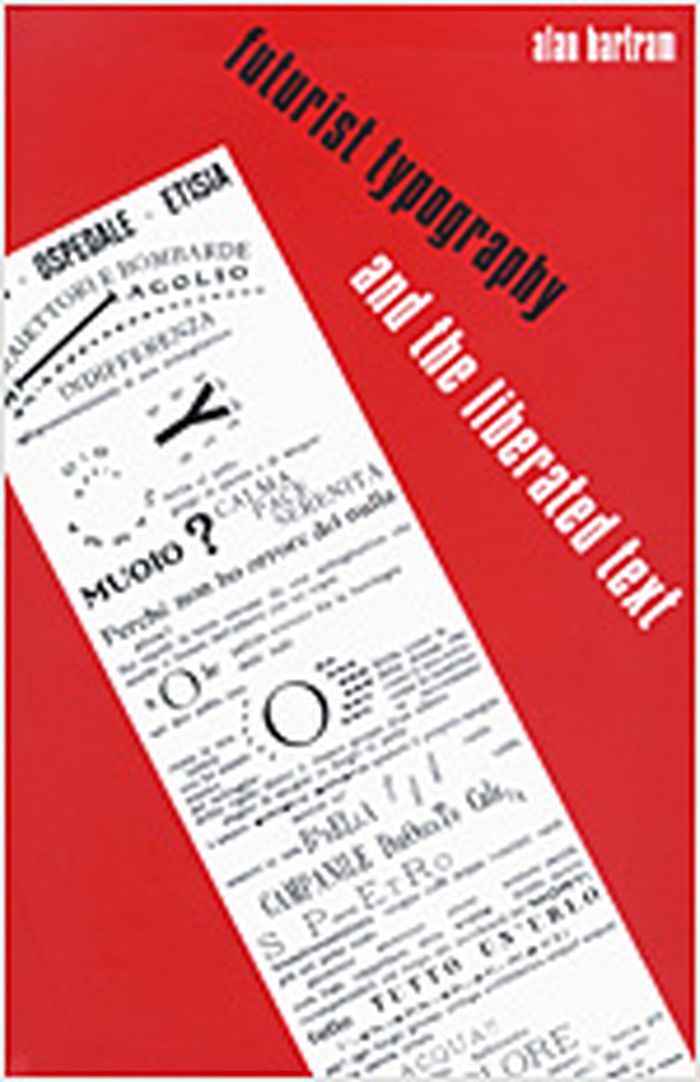
In the early decades of the twentieth century, European artists, poets, and designers called for the destruction of outdated assumptions about vision and language. Numerous manifestos resulted, demanding new artistic forms. None of these manifestos was more aggressive and poetic, or wider in scope than Filippo Tomasso Marinetti’s Futurist Manifesto of 1909. Painting, sculpture, literature, architecture, theatre, cinema, and music were all caught up in its net. Typography—until then a distant relative in the arts—also played a major role in Marinetti’s program. Written by Alan Bartram, this book examines the rise and evolution of the Futurists’ approach to typography and graphic design, placing it within the context of contemporary artistic and literary movements. The volume features examples of some eighty Futurist books or other designs for print, many of them relatively unknown or previously unpublished, accompanied by new translations of over twenty of the featured texts. Bartram illuminates the complicated meanings of the Futurist designers’ graphic works in order to provide a new understanding of their extraordinary and influential visual language.
Futurist typography and the liberated text
Actions:
Prix:
$61.00
(disponible sur commande)
Résumé:
In the early decades of the twentieth century, European artists, poets, and designers called for the destruction of outdated assumptions about vision and language. Numerous manifestos resulted, demanding new artistic forms. None of these manifestos was more aggressive and poetic, or wider in scope than Filippo Tomasso Marinetti’s Futurist Manifesto of 1909. Painting, sculpture, literature, architecture, theatre, cinema, and music were all caught up in its net. Typography—until then a distant relative in the arts—also played a major role in Marinetti’s program. Written by Alan Bartram, this book examines the rise and evolution of the Futurists’ approach to typography and graphic design, placing it within the context of contemporary artistic and literary movements. The volume features examples of some eighty Futurist books or other designs for print, many of them relatively unknown or previously unpublished, accompanied by new translations of over twenty of the featured texts. Bartram illuminates the complicated meanings of the Futurist designers’ graphic works in order to provide a new understanding of their extraordinary and influential visual language.
Classification:
livres
livres
Publication:
mars 2006, London
mars 2006, London
Classification:
livres
livres
Actions:
Prix:
$79.95
(disponible sur commande)
Résumé:
This book is split into six chapters that proceed more or less chronologically. It begins by exploring the origins of the museum both as a cultural phenomenon and as a particular type of space. Central to this, as the first chapter explores, was the ‘princely collection’, that is, collections of painting and sculpture assembled by royalty and the nobility across Europe(...)
$79.95
(disponible sur commande)
Résumé:
This book is split into six chapters that proceed more or less chronologically. It begins by exploring the origins of the museum both as a cultural phenomenon and as a particular type of space. Central to this, as the first chapter explores, was the ‘princely collection’, that is, collections of painting and sculpture assembled by royalty and the nobility across Europe(...)
Titre:
The Museum : from its origins to the 21st century
Actions:
Prix:
$79.95
(disponible sur commande)
Résumé:
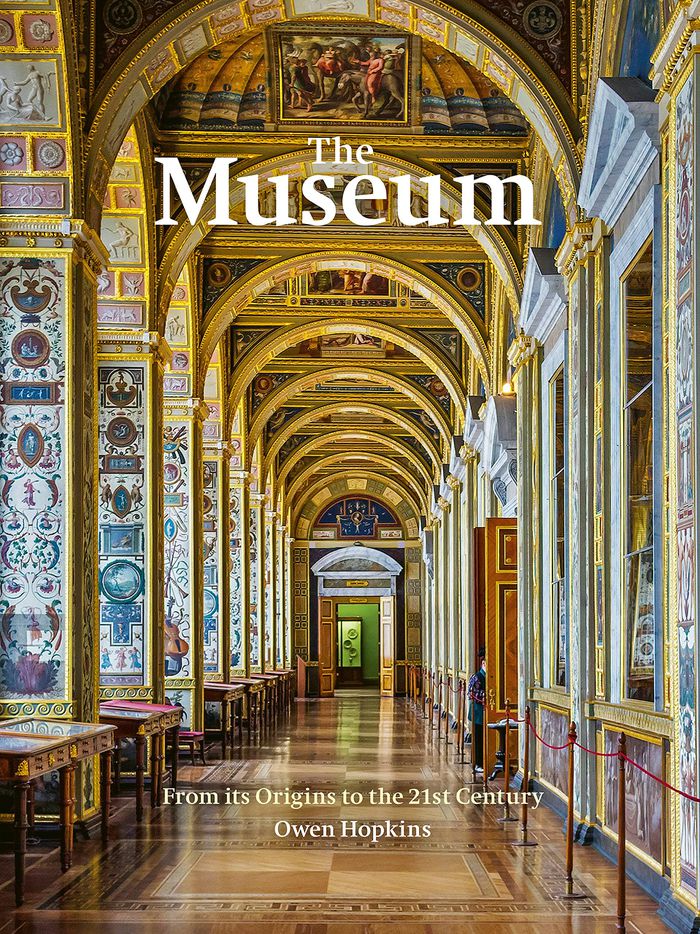
This book is split into six chapters that proceed more or less chronologically. It begins by exploring the origins of the museum both as a cultural phenomenon and as a particular type of space. Central to this, as the first chapter explores, was the ‘princely collection’, that is, collections of painting and sculpture assembled by royalty and the nobility across Europe that began during the Renaissance and continued during the seventeenth and eighteenth centuries. Although varying both in extent and artistic focus, the motivations driving the establishing of these early collections generally derived from their creators’ desires to fashion learned and enlightened images of themselves and their courts. With some exceptions, admission to these collections was limited to the social elite and those that they were trying to impress. The idea that collections should be open to a wider social group began to emerge during the eighteenth century with the advent of the wunderkammer, or cabinet of curiosities. These contained not just works of art, but all manner of objects, from natural history specimens to religious or cult artefacts, and everything in between.
The Museum : from its origins to the 21st century
Actions:
Prix:
$79.95
(disponible sur commande)
Résumé:
This book is split into six chapters that proceed more or less chronologically. It begins by exploring the origins of the museum both as a cultural phenomenon and as a particular type of space. Central to this, as the first chapter explores, was the ‘princely collection’, that is, collections of painting and sculpture assembled by royalty and the nobility across Europe that began during the Renaissance and continued during the seventeenth and eighteenth centuries. Although varying both in extent and artistic focus, the motivations driving the establishing of these early collections generally derived from their creators’ desires to fashion learned and enlightened images of themselves and their courts. With some exceptions, admission to these collections was limited to the social elite and those that they were trying to impress. The idea that collections should be open to a wider social group began to emerge during the eighteenth century with the advent of the wunderkammer, or cabinet of curiosities. These contained not just works of art, but all manner of objects, from natural history specimens to religious or cult artefacts, and everything in between.
Classification:
livres
livres
Publication:
novembre 2021
novembre 2021
Classification:
livres
livres
Titre:
Matisse in the 1930s
Matisse in the 1930s
Actions:
Prix:
$71.00
(disponible sur commande)
Résumé:
In 1930, as Henri Matisse (1869–1954) embarked on ''The Dance,'' a monumental mural commissioned by the American collector Albert C. Barnes, he began experimenting in ways that would permanently change the nature of his work. The use of pre-painted cut papers to lay out his compositions led to a new style of flat tones and bold shapes. He also increasingly used serial(...)
$71.00
(disponible sur commande)
Résumé:
In 1930, as Henri Matisse (1869–1954) embarked on ''The Dance,'' a monumental mural commissioned by the American collector Albert C. Barnes, he began experimenting in ways that would permanently change the nature of his work. The use of pre-painted cut papers to lay out his compositions led to a new style of flat tones and bold shapes. He also increasingly used serial(...)
Publication:
octobre 2022
octobre 2022
Titre:
Matisse in the 1930s
Actions:
Prix:
$71.00
(disponible sur commande)
Résumé:
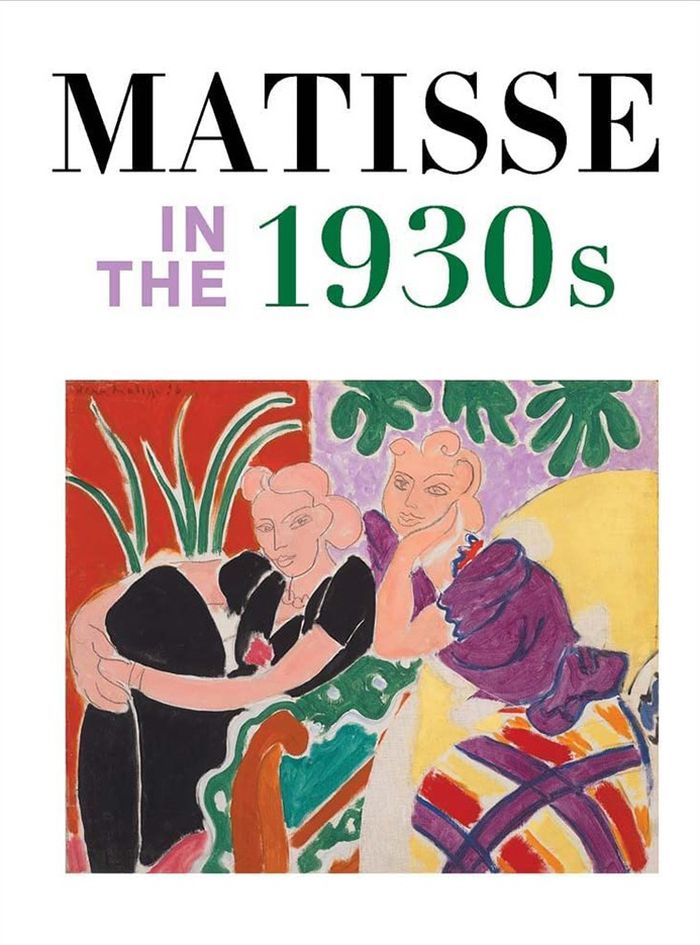
In 1930, as Henri Matisse (1869–1954) embarked on ''The Dance,'' a monumental mural commissioned by the American collector Albert C. Barnes, he began experimenting in ways that would permanently change the nature of his work. The use of pre-painted cut papers to lay out his compositions led to a new style of flat tones and bold shapes. He also increasingly used serial imagery to make visible his creative process, aiming to capture the flux of his own perceptions and emotions in the work of art. This volume highlights and explains pivotal transformations in Matisse’s work in the 1930s across a range of media, including mural and easel painting, sculpture, printmaking, drawing, and the illustrated book. The transatlantic contributors also look at the relationship between Matisse and the Parisian art journal ''Cahiers d’art,'' which played an outsized role in publicizing Matisse’s work during this period, and consider his exhibitions, his ongoing involvement with decorative painting, his studio as a creative laboratory, and the role of his model and muse Lydia Delectorskaya in his studio practice.
Matisse in the 1930s
Actions:
Prix:
$71.00
(disponible sur commande)
Résumé:
In 1930, as Henri Matisse (1869–1954) embarked on ''The Dance,'' a monumental mural commissioned by the American collector Albert C. Barnes, he began experimenting in ways that would permanently change the nature of his work. The use of pre-painted cut papers to lay out his compositions led to a new style of flat tones and bold shapes. He also increasingly used serial imagery to make visible his creative process, aiming to capture the flux of his own perceptions and emotions in the work of art. This volume highlights and explains pivotal transformations in Matisse’s work in the 1930s across a range of media, including mural and easel painting, sculpture, printmaking, drawing, and the illustrated book. The transatlantic contributors also look at the relationship between Matisse and the Parisian art journal ''Cahiers d’art,'' which played an outsized role in publicizing Matisse’s work during this period, and consider his exhibitions, his ongoing involvement with decorative painting, his studio as a creative laboratory, and the role of his model and muse Lydia Delectorskaya in his studio practice.
Classification:
livres
livres
Publication:
octobre 2022
octobre 2022
Classification:
livres
livres
Prix:
$32.95
(disponible sur commande)
Résumé:
In Curating Consciousness, Marcia Brennan focuses on one of the transformational figures of twentieth-century curatorial culture, and the main protagonist of this unacknowledged curatorial practice. James Johnson Sweeney (1900–1986) was hired as the Director of Painting and Sculpture at the Museum of Modern Art in 1935. He went on to become the director of the Guggenheim(...)
$32.95
(disponible sur commande)
Résumé:
In Curating Consciousness, Marcia Brennan focuses on one of the transformational figures of twentieth-century curatorial culture, and the main protagonist of this unacknowledged curatorial practice. James Johnson Sweeney (1900–1986) was hired as the Director of Painting and Sculpture at the Museum of Modern Art in 1935. He went on to become the director of the Guggenheim(...)
Titre:
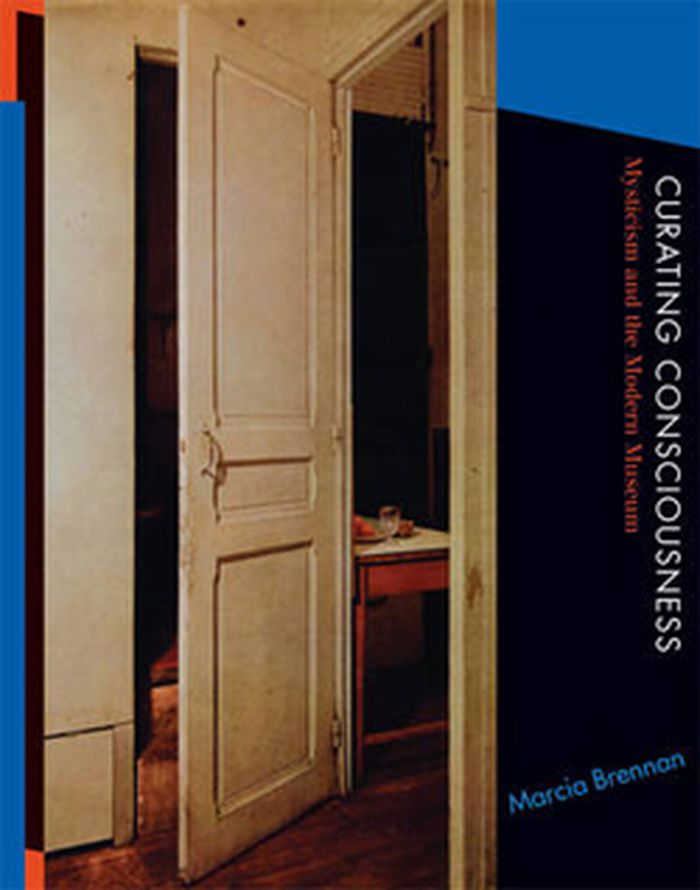
Curating consciousness: Mysticism and the Modern museum
Actions:
Prix:
$32.95
(disponible sur commande)
Résumé:
In Curating Consciousness, Marcia Brennan focuses on one of the transformational figures of twentieth-century curatorial culture, and the main protagonist of this unacknowledged curatorial practice. James Johnson Sweeney (1900–1986) was hired as the Director of Painting and Sculpture at the Museum of Modern Art in 1935. He went on to become the director of the Guggenheim Museum and the Museum of Fine Arts, Houston. Throughout his career, Sweeney provocatively engaged motifs of mysticism in order to cast the modern museum as a secular temple of art. Sweeney believed that artworks could engender visionary perspectives and induce alternative modes of consciousness in their viewers; his career can be seen as an exercise in curating modernist consciousness itself. Brennan describes how these motifs informed Sweeney's curatorial and textual engagements with specific artists and projects, including Marcel Duchamp's intricately androgynous constructions, Alberto Burri's images of hermetic alchemy and blood miracles, Pierre Soulages's creative transmutations of sacred stones into gestural abstract paintings, Jean Tinguely's apocalyptic yet playful kinetic experiments, and Eduardo Chillida's translations of theology and philosophy into sculpted fields of sparkling light.
Curating consciousness: Mysticism and the Modern museum
Actions:
Prix:
$32.95
(disponible sur commande)
Résumé:
In Curating Consciousness, Marcia Brennan focuses on one of the transformational figures of twentieth-century curatorial culture, and the main protagonist of this unacknowledged curatorial practice. James Johnson Sweeney (1900–1986) was hired as the Director of Painting and Sculpture at the Museum of Modern Art in 1935. He went on to become the director of the Guggenheim Museum and the Museum of Fine Arts, Houston. Throughout his career, Sweeney provocatively engaged motifs of mysticism in order to cast the modern museum as a secular temple of art. Sweeney believed that artworks could engender visionary perspectives and induce alternative modes of consciousness in their viewers; his career can be seen as an exercise in curating modernist consciousness itself. Brennan describes how these motifs informed Sweeney's curatorial and textual engagements with specific artists and projects, including Marcel Duchamp's intricately androgynous constructions, Alberto Burri's images of hermetic alchemy and blood miracles, Pierre Soulages's creative transmutations of sacred stones into gestural abstract paintings, Jean Tinguely's apocalyptic yet playful kinetic experiments, and Eduardo Chillida's translations of theology and philosophy into sculpted fields of sparkling light.
Classification:
livres
livres
Publication:
mars 2010
mars 2010
Classification:
livres
livres
Actions:
Prix:
$115.00
(disponible sur commande)
Résumé:
This book is published in conjunction with the exhibition Moholy-Nagy/In Motion introducing works spanning the full oeuvre of Moholy-Nagy (1895-1946), an artist who brought new vision to the art of the 20th century. As a prominent member of the avant-garde art movements between the two World Wars, he developed an artistic ideal of creating works of light and motion. The(...)
$115.00
(disponible sur commande)
Résumé:
This book is published in conjunction with the exhibition Moholy-Nagy/In Motion introducing works spanning the full oeuvre of Moholy-Nagy (1895-1946), an artist who brought new vision to the art of the 20th century. As a prominent member of the avant-garde art movements between the two World Wars, he developed an artistic ideal of creating works of light and motion. The(...)
Titre:
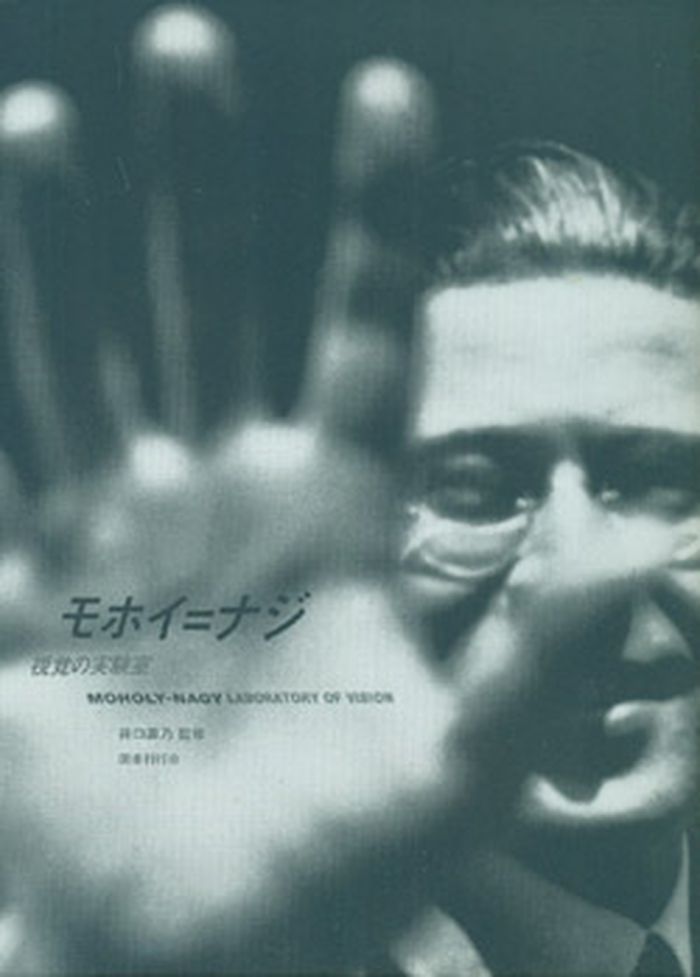
Moholy-Nagy: laboratory of vision
Actions:
Prix:
$115.00
(disponible sur commande)
Résumé:
This book is published in conjunction with the exhibition Moholy-Nagy/In Motion introducing works spanning the full oeuvre of Moholy-Nagy (1895-1946), an artist who brought new vision to the art of the 20th century. As a prominent member of the avant-garde art movements between the two World Wars, he developed an artistic ideal of creating works of light and motion. The pursuit of his career as a creative artist and art educator took Moholy-Nagy from his native Hungary to Vienna, then on to Germany, the Netherlands and Great Britain and finally to the United States. Working in painting, photography, sculpture, film, graphic design, stage design and publishing, Moholy-Nagy’s career addressed many of the new issues confronting art in the 20th century, such as the relationship between art and industrial technology and the new media of information and communications. This exhibition marks Japan’s first full-scale retrospective of the art of Moholy-Nagy and spans the artist’s full career from its earliest years to its last in some 300 works and related materials and documents.
Moholy-Nagy: laboratory of vision
Actions:
Prix:
$115.00
(disponible sur commande)
Résumé:
This book is published in conjunction with the exhibition Moholy-Nagy/In Motion introducing works spanning the full oeuvre of Moholy-Nagy (1895-1946), an artist who brought new vision to the art of the 20th century. As a prominent member of the avant-garde art movements between the two World Wars, he developed an artistic ideal of creating works of light and motion. The pursuit of his career as a creative artist and art educator took Moholy-Nagy from his native Hungary to Vienna, then on to Germany, the Netherlands and Great Britain and finally to the United States. Working in painting, photography, sculpture, film, graphic design, stage design and publishing, Moholy-Nagy’s career addressed many of the new issues confronting art in the 20th century, such as the relationship between art and industrial technology and the new media of information and communications. This exhibition marks Japan’s first full-scale retrospective of the art of Moholy-Nagy and spans the artist’s full career from its earliest years to its last in some 300 works and related materials and documents.
Classification:
livres
livres
Publication:
octobre 2011
octobre 2011
Classification:
livres
livres
Titre:
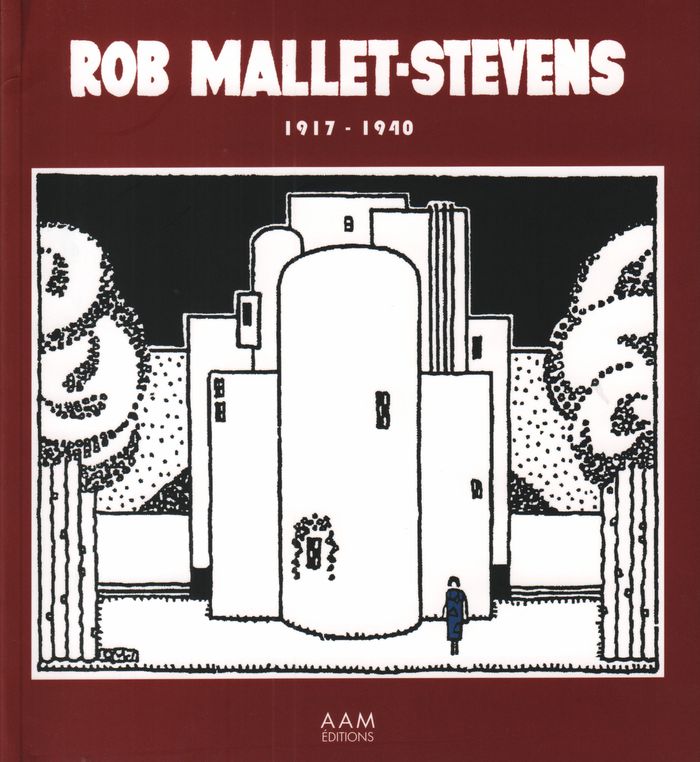
Rob Mallet-Stevens 1917-1940
Rob Mallet-Stevens 1917-1940
Actions:
Prix:
$73.95
(disponible sur commande)
Résumé:
Les écrits de Rob Mallet-Stevens (1886-1945) avant la guerre de 1914-1918 révèlent son admiration pour la Sécession viennoise qu'il découvre dans l'hôtel particulier de sa tante, Suzanne Stevens-Stoclet, édifié à Bruxelles par l'architecte autrichien Josef Hoffmann. Il écrit sur le théâtre et est aussi le premier à s'intéresser à l'architecture au Japon. Après la Grande(...)
$73.95
(disponible sur commande)
Résumé:
Les écrits de Rob Mallet-Stevens (1886-1945) avant la guerre de 1914-1918 révèlent son admiration pour la Sécession viennoise qu'il découvre dans l'hôtel particulier de sa tante, Suzanne Stevens-Stoclet, édifié à Bruxelles par l'architecte autrichien Josef Hoffmann. Il écrit sur le théâtre et est aussi le premier à s'intéresser à l'architecture au Japon. Après la Grande(...)
Titre:
Rob Mallet-Stevens 1917-1940
Actions:
Prix:
$73.95
(disponible sur commande)
Résumé:
Les écrits de Rob Mallet-Stevens (1886-1945) avant la guerre de 1914-1918 révèlent son admiration pour la Sécession viennoise qu'il découvre dans l'hôtel particulier de sa tante, Suzanne Stevens-Stoclet, édifié à Bruxelles par l'architecte autrichien Josef Hoffmann. Il écrit sur le théâtre et est aussi le premier à s'intéresser à l'architecture au Japon. Après la Grande Guerre, son centre d'intérêt se déplace vers le 7e art. Il réalise les décors de quelque vingt films et devient une personnalité reconnue dans le domaine des décors de cinéma. Cette implication va avoir un effet simplificateur sur sa propre architecture. Il se distingue de ses confrères modernistes par une attention soutenue aux arts appliqués, au vitrail, au fer forgé, à la sculpture. En 1925 il atteint la notoriété avec la construction d'une villa pour les Noailles à Hyères, suivie par l'inauguration en 1927 à Auteuil d'une rue qui porte son nom. Fruit d'un travail intense de recherche de textes disséminés dans de nombreuses publications, certaines rarissimes, ce recueil donne accès à la pensée critique d'un des grands architectes européens de son époque.
Rob Mallet-Stevens 1917-1940
Actions:
Prix:
$73.95
(disponible sur commande)
Résumé:
Les écrits de Rob Mallet-Stevens (1886-1945) avant la guerre de 1914-1918 révèlent son admiration pour la Sécession viennoise qu'il découvre dans l'hôtel particulier de sa tante, Suzanne Stevens-Stoclet, édifié à Bruxelles par l'architecte autrichien Josef Hoffmann. Il écrit sur le théâtre et est aussi le premier à s'intéresser à l'architecture au Japon. Après la Grande Guerre, son centre d'intérêt se déplace vers le 7e art. Il réalise les décors de quelque vingt films et devient une personnalité reconnue dans le domaine des décors de cinéma. Cette implication va avoir un effet simplificateur sur sa propre architecture. Il se distingue de ses confrères modernistes par une attention soutenue aux arts appliqués, au vitrail, au fer forgé, à la sculpture. En 1925 il atteint la notoriété avec la construction d'une villa pour les Noailles à Hyères, suivie par l'inauguration en 1927 à Auteuil d'une rue qui porte son nom. Fruit d'un travail intense de recherche de textes disséminés dans de nombreuses publications, certaines rarissimes, ce recueil donne accès à la pensée critique d'un des grands architectes européens de son époque.
Classification:
livres
livres
Publication:
novembre 2019
novembre 2019
Sujet:
Architecture, monographies
Architecture, monographies
Classification:
livres
livres
Actions:
Prix:
$68.95
(disponible sur commande)
Résumé:
Pour sa onzième édition d’art contemporain, le château de Versailles a invité l’artiste protéiforme Hiroshi Sugimoto à investir le domaine de Trianon où il a convié art, photographie, sculpture, architecture, vidéo et spectacle vivant. À cette occasion, il a réalisé près de 20 portraits en noir et blanc inédits, allant de Louis XIV à Dalí, de Marie-Antoinette à Lady(...)
$68.95
(disponible sur commande)
Résumé:
Pour sa onzième édition d’art contemporain, le château de Versailles a invité l’artiste protéiforme Hiroshi Sugimoto à investir le domaine de Trianon où il a convié art, photographie, sculpture, architecture, vidéo et spectacle vivant. À cette occasion, il a réalisé près de 20 portraits en noir et blanc inédits, allant de Louis XIV à Dalí, de Marie-Antoinette à Lady(...)
Titre:
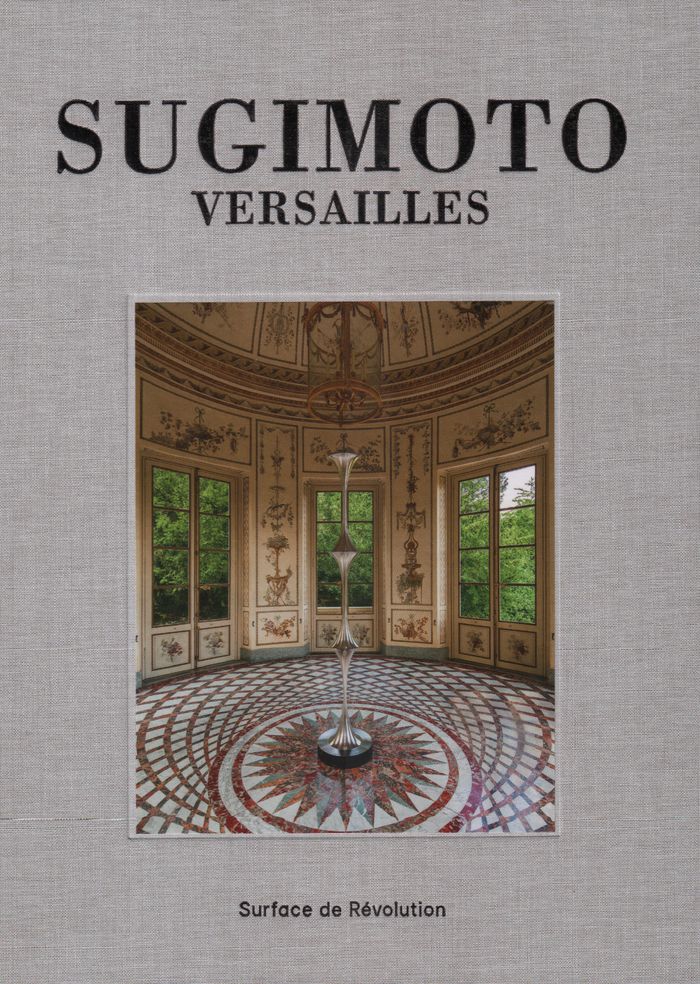
Sugimoto Versailles : surface de révolution
Actions:
Prix:
$68.95
(disponible sur commande)
Résumé:
Pour sa onzième édition d’art contemporain, le château de Versailles a invité l’artiste protéiforme Hiroshi Sugimoto à investir le domaine de Trianon où il a convié art, photographie, sculpture, architecture, vidéo et spectacle vivant. À cette occasion, il a réalisé près de 20 portraits en noir et blanc inédits, allant de Louis XIV à Dalí, de Marie-Antoinette à Lady Diana, à partir de leur statue de cire. Les statues ont pris vie grâce au travail photographique de l’artiste. Des textes d’Hiroshi Sugimoto nous dévoilent un peu plus le regard contemporain qu’il porte sur Versailles et sur ses œuvres. Une maison de thé en verre, imaginée par Sugimoto, trône au centre du bassin du Plat-fond. Les dessins d’architectures de la maison de thé et des photographies en couleurs des différentes performances qui y ont eu lieu viennent compléter cet ouvrage. En cette année « Japonismes 2018 : les âmes en résonances », Hiroshi Sugimoto illustre ainsi à Versailles qui les a souvent symbolisés, les liens culturels entre le Japon et la France.
Sugimoto Versailles : surface de révolution
Actions:
Prix:
$68.95
(disponible sur commande)
Résumé:
Pour sa onzième édition d’art contemporain, le château de Versailles a invité l’artiste protéiforme Hiroshi Sugimoto à investir le domaine de Trianon où il a convié art, photographie, sculpture, architecture, vidéo et spectacle vivant. À cette occasion, il a réalisé près de 20 portraits en noir et blanc inédits, allant de Louis XIV à Dalí, de Marie-Antoinette à Lady Diana, à partir de leur statue de cire. Les statues ont pris vie grâce au travail photographique de l’artiste. Des textes d’Hiroshi Sugimoto nous dévoilent un peu plus le regard contemporain qu’il porte sur Versailles et sur ses œuvres. Une maison de thé en verre, imaginée par Sugimoto, trône au centre du bassin du Plat-fond. Les dessins d’architectures de la maison de thé et des photographies en couleurs des différentes performances qui y ont eu lieu viennent compléter cet ouvrage. En cette année « Japonismes 2018 : les âmes en résonances », Hiroshi Sugimoto illustre ainsi à Versailles qui les a souvent symbolisés, les liens culturels entre le Japon et la France.
Classification:
livres
livres
Publication:
novembre 2018
novembre 2018
Classification:
livres
livres
Actions:
Prix:
$46.00
(disponible sur commande)
Résumé:
Spanning four continents and six countries, this book introduces "new art landscapes" that fuse architecture, the reuse of found structures, environmentalism, and artistic experimentation. Through words and pictures, readers explore six institutions--Olympic Sculpture Park, Seattle, USA; Raketenstation Hombroich, near Neuss, Germany; Benesse Art Site in Naoshima, Japan;(...)
$46.00
(disponible sur commande)
Résumé:
Spanning four continents and six countries, this book introduces "new art landscapes" that fuse architecture, the reuse of found structures, environmentalism, and artistic experimentation. Through words and pictures, readers explore six institutions--Olympic Sculpture Park, Seattle, USA; Raketenstation Hombroich, near Neuss, Germany; Benesse Art Site in Naoshima, Japan;(...)
Titre:
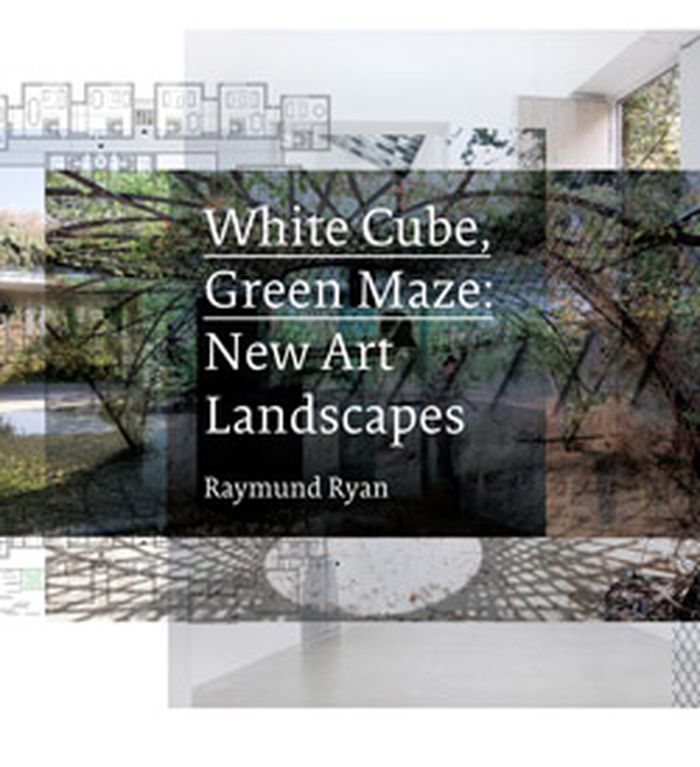
White cube, green maze: new art landscapes
Actions:
Prix:
$46.00
(disponible sur commande)
Résumé:
Spanning four continents and six countries, this book introduces "new art landscapes" that fuse architecture, the reuse of found structures, environmentalism, and artistic experimentation. Through words and pictures, readers explore six institutions--Olympic Sculpture Park, Seattle, USA; Raketenstation Hombroich, near Neuss, Germany; Benesse Art Site in Naoshima, Japan; Inhotim, near Belo Horizonte, Brazil; Jardin Botanico, Culiacan, Mexico; and Grand Traiano Art Complex, Grottaferrata, Italy--dedicated to the experience of culture and nature. Integrating vegetation and non-linear sequences of spaces, the sites offer multiple experiences enticing the visitor to circulate between and within buildings. The sites are depicted with architects' plans and sketches, historical photographs, and maquettes and sketches by key installation artists. Raymund Ryan's essay discusses important historical precedents and considers the defining characteristics of "new art landscapes" through descriptions of each of the projects. Brian O'Doherty offers an artist's critical perspective, while Marc Treib situates the projects in the history of landscape design Architects under consideration include such established masters as Tadao Ando and Alvaro Siza Vieira as well as emerging practices such as Tatiana Bilbao and Johnston Marklee.
White cube, green maze: new art landscapes
Actions:
Prix:
$46.00
(disponible sur commande)
Résumé:
Spanning four continents and six countries, this book introduces "new art landscapes" that fuse architecture, the reuse of found structures, environmentalism, and artistic experimentation. Through words and pictures, readers explore six institutions--Olympic Sculpture Park, Seattle, USA; Raketenstation Hombroich, near Neuss, Germany; Benesse Art Site in Naoshima, Japan; Inhotim, near Belo Horizonte, Brazil; Jardin Botanico, Culiacan, Mexico; and Grand Traiano Art Complex, Grottaferrata, Italy--dedicated to the experience of culture and nature. Integrating vegetation and non-linear sequences of spaces, the sites offer multiple experiences enticing the visitor to circulate between and within buildings. The sites are depicted with architects' plans and sketches, historical photographs, and maquettes and sketches by key installation artists. Raymund Ryan's essay discusses important historical precedents and considers the defining characteristics of "new art landscapes" through descriptions of each of the projects. Brian O'Doherty offers an artist's critical perspective, while Marc Treib situates the projects in the history of landscape design Architects under consideration include such established masters as Tadao Ando and Alvaro Siza Vieira as well as emerging practices such as Tatiana Bilbao and Johnston Marklee.
Classification:
livres
livres
Publication:
septembre 2012
septembre 2012
Sujet:
Jardins
Jardins
Classification:
livres
livres
Titre:
Gertrude Stein et les arts
Gertrude Stein et les arts
Actions:
Prix:
$36.95
(disponible en magasin)
Résumé:
De profondes affinités lient Gertrude Stein aux arts, qu'ils soient visuels, plastiques, vivants. La sensibilité esthétique de Gertrude Stein a fait d'elle non seulement l'amie et la mécène des plus grands artistes du XXe siècle, mais également l'auteur d'une écriture qui répondait, dialoguait continûment avec les arts de son temps et l'histoire de l'art. Même si c'était(...)
$36.95
(disponible en magasin)
Résumé:
De profondes affinités lient Gertrude Stein aux arts, qu'ils soient visuels, plastiques, vivants. La sensibilité esthétique de Gertrude Stein a fait d'elle non seulement l'amie et la mécène des plus grands artistes du XXe siècle, mais également l'auteur d'une écriture qui répondait, dialoguait continûment avec les arts de son temps et l'histoire de l'art. Même si c'était(...)
Titre:
Gertrude Stein et les arts
Actions:
Prix:
$36.95
(disponible en magasin)
Résumé:
De profondes affinités lient Gertrude Stein aux arts, qu'ils soient visuels, plastiques, vivants. La sensibilité esthétique de Gertrude Stein a fait d'elle non seulement l'amie et la mécène des plus grands artistes du XXe siècle, mais également l'auteur d'une écriture qui répondait, dialoguait continûment avec les arts de son temps et l'histoire de l'art. Même si c'était la volonté de Stein de créer des liens entre écriture et arts, ce rapport ne serait qu'imparfaitement relaté si on s'en tenait à l'évidente sur-présence de la peinture et de la sculpture dans sa vie. Outre les études novatrices sur la relation de Stein à Duchamp et Picabia, outre les études sur la construction du mythe de Stein en peinture et la réception de ses écrits par les artistes, ce volume cherche à couvrir un terrain plus étendu, qui va de la photographie au cinéma. Ainsi, cet ensemble d'études cherche à réévaluer le rapport de Gertrude Stein aux arts et à complexifier les rapports entre écriture et arts visuels dans son œuvre.
Gertrude Stein et les arts
Actions:
Prix:
$36.95
(disponible en magasin)
Résumé:
De profondes affinités lient Gertrude Stein aux arts, qu'ils soient visuels, plastiques, vivants. La sensibilité esthétique de Gertrude Stein a fait d'elle non seulement l'amie et la mécène des plus grands artistes du XXe siècle, mais également l'auteur d'une écriture qui répondait, dialoguait continûment avec les arts de son temps et l'histoire de l'art. Même si c'était la volonté de Stein de créer des liens entre écriture et arts, ce rapport ne serait qu'imparfaitement relaté si on s'en tenait à l'évidente sur-présence de la peinture et de la sculpture dans sa vie. Outre les études novatrices sur la relation de Stein à Duchamp et Picabia, outre les études sur la construction du mythe de Stein en peinture et la réception de ses écrits par les artistes, ce volume cherche à couvrir un terrain plus étendu, qui va de la photographie au cinéma. Ainsi, cet ensemble d'études cherche à réévaluer le rapport de Gertrude Stein aux arts et à complexifier les rapports entre écriture et arts visuels dans son œuvre.
Classification:
livres
livres
Publication:
juin 2018
juin 2018
Sujet:
Théorie de l’art
Théorie de l’art


