


6923 Résultats
Classification:
livres
livres
Actions:
Prix:
$60.00
(disponible sur commande)
Résumé:
Between 1947 and 1953, Le Corbusier (1887-1965) produced a suite of 19 lithographs and illustrated calligraphic poems that are now regarded as the most complete statement of his worldview. The lithographs and texts of Le poème de l'angle droit are arranged in seven "zones" lettered A-G, and are assigned a thematic title and a color. Thus: A is Environment (green); B is(...)
$60.00
(disponible sur commande)
Résumé:
Between 1947 and 1953, Le Corbusier (1887-1965) produced a suite of 19 lithographs and illustrated calligraphic poems that are now regarded as the most complete statement of his worldview. The lithographs and texts of Le poème de l'angle droit are arranged in seven "zones" lettered A-G, and are assigned a thematic title and a color. Thus: A is Environment (green); B is(...)
Titre:
Le Corbusier : le poème de l'angle droit
Actions:
Prix:
$60.00
(disponible sur commande)
Résumé:
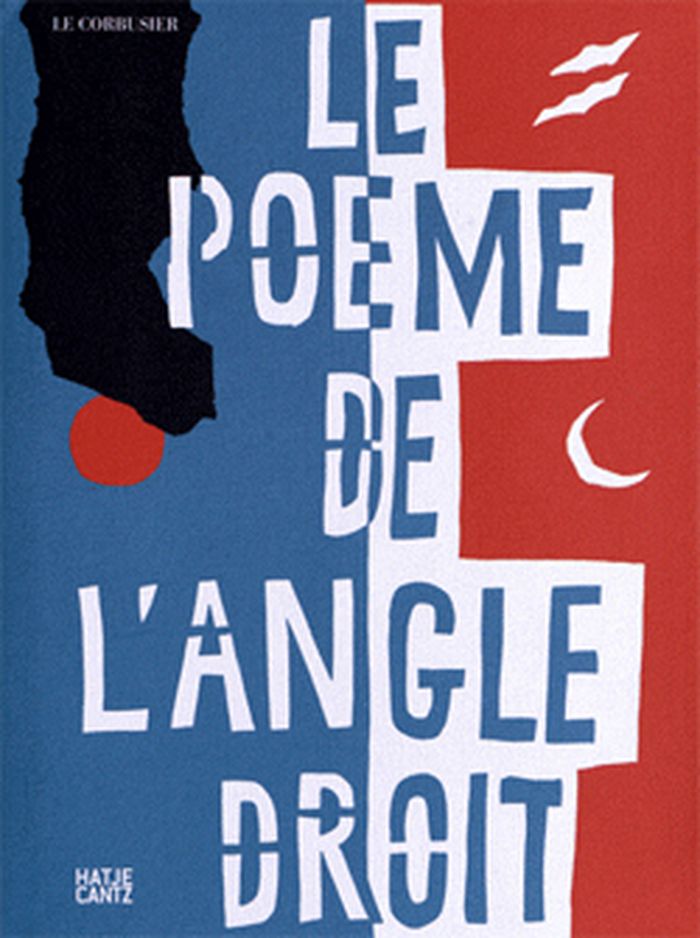
Between 1947 and 1953, Le Corbusier (1887-1965) produced a suite of 19 lithographs and illustrated calligraphic poems that are now regarded as the most complete statement of his worldview. The lithographs and texts of Le poème de l'angle droit are arranged in seven "zones" lettered A-G, and are assigned a thematic title and a color. Thus: A is Environment (green); B is Mind; C is Flesh (brown); D is Fusion (red); E is Character (white); F is Offering (yellow); and G is Instrument (purple). These titles, and their color codings, were in part inspired by Le Corbusier's study of alchemy, and each chapter in the book contains a subset of poetical meditations on themes related to alchemical theories of tensions between elements, colors and genders, and the relationship between spiritual evolution and architecture. Le poème de l'angle droit was published in 1955; when exhibited, it was arranged in a gridded, top-heavy cross composed of seven rows, an arrangement that is itself depicted at the beginning of the suite. Le Corbusier's handwritten text remains in its original French throughout; an English translation of the text is included as an appendix.
Le Corbusier : le poème de l'angle droit
Actions:
Prix:
$60.00
(disponible sur commande)
Résumé:
Between 1947 and 1953, Le Corbusier (1887-1965) produced a suite of 19 lithographs and illustrated calligraphic poems that are now regarded as the most complete statement of his worldview. The lithographs and texts of Le poème de l'angle droit are arranged in seven "zones" lettered A-G, and are assigned a thematic title and a color. Thus: A is Environment (green); B is Mind; C is Flesh (brown); D is Fusion (red); E is Character (white); F is Offering (yellow); and G is Instrument (purple). These titles, and their color codings, were in part inspired by Le Corbusier's study of alchemy, and each chapter in the book contains a subset of poetical meditations on themes related to alchemical theories of tensions between elements, colors and genders, and the relationship between spiritual evolution and architecture. Le poème de l'angle droit was published in 1955; when exhibited, it was arranged in a gridded, top-heavy cross composed of seven rows, an arrangement that is itself depicted at the beginning of the suite. Le Corbusier's handwritten text remains in its original French throughout; an English translation of the text is included as an appendix.
Classification:
livres
livres
Publication:
janvier 2013
janvier 2013
Sujet:
Architecture, monographies
Architecture, monographies
Classification:
livres
livres
Actions:
Prix:
$65.95
(disponible sur commande)
Résumé:
Buildings tell stories. Castles, country homes, churches, and monasteries are "documents" of the people who built them, owned them, lived and died in them, inherited and saved or destroyed them, and recorded their histories. Literature and Architecture in Early Modern England examines the relationship between sixteenth and seventeenth-century architectural and literary(...)
$65.95
(disponible sur commande)
Résumé:
Buildings tell stories. Castles, country homes, churches, and monasteries are "documents" of the people who built them, owned them, lived and died in them, inherited and saved or destroyed them, and recorded their histories. Literature and Architecture in Early Modern England examines the relationship between sixteenth and seventeenth-century architectural and literary(...)
Titre:
Literature and architecture in early Modern England
Actions:
Prix:
$65.95
(disponible sur commande)
Résumé:
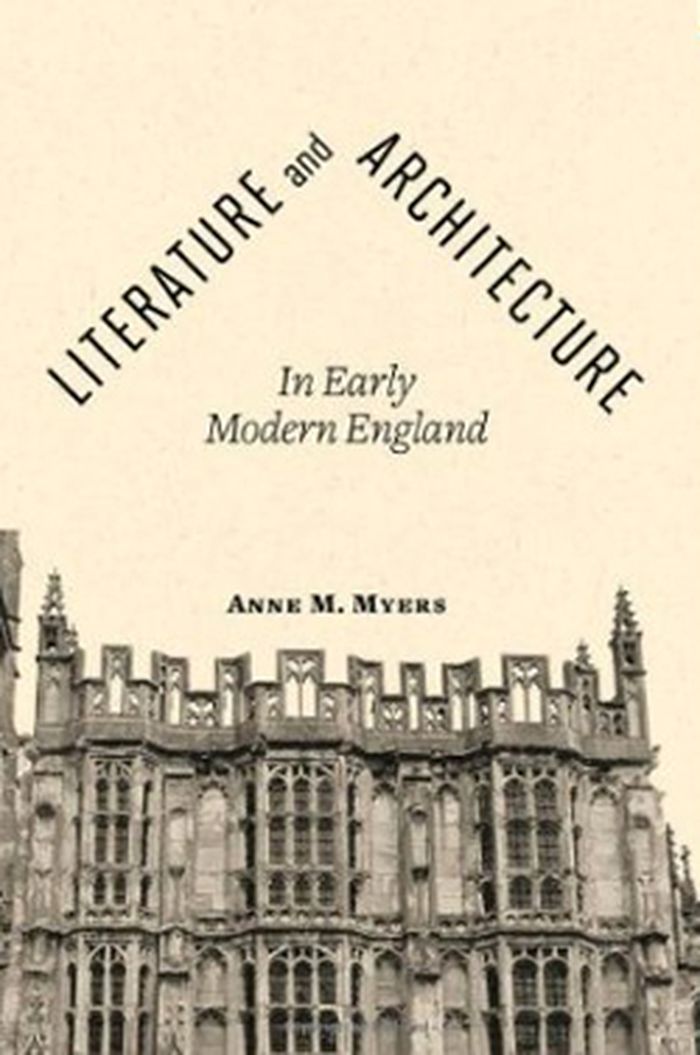
Buildings tell stories. Castles, country homes, churches, and monasteries are "documents" of the people who built them, owned them, lived and died in them, inherited and saved or destroyed them, and recorded their histories. Literature and Architecture in Early Modern England examines the relationship between sixteenth and seventeenth-century architectural and literary works. By becoming more sensitive to the narrative functions of architecture, Anne M. Myers argues, we begin to understand how a range of writers viewed and made use of the material built environment that surrounded the production of early modern texts in England. Scholars have long found themselves in the position of excusing or explaining England's failure to achieve the equivalent of the Italian Renaissance in the visual arts. Myers proposes that architecture inspired an unusual amount of historiographic and literary production, including poetry, drama, architectural treatises, and diaries. Works by William Camden, Henry Wotton, Ben Jonson, Andrew Marvell, George Herbert, Anne Clifford, and John Evelyn, when considered as a group, are texts that overturn the engrained critical notion that a Protestant fear of idolatry sentenced the visual arts and architecture in England to a state of suspicion and neglect.
Literature and architecture in early Modern England
Actions:
Prix:
$65.95
(disponible sur commande)
Résumé:
Buildings tell stories. Castles, country homes, churches, and monasteries are "documents" of the people who built them, owned them, lived and died in them, inherited and saved or destroyed them, and recorded their histories. Literature and Architecture in Early Modern England examines the relationship between sixteenth and seventeenth-century architectural and literary works. By becoming more sensitive to the narrative functions of architecture, Anne M. Myers argues, we begin to understand how a range of writers viewed and made use of the material built environment that surrounded the production of early modern texts in England. Scholars have long found themselves in the position of excusing or explaining England's failure to achieve the equivalent of the Italian Renaissance in the visual arts. Myers proposes that architecture inspired an unusual amount of historiographic and literary production, including poetry, drama, architectural treatises, and diaries. Works by William Camden, Henry Wotton, Ben Jonson, Andrew Marvell, George Herbert, Anne Clifford, and John Evelyn, when considered as a group, are texts that overturn the engrained critical notion that a Protestant fear of idolatry sentenced the visual arts and architecture in England to a state of suspicion and neglect.
Classification:
livres
livres
Publication:
août 2012
août 2012
Sujet:
Théorie de l’architecture
Théorie de l’architecture
Classification:
livres
livres
Actions:
Prix:
$39.95
(disponible sur commande)
Résumé:
Architecture has a powerful role in nation building and identity formation. Buildings and monuments not only constitute the built fabric of society, they reflect the intersection of culture, politics, economics, and aesthetics as these forces are played out in distinct social settings and distinct times. This extraordinary anthology traces the interaction between(...)
$39.95
(disponible sur commande)
Résumé:
Architecture has a powerful role in nation building and identity formation. Buildings and monuments not only constitute the built fabric of society, they reflect the intersection of culture, politics, economics, and aesthetics as these forces are played out in distinct social settings and distinct times. This extraordinary anthology traces the interaction between(...)
Titre:
Architecture and the Canadian fabric
Actions:
Prix:
$39.95
(disponible sur commande)
Résumé:
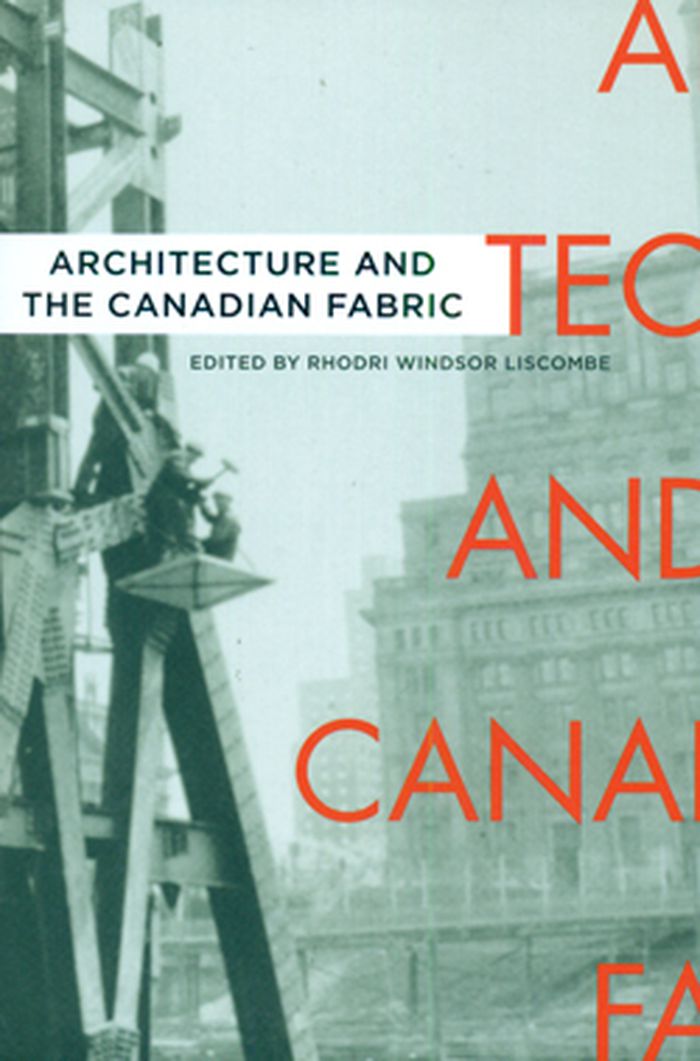
Architecture has a powerful role in nation building and identity formation. Buildings and monuments not only constitute the built fabric of society, they reflect the intersection of culture, politics, economics, and aesthetics as these forces are played out in distinct social settings and distinct times. This extraordinary anthology traces the interaction between culture and politics as reflected in Canadian architecture and the infrastructure of ordinary life, from the first contacts between indigenous peoples and European missionaries to the construction of big-box shopping centres in postmodern cities. Whether focusing on Jesuit perceptions of New France, the construction of Toronto’s St. James Cathedral or Canada’s first Parliament, Brutalism in Canadian architecture, or the ideas of Marshall McLuhan and Arthur Erickson, these essays showcase ways of thinking about the built environment that extend beyond considerations of authorship and style to address the influence of cultural politics and insights from race and gender studies and from postcolonial and spatial theory. By coupling a national focus with a wide historical scope, Architecture and the Canadian Fabric transforms how we see the role of architecture and in doing so radically questions how we continue to live in, interact with, and interpret the fabricated world.
Architecture and the Canadian fabric
Actions:
Prix:
$39.95
(disponible sur commande)
Résumé:
Architecture has a powerful role in nation building and identity formation. Buildings and monuments not only constitute the built fabric of society, they reflect the intersection of culture, politics, economics, and aesthetics as these forces are played out in distinct social settings and distinct times. This extraordinary anthology traces the interaction between culture and politics as reflected in Canadian architecture and the infrastructure of ordinary life, from the first contacts between indigenous peoples and European missionaries to the construction of big-box shopping centres in postmodern cities. Whether focusing on Jesuit perceptions of New France, the construction of Toronto’s St. James Cathedral or Canada’s first Parliament, Brutalism in Canadian architecture, or the ideas of Marshall McLuhan and Arthur Erickson, these essays showcase ways of thinking about the built environment that extend beyond considerations of authorship and style to address the influence of cultural politics and insights from race and gender studies and from postcolonial and spatial theory. By coupling a national focus with a wide historical scope, Architecture and the Canadian Fabric transforms how we see the role of architecture and in doing so radically questions how we continue to live in, interact with, and interpret the fabricated world.
Classification:
livres
livres
Publication:
novembre 2012
novembre 2012
Sujet:
Architecture du Canada
Architecture du Canada
Classification:
livres
livres
Actions:
Prix:
$29.95
(disponible sur commande)
Résumé:
Transnational markets hold sway over all aspects of contemporary culture, and that has transformed the environment of recent art, blurring the previously discrete realms of price and value, capital and creativity. Artists have responded not only critically but imaginatively to the many issues this raises, including the treatment of artworks as analogous to capital goods,(...)
$29.95
(disponible sur commande)
Résumé:
Transnational markets hold sway over all aspects of contemporary culture, and that has transformed the environment of recent art, blurring the previously discrete realms of price and value, capital and creativity. Artists have responded not only critically but imaginatively to the many issues this raises, including the treatment of artworks as analogous to capital goods,(...)
Titre:
The Market : documents of contemporary art
Actions:
Prix:
$29.95
(disponible sur commande)
Résumé:
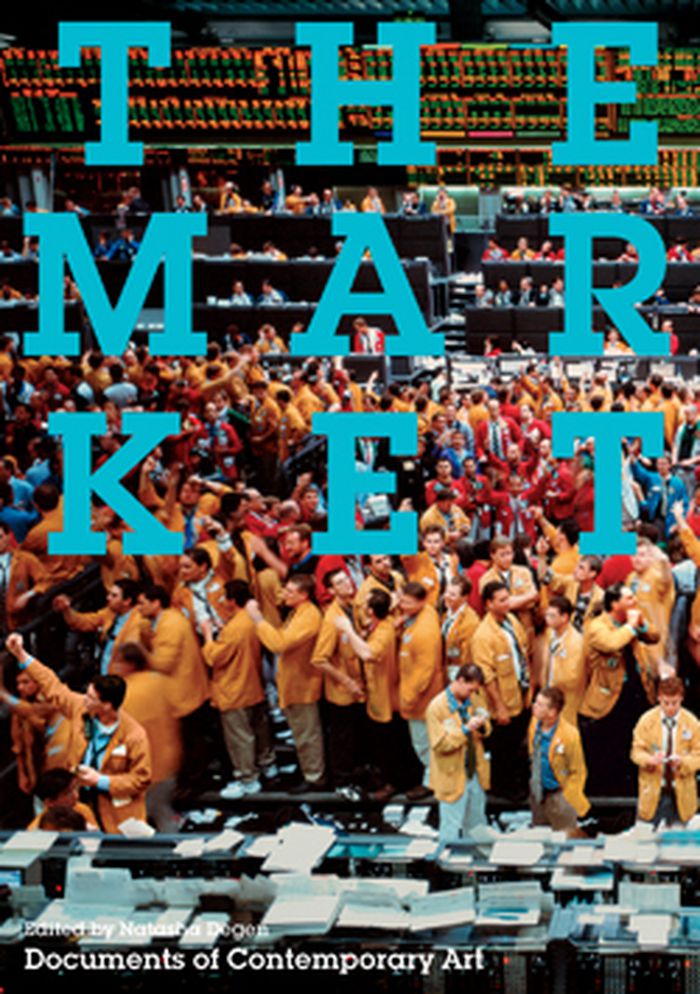
Transnational markets hold sway over all aspects of contemporary culture, and that has transformed the environment of recent art, blurring the previously discrete realms of price and value, capital and creativity. Artists have responded not only critically but imaginatively to the many issues this raises, including the treatment of artworks as analogous to capital goods, the assertion that art's value is best measured by the market, and the notion that art and money share an internal logic. Some artists have investigated the market's pressures on creative democracy, its ubiquity, vulgarity, and fetishizing force, while others have embraced the creative possibilities the market offers. And for a decade curators and theorists have speculated on the implications of this new symbiosis between art and money, cultural and economic value. Drawing on a wide range of interdisciplinary sources, in dialogue with artists' writings, this anthology traces the historic origins of these debates in different versions of modernism and surveys the relationships among art, value, and price; the evolution and influence of patronage; the actors and institutions of the art market; and the diversity of artistic practices that either criticize or embrace the conditions of the contemporary market.
The Market : documents of contemporary art
Actions:
Prix:
$29.95
(disponible sur commande)
Résumé:
Transnational markets hold sway over all aspects of contemporary culture, and that has transformed the environment of recent art, blurring the previously discrete realms of price and value, capital and creativity. Artists have responded not only critically but imaginatively to the many issues this raises, including the treatment of artworks as analogous to capital goods, the assertion that art's value is best measured by the market, and the notion that art and money share an internal logic. Some artists have investigated the market's pressures on creative democracy, its ubiquity, vulgarity, and fetishizing force, while others have embraced the creative possibilities the market offers. And for a decade curators and theorists have speculated on the implications of this new symbiosis between art and money, cultural and economic value. Drawing on a wide range of interdisciplinary sources, in dialogue with artists' writings, this anthology traces the historic origins of these debates in different versions of modernism and surveys the relationships among art, value, and price; the evolution and influence of patronage; the actors and institutions of the art market; and the diversity of artistic practices that either criticize or embrace the conditions of the contemporary market.
Classification:
livres
livres
Publication:
septembre 2013
septembre 2013
Sujet:
Théorie de l’art
Théorie de l’art
Classification:
livres
livres
Actions:
Prix:
$64.95
(disponible sur commande)
Résumé:
Ecological Urbanism: The Nature of the City asks the questions that are important inside and outside the built environment professions: what are climate change, urbanisation and ecology doing to the theory and practice of urban design? How does Ecological Urbanism figure in this change? What is Ecological Urbanism? In answer, this book is neither definitive – impossible(...)
$64.95
(disponible sur commande)
Résumé:
Ecological Urbanism: The Nature of the City asks the questions that are important inside and outside the built environment professions: what are climate change, urbanisation and ecology doing to the theory and practice of urban design? How does Ecological Urbanism figure in this change? What is Ecological Urbanism? In answer, this book is neither definitive – impossible(...)
Titre:
Ecological urbanism: the nature of the city
Actions:
Prix:
$64.95
(disponible sur commande)
Résumé:
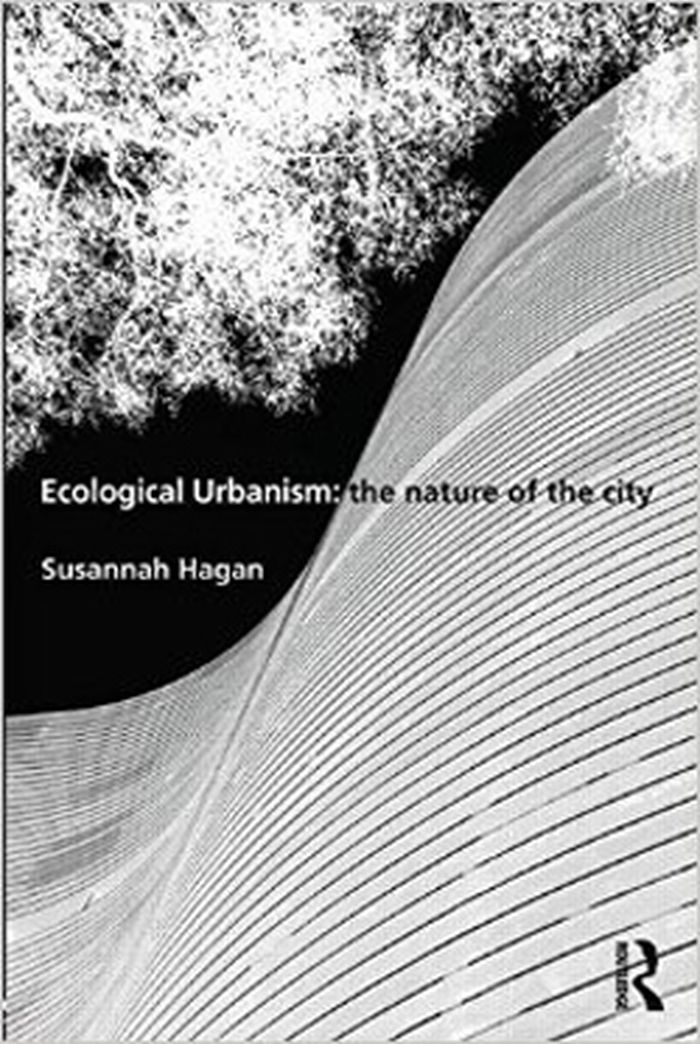
Ecological Urbanism: The Nature of the City asks the questions that are important inside and outside the built environment professions: what are climate change, urbanisation and ecology doing to the theory and practice of urban design? How does Ecological Urbanism figure in this change? What is Ecological Urbanism? In answer, this book is neither definitive – impossible when a subject is still in motion – nor encyclopaedic – equally impossible when so much has been written on almost every aspect of these essays. Instead, it seeks to rebalance the ecological narrative and its embryonic modes of practice with the narratives of urbanism and its older, deeply embedded modes of practice. It examines the implications for cities and the designers of cities now we are required to again address their metabolic as well as social and formal dimensions, and it explores the extent to which environmental engineering and natural systems design can and should become drivers for the remaking of cities in the 21st century. Above all, it argues that sooner rather than later, urbanism needs to become environmentally literate, and environmental design needs to become culturally literate.
Ecological urbanism: the nature of the city
Actions:
Prix:
$64.95
(disponible sur commande)
Résumé:
Ecological Urbanism: The Nature of the City asks the questions that are important inside and outside the built environment professions: what are climate change, urbanisation and ecology doing to the theory and practice of urban design? How does Ecological Urbanism figure in this change? What is Ecological Urbanism? In answer, this book is neither definitive – impossible when a subject is still in motion – nor encyclopaedic – equally impossible when so much has been written on almost every aspect of these essays. Instead, it seeks to rebalance the ecological narrative and its embryonic modes of practice with the narratives of urbanism and its older, deeply embedded modes of practice. It examines the implications for cities and the designers of cities now we are required to again address their metabolic as well as social and formal dimensions, and it explores the extent to which environmental engineering and natural systems design can and should become drivers for the remaking of cities in the 21st century. Above all, it argues that sooner rather than later, urbanism needs to become environmentally literate, and environmental design needs to become culturally literate.
Classification:
livres
livres
Publication:
novembre 2014
novembre 2014
Sujet:
Paysages urbains
Paysages urbains
Classification:
livres
livres
Actions:
Prix:
$70.00
(disponible sur commande)
Résumé:
Maurice R. Stein and Larry Miller’s 'Blueprint for Counter Education' is one of the defining (but neglected) works of radical pedagogy of the Vietnam War era. Originally published as a boxed set by Doubleday in 1970, the book was accompanied by large graphic posters that could serve as a portable learning environment for a new process-based model of education, and a(...)
$70.00
(disponible sur commande)
Résumé:
Maurice R. Stein and Larry Miller’s 'Blueprint for Counter Education' is one of the defining (but neglected) works of radical pedagogy of the Vietnam War era. Originally published as a boxed set by Doubleday in 1970, the book was accompanied by large graphic posters that could serve as a portable learning environment for a new process-based model of education, and a(...)
Titre:
Blueprint for counter education
Actions:
Prix:
$70.00
(disponible sur commande)
Résumé:
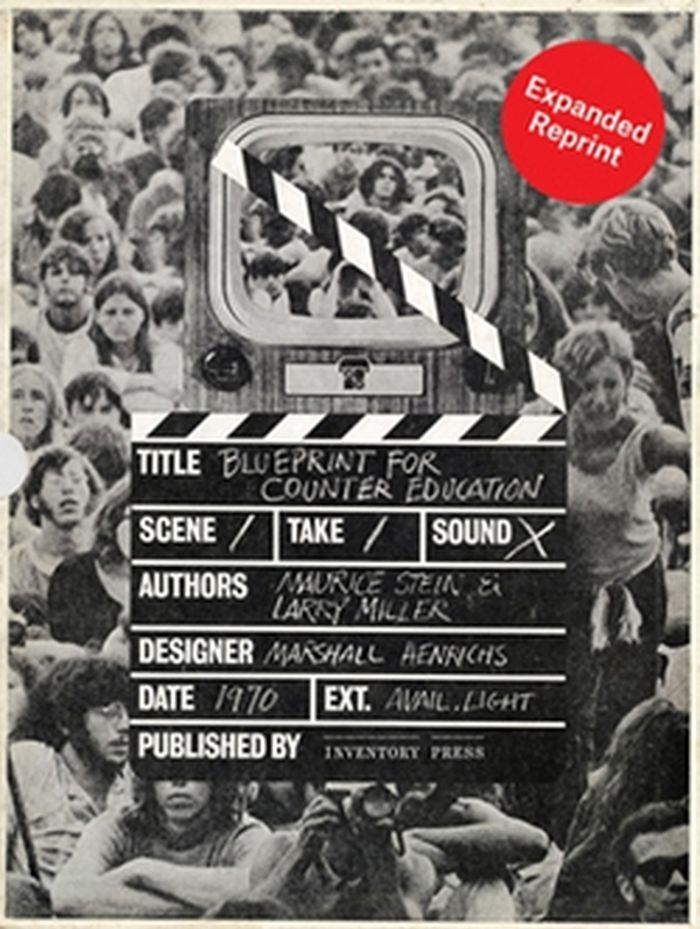
Maurice R. Stein and Larry Miller’s 'Blueprint for Counter Education' is one of the defining (but neglected) works of radical pedagogy of the Vietnam War era. Originally published as a boxed set by Doubleday in 1970, the book was accompanied by large graphic posters that could serve as a portable learning environment for a new process-based model of education, and a bibliography and checklist that map patterns and relationships between radical thought and artistic practices—from the modernist avant-gardes to postmodernism, from the Bauhaus to Black Mountain College, from Theodor Adorno and Walter Benjamin to Buckminster Fuller and Norman O. Brown—with Herbert Marcuse and Marshall McLuhan serving as points of anchorage. 'Blueprint for Counter Education' thus serves as a vital synthesis of the numerous intellectual currents in the countercultural debate on the radical reform of schools, universities and ways of learning. To accompany this new facsimile edition of the book and posters, an 80-page booklet features a conversation with the original Blueprint creators, Maurice R. Stein, Larry Miller and designer Marshall Henrichs, as well as essays from Jeffrey Schnapp, Paul Cronin and notes on the design by Adam Michaels of Project Projects.
Blueprint for counter education
Actions:
Prix:
$70.00
(disponible sur commande)
Résumé:
Maurice R. Stein and Larry Miller’s 'Blueprint for Counter Education' is one of the defining (but neglected) works of radical pedagogy of the Vietnam War era. Originally published as a boxed set by Doubleday in 1970, the book was accompanied by large graphic posters that could serve as a portable learning environment for a new process-based model of education, and a bibliography and checklist that map patterns and relationships between radical thought and artistic practices—from the modernist avant-gardes to postmodernism, from the Bauhaus to Black Mountain College, from Theodor Adorno and Walter Benjamin to Buckminster Fuller and Norman O. Brown—with Herbert Marcuse and Marshall McLuhan serving as points of anchorage. 'Blueprint for Counter Education' thus serves as a vital synthesis of the numerous intellectual currents in the countercultural debate on the radical reform of schools, universities and ways of learning. To accompany this new facsimile edition of the book and posters, an 80-page booklet features a conversation with the original Blueprint creators, Maurice R. Stein, Larry Miller and designer Marshall Henrichs, as well as essays from Jeffrey Schnapp, Paul Cronin and notes on the design by Adam Michaels of Project Projects.
Classification:
livres
livres
Publication:
février 2016
février 2016
Sujet:
Muséologie
Muséologie
Classification:
livres
livres
Actions:
Exemplaires:
Description:
xv, 732 pages : illustrations (some color) ; 32 cm
Description:
xv, 732 pages : illustrations (some color) ; 32 cm
Auteur:
Sujet:
Publication:
New York : Guggenheim Museum : Distributed by Rizzoli International Publications, ©1992.
New York : Guggenheim Museum : Distributed by Rizzoli International Publications, ©1992.
Titre:
The great utopia : the Russian and Soviet avant-garde, 1915-1932 / Solomon R. Guggenheim Museum [and others].
Actions:
Exemplaires:
Description:
xv, 732 pages : illustrations (some color) ; 32 cm
The great utopia : the Russian and Soviet avant-garde, 1915-1932 / Solomon R. Guggenheim Museum [and others].
Actions:
Exemplaires:
Description:
xv, 732 pages : illustrations (some color) ; 32 cm
Classification:
livres
livres
Publication:
New York : Guggenheim Museum : Distributed by Rizzoli International Publications, ©1992.
New York : Guggenheim Museum : Distributed by Rizzoli International Publications, ©1992.
Auteur:
Sujet:
Classification:
livres
livres

Actions:
Prix:
$20.00
(disponible en magasin)
Résumé:
Almost ten years ago, Canary architectural practice AmP with its founders Felipe Artengo Rufino and José Pastrana (and their former partner Fernando Menis / Today: Menis Arquitectos) received acclaim far beyond their own country of Spain with their government building for the Canary Islands. A decisive factor for the international success of the team, which can be(...)
$20.00
(disponible en magasin)
Résumé:
Almost ten years ago, Canary architectural practice AmP with its founders Felipe Artengo Rufino and José Pastrana (and their former partner Fernando Menis / Today: Menis Arquitectos) received acclaim far beyond their own country of Spain with their government building for the Canary Islands. A decisive factor for the international success of the team, which can be(...)
Titre:
Amp - the mark of the volcano : artengo + pastrana
Actions:
Prix:
$20.00
(disponible en magasin)
Résumé:
Almost ten years ago, Canary architectural practice AmP with its founders Felipe Artengo Rufino and José Pastrana (and their former partner Fernando Menis / Today: Menis Arquitectos) received acclaim far beyond their own country of Spain with their government building for the Canary Islands. A decisive factor for the international success of the team, which can be considered neither minimalist nor traditionalist, was the congenial mixture of four elements: their expressionist creative impulse, their deep roots in their home environment, the Canary Islands, their sculptural approach to architecture and the creative use of concrete as design element in combination with local materials. These vital aspects of their architecture also characterize the latest works of AmP, which are always the result of exact observations of space and locality. The Aedes exhibition’s focus is on the athletics stadium in Tenerife which was completed this year. Fitted like a giant earth and stone embankment into the suburban context, it represents at the same time a master piece of modern high-tech architecture. The two residential towers in Añaza, 2007, which have already gained landmark character and are an example of an offbeat approach to council housing in Spain, appear like giant concrete sculptures with their slightly bent shape and their odd-sized windows irregularly dispersed throughout the façade. Other projects are the court house in Santa Cruz, 2007 (competition entry), the extension building Cabildo, 2007 and a school in Orotawa, 2005. The competition entry for the harbour area in Los Cristianos, 2007, illustrates the sensitive approach of Felipe Artengo Rufino und José Pastrana within the urban context, achieving a user- friendly transformation of this area where the city meets the sea, for residents as well as for tourist. A fundamental principle of AmP would be to understand a place as a sediment of geological and climatic forces, of industrial, agrarian and urban residue, permeated by sociological and cultural components. Closeness to their environment and the means at their disposal enable Felipe Artengo Rufino and José Pastrana to do research in situ and thus create a clearly defined architecture. The scenic variety of the islands, in which light plays an essential role, has a strong influence on their design process. The effects of time on their work are vital to AmP. The aging process of their favourite materials concrete, stone and timber fosters a continuous natural change which accentuates the power of architecture and makes the formal and structural aspects become even more evident in the course of time.
Amp - the mark of the volcano : artengo + pastrana
Actions:
Prix:
$20.00
(disponible en magasin)
Résumé:
Almost ten years ago, Canary architectural practice AmP with its founders Felipe Artengo Rufino and José Pastrana (and their former partner Fernando Menis / Today: Menis Arquitectos) received acclaim far beyond their own country of Spain with their government building for the Canary Islands. A decisive factor for the international success of the team, which can be considered neither minimalist nor traditionalist, was the congenial mixture of four elements: their expressionist creative impulse, their deep roots in their home environment, the Canary Islands, their sculptural approach to architecture and the creative use of concrete as design element in combination with local materials. These vital aspects of their architecture also characterize the latest works of AmP, which are always the result of exact observations of space and locality. The Aedes exhibition’s focus is on the athletics stadium in Tenerife which was completed this year. Fitted like a giant earth and stone embankment into the suburban context, it represents at the same time a master piece of modern high-tech architecture. The two residential towers in Añaza, 2007, which have already gained landmark character and are an example of an offbeat approach to council housing in Spain, appear like giant concrete sculptures with their slightly bent shape and their odd-sized windows irregularly dispersed throughout the façade. Other projects are the court house in Santa Cruz, 2007 (competition entry), the extension building Cabildo, 2007 and a school in Orotawa, 2005. The competition entry for the harbour area in Los Cristianos, 2007, illustrates the sensitive approach of Felipe Artengo Rufino und José Pastrana within the urban context, achieving a user- friendly transformation of this area where the city meets the sea, for residents as well as for tourist. A fundamental principle of AmP would be to understand a place as a sediment of geological and climatic forces, of industrial, agrarian and urban residue, permeated by sociological and cultural components. Closeness to their environment and the means at their disposal enable Felipe Artengo Rufino and José Pastrana to do research in situ and thus create a clearly defined architecture. The scenic variety of the islands, in which light plays an essential role, has a strong influence on their design process. The effects of time on their work are vital to AmP. The aging process of their favourite materials concrete, stone and timber fosters a continuous natural change which accentuates the power of architecture and makes the formal and structural aspects become even more evident in the course of time.
Classification:
livres
livres
Publication:
juillet 2007, Berlin
juillet 2007, Berlin
Sujet:
petits formats
petits formats
Classification:
livres
livres
Titre:
Mapping Malcolm
Mapping Malcolm
Actions:
Prix:
$38.00
(disponible en magasin)
Résumé:
"For Harlem is where he worked and where he struggled and fought—his home of homes, where his heart was, and where his people are." Nearly sixty years since the martyrdom of Malcolm X, these words from Ossie Davis’s eulogy remind us that Malcolm’s political and religious beliefs and conceptions of culture have profoundly shaped and been shaped by Harlem. "Mapping Malcolm"(...)
$38.00
(disponible en magasin)
Résumé:
"For Harlem is where he worked and where he struggled and fought—his home of homes, where his heart was, and where his people are." Nearly sixty years since the martyrdom of Malcolm X, these words from Ossie Davis’s eulogy remind us that Malcolm’s political and religious beliefs and conceptions of culture have profoundly shaped and been shaped by Harlem. "Mapping Malcolm"(...)
Titre:
Mapping Malcolm
Actions:
Prix:
$38.00
(disponible en magasin)
Résumé:
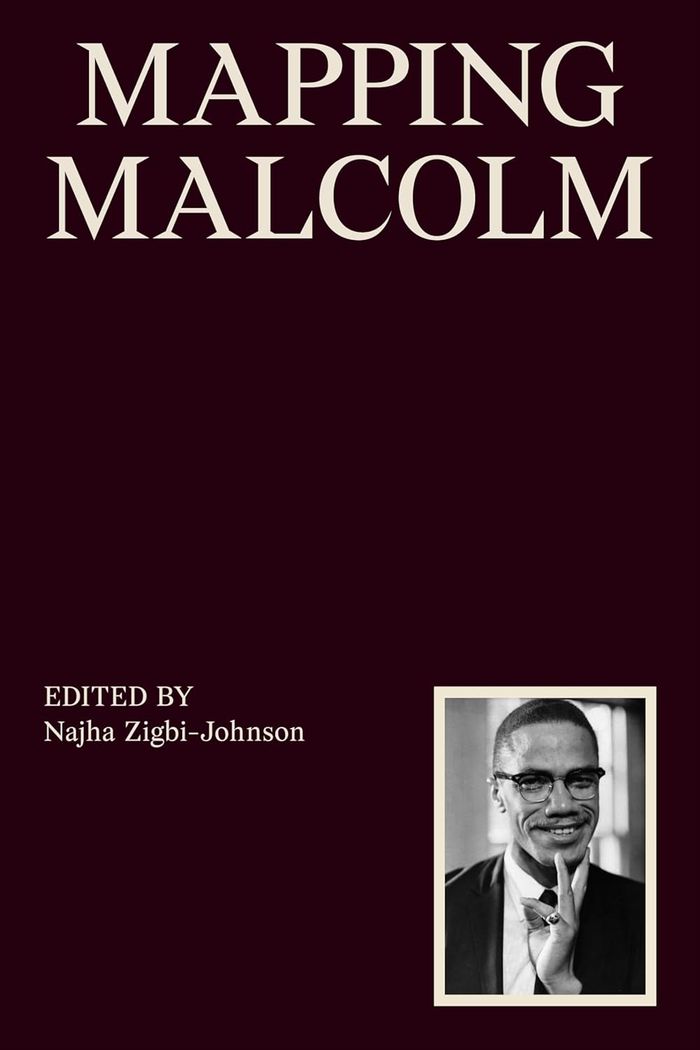
"For Harlem is where he worked and where he struggled and fought—his home of homes, where his heart was, and where his people are." Nearly sixty years since the martyrdom of Malcolm X, these words from Ossie Davis’s eulogy remind us that Malcolm’s political and religious beliefs and conceptions of culture have profoundly shaped and been shaped by Harlem. "Mapping Malcolm" continues the project of reinscribing Malcolm X’s memory and legacy in the present by exploring his commitment to community building and his articulation of a global power analysis as it continues to manifest across New York City today. More specifically, the book explores the limits and possibilities of the archive, the political, material, and philosophical legacy of the Black radical tradition, the Black diaspora, and the state. Oriented toward sovereignty and liberation, ''Mapping Malcolm'' brings together artists, community organizers, and scholars to consider the politics of Black space-making in Harlem through a range of historical, cultural, and anti-imperialist worldviews designed to offer new, reparatory pedagogical possibilities. Together, they reconfigure how we understand, employ, and carry forward Malcolm X’s sociopolitical, cross-cultural analyses of justice and power as an everyday praxis in the built environment and beyond.
Mapping Malcolm
Actions:
Prix:
$38.00
(disponible en magasin)
Résumé:
"For Harlem is where he worked and where he struggled and fought—his home of homes, where his heart was, and where his people are." Nearly sixty years since the martyrdom of Malcolm X, these words from Ossie Davis’s eulogy remind us that Malcolm’s political and religious beliefs and conceptions of culture have profoundly shaped and been shaped by Harlem. "Mapping Malcolm" continues the project of reinscribing Malcolm X’s memory and legacy in the present by exploring his commitment to community building and his articulation of a global power analysis as it continues to manifest across New York City today. More specifically, the book explores the limits and possibilities of the archive, the political, material, and philosophical legacy of the Black radical tradition, the Black diaspora, and the state. Oriented toward sovereignty and liberation, ''Mapping Malcolm'' brings together artists, community organizers, and scholars to consider the politics of Black space-making in Harlem through a range of historical, cultural, and anti-imperialist worldviews designed to offer new, reparatory pedagogical possibilities. Together, they reconfigure how we understand, employ, and carry forward Malcolm X’s sociopolitical, cross-cultural analyses of justice and power as an everyday praxis in the built environment and beyond.
Classification:
livres
livres
Publication:
mai 2024
mai 2024
Sujet:
Social
Social
Classification:
livres
livres
Actions:
Prix:
$38.95
(disponible sur commande)
Résumé:
Conceived and directed by Emilio Ambasz. With essays by Jean Baudrillard, Manuel Castells, Gillo Dorfles, Ronald Dworkin, Umberto Eco, Erich Jantsch, Suzanne Keller, Gyorgy Kepes, Richard L. Meier, Martin Pawley, Octavio Paz, Anatol Rapoport, Meyer Schapiro, Carl Schorske and Jivan Tabibian, among others. With foreword by Terrance Riley. In January of 1972, The Museum(...)
$38.95
(disponible sur commande)
Résumé:
Conceived and directed by Emilio Ambasz. With essays by Jean Baudrillard, Manuel Castells, Gillo Dorfles, Ronald Dworkin, Umberto Eco, Erich Jantsch, Suzanne Keller, Gyorgy Kepes, Richard L. Meier, Martin Pawley, Octavio Paz, Anatol Rapoport, Meyer Schapiro, Carl Schorske and Jivan Tabibian, among others. With foreword by Terrance Riley. In January of 1972, The Museum(...)
Titre:
The universitas project : solutions for a post-technological society
Actions:
Prix:
$38.95
(disponible sur commande)
Résumé:
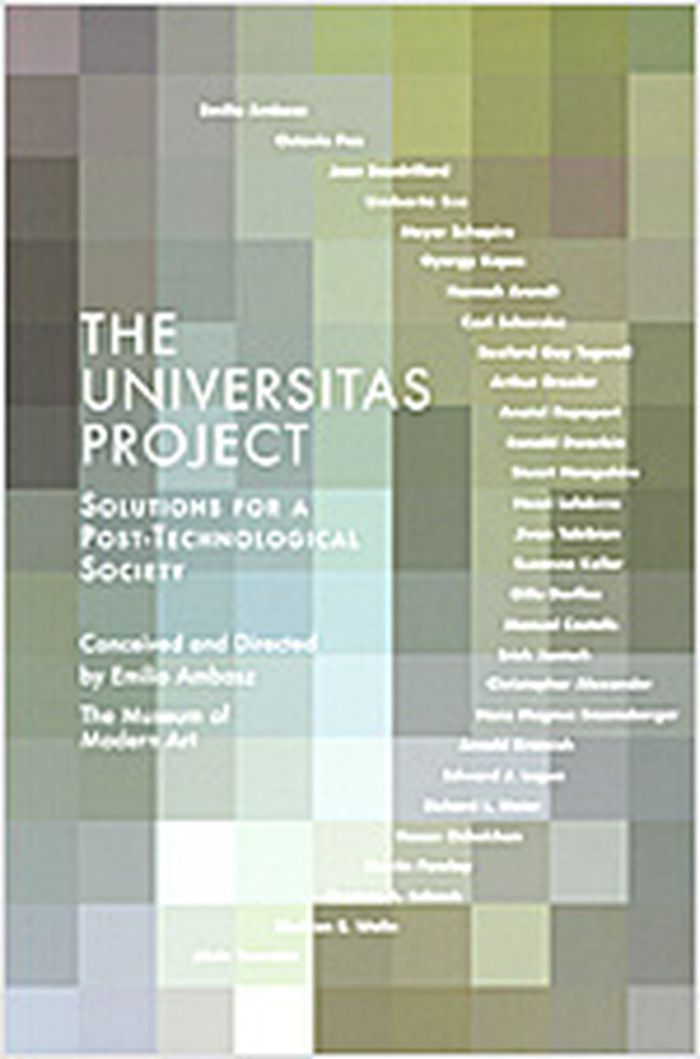
Conceived and directed by Emilio Ambasz. With essays by Jean Baudrillard, Manuel Castells, Gillo Dorfles, Ronald Dworkin, Umberto Eco, Erich Jantsch, Suzanne Keller, Gyorgy Kepes, Richard L. Meier, Martin Pawley, Octavio Paz, Anatol Rapoport, Meyer Schapiro, Carl Schorske and Jivan Tabibian, among others. With foreword by Terrance Riley. In January of 1972, The Museum of Modern Art hosted "The universitas project," a two-day conference sponsored by the Museum’s International Council and the Institute for Architecture and Urban Studies. The participants, from a wide range of scholarly and artistic disciplines, engaged in a multidisciplinary debate on the future of design and design institutions in the postindustrial era. The project was originally described as "a critical and prospective inquiry into the relation of man to the natural and the sociocultural environment...specifically planned to explore the possibility of establishing in the United States a new type of institution centered around the task of evaluating and designing the man-made milieu." This volume publishes in their entirety the various components of the conference : the working papers that set the terms of the debate; the essays submitted by the invitees; the proceedings of the symposia responding to the papers; and the postscripts provided by the participants after the event.
The universitas project : solutions for a post-technological society
Actions:
Prix:
$38.95
(disponible sur commande)
Résumé:
Conceived and directed by Emilio Ambasz. With essays by Jean Baudrillard, Manuel Castells, Gillo Dorfles, Ronald Dworkin, Umberto Eco, Erich Jantsch, Suzanne Keller, Gyorgy Kepes, Richard L. Meier, Martin Pawley, Octavio Paz, Anatol Rapoport, Meyer Schapiro, Carl Schorske and Jivan Tabibian, among others. With foreword by Terrance Riley. In January of 1972, The Museum of Modern Art hosted "The universitas project," a two-day conference sponsored by the Museum’s International Council and the Institute for Architecture and Urban Studies. The participants, from a wide range of scholarly and artistic disciplines, engaged in a multidisciplinary debate on the future of design and design institutions in the postindustrial era. The project was originally described as "a critical and prospective inquiry into the relation of man to the natural and the sociocultural environment...specifically planned to explore the possibility of establishing in the United States a new type of institution centered around the task of evaluating and designing the man-made milieu." This volume publishes in their entirety the various components of the conference : the working papers that set the terms of the debate; the essays submitted by the invitees; the proceedings of the symposia responding to the papers; and the postscripts provided by the participants after the event.
Classification:
livres
livres
Publication:
août 2006, New York
août 2006, New York
Sujet:
Théorie de l’architecture
Théorie de l’architecture


