


13794 Résultats
Classification:
livres
livres
Titre:
Weather architecture
Weather architecture
Actions:
Prix:
$69.95
(disponible sur commande)
Résumé:
Further extending Jonathan Hill's investigation of authorship, this book recognizes the weather as a creative architectural force alongside the designer and user. Although acknowledging the influence of the client, contractor and engineer, the relations between the designer, user and weather are the focus of this book. Environmental discussions in architecture tend(...)
$69.95
(disponible sur commande)
Résumé:
Further extending Jonathan Hill's investigation of authorship, this book recognizes the weather as a creative architectural force alongside the designer and user. Although acknowledging the influence of the client, contractor and engineer, the relations between the designer, user and weather are the focus of this book. Environmental discussions in architecture tend(...)
Titre:
Weather architecture
Actions:
Prix:
$69.95
(disponible sur commande)
Résumé:
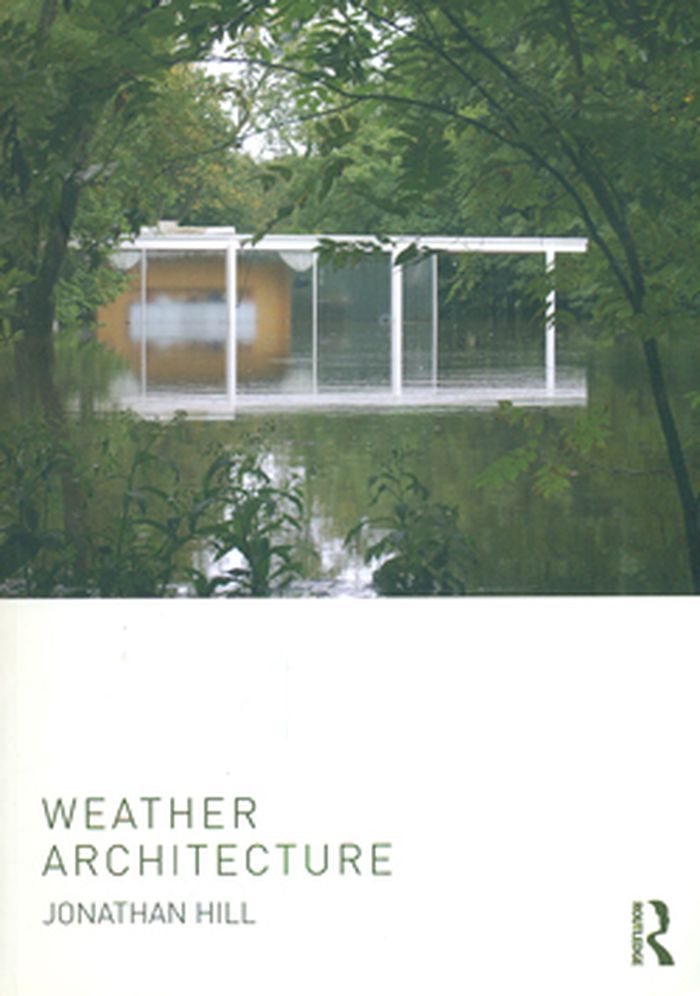
Further extending Jonathan Hill's investigation of authorship, this book recognizes the weather as a creative architectural force alongside the designer and user. Although acknowledging the influence of the client, contractor and engineer, the relations between the designer, user and weather are the focus of this book. Environmental discussions in architecture tend to focus on the practical or the poetic but here they are considered together. Rather than investigate architecture's relations to the weather in isolation, they are integrated into a wider discussion of cultural and social influences on architecture. The analysis of weather's effects on the design and experience of specific buildings and gardens is interwoven with a historical survey of changing attitudes to the weather in the arts, sciences and society, leading to a critical re-evaluation of contemporary responses to climate change.
Weather architecture
Actions:
Prix:
$69.95
(disponible sur commande)
Résumé:
Further extending Jonathan Hill's investigation of authorship, this book recognizes the weather as a creative architectural force alongside the designer and user. Although acknowledging the influence of the client, contractor and engineer, the relations between the designer, user and weather are the focus of this book. Environmental discussions in architecture tend to focus on the practical or the poetic but here they are considered together. Rather than investigate architecture's relations to the weather in isolation, they are integrated into a wider discussion of cultural and social influences on architecture. The analysis of weather's effects on the design and experience of specific buildings and gardens is interwoven with a historical survey of changing attitudes to the weather in the arts, sciences and society, leading to a critical re-evaluation of contemporary responses to climate change.
Classification:
livres
livres
Publication:
mai 2012
mai 2012
Sujet:
Théorie de l’architecture
Théorie de l’architecture
Classification:
livres
livres
Titre:
Kant for architects
Kant for architects
Actions:
Prix:
$37.70
(disponible sur commande)
Résumé:
This book introduces architects to a philosopher, Immanuel Kant, whose work was constantly informed by a concern for the world as an evolving whole. According to Kant, in this interconnected and dynamic world, humans should act as mutually dependent and responsible subjects. Given his future-oriented and ethico-politically concerned thinking, Kant is a thinker who clearly(...)
$37.70
(disponible sur commande)
Résumé:
This book introduces architects to a philosopher, Immanuel Kant, whose work was constantly informed by a concern for the world as an evolving whole. According to Kant, in this interconnected and dynamic world, humans should act as mutually dependent and responsible subjects. Given his future-oriented and ethico-politically concerned thinking, Kant is a thinker who clearly(...)
Titre:
Kant for architects
Actions:
Prix:
$37.70
(disponible sur commande)
Résumé:
This book introduces architects to a philosopher, Immanuel Kant, whose work was constantly informed by a concern for the world as an evolving whole. According to Kant, in this interconnected and dynamic world, humans should act as mutually dependent and responsible subjects. Given his future-oriented and ethico-politically concerned thinking, Kant is a thinker who clearly speaks to architects. This introduction demonstrates how his ideas bear pertinently and creatively upon the world in which we live now and for which we should care thoughtfully.
Kant for architects
Actions:
Prix:
$37.70
(disponible sur commande)
Résumé:
This book introduces architects to a philosopher, Immanuel Kant, whose work was constantly informed by a concern for the world as an evolving whole. According to Kant, in this interconnected and dynamic world, humans should act as mutually dependent and responsible subjects. Given his future-oriented and ethico-politically concerned thinking, Kant is a thinker who clearly speaks to architects. This introduction demonstrates how his ideas bear pertinently and creatively upon the world in which we live now and for which we should care thoughtfully.
Classification:
livres
livres
Publication:
septembre 2017
septembre 2017
Sujet:
Théorie de l’architecture
Théorie de l’architecture
Classification:
livres
livres
Prix:
$58.95
(disponible sur commande)
Résumé:
In the years of reconstruction and economic boom that followed the Second World War, the domestic sphere encountered new expectations regarding social behaviour, modes of living, and forms of dwelling. This book brings together an international group of scholars from architecture, design, urban planning, and interior design to reappraise mid-twentieth century modern life,(...)
$58.95
(disponible sur commande)
Résumé:
In the years of reconstruction and economic boom that followed the Second World War, the domestic sphere encountered new expectations regarding social behaviour, modes of living, and forms of dwelling. This book brings together an international group of scholars from architecture, design, urban planning, and interior design to reappraise mid-twentieth century modern life,(...)
Titre:
Atomic dwelling: anxiety, domesticity, and postwar architecture
Actions:
Prix:
$58.95
(disponible sur commande)
Résumé:
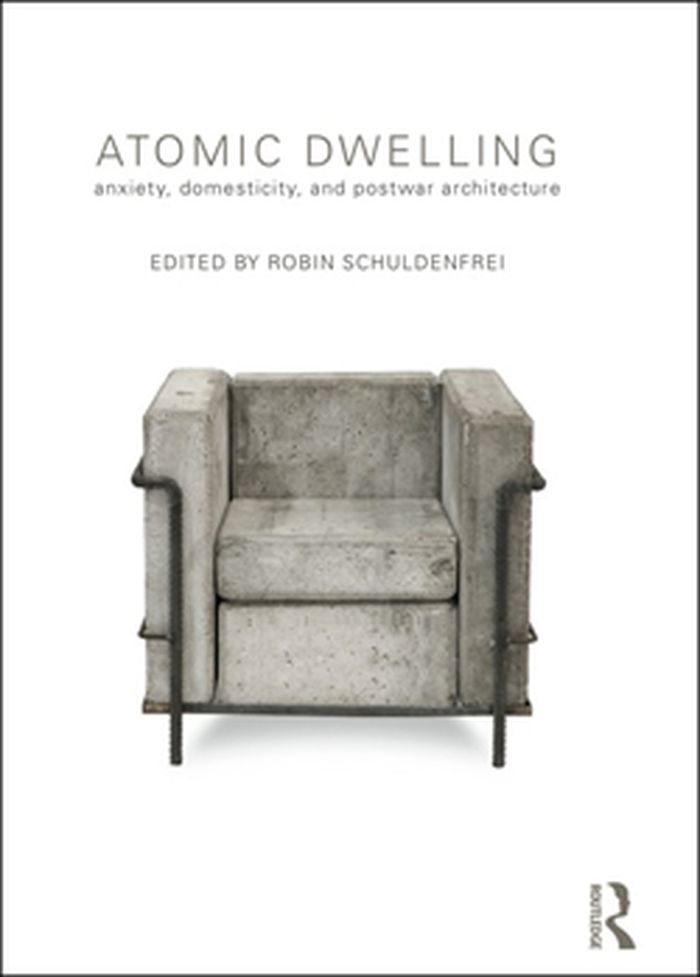
In the years of reconstruction and economic boom that followed the Second World War, the domestic sphere encountered new expectations regarding social behaviour, modes of living, and forms of dwelling. This book brings together an international group of scholars from architecture, design, urban planning, and interior design to reappraise mid-twentieth century modern life, offering a timely reassessment of culture and the economic and political effects on civilian life. This collection contains essays that examine the material of art, objects, and spaces in the context of practices of dwelling over the long span of the postwar period. It asks what role material objects, interior spaces, and architecture played in quelling or fanning the anxieties of modernism’s ordinary denizens, and how this role informs their legacy today.
Atomic dwelling: anxiety, domesticity, and postwar architecture
Actions:
Prix:
$58.95
(disponible sur commande)
Résumé:
In the years of reconstruction and economic boom that followed the Second World War, the domestic sphere encountered new expectations regarding social behaviour, modes of living, and forms of dwelling. This book brings together an international group of scholars from architecture, design, urban planning, and interior design to reappraise mid-twentieth century modern life, offering a timely reassessment of culture and the economic and political effects on civilian life. This collection contains essays that examine the material of art, objects, and spaces in the context of practices of dwelling over the long span of the postwar period. It asks what role material objects, interior spaces, and architecture played in quelling or fanning the anxieties of modernism’s ordinary denizens, and how this role informs their legacy today.
Classification:
livres
livres
Publication:
mai 2012
mai 2012
Sujet:
Théorie de l’architecture
Théorie de l’architecture
Classification:
livres
livres
Titre:
Dwelling with architecture
Dwelling with architecture
Actions:
Prix:
$53.95
(disponible sur commande)
Résumé:
This book can be read in a number of ways. It is first a book about houses and particularly the theme 'dwelling and the land'. It examines the poetic and prosaic issues inherent in claiming a piece of the landscape to live on. It could also be seen as a kind of road map, full of both warnings and encouragements for all those involved with, or just interested in, the(...)
$53.95
(disponible sur commande)
Résumé:
This book can be read in a number of ways. It is first a book about houses and particularly the theme 'dwelling and the land'. It examines the poetic and prosaic issues inherent in claiming a piece of the landscape to live on. It could also be seen as a kind of road map, full of both warnings and encouragements for all those involved with, or just interested in, the(...)
Titre:
Dwelling with architecture
Actions:
Prix:
$53.95
(disponible sur commande)
Résumé:
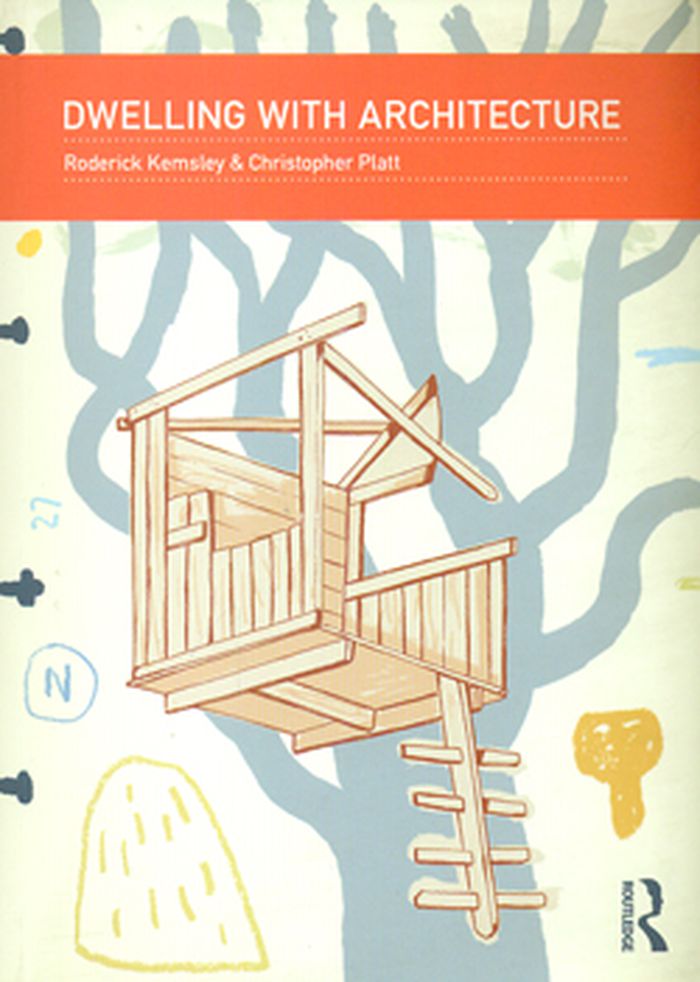
This book can be read in a number of ways. It is first a book about houses and particularly the theme 'dwelling and the land'. It examines the poetic and prosaic issues inherent in claiming a piece of the landscape to live on. It could also be seen as a kind of road map, full of both warnings and encouragements for all those involved with, or just interested in, the making of houses.
Dwelling with architecture
Actions:
Prix:
$53.95
(disponible sur commande)
Résumé:
This book can be read in a number of ways. It is first a book about houses and particularly the theme 'dwelling and the land'. It examines the poetic and prosaic issues inherent in claiming a piece of the landscape to live on. It could also be seen as a kind of road map, full of both warnings and encouragements for all those involved with, or just interested in, the making of houses.
Classification:
livres
livres
Publication:
mai 2012
mai 2012
Sujet:
Théorie de l’architecture
Théorie de l’architecture
Classification:
livres
livres
Prix:
$38.50
(disponible sur commande)
Résumé:
"Designed for Habitat presents potent evidence of the link between design and dignity, particularly in the context of low-income housing. It captures a crucial trifecta of perspectives - Habitat for Humanity leaders, homeowners, and designers. Their powerful, sometimes explosive stories aren't sugarcoated by Hinson and Miller; the pair makes clear that these(...)
$38.50
(disponible sur commande)
Résumé:
"Designed for Habitat presents potent evidence of the link between design and dignity, particularly in the context of low-income housing. It captures a crucial trifecta of perspectives - Habitat for Humanity leaders, homeowners, and designers. Their powerful, sometimes explosive stories aren't sugarcoated by Hinson and Miller; the pair makes clear that these(...)
Titre:
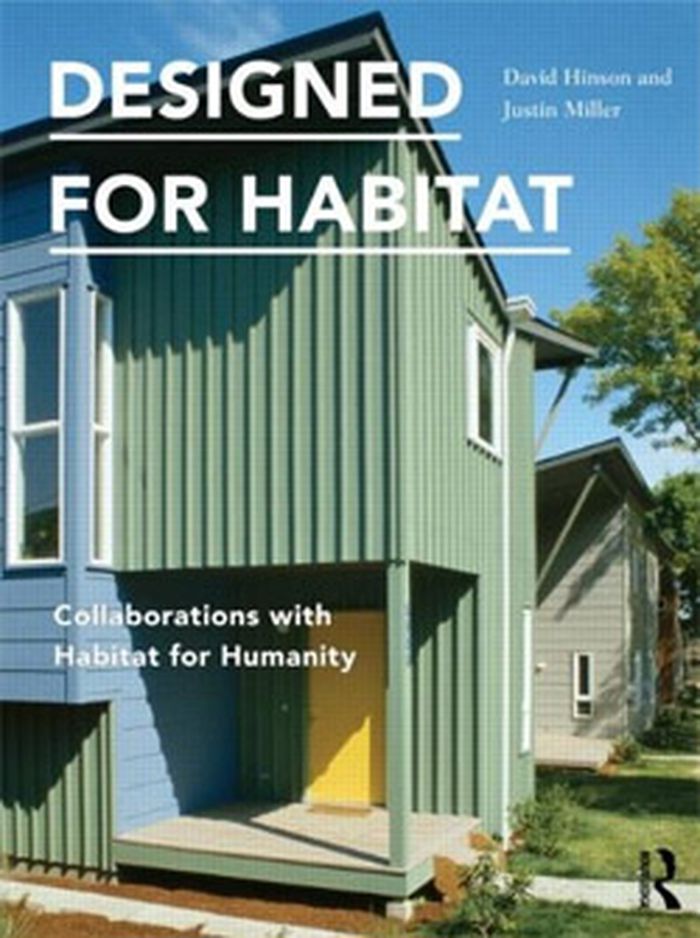
Designed for habitat : collaborations with Habitat for humanity
Actions:
Prix:
$38.50
(disponible sur commande)
Résumé:
"Designed for Habitat presents potent evidence of the link between design and dignity, particularly in the context of low-income housing. It captures a crucial trifecta of perspectives - Habitat for Humanity leaders, homeowners, and designers. Their powerful, sometimes explosive stories aren't sugarcoated by Hinson and Miller; the pair makes clear that these collaborations present huge challenges for often-opposing cultures, but can yield unprecedented payoffs. With America's housing in a perpetual state of crisis, such partnerships are more important than ever. This highly-instructive, landmark book is an unmatched guide for future collaborations. It communicates so clearly and so convincingly to Habitat and its homeowners that they too deserve good design; indeed, we all do." -John Cary, Author, The Power of Pro Bono; Founder & Editor, PublicInterestDesign.org
Designed for habitat : collaborations with Habitat for humanity
Actions:
Prix:
$38.50
(disponible sur commande)
Résumé:
"Designed for Habitat presents potent evidence of the link between design and dignity, particularly in the context of low-income housing. It captures a crucial trifecta of perspectives - Habitat for Humanity leaders, homeowners, and designers. Their powerful, sometimes explosive stories aren't sugarcoated by Hinson and Miller; the pair makes clear that these collaborations present huge challenges for often-opposing cultures, but can yield unprecedented payoffs. With America's housing in a perpetual state of crisis, such partnerships are more important than ever. This highly-instructive, landmark book is an unmatched guide for future collaborations. It communicates so clearly and so convincingly to Habitat and its homeowners that they too deserve good design; indeed, we all do." -John Cary, Author, The Power of Pro Bono; Founder & Editor, PublicInterestDesign.org
Classification:
livres
livres
Publication:
août 2012
août 2012
Sujet:
Théorie de l’architecture
Théorie de l’architecture
Classification:
livres
livres
Actions:
Prix:
$22.95
(disponible sur commande)
Résumé:
F.R. David is a journal published twice-yearly by 'de Appel' arts centre, Amsterdam,in co-edition with Will Holder, founder of 'the Werkplaats Typografie'. It focuses on the 'status' of writing in contemporary art practice. Writing as 'the core material' of a number of visual artists but equally as a mode that exists parallel to or in service of the visual. This issue is(...)
$22.95
(disponible sur commande)
Résumé:
F.R. David is a journal published twice-yearly by 'de Appel' arts centre, Amsterdam,in co-edition with Will Holder, founder of 'the Werkplaats Typografie'. It focuses on the 'status' of writing in contemporary art practice. Writing as 'the core material' of a number of visual artists but equally as a mode that exists parallel to or in service of the visual. This issue is(...)
Titre:
F.R. David Summer 2011 : Spin cycle
Actions:
Prix:
$22.95
(disponible sur commande)
Résumé:
F.R. David is a journal published twice-yearly by 'de Appel' arts centre, Amsterdam,in co-edition with Will Holder, founder of 'the Werkplaats Typografie'. It focuses on the 'status' of writing in contemporary art practice. Writing as 'the core material' of a number of visual artists but equally as a mode that exists parallel to or in service of the visual. This issue is part of a project curated by the participants of de Appel Curatorial Programme 07/08, who have hijacked the journal to encapsulate their intentions (shared, stolen or otherwise discovered). The journal explores the many intersections between circulation and storytelling.
F.R. David Summer 2011 : Spin cycle
Actions:
Prix:
$22.95
(disponible sur commande)
Résumé:
F.R. David is a journal published twice-yearly by 'de Appel' arts centre, Amsterdam,in co-edition with Will Holder, founder of 'the Werkplaats Typografie'. It focuses on the 'status' of writing in contemporary art practice. Writing as 'the core material' of a number of visual artists but equally as a mode that exists parallel to or in service of the visual. This issue is part of a project curated by the participants of de Appel Curatorial Programme 07/08, who have hijacked the journal to encapsulate their intentions (shared, stolen or otherwise discovered). The journal explores the many intersections between circulation and storytelling.
Classification:
livres
livres
Publication:
juin 2012
juin 2012
Sujet:
Théorie de l’art
Théorie de l’art
Classification:
livres
livres
Actions:
Prix:
$29.00
(disponible sur commande)
Résumé:
Suite à L’habiter dans sa poétique première, ce livre recueille les actes du colloque tenu en septembre 2009 à Cerisy-la-Salle. Il s’agit à présent de la création, c’est-à-dire de la poïétique d’un monde autre que l’insoutenable monde actuel. Insoutenable, notre monde l’est puisque non viable écologiquement, injustifiable moralement (car de plus en plus inégalitaire), et(...)
$29.00
(disponible sur commande)
Résumé:
Suite à L’habiter dans sa poétique première, ce livre recueille les actes du colloque tenu en septembre 2009 à Cerisy-la-Salle. Il s’agit à présent de la création, c’est-à-dire de la poïétique d’un monde autre que l’insoutenable monde actuel. Insoutenable, notre monde l’est puisque non viable écologiquement, injustifiable moralement (car de plus en plus inégalitaire), et(...)
Sujet:
Théorie de l’architecture
Théorie de l’architecture
Publication:
juin 2012
juin 2012
Titre:
Donner lieu au monde : la poétique de l’habiter
Actions:
Prix:
$29.00
(disponible sur commande)
Résumé:
Suite à L’habiter dans sa poétique première, ce livre recueille les actes du colloque tenu en septembre 2009 à Cerisy-la-Salle. Il s’agit à présent de la création, c’est-à-dire de la poïétique d’un monde autre que l’insoutenable monde actuel. Insoutenable, notre monde l’est puisque non viable écologiquement, injustifiable moralement (car de plus en plus inégalitaire), et inacceptable esthétiquement (car il « tue le paysage »). Dans la réarticulation cosmologique du Vrai (ici l’adéquation de notre mode de vie aux capacités de la Terre), du Bien et du Beau, les auteurs ont donc été invités à imaginer un nouveau poème du monde, au-delà de la modernité qui l’a fait taire en disjoignant les champs respectifs de la technoscience, de l’éthique et de l’esthétique.
Donner lieu au monde : la poétique de l’habiter
Actions:
Prix:
$29.00
(disponible sur commande)
Résumé:
Suite à L’habiter dans sa poétique première, ce livre recueille les actes du colloque tenu en septembre 2009 à Cerisy-la-Salle. Il s’agit à présent de la création, c’est-à-dire de la poïétique d’un monde autre que l’insoutenable monde actuel. Insoutenable, notre monde l’est puisque non viable écologiquement, injustifiable moralement (car de plus en plus inégalitaire), et inacceptable esthétiquement (car il « tue le paysage »). Dans la réarticulation cosmologique du Vrai (ici l’adéquation de notre mode de vie aux capacités de la Terre), du Bien et du Beau, les auteurs ont donc été invités à imaginer un nouveau poème du monde, au-delà de la modernité qui l’a fait taire en disjoignant les champs respectifs de la technoscience, de l’éthique et de l’esthétique.
Classification:
livres
livres
Publication:
juin 2012
juin 2012
Sujet:
Théorie de l’architecture
Théorie de l’architecture
Classification:
livres
livres
Actions:
Prix:
$29.00
(disponible sur commande)
Résumé:
Le livre recueille les actes du colloque tenu à Cerisy-la-Salle, du 1 er au 8 septembre 2006. Le point de départ est la phrase de F. Hölderlin que M. Heidegger a rendu fameuse : « L’humain habite en poète ». Cette idée, peu à peu diffusée, a fini par subvertir les dogmes fonctionnalistes du mouvement moderne en architecture. Une maison est davantage qu’une « machine à(...)
$29.00
(disponible sur commande)
Résumé:
Le livre recueille les actes du colloque tenu à Cerisy-la-Salle, du 1 er au 8 septembre 2006. Le point de départ est la phrase de F. Hölderlin que M. Heidegger a rendu fameuse : « L’humain habite en poète ». Cette idée, peu à peu diffusée, a fini par subvertir les dogmes fonctionnalistes du mouvement moderne en architecture. Une maison est davantage qu’une « machine à(...)
Sujet:
Théorie de l’architecture
Théorie de l’architecture
Publication:
juin 2012
juin 2012
Titre:
L’habiter dans sa poétique première
Actions:
Prix:
$29.00
(disponible sur commande)
Résumé:
Le livre recueille les actes du colloque tenu à Cerisy-la-Salle, du 1 er au 8 septembre 2006. Le point de départ est la phrase de F. Hölderlin que M. Heidegger a rendu fameuse : « L’humain habite en poète ». Cette idée, peu à peu diffusée, a fini par subvertir les dogmes fonctionnalistes du mouvement moderne en architecture. Une maison est davantage qu’une « machine à habiter » ! Ce « davantage » de l’habiter humain – sa poétique – il s’est agi d’en saisir la dynamique première dans certains de ses motifs privilégiés, la spatialité, la temporalité, la corporéité, la musique, la poésie…, à partir de ce qui la fonde : la Terre, comme à la fois planète et sol phénoménologique. Cette poétique, c’est effectivement ce qui a peu à peu entraîné les participants et leurs spécialités diverses – architecture, anthropologie, chorégraphie, géographie, musique, informatique, peinture, littérature, cinema – dans la synergie que favorisait le lieu.
L’habiter dans sa poétique première
Actions:
Prix:
$29.00
(disponible sur commande)
Résumé:
Le livre recueille les actes du colloque tenu à Cerisy-la-Salle, du 1 er au 8 septembre 2006. Le point de départ est la phrase de F. Hölderlin que M. Heidegger a rendu fameuse : « L’humain habite en poète ». Cette idée, peu à peu diffusée, a fini par subvertir les dogmes fonctionnalistes du mouvement moderne en architecture. Une maison est davantage qu’une « machine à habiter » ! Ce « davantage » de l’habiter humain – sa poétique – il s’est agi d’en saisir la dynamique première dans certains de ses motifs privilégiés, la spatialité, la temporalité, la corporéité, la musique, la poésie…, à partir de ce qui la fonde : la Terre, comme à la fois planète et sol phénoménologique. Cette poétique, c’est effectivement ce qui a peu à peu entraîné les participants et leurs spécialités diverses – architecture, anthropologie, chorégraphie, géographie, musique, informatique, peinture, littérature, cinema – dans la synergie que favorisait le lieu.
Classification:
livres
livres
Publication:
juin 2012
juin 2012
Sujet:
Théorie de l’architecture
Théorie de l’architecture
Classification:
livres
livres
Actions:
Prix:
$24.95
(disponible sur commande)
Résumé:
Richard Sennett has spent an intellectual lifetime exploring how humans live in cities. In this pair of essays he visits two of the world's greatest cities at crucial moments in their history to meditate on the condition of exile in both geographical and psychic space: the Jewish Ghetto of Renaissance Venice, where state-imposed outsiderdom was translated into a rich(...)
$24.95
(disponible sur commande)
Résumé:
Richard Sennett has spent an intellectual lifetime exploring how humans live in cities. In this pair of essays he visits two of the world's greatest cities at crucial moments in their history to meditate on the condition of exile in both geographical and psychic space: the Jewish Ghetto of Renaissance Venice, where state-imposed outsiderdom was translated into a rich(...)
Titre:
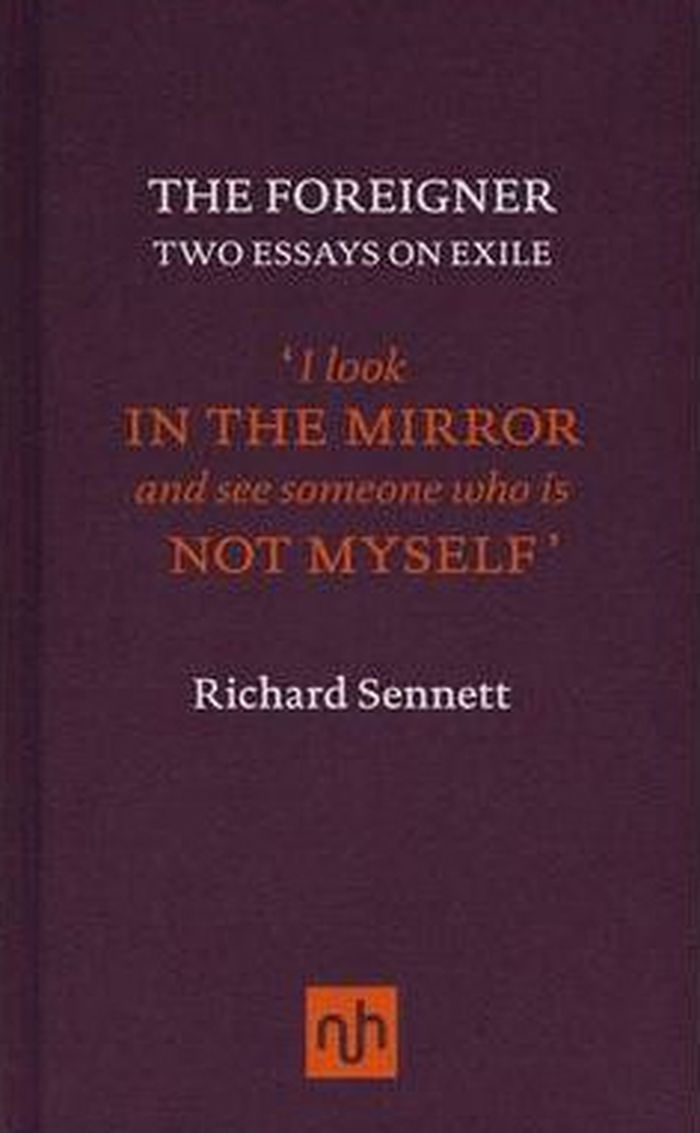
Richard Sennett : The foreigner, two essays on exile
Actions:
Prix:
$24.95
(disponible sur commande)
Résumé:
Richard Sennett has spent an intellectual lifetime exploring how humans live in cities. In this pair of essays he visits two of the world's greatest cities at crucial moments in their history to meditate on the condition of exile in both geographical and psychic space: the Jewish Ghetto of Renaissance Venice, where state-imposed outsiderdom was translated into a rich community identity; and nineteenth-century Paris, a magnet for political exiles, where the experience of displacement seeped into the city's culture at large.
Richard Sennett : The foreigner, two essays on exile
Actions:
Prix:
$24.95
(disponible sur commande)
Résumé:
Richard Sennett has spent an intellectual lifetime exploring how humans live in cities. In this pair of essays he visits two of the world's greatest cities at crucial moments in their history to meditate on the condition of exile in both geographical and psychic space: the Jewish Ghetto of Renaissance Venice, where state-imposed outsiderdom was translated into a rich community identity; and nineteenth-century Paris, a magnet for political exiles, where the experience of displacement seeped into the city's culture at large.
Classification:
livres
livres
Publication:
juin 2012
juin 2012
Sujet:
Théorie/ philosophie
Théorie/ philosophie
Classification:
livres
livres

Actions:
Prix:
$24.95
(disponible sur commande)
Résumé:
Celebrated as the man who wrote an entire novel without using the letter 'e', and another in the form of a vast jigsaw puzzle, Georges Perec found humour - and pathos - in the human need for arrangement and classification. The essays in Thoughts of Sorts explore the rules by which we find a place in the world. Is thinking a kind of sorting? Is sorting a kind of thought?
$24.95
(disponible sur commande)
Résumé:
Celebrated as the man who wrote an entire novel without using the letter 'e', and another in the form of a vast jigsaw puzzle, Georges Perec found humour - and pathos - in the human need for arrangement and classification. The essays in Thoughts of Sorts explore the rules by which we find a place in the world. Is thinking a kind of sorting? Is sorting a kind of thought?
Titre:
Georges Perec : Thoughts of sorts
Actions:
Prix:
$24.95
(disponible sur commande)
Résumé:
Celebrated as the man who wrote an entire novel without using the letter 'e', and another in the form of a vast jigsaw puzzle, Georges Perec found humour - and pathos - in the human need for arrangement and classification. The essays in Thoughts of Sorts explore the rules by which we find a place in the world. Is thinking a kind of sorting? Is sorting a kind of thought?
Georges Perec : Thoughts of sorts
Actions:
Prix:
$24.95
(disponible sur commande)
Résumé:
Celebrated as the man who wrote an entire novel without using the letter 'e', and another in the form of a vast jigsaw puzzle, Georges Perec found humour - and pathos - in the human need for arrangement and classification. The essays in Thoughts of Sorts explore the rules by which we find a place in the world. Is thinking a kind of sorting? Is sorting a kind of thought?
Classification:
livres
livres
Publication:
juin 2012
juin 2012
Sujet:
Théorie/ philosophie
Théorie/ philosophie


