


6832 Résultats
Classification:
livres
livres
Prix:
$85.95
(disponible en magasin)
Résumé:
The fact that there is Gypsy architecture may surprise quite a few people, for Gypsies are regarded as nomads who roam through the world and settle now here, now there, never stay long in one place, and consider everything that normal citizens find important to be an unreasonable restriction of their freedom. Nevertheless, in southeastern Europe, there exists a(...)
$85.95
(disponible en magasin)
Résumé:
The fact that there is Gypsy architecture may surprise quite a few people, for Gypsies are regarded as nomads who roam through the world and settle now here, now there, never stay long in one place, and consider everything that normal citizens find important to be an unreasonable restriction of their freedom. Nevertheless, in southeastern Europe, there exists a(...)
Publication:
juillet 2007, Stuttgart, London
juillet 2007, Stuttgart, London
Titre:
Gypsy architecture : house of the Roma in Eastern Europe
Actions:
Prix:
$85.95
(disponible en magasin)
Résumé:
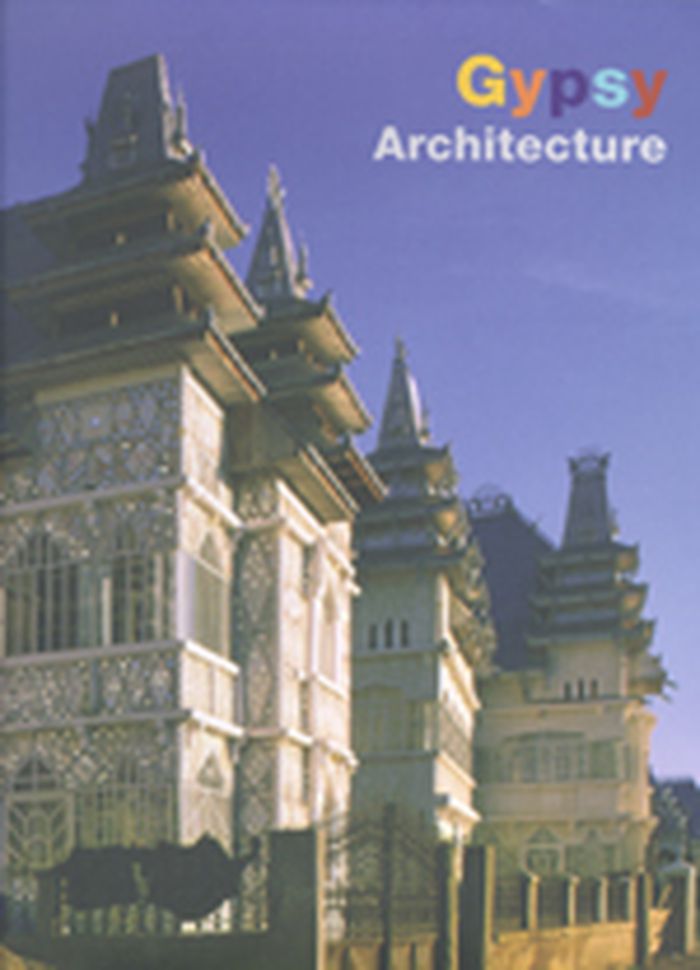
The fact that there is Gypsy architecture may surprise quite a few people, for Gypsies are regarded as nomads who roam through the world and settle now here, now there, never stay long in one place, and consider everything that normal citizens find important to be an unreasonable restriction of their freedom. Nevertheless, in southeastern Europe, there exists a remarkable architecture created by Gypsies. It seems to have been created from a dream : unreal, abstruse, and colourful, it is a composition of all the architectural styles of this world. Uninfluenced by any deeper knowledge of architectural culture, each family head chose the style, size and finishings on the basis of his own personal tastes or memories of travels, houses and things seen in other countries. The result has been the creation of bizarre and fantastic jumbles of buildings that it is hard to classify in terms of western stylistic features. Very often the houses are the result of enormous jigsaw puzzles created from an assembly of images or photographs of various different buildings, and their execution precisely follows these crazy guidelines, perhaps because they are incomprehensible to those carrying out the project. Otherwise, how could one possibly explain Indian-style roofs crowning neoclassical buildings, mansard roofs on structures of improbable style, Frenchified Chinese pagodas, heterogeneous assemblies of diverse and contrasting elements. The structures, the villas gradually soften their bizarre and fantastic imagery the closer they are built to European countries. Undoubtedly, the cultural influence of neighbouring countries already immersed in the culture and lifestyle of Europe has helped to "contaminate" the owners and bring their dwellings, the expression of their wishes, more into line with the ruling culture. What, however, remains staggering is the quality of the execution of the complex decorations, of the architectural elements and buildings that are very often contrasting, of widely differing façades surmounted by steepling roofs of no practical use whose only function is to represent, through their lack of proportion and absolute needlessness, the financial and social power of the family. Besides pieces of sculpture that are undoubtedly ritual and symbolic and originating from Indian culture, suns with spiny rays, various forms of pinnacle, geometrical moons, zoomorphic decorations,the tops of the roofs bear metalwork inscriptions giving the date of building and the name of the family or that of the wife, symbolizing a desire for display and the proclamation of ownership.
Gypsy architecture : house of the Roma in Eastern Europe
Actions:
Prix:
$85.95
(disponible en magasin)
Résumé:
The fact that there is Gypsy architecture may surprise quite a few people, for Gypsies are regarded as nomads who roam through the world and settle now here, now there, never stay long in one place, and consider everything that normal citizens find important to be an unreasonable restriction of their freedom. Nevertheless, in southeastern Europe, there exists a remarkable architecture created by Gypsies. It seems to have been created from a dream : unreal, abstruse, and colourful, it is a composition of all the architectural styles of this world. Uninfluenced by any deeper knowledge of architectural culture, each family head chose the style, size and finishings on the basis of his own personal tastes or memories of travels, houses and things seen in other countries. The result has been the creation of bizarre and fantastic jumbles of buildings that it is hard to classify in terms of western stylistic features. Very often the houses are the result of enormous jigsaw puzzles created from an assembly of images or photographs of various different buildings, and their execution precisely follows these crazy guidelines, perhaps because they are incomprehensible to those carrying out the project. Otherwise, how could one possibly explain Indian-style roofs crowning neoclassical buildings, mansard roofs on structures of improbable style, Frenchified Chinese pagodas, heterogeneous assemblies of diverse and contrasting elements. The structures, the villas gradually soften their bizarre and fantastic imagery the closer they are built to European countries. Undoubtedly, the cultural influence of neighbouring countries already immersed in the culture and lifestyle of Europe has helped to "contaminate" the owners and bring their dwellings, the expression of their wishes, more into line with the ruling culture. What, however, remains staggering is the quality of the execution of the complex decorations, of the architectural elements and buildings that are very often contrasting, of widely differing façades surmounted by steepling roofs of no practical use whose only function is to represent, through their lack of proportion and absolute needlessness, the financial and social power of the family. Besides pieces of sculpture that are undoubtedly ritual and symbolic and originating from Indian culture, suns with spiny rays, various forms of pinnacle, geometrical moons, zoomorphic decorations,the tops of the roofs bear metalwork inscriptions giving the date of building and the name of the family or that of the wife, symbolizing a desire for display and the proclamation of ownership.
Classification:
livres
livres
Publication:
juillet 2007, Stuttgart, London
juillet 2007, Stuttgart, London
Classification:
livres
livres
Actions:
Prix:
$184.95
(disponible sur commande)
Résumé:
ANDRÉ ARBUS (Toulouse 1903-Paris 1969) Je suis d'une vieille famille d'ébénistes. De père en fils depuis très longtemps. Autant dire que je suis né dans un atelier d'ébénisterie. " André Arbus complète cette formation par une culture classique, acquise à l'école des beaux-arts de Toulouse. Il choisit l'art décoratif alors qu s'ouvre à Paris l'Exposition internationale(...)
$184.95
(disponible sur commande)
Résumé:
ANDRÉ ARBUS (Toulouse 1903-Paris 1969) Je suis d'une vieille famille d'ébénistes. De père en fils depuis très longtemps. Autant dire que je suis né dans un atelier d'ébénisterie. " André Arbus complète cette formation par une culture classique, acquise à l'école des beaux-arts de Toulouse. Il choisit l'art décoratif alors qu s'ouvre à Paris l'Exposition internationale(...)
Titre:
André Arbus : architecte décorateur des années 40
Actions:
Prix:
$184.95
(disponible sur commande)
Résumé:
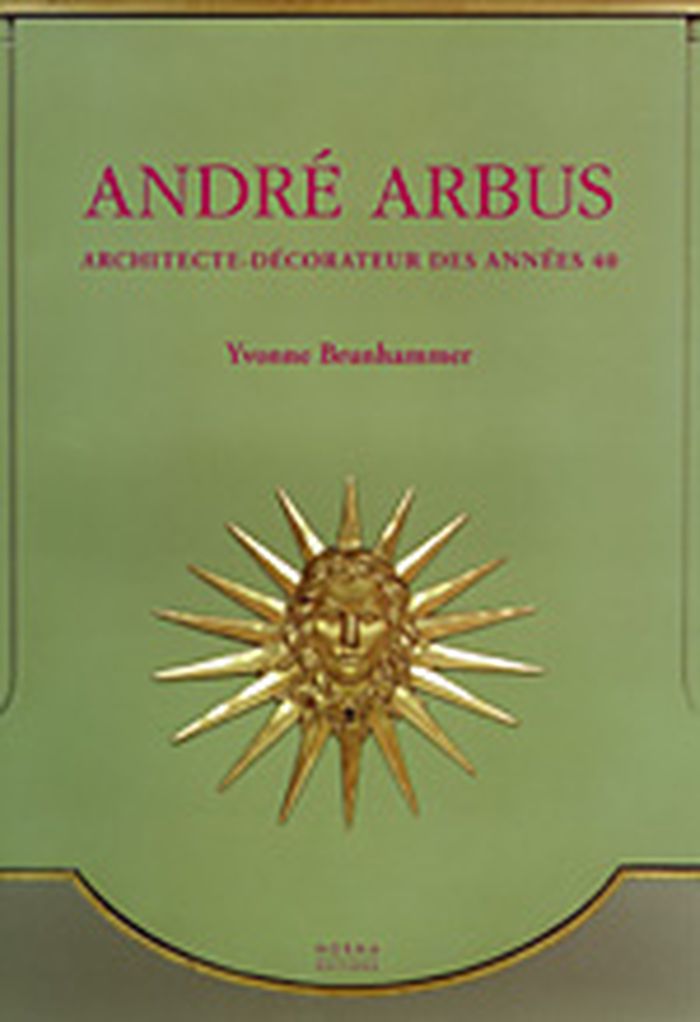
ANDRÉ ARBUS (Toulouse 1903-Paris 1969) Je suis d'une vieille famille d'ébénistes. De père en fils depuis très longtemps. Autant dire que je suis né dans un atelier d'ébénisterie. " André Arbus complète cette formation par une culture classique, acquise à l'école des beaux-arts de Toulouse. Il choisit l'art décoratif alors qu s'ouvre à Paris l'Exposition internationale des arts décoratifs de 1925, où il expose une coiffeuse. En 1933, il s'installe à Paris. Les salons, les galeries, les expositions, les critiques lui permettent de se faire connaître de l'élite à laquelle ses créations sont destinées. À 30 ans, il s'impose comme le chef de file du retour à la tradition et à la qualité françaises. Il est le représentant de cet " esprit de suite " du XVIIIe siècle, dans lequel le critique Waldemar George voit le salut du mobilier contemporain. En 1936, Arbus reçoit sa première commande officielle : l'ameublement du ministère de l'Agriculture. Il est présent dans de nombreux pavillons à l'Exposition des arts et techniques dans la vie moderne de 1937, où les métiers d'art et les régions sont à l'honneur. Il particip à l'Exposition universelle de New York, en 1939, avec un meuble-manifeste, monumental, architectural, en sycomore et laque d'or, annonciateur de son œuvre des années 40. À partir de 1946, il devient l'un des fournisseurs attitrés du Mobilier national qui, sous la direction de Georges Fontaine, entreprend un ambitieu programme d'ameublement des ministères et des palais nationaux. Il participe au " rajeunissement " du château de Rambouillet et du palais de l'Élysée, avec ses amis Louis Süe et Jean-Charles Moreux. Entre 1947 et 1951, il est l'architecte du phare du Planier, au large de Marseille Dans les années 50, il aménage des paquebots, participe à de nombreuses expositions, multiplie les réalisations prestigieuses, publiques et privées. La sculpture a toujours occupé une place importante dans ses meubles et dans ses décors. André Arbus la confie à des artistes amis tels que Vadim Androusov, Henry Parayre, Sylva Bernt.. En 1952, il crée ses premiers meubles-sculptures fondus en bronze. Dès lors, et jusqu'à sa mort, il se consacre à son œuvre de sculpteur. La vie et l'œuvre d'André Arbus sont l'histoire d'une fidélité à la tradition française. Elles sont l'histoire d'une conviction qui revient comme un leitmotiv tout au long de ses écrits, reprenant à son compte les mots de Léonard de Vinci : " l'homme est la mesure des choses "
André Arbus : architecte décorateur des années 40
Actions:
Prix:
$184.95
(disponible sur commande)
Résumé:
ANDRÉ ARBUS (Toulouse 1903-Paris 1969) Je suis d'une vieille famille d'ébénistes. De père en fils depuis très longtemps. Autant dire que je suis né dans un atelier d'ébénisterie. " André Arbus complète cette formation par une culture classique, acquise à l'école des beaux-arts de Toulouse. Il choisit l'art décoratif alors qu s'ouvre à Paris l'Exposition internationale des arts décoratifs de 1925, où il expose une coiffeuse. En 1933, il s'installe à Paris. Les salons, les galeries, les expositions, les critiques lui permettent de se faire connaître de l'élite à laquelle ses créations sont destinées. À 30 ans, il s'impose comme le chef de file du retour à la tradition et à la qualité françaises. Il est le représentant de cet " esprit de suite " du XVIIIe siècle, dans lequel le critique Waldemar George voit le salut du mobilier contemporain. En 1936, Arbus reçoit sa première commande officielle : l'ameublement du ministère de l'Agriculture. Il est présent dans de nombreux pavillons à l'Exposition des arts et techniques dans la vie moderne de 1937, où les métiers d'art et les régions sont à l'honneur. Il particip à l'Exposition universelle de New York, en 1939, avec un meuble-manifeste, monumental, architectural, en sycomore et laque d'or, annonciateur de son œuvre des années 40. À partir de 1946, il devient l'un des fournisseurs attitrés du Mobilier national qui, sous la direction de Georges Fontaine, entreprend un ambitieu programme d'ameublement des ministères et des palais nationaux. Il participe au " rajeunissement " du château de Rambouillet et du palais de l'Élysée, avec ses amis Louis Süe et Jean-Charles Moreux. Entre 1947 et 1951, il est l'architecte du phare du Planier, au large de Marseille Dans les années 50, il aménage des paquebots, participe à de nombreuses expositions, multiplie les réalisations prestigieuses, publiques et privées. La sculpture a toujours occupé une place importante dans ses meubles et dans ses décors. André Arbus la confie à des artistes amis tels que Vadim Androusov, Henry Parayre, Sylva Bernt.. En 1952, il crée ses premiers meubles-sculptures fondus en bronze. Dès lors, et jusqu'à sa mort, il se consacre à son œuvre de sculpteur. La vie et l'œuvre d'André Arbus sont l'histoire d'une fidélité à la tradition française. Elles sont l'histoire d'une conviction qui revient comme un leitmotiv tout au long de ses écrits, reprenant à son compte les mots de Léonard de Vinci : " l'homme est la mesure des choses "
Classification:
livres
livres
Publication:
janvier 1900, Paris
janvier 1900, Paris
Sujet:
Design, monographies
Design, monographies


