


6923 Résultats
Classification:
livres
livres
Titre:
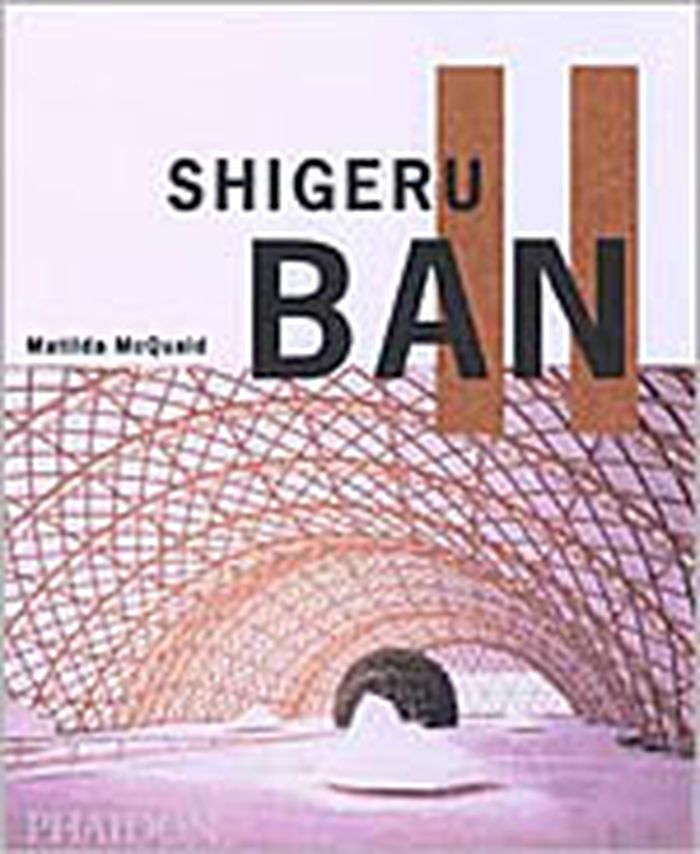
Shigeru Ban
Shigeru Ban
Actions:
Prix:
$99.95
(disponible sur commande)
Résumé:
Based in Japan and one of an emerging generation of young, world-class architects, Shigeru Ban designs and builds graceful, serene structures using modest materials such as cardboard, paper tubes, bamboo, and prefabricated wood. His buildings are sometimes soaring and birdlike, sometimes simple, grounded, and evocative of the Japanese aesthetic, but always they are(...)
$99.95
(disponible sur commande)
Résumé:
Based in Japan and one of an emerging generation of young, world-class architects, Shigeru Ban designs and builds graceful, serene structures using modest materials such as cardboard, paper tubes, bamboo, and prefabricated wood. His buildings are sometimes soaring and birdlike, sometimes simple, grounded, and evocative of the Japanese aesthetic, but always they are(...)
Sujet:
Architecture, monographies
Architecture, monographies
Publication:
octobre 2003, London / New York
octobre 2003, London / New York
Titre:
Shigeru Ban
Actions:
Prix:
$99.95
(disponible sur commande)
Résumé:
Based in Japan and one of an emerging generation of young, world-class architects, Shigeru Ban designs and builds graceful, serene structures using modest materials such as cardboard, paper tubes, bamboo, and prefabricated wood. His buildings are sometimes soaring and birdlike, sometimes simple, grounded, and evocative of the Japanese aesthetic, but always they are integrated with and respectful of their surrounding environment. Ban has designed projects at both ends of the client spectrum: from one-room temporary houses of paper tubes for earthquake refugees worldwide to a 14,000 square-foot country house in Sharon, Connecticut – his first U.S. commission. His humanitarian efforts and his interest in recyclable, affordable, natural materials have won praise and attention from museums and critics in America and Europe. Ban’s Curtain Wall House was a favorite entry in the Museum of Modern Art’s “Un-Private House” exhibition in 1999; he has gone on to design a museum for children in Japan, a canal museum in France, and a private art museum in Belgium; he was included in the 2000 and 2002 Venice Biennale, and created the Japan Pavilion for the Expo 2000 in Hannover, Germany. He was a member of the Think team of architects selected in February 2003 as one of two finalist teams to compete for the commission to design the new World Trade Center site in New York.
Shigeru Ban
Actions:
Prix:
$99.95
(disponible sur commande)
Résumé:
Based in Japan and one of an emerging generation of young, world-class architects, Shigeru Ban designs and builds graceful, serene structures using modest materials such as cardboard, paper tubes, bamboo, and prefabricated wood. His buildings are sometimes soaring and birdlike, sometimes simple, grounded, and evocative of the Japanese aesthetic, but always they are integrated with and respectful of their surrounding environment. Ban has designed projects at both ends of the client spectrum: from one-room temporary houses of paper tubes for earthquake refugees worldwide to a 14,000 square-foot country house in Sharon, Connecticut – his first U.S. commission. His humanitarian efforts and his interest in recyclable, affordable, natural materials have won praise and attention from museums and critics in America and Europe. Ban’s Curtain Wall House was a favorite entry in the Museum of Modern Art’s “Un-Private House” exhibition in 1999; he has gone on to design a museum for children in Japan, a canal museum in France, and a private art museum in Belgium; he was included in the 2000 and 2002 Venice Biennale, and created the Japan Pavilion for the Expo 2000 in Hannover, Germany. He was a member of the Think team of architects selected in February 2003 as one of two finalist teams to compete for the commission to design the new World Trade Center site in New York.
Classification:
livres
livres
Publication:
octobre 2003, London / New York
octobre 2003, London / New York
Sujet:
Architecture, monographies
Architecture, monographies
Classification:
livres
livres
Prix:
$51.50
(disponible en magasin)
Résumé:
The city of Homs, like so many places in Syria, has suffered mass destruction since the war began in 2011. So far, the architectural response to the crisis has focused on ''cultural heritage'', ancient architecture, and the external displacement of refugees, often neglecting the everyday lives of Syrians and the buildings that make up their homes and communities. In(...)
$51.50
(disponible en magasin)
Résumé:
The city of Homs, like so many places in Syria, has suffered mass destruction since the war began in 2011. So far, the architectural response to the crisis has focused on ''cultural heritage'', ancient architecture, and the external displacement of refugees, often neglecting the everyday lives of Syrians and the buildings that make up their homes and communities. In(...)
Titre:
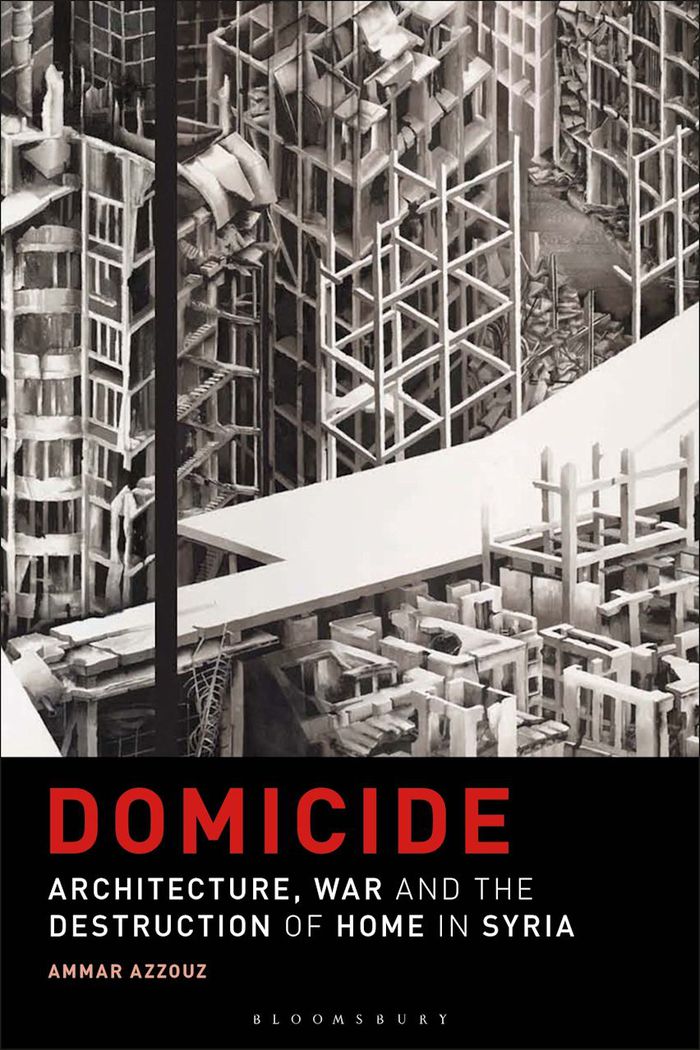
Domicide: Architecture, war and the destruction of home in Syria
Actions:
Prix:
$51.50
(disponible en magasin)
Résumé:
The city of Homs, like so many places in Syria, has suffered mass destruction since the war began in 2011. So far, the architectural response to the crisis has focused on ''cultural heritage'', ancient architecture, and the external displacement of refugees, often neglecting the everyday lives of Syrians and the buildings that make up their homes and communities. In ''Domicide'', Ammar Azzouz uses the notion of the 'home' to address the destruction in cities like Homs, the displacement of Syrian people both externally and internally, and to explore how cities can be rebuilt without causing further damage to the communities that live there. Drawing on interviews with those working in the built environment professions, both inside and outside of Syria, but also Syrians from other backgrounds who have become architects in their own way as they were forced to repair and rebuild their homes by themselves, Domicide offers fresh insight into the role of the architect during time of war, and explores how the future reconstruction of cities should mirror the wants and needs, the traditions and ways of living, of local communities. Focusing on Homs but offering a blueprint for other urban areas of conflict across Syria and the wider world, the book is essential reading for researchers in architecture, urban planning, heritage studies and conflict studies.
Domicide: Architecture, war and the destruction of home in Syria
Actions:
Prix:
$51.50
(disponible en magasin)
Résumé:
The city of Homs, like so many places in Syria, has suffered mass destruction since the war began in 2011. So far, the architectural response to the crisis has focused on ''cultural heritage'', ancient architecture, and the external displacement of refugees, often neglecting the everyday lives of Syrians and the buildings that make up their homes and communities. In ''Domicide'', Ammar Azzouz uses the notion of the 'home' to address the destruction in cities like Homs, the displacement of Syrian people both externally and internally, and to explore how cities can be rebuilt without causing further damage to the communities that live there. Drawing on interviews with those working in the built environment professions, both inside and outside of Syria, but also Syrians from other backgrounds who have become architects in their own way as they were forced to repair and rebuild their homes by themselves, Domicide offers fresh insight into the role of the architect during time of war, and explores how the future reconstruction of cities should mirror the wants and needs, the traditions and ways of living, of local communities. Focusing on Homs but offering a blueprint for other urban areas of conflict across Syria and the wider world, the book is essential reading for researchers in architecture, urban planning, heritage studies and conflict studies.
Classification:
livres
livres
Publication:
janvier 2025
janvier 2025
Sujet:
Théorie de l’architecture
Théorie de l’architecture
Classification:
livres
livres
Actions:
Prix:
$35.95
(disponible en magasin)
Résumé:
Over the last twenty-five years, the concept of personhood has become central to many contentious debates. Corporations have won free speech protections, as if they were individuals. The right to life or freedom has been claimed on behalf of fetuses, trees, and elephants. The fund of human rights is spilling over into the nonhuman. ''The Problem of Personhood'' reveals(...)
$35.95
(disponible en magasin)
Résumé:
Over the last twenty-five years, the concept of personhood has become central to many contentious debates. Corporations have won free speech protections, as if they were individuals. The right to life or freedom has been claimed on behalf of fetuses, trees, and elephants. The fund of human rights is spilling over into the nonhuman. ''The Problem of Personhood'' reveals(...)
Titre:
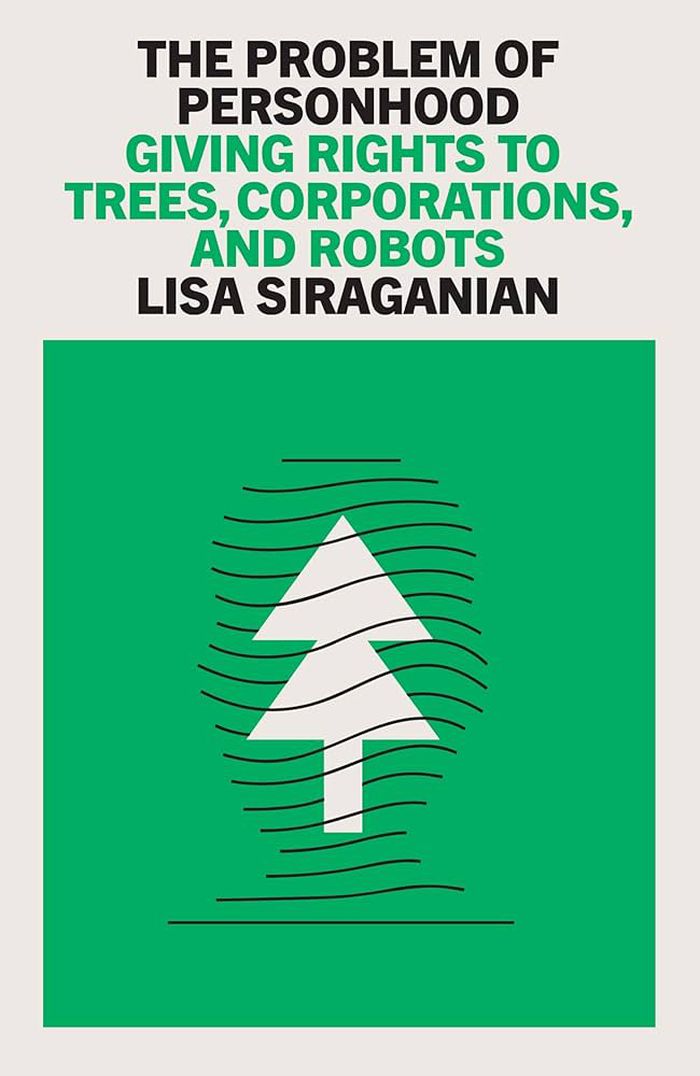
The problem of personhood: Giving rights to trees, corporations and robots
Actions:
Prix:
$35.95
(disponible en magasin)
Résumé:
Over the last twenty-five years, the concept of personhood has become central to many contentious debates. Corporations have won free speech protections, as if they were individuals. The right to life or freedom has been claimed on behalf of fetuses, trees, and elephants. The fund of human rights is spilling over into the nonhuman. ''The Problem of Personhood'' reveals the unsettling consequences of granting rights to imagined persons, such as Sophia the robot citizen or New Zealand’s Whanganui River. Synthesizing the political and philosophical debates on personhood and drawing on a varied cast of thinkers that includes Simone Weil, Hannah Arendt, and Dr. Seuss, Lisa Siraganian uncovers the disturbing impact of this contemporary development. Awarding rights to robots and rivers all too easily becomes a legal tool to turn people into capital. When robot Sophia is made a citizen, “she” is transformed into a subject in the law without the corresponding legal duties that protect us from her. At the root of this trend is the US Supreme Court’s Citizens United ruling that grants First Amendment rights to corporations as if they were individuals. The result has not been the transformation of things into humans so much as humans into things, when animals and the environment would be better protected with reference to our humanity rather than to theirs.
The problem of personhood: Giving rights to trees, corporations and robots
Actions:
Prix:
$35.95
(disponible en magasin)
Résumé:
Over the last twenty-five years, the concept of personhood has become central to many contentious debates. Corporations have won free speech protections, as if they were individuals. The right to life or freedom has been claimed on behalf of fetuses, trees, and elephants. The fund of human rights is spilling over into the nonhuman. ''The Problem of Personhood'' reveals the unsettling consequences of granting rights to imagined persons, such as Sophia the robot citizen or New Zealand’s Whanganui River. Synthesizing the political and philosophical debates on personhood and drawing on a varied cast of thinkers that includes Simone Weil, Hannah Arendt, and Dr. Seuss, Lisa Siraganian uncovers the disturbing impact of this contemporary development. Awarding rights to robots and rivers all too easily becomes a legal tool to turn people into capital. When robot Sophia is made a citizen, “she” is transformed into a subject in the law without the corresponding legal duties that protect us from her. At the root of this trend is the US Supreme Court’s Citizens United ruling that grants First Amendment rights to corporations as if they were individuals. The result has not been the transformation of things into humans so much as humans into things, when animals and the environment would be better protected with reference to our humanity rather than to theirs.
Classification:
livres
livres
Publication:
avril 2026
avril 2026
Sujet:
Social
Social
Classification:
livres
livres
Titre:
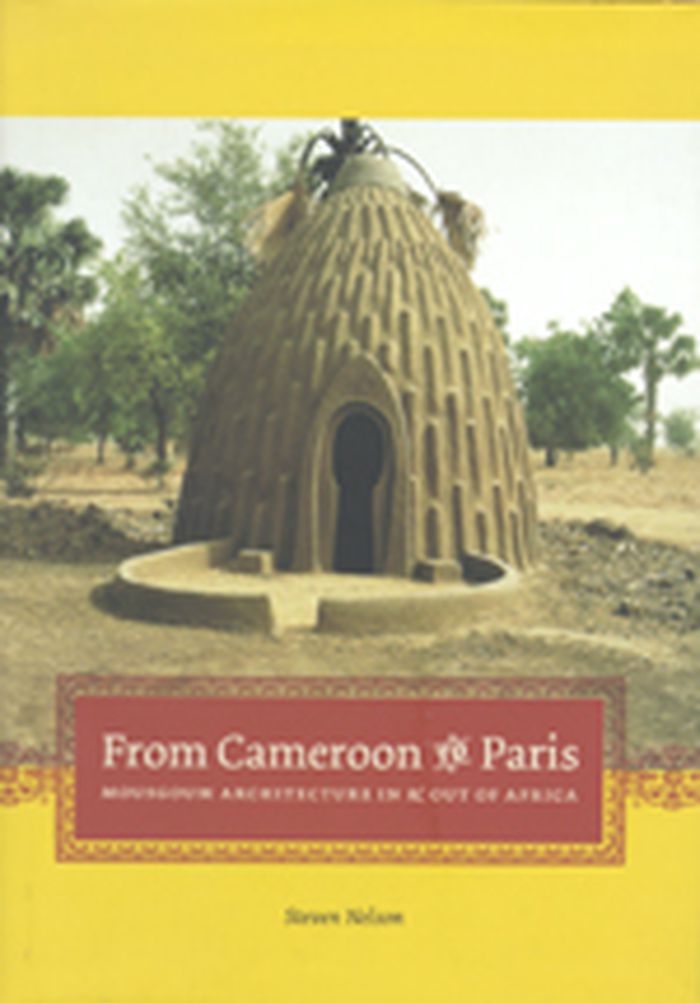
From Cameroon to Paris
From Cameroon to Paris
Actions:
Prix:
$54.95
(disponible sur commande)
Résumé:
The kind of extraordinary domed house constructed by Chad and Cameroon’s Mousgoum peoples has long held sway over the Western imagination. In fact, as Steven Nelson shows here, this prototypical beehive-shaped structure known as the teleuk has been cast as everything from a sign of authenticity to a tourist destination to a perfect fusion of form and function in an(...)
$54.95
(disponible sur commande)
Résumé:
The kind of extraordinary domed house constructed by Chad and Cameroon’s Mousgoum peoples has long held sway over the Western imagination. In fact, as Steven Nelson shows here, this prototypical beehive-shaped structure known as the teleuk has been cast as everything from a sign of authenticity to a tourist destination to a perfect fusion of form and function in an(...)
Publication:
mars 2007, Chicago London
mars 2007, Chicago London
Titre:
From Cameroon to Paris
Actions:
Prix:
$54.95
(disponible sur commande)
Résumé:
The kind of extraordinary domed house constructed by Chad and Cameroon’s Mousgoum peoples has long held sway over the Western imagination. In fact, as Steven Nelson shows here, this prototypical beehive-shaped structure known as the teleuk has been cast as everything from a sign of authenticity to a tourist destination to a perfect fusion of form and function in an unselfconscious culture. And in this multifaceted history of the teleuk, thought of by the Mousgoum themselves as a three-dimensional symbol of their culture, Nelson charts how a singular building’s meaning has the capacity to change over time and in different places. Drawing on fieldwork in Cameroon and Japan as well as archival research in Africa, the United States, and Europe, Nelson explores how the teleuk has been understood by groups ranging from contemporary tourists to the Cameroonian government and—most importantly—today’s Mousgoum people. In doing so, he moves in and out of Africa to provide a window into a changing Mousgoum culture and to show how both African and Western peoples use the built environment to advance their own needs and desires. Highlighting the global impact of African architecture, From Cameroon to Paris will appeal to scholars and students of African art history and architectural history, as well as those interested in Western interactions with Africa.
From Cameroon to Paris
Actions:
Prix:
$54.95
(disponible sur commande)
Résumé:
The kind of extraordinary domed house constructed by Chad and Cameroon’s Mousgoum peoples has long held sway over the Western imagination. In fact, as Steven Nelson shows here, this prototypical beehive-shaped structure known as the teleuk has been cast as everything from a sign of authenticity to a tourist destination to a perfect fusion of form and function in an unselfconscious culture. And in this multifaceted history of the teleuk, thought of by the Mousgoum themselves as a three-dimensional symbol of their culture, Nelson charts how a singular building’s meaning has the capacity to change over time and in different places. Drawing on fieldwork in Cameroon and Japan as well as archival research in Africa, the United States, and Europe, Nelson explores how the teleuk has been understood by groups ranging from contemporary tourists to the Cameroonian government and—most importantly—today’s Mousgoum people. In doing so, he moves in and out of Africa to provide a window into a changing Mousgoum culture and to show how both African and Western peoples use the built environment to advance their own needs and desires. Highlighting the global impact of African architecture, From Cameroon to Paris will appeal to scholars and students of African art history and architectural history, as well as those interested in Western interactions with Africa.
Classification:
livres
livres
Publication:
mars 2007, Chicago London
mars 2007, Chicago London
Classification:
livres
livres
Actions:
Prix:
$67.95
(disponible en magasin)
Résumé:
Munich, notorious in recent history as the capital of the Nazi movement, is the site of Gavriel Rosenfeld's inquiry into the German collective memory of the Third Reich. Rosenfeld shows, with how the city's urban form developed after 1945 in direct reflection of its inhabitants'(...)
$67.95
(disponible en magasin)
Résumé:
Munich, notorious in recent history as the capital of the Nazi movement, is the site of Gavriel Rosenfeld's inquiry into the German collective memory of the Third Reich. Rosenfeld shows, with how the city's urban form developed after 1945 in direct reflection of its inhabitants'(...)
Titre:
Munich and memory : architecture, monuments, and the legacy of the third Reich
Actions:
Prix:
$67.95
(disponible en magasin)
Résumé:
Munich, notorious in recent history as the capital of the Nazi movement, is the site of Gavriel Rosenfeld's inquiry into the German collective memory of the Third Reich. Rosenfeld shows, with how the city's urban form developed after 1945 in direct reflection of its inhabitants' evolving memory of the Second World War and the Nazi dictatorship. In the second half of the twentieth century, the German people's struggle to come to terms with the legacy of Nazism has dramatically shaped nearly all dimensions of their political, social, and cultural life. The area of urban development and the built environment, little explored until now, offers visible evidence of the struggle. By examining the ways in which the people of Munich reconstructed the ruins of their historic buildings, created new works of architecture, dealt with surviving Nazi buildings, and erected new monuments to commemorate the horrors of the recent past, Rosenfeld identifies a spectrum of competing memories of the Nazi experience. Examining the debates between traditionalists, modernists, postmodernists, and critical preservationists, Rosenfeld shows that the memory of Nazism in Munich has never been "repressed" but has rather been defined by constant dissension and evolution. On balance, however, he concludes that Munich came to embody in its urban form a conservative view of the past that was inclined to diminish local responsibility for the Third Reich.
Munich and memory : architecture, monuments, and the legacy of the third Reich
Actions:
Prix:
$67.95
(disponible en magasin)
Résumé:
Munich, notorious in recent history as the capital of the Nazi movement, is the site of Gavriel Rosenfeld's inquiry into the German collective memory of the Third Reich. Rosenfeld shows, with how the city's urban form developed after 1945 in direct reflection of its inhabitants' evolving memory of the Second World War and the Nazi dictatorship. In the second half of the twentieth century, the German people's struggle to come to terms with the legacy of Nazism has dramatically shaped nearly all dimensions of their political, social, and cultural life. The area of urban development and the built environment, little explored until now, offers visible evidence of the struggle. By examining the ways in which the people of Munich reconstructed the ruins of their historic buildings, created new works of architecture, dealt with surviving Nazi buildings, and erected new monuments to commemorate the horrors of the recent past, Rosenfeld identifies a spectrum of competing memories of the Nazi experience. Examining the debates between traditionalists, modernists, postmodernists, and critical preservationists, Rosenfeld shows that the memory of Nazism in Munich has never been "repressed" but has rather been defined by constant dissension and evolution. On balance, however, he concludes that Munich came to embody in its urban form a conservative view of the past that was inclined to diminish local responsibility for the Third Reich.
Classification:
livres
livres
Publication:
avril 2000, Berkeley
avril 2000, Berkeley
Sujet:
Théorie de l’urbanisme
Théorie de l’urbanisme
Classification:
livres
livres
Titre:
Mesozoic Park, Terry Munro
Mesozoic Park, Terry Munro
Actions:
Prix:
$34.95
(disponible en magasin)
Résumé:
"Mesozoic Park" is an intriguing series of photographs documenting the construction of a (pseudo) prehistoric landscape in Calgary, Canada in the early 1980s. The history of photography has been dominated by the landscape: from its state as a pristine natural phenomenon, to its altered forms, and then to the manufactured, of which the city's Prehistoric Park is a prime(...)
$34.95
(disponible en magasin)
Résumé:
"Mesozoic Park" is an intriguing series of photographs documenting the construction of a (pseudo) prehistoric landscape in Calgary, Canada in the early 1980s. The history of photography has been dominated by the landscape: from its state as a pristine natural phenomenon, to its altered forms, and then to the manufactured, of which the city's Prehistoric Park is a prime(...)
Titre:
Mesozoic Park, Terry Munro
Actions:
Prix:
$34.95
(disponible en magasin)
Résumé:
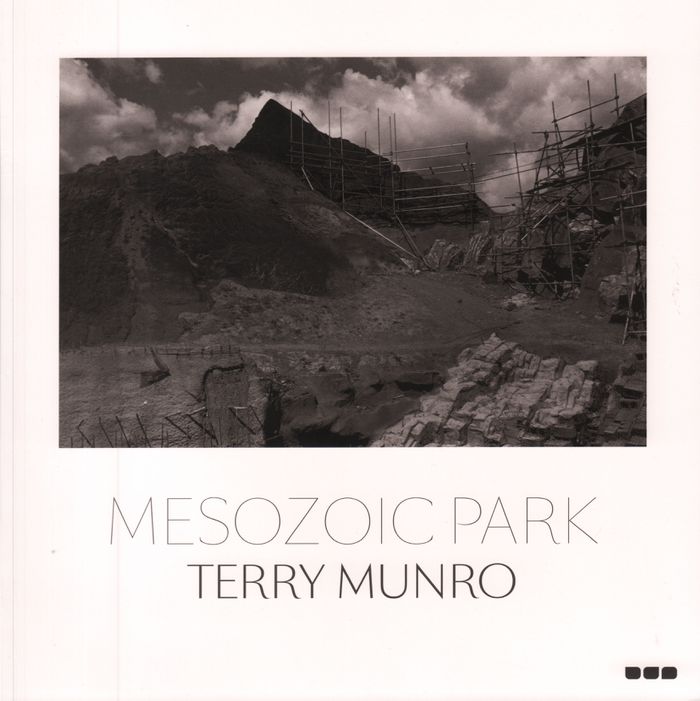
"Mesozoic Park" is an intriguing series of photographs documenting the construction of a (pseudo) prehistoric landscape in Calgary, Canada in the early 1980s. The history of photography has been dominated by the landscape: from its state as a pristine natural phenomenon, to its altered forms, and then to the manufactured, of which the city's Prehistoric Park is a prime example. The site includes multiple geologic structures that humans have built to mimic nature. The images in the monograph address the illusions that humanity creates for itself, as in our increasing quest to find substitutes for 'the real'. The simulated environment in Mesozoic Park focuses on the earth and landscape as packaging or amusement, and more importantly, as a site for social and political inquiry. The black and white photographs, printed in duotone, document a geological dream world in which a 'primordial' landscape has been cleverly designed and programmed for an artificial visitor experience. By exploring the park in great detail, Munro offers privileged access to what we never get to see: the construction of a facsimile panorama that will provide visitors with the illusion of time travel. The real and false are confused, no longer relevant in this walk through a purported 65 million year-old landscape. The book also contains photographs which show the artificial human construct in 2018.
Mesozoic Park, Terry Munro
Actions:
Prix:
$34.95
(disponible en magasin)
Résumé:
"Mesozoic Park" is an intriguing series of photographs documenting the construction of a (pseudo) prehistoric landscape in Calgary, Canada in the early 1980s. The history of photography has been dominated by the landscape: from its state as a pristine natural phenomenon, to its altered forms, and then to the manufactured, of which the city's Prehistoric Park is a prime example. The site includes multiple geologic structures that humans have built to mimic nature. The images in the monograph address the illusions that humanity creates for itself, as in our increasing quest to find substitutes for 'the real'. The simulated environment in Mesozoic Park focuses on the earth and landscape as packaging or amusement, and more importantly, as a site for social and political inquiry. The black and white photographs, printed in duotone, document a geological dream world in which a 'primordial' landscape has been cleverly designed and programmed for an artificial visitor experience. By exploring the park in great detail, Munro offers privileged access to what we never get to see: the construction of a facsimile panorama that will provide visitors with the illusion of time travel. The real and false are confused, no longer relevant in this walk through a purported 65 million year-old landscape. The book also contains photographs which show the artificial human construct in 2018.
Classification:
livres
livres
Publication:
janvier 2020
janvier 2020
Sujet:
Monographies photo
Monographies photo
Classification:
livres
livres
Actions:
Prix:
$45.00
(disponible sur commande)
Résumé:
Contemporary artist Roni Horn first visited Iceland in 1975 at the age of nineteen, and since then, the island’s treeless expanse has had an enduring hold on Horn’s creative work. Through a series of remarkable and poetic reflections, vignettes, episodes, and illustrated essays, ''Island zombie'' distills the artist’s lifelong experience of Iceland’s natural environment.(...)
$45.00
(disponible sur commande)
Résumé:
Contemporary artist Roni Horn first visited Iceland in 1975 at the age of nineteen, and since then, the island’s treeless expanse has had an enduring hold on Horn’s creative work. Through a series of remarkable and poetic reflections, vignettes, episodes, and illustrated essays, ''Island zombie'' distills the artist’s lifelong experience of Iceland’s natural environment.(...)
Titre:
Island zombie: Iceland writings
Actions:
Prix:
$45.00
(disponible sur commande)
Résumé:
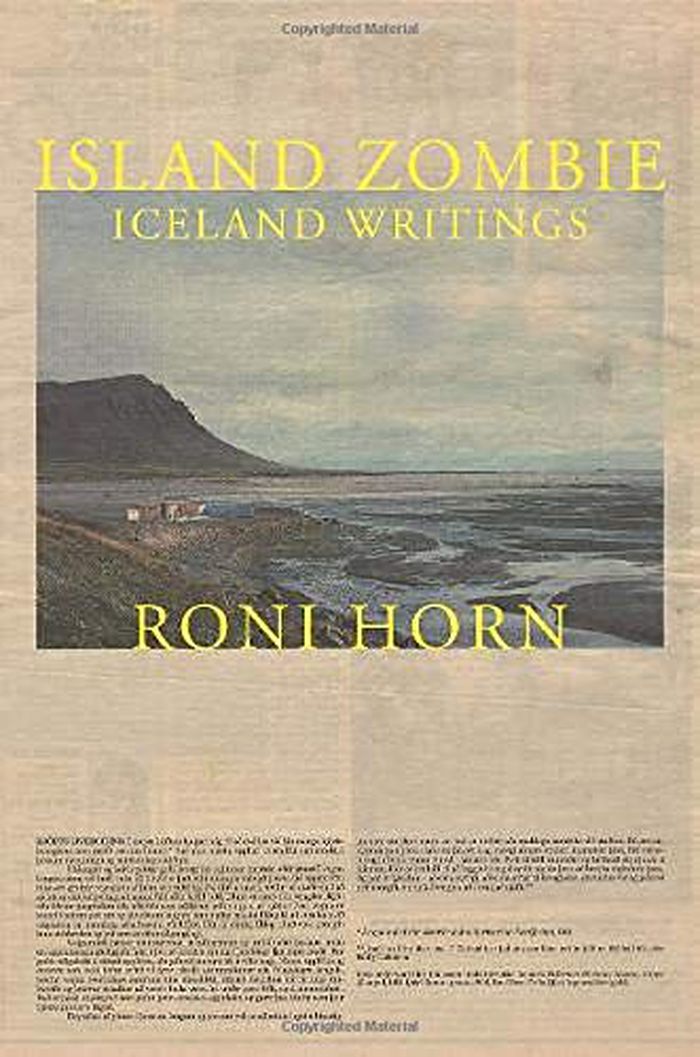
Contemporary artist Roni Horn first visited Iceland in 1975 at the age of nineteen, and since then, the island’s treeless expanse has had an enduring hold on Horn’s creative work. Through a series of remarkable and poetic reflections, vignettes, episodes, and illustrated essays, ''Island zombie'' distills the artist’s lifelong experience of Iceland’s natural environment. Together, these pieces offer an unforgettable exploration of the indefinable and inescapable force of remote, elemental places, and provide a sustained look at how an island and its atmosphere can take possession of the innermost self. ''Island zombie'' is a meditation on being present. It vividly conveys Horn’s experiences, from the deeply profound to the joyful and absurd. Through powerful evocations of the changing weather and other natural phenomena- the violence of the wind, the often aggressive birds, the imposing influence of glaciers, and the ubiquitous presence of water in all its variety- we come to understand the author’s abiding need for Iceland, a place uniquely essential to Horn’s creative and spiritual life. The dramatic surroundings provoke examinations of self-sufficiency and isolation, and these ruminations summon a range of cultural companions, including El Greco, Emily Dickinson, Judy Garland, Wallace Stevens, Edgar Allan Poe, William Morris, and Rachel Carson. While brilliantly portraying nature’s sublime energy, Horn also confronts issues of consumption, destruction, and loss, as the industrial and man-made encroach on Icelandic wilderness.
Island zombie: Iceland writings
Actions:
Prix:
$45.00
(disponible sur commande)
Résumé:
Contemporary artist Roni Horn first visited Iceland in 1975 at the age of nineteen, and since then, the island’s treeless expanse has had an enduring hold on Horn’s creative work. Through a series of remarkable and poetic reflections, vignettes, episodes, and illustrated essays, ''Island zombie'' distills the artist’s lifelong experience of Iceland’s natural environment. Together, these pieces offer an unforgettable exploration of the indefinable and inescapable force of remote, elemental places, and provide a sustained look at how an island and its atmosphere can take possession of the innermost self. ''Island zombie'' is a meditation on being present. It vividly conveys Horn’s experiences, from the deeply profound to the joyful and absurd. Through powerful evocations of the changing weather and other natural phenomena- the violence of the wind, the often aggressive birds, the imposing influence of glaciers, and the ubiquitous presence of water in all its variety- we come to understand the author’s abiding need for Iceland, a place uniquely essential to Horn’s creative and spiritual life. The dramatic surroundings provoke examinations of self-sufficiency and isolation, and these ruminations summon a range of cultural companions, including El Greco, Emily Dickinson, Judy Garland, Wallace Stevens, Edgar Allan Poe, William Morris, and Rachel Carson. While brilliantly portraying nature’s sublime energy, Horn also confronts issues of consumption, destruction, and loss, as the industrial and man-made encroach on Icelandic wilderness.
Classification:
livres
livres
Publication:
décembre 2020
décembre 2020
Classification:
livres
livres
Prix:
$32.00
(disponible sur commande)
Résumé:
Things in life tend to fall apart. Cars break down. Buildings fall into disrepair. Personal items deteriorate. Yet today’s researchers are exploiting newly understood properties of matter to program materials that physically sense, adapt, and fall together instead of apart. These materials open new directions for industrial innovation and challenge us to rethink the way(...)
$32.00
(disponible sur commande)
Résumé:
Things in life tend to fall apart. Cars break down. Buildings fall into disrepair. Personal items deteriorate. Yet today’s researchers are exploiting newly understood properties of matter to program materials that physically sense, adapt, and fall together instead of apart. These materials open new directions for industrial innovation and challenge us to rethink the way(...)
Titre:
Things fall together: a guide to the new materials revolution
Actions:
Prix:
$32.00
(disponible sur commande)
Résumé:
Things in life tend to fall apart. Cars break down. Buildings fall into disrepair. Personal items deteriorate. Yet today’s researchers are exploiting newly understood properties of matter to program materials that physically sense, adapt, and fall together instead of apart. These materials open new directions for industrial innovation and challenge us to rethink the way we build and collaborate with our environment. "Things fall together" is a provocative guide to this emerging, often mind-bending reality, presenting a bold vision for harnessing the intelligence embedded in the material world. Drawing on his pioneering work on self-assembly and programmable material technologies, Skylar Tibbits lays out the core, frequently counterintuitive ideas and strategies that animate this new approach to design and innovation. From furniture that builds itself to shoes printed flat that jump into shape to islands that grow themselves, he describes how matter can compute and exhibit behaviors that we typically associate with biological organisms, and challenges our fundamental assumptions about what physical materials can do and how we can interact with them. Intelligent products today often rely on electronics, batteries, and complicated mechanisms. Tibbits offers a different approach, showing how we can design simple and elegant material intelligence that may one day animate and improve itself—and along the way help us build a more sustainable future.
Things fall together: a guide to the new materials revolution
Actions:
Prix:
$32.00
(disponible sur commande)
Résumé:
Things in life tend to fall apart. Cars break down. Buildings fall into disrepair. Personal items deteriorate. Yet today’s researchers are exploiting newly understood properties of matter to program materials that physically sense, adapt, and fall together instead of apart. These materials open new directions for industrial innovation and challenge us to rethink the way we build and collaborate with our environment. "Things fall together" is a provocative guide to this emerging, often mind-bending reality, presenting a bold vision for harnessing the intelligence embedded in the material world. Drawing on his pioneering work on self-assembly and programmable material technologies, Skylar Tibbits lays out the core, frequently counterintuitive ideas and strategies that animate this new approach to design and innovation. From furniture that builds itself to shoes printed flat that jump into shape to islands that grow themselves, he describes how matter can compute and exhibit behaviors that we typically associate with biological organisms, and challenges our fundamental assumptions about what physical materials can do and how we can interact with them. Intelligent products today often rely on electronics, batteries, and complicated mechanisms. Tibbits offers a different approach, showing how we can design simple and elegant material intelligence that may one day animate and improve itself—and along the way help us build a more sustainable future.
Classification:
livres
livres
Publication:
juin 2021
juin 2021
Sujet:
Théorie du design
Théorie du design
Classification:
livres
livres
Titre:
Mårten Lange: Ghost witness
Mårten Lange: Ghost witness
Actions:
Prix:
$67.95
(disponible sur commande)
Résumé:
China has a rich tradition of ghost stories and supernatural beliefs. There are tales of ghosts that can shape-shift, or turn into air, or pure darkness or light. In ''Ghost witness,'' Mårten Lange tells the story of a country rushing towards the future with the past following silently behind, like a spectre in the smog. In his time in China, Lange visited urban(...)
$67.95
(disponible sur commande)
Résumé:
China has a rich tradition of ghost stories and supernatural beliefs. There are tales of ghosts that can shape-shift, or turn into air, or pure darkness or light. In ''Ghost witness,'' Mårten Lange tells the story of a country rushing towards the future with the past following silently behind, like a spectre in the smog. In his time in China, Lange visited urban(...)
Titre:
Mårten Lange: Ghost witness
Actions:
Prix:
$67.95
(disponible sur commande)
Résumé:
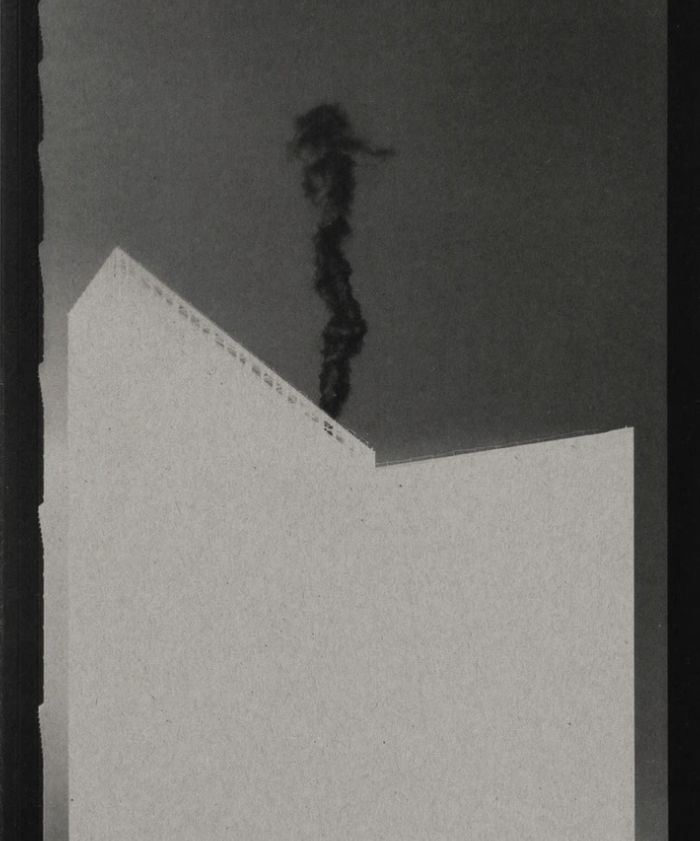
China has a rich tradition of ghost stories and supernatural beliefs. There are tales of ghosts that can shape-shift, or turn into air, or pure darkness or light. In ''Ghost witness,'' Mårten Lange tells the story of a country rushing towards the future with the past following silently behind, like a spectre in the smog. In his time in China, Lange visited urban metropolises that have expanded rapidly in recent years, as a result of hyper-accelerated growth and development. Walking through these megacities, Lange explores the bleeding edge between rationalised urban planning and messy everyday lives. ''Ghost witness'' engages with the unique quality of light in the urban environment, where the sun filters through the polluted air and the vast arrays of LEDs twinkle in the rain – revealing the world indirectly, like a mirror. The images in ''Ghost witness'' inhabit and replicate the machine-like rational logic of the grid to interrogate overlaps and fissures between architecture, technology, surveillance and the future. Lange’s precise photographs often describe those fissures: indecipherable codes, broken windows, decay and entropy within the order of glass and steel. Suspended in a liminal state between constant construction and expansion, Lange questions what it means for humanity to dwell inside environments that are planned, designed and repeated, with little recourse for history, transition and change.
Mårten Lange: Ghost witness
Actions:
Prix:
$67.95
(disponible sur commande)
Résumé:
China has a rich tradition of ghost stories and supernatural beliefs. There are tales of ghosts that can shape-shift, or turn into air, or pure darkness or light. In ''Ghost witness,'' Mårten Lange tells the story of a country rushing towards the future with the past following silently behind, like a spectre in the smog. In his time in China, Lange visited urban metropolises that have expanded rapidly in recent years, as a result of hyper-accelerated growth and development. Walking through these megacities, Lange explores the bleeding edge between rationalised urban planning and messy everyday lives. ''Ghost witness'' engages with the unique quality of light in the urban environment, where the sun filters through the polluted air and the vast arrays of LEDs twinkle in the rain – revealing the world indirectly, like a mirror. The images in ''Ghost witness'' inhabit and replicate the machine-like rational logic of the grid to interrogate overlaps and fissures between architecture, technology, surveillance and the future. Lange’s precise photographs often describe those fissures: indecipherable codes, broken windows, decay and entropy within the order of glass and steel. Suspended in a liminal state between constant construction and expansion, Lange questions what it means for humanity to dwell inside environments that are planned, designed and repeated, with little recourse for history, transition and change.
Classification:
livres
livres
Publication:
novembre 2020
novembre 2020
Sujet:
Monographies photo
Monographies photo
Classification:
livres
livres
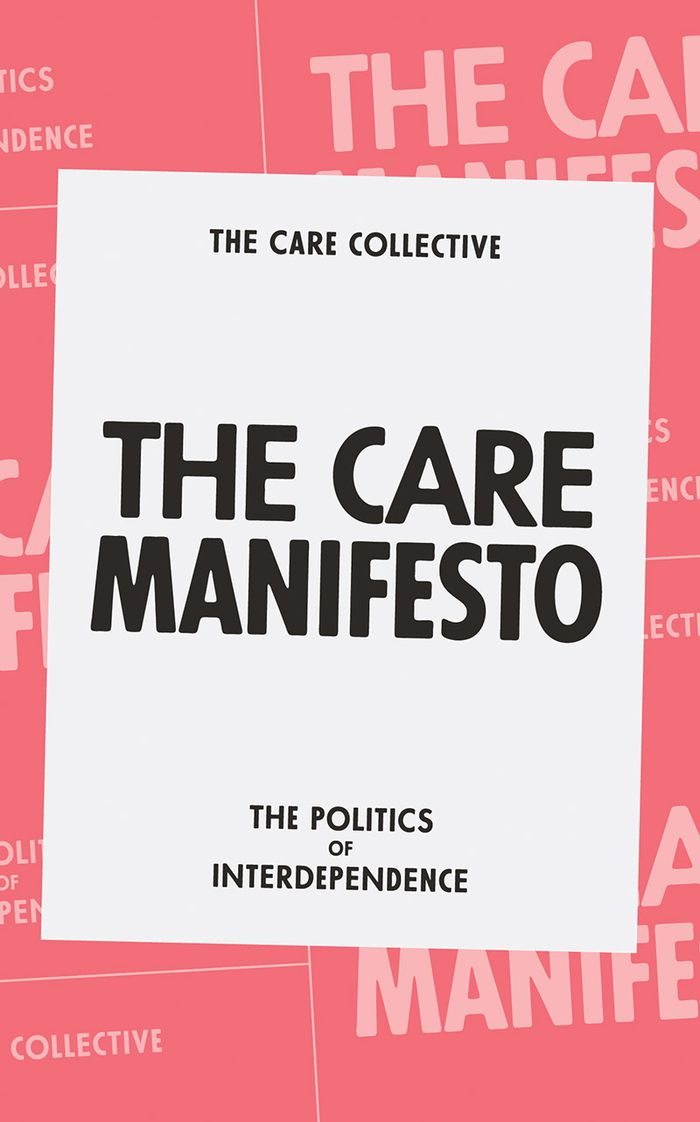
Titre:
The care manifesto
The care manifesto
Actions:
Prix:
$19.95
(disponible sur commande)
Résumé:
''The care manifesto'' puts care at the heart of the debates of our current crisis: from intimate care--childcare, healthcare, elder care--to care for the natural world. We live in a world where carelessness reigns, but it does not have to be this way. ''The care manifesto'' puts forth a vision for a truly caring world. The authors want to reimagine the role of care(...)
$19.95
(disponible sur commande)
Résumé:
''The care manifesto'' puts care at the heart of the debates of our current crisis: from intimate care--childcare, healthcare, elder care--to care for the natural world. We live in a world where carelessness reigns, but it does not have to be this way. ''The care manifesto'' puts forth a vision for a truly caring world. The authors want to reimagine the role of care(...)
Titre:
The care manifesto
Actions:
Prix:
$19.95
(disponible sur commande)
Résumé:
''The care manifesto'' puts care at the heart of the debates of our current crisis: from intimate care--childcare, healthcare, elder care--to care for the natural world. We live in a world where carelessness reigns, but it does not have to be this way. ''The care manifesto'' puts forth a vision for a truly caring world. The authors want to reimagine the role of care in our everyday lives, making it the organising principle in every dimension and at every scale of life. We are all dependent on each other, and only by nurturing these interdependencies can we cultivate a world in which each and every one of us can not only live but thrive. ''The care manifesto'' demands that we must put care at the heart of the state and the economy. A caring government must promote collective joy, not the satisfaction of individual desire. This means the transformation of how we organise work through co-operatives, localism and nationalisation. It proposes the expansion of our understanding of kinship for a more 'promiscuous care'. It calls for caring places through the reclamation of public space, to make a more convivial city. It sets out an agenda for the environment, most urgent of all, putting care at the centre of our relationship to the natural world.
The care manifesto
Actions:
Prix:
$19.95
(disponible sur commande)
Résumé:
''The care manifesto'' puts care at the heart of the debates of our current crisis: from intimate care--childcare, healthcare, elder care--to care for the natural world. We live in a world where carelessness reigns, but it does not have to be this way. ''The care manifesto'' puts forth a vision for a truly caring world. The authors want to reimagine the role of care in our everyday lives, making it the organising principle in every dimension and at every scale of life. We are all dependent on each other, and only by nurturing these interdependencies can we cultivate a world in which each and every one of us can not only live but thrive. ''The care manifesto'' demands that we must put care at the heart of the state and the economy. A caring government must promote collective joy, not the satisfaction of individual desire. This means the transformation of how we organise work through co-operatives, localism and nationalisation. It proposes the expansion of our understanding of kinship for a more 'promiscuous care'. It calls for caring places through the reclamation of public space, to make a more convivial city. It sets out an agenda for the environment, most urgent of all, putting care at the centre of our relationship to the natural world.
Classification:
livres
livres
Publication:
septembre 2020
septembre 2020
Sujet:
Social
Social


