


13794 Résultats
Classification:
livres
livres
Actions:
Prix:
$24.95
(disponible sur commande)
Résumé:
Bien que Richter se soit exprimé à maintes reprises par la parole et l'écrit, jusqu'à présent il s'est toujours montré réservé quant à la publication de ses textes. Hormis de nombreuses interviews, seuls quelques fragments de textes isolés ont été publiés ici et là. Outre ses notes et extraits de journal écrits au fil des mots, trouvera-t-on des essais, des lettres,(...)
$24.95
(disponible sur commande)
Résumé:
Bien que Richter se soit exprimé à maintes reprises par la parole et l'écrit, jusqu'à présent il s'est toujours montré réservé quant à la publication de ses textes. Hormis de nombreuses interviews, seuls quelques fragments de textes isolés ont été publiés ici et là. Outre ses notes et extraits de journal écrits au fil des mots, trouvera-t-on des essais, des lettres,(...)
Titre:
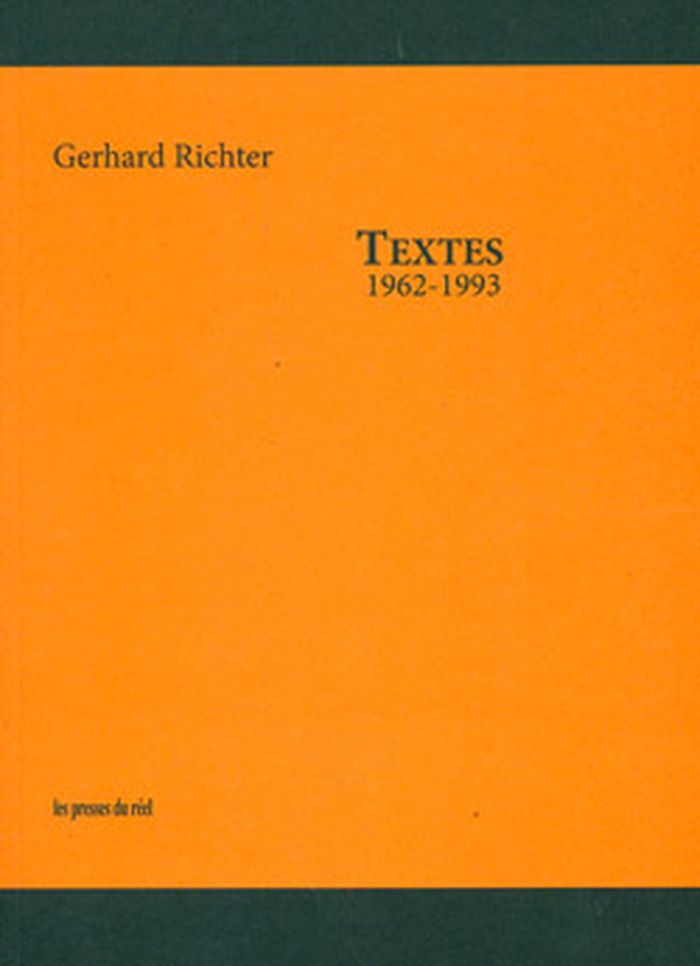
Gerhard Richter: textes, 1962-1993
Actions:
Prix:
$24.95
(disponible sur commande)
Résumé:
Bien que Richter se soit exprimé à maintes reprises par la parole et l'écrit, jusqu'à présent il s'est toujours montré réservé quant à la publication de ses textes. Hormis de nombreuses interviews, seuls quelques fragments de textes isolés ont été publiés ici et là. Outre ses notes et extraits de journal écrits au fil des mots, trouvera-t-on des essais, des lettres, prises de positions et déclarations, manifestes, entretiens, conversations et dialogues. Les notes écrites de Richter accompagnent l'acte de peindre, elles le mettent en question et subissent même son correctif. Au lieu d'un texte anticipatoire et explicite, apparaissent une pensée synchrone et une réflexion ultérieure, raisonnée au sens le plus littéral du terme, où le réfléchir sur soi-même est le prolongement du doute. Comme nul autre artiste contemporain, Richter s'interroge sur le possible et l'impossible, sur la fonction et l'autonomie de l'art actuel.
Gerhard Richter: textes, 1962-1993
Actions:
Prix:
$24.95
(disponible sur commande)
Résumé:
Bien que Richter se soit exprimé à maintes reprises par la parole et l'écrit, jusqu'à présent il s'est toujours montré réservé quant à la publication de ses textes. Hormis de nombreuses interviews, seuls quelques fragments de textes isolés ont été publiés ici et là. Outre ses notes et extraits de journal écrits au fil des mots, trouvera-t-on des essais, des lettres, prises de positions et déclarations, manifestes, entretiens, conversations et dialogues. Les notes écrites de Richter accompagnent l'acte de peindre, elles le mettent en question et subissent même son correctif. Au lieu d'un texte anticipatoire et explicite, apparaissent une pensée synchrone et une réflexion ultérieure, raisonnée au sens le plus littéral du terme, où le réfléchir sur soi-même est le prolongement du doute. Comme nul autre artiste contemporain, Richter s'interroge sur le possible et l'impossible, sur la fonction et l'autonomie de l'art actuel.
Classification:
livres
livres
Publication:
juillet 2012
juillet 2012
Sujet:
Théorie de l’art
Théorie de l’art
Classification:
livres
livres
Actions:
Prix:
$24.95
(disponible en magasin)
Résumé:
Une approche biographique de l'œuvre de Gerhard Richter à travers une enquête, à la fois essai critique et roman policier, qui dévoile le terrible secret dissimulé dans les tableaux de l'un des plus célèbres peintres contemporains.
$24.95
(disponible en magasin)
Résumé:
Une approche biographique de l'œuvre de Gerhard Richter à travers une enquête, à la fois essai critique et roman policier, qui dévoile le terrible secret dissimulé dans les tableaux de l'un des plus célèbres peintres contemporains.
Titre:
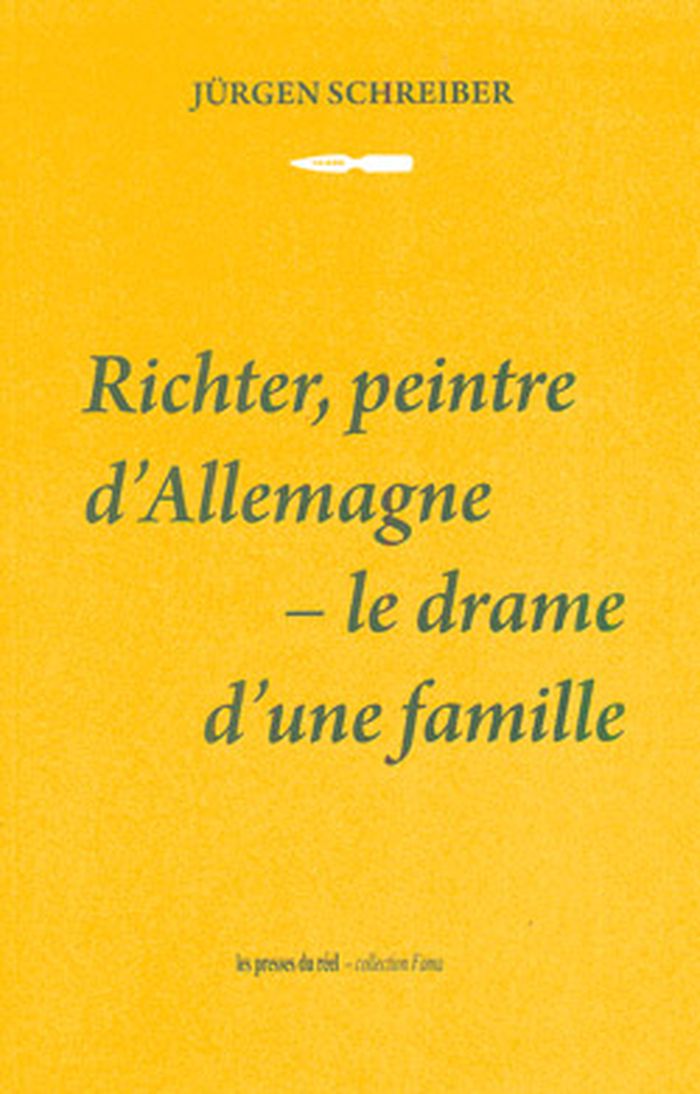
Richter, peintre d'Allemagne: le drame d'une famille
Actions:
Prix:
$24.95
(disponible en magasin)
Résumé:
Une approche biographique de l'œuvre de Gerhard Richter à travers une enquête, à la fois essai critique et roman policier, qui dévoile le terrible secret dissimulé dans les tableaux de l'un des plus célèbres peintres contemporains.
Richter, peintre d'Allemagne: le drame d'une famille
Actions:
Prix:
$24.95
(disponible en magasin)
Résumé:
Une approche biographique de l'œuvre de Gerhard Richter à travers une enquête, à la fois essai critique et roman policier, qui dévoile le terrible secret dissimulé dans les tableaux de l'un des plus célèbres peintres contemporains.
Classification:
livres
livres
Publication:
juillet 2012
juillet 2012
Sujet:
Théorie de l’art
Théorie de l’art
Classification:
livres
livres
Titre:
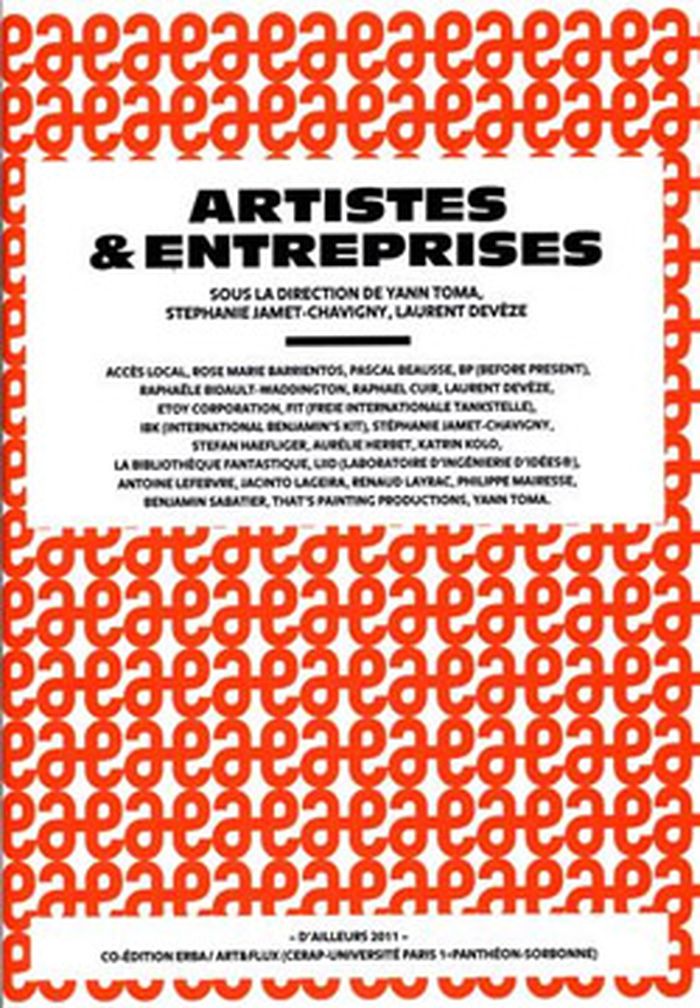
Artistes et entreprises
Artistes et entreprises
Actions:
Prix:
$24.95
(disponible sur commande)
Résumé:
De pays et d'horizons différents, artistes, critiques, historiens de l'art, économistes et philosophes interrogent les entreprises-artistes. Véritable conjonction entre une forme entrepreneuriale et un artiste, elles surgissent des quatre coins du globe depuis les années 1960, en tant que « sociétés » ou bien « firmes » et sont portées par des artistes entrepreneurs. (...)
$24.95
(disponible sur commande)
Résumé:
De pays et d'horizons différents, artistes, critiques, historiens de l'art, économistes et philosophes interrogent les entreprises-artistes. Véritable conjonction entre une forme entrepreneuriale et un artiste, elles surgissent des quatre coins du globe depuis les années 1960, en tant que « sociétés » ou bien « firmes » et sont portées par des artistes entrepreneurs. (...)
Sujet:
Théorie de l’art
Théorie de l’art
Publication:
juillet 2012
juillet 2012
Titre:
Artistes et entreprises
Actions:
Prix:
$24.95
(disponible sur commande)
Résumé:
De pays et d'horizons différents, artistes, critiques, historiens de l'art, économistes et philosophes interrogent les entreprises-artistes. Véritable conjonction entre une forme entrepreneuriale et un artiste, elles surgissent des quatre coins du globe depuis les années 1960, en tant que « sociétés » ou bien « firmes » et sont portées par des artistes entrepreneurs. Cet ouvrage a pour ambition de confronter des approches critiques sur une forme de questionnement et d'appropriation par les artistes du modèle de l'entreprise : son nom, son statut, sa labellisation, son image graphique, son mode de fonctionnement, son marketing ou encore sa production. Tout semble converger vers une remise en question profonde de la place que les artistes entendent prendre dans la société. Pourquoi et comment ont-ils investi ce domaine à priori hors du champ artistique ? L'apparition de ces « firmes », souvent qualifiées d'« entreprises critiques », est à mettre en regard de l'évolution de la société mondiale ; les artistes entrepreneurs veulent ainsi y répondre à leur manière en détournant les codes du monde entrepreneurial, en parodiant parfois même les stratégies à l'œuvre dans l'entreprise, voire en inventant de nouvelles formes d'autonomisation en rupture avec les modèles ayant cours dans le marché et le milieu de l'art.
Artistes et entreprises
Actions:
Prix:
$24.95
(disponible sur commande)
Résumé:
De pays et d'horizons différents, artistes, critiques, historiens de l'art, économistes et philosophes interrogent les entreprises-artistes. Véritable conjonction entre une forme entrepreneuriale et un artiste, elles surgissent des quatre coins du globe depuis les années 1960, en tant que « sociétés » ou bien « firmes » et sont portées par des artistes entrepreneurs. Cet ouvrage a pour ambition de confronter des approches critiques sur une forme de questionnement et d'appropriation par les artistes du modèle de l'entreprise : son nom, son statut, sa labellisation, son image graphique, son mode de fonctionnement, son marketing ou encore sa production. Tout semble converger vers une remise en question profonde de la place que les artistes entendent prendre dans la société. Pourquoi et comment ont-ils investi ce domaine à priori hors du champ artistique ? L'apparition de ces « firmes », souvent qualifiées d'« entreprises critiques », est à mettre en regard de l'évolution de la société mondiale ; les artistes entrepreneurs veulent ainsi y répondre à leur manière en détournant les codes du monde entrepreneurial, en parodiant parfois même les stratégies à l'œuvre dans l'entreprise, voire en inventant de nouvelles formes d'autonomisation en rupture avec les modèles ayant cours dans le marché et le milieu de l'art.
Classification:
livres
livres
Publication:
juillet 2012
juillet 2012
Sujet:
Théorie de l’art
Théorie de l’art
Classification:
livres
livres
Actions:
Prix:
$31.95
(disponible sur commande)
Résumé:
Cette publication rassemble des textes et certains éléments de théorie que Richard Martel a écrits sur une période de dix ans, entre 2002 et 2012. Pionnier de l'art alternatif et de l'autogestion, l'auteur y affirme ses idées sur l'activité artistique dans ses rapports culturels, sociaux, politiques. Il y traite d'un faire de l'art en considérant les grandes orientations(...)
$31.95
(disponible sur commande)
Résumé:
Cette publication rassemble des textes et certains éléments de théorie que Richard Martel a écrits sur une période de dix ans, entre 2002 et 2012. Pionnier de l'art alternatif et de l'autogestion, l'auteur y affirme ses idées sur l'activité artistique dans ses rapports culturels, sociaux, politiques. Il y traite d'un faire de l'art en considérant les grandes orientations(...)
Titre:
Richard Martel: l'art dans l'action, l'action dans l'art, textes 2002-2012
Actions:
Prix:
$31.95
(disponible sur commande)
Résumé:
Cette publication rassemble des textes et certains éléments de théorie que Richard Martel a écrits sur une période de dix ans, entre 2002 et 2012. Pionnier de l'art alternatif et de l'autogestion, l'auteur y affirme ses idées sur l'activité artistique dans ses rapports culturels, sociaux, politiques. Il y traite d'un faire de l'art en considérant les grandes orientations de l'art actuel comme prises de position dans divers mouvements et tendances qui illustrent le passage de « l'art comme objet » à « l'art comme événement ». Il est aussi question de contexte, de périphérie, de relation, de performativité, d'artéosophie et d'alchimie performative dans une périphérie des systèmes et des systèmes périphériques. L'auteur y préconise un art à l'échelle humaine, qui implique une prise de risque dans l'exercice des pratiques désormais admises au sein du spectre des réalisations artistiques récentes. Contre l'économisme dominant, le vécu en tant qu'idéologie nous propose de considérer l'ensemble des dispositifs artistiques dans leurs relations et leurs contextes spécifiques. Ainsi, les tentatives pour un art actuel, au sens d'une action directe dans les rouages sociaux, exposent une solidarité à même le « réseau éternel ».
Richard Martel: l'art dans l'action, l'action dans l'art, textes 2002-2012
Actions:
Prix:
$31.95
(disponible sur commande)
Résumé:
Cette publication rassemble des textes et certains éléments de théorie que Richard Martel a écrits sur une période de dix ans, entre 2002 et 2012. Pionnier de l'art alternatif et de l'autogestion, l'auteur y affirme ses idées sur l'activité artistique dans ses rapports culturels, sociaux, politiques. Il y traite d'un faire de l'art en considérant les grandes orientations de l'art actuel comme prises de position dans divers mouvements et tendances qui illustrent le passage de « l'art comme objet » à « l'art comme événement ». Il est aussi question de contexte, de périphérie, de relation, de performativité, d'artéosophie et d'alchimie performative dans une périphérie des systèmes et des systèmes périphériques. L'auteur y préconise un art à l'échelle humaine, qui implique une prise de risque dans l'exercice des pratiques désormais admises au sein du spectre des réalisations artistiques récentes. Contre l'économisme dominant, le vécu en tant qu'idéologie nous propose de considérer l'ensemble des dispositifs artistiques dans leurs relations et leurs contextes spécifiques. Ainsi, les tentatives pour un art actuel, au sens d'une action directe dans les rouages sociaux, exposent une solidarité à même le « réseau éternel ».
Classification:
livres
livres
Publication:
juillet 2012
juillet 2012
Sujet:
Théorie de l’art
Théorie de l’art
Classification:
livres
livres
Actions:
Prix:
$27.95
(disponible sur commande)
Résumé:
This collection surveys the choreographic turn in the artistic imagination from the 1950s onwards, and in doing so outlines the philosophies of movement instrumental to the development of experimental dance. By introducing and discussing the concepts of embodiment and corporeality, choreopolitics, and the notion of dance in an expanded field, Dance establishes the(...)
$27.95
(disponible sur commande)
Résumé:
This collection surveys the choreographic turn in the artistic imagination from the 1950s onwards, and in doing so outlines the philosophies of movement instrumental to the development of experimental dance. By introducing and discussing the concepts of embodiment and corporeality, choreopolitics, and the notion of dance in an expanded field, Dance establishes the(...)
Titre:
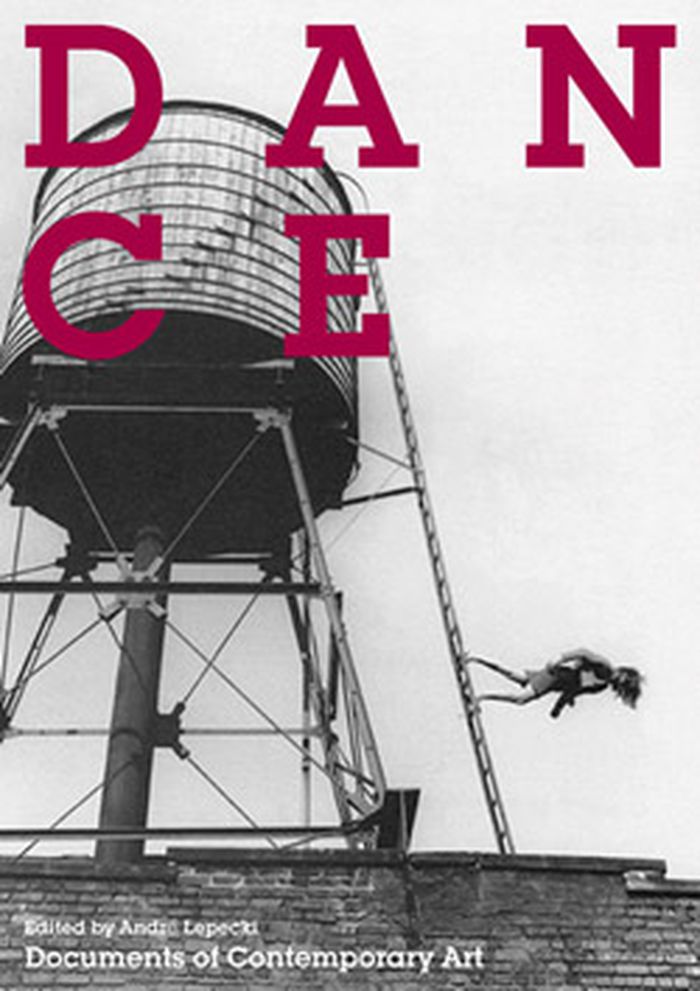
Documents of contemporary art : Dance
Actions:
Prix:
$27.95
(disponible sur commande)
Résumé:
This collection surveys the choreographic turn in the artistic imagination from the 1950s onwards, and in doing so outlines the philosophies of movement instrumental to the development of experimental dance. By introducing and discussing the concepts of embodiment and corporeality, choreopolitics, and the notion of dance in an expanded field, Dance establishes the aesthetics and politics of dance as a major impetus in contemporary culture. It offers testimonies and writings by influential visual artists whose work has taken inspiration from dance and choreography. Dance--because of its ephemerality, corporeality, precariousness, scoring, and performativity--is arguably the art form that most clearly engages the politics of aesthetics in contemporary culture. Dance's ephemerality suggests the possibility of an escape from the regimes of commodification and fetishization in the arts. Its corporeality can embody critiques of representation inscribed in bodies and subjects. Its precariousness underlines the fragility of contemporary states of being. Scoring links it with conceptual art, as language becomes the articulator for possible as well as impossible modes of action. Finally, because dance always establishes a contract, or promise, between its choreographic planning and its actualization in movement, it reveals an essential performativity in its aesthetic project--a central concern for both art and critical thought in our time.
Documents of contemporary art : Dance
Actions:
Prix:
$27.95
(disponible sur commande)
Résumé:
This collection surveys the choreographic turn in the artistic imagination from the 1950s onwards, and in doing so outlines the philosophies of movement instrumental to the development of experimental dance. By introducing and discussing the concepts of embodiment and corporeality, choreopolitics, and the notion of dance in an expanded field, Dance establishes the aesthetics and politics of dance as a major impetus in contemporary culture. It offers testimonies and writings by influential visual artists whose work has taken inspiration from dance and choreography. Dance--because of its ephemerality, corporeality, precariousness, scoring, and performativity--is arguably the art form that most clearly engages the politics of aesthetics in contemporary culture. Dance's ephemerality suggests the possibility of an escape from the regimes of commodification and fetishization in the arts. Its corporeality can embody critiques of representation inscribed in bodies and subjects. Its precariousness underlines the fragility of contemporary states of being. Scoring links it with conceptual art, as language becomes the articulator for possible as well as impossible modes of action. Finally, because dance always establishes a contract, or promise, between its choreographic planning and its actualization in movement, it reveals an essential performativity in its aesthetic project--a central concern for both art and critical thought in our time.
Classification:
livres
livres
Publication:
septembre 2012
septembre 2012
Sujet:
Théorie de l’art
Théorie de l’art
Classification:
livres
livres
Actions:
Prix:
$17.95
(disponible sur commande)
Résumé:
In the work Kunsthalle Bern 1992, Asher removed the radiators from all the museum's exhibition spaces and reassembled them in its entryway gallery. Metal pipes connected the relocated radiators to their original sockets; these tubular conduits, coursing in linear fashion along the Kunsthalle's walls, kept the steam heat flowing and endowed the installation with(...)
$17.95
(disponible sur commande)
Résumé:
In the work Kunsthalle Bern 1992, Asher removed the radiators from all the museum's exhibition spaces and reassembled them in its entryway gallery. Metal pipes connected the relocated radiators to their original sockets; these tubular conduits, coursing in linear fashion along the Kunsthalle's walls, kept the steam heat flowing and endowed the installation with(...)
Titre:
Michael Asher : Kunsthalle Bern, 1929
Actions:
Prix:
$17.95
(disponible sur commande)
Résumé:
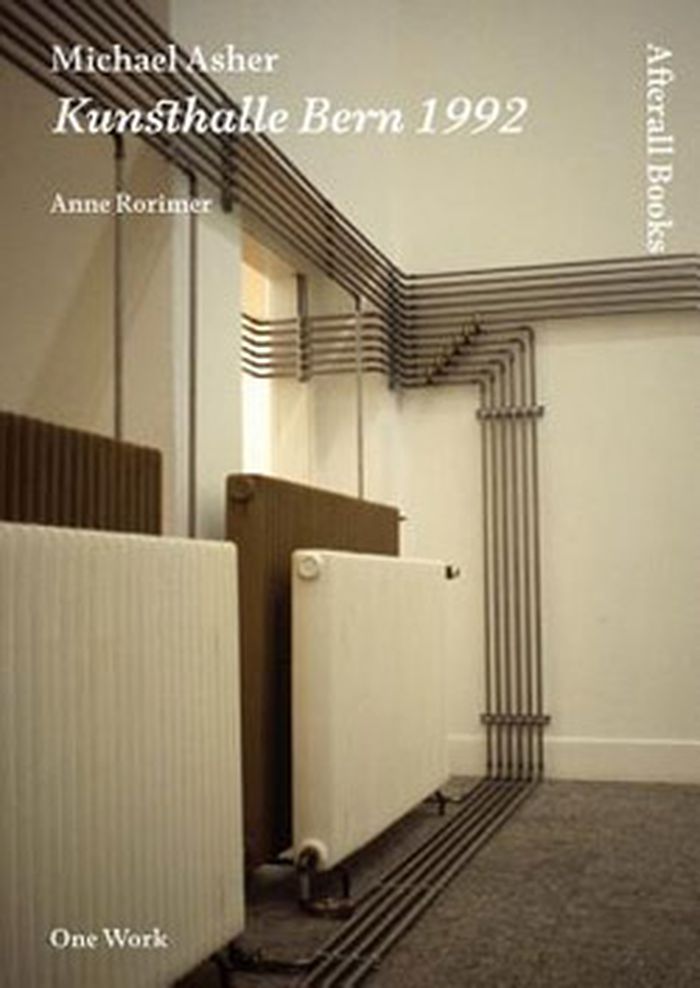
In the work Kunsthalle Bern 1992, Asher removed the radiators from all the museum's exhibition spaces and reassembled them in its entryway gallery. Metal pipes connected the relocated radiators to their original sockets; these tubular conduits, coursing in linear fashion along the Kunsthalle's walls, kept the steam heat flowing and endowed the installation with directional lines of force. This "displacement of givens" offers a perfect example of site-specific practice, one that took the gallery space and the institution itself as its subject. In this detailed examination of Kunsthalle Bern 1992, Anne Rorimer considers the work in the context of Asher's ongoing desire to fuse art with the material, economic, and social conditions of institutional presentation. Rorimer analyzes Kunsthalle Bern 1992 in relation to the earlier innovations of such minimalist artists as Donald Judd, Carl Andre, Robert Morris, Sol LeWitt, Bruce Nauman, and Dan Flavin as well as to such conceptualist contemporaries as Daniel Buren, Dan Graham, and Maria Nordman. She also considers the installation in the context of other works by Asher that have used non-art, functional elements, including walls, or that have investigated museological issues.
Michael Asher : Kunsthalle Bern, 1929
Actions:
Prix:
$17.95
(disponible sur commande)
Résumé:
In the work Kunsthalle Bern 1992, Asher removed the radiators from all the museum's exhibition spaces and reassembled them in its entryway gallery. Metal pipes connected the relocated radiators to their original sockets; these tubular conduits, coursing in linear fashion along the Kunsthalle's walls, kept the steam heat flowing and endowed the installation with directional lines of force. This "displacement of givens" offers a perfect example of site-specific practice, one that took the gallery space and the institution itself as its subject. In this detailed examination of Kunsthalle Bern 1992, Anne Rorimer considers the work in the context of Asher's ongoing desire to fuse art with the material, economic, and social conditions of institutional presentation. Rorimer analyzes Kunsthalle Bern 1992 in relation to the earlier innovations of such minimalist artists as Donald Judd, Carl Andre, Robert Morris, Sol LeWitt, Bruce Nauman, and Dan Flavin as well as to such conceptualist contemporaries as Daniel Buren, Dan Graham, and Maria Nordman. She also considers the installation in the context of other works by Asher that have used non-art, functional elements, including walls, or that have investigated museological issues.
Classification:
livres
livres
Publication:
novembre 2012
novembre 2012
Sujet:
Théorie de l’art
Théorie de l’art
Classification:
livres
livres
Actions:
Prix:
$28.95
(disponible sur commande)
Résumé:
This book offers a range of perspectives on a variety of incarnations of garbage, inviting the reader to consider garbage in a way that goes beyond the common buy green discourse that empowers individuals while limiting environmental activism to consumerist practices.
$28.95
(disponible sur commande)
Résumé:
This book offers a range of perspectives on a variety of incarnations of garbage, inviting the reader to consider garbage in a way that goes beyond the common buy green discourse that empowers individuals while limiting environmental activism to consumerist practices.
Sujet:
Théorie de l’architecture
Théorie de l’architecture
Publication:
octobre 2012
octobre 2012
Titre:
Histories of the dustheap : waste, material cultures, social justice
Actions:
Prix:
$28.95
(disponible sur commande)
Résumé:
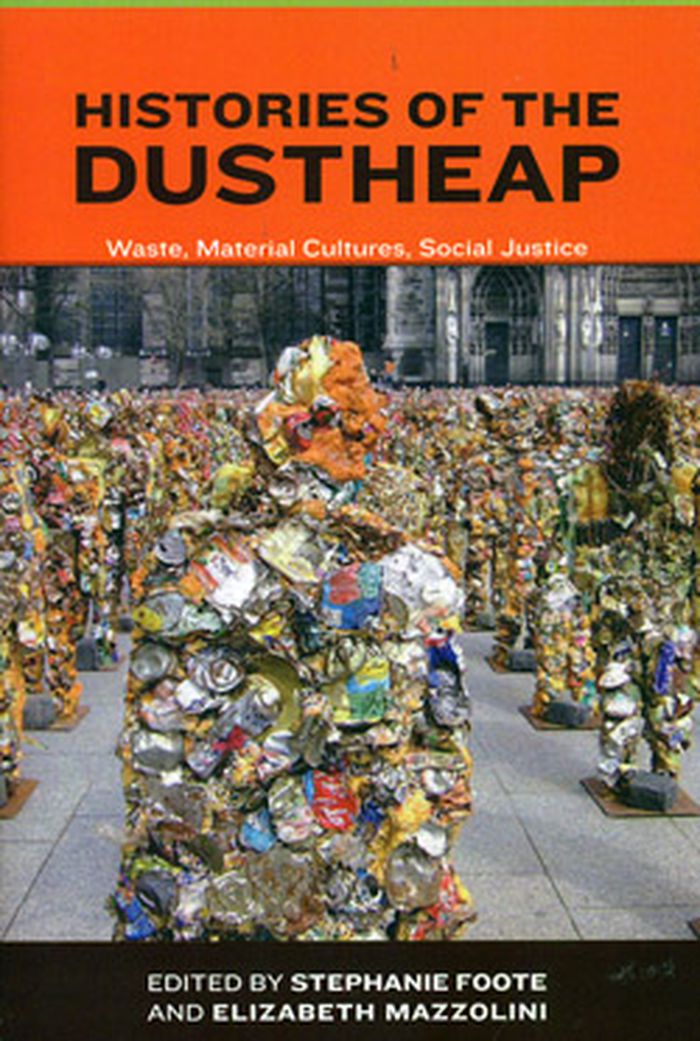
This book offers a range of perspectives on a variety of incarnations of garbage, inviting the reader to consider garbage in a way that goes beyond the common buy green discourse that empowers individuals while limiting environmental activism to consumerist practices.
Histories of the dustheap : waste, material cultures, social justice
Actions:
Prix:
$28.95
(disponible sur commande)
Résumé:
This book offers a range of perspectives on a variety of incarnations of garbage, inviting the reader to consider garbage in a way that goes beyond the common buy green discourse that empowers individuals while limiting environmental activism to consumerist practices.
Classification:
livres
livres
Publication:
octobre 2012
octobre 2012
Sujet:
Théorie de l’architecture
Théorie de l’architecture
Classification:
livres
livres
Titre:
Dada in Paris
Dada in Paris
Actions:
Prix:
$32.95
(disponible sur commande)
Résumé:
Michel Sanouillet's Dada in Paris, published in France in 1965, reintroduced the Dada movement to a public that had largely ignored or forgotten it. More than forty years later, it remains both the unavoidable starting point and the essential reference for anyone interested in Dada or the early-twentieth century avant-garde. This first English-language edition of(...)
$32.95
(disponible sur commande)
Résumé:
Michel Sanouillet's Dada in Paris, published in France in 1965, reintroduced the Dada movement to a public that had largely ignored or forgotten it. More than forty years later, it remains both the unavoidable starting point and the essential reference for anyone interested in Dada or the early-twentieth century avant-garde. This first English-language edition of(...)
Titre:
Dada in Paris
Actions:
Prix:
$32.95
(disponible sur commande)
Résumé:
Michel Sanouillet's Dada in Paris, published in France in 1965, reintroduced the Dada movement to a public that had largely ignored or forgotten it. More than forty years later, it remains both the unavoidable starting point and the essential reference for anyone interested in Dada or the early-twentieth century avant-garde. This first English-language edition of Sanouillet's definitive work (a translation of the expanded 2005 French edition) gives English-speaking readers their first direct access to the author's monumental history (based on years of research, including personal involvement with most of the Dadaists still living at the time) and massive compilation of previously unpublished correspondence, including more than 200 letters to and from such movement luminaries as Tristan Tzara, Andr Breton, and Francis Picabia.
Dada in Paris
Actions:
Prix:
$32.95
(disponible sur commande)
Résumé:
Michel Sanouillet's Dada in Paris, published in France in 1965, reintroduced the Dada movement to a public that had largely ignored or forgotten it. More than forty years later, it remains both the unavoidable starting point and the essential reference for anyone interested in Dada or the early-twentieth century avant-garde. This first English-language edition of Sanouillet's definitive work (a translation of the expanded 2005 French edition) gives English-speaking readers their first direct access to the author's monumental history (based on years of research, including personal involvement with most of the Dadaists still living at the time) and massive compilation of previously unpublished correspondence, including more than 200 letters to and from such movement luminaries as Tristan Tzara, Andr Breton, and Francis Picabia.
Classification:
livres
livres
Publication:
octobre 2012
octobre 2012
Sujet:
Théorie de l’art
Théorie de l’art
Classification:
livres
livres
Actions:
Prix:
$22.95
(disponible sur commande)
Résumé:
Amid the cultural and political ferment of 1960s France, a group of avant-garde architects, artists, writers, theorists, and critics known as "spatial urbanists" envisioned a series of urban utopias--phantom cities of a possible future. The utopian "spatial" city most often took the form of a massive grid or mesh suspended above the ground, all of its parts (and(...)
$22.95
(disponible sur commande)
Résumé:
Amid the cultural and political ferment of 1960s France, a group of avant-garde architects, artists, writers, theorists, and critics known as "spatial urbanists" envisioned a series of urban utopias--phantom cities of a possible future. The utopian "spatial" city most often took the form of a massive grid or mesh suspended above the ground, all of its parts (and(...)
Titre:
Topologies: the urban utopia in France, 1960-1970
Actions:
Prix:
$22.95
(disponible sur commande)
Résumé:
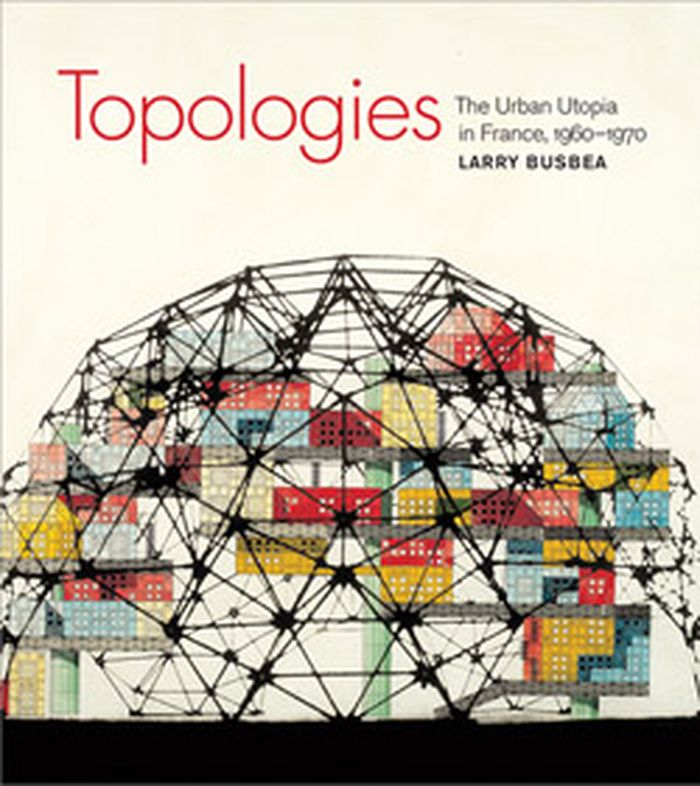
Amid the cultural and political ferment of 1960s France, a group of avant-garde architects, artists, writers, theorists, and critics known as "spatial urbanists" envisioned a series of urban utopias--phantom cities of a possible future. The utopian "spatial" city most often took the form of a massive grid or mesh suspended above the ground, all of its parts (and inhabitants) circulating in a smooth, synchronous rhythm, its streets and buildings constituting a gigantic work of plastic art or interactive machine. In this new urban world, technology and automation were positive forces, providing for material needs as well as time and space for leisure. In this first study of the French avant-garde tendency known as spatial urbanism, Larry Busbea analyzes projects by artists and architects (including the most famous spatial practitioner, Yona Friedman) and explores texts (many of which have never before been translated from the French) by Michel Ragon, the influential founder of the Groupe International d'Architecture Prospective (GIAP), Victor Vasarely, and others. Even at its most fanciful, Busbea argues, the French urban utopia provided an image for social transformations that were only beginning to be described by cultural theorists and sociologists.
Topologies: the urban utopia in France, 1960-1970
Actions:
Prix:
$22.95
(disponible sur commande)
Résumé:
Amid the cultural and political ferment of 1960s France, a group of avant-garde architects, artists, writers, theorists, and critics known as "spatial urbanists" envisioned a series of urban utopias--phantom cities of a possible future. The utopian "spatial" city most often took the form of a massive grid or mesh suspended above the ground, all of its parts (and inhabitants) circulating in a smooth, synchronous rhythm, its streets and buildings constituting a gigantic work of plastic art or interactive machine. In this new urban world, technology and automation were positive forces, providing for material needs as well as time and space for leisure. In this first study of the French avant-garde tendency known as spatial urbanism, Larry Busbea analyzes projects by artists and architects (including the most famous spatial practitioner, Yona Friedman) and explores texts (many of which have never before been translated from the French) by Michel Ragon, the influential founder of the Groupe International d'Architecture Prospective (GIAP), Victor Vasarely, and others. Even at its most fanciful, Busbea argues, the French urban utopia provided an image for social transformations that were only beginning to be described by cultural theorists and sociologists.
Classification:
livres
livres
Publication:
octobre 2012
octobre 2012
Sujet:
Théorie de l’architecture
Théorie de l’architecture
Classification:
livres
livres
Prix:
$18.95
(disponible sur commande)
Résumé:
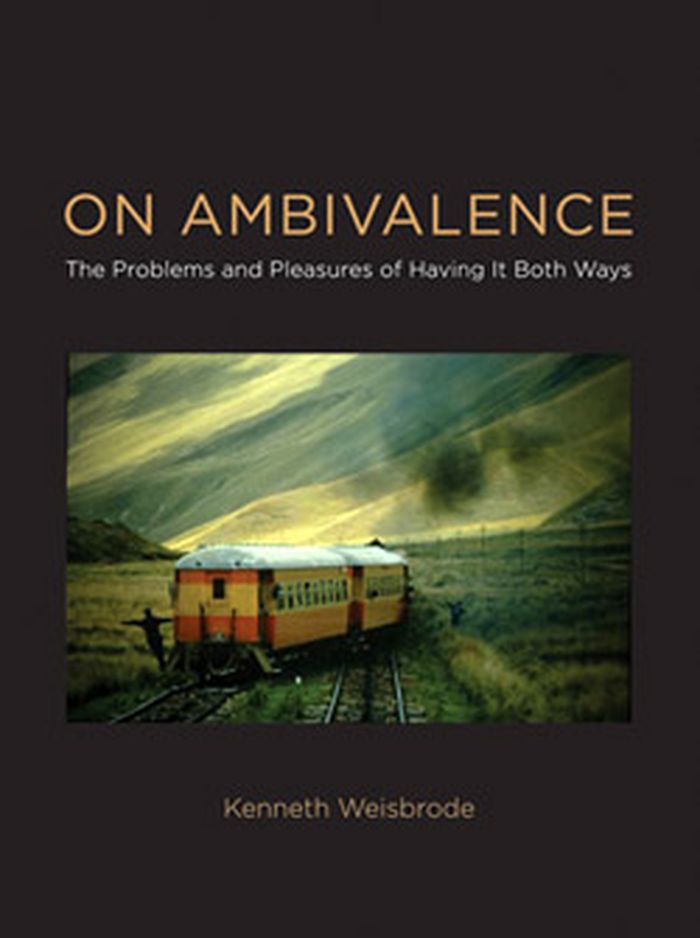
Why is it so hard to make up our minds? Adam and Eve set the template : do we or don’t we eat the apple? They chose, half-heartedly, and nothing was ever the same again. With this book, Kenneth Weisbrode offers an introduction to the age-old struggle with ambivalence. Ambivalence results from a basic desire to have it both ways. This is only natural - although(...)
$18.95
(disponible sur commande)
Résumé:
Why is it so hard to make up our minds? Adam and Eve set the template : do we or don’t we eat the apple? They chose, half-heartedly, and nothing was ever the same again. With this book, Kenneth Weisbrode offers an introduction to the age-old struggle with ambivalence. Ambivalence results from a basic desire to have it both ways. This is only natural - although(...)
Titre:
On ambivalence : the problems and pleasures of having it both ways
Actions:
Prix:
$18.95
(disponible sur commande)
Résumé:
Why is it so hard to make up our minds? Adam and Eve set the template : do we or don’t we eat the apple? They chose, half-heartedly, and nothing was ever the same again. With this book, Kenneth Weisbrode offers an introduction to the age-old struggle with ambivalence. Ambivalence results from a basic desire to have it both ways. This is only natural - although insisting upon it against all reason often results not in "both" but in the disappointing "neither." Ambivalence has insinuated itself into our culture as a kind of obligatory reflex, or default position, before practically every choice we make. It affects not only individuals; organizations, societies, and cultures can also be ambivalent. How often have we asked the scornful question, "Are we the Hamlet of nations"? How often have we demanded that our leaders appear decisive, judicious, and stalwart? And how eager have we been to censure them when they hesitate or waver? Weisbrode traces the concept of ambivalence, from the Garden of Eden to Freud and beyond. The Obama era, he says, may be America’s own era of ambivalence: neither red nor blue but a multicolored kaleidoscope. Ambivalence, he argues, need not be destructive. We must learn to distinguish it from its symptoms - selfishness, ambiguity, and indecision - and accept that frustration, guilt, and paralysis felt by individuals need not lead automatically to a collective pathology. Drawing upon examples from philosophy, history, literature, and the social sciences, On Ambivalence is a pocket-sized portrait of a complex human condition.
On ambivalence : the problems and pleasures of having it both ways
Actions:
Prix:
$18.95
(disponible sur commande)
Résumé:
Why is it so hard to make up our minds? Adam and Eve set the template : do we or don’t we eat the apple? They chose, half-heartedly, and nothing was ever the same again. With this book, Kenneth Weisbrode offers an introduction to the age-old struggle with ambivalence. Ambivalence results from a basic desire to have it both ways. This is only natural - although insisting upon it against all reason often results not in "both" but in the disappointing "neither." Ambivalence has insinuated itself into our culture as a kind of obligatory reflex, or default position, before practically every choice we make. It affects not only individuals; organizations, societies, and cultures can also be ambivalent. How often have we asked the scornful question, "Are we the Hamlet of nations"? How often have we demanded that our leaders appear decisive, judicious, and stalwart? And how eager have we been to censure them when they hesitate or waver? Weisbrode traces the concept of ambivalence, from the Garden of Eden to Freud and beyond. The Obama era, he says, may be America’s own era of ambivalence: neither red nor blue but a multicolored kaleidoscope. Ambivalence, he argues, need not be destructive. We must learn to distinguish it from its symptoms - selfishness, ambiguity, and indecision - and accept that frustration, guilt, and paralysis felt by individuals need not lead automatically to a collective pathology. Drawing upon examples from philosophy, history, literature, and the social sciences, On Ambivalence is a pocket-sized portrait of a complex human condition.
Classification:
livres
livres
Publication:
janvier 2012
janvier 2012
Sujet:
Théorie/ philosophie
Théorie/ philosophie


