


36173 Résultats
Classification:
livres
livres
Prix:
$47.95
(disponible sur commande)
Résumé:
Builders, Housewives and the Construction of Modern Athens reassesses the explosive growth of postwar Athens through its most distinctive building type, the polykatoikía, and its different connotations through the decades: from a monotonous and ugly element of the city to the role it might play in the urban sustainability. Sprawling beneath the Acropolis, modern Athens(...)
$47.95
(disponible sur commande)
Résumé:
Builders, Housewives and the Construction of Modern Athens reassesses the explosive growth of postwar Athens through its most distinctive building type, the polykatoikía, and its different connotations through the decades: from a monotonous and ugly element of the city to the role it might play in the urban sustainability. Sprawling beneath the Acropolis, modern Athens(...)
Titre:
Builders, housewives, and the construction of modern Athens
Actions:
Prix:
$47.95
(disponible sur commande)
Résumé:
Builders, Housewives and the Construction of Modern Athens reassesses the explosive growth of postwar Athens through its most distinctive building type, the polykatoikía, and its different connotations through the decades: from a monotonous and ugly element of the city to the role it might play in the urban sustainability. Sprawling beneath the Acropolis, modern Athens is commonly viewed in negative terms: congested, ugly and monotonous. Builders, Housewives and the Construction of Modern Athens questions this stereotype, reassessing the explosive growth of postwar Athens through its most distinctive building type: the polykatoikía (a small-scale multistory apartment block). Theocharopoulou re-evaluates the polykatoikía as a low-tech, easily constructible innovation that stimulated the postwar urban economy, triggering the city's social mid-twentieth-century transformation. The interiors of the polykatoikía apartments reflect a desire for modernity as marketed to housewives through film and magazines. Regular builders became unlikely allies in designing these polykatoikía interiors, enabling inhabitants to exert agency over their daily lives and the shape of the postwar city. This revised edition of Theocharopoulou's study draws on popular media as well as urban and regional planning theory, cultural studies and anthropology to examine the evolution of this phenomenon. Written in the light of Greece's recent financial crisis, the book's updated Postscript considers the role polykatoikía might play in building an equitable and sustainable twenty-first-century city.
Builders, housewives, and the construction of modern Athens
Actions:
Prix:
$47.95
(disponible sur commande)
Résumé:
Builders, Housewives and the Construction of Modern Athens reassesses the explosive growth of postwar Athens through its most distinctive building type, the polykatoikía, and its different connotations through the decades: from a monotonous and ugly element of the city to the role it might play in the urban sustainability. Sprawling beneath the Acropolis, modern Athens is commonly viewed in negative terms: congested, ugly and monotonous. Builders, Housewives and the Construction of Modern Athens questions this stereotype, reassessing the explosive growth of postwar Athens through its most distinctive building type: the polykatoikía (a small-scale multistory apartment block). Theocharopoulou re-evaluates the polykatoikía as a low-tech, easily constructible innovation that stimulated the postwar urban economy, triggering the city's social mid-twentieth-century transformation. The interiors of the polykatoikía apartments reflect a desire for modernity as marketed to housewives through film and magazines. Regular builders became unlikely allies in designing these polykatoikía interiors, enabling inhabitants to exert agency over their daily lives and the shape of the postwar city. This revised edition of Theocharopoulou's study draws on popular media as well as urban and regional planning theory, cultural studies and anthropology to examine the evolution of this phenomenon. Written in the light of Greece's recent financial crisis, the book's updated Postscript considers the role polykatoikía might play in building an equitable and sustainable twenty-first-century city.
Classification:
livres
livres
Publication:
septembre 2022
septembre 2022
Sujet:
Théorie de l’urbanisme
Théorie de l’urbanisme
Classification:
livres
livres

Actions:
Prix:
$44.99
(disponible en magasin)
Résumé:
Le premier recueil d'écrits et de discours traduits en français d'Adriano Olivetti (1901-1960), entrepreneur et éditeur italien qui a transformé son usine d'appareils d'écriture et de calcul en un laboratoire d'expérimentation d'un nouveau modèle de vie sociale, politique et culturelle : un modèle d'« utopie concrète » fondé sur l'idée de communauté et centré sur(...)
$44.99
(disponible en magasin)
Résumé:
Le premier recueil d'écrits et de discours traduits en français d'Adriano Olivetti (1901-1960), entrepreneur et éditeur italien qui a transformé son usine d'appareils d'écriture et de calcul en un laboratoire d'expérimentation d'un nouveau modèle de vie sociale, politique et culturelle : un modèle d'« utopie concrète » fondé sur l'idée de communauté et centré sur(...)
Sujet:
Théorie de l’architecture
Théorie de l’architecture
Publication:
avril 2023
avril 2023
Titre:
Adriano Olivetti: Écrits et discours
Actions:
Prix:
$44.99
(disponible en magasin)
Résumé:
Le premier recueil d'écrits et de discours traduits en français d'Adriano Olivetti (1901-1960), entrepreneur et éditeur italien qui a transformé son usine d'appareils d'écriture et de calcul en un laboratoire d'expérimentation d'un nouveau modèle de vie sociale, politique et culturelle : un modèle d'« utopie concrète » fondé sur l'idée de communauté et centré sur l'individu, dont les instruments de réalisation sont l'architecture, l'urbanisme et le design.
Adriano Olivetti: Écrits et discours
Actions:
Prix:
$44.99
(disponible en magasin)
Résumé:
Le premier recueil d'écrits et de discours traduits en français d'Adriano Olivetti (1901-1960), entrepreneur et éditeur italien qui a transformé son usine d'appareils d'écriture et de calcul en un laboratoire d'expérimentation d'un nouveau modèle de vie sociale, politique et culturelle : un modèle d'« utopie concrète » fondé sur l'idée de communauté et centré sur l'individu, dont les instruments de réalisation sont l'architecture, l'urbanisme et le design.
Classification:
livres
livres
Publication:
avril 2023
avril 2023
Sujet:
Théorie de l’architecture
Théorie de l’architecture
Classification:
livres
livres
Actions:
Prix:
$54.95
(disponible en magasin)
Résumé:
Despite the fact that he shaped Venice and its contemporary form, Eugenio Miozzi remains a little-known figure. Yet both locals and visitors experience his legacy every day, in particular when they cross his bridges: from the Ponte della Libertà, to the Ponte dell’Accademia; from the various bridges over the Rio Nuovo, to the exemplary Ponte degli Scalzi. Miozzi, chief(...)
$54.95
(disponible en magasin)
Résumé:
Despite the fact that he shaped Venice and its contemporary form, Eugenio Miozzi remains a little-known figure. Yet both locals and visitors experience his legacy every day, in particular when they cross his bridges: from the Ponte della Libertà, to the Ponte dell’Accademia; from the various bridges over the Rio Nuovo, to the exemplary Ponte degli Scalzi. Miozzi, chief(...)
Titre:
Eugenio Miozzi: Modern Venice between innovation and tradition 1931-1969
Actions:
Prix:
$54.95
(disponible en magasin)
Résumé:
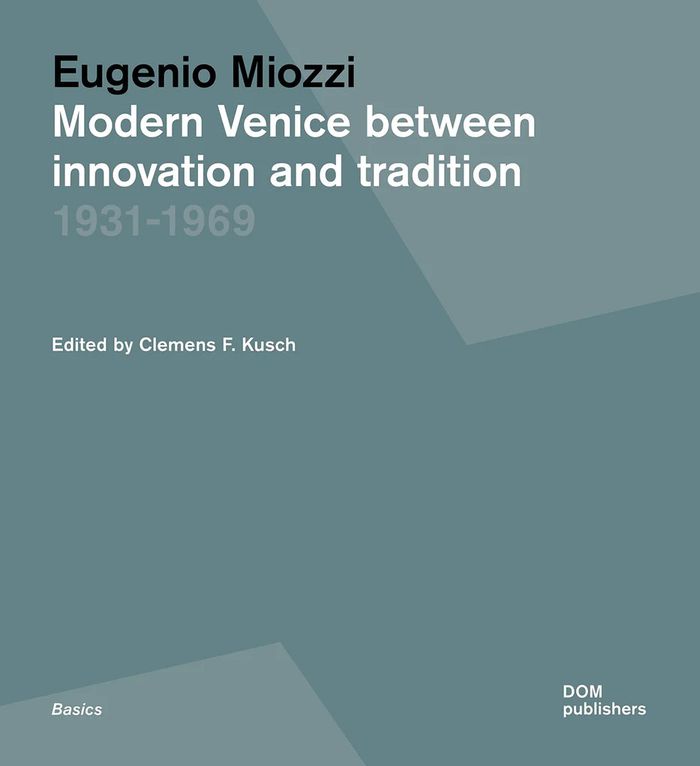
Despite the fact that he shaped Venice and its contemporary form, Eugenio Miozzi remains a little-known figure. Yet both locals and visitors experience his legacy every day, in particular when they cross his bridges: from the Ponte della Libertà, to the Ponte dell’Accademia; from the various bridges over the Rio Nuovo, to the exemplary Ponte degli Scalzi. Miozzi, chief engineer of the Commune of Venice from 1931 to 1954, carried out a large number of works and projects, including a vast modernist parking garage and the Casino on the Lido. The prolific engineer-architect played a role in the development of the Teatro La Fenice, made plans for the restoration of the city and the extension of the Tronchetto, and designed a translagoon road and a motorway from Venice to Munich. These projects and the others presented in this illustrated volume represent Miozzi’s tireless efforts to guarantee the city’s survival by combining its centuries-old traditions with a spirit of innovation.
Eugenio Miozzi: Modern Venice between innovation and tradition 1931-1969
Actions:
Prix:
$54.95
(disponible en magasin)
Résumé:
Despite the fact that he shaped Venice and its contemporary form, Eugenio Miozzi remains a little-known figure. Yet both locals and visitors experience his legacy every day, in particular when they cross his bridges: from the Ponte della Libertà, to the Ponte dell’Accademia; from the various bridges over the Rio Nuovo, to the exemplary Ponte degli Scalzi. Miozzi, chief engineer of the Commune of Venice from 1931 to 1954, carried out a large number of works and projects, including a vast modernist parking garage and the Casino on the Lido. The prolific engineer-architect played a role in the development of the Teatro La Fenice, made plans for the restoration of the city and the extension of the Tronchetto, and designed a translagoon road and a motorway from Venice to Munich. These projects and the others presented in this illustrated volume represent Miozzi’s tireless efforts to guarantee the city’s survival by combining its centuries-old traditions with a spirit of innovation.
Classification:
livres
livres
Publication:
janvier 2022
janvier 2022
Sujet:
Architecture, monographies
Architecture, monographies
Classification:
livres
livres

Actions:
Prix:
$47.95
(disponible en magasin)
Résumé:
Cette publication représente une fiction architecturale qui prend la forme d'un roman-photo, né de la rencontre entre un auteur, Ugo Bienvenu, et les architectes du Pavillon français de la 18e Biennale internationale d'architecture de Venise. Ugo Bienvenu, dessinateur et réalisateur, imagine dans ce roman l'histoire et le mythe du Ball Theater. Son récit se situe dans un(...)
$47.95
(disponible en magasin)
Résumé:
Cette publication représente une fiction architecturale qui prend la forme d'un roman-photo, né de la rencontre entre un auteur, Ugo Bienvenu, et les architectes du Pavillon français de la 18e Biennale internationale d'architecture de Venise. Ugo Bienvenu, dessinateur et réalisateur, imagine dans ce roman l'histoire et le mythe du Ball Theater. Son récit se situe dans un(...)
Titre:
Lorem Ipsum: Pavillon français de la 18e exposition internationale d'architecture – La Biennale di Venezia 2023
Actions:
Prix:
$47.95
(disponible en magasin)
Résumé:
Cette publication représente une fiction architecturale qui prend la forme d'un roman-photo, né de la rencontre entre un auteur, Ugo Bienvenu, et les architectes du Pavillon français de la 18e Biennale internationale d'architecture de Venise. Ugo Bienvenu, dessinateur et réalisateur, imagine dans ce roman l'histoire et le mythe du Ball Theater. Son récit se situe dans un monde suspendu entre passé et futur, qui mêle le trouble de l'abandon et la joie d'une fête collective. L'histoire nous conduit à suivre le périple d'une petite communauté d'enfants étrangement semblables et d'un robot rouillé, et leur découverte d'objets énigmatiques qu'ils entreprennent d'assembler pour leur redonner vie. Le titre vient d'un extrait, remanié et privé de sens, d'un traité latin. Il fait référence à la pratique courante, dans le milieu du graphisme et de l'imprimerie, qui consiste à employer ce texte comme remplissage temporaire des zones de texte en attente. Dans le contexte de l'ouvrage, l'association de ces deux termes latins renvoie à l'idée d'un conte architectural dont le sens émerge au fil de l'action, avant les mots et les explications.
Lorem Ipsum: Pavillon français de la 18e exposition internationale d'architecture – La Biennale di Venezia 2023
Actions:
Prix:
$47.95
(disponible en magasin)
Résumé:
Cette publication représente une fiction architecturale qui prend la forme d'un roman-photo, né de la rencontre entre un auteur, Ugo Bienvenu, et les architectes du Pavillon français de la 18e Biennale internationale d'architecture de Venise. Ugo Bienvenu, dessinateur et réalisateur, imagine dans ce roman l'histoire et le mythe du Ball Theater. Son récit se situe dans un monde suspendu entre passé et futur, qui mêle le trouble de l'abandon et la joie d'une fête collective. L'histoire nous conduit à suivre le périple d'une petite communauté d'enfants étrangement semblables et d'un robot rouillé, et leur découverte d'objets énigmatiques qu'ils entreprennent d'assembler pour leur redonner vie. Le titre vient d'un extrait, remanié et privé de sens, d'un traité latin. Il fait référence à la pratique courante, dans le milieu du graphisme et de l'imprimerie, qui consiste à employer ce texte comme remplissage temporaire des zones de texte en attente. Dans le contexte de l'ouvrage, l'association de ces deux termes latins renvoie à l'idée d'un conte architectural dont le sens émerge au fil de l'action, avant les mots et les explications.
Classification:
livres
livres
Publication:
mai 2023
mai 2023
Sujet:
Biennale
Biennale
Classification:
livres
livres
Titre:
Foundations of urban design
Foundations of urban design
Actions:
Prix:
$54.00
(disponible sur commande)
Résumé:
The book is structured into twenty-nine essays, each dedicated to a pair of urbanistic concepts. Discussing historical and contemporary, interpretive and designerly approaches to urbanity, the notions composing the 29 pairs relate dialectically, as theses-and-antitheses. Still, we are warned, ''the presented antagonisms are not a priori in opposition, but rather complementary.''
$54.00
(disponible sur commande)
Résumé:
The book is structured into twenty-nine essays, each dedicated to a pair of urbanistic concepts. Discussing historical and contemporary, interpretive and designerly approaches to urbanity, the notions composing the 29 pairs relate dialectically, as theses-and-antitheses. Still, we are warned, ''the presented antagonisms are not a priori in opposition, but rather complementary.''
Titre:
Foundations of urban design
Actions:
Prix:
$54.00
(disponible sur commande)
Résumé:
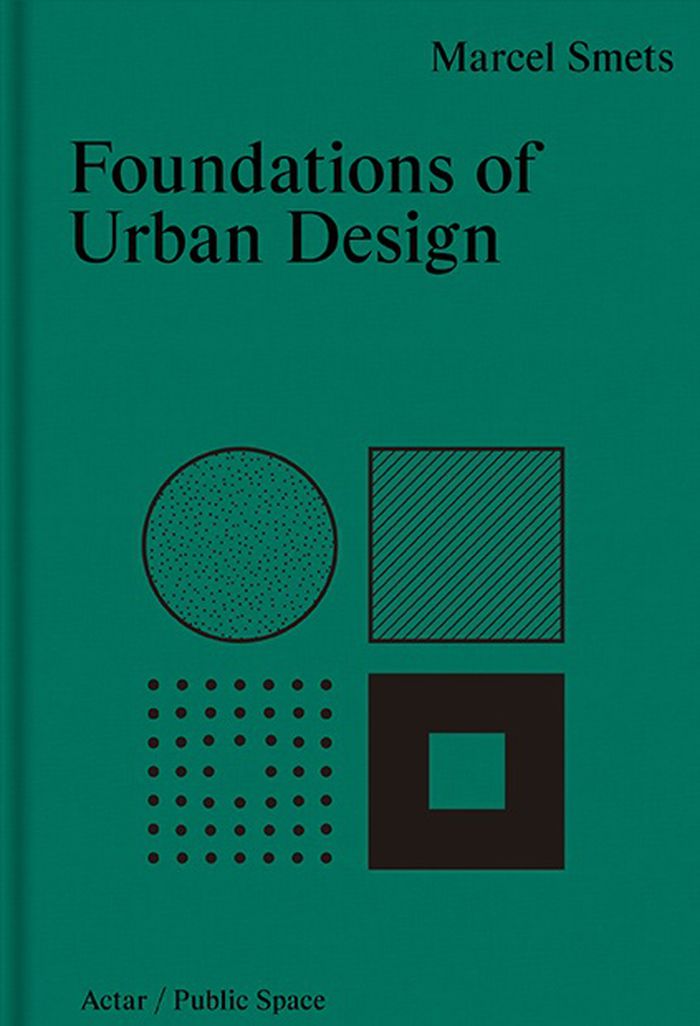
The book is structured into twenty-nine essays, each dedicated to a pair of urbanistic concepts. Discussing historical and contemporary, interpretive and designerly approaches to urbanity, the notions composing the 29 pairs relate dialectically, as theses-and-antitheses. Still, we are warned, ''the presented antagonisms are not a priori in opposition, but rather complementary.''
Foundations of urban design
Actions:
Prix:
$54.00
(disponible sur commande)
Résumé:
The book is structured into twenty-nine essays, each dedicated to a pair of urbanistic concepts. Discussing historical and contemporary, interpretive and designerly approaches to urbanity, the notions composing the 29 pairs relate dialectically, as theses-and-antitheses. Still, we are warned, ''the presented antagonisms are not a priori in opposition, but rather complementary.''
Classification:
livres
livres
Publication:
septembre 2022
septembre 2022
Sujet:
Théorie de l’urbanisme
Théorie de l’urbanisme
Classification:
livres
livres

Actions:
Prix:
$68.95
(disponible sur commande)
Résumé:
Deux maisons et des bureaux sont construits sur un même terrain dans un environnement rural. Bernard Quirot et ses partenaires font du site un laboratoire reconstituant des histoires de l'habitation – l'habitat sur pilotis, l'habitat souterrain – mêlant des figures archaïques à des propositions avant-gardistes (les maisons du bush australien dessinées par l'architecte(...)
$68.95
(disponible sur commande)
Résumé:
Deux maisons et des bureaux sont construits sur un même terrain dans un environnement rural. Bernard Quirot et ses partenaires font du site un laboratoire reconstituant des histoires de l'habitation – l'habitat sur pilotis, l'habitat souterrain – mêlant des figures archaïques à des propositions avant-gardistes (les maisons du bush australien dessinées par l'architecte(...)
Titre:
Trilogie : BQ+A Bernard Quirot architecte et associés – Trois architectures à Grachaux
Actions:
Prix:
$68.95
(disponible sur commande)
Résumé:
Deux maisons et des bureaux sont construits sur un même terrain dans un environnement rural. Bernard Quirot et ses partenaires font du site un laboratoire reconstituant des histoires de l'habitation – l'habitat sur pilotis, l'habitat souterrain – mêlant des figures archaïques à des propositions avant-gardistes (les maisons du bush australien dessinées par l'architecte Glenn Murcutt ou la figure du bunker explorée par Claude Parent et Paul Virilio). Les trois réalisations interrogent trois matériaux et leur mise en œuvre dans une optique locale du « régionalisme critique » définit par les critiques Alexandre Tzonis et Kenneth Frampton.
Trilogie : BQ+A Bernard Quirot architecte et associés – Trois architectures à Grachaux
Actions:
Prix:
$68.95
(disponible sur commande)
Résumé:
Deux maisons et des bureaux sont construits sur un même terrain dans un environnement rural. Bernard Quirot et ses partenaires font du site un laboratoire reconstituant des histoires de l'habitation – l'habitat sur pilotis, l'habitat souterrain – mêlant des figures archaïques à des propositions avant-gardistes (les maisons du bush australien dessinées par l'architecte Glenn Murcutt ou la figure du bunker explorée par Claude Parent et Paul Virilio). Les trois réalisations interrogent trois matériaux et leur mise en œuvre dans une optique locale du « régionalisme critique » définit par les critiques Alexandre Tzonis et Kenneth Frampton.
Classification:
livres
livres
Publication:
mai 2023
mai 2023
Sujet:
Architecture, monographies
Architecture, monographies
Classification:
livres
livres
Actions:
Prix:
$129.95
(disponible sur commande)
Résumé:
In the post-war decades, Hong Kong architects, many of them having migrated from Mainland China or studied overseas, embraced modern principles when forced to face the problems of housing shortage, mass construction and limited budgets. Although economic efficiencies often prevailed over design, their buildings were rooted in their time and place, reflecting the local(...)
$129.95
(disponible sur commande)
Résumé:
In the post-war decades, Hong Kong architects, many of them having migrated from Mainland China or studied overseas, embraced modern principles when forced to face the problems of housing shortage, mass construction and limited budgets. Although economic efficiencies often prevailed over design, their buildings were rooted in their time and place, reflecting the local(...)
Publication:
décembre 2022
décembre 2022
Titre:
Hong Kong modern: Architecture of the 1950s-1970s
Actions:
Prix:
$129.95
(disponible sur commande)
Résumé:
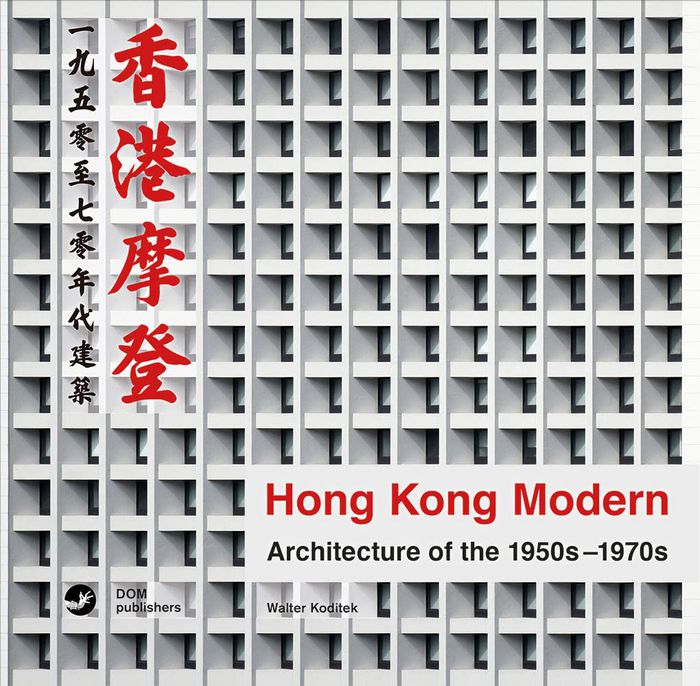
In the post-war decades, Hong Kong architects, many of them having migrated from Mainland China or studied overseas, embraced modern principles when forced to face the problems of housing shortage, mass construction and limited budgets. Although economic efficiencies often prevailed over design, their buildings were rooted in their time and place, reflecting the local climate, social values, materials, technique and use in an often unique and pragmatic fashion. With more than 300 buildings and ensembles documented, the new publication ''Hong Kong modern architecture of the 1950s-1970s'' by Walter Koditek gives a comprehensive overview on the architecture of that transformative period in combining full-page photographs with detailed background information and further b/w images explaining and illustrating the design and history of these buildings.
Hong Kong modern: Architecture of the 1950s-1970s
Actions:
Prix:
$129.95
(disponible sur commande)
Résumé:
In the post-war decades, Hong Kong architects, many of them having migrated from Mainland China or studied overseas, embraced modern principles when forced to face the problems of housing shortage, mass construction and limited budgets. Although economic efficiencies often prevailed over design, their buildings were rooted in their time and place, reflecting the local climate, social values, materials, technique and use in an often unique and pragmatic fashion. With more than 300 buildings and ensembles documented, the new publication ''Hong Kong modern architecture of the 1950s-1970s'' by Walter Koditek gives a comprehensive overview on the architecture of that transformative period in combining full-page photographs with detailed background information and further b/w images explaining and illustrating the design and history of these buildings.
Classification:
livres
livres
Publication:
décembre 2022
décembre 2022
Classification:
livres
livres
Titre:
Hybrid factory, hybrid city
Hybrid factory, hybrid city
Actions:
Prix:
$54.95
(disponible sur commande)
Résumé:
Now that urban industry is often clean, green, small, and quiet it can be integrated at the city and building scale with other uses. Although little explored as of yet, we don’t yet know what this new hybrid will look like and how can it support new entrepreneurs, equitable jobs, and vital urban forms? How can hybrid models change with new technologies, sustainable(...)
$54.95
(disponible sur commande)
Résumé:
Now that urban industry is often clean, green, small, and quiet it can be integrated at the city and building scale with other uses. Although little explored as of yet, we don’t yet know what this new hybrid will look like and how can it support new entrepreneurs, equitable jobs, and vital urban forms? How can hybrid models change with new technologies, sustainable(...)
Titre:
Hybrid factory, hybrid city
Actions:
Prix:
$54.95
(disponible sur commande)
Résumé:
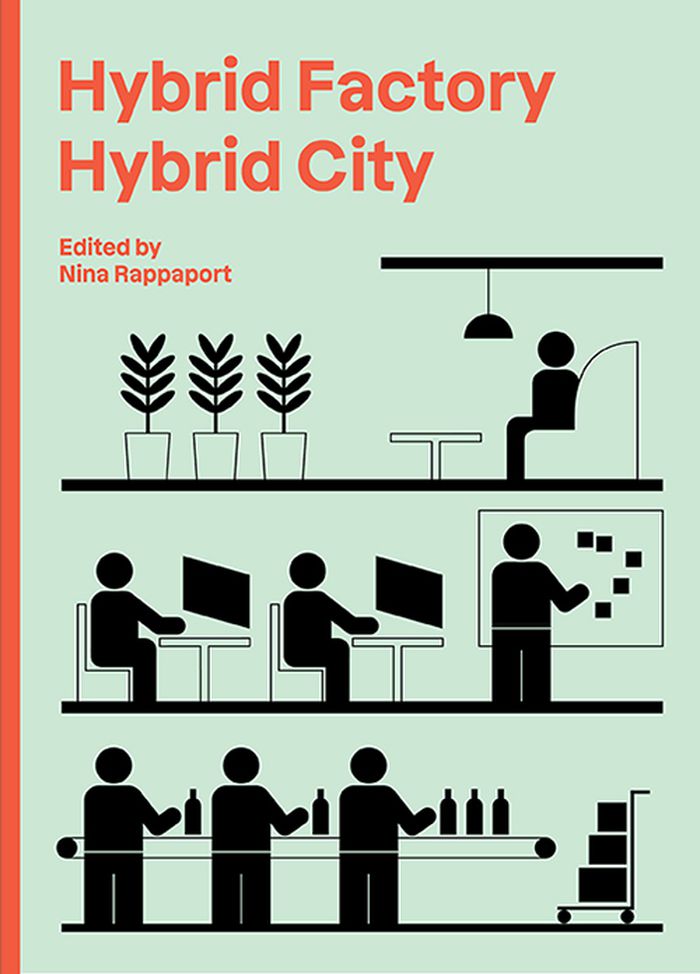
Now that urban industry is often clean, green, small, and quiet it can be integrated at the city and building scale with other uses. Although little explored as of yet, we don’t yet know what this new hybrid will look like and how can it support new entrepreneurs, equitable jobs, and vital urban forms? How can hybrid models change with new technologies, sustainable manufacturing, and advanced production systems to create new open city? Can we break the planning and land-use patterns of segregated zoning by class and function and encourage mixed-use zoning that transforms new building and zoning codes and this the mix in the city? These questions and more are addressed in Hybrid Factory / Hybrid City, through a collection of essays by participants in the eponymous symposium organized by Nina Rappaport at the Future Urban Legacy Lab of the Politecnico di Torino. Divided into two sections, the essays describes projects and research by architects and urbanists regarding the aura of industry and its smells, its place in relationship to the body, building structures, logistics centers, reused factory buildings, and their current and future potential for mixed-use. Social and economic equity can be integrated through light manufacturing jobs, community uses, and affordable housing.
Hybrid factory, hybrid city
Actions:
Prix:
$54.95
(disponible sur commande)
Résumé:
Now that urban industry is often clean, green, small, and quiet it can be integrated at the city and building scale with other uses. Although little explored as of yet, we don’t yet know what this new hybrid will look like and how can it support new entrepreneurs, equitable jobs, and vital urban forms? How can hybrid models change with new technologies, sustainable manufacturing, and advanced production systems to create new open city? Can we break the planning and land-use patterns of segregated zoning by class and function and encourage mixed-use zoning that transforms new building and zoning codes and this the mix in the city? These questions and more are addressed in Hybrid Factory / Hybrid City, through a collection of essays by participants in the eponymous symposium organized by Nina Rappaport at the Future Urban Legacy Lab of the Politecnico di Torino. Divided into two sections, the essays describes projects and research by architects and urbanists regarding the aura of industry and its smells, its place in relationship to the body, building structures, logistics centers, reused factory buildings, and their current and future potential for mixed-use. Social and economic equity can be integrated through light manufacturing jobs, community uses, and affordable housing.
Classification:
livres
livres
Publication:
mars 2023
mars 2023
Sujet:
Théorie de l’urbanisme
Théorie de l’urbanisme
Classification:
livres
livres
Titre:
Oscar Tuazon: Building
Oscar Tuazon: Building
Actions:
Prix:
$69.95
(disponible sur commande)
Résumé:
''Oscar Tuazon: Building'' collects works spanning more than twenty years, presented as a visual essay on experimental space-making that culminates in the two major exhibitions of the artists' work planned for 2023. Balanced on the fulcrum between sculpture and architecture, the work of Oscar Tuazon uses processes of modeling and construction to transform the spaces of(...)
$69.95
(disponible sur commande)
Résumé:
''Oscar Tuazon: Building'' collects works spanning more than twenty years, presented as a visual essay on experimental space-making that culminates in the two major exhibitions of the artists' work planned for 2023. Balanced on the fulcrum between sculpture and architecture, the work of Oscar Tuazon uses processes of modeling and construction to transform the spaces of(...)
Titre:
Oscar Tuazon: Building
Actions:
Prix:
$69.95
(disponible sur commande)
Résumé:
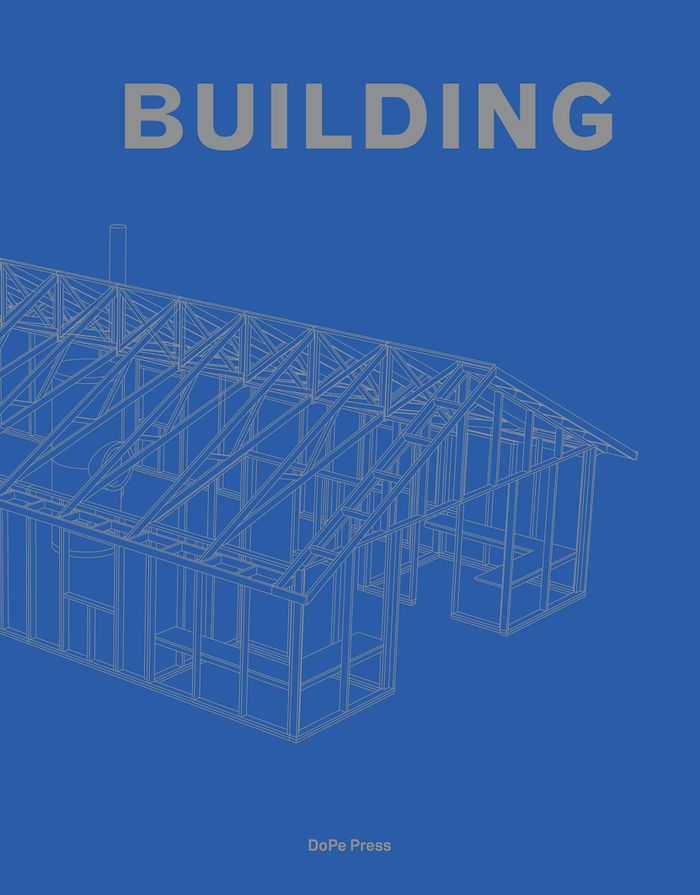
''Oscar Tuazon: Building'' collects works spanning more than twenty years, presented as a visual essay on experimental space-making that culminates in the two major exhibitions of the artists' work planned for 2023. Balanced on the fulcrum between sculpture and architecture, the work of Oscar Tuazon uses processes of modeling and construction to transform the spaces of exhibition into a field for performative, improvisatory forms of building. Tracing a trajectory of sculptural interruptions in the utilitarian-built environment, the career survey at Kunst Museum Winterthur frames the progression of Tuazon's work through a series of objects. The project at Bergen Kunsthall concentrates on the scale model as a propositional device for imagining other spaces, as well as a means of temporary occupation of the exhibition space, culminating in a 1:1 scale model of the artist's current work Water School.
Oscar Tuazon: Building
Actions:
Prix:
$69.95
(disponible sur commande)
Résumé:
''Oscar Tuazon: Building'' collects works spanning more than twenty years, presented as a visual essay on experimental space-making that culminates in the two major exhibitions of the artists' work planned for 2023. Balanced on the fulcrum between sculpture and architecture, the work of Oscar Tuazon uses processes of modeling and construction to transform the spaces of exhibition into a field for performative, improvisatory forms of building. Tracing a trajectory of sculptural interruptions in the utilitarian-built environment, the career survey at Kunst Museum Winterthur frames the progression of Tuazon's work through a series of objects. The project at Bergen Kunsthall concentrates on the scale model as a propositional device for imagining other spaces, as well as a means of temporary occupation of the exhibition space, culminating in a 1:1 scale model of the artist's current work Water School.
Classification:
livres
livres
Publication:
avril 2023
avril 2023
Classification:
livres
livres
Actions:
Prix:
$18.95
(disponible sur commande)
Résumé:
New York, 1966. Alors qu'il passe deux semaines à New York afin de recueillir les témoignages de musiciens de jazz en train de « transformer le genre », l'écrivain et journaliste Frank Kofsky (1935-1997) finit par rencontrer son idole, John Coltrane. Cette longue conversation, ici traduite en français par Patricia Miquel, fera l'un des chapitres de la somme qu'il publia(...)
$18.95
(disponible sur commande)
Résumé:
New York, 1966. Alors qu'il passe deux semaines à New York afin de recueillir les témoignages de musiciens de jazz en train de « transformer le genre », l'écrivain et journaliste Frank Kofsky (1935-1997) finit par rencontrer son idole, John Coltrane. Cette longue conversation, ici traduite en français par Patricia Miquel, fera l'un des chapitres de la somme qu'il publia(...)
Titre:
John Coltrane Frank Kofsky: Conversation
Actions:
Prix:
$18.95
(disponible sur commande)
Résumé:
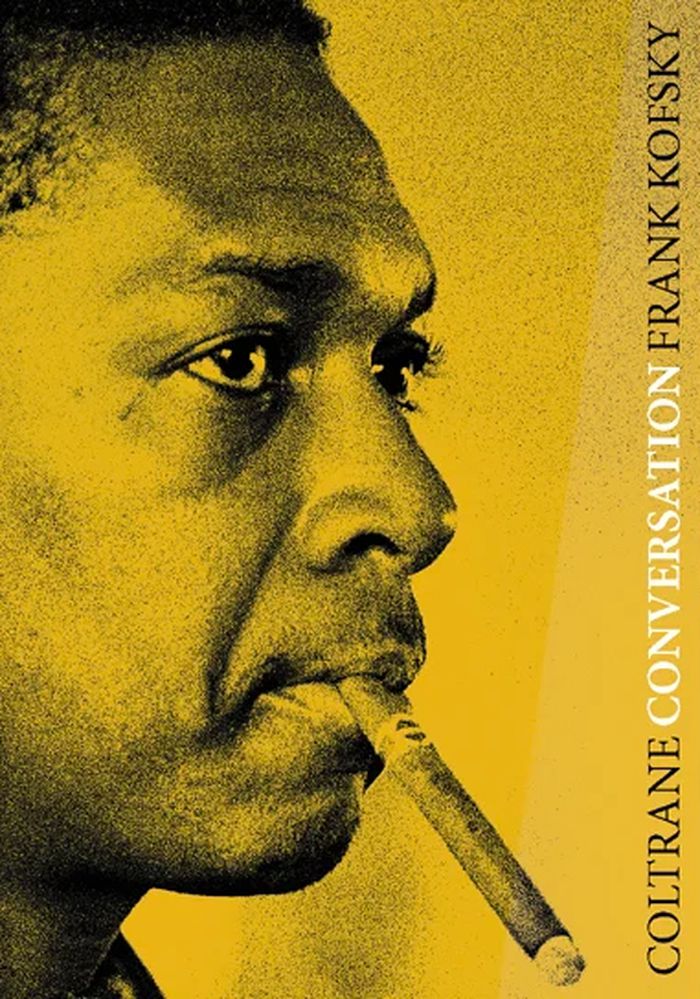
New York, 1966. Alors qu'il passe deux semaines à New York afin de recueillir les témoignages de musiciens de jazz en train de « transformer le genre », l'écrivain et journaliste Frank Kofsky (1935-1997) finit par rencontrer son idole, John Coltrane. Cette longue conversation, ici traduite en français par Patricia Miquel, fera l'un des chapitres de la somme qu'il publia en 1971, « Black Nationalism and the Revolution in Music » que Pathfinder Press rééditera plus tard sous le titre « John Coltrane and the Jazz Revolution of the 1960s. »
John Coltrane Frank Kofsky: Conversation
Actions:
Prix:
$18.95
(disponible sur commande)
Résumé:
New York, 1966. Alors qu'il passe deux semaines à New York afin de recueillir les témoignages de musiciens de jazz en train de « transformer le genre », l'écrivain et journaliste Frank Kofsky (1935-1997) finit par rencontrer son idole, John Coltrane. Cette longue conversation, ici traduite en français par Patricia Miquel, fera l'un des chapitres de la somme qu'il publia en 1971, « Black Nationalism and the Revolution in Music » que Pathfinder Press rééditera plus tard sous le titre « John Coltrane and the Jazz Revolution of the 1960s. »
Classification:
livres
livres
Publication:
novembre 2017
novembre 2017
Sujet:
Acoustique
Acoustique


