


6923 Résultats
Classification:
livres
livres
Actions:
Prix:
$130.00
(disponible sur commande)
Résumé:
For five decades, photographer Gianfranco Gorgoni (1941-2019) built his reputation as the premier documentarian of Land Art in the US and beyond. After leaving Italy, Gorgoni started making portraits of the major artists of the New York scene, including Michael Heizer, Robert Smithson, Nancy Holt, Walter De Maria, Carl Andre, and Richard Serra. It was not long before he(...)
$130.00
(disponible sur commande)
Résumé:
For five decades, photographer Gianfranco Gorgoni (1941-2019) built his reputation as the premier documentarian of Land Art in the US and beyond. After leaving Italy, Gorgoni started making portraits of the major artists of the New York scene, including Michael Heizer, Robert Smithson, Nancy Holt, Walter De Maria, Carl Andre, and Richard Serra. It was not long before he(...)
Titre:
Gianfranco Gorgoni: Land Art photographs
Actions:
Prix:
$130.00
(disponible sur commande)
Résumé:
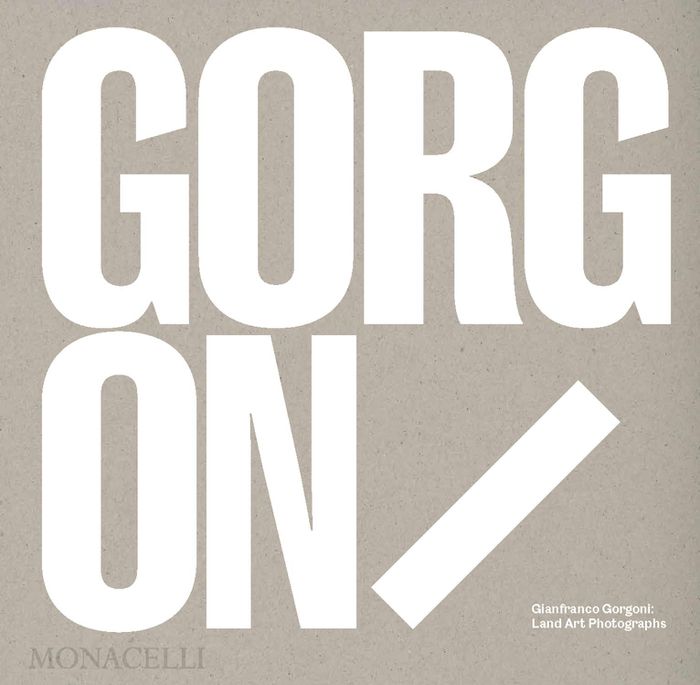
For five decades, photographer Gianfranco Gorgoni (1941-2019) built his reputation as the premier documentarian of Land Art in the US and beyond. After leaving Italy, Gorgoni started making portraits of the major artists of the New York scene, including Michael Heizer, Robert Smithson, Nancy Holt, Walter De Maria, Carl Andre, and Richard Serra. It was not long before he was traveling with Heizer, Smithson, and De Maria to the American West in the late 1960s to plot the works that would famously break art practice out of the confines of the gallery world. In Nevada, New Mexico, and Utah, these artists embarked on major Land Art installations that would redefine contemporary art practice of the era. In many cases, Gorgoni was the only photographer on the ground to document their projects, and his images often serve as the definitive photographic record of the planning and creation of these groundbreaking works. Published to coincide with the first major exhibition of Gorgoni's photographic Land Art images at the Nevada Museum of Art, featuring over fifty of his large-scale photographs, "Gianfranco Gorgoni: Land Art Photographs" includes an introduction by Ann M. Wolfe, Andrea and John C. Deane Family senior curator and deputy director at the Nevada Museum of Art, an essay by the late art historian and critic Germano Celant, whose contribution here is among the last he wrote before his death in 2020, and William L. Fox, the Peter E. Pool Director of the Center for Art + Environment.
Gianfranco Gorgoni: Land Art photographs
Actions:
Prix:
$130.00
(disponible sur commande)
Résumé:
For five decades, photographer Gianfranco Gorgoni (1941-2019) built his reputation as the premier documentarian of Land Art in the US and beyond. After leaving Italy, Gorgoni started making portraits of the major artists of the New York scene, including Michael Heizer, Robert Smithson, Nancy Holt, Walter De Maria, Carl Andre, and Richard Serra. It was not long before he was traveling with Heizer, Smithson, and De Maria to the American West in the late 1960s to plot the works that would famously break art practice out of the confines of the gallery world. In Nevada, New Mexico, and Utah, these artists embarked on major Land Art installations that would redefine contemporary art practice of the era. In many cases, Gorgoni was the only photographer on the ground to document their projects, and his images often serve as the definitive photographic record of the planning and creation of these groundbreaking works. Published to coincide with the first major exhibition of Gorgoni's photographic Land Art images at the Nevada Museum of Art, featuring over fifty of his large-scale photographs, "Gianfranco Gorgoni: Land Art Photographs" includes an introduction by Ann M. Wolfe, Andrea and John C. Deane Family senior curator and deputy director at the Nevada Museum of Art, an essay by the late art historian and critic Germano Celant, whose contribution here is among the last he wrote before his death in 2020, and William L. Fox, the Peter E. Pool Director of the Center for Art + Environment.
Classification:
livres
livres
Publication:
août 2021
août 2021
Sujet:
Monographies photo
Monographies photo
Classification:
audio
audio
Titre:
Apophanies.
Apophanies.
Actions:
Description:
1 online resource.
Auteur:
Sujet:
Publication:
[Place of publication not identified] : Lateral Addition, 2022.
[Place of publication not identified] : Lateral Addition, 2022.
Classification:
audio
audio
Publication:
[Place of publication not identified] : Lateral Addition, 2022.
[Place of publication not identified] : Lateral Addition, 2022.
Auteur:
Sujet:
Classification:
livres
livres
Titre:
Design by numbers
Design by numbers
Actions:
Prix:
$44.95
(disponible en magasin)
Résumé:
Most art and technology projects pair artists with engineers or scientists: the artist has the conception, and the technical person provides the know-how. John Maeda is an artist and a computer scientist, and he views the computer not as a substitute for brush and paint but as an artistic medium in its own right. Design By Numbers is a reader-friendly tutorial on both the(...)
$44.95
(disponible en magasin)
Résumé:
Most art and technology projects pair artists with engineers or scientists: the artist has the conception, and the technical person provides the know-how. John Maeda is an artist and a computer scientist, and he views the computer not as a substitute for brush and paint but as an artistic medium in its own right. Design By Numbers is a reader-friendly tutorial on both the(...)
Publication:
octobre 2001, Cambridge, Mass.
octobre 2001, Cambridge, Mass.
Titre:
Design by numbers
Actions:
Prix:
$44.95
(disponible en magasin)
Résumé:
Most art and technology projects pair artists with engineers or scientists: the artist has the conception, and the technical person provides the know-how. John Maeda is an artist and a computer scientist, and he views the computer not as a substitute for brush and paint but as an artistic medium in its own right. Design By Numbers is a reader-friendly tutorial on both the philosophy and nuts-and-bolts techniques of programming for artists. Practicing what he preaches, Maeda composed Design By Numbers using a computational process he developed specifically for the book. He introduces a programming language and development environment, available on the Web, which can be freely downloaded or run directly within any JAVA-enabled Web browser. Appropriately, the new language is called DBN (for "design by numbers"). Designed for "visual" people--artists, designers, anyone who likes to pick up a pencil and doodle--DBN has very few commands and consists of elements resembling those of many other languages, such as LISP, LOGO, C/JAVA, and BASIC. Throughout the book Maeda emphasizes the importance--and delights--of understanding the motivation behind computer programming, as well as the many wonders that emerge from well-written programs. Sympathetic to the "mathematically challenged," he places minimal emphasis on mathematics in the first half of the book. Because computation is inherently mathematical, the books second half uses intermediate mathematical concepts that generally do not go beyond high-school algebra. The reader who masters the skills so clearly set out by Maeda will be ready to exploit the true character of digital media design.
Design by numbers
Actions:
Prix:
$44.95
(disponible en magasin)
Résumé:
Most art and technology projects pair artists with engineers or scientists: the artist has the conception, and the technical person provides the know-how. John Maeda is an artist and a computer scientist, and he views the computer not as a substitute for brush and paint but as an artistic medium in its own right. Design By Numbers is a reader-friendly tutorial on both the philosophy and nuts-and-bolts techniques of programming for artists. Practicing what he preaches, Maeda composed Design By Numbers using a computational process he developed specifically for the book. He introduces a programming language and development environment, available on the Web, which can be freely downloaded or run directly within any JAVA-enabled Web browser. Appropriately, the new language is called DBN (for "design by numbers"). Designed for "visual" people--artists, designers, anyone who likes to pick up a pencil and doodle--DBN has very few commands and consists of elements resembling those of many other languages, such as LISP, LOGO, C/JAVA, and BASIC. Throughout the book Maeda emphasizes the importance--and delights--of understanding the motivation behind computer programming, as well as the many wonders that emerge from well-written programs. Sympathetic to the "mathematically challenged," he places minimal emphasis on mathematics in the first half of the book. Because computation is inherently mathematical, the books second half uses intermediate mathematical concepts that generally do not go beyond high-school algebra. The reader who masters the skills so clearly set out by Maeda will be ready to exploit the true character of digital media design.
Classification:
livres
livres
Publication:
octobre 2001, Cambridge, Mass.
octobre 2001, Cambridge, Mass.
Classification:
livres
livres
Prix:
$29.95
(disponible sur commande)
Résumé:
What is a sustainable community? The pressing need to answer this simple question is what prompted John Pierce and Ann Dale to gather the essays in this volume. Communities, Development, and Sustainability across Canada is a timely synthesis of work on how Canadian communities can achieve sustainable development. It bridges the gap between theory and praxis and brings(...)
$29.95
(disponible sur commande)
Résumé:
What is a sustainable community? The pressing need to answer this simple question is what prompted John Pierce and Ann Dale to gather the essays in this volume. Communities, Development, and Sustainability across Canada is a timely synthesis of work on how Canadian communities can achieve sustainable development. It bridges the gap between theory and praxis and brings(...)
Sujet:
Architecture de Montréal
Architecture de Montréal
Publication:
janvier 1900, Vancouver
janvier 1900, Vancouver
Titre:
Communities, development, and sustainability across Canada
Actions:
Prix:
$29.95
(disponible sur commande)
Résumé:
What is a sustainable community? The pressing need to answer this simple question is what prompted John Pierce and Ann Dale to gather the essays in this volume. Communities, Development, and Sustainability across Canada is a timely synthesis of work on how Canadian communities can achieve sustainable development. It bridges the gap between theory and praxis and brings together academics, policy makers, and community activists, all of whom have argued for increased local participation in sustainable community development. Communities have become the weak link in efforts to refashion relations between the environment and the economy. The goal of this book is not simply to describe problems but also to suggest answers, not simply to offer theory but also to promote action, so that Canadian communities can better achieve sustain-able development. The twelve essays are organized into four sections: Vision, Connections, Action, and Assessing Progress. The first and last sections discuss local sustainable development within the context of increasing globalization. The second section approaches sustainable development from the perspective of social evolution and urban systems. The third section, the heart of the book, is comprised of three community case studies, an assessment of the Pacific salmon fishery, and four general discussions of sustainable development. The conclusion reiterates the need to make communities stronger links in sustainable development. The message of "Communities, development, and sustainability across Canada" is clear: it is time for communities themselves to act if they are to achieve sustainable development. This book will prove to be a valuable guide to taking the first steps.
Communities, development, and sustainability across Canada
Actions:
Prix:
$29.95
(disponible sur commande)
Résumé:
What is a sustainable community? The pressing need to answer this simple question is what prompted John Pierce and Ann Dale to gather the essays in this volume. Communities, Development, and Sustainability across Canada is a timely synthesis of work on how Canadian communities can achieve sustainable development. It bridges the gap between theory and praxis and brings together academics, policy makers, and community activists, all of whom have argued for increased local participation in sustainable community development. Communities have become the weak link in efforts to refashion relations between the environment and the economy. The goal of this book is not simply to describe problems but also to suggest answers, not simply to offer theory but also to promote action, so that Canadian communities can better achieve sustain-able development. The twelve essays are organized into four sections: Vision, Connections, Action, and Assessing Progress. The first and last sections discuss local sustainable development within the context of increasing globalization. The second section approaches sustainable development from the perspective of social evolution and urban systems. The third section, the heart of the book, is comprised of three community case studies, an assessment of the Pacific salmon fishery, and four general discussions of sustainable development. The conclusion reiterates the need to make communities stronger links in sustainable development. The message of "Communities, development, and sustainability across Canada" is clear: it is time for communities themselves to act if they are to achieve sustainable development. This book will prove to be a valuable guide to taking the first steps.
Classification:
livres
livres
Publication:
janvier 1900, Vancouver
janvier 1900, Vancouver
Sujet:
Architecture de Montréal
Architecture de Montréal
Classification:
livres
livres
Titre:
Massive change
Massive change
Actions:
Prix:
$39.95
(disponible sur commande)
Résumé:
"Massive Change" is a modern illustrated primer on the new inventions, technologies, and events that are affecting the human race worldwide. The book is a part of a broader research project by Bruce Mau Design intended to provoke debate and discussion about the future of design culture, broadly defined as the “familiar objects and techniques that are transforming our(...)
$39.95
(disponible sur commande)
Résumé:
"Massive Change" is a modern illustrated primer on the new inventions, technologies, and events that are affecting the human race worldwide. The book is a part of a broader research project by Bruce Mau Design intended to provoke debate and discussion about the future of design culture, broadly defined as the “familiar objects and techniques that are transforming our(...)
Publication:
novembre 2004, New York
novembre 2004, New York
Titre:
Massive change
Actions:
Prix:
$39.95
(disponible sur commande)
Résumé:
"Massive Change" is a modern illustrated primer on the new inventions, technologies, and events that are affecting the human race worldwide. The book is a part of a broader research project by Bruce Mau Design intended to provoke debate and discussion about the future of design culture, broadly defined as the “familiar objects and techniques that are transforming our lives.” In essays, interviews, and provocative imagery aimed at a broad audience, "Massive Change" explores the changing force of design in the contemporary world, and in doing so expands the definition of design to include the built environment, transportation technologies, revolutionary materials, energy and information systems, and living organisms. The book is divided into 11 heavily illustrated sections covering major areas of change in contemporary society — such as urbanism and architecture, the military, health and living, and wealth and politics. Each section intersperses intriguing documentary images with a general introductory essay, extended captions, and interviews with leading thinkers, including engineers, designers, philosophers, scientists, architects, artists, and writers. Concluding the book is a graphic timeline of significant inventions and world events from 10,000 B.C. to the present. "Massive Change" is a well designed, intelligent, visually provocative exploration of the myriad subjects percolating through popular culture: those we read about in magazines and on Web sites but rarely understand in any meaningful way. It poses the question: “Now that the human race can do almost anything, what will we do next?” Accompanies the internationally touring exhibition produced by Bruce Mau and his Institute without Borders.
Massive change
Actions:
Prix:
$39.95
(disponible sur commande)
Résumé:
"Massive Change" is a modern illustrated primer on the new inventions, technologies, and events that are affecting the human race worldwide. The book is a part of a broader research project by Bruce Mau Design intended to provoke debate and discussion about the future of design culture, broadly defined as the “familiar objects and techniques that are transforming our lives.” In essays, interviews, and provocative imagery aimed at a broad audience, "Massive Change" explores the changing force of design in the contemporary world, and in doing so expands the definition of design to include the built environment, transportation technologies, revolutionary materials, energy and information systems, and living organisms. The book is divided into 11 heavily illustrated sections covering major areas of change in contemporary society — such as urbanism and architecture, the military, health and living, and wealth and politics. Each section intersperses intriguing documentary images with a general introductory essay, extended captions, and interviews with leading thinkers, including engineers, designers, philosophers, scientists, architects, artists, and writers. Concluding the book is a graphic timeline of significant inventions and world events from 10,000 B.C. to the present. "Massive Change" is a well designed, intelligent, visually provocative exploration of the myriad subjects percolating through popular culture: those we read about in magazines and on Web sites but rarely understand in any meaningful way. It poses the question: “Now that the human race can do almost anything, what will we do next?” Accompanies the internationally touring exhibition produced by Bruce Mau and his Institute without Borders.
Classification:
livres
livres
Publication:
novembre 2004, New York
novembre 2004, New York
Classification:
livres
livres
Titre:
Donald Judd
Donald Judd
Actions:
Prix:
$65.00
(disponible sur commande)
Résumé:
One of the most influential American artists of the post-war period, Donald Judd changed the course of modern sculpture. Beginning as an art critic and then a painter, Judd moved into three dimensions with the box-like structures he produced in the early 1960s, either arranged on the gallery floor or mounted on the wall. Initially constructed by hand, the sculptures were(...)
$65.00
(disponible sur commande)
Résumé:
One of the most influential American artists of the post-war period, Donald Judd changed the course of modern sculpture. Beginning as an art critic and then a painter, Judd moved into three dimensions with the box-like structures he produced in the early 1960s, either arranged on the gallery floor or mounted on the wall. Initially constructed by hand, the sculptures were(...)
Titre:
Donald Judd
Actions:
Prix:
$65.00
(disponible sur commande)
Résumé:
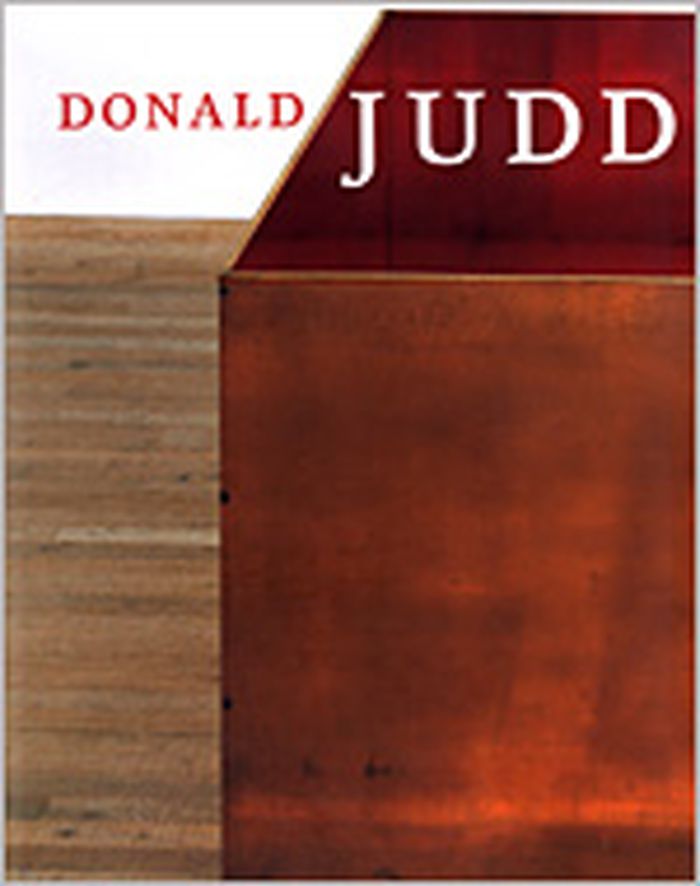
One of the most influential American artists of the post-war period, Donald Judd changed the course of modern sculpture. Beginning as an art critic and then a painter, Judd moved into three dimensions with the box-like structures he produced in the early 1960s, either arranged on the gallery floor or mounted on the wall. Initially constructed by hand, the sculptures were later industrially manufactured in galvanized iron, steel, plexiglass, and plywood. His use of vibrant color, polished and reflective metals, and brightly hued lacquer confounded and continues to confound expectations of what "minimalist" sculpture should look like. This lavishly illustrated survey features 41 works from collections around the world, many of them large scale, each illustrated with full catalogue entries alongside many other major works by Judd. Contributors Nicholas Serota (Director of the Tate), Rudi Fuchs (former Director of The Stedelijk Museum, Amsterdam), American critics Richard Schiff and David Raskin, and British artist and critic David Batchelor explore the conflicts between previous critical interpretations of Judd and his own philosophical, political, and moral understanding of his work. Judd's critical response to the work of other artists is examined, as is the importance of color to his work, and his reaction to new man-made materials and artificially generated color in the late-20th-century environment. A section on Judd's installations at Marfa in Texas, and an extensive new chronology, compiled by Judd's assistant, Jeff Kopie, are also included. "Donald Judd" compromises the most thorough and up-to-date publication on Judd in print today.
Donald Judd
Actions:
Prix:
$65.00
(disponible sur commande)
Résumé:
One of the most influential American artists of the post-war period, Donald Judd changed the course of modern sculpture. Beginning as an art critic and then a painter, Judd moved into three dimensions with the box-like structures he produced in the early 1960s, either arranged on the gallery floor or mounted on the wall. Initially constructed by hand, the sculptures were later industrially manufactured in galvanized iron, steel, plexiglass, and plywood. His use of vibrant color, polished and reflective metals, and brightly hued lacquer confounded and continues to confound expectations of what "minimalist" sculpture should look like. This lavishly illustrated survey features 41 works from collections around the world, many of them large scale, each illustrated with full catalogue entries alongside many other major works by Judd. Contributors Nicholas Serota (Director of the Tate), Rudi Fuchs (former Director of The Stedelijk Museum, Amsterdam), American critics Richard Schiff and David Raskin, and British artist and critic David Batchelor explore the conflicts between previous critical interpretations of Judd and his own philosophical, political, and moral understanding of his work. Judd's critical response to the work of other artists is examined, as is the importance of color to his work, and his reaction to new man-made materials and artificially generated color in the late-20th-century environment. A section on Judd's installations at Marfa in Texas, and an extensive new chronology, compiled by Judd's assistant, Jeff Kopie, are also included. "Donald Judd" compromises the most thorough and up-to-date publication on Judd in print today.
Classification:
livres
livres
Publication:
mars 2004, London
mars 2004, London
Classification:
livres
livres
Actions:
Prix:
$39.95
(disponible en magasin)
Résumé:
For E. C. Relph, the landscape of late twentieth-century cities must be envisioned as a total environment—not just streets and buildings but billboards and parking meters as well. "The modern urban landscape" traces the developments since 1880 in architecture, technology, planning, and society that have formed the visual context of daily life. Each of these shaping(...)
$39.95
(disponible en magasin)
Résumé:
For E. C. Relph, the landscape of late twentieth-century cities must be envisioned as a total environment—not just streets and buildings but billboards and parking meters as well. "The modern urban landscape" traces the developments since 1880 in architecture, technology, planning, and society that have formed the visual context of daily life. Each of these shaping(...)
Titre:
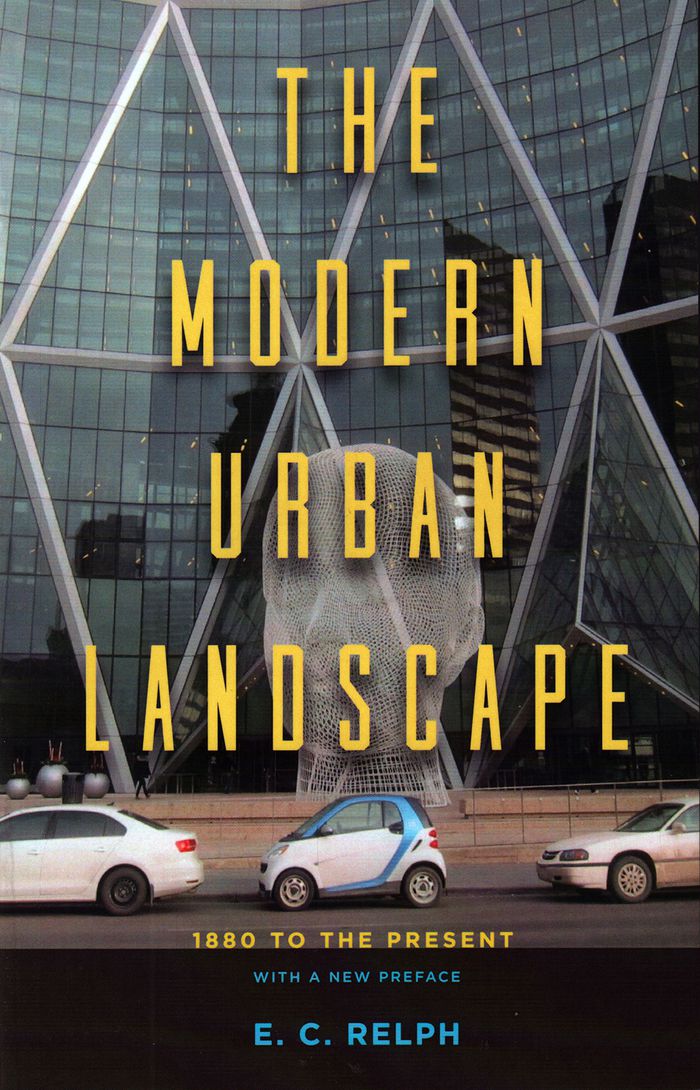
The modern urban landscape: 1880 to the present
Actions:
Prix:
$39.95
(disponible en magasin)
Résumé:
For E. C. Relph, the landscape of late twentieth-century cities must be envisioned as a total environment—not just streets and buildings but billboards and parking meters as well. "The modern urban landscape" traces the developments since 1880 in architecture, technology, planning, and society that have formed the visual context of daily life. Each of these shaping influences is often viewed in isolation, but Relph surveys the ways in which they have operated independently to create what we see when we walk down a street, shop in a mall, or stare through a windshield on an expressway. Two sets of ideas and fashions, Relph argues, have had an especially important impact on urban landscapes in the twentieth century. An "internationalism" made possible by new building technologies and design ideologies has replaced regional style and custom as the dominant feature of city appearance, while a firm belief in the merits of self-consciousness has imposed logical analysis and technical manipulation on such commonplace objects as curbstones and park benches. "As a result," writes Relph, "the modern urban landscape is both rationalized and artificial, which is another way of saying that it is intensely human." This edition features a new preface in which the author identifies the major visible changes in urban landscapes over the past thirty years, including destination architecture, coffee shops, condominium towers, revitalized downtown streets, and the creation of edge cities. He also considers the less visible yet pervasive impacts associated with the emergence of electronic technologies and sustainable development.
The modern urban landscape: 1880 to the present
Actions:
Prix:
$39.95
(disponible en magasin)
Résumé:
For E. C. Relph, the landscape of late twentieth-century cities must be envisioned as a total environment—not just streets and buildings but billboards and parking meters as well. "The modern urban landscape" traces the developments since 1880 in architecture, technology, planning, and society that have formed the visual context of daily life. Each of these shaping influences is often viewed in isolation, but Relph surveys the ways in which they have operated independently to create what we see when we walk down a street, shop in a mall, or stare through a windshield on an expressway. Two sets of ideas and fashions, Relph argues, have had an especially important impact on urban landscapes in the twentieth century. An "internationalism" made possible by new building technologies and design ideologies has replaced regional style and custom as the dominant feature of city appearance, while a firm belief in the merits of self-consciousness has imposed logical analysis and technical manipulation on such commonplace objects as curbstones and park benches. "As a result," writes Relph, "the modern urban landscape is both rationalized and artificial, which is another way of saying that it is intensely human." This edition features a new preface in which the author identifies the major visible changes in urban landscapes over the past thirty years, including destination architecture, coffee shops, condominium towers, revitalized downtown streets, and the creation of edge cities. He also considers the less visible yet pervasive impacts associated with the emergence of electronic technologies and sustainable development.
Classification:
livres
livres
Publication:
juillet 2016
juillet 2016
Sujet:
Théorie de l’urbanisme
Théorie de l’urbanisme
Classification:
livres
livres
Titre:
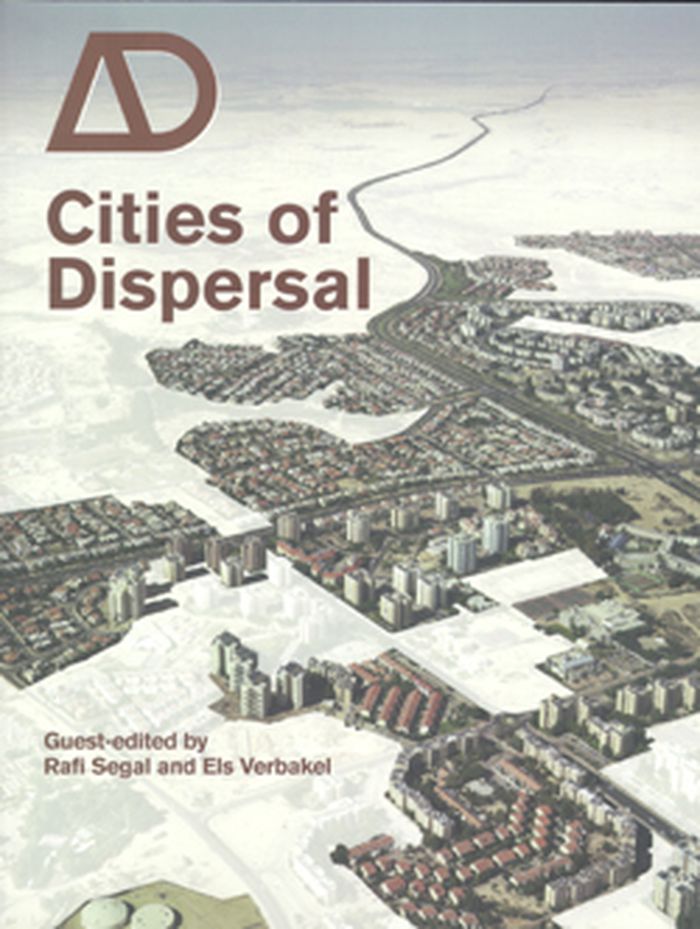
AD : Cities of dispersal
AD : Cities of dispersal
Actions:
Prix:
$44.00
(disponible en magasin)
Résumé:
Questioning the traditional boundaries between cities, suburbs, countryside and wilderness, this issue of AD explores emergent types of public space in low-density environments. It describes this new form of urbanism: decentralised, in a constant process of expansion and contraction, not homogenous or necessarily low-rise, nor guided by one mode of development, typology(...)
$44.00
(disponible en magasin)
Résumé:
Questioning the traditional boundaries between cities, suburbs, countryside and wilderness, this issue of AD explores emergent types of public space in low-density environments. It describes this new form of urbanism: decentralised, in a constant process of expansion and contraction, not homogenous or necessarily low-rise, nor guided by one mode of development, typology(...)
Titre:
AD : Cities of dispersal
Actions:
Prix:
$44.00
(disponible en magasin)
Résumé:
Questioning the traditional boundaries between cities, suburbs, countryside and wilderness, this issue of AD explores emergent types of public space in low-density environments. It describes this new form of urbanism: decentralised, in a constant process of expansion and contraction, not homogenous or necessarily low-rise, nor guided by one mode of development, typology or pattern. While functionally and programmatically dispersed, settlements operate as a form of urbanism; the place of collective spaces within them has yet to be defined and articulated. The physical transformation of the built environment on the one hand, and the change in our notion of the public on the other - due to globalisation, privatisation and segregation - call for renewed interpretations of the nature and character of public space. The concept of public space needs to be examined: replaced, re-created or adapted to fit these conditions. What is the place of the public in this form of urbanism, and how can architecture address the notion of common, collective spaces? What is the current sociopolitical role o such spaces? How does the form and use of these spaces reflect the conception of the public as a political (or non-political) body? And can architecture regain an active role in formulating the notion of the collective? These and other issues are addressed through essays, research projects and built work by distinguished writers such as Bruce Robbins, Albert Pope and Alex Wall, and Practitioners including Zvi Hecker, Vito Acconci, MUTOPIA, Manuel de Sola-Morales, Martha Rosler and Manuel Vicente in a search for new collective architectures within the dispersed city.
AD : Cities of dispersal
Actions:
Prix:
$44.00
(disponible en magasin)
Résumé:
Questioning the traditional boundaries between cities, suburbs, countryside and wilderness, this issue of AD explores emergent types of public space in low-density environments. It describes this new form of urbanism: decentralised, in a constant process of expansion and contraction, not homogenous or necessarily low-rise, nor guided by one mode of development, typology or pattern. While functionally and programmatically dispersed, settlements operate as a form of urbanism; the place of collective spaces within them has yet to be defined and articulated. The physical transformation of the built environment on the one hand, and the change in our notion of the public on the other - due to globalisation, privatisation and segregation - call for renewed interpretations of the nature and character of public space. The concept of public space needs to be examined: replaced, re-created or adapted to fit these conditions. What is the place of the public in this form of urbanism, and how can architecture address the notion of common, collective spaces? What is the current sociopolitical role o such spaces? How does the form and use of these spaces reflect the conception of the public as a political (or non-political) body? And can architecture regain an active role in formulating the notion of the collective? These and other issues are addressed through essays, research projects and built work by distinguished writers such as Bruce Robbins, Albert Pope and Alex Wall, and Practitioners including Zvi Hecker, Vito Acconci, MUTOPIA, Manuel de Sola-Morales, Martha Rosler and Manuel Vicente in a search for new collective architectures within the dispersed city.
Classification:
livres
livres
Publication:
mai 2008, West Sussex
mai 2008, West Sussex
Sujet:
Théorie de l’urbanisme
Théorie de l’urbanisme
Classification:
livres
livres
Titre:
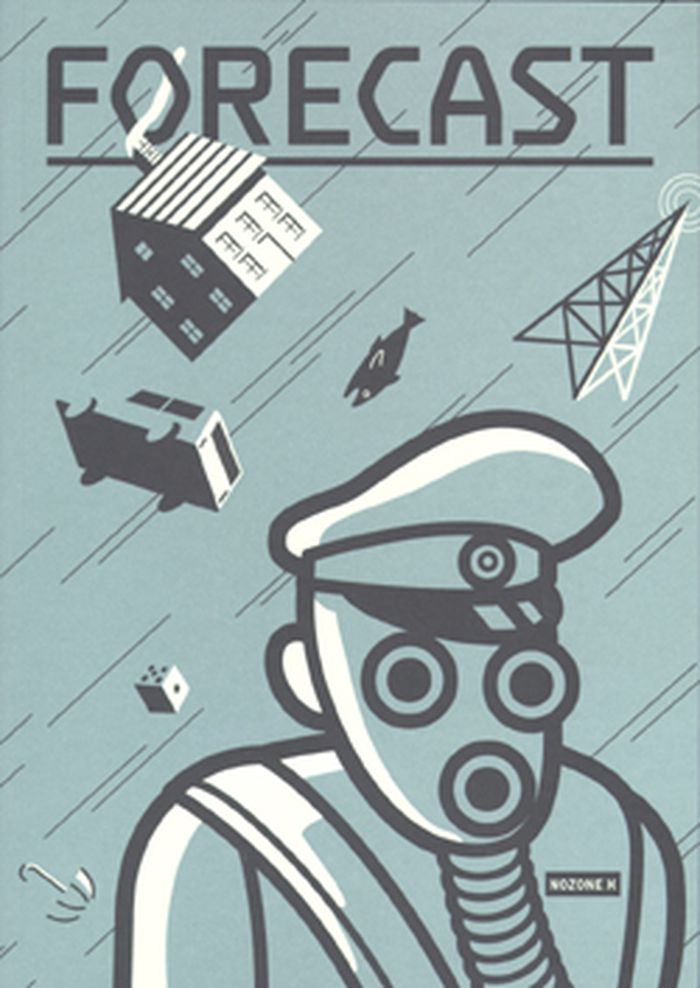
Nozone x: forecast
Nozone x: forecast
Actions:
Prix:
$27.95
(disponible sur commande)
Résumé:
Conspiracy theories, pending Ice Ages, potential revolutions, viral epidemics, and other doomsday prophecies: wherever you look–from the cover of Time magazine to the weird weather outside your window–the message seems universal: the Earth our children inherit will certainly be nothing like the one we currently inhabit. UN reports and newspaper articles are illustrated(...)
$27.95
(disponible sur commande)
Résumé:
Conspiracy theories, pending Ice Ages, potential revolutions, viral epidemics, and other doomsday prophecies: wherever you look–from the cover of Time magazine to the weird weather outside your window–the message seems universal: the Earth our children inherit will certainly be nothing like the one we currently inhabit. UN reports and newspaper articles are illustrated(...)
Publication:
septembre 2008, New York
septembre 2008, New York
Titre:
Nozone x: forecast
Actions:
Prix:
$27.95
(disponible sur commande)
Résumé:
Conspiracy theories, pending Ice Ages, potential revolutions, viral epidemics, and other doomsday prophecies: wherever you look–from the cover of Time magazine to the weird weather outside your window–the message seems universal: the Earth our children inherit will certainly be nothing like the one we currently inhabit. UN reports and newspaper articles are illustrated with dry charts and graphs predicting technological, economic, and ecological transformations that are already dramatically altering the way we live. Forecast revisualizes these abstractions about everything from our environment to our waistlines, from the stock market to the Middle East through the eyes of cartoonists and graphic designers who have made comics with a conscience: Ward Sutton imagines a nation divided into a red and a blue zone; Paula Scher maps out the Northern Hemisphere of 2100; Elizabeth Amon interviews New Yorker journalist Elizabeth Kolbert on global warming; and Tom Tomorrow looks back on the legacy of Bush-Cheney. Ultimately, Forecast is an optimistic book: using humor, it encourages all of us to take responsibility for predictions of the future and to take action to affect change. Forecast is the latest installment of Nozone. Featured in the Cooper Hewitt's Design Triennial, Nozone is a decade-old political graphic design and comics zine, edited around a theme. Nicholas Blechman is principal of Knickerbocker Design in New York City and art director of the New York Times Book Review. He is the editor of Empire and co-author of Evil, both published by Princeton Architectural Press. Blechman is publisher of the award-winning political underground magazine Nozone.
Nozone x: forecast
Actions:
Prix:
$27.95
(disponible sur commande)
Résumé:
Conspiracy theories, pending Ice Ages, potential revolutions, viral epidemics, and other doomsday prophecies: wherever you look–from the cover of Time magazine to the weird weather outside your window–the message seems universal: the Earth our children inherit will certainly be nothing like the one we currently inhabit. UN reports and newspaper articles are illustrated with dry charts and graphs predicting technological, economic, and ecological transformations that are already dramatically altering the way we live. Forecast revisualizes these abstractions about everything from our environment to our waistlines, from the stock market to the Middle East through the eyes of cartoonists and graphic designers who have made comics with a conscience: Ward Sutton imagines a nation divided into a red and a blue zone; Paula Scher maps out the Northern Hemisphere of 2100; Elizabeth Amon interviews New Yorker journalist Elizabeth Kolbert on global warming; and Tom Tomorrow looks back on the legacy of Bush-Cheney. Ultimately, Forecast is an optimistic book: using humor, it encourages all of us to take responsibility for predictions of the future and to take action to affect change. Forecast is the latest installment of Nozone. Featured in the Cooper Hewitt's Design Triennial, Nozone is a decade-old political graphic design and comics zine, edited around a theme. Nicholas Blechman is principal of Knickerbocker Design in New York City and art director of the New York Times Book Review. He is the editor of Empire and co-author of Evil, both published by Princeton Architectural Press. Blechman is publisher of the award-winning political underground magazine Nozone.
Classification:
livres
livres
Publication:
septembre 2008, New York
septembre 2008, New York
Classification:
livres
livres
Titre:
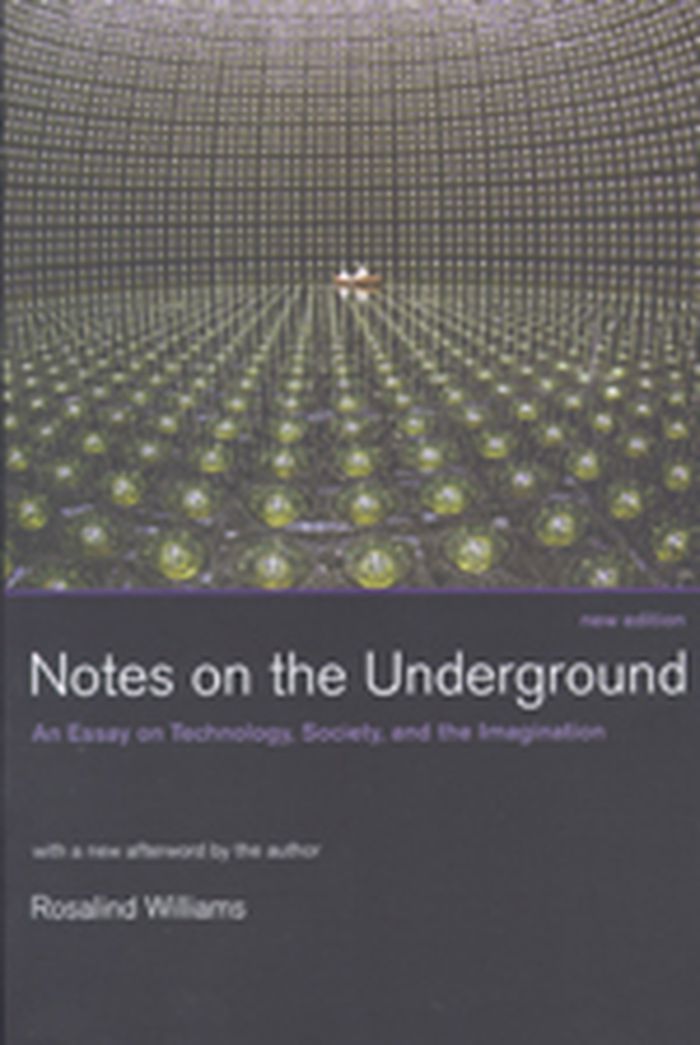
Notes on the Underground
Notes on the Underground
Actions:
Prix:
$24.95
(disponible sur commande)
Résumé:
The underground has always played a prominent role in human imaginings, both as a place of refuge and as a source of fear. The late nineteenth century saw a new fascination with the underground as Western societies tried to cope with the pervasive changes of a new social and technological order. In Notes on the Underground, Rosalind Williams takes us inside that critical(...)
$24.95
(disponible sur commande)
Résumé:
The underground has always played a prominent role in human imaginings, both as a place of refuge and as a source of fear. The late nineteenth century saw a new fascination with the underground as Western societies tried to cope with the pervasive changes of a new social and technological order. In Notes on the Underground, Rosalind Williams takes us inside that critical(...)
Titre:
Notes on the Underground
Actions:
Prix:
$24.95
(disponible sur commande)
Résumé:
The underground has always played a prominent role in human imaginings, both as a place of refuge and as a source of fear. The late nineteenth century saw a new fascination with the underground as Western societies tried to cope with the pervasive changes of a new social and technological order. In Notes on the Underground, Rosalind Williams takes us inside that critical historical moment, giving equal coverage to actual and imaginary undergrounds. She looks at the real-life invasions of the underground that occurred as modern urban infrastructures of sewers and subways were laid, and at the simultaneous archaeological excavations that were unearthing both human history and the planet’s deep past. She also examines the subterranean stories of Verne, Wells, Forster, Hugo, Bulwer-Lytton, and other writers who proposed alternative visions of the coming technological civilization. Williams argues that these imagined and real underground environments provide models of human life in a world dominated by human presence and offer a prophetic look at today’s technology-dominated society. In a new afterword written for this edition, Williams points out that her book traces the emergence in the nineteenth century of what we would now call an environmental consciousness--an awareness that there will be consequences when humans live in a sealed, finite environment. Today we are more aware than ever of our limited biosphere and how vulnerable it is. Notes on the Underground, now even more than when it first appeared, offers a guide to the human, cultural, and technical consequences of what Williams calls "the human empire on earth."
Notes on the Underground
Actions:
Prix:
$24.95
(disponible sur commande)
Résumé:
The underground has always played a prominent role in human imaginings, both as a place of refuge and as a source of fear. The late nineteenth century saw a new fascination with the underground as Western societies tried to cope with the pervasive changes of a new social and technological order. In Notes on the Underground, Rosalind Williams takes us inside that critical historical moment, giving equal coverage to actual and imaginary undergrounds. She looks at the real-life invasions of the underground that occurred as modern urban infrastructures of sewers and subways were laid, and at the simultaneous archaeological excavations that were unearthing both human history and the planet’s deep past. She also examines the subterranean stories of Verne, Wells, Forster, Hugo, Bulwer-Lytton, and other writers who proposed alternative visions of the coming technological civilization. Williams argues that these imagined and real underground environments provide models of human life in a world dominated by human presence and offer a prophetic look at today’s technology-dominated society. In a new afterword written for this edition, Williams points out that her book traces the emergence in the nineteenth century of what we would now call an environmental consciousness--an awareness that there will be consequences when humans live in a sealed, finite environment. Today we are more aware than ever of our limited biosphere and how vulnerable it is. Notes on the Underground, now even more than when it first appeared, offers a guide to the human, cultural, and technical consequences of what Williams calls "the human empire on earth."
Classification:
livres
livres
Publication:
mars 2008, Cambridge
mars 2008, Cambridge
Sujet:
Théorie de l’architecture
Théorie de l’architecture


