


7798 Résultats
Classification:
livres
livres
Prix:
$68.00
(disponible sur commande)
Résumé:
For the past decade, photographer Mark Ruwedel has been compiling an epic photographic account of the natural environment of his home city of Los Angeles. From the stark Californian coast to the vast expanses of the interior – many of which have been further lain bare by wildfires – Ruwedel tracks a unique ecology in constant, if subtle, dialogue with the human life that(...)
$68.00
(disponible sur commande)
Résumé:
For the past decade, photographer Mark Ruwedel has been compiling an epic photographic account of the natural environment of his home city of Los Angeles. From the stark Californian coast to the vast expanses of the interior – many of which have been further lain bare by wildfires – Ruwedel tracks a unique ecology in constant, if subtle, dialogue with the human life that(...)
Titre:
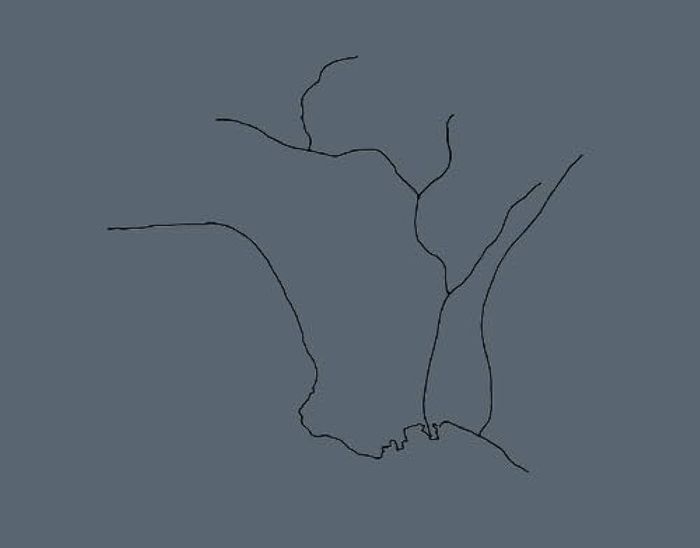
Mark Ruwedel: Rivers run through it. Landscape of Four Ecologies I
Actions:
Prix:
$68.00
(disponible sur commande)
Résumé:
For the past decade, photographer Mark Ruwedel has been compiling an epic photographic account of the natural environment of his home city of Los Angeles. From the stark Californian coast to the vast expanses of the interior – many of which have been further lain bare by wildfires – Ruwedel tracks a unique ecology in constant, if subtle, dialogue with the human life that surrounds it: one where wildness is designed, contested, permitted, or resisted to varying degrees of success. In this first of four volumes, Ruwedel follows the Los Angeles River from Big Tujunga Wash to the Pacific Ocean. Using patient, forensic large- and medium-format photography in black and white, Ruwedel recalls the legacy of nineteenth-century photographer-cartographers such as Carleton Watkins and Timothy O’Sullivan, as well as land artists and New Topographics photographers of the 1970s, while forging his own elucidating relationship with the landscape. The series title "Landscapes of four ecologies" recalls architectural critic Reyner Baynam classic study "Los Angeles: The architecture of four ecologies," which describes the city as "one of the ecological wonders of the modern world."
Mark Ruwedel: Rivers run through it. Landscape of Four Ecologies I
Actions:
Prix:
$68.00
(disponible sur commande)
Résumé:
For the past decade, photographer Mark Ruwedel has been compiling an epic photographic account of the natural environment of his home city of Los Angeles. From the stark Californian coast to the vast expanses of the interior – many of which have been further lain bare by wildfires – Ruwedel tracks a unique ecology in constant, if subtle, dialogue with the human life that surrounds it: one where wildness is designed, contested, permitted, or resisted to varying degrees of success. In this first of four volumes, Ruwedel follows the Los Angeles River from Big Tujunga Wash to the Pacific Ocean. Using patient, forensic large- and medium-format photography in black and white, Ruwedel recalls the legacy of nineteenth-century photographer-cartographers such as Carleton Watkins and Timothy O’Sullivan, as well as land artists and New Topographics photographers of the 1970s, while forging his own elucidating relationship with the landscape. The series title "Landscapes of four ecologies" recalls architectural critic Reyner Baynam classic study "Los Angeles: The architecture of four ecologies," which describes the city as "one of the ecological wonders of the modern world."
Classification:
livres
livres
Publication:
novembre 2023
novembre 2023
Sujet:
Monographies photo
Monographies photo
Classification:
livres
livres
Actions:
Prix:
$120.99
(disponible sur commande)
Résumé:
The history of modern architecture has been well covered in the classical surveys of Sigfried Giedion, Kenneth Frampton, William Curtis, Alan Colquhoun, and others who traced the developments of this major movement that dominated the architectural landscape of the 20th century until the beginning of the 1970s, when a major contesting movement appeared on the scene,(...)
$120.99
(disponible sur commande)
Résumé:
The history of modern architecture has been well covered in the classical surveys of Sigfried Giedion, Kenneth Frampton, William Curtis, Alan Colquhoun, and others who traced the developments of this major movement that dominated the architectural landscape of the 20th century until the beginning of the 1970s, when a major contesting movement appeared on the scene,(...)
Titre:
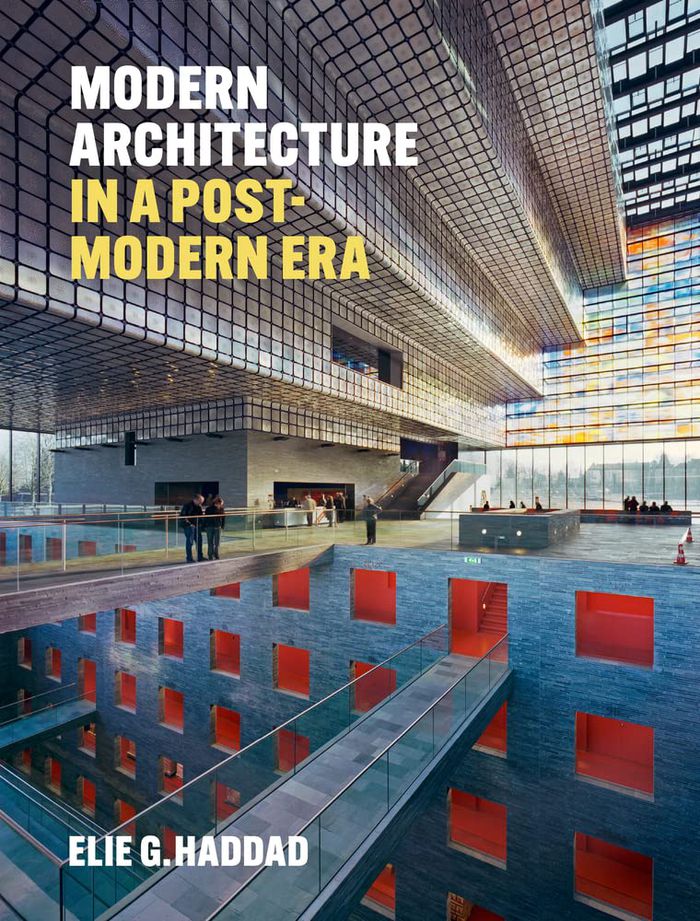
Modern architecture in a post-modern age
Actions:
Prix:
$120.99
(disponible sur commande)
Résumé:
The history of modern architecture has been well covered in the classical surveys of Sigfried Giedion, Kenneth Frampton, William Curtis, Alan Colquhoun, and others who traced the developments of this major movement that dominated the architectural landscape of the 20th century until the beginning of the 1970s, when a major contesting movement appeared on the scene, labelled as Post-Modernism. Taking a similar approach, this book explores the different tendencies that affected the developments of the past six decades, beginning around the 1960s, when a new wind started to blow from within Modernism, leading to different reactions and counter-reactions, the effects of which are still felt today. This book provides a survey of contemporary developments, starting with an introductory chapter on the transitional period of the 1960s and then examining the different movements that followed, charting a middle course between the ‘aesthetic’ histories that examine architecture solely in terms of its formal aspects, and the ‘ideological’ histories that subject it to a critique that often skirts the discussion of its formal aspects.
Modern architecture in a post-modern age
Actions:
Prix:
$120.99
(disponible sur commande)
Résumé:
The history of modern architecture has been well covered in the classical surveys of Sigfried Giedion, Kenneth Frampton, William Curtis, Alan Colquhoun, and others who traced the developments of this major movement that dominated the architectural landscape of the 20th century until the beginning of the 1970s, when a major contesting movement appeared on the scene, labelled as Post-Modernism. Taking a similar approach, this book explores the different tendencies that affected the developments of the past six decades, beginning around the 1960s, when a new wind started to blow from within Modernism, leading to different reactions and counter-reactions, the effects of which are still felt today. This book provides a survey of contemporary developments, starting with an introductory chapter on the transitional period of the 1960s and then examining the different movements that followed, charting a middle course between the ‘aesthetic’ histories that examine architecture solely in terms of its formal aspects, and the ‘ideological’ histories that subject it to a critique that often skirts the discussion of its formal aspects.
Classification:
livres
livres
Publication:
juillet 2023
juillet 2023
Sujet:
Post-modernisme
Post-modernisme
Classification:
livres
livres
Titre:
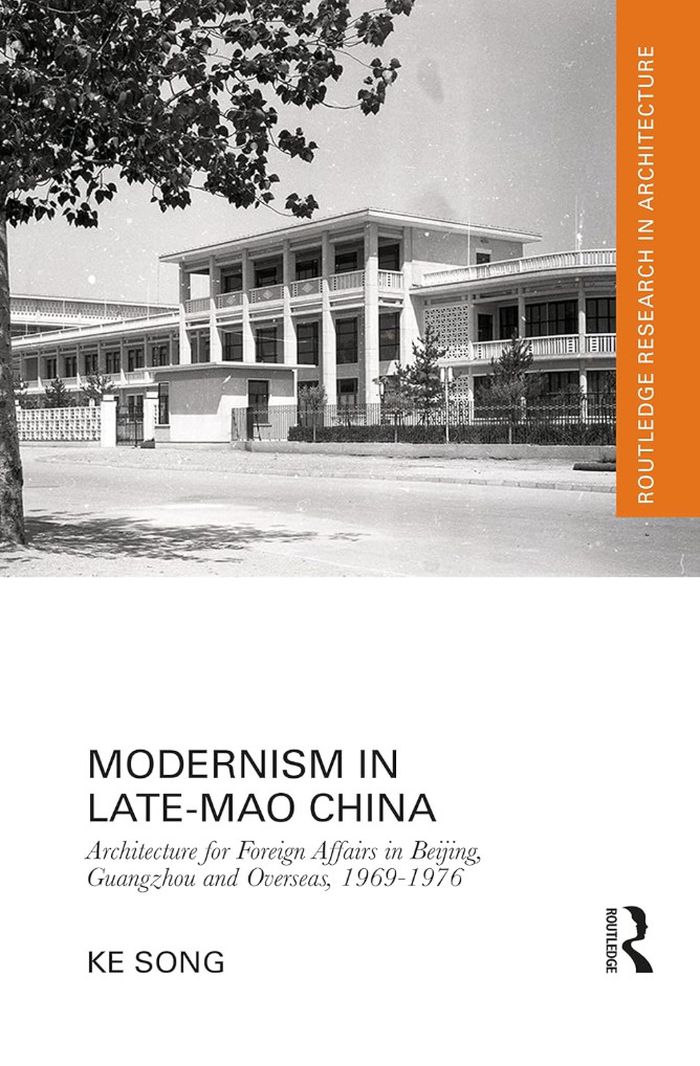
Modernism in late-Mao China
Modernism in late-Mao China
Actions:
Prix:
$81.50
(disponible en magasin)
Résumé:
This book investigates the architectural history of China in the Mao era (1949–1976), focusing on the rise of modernism in the last seven years of the Cultural Revolution from 1969 to 1976. It highlights the new architecture of this period, exemplified by three clusters of buildings for foreign affairs, namely buildings for foreign diplomacy in Beijing, buildings for(...)
$81.50
(disponible en magasin)
Résumé:
This book investigates the architectural history of China in the Mao era (1949–1976), focusing on the rise of modernism in the last seven years of the Cultural Revolution from 1969 to 1976. It highlights the new architecture of this period, exemplified by three clusters of buildings for foreign affairs, namely buildings for foreign diplomacy in Beijing, buildings for(...)
Titre:
Modernism in late-Mao China
Actions:
Prix:
$81.50
(disponible en magasin)
Résumé:
This book investigates the architectural history of China in the Mao era (1949–1976), focusing on the rise of modernism in the last seven years of the Cultural Revolution from 1969 to 1976. It highlights the new architecture of this period, exemplified by three clusters of buildings for foreign affairs, namely buildings for foreign diplomacy in Beijing, buildings for foreign trade in Guangzhou and China’s foreign aid projects overseas. The emergence of new architecture in the early 1970s is closely associated with China’s political and diplomatic shift of the time, from a radical emphasis on ideological struggle to a dynamic balance between leftist ideology and pragmatic concerns. In this context, China’s relations with the West quickly improved, culminating with American president Richard Nixon’s visit to China in 1972. The increasing foreign affairs brought new opportunities to Chinese architects who referenced both Western modernism and Chinese architectural traditions to create a new version of Chinese modernism. The book brings dimensions of form, politics and knowledge to the analysis of architecture, to construct an understanding of architectural design as an aesthetic, political and intellectual practice.
Modernism in late-Mao China
Actions:
Prix:
$81.50
(disponible en magasin)
Résumé:
This book investigates the architectural history of China in the Mao era (1949–1976), focusing on the rise of modernism in the last seven years of the Cultural Revolution from 1969 to 1976. It highlights the new architecture of this period, exemplified by three clusters of buildings for foreign affairs, namely buildings for foreign diplomacy in Beijing, buildings for foreign trade in Guangzhou and China’s foreign aid projects overseas. The emergence of new architecture in the early 1970s is closely associated with China’s political and diplomatic shift of the time, from a radical emphasis on ideological struggle to a dynamic balance between leftist ideology and pragmatic concerns. In this context, China’s relations with the West quickly improved, culminating with American president Richard Nixon’s visit to China in 1972. The increasing foreign affairs brought new opportunities to Chinese architects who referenced both Western modernism and Chinese architectural traditions to create a new version of Chinese modernism. The book brings dimensions of form, politics and knowledge to the analysis of architecture, to construct an understanding of architectural design as an aesthetic, political and intellectual practice.
Classification:
livres
livres
Publication:
décembre 2025
décembre 2025
Classification:
livres
livres
Prix:
$105.00
(disponible sur commande)
Résumé:
Richard Neutra's work, his life experience, and his search for modern architecture coincided neatly with the lifespan of the modern movement. He experienced the buoyant struggles of the movement's early years, the heady triumph of its mid-century ascendancy, and the critique it faced in the 1960s and 1970s. His reputation enjoyed a resurgence that was hard to predict(...)
$105.00
(disponible sur commande)
Résumé:
Richard Neutra's work, his life experience, and his search for modern architecture coincided neatly with the lifespan of the modern movement. He experienced the buoyant struggles of the movement's early years, the heady triumph of its mid-century ascendancy, and the critique it faced in the 1960s and 1970s. His reputation enjoyed a resurgence that was hard to predict(...)
Titre:
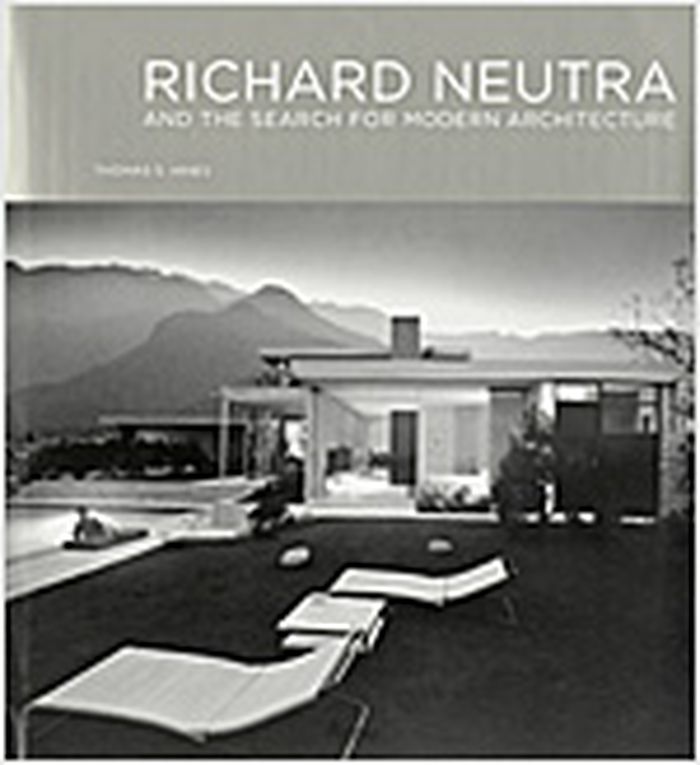
Richard Neutra and the search for modern architecture
Actions:
Prix:
$105.00
(disponible sur commande)
Résumé:
Richard Neutra's work, his life experience, and his search for modern architecture coincided neatly with the lifespan of the modern movement. He experienced the buoyant struggles of the movement's early years, the heady triumph of its mid-century ascendancy, and the critique it faced in the 1960s and 1970s. His reputation enjoyed a resurgence that was hard to predict when "Richard Neutra and the search for modern architecture" was first published over twenty years ago. In his seminal critical biography of this modernist master, Thomas S. Hines explores the efforts of Neutra and his modernist contemporaries to find the forms that would be most expressive of the twentieth century. In researching this classic of architectural scholarship, Hines enjoyed unparalleled access to the Neutra archives. Its collection of outstanding black-and-white photography includes a remarkable cache of photographs taken by Julius Shulman-the undisputed master of twentieth-century architectural photography-whose work is beautifully featured here. This revised edition of Richard Neutra includes a new introduction by the author.
Richard Neutra and the search for modern architecture
Actions:
Prix:
$105.00
(disponible sur commande)
Résumé:
Richard Neutra's work, his life experience, and his search for modern architecture coincided neatly with the lifespan of the modern movement. He experienced the buoyant struggles of the movement's early years, the heady triumph of its mid-century ascendancy, and the critique it faced in the 1960s and 1970s. His reputation enjoyed a resurgence that was hard to predict when "Richard Neutra and the search for modern architecture" was first published over twenty years ago. In his seminal critical biography of this modernist master, Thomas S. Hines explores the efforts of Neutra and his modernist contemporaries to find the forms that would be most expressive of the twentieth century. In researching this classic of architectural scholarship, Hines enjoyed unparalleled access to the Neutra archives. Its collection of outstanding black-and-white photography includes a remarkable cache of photographs taken by Julius Shulman-the undisputed master of twentieth-century architectural photography-whose work is beautifully featured here. This revised edition of Richard Neutra includes a new introduction by the author.
Classification:
livres
livres
Publication:
février 2006, New York
février 2006, New York
Sujet:
Architecture, monographies
Architecture, monographies
Classification:
livres
livres
Titre:
Jeff Wall
Jeff Wall
Actions:
Prix:
$102.00
(disponible en magasin)
Résumé:
Since the late 1970s, Canadian photographer Jeff Wall has made significant contributions to establishing photography as an autonomous medium. He is considered the founder of "staged" photography and generates mostly large-format photographs—often inspired by literature, film and art history—composed in a multilayered and subtle way from a multitude of individual shots.(...)
$102.00
(disponible en magasin)
Résumé:
Since the late 1970s, Canadian photographer Jeff Wall has made significant contributions to establishing photography as an autonomous medium. He is considered the founder of "staged" photography and generates mostly large-format photographs—often inspired by literature, film and art history—composed in a multilayered and subtle way from a multitude of individual shots.(...)
Titre:
Jeff Wall
Actions:
Prix:
$102.00
(disponible en magasin)
Résumé:
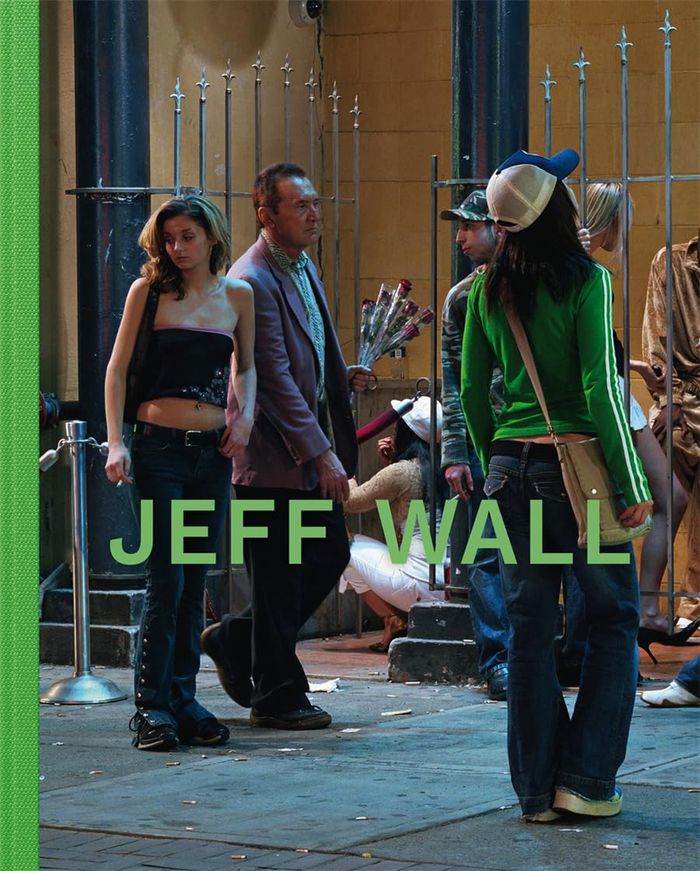
Since the late 1970s, Canadian photographer Jeff Wall has made significant contributions to establishing photography as an autonomous medium. He is considered the founder of "staged" photography and generates mostly large-format photographs—often inspired by literature, film and art history—composed in a multilayered and subtle way from a multitude of individual shots. Wall makes a distinction between his documentary still life photos and his "cinematographic" pictures, the latter of which take months or even years to complete. His contemporary genre scenes invoke famous works by Hokusai, Manet, Kafka, Ellison and others.Among the more than 50 works collected in the catalog of the large-scale solo exhibition at the Fondation Beyeler are Wall’s iconic large-format slides in light boxes, black-and-white photographs and color photographic prints. His most recent images, representing the entire spectrum of his oeuvre, enter into a dialogue with works from the time of Wall’s beginnings as an artist and reveal a wide range of references in terms of content and form.
Jeff Wall
Actions:
Prix:
$102.00
(disponible en magasin)
Résumé:
Since the late 1970s, Canadian photographer Jeff Wall has made significant contributions to establishing photography as an autonomous medium. He is considered the founder of "staged" photography and generates mostly large-format photographs—often inspired by literature, film and art history—composed in a multilayered and subtle way from a multitude of individual shots. Wall makes a distinction between his documentary still life photos and his "cinematographic" pictures, the latter of which take months or even years to complete. His contemporary genre scenes invoke famous works by Hokusai, Manet, Kafka, Ellison and others.Among the more than 50 works collected in the catalog of the large-scale solo exhibition at the Fondation Beyeler are Wall’s iconic large-format slides in light boxes, black-and-white photographs and color photographic prints. His most recent images, representing the entire spectrum of his oeuvre, enter into a dialogue with works from the time of Wall’s beginnings as an artist and reveal a wide range of references in terms of content and form.
Classification:
livres
livres
Publication:
avril 2024
avril 2024
Sujet:
Monographies photo
Monographies photo
Classification:
livres
livres
Actions:
Prix:
$99.00
(disponible sur commande)
Résumé:
''Paula Scher: Works'' is the definitive visual record of the groundbreaking graphic designer and Pentagram partner. Co-edited by Tony Brook and Adrian Shaughnessy, the book organizes Scher’s work chronologically into several thematic sections. It opens with a long interview with the designer, then moves into her record covers from the 1970s and 80s. Central chapters look(...)
$99.00
(disponible sur commande)
Résumé:
''Paula Scher: Works'' is the definitive visual record of the groundbreaking graphic designer and Pentagram partner. Co-edited by Tony Brook and Adrian Shaughnessy, the book organizes Scher’s work chronologically into several thematic sections. It opens with a long interview with the designer, then moves into her record covers from the 1970s and 80s. Central chapters look(...)
Titre:
Paula Scher: Works. 2nd edition
Actions:
Prix:
$99.00
(disponible sur commande)
Résumé:
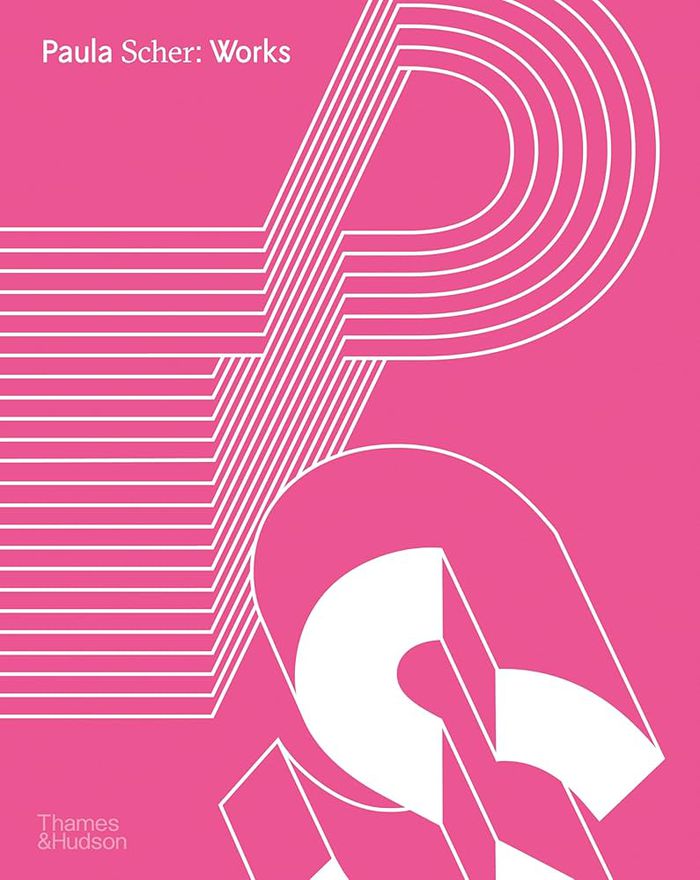
''Paula Scher: Works'' is the definitive visual record of the groundbreaking graphic designer and Pentagram partner. Co-edited by Tony Brook and Adrian Shaughnessy, the book organizes Scher’s work chronologically into several thematic sections. It opens with a long interview with the designer, then moves into her record covers from the 1970s and 80s. Central chapters look at her innovative approach to identity design and environmental graphics and its impact on contemporary New York’s urban fabric — as seen in work for clients from MoMA to Charter Schools; from the High Line to Shake Shack — as well as her logos for global corporations and cultural institutions. A large section on authorship is devoted to the designer’s socially and politically-motivated posters, New York Times Op-Ed illustrations and campaign work. The book also provides the most up-to-date look at Scher’s idiosyncratic hand-painted maps, a prolific artistic practice that complements her still-growing graphic legacy, as well as her longstanding collaboration with The Public Theater, which spans over twenty years.
Paula Scher: Works. 2nd edition
Actions:
Prix:
$99.00
(disponible sur commande)
Résumé:
''Paula Scher: Works'' is the definitive visual record of the groundbreaking graphic designer and Pentagram partner. Co-edited by Tony Brook and Adrian Shaughnessy, the book organizes Scher’s work chronologically into several thematic sections. It opens with a long interview with the designer, then moves into her record covers from the 1970s and 80s. Central chapters look at her innovative approach to identity design and environmental graphics and its impact on contemporary New York’s urban fabric — as seen in work for clients from MoMA to Charter Schools; from the High Line to Shake Shack — as well as her logos for global corporations and cultural institutions. A large section on authorship is devoted to the designer’s socially and politically-motivated posters, New York Times Op-Ed illustrations and campaign work. The book also provides the most up-to-date look at Scher’s idiosyncratic hand-painted maps, a prolific artistic practice that complements her still-growing graphic legacy, as well as her longstanding collaboration with The Public Theater, which spans over twenty years.
Classification:
livres
livres
Publication:
juillet 2024
juillet 2024
Classification:
livres
livres
Actions:
Prix:
$37.00
(disponible sur commande)
Résumé:
Here is the flip-side of John Chamberlain's well-known crushed car sculptures: his work in foam. Just as revelatory in their formal sophistication, these works, primarily made from 1966 to 1970, with a few made in the late 1970s and early 1980s, boggle the eye with their simplicity. To make them, Chamberlain looped rope around a mass of plain or painted urethane foam and(...)
$37.00
(disponible sur commande)
Résumé:
Here is the flip-side of John Chamberlain's well-known crushed car sculptures: his work in foam. Just as revelatory in their formal sophistication, these works, primarily made from 1966 to 1970, with a few made in the late 1970s and early 1980s, boggle the eye with their simplicity. To make them, Chamberlain looped rope around a mass of plain or painted urethane foam and(...)
Publication:
mars 2008, Texas
mars 2008, Texas
Titre:
John Chamberlain The Foam Sculpture
Actions:
Prix:
$37.00
(disponible sur commande)
Résumé:
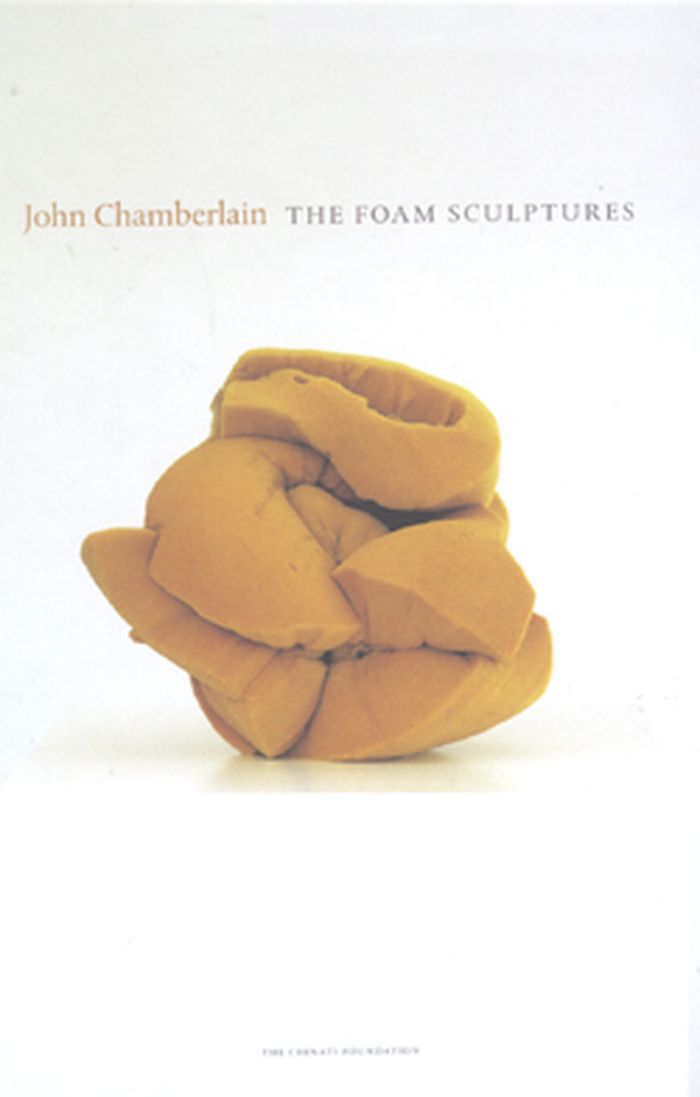
Here is the flip-side of John Chamberlain's well-known crushed car sculptures: his work in foam. Just as revelatory in their formal sophistication, these works, primarily made from 1966 to 1970, with a few made in the late 1970s and early 1980s, boggle the eye with their simplicity. To make them, Chamberlain looped rope around a mass of plain or painted urethane foam and tightened it to create dynamic tensions, which resulted in seductively rounded volumes. These sculptures are essential to Chamberlain's oeuvre, and this is the first publication to address them. Its first section is based on the Marfa, Texas, Chinati Foundation exhibition of 2005-2006, with installation shots and photographs of each exhibited piece; the second section assembles a total of 85 foam sculptures, constituting an almost complete catalogue of this group, and an update to Chamberlain's catalogue raisonne of 1986. Essays by Klaus Kertess, Iris Winkelmeyer and Marianne Stockebrand treat the sculptures in the larger context of Chamberlain's oeuvre and discuss the issue of conservation.
John Chamberlain The Foam Sculpture
Actions:
Prix:
$37.00
(disponible sur commande)
Résumé:
Here is the flip-side of John Chamberlain's well-known crushed car sculptures: his work in foam. Just as revelatory in their formal sophistication, these works, primarily made from 1966 to 1970, with a few made in the late 1970s and early 1980s, boggle the eye with their simplicity. To make them, Chamberlain looped rope around a mass of plain or painted urethane foam and tightened it to create dynamic tensions, which resulted in seductively rounded volumes. These sculptures are essential to Chamberlain's oeuvre, and this is the first publication to address them. Its first section is based on the Marfa, Texas, Chinati Foundation exhibition of 2005-2006, with installation shots and photographs of each exhibited piece; the second section assembles a total of 85 foam sculptures, constituting an almost complete catalogue of this group, and an update to Chamberlain's catalogue raisonne of 1986. Essays by Klaus Kertess, Iris Winkelmeyer and Marianne Stockebrand treat the sculptures in the larger context of Chamberlain's oeuvre and discuss the issue of conservation.
Classification:
livres
livres
Publication:
mars 2008, Texas
mars 2008, Texas
Classification:
livres
livres
Actions:
Prix:
$58.00
(disponible sur commande)
Résumé:
280 mostly full page color illustrations. Text by Ann Temkin, Briony Fer. Melissa Ho, Nora Lawrence. Published to accompany a major exhibition at The Museum of Modern Art, New York, this volume begins with Marcel Duchamp’s Tu m’, the artist’s final painting, made in 1918, with its long array of color samples looming across the canvas. This early recognition of color’s(...)
$58.00
(disponible sur commande)
Résumé:
280 mostly full page color illustrations. Text by Ann Temkin, Briony Fer. Melissa Ho, Nora Lawrence. Published to accompany a major exhibition at The Museum of Modern Art, New York, this volume begins with Marcel Duchamp’s Tu m’, the artist’s final painting, made in 1918, with its long array of color samples looming across the canvas. This early recognition of color’s(...)
Titre:
Color Chart: Reinventing Color, 1950 to Today
Actions:
Prix:
$58.00
(disponible sur commande)
Résumé:
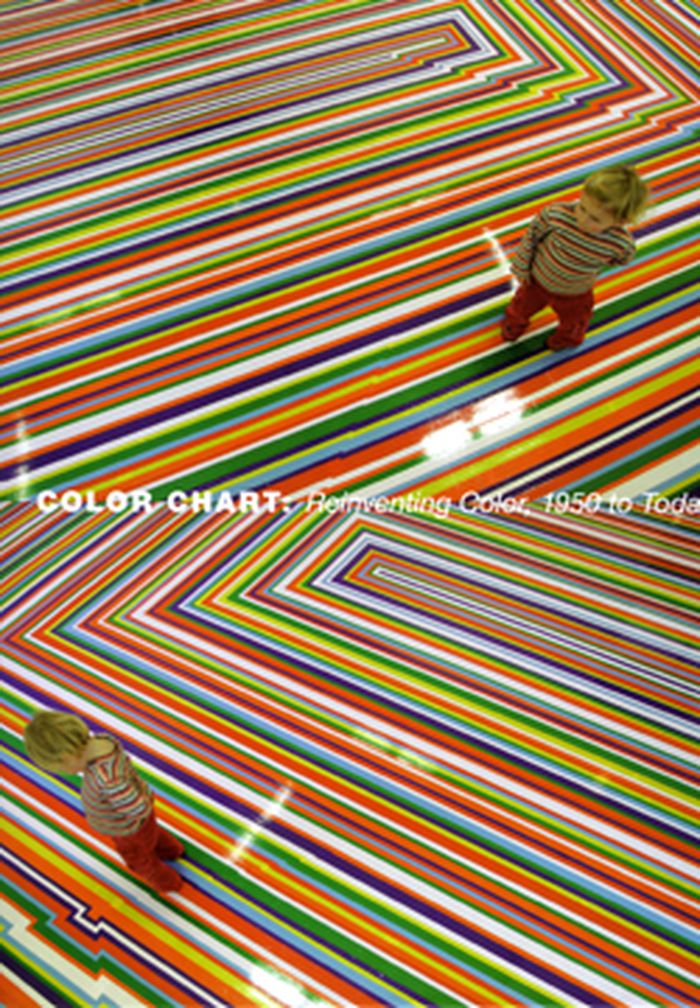
280 mostly full page color illustrations. Text by Ann Temkin, Briony Fer. Melissa Ho, Nora Lawrence. Published to accompany a major exhibition at The Museum of Modern Art, New York, this volume begins with Marcel Duchamp’s Tu m’, the artist’s final painting, made in 1918, with its long array of color samples looming across the canvas. This early recognition of color’s commercial nature was fully explored more than three decades later by artists such as Robert Rauschenberg, Andy Warhol, Gerhard Richter and Alighiero Boetti, who in the 1950s to the 1970s, with a host of others, redefined the parameters of color from a matter of personal expression to one of arbitrary systems and random processes. The repercussions of this transformation continue to be felt into the twenty-first century, in work by artists including Sherrie Levine, Mike Kelley and Damien Hirst, as well as others who explore color in digital technology This volume traces the lineage of the questions provoked by color’s new status, and the variety of answers that have resulted.
Color Chart: Reinventing Color, 1950 to Today
Actions:
Prix:
$58.00
(disponible sur commande)
Résumé:
280 mostly full page color illustrations. Text by Ann Temkin, Briony Fer. Melissa Ho, Nora Lawrence. Published to accompany a major exhibition at The Museum of Modern Art, New York, this volume begins with Marcel Duchamp’s Tu m’, the artist’s final painting, made in 1918, with its long array of color samples looming across the canvas. This early recognition of color’s commercial nature was fully explored more than three decades later by artists such as Robert Rauschenberg, Andy Warhol, Gerhard Richter and Alighiero Boetti, who in the 1950s to the 1970s, with a host of others, redefined the parameters of color from a matter of personal expression to one of arbitrary systems and random processes. The repercussions of this transformation continue to be felt into the twenty-first century, in work by artists including Sherrie Levine, Mike Kelley and Damien Hirst, as well as others who explore color in digital technology This volume traces the lineage of the questions provoked by color’s new status, and the variety of answers that have resulted.
Classification:
livres
livres
Publication:
mars 2008, New York
mars 2008, New York
Classification:
livres
livres
Titre:
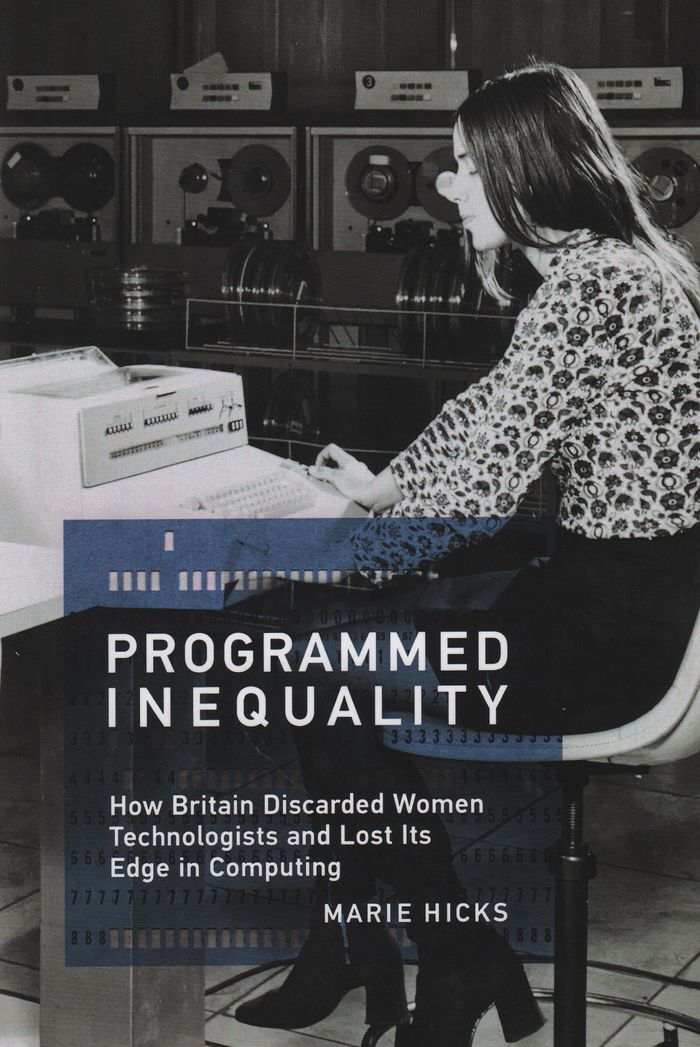
Programmed inequality: how Britain discarded women technologists and lost its edge in computing
Programmed inequality: how Britain discarded women technologists and lost its edge in computing
Actions:
Prix:
$51.95
(disponible sur commande)
Résumé:
In 1944, Britain led the world in electronic computing. By 1974, the British computer industry was all but extinct. What happened in the intervening thirty years holds lessons for all postindustrial superpowers. As Britain struggled to use technology to retain its global power, the nation’s inability to manage its technical labor force hobbled its transition into the(...)
$51.95
(disponible sur commande)
Résumé:
In 1944, Britain led the world in electronic computing. By 1974, the British computer industry was all but extinct. What happened in the intervening thirty years holds lessons for all postindustrial superpowers. As Britain struggled to use technology to retain its global power, the nation’s inability to manage its technical labor force hobbled its transition into the(...)
Titre:
Programmed inequality: how Britain discarded women technologists and lost its edge in computing
Actions:
Prix:
$51.95
(disponible sur commande)
Résumé:
In 1944, Britain led the world in electronic computing. By 1974, the British computer industry was all but extinct. What happened in the intervening thirty years holds lessons for all postindustrial superpowers. As Britain struggled to use technology to retain its global power, the nation’s inability to manage its technical labor force hobbled its transition into the information age. In "Programmed inequality", Marie Hicks explores the story of labor feminization and gendered technocracy that undercut British efforts to computerize. That failure sprang from the government’s systematic neglect of its largest trained technical workforce simply because they were women. Women were a hidden engine of growth in high technology from World War II to the 1960s. As computing experienced a gender flip, becoming male-identified in the 1960s and 1970s, labor problems grew into structural ones and gender discrimination caused the nation’s largest computer user—the civil service and sprawling public sector—to make decisions that were disastrous for the British computer industry and the nation as a whole.
Programmed inequality: how Britain discarded women technologists and lost its edge in computing
Actions:
Prix:
$51.95
(disponible sur commande)
Résumé:
In 1944, Britain led the world in electronic computing. By 1974, the British computer industry was all but extinct. What happened in the intervening thirty years holds lessons for all postindustrial superpowers. As Britain struggled to use technology to retain its global power, the nation’s inability to manage its technical labor force hobbled its transition into the information age. In "Programmed inequality", Marie Hicks explores the story of labor feminization and gendered technocracy that undercut British efforts to computerize. That failure sprang from the government’s systematic neglect of its largest trained technical workforce simply because they were women. Women were a hidden engine of growth in high technology from World War II to the 1960s. As computing experienced a gender flip, becoming male-identified in the 1960s and 1970s, labor problems grew into structural ones and gender discrimination caused the nation’s largest computer user—the civil service and sprawling public sector—to make decisions that were disastrous for the British computer industry and the nation as a whole.
Classification:
livres
livres
Publication:
février 2017
février 2017
Classification:
livres
livres
Actions:
Prix:
$35.00
(disponible sur commande)
Résumé:
With over 150 photographs, this publication covers the main themes in the body of work of Gabriele Basilico (Milan, 1944–2013), in particular his relationship with cities and urban landscapes. Beginning with the Milano: Ritratti di fabbriche cycle from the late 1970s, this book follows the evolution of Basilico’s artistic language from his legendary pictures taken in(...)
$35.00
(disponible sur commande)
Résumé:
With over 150 photographs, this publication covers the main themes in the body of work of Gabriele Basilico (Milan, 1944–2013), in particular his relationship with cities and urban landscapes. Beginning with the Milano: Ritratti di fabbriche cycle from the late 1970s, this book follows the evolution of Basilico’s artistic language from his legendary pictures taken in(...)
Titre:
Gabriele Basilico: I listen to your heart, city
Actions:
Prix:
$35.00
(disponible sur commande)
Résumé:
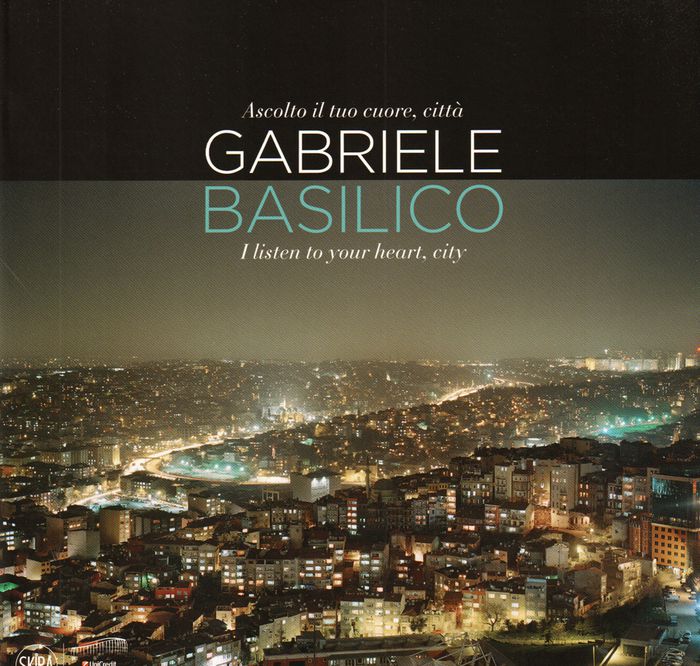
With over 150 photographs, this publication covers the main themes in the body of work of Gabriele Basilico (Milan, 1944–2013), in particular his relationship with cities and urban landscapes. Beginning with the Milano: Ritratti di fabbriche cycle from the late 1970s, this book follows the evolution of Basilico’s artistic language from his legendary pictures taken in France and in major ports across Europe in the 1980s to the 1991 series devoted to Beirut, which had just left behind its long civil war, up to his final work on the renewal of the Porta Nuova district in Milan. The main core of works in this publication consists of the fifty portraits of cities which the artist took over the course of his career: Paris, Madrid, Berlin, Moscow, San Francisco, Istanbul, Rio de Janeiro, and Shanghai intermingle and dialogue through Basilico’s impassioned and contemplative gaze. He was able to interpret the passage of time, transformations in architecture, and unexpected analogies in an endless journey across the bodies of cities.
Gabriele Basilico: I listen to your heart, city
Actions:
Prix:
$35.00
(disponible sur commande)
Résumé:
With over 150 photographs, this publication covers the main themes in the body of work of Gabriele Basilico (Milan, 1944–2013), in particular his relationship with cities and urban landscapes. Beginning with the Milano: Ritratti di fabbriche cycle from the late 1970s, this book follows the evolution of Basilico’s artistic language from his legendary pictures taken in France and in major ports across Europe in the 1980s to the 1991 series devoted to Beirut, which had just left behind its long civil war, up to his final work on the renewal of the Porta Nuova district in Milan. The main core of works in this publication consists of the fifty portraits of cities which the artist took over the course of his career: Paris, Madrid, Berlin, Moscow, San Francisco, Istanbul, Rio de Janeiro, and Shanghai intermingle and dialogue through Basilico’s impassioned and contemplative gaze. He was able to interpret the passage of time, transformations in architecture, and unexpected analogies in an endless journey across the bodies of cities.
Classification:
livres
livres
Publication:
octobre 2016
octobre 2016
Sujet:
Monographies photo
Monographies photo


