


747 Résultats
Classification:
livres
livres
Prix:
$54.95
(disponible sur commande)
Résumé:
The cycle of production and consumption, artificially accelerated by advertising and marketing, has characterised our society for decades. This cycle has recently also taken hold of the architecture of the city, leading to a waste that is both economically and ecologically unacceptable. The destruction of buildings that are not actually obsolete is just as questionable as(...)
Titre:
Radical normal: Propositions for the architecture of the city
Actions:
Prix:
$54.95
(disponible sur commande)
Résumé:
The cycle of production and consumption, artificially accelerated by advertising and marketing, has characterised our society for decades. This cycle has recently also taken hold of the architecture of the city, leading to a waste that is both economically and ecologically unacceptable. The destruction of buildings that are not actually obsolete is just as questionable as the production of extravagant architectures for which there is no real need. This book is a protest against the merciless globalisation of the city and its dissolution into faceless, inhospitable peripheries. At the same time, it puts forward alternative strategies of urban design to counteract such globalisation and dissolution. It formulates a different approach to urbanism, one which views the city not as a carnivalesque display of vanities but as a sophisticated spatial construction that lays down the conditions for a productive, sociable, serene, and happy life.
Classification:
livres
livres
Publication:
novembre 2022
novembre 2022
Sujet:
Théorie de l’architecture
Théorie de l’architecture
Classification:
périodiques
périodiques
Actions:
Prix:
$24.95
(disponible sur commande)
Résumé:
Programmatic alchemy recipes. This is the character that could sum up all the production of BIG (Bjarke Ingels Group), a young studio which has already become a reference in the shrewd use of factors that affect contemporary architecture. Starting his career in OMA and PLOT, in 2005 Ingels decided to found his own practice in Copenhagen and its production has only(...)
Titre:
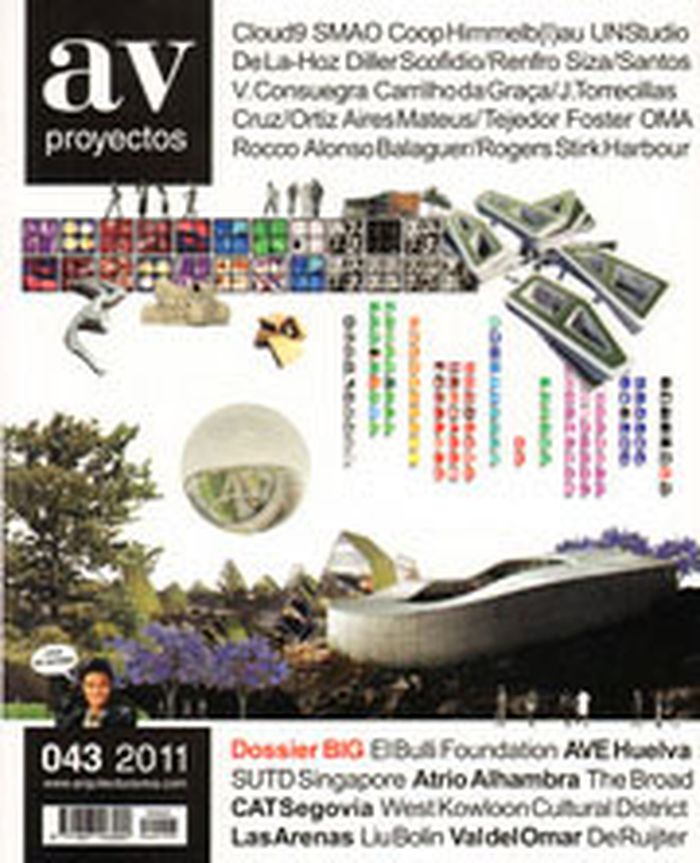
AV proyectos 043 : dossier BIG
Actions:
Prix:
$24.95
(disponible sur commande)
Résumé:
Programmatic alchemy recipes. This is the character that could sum up all the production of BIG (Bjarke Ingels Group), a young studio which has already become a reference in the shrewd use of factors that affect contemporary architecture. Starting his career in OMA and PLOT, in 2005 Ingels decided to found his own practice in Copenhagen and its production has only experienced increases ever since. Projects include the Greenland National Park in Nuuk, the Vilhelmsro Primary School in Asminderoed, the Danish Maritime Museum in Copenhagen, a Waste Treatment Plant in Copenhagen, Residences in Hualien, the Stockholm Sphere Master Plan, Loop City in Copenhagen. Also projects by Cloud 9 for the El Bulli Foundation in Gerona, SUMA Arquitectura with a Library and Multipurpose Center on Fuerteventura, Rafael de La-Hoz with a High-Speed Train Station in Huelva and more.
Classification:
périodiques
périodiques
Publication:
juillet 2011
juillet 2011
Sujet:
Revues
Revues
Classification:
livres
livres

Prix:
$46.95
(disponible sur commande)
Résumé:
Cities are the affirmation of civilisation and human inventiveness. They are at once fragile organisms in constant need of care and battlegrounds of conflicting interests. A Smart Guide to Utopia showcases 111 projects, initiaves and ideas from all over Europe that make our cities better. Whether it be an underground waste disposal system in Barcelona or a public swimming(...)
Titre:
A smart guide to utopia: 111 inspiring ideas for a better city
Actions:
Prix:
$46.95
(disponible sur commande)
Résumé:
Cities are the affirmation of civilisation and human inventiveness. They are at once fragile organisms in constant need of care and battlegrounds of conflicting interests. A Smart Guide to Utopia showcases 111 projects, initiaves and ideas from all over Europe that make our cities better. Whether it be an underground waste disposal system in Barcelona or a public swimming pool converted into an arts centre in Berlin, a self-sufficient urban garden or solar-powered pop-up restaurant travelling with the sun, a building printer or a zero-packaging supermarket, this book celebrates the energy and imagination of people who want to make their cities a little more fun, clean, friendly, green and above all, restore a sense of community. Our cities belong to us, and they depend on us. Only we can make them worth living in.
Classification:
livres
livres
Publication:
septembre 2012
septembre 2012
Sujet:
Théorie de l’urbanisme
Théorie de l’urbanisme
Classification:
livres
livres
Prix:
$28.00
(disponible en magasin)
Résumé:
While the largest parts of icebergs — or islands — remain beneath the sea surface, often unmapped and perilous, a myriad of creatures and non-organic matter connect them to other lands. Nowadays, in the era of the climate crisis, what is hidden in the depths of the sea exponentially manifests the impact of anthropogenic activity on the planet. Plastic waste and pollution,(...)
Titre:
Mediterranean icebergs: Invisible connections underwater
Actions:
Prix:
$28.00
(disponible en magasin)
Résumé:
While the largest parts of icebergs — or islands — remain beneath the sea surface, often unmapped and perilous, a myriad of creatures and non-organic matter connect them to other lands. Nowadays, in the era of the climate crisis, what is hidden in the depths of the sea exponentially manifests the impact of anthropogenic activity on the planet. Plastic waste and pollution, deep sea mining, and undersea network infrastructures affect marine biodiversity and life on Earth at large. Mediterranean Icebergs sheds light on forms of agency, be it human, more-than-human, or machinic, that operate in marine environments, paying attention to their entanglements, encounters, and asymmetries. Addressing the interconnectedness of environmental, political, and legal issues, this book takes the Mediterranean as a starting point to discuss what is at stake for all lives depending on the planet’s seas and oceans.
Classification:
livres
livres
Publication:
mars 2025
mars 2025
Sujet:
Théorie du paysage
Théorie du paysage
Classification:
livres
livres
Actions:
Prix:
$52.50
(disponible sur commande)
Résumé:
Architecture accounts for one third of global carbon emissions, energy consumption and waste. Buildings are increasingly understood to impact broader ecologies. Yet embodied energy – the various forms of energy required to extract raw matter, to produce and transport building materials and to assemble a given building – remains largely underexplored. "Embodied Energy and(...)
Titre:
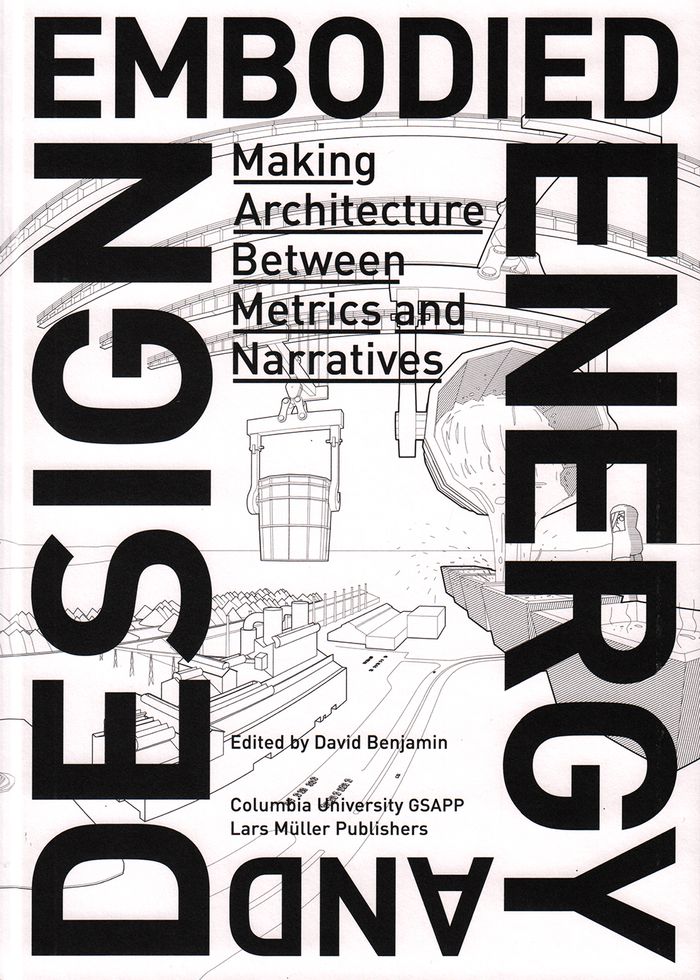
Embodied energy and design: making architecture between metrics and narratives
Actions:
Prix:
$52.50
(disponible sur commande)
Résumé:
Architecture accounts for one third of global carbon emissions, energy consumption and waste. Buildings are increasingly understood to impact broader ecologies. Yet embodied energy – the various forms of energy required to extract raw matter, to produce and transport building materials and to assemble a given building – remains largely underexplored. "Embodied Energy and Design: Making Architecture Between Metrics and Narratives" addresses and thoroughly examines the issue. This book reconsiders the act of making a building as an act of energy expenditure and asks questions about a variety of related scales, methods of analysis and design opportunities. How might new technologies and materials challenge default positions on sustainability? Should we think of buildings as dynamic systems connecting multiple sites rather than as static and isolated objects? Does the duration of architecture extend beyond the life of a built structure?
Classification:
livres
livres
Publication:
janvier 2018
janvier 2018
Sujet:
Architecture contemporaine
Architecture contemporaine
Classification:
livres
livres
Actions:
Prix:
$70.00
(disponible sur commande)
Résumé:
For 30 years, David T. Hanson (born 1948) has made photographs that are widely celebrated for their powerful depictions of the American landscape and its dramatic transformation and despoilment by humans. His newest collection, Wilderness to Wasteland, presents four series of previously unpublished and unexhibited photographs from Hanson’s early work, made between 1982(...)
Sujet:
Monographies photo
Monographies photo
Publication:
février 2016
février 2016
Titre:
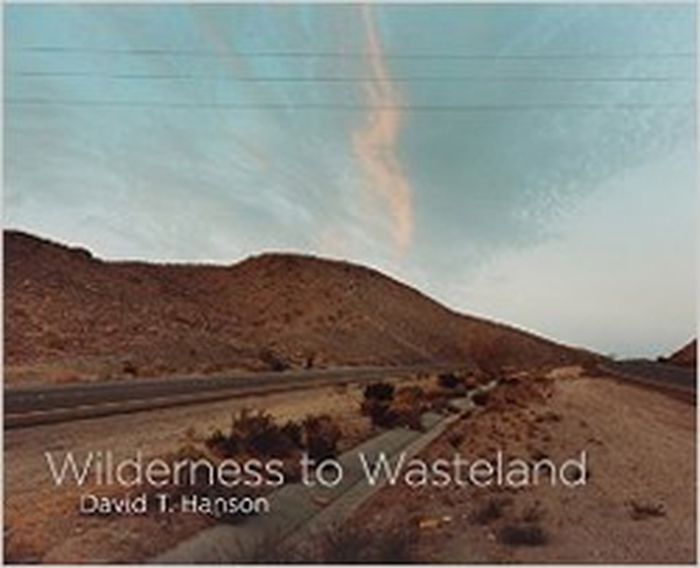
David T. Hanson: Wilderness to Wasteland
Actions:
Prix:
$70.00
(disponible sur commande)
Résumé:
For 30 years, David T. Hanson (born 1948) has made photographs that are widely celebrated for their powerful depictions of the American landscape and its dramatic transformation and despoilment by humans. His newest collection, Wilderness to Wasteland, presents four series of previously unpublished and unexhibited photographs from Hanson’s early work, made between 1982 and 1987. Atomic City documents the former nuclear boomtown in Idaho, site of the world’s first nuclear power plant and first reactor meltdown. The Richest Hill on Earth is a study of the vast copper mines, housing and surrounding wasteland of Butte, Montana. The eponymous series is a dynamic group of aerial and ground-view photographs of hazardous waste sites, while the final series, Twilight in the Wilderness, comprises spectacular night views of industrial sites for power production. Together, these photographs constitute a haunting meditation on a ravaged landscape.
Classification:
livres
livres
Publication:
février 2016
février 2016
Sujet:
Monographies photo
Monographies photo
Classification:
livres
livres
Actions:
Prix:
$22.50
(disponible sur commande)
Résumé:
Sprawl. The word calls to mind a host of troublesome issues such as city flight, runaway suburban development, and the conversion of farmland to soulless housing developments. In "Sprawltown", architectural historian Richard Ingersoll makes the surprising claim that sprawl is an inevitable reality of modern life that should be addressed more thoughtfully and recognized as(...)
Titre:
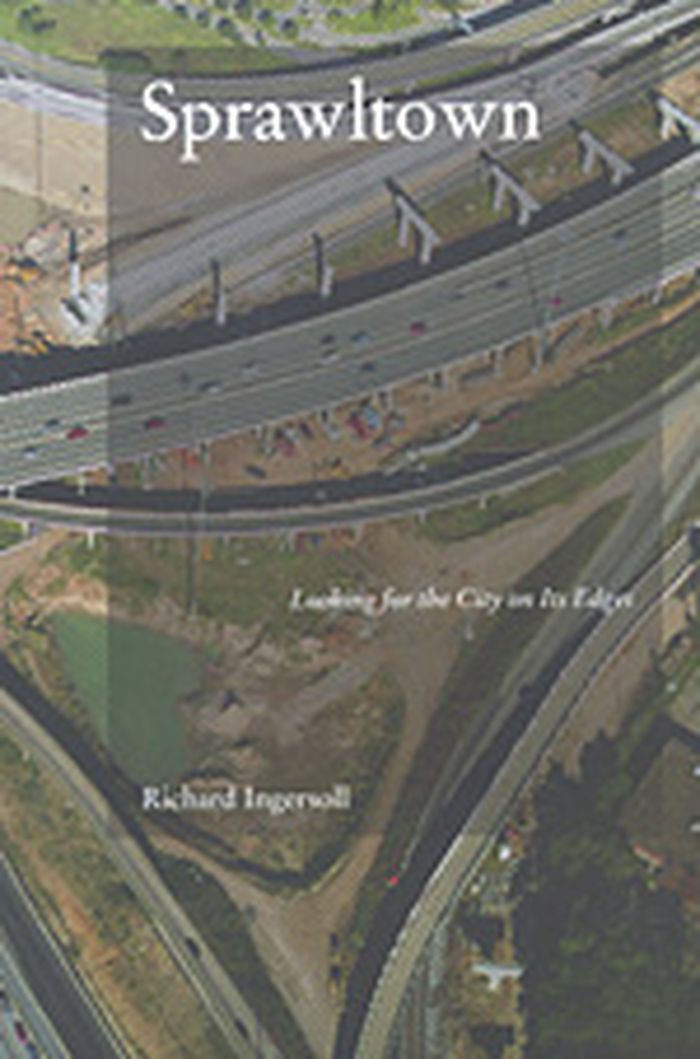
Sprawltown : looking for the city on its edges
Actions:
Prix:
$22.50
(disponible sur commande)
Résumé:
Sprawl. The word calls to mind a host of troublesome issues such as city flight, runaway suburban development, and the conversion of farmland to soulless housing developments. In "Sprawltown", architectural historian Richard Ingersoll makes the surprising claim that sprawl is an inevitable reality of modern life that should be addressed more thoughtfully and recognized as its own new form of urbanism rather than simply being criticized and condemned. In five chapters, covering topics such as tourism, film, and the automobile, Ingersoll takes the position that any solution to the problems of sprawl—including pressing issues like resource use and energy waste— must take into consideration its undeniable success as a social milieu. No screed against the suburb, this book offers a more sophisticated and nuanced view of the way we think about its rapid development and growth.
Classification:
livres
livres
Publication:
mai 2006, New York
mai 2006, New York
Sujet:
Banlieues
Banlieues
Classification:
livres
livres
Titre:
Image ecology
Image ecology
Actions:
Prix:
$65.00
(disponible en magasin)
Résumé:
A survey of contemporary image-making, "Image ecology" marks the beginning of a long-term consideration of nature and ecology in current fine art photography through shows at C/O Berlin. In an attempt to document the systemic causes of the climate crisis, the works included in this volume explore their own material and social conditions. The 12 contemporary artists(...)
Titre:
Image ecology
Actions:
Prix:
$65.00
(disponible en magasin)
Résumé:
A survey of contemporary image-making, "Image ecology" marks the beginning of a long-term consideration of nature and ecology in current fine art photography through shows at C/O Berlin. In an attempt to document the systemic causes of the climate crisis, the works included in this volume explore their own material and social conditions. The 12 contemporary artists featured employ experimental and traditional historical processes as well as new technologies. "Image ecology" dissects photography as an ecological practice, a medium that is defined as much by the nexus of material, labor, energy and waste that its production and circulation require as by what it represents. Featuring an extensive essay by environmental historian Jason W. Moore, and contributions by over a dozen international writers, the book even unpacks its own production process: from material supply chains and working conditions to wrapping and postage.
Classification:
livres
livres
Publication:
mai 2024
mai 2024
Sujet:
Photographie- collections
Photographie- collections
Classification:
livres
livres
Actions:
Prix:
$60.00
(disponible sur commande)
Résumé:
Bricks can be cleaned, timber hardens with age, and metal develops a pleasing patina without deteriorating, making them all perfect for reuse. Considering the many options for reusing building materials, this book offers a viable alternative to using those manufactured from virgin resources. This inspiring book is an antidote to the unsustainable use of materials,(...)
Titre:
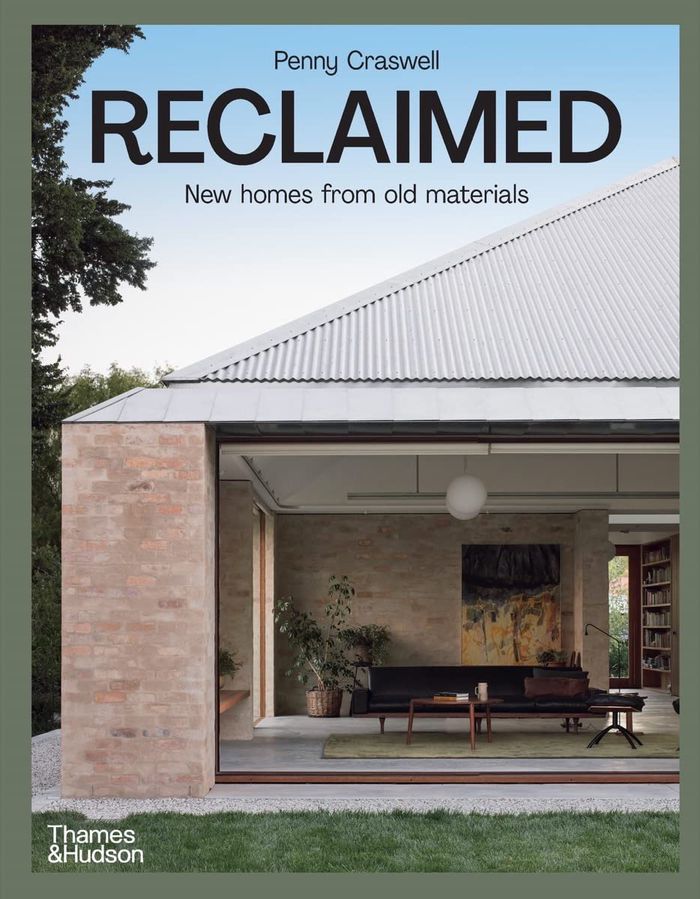
Reclaimed: new homes from old materials
Actions:
Prix:
$60.00
(disponible sur commande)
Résumé:
Bricks can be cleaned, timber hardens with age, and metal develops a pleasing patina without deteriorating, making them all perfect for reuse. Considering the many options for reusing building materials, this book offers a viable alternative to using those manufactured from virgin resources. This inspiring book is an antidote to the unsustainable use of materials, focusing on contemporary homes made with reused components or materials that might once have been considered waste. Divided into four key categoriesbrick— timber, metal, and a range of recycled materials— every home showcases design ingenuity and award-winning architecture. Featuring twenty-four unique houses and apartments, from a barn-inspired house made entirely with reclaimed bricks to a semidetached Edwardian with recycled benchtops and cabinets made from plastic chopping boards and bottle tops, every project shows what can be achieved with creativity and flair. Reclaimed showcases clever design while celebrating the myriad possibilities of closely aligning building with ethics and sustainability.
Classification:
livres
livres
Publication:
janvier 2023
janvier 2023
Sujet:
Architecture résidentielle
Architecture résidentielle
Classification:
livres
livres
Actions:
Prix:
$178.50
(disponible sur commande)
Résumé:
Today, contemporary landscape design is increasingly drawing from ideas of sustainability and ecological stability. Not in fact new, the foundations of this approach stem from early twentieth century Germany, where architects and planners were already beginning to use the design concepts which are now referred to as "green." This ecological school of thought was(...)
Titre:
When modern was green : life and work of landscape architect Leberecht Migge
Actions:
Prix:
$178.50
(disponible sur commande)
Résumé:
Today, contemporary landscape design is increasingly drawing from ideas of sustainability and ecological stability. Not in fact new, the foundations of this approach stem from early twentieth century Germany, where architects and planners were already beginning to use the design concepts which are now referred to as "green." This ecological school of thought was driven by modernist landscape architect Leberecht Migge (1881-1935). Working with significant modernist architects of the age including Martin Elsaesser, Ernst May, Bruno Taut, and Martin Wagner Migge was responsible for some of the most important housing and planning projects of the age; the mass housing settlements, or Gro siedlungen, of Frankfurt Main and Berlin. Using "biotechnic" principles to integrally link dwelling and garden, Migge was able to recycle household waste to grow foodstuffs through the use of innovative infrastructure and open space planning. Also a skilled park and garden designer, he drew together green and architectural elements in his "garden-architectonic" approach.
Classification:
livres
livres
Publication:
avril 2012
avril 2012
Sujet:
Architecture, monographies
Architecture, monographies


