


714 Résultats
Classification:
livres
livres
Titre:
General Idea
General Idea
Actions:
Prix:
$105.00
(disponible sur commande)
Résumé:
This 768-page volume stands as the most comprehensive source on the Canadian collective General Idea, founded in Toronto in 1969 by Felix Partz, Jorge Zontal and AA Bronson and active until the deaths of Partz and Zontal in 1994. The book is arranged in three parts: Performances and Actions, In the Streets and In the Showroom. The first two parts focus on ephemeral,(...)
$105.00
(disponible sur commande)
Résumé:
This 768-page volume stands as the most comprehensive source on the Canadian collective General Idea, founded in Toronto in 1969 by Felix Partz, Jorge Zontal and AA Bronson and active until the deaths of Partz and Zontal in 1994. The book is arranged in three parts: Performances and Actions, In the Streets and In the Showroom. The first two parts focus on ephemeral,(...)
Titre:
General Idea
Actions:
Prix:
$105.00
(disponible sur commande)
Résumé:
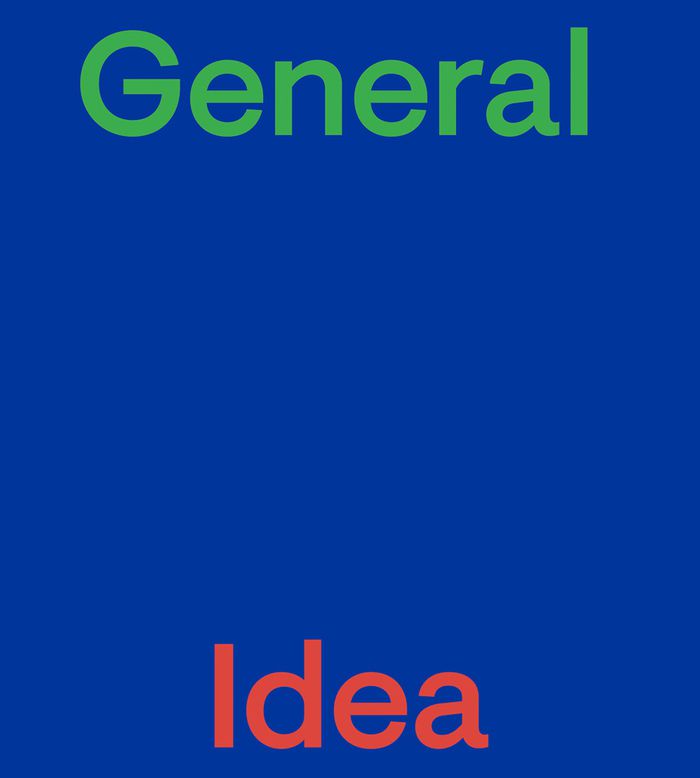
This 768-page volume stands as the most comprehensive source on the Canadian collective General Idea, founded in Toronto in 1969 by Felix Partz, Jorge Zontal and AA Bronson and active until the deaths of Partz and Zontal in 1994. The book is arranged in three parts: Performances and Actions, In the Streets and In the Showroom. The first two parts focus on ephemeral, time-based and even disposable works. The third part includes a plate section offering a near-complete visual survey of General Idea's practice. Facing-page comparative images show works as they appeared in historical installations or other relevant contexts. These three sections correspond broadly to the collective’s development: from performances, actions, pageants and other practices (1969–78), through works engaging with mass-media formats such as the magazine, television and video (1972–’80s), and finally to works conceived for galleries and museums (1985–94). The publication features a prologue by AA Bronson, a conversation between him and Beatrix Ruf, and new texts by international scholars. The appendix includes a complete scholarly bibliography, exhibition and performance histories, and an illustrated chronology of the group.
General Idea
Actions:
Prix:
$105.00
(disponible sur commande)
Résumé:
This 768-page volume stands as the most comprehensive source on the Canadian collective General Idea, founded in Toronto in 1969 by Felix Partz, Jorge Zontal and AA Bronson and active until the deaths of Partz and Zontal in 1994. The book is arranged in three parts: Performances and Actions, In the Streets and In the Showroom. The first two parts focus on ephemeral, time-based and even disposable works. The third part includes a plate section offering a near-complete visual survey of General Idea's practice. Facing-page comparative images show works as they appeared in historical installations or other relevant contexts. These three sections correspond broadly to the collective’s development: from performances, actions, pageants and other practices (1969–78), through works engaging with mass-media formats such as the magazine, television and video (1972–’80s), and finally to works conceived for galleries and museums (1985–94). The publication features a prologue by AA Bronson, a conversation between him and Beatrix Ruf, and new texts by international scholars. The appendix includes a complete scholarly bibliography, exhibition and performance histories, and an illustrated chronology of the group.
Classification:
livres
livres
Publication:
décembre 2022
décembre 2022
Sujet:
Art canadien
Art canadien
Classification:
livres
livres

Actions:
Prix:
$42.00
(disponible en magasin)
Résumé:
Conceived as part of the one-year investigation Catching Up with Life, A Section of Now aims to re-establish a dialogue between architecture and society that would allow for architecture to begin to contend with and address our changed and changing social norms. The publication serves as a meditation on new behaviours, rituals, and values and their spatial implications(...)
$42.00
(disponible en magasin)
Résumé:
Conceived as part of the one-year investigation Catching Up with Life, A Section of Now aims to re-establish a dialogue between architecture and society that would allow for architecture to begin to contend with and address our changed and changing social norms. The publication serves as a meditation on new behaviours, rituals, and values and their spatial implications(...)
Titre:
A section of Now: Norms and Rituals as Sites for Architectural Intervention
Actions:
Prix:
$42.00
(disponible en magasin)
Résumé:
Conceived as part of the one-year investigation Catching Up with Life, A Section of Now aims to re-establish a dialogue between architecture and society that would allow for architecture to begin to contend with and address our changed and changing social norms. The publication serves as a meditation on new behaviours, rituals, and values and their spatial implications and seeks to catalyze urban and architectural interventions that accommodate, influence, and, in some cases, pre-empt our new lived realities. Authors address topics ranging from the safety of digital spaces to how normative life trajectories affect the elderly and the many selves each of us puts forward, while architects present frameworks for spaces for blended families, thirty-year-old retirees, and contested monuments, among many others. Bringing together analytical essays about the contemporary moment and the direction in which society is moving, projective texts that outline new architectural types to address societal needs, alongside television series, photography, and architecture and design projects, A Section of Now outlines a new relationship between the spaces in which we live and the ways we live within them.
A section of Now: Norms and Rituals as Sites for Architectural Intervention
Actions:
Prix:
$42.00
(disponible en magasin)
Résumé:
Conceived as part of the one-year investigation Catching Up with Life, A Section of Now aims to re-establish a dialogue between architecture and society that would allow for architecture to begin to contend with and address our changed and changing social norms. The publication serves as a meditation on new behaviours, rituals, and values and their spatial implications and seeks to catalyze urban and architectural interventions that accommodate, influence, and, in some cases, pre-empt our new lived realities. Authors address topics ranging from the safety of digital spaces to how normative life trajectories affect the elderly and the many selves each of us puts forward, while architects present frameworks for spaces for blended families, thirty-year-old retirees, and contested monuments, among many others. Bringing together analytical essays about the contemporary moment and the direction in which society is moving, projective texts that outline new architectural types to address societal needs, alongside television series, photography, and architecture and design projects, A Section of Now outlines a new relationship between the spaces in which we live and the ways we live within them.
Classification:
livres
livres
Publication:
août 2021
août 2021
Sujet:
Publications du CCA
Publications du CCA
Classification:
livres
livres
Actions:
Prix:
$57.50
(disponible sur commande)
Résumé:
The last thirty years of the twentieth century saw the birth of more than six hundred art museums in the United States alone, with equal proliferation in much of Europe. Such projects as Frank Gehry's Guggenheim in Bilbao and Richard Meier's Getty Center in Los Angeles have dominated television newscasts and newspaper headlines worldwide. The success or failure of these(...)
$57.50
(disponible sur commande)
Résumé:
The last thirty years of the twentieth century saw the birth of more than six hundred art museums in the United States alone, with equal proliferation in much of Europe. Such projects as Frank Gehry's Guggenheim in Bilbao and Richard Meier's Getty Center in Los Angeles have dominated television newscasts and newspaper headlines worldwide. The success or failure of these(...)
Publication:
octobre 2006, New York
octobre 2006, New York
Titre:
Towards a new museum, expanded edition
Actions:
Prix:
$57.50
(disponible sur commande)
Résumé:
The last thirty years of the twentieth century saw the birth of more than six hundred art museums in the United States alone, with equal proliferation in much of Europe. Such projects as Frank Gehry's Guggenheim in Bilbao and Richard Meier's Getty Center in Los Angeles have dominated television newscasts and newspaper headlines worldwide. The success or failure of these new museums, in aesthetic, educational and financial terms, results from a variety of factors, none more important than their architecture. In this unique investigation, architectural historian Victoria Newhouse challenges many hitherto accepted premises of museum design. She demonstrates that new museums are often based on old concepts that no longer apply. This unvarnished analysis is informed by interviews with museum directors and curators, collectors, artists and the architects themselves. Newhouse divides her discussion according to the dominant characteristics of the museums : private collections, single-artist museums, sacred spaces, artists' self-created sites, and museum additions. In addition to the Getty and the Guggenheim Bilbao, the author discusses the Menil Collection in Houston, Texas; the Andy Warhol Museum in Pittsburgh; the Kiasma Museum for Contemporary Art in Helsinki; Donald Judd's Chinati Foundation in Marfa, Texas; the Metropolitan Museum of Art and the Museum of Modern Art in New York; the Grand Louvre and the Centre Georges Pompidou in Paris; and many more.
Towards a new museum, expanded edition
Actions:
Prix:
$57.50
(disponible sur commande)
Résumé:
The last thirty years of the twentieth century saw the birth of more than six hundred art museums in the United States alone, with equal proliferation in much of Europe. Such projects as Frank Gehry's Guggenheim in Bilbao and Richard Meier's Getty Center in Los Angeles have dominated television newscasts and newspaper headlines worldwide. The success or failure of these new museums, in aesthetic, educational and financial terms, results from a variety of factors, none more important than their architecture. In this unique investigation, architectural historian Victoria Newhouse challenges many hitherto accepted premises of museum design. She demonstrates that new museums are often based on old concepts that no longer apply. This unvarnished analysis is informed by interviews with museum directors and curators, collectors, artists and the architects themselves. Newhouse divides her discussion according to the dominant characteristics of the museums : private collections, single-artist museums, sacred spaces, artists' self-created sites, and museum additions. In addition to the Getty and the Guggenheim Bilbao, the author discusses the Menil Collection in Houston, Texas; the Andy Warhol Museum in Pittsburgh; the Kiasma Museum for Contemporary Art in Helsinki; Donald Judd's Chinati Foundation in Marfa, Texas; the Metropolitan Museum of Art and the Museum of Modern Art in New York; the Grand Louvre and the Centre Georges Pompidou in Paris; and many more.
Classification:
livres
livres
Publication:
octobre 2006, New York
octobre 2006, New York
Classification:
livres
livres

Actions:
Prix:
$41.50
(disponible sur commande)
Résumé:
Cheryl D. Holmes-Miller is one of the design field's most respected figures. She is legendary for her decades of scholarship and activism and is known as a touchstone and conscience for the design profession. This long-awaited book documents the history of the question she has been asking for decades: "Where are the Black designers?" along with related questions that are(...)
$41.50
(disponible sur commande)
Résumé:
Cheryl D. Holmes-Miller is one of the design field's most respected figures. She is legendary for her decades of scholarship and activism and is known as a touchstone and conscience for the design profession. This long-awaited book documents the history of the question she has been asking for decades: "Where are the Black designers?" along with related questions that are(...)
Titre:
Here: Where the black designers are
Actions:
Prix:
$41.50
(disponible sur commande)
Résumé:
Cheryl D. Holmes-Miller is one of the design field's most respected figures. She is legendary for her decades of scholarship and activism and is known as a touchstone and conscience for the design profession. This long-awaited book documents the history of the question she has been asking for decades: "Where are the Black designers?" along with related questions that are urgent to the design profession: Where did they originate? Where have they been? Why haven't they been represented in design histories and canons? Holmes-Miller traces her development as a designer and leader, beginning with her own family and its rich multiethnic history. She narrates her experiences as a design student at Rhode Island School of Design, Maryland Institute College of Art, and Pratt, leading up to her oft-cited Pratt thesis examining barriers to success for Black designers. Holmes-Miller describes the work of her eponymous studio for noted clients that included NASA, Time Inc., and the nascent Black Entertainment Television, as well as the story of her later critiques of the industry in the design press, most notably in Print magazine. Miller also recounts the parallel history of collective efforts by fellow scholars and advocates over the past fifty years to identify and celebrate Black designers.
Here: Where the black designers are
Actions:
Prix:
$41.50
(disponible sur commande)
Résumé:
Cheryl D. Holmes-Miller is one of the design field's most respected figures. She is legendary for her decades of scholarship and activism and is known as a touchstone and conscience for the design profession. This long-awaited book documents the history of the question she has been asking for decades: "Where are the Black designers?" along with related questions that are urgent to the design profession: Where did they originate? Where have they been? Why haven't they been represented in design histories and canons? Holmes-Miller traces her development as a designer and leader, beginning with her own family and its rich multiethnic history. She narrates her experiences as a design student at Rhode Island School of Design, Maryland Institute College of Art, and Pratt, leading up to her oft-cited Pratt thesis examining barriers to success for Black designers. Holmes-Miller describes the work of her eponymous studio for noted clients that included NASA, Time Inc., and the nascent Black Entertainment Television, as well as the story of her later critiques of the industry in the design press, most notably in Print magazine. Miller also recounts the parallel history of collective efforts by fellow scholars and advocates over the past fifty years to identify and celebrate Black designers.
Classification:
livres
livres
Publication:
octobre 2024
octobre 2024
Sujet:
Théorie du design
Théorie du design
Classification:
livres
livres
Prix:
$52.00
(disponible sur commande)
Résumé:
In an age of globalization and connectivity, the idea of "mainstream culture" has become quaint. Websites, magazines, books, and television have all honed in on ever-diversifying subcultures, hoping to carve out niche audiences that grow savvier and more narrowly sliced by the day. Consequently, the discipline of graphic design has undergone a sea change. Where visual(...)
$52.00
(disponible sur commande)
Résumé:
In an age of globalization and connectivity, the idea of "mainstream culture" has become quaint. Websites, magazines, books, and television have all honed in on ever-diversifying subcultures, hoping to carve out niche audiences that grow savvier and more narrowly sliced by the day. Consequently, the discipline of graphic design has undergone a sea change. Where visual(...)
Titre:
Design studies : theory and research in graphic design, a reader
Actions:
Prix:
$52.00
(disponible sur commande)
Résumé:
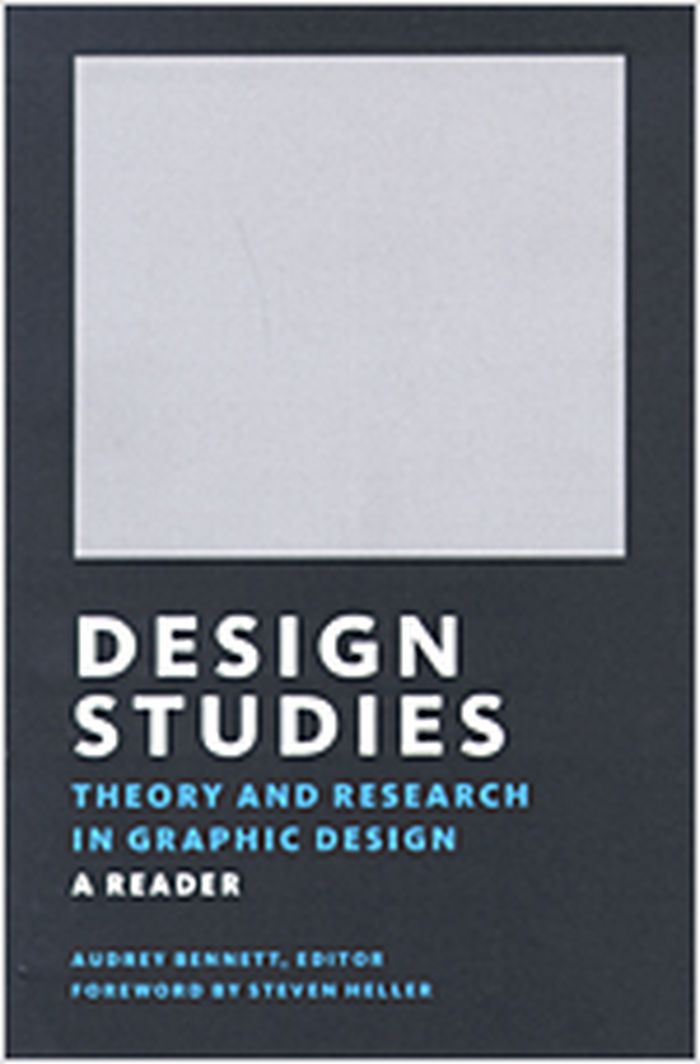
In an age of globalization and connectivity, the idea of "mainstream culture" has become quaint. Websites, magazines, books, and television have all honed in on ever-diversifying subcultures, hoping to carve out niche audiences that grow savvier and more narrowly sliced by the day. Consequently, the discipline of graphic design has undergone a sea change. Where visual communication was once informed by a designer's creative intuition, the proliferation of specialized audiences now calls for more research-based design processes. Designers who ignore research run the risk of becoming mere tools for communication rather than bold voices. "Design studies", a collection of 27 essays from international design researchers, sets out to mend this schism between research and practice. The texts presented here make an argument for performing rigorous experimentation and analysis. Each author outlines methods in which research has aided their design — whether by investigating how senior citizens react to design aesthetics, how hip hop culture can influence design, or how design for Third World nations is affected by cultural differences. Contributors also outline inspired ways in which design educators can teach research methods to their students. Finally, "Design Studies" is rounded out by five annotated bibliographies to further aid designers in their research.
Design studies : theory and research in graphic design, a reader
Actions:
Prix:
$52.00
(disponible sur commande)
Résumé:
In an age of globalization and connectivity, the idea of "mainstream culture" has become quaint. Websites, magazines, books, and television have all honed in on ever-diversifying subcultures, hoping to carve out niche audiences that grow savvier and more narrowly sliced by the day. Consequently, the discipline of graphic design has undergone a sea change. Where visual communication was once informed by a designer's creative intuition, the proliferation of specialized audiences now calls for more research-based design processes. Designers who ignore research run the risk of becoming mere tools for communication rather than bold voices. "Design studies", a collection of 27 essays from international design researchers, sets out to mend this schism between research and practice. The texts presented here make an argument for performing rigorous experimentation and analysis. Each author outlines methods in which research has aided their design — whether by investigating how senior citizens react to design aesthetics, how hip hop culture can influence design, or how design for Third World nations is affected by cultural differences. Contributors also outline inspired ways in which design educators can teach research methods to their students. Finally, "Design Studies" is rounded out by five annotated bibliographies to further aid designers in their research.
Classification:
livres
livres
Publication:
juin 2006, New York
juin 2006, New York
Classification:
livres
livres
Actions:
Prix:
$109.95
(disponible sur commande)
Résumé:
2010 marked the 50th anniversary of Brazil's capital Brasilia. Architects Lucio Costa and Oscar Niemeyer designed what has become one of the most studied urban planning project. Niemeyer's Cathedral, his building for the National Congress and the city's 707-ft television tower are icons of modern architecture. The entire city, marked by its cross-shaped layout and vast(...)
$109.95
(disponible sur commande)
Résumé:
2010 marked the 50th anniversary of Brazil's capital Brasilia. Architects Lucio Costa and Oscar Niemeyer designed what has become one of the most studied urban planning project. Niemeyer's Cathedral, his building for the National Congress and the city's 707-ft television tower are icons of modern architecture. The entire city, marked by its cross-shaped layout and vast(...)
Titre:
René Burri, Brasilia: photographs 1960-1993
Actions:
Prix:
$109.95
(disponible sur commande)
Résumé:
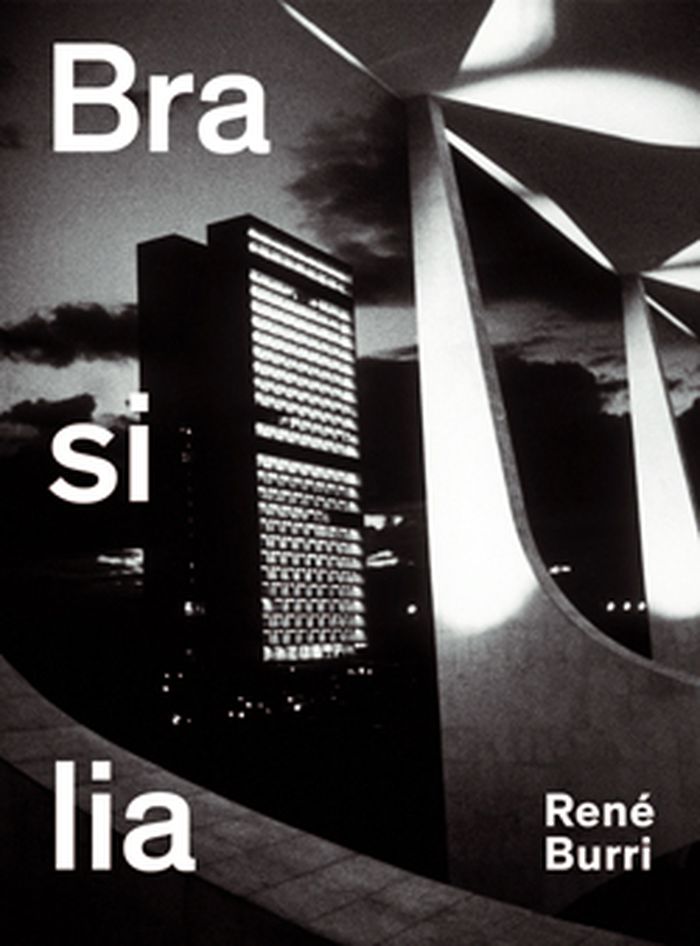
2010 marked the 50th anniversary of Brazil's capital Brasilia. Architects Lucio Costa and Oscar Niemeyer designed what has become one of the most studied urban planning project. Niemeyer's Cathedral, his building for the National Congress and the city's 707-ft television tower are icons of modern architecture. The entire city, marked by its cross-shaped layout and vast open spaces, was named a UNESCO World Heritage site in 1987. The author of this publication visited Brasilia's vast building sites for the first time in 1958. He returned many times over the years, documenting with his camera growth and further development of this built Utopia. Besides documenting the buildings in various stages of completion, Burri took portraits of Niemeyer and his workers and photographed Brasilia's street scenes and people and aerial views of the city's first slums. His images capture the strong sense of a new era and a vibrant atmosphere of hard work and strain; they reflect the huge dimensions of the landscape and the great scale of this project and its ambition to design and build a new capital. This book presents a large selection from hundreds of colour and black-and-white photographs, the majority of them published in this book for the first time.
René Burri, Brasilia: photographs 1960-1993
Actions:
Prix:
$109.95
(disponible sur commande)
Résumé:
2010 marked the 50th anniversary of Brazil's capital Brasilia. Architects Lucio Costa and Oscar Niemeyer designed what has become one of the most studied urban planning project. Niemeyer's Cathedral, his building for the National Congress and the city's 707-ft television tower are icons of modern architecture. The entire city, marked by its cross-shaped layout and vast open spaces, was named a UNESCO World Heritage site in 1987. The author of this publication visited Brasilia's vast building sites for the first time in 1958. He returned many times over the years, documenting with his camera growth and further development of this built Utopia. Besides documenting the buildings in various stages of completion, Burri took portraits of Niemeyer and his workers and photographed Brasilia's street scenes and people and aerial views of the city's first slums. His images capture the strong sense of a new era and a vibrant atmosphere of hard work and strain; they reflect the huge dimensions of the landscape and the great scale of this project and its ambition to design and build a new capital. This book presents a large selection from hundreds of colour and black-and-white photographs, the majority of them published in this book for the first time.
Classification:
livres
livres
Publication:
juin 2011
juin 2011
Sujet:
Monographies photo
Monographies photo
Classification:
livres
livres

Prix:
$54.95
(disponible sur commande)
Résumé:
An early version of the slide projector and an immediate predecessor of narrative cinema, the magic lantern provided the lens through which late-nineteenth century Europe and America viewed and imagined the world. Magic lantern slide shows were a popular, entertaining and educational way for people to learn about the world beyond their own horizons, and from Cairo to(...)
$54.95
(disponible sur commande)
Résumé:
An early version of the slide projector and an immediate predecessor of narrative cinema, the magic lantern provided the lens through which late-nineteenth century Europe and America viewed and imagined the world. Magic lantern slide shows were a popular, entertaining and educational way for people to learn about the world beyond their own horizons, and from Cairo to(...)
Titre:
Memories of a lost world : travels through the magic lantern
Actions:
Prix:
$54.95
(disponible sur commande)
Résumé:
An early version of the slide projector and an immediate predecessor of narrative cinema, the magic lantern provided the lens through which late-nineteenth century Europe and America viewed and imagined the world. Magic lantern slide shows were a popular, entertaining and educational way for people to learn about the world beyond their own horizons, and from Cairo to Delhi to Adelaide and Cape Town, intrepid European and American photographers traveled to all corners of the world to document its peoples and customs. Now, for the first time, images of original magic lantern slides have been brought together in a single publication. Memories of a Lost World: Travels through the Magic Latern takes the reader back to a pre-globalised world in which regional customs and national cultures were as distinctive as they were diverse. From the bustling streets of Victorian London and the ruins of ancient Egypt to the temples of Japan and the tribesmen of New Guinea, Memories of a Lost World explores the world through a captivating collection of over 800 magic lantern slide images. This volume is not only an important source of primary historical information, but also conveys something of what the world was like before the advent of television and mass travel.
Memories of a lost world : travels through the magic lantern
Actions:
Prix:
$54.95
(disponible sur commande)
Résumé:
An early version of the slide projector and an immediate predecessor of narrative cinema, the magic lantern provided the lens through which late-nineteenth century Europe and America viewed and imagined the world. Magic lantern slide shows were a popular, entertaining and educational way for people to learn about the world beyond their own horizons, and from Cairo to Delhi to Adelaide and Cape Town, intrepid European and American photographers traveled to all corners of the world to document its peoples and customs. Now, for the first time, images of original magic lantern slides have been brought together in a single publication. Memories of a Lost World: Travels through the Magic Latern takes the reader back to a pre-globalised world in which regional customs and national cultures were as distinctive as they were diverse. From the bustling streets of Victorian London and the ruins of ancient Egypt to the temples of Japan and the tribesmen of New Guinea, Memories of a Lost World explores the world through a captivating collection of over 800 magic lantern slide images. This volume is not only an important source of primary historical information, but also conveys something of what the world was like before the advent of television and mass travel.
Classification:
livres
livres
Publication:
novembre 2012
novembre 2012
Classification:
livres
livres
Prix:
$38.95
(disponible sur commande)
Résumé:
Since its publication twenty years ago, Brian Massumi's pioneering ''Parables for the virtual'' has become an essential text for interdisciplinary scholars across the humanities. Massumi views the body and media such as television, film, and the internet as cultural formations that operate on multiple registers of sensation. Renewing and assessing William James's radical(...)
$38.95
(disponible sur commande)
Résumé:
Since its publication twenty years ago, Brian Massumi's pioneering ''Parables for the virtual'' has become an essential text for interdisciplinary scholars across the humanities. Massumi views the body and media such as television, film, and the internet as cultural formations that operate on multiple registers of sensation. Renewing and assessing William James's radical(...)
Titre:
Parables for the virtual: movement, affect, sensation
Actions:
Prix:
$38.95
(disponible sur commande)
Résumé:
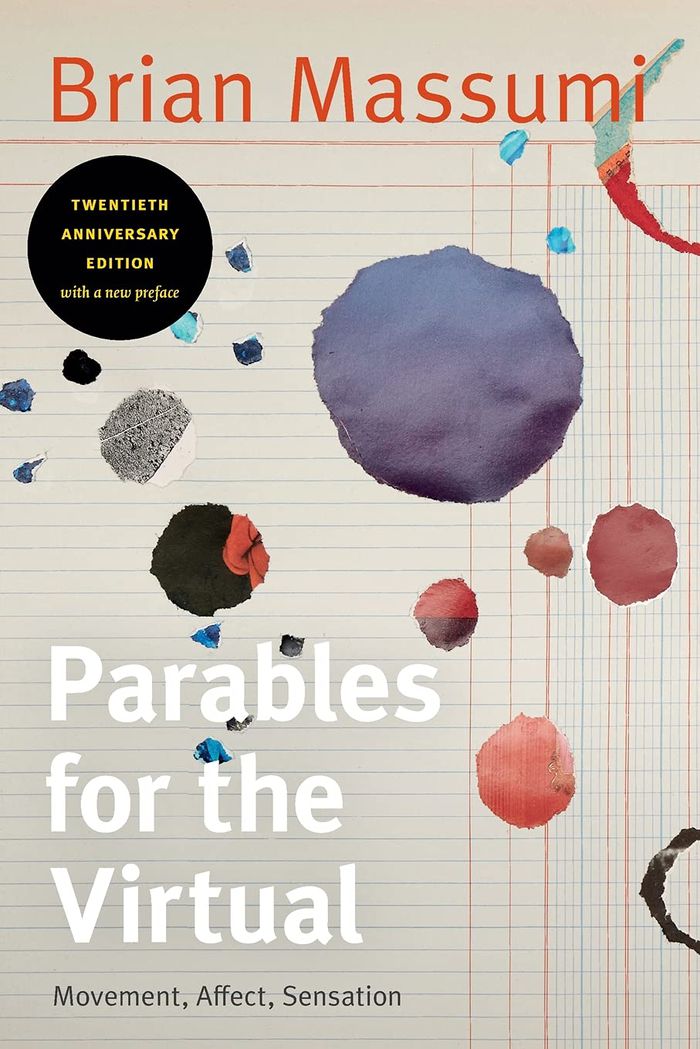
Since its publication twenty years ago, Brian Massumi's pioneering ''Parables for the virtual'' has become an essential text for interdisciplinary scholars across the humanities. Massumi views the body and media such as television, film, and the internet as cultural formations that operate on multiple registers of sensation. Renewing and assessing William James's radical empiricism and Henri Bergson's philosophy of perception through the filter of the postwar French philosophy of Deleuze, Guattari, and Foucault, Massumi links a cultural logic of variation to questions of movement, affect, and sensation. Replacing the traditional opposition of literal and figural with distinctions between stasis and motion and between actual and virtual, Massumi tackles related theoretical issues by applying them to cultural mediums as diverse as architecture, body art, the digital art of Stelarc, and Ronald Reagan's acting career. The result is an intriguing combination of cultural theory, science, and philosophy that asserts itself in a crystalline and multifaceted argument. This twentieth anniversary edition includes a new preface in which Massumi situates the book in relation to developments since its publication and outlines the evolution of its main concepts. It also includes two short texts, "Keywords for Affect" and "Missed Conceptions about Affect," in which Massumi explicates his approach to affect in ways that emphasize the book's political and philosophical stakes.
Parables for the virtual: movement, affect, sensation
Actions:
Prix:
$38.95
(disponible sur commande)
Résumé:
Since its publication twenty years ago, Brian Massumi's pioneering ''Parables for the virtual'' has become an essential text for interdisciplinary scholars across the humanities. Massumi views the body and media such as television, film, and the internet as cultural formations that operate on multiple registers of sensation. Renewing and assessing William James's radical empiricism and Henri Bergson's philosophy of perception through the filter of the postwar French philosophy of Deleuze, Guattari, and Foucault, Massumi links a cultural logic of variation to questions of movement, affect, and sensation. Replacing the traditional opposition of literal and figural with distinctions between stasis and motion and between actual and virtual, Massumi tackles related theoretical issues by applying them to cultural mediums as diverse as architecture, body art, the digital art of Stelarc, and Ronald Reagan's acting career. The result is an intriguing combination of cultural theory, science, and philosophy that asserts itself in a crystalline and multifaceted argument. This twentieth anniversary edition includes a new preface in which Massumi situates the book in relation to developments since its publication and outlines the evolution of its main concepts. It also includes two short texts, "Keywords for Affect" and "Missed Conceptions about Affect," in which Massumi explicates his approach to affect in ways that emphasize the book's political and philosophical stakes.
Classification:
livres
livres
Publication:
septembre 2021
septembre 2021
Sujet:
Théorie/ philosophie
Théorie/ philosophie
Classification:
livres
livres
Actions:
Prix:
$63.95
(disponible sur commande)
Résumé:
This book investigates the state of panoptic art at a time when issues of security and civil liberties are on many people’s minds. Traditional imaging and tracking systems have given way to infinitely more powerful “dataveillance” technologies, as an evolving arsenal of surrogate eyes and ears in our society shifts its focus from military to domestic space. Taking as its(...)
$63.95
(disponible sur commande)
Résumé:
This book investigates the state of panoptic art at a time when issues of security and civil liberties are on many people’s minds. Traditional imaging and tracking systems have given way to infinitely more powerful “dataveillance” technologies, as an evolving arsenal of surrogate eyes and ears in our society shifts its focus from military to domestic space. Taking as its(...)
Publication:
mars 2002, Karlsruhe, Germany / Cambridge, Massachusett
mars 2002, Karlsruhe, Germany / Cambridge, Massachusett
Titre:
CTRL (space) : rhetorics of surveillance from Bentham to big brother
Actions:
Prix:
$63.95
(disponible sur commande)
Résumé:
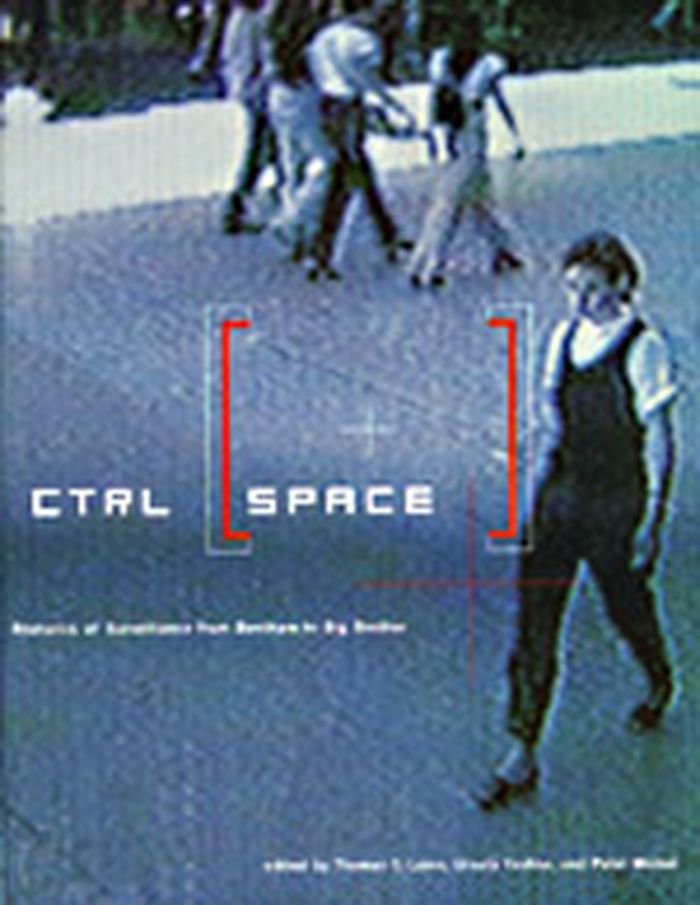
This book investigates the state of panoptic art at a time when issues of security and civil liberties are on many people’s minds. Traditional imaging and tracking systems have given way to infinitely more powerful “dataveillance” technologies, as an evolving arsenal of surrogate eyes and ears in our society shifts its focus from military to domestic space. Taking as its point of departure an architectural drawing by Jeremy Bentham that became the model for an entire social regime, CTRL [SPACE] looks at the shifting relationships between design and power, imaging and oppression, from the eighteenth to the twenty-first centuries. From the photographs taken with hidden cameras by Walker Evans and Paul Strand in the early twentieth century to the appropriation of military satellite technology by Marko Peljhan a hundred years later, the works of a wide range of artists have explored the dynamics of watching and being watched. The artists whose panoptical preoccupations are featured include, among others, Sophie Calle, Diller + Scofidio, Dan Graham, Pierre Huyghe, Michael Klier, Rem Koolhaas, Bruce Nauman, Yoko Ono, Thomas Ruff, Julia Scher, Andy Warhol, and Peter Weibel. This book, along with the exhibition it accompanies, is the first state-of-the-art survey of panopticism--in digital culture, architecture, television, video, cinema, painting, photography, conceptual art, installation work, robotics, and satellite imaging.
CTRL (space) : rhetorics of surveillance from Bentham to big brother
Actions:
Prix:
$63.95
(disponible sur commande)
Résumé:
This book investigates the state of panoptic art at a time when issues of security and civil liberties are on many people’s minds. Traditional imaging and tracking systems have given way to infinitely more powerful “dataveillance” technologies, as an evolving arsenal of surrogate eyes and ears in our society shifts its focus from military to domestic space. Taking as its point of departure an architectural drawing by Jeremy Bentham that became the model for an entire social regime, CTRL [SPACE] looks at the shifting relationships between design and power, imaging and oppression, from the eighteenth to the twenty-first centuries. From the photographs taken with hidden cameras by Walker Evans and Paul Strand in the early twentieth century to the appropriation of military satellite technology by Marko Peljhan a hundred years later, the works of a wide range of artists have explored the dynamics of watching and being watched. The artists whose panoptical preoccupations are featured include, among others, Sophie Calle, Diller + Scofidio, Dan Graham, Pierre Huyghe, Michael Klier, Rem Koolhaas, Bruce Nauman, Yoko Ono, Thomas Ruff, Julia Scher, Andy Warhol, and Peter Weibel. This book, along with the exhibition it accompanies, is the first state-of-the-art survey of panopticism--in digital culture, architecture, television, video, cinema, painting, photography, conceptual art, installation work, robotics, and satellite imaging.
Classification:
livres
livres
Publication:
mars 2002, Karlsruhe, Germany / Cambridge, Massachusett
mars 2002, Karlsruhe, Germany / Cambridge, Massachusett
Classification:
livres
livres
Prix:
$45.00
(disponible sur commande)
Résumé:
As digital technology advances at breakneck speed, images are circulating quicker than ever before. But what is the status of the image in the digital era? In this publication, art historian Hubert Burda (born 1940) examines the "iconic turn" in ten themed chapters and conversations with leading cultural theorists. In the first chapter, "The View Through the Window,"(...)
$45.00
(disponible sur commande)
Résumé:
As digital technology advances at breakneck speed, images are circulating quicker than ever before. But what is the status of the image in the digital era? In this publication, art historian Hubert Burda (born 1940) examines the "iconic turn" in ten themed chapters and conversations with leading cultural theorists. In the first chapter, "The View Through the Window,"(...)
Sujet:
Épistémologie et réseau
Épistémologie et réseau
Publication:
août 2011
août 2011
Titre:
The digital wunderkammer : 10 chapters on the iconic turn
Actions:
Prix:
$45.00
(disponible sur commande)
Résumé:
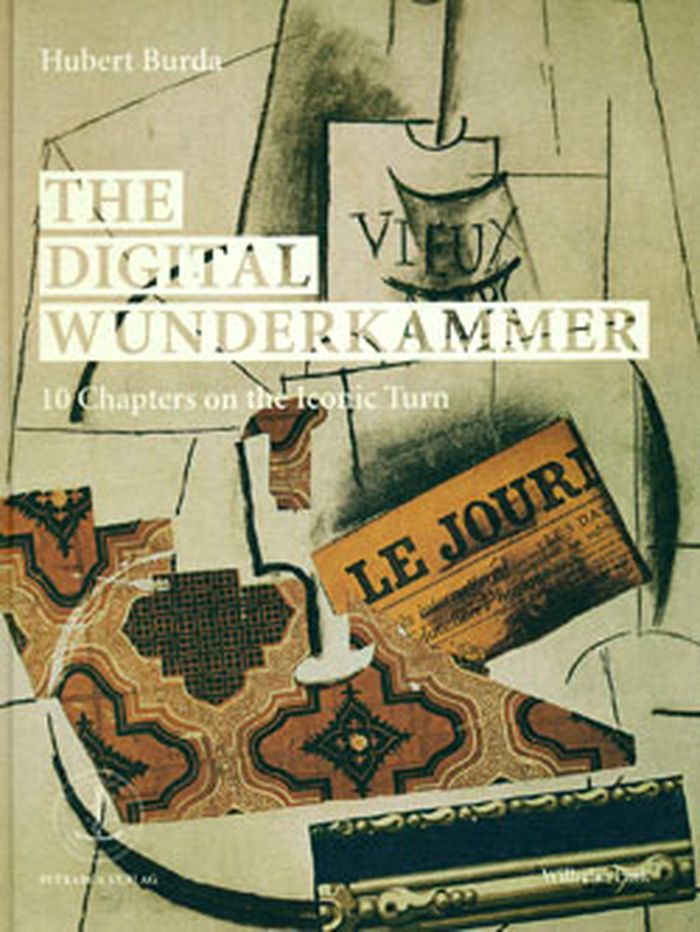
As digital technology advances at breakneck speed, images are circulating quicker than ever before. But what is the status of the image in the digital era? In this publication, art historian Hubert Burda (born 1940) examines the "iconic turn" in ten themed chapters and conversations with leading cultural theorists. In the first chapter, "The View Through the Window," Burda traces the connection between perspectival painting and the television, demonstrating in the second chapter how the image requires a frame, which in turn requires a material vehicle - the topic of the third chapter - that in our era has become a non-material vehicle with its own formal parameters. In the fourth chapter, "The Mobile Image," Burda shows how images have always been linked to portability, but now migrate to an unprecedented degree, so that anyone with a personal device can globally disseminate, say, footage from a concert via Youtube. A discussion of the capacity of individual images to placate or ennervate leads to a seventh chapter on the appetite for the Sublime and the rhetoric and representation of power throughout art history. Following a discussion of the democratization of celebrity culture, Burda proposes that the Google search box is perhaps the most interesting "interface" of our times, analogous to the seventeenth-century cabinet of curiosities (or wunderkammer). Conversations with Friedrich Kittler, Peter Sloterdijk, Bazon Brock, Horst Bredekamp and Hans Belting further extend this imaginative debate on the "iconic turn."
The digital wunderkammer : 10 chapters on the iconic turn
Actions:
Prix:
$45.00
(disponible sur commande)
Résumé:
As digital technology advances at breakneck speed, images are circulating quicker than ever before. But what is the status of the image in the digital era? In this publication, art historian Hubert Burda (born 1940) examines the "iconic turn" in ten themed chapters and conversations with leading cultural theorists. In the first chapter, "The View Through the Window," Burda traces the connection between perspectival painting and the television, demonstrating in the second chapter how the image requires a frame, which in turn requires a material vehicle - the topic of the third chapter - that in our era has become a non-material vehicle with its own formal parameters. In the fourth chapter, "The Mobile Image," Burda shows how images have always been linked to portability, but now migrate to an unprecedented degree, so that anyone with a personal device can globally disseminate, say, footage from a concert via Youtube. A discussion of the capacity of individual images to placate or ennervate leads to a seventh chapter on the appetite for the Sublime and the rhetoric and representation of power throughout art history. Following a discussion of the democratization of celebrity culture, Burda proposes that the Google search box is perhaps the most interesting "interface" of our times, analogous to the seventeenth-century cabinet of curiosities (or wunderkammer). Conversations with Friedrich Kittler, Peter Sloterdijk, Bazon Brock, Horst Bredekamp and Hans Belting further extend this imaginative debate on the "iconic turn."
Classification:
livres
livres
Publication:
août 2011
août 2011
Sujet:
Épistémologie et réseau
Épistémologie et réseau


