


7548 Résultats
Classification:
livres
livres
Titre:
Systems of survival
Systems of survival
Actions:
Prix:
$23.00
(disponible sur commande)
Résumé:
The author of The Death and Life of Great American Cities looks at business fraud and criminal enterprise, overextended government farm subsidies and zealous transit police, to show what happens when the moral systems of commerce collide with those of politics.
$23.00
(disponible sur commande)
Résumé:
The author of The Death and Life of Great American Cities looks at business fraud and criminal enterprise, overextended government farm subsidies and zealous transit police, to show what happens when the moral systems of commerce collide with those of politics.
Titre:
Systems of survival
Actions:
Prix:
$23.00
(disponible sur commande)
Résumé:
The author of The Death and Life of Great American Cities looks at business fraud and criminal enterprise, overextended government farm subsidies and zealous transit police, to show what happens when the moral systems of commerce collide with those of politics.
Systems of survival
Actions:
Prix:
$23.00
(disponible sur commande)
Résumé:
The author of The Death and Life of Great American Cities looks at business fraud and criminal enterprise, overextended government farm subsidies and zealous transit police, to show what happens when the moral systems of commerce collide with those of politics.
Classification:
livres
livres
Publication:
novembre 1994
novembre 1994
Sujet:
Théorie de l’urbanisme
Théorie de l’urbanisme
Classification:
livres
livres
Actions:
Prix:
$27.95
(disponible sur commande)
Résumé:
Thirty years after its publication, The Death and Life of Great American Cities was described by The New York Times as "perhaps the most influential single work in the history of town planning....[It] can also be seen in a much larger context. It is first of all a work of literature; the descriptions of street life as a kind of ballet and the bitingly satiric account of(...)
$27.95
(disponible sur commande)
Résumé:
Thirty years after its publication, The Death and Life of Great American Cities was described by The New York Times as "perhaps the most influential single work in the history of town planning....[It] can also be seen in a much larger context. It is first of all a work of literature; the descriptions of street life as a kind of ballet and the bitingly satiric account of(...)
Titre:
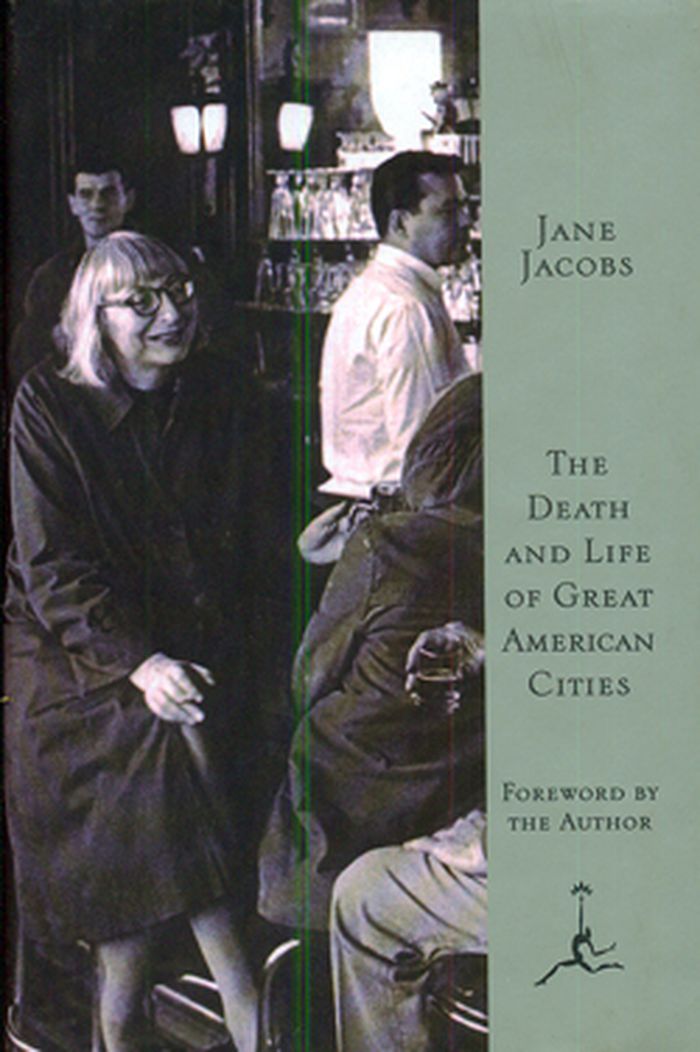
The Death and life of great American cities
Actions:
Prix:
$27.95
(disponible sur commande)
Résumé:
Thirty years after its publication, The Death and Life of Great American Cities was described by The New York Times as "perhaps the most influential single work in the history of town planning....[It] can also be seen in a much larger context. It is first of all a work of literature; the descriptions of street life as a kind of ballet and the bitingly satiric account of traditional planning theory can still be read for pleasure even by those who long ago absorbed and appropriated the book's arguments." Jane Jacobs, an editor and writer on architecture in New York City in the early sixties, argued that urban diversity and vitality were being destroyed by powerful architects and city planners. Rigorous, sane, and delightfully epigrammatic, Jacobs's small masterpiece is a blueprint for the humanistic management of cities.
The Death and life of great American cities
Actions:
Prix:
$27.95
(disponible sur commande)
Résumé:
Thirty years after its publication, The Death and Life of Great American Cities was described by The New York Times as "perhaps the most influential single work in the history of town planning....[It] can also be seen in a much larger context. It is first of all a work of literature; the descriptions of street life as a kind of ballet and the bitingly satiric account of traditional planning theory can still be read for pleasure even by those who long ago absorbed and appropriated the book's arguments." Jane Jacobs, an editor and writer on architecture in New York City in the early sixties, argued that urban diversity and vitality were being destroyed by powerful architects and city planners. Rigorous, sane, and delightfully epigrammatic, Jacobs's small masterpiece is a blueprint for the humanistic management of cities.
Classification:
livres
livres
Publication:
décembre 2009
décembre 2009
Sujet:
Théorie de l’urbanisme
Théorie de l’urbanisme
Classification:
livres
livres
Titre:
L'eau des villes
L'eau des villes
Actions:
Prix:
$21.00
(disponible sur commande)
Résumé:
La maîtrise des sources, le pompage des lacs et rivières ou l'élargissement de la distribution relèvent d'un pan méconnu de l'histoire de la Suisse et de ses villes. Les municipalités, pour créer leur réseau d'eau, l'étendre et s'assurer des revenus confortables, ont agi en concurrence, parfois épique, avec les entreprises privées et l'Etat. De petits empires de l'eau se(...)
$21.00
(disponible sur commande)
Résumé:
La maîtrise des sources, le pompage des lacs et rivières ou l'élargissement de la distribution relèvent d'un pan méconnu de l'histoire de la Suisse et de ses villes. Les municipalités, pour créer leur réseau d'eau, l'étendre et s'assurer des revenus confortables, ont agi en concurrence, parfois épique, avec les entreprises privées et l'Etat. De petits empires de l'eau se(...)
Titre:
L'eau des villes
Actions:
Prix:
$21.00
(disponible sur commande)
Résumé:
La maîtrise des sources, le pompage des lacs et rivières ou l'élargissement de la distribution relèvent d'un pan méconnu de l'histoire de la Suisse et de ses villes. Les municipalités, pour créer leur réseau d'eau, l'étendre et s'assurer des revenus confortables, ont agi en concurrence, parfois épique, avec les entreprises privées et l'Etat. De petits empires de l'eau se sont constitués à Genève, Lausanne, Bâle, Berne, Zurich, ailleurs encore, avec votes et rebondissements. Ces problèmes, très actuels dans toute l'Europe, ont pour enjeux le pouvoir politique sous la poussée de l'urbanisation, le commerce, la technique, les investissements, la santé, l'environnement. Comment notre eau quotidienne coulera-t-elle demain?
L'eau des villes
Actions:
Prix:
$21.00
(disponible sur commande)
Résumé:
La maîtrise des sources, le pompage des lacs et rivières ou l'élargissement de la distribution relèvent d'un pan méconnu de l'histoire de la Suisse et de ses villes. Les municipalités, pour créer leur réseau d'eau, l'étendre et s'assurer des revenus confortables, ont agi en concurrence, parfois épique, avec les entreprises privées et l'Etat. De petits empires de l'eau se sont constitués à Genève, Lausanne, Bâle, Berne, Zurich, ailleurs encore, avec votes et rebondissements. Ces problèmes, très actuels dans toute l'Europe, ont pour enjeux le pouvoir politique sous la poussée de l'urbanisation, le commerce, la technique, les investissements, la santé, l'environnement. Comment notre eau quotidienne coulera-t-elle demain?
Classification:
livres
livres
Publication:
décembre 2009
décembre 2009
Sujet:
Théorie de l’urbanisme
Théorie de l’urbanisme
Classification:
livres
livres
Actions:
Prix:
$45.00
(disponible sur commande)
Résumé:
John Kriken of the planning firm Skidmore, Owings & Merrill has been at the forefront of urban planning for over forty years, and he brings both his wealth of experience and his great optimism for the future to "City Building". In writing that both experienced designers and typical city-dwellers will enjoy, he illustrates a means for comprehensive problem solving rather(...)
$45.00
(disponible sur commande)
Résumé:
John Kriken of the planning firm Skidmore, Owings & Merrill has been at the forefront of urban planning for over forty years, and he brings both his wealth of experience and his great optimism for the future to "City Building". In writing that both experienced designers and typical city-dwellers will enjoy, he illustrates a means for comprehensive problem solving rather(...)
Titre:
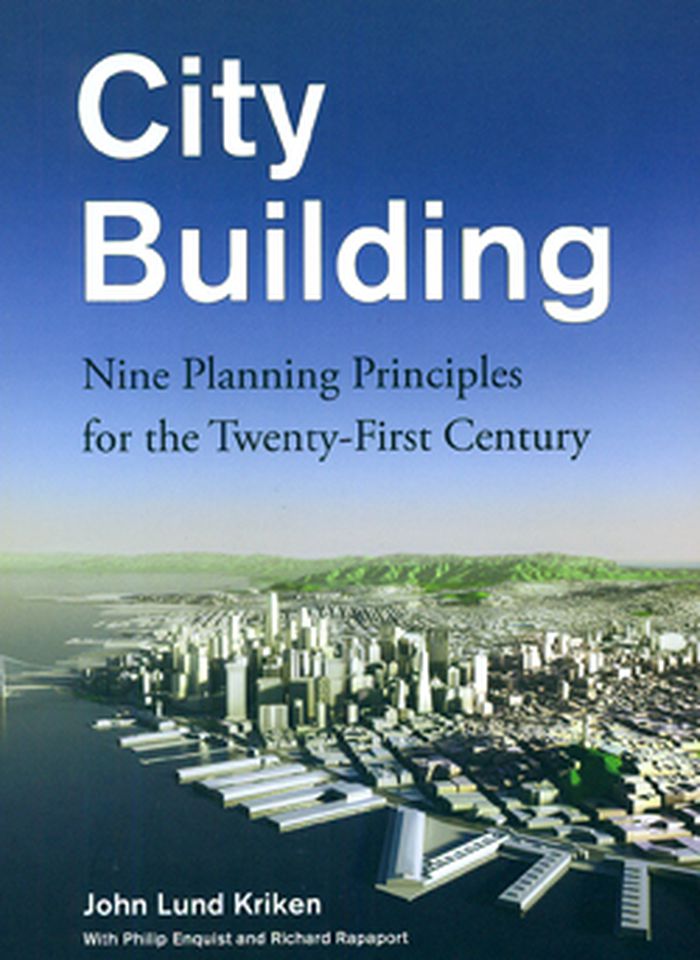
City building : nine planning principles for the twenty-first century
Actions:
Prix:
$45.00
(disponible sur commande)
Résumé:
John Kriken of the planning firm Skidmore, Owings & Merrill has been at the forefront of urban planning for over forty years, and he brings both his wealth of experience and his great optimism for the future to "City Building". In writing that both experienced designers and typical city-dwellers will enjoy, he illustrates a means for comprehensive problem solving rather than symptom-based problem solving. The book is organized into three parts. Part 1 examines the past and defines the current practice of city building, addressing its shortcomings and proposing a comprehensive framework for rethinking the approach to cities in the future. Part 2 translates this framework into nine best-practice principles that are common to successful, livable, urban environments : sustainability, accessibility, diversity, open space, compatibility, incentives, adaptability, density, and identity. These principles are illustrated in a global portfolio of city building projects, designed by Skidmore, Owings & Merrill, that show how best practices have been applied successfully — and sometimes not so. Part 3 makes the case that, far from being the problem, cities, properly organized, can be a mechanism for sensible, sustainable uses of increasingly scarce resources. The book concludes with a call for a national planning process and a comprehensive framework for settlement.
City building : nine planning principles for the twenty-first century
Actions:
Prix:
$45.00
(disponible sur commande)
Résumé:
John Kriken of the planning firm Skidmore, Owings & Merrill has been at the forefront of urban planning for over forty years, and he brings both his wealth of experience and his great optimism for the future to "City Building". In writing that both experienced designers and typical city-dwellers will enjoy, he illustrates a means for comprehensive problem solving rather than symptom-based problem solving. The book is organized into three parts. Part 1 examines the past and defines the current practice of city building, addressing its shortcomings and proposing a comprehensive framework for rethinking the approach to cities in the future. Part 2 translates this framework into nine best-practice principles that are common to successful, livable, urban environments : sustainability, accessibility, diversity, open space, compatibility, incentives, adaptability, density, and identity. These principles are illustrated in a global portfolio of city building projects, designed by Skidmore, Owings & Merrill, that show how best practices have been applied successfully — and sometimes not so. Part 3 makes the case that, far from being the problem, cities, properly organized, can be a mechanism for sensible, sustainable uses of increasingly scarce resources. The book concludes with a call for a national planning process and a comprehensive framework for settlement.
Classification:
livres
livres
Publication:
mars 2010
mars 2010
Sujet:
Théorie de l’urbanisme
Théorie de l’urbanisme
Classification:
livres
livres

Titre:
Lexique de la ville
Lexique de la ville
Actions:
Prix:
$37.95
(disponible sur commande)
Résumé:
Avec plus de 400 entrées, ce lexique au format pratique présente l'essentiel du monde de la ville et de l'urbain. Il associe des définitions synthétiques et précises, parfois illustrées de schémas, à une série de commentaires qui permettent de replacer chaque mot et chaque notion dans leur contexte, afin d'en saisir la problématique et les enjeux actuels.
$37.95
(disponible sur commande)
Résumé:
Avec plus de 400 entrées, ce lexique au format pratique présente l'essentiel du monde de la ville et de l'urbain. Il associe des définitions synthétiques et précises, parfois illustrées de schémas, à une série de commentaires qui permettent de replacer chaque mot et chaque notion dans leur contexte, afin d'en saisir la problématique et les enjeux actuels.
Titre:
Lexique de la ville
Actions:
Prix:
$37.95
(disponible sur commande)
Résumé:
Avec plus de 400 entrées, ce lexique au format pratique présente l'essentiel du monde de la ville et de l'urbain. Il associe des définitions synthétiques et précises, parfois illustrées de schémas, à une série de commentaires qui permettent de replacer chaque mot et chaque notion dans leur contexte, afin d'en saisir la problématique et les enjeux actuels.
Lexique de la ville
Actions:
Prix:
$37.95
(disponible sur commande)
Résumé:
Avec plus de 400 entrées, ce lexique au format pratique présente l'essentiel du monde de la ville et de l'urbain. Il associe des définitions synthétiques et précises, parfois illustrées de schémas, à une série de commentaires qui permettent de replacer chaque mot et chaque notion dans leur contexte, afin d'en saisir la problématique et les enjeux actuels.
Classification:
livres
livres
Publication:
janvier 2010
janvier 2010
Sujet:
Théorie de l’urbanisme
Théorie de l’urbanisme
Classification:
livres
livres
Actions:
Prix:
$62.50
(disponible sur commande)
Résumé:
This original collection examines how architectural ideas, social models and building forms circulate round the world and become mediated and adapted to local conditions. The book shows how types such as skyscrapers, mosques or living history museums are imported, adapted and contested in different societies and how urban landscapes are reshaped by the global circulation(...)
$62.50
(disponible sur commande)
Résumé:
This original collection examines how architectural ideas, social models and building forms circulate round the world and become mediated and adapted to local conditions. The book shows how types such as skyscrapers, mosques or living history museums are imported, adapted and contested in different societies and how urban landscapes are reshaped by the global circulation(...)
Titre:
Re-shaping cities: how global mobility transforms architecture and urban form
Actions:
Prix:
$62.50
(disponible sur commande)
Résumé:
This original collection examines how architectural ideas, social models and building forms circulate round the world and become mediated and adapted to local conditions. The book shows how types such as skyscrapers, mosques or living history museums are imported, adapted and contested in different societies and how urban landscapes are reshaped by the global circulation of models drawn from elsewhere. Written by scholars from different disciplinary backgrounds –architecture, anthropology, geography, linguistics, science studies and sociology – the book draws its inspiration from a series of different approaches and offers both original theoretical reflection and carefully crafted case-studies.
Re-shaping cities: how global mobility transforms architecture and urban form
Actions:
Prix:
$62.50
(disponible sur commande)
Résumé:
This original collection examines how architectural ideas, social models and building forms circulate round the world and become mediated and adapted to local conditions. The book shows how types such as skyscrapers, mosques or living history museums are imported, adapted and contested in different societies and how urban landscapes are reshaped by the global circulation of models drawn from elsewhere. Written by scholars from different disciplinary backgrounds –architecture, anthropology, geography, linguistics, science studies and sociology – the book draws its inspiration from a series of different approaches and offers both original theoretical reflection and carefully crafted case-studies.
Classification:
livres
livres
Publication:
décembre 2009
décembre 2009
Sujet:
Théorie de l’urbanisme
Théorie de l’urbanisme
Classification:
livres
livres
Actions:
Prix:
$16.95
(disponible sur commande)
Résumé:
Les maires des grandes villes affirment tous que leur préoccupation première est de développer l'attractivité de leur cité. Comment ? En faisant de celle-ci un lieu propice à la créativité, en y combinant les ressources du talent, de la tolérance et de la technologie : c'est la recette proposée par le géographe et économiste Richard Florida pour réunir sous l'enseigne de(...)
$16.95
(disponible sur commande)
Résumé:
Les maires des grandes villes affirment tous que leur préoccupation première est de développer l'attractivité de leur cité. Comment ? En faisant de celle-ci un lieu propice à la créativité, en y combinant les ressources du talent, de la tolérance et de la technologie : c'est la recette proposée par le géographe et économiste Richard Florida pour réunir sous l'enseigne de(...)
Titre:
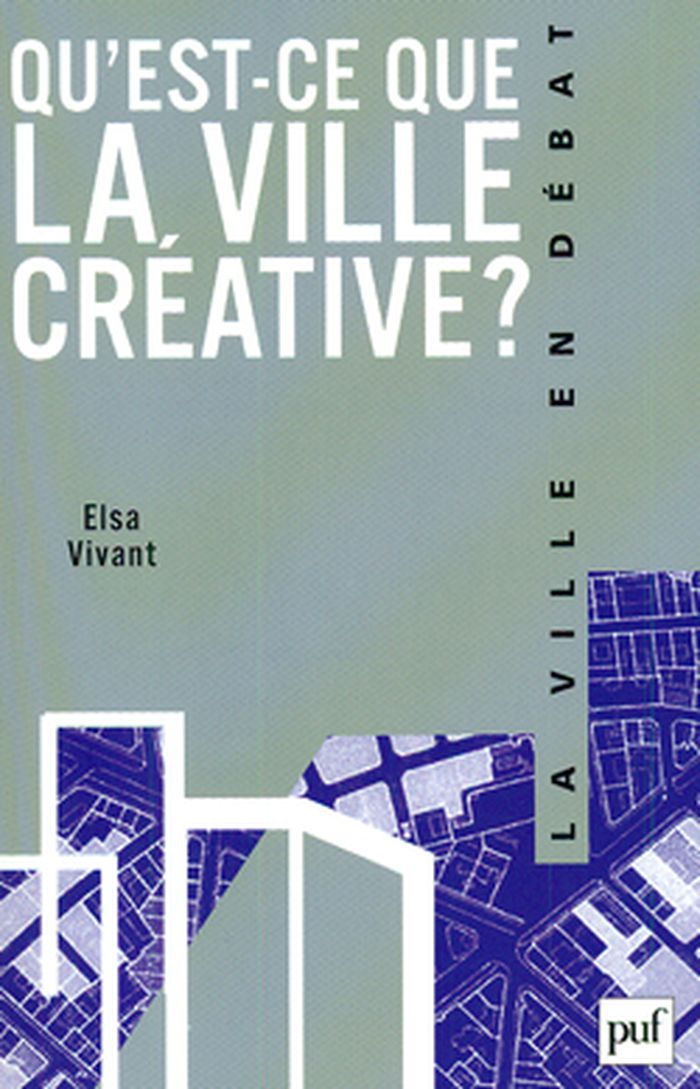
Qu'est-ce que la ville créative?
Actions:
Prix:
$16.95
(disponible sur commande)
Résumé:
Les maires des grandes villes affirment tous que leur préoccupation première est de développer l'attractivité de leur cité. Comment ? En faisant de celle-ci un lieu propice à la créativité, en y combinant les ressources du talent, de la tolérance et de la technologie : c'est la recette proposée par le géographe et économiste Richard Florida pour réunir sous l'enseigne de " classe créative " artistes, intellectuels et prestataires de services aux grandes firmes. Un tel assemblage va-t-il de soi ? Il mêle hâtivement deux phénomènes distincts : d'une part, le processus de " gentrification " urbaine par lequel les " créateurs " - artistes et professions culturelles et intellectuelles - réinvestissent la ville, lieu d'opportunités et de rencontres ; d'autre part, un traitement volontariste et foncier du paysage urbain destiné à attirer les " créatifs " de la publicité et des banques. Mais peut-on attirer les " créatifs " sans faire fuir les " créateurs " ?
Qu'est-ce que la ville créative?
Actions:
Prix:
$16.95
(disponible sur commande)
Résumé:
Les maires des grandes villes affirment tous que leur préoccupation première est de développer l'attractivité de leur cité. Comment ? En faisant de celle-ci un lieu propice à la créativité, en y combinant les ressources du talent, de la tolérance et de la technologie : c'est la recette proposée par le géographe et économiste Richard Florida pour réunir sous l'enseigne de " classe créative " artistes, intellectuels et prestataires de services aux grandes firmes. Un tel assemblage va-t-il de soi ? Il mêle hâtivement deux phénomènes distincts : d'une part, le processus de " gentrification " urbaine par lequel les " créateurs " - artistes et professions culturelles et intellectuelles - réinvestissent la ville, lieu d'opportunités et de rencontres ; d'autre part, un traitement volontariste et foncier du paysage urbain destiné à attirer les " créatifs " de la publicité et des banques. Mais peut-on attirer les " créatifs " sans faire fuir les " créateurs " ?
Classification:
livres
livres
Publication:
novembre 2009, Paris
novembre 2009, Paris
Sujet:
Théorie de l’urbanisme
Théorie de l’urbanisme
Classification:
livres
livres
Actions:
Prix:
$72.95
(disponible sur commande)
Résumé:
Climate change is predicted to increase the frequency and magnitude of coastal storms around the globe, and the anticipated rise of sea levels will have enormous impact on fragile and vulnerable coastal regions. In the U.S., more than 50% of the population inhabits coastal areas. In Planning for Coastal Resilience, Tim Beatley argues that, in the face of such threats, all(...)
$72.95
(disponible sur commande)
Résumé:
Climate change is predicted to increase the frequency and magnitude of coastal storms around the globe, and the anticipated rise of sea levels will have enormous impact on fragile and vulnerable coastal regions. In the U.S., more than 50% of the population inhabits coastal areas. In Planning for Coastal Resilience, Tim Beatley argues that, in the face of such threats, all(...)
Titre:
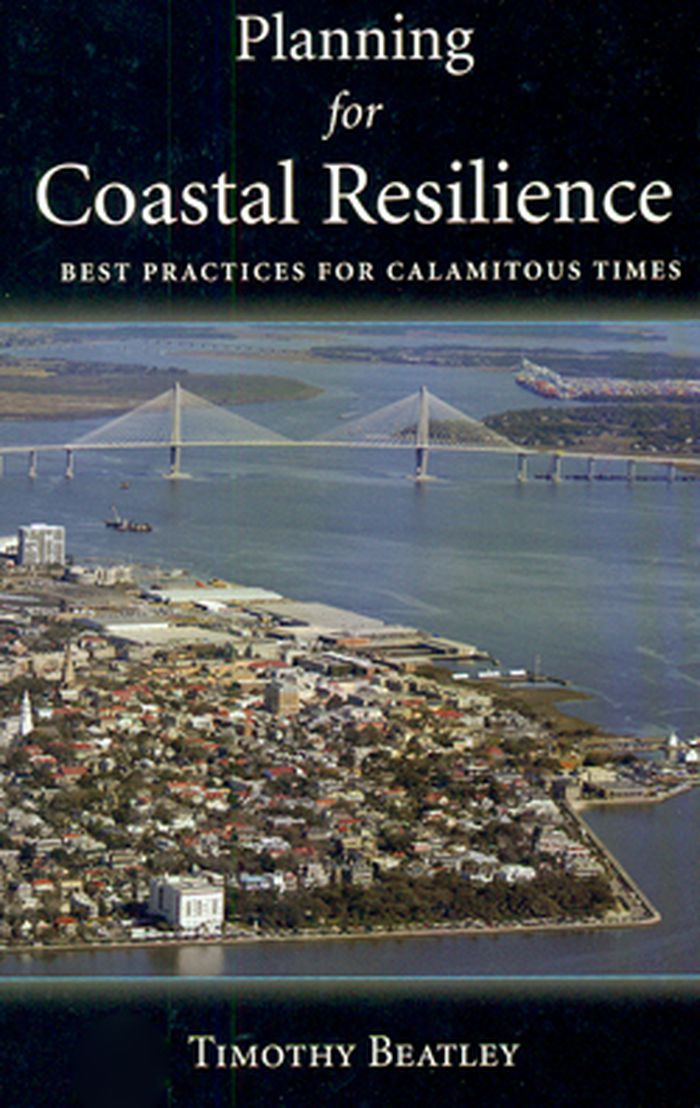
Planning for coastal resilience
Actions:
Prix:
$72.95
(disponible sur commande)
Résumé:
Climate change is predicted to increase the frequency and magnitude of coastal storms around the globe, and the anticipated rise of sea levels will have enormous impact on fragile and vulnerable coastal regions. In the U.S., more than 50% of the population inhabits coastal areas. In Planning for Coastal Resilience, Tim Beatley argues that, in the face of such threats, all future coastal planning and management must reflect a commitment to the concept of resilience. Coastal resilience must become the primary design and planning principle to guide all future development and all future infrastructure decisions.
Planning for coastal resilience
Actions:
Prix:
$72.95
(disponible sur commande)
Résumé:
Climate change is predicted to increase the frequency and magnitude of coastal storms around the globe, and the anticipated rise of sea levels will have enormous impact on fragile and vulnerable coastal regions. In the U.S., more than 50% of the population inhabits coastal areas. In Planning for Coastal Resilience, Tim Beatley argues that, in the face of such threats, all future coastal planning and management must reflect a commitment to the concept of resilience. Coastal resilience must become the primary design and planning principle to guide all future development and all future infrastructure decisions.
Classification:
livres
livres
Publication:
juillet 2009
juillet 2009
Sujet:
Théorie de l’urbanisme
Théorie de l’urbanisme
Classification:
livres
livres
Prix:
$21.99
(disponible sur commande)
Résumé:
Tom Vanderbilt maps the visible and invisible legacies of the cold war, exhuming the blueprints for the apocalypse we once envisioned and chronicling a time when we all lived at ground zero. In this road trip among ruined missile silos, atomic storage bunkers, and secret test sites, a lost battleground emerges amid the architecture of the 1950s, accompanied by Walter(...)
$21.99
(disponible sur commande)
Résumé:
Tom Vanderbilt maps the visible and invisible legacies of the cold war, exhuming the blueprints for the apocalypse we once envisioned and chronicling a time when we all lived at ground zero. In this road trip among ruined missile silos, atomic storage bunkers, and secret test sites, a lost battleground emerges amid the architecture of the 1950s, accompanied by Walter(...)
Titre:
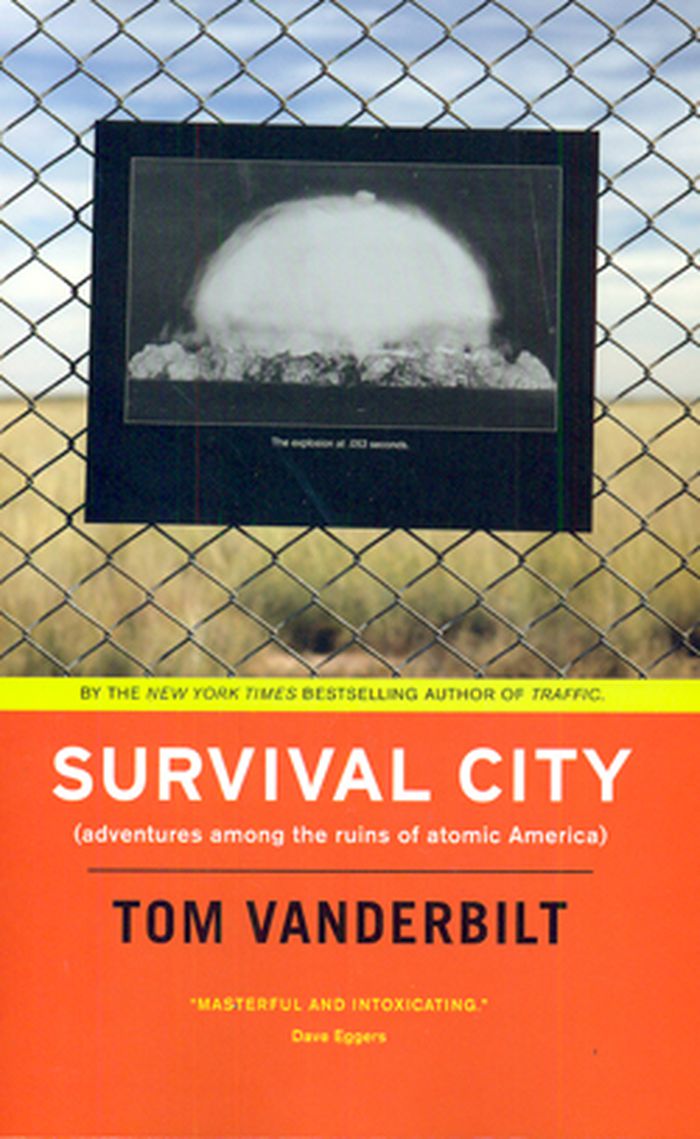
Survival city: adventures among the ruins of atomic America
Actions:
Prix:
$21.99
(disponible sur commande)
Résumé:
Tom Vanderbilt maps the visible and invisible legacies of the cold war, exhuming the blueprints for the apocalypse we once envisioned and chronicling a time when we all lived at ground zero. In this road trip among ruined missile silos, atomic storage bunkers, and secret test sites, a lost battleground emerges amid the architecture of the 1950s, accompanied by Walter Cotten’s stunning photographs. Survival City looks deep into the national soul, unearthing the dreams and fears that drove us during the latter half of the twentieth century.
Survival city: adventures among the ruins of atomic America
Actions:
Prix:
$21.99
(disponible sur commande)
Résumé:
Tom Vanderbilt maps the visible and invisible legacies of the cold war, exhuming the blueprints for the apocalypse we once envisioned and chronicling a time when we all lived at ground zero. In this road trip among ruined missile silos, atomic storage bunkers, and secret test sites, a lost battleground emerges amid the architecture of the 1950s, accompanied by Walter Cotten’s stunning photographs. Survival City looks deep into the national soul, unearthing the dreams and fears that drove us during the latter half of the twentieth century.
Classification:
livres
livres
Publication:
avril 2010
avril 2010
Sujet:
Théorie de l’urbanisme
Théorie de l’urbanisme
Classification:
livres
livres
Prix:
$30.00
(disponible sur commande)
Résumé:
Nye looks at America's development of its electrical grid, which made large-scale power failures possible; military blackouts before and during World War II ("The silence was the big surprise of the blackout, the darkness discounted," wrote Harold Ross in The New Yorker in 1942); New York City's contrasting 1965 and 1977 blackout experiences (the first characterized by(...)
$30.00
(disponible sur commande)
Résumé:
Nye looks at America's development of its electrical grid, which made large-scale power failures possible; military blackouts before and during World War II ("The silence was the big surprise of the blackout, the darkness discounted," wrote Harold Ross in The New Yorker in 1942); New York City's contrasting 1965 and 1977 blackout experiences (the first characterized by(...)
Titre:
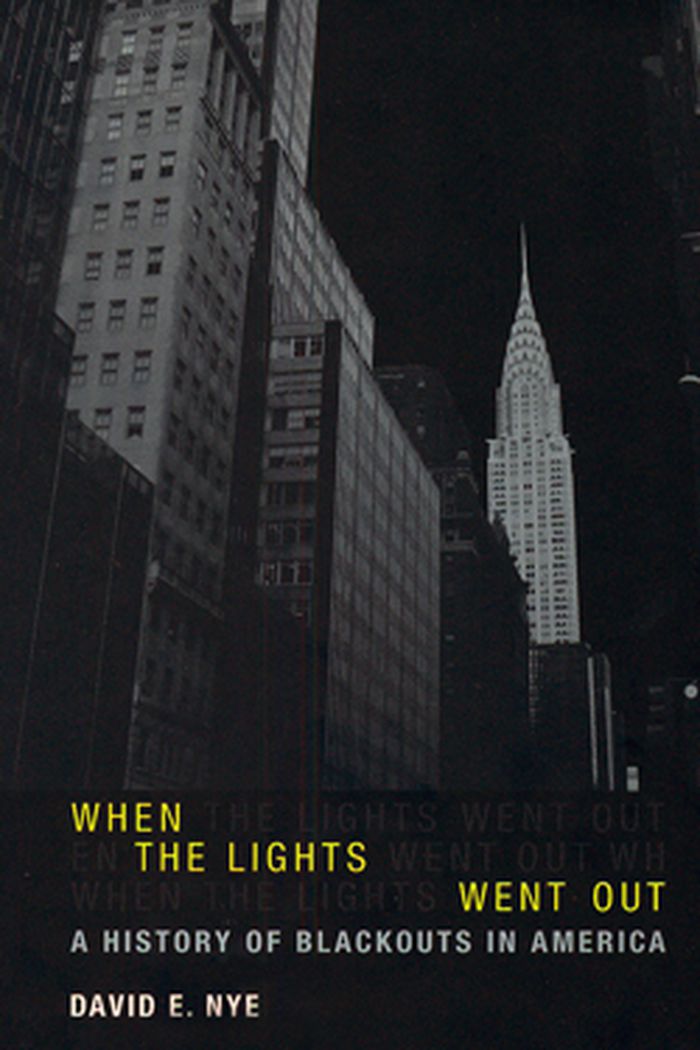
When the lights went out, a history of blackouts in America
Actions:
Prix:
$30.00
(disponible sur commande)
Résumé:
Nye looks at America's development of its electrical grid, which made large-scale power failures possible; military blackouts before and during World War II ("The silence was the big surprise of the blackout, the darkness discounted," wrote Harold Ross in The New Yorker in 1942); New York City's contrasting 1965 and 1977 blackout experiences (the first characterized by cooperation, the second by looting and disorder); the growth in consumer demand that led to rolling blackouts made worse by energy traders' market manipulations; blackouts caused by terrorist attacks and sabotage; and, finally, the "greenout" (exemplified by the new tradition of "Earth Hour"), a voluntary reduction organized by environmental organizations. Blackouts, writes Nye, are breaks in the flow of social time that reveal much about the trajectory of American history. Each time one occurs, Americans confront their essential condition—not as isolated individuals, but as a community that increasingly binds itself together with electrical wires and signals.
When the lights went out, a history of blackouts in America
Actions:
Prix:
$30.00
(disponible sur commande)
Résumé:
Nye looks at America's development of its electrical grid, which made large-scale power failures possible; military blackouts before and during World War II ("The silence was the big surprise of the blackout, the darkness discounted," wrote Harold Ross in The New Yorker in 1942); New York City's contrasting 1965 and 1977 blackout experiences (the first characterized by cooperation, the second by looting and disorder); the growth in consumer demand that led to rolling blackouts made worse by energy traders' market manipulations; blackouts caused by terrorist attacks and sabotage; and, finally, the "greenout" (exemplified by the new tradition of "Earth Hour"), a voluntary reduction organized by environmental organizations. Blackouts, writes Nye, are breaks in the flow of social time that reveal much about the trajectory of American history. Each time one occurs, Americans confront their essential condition—not as isolated individuals, but as a community that increasingly binds itself together with electrical wires and signals.
Classification:
livres
livres
Publication:
mars 2010
mars 2010
Sujet:
Théorie de l’urbanisme
Théorie de l’urbanisme


