


7548 Résultats
Classification:
livres
livres
Titre:
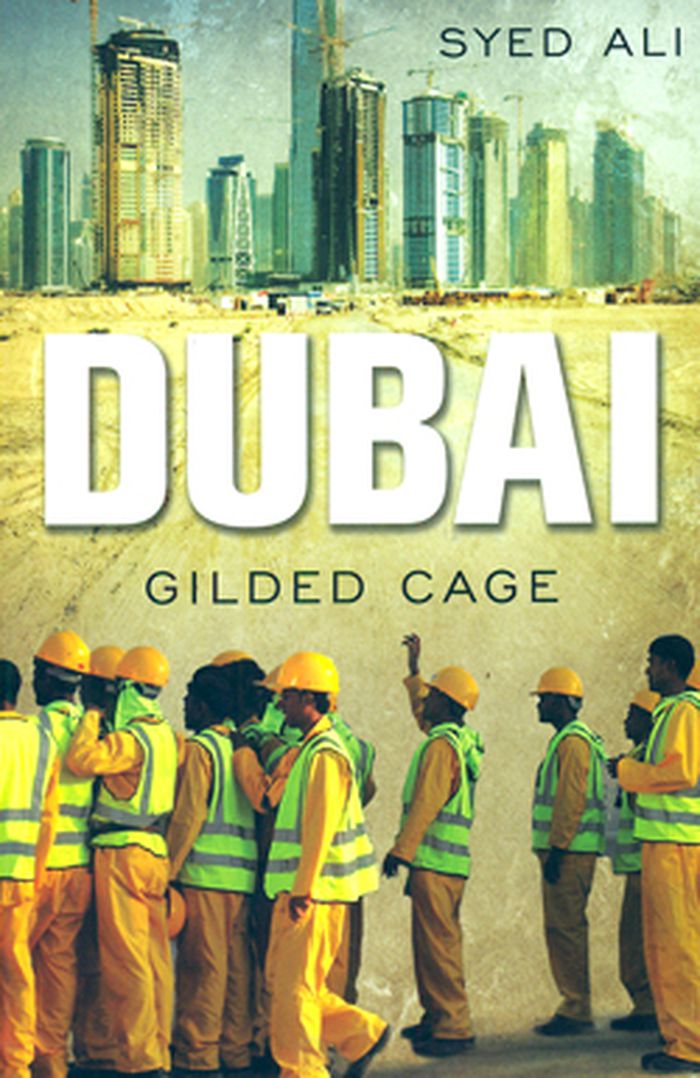
Dubai: gilded cage
Dubai: gilded cage
Actions:
Prix:
$22.95
(disponible sur commande)
Résumé:
In this book, Syed Ali delves beneath the dazzling surface to analyze how—and at what cost—Dubai has achieved such success. Ali brings alive a society rigidly divided between expatriate Westerners living self-indulgent lifestyles on short-term work visas, native Emiratis who are largely passive observers and beneficiaries of what Dubai has become, and workers from the(...)
$22.95
(disponible sur commande)
Résumé:
In this book, Syed Ali delves beneath the dazzling surface to analyze how—and at what cost—Dubai has achieved such success. Ali brings alive a society rigidly divided between expatriate Westerners living self-indulgent lifestyles on short-term work visas, native Emiratis who are largely passive observers and beneficiaries of what Dubai has become, and workers from the(...)
Titre:
Dubai: gilded cage
Actions:
Prix:
$22.95
(disponible sur commande)
Résumé:
In this book, Syed Ali delves beneath the dazzling surface to analyze how—and at what cost—Dubai has achieved such success. Ali brings alive a society rigidly divided between expatriate Westerners living self-indulgent lifestyles on short-term work visas, native Emiratis who are largely passive observers and beneficiaries of what Dubai has become, and workers from the developing world who provide the manual labor and domestic service needed to keep the emirate running, often at great personal cost.
Dubai: gilded cage
Actions:
Prix:
$22.95
(disponible sur commande)
Résumé:
In this book, Syed Ali delves beneath the dazzling surface to analyze how—and at what cost—Dubai has achieved such success. Ali brings alive a society rigidly divided between expatriate Westerners living self-indulgent lifestyles on short-term work visas, native Emiratis who are largely passive observers and beneficiaries of what Dubai has become, and workers from the developing world who provide the manual labor and domestic service needed to keep the emirate running, often at great personal cost.
Classification:
livres
livres
Publication:
juin 2010
juin 2010
Sujet:
Théorie de l’urbanisme
Théorie de l’urbanisme
Classification:
livres
livres
Titre:
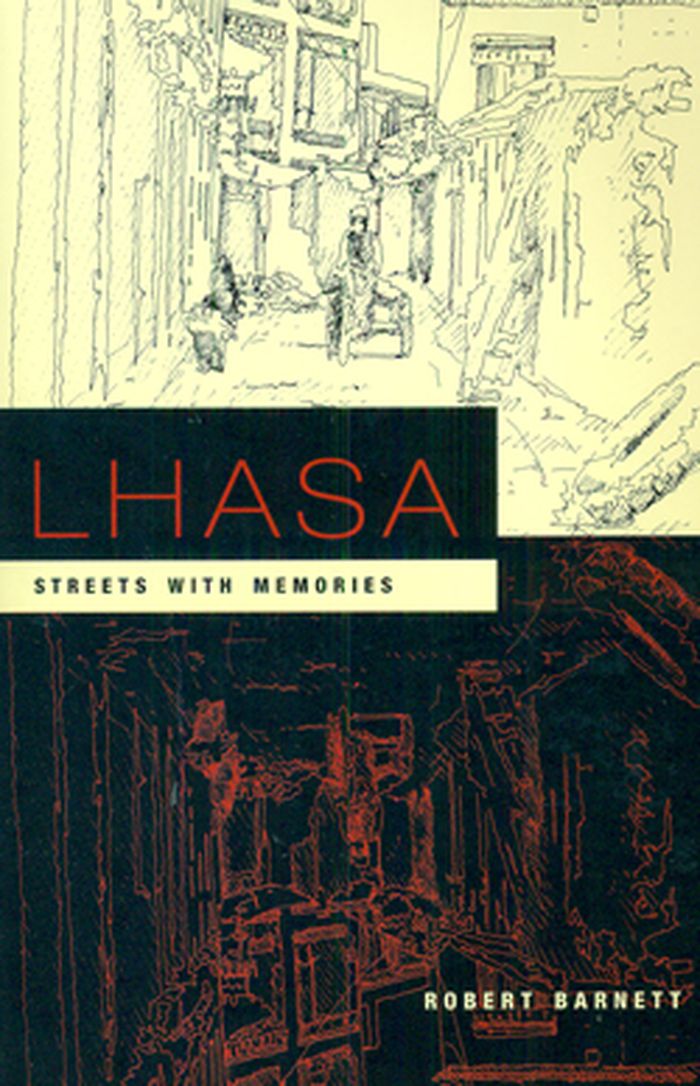
Lhasa: Streets with memories
Lhasa: Streets with memories
Actions:
Prix:
$22.50
(disponible sur commande)
Résumé:
Robert Barnett offers an exploration of a city long idealized, disregarded, or misunderstood by outsiders. Looking to its streets and stone, Barnett presents a searching portrait of Lhasa, its history, and its illegibility. It only offers itself as a manual for thinking about contemporary Tibet but also questions our ways of thinking about foreign places.
$22.50
(disponible sur commande)
Résumé:
Robert Barnett offers an exploration of a city long idealized, disregarded, or misunderstood by outsiders. Looking to its streets and stone, Barnett presents a searching portrait of Lhasa, its history, and its illegibility. It only offers itself as a manual for thinking about contemporary Tibet but also questions our ways of thinking about foreign places.
Titre:
Lhasa: Streets with memories
Actions:
Prix:
$22.50
(disponible sur commande)
Résumé:
Robert Barnett offers an exploration of a city long idealized, disregarded, or misunderstood by outsiders. Looking to its streets and stone, Barnett presents a searching portrait of Lhasa, its history, and its illegibility. It only offers itself as a manual for thinking about contemporary Tibet but also questions our ways of thinking about foreign places.
Lhasa: Streets with memories
Actions:
Prix:
$22.50
(disponible sur commande)
Résumé:
Robert Barnett offers an exploration of a city long idealized, disregarded, or misunderstood by outsiders. Looking to its streets and stone, Barnett presents a searching portrait of Lhasa, its history, and its illegibility. It only offers itself as a manual for thinking about contemporary Tibet but also questions our ways of thinking about foreign places.
Classification:
livres
livres
Publication:
juin 2010
juin 2010
Sujet:
Théorie de l’urbanisme
Théorie de l’urbanisme
Classification:
livres
livres
Prix:
$41.95
(disponible sur commande)
Résumé:
The Urban Spectator is a lively and utterly fascinating exploration of the ways in which technologies have influenced our collective conception of the American city, as well as our relationship with urban space and architecture. Eric Gordon argues that the city, developing late and in conjunction with a range of modern media, produced a particular way of seeing--what he(...)
$41.95
(disponible sur commande)
Résumé:
The Urban Spectator is a lively and utterly fascinating exploration of the ways in which technologies have influenced our collective conception of the American city, as well as our relationship with urban space and architecture. Eric Gordon argues that the city, developing late and in conjunction with a range of modern media, produced a particular way of seeing--what he(...)
Titre:
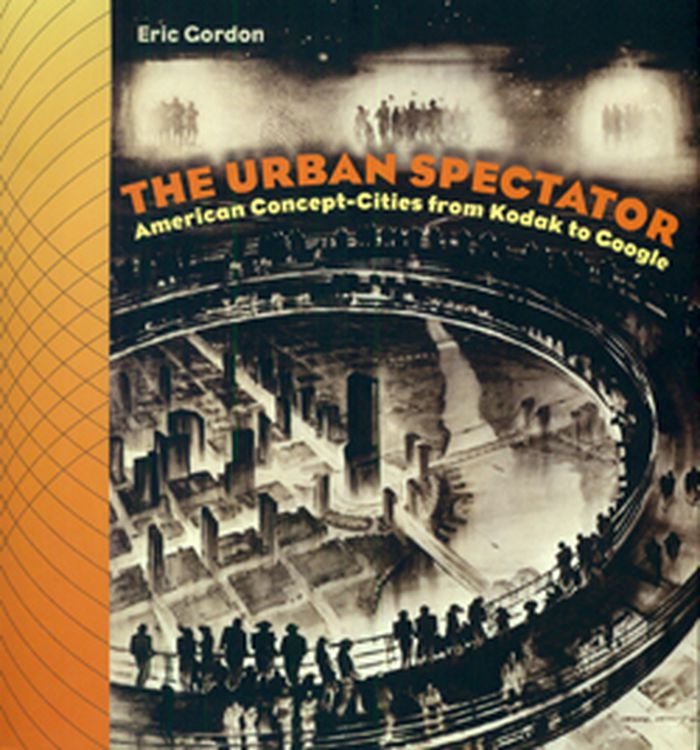
The urban spectator: American concept-cities from Kodak to Google
Actions:
Prix:
$41.95
(disponible sur commande)
Résumé:
The Urban Spectator is a lively and utterly fascinating exploration of the ways in which technologies have influenced our collective conception of the American city, as well as our relationship with urban space and architecture. Eric Gordon argues that the city, developing late and in conjunction with a range of modern media, produced a particular way of seeing--what he labels "possessive spectatorship." Lacking the historical rootedness of European cities, the American city was open to individual interpretation, definition, and ownership. Beginning with the White City of the Chicago World's Fair of 1893 and the efforts to commodify the concept city through photography, Gordon shows how the American city has always been a product of the collision between the dominant conceptualization, shaped by contemporary media, and the spectator. From the viewfinder of the Kodak camera, to the public display of early cinema, to the speculative desire of network radio, all the way to machine-age utopianism, nostalgia, and America's "rerun" culture, the city is an amalgam of practice and concept. All of this comes to a head in the "database city" where urban spectatorship takes on the characteristics of a Google search. In new urban developments, the spectator searches, retrieves, and combines urban references to construct each experience of the city.
The urban spectator: American concept-cities from Kodak to Google
Actions:
Prix:
$41.95
(disponible sur commande)
Résumé:
The Urban Spectator is a lively and utterly fascinating exploration of the ways in which technologies have influenced our collective conception of the American city, as well as our relationship with urban space and architecture. Eric Gordon argues that the city, developing late and in conjunction with a range of modern media, produced a particular way of seeing--what he labels "possessive spectatorship." Lacking the historical rootedness of European cities, the American city was open to individual interpretation, definition, and ownership. Beginning with the White City of the Chicago World's Fair of 1893 and the efforts to commodify the concept city through photography, Gordon shows how the American city has always been a product of the collision between the dominant conceptualization, shaped by contemporary media, and the spectator. From the viewfinder of the Kodak camera, to the public display of early cinema, to the speculative desire of network radio, all the way to machine-age utopianism, nostalgia, and America's "rerun" culture, the city is an amalgam of practice and concept. All of this comes to a head in the "database city" where urban spectatorship takes on the characteristics of a Google search. In new urban developments, the spectator searches, retrieves, and combines urban references to construct each experience of the city.
Classification:
livres
livres
Publication:
février 2010
février 2010
Sujet:
Théorie de l’urbanisme
Théorie de l’urbanisme
Classification:
livres
livres
Actions:
Prix:
$46.95
(disponible sur commande)
Résumé:
Au moment où les marchés immobiliers se retournent, où nous vivons une crise financière mondiale sans précédent, ce livre fait le point sur les mutations profondes d'un secteur incontournable de notre société et de notre économie.Comment les différents acteurs immobiliers produisent-ils nos villes, nos quartiers et nos immeubles, nos logements, nos bureaux et nos(...)
$46.95
(disponible sur commande)
Résumé:
Au moment où les marchés immobiliers se retournent, où nous vivons une crise financière mondiale sans précédent, ce livre fait le point sur les mutations profondes d'un secteur incontournable de notre société et de notre économie.Comment les différents acteurs immobiliers produisent-ils nos villes, nos quartiers et nos immeubles, nos logements, nos bureaux et nos(...)
Titre:
Les mutations de l'immobilier, de la finance au développement durable
Actions:
Prix:
$46.95
(disponible sur commande)
Résumé:
Au moment où les marchés immobiliers se retournent, où nous vivons une crise financière mondiale sans précédent, ce livre fait le point sur les mutations profondes d'un secteur incontournable de notre société et de notre économie.Comment les différents acteurs immobiliers produisent-ils nos villes, nos quartiers et nos immeubles, nos logements, nos bureaux et nos commerces? Dans le contexte de financiarisation des marchés immobiliers, l'immeuble est désormais un actif financier semblable aux actions et obligations. De nouvelles institutions et de nouveaux métiers sont nés pour s'adapter à cette évolution du bien immobilier. Le bâtiment est par ailleurs un secteur clé dans le cadre des défis environnementaux. L'entrée en vigueur du protocole de Kyoto sur la réduction des émissions de gaz à effet de serre depuis 2005, puis la mise en place du Grenelle de l'environnement marquent le début d'une révolution verte à laquelle le secteur immobilier est stratégiquement associé. De la finance au développement durable, cet ouvrage aide à comprendre les nouveaux enjeux de l'immobilier.
Les mutations de l'immobilier, de la finance au développement durable
Actions:
Prix:
$46.95
(disponible sur commande)
Résumé:
Au moment où les marchés immobiliers se retournent, où nous vivons une crise financière mondiale sans précédent, ce livre fait le point sur les mutations profondes d'un secteur incontournable de notre société et de notre économie.Comment les différents acteurs immobiliers produisent-ils nos villes, nos quartiers et nos immeubles, nos logements, nos bureaux et nos commerces? Dans le contexte de financiarisation des marchés immobiliers, l'immeuble est désormais un actif financier semblable aux actions et obligations. De nouvelles institutions et de nouveaux métiers sont nés pour s'adapter à cette évolution du bien immobilier. Le bâtiment est par ailleurs un secteur clé dans le cadre des défis environnementaux. L'entrée en vigueur du protocole de Kyoto sur la réduction des émissions de gaz à effet de serre depuis 2005, puis la mise en place du Grenelle de l'environnement marquent le début d'une révolution verte à laquelle le secteur immobilier est stratégiquement associé. De la finance au développement durable, cet ouvrage aide à comprendre les nouveaux enjeux de l'immobilier.
Classification:
livres
livres
Publication:
février 2010
février 2010
Sujet:
Théorie de l’urbanisme
Théorie de l’urbanisme
Classification:
livres
livres
Titre:
L'espace public
L'espace public
Actions:
Prix:
$14.95
(disponible sur commande)
Résumé:
Au singulier, l'espace public désigne la sphère du débat politique, la publicité des opinions privées, qui participent à la vie commune en devenant publiques. Au pluriel, les espaces publics, depuis une trentaine d'années en France, correspondent au réseau viaire, rues et boulevards, places et parvis, parcs et jardins, bref à toutes les voies de circulation qui sont(...)
$14.95
(disponible sur commande)
Résumé:
Au singulier, l'espace public désigne la sphère du débat politique, la publicité des opinions privées, qui participent à la vie commune en devenant publiques. Au pluriel, les espaces publics, depuis une trentaine d'années en France, correspondent au réseau viaire, rues et boulevards, places et parvis, parcs et jardins, bref à toutes les voies de circulation qui sont(...)
Titre:
L'espace public
Actions:
Prix:
$14.95
(disponible sur commande)
Résumé:
Au singulier, l'espace public désigne la sphère du débat politique, la publicité des opinions privées, qui participent à la vie commune en devenant publiques. Au pluriel, les espaces publics, depuis une trentaine d'années en France, correspondent au réseau viaire, rues et boulevards, places et parvis, parcs et jardins, bref à toutes les voies de circulation qui sont ouvertes au public. Les deux ont, par conséquent, à voir avec la communication. La mondialisation de l'économie capitaliste, la révolution communicationnelle, la mutation des supports médiatiques, le déploiement de la vidéosurveillance, la construction de murs, la privatisation de nombreux territoires urbains " effacent " les espaces publics, entravant ainsi l'émergence d'expériences alternatives. L'urbanisation planétaire, avec les centres commerciaux, le tourisme de masse, le mobilier urbain, les enclaves sécurisées, etc., transforme les usages des espaces publics et les uniformise. Pourtant, des résistances se manifestent et associent aux espaces publics, gratuits et accessibles, l'esprit de la ville.
L'espace public
Actions:
Prix:
$14.95
(disponible sur commande)
Résumé:
Au singulier, l'espace public désigne la sphère du débat politique, la publicité des opinions privées, qui participent à la vie commune en devenant publiques. Au pluriel, les espaces publics, depuis une trentaine d'années en France, correspondent au réseau viaire, rues et boulevards, places et parvis, parcs et jardins, bref à toutes les voies de circulation qui sont ouvertes au public. Les deux ont, par conséquent, à voir avec la communication. La mondialisation de l'économie capitaliste, la révolution communicationnelle, la mutation des supports médiatiques, le déploiement de la vidéosurveillance, la construction de murs, la privatisation de nombreux territoires urbains " effacent " les espaces publics, entravant ainsi l'émergence d'expériences alternatives. L'urbanisation planétaire, avec les centres commerciaux, le tourisme de masse, le mobilier urbain, les enclaves sécurisées, etc., transforme les usages des espaces publics et les uniformise. Pourtant, des résistances se manifestent et associent aux espaces publics, gratuits et accessibles, l'esprit de la ville.
Classification:
livres
livres
Publication:
février 2010
février 2010
Sujet:
Théorie de l’urbanisme
Théorie de l’urbanisme
Classification:
livres
livres

Actions:
Prix:
$69.95
(disponible sur commande)
Résumé:
Partie de rien en 1830, Chicago a longtemps figuré comme l'une des villes les plus dynamiques des Etats-Unis. De la Columbian World's Fair de 1893, quand Chicago se rêve une ville blanche et revendique son rang de grande métropole à l'exposition A Century of Progress de 1934 qui vise à asseoir sa modernité, prennent place une série de transformations que traque Jean Castex.
$69.95
(disponible sur commande)
Résumé:
Partie de rien en 1830, Chicago a longtemps figuré comme l'une des villes les plus dynamiques des Etats-Unis. De la Columbian World's Fair de 1893, quand Chicago se rêve une ville blanche et revendique son rang de grande métropole à l'exposition A Century of Progress de 1934 qui vise à asseoir sa modernité, prennent place une série de transformations que traque Jean Castex.
Titre:
Chicago 1910-1993: le chantier de la ville moderne
Actions:
Prix:
$69.95
(disponible sur commande)
Résumé:
Partie de rien en 1830, Chicago a longtemps figuré comme l'une des villes les plus dynamiques des Etats-Unis. De la Columbian World's Fair de 1893, quand Chicago se rêve une ville blanche et revendique son rang de grande métropole à l'exposition A Century of Progress de 1934 qui vise à asseoir sa modernité, prennent place une série de transformations que traque Jean Castex.
Chicago 1910-1993: le chantier de la ville moderne
Actions:
Prix:
$69.95
(disponible sur commande)
Résumé:
Partie de rien en 1830, Chicago a longtemps figuré comme l'une des villes les plus dynamiques des Etats-Unis. De la Columbian World's Fair de 1893, quand Chicago se rêve une ville blanche et revendique son rang de grande métropole à l'exposition A Century of Progress de 1934 qui vise à asseoir sa modernité, prennent place une série de transformations que traque Jean Castex.
Classification:
livres
livres
Publication:
janvier 2010
janvier 2010
Sujet:
Théorie de l’urbanisme
Théorie de l’urbanisme
Classification:
livres
livres
Titre:
Visionary cities
Visionary cities
Actions:
Prix:
$25.00
(disponible sur commande)
Résumé:
Recognizing that our civic responsibilities towards our environments have drastically increased, Visionary Cities ambitiously sets the agenda for the city of the future. Amid crippling bureaucracies and economic crises, present-day thinking on city design remains woefully inadequate, and this first publication in NAi's Future Cities Series announces 12 civic issues that(...)
$25.00
(disponible sur commande)
Résumé:
Recognizing that our civic responsibilities towards our environments have drastically increased, Visionary Cities ambitiously sets the agenda for the city of the future. Amid crippling bureaucracies and economic crises, present-day thinking on city design remains woefully inadequate, and this first publication in NAi's Future Cities Series announces 12 civic issues that(...)
Titre:
Visionary cities
Actions:
Prix:
$25.00
(disponible sur commande)
Résumé:
Recognizing that our civic responsibilities towards our environments have drastically increased, Visionary Cities ambitiously sets the agenda for the city of the future. Amid crippling bureaucracies and economic crises, present-day thinking on city design remains woefully inadequate, and this first publication in NAi's Future Cities Series announces 12 civic issues that are in need of transformation through the researches of The Why Factory, a global urban-studies thinktank operated in part by the Delft University of Technology. These issues include: “The Solitary (Our Dreams are Undermining the City)”; “The Iconic (Our Idols Have Been Compromised)”; “The Fun (We Are Having Too Much Fun)”; “The Cautious (Being Careful Is Killing Us)”; “The Poor (Slums Are Growing Bigger Than The Cities They Are Part Of”; and “The Future (Our Future Is Being Imagined Without Us).” A howl against civic impotence and the apathy of citizens in the face of incompetence and decay, Visionary Cities makes a manifesto of these and other topics to loudly demand large-scale change on a collective rather than individual level. In an afterword, Winy Maas, of the innovative Dutch architecture firm MVRDV, argues that architecture possesses a visionary dimension waiting to be applied to the cities of the future.
Visionary cities
Actions:
Prix:
$25.00
(disponible sur commande)
Résumé:
Recognizing that our civic responsibilities towards our environments have drastically increased, Visionary Cities ambitiously sets the agenda for the city of the future. Amid crippling bureaucracies and economic crises, present-day thinking on city design remains woefully inadequate, and this first publication in NAi's Future Cities Series announces 12 civic issues that are in need of transformation through the researches of The Why Factory, a global urban-studies thinktank operated in part by the Delft University of Technology. These issues include: “The Solitary (Our Dreams are Undermining the City)”; “The Iconic (Our Idols Have Been Compromised)”; “The Fun (We Are Having Too Much Fun)”; “The Cautious (Being Careful Is Killing Us)”; “The Poor (Slums Are Growing Bigger Than The Cities They Are Part Of”; and “The Future (Our Future Is Being Imagined Without Us).” A howl against civic impotence and the apathy of citizens in the face of incompetence and decay, Visionary Cities makes a manifesto of these and other topics to loudly demand large-scale change on a collective rather than individual level. In an afterword, Winy Maas, of the innovative Dutch architecture firm MVRDV, argues that architecture possesses a visionary dimension waiting to be applied to the cities of the future.
Classification:
livres
livres
Publication:
mars 2010
mars 2010
Sujet:
Théorie de l’urbanisme
Théorie de l’urbanisme
Classification:
livres
livres
Actions:
Prix:
$66.00
(disponible sur commande)
Résumé:
This book presents the results of a unique study of the period following the demise of the textile industry across cities in the Netherlands, Belgium, Germany, England, Finland, France, Italy and Poland. The research focuses on the solutions these cities have conceived to recover from today's outsource economy. In a variety of case studies, this book stimulates discussion(...)
$66.00
(disponible sur commande)
Résumé:
This book presents the results of a unique study of the period following the demise of the textile industry across cities in the Netherlands, Belgium, Germany, England, Finland, France, Italy and Poland. The research focuses on the solutions these cities have conceived to recover from today's outsource economy. In a variety of case studies, this book stimulates discussion(...)
Titre:
Comeback cities: transformation strategies for former industrial cities
Actions:
Prix:
$66.00
(disponible sur commande)
Résumé:
This book presents the results of a unique study of the period following the demise of the textile industry across cities in the Netherlands, Belgium, Germany, England, Finland, France, Italy and Poland. The research focuses on the solutions these cities have conceived to recover from today's outsource economy. In a variety of case studies, this book stimulates discussion on urban revitalization and international cooperation. Alongside this research, the book surveys the worldwide debate on this topic, and is richly illustrated with photographs.
Comeback cities: transformation strategies for former industrial cities
Actions:
Prix:
$66.00
(disponible sur commande)
Résumé:
This book presents the results of a unique study of the period following the demise of the textile industry across cities in the Netherlands, Belgium, Germany, England, Finland, France, Italy and Poland. The research focuses on the solutions these cities have conceived to recover from today's outsource economy. In a variety of case studies, this book stimulates discussion on urban revitalization and international cooperation. Alongside this research, the book surveys the worldwide debate on this topic, and is richly illustrated with photographs.
Classification:
livres
livres
Publication:
mars 2010
mars 2010
Sujet:
Théorie de l’urbanisme
Théorie de l’urbanisme
Classification:
livres
livres
Titre:
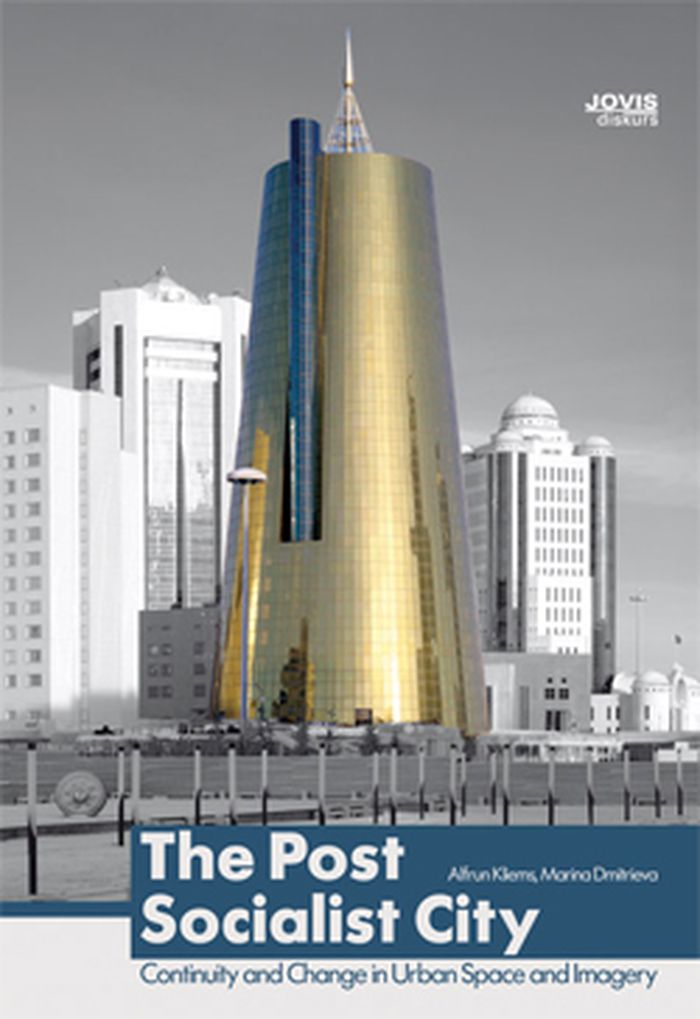
The post-socialist city
The post-socialist city
Actions:
Prix:
$54.00
(disponible sur commande)
Résumé:
The socialist ideals of the early twentieth century argued for a radical overhaul of architectural philosophy, reasserting the value of public space and redefining all forms of creative endeavor towards the benefit of the collective. These ideals were realized in the design of public buildings, streets and squares, as well as in films, literature and the visual arts.(...)
$54.00
(disponible sur commande)
Résumé:
The socialist ideals of the early twentieth century argued for a radical overhaul of architectural philosophy, reasserting the value of public space and redefining all forms of creative endeavor towards the benefit of the collective. These ideals were realized in the design of public buildings, streets and squares, as well as in films, literature and the visual arts.(...)
Titre:
The post-socialist city
Actions:
Prix:
$54.00
(disponible sur commande)
Résumé:
The socialist ideals of the early twentieth century argued for a radical overhaul of architectural philosophy, reasserting the value of public space and redefining all forms of creative endeavor towards the benefit of the collective. These ideals were realized in the design of public buildings, streets and squares, as well as in films, literature and the visual arts. Urban planning under Eastern European Socialism is consequently inseparable from its ideological aspirations, and while its governmental structure may have collapsed, its architectural expressions remain. Over the last decade, however, many classic buildings of this era have been stripped of their political import, being repurposed or even destroyed. The Post Socialist City reveals that many cities across Eastern Europe remain dominated by the industrial complexes and panel buildings erected by Socialism, and analyzes the implications of the uses to which they have subsequently been put.
The post-socialist city
Actions:
Prix:
$54.00
(disponible sur commande)
Résumé:
The socialist ideals of the early twentieth century argued for a radical overhaul of architectural philosophy, reasserting the value of public space and redefining all forms of creative endeavor towards the benefit of the collective. These ideals were realized in the design of public buildings, streets and squares, as well as in films, literature and the visual arts. Urban planning under Eastern European Socialism is consequently inseparable from its ideological aspirations, and while its governmental structure may have collapsed, its architectural expressions remain. Over the last decade, however, many classic buildings of this era have been stripped of their political import, being repurposed or even destroyed. The Post Socialist City reveals that many cities across Eastern Europe remain dominated by the industrial complexes and panel buildings erected by Socialism, and analyzes the implications of the uses to which they have subsequently been put.
Classification:
livres
livres
Publication:
juin 2010
juin 2010
Sujet:
Théorie de l’urbanisme
Théorie de l’urbanisme
Classification:
livres
livres
Actions:
Prix:
$43.95
(disponible sur commande)
Résumé:
This publication is a comprehensive reader analysing the role of modern architecture, city planning and consumption in the construction of the Swedish welfare state. The book draws mainly from the formative phase of the Swedish model, but also on European and American examples, and attempts to highlight the contradictions and complexities of the process of modernisation.(...)
$43.95
(disponible sur commande)
Résumé:
This publication is a comprehensive reader analysing the role of modern architecture, city planning and consumption in the construction of the Swedish welfare state. The book draws mainly from the formative phase of the Swedish model, but also on European and American examples, and attempts to highlight the contradictions and complexities of the process of modernisation.(...)
Titre:
Swedish modernism : architecture, consumption and the welfare state
Actions:
Prix:
$43.95
(disponible sur commande)
Résumé:
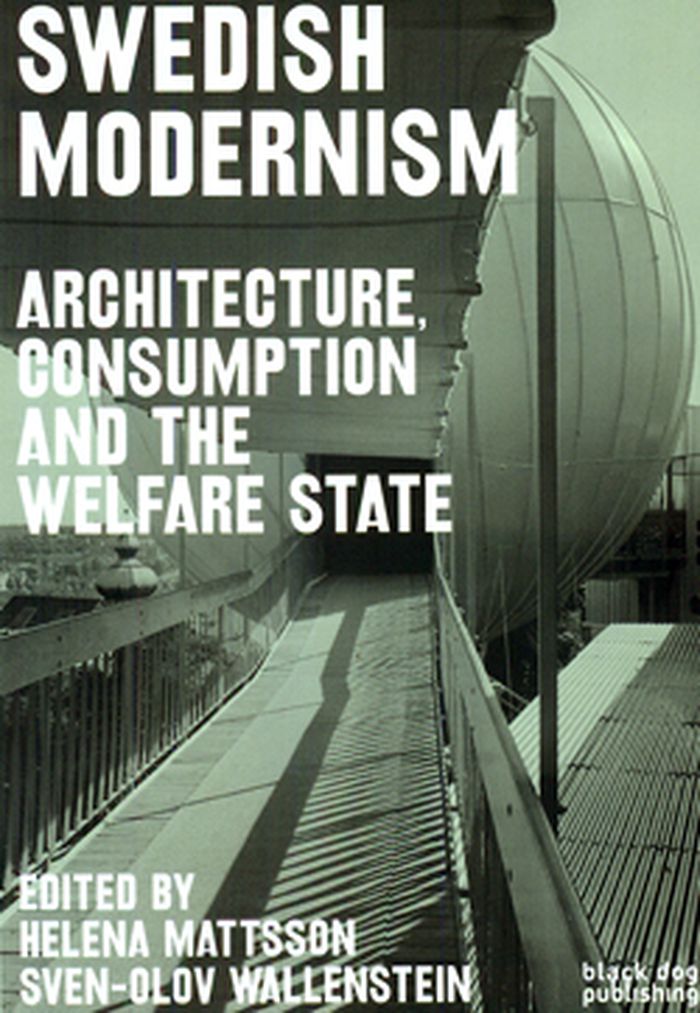
This publication is a comprehensive reader analysing the role of modern architecture, city planning and consumption in the construction of the Swedish welfare state. The book draws mainly from the formative phase of the Swedish model, but also on European and American examples, and attempts to highlight the contradictions and complexities of the process of modernisation. The book provides an in-depth, multilayered account of the process of modernisation; whilst also highlighting the difficulties found. The debate is enriched from a diverse range of contributors including architects, researchers and leading academics from across the globe. It includes an introduction from Helena Mattsson and Sven-Olov Wallenstein and contributions from academics from New York’s Columbia University and London’s UCL; alongside architects in the field. The essays explore the construction of the welfare state, contextualising this in relation to the political and social factors of the time, consumers and spectacles — from housing to national marketing programmes. Specific case studies are featured and the reader ends with a section dealing with the more general problem of historiography.
Swedish modernism : architecture, consumption and the welfare state
Actions:
Prix:
$43.95
(disponible sur commande)
Résumé:
This publication is a comprehensive reader analysing the role of modern architecture, city planning and consumption in the construction of the Swedish welfare state. The book draws mainly from the formative phase of the Swedish model, but also on European and American examples, and attempts to highlight the contradictions and complexities of the process of modernisation. The book provides an in-depth, multilayered account of the process of modernisation; whilst also highlighting the difficulties found. The debate is enriched from a diverse range of contributors including architects, researchers and leading academics from across the globe. It includes an introduction from Helena Mattsson and Sven-Olov Wallenstein and contributions from academics from New York’s Columbia University and London’s UCL; alongside architects in the field. The essays explore the construction of the welfare state, contextualising this in relation to the political and social factors of the time, consumers and spectacles — from housing to national marketing programmes. Specific case studies are featured and the reader ends with a section dealing with the more general problem of historiography.
Classification:
livres
livres
Publication:
juin 2010
juin 2010
Sujet:
Théorie de l’urbanisme
Théorie de l’urbanisme


