


36173 Résultats
Classification:
livres
livres
Titre:
Grid-Portraits
Grid-Portraits
Actions:
Prix:
$75.00
(disponible sur commande)
Résumé:
In the mid-1980s, Stu Levy began making “grid-portraits” in order to overcome his his frustration with traditional portraiture’s limited point of view. These constructs of photographs, consisting of twelve to twenty-five individual images, scan the architecture and flow of time in a subject’s living or working environment. The resulting portraits, usually of artists,(...)
$75.00
(disponible sur commande)
Résumé:
In the mid-1980s, Stu Levy began making “grid-portraits” in order to overcome his his frustration with traditional portraiture’s limited point of view. These constructs of photographs, consisting of twelve to twenty-five individual images, scan the architecture and flow of time in a subject’s living or working environment. The resulting portraits, usually of artists,(...)
Sujet:
Monographies photo
Monographies photo
Publication:
octobre 2010
octobre 2010
Titre:
Grid-Portraits
Actions:
Prix:
$75.00
(disponible sur commande)
Résumé:
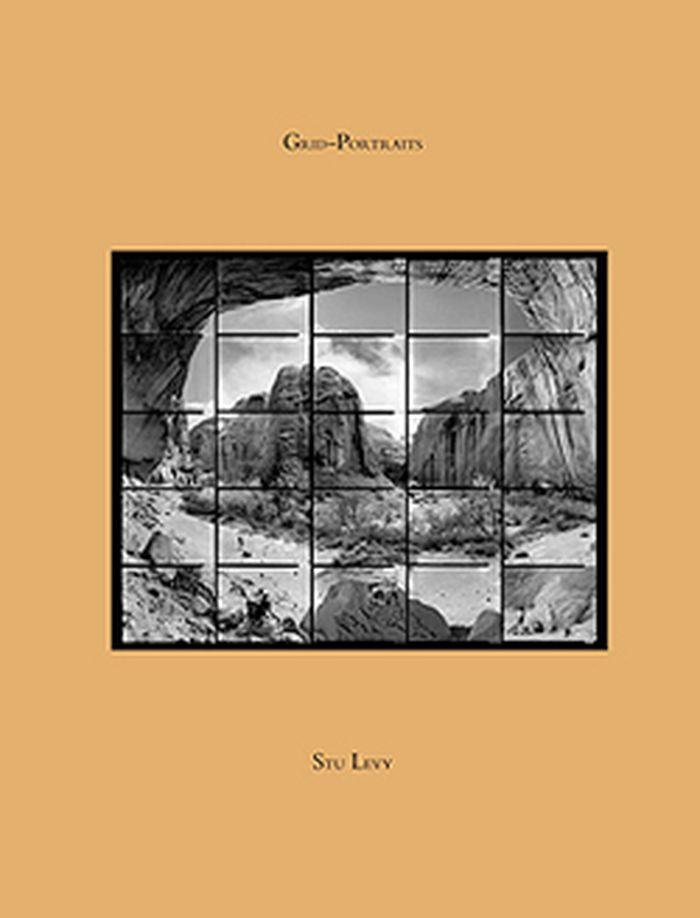
In the mid-1980s, Stu Levy began making “grid-portraits” in order to overcome his his frustration with traditional portraiture’s limited point of view. These constructs of photographs, consisting of twelve to twenty-five individual images, scan the architecture and flow of time in a subject’s living or working environment. The resulting portraits, usually of artists, craftspeople and musicians, are made in the subjects’ studios or living spaces and serve as a backstage tour of the artist’s mind and creative process. Levy is fascinated by the artifacts that fill these spaces – the possessions by which the subjects are themselves possessed. Rather than confining himself to a single “decisive” moment, Levy explore its antithesis, a maze of scrambled time. These are made with a view camera using 4 x 5-inch negatives to allow for precision of detail. The sections are printed together to form the illusion of glancing through a window at a “snapshot” of an event, which in reality might consist of fragmentary views made months apart and in totally separate rooms or environments.
Grid-Portraits
Actions:
Prix:
$75.00
(disponible sur commande)
Résumé:
In the mid-1980s, Stu Levy began making “grid-portraits” in order to overcome his his frustration with traditional portraiture’s limited point of view. These constructs of photographs, consisting of twelve to twenty-five individual images, scan the architecture and flow of time in a subject’s living or working environment. The resulting portraits, usually of artists, craftspeople and musicians, are made in the subjects’ studios or living spaces and serve as a backstage tour of the artist’s mind and creative process. Levy is fascinated by the artifacts that fill these spaces – the possessions by which the subjects are themselves possessed. Rather than confining himself to a single “decisive” moment, Levy explore its antithesis, a maze of scrambled time. These are made with a view camera using 4 x 5-inch negatives to allow for precision of detail. The sections are printed together to form the illusion of glancing through a window at a “snapshot” of an event, which in reality might consist of fragmentary views made months apart and in totally separate rooms or environments.
Classification:
livres
livres
Publication:
octobre 2010
octobre 2010
Sujet:
Monographies photo
Monographies photo
Classification:
livres
livres
Actions:
Prix:
$12.99
(disponible sur commande)
Résumé:
In 2001 the Rosalind and Arthur Gilbert Collection was donated to Somerset House where it was displayed until its transfer to the V in 2008. The collection focuses on antique decorative items including clocks, vases, boxes, tapestries and figurines. During the first PICK ME UP graphic art fair at Somerset House artists contributed images of imagined objects based(...)
$12.99
(disponible sur commande)
Résumé:
In 2001 the Rosalind and Arthur Gilbert Collection was donated to Somerset House where it was displayed until its transfer to the V in 2008. The collection focuses on antique decorative items including clocks, vases, boxes, tapestries and figurines. During the first PICK ME UP graphic art fair at Somerset House artists contributed images of imagined objects based(...)
Titre:
A new collection no. 1: for Somerset house
Actions:
Prix:
$12.99
(disponible sur commande)
Résumé:
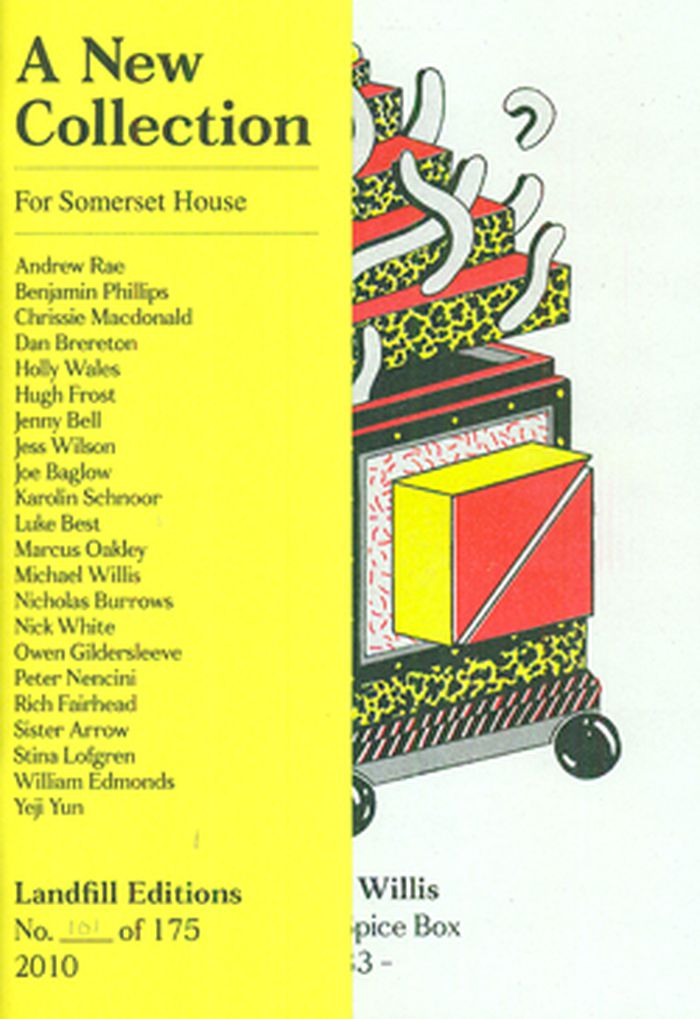
In 2001 the Rosalind and Arthur Gilbert Collection was donated to Somerset House where it was displayed until its transfer to the V in 2008. The collection focuses on antique decorative items including clocks, vases, boxes, tapestries and figurines. During the first PICK ME UP graphic art fair at Somerset House artists contributed images of imagined objects based loosely on the themes and forms of the existing collection. The result is this surreal catalogue for a proposed replacement collection - A New Collection For Somerset House. Edition of 175.
A new collection no. 1: for Somerset house
Actions:
Prix:
$12.99
(disponible sur commande)
Résumé:
In 2001 the Rosalind and Arthur Gilbert Collection was donated to Somerset House where it was displayed until its transfer to the V in 2008. The collection focuses on antique decorative items including clocks, vases, boxes, tapestries and figurines. During the first PICK ME UP graphic art fair at Somerset House artists contributed images of imagined objects based loosely on the themes and forms of the existing collection. The result is this surreal catalogue for a proposed replacement collection - A New Collection For Somerset House. Edition of 175.
Classification:
livres
livres
Publication:
octobre 2010
octobre 2010
Sujet:
petits formats
petits formats
Classification:
livres
livres
Titre:
This too shall pass
This too shall pass
Actions:
Prix:
$12.99
(disponible sur commande)
Résumé:
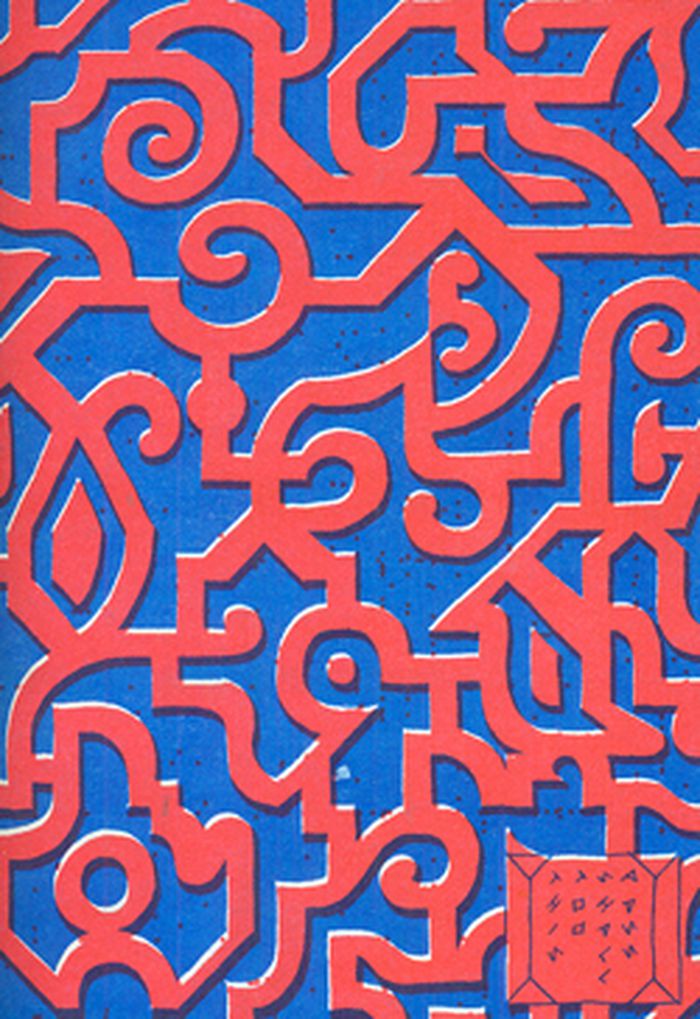
A zinescape narrative interpreted from a myriad of recorded dreams. Edition of 100
$12.99
(disponible sur commande)
Résumé:
A zinescape narrative interpreted from a myriad of recorded dreams. Edition of 100
Titre:
This too shall pass
Actions:
Prix:
$12.99
(disponible sur commande)
Résumé:
A zinescape narrative interpreted from a myriad of recorded dreams. Edition of 100
This too shall pass
Actions:
Prix:
$12.99
(disponible sur commande)
Résumé:
A zinescape narrative interpreted from a myriad of recorded dreams. Edition of 100
Classification:
livres
livres
Publication:
octobre 2010
octobre 2010
Sujet:
petits formats
petits formats
Classification:
livres
livres
Titre:
Feeding the Murray
Feeding the Murray
Actions:
Prix:
$12.99
(disponible sur commande)
Résumé:
The Murray is a beast that lives in the back of the shop. He is not hidden away, but he isn't for sale either. He just sort of lives there. He needs feeding very regularly, but the kid who has to feed him feels like the The Murray hates him because of the quality of the food he gets to give to The Murray. So the kid goes on a journey to find some better food for(...)
$12.99
(disponible sur commande)
Résumé:
The Murray is a beast that lives in the back of the shop. He is not hidden away, but he isn't for sale either. He just sort of lives there. He needs feeding very regularly, but the kid who has to feed him feels like the The Murray hates him because of the quality of the food he gets to give to The Murray. So the kid goes on a journey to find some better food for(...)
Titre:
Feeding the Murray
Actions:
Prix:
$12.99
(disponible sur commande)
Résumé:
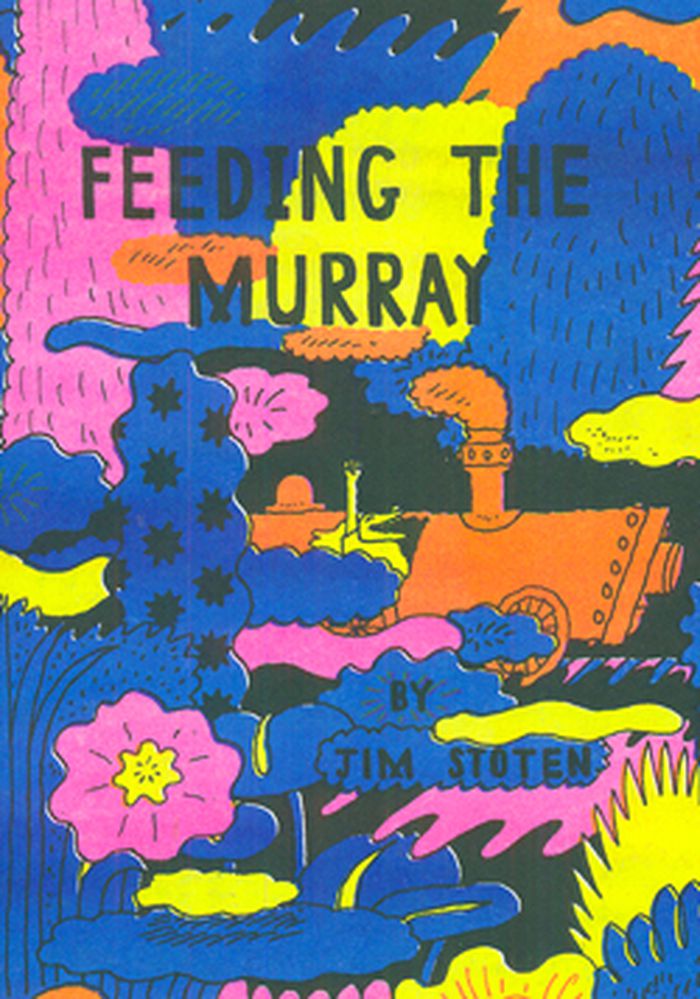
The Murray is a beast that lives in the back of the shop. He is not hidden away, but he isn't for sale either. He just sort of lives there. He needs feeding very regularly, but the kid who has to feed him feels like the The Murray hates him because of the quality of the food he gets to give to The Murray. So the kid goes on a journey to find some better food for him. Edition of 125.
Feeding the Murray
Actions:
Prix:
$12.99
(disponible sur commande)
Résumé:
The Murray is a beast that lives in the back of the shop. He is not hidden away, but he isn't for sale either. He just sort of lives there. He needs feeding very regularly, but the kid who has to feed him feels like the The Murray hates him because of the quality of the food he gets to give to The Murray. So the kid goes on a journey to find some better food for him. Edition of 125.
Classification:
livres
livres
Publication:
octobre 2010
octobre 2010
Sujet:
petits formats
petits formats
Classification:
livres
livres
Titre:
Puddle
Puddle
Actions:
Prix:
$12.99
(disponible sur commande)
Résumé:
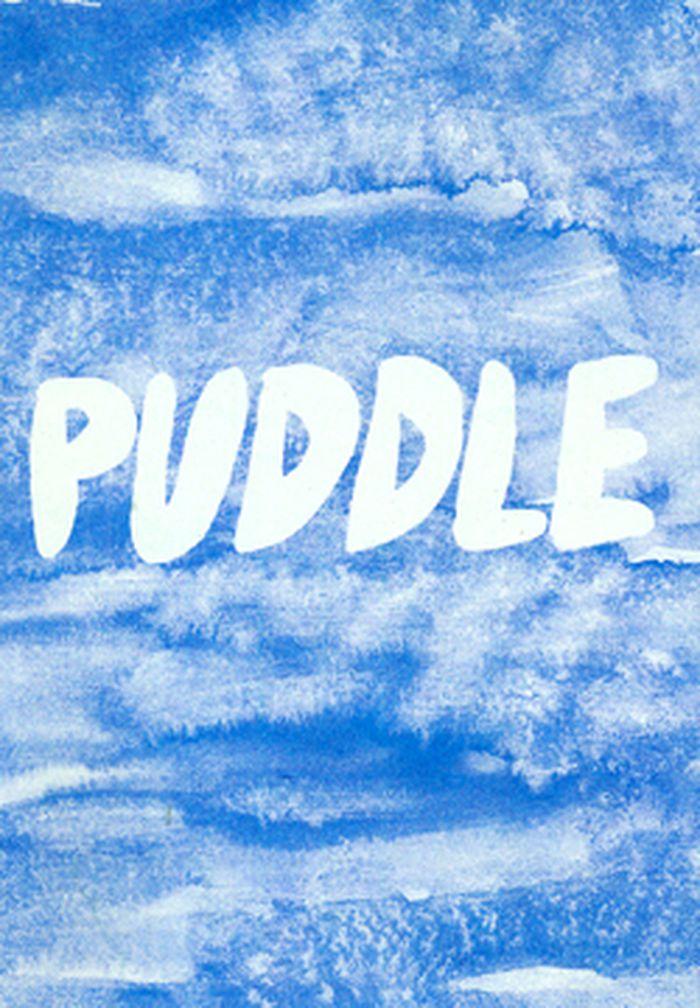
Puddle is a pessimistic story about boredom, escapism and cat vomit.
$12.99
(disponible sur commande)
Résumé:
Puddle is a pessimistic story about boredom, escapism and cat vomit.
Publication:
octobre 2010
octobre 2010
Titre:
Puddle
Actions:
Prix:
$12.99
(disponible sur commande)
Résumé:
Puddle is a pessimistic story about boredom, escapism and cat vomit.
Puddle
Actions:
Prix:
$12.99
(disponible sur commande)
Résumé:
Puddle is a pessimistic story about boredom, escapism and cat vomit.
Classification:
livres
livres
Publication:
octobre 2010
octobre 2010
Classification:
livres
livres
Titre:
Yule bringer
Yule bringer
Actions:
Prix:
$10.00
(disponible sur commande)
Résumé:
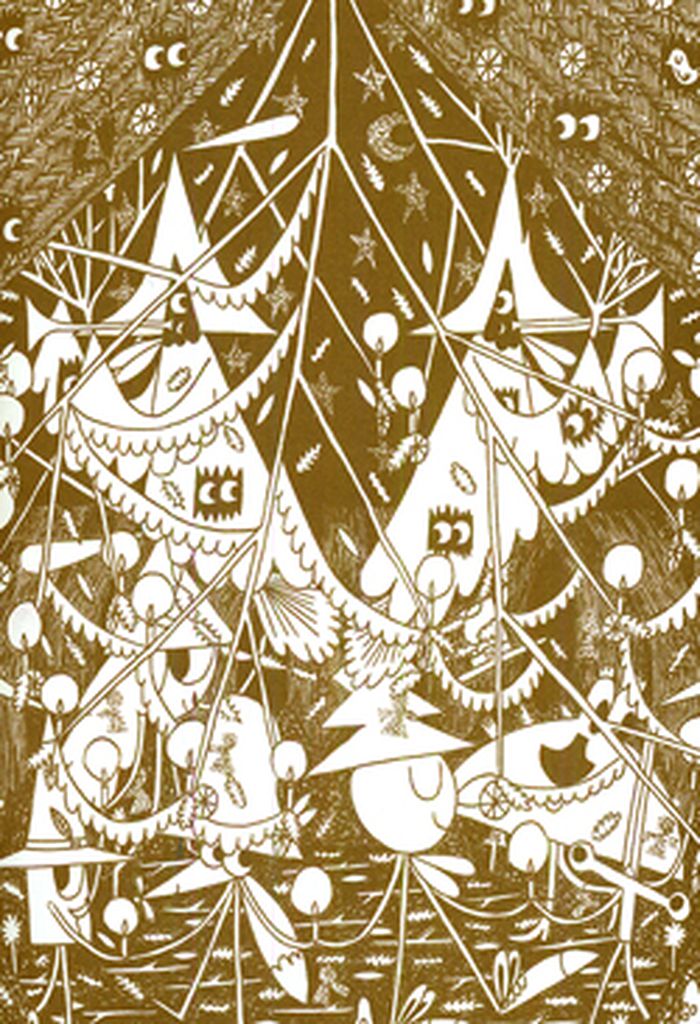
This book contains 70+ drawings made over the course of a year and which formed part of Adam Higton'a first solo show at Analogue Books In Edinburgh.
$10.00
(disponible sur commande)
Résumé:
This book contains 70+ drawings made over the course of a year and which formed part of Adam Higton'a first solo show at Analogue Books In Edinburgh.
Titre:
Yule bringer
Actions:
Prix:
$10.00
(disponible sur commande)
Résumé:
This book contains 70+ drawings made over the course of a year and which formed part of Adam Higton'a first solo show at Analogue Books In Edinburgh.
Yule bringer
Actions:
Prix:
$10.00
(disponible sur commande)
Résumé:
This book contains 70+ drawings made over the course of a year and which formed part of Adam Higton'a first solo show at Analogue Books In Edinburgh.
Classification:
livres
livres
Publication:
octobre 2010
octobre 2010
Classification:
livres
livres
Titre:
Physis
Physis
Actions:
Prix:
$10.00
(disponible en magasin)
Résumé:
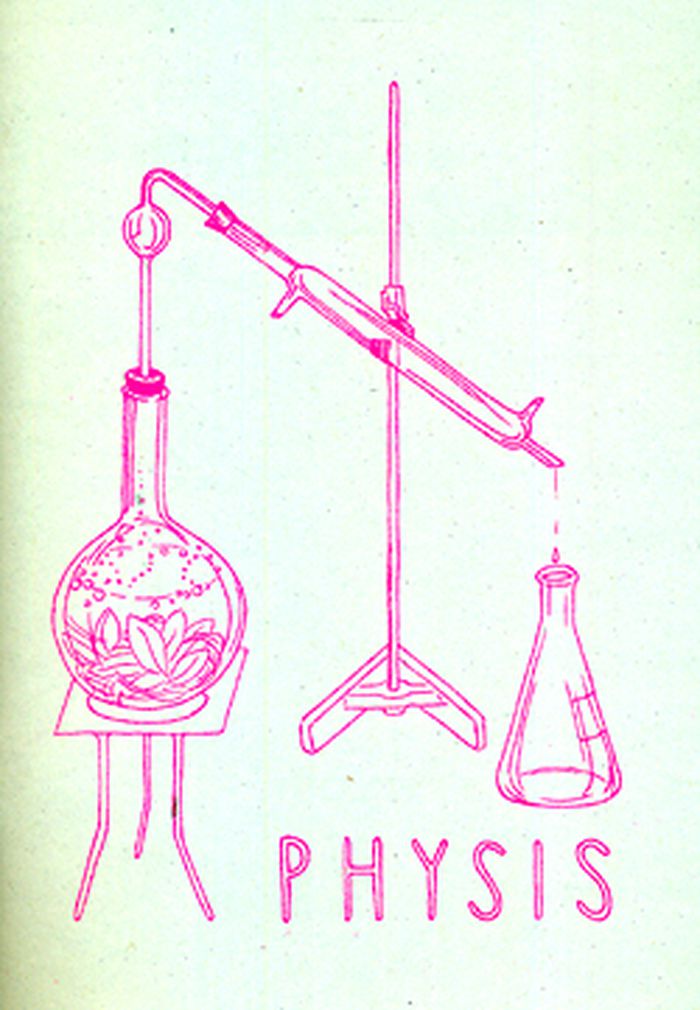
The first of a narrative book series about Nature, Philosophy and Science; the origin of plants, growth, cultivation, discovery, sumo babies and time travel. Edition of 175.
$10.00
(disponible en magasin)
Résumé:
The first of a narrative book series about Nature, Philosophy and Science; the origin of plants, growth, cultivation, discovery, sumo babies and time travel. Edition of 175.
Publication:
octobre 2010
octobre 2010
Titre:
Physis
Actions:
Prix:
$10.00
(disponible en magasin)
Résumé:
The first of a narrative book series about Nature, Philosophy and Science; the origin of plants, growth, cultivation, discovery, sumo babies and time travel. Edition of 175.
Physis
Actions:
Prix:
$10.00
(disponible en magasin)
Résumé:
The first of a narrative book series about Nature, Philosophy and Science; the origin of plants, growth, cultivation, discovery, sumo babies and time travel. Edition of 175.
Classification:
livres
livres
Publication:
octobre 2010
octobre 2010
Classification:
livres
livres
Actions:
Prix:
$21.95
(disponible sur commande)
Résumé:
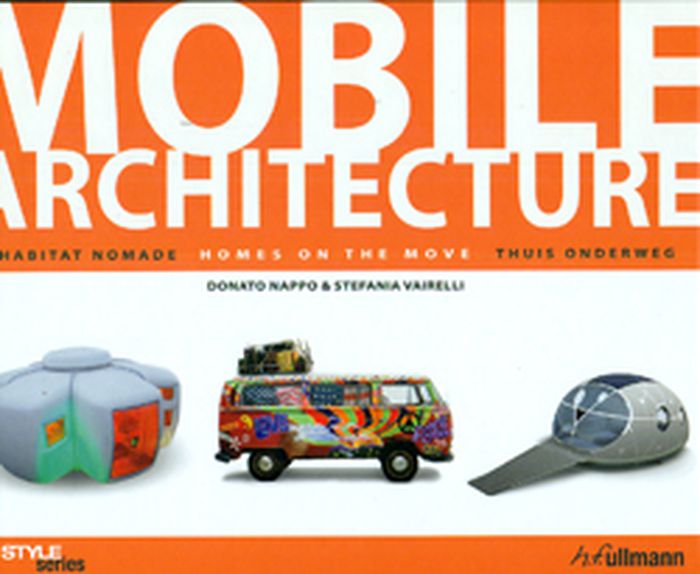
Mobile Architecture présente de manière chronologique plus de 60 projets et réalisations sous toutes les latitudes.
$21.95
(disponible sur commande)
Résumé:
Mobile Architecture présente de manière chronologique plus de 60 projets et réalisations sous toutes les latitudes.
Titre:
Architecture mobile: Habitat nomade
Actions:
Prix:
$21.95
(disponible sur commande)
Résumé:
Mobile Architecture présente de manière chronologique plus de 60 projets et réalisations sous toutes les latitudes.
Architecture mobile: Habitat nomade
Actions:
Prix:
$21.95
(disponible sur commande)
Résumé:
Mobile Architecture présente de manière chronologique plus de 60 projets et réalisations sous toutes les latitudes.
Classification:
livres
livres
Publication:
octobre 2010
octobre 2010
Sujet:
Maisons mobiles
Maisons mobiles
Classification:
livres
livres
Prix:
$34.95
(disponible sur commande)
Résumé:
Le 10e arrondissement compte 155 rues, places, quais, squares, cités, avenues, jardins, boulevards, impasses et passages que j'ai décidé d'arpenter méthodiquement. Comme le titre l'indique, j'offrirai à terme, en commençant par l'arrondissement où je vis, une description générale de la ville. La muséification de Paris n'est pas étrangère à mon propos, mais l'œil en(...)
$34.95
(disponible sur commande)
Résumé:
Le 10e arrondissement compte 155 rues, places, quais, squares, cités, avenues, jardins, boulevards, impasses et passages que j'ai décidé d'arpenter méthodiquement. Comme le titre l'indique, j'offrirai à terme, en commençant par l'arrondissement où je vis, une description générale de la ville. La muséification de Paris n'est pas étrangère à mon propos, mais l'œil en(...)
Titre:
Paris, musée du XXIe siècle : le dixième arrondissement
Actions:
Prix:
$34.95
(disponible sur commande)
Résumé:
Le 10e arrondissement compte 155 rues, places, quais, squares, cités, avenues, jardins, boulevards, impasses et passages que j'ai décidé d'arpenter méthodiquement. Comme le titre l'indique, j'offrirai à terme, en commençant par l'arrondissement où je vis, une description générale de la ville. La muséification de Paris n'est pas étrangère à mon propos, mais l'œil en marche découvre tant de pièces insoupçonnées que la ville, par le jeu d'une exposition, rescintille. Les perles ne sont pas le tout du collier, c'est aussi le fil qui les tient. Un système de positionnement global étant nécessaire à la documentation des rues, j'ai adopté, après celle où j'habite, l'ordre alphabétique, et j'ai placé quelques bornes pour que le lecteur puisse, à son tour, entrer dehors. -T.C.
Paris, musée du XXIe siècle : le dixième arrondissement
Actions:
Prix:
$34.95
(disponible sur commande)
Résumé:
Le 10e arrondissement compte 155 rues, places, quais, squares, cités, avenues, jardins, boulevards, impasses et passages que j'ai décidé d'arpenter méthodiquement. Comme le titre l'indique, j'offrirai à terme, en commençant par l'arrondissement où je vis, une description générale de la ville. La muséification de Paris n'est pas étrangère à mon propos, mais l'œil en marche découvre tant de pièces insoupçonnées que la ville, par le jeu d'une exposition, rescintille. Les perles ne sont pas le tout du collier, c'est aussi le fil qui les tient. Un système de positionnement global étant nécessaire à la documentation des rues, j'ai adopté, après celle où j'habite, l'ordre alphabétique, et j'ai placé quelques bornes pour que le lecteur puisse, à son tour, entrer dehors. -T.C.
Classification:
livres
livres
Publication:
août 2007
août 2007
Classification:
livres
livres
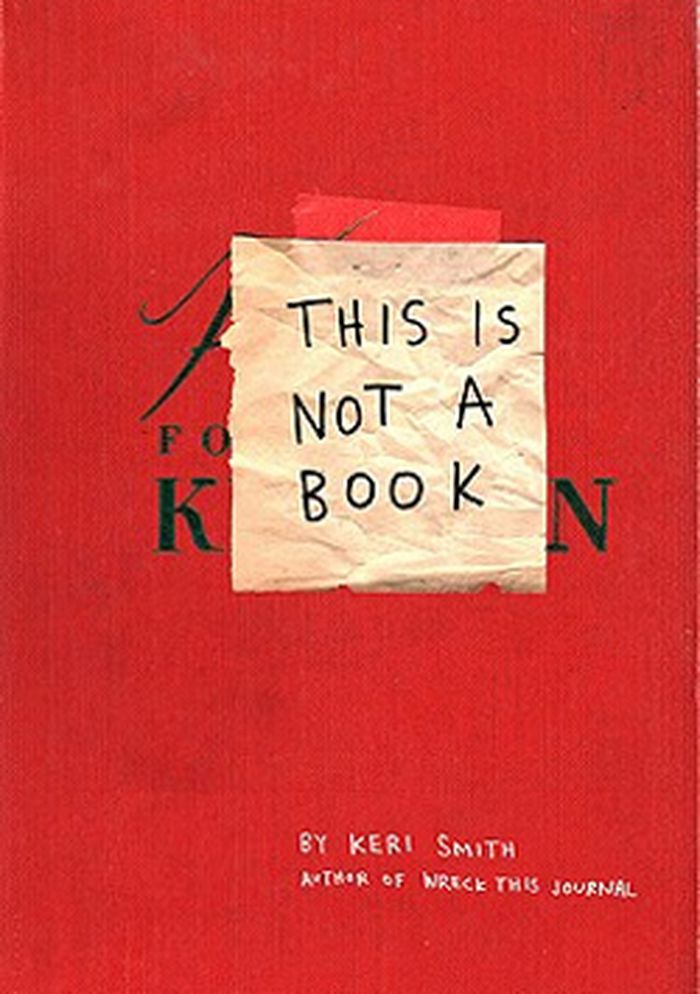
Titre:
This is not a book
This is not a book
Actions:
Prix:
$16.00
(disponible sur commande)
Résumé:
In this uniquely skewed look at the purpose and function of “a book,” Keri Smith offers an illustrated guide that asks readers to creatively examine all the different ways "This Is Not a Book" can be used. Readers will discover that the book can be: A secret message—tear out a page, write a note on it for a stranger, and leave it in a public place. A recording(...)
$16.00
(disponible sur commande)
Résumé:
In this uniquely skewed look at the purpose and function of “a book,” Keri Smith offers an illustrated guide that asks readers to creatively examine all the different ways "This Is Not a Book" can be used. Readers will discover that the book can be: A secret message—tear out a page, write a note on it for a stranger, and leave it in a public place. A recording(...)
Titre:
This is not a book
Actions:
Prix:
$16.00
(disponible sur commande)
Résumé:
In this uniquely skewed look at the purpose and function of “a book,” Keri Smith offers an illustrated guide that asks readers to creatively examine all the different ways "This Is Not a Book" can be used. Readers will discover that the book can be: A secret message—tear out a page, write a note on it for a stranger, and leave it in a public place. A recording device—have everyone you contact today write their name in the book. An instrument—create as many sounds as you can using the book, like flipping the pages fast or slapping the cover. This Is Not a Book will engage readers by having them define everything a book can be by asking, “If it’s not a book, what is it then?”—with a kaleidoscope of possible answers.
This is not a book
Actions:
Prix:
$16.00
(disponible sur commande)
Résumé:
In this uniquely skewed look at the purpose and function of “a book,” Keri Smith offers an illustrated guide that asks readers to creatively examine all the different ways "This Is Not a Book" can be used. Readers will discover that the book can be: A secret message—tear out a page, write a note on it for a stranger, and leave it in a public place. A recording device—have everyone you contact today write their name in the book. An instrument—create as many sounds as you can using the book, like flipping the pages fast or slapping the cover. This Is Not a Book will engage readers by having them define everything a book can be by asking, “If it’s not a book, what is it then?”—with a kaleidoscope of possible answers.
Classification:
livres
livres
Publication:
octobre 2010
octobre 2010


