


10592 Résultats
Classification:
livres
livres
Actions:
Prix:
$44.95
(disponible sur commande)
Résumé:
Caring Culture: Art, Architecture and the Politics of Public Health examines changing political uses of the concept of care in neoliberal democracies and asks how artists, architects, and designers both contribute to and attempt to critique its social manifestations. The publication brings together case studies of artistic and design interventions within health and social(...)
$44.95
(disponible sur commande)
Résumé:
Caring Culture: Art, Architecture and the Politics of Public Health examines changing political uses of the concept of care in neoliberal democracies and asks how artists, architects, and designers both contribute to and attempt to critique its social manifestations. The publication brings together case studies of artistic and design interventions within health and social(...)
Titre:
Caring culture: art, architecture and the politics of public health
Actions:
Prix:
$44.95
(disponible sur commande)
Résumé:
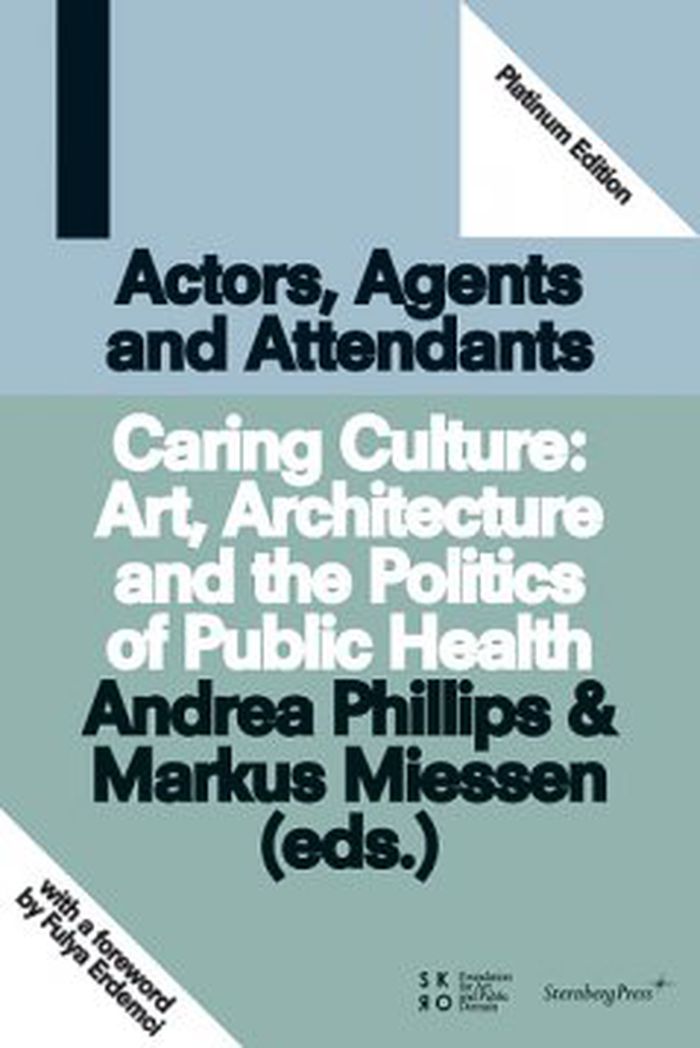
Caring Culture: Art, Architecture and the Politics of Public Health examines changing political uses of the concept of care in neoliberal democracies and asks how artists, architects, and designers both contribute to and attempt to critique its social manifestations. The publication brings together case studies of artistic and design interventions within health and social care institutions and broader political and philosophical essays and interviews relating to civic wellbeing. Contributors include curators, artists, politicians, architects, and healthcare professionals. It is the first volume in the Actors, Agents and Attendants series of publications and symposia commissioned by SKOR to investigate the role of cultural practice in the organization of the public domain.
Caring culture: art, architecture and the politics of public health
Actions:
Prix:
$44.95
(disponible sur commande)
Résumé:
Caring Culture: Art, Architecture and the Politics of Public Health examines changing political uses of the concept of care in neoliberal democracies and asks how artists, architects, and designers both contribute to and attempt to critique its social manifestations. The publication brings together case studies of artistic and design interventions within health and social care institutions and broader political and philosophical essays and interviews relating to civic wellbeing. Contributors include curators, artists, politicians, architects, and healthcare professionals. It is the first volume in the Actors, Agents and Attendants series of publications and symposia commissioned by SKOR to investigate the role of cultural practice in the organization of the public domain.
Classification:
livres
livres
Publication:
décembre 2011
décembre 2011
Sujet:
Théorie de l’architecture
Théorie de l’architecture
Classification:
livres
livres
Actions:
Prix:
$29.95
(disponible sur commande)
Résumé:
Art Is Not What You Think It Is presents a series of critical incursions into the current state of debate on the idea of art, making manifest what has been largely missing or unsaid in those discussions. Links museology, history, theory, and criticism to the realities of contemporary social conditions and shows how they have structurally functioned in a variety of(...)
$29.95
(disponible sur commande)
Résumé:
Art Is Not What You Think It Is presents a series of critical incursions into the current state of debate on the idea of art, making manifest what has been largely missing or unsaid in those discussions. Links museology, history, theory, and criticism to the realities of contemporary social conditions and shows how they have structurally functioned in a variety of(...)
Titre:
Art is not what you think it is
Actions:
Prix:
$29.95
(disponible sur commande)
Résumé:
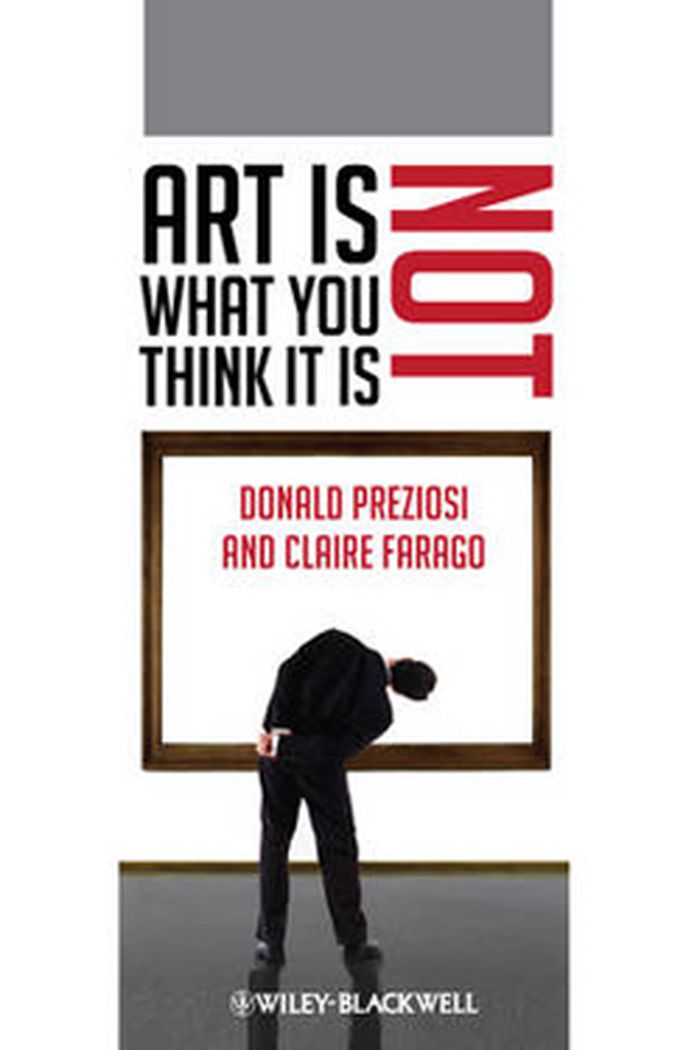
Art Is Not What You Think It Is presents a series of critical incursions into the current state of debate on the idea of art, making manifest what has been largely missing or unsaid in those discussions. Links museology, history, theory, and criticism to the realities of contemporary social conditions and shows how they have structurally functioned in a variety of contexts Deals with divisive and controversial problems such as blasphemy and idolatry, and the problem of artistic truth Addresses relations between European notions about art and artifice and those developed in other and especially indigenous cultural traditions.
Art is not what you think it is
Actions:
Prix:
$29.95
(disponible sur commande)
Résumé:
Art Is Not What You Think It Is presents a series of critical incursions into the current state of debate on the idea of art, making manifest what has been largely missing or unsaid in those discussions. Links museology, history, theory, and criticism to the realities of contemporary social conditions and shows how they have structurally functioned in a variety of contexts Deals with divisive and controversial problems such as blasphemy and idolatry, and the problem of artistic truth Addresses relations between European notions about art and artifice and those developed in other and especially indigenous cultural traditions.
Classification:
livres
livres
Publication:
janvier 2012
janvier 2012
Sujet:
Théorie de l’art
Théorie de l’art
Classification:
livres
livres
Actions:
Prix:
$22.95
(disponible sur commande)
Résumé:
L'abécédaire de Marcel Roncayolo est le résultat d'une série d'entretiens entre Isabelle Chesneau et Marcel Roncayolo, un des maîtres de l'urbanisme contemporain. L'interviewer a proposé à l'interviewé une série de thèmes présentés dans l'ordre alphabétique, meilleur moyen de présenter une pensée sans en faire un système. L'ouvrage pose la question des choix(...)
$22.95
(disponible sur commande)
Résumé:
L'abécédaire de Marcel Roncayolo est le résultat d'une série d'entretiens entre Isabelle Chesneau et Marcel Roncayolo, un des maîtres de l'urbanisme contemporain. L'interviewer a proposé à l'interviewé une série de thèmes présentés dans l'ordre alphabétique, meilleur moyen de présenter une pensée sans en faire un système. L'ouvrage pose la question des choix(...)
Titre:
L'abécédaire de Marcel Roncayolo
Actions:
Prix:
$22.95
(disponible sur commande)
Résumé:
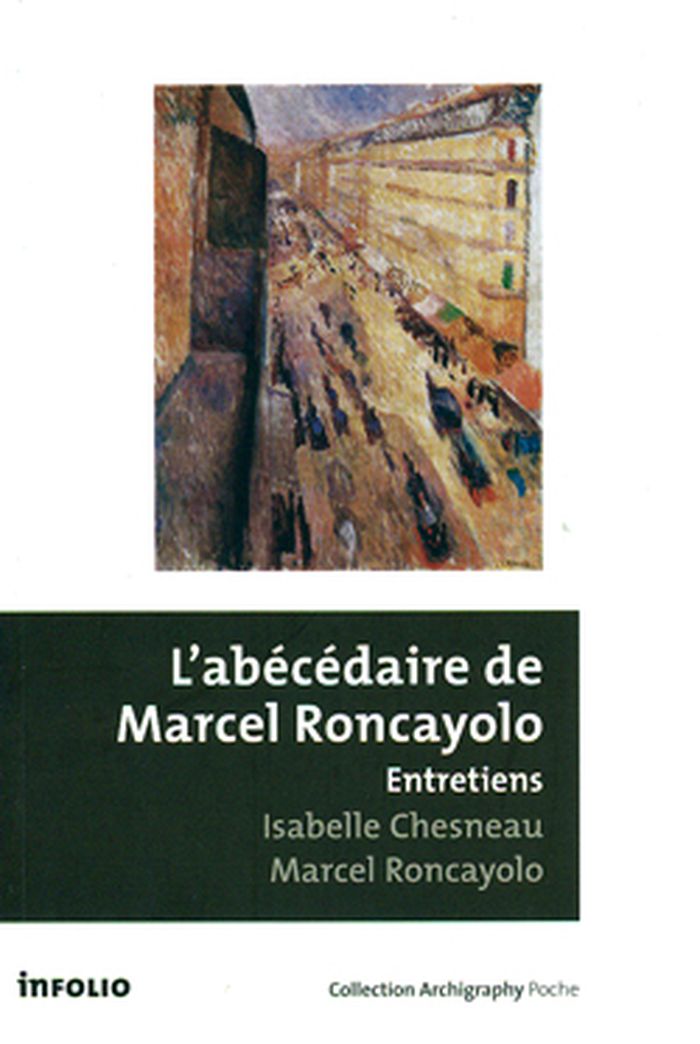
L'abécédaire de Marcel Roncayolo est le résultat d'une série d'entretiens entre Isabelle Chesneau et Marcel Roncayolo, un des maîtres de l'urbanisme contemporain. L'interviewer a proposé à l'interviewé une série de thèmes présentés dans l'ordre alphabétique, meilleur moyen de présenter une pensée sans en faire un système. L'ouvrage pose la question des choix méthodologiques et conceptuels de Roncayolo, et celle de la validité de leur transfert d'une discipline à l'autre.
L'abécédaire de Marcel Roncayolo
Actions:
Prix:
$22.95
(disponible sur commande)
Résumé:
L'abécédaire de Marcel Roncayolo est le résultat d'une série d'entretiens entre Isabelle Chesneau et Marcel Roncayolo, un des maîtres de l'urbanisme contemporain. L'interviewer a proposé à l'interviewé une série de thèmes présentés dans l'ordre alphabétique, meilleur moyen de présenter une pensée sans en faire un système. L'ouvrage pose la question des choix méthodologiques et conceptuels de Roncayolo, et celle de la validité de leur transfert d'une discipline à l'autre.
Classification:
livres
livres
Publication:
novembre 2011
novembre 2011
Sujet:
Théorie de l’urbanisme
Théorie de l’urbanisme
Classification:
livres
livres
Prix:
$34.95
(disponible sur commande)
Résumé:
Il fut une époque, du XVe siècle au début du XXe, où les architectes avaient pour mission d’ennoblir les palais, les lieux de culte et les résidences des puissants en les embellissant. La maîtrise des projections mathématiques, et de la perspective qui en découle, donnait aux artistes et aux architectes un pouvoir nouveau ; l’idéal platonicien du beau faisait accepter par(...)
$34.95
(disponible sur commande)
Résumé:
Il fut une époque, du XVe siècle au début du XXe, où les architectes avaient pour mission d’ennoblir les palais, les lieux de culte et les résidences des puissants en les embellissant. La maîtrise des projections mathématiques, et de la perspective qui en découle, donnait aux artistes et aux architectes un pouvoir nouveau ; l’idéal platonicien du beau faisait accepter par(...)
Titre:
Ennoblir et embellir: de l'architecture à l'urbanisme
Actions:
Prix:
$34.95
(disponible sur commande)
Résumé:
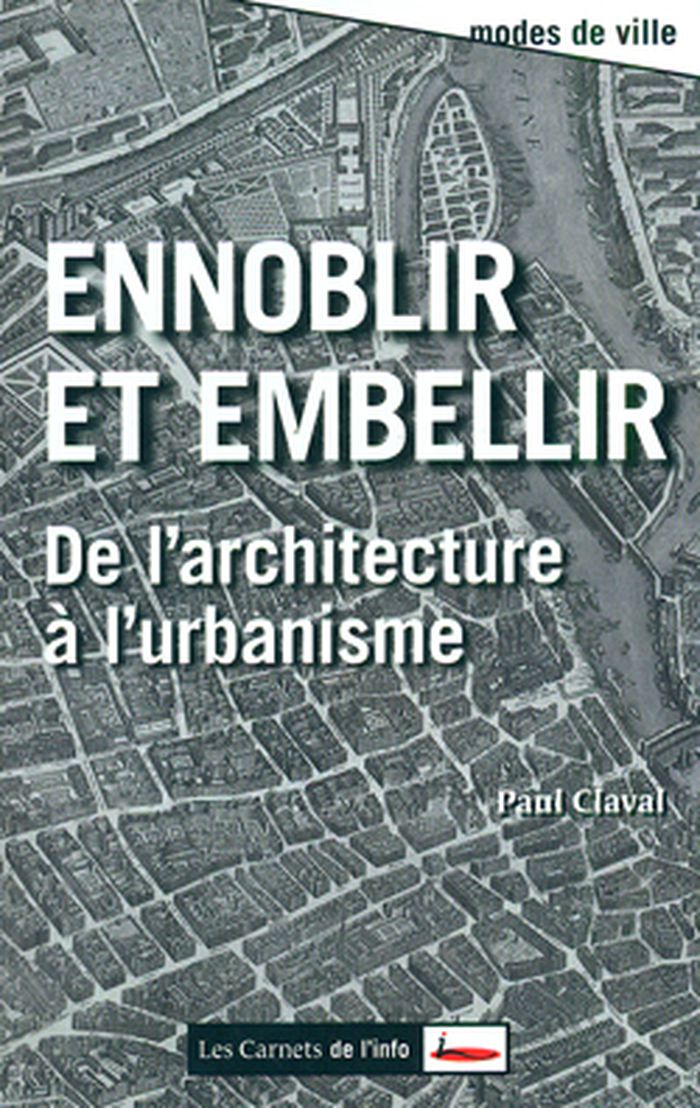
Il fut une époque, du XVe siècle au début du XXe, où les architectes avaient pour mission d’ennoblir les palais, les lieux de culte et les résidences des puissants en les embellissant. La maîtrise des projections mathématiques, et de la perspective qui en découle, donnait aux artistes et aux architectes un pouvoir nouveau ; l’idéal platonicien du beau faisait accepter par tous une grammaire universelle des formes.A partir du XVIIIe siècle, les conditions se transforment : la société s’urbanise, s’industrialise et devient plus mobile : l’esthétique d’inspiration platonicienne est critiquée ; le principe du beau est désormais recherché du côté de la raison ou de l’histoire. Un compromis incarné par Jacques-Nicolas-Louis Durand est imaginé à la jointure du XVIIIe et du XIXe siècle. Il concilie la volonté d’embellissement, dont entendent désormais bénéficier les classes moyennes, avec le souci d’efficacité fonctionnelle.Cette façon de concevoir l’aménagement des villes s’efface au début du XXe siècle, au moment où s’impose le terme d’urbanisme et le programme qu’il désigne : l’amélioration des conditions de vie de tous les citadins. L’art d’ennoblir pour embellir a cependant légué à l’urbanisme de tradition européenne un rêve : celui d’harmoniser les formes bâties.
Ennoblir et embellir: de l'architecture à l'urbanisme
Actions:
Prix:
$34.95
(disponible sur commande)
Résumé:
Il fut une époque, du XVe siècle au début du XXe, où les architectes avaient pour mission d’ennoblir les palais, les lieux de culte et les résidences des puissants en les embellissant. La maîtrise des projections mathématiques, et de la perspective qui en découle, donnait aux artistes et aux architectes un pouvoir nouveau ; l’idéal platonicien du beau faisait accepter par tous une grammaire universelle des formes.A partir du XVIIIe siècle, les conditions se transforment : la société s’urbanise, s’industrialise et devient plus mobile : l’esthétique d’inspiration platonicienne est critiquée ; le principe du beau est désormais recherché du côté de la raison ou de l’histoire. Un compromis incarné par Jacques-Nicolas-Louis Durand est imaginé à la jointure du XVIIIe et du XIXe siècle. Il concilie la volonté d’embellissement, dont entendent désormais bénéficier les classes moyennes, avec le souci d’efficacité fonctionnelle.Cette façon de concevoir l’aménagement des villes s’efface au début du XXe siècle, au moment où s’impose le terme d’urbanisme et le programme qu’il désigne : l’amélioration des conditions de vie de tous les citadins. L’art d’ennoblir pour embellir a cependant légué à l’urbanisme de tradition européenne un rêve : celui d’harmoniser les formes bâties.
Classification:
livres
livres
Publication:
novembre 2011
novembre 2011
Sujet:
Théorie de l’urbanisme
Théorie de l’urbanisme
Classification:
livres
livres
Actions:
Prix:
$49.95
(disponible sur commande)
Résumé:
Despite attempts to promote the aesthetics of ruins in Russia - from Catherine the Great's construction of fake ruins in imperial parks to Josef Brodsky's elegiac meditations - ruins have never achieved the status they enjoy in Western Europe. While the Soviet Union was notorious for leveling churches, post-Soviet Russia has only intensified the practice of massive(...)
$49.95
(disponible sur commande)
Résumé:
Despite attempts to promote the aesthetics of ruins in Russia - from Catherine the Great's construction of fake ruins in imperial parks to Josef Brodsky's elegiac meditations - ruins have never achieved the status they enjoy in Western Europe. While the Soviet Union was notorious for leveling churches, post-Soviet Russia has only intensified the practice of massive(...)
Titre:
Architecture of oblivion : ruins and historical consciousness in modern Russia
Actions:
Prix:
$49.95
(disponible sur commande)
Résumé:
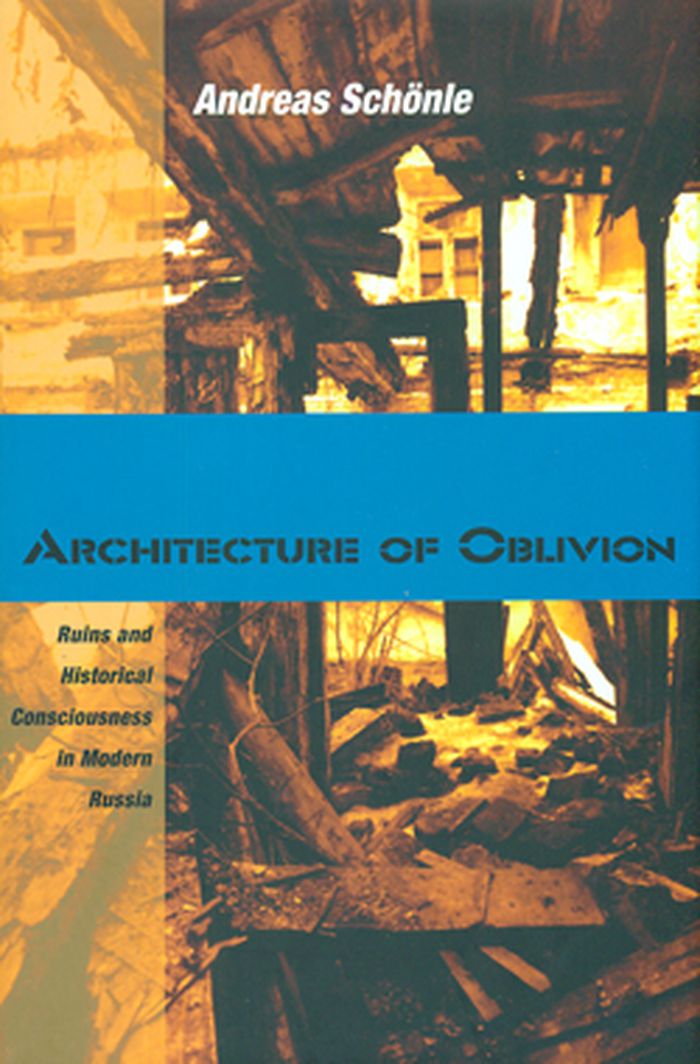
Despite attempts to promote the aesthetics of ruins in Russia - from Catherine the Great's construction of fake ruins in imperial parks to Josef Brodsky's elegiac meditations - ruins have never achieved the status they enjoy in Western Europe. While the Soviet Union was notorious for leveling churches, post-Soviet Russia has only intensified the practice of massive destruction and reconstruction. "Architecture of Oblivion "examines the role of ruins in the development of Russia's historical consciousness from the 18th century to the present. This original work from a leading authority on the subject will appeal to historians of Russian culture and thought, literature and art scholars, and general readers interested in ruins.
Architecture of oblivion : ruins and historical consciousness in modern Russia
Actions:
Prix:
$49.95
(disponible sur commande)
Résumé:
Despite attempts to promote the aesthetics of ruins in Russia - from Catherine the Great's construction of fake ruins in imperial parks to Josef Brodsky's elegiac meditations - ruins have never achieved the status they enjoy in Western Europe. While the Soviet Union was notorious for leveling churches, post-Soviet Russia has only intensified the practice of massive destruction and reconstruction. "Architecture of Oblivion "examines the role of ruins in the development of Russia's historical consciousness from the 18th century to the present. This original work from a leading authority on the subject will appeal to historians of Russian culture and thought, literature and art scholars, and general readers interested in ruins.
Classification:
livres
livres
Publication:
juin 2011
juin 2011
Sujet:
Théorie de l’architecture
Théorie de l’architecture
Classification:
livres
livres
Titre:
The architecture of failure
The architecture of failure
Actions:
Prix:
$25.95
(disponible sur commande)
Résumé:
The Architecture of Failure exposes the ways in which failure has been suppressed, ignored and denied in the way we design our cities. It examines the 19th century fantasy architecture of the iron and glass exhibition palaces, strange, unprecedented, dream-like structures, almost all now lost, existing only as melancholy archive fragments; it traces the cultural legacy of(...)
$25.95
(disponible sur commande)
Résumé:
The Architecture of Failure exposes the ways in which failure has been suppressed, ignored and denied in the way we design our cities. It examines the 19th century fantasy architecture of the iron and glass exhibition palaces, strange, unprecedented, dream-like structures, almost all now lost, existing only as melancholy archive fragments; it traces the cultural legacy of(...)
Titre:
The architecture of failure
Actions:
Prix:
$25.95
(disponible sur commande)
Résumé:
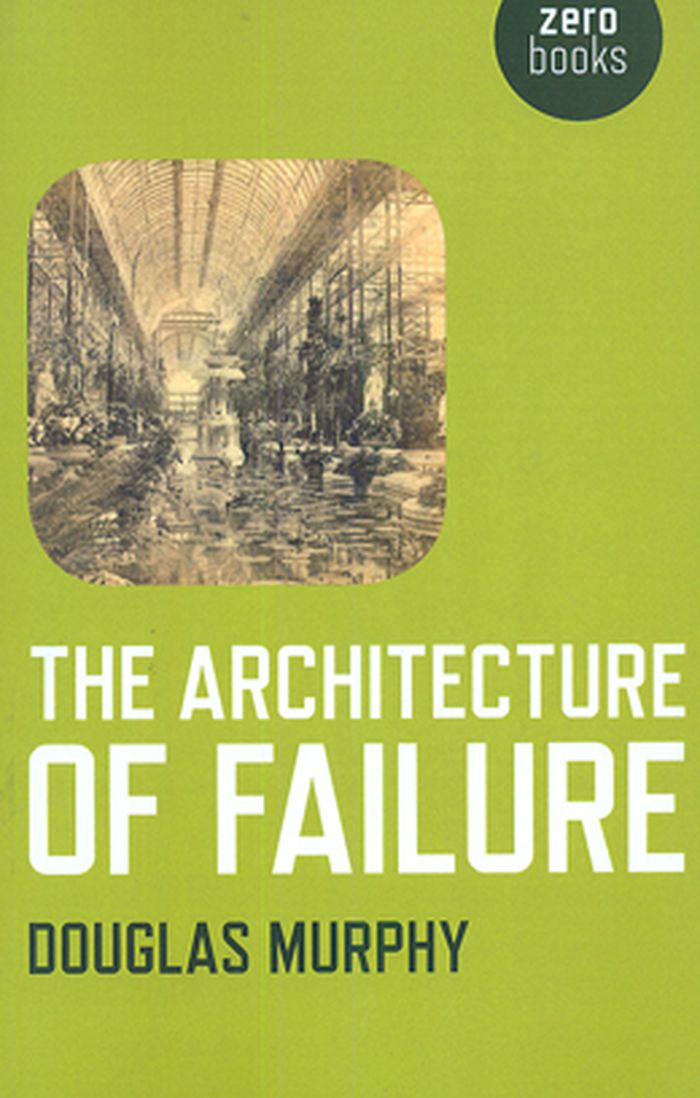
The Architecture of Failure exposes the ways in which failure has been suppressed, ignored and denied in the way we design our cities. It examines the 19th century fantasy architecture of the iron and glass exhibition palaces, strange, unprecedented, dream-like structures, almost all now lost, existing only as melancholy archive fragments; it traces the cultural legacy of these buildings through the heroics of the early 20th century, post-war radicals and recent developments, discussing related themes in art, literature, politics and philosophy.
The architecture of failure
Actions:
Prix:
$25.95
(disponible sur commande)
Résumé:
The Architecture of Failure exposes the ways in which failure has been suppressed, ignored and denied in the way we design our cities. It examines the 19th century fantasy architecture of the iron and glass exhibition palaces, strange, unprecedented, dream-like structures, almost all now lost, existing only as melancholy archive fragments; it traces the cultural legacy of these buildings through the heroics of the early 20th century, post-war radicals and recent developments, discussing related themes in art, literature, politics and philosophy.
Classification:
livres
livres
Publication:
février 2012
février 2012
Sujet:
Théorie de l’architecture
Théorie de l’architecture
Classification:
livres
livres
Prix:
$22.00
(disponible sur commande)
Résumé:
Pioneer of chaos mathematics, Edward Lorenz posited in his 1988 paper Unventions what the hell? the now accepted theory that unventions were a necessary reaction to humans getting all uppity with their big ideas. So what is an unvention? Some say unventions are simply everyday objects that are familiar to all. They are correct. But they are also wrong. Unventions tell new(...)
$22.00
(disponible sur commande)
Résumé:
Pioneer of chaos mathematics, Edward Lorenz posited in his 1988 paper Unventions what the hell? the now accepted theory that unventions were a necessary reaction to humans getting all uppity with their big ideas. So what is an unvention? Some say unventions are simply everyday objects that are familiar to all. They are correct. But they are also wrong. Unventions tell new(...)
Titre:
Unventions : every inventions has an equal and opposite unvention
Actions:
Prix:
$22.00
(disponible sur commande)
Résumé:
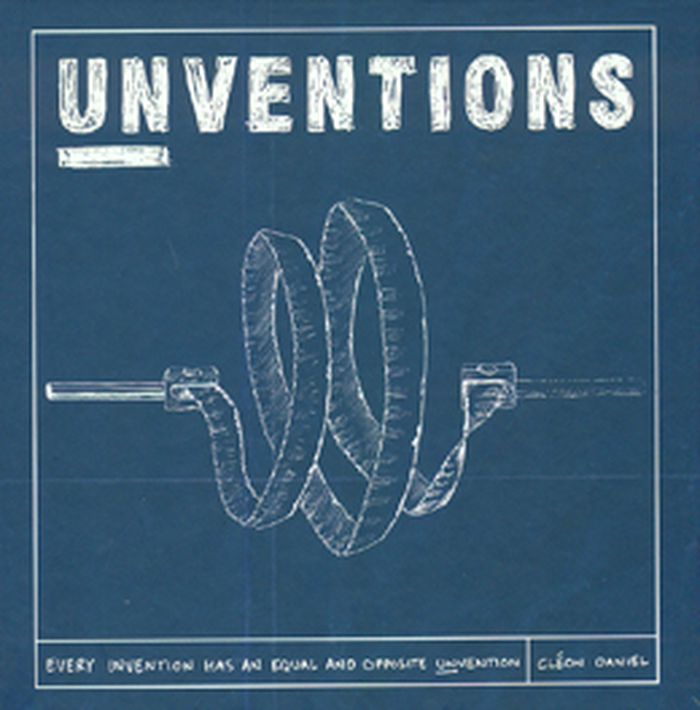
Pioneer of chaos mathematics, Edward Lorenz posited in his 1988 paper Unventions what the hell? the now accepted theory that unventions were a necessary reaction to humans getting all uppity with their big ideas. So what is an unvention? Some say unventions are simply everyday objects that are familiar to all. They are correct. But they are also wrong. Unventions tell new stories about the things around you releasing them from the mundane trudge of daily routine to take on epic new roles. When you begin to see them you are set free, and soon you will discover your own. Your mind has been in chains for too long! Unventionswill change your world forever.* *Largely in utterly useless ways
Unventions : every inventions has an equal and opposite unvention
Actions:
Prix:
$22.00
(disponible sur commande)
Résumé:
Pioneer of chaos mathematics, Edward Lorenz posited in his 1988 paper Unventions what the hell? the now accepted theory that unventions were a necessary reaction to humans getting all uppity with their big ideas. So what is an unvention? Some say unventions are simply everyday objects that are familiar to all. They are correct. But they are also wrong. Unventions tell new stories about the things around you releasing them from the mundane trudge of daily routine to take on epic new roles. When you begin to see them you are set free, and soon you will discover your own. Your mind has been in chains for too long! Unventionswill change your world forever.* *Largely in utterly useless ways
Classification:
livres
livres
Publication:
novembre 2011
novembre 2011
Sujet:
Théorie du design
Théorie du design
Classification:
livres
livres
Actions:
Prix:
$114.00
(disponible sur commande)
Résumé:
The architecture and built environment of African cities are documented in photographs by architect David Adjaye,renowned for his highly acclaimed buildings in Europe and the United States. Of Tanzanian descent but raised and educated in London, he has found endless inspiration for his modern buildings in Africa. This book is the culmination of a personal quest--a(...)
$114.00
(disponible sur commande)
Résumé:
The architecture and built environment of African cities are documented in photographs by architect David Adjaye,renowned for his highly acclaimed buildings in Europe and the United States. Of Tanzanian descent but raised and educated in London, he has found endless inspiration for his modern buildings in Africa. This book is the culmination of a personal quest--a(...)
Titre:
African metropolitan architecture
Actions:
Prix:
$114.00
(disponible sur commande)
Résumé:
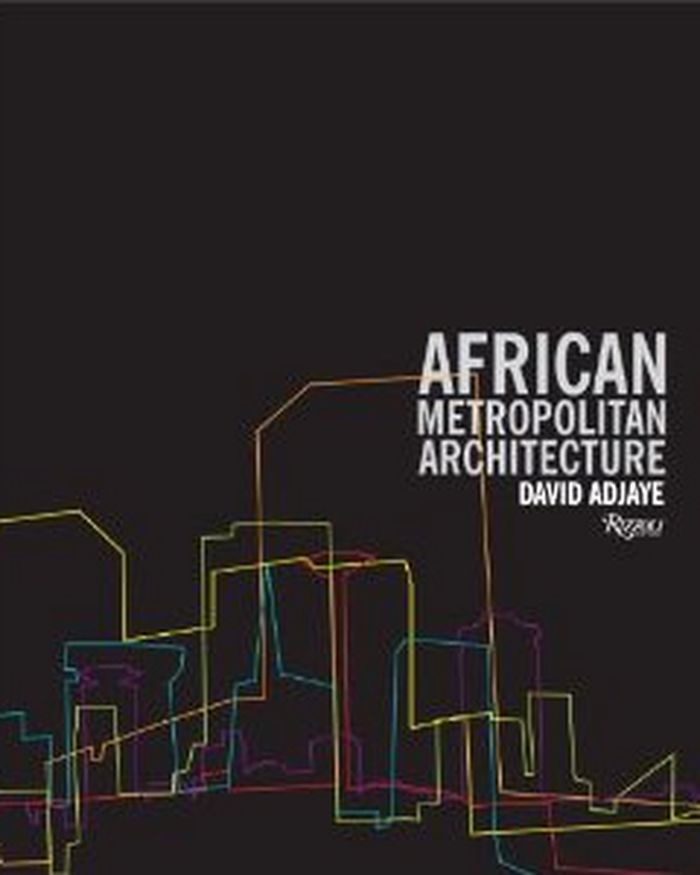
The architecture and built environment of African cities are documented in photographs by architect David Adjaye,renowned for his highly acclaimed buildings in Europe and the United States. Of Tanzanian descent but raised and educated in London, he has found endless inspiration for his modern buildings in Africa. This book is the culmination of a personal quest--a decadelong project to document the built environment of every major African city.
African metropolitan architecture
Actions:
Prix:
$114.00
(disponible sur commande)
Résumé:
The architecture and built environment of African cities are documented in photographs by architect David Adjaye,renowned for his highly acclaimed buildings in Europe and the United States. Of Tanzanian descent but raised and educated in London, he has found endless inspiration for his modern buildings in Africa. This book is the culmination of a personal quest--a decadelong project to document the built environment of every major African city.
Classification:
livres
livres
Publication:
novembre 2011
novembre 2011
Sujet:
Théorie de l’urbanisme
Théorie de l’urbanisme
Classification:
livres
livres

Actions:
Prix:
$39.00
(disponible sur commande)
Résumé:
Biomilano is a glossary of ideas - a mosaic of pieces put together by combining different ways of investigating and using the city, involving biologists, architects, agronomists, politicians and residents. Ideas, thoughts and urban lifestyle habits initially listed verbally and visually are then put together again differently to form six metropolitan frescoes. In each(...)
$39.00
(disponible sur commande)
Résumé:
Biomilano is a glossary of ideas - a mosaic of pieces put together by combining different ways of investigating and using the city, involving biologists, architects, agronomists, politicians and residents. Ideas, thoughts and urban lifestyle habits initially listed verbally and visually are then put together again differently to form six metropolitan frescoes. In each(...)
Titre:
Biomilano: glossary of ideas for a metropolis based around bio-diversity
Actions:
Prix:
$39.00
(disponible sur commande)
Résumé:
Biomilano is a glossary of ideas - a mosaic of pieces put together by combining different ways of investigating and using the city, involving biologists, architects, agronomists, politicians and residents. Ideas, thoughts and urban lifestyle habits initially listed verbally and visually are then put together again differently to form six metropolitan frescoes. In each of which the fragments are regrouped to create a concrete vision of the city’s present and its future. It is only when you take a step back, raise your eyes and continue reading that the overall view becomes clearer and more recognizable: it is the plan of a city that potentially already exists. The book contains detailed illustrations of the six Biomilano projects – the Orto Botanico Planetario for Expo 2015, Metrobosco, Bosco Verticale , Casa Bosco, Cascine, Ruralità Urbane – using a glossary to describe the economic and territorial energies required to achieve a new balance between the urban sphere, rural areas (cultivated forms of nature) and the natural world.
Biomilano: glossary of ideas for a metropolis based around bio-diversity
Actions:
Prix:
$39.00
(disponible sur commande)
Résumé:
Biomilano is a glossary of ideas - a mosaic of pieces put together by combining different ways of investigating and using the city, involving biologists, architects, agronomists, politicians and residents. Ideas, thoughts and urban lifestyle habits initially listed verbally and visually are then put together again differently to form six metropolitan frescoes. In each of which the fragments are regrouped to create a concrete vision of the city’s present and its future. It is only when you take a step back, raise your eyes and continue reading that the overall view becomes clearer and more recognizable: it is the plan of a city that potentially already exists. The book contains detailed illustrations of the six Biomilano projects – the Orto Botanico Planetario for Expo 2015, Metrobosco, Bosco Verticale , Casa Bosco, Cascine, Ruralità Urbane – using a glossary to describe the economic and territorial energies required to achieve a new balance between the urban sphere, rural areas (cultivated forms of nature) and the natural world.
Classification:
livres
livres
Publication:
novembre 2011
novembre 2011
Sujet:
Théorie de l’urbanisme
Théorie de l’urbanisme
Classification:
livres
livres
Actions:
Prix:
$31.95
(disponible sur commande)
Résumé:
Réalisé à partir d’entretiens directs menés sur une période de deux ans avec Catherine Grenier,cet ouvrage dévoile les éléments les plus importants de la vie et de la carrière de Maurizio Cattelan. Ces entretiens sont pour Cattelan un nouveau « saut dans le vide » : après des années de silence, l’artiste prend la parole et parle sans détour ni ironie au moment où il(...)
$31.95
(disponible sur commande)
Résumé:
Réalisé à partir d’entretiens directs menés sur une période de deux ans avec Catherine Grenier,cet ouvrage dévoile les éléments les plus importants de la vie et de la carrière de Maurizio Cattelan. Ces entretiens sont pour Cattelan un nouveau « saut dans le vide » : après des années de silence, l’artiste prend la parole et parle sans détour ni ironie au moment où il(...)
Titre:
Maurizio Cattelan: Le saut dans le vide
Actions:
Prix:
$31.95
(disponible sur commande)
Résumé:
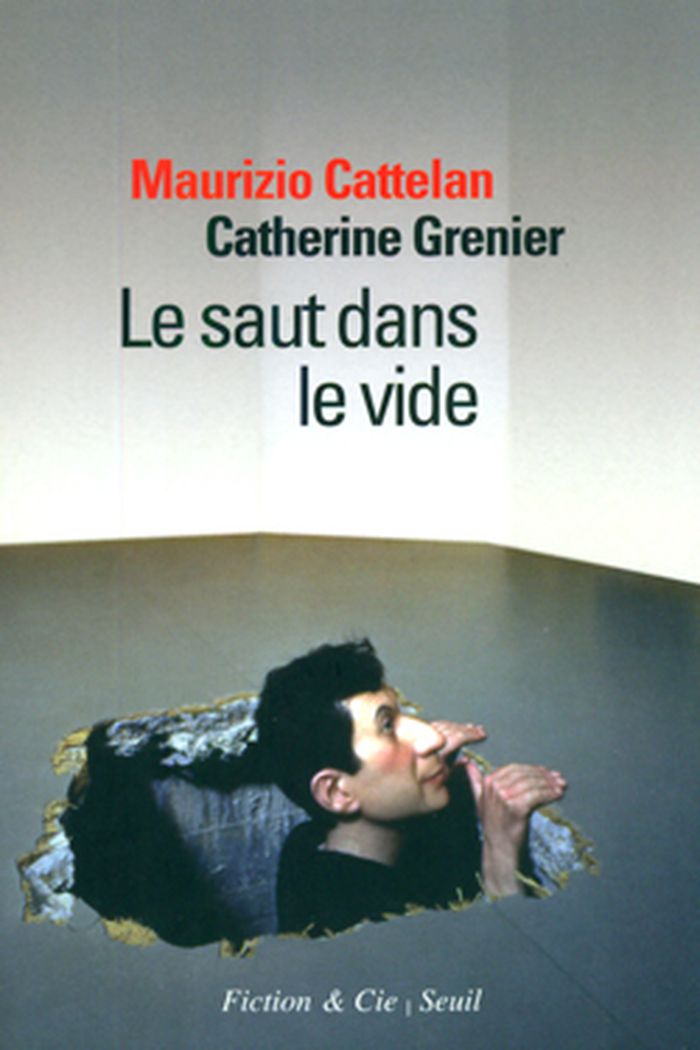
Réalisé à partir d’entretiens directs menés sur une période de deux ans avec Catherine Grenier,cet ouvrage dévoile les éléments les plus importants de la vie et de la carrière de Maurizio Cattelan. Ces entretiens sont pour Cattelan un nouveau « saut dans le vide » : après des années de silence, l’artiste prend la parole et parle sans détour ni ironie au moment où il envisage de mettre un terme à ses activités de plasticien.
Maurizio Cattelan: Le saut dans le vide
Actions:
Prix:
$31.95
(disponible sur commande)
Résumé:
Réalisé à partir d’entretiens directs menés sur une période de deux ans avec Catherine Grenier,cet ouvrage dévoile les éléments les plus importants de la vie et de la carrière de Maurizio Cattelan. Ces entretiens sont pour Cattelan un nouveau « saut dans le vide » : après des années de silence, l’artiste prend la parole et parle sans détour ni ironie au moment où il envisage de mettre un terme à ses activités de plasticien.
Classification:
livres
livres
Publication:
décembre 2011
décembre 2011
Sujet:
Théorie de l’art
Théorie de l’art


