


7253 Résultats
Classification:
livres
livres
Actions:
Prix:
$32.95
(disponible sur commande)
Résumé:
How does material culture become data? Why does this matter, and for whom? As the cultures of Indigenous peoples in North America were mined for scientific knowledge, years of organizing, classifying, and cataloguing hardened into accepted categories, naming conventions, and tribal affiliations – much of it wrong. 'Cataloguing Culture' examines how colonialism operates(...)
$32.95
(disponible sur commande)
Résumé:
How does material culture become data? Why does this matter, and for whom? As the cultures of Indigenous peoples in North America were mined for scientific knowledge, years of organizing, classifying, and cataloguing hardened into accepted categories, naming conventions, and tribal affiliations – much of it wrong. 'Cataloguing Culture' examines how colonialism operates(...)
Titre:
Cataloguing culture: legacies of colonialism in museum documentation
Actions:
Prix:
$32.95
(disponible sur commande)
Résumé:
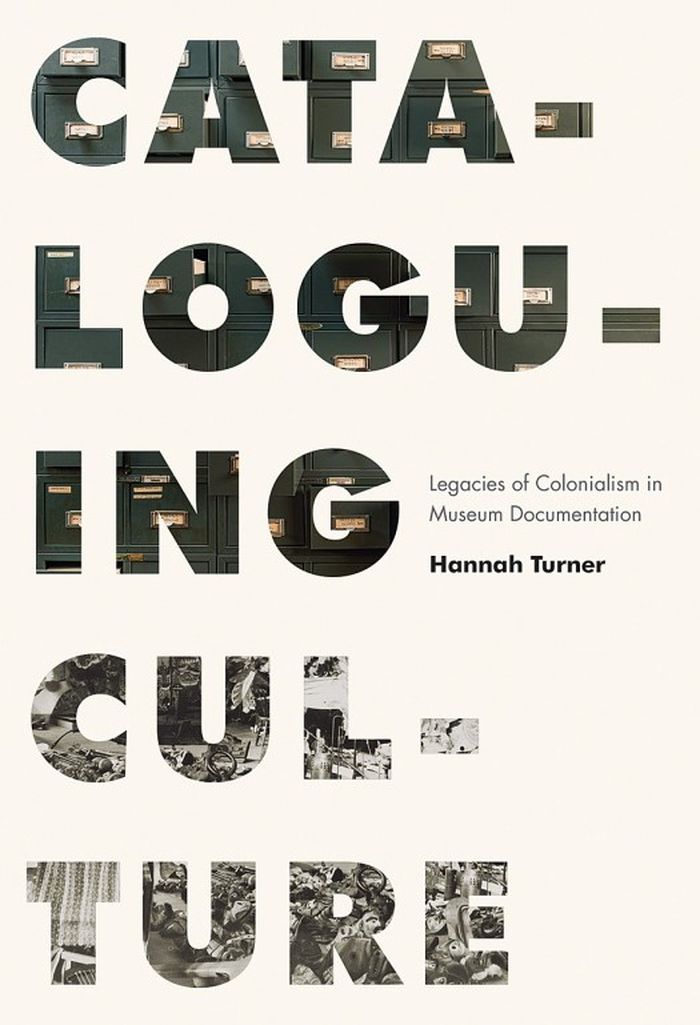
How does material culture become data? Why does this matter, and for whom? As the cultures of Indigenous peoples in North America were mined for scientific knowledge, years of organizing, classifying, and cataloguing hardened into accepted categories, naming conventions, and tribal affiliations – much of it wrong. 'Cataloguing Culture' examines how colonialism operates in museum bureaucracies. Using the Smithsonian’s National Museum of Natural History as her reference, Hannah Turner organizes her study by the technologies framing museum work over two hundred years: field records, the ledger, the card catalogue, the punch card, and eventually the database. She examines how categories were applied to ethnographic material culture and became routine throughout federal collecting institutions. As Indigenous communities encounter the documentary traces of imperialism while attempting to reclaim what is theirs, this publication shines a light on access to and return of cultural heritage.
Cataloguing culture: legacies of colonialism in museum documentation
Actions:
Prix:
$32.95
(disponible sur commande)
Résumé:
How does material culture become data? Why does this matter, and for whom? As the cultures of Indigenous peoples in North America were mined for scientific knowledge, years of organizing, classifying, and cataloguing hardened into accepted categories, naming conventions, and tribal affiliations – much of it wrong. 'Cataloguing Culture' examines how colonialism operates in museum bureaucracies. Using the Smithsonian’s National Museum of Natural History as her reference, Hannah Turner organizes her study by the technologies framing museum work over two hundred years: field records, the ledger, the card catalogue, the punch card, and eventually the database. She examines how categories were applied to ethnographic material culture and became routine throughout federal collecting institutions. As Indigenous communities encounter the documentary traces of imperialism while attempting to reclaim what is theirs, this publication shines a light on access to and return of cultural heritage.
Classification:
livres
livres
Publication:
décembre 2020
décembre 2020
Sujet:
Muséologie
Muséologie
Classification:
livres
livres
Actions:
Prix:
$29.95
(disponible sur commande)
Résumé:
One common feature of the wave of recent revolutions and revolts around the world is not political but rather architectural: many erupted on inner-city roundabouts. In thinking about the relation between protest and urban form, Eyal Weizman starts with the May 1980 uprising in Gwangju, South Korea, the first of the “roundabout revolutions,” and traces its lineage to the(...)
$29.95
(disponible sur commande)
Résumé:
One common feature of the wave of recent revolutions and revolts around the world is not political but rather architectural: many erupted on inner-city roundabouts. In thinking about the relation between protest and urban form, Eyal Weizman starts with the May 1980 uprising in Gwangju, South Korea, the first of the “roundabout revolutions,” and traces its lineage to the(...)
Titre:
Critical spatial practice 6 : Eyal Weizman, the roundabout revolutions
Actions:
Prix:
$29.95
(disponible sur commande)
Résumé:
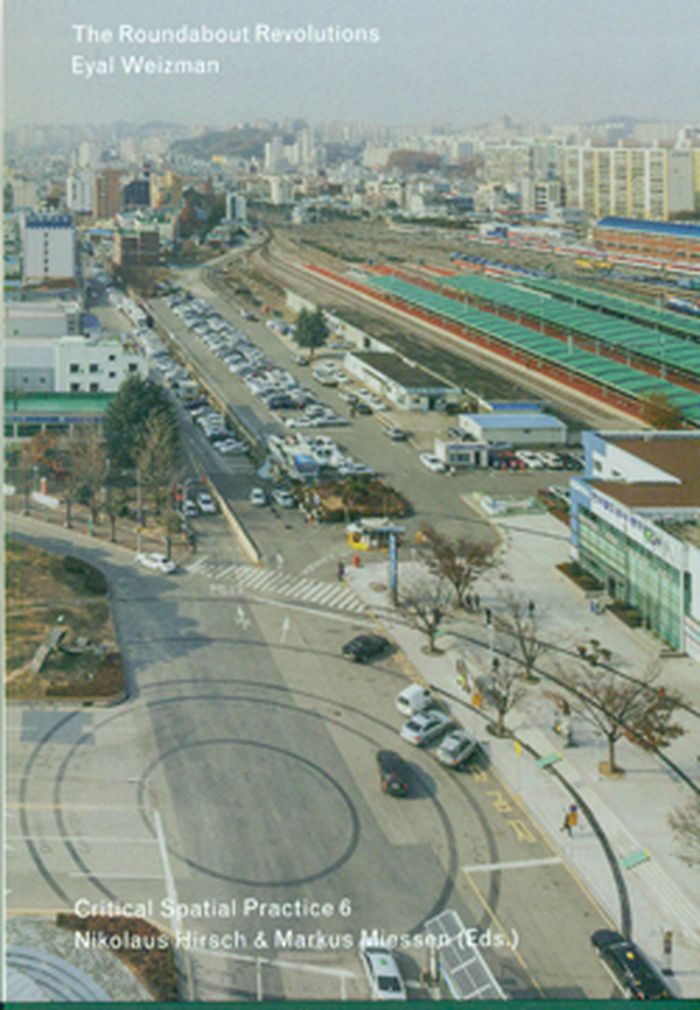
One common feature of the wave of recent revolutions and revolts around the world is not political but rather architectural: many erupted on inner-city roundabouts. In thinking about the relation between protest and urban form, Eyal Weizman starts with the May 1980 uprising in Gwangju, South Korea, the first of the “roundabout revolutions,” and traces its lineage to the Arab Spring and its hellish aftermath. Rereading the history of the roundabout through the vortices of history that traverse it, the book follows the development of the roundabout in Europe and North America in the early twentieth century, to its subsequent export to the colonial world in the context of attempts to discipline and police the “chaotic” non-Western city. How did an urban apparatus put in the service of authoritarian power became the locus of its undoing?
Critical spatial practice 6 : Eyal Weizman, the roundabout revolutions
Actions:
Prix:
$29.95
(disponible sur commande)
Résumé:
One common feature of the wave of recent revolutions and revolts around the world is not political but rather architectural: many erupted on inner-city roundabouts. In thinking about the relation between protest and urban form, Eyal Weizman starts with the May 1980 uprising in Gwangju, South Korea, the first of the “roundabout revolutions,” and traces its lineage to the Arab Spring and its hellish aftermath. Rereading the history of the roundabout through the vortices of history that traverse it, the book follows the development of the roundabout in Europe and North America in the early twentieth century, to its subsequent export to the colonial world in the context of attempts to discipline and police the “chaotic” non-Western city. How did an urban apparatus put in the service of authoritarian power became the locus of its undoing?
Classification:
livres
livres
Publication:
octobre 2015
octobre 2015
Sujet:
Théorie/ philosophie
Théorie/ philosophie
Classification:
livres
livres
Titre:
Moving mountains
Moving mountains
Actions:
Prix:
$79.95
(disponible sur commande)
Résumé:
The ''Moving mountains' book is a selection of material enquiries of the Swedish landscape, narrated through a series of texts, recipes and visual materials that ask how we can reconfigure and inform our understanding of the land that surrounds us. The structure of ''Moving mountains'' focuses on opposites: mining in the North and agriculture in the South, the Lapland(...)
$79.95
(disponible sur commande)
Résumé:
The ''Moving mountains' book is a selection of material enquiries of the Swedish landscape, narrated through a series of texts, recipes and visual materials that ask how we can reconfigure and inform our understanding of the land that surrounds us. The structure of ''Moving mountains'' focuses on opposites: mining in the North and agriculture in the South, the Lapland(...)
Titre:
Moving mountains
Actions:
Prix:
$79.95
(disponible sur commande)
Résumé:
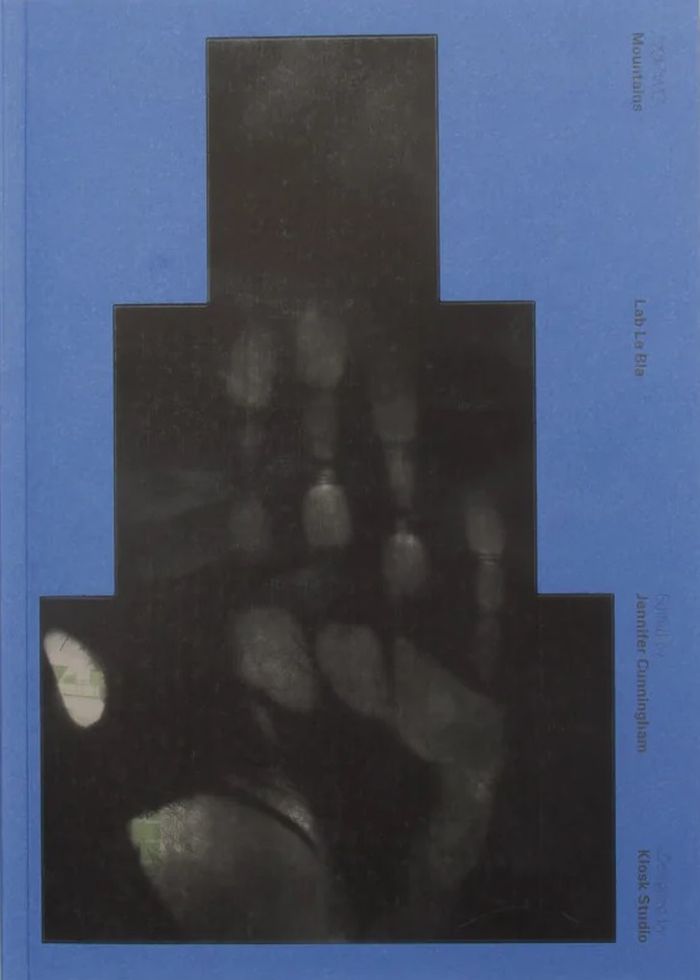
The ''Moving mountains' book is a selection of material enquiries of the Swedish landscape, narrated through a series of texts, recipes and visual materials that ask how we can reconfigure and inform our understanding of the land that surrounds us. The structure of ''Moving mountains'' focuses on opposites: mining in the North and agriculture in the South, the Lapland fells and the Skåne plains, wanted and unwanted industrial materials, new and old approaches to the land. Photographs by Joshua Olley take the reader through portraits of Skåne, Halland, Uppland, Södermanland, Norrbotten and Lappland. Although the investigation was based in Sweden, the concept is reproducible, which comes across during collaborative moments in the book. The design of the book by Kiosk Studio, with its thermolacquer heat sensitive cover, directly responds to the content, meaning the narrative is as much a visual investigation as it is a text based one.
Moving mountains
Actions:
Prix:
$79.95
(disponible sur commande)
Résumé:
The ''Moving mountains' book is a selection of material enquiries of the Swedish landscape, narrated through a series of texts, recipes and visual materials that ask how we can reconfigure and inform our understanding of the land that surrounds us. The structure of ''Moving mountains'' focuses on opposites: mining in the North and agriculture in the South, the Lapland fells and the Skåne plains, wanted and unwanted industrial materials, new and old approaches to the land. Photographs by Joshua Olley take the reader through portraits of Skåne, Halland, Uppland, Södermanland, Norrbotten and Lappland. Although the investigation was based in Sweden, the concept is reproducible, which comes across during collaborative moments in the book. The design of the book by Kiosk Studio, with its thermolacquer heat sensitive cover, directly responds to the content, meaning the narrative is as much a visual investigation as it is a text based one.
Classification:
livres
livres
Publication:
juillet 2022
juillet 2022
Sujet:
Théorie du paysage
Théorie du paysage
Classification:
livres
livres
Titre:
On community
On community
Actions:
Prix:
$19.95
(disponible sur commande)
Résumé:
We are all hinged to some definition of a community, be it as simple as where we live, complex as the beliefs we share, or as intentional as those we call family. In an episodic personal essay, Casey Plett draws on a range of firsthand experiences to start a conversation about the larger implications of community as a word, an idea, and a symbol. With each thread a(...)
$19.95
(disponible sur commande)
Résumé:
We are all hinged to some definition of a community, be it as simple as where we live, complex as the beliefs we share, or as intentional as those we call family. In an episodic personal essay, Casey Plett draws on a range of firsthand experiences to start a conversation about the larger implications of community as a word, an idea, and a symbol. With each thread a(...)
Titre:
On community
Actions:
Prix:
$19.95
(disponible sur commande)
Résumé:
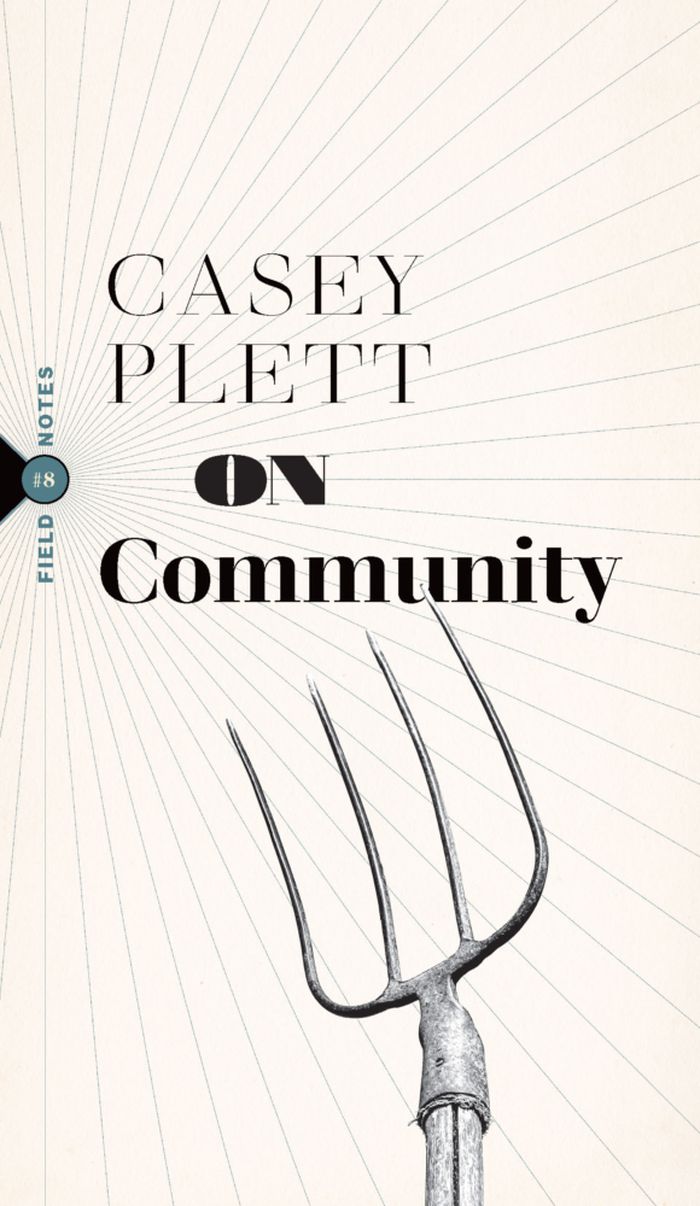
We are all hinged to some definition of a community, be it as simple as where we live, complex as the beliefs we share, or as intentional as those we call family. In an episodic personal essay, Casey Plett draws on a range of firsthand experiences to start a conversation about the larger implications of community as a word, an idea, and a symbol. With each thread a cumulative definition of community, and what it has come to mean to Plett, emerges. Looking at phenomena from transgender literature, to Mennonite history, to hacker houses of Silicon Valley, and the rise of nationalism in North America, Plett delves into the thorny intractability of community’s boons and faults. Deeply personal, authoritative in its illuminations, On Community is an essential contribution to the larger cultural discourse that asks how, and to what socio-political ends, we form bonds with one another.
On community
Actions:
Prix:
$19.95
(disponible sur commande)
Résumé:
We are all hinged to some definition of a community, be it as simple as where we live, complex as the beliefs we share, or as intentional as those we call family. In an episodic personal essay, Casey Plett draws on a range of firsthand experiences to start a conversation about the larger implications of community as a word, an idea, and a symbol. With each thread a cumulative definition of community, and what it has come to mean to Plett, emerges. Looking at phenomena from transgender literature, to Mennonite history, to hacker houses of Silicon Valley, and the rise of nationalism in North America, Plett delves into the thorny intractability of community’s boons and faults. Deeply personal, authoritative in its illuminations, On Community is an essential contribution to the larger cultural discourse that asks how, and to what socio-political ends, we form bonds with one another.
Classification:
livres
livres
Publication:
novembre 2023
novembre 2023
Sujet:
Social
Social
Classification:
livres
livres
Titre:
Asmara, the frozen city
Asmara, the frozen city
Actions:
Prix:
$24.99
(disponible sur commande)
Résumé:
Asmara, capital of the state of Eritrea, located in North Eastern Africa, is considered to be an impressive example of European urban construction of the 20th century. To this day, the influence of the former colonial power of Italy on the architecture of the city from the early 20th century to the 1940’s remains visible. Many of the buildings, erected in the futuristic,(...)
$24.99
(disponible sur commande)
Résumé:
Asmara, capital of the state of Eritrea, located in North Eastern Africa, is considered to be an impressive example of European urban construction of the 20th century. To this day, the influence of the former colonial power of Italy on the architecture of the city from the early 20th century to the 1940’s remains visible. Many of the buildings, erected in the futuristic,(...)
Titre:
Asmara, the frozen city
Actions:
Prix:
$24.99
(disponible sur commande)
Résumé:
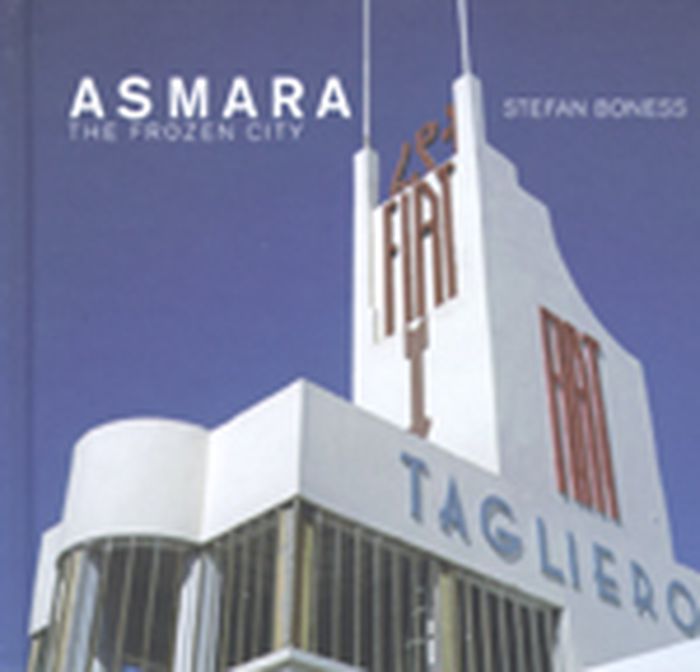
Asmara, capital of the state of Eritrea, located in North Eastern Africa, is considered to be an impressive example of European urban construction of the 20th century. To this day, the influence of the former colonial power of Italy on the architecture of the city from the early 20th century to the 1940’s remains visible. Many of the buildings, erected in the futuristic, monumentalist or rationalistic style have been preserved and dominate the cityscape of Asmara. In particular, architectural projects dating back to the late 1930’s and early 1940’s are the focal point of the work of photographer Stefan Boness. These include private, public and industrial buildings, which he photographed over the course of several months and which he staged incorporating their urban surroundings. Through his photographs, Stefan Boness has succeeded in expressing the unique atmosphere of Asmara, where time seemingly is standing still.
Asmara, the frozen city
Actions:
Prix:
$24.99
(disponible sur commande)
Résumé:
Asmara, capital of the state of Eritrea, located in North Eastern Africa, is considered to be an impressive example of European urban construction of the 20th century. To this day, the influence of the former colonial power of Italy on the architecture of the city from the early 20th century to the 1940’s remains visible. Many of the buildings, erected in the futuristic, monumentalist or rationalistic style have been preserved and dominate the cityscape of Asmara. In particular, architectural projects dating back to the late 1930’s and early 1940’s are the focal point of the work of photographer Stefan Boness. These include private, public and industrial buildings, which he photographed over the course of several months and which he staged incorporating their urban surroundings. Through his photographs, Stefan Boness has succeeded in expressing the unique atmosphere of Asmara, where time seemingly is standing still.
Classification:
livres
livres
Publication:
juillet 2007, Berlin
juillet 2007, Berlin
Classification:
livres
livres
Prix:
$61.95
(disponible sur commande)
Résumé:
Taking a critical look at how new urbanism has lived up to its ideals, the author asks whether new urban approaches offer a viable path to creating good communities. With examples drawn principally from North America, Europe and Japan, "Planning the good community" explores new urban approaches in a wide range of settings. It compares the movement for urban renaissance(...)
$61.95
(disponible sur commande)
Résumé:
Taking a critical look at how new urbanism has lived up to its ideals, the author asks whether new urban approaches offer a viable path to creating good communities. With examples drawn principally from North America, Europe and Japan, "Planning the good community" explores new urban approaches in a wide range of settings. It compares the movement for urban renaissance(...)
Titre:
Planning the good community : new urbanism in theory and practice
Actions:
Prix:
$61.95
(disponible sur commande)
Résumé:
Taking a critical look at how new urbanism has lived up to its ideals, the author asks whether new urban approaches offer a viable path to creating good communities. With examples drawn principally from North America, Europe and Japan, "Planning the good community" explores new urban approaches in a wide range of settings. It compares the movement for urban renaissance in Europe with the New Urbanism of the United States and Canada, and asks whether the concerns that drive today’s planning theory – issues like power, democracy, spatial patterns and globalisation - receive adequate attention in new urban approaches. The issue of aesthetics is also raised, as the author questions whether communities must be more than just attractive in order to be good. With the benefit of twenty years’ hindsight and a world-wide perspective, this book offers the reader unparalleled insight as well as a rigorous and considered critical analysis.
Planning the good community : new urbanism in theory and practice
Actions:
Prix:
$61.95
(disponible sur commande)
Résumé:
Taking a critical look at how new urbanism has lived up to its ideals, the author asks whether new urban approaches offer a viable path to creating good communities. With examples drawn principally from North America, Europe and Japan, "Planning the good community" explores new urban approaches in a wide range of settings. It compares the movement for urban renaissance in Europe with the New Urbanism of the United States and Canada, and asks whether the concerns that drive today’s planning theory – issues like power, democracy, spatial patterns and globalisation - receive adequate attention in new urban approaches. The issue of aesthetics is also raised, as the author questions whether communities must be more than just attractive in order to be good. With the benefit of twenty years’ hindsight and a world-wide perspective, this book offers the reader unparalleled insight as well as a rigorous and considered critical analysis.
Classification:
livres
livres
Publication:
janvier 2006, New York
janvier 2006, New York
Sujet:
Théorie de l’urbanisme
Théorie de l’urbanisme
Classification:
périodiques
périodiques
Actions:
Prix:
$34.95
(disponible en magasin)
Résumé:
Under the title ‘Community Care’, AV Proyectos 128 features six works that cater to specific needs through an attentive and sensitive architecture that prioritizes a collective approach, as show the centers designed by Mae Architects, Vivas Arquitectos, or Dorte Mandrup. Paz Martín, architect and expert in the field, introduces the dossier with an essay that analyzes how(...)
$34.95
(disponible en magasin)
Résumé:
Under the title ‘Community Care’, AV Proyectos 128 features six works that cater to specific needs through an attentive and sensitive architecture that prioritizes a collective approach, as show the centers designed by Mae Architects, Vivas Arquitectos, or Dorte Mandrup. Paz Martín, architect and expert in the field, introduces the dossier with an essay that analyzes how(...)
Titre:
AV Proyectos 128: Community care
Actions:
Prix:
$34.95
(disponible en magasin)
Résumé:
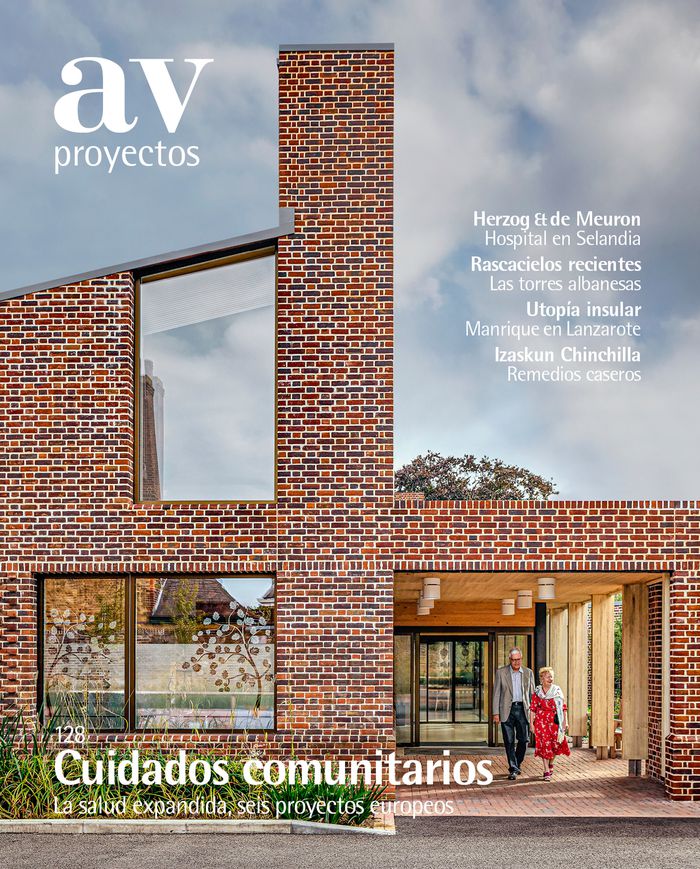
Under the title ‘Community Care’, AV Proyectos 128 features six works that cater to specific needs through an attentive and sensitive architecture that prioritizes a collective approach, as show the centers designed by Mae Architects, Vivas Arquitectos, or Dorte Mandrup. Paz Martín, architect and expert in the field, introduces the dossier with an essay that analyzes how assistance can shape the project strategy. Along the same lines, in an interview with the magazine the architect and professor Izaskun Chinchilla talks about the city of care and how the buildings that compose it are not just hospitals and clinics. In the process section, the complex by Herzog & de Meuron in North Zealand is an example of how to depart from traditional hospital building typologies. The issue also analyzes the high-rise construction boom in Albania, with proposals by MVRDV, Valerio Olgiati, and Bofill Taller de Arquitectura, among other firms.
AV Proyectos 128: Community care
Actions:
Prix:
$34.95
(disponible en magasin)
Résumé:
Under the title ‘Community Care’, AV Proyectos 128 features six works that cater to specific needs through an attentive and sensitive architecture that prioritizes a collective approach, as show the centers designed by Mae Architects, Vivas Arquitectos, or Dorte Mandrup. Paz Martín, architect and expert in the field, introduces the dossier with an essay that analyzes how assistance can shape the project strategy. Along the same lines, in an interview with the magazine the architect and professor Izaskun Chinchilla talks about the city of care and how the buildings that compose it are not just hospitals and clinics. In the process section, the complex by Herzog & de Meuron in North Zealand is an example of how to depart from traditional hospital building typologies. The issue also analyzes the high-rise construction boom in Albania, with proposals by MVRDV, Valerio Olgiati, and Bofill Taller de Arquitectura, among other firms.
Classification:
périodiques
périodiques
Publication:
avril 2025
avril 2025
Sujet:
Revues
Revues
Classification:
livres
livres

Titre:
Maybe the birds
Maybe the birds
Actions:
Prix:
$24.95
(disponible en magasin)
Résumé:
After the apocalypse destroys most life on Earth, a woman makes artificial bird voiceboxes to try and keep birdsong alive. A young female vampire uses her knowledge of mirrors to save her village from the creature who turned her. A woman haunted by her past feels that the robins she has always loved are no longer her friends. These fourteen stories, largely speculative in(...)
$24.95
(disponible en magasin)
Résumé:
After the apocalypse destroys most life on Earth, a woman makes artificial bird voiceboxes to try and keep birdsong alive. A young female vampire uses her knowledge of mirrors to save her village from the creature who turned her. A woman haunted by her past feels that the robins she has always loved are no longer her friends. These fourteen stories, largely speculative in(...)
Titre:
Maybe the birds
Actions:
Prix:
$24.95
(disponible en magasin)
Résumé:
After the apocalypse destroys most life on Earth, a woman makes artificial bird voiceboxes to try and keep birdsong alive. A young female vampire uses her knowledge of mirrors to save her village from the creature who turned her. A woman haunted by her past feels that the robins she has always loved are no longer her friends. These fourteen stories, largely speculative in nature, consider what happens when the world is no longer as it used to be—whether it be the postapocalyptic future, the paleolithic past, or the dark north of the present. A. J. Ashworth’s second collection features "Leather" from Best British Short Stories and explores themes of love and loss, family and foe, as well as moments of disconnection and connection with those closest to us. All are interested in what it means to be alive in very difficult times.
Maybe the birds
Actions:
Prix:
$24.95
(disponible en magasin)
Résumé:
After the apocalypse destroys most life on Earth, a woman makes artificial bird voiceboxes to try and keep birdsong alive. A young female vampire uses her knowledge of mirrors to save her village from the creature who turned her. A woman haunted by her past feels that the robins she has always loved are no longer her friends. These fourteen stories, largely speculative in nature, consider what happens when the world is no longer as it used to be—whether it be the postapocalyptic future, the paleolithic past, or the dark north of the present. A. J. Ashworth’s second collection features "Leather" from Best British Short Stories and explores themes of love and loss, family and foe, as well as moments of disconnection and connection with those closest to us. All are interested in what it means to be alive in very difficult times.
Classification:
livres
livres
Publication:
octobre 2025
octobre 2025
Sujet:
Littérature et poésie
Littérature et poésie
Classification:
livres
livres
Actions:
Prix:
$90.00
(disponible en magasin)
Résumé:
In the second volume of Mark Ruwedel’s epic study of the landscapes of Los Angeles, the artist heads to the coast – the furthest edge of the basin’s sprawl before it meets the Pacific Ocean. These absorbing and layered photographs suggest extremes of many kinds: the far reaches of urbanisation, the dramatic geographies of desert and sea, the boundless ambitions of empire,(...)
$90.00
(disponible en magasin)
Résumé:
In the second volume of Mark Ruwedel’s epic study of the landscapes of Los Angeles, the artist heads to the coast – the furthest edge of the basin’s sprawl before it meets the Pacific Ocean. These absorbing and layered photographs suggest extremes of many kinds: the far reaches of urbanisation, the dramatic geographies of desert and sea, the boundless ambitions of empire,(...)
Titre:
Mark Ruwedel: The western edge. Los Angeles: Landscapes of Four Ecologies 2
Actions:
Prix:
$90.00
(disponible en magasin)
Résumé:
In the second volume of Mark Ruwedel’s epic study of the landscapes of Los Angeles, the artist heads to the coast – the furthest edge of the basin’s sprawl before it meets the Pacific Ocean. These absorbing and layered photographs suggest extremes of many kinds: the far reaches of urbanisation, the dramatic geographies of desert and sea, the boundless ambitions of empire, and the spiralling climate conditions that most recently have seen these areas devastated by fires. Charting a hundred-mile route from Point Mugu, north of Malibu, down to the Bolsa Chica Wetlands of Orange County, Ruwedel studies a range of intricately textured landscapes, woven with the traces of decades of human intervention and the countervailing forces of nature and time. His large-format black-and-white photography recalls iconic photographer-cartographers of the nineteenth century while calling into question the taxonomic certainty and implicit politics of their surveying projects.
Mark Ruwedel: The western edge. Los Angeles: Landscapes of Four Ecologies 2
Actions:
Prix:
$90.00
(disponible en magasin)
Résumé:
In the second volume of Mark Ruwedel’s epic study of the landscapes of Los Angeles, the artist heads to the coast – the furthest edge of the basin’s sprawl before it meets the Pacific Ocean. These absorbing and layered photographs suggest extremes of many kinds: the far reaches of urbanisation, the dramatic geographies of desert and sea, the boundless ambitions of empire, and the spiralling climate conditions that most recently have seen these areas devastated by fires. Charting a hundred-mile route from Point Mugu, north of Malibu, down to the Bolsa Chica Wetlands of Orange County, Ruwedel studies a range of intricately textured landscapes, woven with the traces of decades of human intervention and the countervailing forces of nature and time. His large-format black-and-white photography recalls iconic photographer-cartographers of the nineteenth century while calling into question the taxonomic certainty and implicit politics of their surveying projects.
Classification:
livres
livres
Publication:
octobre 2025
octobre 2025
Sujet:
Monographies photo
Monographies photo
Classification:
livres
livres
Titre:
How to build a skyscraper
How to build a skyscraper
Actions:
Prix:
$24.95
(disponible sur commande)
Résumé:
Skyscrapers have been piercing the clouds since the end of the nineteenth century but today's soaring land prices are driving developers to build bigger, better and higher while aiming for as small a footprint as possible. This book features spreads with a large photograph with cross-section drawings plus fact boxes listing location, year of completion, height, stories,(...)
$24.95
(disponible sur commande)
Résumé:
Skyscrapers have been piercing the clouds since the end of the nineteenth century but today's soaring land prices are driving developers to build bigger, better and higher while aiming for as small a footprint as possible. This book features spreads with a large photograph with cross-section drawings plus fact boxes listing location, year of completion, height, stories,(...)
Titre:
How to build a skyscraper
Actions:
Prix:
$24.95
(disponible sur commande)
Résumé:
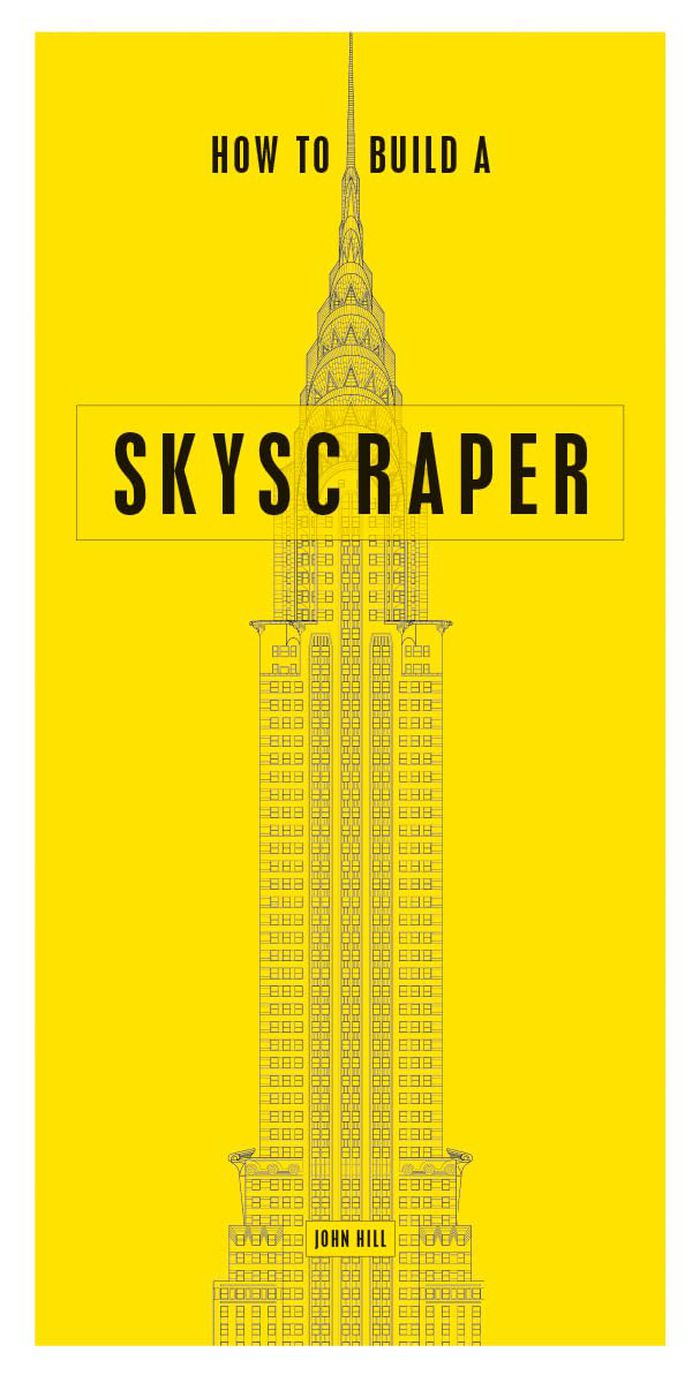
Skyscrapers have been piercing the clouds since the end of the nineteenth century but today's soaring land prices are driving developers to build bigger, better and higher while aiming for as small a footprint as possible. This book features spreads with a large photograph with cross-section drawings plus fact boxes listing location, year of completion, height, stories, primary functions, owner/developer, architect, structural engineer, and construction firm. Concise text describes historical context; unusual or innovative construction; engineering and structural systems; foundation, facade, and shape; the site history; and building usage; as well as any special features that make the skyscraper unique. The 46 skyscrapers in "How to Build a Skyscraper" appear not for their height but for their pioneering technology, sustainability, and other characteristics that set them apart. They are distributed over the world's most developed regions of North America, Europe, Asia, and Australia.
How to build a skyscraper
Actions:
Prix:
$24.95
(disponible sur commande)
Résumé:
Skyscrapers have been piercing the clouds since the end of the nineteenth century but today's soaring land prices are driving developers to build bigger, better and higher while aiming for as small a footprint as possible. This book features spreads with a large photograph with cross-section drawings plus fact boxes listing location, year of completion, height, stories, primary functions, owner/developer, architect, structural engineer, and construction firm. Concise text describes historical context; unusual or innovative construction; engineering and structural systems; foundation, facade, and shape; the site history; and building usage; as well as any special features that make the skyscraper unique. The 46 skyscrapers in "How to Build a Skyscraper" appear not for their height but for their pioneering technology, sustainability, and other characteristics that set them apart. They are distributed over the world's most developed regions of North America, Europe, Asia, and Australia.
Classification:
livres
livres
Publication:
mars 2023
mars 2023


