


807 Résultats
Classification:
livres
livres
Titre:
Formica forever
Formica forever
Actions:
Prix:
$39.95
(disponible sur commande)
Résumé:
Formica® is 100 years old : to celebrate this centennial, Formica Corporation has published Formica Forever. The book takes us on a walk through the life of this material : from its humble beginnings as electrical insulation; to its initial adoption by designers including Donald Deskey in the 1930s; to a golden age ushered in by the post–World War II housing boom;(...)
$39.95
(disponible sur commande)
Résumé:
Formica® is 100 years old : to celebrate this centennial, Formica Corporation has published Formica Forever. The book takes us on a walk through the life of this material : from its humble beginnings as electrical insulation; to its initial adoption by designers including Donald Deskey in the 1930s; to a golden age ushered in by the post–World War II housing boom;(...)
Titre:
Formica forever
Actions:
Prix:
$39.95
(disponible sur commande)
Résumé:
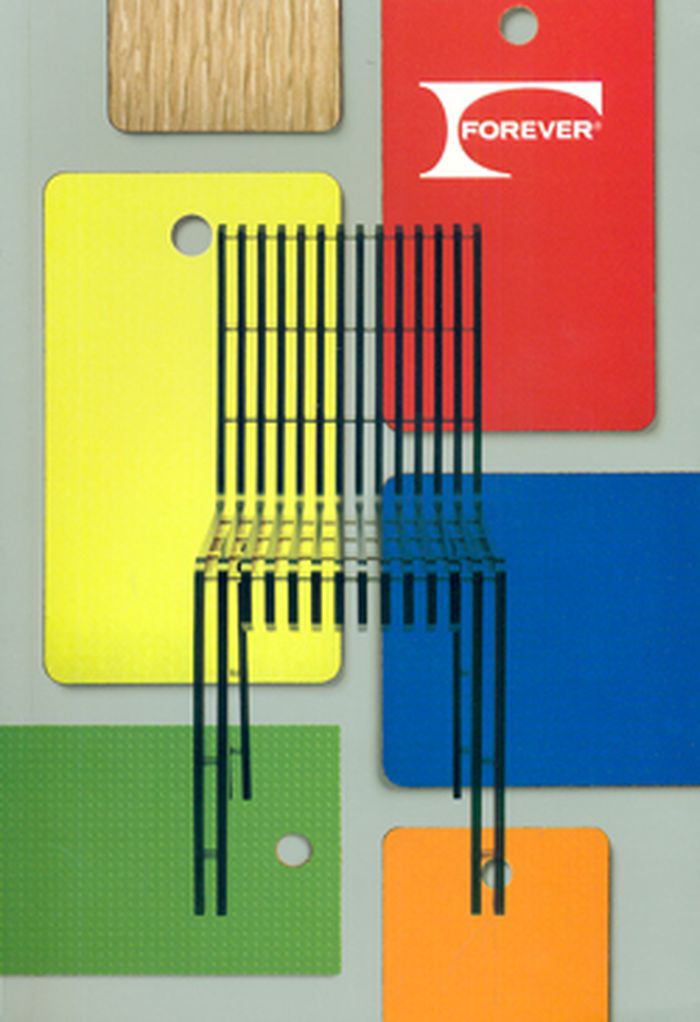
Formica® is 100 years old : to celebrate this centennial, Formica Corporation has published Formica Forever. The book takes us on a walk through the life of this material : from its humble beginnings as electrical insulation; to its initial adoption by designers including Donald Deskey in the 1930s; to a golden age ushered in by the post–World War II housing boom; through global expansion in the second half of the twentieth century; to the laminate’s inventive uses by designers, artists and architects such as Jasper Morrison, Daniel Buren, Frank Gehry, Laurinda Spear and Zaha Hadid; and finally through to the present, which finds the Formica Group working with young designers to push the limits of this pioneering material.
Formica forever
Actions:
Prix:
$39.95
(disponible sur commande)
Résumé:
Formica® is 100 years old : to celebrate this centennial, Formica Corporation has published Formica Forever. The book takes us on a walk through the life of this material : from its humble beginnings as electrical insulation; to its initial adoption by designers including Donald Deskey in the 1930s; to a golden age ushered in by the post–World War II housing boom; through global expansion in the second half of the twentieth century; to the laminate’s inventive uses by designers, artists and architects such as Jasper Morrison, Daniel Buren, Frank Gehry, Laurinda Spear and Zaha Hadid; and finally through to the present, which finds the Formica Group working with young designers to push the limits of this pioneering material.
Classification:
livres
livres
Publication:
septembre 2013
septembre 2013
Sujet:
Design industriel
Design industriel
Classification:
livres
livres
Actions:
Prix:
$60.00
(disponible en magasin)
Résumé:
In this collection of essays, Ackerman offers insight into his formation and development as a scholar, as well as reflections on a range of topics. Concise, lucid, and original, this book presents deep syntheses alongside innovative approaches and a broadening geographical and chronological reach. Ackerman’s enduring fascination with architecture was one unforeseen(...)
$60.00
(disponible en magasin)
Résumé:
In this collection of essays, Ackerman offers insight into his formation and development as a scholar, as well as reflections on a range of topics. Concise, lucid, and original, this book presents deep syntheses alongside innovative approaches and a broadening geographical and chronological reach. Ackerman’s enduring fascination with architecture was one unforeseen(...)
Titre:
Origins, invention, revision: studying the history of art and architecture
Actions:
Prix:
$60.00
(disponible en magasin)
Résumé:
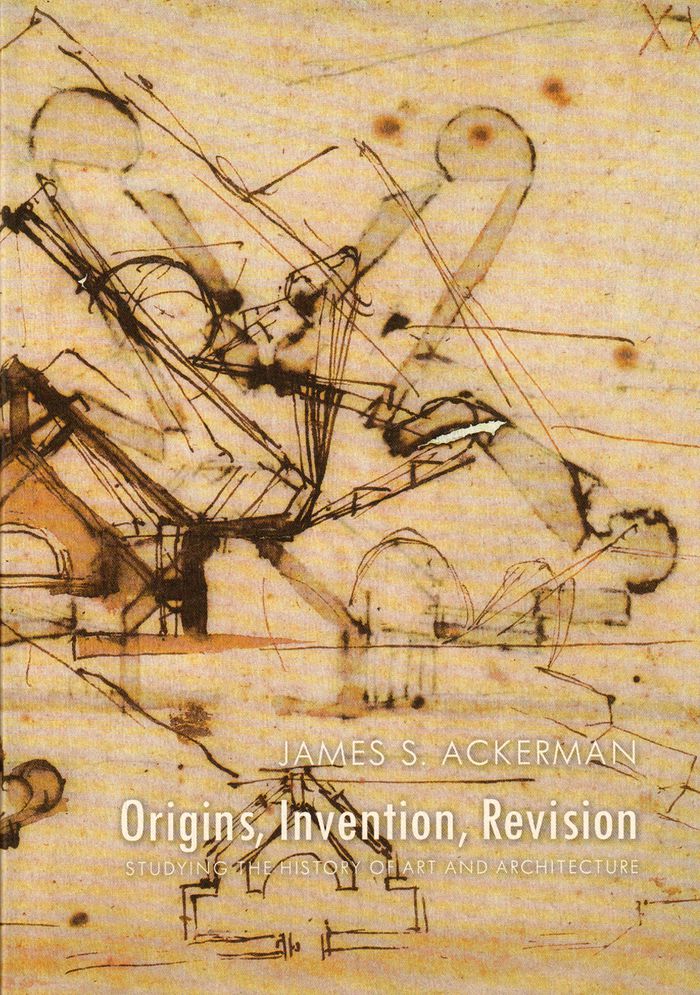
In this collection of essays, Ackerman offers insight into his formation and development as a scholar, as well as reflections on a range of topics. Concise, lucid, and original, this book presents deep syntheses alongside innovative approaches and a broadening geographical and chronological reach. Ackerman’s enduring fascination with architecture was one unforeseen consequence of his military service in World War II, and the collection includes a revealing account of his part in the liberation of Milan as a soldier in the Fifth American Regiment. These essays represent a unique, personal journey—from the Italian Renaissance to the classical architecture of India and the work of Frank Gehry at the new museum of the Fondation Louis Vuitton in Paris.
Origins, invention, revision: studying the history of art and architecture
Actions:
Prix:
$60.00
(disponible en magasin)
Résumé:
In this collection of essays, Ackerman offers insight into his formation and development as a scholar, as well as reflections on a range of topics. Concise, lucid, and original, this book presents deep syntheses alongside innovative approaches and a broadening geographical and chronological reach. Ackerman’s enduring fascination with architecture was one unforeseen consequence of his military service in World War II, and the collection includes a revealing account of his part in the liberation of Milan as a soldier in the Fifth American Regiment. These essays represent a unique, personal journey—from the Italian Renaissance to the classical architecture of India and the work of Frank Gehry at the new museum of the Fondation Louis Vuitton in Paris.
Classification:
livres
livres
Publication:
novembre 2016
novembre 2016
Sujet:
Théorie de l’architecture
Théorie de l’architecture
Classification:
livres
livres
Actions:
Prix:
$43.95
(disponible sur commande)
Résumé:
In " St. Paul’s architecture ", Jeffrey A. Hess and Paul Clifford Larson portray the city’s distinct history and character through the evolution of its architecture. Starting with the buildings that defined St. Paul’s - Minnesota founding in the 1840s, through the great construction boom of the mid-1880s, to the stylish and artistic work of Period Revival architects in(...)
$43.95
(disponible sur commande)
Résumé:
In " St. Paul’s architecture ", Jeffrey A. Hess and Paul Clifford Larson portray the city’s distinct history and character through the evolution of its architecture. Starting with the buildings that defined St. Paul’s - Minnesota founding in the 1840s, through the great construction boom of the mid-1880s, to the stylish and artistic work of Period Revival architects in(...)
Sujet:
Histoire jusqu’à 1900
Histoire jusqu’à 1900
Publication:
juin 2006, Minneapolis / London
juin 2006, Minneapolis / London
Titre:
St.Paul's architecture : a history
Actions:
Prix:
$43.95
(disponible sur commande)
Résumé:
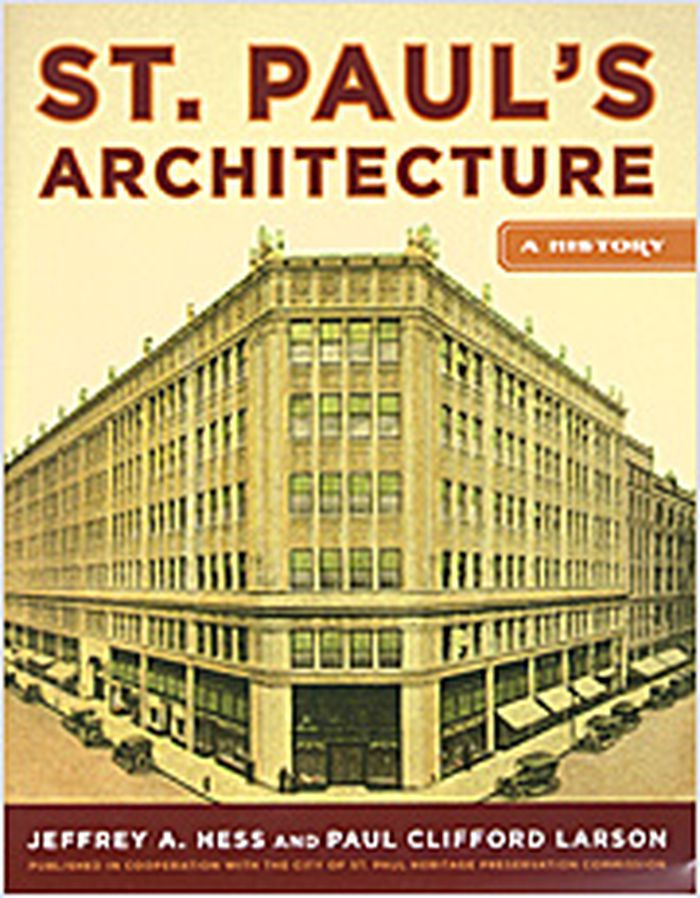
In " St. Paul’s architecture ", Jeffrey A. Hess and Paul Clifford Larson portray the city’s distinct history and character through the evolution of its architecture. Starting with the buildings that defined St. Paul’s - Minnesota founding in the 1840s, through the great construction boom of the mid-1880s, to the stylish and artistic work of Period Revival architects in the 1920s and 1930s and the rise of modernism after World War II, the authors showcase the city’s rich architectural heritage. Concluding the exploration, the book’s final chapter sheds light on the architecture of present-day St. Paul. " St. Paul’s architecture " presents more than 225 notable surviving buildings and the history of several neighborhoods of the city.
St.Paul's architecture : a history
Actions:
Prix:
$43.95
(disponible sur commande)
Résumé:
In " St. Paul’s architecture ", Jeffrey A. Hess and Paul Clifford Larson portray the city’s distinct history and character through the evolution of its architecture. Starting with the buildings that defined St. Paul’s - Minnesota founding in the 1840s, through the great construction boom of the mid-1880s, to the stylish and artistic work of Period Revival architects in the 1920s and 1930s and the rise of modernism after World War II, the authors showcase the city’s rich architectural heritage. Concluding the exploration, the book’s final chapter sheds light on the architecture of present-day St. Paul. " St. Paul’s architecture " presents more than 225 notable surviving buildings and the history of several neighborhoods of the city.
Classification:
livres
livres
Publication:
juin 2006, Minneapolis / London
juin 2006, Minneapolis / London
Sujet:
Histoire jusqu’à 1900
Histoire jusqu’à 1900
Classification:
livres
livres
Actions:
Prix:
$73.50
(disponible sur commande)
Résumé:
Between the early 1930s and 1950s, modernist architecture underwent a spectacular change of fortune in Britain – from a small-scale avant-garde movement, to the official, state-funded architectural idiom of the post-1945 Welfare State. FRS Yorke (1906–62) was an architect who completely followed that trajectory. His book "The modern house" (1934) placed his detailed(...)
$73.50
(disponible sur commande)
Résumé:
Between the early 1930s and 1950s, modernist architecture underwent a spectacular change of fortune in Britain – from a small-scale avant-garde movement, to the official, state-funded architectural idiom of the post-1945 Welfare State. FRS Yorke (1906–62) was an architect who completely followed that trajectory. His book "The modern house" (1934) placed his detailed(...)
Titre:
FRS Yorke and the evolution of English modernism
Actions:
Prix:
$73.50
(disponible sur commande)
Résumé:
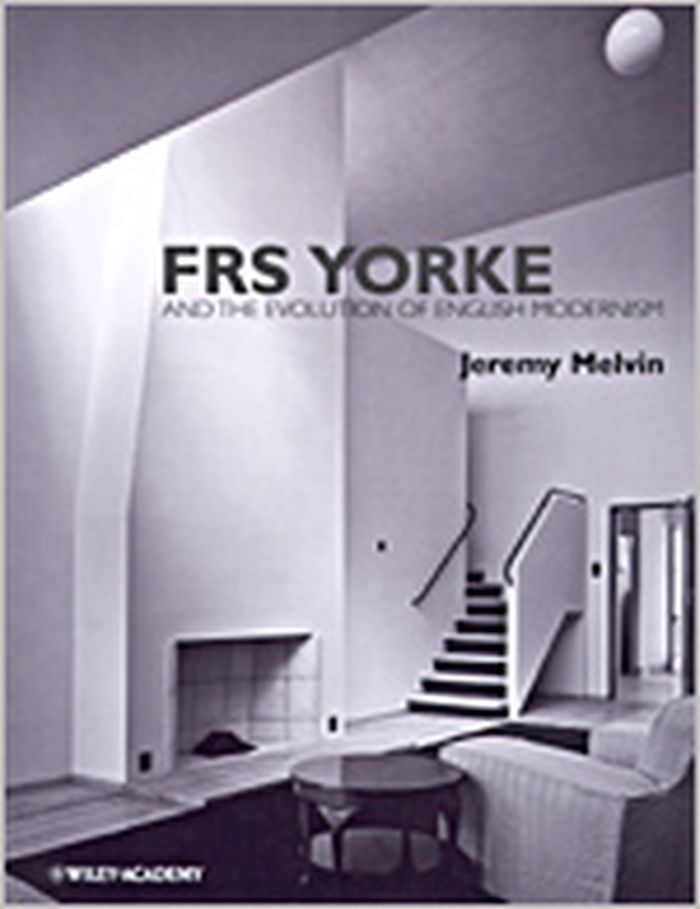
Between the early 1930s and 1950s, modernist architecture underwent a spectacular change of fortune in Britain – from a small-scale avant-garde movement, to the official, state-funded architectural idiom of the post-1945 Welfare State. FRS Yorke (1906–62) was an architect who completely followed that trajectory. His book "The modern house" (1934) placed his detailed knowledge of European architecture as an introduction to modern architecture for generations of architects, and provided inspiration for his own designs. But it was only after World War II, and the social and political change which came in its wake, that Yorke was able to turn his reputation as a modernist into commercial success. As his pre-War contemporaries gave up architecture or moved abroad, his practice – Yorke, Rosenberg and Mardall – drew on his experience of working on large, state-funded construction projects during the War, and participated in the transformation of Britain’s social and physical fabric with its new housing, hospitals, schools, universities and airports. This book concludes with a memoir by David Allford, who worked with Yorke and Yorke, Rosenberg and Mardall from 1952 until 1989.
FRS Yorke and the evolution of English modernism
Actions:
Prix:
$73.50
(disponible sur commande)
Résumé:
Between the early 1930s and 1950s, modernist architecture underwent a spectacular change of fortune in Britain – from a small-scale avant-garde movement, to the official, state-funded architectural idiom of the post-1945 Welfare State. FRS Yorke (1906–62) was an architect who completely followed that trajectory. His book "The modern house" (1934) placed his detailed knowledge of European architecture as an introduction to modern architecture for generations of architects, and provided inspiration for his own designs. But it was only after World War II, and the social and political change which came in its wake, that Yorke was able to turn his reputation as a modernist into commercial success. As his pre-War contemporaries gave up architecture or moved abroad, his practice – Yorke, Rosenberg and Mardall – drew on his experience of working on large, state-funded construction projects during the War, and participated in the transformation of Britain’s social and physical fabric with its new housing, hospitals, schools, universities and airports. This book concludes with a memoir by David Allford, who worked with Yorke and Yorke, Rosenberg and Mardall from 1952 until 1989.
Classification:
livres
livres
Publication:
mai 2003, Chichester
mai 2003, Chichester
Sujet:
Architecture, monographies
Architecture, monographies
Classification:
livres
livres
Actions:
Prix:
$43.95
(disponible sur commande)
Résumé:
Eileen Gray started her career as a lacquer artist in Paris creating new furniture and living accessories with striking colors and understated shapes. Remaining stalwartly independent, Gray developed an opulent, luxuriant take on geometric forms and industrially produced materials. Her Bibendum chair and E-1027 table today are familiar icons across the world; the(...)
$43.95
(disponible sur commande)
Résumé:
Eileen Gray started her career as a lacquer artist in Paris creating new furniture and living accessories with striking colors and understated shapes. Remaining stalwartly independent, Gray developed an opulent, luxuriant take on geometric forms and industrially produced materials. Her Bibendum chair and E-1027 table today are familiar icons across the world; the(...)
Titre:
Eileen Gray:her life and work
Actions:
Prix:
$43.95
(disponible sur commande)
Résumé:
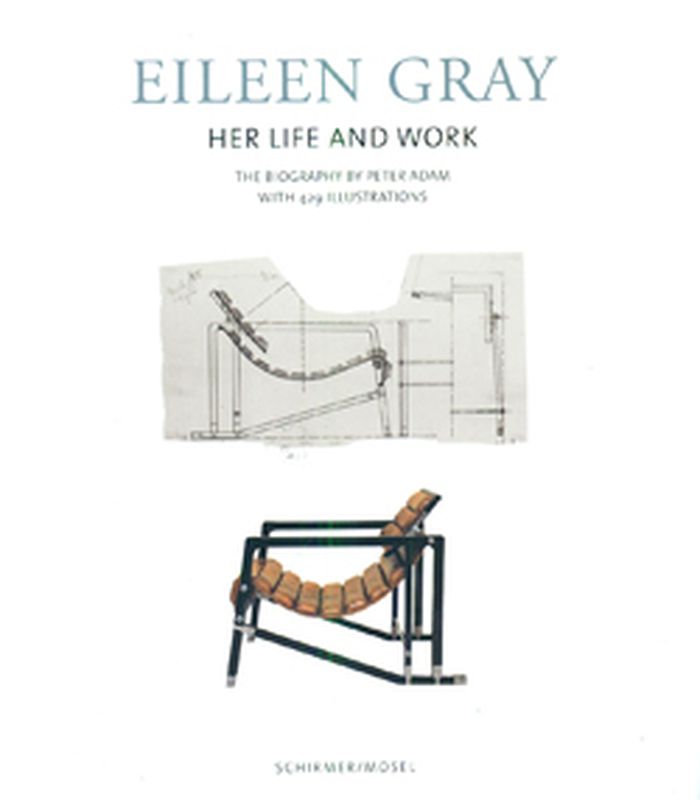
Eileen Gray started her career as a lacquer artist in Paris creating new furniture and living accessories with striking colors and understated shapes. Remaining stalwartly independent, Gray developed an opulent, luxuriant take on geometric forms and industrially produced materials. Her Bibendum chair and E-1027 table today are familiar icons across the world; the ship-shaped home she designed and built on a cliff near Monaco was hailed as a triumph of deluxe modern living; her Dragon chair fetched $28 million at a YSL sale. Her flamboyant beauty captured by photographer Berenice Abbott made her an admired figure among American expatriates such as Gertrude Stein and William Somerset Maugham. Her archives bombed during World War II, she was largely forgotten when one-time peers like Le Corbusier were lionized as visionaries. Rediscovered in 1960, she is today a celebrated pioneer of modern design.
Eileen Gray:her life and work
Actions:
Prix:
$43.95
(disponible sur commande)
Résumé:
Eileen Gray started her career as a lacquer artist in Paris creating new furniture and living accessories with striking colors and understated shapes. Remaining stalwartly independent, Gray developed an opulent, luxuriant take on geometric forms and industrially produced materials. Her Bibendum chair and E-1027 table today are familiar icons across the world; the ship-shaped home she designed and built on a cliff near Monaco was hailed as a triumph of deluxe modern living; her Dragon chair fetched $28 million at a YSL sale. Her flamboyant beauty captured by photographer Berenice Abbott made her an admired figure among American expatriates such as Gertrude Stein and William Somerset Maugham. Her archives bombed during World War II, she was largely forgotten when one-time peers like Le Corbusier were lionized as visionaries. Rediscovered in 1960, she is today a celebrated pioneer of modern design.
Classification:
livres
livres
Publication:
août 2015
août 2015
Sujet:
Design, monographies
Design, monographies
Classification:
livres
livres
Actions:
Prix:
$42.00
(disponible en magasin)
Résumé:
To what extent did the circulation of people, commodities and knowledge affect architecture and urban design between World War II and the fall of the Berlin Wall in 1989? Swiss urban studies professor Tom Avermaete teams up with Chicago-based architect Michelangelo Sabatino to interrogate the influence of globalization on postwar architecture. Globalization is a complex(...)
$42.00
(disponible en magasin)
Résumé:
To what extent did the circulation of people, commodities and knowledge affect architecture and urban design between World War II and the fall of the Berlin Wall in 1989? Swiss urban studies professor Tom Avermaete teams up with Chicago-based architect Michelangelo Sabatino to interrogate the influence of globalization on postwar architecture. Globalization is a complex(...)
Titre:
The global turn: six journeys of architecture and the city, 1945-1989
Actions:
Prix:
$42.00
(disponible en magasin)
Résumé:
To what extent did the circulation of people, commodities and knowledge affect architecture and urban design between World War II and the fall of the Berlin Wall in 1989? Swiss urban studies professor Tom Avermaete teams up with Chicago-based architect Michelangelo Sabatino to interrogate the influence of globalization on postwar architecture. Globalization is a complex phenomenon that has profoundly affected the practice of designers and engineers in the postwar era as it simultaneously expands and shrinks the world in which we live. Avermaete and Sabatino arrive at several conclusions through a diligent analysis of spatial, political and social geographies, from airports and hotels to construction materials and labor. ''The Global Turn'' presents their findings in a series of six short essays, providing a fresh viewpoint on a new worldwide environment that gives as much as it takes.
The global turn: six journeys of architecture and the city, 1945-1989
Actions:
Prix:
$42.00
(disponible en magasin)
Résumé:
To what extent did the circulation of people, commodities and knowledge affect architecture and urban design between World War II and the fall of the Berlin Wall in 1989? Swiss urban studies professor Tom Avermaete teams up with Chicago-based architect Michelangelo Sabatino to interrogate the influence of globalization on postwar architecture. Globalization is a complex phenomenon that has profoundly affected the practice of designers and engineers in the postwar era as it simultaneously expands and shrinks the world in which we live. Avermaete and Sabatino arrive at several conclusions through a diligent analysis of spatial, political and social geographies, from airports and hotels to construction materials and labor. ''The Global Turn'' presents their findings in a series of six short essays, providing a fresh viewpoint on a new worldwide environment that gives as much as it takes.
Classification:
livres
livres
Publication:
juin 2025
juin 2025
Sujet:
Théorie de l’architecture
Théorie de l’architecture
Classification:
livres
livres
Actions:
Prix:
$34.95
(disponible sur commande)
Résumé:
Urban gambling, linked to poverty, crime and corruption, was once considered a blight on U.S. cities. Gambling then followed the exodus of Americans into the suburbs after World War II, and now most Americans live within a four-hour drive of a casino. What explains the success of places like Las Vegas? The self-contained casino resort removes gambling and its social(...)
$34.95
(disponible sur commande)
Résumé:
Urban gambling, linked to poverty, crime and corruption, was once considered a blight on U.S. cities. Gambling then followed the exodus of Americans into the suburbs after World War II, and now most Americans live within a four-hour drive of a casino. What explains the success of places like Las Vegas? The self-contained casino resort removes gambling and its social(...)
Sujet:
Théorie de l’urbanisme
Théorie de l’urbanisme
Publication:
juillet 2003, New York / London
juillet 2003, New York / London
Titre:
Suburban Xanadu : the casino resort on the Las Vegas strip and beyond
Actions:
Prix:
$34.95
(disponible sur commande)
Résumé:
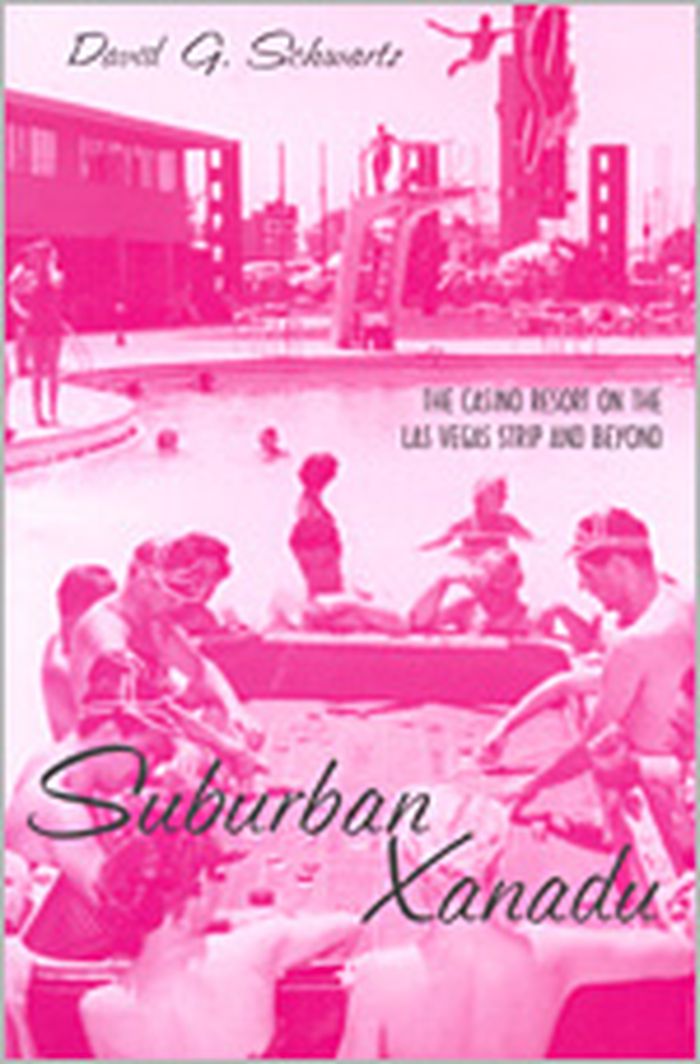
Urban gambling, linked to poverty, crime and corruption, was once considered a blight on U.S. cities. Gambling then followed the exodus of Americans into the suburbs after World War II, and now most Americans live within a four-hour drive of a casino. What explains the success of places like Las Vegas? The self-contained casino resort removes gambling and its social problems from cities and provides Americans the comfort of gambling in a setting matched to their suburban lifestyle. In a detailed look at the growth of the earliest casino resorts to the "pleasure palaces" and riverboat casinos of today, "Suburban Xanadu" locates the rise of the casino resort in suburbanization and the significance of this development for today.
Suburban Xanadu : the casino resort on the Las Vegas strip and beyond
Actions:
Prix:
$34.95
(disponible sur commande)
Résumé:
Urban gambling, linked to poverty, crime and corruption, was once considered a blight on U.S. cities. Gambling then followed the exodus of Americans into the suburbs after World War II, and now most Americans live within a four-hour drive of a casino. What explains the success of places like Las Vegas? The self-contained casino resort removes gambling and its social problems from cities and provides Americans the comfort of gambling in a setting matched to their suburban lifestyle. In a detailed look at the growth of the earliest casino resorts to the "pleasure palaces" and riverboat casinos of today, "Suburban Xanadu" locates the rise of the casino resort in suburbanization and the significance of this development for today.
Classification:
livres
livres
Publication:
juillet 2003, New York / London
juillet 2003, New York / London
Sujet:
Théorie de l’urbanisme
Théorie de l’urbanisme
Classification:
livres
livres
Actions:
Prix:
$97.50
(disponible sur commande)
Résumé:
While the history of São Paulo dates back more than 450 years, most of its growth took place after World War II as the city's major economic engine shifted from agriculture to industry. Today, as São Paulo evolves into a service economy hub, Felipe Correa argues, the city must carefully examine how to better integrate its extensive inner city post-industrial land into(...)
$97.50
(disponible sur commande)
Résumé:
While the history of São Paulo dates back more than 450 years, most of its growth took place after World War II as the city's major economic engine shifted from agriculture to industry. Today, as São Paulo evolves into a service economy hub, Felipe Correa argues, the city must carefully examine how to better integrate its extensive inner city post-industrial land into(...)
Titre:
São Paulo: a graphic biography
Actions:
Prix:
$97.50
(disponible sur commande)
Résumé:
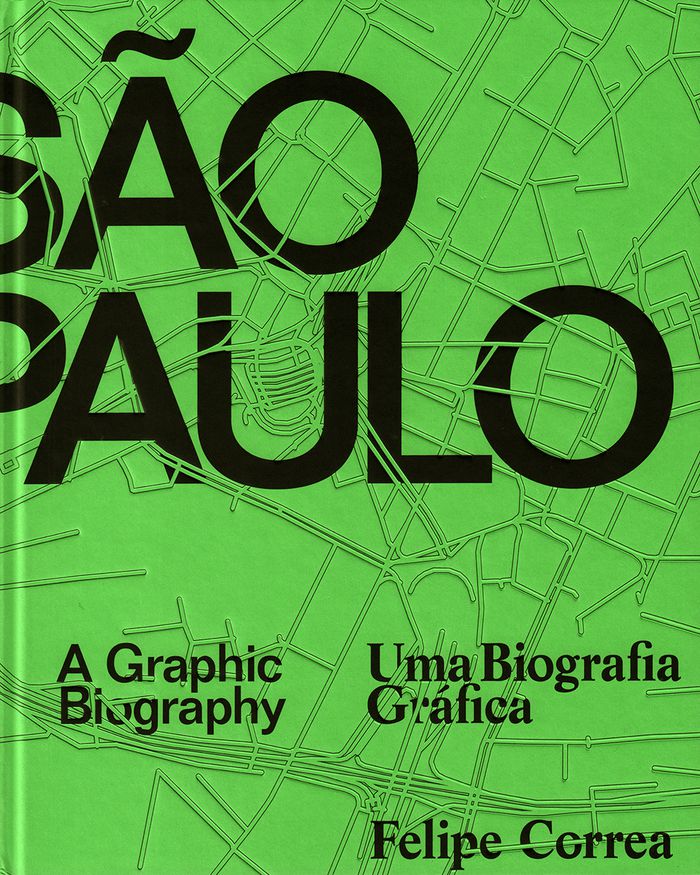
While the history of São Paulo dates back more than 450 years, most of its growth took place after World War II as the city's major economic engine shifted from agriculture to industry. Today, as São Paulo evolves into a service economy hub, Felipe Correa argues, the city must carefully examine how to better integrate its extensive inner city post-industrial land into contemporary urban uses. In ''São Paulo: A Graphic Biography,'' Correa presents a comprehensive portrait of Brazil's largest city, narrating its fast-paced growth through archival material, photography, original drawings, and text. Additional essays from scholars in fields such as landscape architecture, ecology, governance, and public health offer a series of interdisciplinary perspectives on the city's history and development.
São Paulo: a graphic biography
Actions:
Prix:
$97.50
(disponible sur commande)
Résumé:
While the history of São Paulo dates back more than 450 years, most of its growth took place after World War II as the city's major economic engine shifted from agriculture to industry. Today, as São Paulo evolves into a service economy hub, Felipe Correa argues, the city must carefully examine how to better integrate its extensive inner city post-industrial land into contemporary urban uses. In ''São Paulo: A Graphic Biography,'' Correa presents a comprehensive portrait of Brazil's largest city, narrating its fast-paced growth through archival material, photography, original drawings, and text. Additional essays from scholars in fields such as landscape architecture, ecology, governance, and public health offer a series of interdisciplinary perspectives on the city's history and development.
Classification:
livres
livres
Publication:
octobre 2018
octobre 2018
Sujet:
Théorie de l’urbanisme
Théorie de l’urbanisme
Classification:
livres
livres
Actions:
Prix:
$52.50
(disponible en magasin)
Résumé:
Bogdan Bogdanovic (1922–2010) was a Yugoslav architect, theorist, professor and a one-time mayor of Belgrade. His idiosyncratic memorials to the victims and heroes of World War II, scattered around the former Yugoslavia, continue to attract attention today, more than 25 years after the country’s collapse. The monuments, cemeteries, mausoleums, memorial parks,(...)
$52.50
(disponible en magasin)
Résumé:
Bogdan Bogdanovic (1922–2010) was a Yugoslav architect, theorist, professor and a one-time mayor of Belgrade. His idiosyncratic memorials to the victims and heroes of World War II, scattered around the former Yugoslavia, continue to attract attention today, more than 25 years after the country’s collapse. The monuments, cemeteries, mausoleums, memorial parks,(...)
Titre:
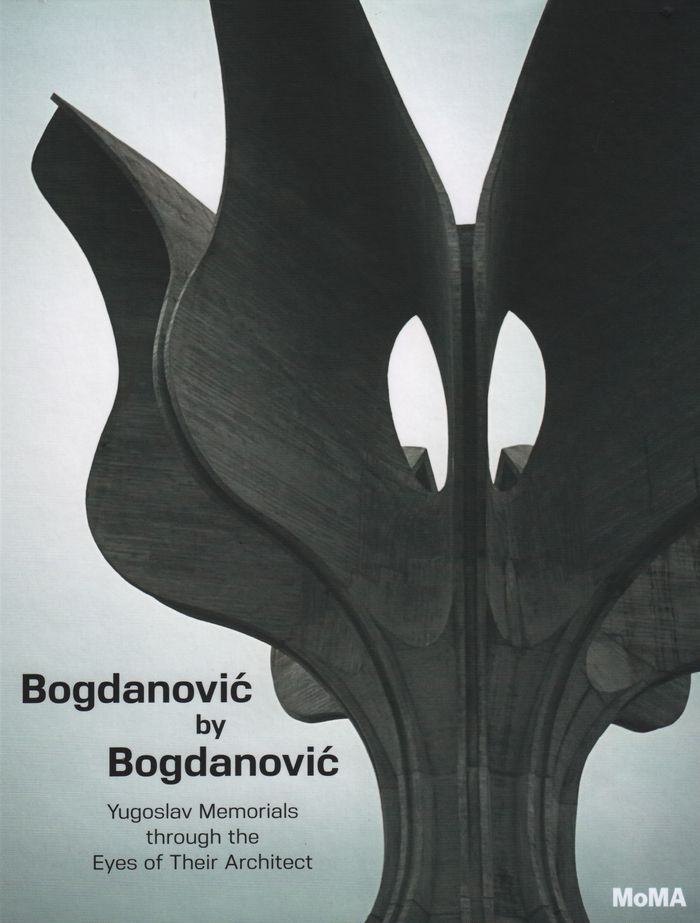
Bogdanovic by Bogdanovic: Yugoslav memorials through the eyes of their architect
Actions:
Prix:
$52.50
(disponible en magasin)
Résumé:
Bogdan Bogdanovic (1922–2010) was a Yugoslav architect, theorist, professor and a one-time mayor of Belgrade. His idiosyncratic memorials to the victims and heroes of World War II, scattered around the former Yugoslavia, continue to attract attention today, more than 25 years after the country’s collapse. The monuments, cemeteries, mausoleums, memorial parks, necropolises, cenotaphs and other sites of memory Bogdanovic designed between the early 1950s and late 1970s occupy a unique place in the history of modern architecture, redrawing the boundaries between architecture, landscape and sculpture in varied and unexpected ways. This book presents Bogdanovic’s built oeuvre through his own eyes, in a selection of nearly 50 color photographs of his memorials, which the architect took soon after the completion of each project.
Bogdanovic by Bogdanovic: Yugoslav memorials through the eyes of their architect
Actions:
Prix:
$52.50
(disponible en magasin)
Résumé:
Bogdan Bogdanovic (1922–2010) was a Yugoslav architect, theorist, professor and a one-time mayor of Belgrade. His idiosyncratic memorials to the victims and heroes of World War II, scattered around the former Yugoslavia, continue to attract attention today, more than 25 years after the country’s collapse. The monuments, cemeteries, mausoleums, memorial parks, necropolises, cenotaphs and other sites of memory Bogdanovic designed between the early 1950s and late 1970s occupy a unique place in the history of modern architecture, redrawing the boundaries between architecture, landscape and sculpture in varied and unexpected ways. This book presents Bogdanovic’s built oeuvre through his own eyes, in a selection of nearly 50 color photographs of his memorials, which the architect took soon after the completion of each project.
Classification:
livres
livres
Publication:
juillet 2018
juillet 2018
Sujet:
Monographies photo
Monographies photo
Classification:
livres
livres
Actions:
Prix:
$61.95
(disponible sur commande)
Résumé:
The German architect Rudolf Schwarz (1897–1961) numbers among the leading masters of church architecture in the twentieth century. Inspired by the Catholic Youth Movement, Schwarz designed more than forty religious buildings after 1924 and played an integral role in Cologne’s reconstruction in the aftermath of World War II. In addition, he made a name for himself as the(...)
$61.95
(disponible sur commande)
Résumé:
The German architect Rudolf Schwarz (1897–1961) numbers among the leading masters of church architecture in the twentieth century. Inspired by the Catholic Youth Movement, Schwarz designed more than forty religious buildings after 1924 and played an integral role in Cologne’s reconstruction in the aftermath of World War II. In addition, he made a name for himself as the(...)
Titre:
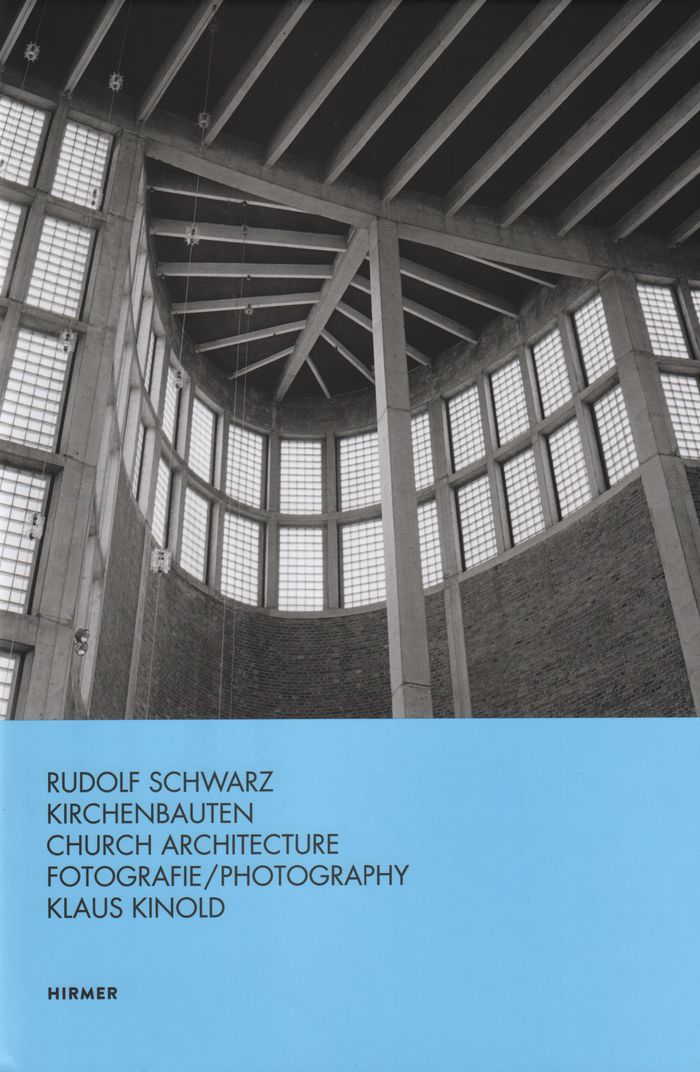
Rudolf Schwarz: church architecture
Actions:
Prix:
$61.95
(disponible sur commande)
Résumé:
The German architect Rudolf Schwarz (1897–1961) numbers among the leading masters of church architecture in the twentieth century. Inspired by the Catholic Youth Movement, Schwarz designed more than forty religious buildings after 1924 and played an integral role in Cologne’s reconstruction in the aftermath of World War II. In addition, he made a name for himself as the author of fundamental texts on sacred architecture. Praised by Mies van der Rohe as “designed order full of meaning,” Schwarz’s architecture was intended to house religious contemplation. He became famous for his vast, light-filled spaces, minimalist in form yet overflowing with symbolism. This volume documents Schwarz’s transformative sacred buildings in Germany and Austria alongside his collaborations with visual artists such as Ewald Mataré and Georg Meistermann.
Rudolf Schwarz: church architecture
Actions:
Prix:
$61.95
(disponible sur commande)
Résumé:
The German architect Rudolf Schwarz (1897–1961) numbers among the leading masters of church architecture in the twentieth century. Inspired by the Catholic Youth Movement, Schwarz designed more than forty religious buildings after 1924 and played an integral role in Cologne’s reconstruction in the aftermath of World War II. In addition, he made a name for himself as the author of fundamental texts on sacred architecture. Praised by Mies van der Rohe as “designed order full of meaning,” Schwarz’s architecture was intended to house religious contemplation. He became famous for his vast, light-filled spaces, minimalist in form yet overflowing with symbolism. This volume documents Schwarz’s transformative sacred buildings in Germany and Austria alongside his collaborations with visual artists such as Ewald Mataré and Georg Meistermann.
Classification:
livres
livres
Publication:
septembre 2018
septembre 2018
Sujet:
Architecture, monographies
Architecture, monographies


