


13794 Résultats
Classification:
livres
livres
Actions:
Prix:
$24.95
(disponible sur commande)
Résumé:
'Heaven's Breath', the first history of the wind, looks at this ubiquitous and invisible entity from the point of view of geography, biology, physics, sociology, physiology, psychology, history, and philosophy. Watson shows how winds shape the world and maintains its life world, functioning as the circulatory and nervous systems of the planet, sharing our energy and(...)
$24.95
(disponible sur commande)
Résumé:
'Heaven's Breath', the first history of the wind, looks at this ubiquitous and invisible entity from the point of view of geography, biology, physics, sociology, physiology, psychology, history, and philosophy. Watson shows how winds shape the world and maintains its life world, functioning as the circulatory and nervous systems of the planet, sharing our energy and(...)
Titre:
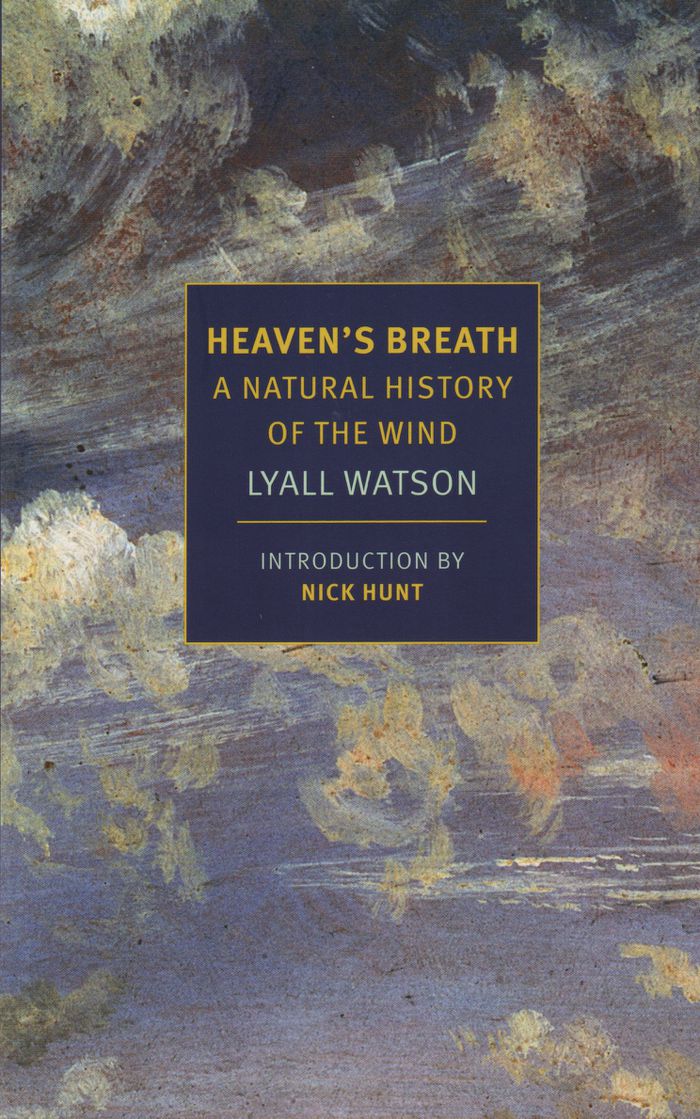
Heaven's breath: a natural history of the wind
Actions:
Prix:
$24.95
(disponible sur commande)
Résumé:
'Heaven's Breath', the first history of the wind, looks at this ubiquitous and invisible entity from the point of view of geography, biology, physics, sociology, physiology, psychology, history, and philosophy. Watson shows how winds shape the world and maintains its life world, functioning as the circulatory and nervous systems of the planet, sharing our energy and information, distributing warmth, bringing rain, enriching or stripping away soil, air-conditioning the globe.
Heaven's breath: a natural history of the wind
Actions:
Prix:
$24.95
(disponible sur commande)
Résumé:
'Heaven's Breath', the first history of the wind, looks at this ubiquitous and invisible entity from the point of view of geography, biology, physics, sociology, physiology, psychology, history, and philosophy. Watson shows how winds shape the world and maintains its life world, functioning as the circulatory and nervous systems of the planet, sharing our energy and information, distributing warmth, bringing rain, enriching or stripping away soil, air-conditioning the globe.
Classification:
livres
livres
Publication:
août 2019
août 2019
Sujet:
Théorie du paysage
Théorie du paysage
Classification:
livres
livres

Titre:
The future of the image
The future of the image
Actions:
Prix:
$25.95
(disponible sur commande)
Résumé:
In ''The Future of the Image,'' Jacques Rancière develops a fascinating new concept of the image in contemporary art, showing how art and politics have always been intrinsically intertwined. He argues that there is a stark political choice in art: it can either reinforce a radical democracy or create a new reactionary mysticism. For Rancière there is never a pure art: the(...)
$25.95
(disponible sur commande)
Résumé:
In ''The Future of the Image,'' Jacques Rancière develops a fascinating new concept of the image in contemporary art, showing how art and politics have always been intrinsically intertwined. He argues that there is a stark political choice in art: it can either reinforce a radical democracy or create a new reactionary mysticism. For Rancière there is never a pure art: the(...)
Titre:
The future of the image
Actions:
Prix:
$25.95
(disponible sur commande)
Résumé:
In ''The Future of the Image,'' Jacques Rancière develops a fascinating new concept of the image in contemporary art, showing how art and politics have always been intrinsically intertwined. He argues that there is a stark political choice in art: it can either reinforce a radical democracy or create a new reactionary mysticism. For Rancière there is never a pure art: the aesthetic revolution must always embrace egalitarian ideals.
The future of the image
Actions:
Prix:
$25.95
(disponible sur commande)
Résumé:
In ''The Future of the Image,'' Jacques Rancière develops a fascinating new concept of the image in contemporary art, showing how art and politics have always been intrinsically intertwined. He argues that there is a stark political choice in art: it can either reinforce a radical democracy or create a new reactionary mysticism. For Rancière there is never a pure art: the aesthetic revolution must always embrace egalitarian ideals.
Classification:
livres
livres
Publication:
septembre 2019
septembre 2019
Sujet:
Théorie de l’art
Théorie de l’art
Classification:
livres
livres

Titre:
Translation
Translation
Actions:
Prix:
$33.95
(disponible sur commande)
Résumé:
The movement of global populations, and subsequently the task of translation, underlies contemporary culture. Economic and environmental migration, forced political exiles, and the plight of refugees are now superimposed upon the intricacies of ancient and modern diasporas, generations of colonization, and the transportation of slaves. This timely anthology considers(...)
$33.95
(disponible sur commande)
Résumé:
The movement of global populations, and subsequently the task of translation, underlies contemporary culture. Economic and environmental migration, forced political exiles, and the plight of refugees are now superimposed upon the intricacies of ancient and modern diasporas, generations of colonization, and the transportation of slaves. This timely anthology considers(...)
Titre:
Translation
Actions:
Prix:
$33.95
(disponible sur commande)
Résumé:
The movement of global populations, and subsequently the task of translation, underlies contemporary culture. Economic and environmental migration, forced political exiles, and the plight of refugees are now superimposed upon the intricacies of ancient and modern diasporas, generations of colonization, and the transportation of slaves. This timely anthology considers translation's ongoing role in cultural navigation, empathy, and understanding disparate experiences. It explores the approaches of artists, poets, and theorists in negotiating increasingly protean identities—from the intrinsic intimacy of language, to translation's embedded structures of knowledge production and interaction, to its limitations of expression, and, ultimately, its importance in a world of multiple perspectives.
Translation
Actions:
Prix:
$33.95
(disponible sur commande)
Résumé:
The movement of global populations, and subsequently the task of translation, underlies contemporary culture. Economic and environmental migration, forced political exiles, and the plight of refugees are now superimposed upon the intricacies of ancient and modern diasporas, generations of colonization, and the transportation of slaves. This timely anthology considers translation's ongoing role in cultural navigation, empathy, and understanding disparate experiences. It explores the approaches of artists, poets, and theorists in negotiating increasingly protean identities—from the intrinsic intimacy of language, to translation's embedded structures of knowledge production and interaction, to its limitations of expression, and, ultimately, its importance in a world of multiple perspectives.
Classification:
livres
livres
Publication:
février 2020
février 2020
Sujet:
Théorie de l’art
Théorie de l’art
Classification:
livres
livres
Actions:
Prix:
$45.00
(disponible sur commande)
Résumé:
Since the 1960s, art and architecture have experienced a series of radical and reciprocal trades. Just as artists have simulated “architectural” means like plans and models, built structures and pavilions, or intervened in urban and public spaces, architects have employed “artistic” strategies in art institutions, exhibitions, and more. Likewise, art galleries and museums(...)
$45.00
(disponible sur commande)
Résumé:
Since the 1960s, art and architecture have experienced a series of radical and reciprocal trades. Just as artists have simulated “architectural” means like plans and models, built structures and pavilions, or intervened in urban and public spaces, architects have employed “artistic” strategies in art institutions, exhibitions, and more. Likewise, art galleries and museums(...)
Sujet:
Théorie de l’architecture
Théorie de l’architecture
Publication:
septembre 2019
septembre 2019
Titre:
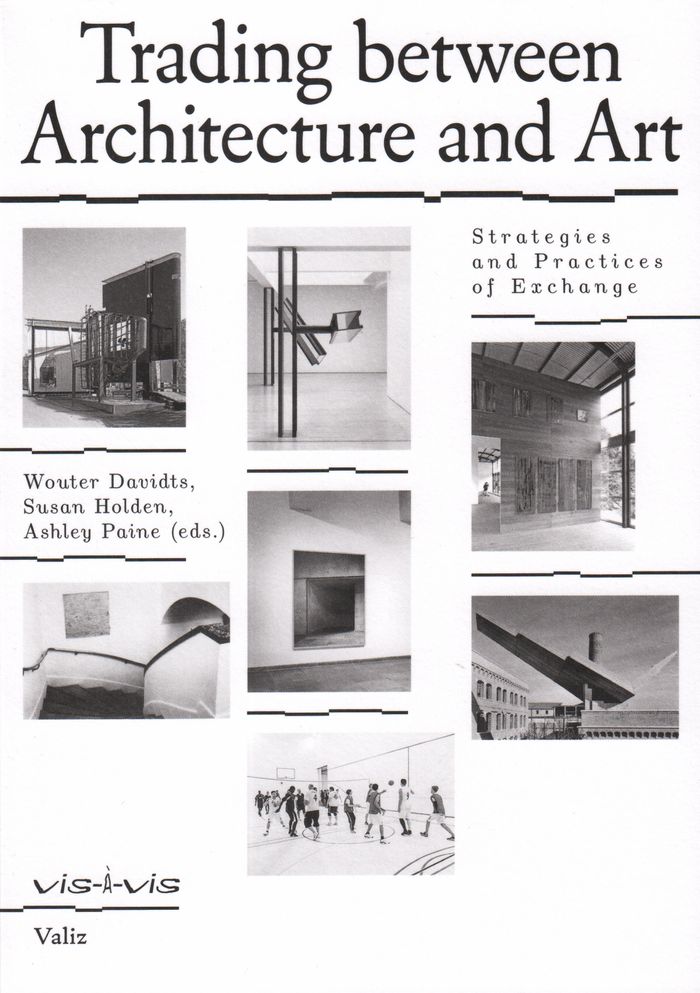
Trading between architecture and art: strategies and practices of exchange
Actions:
Prix:
$45.00
(disponible sur commande)
Résumé:
Since the 1960s, art and architecture have experienced a series of radical and reciprocal trades. Just as artists have simulated “architectural” means like plans and models, built structures and pavilions, or intervened in urban and public spaces, architects have employed “artistic” strategies in art institutions, exhibitions, and more. Likewise, art galleries and museums have combined both activities, playing with the conditional differences between inside and outside the institutions. This book focuses on specific case studies of these two-way, interdisciplinary transactions. Included are texts and visual essays by Mark Dorrian, Rosemary Willink, Sarah Oppenheimer, and many others.
Trading between architecture and art: strategies and practices of exchange
Actions:
Prix:
$45.00
(disponible sur commande)
Résumé:
Since the 1960s, art and architecture have experienced a series of radical and reciprocal trades. Just as artists have simulated “architectural” means like plans and models, built structures and pavilions, or intervened in urban and public spaces, architects have employed “artistic” strategies in art institutions, exhibitions, and more. Likewise, art galleries and museums have combined both activities, playing with the conditional differences between inside and outside the institutions. This book focuses on specific case studies of these two-way, interdisciplinary transactions. Included are texts and visual essays by Mark Dorrian, Rosemary Willink, Sarah Oppenheimer, and many others.
Classification:
livres
livres
Publication:
septembre 2019
septembre 2019
Sujet:
Théorie de l’architecture
Théorie de l’architecture
Classification:
livres
livres
Actions:
Prix:
$66.95
(disponible sur commande)
Résumé:
La ville est notre horizon à tous, elle est là et il est difficile de la justifier ou même de l'expliquer. Pourtant, les enjeux sociétaux et environnementaux actuels (changements climatiques, désindustrialisation, remise en cause des usages domestiques, nouvelles modalités du travail, etc.) nous poussent à nous intéresser à nos modes de faire et de penser la ville.(...)
$66.95
(disponible sur commande)
Résumé:
La ville est notre horizon à tous, elle est là et il est difficile de la justifier ou même de l'expliquer. Pourtant, les enjeux sociétaux et environnementaux actuels (changements climatiques, désindustrialisation, remise en cause des usages domestiques, nouvelles modalités du travail, etc.) nous poussent à nous intéresser à nos modes de faire et de penser la ville.(...)
Titre:
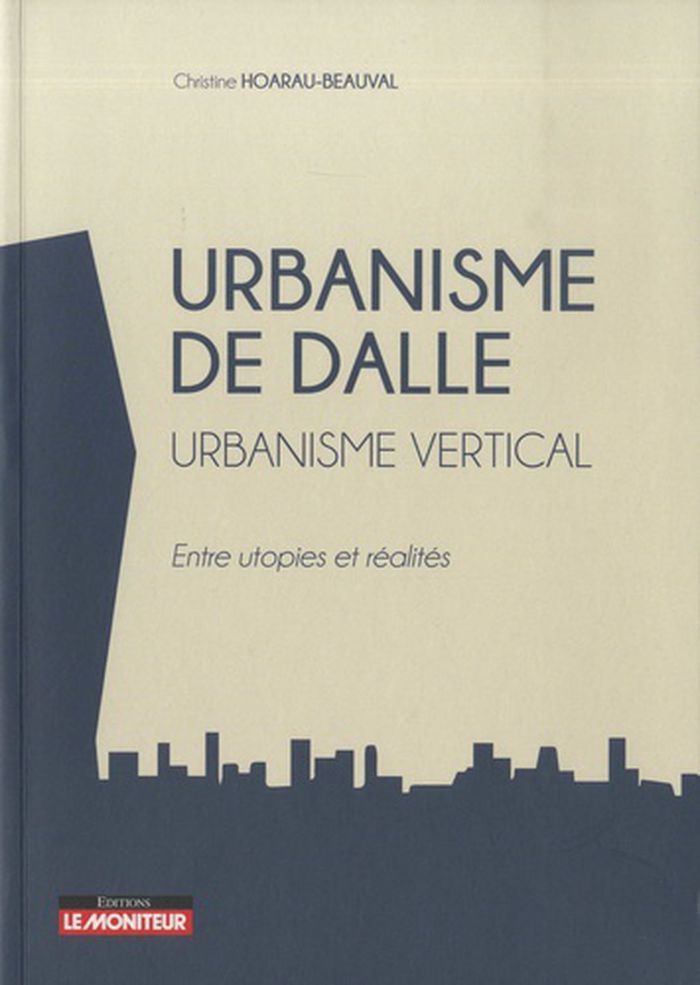
Urbanisme de dalle, d'hier à demain
Actions:
Prix:
$66.95
(disponible sur commande)
Résumé:
La ville est notre horizon à tous, elle est là et il est difficile de la justifier ou même de l'expliquer. Pourtant, les enjeux sociétaux et environnementaux actuels (changements climatiques, désindustrialisation, remise en cause des usages domestiques, nouvelles modalités du travail, etc.) nous poussent à nous intéresser à nos modes de faire et de penser la ville. Regarder en arrière, ce n'est pas revenir en arrière. Pour briser les évidences et sortir des tabous, l'auteure nous propose de redécouvrir une histoire de la ville moderne, à travers une analyse illustrée de nombreux documents d'époque et de témoignages, afin d'en tirer des enseignements pour l'avenir. Exemples à l'appui, vous découvrirez notamment qu'il suffit de revendiquer la modernité pour qu'elle nous échappe ! Lorsqu'il s'agit de régler des contraintes inhérentes au site, certains principes urbanistiques des années 1950-1970 comme la dalle, semblent alors éminemment d'actualité dans de nombreux projets d'aménagement.
Urbanisme de dalle, d'hier à demain
Actions:
Prix:
$66.95
(disponible sur commande)
Résumé:
La ville est notre horizon à tous, elle est là et il est difficile de la justifier ou même de l'expliquer. Pourtant, les enjeux sociétaux et environnementaux actuels (changements climatiques, désindustrialisation, remise en cause des usages domestiques, nouvelles modalités du travail, etc.) nous poussent à nous intéresser à nos modes de faire et de penser la ville. Regarder en arrière, ce n'est pas revenir en arrière. Pour briser les évidences et sortir des tabous, l'auteure nous propose de redécouvrir une histoire de la ville moderne, à travers une analyse illustrée de nombreux documents d'époque et de témoignages, afin d'en tirer des enseignements pour l'avenir. Exemples à l'appui, vous découvrirez notamment qu'il suffit de revendiquer la modernité pour qu'elle nous échappe ! Lorsqu'il s'agit de régler des contraintes inhérentes au site, certains principes urbanistiques des années 1950-1970 comme la dalle, semblent alors éminemment d'actualité dans de nombreux projets d'aménagement.
Classification:
livres
livres
Publication:
août 2019
août 2019
Sujet:
Théorie de l’urbanisme
Théorie de l’urbanisme
Classification:
livres
livres
Actions:
Prix:
$58.95
(disponible sur commande)
Résumé:
Ecartée au XXe siècle au profit de la photographie, la pratique du dessin s'inscrit dans une longue tradition des sciences naturelles et de la botanique. Parce qu'il interprète autant qu'il décrit, le dessin amplifie la vision et permet de saisir dans son ensemble la réalité d'un objet vivant et complexe. L'arbre est de ceux-là, et des trésors d'informations, qui(...)
$58.95
(disponible sur commande)
Résumé:
Ecartée au XXe siècle au profit de la photographie, la pratique du dessin s'inscrit dans une longue tradition des sciences naturelles et de la botanique. Parce qu'il interprète autant qu'il décrit, le dessin amplifie la vision et permet de saisir dans son ensemble la réalité d'un objet vivant et complexe. L'arbre est de ceux-là, et des trésors d'informations, qui(...)
Titre:
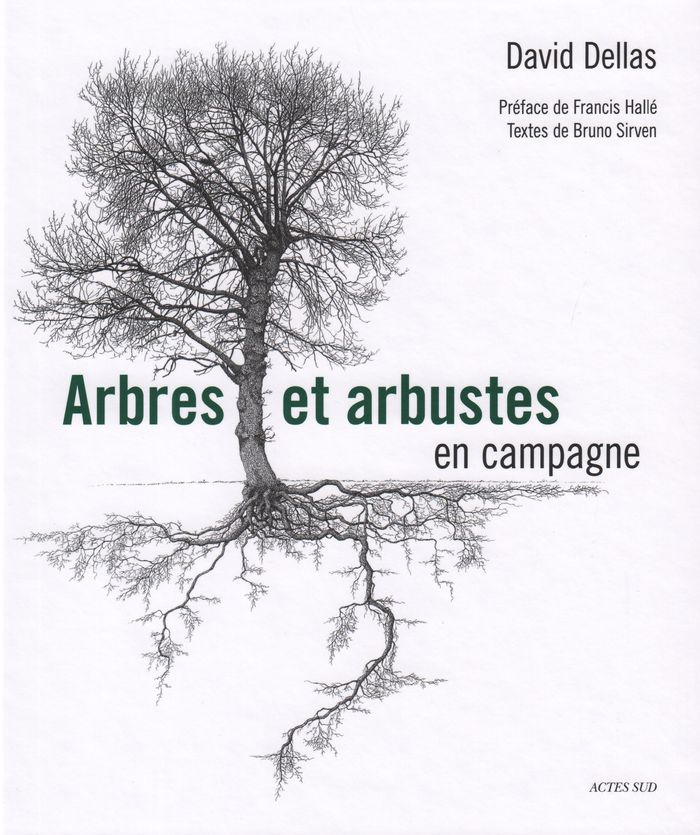
Arbres et arbustes en campagne
Actions:
Prix:
$58.95
(disponible sur commande)
Résumé:
Ecartée au XXe siècle au profit de la photographie, la pratique du dessin s'inscrit dans une longue tradition des sciences naturelles et de la botanique. Parce qu'il interprète autant qu'il décrit, le dessin amplifie la vision et permet de saisir dans son ensemble la réalité d'un objet vivant et complexe. L'arbre est de ceux-là, et des trésors d'informations, qui échappent aux outils d'enregistrement les plus modernes, surgissent opportunément sous le crayon expert de David Dellas. Par la puissance de son réalisme, l'ouvrage procure un sentiment de proximité et d'émerveillement, et, comme l'indique Francis Hallé, "nous voyons enfin les arbres et arbustes de nos régions comme ils sont réellement, représentés avec une précision et une sensibilité telles que leur identification devient aisée et presque immédiate". Au fil d'un sobre et vibrant plaidoyer iconographique pour la biodiversité ordinaire, l'auteur pro- pose une "flore" accessible à tous, permettant de découvrir et de reconnaître les arbres champêtres, compagnons de notre quotidien, dont on a oublié la noblesse, la rusticité et les grandes utilités... Des arbres discrets et ignorés, qui jouent pourtant un rôle transversal et précieux dans le devenir et la durabilité des territoires et de l'agriculture.
Arbres et arbustes en campagne
Actions:
Prix:
$58.95
(disponible sur commande)
Résumé:
Ecartée au XXe siècle au profit de la photographie, la pratique du dessin s'inscrit dans une longue tradition des sciences naturelles et de la botanique. Parce qu'il interprète autant qu'il décrit, le dessin amplifie la vision et permet de saisir dans son ensemble la réalité d'un objet vivant et complexe. L'arbre est de ceux-là, et des trésors d'informations, qui échappent aux outils d'enregistrement les plus modernes, surgissent opportunément sous le crayon expert de David Dellas. Par la puissance de son réalisme, l'ouvrage procure un sentiment de proximité et d'émerveillement, et, comme l'indique Francis Hallé, "nous voyons enfin les arbres et arbustes de nos régions comme ils sont réellement, représentés avec une précision et une sensibilité telles que leur identification devient aisée et presque immédiate". Au fil d'un sobre et vibrant plaidoyer iconographique pour la biodiversité ordinaire, l'auteur pro- pose une "flore" accessible à tous, permettant de découvrir et de reconnaître les arbres champêtres, compagnons de notre quotidien, dont on a oublié la noblesse, la rusticité et les grandes utilités... Des arbres discrets et ignorés, qui jouent pourtant un rôle transversal et précieux dans le devenir et la durabilité des territoires et de l'agriculture.
Classification:
livres
livres
Publication:
juillet 2019
juillet 2019
Sujet:
Théorie du paysage
Théorie du paysage
Classification:
livres
livres
Prix:
$47.95
(disponible en magasin)
Résumé:
'L’Artiste-chercheur' retrace l’émergence d’une figure de l’artiste dont l’activité bascule soudainement dans le champ universitaire. Pour comprendre cette mutation, Sandra Delacourt suit la trace de Donald Judd, artiste minimaliste, qui dans la deuxième partie du xxe siècle fut désigné ambassadeur d’un « art éduqué ». À travers lui, l’auteure nous invite à suivre(...)
$47.95
(disponible en magasin)
Résumé:
'L’Artiste-chercheur' retrace l’émergence d’une figure de l’artiste dont l’activité bascule soudainement dans le champ universitaire. Pour comprendre cette mutation, Sandra Delacourt suit la trace de Donald Judd, artiste minimaliste, qui dans la deuxième partie du xxe siècle fut désigné ambassadeur d’un « art éduqué ». À travers lui, l’auteure nous invite à suivre(...)
Titre:
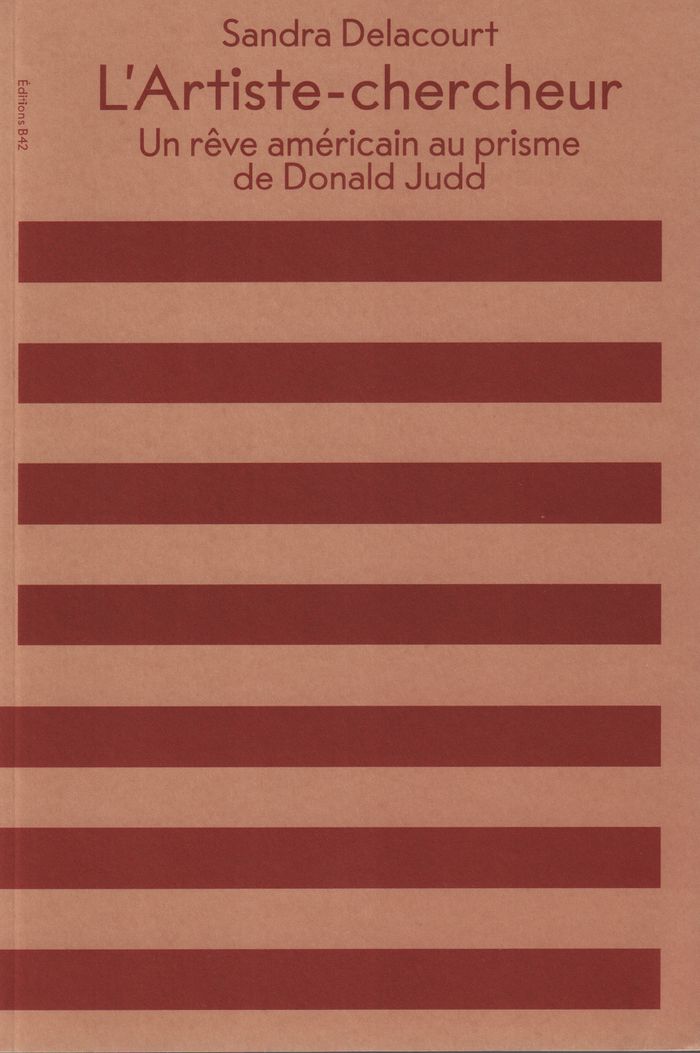
L'Artiste-chercheur, un rêve américain au prisme de Donald Judd
Actions:
Prix:
$47.95
(disponible en magasin)
Résumé:
'L’Artiste-chercheur' retrace l’émergence d’une figure de l’artiste dont l’activité bascule soudainement dans le champ universitaire. Pour comprendre cette mutation, Sandra Delacourt suit la trace de Donald Judd, artiste minimaliste, qui dans la deuxième partie du xxe siècle fut désigné ambassadeur d’un « art éduqué ». À travers lui, l’auteure nous invite à suivre l’évolution, non linéaire, d’un nouvel imaginaire pour l’art et pour la recherche, et expose la manière dont différentes générations d’artistes s’en sont emparées ou l’ont rejeté. Alors que depuis quelques années la recherche créative fait l’objet d’un nouvel engouement, cet ouvrage propose d’explorer les désirs antagonistes qui ont conduit l’art et le savoir à pointer un horizon commun.
L'Artiste-chercheur, un rêve américain au prisme de Donald Judd
Actions:
Prix:
$47.95
(disponible en magasin)
Résumé:
'L’Artiste-chercheur' retrace l’émergence d’une figure de l’artiste dont l’activité bascule soudainement dans le champ universitaire. Pour comprendre cette mutation, Sandra Delacourt suit la trace de Donald Judd, artiste minimaliste, qui dans la deuxième partie du xxe siècle fut désigné ambassadeur d’un « art éduqué ». À travers lui, l’auteure nous invite à suivre l’évolution, non linéaire, d’un nouvel imaginaire pour l’art et pour la recherche, et expose la manière dont différentes générations d’artistes s’en sont emparées ou l’ont rejeté. Alors que depuis quelques années la recherche créative fait l’objet d’un nouvel engouement, cet ouvrage propose d’explorer les désirs antagonistes qui ont conduit l’art et le savoir à pointer un horizon commun.
Classification:
livres
livres
Publication:
avril 2019
avril 2019
Sujet:
Théorie de l’art
Théorie de l’art
Classification:
livres
livres
Titre:
La Ressemblance informe
La Ressemblance informe
Actions:
Prix:
$59.95
(disponible sur commande)
Résumé:
Ce livre est un traité d'esthétique paradoxale. Une esthétique que Georges Didi-Huberman développe à partir de l'analyse minutieuse - textes et images mêlés et confrontés - de 'Documents', la revue d'art que Georges Bataille, avec ses compagnons Michel Leiris, Carl Einstein, Marcel Griaule, et quelques autres, a dirigée en 1929 et 1930.
$59.95
(disponible sur commande)
Résumé:
Ce livre est un traité d'esthétique paradoxale. Une esthétique que Georges Didi-Huberman développe à partir de l'analyse minutieuse - textes et images mêlés et confrontés - de 'Documents', la revue d'art que Georges Bataille, avec ses compagnons Michel Leiris, Carl Einstein, Marcel Griaule, et quelques autres, a dirigée en 1929 et 1930.
Titre:
La Ressemblance informe
Actions:
Prix:
$59.95
(disponible sur commande)
Résumé:
Ce livre est un traité d'esthétique paradoxale. Une esthétique que Georges Didi-Huberman développe à partir de l'analyse minutieuse - textes et images mêlés et confrontés - de 'Documents', la revue d'art que Georges Bataille, avec ses compagnons Michel Leiris, Carl Einstein, Marcel Griaule, et quelques autres, a dirigée en 1929 et 1930.
La Ressemblance informe
Actions:
Prix:
$59.95
(disponible sur commande)
Résumé:
Ce livre est un traité d'esthétique paradoxale. Une esthétique que Georges Didi-Huberman développe à partir de l'analyse minutieuse - textes et images mêlés et confrontés - de 'Documents', la revue d'art que Georges Bataille, avec ses compagnons Michel Leiris, Carl Einstein, Marcel Griaule, et quelques autres, a dirigée en 1929 et 1930.
Classification:
livres
livres
Publication:
janvier 2019
janvier 2019
Sujet:
Théorie de l’art
Théorie de l’art
Classification:
livres
livres
Actions:
Prix:
$36.95
(disponible sur commande)
Résumé:
In "What’s the Use?" Sara Ahmed continues the work she began in "The Promise of Happiness and Willful Subjects" by taking up a single word—in this case, use—and following it around. She shows how use became associated with life and strength in nineteenth-century biological and social thought and considers how utilitarianism offered a set of educational techniques for(...)
$36.95
(disponible sur commande)
Résumé:
In "What’s the Use?" Sara Ahmed continues the work she began in "The Promise of Happiness and Willful Subjects" by taking up a single word—in this case, use—and following it around. She shows how use became associated with life and strength in nineteenth-century biological and social thought and considers how utilitarianism offered a set of educational techniques for(...)
Titre:
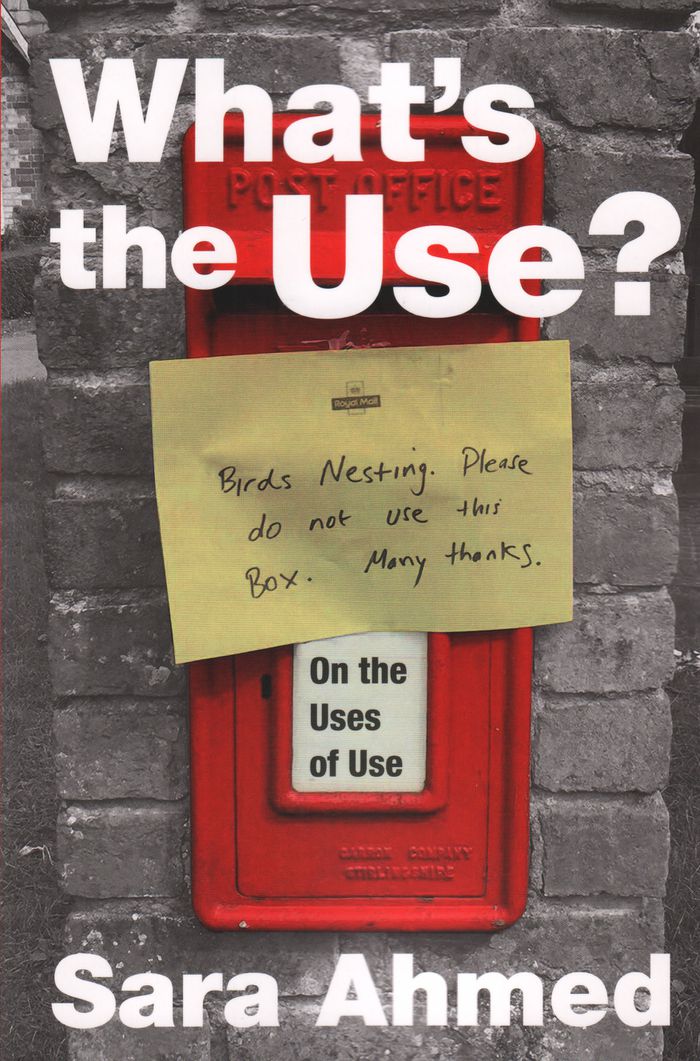
What's the use: on the uses of use
Actions:
Prix:
$36.95
(disponible sur commande)
Résumé:
In "What’s the Use?" Sara Ahmed continues the work she began in "The Promise of Happiness and Willful Subjects" by taking up a single word—in this case, use—and following it around. She shows how use became associated with life and strength in nineteenth-century biological and social thought and considers how utilitarianism offered a set of educational techniques for shaping individuals by directing them toward useful ends. Ahmed also explores how spaces become restricted to some uses and users, with specific reference to universities. She notes, however, the potential for queer use: how things can be used in ways that were not intended or by those for whom they were not intended. Ahmed posits queer use as a way of reanimating the project of diversity work as the ordinary and painstaking task of opening up institutions to those who have historically been excluded.
What's the use: on the uses of use
Actions:
Prix:
$36.95
(disponible sur commande)
Résumé:
In "What’s the Use?" Sara Ahmed continues the work she began in "The Promise of Happiness and Willful Subjects" by taking up a single word—in this case, use—and following it around. She shows how use became associated with life and strength in nineteenth-century biological and social thought and considers how utilitarianism offered a set of educational techniques for shaping individuals by directing them toward useful ends. Ahmed also explores how spaces become restricted to some uses and users, with specific reference to universities. She notes, however, the potential for queer use: how things can be used in ways that were not intended or by those for whom they were not intended. Ahmed posits queer use as a way of reanimating the project of diversity work as the ordinary and painstaking task of opening up institutions to those who have historically been excluded.
Classification:
livres
livres
Publication:
octobre 2019
octobre 2019
Sujet:
Théorie/ philosophie
Théorie/ philosophie
Classification:
livres
livres
Actions:
Prix:
$81.50
(disponible sur commande)
Résumé:
''Reciprocal landscapes: stories of material movements'' traces five everyday landscape construction materials – fertilizer, stone, steel, trees, and wood – from seminal public landscapes in New York City, back to where they came from. Drawing from archival documents, photographs, and field trips, the author brings these two separate landscapes – the material’s source and(...)
$81.50
(disponible sur commande)
Résumé:
''Reciprocal landscapes: stories of material movements'' traces five everyday landscape construction materials – fertilizer, stone, steel, trees, and wood – from seminal public landscapes in New York City, back to where they came from. Drawing from archival documents, photographs, and field trips, the author brings these two separate landscapes – the material’s source and(...)
Titre:
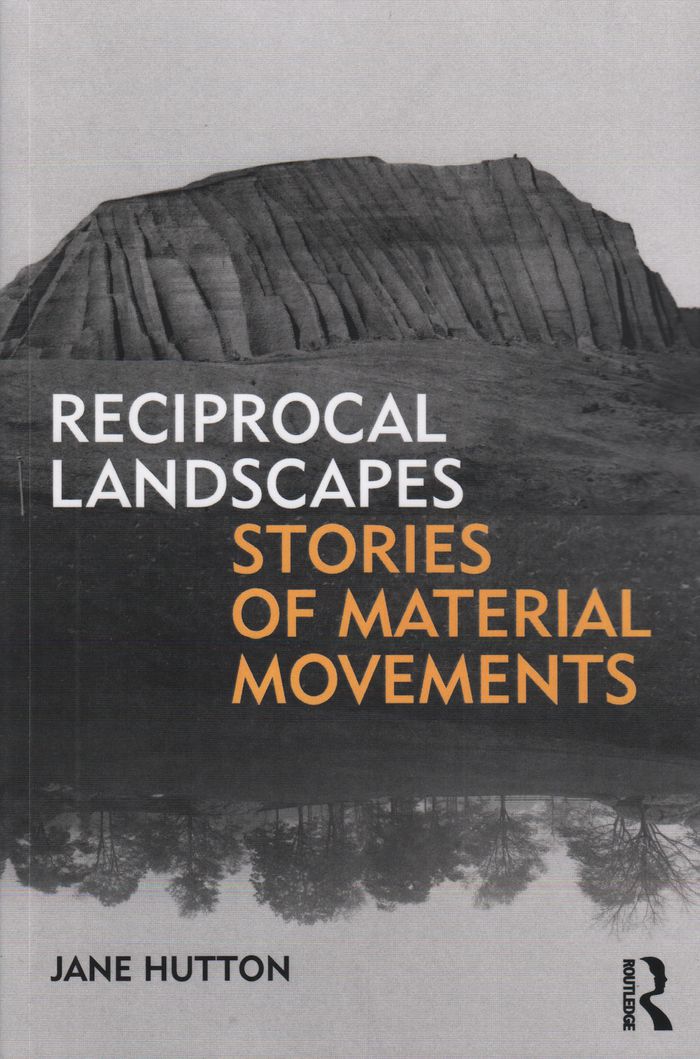
Reciprocal landscapes: stories of material movements
Actions:
Prix:
$81.50
(disponible sur commande)
Résumé:
''Reciprocal landscapes: stories of material movements'' traces five everyday landscape construction materials – fertilizer, stone, steel, trees, and wood – from seminal public landscapes in New York City, back to where they came from. Drawing from archival documents, photographs, and field trips, the author brings these two separate landscapes – the material’s source and the urban site where the material ended up – together, exploring themes of unequal ecological exchange, labor, and material flows. This book considers the social, political, and ecological entanglements of material practice, challenging readers to think of materials not as inert products but as continuous with land and the people that shape them, and to reimagine forms of construction in solidarity with people, other species, and landscapes elsewhere.
Reciprocal landscapes: stories of material movements
Actions:
Prix:
$81.50
(disponible sur commande)
Résumé:
''Reciprocal landscapes: stories of material movements'' traces five everyday landscape construction materials – fertilizer, stone, steel, trees, and wood – from seminal public landscapes in New York City, back to where they came from. Drawing from archival documents, photographs, and field trips, the author brings these two separate landscapes – the material’s source and the urban site where the material ended up – together, exploring themes of unequal ecological exchange, labor, and material flows. This book considers the social, political, and ecological entanglements of material practice, challenging readers to think of materials not as inert products but as continuous with land and the people that shape them, and to reimagine forms of construction in solidarity with people, other species, and landscapes elsewhere.
Classification:
livres
livres
Publication:
octobre 2019
octobre 2019
Sujet:
Théorie du paysage
Théorie du paysage


