


7798 Résultats
Classification:
livres
livres
Actions:
Prix:
$60.00
(disponible sur commande)
Résumé:
Gordon Matta-Clark died at only 35 of pancreatic cancer and has since become a cult figure of late 20th-century art. Trained in architecture at Cornell, he went on to question the field’s conventions in vivid projects—performance and recycling pieces, space and texture works and word games—some of which excised holes into existing buildings or assembled deeds to New York(...)
$60.00
(disponible sur commande)
Résumé:
Gordon Matta-Clark died at only 35 of pancreatic cancer and has since become a cult figure of late 20th-century art. Trained in architecture at Cornell, he went on to question the field’s conventions in vivid projects—performance and recycling pieces, space and texture works and word games—some of which excised holes into existing buildings or assembled deeds to New York(...)
Publication:
août 2016
août 2016
Titre:
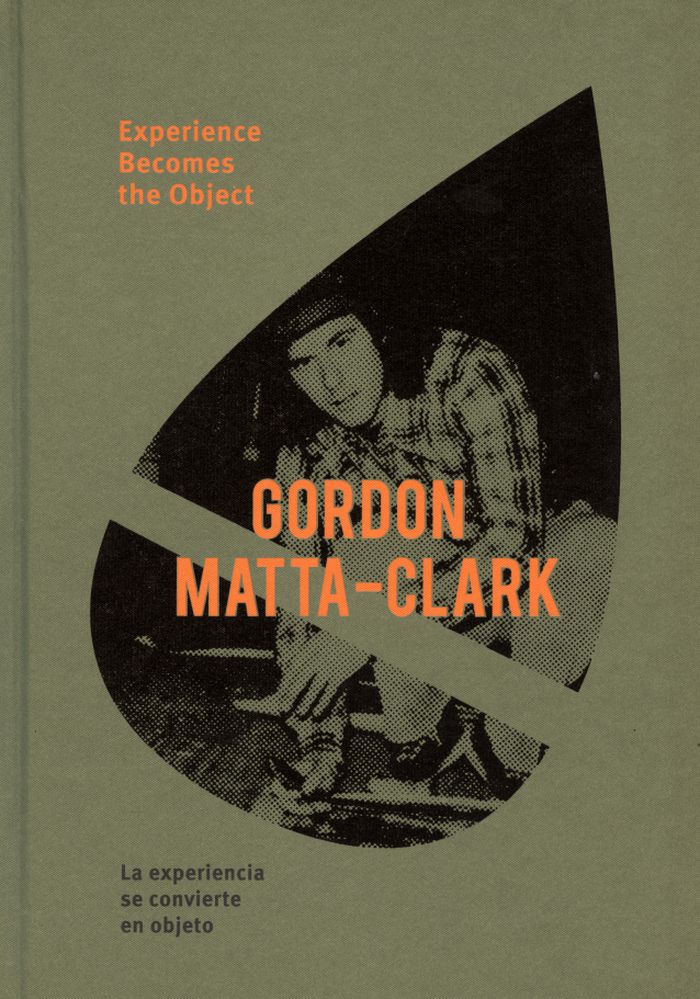
Gordon Matta-Clark: Experience becomes the object
Actions:
Prix:
$60.00
(disponible sur commande)
Résumé:
Gordon Matta-Clark died at only 35 of pancreatic cancer and has since become a cult figure of late 20th-century art. Trained in architecture at Cornell, he went on to question the field’s conventions in vivid projects—performance and recycling pieces, space and texture works and word games—some of which excised holes into existing buildings or assembled deeds to New York City alleys and curbs. The artist used a variety of media to document his work, including film, video and photography. His work and words, while sophisticated enough to make him an "artist’s artist," and colossal and outgoing enough to draw public attention and affection, were always also grounded in social or political convictions. In the early 1970s, Matta-Clark developed the idea of "anarchitecture," which encompassed his interest in voids, gaps and left-over spaces. Gordon Matta-Clark: Experience Becomes the Object collects five essays and ten individual interviews with various friends and family members of Matta-Clark’s. Together, they outline a biographical profile and offer an analysis of the historical period in which the artist developed his short but successful career. New, never-before-published material and photographs as well as an exclusive link to the documentary Crosswords: Matta-Clark’s Friends by Matias Cardone are also included.
Gordon Matta-Clark: Experience becomes the object
Actions:
Prix:
$60.00
(disponible sur commande)
Résumé:
Gordon Matta-Clark died at only 35 of pancreatic cancer and has since become a cult figure of late 20th-century art. Trained in architecture at Cornell, he went on to question the field’s conventions in vivid projects—performance and recycling pieces, space and texture works and word games—some of which excised holes into existing buildings or assembled deeds to New York City alleys and curbs. The artist used a variety of media to document his work, including film, video and photography. His work and words, while sophisticated enough to make him an "artist’s artist," and colossal and outgoing enough to draw public attention and affection, were always also grounded in social or political convictions. In the early 1970s, Matta-Clark developed the idea of "anarchitecture," which encompassed his interest in voids, gaps and left-over spaces. Gordon Matta-Clark: Experience Becomes the Object collects five essays and ten individual interviews with various friends and family members of Matta-Clark’s. Together, they outline a biographical profile and offer an analysis of the historical period in which the artist developed his short but successful career. New, never-before-published material and photographs as well as an exclusive link to the documentary Crosswords: Matta-Clark’s Friends by Matias Cardone are also included.
Classification:
livres
livres
Publication:
août 2016
août 2016
Classification:
livres
livres
Actions:
Prix:
$90.00
(disponible en magasin)
Résumé:
For Denise Scott Brown (born 1931), who is among the most important architects of the postwar era, photography has long served as a critical medium through which to perceive, document and think about the world in which designers operate. Fascinated by the ephemeral and the everyday, Scott Brown took photographs for fun, research and teaching, and later as a component of(...)
$90.00
(disponible en magasin)
Résumé:
For Denise Scott Brown (born 1931), who is among the most important architects of the postwar era, photography has long served as a critical medium through which to perceive, document and think about the world in which designers operate. Fascinated by the ephemeral and the everyday, Scott Brown took photographs for fun, research and teaching, and later as a component of(...)
Titre:
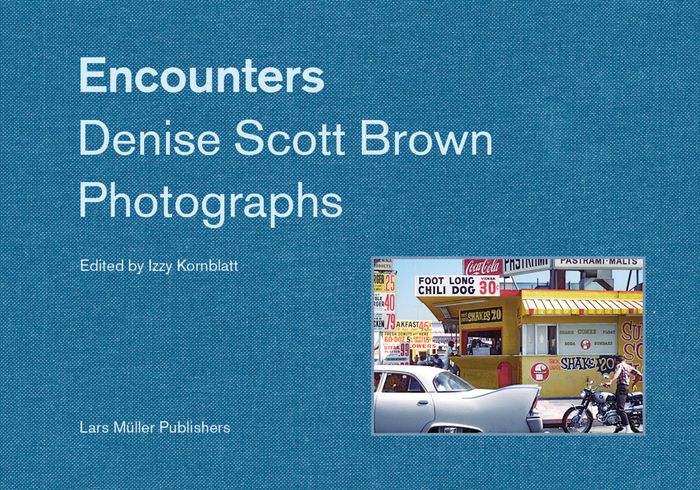
Encounters: Denise Scott Brown photographs
Actions:
Prix:
$90.00
(disponible en magasin)
Résumé:
For Denise Scott Brown (born 1931), who is among the most important architects of the postwar era, photography has long served as a critical medium through which to perceive, document and think about the world in which designers operate. Fascinated by the ephemeral and the everyday, Scott Brown took photographs for fun, research and teaching, and later as a component of design and planning projects. Through the lens of her Alpa camera she sought to penetrate the irreducible complexities of life around her—and to make a case for the architect and planner's role in intervening within it. "Encounters" gathers an essential collection of Scott Brown's photography from the 1950s to the 1970s, presented here for the first time. The book focuses on the formative decades during which Scott Brown departed her childhood home of Johannesburg to study in London, traveled through Europe, moved to the United States, met her partner Robert Venturi and eventually developed the profound interest in postwar suburbia from which her most famous work, "Learning from Las Vegas", would emerge. Moving thematically rather than sequentially through Scott Brown's photographic oeuvre, "Encounters" opens up new ways of reading this body of work, presenting it less as a continuous historical record than as the product of a careful and studied practice of observation.
Encounters: Denise Scott Brown photographs
Actions:
Prix:
$90.00
(disponible en magasin)
Résumé:
For Denise Scott Brown (born 1931), who is among the most important architects of the postwar era, photography has long served as a critical medium through which to perceive, document and think about the world in which designers operate. Fascinated by the ephemeral and the everyday, Scott Brown took photographs for fun, research and teaching, and later as a component of design and planning projects. Through the lens of her Alpa camera she sought to penetrate the irreducible complexities of life around her—and to make a case for the architect and planner's role in intervening within it. "Encounters" gathers an essential collection of Scott Brown's photography from the 1950s to the 1970s, presented here for the first time. The book focuses on the formative decades during which Scott Brown departed her childhood home of Johannesburg to study in London, traveled through Europe, moved to the United States, met her partner Robert Venturi and eventually developed the profound interest in postwar suburbia from which her most famous work, "Learning from Las Vegas", would emerge. Moving thematically rather than sequentially through Scott Brown's photographic oeuvre, "Encounters" opens up new ways of reading this body of work, presenting it less as a continuous historical record than as the product of a careful and studied practice of observation.
Classification:
livres
livres
Publication:
août 2025
août 2025
Sujet:
Monographies photo
Monographies photo
Classification:
livres
livres
Actions:
Prix:
$27.99
(disponible sur commande)
Résumé:
The architecture of Britain is an art gallery all around us. From our streets to squares, through our cities, suburbs and villages, we are surrounded by magnificent buildings of eclectic styles. ''A Short History of British Architecture'' is story of why Britain looks the way it does, from prehistoric Stonehenge to the lofty towers of today. Historian Simon Jenkins(...)
$27.99
(disponible sur commande)
Résumé:
The architecture of Britain is an art gallery all around us. From our streets to squares, through our cities, suburbs and villages, we are surrounded by magnificent buildings of eclectic styles. ''A Short History of British Architecture'' is story of why Britain looks the way it does, from prehistoric Stonehenge to the lofty towers of today. Historian Simon Jenkins(...)
Titre:
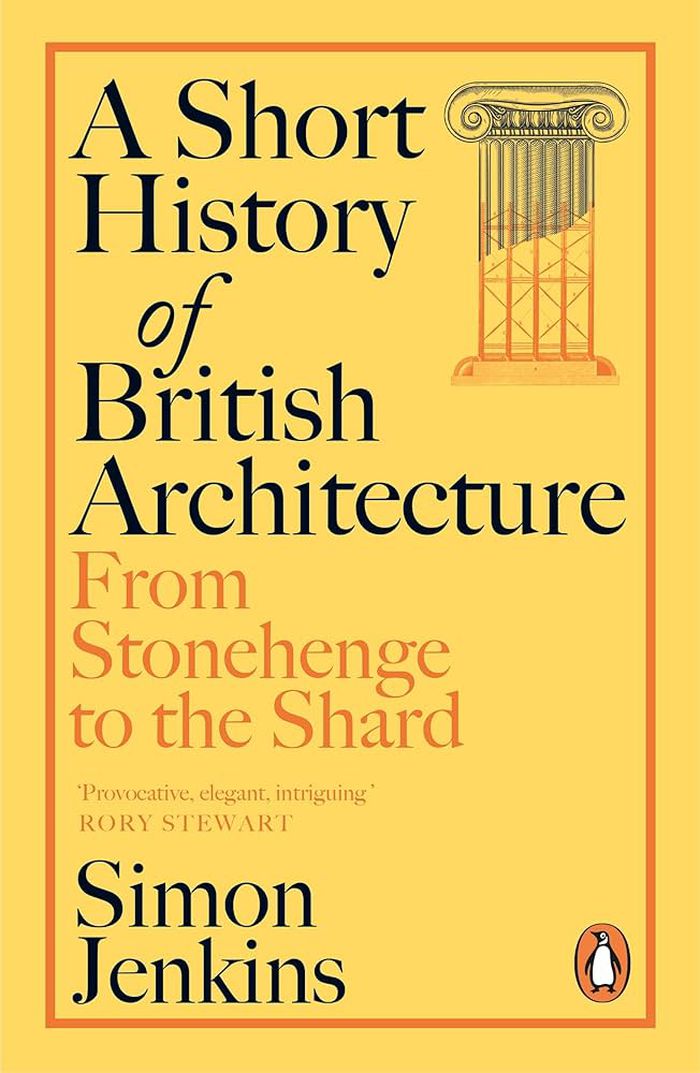
A short history of British architecture: From Stonehenge to The Shard
Actions:
Prix:
$27.99
(disponible sur commande)
Résumé:
The architecture of Britain is an art gallery all around us. From our streets to squares, through our cities, suburbs and villages, we are surrounded by magnificent buildings of eclectic styles. ''A Short History of British Architecture'' is story of why Britain looks the way it does, from prehistoric Stonehenge to the lofty towers of today. Historian Simon Jenkins traces the relentless battles over the European traditions of classicism and gothic- from the gothic cathedrals of Lincoln, Ely and Wells to the ‘'prodigy'’ houses of the Tudor renaissance, and visits the great estates of Georgian London, the docks of Liverpool, the mills of Yorkshire and the chapels of south Wales. The arrival of modernism in the twentieth century politicised public taste, upheaved communities and sought to reconstruct entire cities. It produced Coventry Cathedral and Lloyd’s of London, but also the brutalist monoliths of Sheffield’s Park Hill, Glasgow’s Cumbernauld and London’s South Bank. Only in the 1970s did the public at last give voice to what became the conservation revolution – a movement in which Jenkins played a leading role, both as deputy chairman of English Heritage and chairman of the National Trust, and in the saving of iconic buildings such as St Pancras International and Covent Garden.
A short history of British architecture: From Stonehenge to The Shard
Actions:
Prix:
$27.99
(disponible sur commande)
Résumé:
The architecture of Britain is an art gallery all around us. From our streets to squares, through our cities, suburbs and villages, we are surrounded by magnificent buildings of eclectic styles. ''A Short History of British Architecture'' is story of why Britain looks the way it does, from prehistoric Stonehenge to the lofty towers of today. Historian Simon Jenkins traces the relentless battles over the European traditions of classicism and gothic- from the gothic cathedrals of Lincoln, Ely and Wells to the ‘'prodigy'’ houses of the Tudor renaissance, and visits the great estates of Georgian London, the docks of Liverpool, the mills of Yorkshire and the chapels of south Wales. The arrival of modernism in the twentieth century politicised public taste, upheaved communities and sought to reconstruct entire cities. It produced Coventry Cathedral and Lloyd’s of London, but also the brutalist monoliths of Sheffield’s Park Hill, Glasgow’s Cumbernauld and London’s South Bank. Only in the 1970s did the public at last give voice to what became the conservation revolution – a movement in which Jenkins played a leading role, both as deputy chairman of English Heritage and chairman of the National Trust, and in the saving of iconic buildings such as St Pancras International and Covent Garden.
Classification:
livres
livres
Publication:
janvier 2026
janvier 2026
Classification:
livres
livres
Titre:
Robbert Flick : trajectories
Robbert Flick : trajectories
Actions:
Prix:
$110.50
(disponible sur commande)
Résumé:
Robbert Flick's work extends the same visual, philosophical, and theoretically fertile tradition set by the highly influential and iconoclastic Robert Heinecken. But while Heinecken's emphasis can be said to rely on the manner in which images function within the intersection of popular culture and the fine arts, Flick has characteristically concentrated more intently on(...)
$110.50
(disponible sur commande)
Résumé:
Robbert Flick's work extends the same visual, philosophical, and theoretically fertile tradition set by the highly influential and iconoclastic Robert Heinecken. But while Heinecken's emphasis can be said to rely on the manner in which images function within the intersection of popular culture and the fine arts, Flick has characteristically concentrated more intently on(...)
Titre:
Robbert Flick : trajectories
Actions:
Prix:
$110.50
(disponible sur commande)
Résumé:
Robbert Flick's work extends the same visual, philosophical, and theoretically fertile tradition set by the highly influential and iconoclastic Robert Heinecken. But while Heinecken's emphasis can be said to rely on the manner in which images function within the intersection of popular culture and the fine arts, Flick has characteristically concentrated more intently on the artifactual, conceptual, and receptive properties of photography--specifically landscape photography. The distinctive retinal and conceptual strength of Flick's work has been evident since his early essay-format images of the 1960s. In his more recent digital work, he extends his participation in the critical discourse established around the interpretation, evaluation, and assessment of visual constructs related to the landscape. And yet, this movement has only become possible through a conceptual transition from a position of creating unique objects to an emphasis on interactivity and multiple access using still and moving images that allow for the work's insertion into the broader socio-political arena where the application defines the discourse. Trajectories traces the artist's career from the 1970s to the present, providing the opportunity to examine his visual development while also charting the conceptual and philosophical impact of contemporary culture on landscape, cultural geography, and technology. Edited by Tim B. Wride with essays by Michael Dear and David L. Ulin
Robbert Flick : trajectories
Actions:
Prix:
$110.50
(disponible sur commande)
Résumé:
Robbert Flick's work extends the same visual, philosophical, and theoretically fertile tradition set by the highly influential and iconoclastic Robert Heinecken. But while Heinecken's emphasis can be said to rely on the manner in which images function within the intersection of popular culture and the fine arts, Flick has characteristically concentrated more intently on the artifactual, conceptual, and receptive properties of photography--specifically landscape photography. The distinctive retinal and conceptual strength of Flick's work has been evident since his early essay-format images of the 1960s. In his more recent digital work, he extends his participation in the critical discourse established around the interpretation, evaluation, and assessment of visual constructs related to the landscape. And yet, this movement has only become possible through a conceptual transition from a position of creating unique objects to an emphasis on interactivity and multiple access using still and moving images that allow for the work's insertion into the broader socio-political arena where the application defines the discourse. Trajectories traces the artist's career from the 1970s to the present, providing the opportunity to examine his visual development while also charting the conceptual and philosophical impact of contemporary culture on landscape, cultural geography, and technology. Edited by Tim B. Wride with essays by Michael Dear and David L. Ulin
Classification:
livres
livres
Publication:
janvier 1900, Los Angeles
janvier 1900, Los Angeles
Sujet:
Monographies photo
Monographies photo
Classification:
livres
livres
Prix:
$66.00
(disponible sur commande)
Résumé:
''Lost Days, Endless Nights'' tells a history from below—an account of the lives of the forgotten and dispossessed of Los Angeles: the unemployed, the precariously employed, the evicted, the alienated, the unhoused, the anxious, the exhausted. Through an analysis of abandoned archival works, experimental films, and other projects, Andrew Witt offers an expansive account(...)
$66.00
(disponible sur commande)
Résumé:
''Lost Days, Endless Nights'' tells a history from below—an account of the lives of the forgotten and dispossessed of Los Angeles: the unemployed, the precariously employed, the evicted, the alienated, the unhoused, the anxious, the exhausted. Through an analysis of abandoned archival works, experimental films, and other projects, Andrew Witt offers an expansive account(...)
Titre:
Lost days, endless nights: Photography and film from Los Angeles
Actions:
Prix:
$66.00
(disponible sur commande)
Résumé:
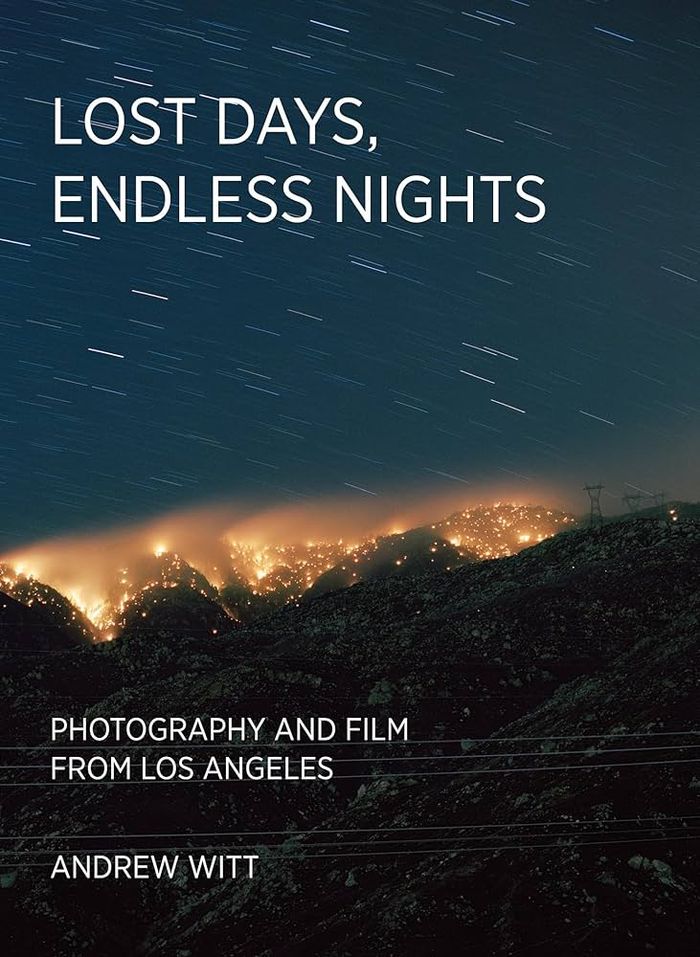
''Lost Days, Endless Nights'' tells a history from below—an account of the lives of the forgotten and dispossessed of Los Angeles: the unemployed, the precariously employed, the evicted, the alienated, the unhoused, the anxious, the exhausted. Through an analysis of abandoned archival works, experimental films, and other projects, Andrew Witt offers an expansive account of the artists who have lived or worked in Los Angeles, delving into the region's history and geography, highlighting its racial, gender, and class conflicts. Presented as a series of nine case studies, Witt explores how artists as diverse as Agnès Varda, Dana Lixenberg, Allan Sekula, Catherine Opie, John Divola, Gregory Halpern, Paul Sepuya, and Guadalupe Rosales have reimagined and reshaped our understanding of contemporary Los Angeles. The book features portraits of those who struggle and attempt to get by in the city: dock workers, students, bus riders, petty criminals, office workers, immigrants, queer and trans activists. Set against the landscape of economic turmoil and environmental crises that shadowed the 1970s, Witt highlights the urgent need for a historical perspective of cultural retrieval and counternarrative. Extending into the present, ''Lost Days, Endless Nights'' advocates for an approach that actively embraces the works and projects that have been overlooked and evicted from the historical imaginary
Lost days, endless nights: Photography and film from Los Angeles
Actions:
Prix:
$66.00
(disponible sur commande)
Résumé:
''Lost Days, Endless Nights'' tells a history from below—an account of the lives of the forgotten and dispossessed of Los Angeles: the unemployed, the precariously employed, the evicted, the alienated, the unhoused, the anxious, the exhausted. Through an analysis of abandoned archival works, experimental films, and other projects, Andrew Witt offers an expansive account of the artists who have lived or worked in Los Angeles, delving into the region's history and geography, highlighting its racial, gender, and class conflicts. Presented as a series of nine case studies, Witt explores how artists as diverse as Agnès Varda, Dana Lixenberg, Allan Sekula, Catherine Opie, John Divola, Gregory Halpern, Paul Sepuya, and Guadalupe Rosales have reimagined and reshaped our understanding of contemporary Los Angeles. The book features portraits of those who struggle and attempt to get by in the city: dock workers, students, bus riders, petty criminals, office workers, immigrants, queer and trans activists. Set against the landscape of economic turmoil and environmental crises that shadowed the 1970s, Witt highlights the urgent need for a historical perspective of cultural retrieval and counternarrative. Extending into the present, ''Lost Days, Endless Nights'' advocates for an approach that actively embraces the works and projects that have been overlooked and evicted from the historical imaginary
Classification:
livres
livres
Publication:
décembre 2024
décembre 2024
Classification:
livres
livres
Actions:
Prix:
$45.00
(disponible en magasin)
Résumé:
Dating from the early 1970s, ‘'Design and the Building Site'’ is Sérgio Ferro’s most influential theoretical work. Written just after Ferro had arrived in France after fleeing the military dictatorship that took power in Brazil in 1964 and arrested him in 1970 for his involvement in active resistance, the essay reflects much of what he had left behind: encounters with(...)
$45.00
(disponible en magasin)
Résumé:
Dating from the early 1970s, ‘'Design and the Building Site'’ is Sérgio Ferro’s most influential theoretical work. Written just after Ferro had arrived in France after fleeing the military dictatorship that took power in Brazil in 1964 and arrested him in 1970 for his involvement in active resistance, the essay reflects much of what he had left behind: encounters with(...)
Sujet:
Théorie de l’architecture
Théorie de l’architecture
Publication:
avril 2025
avril 2025
Titre:
The building site and the design
Actions:
Prix:
$45.00
(disponible en magasin)
Résumé:
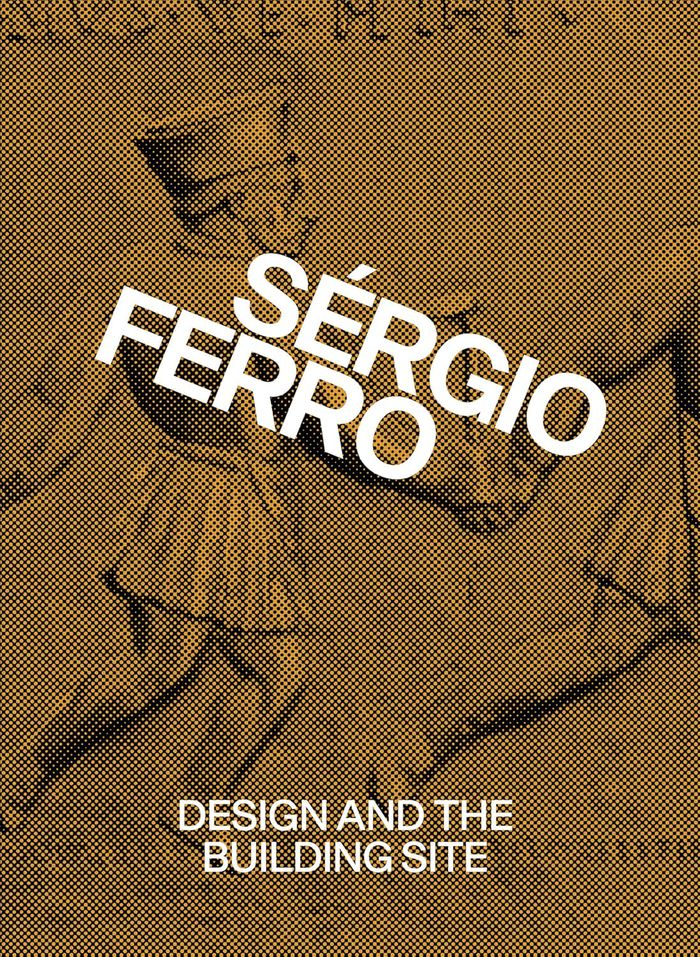
Dating from the early 1970s, ‘'Design and the Building Site'’ is Sérgio Ferro’s most influential theoretical work. Written just after Ferro had arrived in France after fleeing the military dictatorship that took power in Brazil in 1964 and arrested him in 1970 for his involvement in active resistance, the essay reflects much of what he had left behind: encounters with Brasilia’s harsh construction sites; experiences with the collective ''Arquitetura Nova''; work on the editorial committee of the journal ''Teoria e Prática''; and the year Ferro spent in prison, befriending construction workers and reading Freud. The text constitutes a critique of architectural production under capitalism, surveying the political economy of architectural production and its influence on the contemporary practice of architecture. Half a century after its first publication, and in the face of capitalism’s greatest crisis, it has never offered such a pressingly relevant call for action. This edition contextualises and expands on Ferro’s essay with earlier and later texts, clarifying both the contextual and theoretical elements at play in its argument. A preface written by Ferro especially for this first English-language edition recounts his journey from Brasilia’s building sites to the experiments of ''Arquitetura Nova'', as well as a topic he has rarely touched on before: postmodernism.
The building site and the design
Actions:
Prix:
$45.00
(disponible en magasin)
Résumé:
Dating from the early 1970s, ‘'Design and the Building Site'’ is Sérgio Ferro’s most influential theoretical work. Written just after Ferro had arrived in France after fleeing the military dictatorship that took power in Brazil in 1964 and arrested him in 1970 for his involvement in active resistance, the essay reflects much of what he had left behind: encounters with Brasilia’s harsh construction sites; experiences with the collective ''Arquitetura Nova''; work on the editorial committee of the journal ''Teoria e Prática''; and the year Ferro spent in prison, befriending construction workers and reading Freud. The text constitutes a critique of architectural production under capitalism, surveying the political economy of architectural production and its influence on the contemporary practice of architecture. Half a century after its first publication, and in the face of capitalism’s greatest crisis, it has never offered such a pressingly relevant call for action. This edition contextualises and expands on Ferro’s essay with earlier and later texts, clarifying both the contextual and theoretical elements at play in its argument. A preface written by Ferro especially for this first English-language edition recounts his journey from Brasilia’s building sites to the experiments of ''Arquitetura Nova'', as well as a topic he has rarely touched on before: postmodernism.
Classification:
livres
livres
Publication:
avril 2025
avril 2025
Sujet:
Théorie de l’architecture
Théorie de l’architecture
Classification:
livres
livres
Actions:
Prix:
$72.99
(disponible sur commande)
Résumé:
The Barbican Estate is one of the most berated and beloved architectural projects in London. Taking over 20 years to complete from its inception in 1963, it was widely condemned in the 1980s for its acreage of relentless concrete and lack of clear entrances. Since then, however, it has inspired passion and enthusiasm from residents and visitors alike. With its penthouses(...)
$72.99
(disponible sur commande)
Résumé:
The Barbican Estate is one of the most berated and beloved architectural projects in London. Taking over 20 years to complete from its inception in 1963, it was widely condemned in the 1980s for its acreage of relentless concrete and lack of clear entrances. Since then, however, it has inspired passion and enthusiasm from residents and visitors alike. With its penthouses(...)
Titre:
Barbican : penthouse over the city
Actions:
Prix:
$72.99
(disponible sur commande)
Résumé:
The Barbican Estate is one of the most berated and beloved architectural projects in London. Taking over 20 years to complete from its inception in 1963, it was widely condemned in the 1980s for its acreage of relentless concrete and lack of clear entrances. Since then, however, it has inspired passion and enthusiasm from residents and visitors alike. With its penthouses and tower apartments, it provided one of the earliest prototypes for loft living in England. Located close to the City and Clerkenwell, it is now one of the most desirable addresses for politicians, financiers, creative professionals and media figures alike. In the book, the author, David Heathcote traces the development of the Barbican from pre-war planning to present day. Built on the largest blitzed site in the City of London, it was conceived as a new Belgravia to bring the professional classes back to the heart of the City. The project overcame all sorts of difficulties, from the challenges of London's geology to the economic problems that beset Britain in the 1960s and 1970s. The final scheme involved the construction of the highest apartments in Europe, with elements derived from the elegant squares of Georgian London , contemporary architects like Le Corbusier and Scharoun, and the Baroque architecture and gardens of Italy.
Barbican : penthouse over the city
Actions:
Prix:
$72.99
(disponible sur commande)
Résumé:
The Barbican Estate is one of the most berated and beloved architectural projects in London. Taking over 20 years to complete from its inception in 1963, it was widely condemned in the 1980s for its acreage of relentless concrete and lack of clear entrances. Since then, however, it has inspired passion and enthusiasm from residents and visitors alike. With its penthouses and tower apartments, it provided one of the earliest prototypes for loft living in England. Located close to the City and Clerkenwell, it is now one of the most desirable addresses for politicians, financiers, creative professionals and media figures alike. In the book, the author, David Heathcote traces the development of the Barbican from pre-war planning to present day. Built on the largest blitzed site in the City of London, it was conceived as a new Belgravia to bring the professional classes back to the heart of the City. The project overcame all sorts of difficulties, from the challenges of London's geology to the economic problems that beset Britain in the 1960s and 1970s. The final scheme involved the construction of the highest apartments in Europe, with elements derived from the elegant squares of Georgian London , contemporary architects like Le Corbusier and Scharoun, and the Baroque architecture and gardens of Italy.
Classification:
livres
livres
Publication:
août 2004, Chichester
août 2004, Chichester
Sujet:
Architecture résidentielle
Architecture résidentielle
Classification:
livres
livres
Titre:
Whole earth field guide
Whole earth field guide
Actions:
Prix:
$46.95
(disponible sur commande)
Résumé:
The Whole Earth Catalog was a cultural touchstone of the 1960s and 1970s. Between 1968 and 1971, almost two million copies of its various editions were sold, and not just to commune-dwellers and hippies. Millions of mainstream readers turned to the Whole Earth Catalog for practical advice and intellectual stimulation, finding everything from a review of Buckminster Fuller(...)
$46.95
(disponible sur commande)
Résumé:
The Whole Earth Catalog was a cultural touchstone of the 1960s and 1970s. Between 1968 and 1971, almost two million copies of its various editions were sold, and not just to commune-dwellers and hippies. Millions of mainstream readers turned to the Whole Earth Catalog for practical advice and intellectual stimulation, finding everything from a review of Buckminster Fuller(...)
Publication:
octobre 2016
octobre 2016
Titre:
Whole earth field guide
Actions:
Prix:
$46.95
(disponible sur commande)
Résumé:
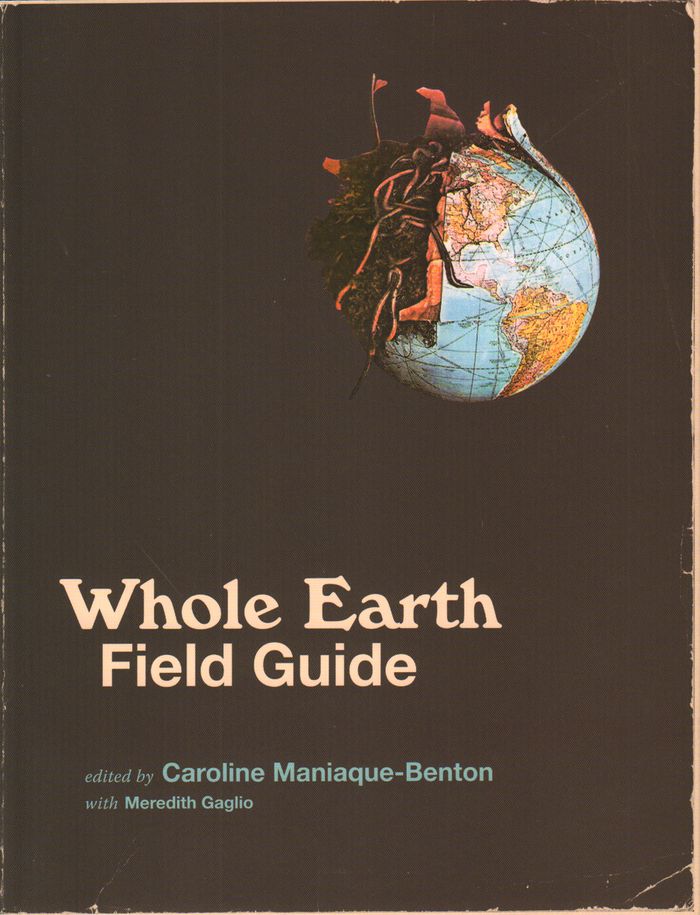
The Whole Earth Catalog was a cultural touchstone of the 1960s and 1970s. Between 1968 and 1971, almost two million copies of its various editions were sold, and not just to commune-dwellers and hippies. Millions of mainstream readers turned to the Whole Earth Catalog for practical advice and intellectual stimulation, finding everything from a review of Buckminster Fuller to recommendations for juicers. This book offers selections from eighty texts from the nearly 1,000 items of "suggested reading" in the Last Whole Earth Catalog. Illustrated and meticulously documented, this fascinating selection of texts cited as 'suggested reading' in the Whole Earth Catalog gives us a fresh, new look at this bible of a generation. Wonderful juxtapositions abound: Buckminster Fuller and Wendell Berry; Timothy Leary and Lao-Tzu; Thoreau and Marshall McLuhan; the Boston Women's Health Collective and Norbert Wiener; Nicholas Negroponte and Kakuzo Okakura; and Margaret Mead and James Baldwin (their A Rap on Race). At once libertarian and communitarian, practical and mystical, scientific and hands-on, Whole Earth Field Guide reveals the astonishing energy and spirit that motivated thousands of young people to challenge the status quo and to grapple, with remarkable prescience, with issues such as ecology and information technology that still confront us today.
Whole earth field guide
Actions:
Prix:
$46.95
(disponible sur commande)
Résumé:
The Whole Earth Catalog was a cultural touchstone of the 1960s and 1970s. Between 1968 and 1971, almost two million copies of its various editions were sold, and not just to commune-dwellers and hippies. Millions of mainstream readers turned to the Whole Earth Catalog for practical advice and intellectual stimulation, finding everything from a review of Buckminster Fuller to recommendations for juicers. This book offers selections from eighty texts from the nearly 1,000 items of "suggested reading" in the Last Whole Earth Catalog. Illustrated and meticulously documented, this fascinating selection of texts cited as 'suggested reading' in the Whole Earth Catalog gives us a fresh, new look at this bible of a generation. Wonderful juxtapositions abound: Buckminster Fuller and Wendell Berry; Timothy Leary and Lao-Tzu; Thoreau and Marshall McLuhan; the Boston Women's Health Collective and Norbert Wiener; Nicholas Negroponte and Kakuzo Okakura; and Margaret Mead and James Baldwin (their A Rap on Race). At once libertarian and communitarian, practical and mystical, scientific and hands-on, Whole Earth Field Guide reveals the astonishing energy and spirit that motivated thousands of young people to challenge the status quo and to grapple, with remarkable prescience, with issues such as ecology and information technology that still confront us today.
Classification:
livres
livres
Publication:
octobre 2016
octobre 2016
Classification:
livres
livres
Prix:
$86.00
(disponible sur commande)
Résumé:
In the 11 days following the Chernobyl catastrophe on April 26, 1986, more than 116,000 people were permanently evacuated from the area surrounding the nuclear power plant. Declared unfit for human habitation, the zones of exclusion includes the towns of Pripyat (established in the 1970s to house workers) and Chernobyl. In May 2001, Robert Polidori photographed what was(...)
$86.00
(disponible sur commande)
Résumé:
In the 11 days following the Chernobyl catastrophe on April 26, 1986, more than 116,000 people were permanently evacuated from the area surrounding the nuclear power plant. Declared unfit for human habitation, the zones of exclusion includes the towns of Pripyat (established in the 1970s to house workers) and Chernobyl. In May 2001, Robert Polidori photographed what was(...)
Titre:
Robert Polidori : zones of exclusion : Pripyat and Chernobyl
Actions:
Prix:
$86.00
(disponible sur commande)
Résumé:
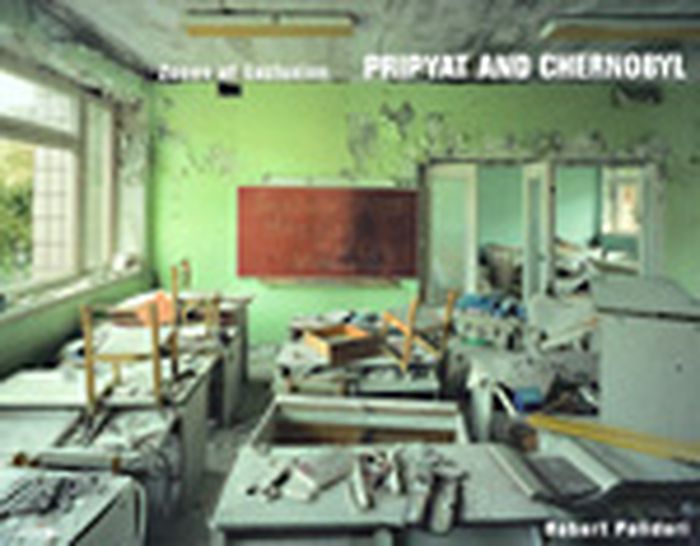
In the 11 days following the Chernobyl catastrophe on April 26, 1986, more than 116,000 people were permanently evacuated from the area surrounding the nuclear power plant. Declared unfit for human habitation, the zones of exclusion includes the towns of Pripyat (established in the 1970s to house workers) and Chernobyl. In May 2001, Robert Polidori photographed what was left behind in the this dead zone. His richly detailed images move from the burned-out control room of reactor 4, where technicians staged the experiment that caused the disaster, to the unfinished apartment complexes, ransacked schools and abandoned nurseries that remain as evidence of those who once called Pripyat home. Nearby, trucks and tanks used in the cleanup efforts rest in an auto graveyard, some covered in lead shrouds and others robbed of parts. Houseboats and barges rust in the contaminated waters of the Pripyat River. Foliage grows over the sidewalks and hides the modest homes of Chernobyl. In his large-scale photographs, Polidori captures the faded colors and desolate atmosphere of these two towns, producing haunting documents that present the reader with a rare view of not just a disastrous event, but a place and the people who lived there.
Robert Polidori : zones of exclusion : Pripyat and Chernobyl
Actions:
Prix:
$86.00
(disponible sur commande)
Résumé:
In the 11 days following the Chernobyl catastrophe on April 26, 1986, more than 116,000 people were permanently evacuated from the area surrounding the nuclear power plant. Declared unfit for human habitation, the zones of exclusion includes the towns of Pripyat (established in the 1970s to house workers) and Chernobyl. In May 2001, Robert Polidori photographed what was left behind in the this dead zone. His richly detailed images move from the burned-out control room of reactor 4, where technicians staged the experiment that caused the disaster, to the unfinished apartment complexes, ransacked schools and abandoned nurseries that remain as evidence of those who once called Pripyat home. Nearby, trucks and tanks used in the cleanup efforts rest in an auto graveyard, some covered in lead shrouds and others robbed of parts. Houseboats and barges rust in the contaminated waters of the Pripyat River. Foliage grows over the sidewalks and hides the modest homes of Chernobyl. In his large-scale photographs, Polidori captures the faded colors and desolate atmosphere of these two towns, producing haunting documents that present the reader with a rare view of not just a disastrous event, but a place and the people who lived there.
Classification:
livres
livres
Publication:
août 2003, Göttingen
août 2003, Göttingen
Sujet:
Monographies photo
Monographies photo
Classification:
livres
livres

Actions:
Prix:
$104.00
(disponible sur commande)
Résumé:
Take as a starting point the cover of this book; Anthony Hernandez’s wonderful photograph of square, colourful ceramic tiles could be almost anything you might imagine it to be. A Mondrian-like painting, a random pattern, a city grid, or perhaps the work of an anonymous tile setter, brightening up the facade of a government building in South Central Los Angeles. With the(...)
$104.00
(disponible sur commande)
Résumé:
Take as a starting point the cover of this book; Anthony Hernandez’s wonderful photograph of square, colourful ceramic tiles could be almost anything you might imagine it to be. A Mondrian-like painting, a random pattern, a city grid, or perhaps the work of an anonymous tile setter, brightening up the facade of a government building in South Central Los Angeles. With the(...)
Titre:
Anthony Hernandez : waiting for Los Angeles
Actions:
Prix:
$104.00
(disponible sur commande)
Résumé:
Take as a starting point the cover of this book; Anthony Hernandez’s wonderful photograph of square, colourful ceramic tiles could be almost anything you might imagine it to be. A Mondrian-like painting, a random pattern, a city grid, or perhaps the work of an anonymous tile setter, brightening up the facade of a government building in South Central Los Angeles. With the passage of time, these vibrant squares have been lost beneath a coat of anti-graffiti paint. Anthony Hernandez is a photographer for whom waiting has long been a theme, with his bus stop pictures in the late 1970s, and his fishing photographs in the 1980s. Hernandez’s vision is both abstract and documentary, and there is a pattern to his work in every sense of that word – whether he is focusing on an empty waiting room, a phone hanging in a booth, or random scribbles etched on a sheet of glass. Hernandez skillfully draws attention to the simple geometric beauty that can be found in even the most utilitarian fence, wall, or window. There is not a soul in sight, but there is a strong sense that someone has been here, and there is enough to grip the attention until, perhaps, they return. With an essay by photographer, writer and critic Allan Sekula.
Anthony Hernandez : waiting for Los Angeles
Actions:
Prix:
$104.00
(disponible sur commande)
Résumé:
Take as a starting point the cover of this book; Anthony Hernandez’s wonderful photograph of square, colourful ceramic tiles could be almost anything you might imagine it to be. A Mondrian-like painting, a random pattern, a city grid, or perhaps the work of an anonymous tile setter, brightening up the facade of a government building in South Central Los Angeles. With the passage of time, these vibrant squares have been lost beneath a coat of anti-graffiti paint. Anthony Hernandez is a photographer for whom waiting has long been a theme, with his bus stop pictures in the late 1970s, and his fishing photographs in the 1980s. Hernandez’s vision is both abstract and documentary, and there is a pattern to his work in every sense of that word – whether he is focusing on an empty waiting room, a phone hanging in a booth, or random scribbles etched on a sheet of glass. Hernandez skillfully draws attention to the simple geometric beauty that can be found in even the most utilitarian fence, wall, or window. There is not a soul in sight, but there is a strong sense that someone has been here, and there is enough to grip the attention until, perhaps, they return. With an essay by photographer, writer and critic Allan Sekula.
Classification:
livres
livres
Publication:
décembre 2002, Tucson
décembre 2002, Tucson
Sujet:
Monographies photo
Monographies photo


