


10592 Résultats
Classification:
livres
livres
Prix:
$13.95
(disponible sur commande)
Résumé:
In 1975, when political scientist Benedict Anderson reached Wat Phai Rong Wua, a massive temple complex in rural Thailand conceived by Buddhist monk Luang Phor Khom, he felt he had wandered into a demented Disneyland. One of the world's most bizarre tourist attractions, Wat Phai Rong Wua was designed as a cautionary museum of sorts; its gruesome statues depict violent and(...)
$13.95
(disponible sur commande)
Résumé:
In 1975, when political scientist Benedict Anderson reached Wat Phai Rong Wua, a massive temple complex in rural Thailand conceived by Buddhist monk Luang Phor Khom, he felt he had wandered into a demented Disneyland. One of the world's most bizarre tourist attractions, Wat Phai Rong Wua was designed as a cautionary museum of sorts; its gruesome statues depict violent and(...)
Titre:
The fate of rural hell : ascetism and desire in buddhist Thailand
Actions:
Prix:
$13.95
(disponible sur commande)
Résumé:
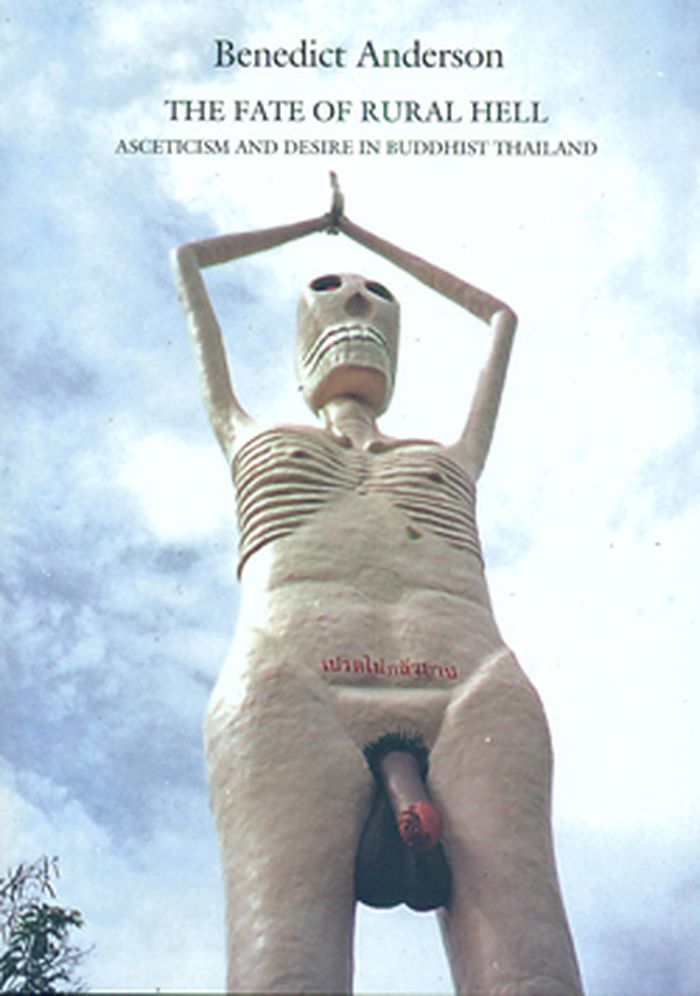
In 1975, when political scientist Benedict Anderson reached Wat Phai Rong Wua, a massive temple complex in rural Thailand conceived by Buddhist monk Luang Phor Khom, he felt he had wandered into a demented Disneyland. One of the world's most bizarre tourist attractions, Wat Phai Rong Wua was designed as a cautionary museum of sorts; its gruesome statues depict violent and torturous scenes that showcase what hell may be like. Over the next few decades, Anderson found himself transfixed by this unusual amalgamation of objects, returning several times to see attractions like the largest metal-cast Buddha figure in the world and the Palace of a Hundred Spires. The concrete statuaries and perverse art in Luang Phor Khom's personal museum of hell included, 'side by side, an upright human skeleton in a glass cabinet and a life-size replica of Michelangelo's gigantic nude David, wearing fashionable red underpants from the top of which poked part of a swollen, un-Florentine penis,' alongside dozens of statues of evildoers being ferociously punished in their afterlife. In The Fate of Rural Hell, Anderson unravels the intrigue of this strange setting, trying to discover what compels so many Thai visitors to travel to this popular spectacle and what order, if any, inspired its creation. At the same time, he notes the unexpected effects of the gradual advance of capitalism into the far reaches of rural Asia.
The fate of rural hell : ascetism and desire in buddhist Thailand
Actions:
Prix:
$13.95
(disponible sur commande)
Résumé:
In 1975, when political scientist Benedict Anderson reached Wat Phai Rong Wua, a massive temple complex in rural Thailand conceived by Buddhist monk Luang Phor Khom, he felt he had wandered into a demented Disneyland. One of the world's most bizarre tourist attractions, Wat Phai Rong Wua was designed as a cautionary museum of sorts; its gruesome statues depict violent and torturous scenes that showcase what hell may be like. Over the next few decades, Anderson found himself transfixed by this unusual amalgamation of objects, returning several times to see attractions like the largest metal-cast Buddha figure in the world and the Palace of a Hundred Spires. The concrete statuaries and perverse art in Luang Phor Khom's personal museum of hell included, 'side by side, an upright human skeleton in a glass cabinet and a life-size replica of Michelangelo's gigantic nude David, wearing fashionable red underpants from the top of which poked part of a swollen, un-Florentine penis,' alongside dozens of statues of evildoers being ferociously punished in their afterlife. In The Fate of Rural Hell, Anderson unravels the intrigue of this strange setting, trying to discover what compels so many Thai visitors to travel to this popular spectacle and what order, if any, inspired its creation. At the same time, he notes the unexpected effects of the gradual advance of capitalism into the far reaches of rural Asia.
Classification:
livres
livres
Publication:
avril 2012
avril 2012
Sujet:
Théorie de l’art
Théorie de l’art
Classification:
livres
livres
Titre:
Mountains and memory
Mountains and memory
Actions:
Prix:
$43.95
(disponible sur commande)
Résumé:
From Egypt’s Abu Simbel to South Dakota’s Mount Rushmore to Tan Swie Hian’s Earth Art Museum in China’s Quingdao National Forest, mountains have long been shaped to resemble human personages, including pharaohs, presidents, and painters. Mountains and Memory explores this practice and traces the history of anthropomorphism—the attribution of human qualities to non-human(...)
$43.95
(disponible sur commande)
Résumé:
From Egypt’s Abu Simbel to South Dakota’s Mount Rushmore to Tan Swie Hian’s Earth Art Museum in China’s Quingdao National Forest, mountains have long been shaped to resemble human personages, including pharaohs, presidents, and painters. Mountains and Memory explores this practice and traces the history of anthropomorphism—the attribution of human qualities to non-human(...)
Titre:
Mountains and memory
Actions:
Prix:
$43.95
(disponible sur commande)
Résumé:
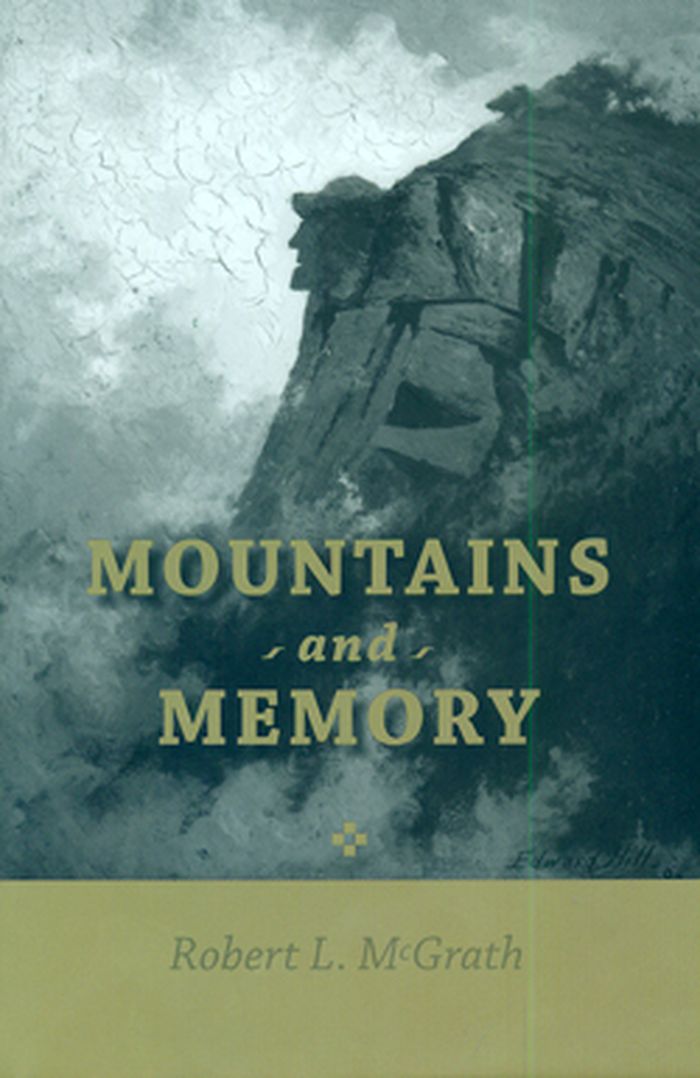
From Egypt’s Abu Simbel to South Dakota’s Mount Rushmore to Tan Swie Hian’s Earth Art Museum in China’s Quingdao National Forest, mountains have long been shaped to resemble human personages, including pharaohs, presidents, and painters. Mountains and Memory explores this practice and traces the history of anthropomorphism—the attribution of human qualities to non-human nature—as expressed in the form of carvings on mountainous rock formations.
Mountains and memory
Actions:
Prix:
$43.95
(disponible sur commande)
Résumé:
From Egypt’s Abu Simbel to South Dakota’s Mount Rushmore to Tan Swie Hian’s Earth Art Museum in China’s Quingdao National Forest, mountains have long been shaped to resemble human personages, including pharaohs, presidents, and painters. Mountains and Memory explores this practice and traces the history of anthropomorphism—the attribution of human qualities to non-human nature—as expressed in the form of carvings on mountainous rock formations.
Classification:
livres
livres
Publication:
mai 2012
mai 2012
Sujet:
Théorie de l’architecture
Théorie de l’architecture
Classification:
livres
livres
Actions:
Prix:
$29.95
(disponible sur commande)
Résumé:
Du Parthénon à la postmodernité, de Platon à Merleau-Ponty, Amaldi propose une histoire de la pensée architecturale et de la perception de l’espace, en même temps qu’une phénoménologie du vide et du plein, de la ligne et du mouvement. Qu’est-ce que la profondeur, comment la perspective en rend-elle compte, qu’est-ce en fin de compte que l’espace, pour nous qui l’habitons(...)
$29.95
(disponible sur commande)
Résumé:
Du Parthénon à la postmodernité, de Platon à Merleau-Ponty, Amaldi propose une histoire de la pensée architecturale et de la perception de l’espace, en même temps qu’une phénoménologie du vide et du plein, de la ligne et du mouvement. Qu’est-ce que la profondeur, comment la perspective en rend-elle compte, qu’est-ce en fin de compte que l’espace, pour nous qui l’habitons(...)
Titre:
Architecture, profondeur, mouvement
Actions:
Prix:
$29.95
(disponible sur commande)
Résumé:
Du Parthénon à la postmodernité, de Platon à Merleau-Ponty, Amaldi propose une histoire de la pensée architecturale et de la perception de l’espace, en même temps qu’une phénoménologie du vide et du plein, de la ligne et du mouvement. Qu’est-ce que la profondeur, comment la perspective en rend-elle compte, qu’est-ce en fin de compte que l’espace, pour nous qui l’habitons ? P. Amaldi saisit l’architecture non comme un problème historique ou technique, mais comme une donnée fondamentale de notre perception et de notre sensibilité.
Architecture, profondeur, mouvement
Actions:
Prix:
$29.95
(disponible sur commande)
Résumé:
Du Parthénon à la postmodernité, de Platon à Merleau-Ponty, Amaldi propose une histoire de la pensée architecturale et de la perception de l’espace, en même temps qu’une phénoménologie du vide et du plein, de la ligne et du mouvement. Qu’est-ce que la profondeur, comment la perspective en rend-elle compte, qu’est-ce en fin de compte que l’espace, pour nous qui l’habitons ? P. Amaldi saisit l’architecture non comme un problème historique ou technique, mais comme une donnée fondamentale de notre perception et de notre sensibilité.
Classification:
livres
livres
Publication:
mars 2012
mars 2012
Sujet:
Théorie de l’art
Théorie de l’art
Classification:
livres
livres
Titre:
The domestic space reader
The domestic space reader
Actions:
Prix:
$37.95
(disponible sur commande)
Résumé:
The Domestic Space Reader demonstrates how discussions of domestic spaces can help us better understand our inner lives and challenge our perceptions of life in particular times and places.
$37.95
(disponible sur commande)
Résumé:
The Domestic Space Reader demonstrates how discussions of domestic spaces can help us better understand our inner lives and challenge our perceptions of life in particular times and places.
Titre:
The domestic space reader
Actions:
Prix:
$37.95
(disponible sur commande)
Résumé:
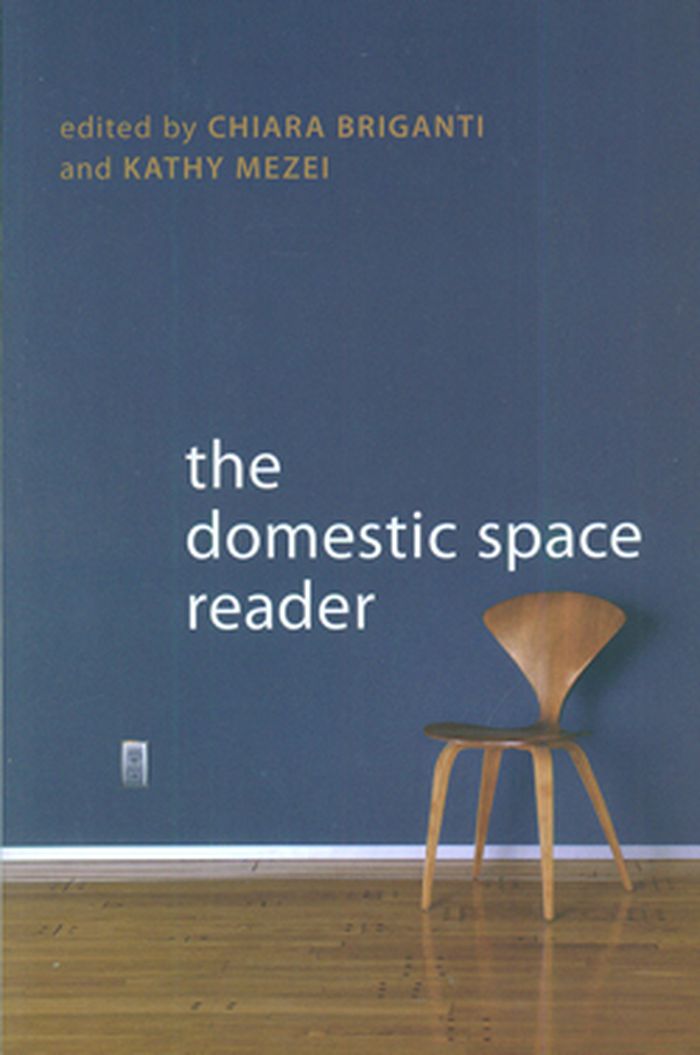
The Domestic Space Reader demonstrates how discussions of domestic spaces can help us better understand our inner lives and challenge our perceptions of life in particular times and places.
The domestic space reader
Actions:
Prix:
$37.95
(disponible sur commande)
Résumé:
The Domestic Space Reader demonstrates how discussions of domestic spaces can help us better understand our inner lives and challenge our perceptions of life in particular times and places.
Classification:
livres
livres
Publication:
avril 2012
avril 2012
Sujet:
Théorie de l’architecture
Théorie de l’architecture
Classification:
livres
livres
Actions:
Prix:
$60.00
(disponible sur commande)
Résumé:
La publication par les architectes américains Robert Venturi et Denise Scott Brown de Learning from Las Vegas, d’abord sous forme d’articles puis de livre, a entrainé à partir de 1968 une controverse sans équivalent dans l’histoire moderne de l’architecture. L’historien Stanislaus von Moos a parlé à ce propos d’« une polarisation de pratiquement l’ensemble du champ(...)
$60.00
(disponible sur commande)
Résumé:
La publication par les architectes américains Robert Venturi et Denise Scott Brown de Learning from Las Vegas, d’abord sous forme d’articles puis de livre, a entrainé à partir de 1968 une controverse sans équivalent dans l’histoire moderne de l’architecture. L’historien Stanislaus von Moos a parlé à ce propos d’« une polarisation de pratiquement l’ensemble du champ(...)
Titre:
La controverse Learning from Las Vegas
Actions:
Prix:
$60.00
(disponible sur commande)
Résumé:
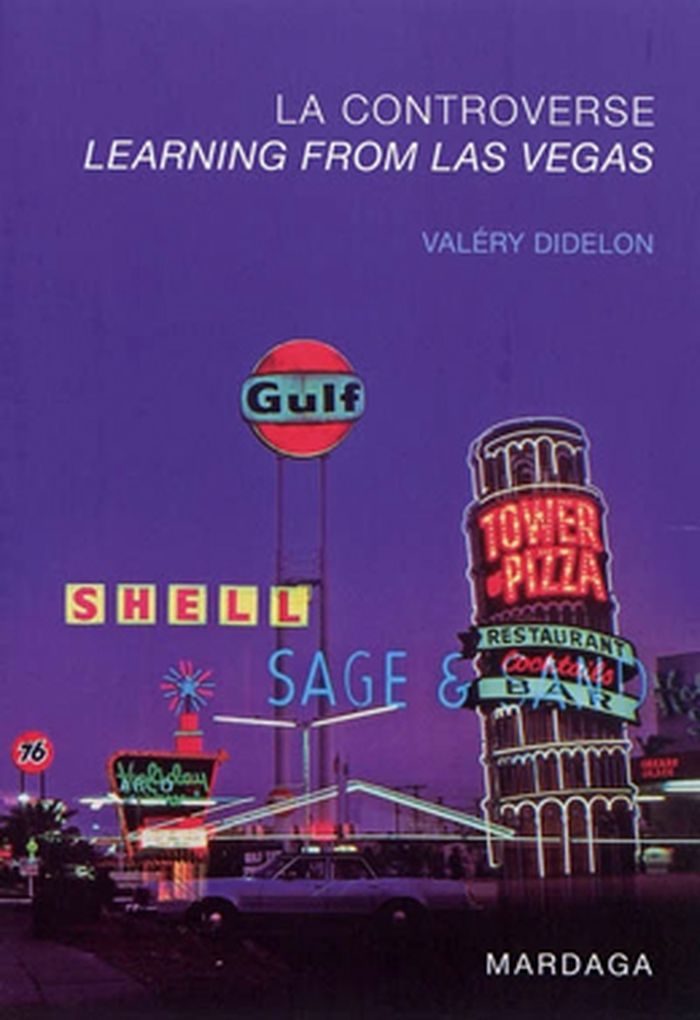
La publication par les architectes américains Robert Venturi et Denise Scott Brown de Learning from Las Vegas, d’abord sous forme d’articles puis de livre, a entrainé à partir de 1968 une controverse sans équivalent dans l’histoire moderne de l’architecture. L’historien Stanislaus von Moos a parlé à ce propos d’« une polarisation de pratiquement l’ensemble du champ architectural — et pas seulement en Amérique — entre les opposants et les sympathisants des supposées ou réelles positions des Venturi. » En revenant sur les nombreux arguments mobilisés alors par les architectes, les critiques et les universitaires, et en observant la dynamique des débats sur une durée de vingt ans, Valéry Didelon éclaire ici d’un jour nouveau l’émergence du postmodernisme en architecture, mouvement culturel dont Learning from Las Vegas allait devenir à tort ou à raison l’un des principaux manifestes.
La controverse Learning from Las Vegas
Actions:
Prix:
$60.00
(disponible sur commande)
Résumé:
La publication par les architectes américains Robert Venturi et Denise Scott Brown de Learning from Las Vegas, d’abord sous forme d’articles puis de livre, a entrainé à partir de 1968 une controverse sans équivalent dans l’histoire moderne de l’architecture. L’historien Stanislaus von Moos a parlé à ce propos d’« une polarisation de pratiquement l’ensemble du champ architectural — et pas seulement en Amérique — entre les opposants et les sympathisants des supposées ou réelles positions des Venturi. » En revenant sur les nombreux arguments mobilisés alors par les architectes, les critiques et les universitaires, et en observant la dynamique des débats sur une durée de vingt ans, Valéry Didelon éclaire ici d’un jour nouveau l’émergence du postmodernisme en architecture, mouvement culturel dont Learning from Las Vegas allait devenir à tort ou à raison l’un des principaux manifestes.
Classification:
livres
livres
Publication:
mars 2012
mars 2012
Sujet:
Théorie de l’architecture
Théorie de l’architecture
Classification:
livres
livres

Actions:
Prix:
$60.00
(disponible sur commande)
Résumé:
Conceived by a misguided government seeking to quiet the fears of an anxious public, the concept of the “Family Fallout Shelter” was Cold War paranoia at its finest, a massive bit of “propaganda by architecture” that has no more truth behind it than the absurd notion of “duck and cover.” Inundated with government-sponsored films, posters, booklets, traveling caravans and(...)
$60.00
(disponible sur commande)
Résumé:
Conceived by a misguided government seeking to quiet the fears of an anxious public, the concept of the “Family Fallout Shelter” was Cold War paranoia at its finest, a massive bit of “propaganda by architecture” that has no more truth behind it than the absurd notion of “duck and cover.” Inundated with government-sponsored films, posters, booklets, traveling caravans and(...)
Titre:
Bomboozled : how the U.S. governmenrt misled itself and its people into believing they could survive a nuclear attack
Actions:
Prix:
$60.00
(disponible sur commande)
Résumé:
Conceived by a misguided government seeking to quiet the fears of an anxious public, the concept of the “Family Fallout Shelter” was Cold War paranoia at its finest, a massive bit of “propaganda by architecture” that has no more truth behind it than the absurd notion of “duck and cover.” Inundated with government-sponsored films, posters, booklets, traveling caravans and exhibitions, the American family bought into the idea, investing millions of dollars in home shelters of every conceivable material and design. Bomboozled charts the panic-fueled evolution of the shelter from a well-stocked basement pantry to a full-fledged (and often completely decorated) home addition, laying bare the buried truths of America’s family fallout shelter obsession.
Bomboozled : how the U.S. governmenrt misled itself and its people into believing they could survive a nuclear attack
Actions:
Prix:
$60.00
(disponible sur commande)
Résumé:
Conceived by a misguided government seeking to quiet the fears of an anxious public, the concept of the “Family Fallout Shelter” was Cold War paranoia at its finest, a massive bit of “propaganda by architecture” that has no more truth behind it than the absurd notion of “duck and cover.” Inundated with government-sponsored films, posters, booklets, traveling caravans and exhibitions, the American family bought into the idea, investing millions of dollars in home shelters of every conceivable material and design. Bomboozled charts the panic-fueled evolution of the shelter from a well-stocked basement pantry to a full-fledged (and often completely decorated) home addition, laying bare the buried truths of America’s family fallout shelter obsession.
Classification:
livres
livres
Publication:
janvier 2012
janvier 2012
Sujet:
Théorie de l’architecture
Théorie de l’architecture
Classification:
livres
livres
Titre:
Cybermohalla Hub
Cybermohalla Hub
Actions:
Prix:
$34.95
(disponible en magasin)
Résumé:
Cybermohalla Hub, a hybrid of studio, school, archive, community center, library, and gallery is a structure that moves between Delhi and diverse art contexts. The Cybermohalla project, which takes on the meaning of the Hindi word mohalla (neighborhood), has been engaged in rethinking urban life, and reimagining and reanimating the infrastructure of cultural and(...)
$34.95
(disponible en magasin)
Résumé:
Cybermohalla Hub, a hybrid of studio, school, archive, community center, library, and gallery is a structure that moves between Delhi and diverse art contexts. The Cybermohalla project, which takes on the meaning of the Hindi word mohalla (neighborhood), has been engaged in rethinking urban life, and reimagining and reanimating the infrastructure of cultural and(...)
Titre:
Cybermohalla Hub
Actions:
Prix:
$34.95
(disponible en magasin)
Résumé:
Cybermohalla Hub, a hybrid of studio, school, archive, community center, library, and gallery is a structure that moves between Delhi and diverse art contexts. The Cybermohalla project, which takes on the meaning of the Hindi word mohalla (neighborhood), has been engaged in rethinking urban life, and reimagining and reanimating the infrastructure of cultural and intellectual life in contemporary cities.
Cybermohalla Hub
Actions:
Prix:
$34.95
(disponible en magasin)
Résumé:
Cybermohalla Hub, a hybrid of studio, school, archive, community center, library, and gallery is a structure that moves between Delhi and diverse art contexts. The Cybermohalla project, which takes on the meaning of the Hindi word mohalla (neighborhood), has been engaged in rethinking urban life, and reimagining and reanimating the infrastructure of cultural and intellectual life in contemporary cities.
Classification:
livres
livres
Publication:
avril 2012
avril 2012
Sujet:
Théorie de l’urbanisme
Théorie de l’urbanisme
Classification:
livres
livres
Actions:
Prix:
$36.95
(disponible sur commande)
Résumé:
Lingezegen is a large park between Nijmegen and Arnhem with several functions: housing, agriculture and recreation. In Summer School Lingezegen students from different disciplines addressed the identity of the park in construction, their assignment was to stretch its social and natural boundaries. The publication reports on the three editions (2008-2010) of the summer(...)
$36.95
(disponible sur commande)
Résumé:
Lingezegen is a large park between Nijmegen and Arnhem with several functions: housing, agriculture and recreation. In Summer School Lingezegen students from different disciplines addressed the identity of the park in construction, their assignment was to stretch its social and natural boundaries. The publication reports on the three editions (2008-2010) of the summer(...)
Titre:
Lingezegren park : summer school
Actions:
Prix:
$36.95
(disponible sur commande)
Résumé:
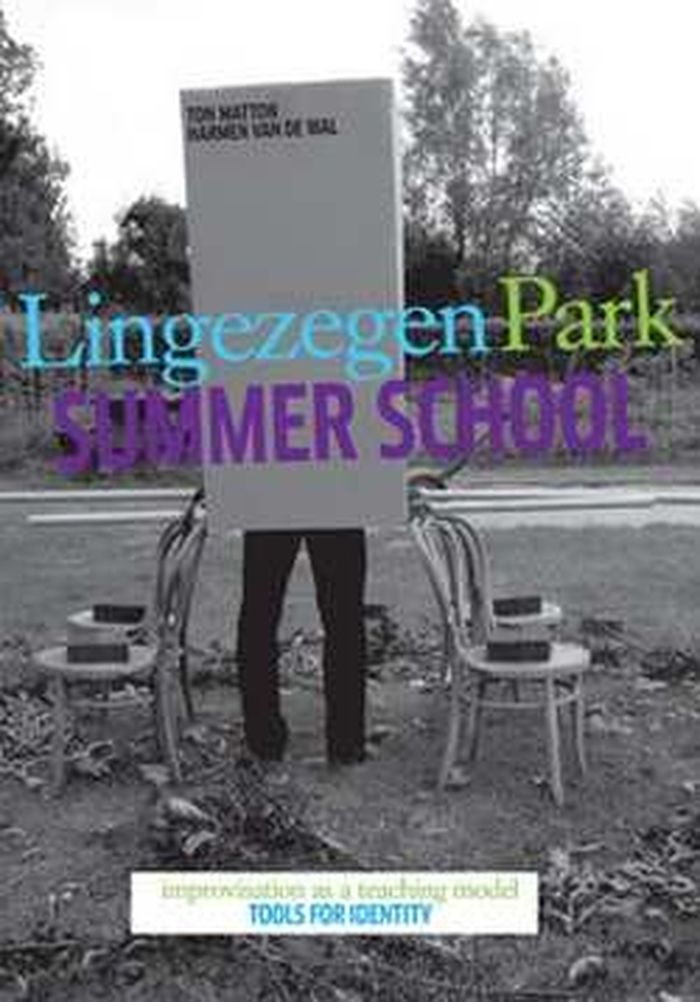
Lingezegen is a large park between Nijmegen and Arnhem with several functions: housing, agriculture and recreation. In Summer School Lingezegen students from different disciplines addressed the identity of the park in construction, their assignment was to stretch its social and natural boundaries. The publication reports on the three editions (2008-2010) of the summer school and gives inspiration to residents, policy makers, spatial designers and recreationists. It also serves as a guide for those who wish to to tackle comparable issues in similar areas.
Lingezegren park : summer school
Actions:
Prix:
$36.95
(disponible sur commande)
Résumé:
Lingezegen is a large park between Nijmegen and Arnhem with several functions: housing, agriculture and recreation. In Summer School Lingezegen students from different disciplines addressed the identity of the park in construction, their assignment was to stretch its social and natural boundaries. The publication reports on the three editions (2008-2010) of the summer school and gives inspiration to residents, policy makers, spatial designers and recreationists. It also serves as a guide for those who wish to to tackle comparable issues in similar areas.
Classification:
livres
livres
Publication:
avril 2012
avril 2012
Sujet:
Théorie de l’architecture
Théorie de l’architecture
Classification:
livres
livres
Actions:
Prix:
$68.95
(disponible sur commande)
Résumé:
The Auschwitz Museum was established in 1947 as a monument to the Polish resistance. In the late eighties Hans Citroen met Barbara Starzynska and he ended up visiting her relatives in Owicim, the city where his grandfather survived KZ Auschwitz. He noticed many incongruities that did not seem to disturb other visitors. Looking for an explanation, they talked with(...)
$68.95
(disponible sur commande)
Résumé:
The Auschwitz Museum was established in 1947 as a monument to the Polish resistance. In the late eighties Hans Citroen met Barbara Starzynska and he ended up visiting her relatives in Owicim, the city where his grandfather survived KZ Auschwitz. He noticed many incongruities that did not seem to disturb other visitors. Looking for an explanation, they talked with(...)
Titre:
Auschwitz-Oswiecim: the hidden city in the East
Actions:
Prix:
$68.95
(disponible sur commande)
Résumé:
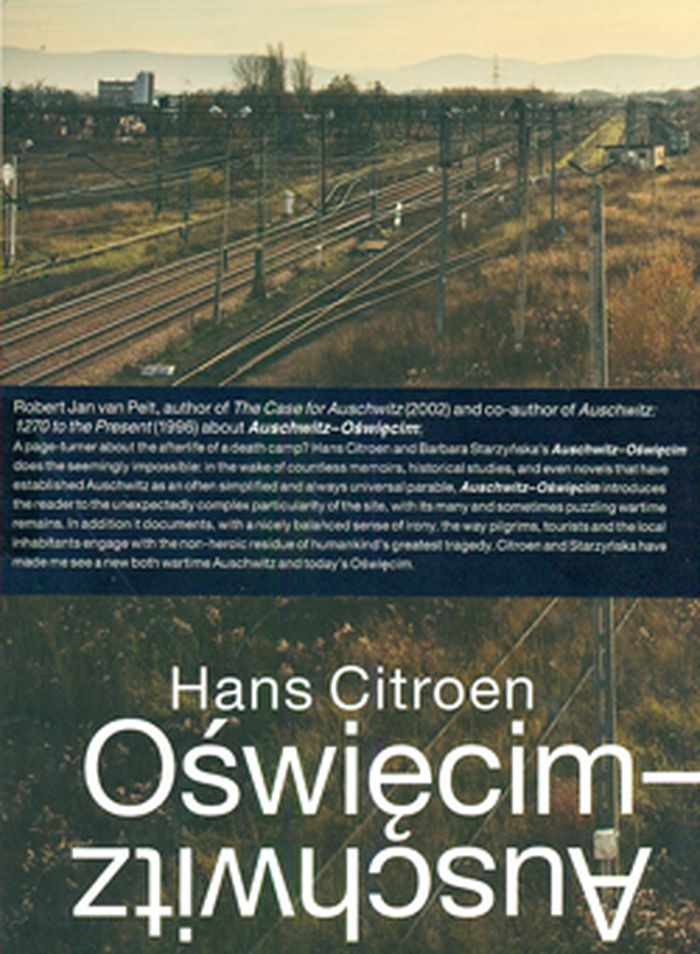
The Auschwitz Museum was established in 1947 as a monument to the Polish resistance. In the late eighties Hans Citroen met Barbara Starzynska and he ended up visiting her relatives in Owicim, the city where his grandfather survived KZ Auschwitz. He noticed many incongruities that did not seem to disturb other visitors. Looking for an explanation, they talked with archivists and curators and explored the sites many times. Their research covers mostly the years that followed the Holocaust. Bit by bit, they find a hidden city, Barbara as architect, Hans as artist. The story of the search reads like a novel and therefore is a substantial part of this photographic investigation. Also available as a German and a Dutch edition.
Auschwitz-Oswiecim: the hidden city in the East
Actions:
Prix:
$68.95
(disponible sur commande)
Résumé:
The Auschwitz Museum was established in 1947 as a monument to the Polish resistance. In the late eighties Hans Citroen met Barbara Starzynska and he ended up visiting her relatives in Owicim, the city where his grandfather survived KZ Auschwitz. He noticed many incongruities that did not seem to disturb other visitors. Looking for an explanation, they talked with archivists and curators and explored the sites many times. Their research covers mostly the years that followed the Holocaust. Bit by bit, they find a hidden city, Barbara as architect, Hans as artist. The story of the search reads like a novel and therefore is a substantial part of this photographic investigation. Also available as a German and a Dutch edition.
Classification:
livres
livres
Publication:
avril 2012
avril 2012
Sujet:
Théorie de l’architecture
Théorie de l’architecture
Classification:
livres
livres
Titre:
The transdisciplinary studio
The transdisciplinary studio
Actions:
Prix:
$46.95
(disponible sur commande)
Résumé:
We have entered a post-post-studio age, and find ourselves with a new studio model: the transdisciplinary. Artists and designers are now defined not by their discipline but by the fluidity with which their practices move between the fields of architecture, art, and design. This volume delves into four pioneering transdisciplinary studios — Jorge Pardo Sculpture,(...)
$46.95
(disponible sur commande)
Résumé:
We have entered a post-post-studio age, and find ourselves with a new studio model: the transdisciplinary. Artists and designers are now defined not by their discipline but by the fluidity with which their practices move between the fields of architecture, art, and design. This volume delves into four pioneering transdisciplinary studios — Jorge Pardo Sculpture,(...)
Titre:
The transdisciplinary studio
Actions:
Prix:
$46.95
(disponible sur commande)
Résumé:
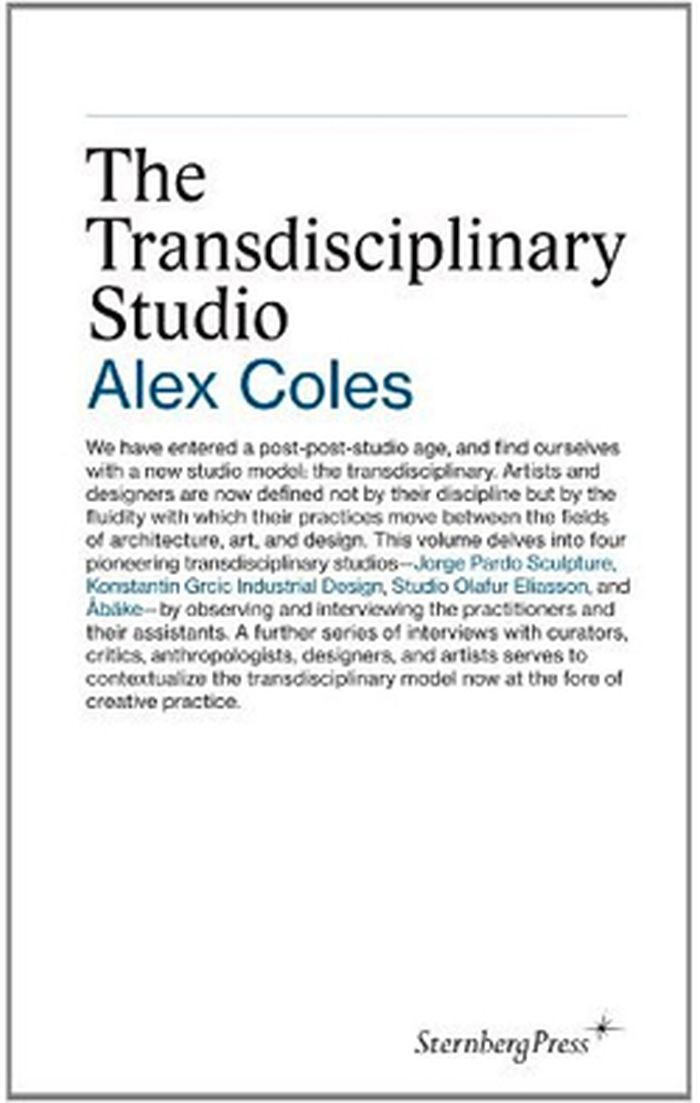
We have entered a post-post-studio age, and find ourselves with a new studio model: the transdisciplinary. Artists and designers are now defined not by their discipline but by the fluidity with which their practices move between the fields of architecture, art, and design. This volume delves into four pioneering transdisciplinary studios — Jorge Pardo Sculpture, Konstantin Grcic Industrial Design, Studio Olafur Eliasson, and Åbäke — by observing and interviewing the practitioners and their assistants. A further series of interviews with curators, critics, anthropologists, designers, and artists serves to contextualize the transdisciplinary model now at the fore of creative practice. Including interviews with Jorge Pardo, Konstantin Grcic, Olafur Eliasson, and Åbäke; and Vito Acconci, Gui Bonsiepe, James Clifford, Dexter Sinister, Martino Gamper, Ryan Gander, Caroline Jones, Ronald Jones, Maria Lind, Alessandro Mendini, Rick Poynor, and Andrea Zittel. The Transdisciplinary Studio is the first volume of a series of books by Alex Coles on the expanded studio model and contemporary praxis.
The transdisciplinary studio
Actions:
Prix:
$46.95
(disponible sur commande)
Résumé:
We have entered a post-post-studio age, and find ourselves with a new studio model: the transdisciplinary. Artists and designers are now defined not by their discipline but by the fluidity with which their practices move between the fields of architecture, art, and design. This volume delves into four pioneering transdisciplinary studios — Jorge Pardo Sculpture, Konstantin Grcic Industrial Design, Studio Olafur Eliasson, and Åbäke — by observing and interviewing the practitioners and their assistants. A further series of interviews with curators, critics, anthropologists, designers, and artists serves to contextualize the transdisciplinary model now at the fore of creative practice. Including interviews with Jorge Pardo, Konstantin Grcic, Olafur Eliasson, and Åbäke; and Vito Acconci, Gui Bonsiepe, James Clifford, Dexter Sinister, Martino Gamper, Ryan Gander, Caroline Jones, Ronald Jones, Maria Lind, Alessandro Mendini, Rick Poynor, and Andrea Zittel. The Transdisciplinary Studio is the first volume of a series of books by Alex Coles on the expanded studio model and contemporary praxis.
Classification:
livres
livres
Publication:
avril 2012
avril 2012
Sujet:
Théorie de l’art
Théorie de l’art


