


7238 Résultats
Classification:
livres
livres
Actions:
Prix:
$39.95
(disponible sur commande)
Résumé:
In 1960, before his skyscrapers and teapots made him a household name, Michael Graves set out on a journey once considered obligatory for a young architect: a grand tour of the great monuments of Europe. As a recipient of the prestigious Prix de Rome, Graves traveled through Italy, Greece, Turkey, Spain, England, Germany, and France, studying and recording the masterworks(...)
$39.95
(disponible sur commande)
Résumé:
In 1960, before his skyscrapers and teapots made him a household name, Michael Graves set out on a journey once considered obligatory for a young architect: a grand tour of the great monuments of Europe. As a recipient of the prestigious Prix de Rome, Graves traveled through Italy, Greece, Turkey, Spain, England, Germany, and France, studying and recording the masterworks(...)
Titre:
Michael Graves : images of a grand tour
Actions:
Prix:
$39.95
(disponible sur commande)
Résumé:
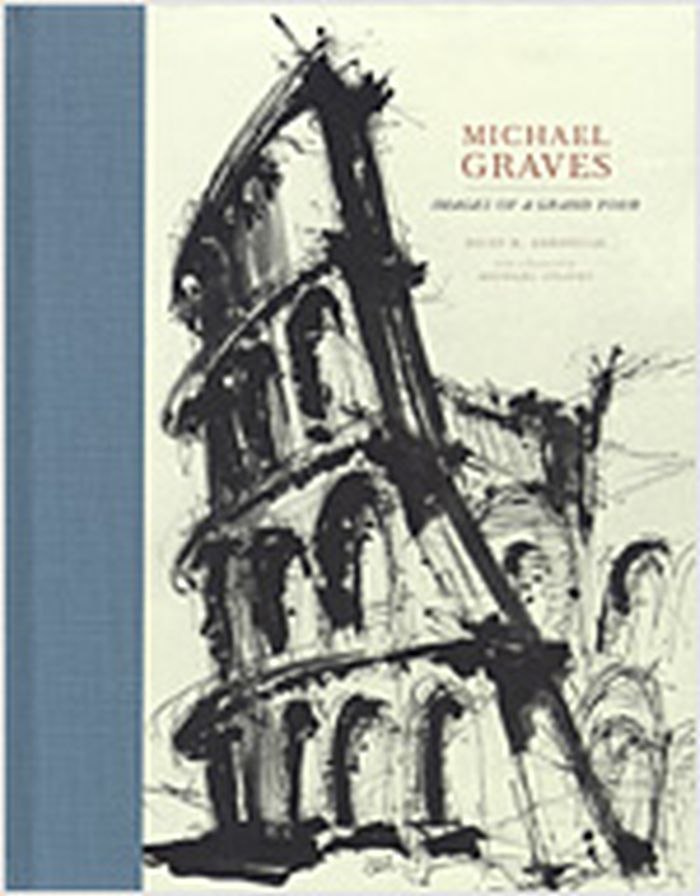
In 1960, before his skyscrapers and teapots made him a household name, Michael Graves set out on a journey once considered obligatory for a young architect: a grand tour of the great monuments of Europe. As a recipient of the prestigious Prix de Rome, Graves traveled through Italy, Greece, Turkey, Spain, England, Germany, and France, studying and recording the masterworks of both ancient and modern architecture. "Michael Graves: Images of A Grand Tour" collects for the first time the stunning artwork produced during this trip. Delicate pencil sketches, striking ink washes, and colourful photographs show the deep connection Graves had to the places he visited, from the Roman Forum to the Grecian Acropolis to Wiltshires Stonehenge. They also tell something of the education of an architect, bringing to light the classical buildings that caused Graves to reexamine his early devotion to modernism. A foreword by Graves reflects on these travels from the distance of forty years, while author Brian Ambroziak puts the tour into the context of Graves's life and work.
Michael Graves : images of a grand tour
Actions:
Prix:
$39.95
(disponible sur commande)
Résumé:
In 1960, before his skyscrapers and teapots made him a household name, Michael Graves set out on a journey once considered obligatory for a young architect: a grand tour of the great monuments of Europe. As a recipient of the prestigious Prix de Rome, Graves traveled through Italy, Greece, Turkey, Spain, England, Germany, and France, studying and recording the masterworks of both ancient and modern architecture. "Michael Graves: Images of A Grand Tour" collects for the first time the stunning artwork produced during this trip. Delicate pencil sketches, striking ink washes, and colourful photographs show the deep connection Graves had to the places he visited, from the Roman Forum to the Grecian Acropolis to Wiltshires Stonehenge. They also tell something of the education of an architect, bringing to light the classical buildings that caused Graves to reexamine his early devotion to modernism. A foreword by Graves reflects on these travels from the distance of forty years, while author Brian Ambroziak puts the tour into the context of Graves's life and work.
Classification:
livres
livres
Publication:
octobre 2005, New York
octobre 2005, New York
Sujet:
Architecture, monographies
Architecture, monographies
Classification:
livres
livres
Titre:
Concrete architecture
Concrete architecture
Actions:
Prix:
$100.00
(disponible en magasin)
Résumé:
Featuring 300 examples of some of the most incredible and inspiring concrete architecture from the early twentieth century to the present day. Organised visually, with one building per page, "Concrete architecture" celebrates the might, majesty, and sculptural beauty of concrete buildings from all over the globe and is grounded with a contextualising essay on the long(...)
$100.00
(disponible en magasin)
Résumé:
Featuring 300 examples of some of the most incredible and inspiring concrete architecture from the early twentieth century to the present day. Organised visually, with one building per page, "Concrete architecture" celebrates the might, majesty, and sculptural beauty of concrete buildings from all over the globe and is grounded with a contextualising essay on the long(...)
Titre:
Concrete architecture
Actions:
Prix:
$100.00
(disponible en magasin)
Résumé:
Featuring 300 examples of some of the most incredible and inspiring concrete architecture from the early twentieth century to the present day. Organised visually, with one building per page, "Concrete architecture" celebrates the might, majesty, and sculptural beauty of concrete buildings from all over the globe and is grounded with a contextualising essay on the long history of concrete architecture, reaching back more than a thousand years to the classical civilisations of Greece and Rome. Including buildings from the pioneering Modern masters of concrete Marcel Breuer, Le Corbusier, Louis Kahn, I. M. Pei, John Lautner, and Frank Lloyd Wright as well as work by some of the most revered architects of the late twentieth century including Tadao Ando, Steven Holl, Herzog and de Meuron, and Zaha Hadid, Concrete Architecture also brings to light the contemporary stars using concrete in spectacular ways, including Grafton Architects, Elemental, and Pezo von Elrichshausen. This awe-inspiring collection of concrete buildings from around the globe is a visual feast for lovers of Brutalism, one of the hottest topics in popular architecture.
Concrete architecture
Actions:
Prix:
$100.00
(disponible en magasin)
Résumé:
Featuring 300 examples of some of the most incredible and inspiring concrete architecture from the early twentieth century to the present day. Organised visually, with one building per page, "Concrete architecture" celebrates the might, majesty, and sculptural beauty of concrete buildings from all over the globe and is grounded with a contextualising essay on the long history of concrete architecture, reaching back more than a thousand years to the classical civilisations of Greece and Rome. Including buildings from the pioneering Modern masters of concrete Marcel Breuer, Le Corbusier, Louis Kahn, I. M. Pei, John Lautner, and Frank Lloyd Wright as well as work by some of the most revered architects of the late twentieth century including Tadao Ando, Steven Holl, Herzog and de Meuron, and Zaha Hadid, Concrete Architecture also brings to light the contemporary stars using concrete in spectacular ways, including Grafton Architects, Elemental, and Pezo von Elrichshausen. This awe-inspiring collection of concrete buildings from around the globe is a visual feast for lovers of Brutalism, one of the hottest topics in popular architecture.
Classification:
livres
livres
Publication:
mai 2024
mai 2024
Sujet:
Matériaux et éclairage
Matériaux et éclairage
Classification:
livres
livres
Actions:
Prix:
$36.95
(disponible sur commande)
Résumé:
‘Borgata’, ‘favela’, ‘périurbain’, and ‘suburb’ are but a few of the different terms used throughout the world that refer specifically to communities that develop on the periphery of urban centres. "In what’s in a name?" editors Richard Harris and Charlotte Vorms have gathered together experts from around the world in order to provide a truly global framework for the(...)
$36.95
(disponible sur commande)
Résumé:
‘Borgata’, ‘favela’, ‘périurbain’, and ‘suburb’ are but a few of the different terms used throughout the world that refer specifically to communities that develop on the periphery of urban centres. "In what’s in a name?" editors Richard Harris and Charlotte Vorms have gathered together experts from around the world in order to provide a truly global framework for the(...)
Titre:
What's in a name? Talking about urban peripheries
Actions:
Prix:
$36.95
(disponible sur commande)
Résumé:
‘Borgata’, ‘favela’, ‘périurbain’, and ‘suburb’ are but a few of the different terms used throughout the world that refer specifically to communities that develop on the periphery of urban centres. "In what’s in a name?" editors Richard Harris and Charlotte Vorms have gathered together experts from around the world in order to provide a truly global framework for the study of the urban periphery. Rather than view these distinct communities through the lens of the western notion of urban sprawl, the contributors focus on the variety of everyday terms that are used, together with their connotations. This volume explores the local terminology used in cities such as Beijing, Bucharest, Montreal, Mumbai, Rio de Janeiro, Rome, Sofia, as well as more broadly across North America, Australia, Southeast Asia, and elsewhere. What’s in a Name? is the first book in English to pay serious and sustained attention to the naming of the urban periphery worldwide. By exploring the ways in which local individuals speak about the urban periphery Harris and Vorms bridge the assumed divide between the global North and the global South.
What's in a name? Talking about urban peripheries
Actions:
Prix:
$36.95
(disponible sur commande)
Résumé:
‘Borgata’, ‘favela’, ‘périurbain’, and ‘suburb’ are but a few of the different terms used throughout the world that refer specifically to communities that develop on the periphery of urban centres. "In what’s in a name?" editors Richard Harris and Charlotte Vorms have gathered together experts from around the world in order to provide a truly global framework for the study of the urban periphery. Rather than view these distinct communities through the lens of the western notion of urban sprawl, the contributors focus on the variety of everyday terms that are used, together with their connotations. This volume explores the local terminology used in cities such as Beijing, Bucharest, Montreal, Mumbai, Rio de Janeiro, Rome, Sofia, as well as more broadly across North America, Australia, Southeast Asia, and elsewhere. What’s in a Name? is the first book in English to pay serious and sustained attention to the naming of the urban periphery worldwide. By exploring the ways in which local individuals speak about the urban periphery Harris and Vorms bridge the assumed divide between the global North and the global South.
Classification:
livres
livres
Publication:
août 2017
août 2017
Sujet:
Théorie de l’urbanisme
Théorie de l’urbanisme
Classification:
livres
livres
Titre:
Palladio
Palladio
Actions:
Prix:
$18.95
(disponible sur commande)
Résumé:
Andrea Palladio (1508–1580) est généralement considéré comme le père de l’architecture occidentale. Fortement influencé par les temples de la Grèce et de la Rome antiques, il a été à l’avant-garde d’un renouveau de la symétrie et de la perspective classiques, et le créateur d’un langage architectural universel. Depuis ses débuts modestes comme apprenti d’un tailleur de(...)
$18.95
(disponible sur commande)
Résumé:
Andrea Palladio (1508–1580) est généralement considéré comme le père de l’architecture occidentale. Fortement influencé par les temples de la Grèce et de la Rome antiques, il a été à l’avant-garde d’un renouveau de la symétrie et de la perspective classiques, et le créateur d’un langage architectural universel. Depuis ses débuts modestes comme apprenti d’un tailleur de(...)
Titre:
Palladio
Actions:
Prix:
$18.95
(disponible sur commande)
Résumé:
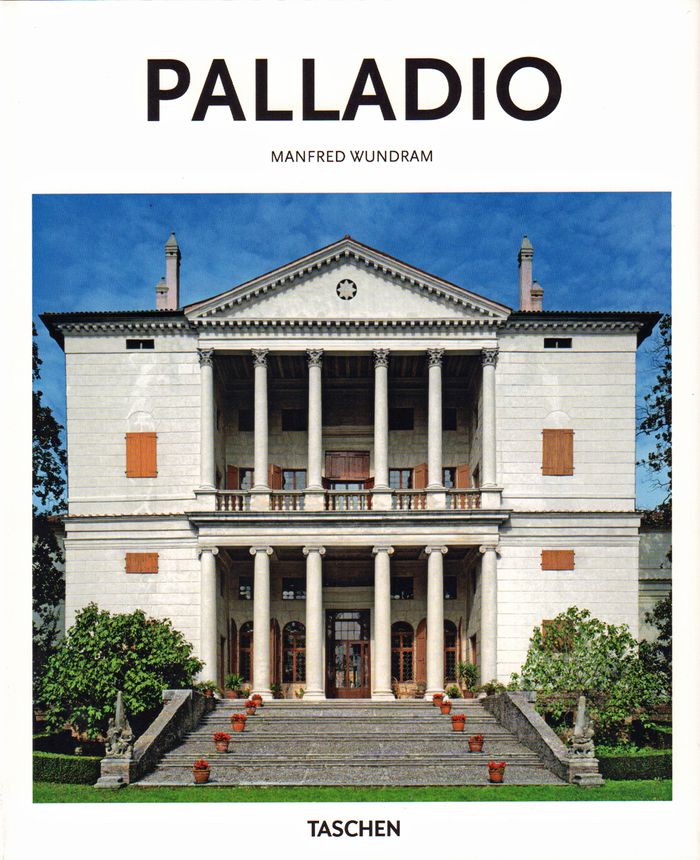
Andrea Palladio (1508–1580) est généralement considéré comme le père de l’architecture occidentale. Fortement influencé par les temples de la Grèce et de la Rome antiques, il a été à l’avant-garde d’un renouveau de la symétrie et de la perspective classiques, et le créateur d’un langage architectural universel. Depuis ses débuts modestes comme apprenti d’un tailleur de pierre, Palladio s’est élevé jusqu’à devenir l’architecte en chef de la République de Venise, alors épicentre de l’innovation européenne. Il y a créé les églises du Redentore et de San Giorgio Maggiore sur le promontoire qui avance entre le canal de la Giudecca et la lagune. Palladio a bâti la mondialement célèbre basilique, ainsi que la villa Rotonda et le Théâtre olympique dans la ville voisine de Vicence, tout comme plusieurs villas rurales dans la campagne de Vénétie, qui se distinguent par la rencontre entre l’architecture locale, vernaculaire, des structures classiques et la présence de portiques qui ménagent des espaces de transition entre intérieur et extérieur. Les villas palladiennes et la ville de Vincence sont aujourd’hui classées au patrimoine mondial de l’UNESCO.
Palladio
Actions:
Prix:
$18.95
(disponible sur commande)
Résumé:
Andrea Palladio (1508–1580) est généralement considéré comme le père de l’architecture occidentale. Fortement influencé par les temples de la Grèce et de la Rome antiques, il a été à l’avant-garde d’un renouveau de la symétrie et de la perspective classiques, et le créateur d’un langage architectural universel. Depuis ses débuts modestes comme apprenti d’un tailleur de pierre, Palladio s’est élevé jusqu’à devenir l’architecte en chef de la République de Venise, alors épicentre de l’innovation européenne. Il y a créé les églises du Redentore et de San Giorgio Maggiore sur le promontoire qui avance entre le canal de la Giudecca et la lagune. Palladio a bâti la mondialement célèbre basilique, ainsi que la villa Rotonda et le Théâtre olympique dans la ville voisine de Vicence, tout comme plusieurs villas rurales dans la campagne de Vénétie, qui se distinguent par la rencontre entre l’architecture locale, vernaculaire, des structures classiques et la présence de portiques qui ménagent des espaces de transition entre intérieur et extérieur. Les villas palladiennes et la ville de Vincence sont aujourd’hui classées au patrimoine mondial de l’UNESCO.
Classification:
livres
livres
Publication:
octobre 2016
octobre 2016
Sujet:
Architecture, monographies
Architecture, monographies
Classification:
livres
livres
Titre:
Toward an architecture
Toward an architecture
Actions:
Prix:
$36.50
(disponible en magasin)
Résumé:
Published in 1923, Toward an Architecture had an immediate impact on architects throughout Europe and remains a foundational text for students and professionals. Le Corbusier urges readers to cease thinking of architecture as a matter of historical styles and instead open their eyes to the modern world. Simultaneously a historian, critic, and prophet, he provocatively(...)
$36.50
(disponible en magasin)
Résumé:
Published in 1923, Toward an Architecture had an immediate impact on architects throughout Europe and remains a foundational text for students and professionals. Le Corbusier urges readers to cease thinking of architecture as a matter of historical styles and instead open their eyes to the modern world. Simultaneously a historian, critic, and prophet, he provocatively(...)
Titre:
Toward an architecture
Actions:
Prix:
$36.50
(disponible en magasin)
Résumé:
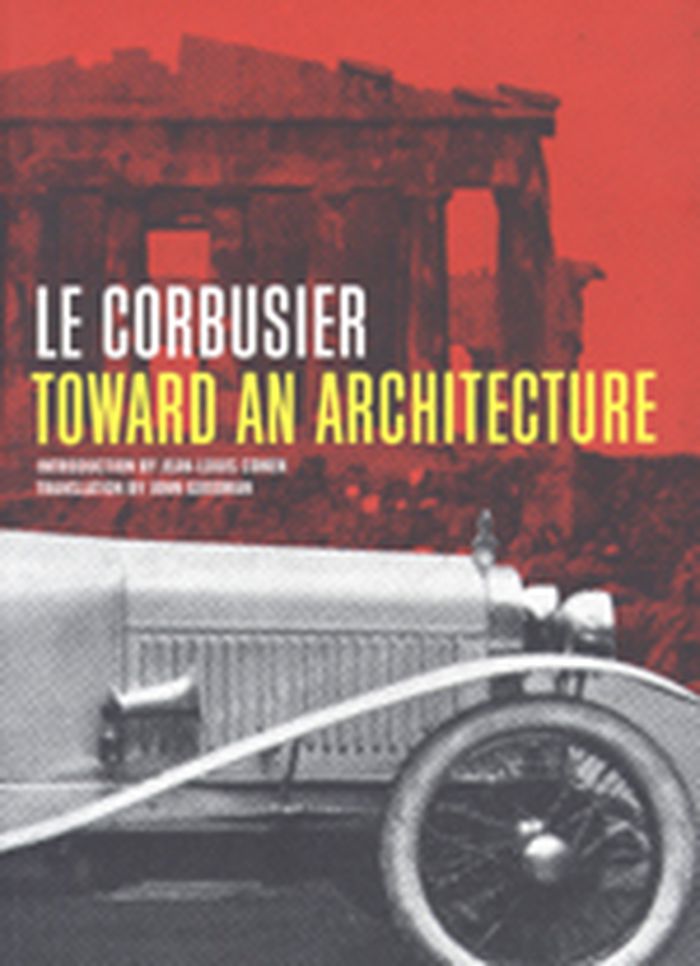
Published in 1923, Toward an Architecture had an immediate impact on architects throughout Europe and remains a foundational text for students and professionals. Le Corbusier urges readers to cease thinking of architecture as a matter of historical styles and instead open their eyes to the modern world. Simultaneously a historian, critic, and prophet, he provocatively juxtaposes views of classical Greece and Renaissance Rome with images of airplanes, cars, and ocean liners. Le Corbusier's slogans�such as "the house is a machine for living in"�and philosophy changed how his contemporaries saw the relationship between architecture, technology, and history. This edition includes a new translation of the original text, a scholarly introduction, and background notes that illuminate the text and illustrations. Jean-Louis Cohen is the Sheldon H. Solow Chair in the History of Architecture at New York University's Institute of Fine Arts. He has written extensively on Le Corbusier's work. John Goodman is a translator and art historian. He has rendered some thirty books from French into English.
Toward an architecture
Actions:
Prix:
$36.50
(disponible en magasin)
Résumé:
Published in 1923, Toward an Architecture had an immediate impact on architects throughout Europe and remains a foundational text for students and professionals. Le Corbusier urges readers to cease thinking of architecture as a matter of historical styles and instead open their eyes to the modern world. Simultaneously a historian, critic, and prophet, he provocatively juxtaposes views of classical Greece and Renaissance Rome with images of airplanes, cars, and ocean liners. Le Corbusier's slogans�such as "the house is a machine for living in"�and philosophy changed how his contemporaries saw the relationship between architecture, technology, and history. This edition includes a new translation of the original text, a scholarly introduction, and background notes that illuminate the text and illustrations. Jean-Louis Cohen is the Sheldon H. Solow Chair in the History of Architecture at New York University's Institute of Fine Arts. He has written extensively on Le Corbusier's work. John Goodman is a translator and art historian. He has rendered some thirty books from French into English.
Classification:
livres
livres
Publication:
janvier 2007, Los Angeles
janvier 2007, Los Angeles
Sujet:
Architecture, monographies
Architecture, monographies
Classification:
livres
livres
Actions:
Prix:
$70.00
(disponible sur commande)
Résumé:
All of the libraries in the world-whether small or large, public or private-serve the same purpose: to preserve, cherish, or show off the riches of human knowledge. Now, for the first time, an internationally renowned photographer takes the reader on a journey to more than 20 of the most historic of these magical places, all architectural treasures. From the dramatic,(...)
$70.00
(disponible sur commande)
Résumé:
All of the libraries in the world-whether small or large, public or private-serve the same purpose: to preserve, cherish, or show off the riches of human knowledge. Now, for the first time, an internationally renowned photographer takes the reader on a journey to more than 20 of the most historic of these magical places, all architectural treasures. From the dramatic,(...)
Publication:
mai 2003, New York
mai 2003, New York
Titre:
The most beautiful libraries in the world
Actions:
Prix:
$70.00
(disponible sur commande)
Résumé:
All of the libraries in the world-whether small or large, public or private-serve the same purpose: to preserve, cherish, or show off the riches of human knowledge. Now, for the first time, an internationally renowned photographer takes the reader on a journey to more than 20 of the most historic of these magical places, all architectural treasures. From the dramatic, baroque Library of the Institut de France in Paris, to the splendid Vatican Library in Rome; from the majestic Royal Library in El Escorial, Spain, to the famed New York Public Library, a Beaux-Arts masterpiece-here are some of the most exquisite libraries of the Western world. Included are national, scholarly, and religious libraries from 12 countries, which have in common a distinguished heritage and an architectural setting that emphasizes art and culture. The accompanying text traces the history of libraries to the present day, and describes how they came to serve famous personalities and men of letters. Libraries must be counted among civilization's crowning achievements; this elegant book is a fitting tribute to that accomplishment.
The most beautiful libraries in the world
Actions:
Prix:
$70.00
(disponible sur commande)
Résumé:
All of the libraries in the world-whether small or large, public or private-serve the same purpose: to preserve, cherish, or show off the riches of human knowledge. Now, for the first time, an internationally renowned photographer takes the reader on a journey to more than 20 of the most historic of these magical places, all architectural treasures. From the dramatic, baroque Library of the Institut de France in Paris, to the splendid Vatican Library in Rome; from the majestic Royal Library in El Escorial, Spain, to the famed New York Public Library, a Beaux-Arts masterpiece-here are some of the most exquisite libraries of the Western world. Included are national, scholarly, and religious libraries from 12 countries, which have in common a distinguished heritage and an architectural setting that emphasizes art and culture. The accompanying text traces the history of libraries to the present day, and describes how they came to serve famous personalities and men of letters. Libraries must be counted among civilization's crowning achievements; this elegant book is a fitting tribute to that accomplishment.
Classification:
livres
livres
Publication:
mai 2003, New York
mai 2003, New York
Classification:
livres
livres
Prix:
$100.00
(disponible sur commande)
Résumé:
Lina Bo Bardi, the Rome-born architect, emigrated after World War Two to Brazil, a country where she undertook her professional career. The outcome of her personal experience and of a wish to get closer to the culture and ways of life of the people, Bo Bardi’s creativity moved in the direction of an architecture that prized simplicity, spontaneity, the residual and the(...)
$100.00
(disponible sur commande)
Résumé:
Lina Bo Bardi, the Rome-born architect, emigrated after World War Two to Brazil, a country where she undertook her professional career. The outcome of her personal experience and of a wish to get closer to the culture and ways of life of the people, Bo Bardi’s creativity moved in the direction of an architecture that prized simplicity, spontaneity, the residual and the(...)
Sujet:
Architecture, monographies
Architecture, monographies
Publication:
juin 2006, Barcelona, Sao Paulo
juin 2006, Barcelona, Sao Paulo
Titre:
Subtle substances : the architecture of Lina Bo Bardi
Actions:
Prix:
$100.00
(disponible sur commande)
Résumé:
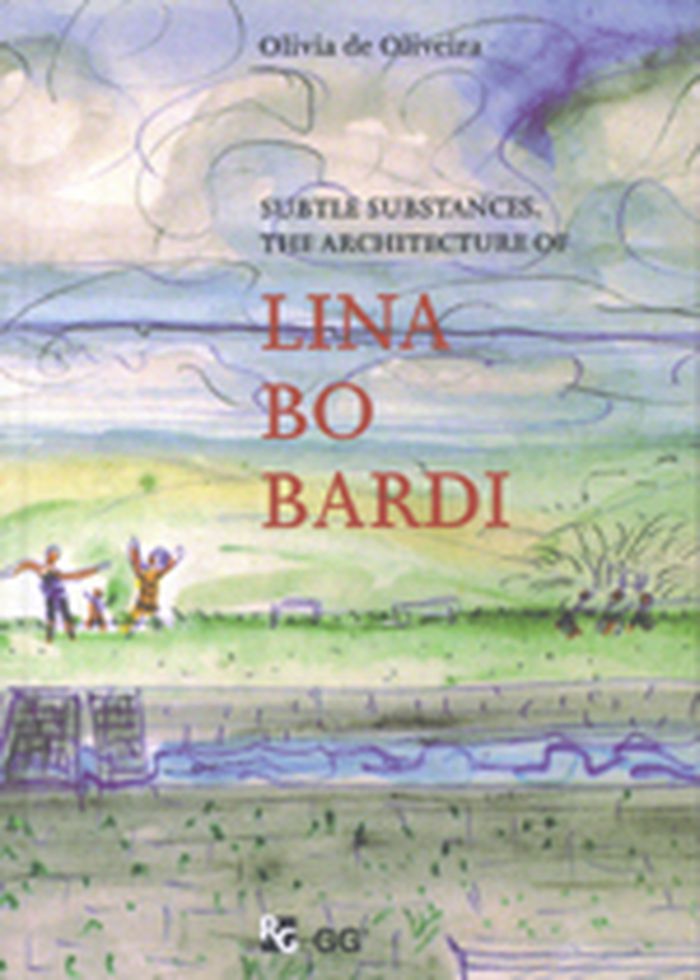
Lina Bo Bardi, the Rome-born architect, emigrated after World War Two to Brazil, a country where she undertook her professional career. The outcome of her personal experience and of a wish to get closer to the culture and ways of life of the people, Bo Bardi’s creativity moved in the direction of an architecture that prized simplicity, spontaneity, the residual and the ephemeral; an architecture understood as 'an organism suitable for life' which incorporated everydayness and the energy of the people who use it. As a result she used the word ‘substances’, rather than ‘materials’, to explain what her architecture was made of. These substances are air, light, nature and art, to which the author, Olivia de Oliveira, adds time. The work of Lina Bo Bardi, then, is presented here via a huge array of previously unpublished drawings, images, writings and projects that enable the reader to grasp in a kaleidoscopic way the power and current importance of her architecture as a critical confrontation with established reality.
Subtle substances : the architecture of Lina Bo Bardi
Actions:
Prix:
$100.00
(disponible sur commande)
Résumé:
Lina Bo Bardi, the Rome-born architect, emigrated after World War Two to Brazil, a country where she undertook her professional career. The outcome of her personal experience and of a wish to get closer to the culture and ways of life of the people, Bo Bardi’s creativity moved in the direction of an architecture that prized simplicity, spontaneity, the residual and the ephemeral; an architecture understood as 'an organism suitable for life' which incorporated everydayness and the energy of the people who use it. As a result she used the word ‘substances’, rather than ‘materials’, to explain what her architecture was made of. These substances are air, light, nature and art, to which the author, Olivia de Oliveira, adds time. The work of Lina Bo Bardi, then, is presented here via a huge array of previously unpublished drawings, images, writings and projects that enable the reader to grasp in a kaleidoscopic way the power and current importance of her architecture as a critical confrontation with established reality.
Classification:
livres
livres
Publication:
juin 2006, Barcelona, Sao Paulo
juin 2006, Barcelona, Sao Paulo
Sujet:
Architecture, monographies
Architecture, monographies
Classification:
livres
livres
Actions:
Prix:
$24.95
(disponible en magasin)
Résumé:
Il n’est pas question ici d’épidémiologie, ni de virologie, ni de quelque « logie » que ce soit car c’est de philosophie qu’il s’agit. Du reste, Donatella Di Cesare enseigne cette discipline dans la plus ancienne institution universitaire d’Europe, La Sapienza à Rome. Que penser d’une démocratie immunitaire où les experts ont acquis des places de gouvernants et où l’état(...)
$24.95
(disponible en magasin)
Résumé:
Il n’est pas question ici d’épidémiologie, ni de virologie, ni de quelque « logie » que ce soit car c’est de philosophie qu’il s’agit. Du reste, Donatella Di Cesare enseigne cette discipline dans la plus ancienne institution universitaire d’Europe, La Sapienza à Rome. Que penser d’une démocratie immunitaire où les experts ont acquis des places de gouvernants et où l’état(...)
Titre:
Un virus souverain : l'asphyxie capitaliste
Actions:
Prix:
$24.95
(disponible en magasin)
Résumé:
Il n’est pas question ici d’épidémiologie, ni de virologie, ni de quelque « logie » que ce soit car c’est de philosophie qu’il s’agit. Du reste, Donatella Di Cesare enseigne cette discipline dans la plus ancienne institution universitaire d’Europe, La Sapienza à Rome. Que penser d’une démocratie immunitaire où les experts ont acquis des places de gouvernants et où l’état d’exception est permanent? Que dire de la « distanciation sociale » sinon qu’elle est l’élargissement du fossé entre les riches et ceux qui n’ont rien? Comment qualifier un virus capable d’annuler l’idée même de frontière? Comment qualifier les relations où chacun vit caché derrière son masque et où personne n’ose se toucher? Le virus a rendu manifeste la brutalité du capitalisme qui nous emporte dans sa spirale dévastatrice. « Ce qui se passe n’est pas une crise mais bien une catastrophe au ralenti. Le virus a bloqué le dispositif. Ce que l’on voit, c’est une convulsion planétaire, le spasme produit par la violence fébrile, l’accélération sans fin autre qu’elle-même qui a inexorablement atteint son point d’inertie. C’est une tétanisation du monde. » Est-ce un dernier signal d’alarme?
Un virus souverain : l'asphyxie capitaliste
Actions:
Prix:
$24.95
(disponible en magasin)
Résumé:
Il n’est pas question ici d’épidémiologie, ni de virologie, ni de quelque « logie » que ce soit car c’est de philosophie qu’il s’agit. Du reste, Donatella Di Cesare enseigne cette discipline dans la plus ancienne institution universitaire d’Europe, La Sapienza à Rome. Que penser d’une démocratie immunitaire où les experts ont acquis des places de gouvernants et où l’état d’exception est permanent? Que dire de la « distanciation sociale » sinon qu’elle est l’élargissement du fossé entre les riches et ceux qui n’ont rien? Comment qualifier un virus capable d’annuler l’idée même de frontière? Comment qualifier les relations où chacun vit caché derrière son masque et où personne n’ose se toucher? Le virus a rendu manifeste la brutalité du capitalisme qui nous emporte dans sa spirale dévastatrice. « Ce qui se passe n’est pas une crise mais bien une catastrophe au ralenti. Le virus a bloqué le dispositif. Ce que l’on voit, c’est une convulsion planétaire, le spasme produit par la violence fébrile, l’accélération sans fin autre qu’elle-même qui a inexorablement atteint son point d’inertie. C’est une tétanisation du monde. » Est-ce un dernier signal d’alarme?
Classification:
livres
livres
Publication:
novembre 2020
novembre 2020
Sujet:
Théorie/ philosophie
Théorie/ philosophie
Classification:
livres
livres
Titre:
On Bramante
On Bramante
Actions:
Prix:
$53.95
(disponible sur commande)
Résumé:
In ''On Bramante,'' architect Pier Paolo Tamburelli considers the work of the celebrated Italian Renaissance architect Donato Bramante and through this reappraisal suggests a possible agenda for current architectural practice. Bramante, Tamburelli argues, offers an excellent starting point to imagine a contemporary theory of space, to reflect on the relationship between(...)
$53.95
(disponible sur commande)
Résumé:
In ''On Bramante,'' architect Pier Paolo Tamburelli considers the work of the celebrated Italian Renaissance architect Donato Bramante and through this reappraisal suggests a possible agenda for current architectural practice. Bramante, Tamburelli argues, offers an excellent starting point to imagine a contemporary theory of space, to reflect on the relationship between(...)
Titre:
On Bramante
Actions:
Prix:
$53.95
(disponible sur commande)
Résumé:
In ''On Bramante,'' architect Pier Paolo Tamburelli considers the work of the celebrated Italian Renaissance architect Donato Bramante and through this reappraisal suggests a possible agenda for current architectural practice. Bramante, Tamburelli argues, offers an excellent starting point to imagine a contemporary theory of space, to reflect on the relationship between architecture and politics, and to look back—with neither nostalgia nor contempt—at the tradition of Western classicism. Starting from a discussion of the difference in the work of Bramante in Milan (1481–1499) and Rome (1499–1514), Tamburelli highlights the peculiarities of Bramante’s architecture, especially in comparison to that of his predecessor Leon Battista Alberti and successor Andrea Palladio. This in turn opens up new possibilities for appreciating his spatial experiments, and to derive from Bramante’s abstraction and disassociation of form from function a revised theory of space for contemporary architecture. Such a theory might even advance a newfound political understanding of classicism, and a model—perhaps more valid now than ever before—for a public architecture.
On Bramante
Actions:
Prix:
$53.95
(disponible sur commande)
Résumé:
In ''On Bramante,'' architect Pier Paolo Tamburelli considers the work of the celebrated Italian Renaissance architect Donato Bramante and through this reappraisal suggests a possible agenda for current architectural practice. Bramante, Tamburelli argues, offers an excellent starting point to imagine a contemporary theory of space, to reflect on the relationship between architecture and politics, and to look back—with neither nostalgia nor contempt—at the tradition of Western classicism. Starting from a discussion of the difference in the work of Bramante in Milan (1481–1499) and Rome (1499–1514), Tamburelli highlights the peculiarities of Bramante’s architecture, especially in comparison to that of his predecessor Leon Battista Alberti and successor Andrea Palladio. This in turn opens up new possibilities for appreciating his spatial experiments, and to derive from Bramante’s abstraction and disassociation of form from function a revised theory of space for contemporary architecture. Such a theory might even advance a newfound political understanding of classicism, and a model—perhaps more valid now than ever before—for a public architecture.
Classification:
livres
livres
Publication:
mai 2022
mai 2022
Sujet:
Architecture, monographies
Architecture, monographies
Classification:
livres
livres
Actions:
Prix:
$21.00
(disponible sur commande)
Résumé:
Borromini a été très présent aux yeux des Suisses sur leurs billets de banque, mais que sait-on de cet architecte célèbre, né près de Lugano en 1599 ? À Rome, où il séjournait à l'Institut suisse, l'écrivain contemporain Etienne Barilier se prit de ferveur pour le maître du baroque dont la vie nous est restée inconnue, à part son suicide. Du grand rival de Bernini(...)
$21.00
(disponible sur commande)
Résumé:
Borromini a été très présent aux yeux des Suisses sur leurs billets de banque, mais que sait-on de cet architecte célèbre, né près de Lugano en 1599 ? À Rome, où il séjournait à l'Institut suisse, l'écrivain contemporain Etienne Barilier se prit de ferveur pour le maître du baroque dont la vie nous est restée inconnue, à part son suicide. Du grand rival de Bernini(...)
Titre:
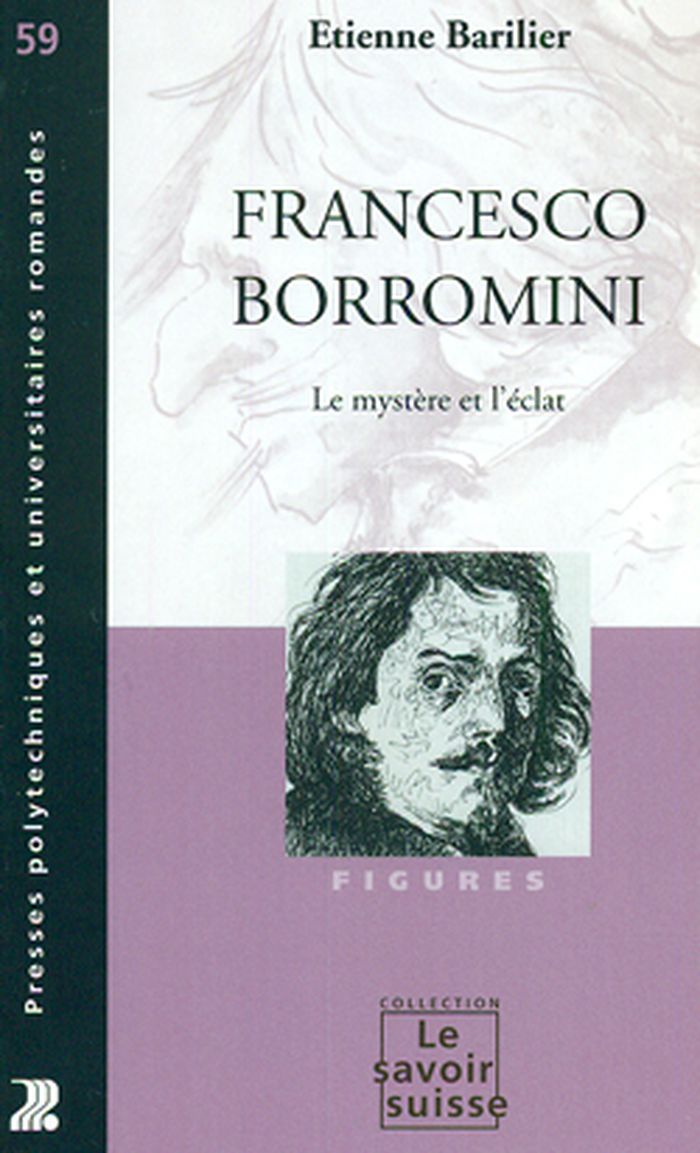
Francesco Borromini : le mystère de l'éclat
Actions:
Prix:
$21.00
(disponible sur commande)
Résumé:
Borromini a été très présent aux yeux des Suisses sur leurs billets de banque, mais que sait-on de cet architecte célèbre, né près de Lugano en 1599 ? À Rome, où il séjournait à l'Institut suisse, l'écrivain contemporain Etienne Barilier se prit de ferveur pour le maître du baroque dont la vie nous est restée inconnue, à part son suicide. Du grand rival de Bernini demeurent les oeuvres. Il ne fut pas facile de percer les secrets de l'Oratoire des Philippins, de Saint-Charles-aux-Quatre-Fontaines, de Saint-Yves-de-la-Sapience... C'est par des visites assidues et des observations fascinantes qu'ont repris chair, en ces pages, de grandes figures du dix-septième siècle romain et le créateur d'une architecture éminemment personnelle. Il ne sera plus possible de fondre les travaux de Borromini dans "le baroque", car on perçoit ici une destinée d'artiste qui va seul. Il demeure sans âge par sa passion des matières et des ordonnances constructives, mais frappé d'un respect aigu, on dirait pascalien, du limité et de l'illimité. Dans les mandats les plus contraignants il révéla son génie.
Francesco Borromini : le mystère de l'éclat
Actions:
Prix:
$21.00
(disponible sur commande)
Résumé:
Borromini a été très présent aux yeux des Suisses sur leurs billets de banque, mais que sait-on de cet architecte célèbre, né près de Lugano en 1599 ? À Rome, où il séjournait à l'Institut suisse, l'écrivain contemporain Etienne Barilier se prit de ferveur pour le maître du baroque dont la vie nous est restée inconnue, à part son suicide. Du grand rival de Bernini demeurent les oeuvres. Il ne fut pas facile de percer les secrets de l'Oratoire des Philippins, de Saint-Charles-aux-Quatre-Fontaines, de Saint-Yves-de-la-Sapience... C'est par des visites assidues et des observations fascinantes qu'ont repris chair, en ces pages, de grandes figures du dix-septième siècle romain et le créateur d'une architecture éminemment personnelle. Il ne sera plus possible de fondre les travaux de Borromini dans "le baroque", car on perçoit ici une destinée d'artiste qui va seul. Il demeure sans âge par sa passion des matières et des ordonnances constructives, mais frappé d'un respect aigu, on dirait pascalien, du limité et de l'illimité. Dans les mandats les plus contraignants il révéla son génie.
Classification:
livres
livres
Publication:
décembre 2009
décembre 2009
Sujet:
Architecture, monographies
Architecture, monographies


