


7451 Résultats
Classification:
livres
livres
Titre:
Terms and conditions
Terms and conditions
Actions:
Prix:
$16.95
(disponible sur commande)
Résumé:
For his newest project, R. Sikoryak tackles the monstrously and infamously dense legal document, iTunes Terms and Conditions, the contract everyone agrees to but no one reads. In a word for word 94-page adaptation, Sikoryak hilariously turns the agreement on its head—each page features an avatar of Apple cofounder and legendary visionary Steve Jobs juxtaposed with a(...)
$16.95
(disponible sur commande)
Résumé:
For his newest project, R. Sikoryak tackles the monstrously and infamously dense legal document, iTunes Terms and Conditions, the contract everyone agrees to but no one reads. In a word for word 94-page adaptation, Sikoryak hilariously turns the agreement on its head—each page features an avatar of Apple cofounder and legendary visionary Steve Jobs juxtaposed with a(...)
Titre:
Terms and conditions
Actions:
Prix:
$16.95
(disponible sur commande)
Résumé:
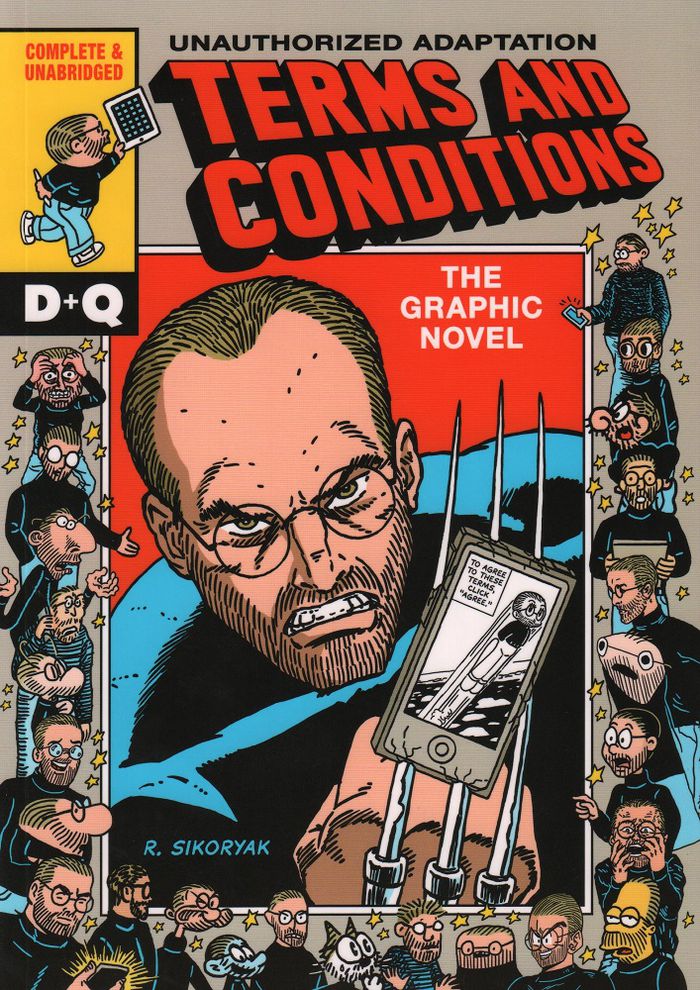
For his newest project, R. Sikoryak tackles the monstrously and infamously dense legal document, iTunes Terms and Conditions, the contract everyone agrees to but no one reads. In a word for word 94-page adaptation, Sikoryak hilariously turns the agreement on its head—each page features an avatar of Apple cofounder and legendary visionary Steve Jobs juxtaposed with a different classic strip such as Mort Walker’s Beetle Bailey, or a contemporary graphic novel such as Craig Thompson’s Blankets or Marjane Satrapi’s Persepolis . Adapting the legalese of the iTunes Terms and Conditions into another medium seems like an unfathomable undertaking, yet Sikoryak creates a surprisingly readable document, far different from its original, purely textual incarnation and thus proving the accessibility and flexibility of comics. When Sikoryak parodies Kate Beaton’s Hark A Vagrant peasant comics with Steve Jobs discussing objectionable material or Homer Simpson as Steve Jobs warning of the penalties of copyright infringement, Terms and Conditions serves as a surreal record of our modern digital age where technology competes with enduringly ironclad mediums.
Terms and conditions
Actions:
Prix:
$16.95
(disponible sur commande)
Résumé:
For his newest project, R. Sikoryak tackles the monstrously and infamously dense legal document, iTunes Terms and Conditions, the contract everyone agrees to but no one reads. In a word for word 94-page adaptation, Sikoryak hilariously turns the agreement on its head—each page features an avatar of Apple cofounder and legendary visionary Steve Jobs juxtaposed with a different classic strip such as Mort Walker’s Beetle Bailey, or a contemporary graphic novel such as Craig Thompson’s Blankets or Marjane Satrapi’s Persepolis . Adapting the legalese of the iTunes Terms and Conditions into another medium seems like an unfathomable undertaking, yet Sikoryak creates a surprisingly readable document, far different from its original, purely textual incarnation and thus proving the accessibility and flexibility of comics. When Sikoryak parodies Kate Beaton’s Hark A Vagrant peasant comics with Steve Jobs discussing objectionable material or Homer Simpson as Steve Jobs warning of the penalties of copyright infringement, Terms and Conditions serves as a surreal record of our modern digital age where technology competes with enduringly ironclad mediums.
Classification:
livres
livres
Publication:
mars 2017
mars 2017
Sujet:
Illustration
Illustration
Classification:
livres
livres
Prix:
$23.95
(disponible en magasin)
Résumé:
Geomedia offers critical analysis of the new possibilities and power relations emerging in the public space of contemporary cities. As ubiquitous digital networks enable embedded and mobile devices to integrate place-specific data with real-time feedback circuits, everyday experience of public space has become subject to new demands. Looking beyond debates framed by the(...)
$23.95
(disponible en magasin)
Résumé:
Geomedia offers critical analysis of the new possibilities and power relations emerging in the public space of contemporary cities. As ubiquitous digital networks enable embedded and mobile devices to integrate place-specific data with real-time feedback circuits, everyday experience of public space has become subject to new demands. Looking beyond debates framed by the(...)
Titre:
Geomedia: networked cities and the future of public space
Actions:
Prix:
$23.95
(disponible en magasin)
Résumé:
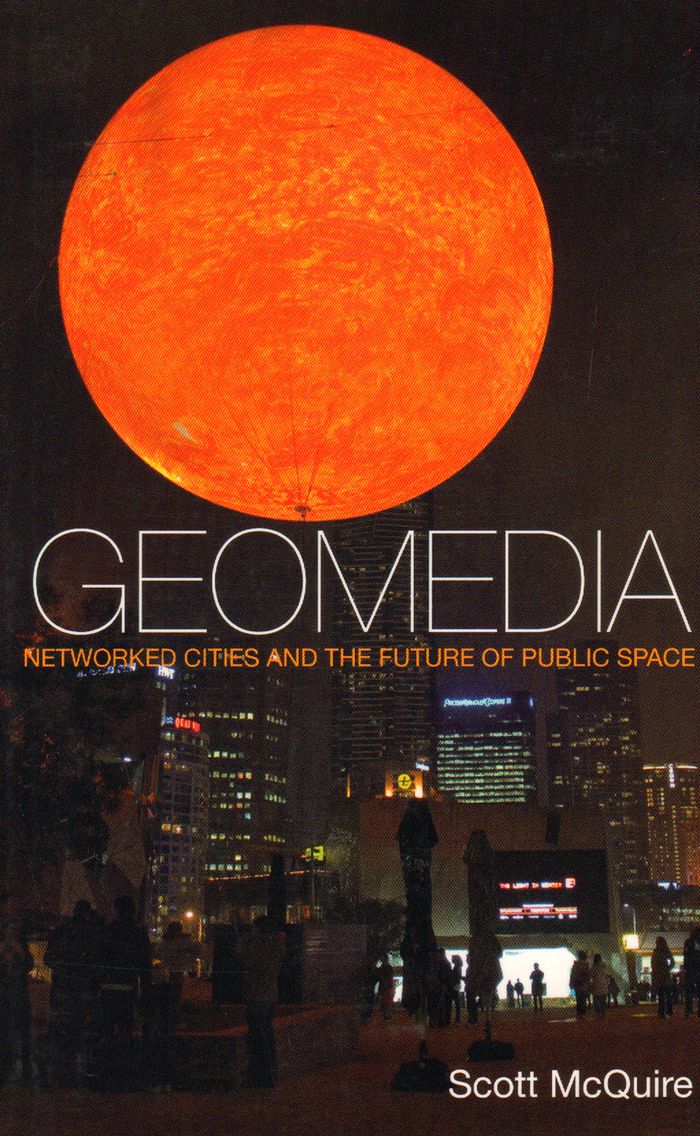
Geomedia offers critical analysis of the new possibilities and power relations emerging in the public space of contemporary cities. As ubiquitous digital networks enable embedded and mobile devices to integrate place-specific data with real-time feedback circuits, everyday experience of public space has become subject to new demands. Looking beyond debates framed by the dominance of surveillance and spectacle, McQuire asks: how might the kind of collaborative practices that have flourished in art and online cultures be translated into urban space? In the urban crisis of the 1960s, Henri Lefebvre argued that the capacity for a city’s inhabitants to actively appropriate the time and space of their surroundings was a critical dimension of modern democracy. What does it mean to speak of ‘the right to the city’ in the context of the networked city? Addressing this question through a series of case studies, this cutting-edge text highlights the tensions between citizen and consumer, communication and surveillance, participation and control, which define contemporary struggles over public space.
Geomedia: networked cities and the future of public space
Actions:
Prix:
$23.95
(disponible en magasin)
Résumé:
Geomedia offers critical analysis of the new possibilities and power relations emerging in the public space of contemporary cities. As ubiquitous digital networks enable embedded and mobile devices to integrate place-specific data with real-time feedback circuits, everyday experience of public space has become subject to new demands. Looking beyond debates framed by the dominance of surveillance and spectacle, McQuire asks: how might the kind of collaborative practices that have flourished in art and online cultures be translated into urban space? In the urban crisis of the 1960s, Henri Lefebvre argued that the capacity for a city’s inhabitants to actively appropriate the time and space of their surroundings was a critical dimension of modern democracy. What does it mean to speak of ‘the right to the city’ in the context of the networked city? Addressing this question through a series of case studies, this cutting-edge text highlights the tensions between citizen and consumer, communication and surveillance, participation and control, which define contemporary struggles over public space.
Classification:
livres
livres
Publication:
décembre 2016
décembre 2016
Sujet:
Théorie de l’urbanisme
Théorie de l’urbanisme
Classification:
livres
livres
Actions:
Prix:
$200.00
(disponible en magasin)
Résumé:
"Elements of Architecture" focuses on the fragments of the rich and complex architectural collage. Window, façade, balcony, corridor, fireplace, stair, escalator, elevator: the book seeks to excavate the micro-narratives of building detail.The result is no single history, but rather the web of origins, contaminations, similarities, and differences in architectural(...)
$200.00
(disponible en magasin)
Résumé:
"Elements of Architecture" focuses on the fragments of the rich and complex architectural collage. Window, façade, balcony, corridor, fireplace, stair, escalator, elevator: the book seeks to excavate the micro-narratives of building detail.The result is no single history, but rather the web of origins, contaminations, similarities, and differences in architectural(...)
Titre:
Rem Koolhaas: elements of architecture
Actions:
Prix:
$200.00
(disponible en magasin)
Résumé:
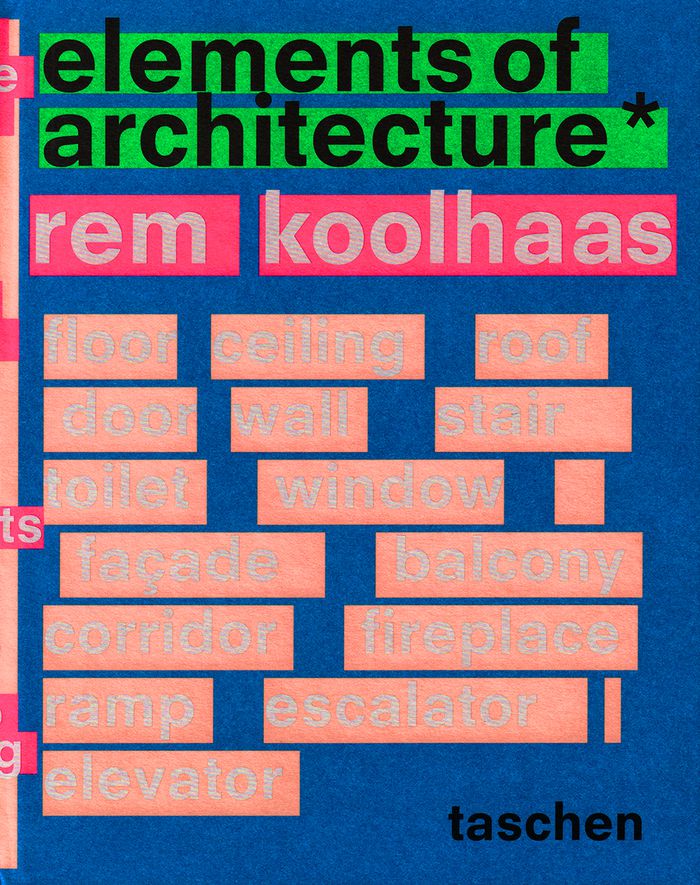
"Elements of Architecture" focuses on the fragments of the rich and complex architectural collage. Window, façade, balcony, corridor, fireplace, stair, escalator, elevator: the book seeks to excavate the micro-narratives of building detail.The result is no single history, but rather the web of origins, contaminations, similarities, and differences in architectural evolution, including the influence of technological advances, climatic adaptation, political calculation, economic contexts, regulatory requirements, and new digital opportunities. It’s a guide that is long overdue—in Koolhaas’s own words, “Never was a book more relevant—at a moment where architecture as we know it is changing beyond recognition.” Derived, updated, and expanded from Koolhaas's exhaustive and much-lauded exhibition at the 2014 Venice Architecture Biennale, this is an essential toolkit to understanding the fundamentals that comprise structure around the globe. Designed by Irma Boom and based on research from the Harvard Graduate School of Design, the 2,600-page monograph contains essays from Rem Koolhaas, Stephan Trueby, Manfredo di Robilant, and Jeffrey Inaba; interviews with Werner Sobek and Tony Fadell (of Nest); and an exclusive photo essay by Wolfgang Tillmans.
Rem Koolhaas: elements of architecture
Actions:
Prix:
$200.00
(disponible en magasin)
Résumé:
"Elements of Architecture" focuses on the fragments of the rich and complex architectural collage. Window, façade, balcony, corridor, fireplace, stair, escalator, elevator: the book seeks to excavate the micro-narratives of building detail.The result is no single history, but rather the web of origins, contaminations, similarities, and differences in architectural evolution, including the influence of technological advances, climatic adaptation, political calculation, economic contexts, regulatory requirements, and new digital opportunities. It’s a guide that is long overdue—in Koolhaas’s own words, “Never was a book more relevant—at a moment where architecture as we know it is changing beyond recognition.” Derived, updated, and expanded from Koolhaas's exhaustive and much-lauded exhibition at the 2014 Venice Architecture Biennale, this is an essential toolkit to understanding the fundamentals that comprise structure around the globe. Designed by Irma Boom and based on research from the Harvard Graduate School of Design, the 2,600-page monograph contains essays from Rem Koolhaas, Stephan Trueby, Manfredo di Robilant, and Jeffrey Inaba; interviews with Werner Sobek and Tony Fadell (of Nest); and an exclusive photo essay by Wolfgang Tillmans.
Classification:
livres
livres
Publication:
octobre 2018
octobre 2018
Sujet:
Biennale
Biennale
Classification:
livres
livres

Prix:
$65.00
(disponible sur commande)
Résumé:
One of Japan’s leading contemporary artists, Takashi Murakami (b. 1962) is known for a wide-ranging practice that encompasses not only fine art but fashion, consumer products, curation, and entertainment. Founder of the Superflat movement, Murakami makes art that is larger than life, boldly colored, and buoyant, with a Pop sensibility that draws inspiration from anime and(...)
$65.00
(disponible sur commande)
Résumé:
One of Japan’s leading contemporary artists, Takashi Murakami (b. 1962) is known for a wide-ranging practice that encompasses not only fine art but fashion, consumer products, curation, and entertainment. Founder of the Superflat movement, Murakami makes art that is larger than life, boldly colored, and buoyant, with a Pop sensibility that draws inspiration from anime and(...)
Publication:
septembre 2023
septembre 2023
Titre:
Murakami: Unfamiliar people- swelling of monsterized human ego
Actions:
Prix:
$65.00
(disponible sur commande)
Résumé:
One of Japan’s leading contemporary artists, Takashi Murakami (b. 1962) is known for a wide-ranging practice that encompasses not only fine art but fashion, consumer products, curation, and entertainment. Founder of the Superflat movement, Murakami makes art that is larger than life, boldly colored, and buoyant, with a Pop sensibility that draws inspiration from anime and manga. But beyond the happy flowers and kawaii characters that have defined Murakami’s career lurk darker manifestations: the sharp-toothed, multi-eyed monsters that have increasingly become the artist’s vehicle for expressing the effects of rampant consumerism, human fallibility, and the perils of life in the digital fast lane. This book explores these themes in works from the last decade, presenting a disquieting vision of monsterized beings born in an era of unprecedented environmental, political, and social turmoil. Conversations with Murakami and essays by Laura W. Allen, Hiroko Ikegami, and Masako Shiba deconstruct what monsters mean to the artist and reflect on new directions in Murakami’s sculpture and the genesis of his recent NFT projects.
Murakami: Unfamiliar people- swelling of monsterized human ego
Actions:
Prix:
$65.00
(disponible sur commande)
Résumé:
One of Japan’s leading contemporary artists, Takashi Murakami (b. 1962) is known for a wide-ranging practice that encompasses not only fine art but fashion, consumer products, curation, and entertainment. Founder of the Superflat movement, Murakami makes art that is larger than life, boldly colored, and buoyant, with a Pop sensibility that draws inspiration from anime and manga. But beyond the happy flowers and kawaii characters that have defined Murakami’s career lurk darker manifestations: the sharp-toothed, multi-eyed monsters that have increasingly become the artist’s vehicle for expressing the effects of rampant consumerism, human fallibility, and the perils of life in the digital fast lane. This book explores these themes in works from the last decade, presenting a disquieting vision of monsterized beings born in an era of unprecedented environmental, political, and social turmoil. Conversations with Murakami and essays by Laura W. Allen, Hiroko Ikegami, and Masako Shiba deconstruct what monsters mean to the artist and reflect on new directions in Murakami’s sculpture and the genesis of his recent NFT projects.
Classification:
livres
livres
Publication:
septembre 2023
septembre 2023
Classification:
livres
livres

Titre:
The Black geographic
The Black geographic
Actions:
Prix:
$38.95
(disponible sur commande)
Résumé:
The contributors to ''The Black geographic'' explore the theoretical innovations of Black Geographies scholarship and how it approaches Blackness as historically and spatially situated. In studies that span from Oakland to the Alabama Black Belt to Senegal to Brazil, the contributors draw on ethnography, archival records, digital humanities, literary criticism, and art to(...)
$38.95
(disponible sur commande)
Résumé:
The contributors to ''The Black geographic'' explore the theoretical innovations of Black Geographies scholarship and how it approaches Blackness as historically and spatially situated. In studies that span from Oakland to the Alabama Black Belt to Senegal to Brazil, the contributors draw on ethnography, archival records, digital humanities, literary criticism, and art to(...)
Titre:
The Black geographic
Actions:
Prix:
$38.95
(disponible sur commande)
Résumé:
The contributors to ''The Black geographic'' explore the theoretical innovations of Black Geographies scholarship and how it approaches Blackness as historically and spatially situated. In studies that span from Oakland to the Alabama Black Belt to Senegal to Brazil, the contributors draw on ethnography, archival records, digital humanities, literary criticism, and art to show how understanding the spatial dimensions of Black life contributes to a broader understanding of race and space. They examine key sites of inquiry: Black spatial imaginaries, resistance to racial violence, the geographies of racial capitalism, and struggles over urban space. Throughout, the contributors demonstrate that Blackness is itself a situating and place-making force, even as it is shaped by spatial processes and diasporic routes. Whether discussing eighteenth- and nineteenth-century abolitionist print records or migration and surveillance in Niger, this volume demonstrates that Black Geographies is a mode of analyzing Blackness that fundamentally challenges the very foundations of the field of geography and its historical entwinement with colonialism, enslavement, and imperialism. In short, it marks a new step in the evolution of the field.
The Black geographic
Actions:
Prix:
$38.95
(disponible sur commande)
Résumé:
The contributors to ''The Black geographic'' explore the theoretical innovations of Black Geographies scholarship and how it approaches Blackness as historically and spatially situated. In studies that span from Oakland to the Alabama Black Belt to Senegal to Brazil, the contributors draw on ethnography, archival records, digital humanities, literary criticism, and art to show how understanding the spatial dimensions of Black life contributes to a broader understanding of race and space. They examine key sites of inquiry: Black spatial imaginaries, resistance to racial violence, the geographies of racial capitalism, and struggles over urban space. Throughout, the contributors demonstrate that Blackness is itself a situating and place-making force, even as it is shaped by spatial processes and diasporic routes. Whether discussing eighteenth- and nineteenth-century abolitionist print records or migration and surveillance in Niger, this volume demonstrates that Black Geographies is a mode of analyzing Blackness that fundamentally challenges the very foundations of the field of geography and its historical entwinement with colonialism, enslavement, and imperialism. In short, it marks a new step in the evolution of the field.
Classification:
livres
livres
Publication:
octobre 2023
octobre 2023
Sujet:
Social
Social
Classification:
livres
livres
Actions:
Prix:
$48.99
(disponible en magasin)
Résumé:
From 1970 until 1987, Gilles Deleuze held a weekly seminar at the Experimental University of Vincennes and, starting in 1980, at Saint-Denis. In the spring of 1981, he began a series of eight seminars on painting and its intersections with philosophy. The recorded sessions, newly transcribed and translated into English, are now available in their entirety for the first(...)
$48.99
(disponible en magasin)
Résumé:
From 1970 until 1987, Gilles Deleuze held a weekly seminar at the Experimental University of Vincennes and, starting in 1980, at Saint-Denis. In the spring of 1981, he began a series of eight seminars on painting and its intersections with philosophy. The recorded sessions, newly transcribed and translated into English, are now available in their entirety for the first(...)
Titre:
On painting: Courses March - June 1981
Actions:
Prix:
$48.99
(disponible en magasin)
Résumé:
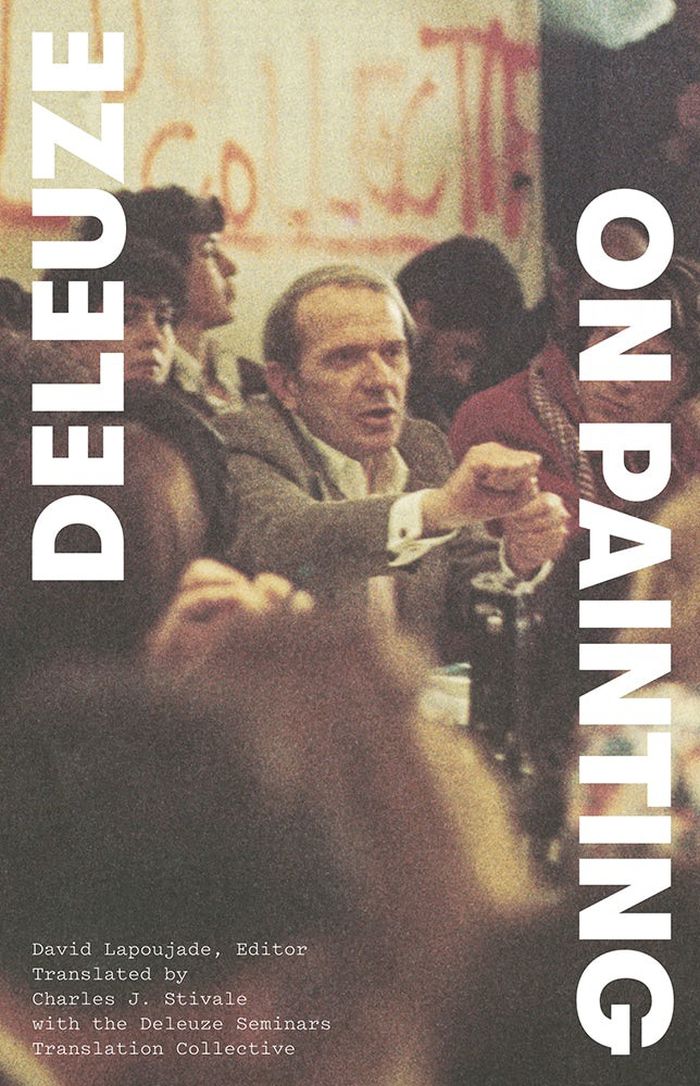
From 1970 until 1987, Gilles Deleuze held a weekly seminar at the Experimental University of Vincennes and, starting in 1980, at Saint-Denis. In the spring of 1981, he began a series of eight seminars on painting and its intersections with philosophy. The recorded sessions, newly transcribed and translated into English, are now available in their entirety for the first time. Extensively annotated by philosopher David Lapoujade, On Painting illuminates Deleuze’s thinking on artistic creation, significantly extending the lines of thought in his book Francis Bacon. Through paintings and writing by Rembrandt, Delacroix, Turner, Cézanne, Van Gogh, Klee, Pollock, and Bacon, Deleuze explores the creative process, from chaos to the pictorial fact. The introduction and use of color feature prominently as Deleuze elaborates on artistic and philosophical concepts such as the diagram, modulation, code, and the digital and the analogical. Through this scrutiny, he raises a series of profound and stimulating questions for his students: How does a painter ward off grayness and attain color? What is a line without contour? Why paint at all?
On painting: Courses March - June 1981
Actions:
Prix:
$48.99
(disponible en magasin)
Résumé:
From 1970 until 1987, Gilles Deleuze held a weekly seminar at the Experimental University of Vincennes and, starting in 1980, at Saint-Denis. In the spring of 1981, he began a series of eight seminars on painting and its intersections with philosophy. The recorded sessions, newly transcribed and translated into English, are now available in their entirety for the first time. Extensively annotated by philosopher David Lapoujade, On Painting illuminates Deleuze’s thinking on artistic creation, significantly extending the lines of thought in his book Francis Bacon. Through paintings and writing by Rembrandt, Delacroix, Turner, Cézanne, Van Gogh, Klee, Pollock, and Bacon, Deleuze explores the creative process, from chaos to the pictorial fact. The introduction and use of color feature prominently as Deleuze elaborates on artistic and philosophical concepts such as the diagram, modulation, code, and the digital and the analogical. Through this scrutiny, he raises a series of profound and stimulating questions for his students: How does a painter ward off grayness and attain color? What is a line without contour? Why paint at all?
Classification:
livres
livres
Publication:
août 2025
août 2025
Sujet:
Théorie de l’art
Théorie de l’art
Classification:
livres
livres
Prix:
$35.95
(disponible sur commande)
Résumé:
The city is one of the greatest unsung heroes in cinema -- a modernist inspiration for silent classics such as Metropolis (1926) and a dense urban jungle in The Matrix (1999) -- yet there have been few attempts to grasp the cultural and aesthetic nature of its role in film. This volume is an ambitious collection of writings and photo-essays discussing this complex yet(...)
$35.95
(disponible sur commande)
Résumé:
The city is one of the greatest unsung heroes in cinema -- a modernist inspiration for silent classics such as Metropolis (1926) and a dense urban jungle in The Matrix (1999) -- yet there have been few attempts to grasp the cultural and aesthetic nature of its role in film. This volume is an ambitious collection of writings and photo-essays discussing this complex yet(...)
Publication:
août 2008, London, New York
août 2008, London, New York
Titre:
Cities in transition: the moving image and the modern metropolis
Actions:
Prix:
$35.95
(disponible sur commande)
Résumé:
The city is one of the greatest unsung heroes in cinema -- a modernist inspiration for silent classics such as Metropolis (1926) and a dense urban jungle in The Matrix (1999) -- yet there have been few attempts to grasp the cultural and aesthetic nature of its role in film. This volume is an ambitious collection of writings and photo-essays discussing this complex yet enduring relationship, and how early cinema, digital technology and changing urban geographies have all impacted upon notions and representations of the modern city. Amongst the films discussed are Peeping Tom (1960), Performance (1970), Sans Soleil (1983) and Amores perros (2000). Contributions come from the fields of film studies, cultural theory, architecture and design, as well as filmmakers Patrick Keiller and Chris Petit. Andrew Webber is Reader in Modern German and Comparative Culture at Churchill College, University of Cambridge. He is the author of The European Avant-garde (2004). Emma Wilson is Reader in Contemporary French Literature and Film at Corpus Christi College, University of Cambridge. She is the author of Cinema's Missing Children (2003) and Alain Resnais (2006).
Cities in transition: the moving image and the modern metropolis
Actions:
Prix:
$35.95
(disponible sur commande)
Résumé:
The city is one of the greatest unsung heroes in cinema -- a modernist inspiration for silent classics such as Metropolis (1926) and a dense urban jungle in The Matrix (1999) -- yet there have been few attempts to grasp the cultural and aesthetic nature of its role in film. This volume is an ambitious collection of writings and photo-essays discussing this complex yet enduring relationship, and how early cinema, digital technology and changing urban geographies have all impacted upon notions and representations of the modern city. Amongst the films discussed are Peeping Tom (1960), Performance (1970), Sans Soleil (1983) and Amores perros (2000). Contributions come from the fields of film studies, cultural theory, architecture and design, as well as filmmakers Patrick Keiller and Chris Petit. Andrew Webber is Reader in Modern German and Comparative Culture at Churchill College, University of Cambridge. He is the author of The European Avant-garde (2004). Emma Wilson is Reader in Contemporary French Literature and Film at Corpus Christi College, University of Cambridge. She is the author of Cinema's Missing Children (2003) and Alain Resnais (2006).
Classification:
livres
livres
Publication:
août 2008, London, New York
août 2008, London, New York
Classification:
livres
livres
Actions:
Prix:
$63.95
(disponible sur commande)
Résumé:
Is less really more? At long last, designers, artists, and architects have rediscovered the evocative effect of patterns and are paying homage to décors once rejected as superfluous, by covering lamps, chairs, rooms or entire façades with stripes, polka dots and camouflage designs. Indispensable for anyone interested in contemporary trends in design, art and(...)
$63.95
(disponible sur commande)
Résumé:
Is less really more? At long last, designers, artists, and architects have rediscovered the evocative effect of patterns and are paying homage to décors once rejected as superfluous, by covering lamps, chairs, rooms or entire façades with stripes, polka dots and camouflage designs. Indispensable for anyone interested in contemporary trends in design, art and(...)
Sujet:
Ornementation
Ornementation
Publication:
mai 2007, Basel - Boston - Berlin
mai 2007, Basel - Boston - Berlin
Titre:
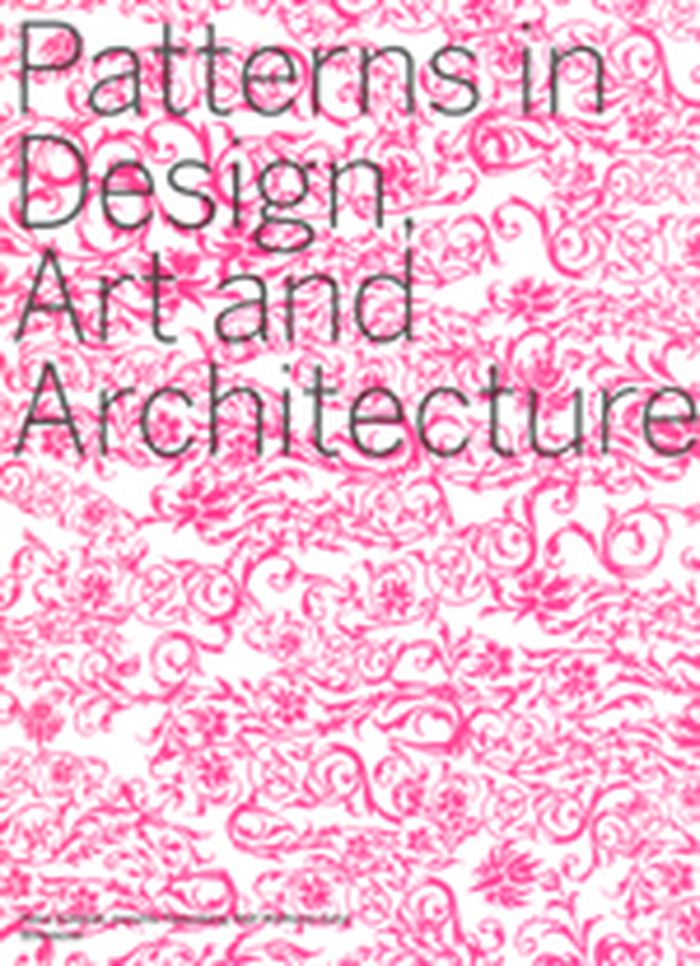
Patterns in design, art and architecture
Actions:
Prix:
$63.95
(disponible sur commande)
Résumé:
Is less really more? At long last, designers, artists, and architects have rediscovered the evocative effect of patterns and are paying homage to décors once rejected as superfluous, by covering lamps, chairs, rooms or entire façades with stripes, polka dots and camouflage designs. Indispensable for anyone interested in contemporary trends in design, art and architecture, this softcover edition of a classic is quite simply opulent and dazzling – a lavishly illustrated overview composed by experts. This book presents the various multidisciplinary approaches to patterns, showing the many functions and fields of application. Using examples of contemporary work by internationally renowned designers such as Fabio Novembre, Claesson Koivisto Rune and Karim Rashid, by architects such as Herzog & de Meuron, Steven Holl and Sauerbruch Hutton, and artists such as Bridget Riley and Gerhard Richter, a kaleidoscope of colours and forms are laid out before the reader. New interpretations of traditional motifs are illustrated, as well as the impact and influence of technical innovations such as laser engraving and digital milling on the creation and realization of patterns today.
Patterns in design, art and architecture
Actions:
Prix:
$63.95
(disponible sur commande)
Résumé:
Is less really more? At long last, designers, artists, and architects have rediscovered the evocative effect of patterns and are paying homage to décors once rejected as superfluous, by covering lamps, chairs, rooms or entire façades with stripes, polka dots and camouflage designs. Indispensable for anyone interested in contemporary trends in design, art and architecture, this softcover edition of a classic is quite simply opulent and dazzling – a lavishly illustrated overview composed by experts. This book presents the various multidisciplinary approaches to patterns, showing the many functions and fields of application. Using examples of contemporary work by internationally renowned designers such as Fabio Novembre, Claesson Koivisto Rune and Karim Rashid, by architects such as Herzog & de Meuron, Steven Holl and Sauerbruch Hutton, and artists such as Bridget Riley and Gerhard Richter, a kaleidoscope of colours and forms are laid out before the reader. New interpretations of traditional motifs are illustrated, as well as the impact and influence of technical innovations such as laser engraving and digital milling on the creation and realization of patterns today.
Classification:
livres
livres
Publication:
mai 2007, Basel - Boston - Berlin
mai 2007, Basel - Boston - Berlin
Sujet:
Ornementation
Ornementation
Classification:
livres
livres
Titre:
Activity diagrams
Activity diagrams
Actions:
Prix:
$116.00
(disponible sur commande)
Résumé:
Due to the rapid development of high-speed transportation and digital-network, the life pattern of modern people also has been rapidly desconstructed and reorganized. To respond such a flexible, multi-layered, and ambiguous period, various contermeasures have been studied in terms of modern architectural programs. As one of the solutions, activity diagrams are a(...)
$116.00
(disponible sur commande)
Résumé:
Due to the rapid development of high-speed transportation and digital-network, the life pattern of modern people also has been rapidly desconstructed and reorganized. To respond such a flexible, multi-layered, and ambiguous period, various contermeasures have been studied in terms of modern architectural programs. As one of the solutions, activity diagrams are a(...)
Publication:
mars 2006, Seoul
mars 2006, Seoul
Titre:
Activity diagrams
Actions:
Prix:
$116.00
(disponible sur commande)
Résumé:
Due to the rapid development of high-speed transportation and digital-network, the life pattern of modern people also has been rapidly desconstructed and reorganized. To respond such a flexible, multi-layered, and ambiguous period, various contermeasures have been studied in terms of modern architectural programs. As one of the solutions, activity diagrams are a methodology which creates an architectural space through a process of analyzing people's behaviors as weel as re-organizing their systems. Modern architecture is already familiarized with the words 'program' and 'diagram'. Many architects throughout the world use these words as a design tool. Therefore, we sought for 9 architects, regardless of nationality, who used their diagrams as aninnovative design tool, and selected 30 architectural works in which their diagrams were applied. Also, we interviewed them on their architectural design methodology through diagrams they are currently using. With this, we could study out a diagram's inclusive meanings and roles within architecture. This book is published in the hope of being an architectural guide to modern architects who have to design relations. Text in English / Korean
Activity diagrams
Actions:
Prix:
$116.00
(disponible sur commande)
Résumé:
Due to the rapid development of high-speed transportation and digital-network, the life pattern of modern people also has been rapidly desconstructed and reorganized. To respond such a flexible, multi-layered, and ambiguous period, various contermeasures have been studied in terms of modern architectural programs. As one of the solutions, activity diagrams are a methodology which creates an architectural space through a process of analyzing people's behaviors as weel as re-organizing their systems. Modern architecture is already familiarized with the words 'program' and 'diagram'. Many architects throughout the world use these words as a design tool. Therefore, we sought for 9 architects, regardless of nationality, who used their diagrams as aninnovative design tool, and selected 30 architectural works in which their diagrams were applied. Also, we interviewed them on their architectural design methodology through diagrams they are currently using. With this, we could study out a diagram's inclusive meanings and roles within architecture. This book is published in the hope of being an architectural guide to modern architects who have to design relations. Text in English / Korean
Classification:
livres
livres
Publication:
mars 2006, Seoul
mars 2006, Seoul
Classification:
livres
livres

Actions:
Prix:
$45.00
(disponible sur commande)
Résumé:
Digital media–GIFs, films, TED Talks, tweets, and more–have become integral to daily life and, unsurprisingly, to Indigenous people’s strategies for addressing the historical and ongoing effects of colonization. In this volume, Thomas DuBois and Coppélie Cocq examine how Sámi people of Norway, Finland, and Sweden use media to advance a social, cultural, and political(...)
$45.00
(disponible sur commande)
Résumé:
Digital media–GIFs, films, TED Talks, tweets, and more–have become integral to daily life and, unsurprisingly, to Indigenous people’s strategies for addressing the historical and ongoing effects of colonization. In this volume, Thomas DuBois and Coppélie Cocq examine how Sámi people of Norway, Finland, and Sweden use media to advance a social, cultural, and political(...)
Titre:
Sámi media and Indigenous agency in the Arctic North
Actions:
Prix:
$45.00
(disponible sur commande)
Résumé:
Digital media–GIFs, films, TED Talks, tweets, and more–have become integral to daily life and, unsurprisingly, to Indigenous people’s strategies for addressing the historical and ongoing effects of colonization. In this volume, Thomas DuBois and Coppélie Cocq examine how Sámi people of Norway, Finland, and Sweden use media to advance a social, cultural, and political agenda anchored in notions of cultural continuity and self-determination. Beginning in the 1970s, Sámi have used Sámi-language media—including commercially produced musical recordings, feature and documentary films, books of literature and poetry, and magazines—to communicate a sense of identity both within the Sámi community and within broader Nordic and international arenas. In more contemporary contexts, Sámi activists, artists, and cultural workers have used the media to undo layers of ignorance surrounding Sámi livelihoods and rights to self-determination. Downloadable songs, music festivals, films, videos, social media posts, images, and tweets are just some of the diverse media through which Sámi activists transform how Nordic majority populations view and understand Sámi minority communities and, more globally, how modern states regard and treat Indigenous populations.
Sámi media and Indigenous agency in the Arctic North
Actions:
Prix:
$45.00
(disponible sur commande)
Résumé:
Digital media–GIFs, films, TED Talks, tweets, and more–have become integral to daily life and, unsurprisingly, to Indigenous people’s strategies for addressing the historical and ongoing effects of colonization. In this volume, Thomas DuBois and Coppélie Cocq examine how Sámi people of Norway, Finland, and Sweden use media to advance a social, cultural, and political agenda anchored in notions of cultural continuity and self-determination. Beginning in the 1970s, Sámi have used Sámi-language media—including commercially produced musical recordings, feature and documentary films, books of literature and poetry, and magazines—to communicate a sense of identity both within the Sámi community and within broader Nordic and international arenas. In more contemporary contexts, Sámi activists, artists, and cultural workers have used the media to undo layers of ignorance surrounding Sámi livelihoods and rights to self-determination. Downloadable songs, music festivals, films, videos, social media posts, images, and tweets are just some of the diverse media through which Sámi activists transform how Nordic majority populations view and understand Sámi minority communities and, more globally, how modern states regard and treat Indigenous populations.
Classification:
livres
livres
Publication:
mai 2020
mai 2020
Sujet:
Social
Social


