


7451 Résultats
Classification:
livres
livres
Actions:
Prix:
$80.00
(disponible sur commande)
Résumé:
In twelve essays, this book examines the spatial typologies and global phenomena that have defined the office in the last half century. Topics include the return of the work club, the rise of the corporate festival, the way of the charismatic guru, the shattering of the time clock, and the design of playgrounds for work. Photographic essays by Iwan Baan provide a visual(...)
$80.00
(disponible sur commande)
Résumé:
In twelve essays, this book examines the spatial typologies and global phenomena that have defined the office in the last half century. Topics include the return of the work club, the rise of the corporate festival, the way of the charismatic guru, the shattering of the time clock, and the design of playgrounds for work. Photographic essays by Iwan Baan provide a visual(...)
Publication:
octobre 2022
octobre 2022
Titre:
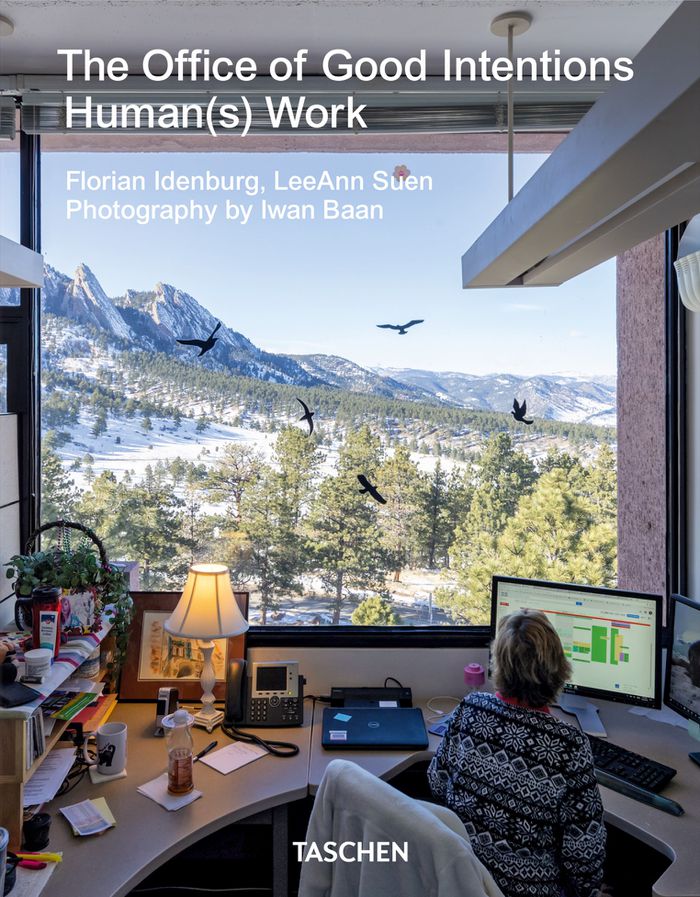
The office of good intentions. Human(s) Work
Actions:
Prix:
$80.00
(disponible sur commande)
Résumé:
In twelve essays, this book examines the spatial typologies and global phenomena that have defined the office in the last half century. Topics include the return of the work club, the rise of the corporate festival, the way of the charismatic guru, the shattering of the time clock, and the design of playgrounds for work. Photographic essays by Iwan Baan provide a visual post-occupancy report on a range of canonical office projects, such as Marcel Breuer’s IBM campus in Florida and the Ford Foundation’s urban garden in Manhattan. Four intervening catalogs offer collections of experimental workplace products, augural advertisements for office building components, digital office components, and renderings of speculative workplaces; each catalog bridges the reality of the office and how we imagine its alternatives. This book is a theoretical backdrop for architects as much as it is for businesspeople and employees. With curiosity and skepticism, it looks at the spaces and solutions that have been designed for human work, tracing the transformation from work to occupation, from punch cards to “playbor,” from today’s lived experience to tomorrow’s unpredictable, imagined futures.
The office of good intentions. Human(s) Work
Actions:
Prix:
$80.00
(disponible sur commande)
Résumé:
In twelve essays, this book examines the spatial typologies and global phenomena that have defined the office in the last half century. Topics include the return of the work club, the rise of the corporate festival, the way of the charismatic guru, the shattering of the time clock, and the design of playgrounds for work. Photographic essays by Iwan Baan provide a visual post-occupancy report on a range of canonical office projects, such as Marcel Breuer’s IBM campus in Florida and the Ford Foundation’s urban garden in Manhattan. Four intervening catalogs offer collections of experimental workplace products, augural advertisements for office building components, digital office components, and renderings of speculative workplaces; each catalog bridges the reality of the office and how we imagine its alternatives. This book is a theoretical backdrop for architects as much as it is for businesspeople and employees. With curiosity and skepticism, it looks at the spaces and solutions that have been designed for human work, tracing the transformation from work to occupation, from punch cards to “playbor,” from today’s lived experience to tomorrow’s unpredictable, imagined futures.
Classification:
livres
livres
Publication:
octobre 2022
octobre 2022
Classification:
périodiques
périodiques
Titre:
Idea 340: Forms of practice
Idea 340: Forms of practice
Actions:
Prix:
$54.00
(disponible en magasin)
Résumé:
A number of young designers in Europe and America are attempting to develop their own paths in exploring graphic design through innovative small-scale practices. Many of the designers featured here were born in the 1970s and 1980s, coming of age in commercial practice in the digital environment. The majority of those featured operate within the sphere of graphic design(...)
$54.00
(disponible en magasin)
Résumé:
A number of young designers in Europe and America are attempting to develop their own paths in exploring graphic design through innovative small-scale practices. Many of the designers featured here were born in the 1970s and 1980s, coming of age in commercial practice in the digital environment. The majority of those featured operate within the sphere of graphic design(...)
Titre:
Idea 340: Forms of practice
Actions:
Prix:
$54.00
(disponible en magasin)
Résumé:
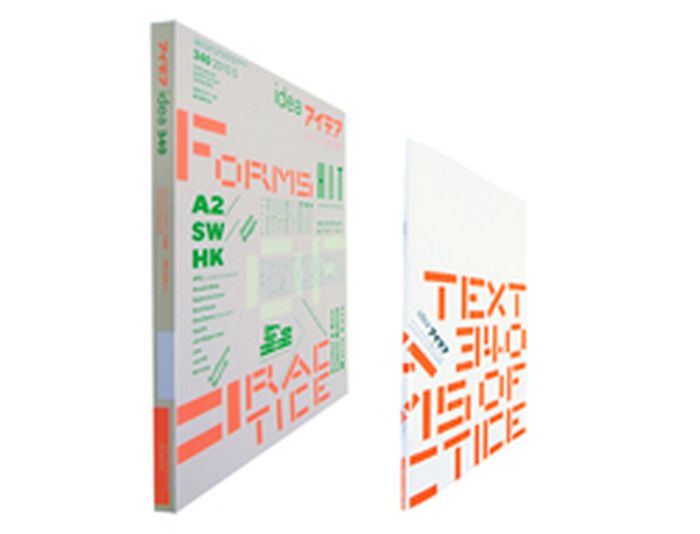
A number of young designers in Europe and America are attempting to develop their own paths in exploring graphic design through innovative small-scale practices. Many of the designers featured here were born in the 1970s and 1980s, coming of age in commercial practice in the digital environment. The majority of those featured operate within the sphere of graphic design production from the approach of a more personal practice, inflecting their work with nuanced, idiosyncratic conceptual and formal approaches. While widely varied due to cultural context and social/environmental differences, all have a kinship in unique approaches to developing formal options for clients. The use of the word "option" as applied here is perhaps the most relevant key point for the latest wave of graphic design from abroad- perhaps the "solution" as an end result of graphic design as a process is a dead methodology. What are instead offered are graphic "options" in lieu of "solutions"- inquiries answered with inquiries, questions answered with questions. The work featured offers playful, tentative answers instead of cold, hard end results.
Idea 340: Forms of practice
Actions:
Prix:
$54.00
(disponible en magasin)
Résumé:
A number of young designers in Europe and America are attempting to develop their own paths in exploring graphic design through innovative small-scale practices. Many of the designers featured here were born in the 1970s and 1980s, coming of age in commercial practice in the digital environment. The majority of those featured operate within the sphere of graphic design production from the approach of a more personal practice, inflecting their work with nuanced, idiosyncratic conceptual and formal approaches. While widely varied due to cultural context and social/environmental differences, all have a kinship in unique approaches to developing formal options for clients. The use of the word "option" as applied here is perhaps the most relevant key point for the latest wave of graphic design from abroad- perhaps the "solution" as an end result of graphic design as a process is a dead methodology. What are instead offered are graphic "options" in lieu of "solutions"- inquiries answered with inquiries, questions answered with questions. The work featured offers playful, tentative answers instead of cold, hard end results.
Classification:
périodiques
périodiques
Publication:
avril 2010
avril 2010
Sujet:
Revues
Revues
Classification:
livres
livres
Titre:
James Welling : glass house
James Welling : glass house
Actions:
Prix:
$55.00
(disponible sur commande)
Résumé:
Over the course of three years, from 2006 to 2009, James Welling (born 1951) photographed the Glass House, the architectural landmark estate that Philip Johnson built in New Canaan, Connecticut, in 1949. Welling's photos offer a decided departure from the familiar views of the house and grounds: using digital cameras set on a tripod and holding a variety of filters in(...)
$55.00
(disponible sur commande)
Résumé:
Over the course of three years, from 2006 to 2009, James Welling (born 1951) photographed the Glass House, the architectural landmark estate that Philip Johnson built in New Canaan, Connecticut, in 1949. Welling's photos offer a decided departure from the familiar views of the house and grounds: using digital cameras set on a tripod and holding a variety of filters in(...)
Titre:
James Welling : glass house
Actions:
Prix:
$55.00
(disponible sur commande)
Résumé:
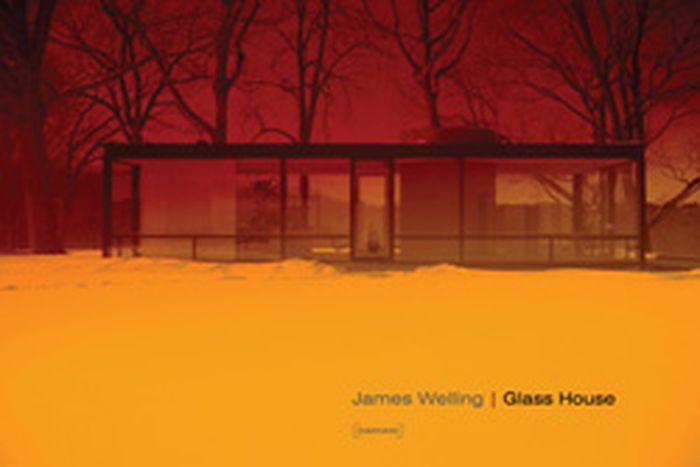
Over the course of three years, from 2006 to 2009, James Welling (born 1951) photographed the Glass House, the architectural landmark estate that Philip Johnson built in New Canaan, Connecticut, in 1949. Welling's photos offer a decided departure from the familiar views of the house and grounds: using digital cameras set on a tripod and holding a variety of filters in front of the lens, he created tinted veils and distortions that transformed the image at the moment of exposure, endowing it with swells of glowing color. As Welling described it in an interview with Artforum, the use of filters enabled his project to become "a laboratory for ideas about transparency, reflectivity and color." The 45 images presented here, which invite the viewer to draw associations between the camera's lens and the glass surfaces of the house itself, oscillate before our very eyes between photographic abstraction - a recurrent preoccupation for Welling - and depictions of architecture. With this body of work, Welling has located a wholly new approach to, and blend of, both genres.
James Welling : glass house
Actions:
Prix:
$55.00
(disponible sur commande)
Résumé:
Over the course of three years, from 2006 to 2009, James Welling (born 1951) photographed the Glass House, the architectural landmark estate that Philip Johnson built in New Canaan, Connecticut, in 1949. Welling's photos offer a decided departure from the familiar views of the house and grounds: using digital cameras set on a tripod and holding a variety of filters in front of the lens, he created tinted veils and distortions that transformed the image at the moment of exposure, endowing it with swells of glowing color. As Welling described it in an interview with Artforum, the use of filters enabled his project to become "a laboratory for ideas about transparency, reflectivity and color." The 45 images presented here, which invite the viewer to draw associations between the camera's lens and the glass surfaces of the house itself, oscillate before our very eyes between photographic abstraction - a recurrent preoccupation for Welling - and depictions of architecture. With this body of work, Welling has located a wholly new approach to, and blend of, both genres.
Classification:
livres
livres
Publication:
mars 2011
mars 2011
Sujet:
Monographies photo
Monographies photo
Classification:
livres
livres
Actions:
Prix:
$29.95
(disponible sur commande)
Résumé:
Berlin's history of conflict, violence, and transformation has created an arena of particular urban surfaces, from which the present-day city and its layered, wounded past are projected simultaneously. In this publication, cultural historian Stephen Barber explores the intimate connections between those surfaces and the works of art and film that have both incised(...)
$29.95
(disponible sur commande)
Résumé:
Berlin's history of conflict, violence, and transformation has created an arena of particular urban surfaces, from which the present-day city and its layered, wounded past are projected simultaneously. In this publication, cultural historian Stephen Barber explores the intimate connections between those surfaces and the works of art and film that have both incised(...)
Titre:
The walls of Berlin: urban surfaces, art, film
Actions:
Prix:
$29.95
(disponible sur commande)
Résumé:
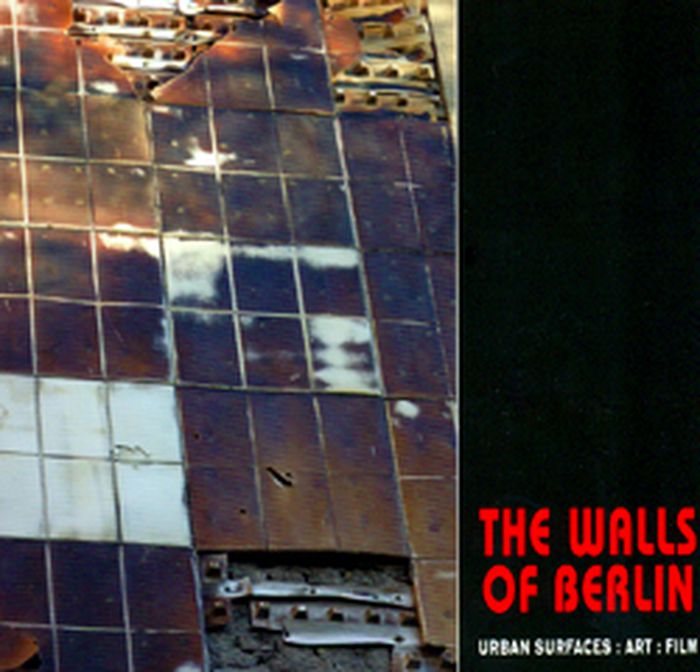
Berlin's history of conflict, violence, and transformation has created an arena of particular urban surfaces, from which the present-day city and its layered, wounded past are projected simultaneously. In this publication, cultural historian Stephen Barber explores the intimate connections between those surfaces and the works of art and film that have both incised Berlin's urban screens and been inspired by them. Drawing on a vast range of material - from the first films of Berlin in the 1890s to the city's place in contemporary digital art - this book takes the form of a series of image-propelled journeys across the face of Berlin and through its urban histories, excavating the ricochets among the city, art, and film. In Barber's hands, Berlin's walls become apertures that mediate the city's preoccupations and manias, damage and scars, strata and outgrowths, sexual obsessions, and urban vanishings. The Walls of Berlin is a cultural history of the city's memories-as well as its acts of forgetting-that illuminates overlooked spaces and the sensory presences that inhabit them.
The walls of Berlin: urban surfaces, art, film
Actions:
Prix:
$29.95
(disponible sur commande)
Résumé:
Berlin's history of conflict, violence, and transformation has created an arena of particular urban surfaces, from which the present-day city and its layered, wounded past are projected simultaneously. In this publication, cultural historian Stephen Barber explores the intimate connections between those surfaces and the works of art and film that have both incised Berlin's urban screens and been inspired by them. Drawing on a vast range of material - from the first films of Berlin in the 1890s to the city's place in contemporary digital art - this book takes the form of a series of image-propelled journeys across the face of Berlin and through its urban histories, excavating the ricochets among the city, art, and film. In Barber's hands, Berlin's walls become apertures that mediate the city's preoccupations and manias, damage and scars, strata and outgrowths, sexual obsessions, and urban vanishings. The Walls of Berlin is a cultural history of the city's memories-as well as its acts of forgetting-that illuminates overlooked spaces and the sensory presences that inhabit them.
Classification:
livres
livres
Publication:
juin 2011
juin 2011
Classification:
livres
livres
Actions:
Prix:
$39.95
(disponible sur commande)
Résumé:
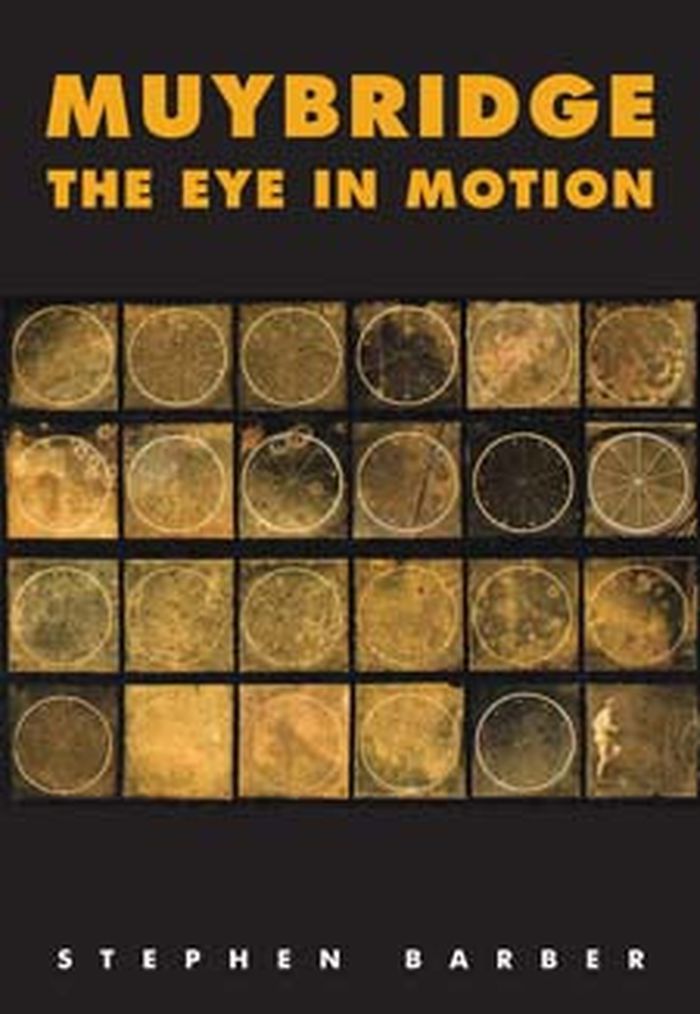
Much of contemporary visual culture can be traced directly to the work of Eadweard Muybridge, photographer and film pioneer. In Muybridge: The Eye In Motion, Stephen Barber analyses Muybridge’s prodigious output principally through the photographer’s own scrapbook, a multi-dimensional and unprecedented “memory-book” that was created in the final years of his life. Based(...)
$39.95
(disponible sur commande)
Résumé:
Much of contemporary visual culture can be traced directly to the work of Eadweard Muybridge, photographer and film pioneer. In Muybridge: The Eye In Motion, Stephen Barber analyses Muybridge’s prodigious output principally through the photographer’s own scrapbook, a multi-dimensional and unprecedented “memory-book” that was created in the final years of his life. Based(...)
Titre:
Muybridge : the eye in motion
Actions:
Prix:
$39.95
(disponible sur commande)
Résumé:
Much of contemporary visual culture can be traced directly to the work of Eadweard Muybridge, photographer and film pioneer. In Muybridge: The Eye In Motion, Stephen Barber analyses Muybridge’s prodigious output principally through the photographer’s own scrapbook, a multi-dimensional and unprecedented “memory-book” that was created in the final years of his life. Based on this extensive primary research into Muybridge’s personal archive, this innovative and ground-breaking book illuminates both the preoccupations behind his influence on twentieth-century artists like Francis Bacon, his role in the origins of cinema, and his early prefiguring of the digital world. The result is an original look at the man, his body of work, and his influence. Muybridge’s work was powered by an extreme obsessiveness and excess that enabled him to negate all preconceptions of art and to reconceptualize the dynamics of corporeal and urban forms. Above all, Muybridge envisioned the future of cinema by creating a moving-image projector—the zoopraxiscope—and by constructing the first identifiably cinematic space to project his compositions for an audience.
Muybridge : the eye in motion
Actions:
Prix:
$39.95
(disponible sur commande)
Résumé:
Much of contemporary visual culture can be traced directly to the work of Eadweard Muybridge, photographer and film pioneer. In Muybridge: The Eye In Motion, Stephen Barber analyses Muybridge’s prodigious output principally through the photographer’s own scrapbook, a multi-dimensional and unprecedented “memory-book” that was created in the final years of his life. Based on this extensive primary research into Muybridge’s personal archive, this innovative and ground-breaking book illuminates both the preoccupations behind his influence on twentieth-century artists like Francis Bacon, his role in the origins of cinema, and his early prefiguring of the digital world. The result is an original look at the man, his body of work, and his influence. Muybridge’s work was powered by an extreme obsessiveness and excess that enabled him to negate all preconceptions of art and to reconceptualize the dynamics of corporeal and urban forms. Above all, Muybridge envisioned the future of cinema by creating a moving-image projector—the zoopraxiscope—and by constructing the first identifiably cinematic space to project his compositions for an audience.
Classification:
livres
livres
Publication:
novembre 2012
novembre 2012
Sujet:
Théorie de la photographie
Théorie de la photographie
Classification:
livres
livres
Prix:
$38.95
(disponible sur commande)
Résumé:
Beautiful Data is both a history of big data and interactivity, and a sophisticated meditation on ideas about vision and cognition in the second half of the twentieth century. Contending that our forms of attention, observation, and truth are contingent and contested, Orit Halpern historicizes the ways that we are trained, and train ourselves, to observe and analyze the(...)
$38.95
(disponible sur commande)
Résumé:
Beautiful Data is both a history of big data and interactivity, and a sophisticated meditation on ideas about vision and cognition in the second half of the twentieth century. Contending that our forms of attention, observation, and truth are contingent and contested, Orit Halpern historicizes the ways that we are trained, and train ourselves, to observe and analyze the(...)
Titre:
Beautiful data: a history of vision and reason since 1945
Actions:
Prix:
$38.95
(disponible sur commande)
Résumé:
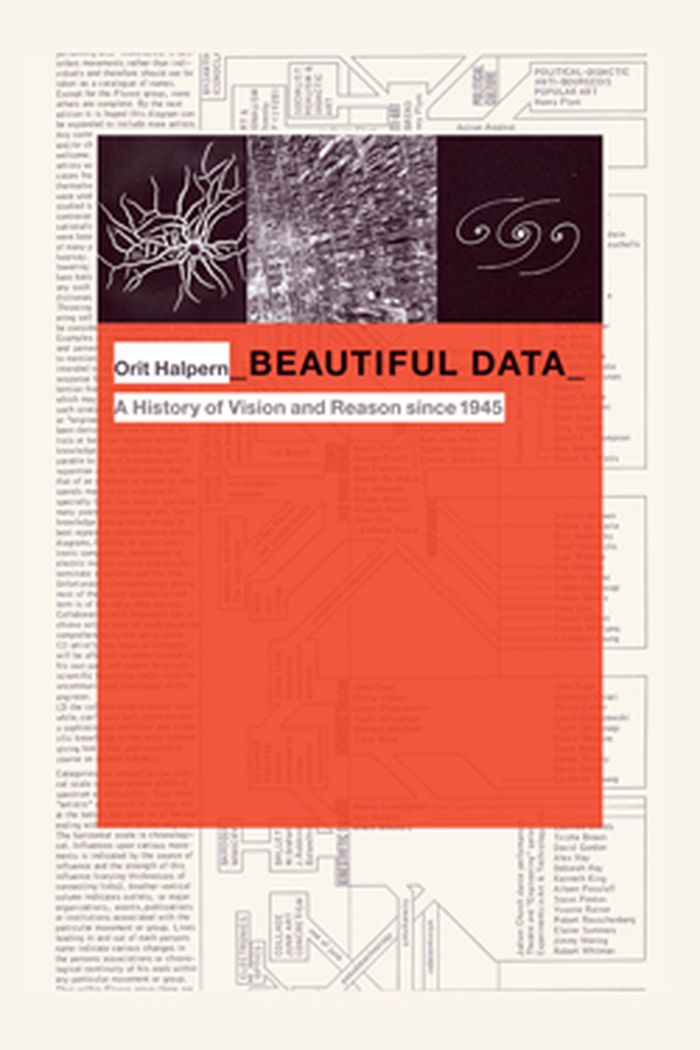
Beautiful Data is both a history of big data and interactivity, and a sophisticated meditation on ideas about vision and cognition in the second half of the twentieth century. Contending that our forms of attention, observation, and truth are contingent and contested, Orit Halpern historicizes the ways that we are trained, and train ourselves, to observe and analyze the world. Tracing the postwar impact of cybernetics and the communication sciences on the social and human sciences, design, arts, and urban planning, she finds a radical shift in attitudes toward recording and displaying information. These changed attitudes produced what she calls communicative objectivity: new forms of observation, rationality, and economy based on the management and analysis of data. Halpern complicates assumptions about the value of data and visualization, arguing that changes in how we manage and train perception, and define reason and intelligence, are also transformations in governmentality. She also challenges the paradoxical belief that we are experiencing a crisis of attention caused by digital media, a crisis that can be resolved only through intensified media consumption.
Beautiful data: a history of vision and reason since 1945
Actions:
Prix:
$38.95
(disponible sur commande)
Résumé:
Beautiful Data is both a history of big data and interactivity, and a sophisticated meditation on ideas about vision and cognition in the second half of the twentieth century. Contending that our forms of attention, observation, and truth are contingent and contested, Orit Halpern historicizes the ways that we are trained, and train ourselves, to observe and analyze the world. Tracing the postwar impact of cybernetics and the communication sciences on the social and human sciences, design, arts, and urban planning, she finds a radical shift in attitudes toward recording and displaying information. These changed attitudes produced what she calls communicative objectivity: new forms of observation, rationality, and economy based on the management and analysis of data. Halpern complicates assumptions about the value of data and visualization, arguing that changes in how we manage and train perception, and define reason and intelligence, are also transformations in governmentality. She also challenges the paradoxical belief that we are experiencing a crisis of attention caused by digital media, a crisis that can be resolved only through intensified media consumption.
Classification:
livres
livres
Publication:
août 2014
août 2014
Sujet:
Théorie de l’architecture
Théorie de l’architecture
Classification:
livres
livres
Titre:
Elements
Elements
Actions:
Prix:
$190.00
(disponible sur commande)
Résumé:
Architecture is a strange mixture of persistence and flux, an amalgamation of elements - some that have been around for over 5,000 years and others that were (re)invented yesterday. The fact that these elements change independently of each other, according to different cycles and economies, and for different reasons, turns each building into a complex collage of the(...)
$190.00
(disponible sur commande)
Résumé:
Architecture is a strange mixture of persistence and flux, an amalgamation of elements - some that have been around for over 5,000 years and others that were (re)invented yesterday. The fact that these elements change independently of each other, according to different cycles and economies, and for different reasons, turns each building into a complex collage of the(...)
Titre:
Elements
Actions:
Prix:
$190.00
(disponible sur commande)
Résumé:
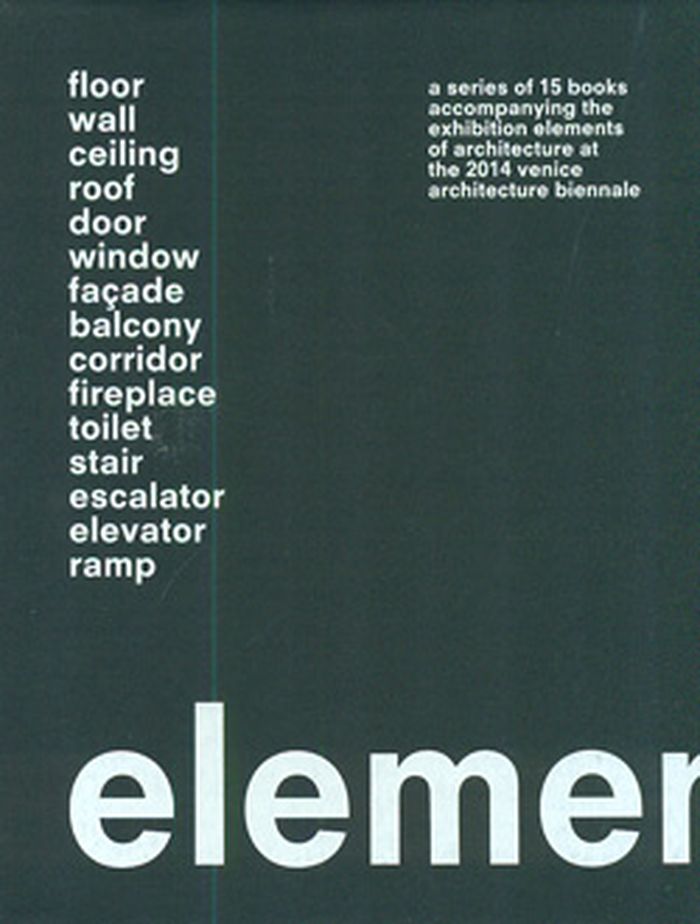
Architecture is a strange mixture of persistence and flux, an amalgamation of elements - some that have been around for over 5,000 years and others that were (re)invented yesterday. The fact that these elements change independently of each other, according to different cycles and economies, and for different reasons, turns each building into a complex collage of the archaic and the current, the site-specific and the standard, mechanical smoothness and the spontaneous. Only by looking at the elements under a wide lens can we recognize the cultural preferences, forgotten symbolism, technological advances, mutations triggered by intensifying global exchange, climatic adaptions, political calculations, regulatory requirements, new digital regimes, and, somewhere in the mix - the ideas of the architect that constitute the practice of architecture today. A collection of these essential elements into 15 books in a package launched at the 2014 Venice Biennale that allows us to look through a microscope at the real fundamentals of our buildings and see again the essential design techniques used by any architect, anywhere, anytime.
Elements
Actions:
Prix:
$190.00
(disponible sur commande)
Résumé:
Architecture is a strange mixture of persistence and flux, an amalgamation of elements - some that have been around for over 5,000 years and others that were (re)invented yesterday. The fact that these elements change independently of each other, according to different cycles and economies, and for different reasons, turns each building into a complex collage of the archaic and the current, the site-specific and the standard, mechanical smoothness and the spontaneous. Only by looking at the elements under a wide lens can we recognize the cultural preferences, forgotten symbolism, technological advances, mutations triggered by intensifying global exchange, climatic adaptions, political calculations, regulatory requirements, new digital regimes, and, somewhere in the mix - the ideas of the architect that constitute the practice of architecture today. A collection of these essential elements into 15 books in a package launched at the 2014 Venice Biennale that allows us to look through a microscope at the real fundamentals of our buildings and see again the essential design techniques used by any architect, anywhere, anytime.
Classification:
livres
livres
Publication:
septembre 2014
septembre 2014
Sujet:
Architecture, monographies
Architecture, monographies
Classification:
périodiques
périodiques
Actions:
Prix:
$50.00
(disponible sur commande)
Résumé:
Despite the exaggerated news of the untimely 'death of the detail' by Greg Lynn, the architectural detail is now more lifelike and active than ever before. In this era of digital design and production technologies, new materials, parametrics, building information modeling (BIM), augmented realities and the nano-bio-information-computation consilience, the detail is now an(...)
$50.00
(disponible sur commande)
Résumé:
Despite the exaggerated news of the untimely 'death of the detail' by Greg Lynn, the architectural detail is now more lifelike and active than ever before. In this era of digital design and production technologies, new materials, parametrics, building information modeling (BIM), augmented realities and the nano-bio-information-computation consilience, the detail is now an(...)
Titre:
AD 84:4 Future details of architecture
Actions:
Prix:
$50.00
(disponible sur commande)
Résumé:
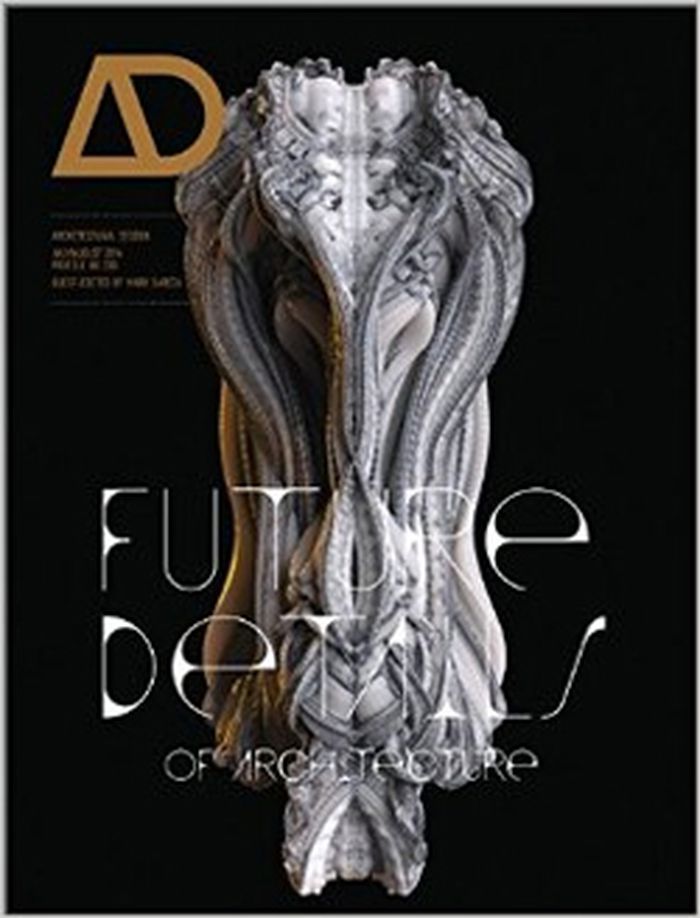
Despite the exaggerated news of the untimely 'death of the detail' by Greg Lynn, the architectural detail is now more lifelike and active than ever before. In this era of digital design and production technologies, new materials, parametrics, building information modeling (BIM), augmented realities and the nano-bio-information-computation consilience, the detail is now an increasingly vital force in architecture. Though such digitally designed and produced details are diminishing in size to the molecular and nano levels, they are increasingly becoming more complex, multi-functional, high performance and self-replicating. Far from being a non-essential and final finish, this new type of highly evolved high-tech detail is rapidly becoming the indispensable and critical core, the (sometimes iconic) DNA of an innovative new species of built environmental form that is spawning in scale and prominence, across product, interior, urban and landscape design. This issue of AD re-examines the history, theories and design of the world’s most significant spatial details, and explores their innovative potentials and possibilities for the future of architecture.
AD 84:4 Future details of architecture
Actions:
Prix:
$50.00
(disponible sur commande)
Résumé:
Despite the exaggerated news of the untimely 'death of the detail' by Greg Lynn, the architectural detail is now more lifelike and active than ever before. In this era of digital design and production technologies, new materials, parametrics, building information modeling (BIM), augmented realities and the nano-bio-information-computation consilience, the detail is now an increasingly vital force in architecture. Though such digitally designed and produced details are diminishing in size to the molecular and nano levels, they are increasingly becoming more complex, multi-functional, high performance and self-replicating. Far from being a non-essential and final finish, this new type of highly evolved high-tech detail is rapidly becoming the indispensable and critical core, the (sometimes iconic) DNA of an innovative new species of built environmental form that is spawning in scale and prominence, across product, interior, urban and landscape design. This issue of AD re-examines the history, theories and design of the world’s most significant spatial details, and explores their innovative potentials and possibilities for the future of architecture.
Classification:
périodiques
périodiques
Publication:
décembre 2014
décembre 2014
Sujet:
Revues
Revues
Classification:
périodiques
périodiques
Actions:
Description:
1 online resource (volumes)
Auteur:
Sujet:
Publication:
Tübingen : J.C.B. Mohr, 1818-
Tübingen : J.C.B. Mohr, 1818-
Classification:
périodiques
périodiques
Publication:
Tübingen : J.C.B. Mohr, 1818-
Tübingen : J.C.B. Mohr, 1818-
Auteur:
Sujet:
Classification:
livres
livres
Actions:
Exemplaires:
Description:
237 pages : illustrations (chiefly color), charts, portraits ; 24 cm
Description:
237 pages : illustrations (chiefly color), charts, portraits ; 24 cm
Auteur:
Sujet:
Publication:
Berlin : Jovis, [2021], ©2021
Berlin : Jovis, [2021], ©2021
Titre:
Retail in transition / Autoren, Caspar Schmitz-Morkramer mit Aurelio David und Federico Garrido ; Übersetzung aus dem Englischen, Christian Brensing.
Actions:
Exemplaires:
Description:
237 pages : illustrations (chiefly color), charts, portraits ; 24 cm
Retail in transition / Autoren, Caspar Schmitz-Morkramer mit Aurelio David und Federico Garrido ; Übersetzung aus dem Englischen, Christian Brensing.
Actions:
Exemplaires:
Description:
237 pages : illustrations (chiefly color), charts, portraits ; 24 cm
Classification:
livres
livres
Publication:
Berlin : Jovis, [2021], ©2021
Berlin : Jovis, [2021], ©2021
Auteur:
Sujet:


