


10592 Résultats
Classification:
livres
livres
Actions:
Prix:
$30.00
(disponible en magasin)
Résumé:
La notion de postmodernisme n'a jamais véritablement fait irruption dans le débat théorique français. Après l'acte fondateur lyotardien, et en grande partie à cause de lui, elle n'a plus guère servi que de simple marqueur culturel : une oeuvre, un édifice, un motif théorique se sont ainsi vu qualifiés de " postmodernes ", pour vanter, ou au contraire stigmatiser, leurs(...)
$30.00
(disponible en magasin)
Résumé:
La notion de postmodernisme n'a jamais véritablement fait irruption dans le débat théorique français. Après l'acte fondateur lyotardien, et en grande partie à cause de lui, elle n'a plus guère servi que de simple marqueur culturel : une oeuvre, un édifice, un motif théorique se sont ainsi vu qualifiés de " postmodernes ", pour vanter, ou au contraire stigmatiser, leurs(...)
Titre:
Perry Anderson : Les origines de la postmodernité
Actions:
Prix:
$30.00
(disponible en magasin)
Résumé:
La notion de postmodernisme n'a jamais véritablement fait irruption dans le débat théorique français. Après l'acte fondateur lyotardien, et en grande partie à cause de lui, elle n'a plus guère servi que de simple marqueur culturel : une oeuvre, un édifice, un motif théorique se sont ainsi vu qualifiés de " postmodernes ", pour vanter, ou au contraire stigmatiser, leurs attributs formels ou leur propension au " relativisme ". Et la fin des grands récits " est devenue la formule magique censée exprimer la vérité de notre temps. Pour mettre enfin un terme à ces usages stériles, Les Origines de la postmodernité retrace l'histoire de cette notion, depuis les milieux de l'avant-garde littéraire de l'Amérique hispanique dans les années 1920, jusqu'aux courants post-marxistes européens, avec Lyotard à Montréal en 1979, puis Habermas à Francfort en 1980. En 1982, à New York, Fredric Jameson lui fait subir une mutation fondamentale : désormais, le postmodernisme désignera l'hypothèse d'une rupture épochale. Selon Perry Anderson, Jameson est ainsi celui qui a su montrer la cohérence globale de notre époque globalisée, dont la caractéristique majeure tient, selon lui, à la subordination tendancielle de la culture à la logique d'accumulation du capital. La sphère esthétique, par laquelle s'appréhende le monde, est ainsi, selon Jameson, massivement colonisée et aujourd'hui incapable de trouver l'espace dans lequel continuer d'exprimer une transgression ou de tendre vers une alternative. Le postmodernisme, tel que le présente dans ce livre Perry Anderson, confine au système parfait, un système en mesure d'intégrer à la logique de sa perpétuation ses propres " dysfonctionnements ".
Perry Anderson : Les origines de la postmodernité
Actions:
Prix:
$30.00
(disponible en magasin)
Résumé:
La notion de postmodernisme n'a jamais véritablement fait irruption dans le débat théorique français. Après l'acte fondateur lyotardien, et en grande partie à cause de lui, elle n'a plus guère servi que de simple marqueur culturel : une oeuvre, un édifice, un motif théorique se sont ainsi vu qualifiés de " postmodernes ", pour vanter, ou au contraire stigmatiser, leurs attributs formels ou leur propension au " relativisme ". Et la fin des grands récits " est devenue la formule magique censée exprimer la vérité de notre temps. Pour mettre enfin un terme à ces usages stériles, Les Origines de la postmodernité retrace l'histoire de cette notion, depuis les milieux de l'avant-garde littéraire de l'Amérique hispanique dans les années 1920, jusqu'aux courants post-marxistes européens, avec Lyotard à Montréal en 1979, puis Habermas à Francfort en 1980. En 1982, à New York, Fredric Jameson lui fait subir une mutation fondamentale : désormais, le postmodernisme désignera l'hypothèse d'une rupture épochale. Selon Perry Anderson, Jameson est ainsi celui qui a su montrer la cohérence globale de notre époque globalisée, dont la caractéristique majeure tient, selon lui, à la subordination tendancielle de la culture à la logique d'accumulation du capital. La sphère esthétique, par laquelle s'appréhende le monde, est ainsi, selon Jameson, massivement colonisée et aujourd'hui incapable de trouver l'espace dans lequel continuer d'exprimer une transgression ou de tendre vers une alternative. Le postmodernisme, tel que le présente dans ce livre Perry Anderson, confine au système parfait, un système en mesure d'intégrer à la logique de sa perpétuation ses propres " dysfonctionnements ".
Classification:
livres
livres
Publication:
juillet 2012
juillet 2012
Sujet:
Théorie de l’art
Théorie de l’art
Classification:
livres
livres
Actions:
Prix:
$24.95
(disponible en magasin)
Résumé:
Les données témoignant de la taille géante de Wal-Mart ne manquent pas : Wal-Mart est la plus grande entreprise mondiale, le plus grand employeur privé du monde, le huitième acheteur de produits chinois (devant la Russie et le Royaume-Uni) ; son chiffre d'affaires est supérieur au PIB de la Suisse ; son budget informatique supérieur à celui de la NASA ; le patrimoine(...)
$24.95
(disponible en magasin)
Résumé:
Les données témoignant de la taille géante de Wal-Mart ne manquent pas : Wal-Mart est la plus grande entreprise mondiale, le plus grand employeur privé du monde, le huitième acheteur de produits chinois (devant la Russie et le Royaume-Uni) ; son chiffre d'affaires est supérieur au PIB de la Suisse ; son budget informatique supérieur à celui de la NASA ; le patrimoine(...)
Titre:
Wal mart : l'entreprise-monde
Actions:
Prix:
$24.95
(disponible en magasin)
Résumé:
Les données témoignant de la taille géante de Wal-Mart ne manquent pas : Wal-Mart est la plus grande entreprise mondiale, le plus grand employeur privé du monde, le huitième acheteur de produits chinois (devant la Russie et le Royaume-Uni) ; son chiffre d'affaires est supérieur au PIB de la Suisse ; son budget informatique supérieur à celui de la NASA ; le patrimoine financier des héritiers de Sam ' Walton (son fondateur) est deux fois plus élevé que celui de Bill Rates... Mais derrière ces superlatifs se cache l'histoire très singulière d'une société de l'Arkansas qui, en l'espace de 40 ans, a révolutionné les vieux modèles fordistes d'organisation du travail et largement ami reconfiguré les rapports producteurs /détaillants et toute l'économie américaine. Le succès et l'influence politique de cette entreprise géante lui permettent de redessiner les plans des villes, de déterminer le salaire minimum réel, de casser les syndicats, de définir les contours de la culture populaire, de peser sur les flux de capitaux dans le monde entier, et d'entretenir ce qui s'apparente à des relations diplomatiques avec des dizaines de pays. Alors que la marge de manœuvre des gouvernements demeure restreinte, Wal-Mart semble avoir aujourd'hui plus d'influence que n'importe quelle institution, non seulement sur des pans entiers de la politique sociale et industrielle américaine, mais aussi sur le modèle de vie et de consommation mondialisé, bigot et entièrement familialiste.
Wal mart : l'entreprise-monde
Actions:
Prix:
$24.95
(disponible en magasin)
Résumé:
Les données témoignant de la taille géante de Wal-Mart ne manquent pas : Wal-Mart est la plus grande entreprise mondiale, le plus grand employeur privé du monde, le huitième acheteur de produits chinois (devant la Russie et le Royaume-Uni) ; son chiffre d'affaires est supérieur au PIB de la Suisse ; son budget informatique supérieur à celui de la NASA ; le patrimoine financier des héritiers de Sam ' Walton (son fondateur) est deux fois plus élevé que celui de Bill Rates... Mais derrière ces superlatifs se cache l'histoire très singulière d'une société de l'Arkansas qui, en l'espace de 40 ans, a révolutionné les vieux modèles fordistes d'organisation du travail et largement ami reconfiguré les rapports producteurs /détaillants et toute l'économie américaine. Le succès et l'influence politique de cette entreprise géante lui permettent de redessiner les plans des villes, de déterminer le salaire minimum réel, de casser les syndicats, de définir les contours de la culture populaire, de peser sur les flux de capitaux dans le monde entier, et d'entretenir ce qui s'apparente à des relations diplomatiques avec des dizaines de pays. Alors que la marge de manœuvre des gouvernements demeure restreinte, Wal-Mart semble avoir aujourd'hui plus d'influence que n'importe quelle institution, non seulement sur des pans entiers de la politique sociale et industrielle américaine, mais aussi sur le modèle de vie et de consommation mondialisé, bigot et entièrement familialiste.
Classification:
livres
livres
Publication:
juillet 2012
juillet 2012
Sujet:
Théorie de l’urbanisme
Théorie de l’urbanisme
Classification:
livres
livres
Actions:
Prix:
$63.00
(disponible sur commande)
Résumé:
The Planning Game: Lessons from Great Cities provides a focused and thorough overview of how planning works, illustrated with 200 colorful photographs, diagrams, and maps created expressly for the book. It presents the public realm approach to planning—an approach that emphasizes the importance of public investments in what we own: streets, squares, parks, infrastructure,(...)
$63.00
(disponible sur commande)
Résumé:
The Planning Game: Lessons from Great Cities provides a focused and thorough overview of how planning works, illustrated with 200 colorful photographs, diagrams, and maps created expressly for the book. It presents the public realm approach to planning—an approach that emphasizes the importance of public investments in what we own: streets, squares, parks, infrastructure,(...)
Titre:
The planning game: lessons from great cities
Actions:
Prix:
$63.00
(disponible sur commande)
Résumé:
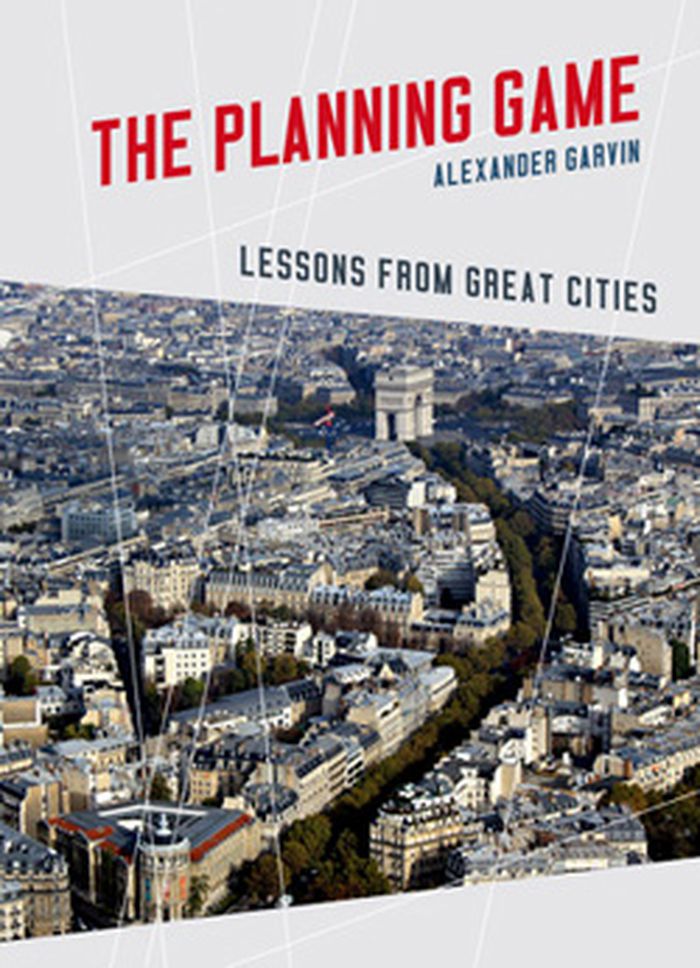
The Planning Game: Lessons from Great Cities provides a focused and thorough overview of how planning works, illustrated with 200 colorful photographs, diagrams, and maps created expressly for the book. It presents the public realm approach to planning—an approach that emphasizes the importance of public investments in what we own: streets, squares, parks, infrastructure, and public buildings. They are the fundamental elements in any community and are the way to determine our future. The book covers planning at every level, explaining the activities that go into successfully transforming a community as exemplified by four cities and their colorful motive forces: Paris (Baron Georges-Eugène Haussmann), New York (Robert Moses), Chicago (Daniel Burnham), and Philadelphia (Edmund Bacon).
The planning game: lessons from great cities
Actions:
Prix:
$63.00
(disponible sur commande)
Résumé:
The Planning Game: Lessons from Great Cities provides a focused and thorough overview of how planning works, illustrated with 200 colorful photographs, diagrams, and maps created expressly for the book. It presents the public realm approach to planning—an approach that emphasizes the importance of public investments in what we own: streets, squares, parks, infrastructure, and public buildings. They are the fundamental elements in any community and are the way to determine our future. The book covers planning at every level, explaining the activities that go into successfully transforming a community as exemplified by four cities and their colorful motive forces: Paris (Baron Georges-Eugène Haussmann), New York (Robert Moses), Chicago (Daniel Burnham), and Philadelphia (Edmund Bacon).
Classification:
livres
livres
Publication:
octobre 2012
octobre 2012
Sujet:
Théorie de l’urbanisme
Théorie de l’urbanisme
Classification:
livres
livres
Titre:
A history of future cities
A history of future cities
Actions:
Prix:
$29.50
(disponible sur commande)
Résumé:
On May 27, 1703, Tsar Peter the Great founded a new capital on a barren Baltic marsh. Modeled on Amsterdam, he believed it would erase Russian backwardness and usher in a modernized, Westernized future. In the nineteenth-century Age of Imperialism, the British rebuilt Bombay as a tropical London, while three Western powers made Shanghai look just like home. And in our own(...)
$29.50
(disponible sur commande)
Résumé:
On May 27, 1703, Tsar Peter the Great founded a new capital on a barren Baltic marsh. Modeled on Amsterdam, he believed it would erase Russian backwardness and usher in a modernized, Westernized future. In the nineteenth-century Age of Imperialism, the British rebuilt Bombay as a tropical London, while three Western powers made Shanghai look just like home. And in our own(...)
Titre:
A history of future cities
Actions:
Prix:
$29.50
(disponible sur commande)
Résumé:
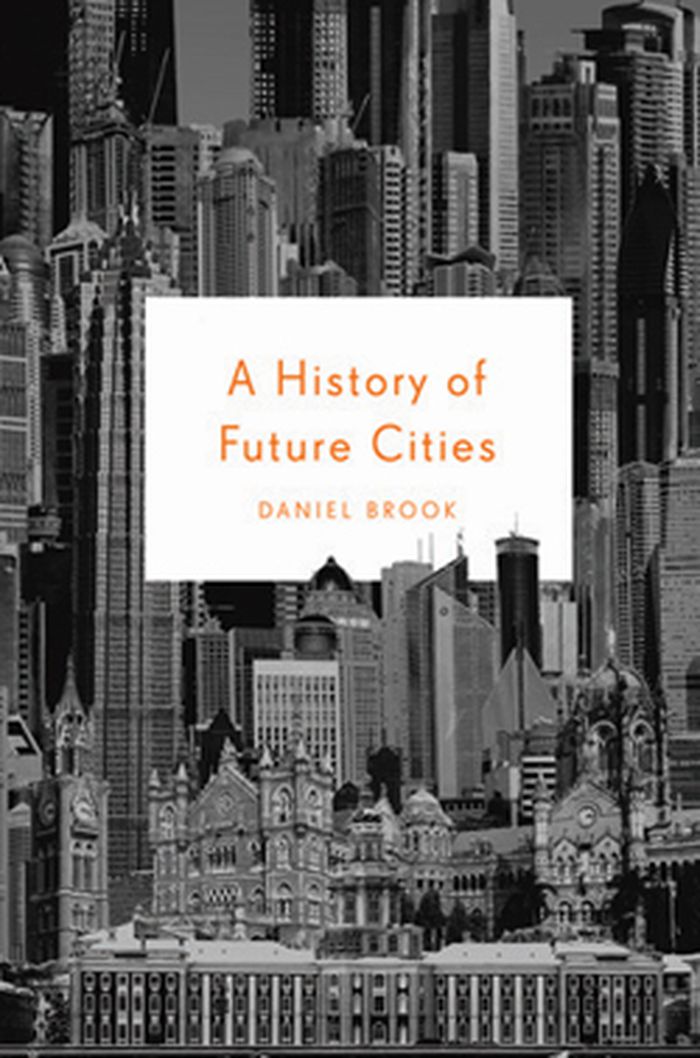
On May 27, 1703, Tsar Peter the Great founded a new capital on a barren Baltic marsh. Modeled on Amsterdam, he believed it would erase Russian backwardness and usher in a modernized, Westernized future. In the nineteenth-century Age of Imperialism, the British rebuilt Bombay as a tropical London, while three Western powers made Shanghai look just like home. And in our own time, the sheikh of Dubai has endeavored to transform his desert city into a Vegas-esque skyscraper-studded global hub. The cultural and historical threads that connect these cities and their conflicted embrace of modernity are brought into relief in Daniel Brook’s captivating mix of history and reportage—a story of architects and authoritarians, artists and revolutionaries who take these facsimiles of the West and turn them into crucibles of non-Western modernity.
A history of future cities
Actions:
Prix:
$29.50
(disponible sur commande)
Résumé:
On May 27, 1703, Tsar Peter the Great founded a new capital on a barren Baltic marsh. Modeled on Amsterdam, he believed it would erase Russian backwardness and usher in a modernized, Westernized future. In the nineteenth-century Age of Imperialism, the British rebuilt Bombay as a tropical London, while three Western powers made Shanghai look just like home. And in our own time, the sheikh of Dubai has endeavored to transform his desert city into a Vegas-esque skyscraper-studded global hub. The cultural and historical threads that connect these cities and their conflicted embrace of modernity are brought into relief in Daniel Brook’s captivating mix of history and reportage—a story of architects and authoritarians, artists and revolutionaries who take these facsimiles of the West and turn them into crucibles of non-Western modernity.
Classification:
livres
livres
Publication:
février 2013
février 2013
Sujet:
Théorie de l’urbanisme
Théorie de l’urbanisme
Classification:
livres
livres
Actions:
Prix:
$37.00
(disponible sur commande)
Résumé:
This volume is a study of the discipline of Art History. It provides a roadmap of the field by reassessing the impact of several of the most important works of art history. Each chapter – with writers including John Elderfield, Boris Groys, Susie Nash and Richard Verdi – analyses a single major book, setting out its premises and argument and mapping the intellectual(...)
$37.00
(disponible sur commande)
Résumé:
This volume is a study of the discipline of Art History. It provides a roadmap of the field by reassessing the impact of several of the most important works of art history. Each chapter – with writers including John Elderfield, Boris Groys, Susie Nash and Richard Verdi – analyses a single major book, setting out its premises and argument and mapping the intellectual(...)
Titre:
The books that shaped art history : from Gombrich and Greenberg to Alpers and Krauss
Actions:
Prix:
$37.00
(disponible sur commande)
Résumé:
This volume is a study of the discipline of Art History. It provides a roadmap of the field by reassessing the impact of several of the most important works of art history. Each chapter – with writers including John Elderfield, Boris Groys, Susie Nash and Richard Verdi – analyses a single major book, setting out its premises and argument and mapping the intellectual development of its author, discussing its position within the field of art history, and looking at its significance in the context both of its initial reception and its legacy.
The books that shaped art history : from Gombrich and Greenberg to Alpers and Krauss
Actions:
Prix:
$37.00
(disponible sur commande)
Résumé:
This volume is a study of the discipline of Art History. It provides a roadmap of the field by reassessing the impact of several of the most important works of art history. Each chapter – with writers including John Elderfield, Boris Groys, Susie Nash and Richard Verdi – analyses a single major book, setting out its premises and argument and mapping the intellectual development of its author, discussing its position within the field of art history, and looking at its significance in the context both of its initial reception and its legacy.
Classification:
livres
livres
Publication:
février 2013
février 2013
Sujet:
Théorie de l’art
Théorie de l’art
Classification:
livres
livres
Actions:
Prix:
$28.50
(disponible sur commande)
Résumé:
This publication is an urgent response to the radical changes in contemporary architecture and the built environment witnessed in the twenty-first century. Characteristically polemic, incisive and energetic, these essays explore pressing questions of architectural and urban design, and critical issues of public space and participation. From New York to New Orleans, the(...)
$28.50
(disponible sur commande)
Résumé:
This publication is an urgent response to the radical changes in contemporary architecture and the built environment witnessed in the twenty-first century. Characteristically polemic, incisive and energetic, these essays explore pressing questions of architectural and urban design, and critical issues of public space and participation. From New York to New Orleans, the(...)
Titre:
All over the map: writing on buildings and cities
Actions:
Prix:
$28.50
(disponible sur commande)
Résumé:
This publication is an urgent response to the radical changes in contemporary architecture and the built environment witnessed in the twenty-first century. Characteristically polemic, incisive and energetic, these essays explore pressing questions of architectural and urban design, and critical issues of public space and participation. From New York to New Orleans, the Amazon to Jerusalem, Sorkin brings a critical eye to bear on a sweeping range of subjects. Whether castigating the sorry performance of the architectural avant-garde, considering the nature of place in globalized culture, or providing mock instructions for entering a high-security environment, these writings make a powerful and provocative case for architecture and urban design to re-engage with the lives and societies from which they have become increasingly detached.
All over the map: writing on buildings and cities
Actions:
Prix:
$28.50
(disponible sur commande)
Résumé:
This publication is an urgent response to the radical changes in contemporary architecture and the built environment witnessed in the twenty-first century. Characteristically polemic, incisive and energetic, these essays explore pressing questions of architectural and urban design, and critical issues of public space and participation. From New York to New Orleans, the Amazon to Jerusalem, Sorkin brings a critical eye to bear on a sweeping range of subjects. Whether castigating the sorry performance of the architectural avant-garde, considering the nature of place in globalized culture, or providing mock instructions for entering a high-security environment, these writings make a powerful and provocative case for architecture and urban design to re-engage with the lives and societies from which they have become increasingly detached.
Classification:
livres
livres
Publication:
février 2013
février 2013
Sujet:
Théorie de l’urbanisme
Théorie de l’urbanisme
Classification:
livres
livres
Actions:
Prix:
$25.95
(disponible sur commande)
Résumé:
Avec L'Origine de la perspective, Hubert Damisch n'a pas pour projet d'écrire une histoire de la perspective, mais plutôt, pour reprendre le titre de Machiavel, une suite d' " histoires perspectives ". Des histoires, dans leur variété, leur multiplicité, leur différence, qui auront trait précisément à la prétention qui fut alors celle de la peinture, à une manière(...)
$25.95
(disponible sur commande)
Résumé:
Avec L'Origine de la perspective, Hubert Damisch n'a pas pour projet d'écrire une histoire de la perspective, mais plutôt, pour reprendre le titre de Machiavel, une suite d' " histoires perspectives ". Des histoires, dans leur variété, leur multiplicité, leur différence, qui auront trait précisément à la prétention qui fut alors celle de la peinture, à une manière(...)
Titre:
Hubert Damisch : L'origine de la perspective
Actions:
Prix:
$25.95
(disponible sur commande)
Résumé:
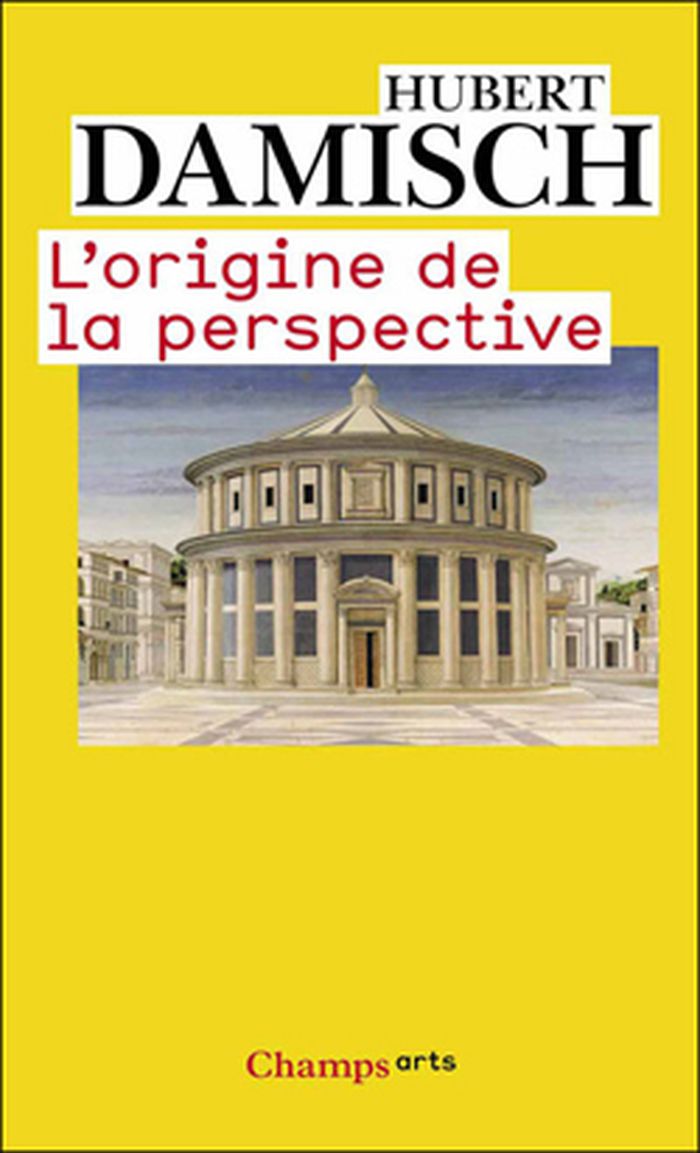
Avec L'Origine de la perspective, Hubert Damisch n'a pas pour projet d'écrire une histoire de la perspective, mais plutôt, pour reprendre le titre de Machiavel, une suite d' " histoires perspectives ". Des histoires, dans leur variété, leur multiplicité, leur différence, qui auront trait précisément à la prétention qui fut alors celle de la peinture, à une manière nouvelle de vérité. Du dispositif de Brunelleschi aux Ménines de Velázquez, l'histoire de la perspective, constituée au Quattrocento, se révèle plurielle, à l'opposé d'un récit linéaire et évolutionniste. Hubert Damish livre un essai passionnant, dans lequel la géométrie rencontre le théâtre et où la psychanalyse en appelle à la peinture, pour définir cette essentielle ligne d'horizon.
Hubert Damisch : L'origine de la perspective
Actions:
Prix:
$25.95
(disponible sur commande)
Résumé:
Avec L'Origine de la perspective, Hubert Damisch n'a pas pour projet d'écrire une histoire de la perspective, mais plutôt, pour reprendre le titre de Machiavel, une suite d' " histoires perspectives ". Des histoires, dans leur variété, leur multiplicité, leur différence, qui auront trait précisément à la prétention qui fut alors celle de la peinture, à une manière nouvelle de vérité. Du dispositif de Brunelleschi aux Ménines de Velázquez, l'histoire de la perspective, constituée au Quattrocento, se révèle plurielle, à l'opposé d'un récit linéaire et évolutionniste. Hubert Damish livre un essai passionnant, dans lequel la géométrie rencontre le théâtre et où la psychanalyse en appelle à la peinture, pour définir cette essentielle ligne d'horizon.
Classification:
livres
livres
Publication:
juillet 2012
juillet 2012
Sujet:
Théorie de l’art
Théorie de l’art
Classification:
livres
livres
Actions:
Prix:
$17.95
(disponible sur commande)
Résumé:
Ces 10 clefs abordent l'architecture non par une approche spectaculaire, mais par une voie plus subjective. Elles tentent d'éviter l'écueil consistant à présenter ce domaine aux yeux du grand public comme une valeur culturelle fondée soit sur la dimension patrimoniale, soit sur les prouesses techniques des grands ouvrages d'art, ou encore sur la dimension événementielle(...)
$17.95
(disponible sur commande)
Résumé:
Ces 10 clefs abordent l'architecture non par une approche spectaculaire, mais par une voie plus subjective. Elles tentent d'éviter l'écueil consistant à présenter ce domaine aux yeux du grand public comme une valeur culturelle fondée soit sur la dimension patrimoniale, soit sur les prouesses techniques des grands ouvrages d'art, ou encore sur la dimension événementielle(...)
Titre:
Dix clefs pour s'ouvrir à l'architecture
Actions:
Prix:
$17.95
(disponible sur commande)
Résumé:
Ces 10 clefs abordent l'architecture non par une approche spectaculaire, mais par une voie plus subjective. Elles tentent d'éviter l'écueil consistant à présenter ce domaine aux yeux du grand public comme une valeur culturelle fondée soit sur la dimension patrimoniale, soit sur les prouesses techniques des grands ouvrages d'art, ou encore sur la dimension événementielle de certaines réalisations qui se prêtent aux jeux des caméra et deviennent de parfaits décors pour le fond d'écran des journaux télévisés.
Dix clefs pour s'ouvrir à l'architecture
Actions:
Prix:
$17.95
(disponible sur commande)
Résumé:
Ces 10 clefs abordent l'architecture non par une approche spectaculaire, mais par une voie plus subjective. Elles tentent d'éviter l'écueil consistant à présenter ce domaine aux yeux du grand public comme une valeur culturelle fondée soit sur la dimension patrimoniale, soit sur les prouesses techniques des grands ouvrages d'art, ou encore sur la dimension événementielle de certaines réalisations qui se prêtent aux jeux des caméra et deviennent de parfaits décors pour le fond d'écran des journaux télévisés.
Classification:
livres
livres
Publication:
juillet 2012
juillet 2012
Sujet:
Théorie de l’architecture
Théorie de l’architecture
Classification:
livres
livres
Titre:
Forgetting the art world
Forgetting the art world
Actions:
Prix:
$32.95
(disponible sur commande)
Résumé:
Today, the art world spins on its axis so quickly that its maps can no longer be read; its borders blur. In Forgetting the Art World, Pamela Lee connects the current state of this world to globalization and its attendant controversies. Contemporary art has responded to globalization with images of movement and migration, borders and multitudes, but Lee looks beyond(...)
$32.95
(disponible sur commande)
Résumé:
Today, the art world spins on its axis so quickly that its maps can no longer be read; its borders blur. In Forgetting the Art World, Pamela Lee connects the current state of this world to globalization and its attendant controversies. Contemporary art has responded to globalization with images of movement and migration, borders and multitudes, but Lee looks beyond(...)
Titre:
Forgetting the art world
Actions:
Prix:
$32.95
(disponible sur commande)
Résumé:
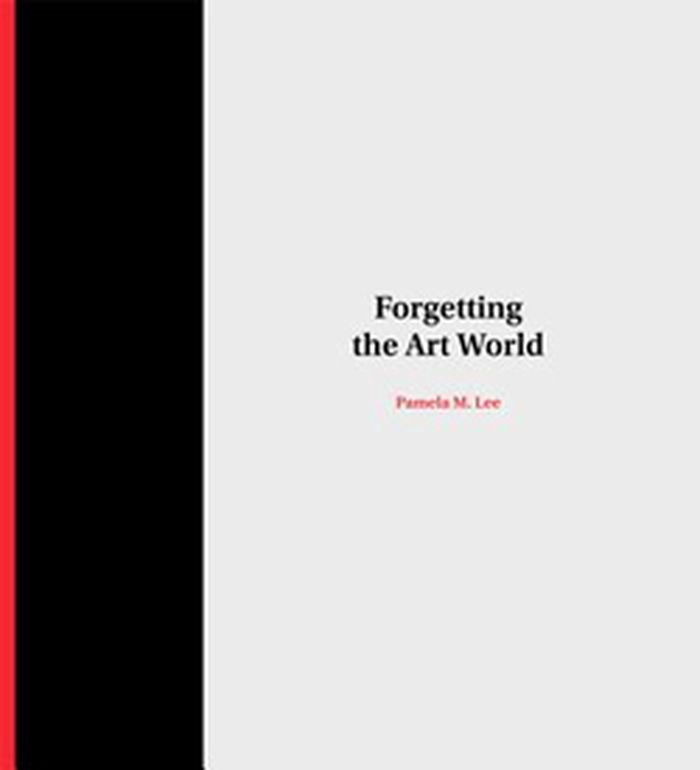
Today, the art world spins on its axis so quickly that its maps can no longer be read; its borders blur. In Forgetting the Art World, Pamela Lee connects the current state of this world to globalization and its attendant controversies. Contemporary art has responded to globalization with images of movement and migration, borders and multitudes, but Lee looks beyond iconography to view globalization as a world process. Rather than think about the "global art world" as a socioeconomic phenomenon, or in terms of the imagery it stages and sponsors, Lee considers "the work of art's world" as a medium through which globalization takes place. She argues that the work of art is itself both object and agent of globalization. Lee explores the ways that art actualizes, iterates, or enables the processes of globalization, offering close readings of works by artists who have come to prominence in the last two decades.
Forgetting the art world
Actions:
Prix:
$32.95
(disponible sur commande)
Résumé:
Today, the art world spins on its axis so quickly that its maps can no longer be read; its borders blur. In Forgetting the Art World, Pamela Lee connects the current state of this world to globalization and its attendant controversies. Contemporary art has responded to globalization with images of movement and migration, borders and multitudes, but Lee looks beyond iconography to view globalization as a world process. Rather than think about the "global art world" as a socioeconomic phenomenon, or in terms of the imagery it stages and sponsors, Lee considers "the work of art's world" as a medium through which globalization takes place. She argues that the work of art is itself both object and agent of globalization. Lee explores the ways that art actualizes, iterates, or enables the processes of globalization, offering close readings of works by artists who have come to prominence in the last two decades.
Classification:
livres
livres
Publication:
septembre 2012
septembre 2012
Sujet:
Théorie de l’art
Théorie de l’art
Classification:
livres
livres
Actions:
Prix:
$48.95
(disponible sur commande)
Résumé:
In 1973 the critic and curator Lucy R. Lippard published Six Years, a book with possibly the longest subtitle in the bibliography of art: The dematerialization of the art object from 1966 to 1972: a cross-reference book of information on some esthetic boundaries: consisting of a bibliography into which are inserted a fragmented text, art works, documents, interviews, and(...)
$48.95
(disponible sur commande)
Résumé:
In 1973 the critic and curator Lucy R. Lippard published Six Years, a book with possibly the longest subtitle in the bibliography of art: The dematerialization of the art object from 1966 to 1972: a cross-reference book of information on some esthetic boundaries: consisting of a bibliography into which are inserted a fragmented text, art works, documents, interviews, and(...)
Titre:
Materializing Six Years : Lucy R. Lippard and the emergence of Conceptual Art
Actions:
Prix:
$48.95
(disponible sur commande)
Résumé:
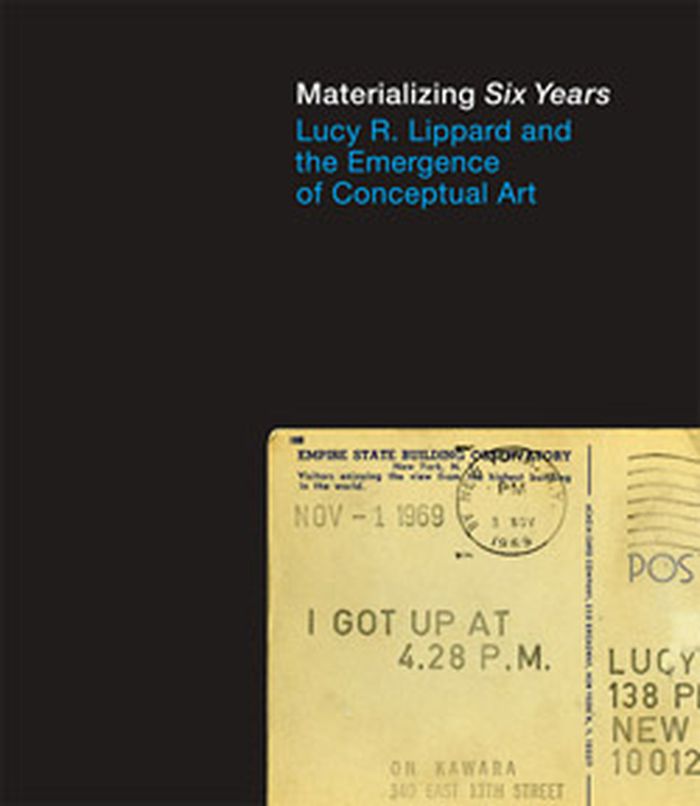
In 1973 the critic and curator Lucy R. Lippard published Six Years, a book with possibly the longest subtitle in the bibliography of art: The dematerialization of the art object from 1966 to 1972: a cross-reference book of information on some esthetic boundaries: consisting of a bibliography into which are inserted a fragmented text, art works, documents, interviews, and symposia, arranged chronologically and focused on so-called conceptual or information or idea art with mentions of such vaguely designated areas as minimal, anti-form, systems, earth, or process art, occurring now in the Americas, Europe, England, Australia, and Asia (with occasional political overtones) edited and annotated by Lucy R. Lippard. Six Years, sometimes referred to as a conceptual art object itself, not only described and embodied the new type of art-making that Lippard was intent on identifying and cataloging, it also exemplified a new way of criticizing and curating art. Nearly forty years later, the Brooklyn Museum takes Lippard’s celebrated experiment in curated concatenation as a template, turning a book that resembled an exhibition into an exhibition materializing the ideas in her book. The artworks and essays featured in this publication recall the thrill that was tangible in Lippard's original documentation, reminding us that during the late sixties and early seventies all possible social and material parameters of art (making) were played with, worked over, inverted, reduced, expanded, and rejected. By tracing Lippard’s own activities in those years, the book also documents the early blurring of boundaries among critical, curatorial, and artistic practices. With more than 200 images of work by dozens of artists (printed in color throughout), this book brings Lippard’s curatorial experiment full circle.
Materializing Six Years : Lucy R. Lippard and the emergence of Conceptual Art
Actions:
Prix:
$48.95
(disponible sur commande)
Résumé:
In 1973 the critic and curator Lucy R. Lippard published Six Years, a book with possibly the longest subtitle in the bibliography of art: The dematerialization of the art object from 1966 to 1972: a cross-reference book of information on some esthetic boundaries: consisting of a bibliography into which are inserted a fragmented text, art works, documents, interviews, and symposia, arranged chronologically and focused on so-called conceptual or information or idea art with mentions of such vaguely designated areas as minimal, anti-form, systems, earth, or process art, occurring now in the Americas, Europe, England, Australia, and Asia (with occasional political overtones) edited and annotated by Lucy R. Lippard. Six Years, sometimes referred to as a conceptual art object itself, not only described and embodied the new type of art-making that Lippard was intent on identifying and cataloging, it also exemplified a new way of criticizing and curating art. Nearly forty years later, the Brooklyn Museum takes Lippard’s celebrated experiment in curated concatenation as a template, turning a book that resembled an exhibition into an exhibition materializing the ideas in her book. The artworks and essays featured in this publication recall the thrill that was tangible in Lippard's original documentation, reminding us that during the late sixties and early seventies all possible social and material parameters of art (making) were played with, worked over, inverted, reduced, expanded, and rejected. By tracing Lippard’s own activities in those years, the book also documents the early blurring of boundaries among critical, curatorial, and artistic practices. With more than 200 images of work by dozens of artists (printed in color throughout), this book brings Lippard’s curatorial experiment full circle.
Classification:
livres
livres
Publication:
septembre 2012
septembre 2012
Sujet:
Théorie de l’art
Théorie de l’art


