


13794 Résultats
Classification:
livres
livres
Actions:
Prix:
$25.95
(disponible sur commande)
Résumé:
As the world around us increases in technological complexity, our understanding of it diminishes. Underlying this trend is a single idea: the belief that our existence is understandable through computation, and more data is enough to help us build a better world. In reality, we are lost in a sea of information, increasingly divided by fundamentalism, simplistic(...)
$25.95
(disponible sur commande)
Résumé:
As the world around us increases in technological complexity, our understanding of it diminishes. Underlying this trend is a single idea: the belief that our existence is understandable through computation, and more data is enough to help us build a better world. In reality, we are lost in a sea of information, increasingly divided by fundamentalism, simplistic(...)
Titre:
New dark age : Technology and the end of the future
Actions:
Prix:
$25.95
(disponible sur commande)
Résumé:
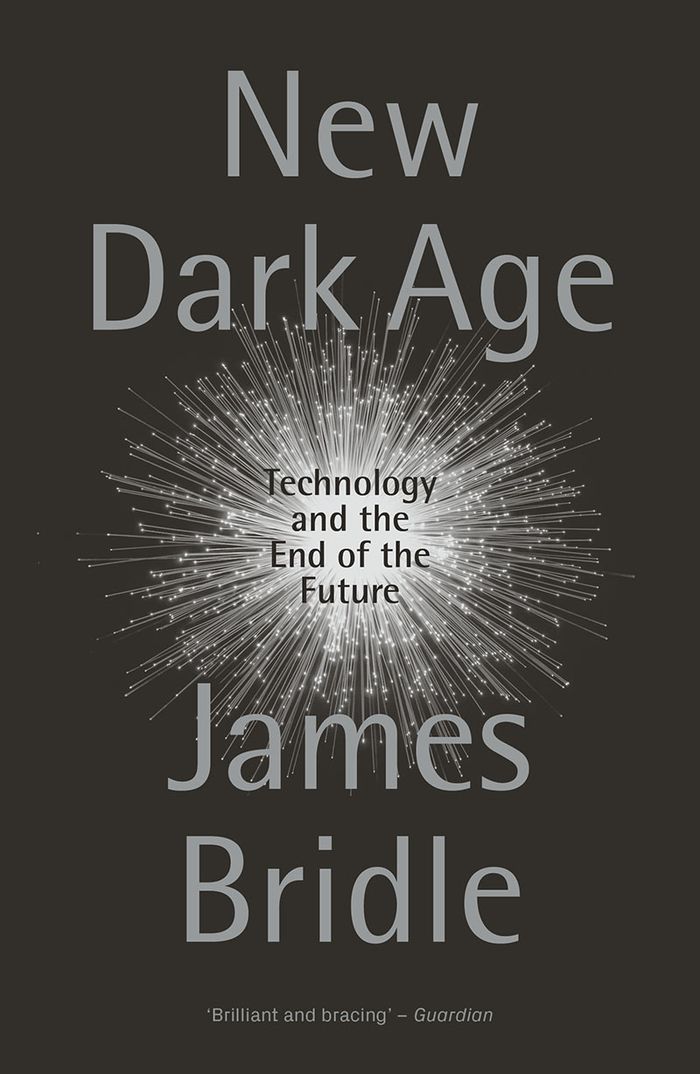
As the world around us increases in technological complexity, our understanding of it diminishes. Underlying this trend is a single idea: the belief that our existence is understandable through computation, and more data is enough to help us build a better world. In reality, we are lost in a sea of information, increasingly divided by fundamentalism, simplistic narratives, conspiracy theories, and post-factual politics. Meanwhile, those in power use our lack of understanding to further their own interests. Despite the apparent accessibility of information, we’re living in a new Dark Age. In his new work, artist and writer James Bridle surveys the history of art, technology, and information systems, and reveals the dark clouds that gather over our dreams of the digital sublime.
New dark age : Technology and the end of the future
Actions:
Prix:
$25.95
(disponible sur commande)
Résumé:
As the world around us increases in technological complexity, our understanding of it diminishes. Underlying this trend is a single idea: the belief that our existence is understandable through computation, and more data is enough to help us build a better world. In reality, we are lost in a sea of information, increasingly divided by fundamentalism, simplistic narratives, conspiracy theories, and post-factual politics. Meanwhile, those in power use our lack of understanding to further their own interests. Despite the apparent accessibility of information, we’re living in a new Dark Age. In his new work, artist and writer James Bridle surveys the history of art, technology, and information systems, and reveals the dark clouds that gather over our dreams of the digital sublime.
Classification:
livres
livres
Publication:
juin 2019
juin 2019
Sujet:
Théorie/ philosophie
Théorie/ philosophie
Classification:
livres
livres
Prix:
$33.95
(disponible en magasin)
Résumé:
Il y a un siècle, les architectes du Bauhaus s'étaient fixé pour objectif de civiliser et de démocratiser la ville moderne, avec une architecture sobre du less is more élaborée au rythme de l'évolution des sociétés. Cet impératif n'a rien perdu de son importance. Pourquoi les jeunes architectes du XXI? siècle ne pourraient-ils pas, pour combattre la brutalité de la ville(...)
$33.95
(disponible en magasin)
Résumé:
Il y a un siècle, les architectes du Bauhaus s'étaient fixé pour objectif de civiliser et de démocratiser la ville moderne, avec une architecture sobre du less is more élaborée au rythme de l'évolution des sociétés. Cet impératif n'a rien perdu de son importance. Pourquoi les jeunes architectes du XXI? siècle ne pourraient-ils pas, pour combattre la brutalité de la ville(...)
Titre:
L'architecte et l'existant: Construire avec ce qui est déjà là
Actions:
Prix:
$33.95
(disponible en magasin)
Résumé:
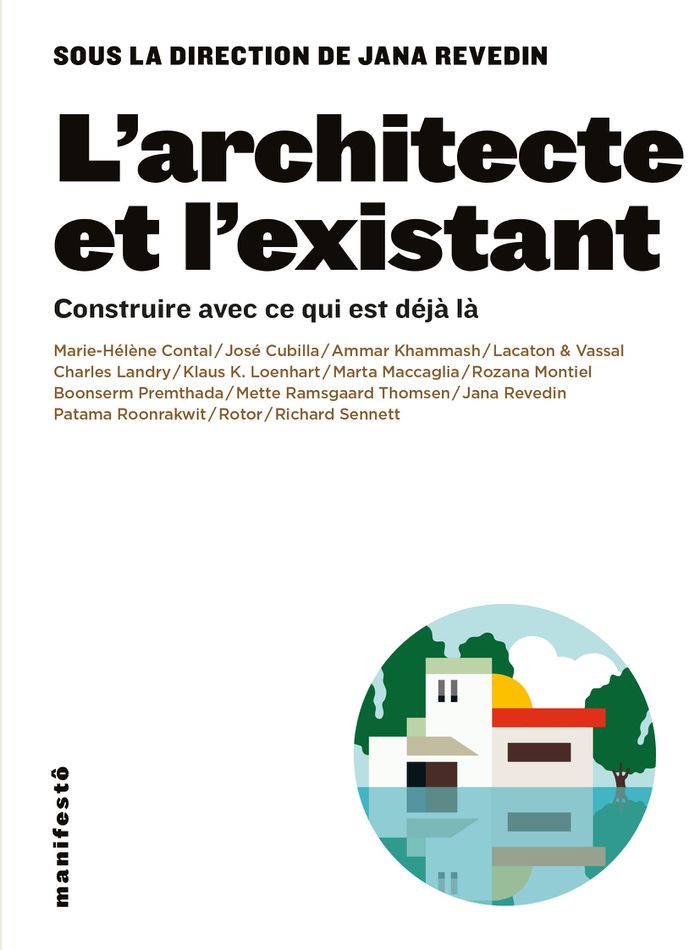
Il y a un siècle, les architectes du Bauhaus s'étaient fixé pour objectif de civiliser et de démocratiser la ville moderne, avec une architecture sobre du less is more élaborée au rythme de l'évolution des sociétés. Cet impératif n'a rien perdu de son importance. Pourquoi les jeunes architectes du XXI? siècle ne pourraient-ils pas, pour combattre la brutalité de la ville contemporaine, qui malmène ses habitants autant qu'elle est malmenée par les ruptures climatiques et écologiques, opérer le croisement de toutes les ressources existantes en termes matériels, historiques et symboliques, pour construire autrement ? Travail considérable certes, mais qui éviterait ce « fonctionnalisme vert », en vogue aujourd'hui, qui remplace les modèles dogmatiques et sans mémoire de l'architecture internationale par des écomodèles qui le sont tout autant. C'est à cette réflexion essentielle que se sont attelés les auteurs de cet ouvrage. Pour que nous puissions enfin passer du « less is more » au « better with less » !
L'architecte et l'existant: Construire avec ce qui est déjà là
Actions:
Prix:
$33.95
(disponible en magasin)
Résumé:
Il y a un siècle, les architectes du Bauhaus s'étaient fixé pour objectif de civiliser et de démocratiser la ville moderne, avec une architecture sobre du less is more élaborée au rythme de l'évolution des sociétés. Cet impératif n'a rien perdu de son importance. Pourquoi les jeunes architectes du XXI? siècle ne pourraient-ils pas, pour combattre la brutalité de la ville contemporaine, qui malmène ses habitants autant qu'elle est malmenée par les ruptures climatiques et écologiques, opérer le croisement de toutes les ressources existantes en termes matériels, historiques et symboliques, pour construire autrement ? Travail considérable certes, mais qui éviterait ce « fonctionnalisme vert », en vogue aujourd'hui, qui remplace les modèles dogmatiques et sans mémoire de l'architecture internationale par des écomodèles qui le sont tout autant. C'est à cette réflexion essentielle que se sont attelés les auteurs de cet ouvrage. Pour que nous puissions enfin passer du « less is more » au « better with less » !
Classification:
livres
livres
Publication:
mai 2022
mai 2022
Sujet:
Théorie de l’architecture
Théorie de l’architecture
Classification:
livres
livres
Actions:
Prix:
$27.00
(disponible sur commande)
Résumé:
Avec des images frappantes et un grand souci de vulgarisation, Mansoor Khan explique de façon originale pourquoi notre modèle économique est voué à l’échec. Si notre esprit peut imaginer une croissance infinie et exponentielle – c’est la première courbe, le « concept » –, notre corps nous rappelle les limites auxquelles nous buterons inévitablement, à l’image des(...)
$27.00
(disponible sur commande)
Résumé:
Avec des images frappantes et un grand souci de vulgarisation, Mansoor Khan explique de façon originale pourquoi notre modèle économique est voué à l’échec. Si notre esprit peut imaginer une croissance infinie et exponentielle – c’est la première courbe, le « concept » –, notre corps nous rappelle les limites auxquelles nous buterons inévitablement, à l’image des(...)
Titre:
La voie de la sobriété : La troisième courbe ou la fin de la croissance
Actions:
Prix:
$27.00
(disponible sur commande)
Résumé:
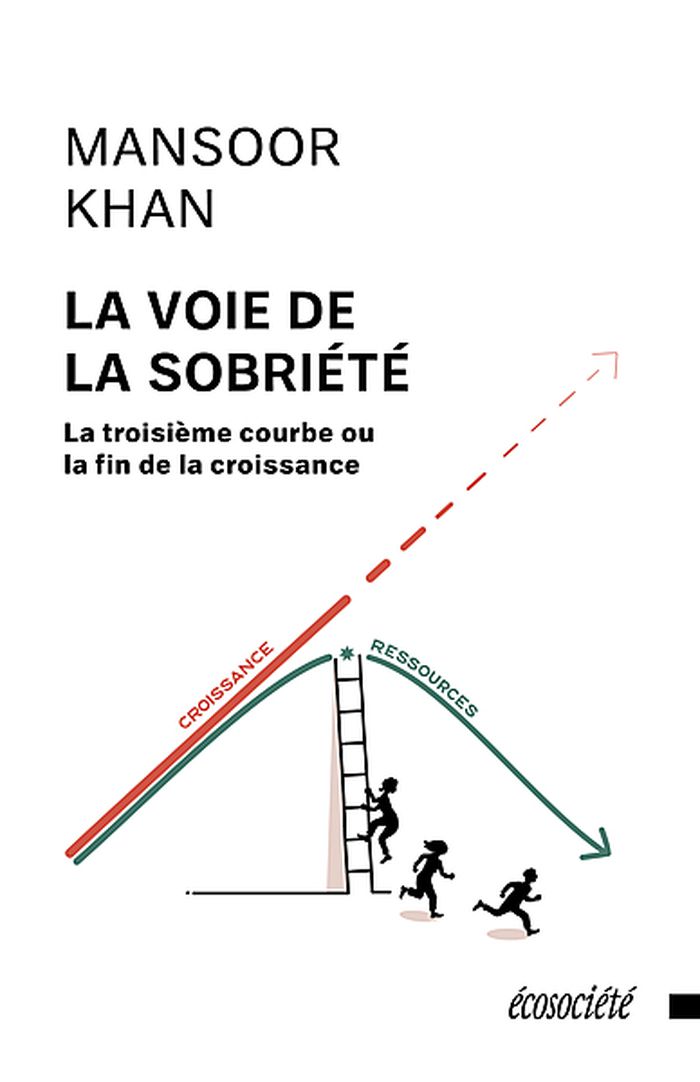
Avec des images frappantes et un grand souci de vulgarisation, Mansoor Khan explique de façon originale pourquoi notre modèle économique est voué à l’échec. Si notre esprit peut imaginer une croissance infinie et exponentielle – c’est la première courbe, le « concept » –, notre corps nous rappelle les limites auxquelles nous buterons inévitablement, à l’image des ressources de la planète que nous ne pouvons exploiter à l’infini – c’est la deuxième courbe, la « réalité ». L’illustration la plus manifeste de cette finitude des ressources est le pic pétrolier autour de 2008, quand le sommet de la courbe a été atteint. C’est sur la base de ce constat que l’auteur développe la troisième courbe, celle de la « sobriété énergétique » et de l’équilibre économique, à l’intérieur des limites écosystémiques de la planète. C’est seulement en identifiant les relations oubliées entre l’argent et l’énergie, le capital et les ressources, le concept et la réalité, que nous pourrons comprendre les pièges de la croissance perpétuelle et redéfinir un horizon viable.
La voie de la sobriété : La troisième courbe ou la fin de la croissance
Actions:
Prix:
$27.00
(disponible sur commande)
Résumé:
Avec des images frappantes et un grand souci de vulgarisation, Mansoor Khan explique de façon originale pourquoi notre modèle économique est voué à l’échec. Si notre esprit peut imaginer une croissance infinie et exponentielle – c’est la première courbe, le « concept » –, notre corps nous rappelle les limites auxquelles nous buterons inévitablement, à l’image des ressources de la planète que nous ne pouvons exploiter à l’infini – c’est la deuxième courbe, la « réalité ». L’illustration la plus manifeste de cette finitude des ressources est le pic pétrolier autour de 2008, quand le sommet de la courbe a été atteint. C’est sur la base de ce constat que l’auteur développe la troisième courbe, celle de la « sobriété énergétique » et de l’équilibre économique, à l’intérieur des limites écosystémiques de la planète. C’est seulement en identifiant les relations oubliées entre l’argent et l’énergie, le capital et les ressources, le concept et la réalité, que nous pourrons comprendre les pièges de la croissance perpétuelle et redéfinir un horizon viable.
Classification:
livres
livres
Publication:
octobre 2022
octobre 2022
Sujet:
Théorie/ philosophie
Théorie/ philosophie
Classification:
livres
livres
Titre:
Mushroom (object lessons)
Mushroom (object lessons)
Actions:
Prix:
$21.95
(disponible sur commande)
Résumé:
The mushroom is an ordinary object whose encounters with humans are usually limited to a couple of species prepackaged at the grocery store. This book offers mushrooms as much more than a pasta ingredient or trendy coffee alternative. It presents these objects as the firmament for life as we know it, enablers of mystical traditions, menders of minds lost to depression.(...)
$21.95
(disponible sur commande)
Résumé:
The mushroom is an ordinary object whose encounters with humans are usually limited to a couple of species prepackaged at the grocery store. This book offers mushrooms as much more than a pasta ingredient or trendy coffee alternative. It presents these objects as the firmament for life as we know it, enablers of mystical traditions, menders of minds lost to depression.(...)
Titre:
Mushroom (object lessons)
Actions:
Prix:
$21.95
(disponible sur commande)
Résumé:
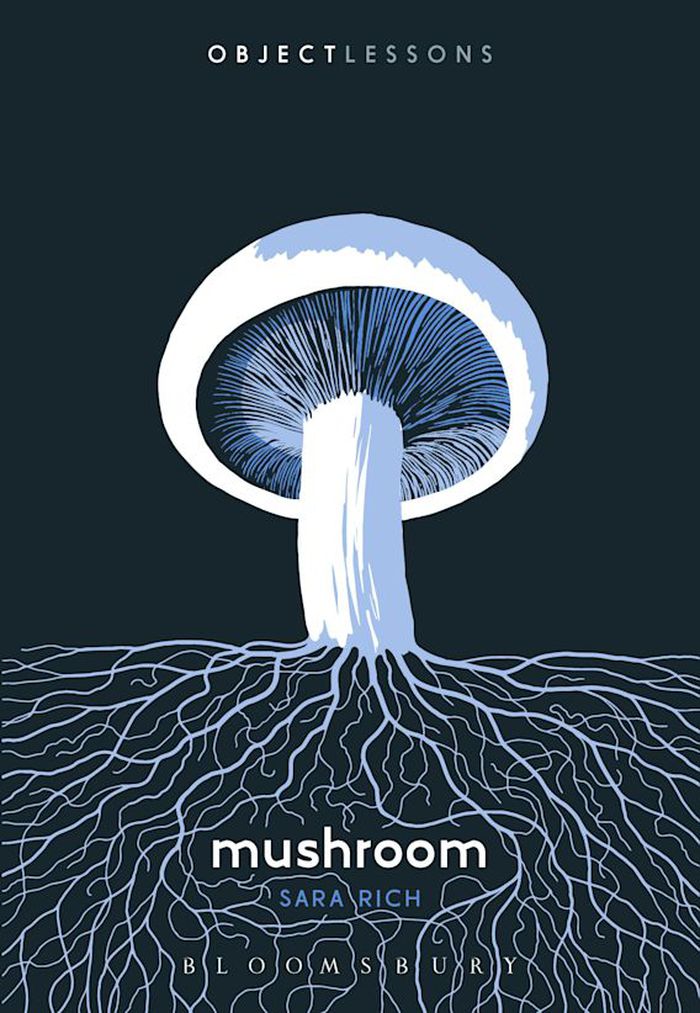
The mushroom is an ordinary object whose encounters with humans are usually limited to a couple of species prepackaged at the grocery store. This book offers mushrooms as much more than a pasta ingredient or trendy coffee alternative. It presents these objects as the firmament for life as we know it, enablers of mystical traditions, menders of minds lost to depression. But it acknowledges, too, that this firmament only exists because of death and rot. Rummaging through philosophical, literary, medical , ecological , and anthropological texts only serves to confirm what the average forager already knows: that mushrooms are to be regarded with a reverence deserving of only the most powerful entities: those who create and destroy, and thrive on both.
Mushroom (object lessons)
Actions:
Prix:
$21.95
(disponible sur commande)
Résumé:
The mushroom is an ordinary object whose encounters with humans are usually limited to a couple of species prepackaged at the grocery store. This book offers mushrooms as much more than a pasta ingredient or trendy coffee alternative. It presents these objects as the firmament for life as we know it, enablers of mystical traditions, menders of minds lost to depression. But it acknowledges, too, that this firmament only exists because of death and rot. Rummaging through philosophical, literary, medical , ecological , and anthropological texts only serves to confirm what the average forager already knows: that mushrooms are to be regarded with a reverence deserving of only the most powerful entities: those who create and destroy, and thrive on both.
Classification:
livres
livres
Publication:
janvier 2023
janvier 2023
Sujet:
Théorie du paysage
Théorie du paysage
Classification:
livres
livres
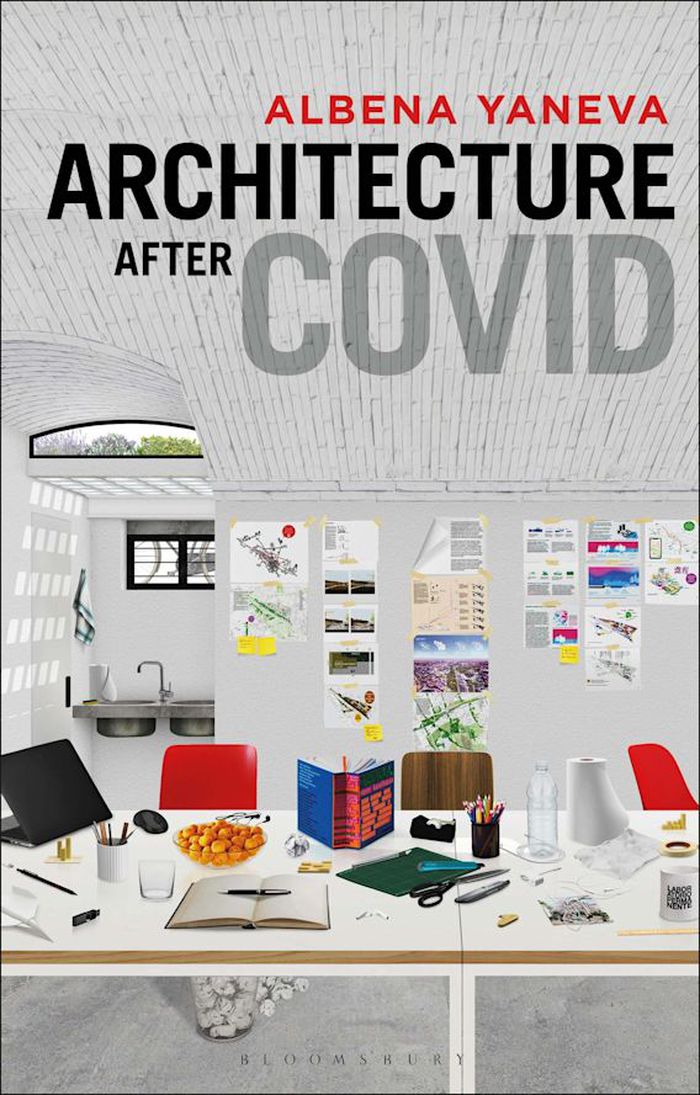
Titre:
Architecture after COVID
Architecture after COVID
Actions:
Prix:
$41.95
(disponible sur commande)
Résumé:
This book explores the pandemic's transformative impacts upon the architectural profession. It raises new questions about the intertwined natures of architectural production, science, society, and spatial practice – questions which had lain latent in the profession for years, but which the COVID pandemic brought to the fore. The book explores how the pandemic modified(...)
$41.95
(disponible sur commande)
Résumé:
This book explores the pandemic's transformative impacts upon the architectural profession. It raises new questions about the intertwined natures of architectural production, science, society, and spatial practice – questions which had lain latent in the profession for years, but which the COVID pandemic brought to the fore. The book explores how the pandemic modified(...)
Titre:
Architecture after COVID
Actions:
Prix:
$41.95
(disponible sur commande)
Résumé:
This book explores the pandemic's transformative impacts upon the architectural profession. It raises new questions about the intertwined natures of architectural production, science, society, and spatial practice – questions which had lain latent in the profession for years, but which the COVID pandemic brought to the fore. The book explores how the pandemic modified the spatial conventions of everyday life in the city, and looks in detail at how it has transformed building typologies. It also shows how the continuing risk of pandemics leads us to rethink the social dimension of architecture and urban design; and ultimately proposes a radical re-evaluation of the conditions of architectural practice – making a compelling argument about the changing agency of architectural design and the importance of designers in re-ordering the post-pandemic world.
Architecture after COVID
Actions:
Prix:
$41.95
(disponible sur commande)
Résumé:
This book explores the pandemic's transformative impacts upon the architectural profession. It raises new questions about the intertwined natures of architectural production, science, society, and spatial practice – questions which had lain latent in the profession for years, but which the COVID pandemic brought to the fore. The book explores how the pandemic modified the spatial conventions of everyday life in the city, and looks in detail at how it has transformed building typologies. It also shows how the continuing risk of pandemics leads us to rethink the social dimension of architecture and urban design; and ultimately proposes a radical re-evaluation of the conditions of architectural practice – making a compelling argument about the changing agency of architectural design and the importance of designers in re-ordering the post-pandemic world.
Classification:
livres
livres
Publication:
janvier 2023
janvier 2023
Sujet:
Théorie de l’architecture
Théorie de l’architecture
Classification:
livres
livres
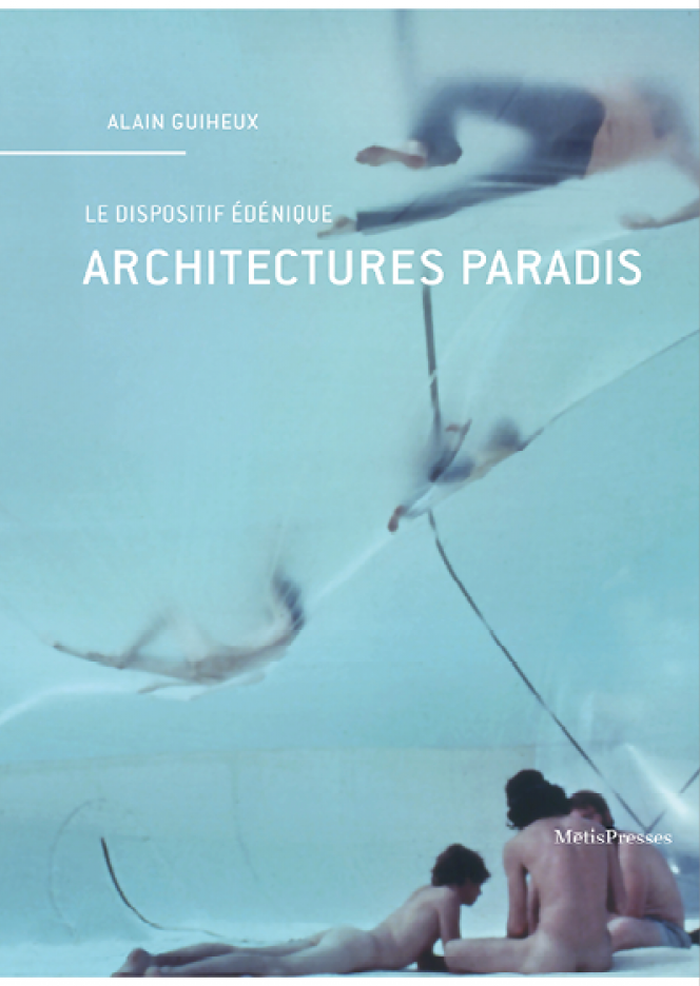
Titre:
Architectures paradis
Architectures paradis
Actions:
Prix:
$56.95
(disponible sur commande)
Résumé:
Oser convier le paradis dans le discours architectural, c’est inventer l’architecture en questionnant son absence initiale. Alain Guiheux affronte ainsi un paradoxe: si le paradis se caractérise par le manque d’architecture, s’il n’y a pas d’architecture en Éden, comment emprunter ce concept pour faire l’histoire (sinon la contre-histoire) de l’architecture ? L’auteur(...)
$56.95
(disponible sur commande)
Résumé:
Oser convier le paradis dans le discours architectural, c’est inventer l’architecture en questionnant son absence initiale. Alain Guiheux affronte ainsi un paradoxe: si le paradis se caractérise par le manque d’architecture, s’il n’y a pas d’architecture en Éden, comment emprunter ce concept pour faire l’histoire (sinon la contre-histoire) de l’architecture ? L’auteur(...)
Titre:
Architectures paradis
Actions:
Prix:
$56.95
(disponible sur commande)
Résumé:
Oser convier le paradis dans le discours architectural, c’est inventer l’architecture en questionnant son absence initiale. Alain Guiheux affronte ainsi un paradoxe: si le paradis se caractérise par le manque d’architecture, s’il n’y a pas d’architecture en Éden, comment emprunter ce concept pour faire l’histoire (sinon la contre-histoire) de l’architecture ? L’auteur confronte le lecteur au retour du système édénique et propose un voyage envoûtant dans cette autre scène de l’architecture. Le paradis y est la figure de l’impensable, de l’invisible et de l’indéterminé, contre la tyrannie de l’ordre et de l’«espace». Avec un réseau icono-sémantique particulièrement riche, juxtaposant l’enluminure médiévale, les projets radicaux des avant-gardes des années 1960, les réalisations architecturales contemporaines ainsi que le roman et le cinéma, cet ouvrage dresse ici un récit qui repense en profondeur l’architecture et ses conséquences – aussi bien en présence qu’en absence – sur l’humain.
Architectures paradis
Actions:
Prix:
$56.95
(disponible sur commande)
Résumé:
Oser convier le paradis dans le discours architectural, c’est inventer l’architecture en questionnant son absence initiale. Alain Guiheux affronte ainsi un paradoxe: si le paradis se caractérise par le manque d’architecture, s’il n’y a pas d’architecture en Éden, comment emprunter ce concept pour faire l’histoire (sinon la contre-histoire) de l’architecture ? L’auteur confronte le lecteur au retour du système édénique et propose un voyage envoûtant dans cette autre scène de l’architecture. Le paradis y est la figure de l’impensable, de l’invisible et de l’indéterminé, contre la tyrannie de l’ordre et de l’«espace». Avec un réseau icono-sémantique particulièrement riche, juxtaposant l’enluminure médiévale, les projets radicaux des avant-gardes des années 1960, les réalisations architecturales contemporaines ainsi que le roman et le cinéma, cet ouvrage dresse ici un récit qui repense en profondeur l’architecture et ses conséquences – aussi bien en présence qu’en absence – sur l’humain.
Classification:
livres
livres
Publication:
octobre 2022
octobre 2022
Sujet:
Théorie de l’architecture
Théorie de l’architecture
Classification:
livres
livres
Titre:
Cyclorama
Cyclorama
Actions:
Prix:
$17.95
(disponible sur commande)
Résumé:
Troublée par l’absence quasi totale de liens entre les milieux du théâtre anglophone et francophone à Montréal, Laurence Dauphinais entreprend de dresser un portrait à la fois historique et sensible des deux communautés. Secondée par une petite équipe bilingue et multidisciplinaire, elle remonte littéralement le boulevard Saint-Laurent, saluant au passage les salles(...)
$17.95
(disponible sur commande)
Résumé:
Troublée par l’absence quasi totale de liens entre les milieux du théâtre anglophone et francophone à Montréal, Laurence Dauphinais entreprend de dresser un portrait à la fois historique et sensible des deux communautés. Secondée par une petite équipe bilingue et multidisciplinaire, elle remonte littéralement le boulevard Saint-Laurent, saluant au passage les salles(...)
Titre:
Cyclorama
Actions:
Prix:
$17.95
(disponible sur commande)
Résumé:
Troublée par l’absence quasi totale de liens entre les milieux du théâtre anglophone et francophone à Montréal, Laurence Dauphinais entreprend de dresser un portrait à la fois historique et sensible des deux communautés. Secondée par une petite équipe bilingue et multidisciplinaire, elle remonte littéralement le boulevard Saint-Laurent, saluant au passage les salles mythiques et les personnalités marquantes qui ont forgé la renommée de la scène montréalaise. En faisant dialoguer des perspectives intimes et artistiques avec une approche documentaire, ''Cyclorama'' met en lumière les liens entre la grande Histoire et les petites qu’on se raconte.
Cyclorama
Actions:
Prix:
$17.95
(disponible sur commande)
Résumé:
Troublée par l’absence quasi totale de liens entre les milieux du théâtre anglophone et francophone à Montréal, Laurence Dauphinais entreprend de dresser un portrait à la fois historique et sensible des deux communautés. Secondée par une petite équipe bilingue et multidisciplinaire, elle remonte littéralement le boulevard Saint-Laurent, saluant au passage les salles mythiques et les personnalités marquantes qui ont forgé la renommée de la scène montréalaise. En faisant dialoguer des perspectives intimes et artistiques avec une approche documentaire, ''Cyclorama'' met en lumière les liens entre la grande Histoire et les petites qu’on se raconte.
Classification:
livres
livres
Publication:
octobre 2022
octobre 2022
Sujet:
Théorie de l’art
Théorie de l’art
Classification:
livres
livres

Actions:
Prix:
$21.95
(disponible sur commande)
Résumé:
Le lien qui nous unit à la nature n'est et n'a jamais été rompu; nous l'avons juste ignoré quelque temps. Les arbres ont-ils des souvenirs? Nous envoient-ils des messages? Réagissent-ils aux accolades que nous leur faisons parfois? Il y a tant de mystères à percer pour suppléer notre mauvaise compréhension des milieux botanique et forestier. Malheureusement nos forêts(...)
$21.95
(disponible sur commande)
Résumé:
Le lien qui nous unit à la nature n'est et n'a jamais été rompu; nous l'avons juste ignoré quelque temps. Les arbres ont-ils des souvenirs? Nous envoient-ils des messages? Réagissent-ils aux accolades que nous leur faisons parfois? Il y a tant de mystères à percer pour suppléer notre mauvaise compréhension des milieux botanique et forestier. Malheureusement nos forêts(...)
Titre:
Ce que nous enseigne la forêt
Actions:
Prix:
$21.95
(disponible sur commande)
Résumé:
Le lien qui nous unit à la nature n'est et n'a jamais été rompu; nous l'avons juste ignoré quelque temps. Les arbres ont-ils des souvenirs? Nous envoient-ils des messages? Réagissent-ils aux accolades que nous leur faisons parfois? Il y a tant de mystères à percer pour suppléer notre mauvaise compréhension des milieux botanique et forestier. Malheureusement nos forêts sont aujourd'hui devenues en bonne partie des plantations caractérisées par une diversité biologique si appauvrie qu'elles n'ont plus rien de sauvage. Mais il n'est pas trop tard pour repenser notre relation avec la forêt.
Ce que nous enseigne la forêt
Actions:
Prix:
$21.95
(disponible sur commande)
Résumé:
Le lien qui nous unit à la nature n'est et n'a jamais été rompu; nous l'avons juste ignoré quelque temps. Les arbres ont-ils des souvenirs? Nous envoient-ils des messages? Réagissent-ils aux accolades que nous leur faisons parfois? Il y a tant de mystères à percer pour suppléer notre mauvaise compréhension des milieux botanique et forestier. Malheureusement nos forêts sont aujourd'hui devenues en bonne partie des plantations caractérisées par une diversité biologique si appauvrie qu'elles n'ont plus rien de sauvage. Mais il n'est pas trop tard pour repenser notre relation avec la forêt.
Classification:
livres
livres
Publication:
octobre 2022
octobre 2022
Sujet:
Théorie du paysage
Théorie du paysage
Classification:
livres
livres
Titre:
Les 100 principes de l'art
Les 100 principes de l'art
Actions:
Prix:
$27.95
(disponible sur commande)
Résumé:
Entrée en matière idéale dans le monde artistique, ce livre présente cent clés pour comprendre l’art, l’analyser et le pratiquer. De l’abstraction à l’art vidéo, en passant par le rythme, la composition et la sensibilité, il balaie les notions qu’un artiste, un étudiant ou un amateur d’art doit maîtriser. Dans un petit format pratique, ce livre présente pour chacun des(...)
$27.95
(disponible sur commande)
Résumé:
Entrée en matière idéale dans le monde artistique, ce livre présente cent clés pour comprendre l’art, l’analyser et le pratiquer. De l’abstraction à l’art vidéo, en passant par le rythme, la composition et la sensibilité, il balaie les notions qu’un artiste, un étudiant ou un amateur d’art doit maîtriser. Dans un petit format pratique, ce livre présente pour chacun des(...)
Titre:
Les 100 principes de l'art
Actions:
Prix:
$27.95
(disponible sur commande)
Résumé:
Entrée en matière idéale dans le monde artistique, ce livre présente cent clés pour comprendre l’art, l’analyser et le pratiquer. De l’abstraction à l’art vidéo, en passant par le rythme, la composition et la sensibilité, il balaie les notions qu’un artiste, un étudiant ou un amateur d’art doit maîtriser. Dans un petit format pratique, ce livre présente pour chacun des 100 principes une définition succincte du thème, ses principes directeurs et des exemples. Chaque page est illustrée par des œuvres majeures de l’histoire de l’art, balayant les domaines de la peinture, de la sculpture, de la performance artistique et de la photographie.
Les 100 principes de l'art
Actions:
Prix:
$27.95
(disponible sur commande)
Résumé:
Entrée en matière idéale dans le monde artistique, ce livre présente cent clés pour comprendre l’art, l’analyser et le pratiquer. De l’abstraction à l’art vidéo, en passant par le rythme, la composition et la sensibilité, il balaie les notions qu’un artiste, un étudiant ou un amateur d’art doit maîtriser. Dans un petit format pratique, ce livre présente pour chacun des 100 principes une définition succincte du thème, ses principes directeurs et des exemples. Chaque page est illustrée par des œuvres majeures de l’histoire de l’art, balayant les domaines de la peinture, de la sculpture, de la performance artistique et de la photographie.
Classification:
livres
livres
Publication:
octobre 2022
octobre 2022
Sujet:
Théorie de l’art
Théorie de l’art
Classification:
livres
livres
Titre:
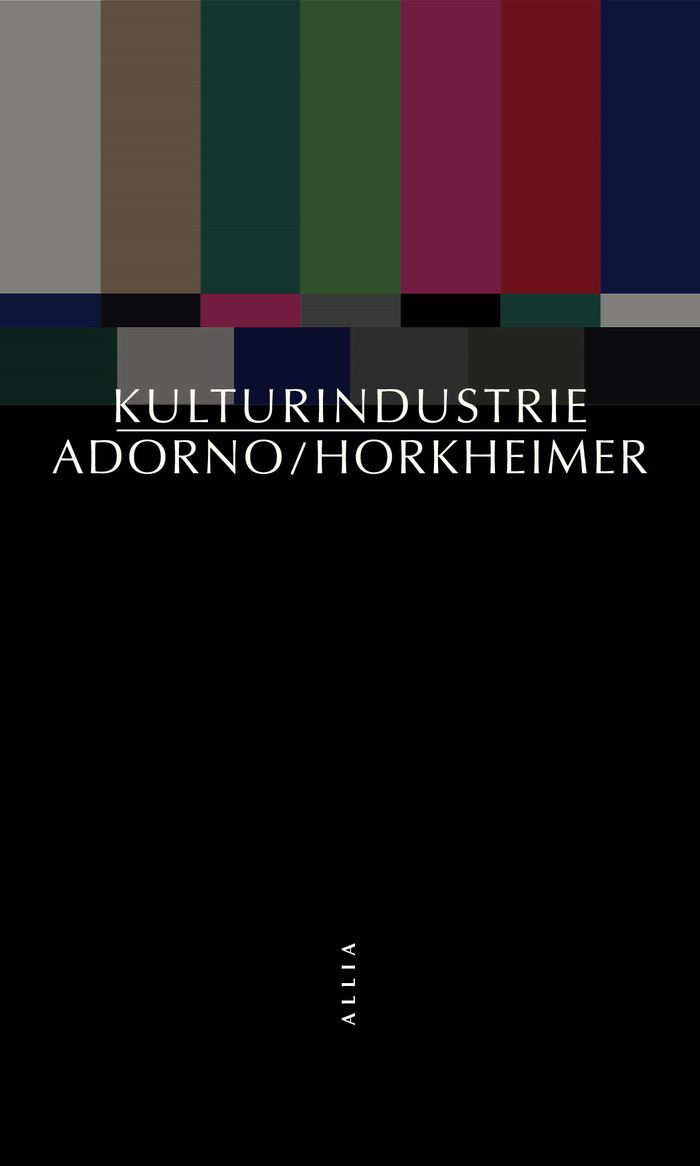
Kulturindustrie, n.é.
Kulturindustrie, n.é.
Actions:
Prix:
$12.95
(disponible sur commande)
Résumé:
Dans ce texte, Adorno et Horkheimer démontrent que toute manifestation culturelle et tout moyen de diffusion – film, radio, magazine – forment un système et que, face à ce système, nulle voix ne peut se faire entendre. Obéissant aujourd’hui à une logique extensive, l’industrie culturelle devient, dans le capitalisme avancé, une industrie du divertissement. L’amusement(...)
$12.95
(disponible sur commande)
Résumé:
Dans ce texte, Adorno et Horkheimer démontrent que toute manifestation culturelle et tout moyen de diffusion – film, radio, magazine – forment un système et que, face à ce système, nulle voix ne peut se faire entendre. Obéissant aujourd’hui à une logique extensive, l’industrie culturelle devient, dans le capitalisme avancé, une industrie du divertissement. L’amusement(...)
Sujet:
Théorie/ philosophie
Théorie/ philosophie
Publication:
octobre 2022
octobre 2022
Titre:
Kulturindustrie, n.é.
Actions:
Prix:
$12.95
(disponible sur commande)
Résumé:
Dans ce texte, Adorno et Horkheimer démontrent que toute manifestation culturelle et tout moyen de diffusion – film, radio, magazine – forment un système et que, face à ce système, nulle voix ne peut se faire entendre. Obéissant aujourd’hui à une logique extensive, l’industrie culturelle devient, dans le capitalisme avancé, une industrie du divertissement. L’amusement n’est en outre que « le prolongement du travail ». Aussi, celui qui en jouit, s’il échappe alors au travail automatisé, ne crée que les conditions pour être en mesure de s’y confronter à nouveau.
Kulturindustrie, n.é.
Actions:
Prix:
$12.95
(disponible sur commande)
Résumé:
Dans ce texte, Adorno et Horkheimer démontrent que toute manifestation culturelle et tout moyen de diffusion – film, radio, magazine – forment un système et que, face à ce système, nulle voix ne peut se faire entendre. Obéissant aujourd’hui à une logique extensive, l’industrie culturelle devient, dans le capitalisme avancé, une industrie du divertissement. L’amusement n’est en outre que « le prolongement du travail ». Aussi, celui qui en jouit, s’il échappe alors au travail automatisé, ne crée que les conditions pour être en mesure de s’y confronter à nouveau.
Classification:
livres
livres
Publication:
octobre 2022
octobre 2022
Sujet:
Théorie/ philosophie
Théorie/ philosophie


