


13794 Résultats
Classification:
livres
livres
Actions:
Prix:
$57.50
(disponible sur commande)
Résumé:
The career of the architect Andrea Palladio (1508-1580) is underpinned by a dramatic increase in prosperity on the Venetian "terraferma" in both town and country, a boom due in large measure to a little-studied revolution in manufacturing. This book brings to light for the first time the architecture of these early industries, especially the production of textiles, mining(...)
$57.50
(disponible sur commande)
Résumé:
The career of the architect Andrea Palladio (1508-1580) is underpinned by a dramatic increase in prosperity on the Venetian "terraferma" in both town and country, a boom due in large measure to a little-studied revolution in manufacturing. This book brings to light for the first time the architecture of these early industries, especially the production of textiles, mining(...)
Titre:
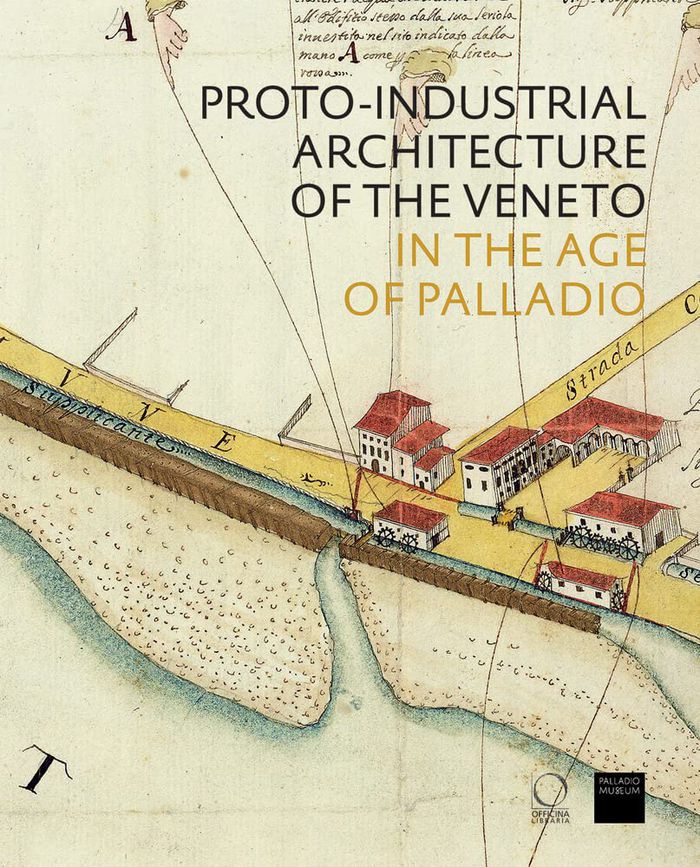
The proto-industrial architecture of the Veneto in the age of Palladio
Actions:
Prix:
$57.50
(disponible sur commande)
Résumé:
The career of the architect Andrea Palladio (1508-1580) is underpinned by a dramatic increase in prosperity on the Venetian "terraferma" in both town and country, a boom due in large measure to a little-studied revolution in manufacturing. This book brings to light for the first time the architecture of these early industries, especially the production of textiles, mining and metalworking, paper manufacture, ceramics, sawmilling and leather-tanning. The huge surge in patent applications to the Venetian Senate in the period highlights the parallel technological improvements in both efficiency and quality. Former proto-industrial buildings across the Veneto, studied at first-hand, reveal the efficiency of hydraulic power and smooth-running mechanical processes. Water-power, a clean, renewable energy source, and structures made of natural, traditional materials, have much to teach today’s civilization.
The proto-industrial architecture of the Veneto in the age of Palladio
Actions:
Prix:
$57.50
(disponible sur commande)
Résumé:
The career of the architect Andrea Palladio (1508-1580) is underpinned by a dramatic increase in prosperity on the Venetian "terraferma" in both town and country, a boom due in large measure to a little-studied revolution in manufacturing. This book brings to light for the first time the architecture of these early industries, especially the production of textiles, mining and metalworking, paper manufacture, ceramics, sawmilling and leather-tanning. The huge surge in patent applications to the Venetian Senate in the period highlights the parallel technological improvements in both efficiency and quality. Former proto-industrial buildings across the Veneto, studied at first-hand, reveal the efficiency of hydraulic power and smooth-running mechanical processes. Water-power, a clean, renewable energy source, and structures made of natural, traditional materials, have much to teach today’s civilization.
Classification:
livres
livres
Publication:
décembre 2022
décembre 2022
Sujet:
Théorie de l’architecture
Théorie de l’architecture
Classification:
livres
livres
Actions:
Prix:
$34.95
(disponible en magasin)
Résumé:
Since the 2010s, the line between public and private, online and offline have increasingly become blurred by digitalization and social media. In contemporary art, digitality has assumed a new type of presence—no longer only as a virtual sphere of sociality, but increasingly as a technological interface that structures our embodied experiences. What is presented in an(...)
$34.95
(disponible en magasin)
Résumé:
Since the 2010s, the line between public and private, online and offline have increasingly become blurred by digitalization and social media. In contemporary art, digitality has assumed a new type of presence—no longer only as a virtual sphere of sociality, but increasingly as a technological interface that structures our embodied experiences. What is presented in an(...)
Titre:
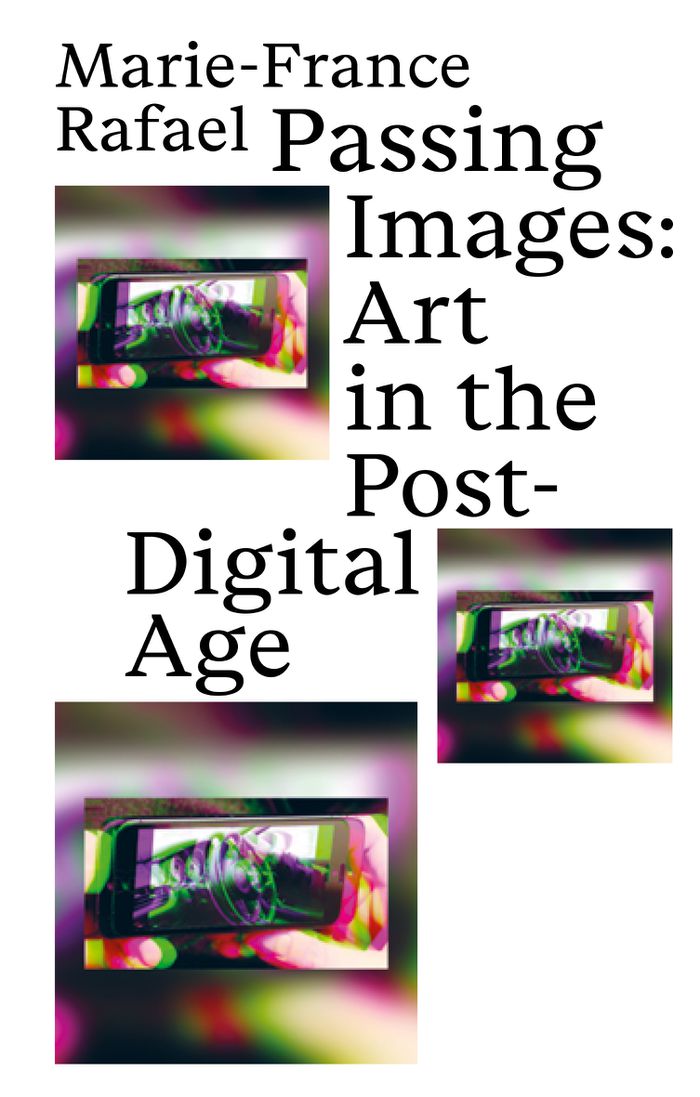
Passing images: Art in the post-digital age
Actions:
Prix:
$34.95
(disponible en magasin)
Résumé:
Since the 2010s, the line between public and private, online and offline have increasingly become blurred by digitalization and social media. In contemporary art, digitality has assumed a new type of presence—no longer only as a virtual sphere of sociality, but increasingly as a technological interface that structures our embodied experiences. What is presented in an ''exhibitio''? And how should we write about the new types of post-digital images we are seeing (in them)? In ''Passing images: Art in the post-digital age,'' Marie France Rafael provides an attempt to write with art, rather than just about it. Rafael aims to retrace the living spirit of art and the procedural-performative experience of art in her writing.
Passing images: Art in the post-digital age
Actions:
Prix:
$34.95
(disponible en magasin)
Résumé:
Since the 2010s, the line between public and private, online and offline have increasingly become blurred by digitalization and social media. In contemporary art, digitality has assumed a new type of presence—no longer only as a virtual sphere of sociality, but increasingly as a technological interface that structures our embodied experiences. What is presented in an ''exhibitio''? And how should we write about the new types of post-digital images we are seeing (in them)? In ''Passing images: Art in the post-digital age,'' Marie France Rafael provides an attempt to write with art, rather than just about it. Rafael aims to retrace the living spirit of art and the procedural-performative experience of art in her writing.
Classification:
livres
livres
Publication:
novembre 2022
novembre 2022
Sujet:
Théorie de l’art
Théorie de l’art
Classification:
livres
livres
Actions:
Prix:
$45.95
(disponible sur commande)
Résumé:
Le présent collectif vise à explorer comment la fiction enregistre et retravaille les transformations contemporaines de la ville. Ses collaborateur-ices envisagent l’expérience urbaine en adoptant une perspective interdisciplinaire, ouverte aux œuvres littéraires cinématographiques, vidéoludiques et télévisuelles ainsi qu’aux performances « d‘artistes-marcheurs ».
$45.95
(disponible sur commande)
Résumé:
Le présent collectif vise à explorer comment la fiction enregistre et retravaille les transformations contemporaines de la ville. Ses collaborateur-ices envisagent l’expérience urbaine en adoptant une perspective interdisciplinaire, ouverte aux œuvres littéraires cinématographiques, vidéoludiques et télévisuelles ainsi qu’aux performances « d‘artistes-marcheurs ».
Titre:
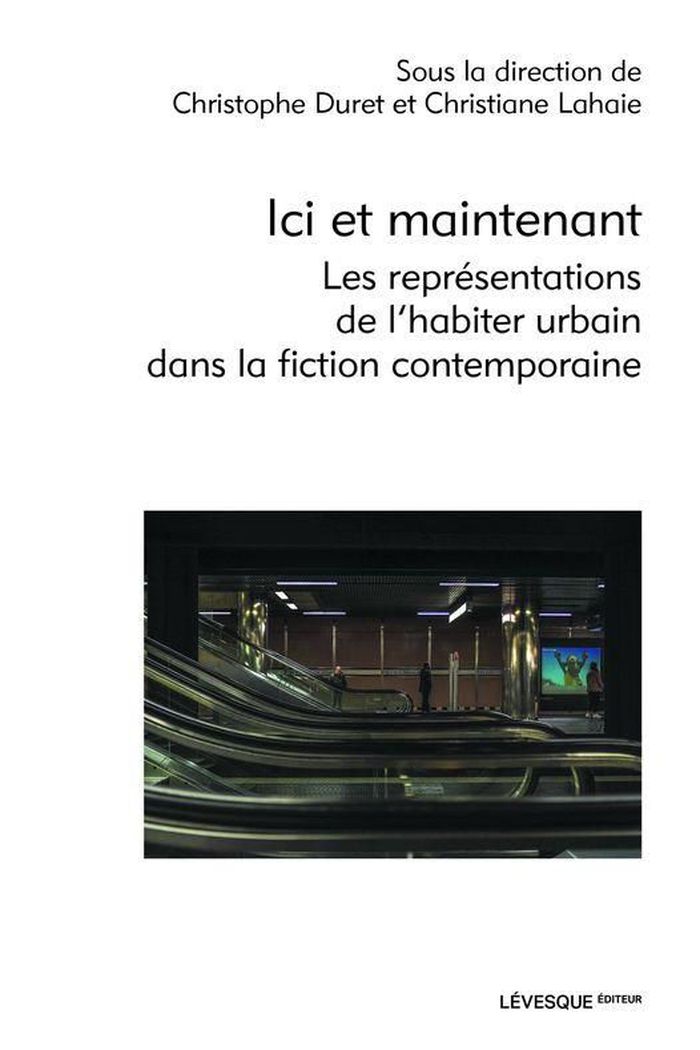
Ici et maintenant : Les représentations de l'habiter urbain dans la fiction contemporaine
Actions:
Prix:
$45.95
(disponible sur commande)
Résumé:
Le présent collectif vise à explorer comment la fiction enregistre et retravaille les transformations contemporaines de la ville. Ses collaborateur-ices envisagent l’expérience urbaine en adoptant une perspective interdisciplinaire, ouverte aux œuvres littéraires cinématographiques, vidéoludiques et télévisuelles ainsi qu’aux performances « d‘artistes-marcheurs ».
Ici et maintenant : Les représentations de l'habiter urbain dans la fiction contemporaine
Actions:
Prix:
$45.95
(disponible sur commande)
Résumé:
Le présent collectif vise à explorer comment la fiction enregistre et retravaille les transformations contemporaines de la ville. Ses collaborateur-ices envisagent l’expérience urbaine en adoptant une perspective interdisciplinaire, ouverte aux œuvres littéraires cinématographiques, vidéoludiques et télévisuelles ainsi qu’aux performances « d‘artistes-marcheurs ».
Classification:
livres
livres
Publication:
novembre 2022
novembre 2022
Sujet:
Théorie de l’urbanisme
Théorie de l’urbanisme
Classification:
livres
livres

Actions:
Prix:
$39.95
(disponible sur commande)
Résumé:
Figure transatlantique, Louise Bourgeois (1911-2010), née à Paris, passe l'essentiel de sa vie à New York, où elle s'installe dès 1938 avant d'être naturalisée américaine. Immense sculptrice et plasticienne, à la pratique polymorphe, elle sera bien plus tôt reconnue et célébrée aux Etats-Unis qu'en France. Marie-Laure Bernadac, grande spécialiste de cette œuvre, invite(...)
$39.95
(disponible sur commande)
Résumé:
Figure transatlantique, Louise Bourgeois (1911-2010), née à Paris, passe l'essentiel de sa vie à New York, où elle s'installe dès 1938 avant d'être naturalisée américaine. Immense sculptrice et plasticienne, à la pratique polymorphe, elle sera bien plus tôt reconnue et célébrée aux Etats-Unis qu'en France. Marie-Laure Bernadac, grande spécialiste de cette œuvre, invite(...)
Titre:
Louise Bourgeois : Transatlantique
Actions:
Prix:
$39.95
(disponible sur commande)
Résumé:
Figure transatlantique, Louise Bourgeois (1911-2010), née à Paris, passe l'essentiel de sa vie à New York, où elle s'installe dès 1938 avant d'être naturalisée américaine. Immense sculptrice et plasticienne, à la pratique polymorphe, elle sera bien plus tôt reconnue et célébrée aux Etats-Unis qu'en France. Marie-Laure Bernadac, grande spécialiste de cette œuvre, invite neuf artistes de part et d'autre de l'Atlantique à exprimer leur regard sur cette personnalité artistique majeure du XXe siècle. Leurs contributions manifestent à quel point Louise Bourgeois continue de fasciner les plus jeunes générations d'artistes.
Louise Bourgeois : Transatlantique
Actions:
Prix:
$39.95
(disponible sur commande)
Résumé:
Figure transatlantique, Louise Bourgeois (1911-2010), née à Paris, passe l'essentiel de sa vie à New York, où elle s'installe dès 1938 avant d'être naturalisée américaine. Immense sculptrice et plasticienne, à la pratique polymorphe, elle sera bien plus tôt reconnue et célébrée aux Etats-Unis qu'en France. Marie-Laure Bernadac, grande spécialiste de cette œuvre, invite neuf artistes de part et d'autre de l'Atlantique à exprimer leur regard sur cette personnalité artistique majeure du XXe siècle. Leurs contributions manifestent à quel point Louise Bourgeois continue de fasciner les plus jeunes générations d'artistes.
Classification:
livres
livres
Publication:
novembre 2022
novembre 2022
Sujet:
Théorie de l’art
Théorie de l’art
Classification:
livres
livres
Actions:
Prix:
$59.95
(disponible sur commande)
Résumé:
À travers plusieurs paysages emblématiques de Poussin, du Lorrain, de Bourdon et de quelques-uns de leurs contemporains du XVIIe siècle, ce livre se propose de faire apparaître ce que nous désignons comme le paysage du paysage. À savoir le paysage mental, culturel, idéologique, entrelacé au paysage réel ou représenté, et co-constitué par lui dans une simultanée(...)
$59.95
(disponible sur commande)
Résumé:
À travers plusieurs paysages emblématiques de Poussin, du Lorrain, de Bourdon et de quelques-uns de leurs contemporains du XVIIe siècle, ce livre se propose de faire apparaître ce que nous désignons comme le paysage du paysage. À savoir le paysage mental, culturel, idéologique, entrelacé au paysage réel ou représenté, et co-constitué par lui dans une simultanée(...)
Titre:
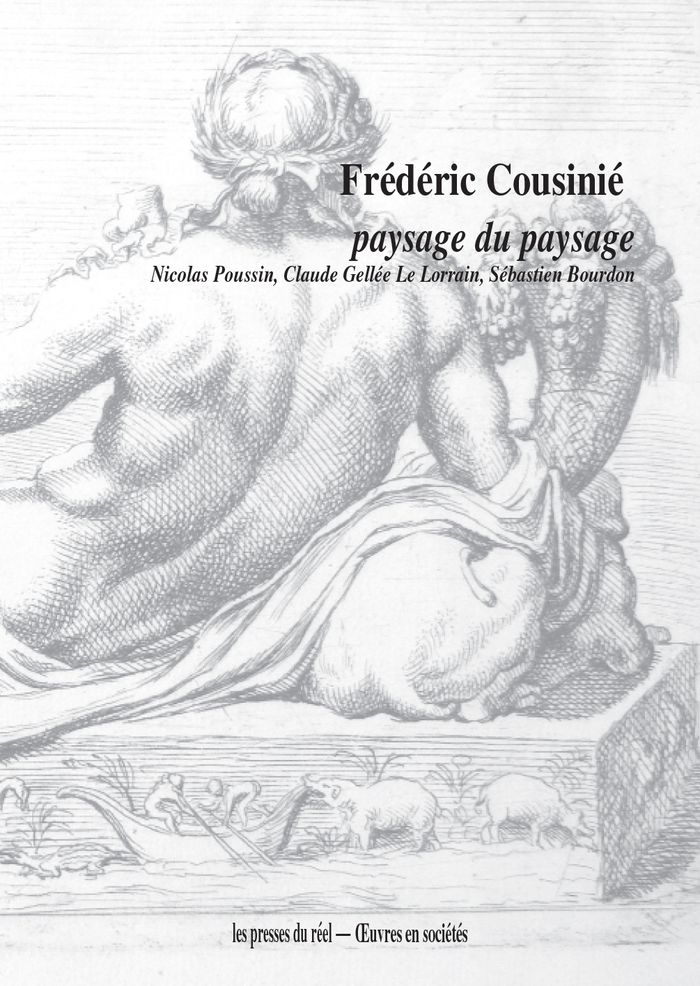
Paysage du paysage : Nicolas Poussin, Claude Le Lorrain, Sébastien Bourdon
Actions:
Prix:
$59.95
(disponible sur commande)
Résumé:
À travers plusieurs paysages emblématiques de Poussin, du Lorrain, de Bourdon et de quelques-uns de leurs contemporains du XVIIe siècle, ce livre se propose de faire apparaître ce que nous désignons comme le paysage du paysage. À savoir le paysage mental, culturel, idéologique, entrelacé au paysage réel ou représenté, et co-constitué par lui dans une simultanée émergence. Les représentations discursives naguère dominantes, formées par la littérature artistique, la théorie de l'art et l'esthétique, tendaient à absolutiser et à réifier le paysage dans une illusoire et apaisante clôture. Sans doute, comme nous y incitent nombre de recherches, faut-il désormais le considérer davantage comme un espace relationnel, pluriel, voire conflictuel – une Oïkologie, ouvrant sur une écologie culturelle – où s'articulent non seulement de multiples êtres ou objets mais également d'autres champs référentiels décisifs pour l'historien.
Paysage du paysage : Nicolas Poussin, Claude Le Lorrain, Sébastien Bourdon
Actions:
Prix:
$59.95
(disponible sur commande)
Résumé:
À travers plusieurs paysages emblématiques de Poussin, du Lorrain, de Bourdon et de quelques-uns de leurs contemporains du XVIIe siècle, ce livre se propose de faire apparaître ce que nous désignons comme le paysage du paysage. À savoir le paysage mental, culturel, idéologique, entrelacé au paysage réel ou représenté, et co-constitué par lui dans une simultanée émergence. Les représentations discursives naguère dominantes, formées par la littérature artistique, la théorie de l'art et l'esthétique, tendaient à absolutiser et à réifier le paysage dans une illusoire et apaisante clôture. Sans doute, comme nous y incitent nombre de recherches, faut-il désormais le considérer davantage comme un espace relationnel, pluriel, voire conflictuel – une Oïkologie, ouvrant sur une écologie culturelle – où s'articulent non seulement de multiples êtres ou objets mais également d'autres champs référentiels décisifs pour l'historien.
Classification:
livres
livres
Publication:
septembre 2022
septembre 2022
Sujet:
Théorie du paysage
Théorie du paysage
Classification:
livres
livres
Titre:
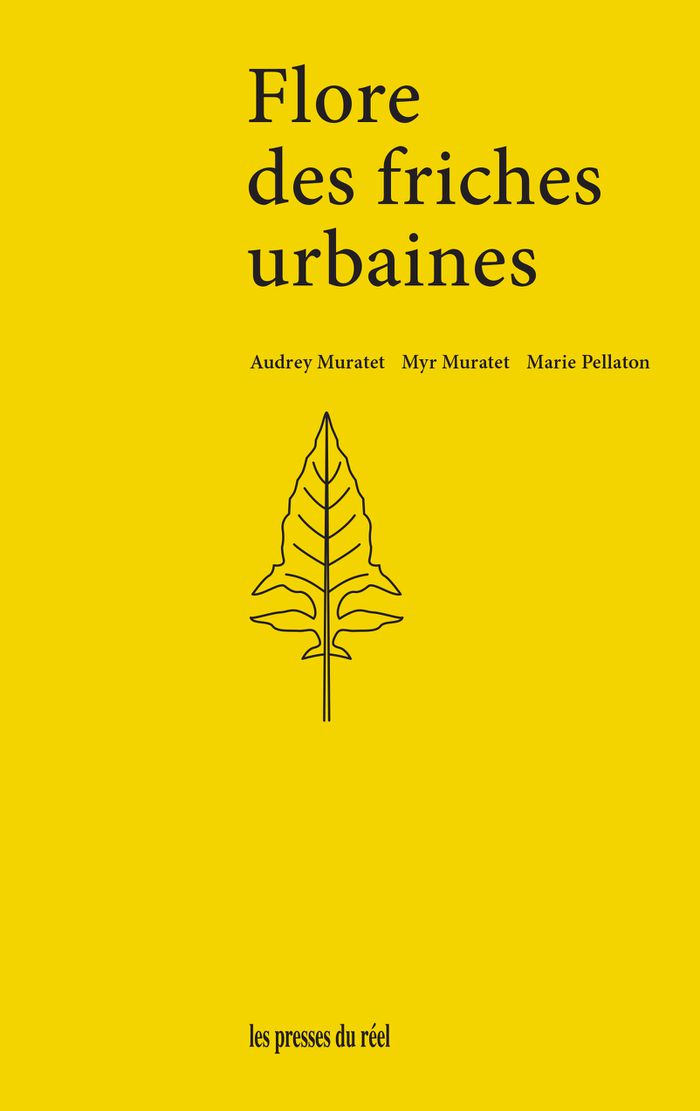
Flore des friches urbaines
Flore des friches urbaines
Actions:
Prix:
$56.95
(disponible en magasin)
Résumé:
Un catalogue raisonné des herbes folles : nouvelle édition augmentée de la flore de référence, fruit de 20 années d'études et de relevés floristiques sur une multitude de friches urbaines, permettant, à travers 600 photographies et 800 dessins originaux, de reconnaître et de nommer quelque 300 plantes silencieuses que nous croisons tous les jours. Un herbier méthodique(...)
$56.95
(disponible en magasin)
Résumé:
Un catalogue raisonné des herbes folles : nouvelle édition augmentée de la flore de référence, fruit de 20 années d'études et de relevés floristiques sur une multitude de friches urbaines, permettant, à travers 600 photographies et 800 dessins originaux, de reconnaître et de nommer quelque 300 plantes silencieuses que nous croisons tous les jours. Un herbier méthodique(...)
Sujet:
Théorie du paysage
Théorie du paysage
Publication:
novembre 2022
novembre 2022
Titre:
Flore des friches urbaines
Actions:
Prix:
$56.95
(disponible en magasin)
Résumé:
Un catalogue raisonné des herbes folles : nouvelle édition augmentée de la flore de référence, fruit de 20 années d'études et de relevés floristiques sur une multitude de friches urbaines, permettant, à travers 600 photographies et 800 dessins originaux, de reconnaître et de nommer quelque 300 plantes silencieuses que nous croisons tous les jours. Un herbier méthodique des terrains vagues qui constitue un véritable guide de la biodiversité, beau et ludique, accessible et rigoureux.
Flore des friches urbaines
Actions:
Prix:
$56.95
(disponible en magasin)
Résumé:
Un catalogue raisonné des herbes folles : nouvelle édition augmentée de la flore de référence, fruit de 20 années d'études et de relevés floristiques sur une multitude de friches urbaines, permettant, à travers 600 photographies et 800 dessins originaux, de reconnaître et de nommer quelque 300 plantes silencieuses que nous croisons tous les jours. Un herbier méthodique des terrains vagues qui constitue un véritable guide de la biodiversité, beau et ludique, accessible et rigoureux.
Classification:
livres
livres
Publication:
novembre 2022
novembre 2022
Sujet:
Théorie du paysage
Théorie du paysage
Classification:
livres
livres
Actions:
Prix:
$46.50
(disponible en magasin)
Résumé:
This book is both a call to reassess the architecture profession and its education, and a toolkit for graduates and working architects to untangle their skills, passions, and value from traditional architectural practice and consider alternate pathways. Written by design professionals and expert career consultants, it is informed by numerous client accounts as well as the(...)
$46.50
(disponible en magasin)
Résumé:
This book is both a call to reassess the architecture profession and its education, and a toolkit for graduates and working architects to untangle their skills, passions, and value from traditional architectural practice and consider alternate pathways. Written by design professionals and expert career consultants, it is informed by numerous client accounts as well as the(...)
Titre:
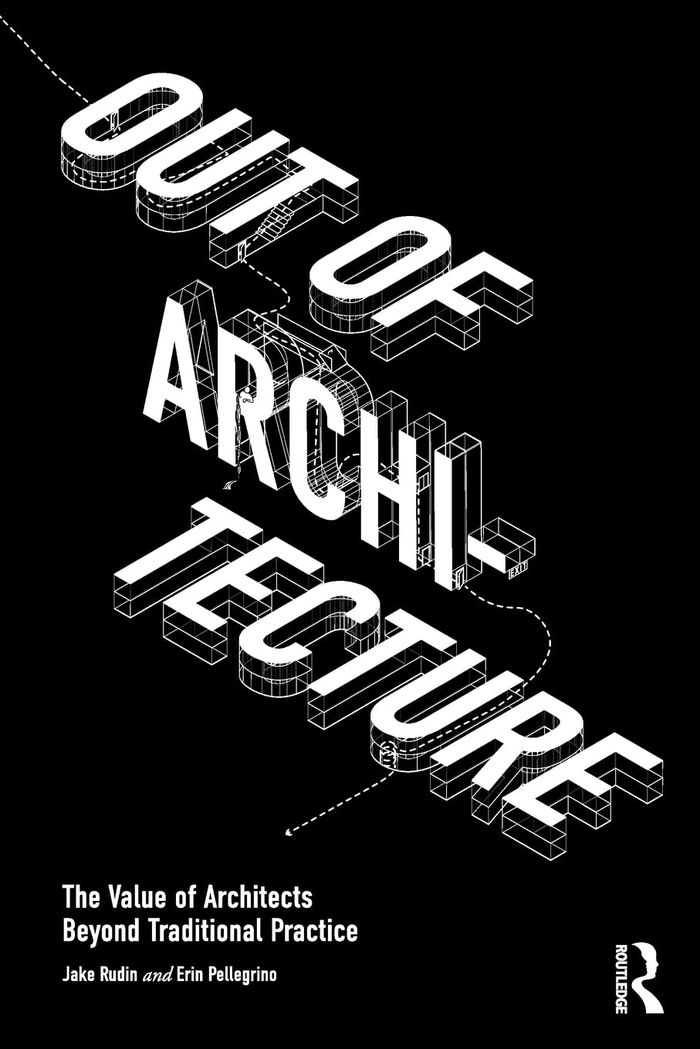
Out of architecture: the value of architects beyond traditional practice
Actions:
Prix:
$46.50
(disponible en magasin)
Résumé:
This book is both a call to reassess the architecture profession and its education, and a toolkit for graduates and working architects to untangle their skills, passions, and value from traditional architectural practice and consider alternate pathways. Written by design professionals and expert career consultants, it is informed by numerous client accounts as well as the authors’ own stories and routes out of architecture. A wide range of architecture students, graduates, educators, and professionals will recognize themselves within the pages of this book and find prompts to reassess their working practices, teaching styles, and the profession itself. It will be of particular value to those students skeptical of joining the architecture workforce, as well as those further along and considering a career change.
Out of architecture: the value of architects beyond traditional practice
Actions:
Prix:
$46.50
(disponible en magasin)
Résumé:
This book is both a call to reassess the architecture profession and its education, and a toolkit for graduates and working architects to untangle their skills, passions, and value from traditional architectural practice and consider alternate pathways. Written by design professionals and expert career consultants, it is informed by numerous client accounts as well as the authors’ own stories and routes out of architecture. A wide range of architecture students, graduates, educators, and professionals will recognize themselves within the pages of this book and find prompts to reassess their working practices, teaching styles, and the profession itself. It will be of particular value to those students skeptical of joining the architecture workforce, as well as those further along and considering a career change.
Classification:
livres
livres
Publication:
novembre 2022
novembre 2022
Sujet:
Théorie de l’architecture
Théorie de l’architecture
Classification:
livres
livres
Prix:
$42.95
(disponible en magasin)
Résumé:
Et si les villes n’avaient pas vocation à grandir éternellement ? Plus tôt nous protégerons nos terres agricoles, naturelles et forestières de l’artificialisation, plus grande sera notre résilience face aux risques et aux crises écologiques à venir. Au plus vite, les villes doivent – et peuvent – devenir stationnaires. Il ne s’agit pas de les figer, mais de les(...)
$42.95
(disponible en magasin)
Résumé:
Et si les villes n’avaient pas vocation à grandir éternellement ? Plus tôt nous protégerons nos terres agricoles, naturelles et forestières de l’artificialisation, plus grande sera notre résilience face aux risques et aux crises écologiques à venir. Au plus vite, les villes doivent – et peuvent – devenir stationnaires. Il ne s’agit pas de les figer, mais de les(...)
Sujet:
Théorie de l’urbanisme
Théorie de l’urbanisme
Publication:
novembre 2022
novembre 2022
Titre:
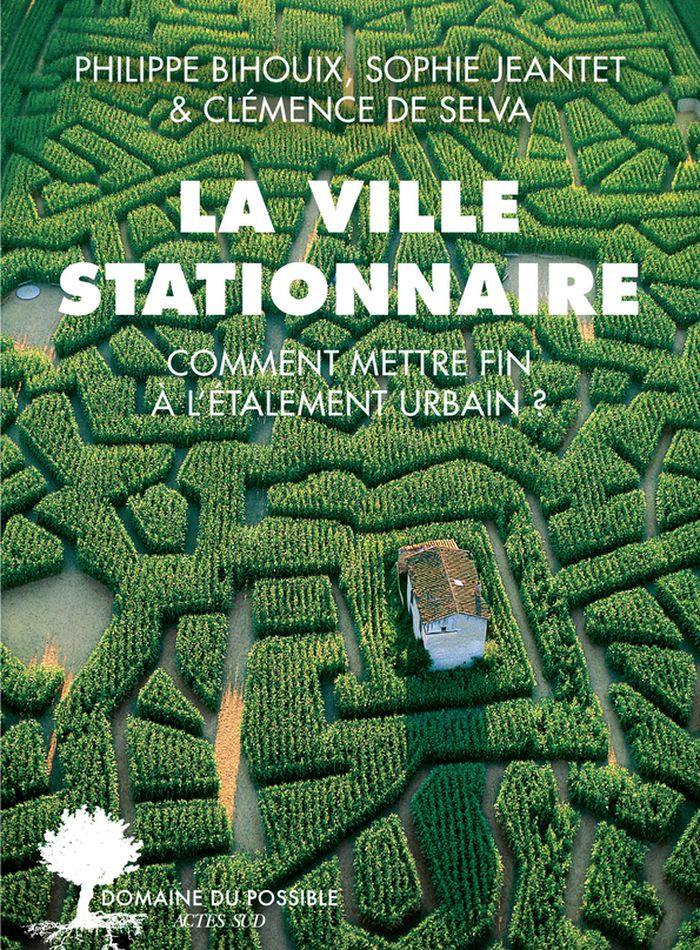
La ville stationaire : Comment mettre fin à l'étalement urbain
Actions:
Prix:
$42.95
(disponible en magasin)
Résumé:
Et si les villes n’avaient pas vocation à grandir éternellement ? Plus tôt nous protégerons nos terres agricoles, naturelles et forestières de l’artificialisation, plus grande sera notre résilience face aux risques et aux crises écologiques à venir. Au plus vite, les villes doivent – et peuvent – devenir stationnaires. Il ne s’agit pas de les figer, mais de les transformer et les embellir, d’exploiter l’immense patrimoine déjà bâti. Surtout, c’est notre rapport aux territoires qu’il faut faire évoluer, en favorisant la redistribution des services et des emplois, en œuvrant à une nouvelle attractivité des villes moyennes, des bourgs, des villages et des campagnes. Désormais les métropoles ne doivent plus attirer et grandir, mais essaimer.
La ville stationaire : Comment mettre fin à l'étalement urbain
Actions:
Prix:
$42.95
(disponible en magasin)
Résumé:
Et si les villes n’avaient pas vocation à grandir éternellement ? Plus tôt nous protégerons nos terres agricoles, naturelles et forestières de l’artificialisation, plus grande sera notre résilience face aux risques et aux crises écologiques à venir. Au plus vite, les villes doivent – et peuvent – devenir stationnaires. Il ne s’agit pas de les figer, mais de les transformer et les embellir, d’exploiter l’immense patrimoine déjà bâti. Surtout, c’est notre rapport aux territoires qu’il faut faire évoluer, en favorisant la redistribution des services et des emplois, en œuvrant à une nouvelle attractivité des villes moyennes, des bourgs, des villages et des campagnes. Désormais les métropoles ne doivent plus attirer et grandir, mais essaimer.
Classification:
livres
livres
Publication:
novembre 2022
novembre 2022
Sujet:
Théorie de l’urbanisme
Théorie de l’urbanisme
Classification:
livres
livres
Actions:
Prix:
$60.00
(disponible sur commande)
Résumé:
In the face of the radical convergence of a health crisis and an ecological crisis, it is not possible to return to the investigative trajectories on inhabitation and dwelling that yielded good results in the past. What is it that now defines inhabitation within the plurality of conditions, geographies, and politics that connote it? Lifelines is a work of collective(...)
$60.00
(disponible sur commande)
Résumé:
In the face of the radical convergence of a health crisis and an ecological crisis, it is not possible to return to the investigative trajectories on inhabitation and dwelling that yielded good results in the past. What is it that now defines inhabitation within the plurality of conditions, geographies, and politics that connote it? Lifelines is a work of collective(...)
Sujet:
Théorie de l’architecture
Théorie de l’architecture
Publication:
novembre 2022
novembre 2022
Titre:
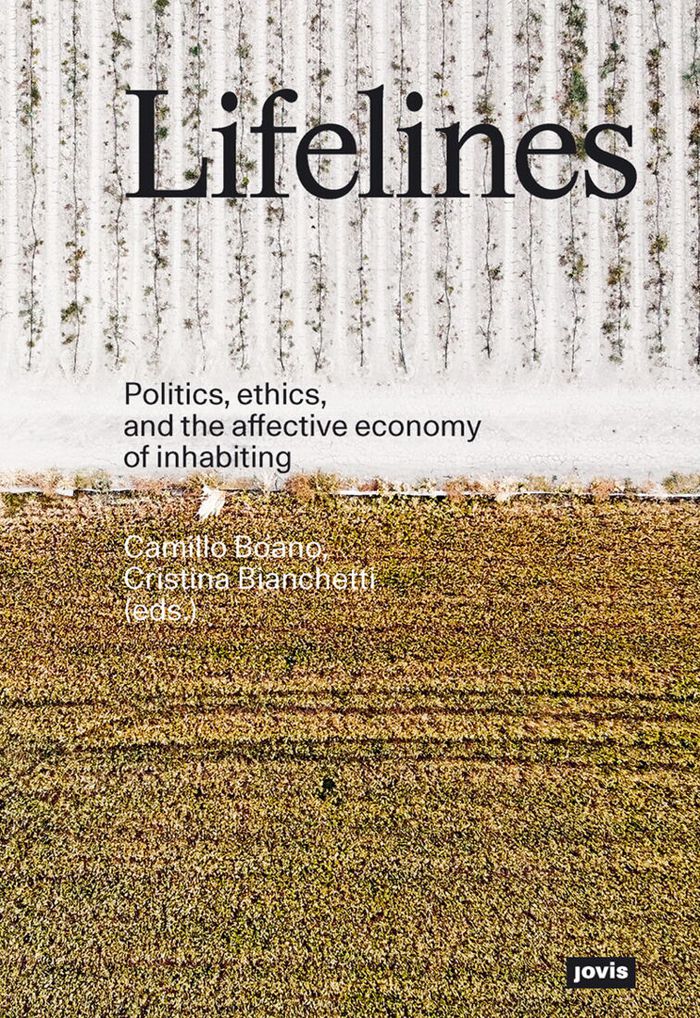
Lifelines: Politics, ethics, and the affective economy of inhabiting
Actions:
Prix:
$60.00
(disponible sur commande)
Résumé:
In the face of the radical convergence of a health crisis and an ecological crisis, it is not possible to return to the investigative trajectories on inhabitation and dwelling that yielded good results in the past. What is it that now defines inhabitation within the plurality of conditions, geographies, and politics that connote it? Lifelines is a work of collective research on the spaces where life intertwines, mingles, and twists in constant resistance to the mechanisms that capture, exploit, and create the social and environmental precariousness that characterizes the violent techno-capitalist present. The book investigates the roles and challenges of design in uncertain spaces and brings together empirical explorations from Italy, Ecuador, the US, Lebanon, Germany, and the UK.
Lifelines: Politics, ethics, and the affective economy of inhabiting
Actions:
Prix:
$60.00
(disponible sur commande)
Résumé:
In the face of the radical convergence of a health crisis and an ecological crisis, it is not possible to return to the investigative trajectories on inhabitation and dwelling that yielded good results in the past. What is it that now defines inhabitation within the plurality of conditions, geographies, and politics that connote it? Lifelines is a work of collective research on the spaces where life intertwines, mingles, and twists in constant resistance to the mechanisms that capture, exploit, and create the social and environmental precariousness that characterizes the violent techno-capitalist present. The book investigates the roles and challenges of design in uncertain spaces and brings together empirical explorations from Italy, Ecuador, the US, Lebanon, Germany, and the UK.
Classification:
livres
livres
Publication:
novembre 2022
novembre 2022
Sujet:
Théorie de l’architecture
Théorie de l’architecture
Classification:
livres
livres
Prix:
$38.00
(disponible sur commande)
Résumé:
More just spatial practices are to be found in the diversity and nuances of myriad space-making paradigms that tackle local challenges while providing credible responses to current global issues. This book proposes a collection of spatial protocols following an imaginary line: the 45°N parallel. This line crosses Europe, from the Atlantic Coast to the Black Sea. The(...)
$38.00
(disponible sur commande)
Résumé:
More just spatial practices are to be found in the diversity and nuances of myriad space-making paradigms that tackle local challenges while providing credible responses to current global issues. This book proposes a collection of spatial protocols following an imaginary line: the 45°N parallel. This line crosses Europe, from the Atlantic Coast to the Black Sea. The(...)
Titre:
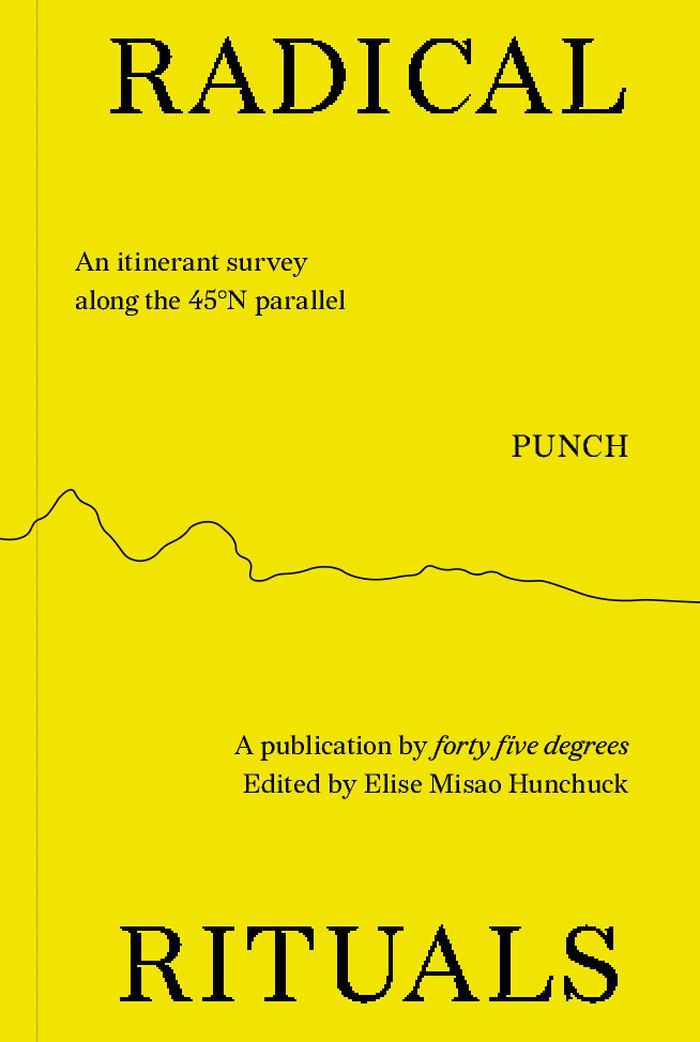
Radical rituals: An itinerant survey along the 45 degree parallel
Actions:
Prix:
$38.00
(disponible sur commande)
Résumé:
More just spatial practices are to be found in the diversity and nuances of myriad space-making paradigms that tackle local challenges while providing credible responses to current global issues. This book proposes a collection of spatial protocols following an imaginary line: the 45°N parallel. This line crosses Europe, from the Atlantic Coast to the Black Sea. The practices are named rituals because they strengthen the potential for collective action in order to reach systemic change. They are labeled radical because they are highly transformative and point toward possible futures.
Radical rituals: An itinerant survey along the 45 degree parallel
Actions:
Prix:
$38.00
(disponible sur commande)
Résumé:
More just spatial practices are to be found in the diversity and nuances of myriad space-making paradigms that tackle local challenges while providing credible responses to current global issues. This book proposes a collection of spatial protocols following an imaginary line: the 45°N parallel. This line crosses Europe, from the Atlantic Coast to the Black Sea. The practices are named rituals because they strengthen the potential for collective action in order to reach systemic change. They are labeled radical because they are highly transformative and point toward possible futures.
Classification:
livres
livres
Publication:
décembre 2022
décembre 2022
Sujet:
Théorie du paysage
Théorie du paysage


