


781 Résultats
Classification:
livres
livres
Prix:
$40.00
(disponible en magasin)
Résumé:
The "architectural imaginary" describes architecture in its broadest sense: images of cities drawn from collective experience and imagination. Hailing from 11 countries, each of the 14 artists who have contributed to Automatic Cities engage the psychological and sociopolitical aspects of architecture through their work, mapping the influence of the architectural imaginary(...)
$40.00
(disponible en magasin)
Résumé:
The "architectural imaginary" describes architecture in its broadest sense: images of cities drawn from collective experience and imagination. Hailing from 11 countries, each of the 14 artists who have contributed to Automatic Cities engage the psychological and sociopolitical aspects of architecture through their work, mapping the influence of the architectural imaginary(...)
Publication:
août 2009
août 2009
Titre:
Automatic cities: the architectural imaginary in contemporary art
Actions:
Prix:
$40.00
(disponible en magasin)
Résumé:
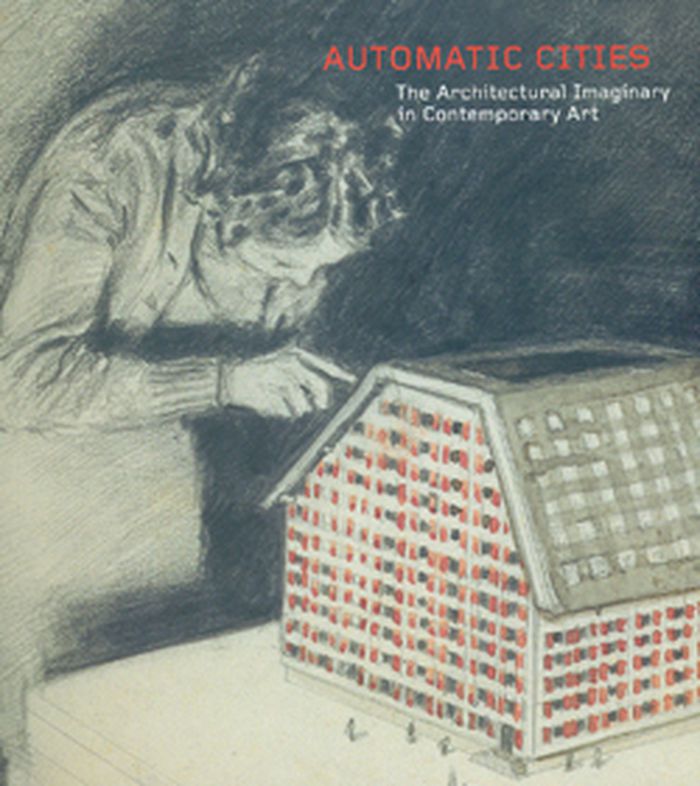
The "architectural imaginary" describes architecture in its broadest sense: images of cities drawn from collective experience and imagination. Hailing from 11 countries, each of the 14 artists who have contributed to Automatic Cities engage the psychological and sociopolitical aspects of architecture through their work, mapping the influence of the architectural imaginary on contemporary visual art. The book is organized into four thematic groupings. Matthew Buckingham, Ann Lislegaard and Paul Noble treat architecture's relationship to language; "Architecture and Memory" includes installations by Saskia Olde Wolbers, Hiraki Sawa and Rachel Whiteread; "Architecture as Model" encompasses installations by Michael Borremans, Los Carpinteros, Catharina van Eetvelde and Katrin Sigurdardottir; and the theme of surveillance is explored by Jakob Kolding, Sarah Oppenheimer, Julie Mehretu and Matthew Ritchie.
Automatic cities: the architectural imaginary in contemporary art
Actions:
Prix:
$40.00
(disponible en magasin)
Résumé:
The "architectural imaginary" describes architecture in its broadest sense: images of cities drawn from collective experience and imagination. Hailing from 11 countries, each of the 14 artists who have contributed to Automatic Cities engage the psychological and sociopolitical aspects of architecture through their work, mapping the influence of the architectural imaginary on contemporary visual art. The book is organized into four thematic groupings. Matthew Buckingham, Ann Lislegaard and Paul Noble treat architecture's relationship to language; "Architecture and Memory" includes installations by Saskia Olde Wolbers, Hiraki Sawa and Rachel Whiteread; "Architecture as Model" encompasses installations by Michael Borremans, Los Carpinteros, Catharina van Eetvelde and Katrin Sigurdardottir; and the theme of surveillance is explored by Jakob Kolding, Sarah Oppenheimer, Julie Mehretu and Matthew Ritchie.
Classification:
livres
livres
Publication:
août 2009
août 2009
Classification:
livres
livres
Actions:
Prix:
$34.95
(disponible sur commande)
Résumé:
Samuel Quiccheberg’s Inscriptiones, first published in Latin in 1565, is an ambitious effort to demonstrate the pragmatic value of curiosity cabinets, or Wunderkammern, to princely collectors in sixteenth-century Europe and, by so doing, inspire them to develop their own such collections. Quiccheberg shows how the assembly and display of physical objects offered nobles a(...)
$34.95
(disponible sur commande)
Résumé:
Samuel Quiccheberg’s Inscriptiones, first published in Latin in 1565, is an ambitious effort to demonstrate the pragmatic value of curiosity cabinets, or Wunderkammern, to princely collectors in sixteenth-century Europe and, by so doing, inspire them to develop their own such collections. Quiccheberg shows how the assembly and display of physical objects offered nobles a(...)
Sujet:
Théorie de l’architecture
Théorie de l’architecture
Publication:
janvier 2014
janvier 2014
Titre:
The first treatise on museums: Samuel Quiccheberg's Inscriptiones, 1565
Actions:
Prix:
$34.95
(disponible sur commande)
Résumé:
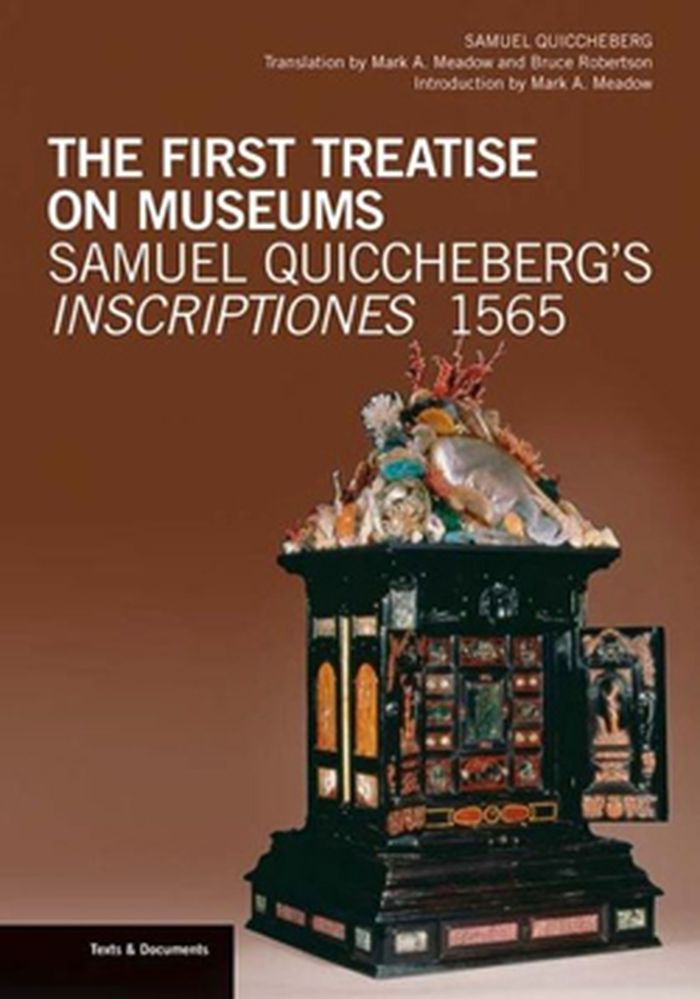
Samuel Quiccheberg’s Inscriptiones, first published in Latin in 1565, is an ambitious effort to demonstrate the pragmatic value of curiosity cabinets, or Wunderkammern, to princely collectors in sixteenth-century Europe and, by so doing, inspire them to develop their own such collections. Quiccheberg shows how the assembly and display of physical objects offered nobles a powerful means to expand visual knowledge, allowing them to incorporate empirical and artisanal expertise into the realm of the written word. But in mapping out the collectability of the material world, Quiccheberg did far more than create a taxonomy. Rather, he demonstrated how organizing objects made their knowledge more accessible; how objects, when juxtaposed or grouped, could tell a story; and how such strategies could enhance the value of any single object.
The first treatise on museums: Samuel Quiccheberg's Inscriptiones, 1565
Actions:
Prix:
$34.95
(disponible sur commande)
Résumé:
Samuel Quiccheberg’s Inscriptiones, first published in Latin in 1565, is an ambitious effort to demonstrate the pragmatic value of curiosity cabinets, or Wunderkammern, to princely collectors in sixteenth-century Europe and, by so doing, inspire them to develop their own such collections. Quiccheberg shows how the assembly and display of physical objects offered nobles a powerful means to expand visual knowledge, allowing them to incorporate empirical and artisanal expertise into the realm of the written word. But in mapping out the collectability of the material world, Quiccheberg did far more than create a taxonomy. Rather, he demonstrated how organizing objects made their knowledge more accessible; how objects, when juxtaposed or grouped, could tell a story; and how such strategies could enhance the value of any single object.
Classification:
livres
livres
Publication:
janvier 2014
janvier 2014
Sujet:
Théorie de l’architecture
Théorie de l’architecture
Classification:
livres
livres
Actions:
Prix:
$60.00
(disponible sur commande)
Résumé:
Marking the first in a new series of exhibitions, this project from the Louisiana Museum of Modern Art highlights three design studios with biochemistry and biology at the core of their practice. London-based ecoLogicStudio focuses on climate and carbon neutrality, and how photosynthesis can be incorporated into architecture. Atelier LUMA is the research design branch of(...)
$60.00
(disponible sur commande)
Résumé:
Marking the first in a new series of exhibitions, this project from the Louisiana Museum of Modern Art highlights three design studios with biochemistry and biology at the core of their practice. London-based ecoLogicStudio focuses on climate and carbon neutrality, and how photosynthesis can be incorporated into architecture. Atelier LUMA is the research design branch of(...)
Sujet:
Architecture contemporaine
Architecture contemporaine
Publication:
juin 2025
juin 2025
Titre:
Architecture connecting: Living structures
Actions:
Prix:
$60.00
(disponible sur commande)
Résumé:
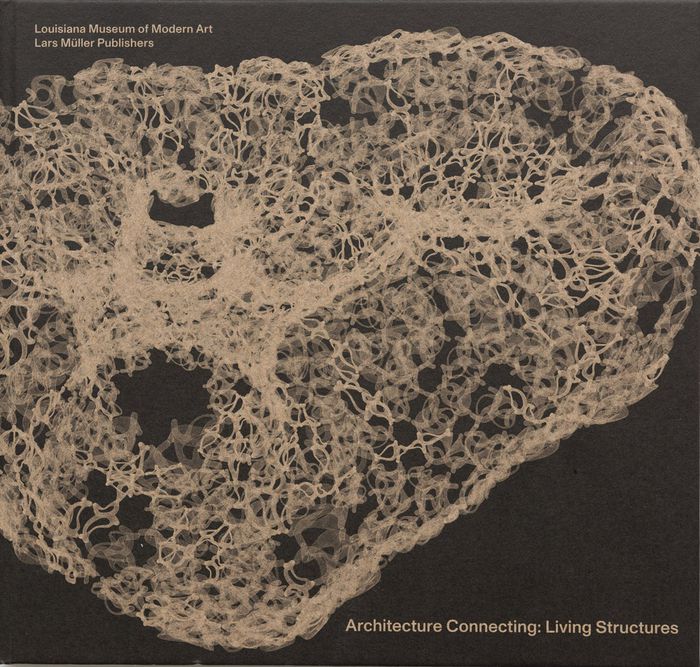
Marking the first in a new series of exhibitions, this project from the Louisiana Museum of Modern Art highlights three design studios with biochemistry and biology at the core of their practice. London-based ecoLogicStudio focuses on climate and carbon neutrality, and how photosynthesis can be incorporated into architecture. Atelier LUMA is the research design branch of LUMA Arles, mapping and identifying the local resources of the unique bioregion of Camargue to build its own studio. Finally, the Ithaca, New York–based Jenny Sabin Studio uses theory and knowledge from biology and mathematics to help develop new digital tools and structures that work in interaction with people and nature. This catalog highlights each firm’s most important projects alongside three conversations between the studio founders and an expert architectural
Architecture connecting: Living structures
Actions:
Prix:
$60.00
(disponible sur commande)
Résumé:
Marking the first in a new series of exhibitions, this project from the Louisiana Museum of Modern Art highlights three design studios with biochemistry and biology at the core of their practice. London-based ecoLogicStudio focuses on climate and carbon neutrality, and how photosynthesis can be incorporated into architecture. Atelier LUMA is the research design branch of LUMA Arles, mapping and identifying the local resources of the unique bioregion of Camargue to build its own studio. Finally, the Ithaca, New York–based Jenny Sabin Studio uses theory and knowledge from biology and mathematics to help develop new digital tools and structures that work in interaction with people and nature. This catalog highlights each firm’s most important projects alongside three conversations between the studio founders and an expert architectural
Classification:
livres
livres
Publication:
juin 2025
juin 2025
Sujet:
Architecture contemporaine
Architecture contemporaine
Classification:
livres
livres
Actions:
Prix:
$64.95
(disponible sur commande)
Résumé:
Cities structure our lives, resources, interactions, and identities. From Sebastiano Serlio to Rem Koolhaas, architects have used the metaphor of theater, presenting the city as stage, a comic set for comic acts, delirious city for delirious subjects, generic city for generic subjects, and so on. Today, however, we are social anywhere, actors onstage and off. So what(...)
$64.95
(disponible sur commande)
Résumé:
Cities structure our lives, resources, interactions, and identities. From Sebastiano Serlio to Rem Koolhaas, architects have used the metaphor of theater, presenting the city as stage, a comic set for comic acts, delirious city for delirious subjects, generic city for generic subjects, and so on. Today, however, we are social anywhere, actors onstage and off. So what(...)
Titre:
A Situation constructed from loose and overlapping social and architectural aggregates: MOS Venice Biennale 2016
Actions:
Prix:
$64.95
(disponible sur commande)
Résumé:
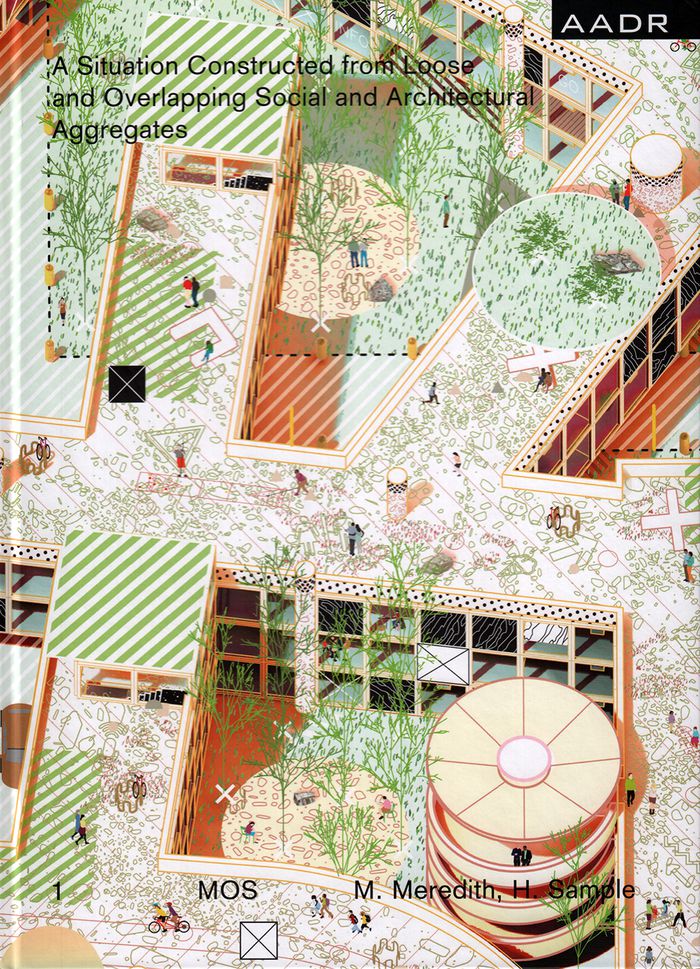
Cities structure our lives, resources, interactions, and identities. From Sebastiano Serlio to Rem Koolhaas, architects have used the metaphor of theater, presenting the city as stage, a comic set for comic acts, delirious city for delirious subjects, generic city for generic subjects, and so on. Today, however, we are social anywhere, actors onstage and off. So what happens when the city no longer structures us, or when basic urban elements—streets, buildings, facades, and addresses—have been augmented, superimposed, and untethered by or replaced through technology? First presented at the 2016 Venice Architecture Biennale, A Situation Constructed from Loose and Overlapping Social and Architectural Aggregates is a playful investigation into urban alternatives. Employing neither the holistic worldview of mapping nor the isolated islands of architectural typology, MOS imagines a proposal where the city is everywhere.…
A Situation constructed from loose and overlapping social and architectural aggregates: MOS Venice Biennale 2016
Actions:
Prix:
$64.95
(disponible sur commande)
Résumé:
Cities structure our lives, resources, interactions, and identities. From Sebastiano Serlio to Rem Koolhaas, architects have used the metaphor of theater, presenting the city as stage, a comic set for comic acts, delirious city for delirious subjects, generic city for generic subjects, and so on. Today, however, we are social anywhere, actors onstage and off. So what happens when the city no longer structures us, or when basic urban elements—streets, buildings, facades, and addresses—have been augmented, superimposed, and untethered by or replaced through technology? First presented at the 2016 Venice Architecture Biennale, A Situation Constructed from Loose and Overlapping Social and Architectural Aggregates is a playful investigation into urban alternatives. Employing neither the holistic worldview of mapping nor the isolated islands of architectural typology, MOS imagines a proposal where the city is everywhere.…
Classification:
livres
livres
Publication:
février 2017
février 2017
Sujet:
Architecture, monographies
Architecture, monographies
Classification:
livres
livres
Titre:
After the flood
After the flood
Actions:
Prix:
$108.00
(disponible sur commande)
Résumé:
In late September 2005, Robert Polidori traveled to New Orleans to record the destruction caused by Hurricane Katrina and by the city’s broken levees. He began to photograph, house by house. Polidori has found something worth saving, has created mementos for those who could not return, documenting the paradoxically beautiful wreckage. In classical terms, he has found(...)
$108.00
(disponible sur commande)
Résumé:
In late September 2005, Robert Polidori traveled to New Orleans to record the destruction caused by Hurricane Katrina and by the city’s broken levees. He began to photograph, house by house. Polidori has found something worth saving, has created mementos for those who could not return, documenting the paradoxically beautiful wreckage. In classical terms, he has found(...)
Titre:
After the flood
Actions:
Prix:
$108.00
(disponible sur commande)
Résumé:
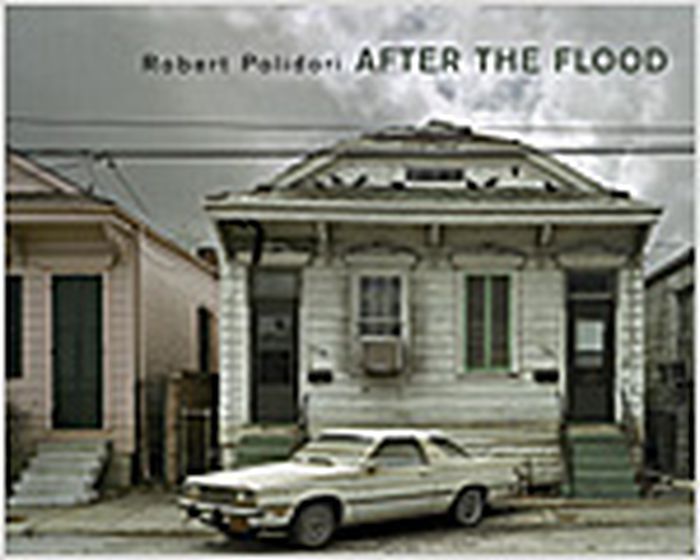
In late September 2005, Robert Polidori traveled to New Orleans to record the destruction caused by Hurricane Katrina and by the city’s broken levees. He began to photograph, house by house. Polidori has found something worth saving, has created mementos for those who could not return, documenting the paradoxically beautiful wreckage. In classical terms, he has found ruins. The abandoned houses he recorded were still waterlogged as he entered and as he learned (by trial and error, a process that including finding a dead body) the language of signs and codes in which rescue workers had spray-painted each house’s siding. He sees the resulting photographs as the work of a psychological witness, mapping the lives of the absent and deceased through what remains of their belongings and their homes.
After the flood
Actions:
Prix:
$108.00
(disponible sur commande)
Résumé:
In late September 2005, Robert Polidori traveled to New Orleans to record the destruction caused by Hurricane Katrina and by the city’s broken levees. He began to photograph, house by house. Polidori has found something worth saving, has created mementos for those who could not return, documenting the paradoxically beautiful wreckage. In classical terms, he has found ruins. The abandoned houses he recorded were still waterlogged as he entered and as he learned (by trial and error, a process that including finding a dead body) the language of signs and codes in which rescue workers had spray-painted each house’s siding. He sees the resulting photographs as the work of a psychological witness, mapping the lives of the absent and deceased through what remains of their belongings and their homes.
Classification:
livres
livres
Publication:
novembre 2006, Göttingen
novembre 2006, Göttingen
Sujet:
Monographies photo
Monographies photo
Classification:
livres
livres
Actions:
Prix:
$32.00
(disponible sur commande)
Résumé:
From the outset the role of the atlas has extended beyond the geographic to the historical. It has been used as a means of comprehensively describing history as well as, of course, a tool for the teaching of history. Barkow Leibinger's Bricoleur Bricolage atlas is a historical tool of an altogether different sort from the sixteenth-century European projects and(...)
$32.00
(disponible sur commande)
Résumé:
From the outset the role of the atlas has extended beyond the geographic to the historical. It has been used as a means of comprehensively describing history as well as, of course, a tool for the teaching of history. Barkow Leibinger's Bricoleur Bricolage atlas is a historical tool of an altogether different sort from the sixteenth-century European projects and(...)
Titre:
Barkow Leibinger: Bricoleur bricolage
Actions:
Prix:
$32.00
(disponible sur commande)
Résumé:
From the outset the role of the atlas has extended beyond the geographic to the historical. It has been used as a means of comprehensively describing history as well as, of course, a tool for the teaching of history. Barkow Leibinger's Bricoleur Bricolage atlas is a historical tool of an altogether different sort from the sixteenth-century European projects and their many descendants interested in the mapping of all history. Yet this atlas shares with its early modern origins a belief in comprehensiveness, orderliness and chronology – in this case, of the projects, research and ideas that the Berlin office of Barkow Leibinger have undertaken during the past few years, or to be more precise, since such activities were catalogued last, in Barkow Leibinger: An Atlas of Fabrication, published by the Architectural Association in 2009.
Barkow Leibinger: Bricoleur bricolage
Actions:
Prix:
$32.00
(disponible sur commande)
Résumé:
From the outset the role of the atlas has extended beyond the geographic to the historical. It has been used as a means of comprehensively describing history as well as, of course, a tool for the teaching of history. Barkow Leibinger's Bricoleur Bricolage atlas is a historical tool of an altogether different sort from the sixteenth-century European projects and their many descendants interested in the mapping of all history. Yet this atlas shares with its early modern origins a belief in comprehensiveness, orderliness and chronology – in this case, of the projects, research and ideas that the Berlin office of Barkow Leibinger have undertaken during the past few years, or to be more precise, since such activities were catalogued last, in Barkow Leibinger: An Atlas of Fabrication, published by the Architectural Association in 2009.
Classification:
livres
livres
Publication:
janvier 2013
janvier 2013
Sujet:
Architecture, monographies
Architecture, monographies
Classification:
livres
livres
Actions:
Prix:
$68.95
(disponible sur commande)
Résumé:
Ambitious and interdisciplinary, "Moscow vanguard art: 1922-1992 tells the story of generations of artists who resisted Soviet dictates on aesthetics, spanning the Russian avant-garde, socialist realism, and Soviet postwar art in one volume. Drawing on art history, criticism, and political theory, Margarita Tupitsyn unites these three epochs, mapping their differences and(...)
$68.95
(disponible sur commande)
Résumé:
Ambitious and interdisciplinary, "Moscow vanguard art: 1922-1992 tells the story of generations of artists who resisted Soviet dictates on aesthetics, spanning the Russian avant-garde, socialist realism, and Soviet postwar art in one volume. Drawing on art history, criticism, and political theory, Margarita Tupitsyn unites these three epochs, mapping their differences and(...)
Publication:
août 2017
août 2017
Titre:
Moscow vanguard art : 1922-1992
Actions:
Prix:
$68.95
(disponible sur commande)
Résumé:
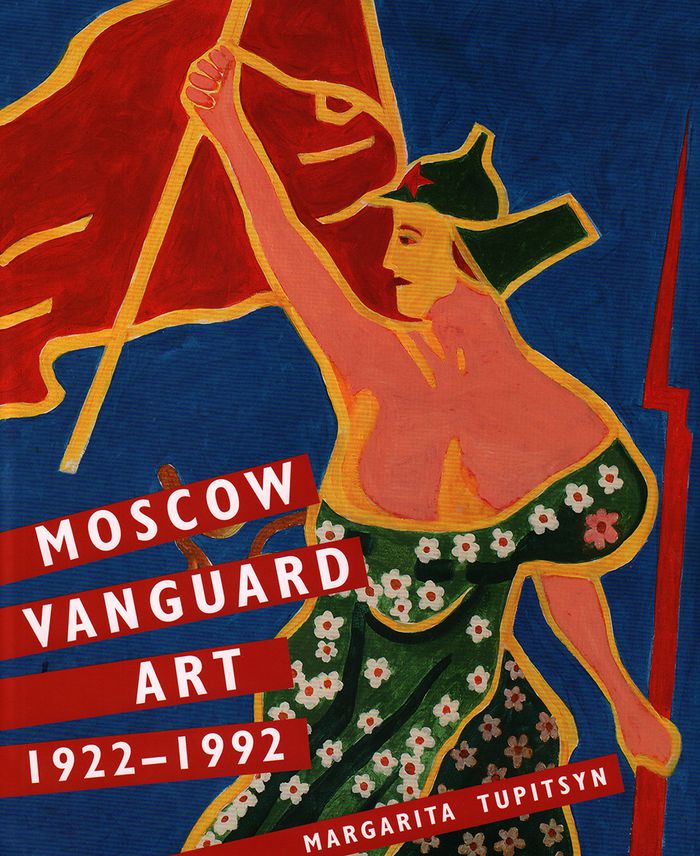
Ambitious and interdisciplinary, "Moscow vanguard art: 1922-1992 tells the story of generations of artists who resisted Soviet dictates on aesthetics, spanning the Russian avant-garde, socialist realism, and Soviet postwar art in one volume. Drawing on art history, criticism, and political theory, Margarita Tupitsyn unites these three epochs, mapping their differences and commonalities, ultimately reconnecting the postwar vanguard with the historical avant-garde. With a focus on Moscow artists, the book chronicles how this milieu achieved institutional and financial independence, and reflects on the theoretical and visual models it generated in various media, including painting, photography, conceptual, performance, and installation art. Generously illustrated, this ground-breaking volume, published in the year that marks the centennial of the October Revolution, demonstrates that, regardless of political repression, the spirit of artistic experiment never ceased to exist in the Soviet Union.
Moscow vanguard art : 1922-1992
Actions:
Prix:
$68.95
(disponible sur commande)
Résumé:
Ambitious and interdisciplinary, "Moscow vanguard art: 1922-1992 tells the story of generations of artists who resisted Soviet dictates on aesthetics, spanning the Russian avant-garde, socialist realism, and Soviet postwar art in one volume. Drawing on art history, criticism, and political theory, Margarita Tupitsyn unites these three epochs, mapping their differences and commonalities, ultimately reconnecting the postwar vanguard with the historical avant-garde. With a focus on Moscow artists, the book chronicles how this milieu achieved institutional and financial independence, and reflects on the theoretical and visual models it generated in various media, including painting, photography, conceptual, performance, and installation art. Generously illustrated, this ground-breaking volume, published in the year that marks the centennial of the October Revolution, demonstrates that, regardless of political repression, the spirit of artistic experiment never ceased to exist in the Soviet Union.
Classification:
livres
livres
Publication:
août 2017
août 2017
Classification:
livres
livres
Actions:
Prix:
$46.00
(disponible sur commande)
Résumé:
'Feeling of uselessness: what are we doing here? We just walk around, take pictures randomly, try to get an image of the place where we are staying: but we seem to be lacking the whole meaning of it. The idea of making a map (not 'mapping', which seems to have been an infectious term in esthetical practices throughout the last ten years) was happily adopted, but probably(...)
$46.00
(disponible sur commande)
Résumé:
'Feeling of uselessness: what are we doing here? We just walk around, take pictures randomly, try to get an image of the place where we are staying: but we seem to be lacking the whole meaning of it. The idea of making a map (not 'mapping', which seems to have been an infectious term in esthetical practices throughout the last ten years) was happily adopted, but probably(...)
Titre:
gruppo A12: N33° 51.917' E130° 47.808'
Actions:
Prix:
$46.00
(disponible sur commande)
Résumé:
'Feeling of uselessness: what are we doing here? We just walk around, take pictures randomly, try to get an image of the place where we are staying: but we seem to be lacking the whole meaning of it. The idea of making a map (not 'mapping', which seems to have been an infectious term in esthetical practices throughout the last ten years) was happily adopted, but probably not sufficiently questioned before coming here. Maps are everywhere in Kitakyushu; we cannot avoid coming across them constantly, so the whole trick of imitating ancient explorers and geographers has soon vanished. We are experimenting while doing. The final result, if there will be any, will address issues of representation: it will be unfinished, rough and raw. We should go farther. Maybe the ones, who will come after us, can do so.'
gruppo A12: N33° 51.917' E130° 47.808'
Actions:
Prix:
$46.00
(disponible sur commande)
Résumé:
'Feeling of uselessness: what are we doing here? We just walk around, take pictures randomly, try to get an image of the place where we are staying: but we seem to be lacking the whole meaning of it. The idea of making a map (not 'mapping', which seems to have been an infectious term in esthetical practices throughout the last ten years) was happily adopted, but probably not sufficiently questioned before coming here. Maps are everywhere in Kitakyushu; we cannot avoid coming across them constantly, so the whole trick of imitating ancient explorers and geographers has soon vanished. We are experimenting while doing. The final result, if there will be any, will address issues of representation: it will be unfinished, rough and raw. We should go farther. Maybe the ones, who will come after us, can do so.'
Classification:
livres
livres
Publication:
avril 2002, Kitakyushu
avril 2002, Kitakyushu
Classification:
périodiques
périodiques
Titre:
White Review #20
White Review #20
Actions:
Prix:
$28.95
(disponible sur commande)
Résumé:
"The White Review #20" features interviews with the Canadian poet, artist and bookmaker Anne Carson, the French philosopher Jean-Luc Nancy, and artist Mounira Al Solh. Through the testimony of an ex-inmate, Felix Bazalgette considers state systems of control, dehumanisation, and imprisonment without trial, while J. S. Tennant describes life in Havana as Cuba adjusts to(...)
$28.95
(disponible sur commande)
Résumé:
"The White Review #20" features interviews with the Canadian poet, artist and bookmaker Anne Carson, the French philosopher Jean-Luc Nancy, and artist Mounira Al Solh. Through the testimony of an ex-inmate, Felix Bazalgette considers state systems of control, dehumanisation, and imprisonment without trial, while J. S. Tennant describes life in Havana as Cuba adjusts to(...)
Titre:
White Review #20
Actions:
Prix:
$28.95
(disponible sur commande)
Résumé:
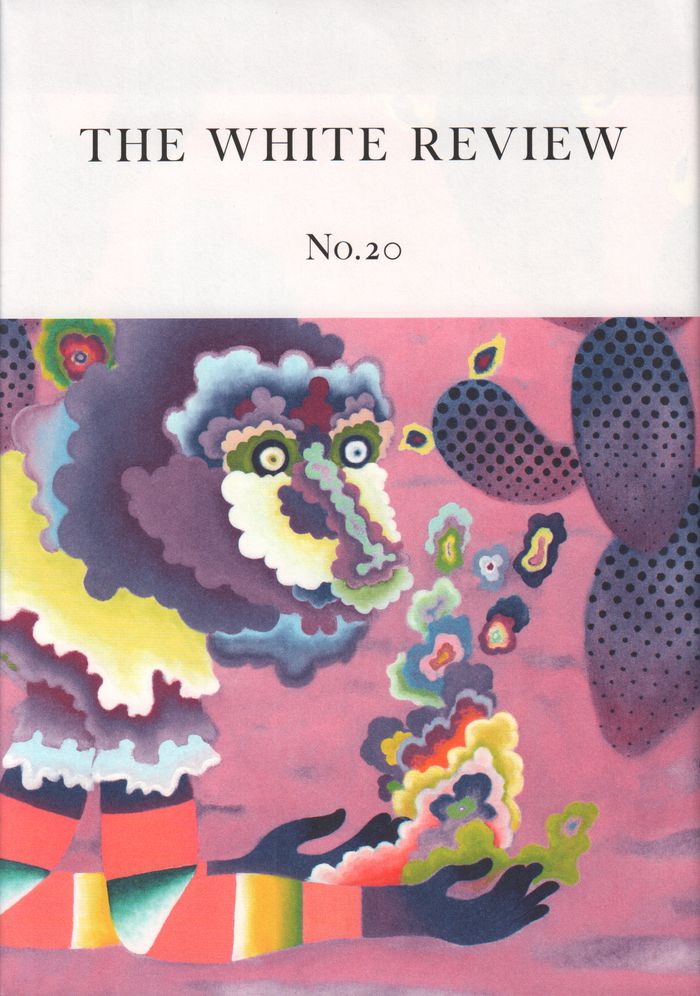
"The White Review #20" features interviews with the Canadian poet, artist and bookmaker Anne Carson, the French philosopher Jean-Luc Nancy, and artist Mounira Al Solh. Through the testimony of an ex-inmate, Felix Bazalgette considers state systems of control, dehumanisation, and imprisonment without trial, while J. S. Tennant describes life in Havana as Cuba adjusts to the normalisation of relations with the United States, the death of Fidel Castro and the influx of foreign investment. Tom McCarthy’s essay ‘The Wandering Bourgeois’ drifts through the history of twentieth-century art to consider how vanguard strategies of recording, mapping and marking are now embedded in digital culture. Alongside these essays, we are pleased to present poems by Nisha Ramayya and Heather Phillipson, who also contributes an exclusive new limited edition artwork. We also feature series of artworks by Nicolas Party and John Divola.
White Review #20
Actions:
Prix:
$28.95
(disponible sur commande)
Résumé:
"The White Review #20" features interviews with the Canadian poet, artist and bookmaker Anne Carson, the French philosopher Jean-Luc Nancy, and artist Mounira Al Solh. Through the testimony of an ex-inmate, Felix Bazalgette considers state systems of control, dehumanisation, and imprisonment without trial, while J. S. Tennant describes life in Havana as Cuba adjusts to the normalisation of relations with the United States, the death of Fidel Castro and the influx of foreign investment. Tom McCarthy’s essay ‘The Wandering Bourgeois’ drifts through the history of twentieth-century art to consider how vanguard strategies of recording, mapping and marking are now embedded in digital culture. Alongside these essays, we are pleased to present poems by Nisha Ramayya and Heather Phillipson, who also contributes an exclusive new limited edition artwork. We also feature series of artworks by Nicolas Party and John Divola.
Classification:
périodiques
périodiques
Publication:
juin 2017
juin 2017
Sujet:
Revues
Revues
Classification:
livres
livres
Prix:
$42.95
(disponible sur commande)
Résumé:
How do you find out about historic buildings and places? A good place to start is with visual evidence. Original drawings, topographical views, surveys, maps, photographs, and other historic visual sources help to support an understanding of how a building or location appears the way it does today. Interpreting such material requires knowledge of historic design and(...)
$42.95
(disponible sur commande)
Résumé:
How do you find out about historic buildings and places? A good place to start is with visual evidence. Original drawings, topographical views, surveys, maps, photographs, and other historic visual sources help to support an understanding of how a building or location appears the way it does today. Interpreting such material requires knowledge of historic design and(...)
Publication:
avril 2019
avril 2019
Titre:
Understanding architectural drawings and historical visual sources
Actions:
Prix:
$42.95
(disponible sur commande)
Résumé:
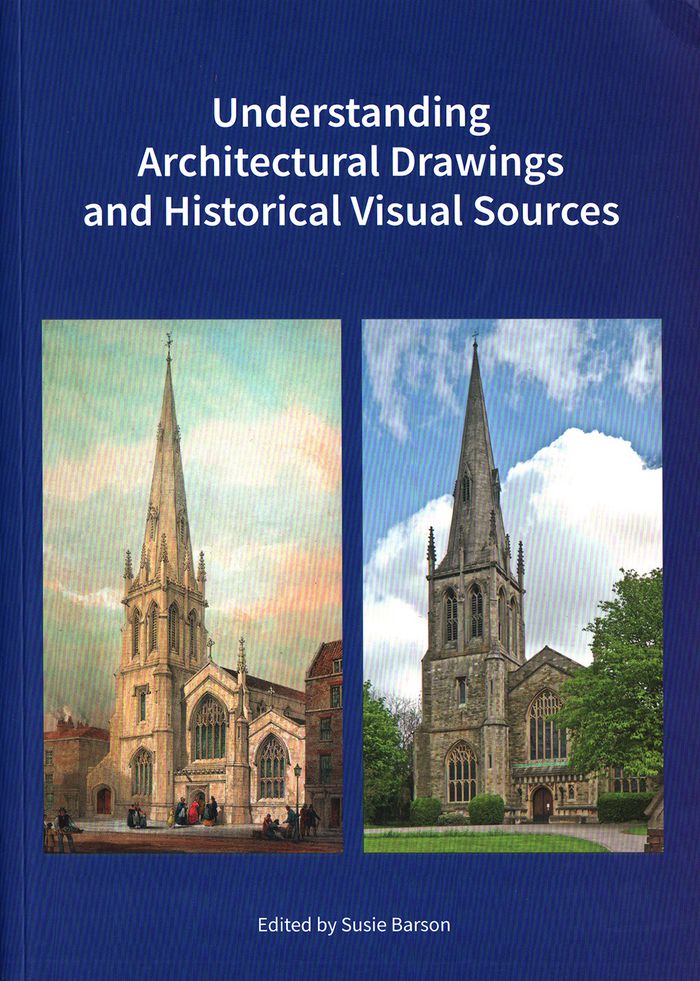
How do you find out about historic buildings and places? A good place to start is with visual evidence. Original drawings, topographical views, surveys, maps, photographs, and other historic visual sources help to support an understanding of how a building or location appears the way it does today. Interpreting such material requires knowledge of historic design and mapping conventions, the place of the drawings in the construction process, the methods and techniques used to create engraved or topographical views, and the equipment and processes used in photography at particular times. The authors of this book explain the provenance, purpose, and terminology of a range of visual sources from the sixteenth to the twentieth century, and explore how they can help—or sometimes hinder—an understanding of the original form and subsequent changes to a building, site, or landscape.
Understanding architectural drawings and historical visual sources
Actions:
Prix:
$42.95
(disponible sur commande)
Résumé:
How do you find out about historic buildings and places? A good place to start is with visual evidence. Original drawings, topographical views, surveys, maps, photographs, and other historic visual sources help to support an understanding of how a building or location appears the way it does today. Interpreting such material requires knowledge of historic design and mapping conventions, the place of the drawings in the construction process, the methods and techniques used to create engraved or topographical views, and the equipment and processes used in photography at particular times. The authors of this book explain the provenance, purpose, and terminology of a range of visual sources from the sixteenth to the twentieth century, and explore how they can help—or sometimes hinder—an understanding of the original form and subsequent changes to a building, site, or landscape.
Classification:
livres
livres
Publication:
avril 2019
avril 2019


